Tag: Singapore

  • Singapore Injects $466,000 Lifeline Into Workforce: Relief for Workers Stranded by Company Liquidations

    Singapore Injects $466,000 Lifeline Into Workforce: Relief for Workers Stranded by Company Liquidations

    Between 2023 and 2025, the Singapore government allocated SGD600,000 (US$466,000) from its short-term relief fund to provide financial aid to 260 employees who were left without pay when their companies went into liquidation. The relief fund aims to support employers who genuinely cannot meet their salary obligations due to business failure, according to Manpower Minister Tan See Leng.

    Regulations and Protections

    Companies that intentionally refrain from paying wages despite having the resources to do so will potentially face legal consequences for violating employment laws when their businesses are liquidated, Minister Tan pointed out. While his ministry does not actively monitor the total count of workers left unpaid as a result of corporate liquidations, he highlighted the government’s understanding of the crucial nature of employees’ salary claims during such circumstances.

    Support Beyond Financial Aid

    Apart from offering aid via the short-term relief fund, the government also assists impacted workers in finding and securing new opportunities with promising long-term prospects through career-matching services and training programs.

    The SkillsFuture Jobseeker Support scheme provides eligible workers who lose their jobs involuntarily with up to SGD6,000 over a six-month period. For lower-income households that require assistance with basic expenses, they can seek financial support from their local social service office.

    Minister Tan emphasized the government’s encouragement and support for Singaporeans to maintain their career health and remain relevant in their professional roles.

    Labour Market Outlook

    Minister Tan also shared insights about the labour market. The financial and insurance services, professional services, and information and communications sectors have been actively hiring and seeing wage growth for professionals, managers, executives and technicians.

    As of September 2025, these sectors had 14,200 job openings, a rise from 12,600 in the previous year. The roles within these sectors are suitable for fresh graduates, according to Tan. He further noted that real median incomes in these sectors in 2025 grew at a rate that exceeded the overall median income increase of 4.3%.

    Questions & Answers

    What is the purpose of the Singapore government’s short-term relief fund?
    The fund is designed to assist employers who genuinely cannot pay their employees’ salaries due to business failure.

    What kind of support does the government provide for workers affected by corporate liquidations, apart from financial aid?
    The government offers career-matching services and training programs to help these workers find and secure new jobs with promising long-term prospects.

    What are the job prospects in Singapore’s labour market according to Manpower Minister Tan See Leng?
    According to Minister Tan, the financial and insurance services, professional services, and information and communications sectors are actively hiring and seeing wage growth, making them promising sectors for job seekers.

  • Singapore Clinches Second Place as World’s Richest Nation in 2025, Drops in Work-Life Balance Rankings

    Singapore Clinches Second Place as World’s Richest Nation in 2025, Drops in Work-Life Balance Rankings

    In 2025, Singapore achieved the status of the second-wealthiest nation globally according to per capita gross domestic product (GDP), with a figure standing at US$90,700. This impressive economic performance placed the Asian island state just behind Switzerland, the front-runner with a GDP per capita of $100,000. The third position was held by Norway, with a per capita GDP of $86,800.

    Work Hours Influence Wealth Rankings

    However, the economic landscape changed significantly when factoring in working hours. By considering the average hours worked, Norway ascended to the top of the national wealth rankings. Singapore fell to the eighth place behind countries like Qatar, Denmark, and the Netherlands.

    According to data released by Singapore’s Ministry of Manpower, the average employee in the city-state worked 43.3 hours per week in 2024. This figure starkly contrasts with the average workweek in Norway, where employees logged an average of 33.2 hours per week in the same year, as per statistics from the International Labour Organisation.

    Singapore’s Position in Global Work-Life Balance

    Further highlighting the impact of work hours on quality of life, Singapore was ranked 25th out of 60 nations in a 2025 Global Life-Work Balance Index. Singapore’s score in this index was 57.85 out of a total 100 points. Despite the middling position, it’s worth noting that Singapore was the highest-scoring Asian nation in terms of balancing work and personal life.

    The Index was topped by New Zealand, Ireland, and Belgium, with respective scores of 86.87, 81.17, and 75.91. These figures reiterated the importance of a healthy balance between work and personal life in assessing a nation’s overall prosperity and well-being.

    Questions & Answers

    What was Singapore’s ranking in terms of GDP per capita in 2025?
    Singapore was ranked as the second-richest country in the world in 2025 based on GDP per capita.

    How did the ranking change when work hours were taken into account?
    When average work hours were factored in, Singapore dropped to the eighth place in the global wealth ranking.

    Where did Singapore stand in the 2025 Global Life-Work Balance Index?
    In the 2025 Global Life-Work Balance Index, Singapore secured the 25th place out of 60 countries, making it the highest-ranked Asian country in terms of work-life balance.

  • More Yogurt: Popular Chinese Beverage Chain Set to Debut in Singapore with Fresh-Made Treats

    More Yogurt: Popular Chinese Beverage Chain Set to Debut in Singapore with Fresh-Made Treats

    China-based yogurt chain, More Yogurt, is set to make its entrance into the Singaporean market. The addition of a new outlet, opening on January 30, marks the latest in a series of expansion efforts. The company, which boasts annual sales of over 21 million cups, has chosen Suntec City as the strategic location for its first Singaporean store.

    More Yogurt is known for its innovative take on yogurt, offering a range of beverages prepared fresh daily in-store. Each drink comprises naturally fermented yogurt cultures, paired with an assortment of fresh fruits and nuts.

    As part of its introductory activities in Singapore, More Yogurt will be presenting the first 100 cups of yogurt free of charge on the day of its grand opening. This generous gesture aims to attract and engage new customers, providing them with a taste of More Yogurt’s unique offerings.

    Questions & Answers

    What is the unique selling point of More Yogurt?
    More Yogurt differentiates itself by providing fresh-made yogurt drinks, which are prepared in-store daily using naturally fermented yogurt cultures and a variety of fresh fruits and nuts.

    When and where is More Yogurt’s new Singaporean outlet opening?
    The new outlet in Singapore is set to open on January 30 at Suntec City.

    What is the introductory offer from More Yogurt in Singapore?
    As part of their launch in Singapore, More Yogurt will be giving away the first 100 cups of yogurt for free on the opening day.

  • CapitaLand Strikes $332M Deal: Iconic Singapore Mall Finds New Ownership

    CapitaLand Strikes $332M Deal: Iconic Singapore Mall Finds New Ownership

    CapitaLand Integrated Commercial Trust (CICT) has successfully concluded the sale of Bukit Panjang Plaza, a prominent shopping mall in Singapore. The sale, which fetched a sum of US$332 million (S$428 million), is part of a larger strategy to optimize the organization’s portfolio.

    The Sale of Bukit Panjang Plaza

    Bukit Panjang Plaza, which encompasses 11,500 square meters and houses 122 retail spaces, had been on the market since early 2024. The identity of the buyer for this prime real estate was not divulged by CICT. However, it’s known that the investor is a well-established, US-based development firm.

    Speaking on the successful transaction, Tan Choon Siang, CEO and Executive Director of CICT, explained that the sale was in line with the company’s ongoing portfolio reconstitution strategy. He further noted that this move will not only enhance CICT’s financial agility but also generate substantial value for all stakeholders involved.

    CICT’s Global Presence and Financial Performance

    CICT’s global footprint extends to 45 countries, reinforcing its status as a leading player in the international real estate market. The sale of Bukit Panjang Plaza underscores the company’s commitment to continual growth and expansion.

    Financially, CICT has been performing remarkably. In 2024, the company reported a considerable increase in profits, from S$192 million in 2023 to S$890 million. This significant surge in profit underscores the robustness of the company’s business model and its effective strategic decisions.

    Questions & Answers

    What is the significance of the sale of Bukit Panjang Plaza for CICT?
    The sale of Bukit Panjang Plaza is a strategic move for CICT as it aligns with their portfolio reconstitution strategy. This transaction not only strengthens CICT’s financial flexibility but also creates value for its stakeholders.

    Who is the buyer of Bukit Panjang Plaza?
    The exact identity of the buyer was not revealed by CICT. However, it’s known that the purchaser is a major US-based property development firm.

    How has CICT’s financial performance been in recent years?
    CICT has shown impressive financial performance, with a significant surge in profits reported in 2024. The company’s profits increased from S$192 million in 2023 to S$890 million in 2024.

  • HSBC Empowers Staff with Innovative Wealth Academy in Singapore: A Game-changer in Wealth Management Training

    HSBC Empowers Staff with Innovative Wealth Academy in Singapore: A Game-changer in Wealth Management Training

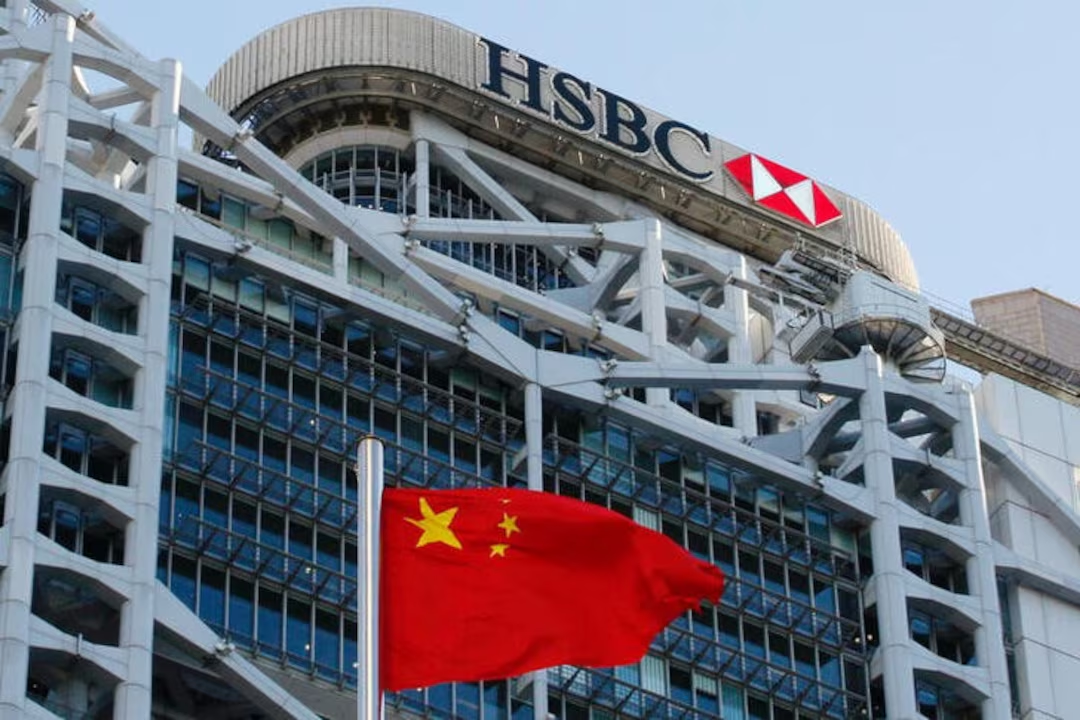
    In a bid to bolster the skills of its customer-facing staff in the area of wealth management, HSBC has inaugurated a new learning initiative in Singapore, partnering with an academic institution and an aviation firm.

    HSBC has unveiled its Wealth Academy in Singapore, designed to enhance the advisory competencies and services of its frontline teams. The Academy will work together with London Business School for advanced learning, and through a freshly inked agreement, will also cooperate with Singapore Airlines Academy to cultivate service excellence and client experience.

    The bank has mandated all relationship managers and wealth advisors based in Singapore to complete training at the Wealth Academy by the end of the current year. This program is part of a larger global rollout that will span 16 markets.

    The Three Pillars

    The academy aims to facilitate career growth for frontline staff through three pillars of structured learning.

    The first pillar involves the establishment of a Wealth Knowledge Hub, a digital curriculum that ranges from basic to advanced wealth concepts. The second pillar includes both in-person and virtual sessions with global experts via Wealth Live Learning. This will concentrate on topics such as client engagement, product knowledge, and risk and controls. Lastly, the third pillar will provide development pathways to certain participants via Wealth Excellence.

    “In a complex and competitive wealth management landscape, our people will always be our key differentiators, and the launch of the Wealth Academy reflects our long-term commitment to developing a future-ready frontline that can support clients with confidence and insight,” stated Ashmita Acharya, head of International Wealth and Premier Banking, HSBC Singapore.

    Questions & Answers

    What is the purpose of HSBC’s Wealth Academy?
    The Wealth Academy is designed to enhance the advisory skills and services of HSBC’s frontline teams, preparing them for a complex and competitive wealth management landscape.

    What are the three pillars of learning at the Wealth Academy?
    The three pillars include the digital curriculum of the Wealth Knowledge Hub, in-person and virtual sessions with global experts via Wealth Live Learning, and development pathways offered through Wealth Excellence.

    Who is required to undergo training at the Wealth Academy?
    All relationship managers and wealth advisors based in Singapore are mandated to complete training at the Wealth Academy by the end of the current year.

  • Sudden Shutdown Strikes Hollin Bubble Tea: Singapore Outlets Abruptly Close

    Sudden Shutdown Strikes Hollin Bubble Tea: Singapore Outlets Abruptly Close

    In a sudden move that caught consumers by surprise, Hollin Bubble Tea has ceased its operations in Singapore.

    Unexpected Closure

    Hollin Singapore’s social media profiles, including Instagram and Facebook, have been deactivated, and its website is now set to private. Victoria Lim, a 28-year-old marketing executive and a regular customer, noticed the closure after she found her local stores repeatedly shut. Initially, she assumed the closure of the branch at One Holland Village was a temporary measure. However, after several unsuccessful attempts at visiting the store, Lim began to suspect a permanent shutdown.

    Despite these closures, Hollin still appears as an active entity on the Accounting and Corporate Regulatory Authority’s Bizfile portal as of January 12.

    Confirmation from Landlords

    The landlords of the properties Hollin occupied have confirmed the closures. The Far East Organisation, which manages One Holland Village, confirmed that the Hollin outlet there had indeed shut down, despite having opened just a year ago in January. A spokesperson for SingPost Centre has also confirmed that Hollin ceased operations at the mall on January 1.

    Upon checking Google and various mall directories, it appears that Hollin has closed all but one of its Singapore locations.

    Remaining Outlets

    As of January 12, only the Punggol Plaza branch appeared to still be operational. Hollin’s directory listings at SingPost Centre, Suntec City, The Woodleigh Mall, and One Holland Village have been removed from mall websites. Additionally, Grab’s delivery platform shows several Hollin outlets marked as closed.

    Hollin established its presence in Singapore in 2018 with its inaugural store in Toa Payoh. The company then expanded to at least six locations, including Suntec City, Plaza Singapura, and The Woodleigh Mall.

    As of now, Hollin has not issued any official statement regarding the status of its Singapore operations.

    Questions & Answers

    When did Hollin Bubble Tea start its operations in Singapore?
    Hollin Bubble Tea started its operations in Singapore in 2018 with its first store in Toa Payoh.

    Which was the last operational Hollin outlet in Singapore?
    The last operational Hollin outlet in Singapore, as of January 12, was the Punggol Plaza store.

    Has Hollin issued an official statement regarding its closure in Singapore?
    As of now, Hollin has not released any official statement regarding the status of its Singapore operations.

  • Chinese New Year Sparks Sixfold Airfare Surge Between Singapore and Malaysia

    Chinese New Year Sparks Sixfold Airfare Surge Between Singapore and Malaysia

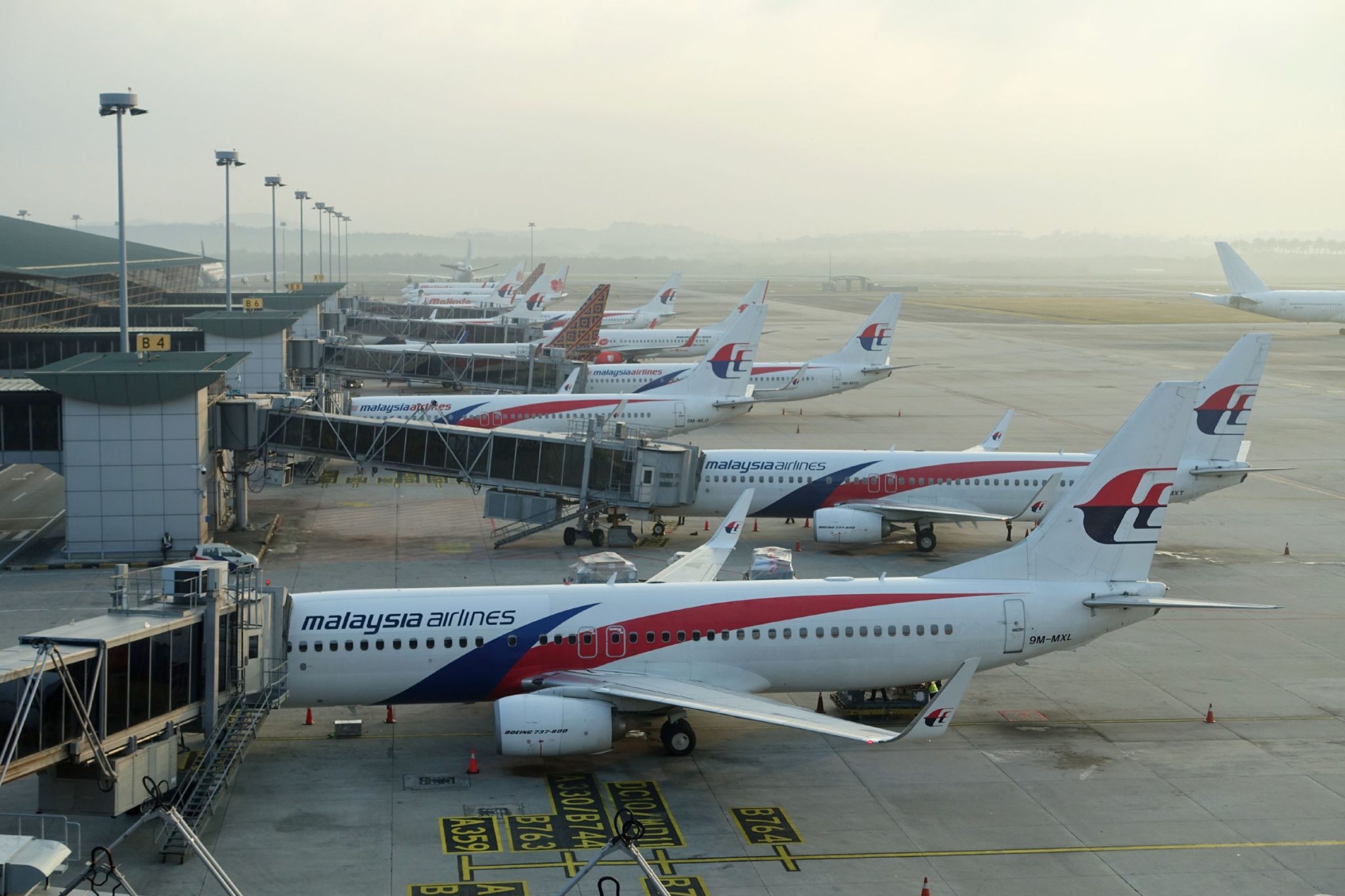
    In anticipation of the 2026 Chinese New Year, there has been a significant increase in air travel between Singapore and Malaysia. Ticket prices for some flights have risen as much as six times the normal rate due to the surge in holiday demand and sold-out train tickets.

    The Impact of High Demand

    Tan Yik Xuan, a 26-year-old logistics worker residing in Singapore, had to plan four months in advance to secure a flight back to his hometown, Ipoh. He purchased return tickets in October 2025 for $630, a cost nearly double the off-peak rate.

    Tan described the fare as notably more costly compared to the usual off-peak rates of below $320. However, he was willing to pay the higher price for the flight rather than take a bus to avoid traffic jams and minimize travel time.

    As of January 5, economy class tickets to Ipoh for the week of February 14 to 19 ranged from $822 to $1,222, a significant increase from the previous week’s prices of $124 to $191.

    Other routes, such as those to Kuala Lumpur and Penang, are also experiencing similar surges in price. To accommodate the increasing demand, AirAsia has announced that it will add 7,500 seats. The airline’s pricing model reflects the supply and demand where fares are typically higher when purchased closer to the travel date during peak seasons.

    Alternatives to Air Travel

    For those traveling from Singapore to Kuala Lumpur, a two-way trip by air could cost anywhere between $420 to $1,245 in the days leading up to Chinese New Year, compared to fares between $99 and $345 from February 7 to 12. Round-trip air tickets from Singapore to Penang could cost between $628 to $1,049 from February 14 to 19, which is higher than the price range of $107 to $469 during the preceding week.

    Singapore Airlines and Scoot have reported a “healthy passenger demand” for the Chinese New Year, though they did not reveal booking figures.

    Bus fares have also increased due to the high demand. Round-trip tickets to Kuala Lumpur are ranging from $89 to $276 for February 14 to 19, while tickets to Penang can go up to $370, a substantial increase from the off-peak price of $83.

    Malaysian bus operator Causeway Link anticipates a large crowd and a high volume of ticket sales during the upcoming peak travel season and plans to have backup buses on standby to support passenger demand.

    Creative Travel Solutions

    To circumvent these escalating costs, some travelers are adopting innovative routes. Insurance agent Lim Cin Min, 27, plans to take a local bus to Johor Bahru Immigration and Customs, then transfer to another bus from Larkin Sentral bus terminal to her hometown Batu Pahat. This creative solution will cost her only $8 and will allow her to avoid being stuck in traffic jams.

    The recently launched electric train service (ETS) from Johor Bahru to Kuala Lumpur offered another alternative to holiday travelers. However, tickets for peak dates are already sold out.

    Data analyst Justin K, 29, was able to secure a return ETS ticket by extending his stay beyond the peak travel period. He paid $230 for a one-way ticket, more than twice the usual price, but found the slight increase in cost “much more palatable” compared to airfares. He plans to use the ETS for future trips due to its punctuality, fixed travel duration, and comfort.

    Questions & Answers

    What has caused the significant increase in air travel between Singapore and Malaysia?
    The increase is primarily due to the surge in holiday demand ahead of the 2026 Chinese New Year, coupled with sold-out train tickets.

    How are airlines dealing with the surge in demand?
    Airlines like AirAsia are adding more seats to accommodate demand. However, due to the supply-and-demand model, fares are typically higher when purchased closer to the travel date during peak seasons.

    Are there any alternative travel options available to those who find the increased airfare too expensive?
    Yes, some travelers are adopting innovative routes using local buses. The recently launched electric train service (ETS) from Johor Bahru to Kuala Lumpur has also offered another alternative, although tickets for peak travel dates are already sold out.

  • Zhu Bingren Copper Debuts First International Flagship Store in Singapore, Celebrating Art, Culture, and Connection

    Zhu Bingren Copper Debuts First International Flagship Store in Singapore, Celebrating Art, Culture, and Connection

    Zhu Bingren Copper, a renowned Chinese copper craftsmanship brand, has unveiled its inaugural flagship store in Singapore, operating as its international brand, ZenBron. This marks the brand’s first-ever venture outside of its home country.

    Expanding Borders and Cultivating Relationships

    Situated in Chinatown Point, this fifth-generation copper-craft store introduces its “150 years of fire, form and cultural heritage” to a global audience. This significant move not only symbolises an artistic exchange between the two countries but also deepens the long-established relationship between Zhu Bingren and Singapore.

    The brand’s expansion coincides with the Gratitude Festival, an event organised by the Zhu family. This alignment imbues the copper artworks with a symbolic representation of warmth and sincerity. Zhu Junmin, the fifth-generation master craftsman and successor of Zhu Bingren Copper, expressed his honour in being able to extend the festival’s spirit beyond China and share its meaningful message of appreciation with Singapore’s diverse community.

    New Store Features and Offerings

    To honour the convergence of these events and the upcoming Chinese New Year, the Singapore store showcases the brand’s latest ‘Horse of Victory’ edition. Additionally, the store offers a variety of contemporary home ornaments, scholar’s studio collectibles and molten-bronze artworks, with each piece embodying the spirit of blessing.

    Master Chinese sculptor Zhu Bingren, after whom the brand is named, has renowned works featured in national museum collections. Zhu Bingren Copper, established in 1875 and with five generations of heritage, is celebrated for integrating ancient copper artistry into modern, high-end gifts and everyday items.

    Local Engagement and Future Aims

    Operating six art centres and over 200 lifestyle experience stores domestically, Zhu Bingren Copper now aims to make its art accessible to local collectors, culture enthusiasts, and design admirers through this overseas expansion.

    Questions & Answers

    What is Zhu Bingren Copper?
    Zhu Bingren Copper is a distinguished Chinese copper craftsmanship brand named after the master Chinese sculptor Zhu Bingren.

    Where is Zhu Bingren Copper’s first overseas flagship store located?
    Zhu Bingren Copper’s inaugural overseas flagship store is located in Singapore, at Chinatown Point.

    What is the significance of the Gratitude Festival?
    The Gratitude Festival, organised by the Zhu family, symbolises warmth and sincerity. In this context, it represents the brand’s attempt to extend its spirit of appreciation beyond China and to the diverse community of Singapore.

  • PizzaExpress Reduces Singapore Presence: Shuts Down Two More Outlets Amid Retrenchment Wave

    PizzaExpress Reduces Singapore Presence: Shuts Down Two More Outlets Amid Retrenchment Wave

    The UK-based dining chain, PizzaExpress, has recently announced the closure of two of its outlets in Singapore, bringing its total locations in the city-state down to just two. Operations ceased at the Millenia Walk and Scotts Square outlets on December 31 last year. The reasons for these closures have not been disclosed publicly.

    Changes in Location

    The Millenia Walk outlet, the most recent addition to the PizzaExpress Singapore operations, had been serving customers for less than a year, having opened its doors in January 2025. The brand’s remaining outlets can be found at Duo Galleria and The Star Vista.

    This isn’t the first time the company has made location changes in Singapore. In January 2024, the PizzaExpress outlet in Holland Village was shuttered following six years of service. However, a new outlet was established at The Star Vista just a few months later in April.

    History and Challenges

    Established in London, PizzaExpress has made a name for itself globally for its handcrafted thin-crust pizzas. The Scotts Square outlet was the brand’s first foray into the Singaporean market in 2016. The company oversees more than 500 restaurants across the UK, Europe, Hong Kong, India, and the Middle East.

    Despite its global reach, PizzaExpress has grappled with financial difficulties in recent years. In 2020, the company announced plans to close 15% of its UK restaurants due to restructuring efforts aimed at managing an external debt of roughly US$993 million. The then-owner, Hony Capital, a Chinese private equity firm, started the process of seeking a new buyer.

    Food and Beverage Sector Struggles

    PizzaExpress is not alone in its struggles within Singapore. Many food and beverage chains in the city-state have had to close outlets due to dwindling demand. Kith Cafe, which boasted 10 outlets at its height, now operates only two locations. The well-known American chain, Eggslut, shut its last Singaporean outlet in February last year, indicating its departure from the country. Other businesses such as Burger & Lobster, Fluff Stack, Flor Patisserie, and Keong Saik Bakery have also withdrawn from the market.

    Questions & Answers

    Why did PizzaExpress close two of its outlets in Singapore?
    While the company announced the closures, it did not disclose the reasons behind them.

    Which PizzaExpress outlets remain open in Singapore?
    There are two remaining PizzaExpress locations in Singapore, one at Duo Galleria and the other at The Star Vista.

    What financial challenges has PizzaExpress faced in recent years?
    In 2020, PizzaExpress revealed plans to close 15% of its UK outlets amidst restructuring efforts aimed at managing around US$993 million in external debt.

  • Singtel Launches Singapore’s First 50 Gbps Fiber Broadband Trial: Ushering in a New Era of Ultra-Speed Connectivity

    Singtel Launches Singapore’s First 50 Gbps Fiber Broadband Trial: Ushering in a New Era of Ultra-Speed Connectivity

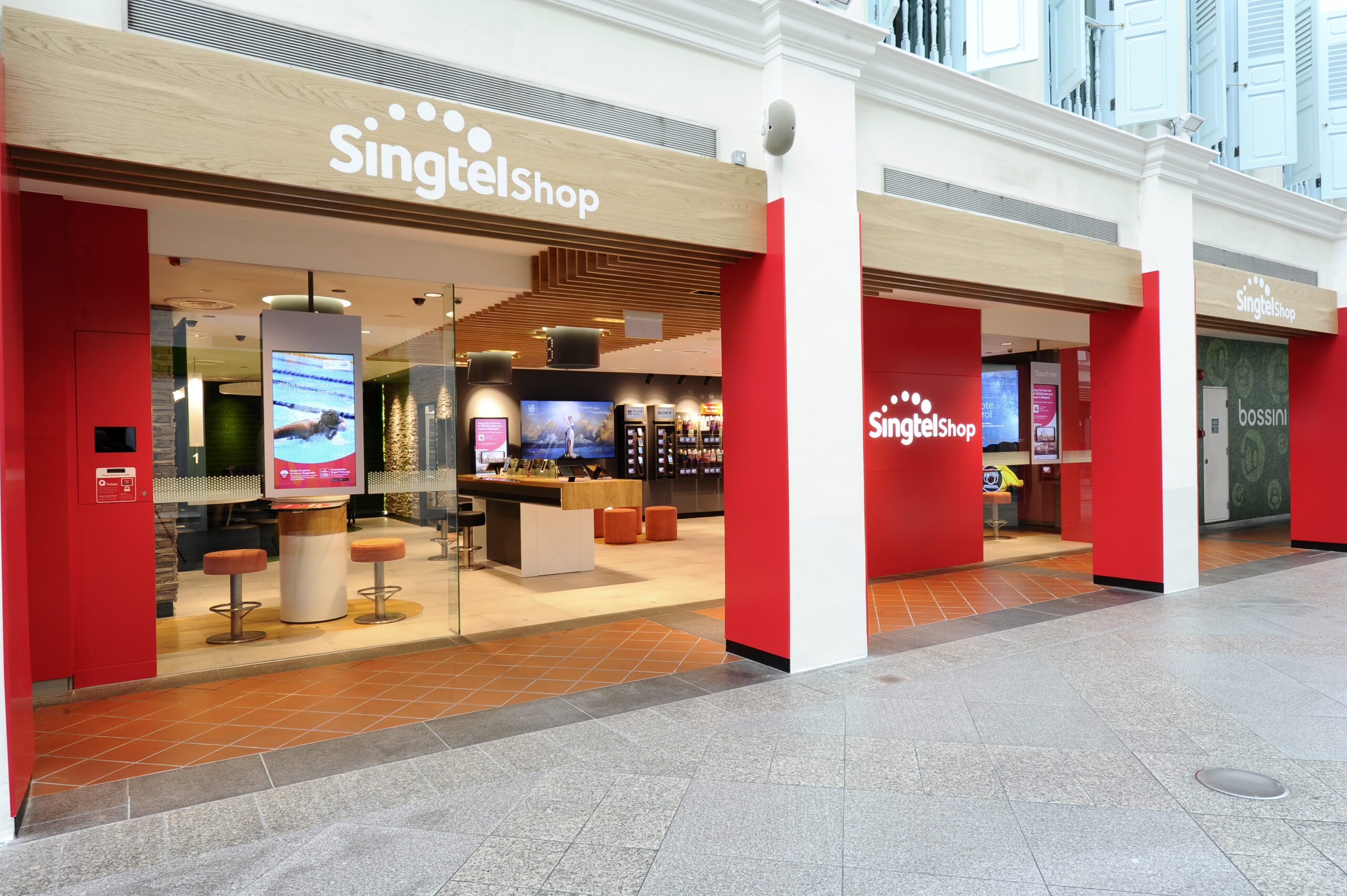
    Singtel, a leading telecommunications company, has initiated Singapore’s first technical trial for 50 Gbps fiber broadband, a forward-looking step aimed at bolstering the country’s fixed connectivity. This venture is a response to the expected boom in AI-powered and data-heavy digital services.

    Next-Gen Connectivity

    The trial leverages advanced XGS-PON-based fiber technology to achieve speeds of up to 50 Gbps. This state-of-the-art connectivity is designed to facilitate the increasing demand of emerging technologies such as augmented reality (AR), virtual reality (VR), mixed reality (MR), cloud gaming, AI-enabled smart homes, and high-performance remote workspaces. Singtel’s objective with this initiative is to ensure that both residential and business consumers are equipped for the assimilation of these technologies as they transition into the mainstream over the next three to five years.

    During this technical trial, Singtel aims to assess the network’s performance and potential to support the complex, multi-device environments that AI enables. The company believes this trial signifies a critical progression towards the large-scale deployment of ultra-high-speed fiber broadband for both residential and commercial users.

    According to Ng Tian Chong, CEO of Singtel Singapore, Singapore’s everyday life is deeply intertwined with digital technologies, facilitated by near-universal internet access, high device ownership, and the widespread use of online communication and digital services across work, learning, and entertainment. He notes that this next evolution in fiber broadband connectivity is crucial to ensure that homes and businesses can continuously support increasingly immersive and AI-driven digital experiences.

    Enhancing Digital Infrastructure

    Singtel’s early adoption of the 50 Gbps fiber technology sets Singapore as a pioneer in next-generation broadband innovation. This aligns with the nation’s Digital Connectivity Blueprint that aims to construct a resilient and future-proof digital infrastructure.

    The new 50 Gbps trial offers the possibility of comprehensive, multi-gigabit connectivity. Singtel suggests that this will facilitate ultra-high-definition entertainment, including 8K and future 12K video streaming, high-quality AR, VR, and XR experiences, low-latency cloud gaming, and cloud PCs. The technology is also expected to support data-heavy workflows for home-based businesses and professionals, such as engineering simulations and secure, enterprise-grade remote connectivity.

    Moreover, advanced telemedicine and remote diagnostics stand to benefit from this ultra-high-speed broadband. This includes real-time medical imaging transmission, VR-based physiotherapy, and home-connected medical devices. AI-powered smart homes can also leverage this technology for real-time analytics across security cameras, IoT appliances, and autonomous devices. Furthermore, this technology has the potential to enhance the next generation of Wi-Fi, dense IoT ecosystems, and emerging AI-driven entertainment formats.

    Investing Ahead of Demand

    The fiber broadband trial underlines Singtel’s long-standing strategy of anticipating demand to deliver advanced connectivity. The company made history by becoming the first to democratize network slicing for everyday users to support evolving digital needs.

    In 2022, Singtel set another milestone by becoming the first operator globally to deploy nationwide standalone 5G. The company later improved coverage by integrating a 700 MHz spectrum, offering up to 40% stronger signal strength in indoor, underground, and high-density environments.

    Questions & Answers

    What is the purpose of Singtel’s 50 Gbps fiber broadband technical trial?
    The trial is meant to test the network’s performance and its capabilities to support increasingly complex, AI-enabled, multi-device environments.

    How will ultra-high-speed broadband benefit home-based businesses and professionals?
    The technology is designed to support data-heavy workflows, such as engineering simulations and secure enterprise-grade remote connectivity, which are integral to many home-based businesses and professionals.

    How will this technology improve healthcare?
    The ultra-high-speed broadband is expected to enable advanced telemedicine and remote diagnostics, such as real-time medical imaging transmission, VR-based physiotherapy, and connected at-home medical devices.

  • Singapore Durian Devotees Dive into Decade-Low Deals on Musang King: Act Fast or Miss Out!

    Singapore Durian Devotees Dive into Decade-Low Deals on Musang King: Act Fast or Miss Out!

    In Singapore, enthusiasts of the durian fruit, particularly the Musang King variety, are taking full advantage of a decade-record low in prices out of Malaysia. However, sellers predict that this economic boon will likely only persist for another fortnight.

    The recent plummet in prices can be attributed to an oversupply in Malaysia, Singapore’s neighboring country. This has allowed sellers in the city-state to price the durian, also locally known as Mao Shan Wang, as low as S$8 (US$6.25) per kilogram.

    Economic Impact of the Durian Price Drop

    Anthony Gan, proprietor of the renowned Famous Durian stall in Yishun, commented on the significant drop in prices. “Compared to the previous season, it’s about S$8 cheaper per kilogram,” Gan said. He also noted that these are the lowest prices he has seen during his decade-long career in the durian trade.

    Similarly, Durian Empire in Punggol Plaza is selling the fruit for S$8-18 per kg, a stark contrast to the previous average rate of S$15-24.

    The rapid decrease in prices is linked to an unusually large harvest in Malaysia, Singapore’s primary source for durians. It was reported earlier that the Musang King variety, typically considered a premium type of durian, had dropped down to RM10 (US$2.4) per kg at farms across Malaysia. Some areas even saw even lower prices due to the supply glut. Other popular varieties, such as the Black Thorn, D24, and IOI, have also become more affordable.

    Singaporean Durian Demand and Consumption

    Durians, known for their pungent aroma, are beloved by Singaporeans. The Musang King variety is especially favored due to its creamy texture and bittersweet taste.

    Approximately 85% of the durians in Singapore come from its northern neighbour, with imports estimated to be around 100,000kg per day during the peak season. Therefore, the decreased prices have resulted in a surge in demand.

    Derrick Ooi, who owns the 211 House of Durian in Lorong 8 Toa Payoh, reported a 30-40% increase in his December sales compared to previous months. Zen Ho, proprietor of Durian Empire, reported a 20% sales increase from previous years.

    Meanwhile, Famous Durian’s Gan noted that daily orders have climbed to over 100 since last November, compared to 60-70 orders before that.

    A Temporary Relief

    While the price drop has been a boon for durian lovers and sellers alike, this respite is expected to be fleeting. As the durian season draws to a close later this month and into February, supplies are anticipated to shrink.

    Alvin Teo, who operates Durian 36 in Geylang, predicts that the price relief could “last for another two weeks’ time,” and that a 20-30% price increase might be on the horizon.

    However, despite potential price fluctuations, durian fruit will remain available through the Lunar New Year, according to 211 House of Durian’s Ooi.

    Questions & Answers

    Why have durian prices dropped so significantly?
    The price drop is due to an oversupply of durians in Malaysia, Singapore’s primary durian supplier.

    How long is the durian price drop expected to last?
    According to sellers, the price drop may only persist for another two weeks before prices are expected to increase again.

    Will durians still be available after the price increase?
    Yes, despite the potential price increase, durians, specifically the Musang King variety, are expected to remain available through the Lunar New Year.

  • Clarke Quay’s CQ Unveils Exciting Revamp: 8 New Brands, Innovative Concepts & Pet-Friendly Spaces on the Horizon

    Clarke Quay’s CQ Unveils Exciting Revamp: 8 New Brands, Innovative Concepts & Pet-Friendly Spaces on the Horizon

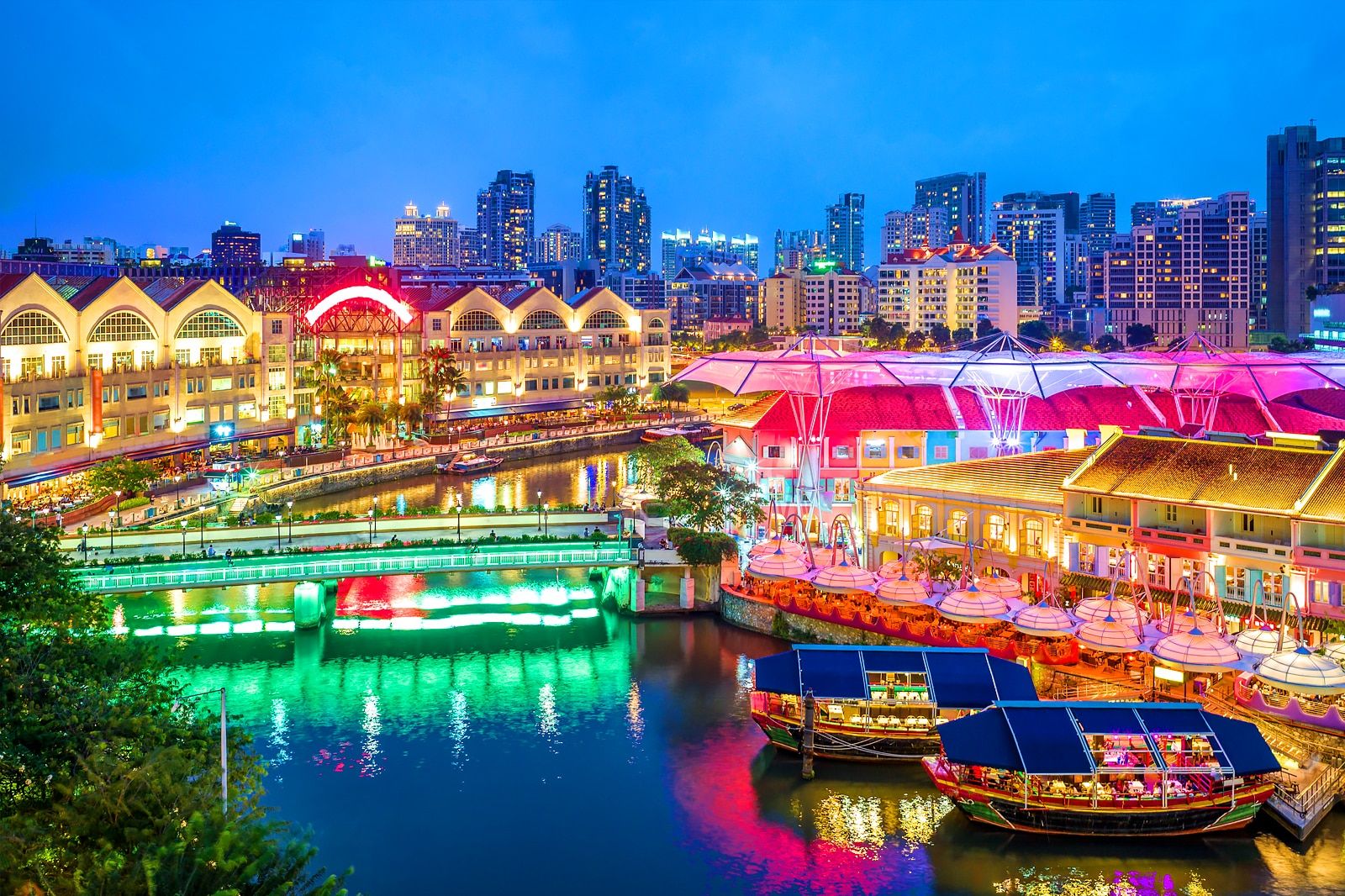
    Singapore-based mall CQ @ Clarke Quay, owned by CapitaLand, is undergoing revitalization with the introduction of eight new brands, which will join the establishment alongside additional activity spaces and updated programming.

    Among the new additions are two food and beverage concepts. Waffle Up!, a waffle-on-a-stick brand, and Xiao Long Kan, a Sichuan hot pot chain, will bring their respective brands to Singapore for the first time. Waffle Up! will introduce its unique take on the popular breakfast dish, while Xiao Long Kan will offer visitors a Chengdu-style dining experience.

    Expanded Retail and Lifestyle Offerings

    CQ @ Clarke Quay will also see an expansion in its retail and lifestyle offerings. Eco-apparel brand Esse is launching River’s Edge Abode, a pet-friendly, multi-concept fashion store that supports artisanal craftsmanship. Swapaholic, a local platform for circular fashion, is also introducing a concept for swapping and reselling pre-loved clothing. Additionally, Rhythm Room will open a hybrid dance studio, which will also serve as a social venue.

    The mall will welcome Anytime Fitness, a 24-hour fitness center that will also host outdoor classes. This new fitness hub will stand alongside Revl’s strength and conditioning studio. Elixir Esports is also set to debut its largest 24-hour outlet at CQ this year, complete with gaming facilities, food and drink options, and esports tournaments. Lastly, a dedicated space for pets, called Furry Playzone, will be added to the mix.

    New Entertainment Options

    Zouk, the iconic anchor of CQ @ Clarke Quay’s nightlife, is expected to launch a new day-to-night lifestyle and entertainment concept.

    These changes follow the forthcoming closure of American restaurant chain Hooters’ sole Clarke Quay outlet, which concludes nearly three decades of operation at the location.

    Presently, the riverfront complex hosts approximately 70 tenants across various sectors including food and beverage, retail, fitness, and entertainment. The ongoing changes reflect the mall’s commitment to adapt to changing consumer trends and the evolving Singapore lifestyle landscape.

    Questions & Answers

    What new food and beverage brands are coming to CQ @ Clarke Quay?
    Waffle Up! and Xiao Long Kan are set to make their Singapore debut at the mall.

    What new retail and lifestyle offerings will be available at CQ @ Clarke Quay?
    Esse’s River’s Edge Abode, Swapaholic’s pre-loved clothing concept, and Rhythm Room’s hybrid dance studio are among the new additions.

    What fitness and entertainment options will be introduced at CQ @ Clarke Quay?
    Anytime Fitness and Revl’s strength and conditioning studio will open, alongside Elixir Esports’ gaming facility. Zouk will also roll out a new day-to-night lifestyle and entertainment concept.

  • Xiao Noodles’ Spicy Chongqing Delights Make Sizzling Singapore Debut: First International Flagship Launched

    Xiao Noodles’ Spicy Chongqing Delights Make Sizzling Singapore Debut: First International Flagship Launched

    Xiao Noodles, a Chinese quick-service restaurant, has marked its international presence with the establishment of its inaugural flagship store in Singapore.

    Roots and Expansion

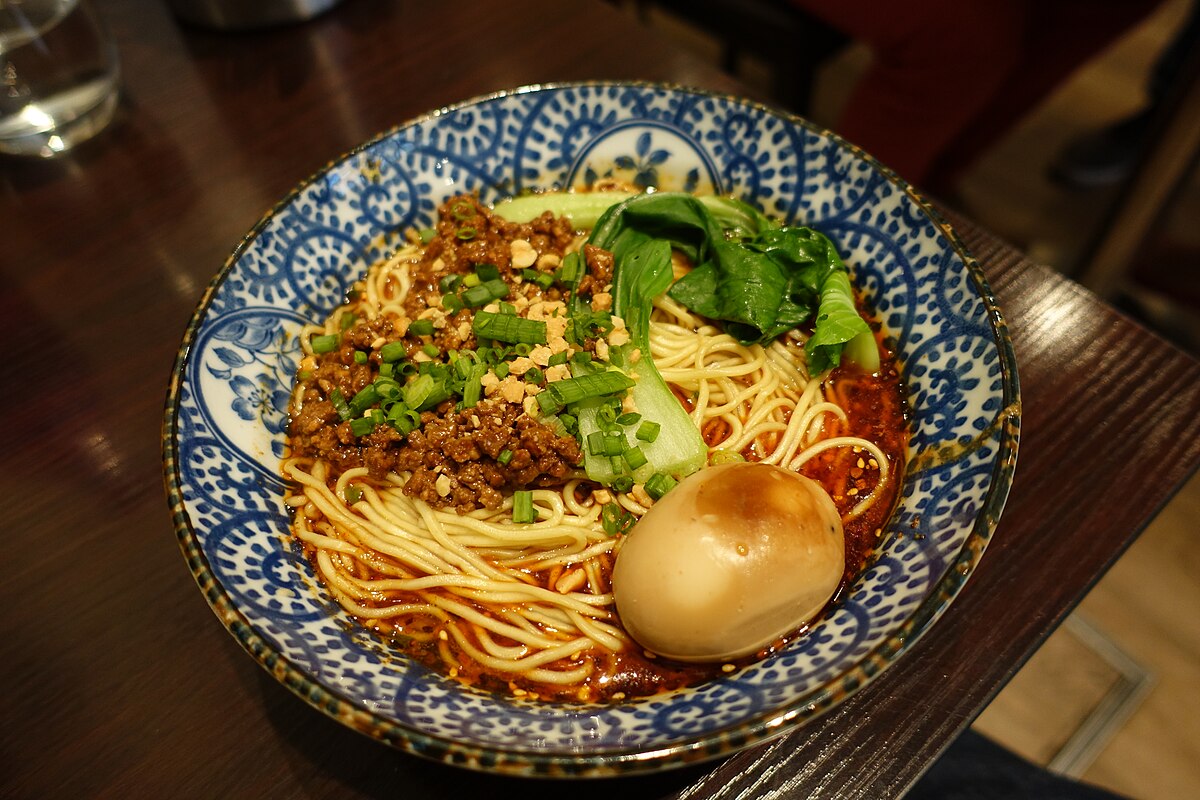
    Xiao Noodles, which was established in 2014, is renowned for its Chongqing-style noodles. With over 500 outlets across China, the restaurant chain has made a significant impact within the domestic food market. Their latest location, at 313@Somerset in Singapore, offers customers a taste of regional Chinese cuisine, with dishes such as Red Bowl Noodle (a spicy mala noodle dish with peas and meat sauce), Golden Bowl Noodle (hot and sour noodles), as well as a variety of Wonton and Maocai Hot Pot options.

    A Systematised Casual Dining Model

    This new outlet also serves as the debut platform for the company’s systemised casual dining model. This innovative model merges customary practices with digital operations, resulting in enhanced efficiency and scalability. Xiao Noodles is thus able to better handle the rising global demand for noodles and spicy foods.

    Taking Chongqing-Style Noodles Global

    Xiao Noodles is positioning itself to capitalize on the international popularity of noodles and the increasing demand for spicy flavours. The company aims to introduce Chongqing-style noodles to customers worldwide. Xiao Noodles’ founder and CEO, Song Qi, sees the Singapore flagship store as a model for future global expansions. He expressed his excitement at the opportunity to bring Chinese street food to tables around the world, establishing this as the official beginning of the company’s global vision.

    Questions & Answers

    What is unique about Xiao Noodles’ business model?
    Xiao Noodles’ business model combines traditional practices with digital operations, enhancing efficiency and scalability.

    What is the significance of the Singapore outlet for Xiao Noodles?
    The Singapore outlet serves as the first international presence for Xiao Noodles, acting as a blueprint for future global locations.

    What are some signature dishes of Xiao Noodles?
    Some of Xiao Noodles’ regional Chinese dishes include the Red Bowl Noodle, Golden Bowl Noodle, and a variety of Wonton and Maocai Hot Pot options.

  • Singapore Jewelers Reinvent Amid Gold Boom: Rising Prices Shift Consumer Focus to Investment Grade Gold

    Singapore Jewelers Reinvent Amid Gold Boom: Rising Prices Shift Consumer Focus to Investment Grade Gold

    In response to shifting consumer preferences and soaring prices, Singapore-based gold jewelers are rethinking their strategies. They are updating designs and adjusting prices to attract customers, as the demand for gold jewelry takes a hit from a growing interest in investment gold.

    Declining Demand for Gold Jewelry

    Kim Poh Hong Goldsmith, a longstanding family-owned jeweler, revealed in mid-October that demand for its 22-karat gold jewelry had dropped by an approximate 30-40% in the preceding two months. Rising prices have made it more challenging to sell these traditionally favored items in the Asian marketplace. Susan Tan, the owner, stated that they had significantly reduced their orders from wholesalers in response to this decline.

    Recently, retailers throughout the city-state have noticed that even seasonal demand has been tepid, as consumers become increasingly price-conscious. Many customers appear to be taking advantage of the surging gold prices by selling or trading in their old jewelry pieces.

    Gold Prices Surge

    In the backdrop of geopolitical tensions and a rate-easing cycle by the U.S. Federal Reserve, the price of gold soared by 64% last year. This was further fuelled by sustained purchases by central banks and inflows into exchange-traded funds. Gold even broke multiple records, with its value reaching an unprecedented US$4,549.71 per ounce on December 26, 2025. Industry analysts anticipate that the prices will remain elevated this year.

    The steep climb in bullion prices has significantly boosted the demand for gold bars and coins in Singapore. Their demand soared by 47% year-on-year to 1.8 tonnes in the third quarter of 2025. However, there has been an 8% slide in the city-state’s gold jewelry consumption, which fell to 1.4 tonnes during the same period. Even in India and China, the world’s two largest gold-consuming countries, there was a drop in gold jewelry purchases by volume by 31% and 18%, respectively.

    According to the World Gold Council, the high gold prices were primarily responsible for this decline as they impacted affordability.

    Investment Gold Rising

    Ho Nai Chuen, the president of the Singapore Jewellers Association and managing director of On Cheong Jewellery, noted that investment-grade gold bars, also known as Investment Precious Metals, are exempt from the Goods and Services Tax. This exemption has led some consumers to opt for gold bars instead of gold jewelry, as a means to conserve their monetary value.

    As gold prices continue to deter purchases, retailers are now compelled to strike a balance between keeping their products affordable and maintaining their design appeal. Chong Cui Xin, a merchandising manager at G&J Goldsmiths & Jewellery, shared that customers are favoring lighter pieces. The jewelry store has been introducing necklaces and bracelets weighing less than 3g to make them more wallet-friendly for consumers.

    Joanne Sim, co-founder and designer of Eli J Fine Jewelry, expressed similar sentiments. She mentioned that the company had to rethink its pricing strategy as an increasing number of buyers are now choosing lower-priced 14-karat gold jewelry. For those customers who prefer white gold, the brand offers platinum as a more affordable alternative.

    Despite the changes, these jewelers continue to reserve 18-karat gold for heirloom-quality pieces, maintaining their commitment to quality and tradition.

    Questions & Answers

    Why are gold jewelers in Singapore adjusting their prices and designs?
    Gold jewelers in Singapore are adjusting their prices and designs to attract customers, as demand for gold jewelry is decreasing due to a growing preference for investment-grade gold and rising gold prices.

    What is the impact of high gold prices on the jewelry market?
    High gold prices have resulted in a decrease in demand for gold jewelry due to affordability issues. However, it has also led to a significant increase in the demand for gold bars and coins, which are being viewed as investment-grade gold.

    How are jewelers responding to changes in consumer preferences?
    Jewelers are responding by introducing lighter and more affordable pieces, such as jewelry weighing less than 3g, and offering alternatives such as platinum for customers who prefer white gold. They are also focusing on maintaining the design appeal of their products.

  • Former Bank of Singapore Executive Joins Standard Chartered to Helm New Greater China Team

    Former Bank of Singapore Executive Joins Standard Chartered to Helm New Greater China Team

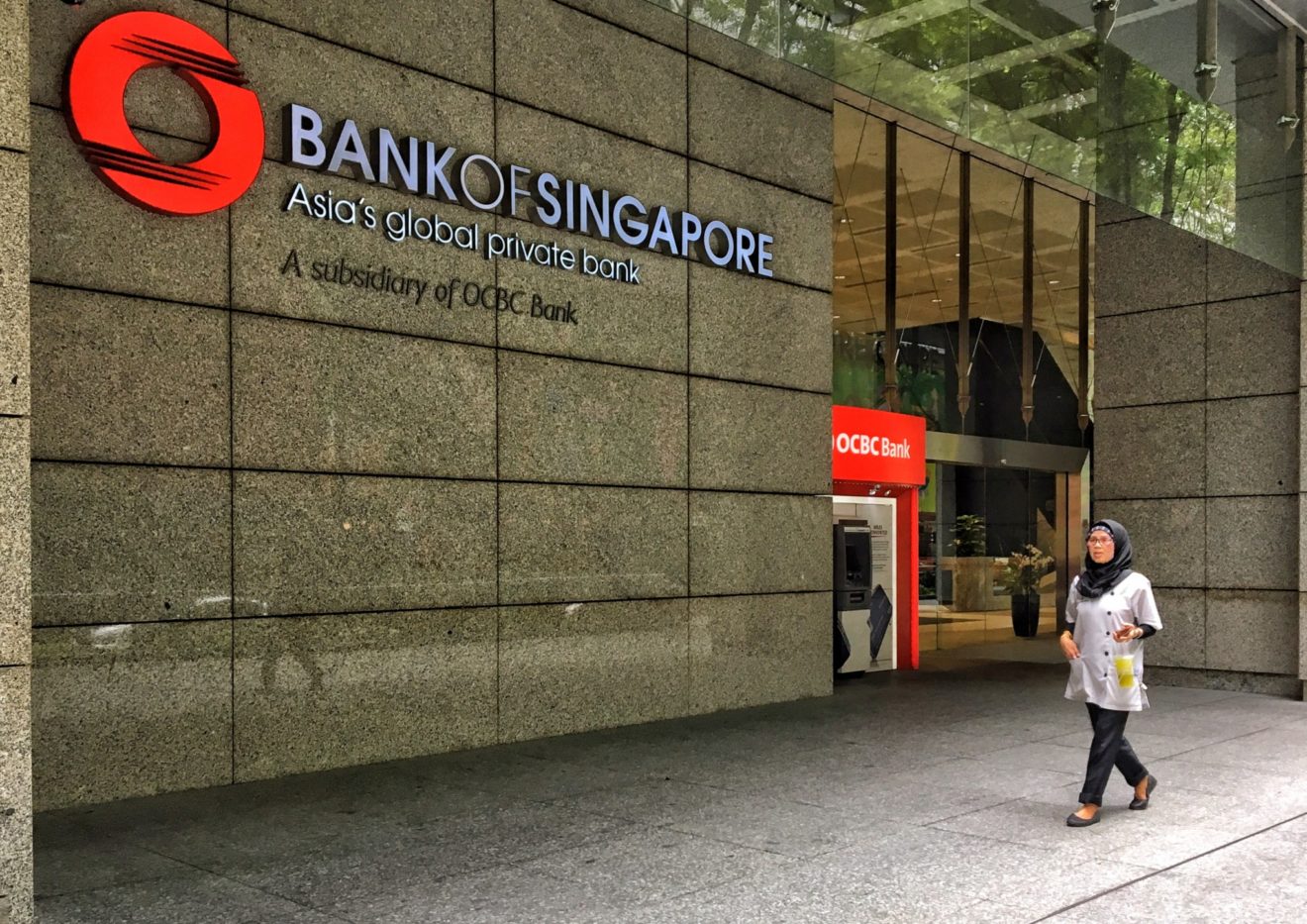
    In the latest series of industry movements, Hu Hong, previously an executive at the Bank of Singapore, has migrated to Standard Chartered. At Standard Chartered, his new role involves the development and expansion of a team dedicated to the Greater China market.

    A New Role at Standard Chartered

    Standard Chartered’s Global Private Bank has welcomed Hu Hong to their team as a group market head. His primary responsibility will be to build and expand a new team dedicated to the Greater China region, based in Singapore. According to an official statement, Hu will report directly to Foo Tian Ong, who is the regional head for Southeast Asia and also the Singapore location head for Standard Chartered’s Global Private Bank.

    A Wealth of Experience

    Hu brings a wealth of experience to his new role at Standard Chartered. He is an established figure in private banking, with a significant track record in covering the Greater China markets. During his stint at the Bank of Singapore, Hu demonstrated impressive leadership skills as he managed three market heads as well as a team of 100 frontline staff members.

    Questions & Answers

    Who has recently joined Standard Chartered’s Global Private Bank?
    Hu Hong, a former executive at the Bank of Singapore, has joined Standard Chartered’s Global Private Bank as a group market head.

    What will be Hu Hong’s primary responsibility at Standard Chartered?
    Hu Hong will be primarily responsible for the development and expansion of a team that focuses on the Greater China region.

    Who will Hu Hong report to in his new role at Standard Chartered?
    In his new role at Standard Chartered, Hu Hong will report directly to Foo Tian Ong, the regional head for Southeast Asia and the Singapore location head for the Global Private Bank.