Tag: Singapore

  • RedMart Now: Shaking Up Singapore’s Grocery Scene with 30-Minute Deliveries

    RedMart Now: Shaking Up Singapore’s Grocery Scene with 30-Minute Deliveries

    Lazada’s RedMart has recently announced the launch of a new on-demand grocery delivery service in Singapore, RedMart Now, which guarantees to deliver orders within 30 minutes.

    Expanded Delivery Options

    The latest service supplements RedMart’s pre-existing same-day delivery offerings, including two-hour and six-hour delivery windows. RedMart Now will initially operate across selected southern and central neighborhoods such as Sentosa, Telok Blangah, Alexandra, Pasir Panjang, Clementi, Queenstown, Orchard, River Valley, Tanglin, and Bukit Timah. Plans are in place for a phased rollout across the rest of the island.

    Curated Product Range

    RedMart Now will feature a tailored selection of frequently used essentials such as fresh produce, snacks, beverages, festive goods, and household items. The delivery fee is set at S$3.99 for orders exceeding S$30.

    Martin Daney, SVP, Head of RedMart at Lazada, explained the rationale behind launching RedMart Now. He articulated that the aim of the service is to cater to urgent and unexpected shopping needs. He emphasized how the service was designed to allow customers to receive their needed items in as little as 30 minutes. The overall goal is to become the leading platform for both regular grocery shopping and urgent needs, thus allowing consumers to dedicate less time to running errands and more time to activities they enjoy.

    Entering the Quick Commerce Market

    The introduction of RedMart Now places the company in direct competition with other fast-delivery providers in Singapore’s dense and high-value grocery market. It also signifies a deeper penetration into the nation’s rapidly expanding quick commerce sector.

    Quick commerce presently constitutes about one-third of Singapore’s online grocery delivery revenue. Last year, according to Statista, the segment was projected to hit approximately US$371.75 million within a broader online grocery market estimated at US$1.04 billion.

    Questions & Answers

    What is RedMart Now?
    RedMart Now is a new on-demand grocery delivery service launched by Lazada-owned RedMart in Singapore, promising delivery within 30 minutes.

    Where will RedMart Now initially operate?
    RedMart Now will initially operate across selected southern and central neighborhoods in Singapore, with a phased rollout planned for the rest of the island.

    What does the launch of RedMart Now signify?
    The launch of RedMart Now signifies a deeper penetration into Singapore’s rapidly expanding quick commerce sector and places the company in direct competition with other fast-delivery providers in the country’s high-value grocery market.

  • HSBC Group COO Suzy White to Amplify Singapore Unit’s Strength as New Board Member

    HSBC Group COO Suzy White to Amplify Singapore Unit’s Strength as New Board Member

    Suzy White, the Global Chief Operating Officer (COO) for London’s HSBC, is set to join the board of HSBC’s Singapore branch. HSBC Singapore made this announcement recently, confirming White’s addition to their executive team.

    White’s professional journey has been marked by remarkable leadership roles and extensive experience in various sectors including global business, risk management, finance, operations, and transformation. With a career spanning 25 years at HSBC, she has held notable roles such as the COO for Global Banking and Markets, Regional COO for Global Markets in the Americas, and Chief Risk Officer for Global Banking and Markets and Commercial Banking in the US. Additionally, White was previously on the board of HSBC Securities and the Commodities Futures Trading Commission Market Risk Advisory Committee.

    HSBC Singapore has expressed optimism about her joining the board, stating their expectation to capitalize on her vast expertise and experience to amplify the bank’s standing in Singapore. They aim to solidify their position as a leading international bank in the domain of global wealth in Singapore.

    Singapore plays a pivotal role in the Group’s strategic positioning. It serves as an international hub for wealth, a regional hub for treasury infrastructure, and a global center for innovation and sustainability. With this appointment, the bank looks forward to reinforcing its strong presence in these areas.

    Questions & Answers

    Who is joining the board of HSBC Singapore?
    Suzy White, the Global Chief Operating Officer of HSBC, is joining the board of HSBC Singapore.

    What roles has Suzy White held in her career at HSBC?
    White has held multiple key roles at HSBC, including the COO for Global Banking and Markets, Regional COO for Global Markets in the Americas, and Chief Risk Officer for Global Banking and Markets and Commercial Banking in the US.

    What is the significance of Singapore for HSBC Group?
    Singapore is a priority market for HSBC Group – it serves as an international wealth hub, a regional hub for treasury centres, and a global center for innovation and sustainability.

  • Singapore Retail Sales Momentum Cooldown in December after November’s Record Highs

    Singapore Retail Sales Momentum Cooldown in December after November’s Record Highs

    The rate of retail sales growth in Singapore experienced a significant deceleration in December, following an impressive surge in November.

    As per the data provided by the Department of Statistics, retail sales, excluding motor vehicles, saw an increase of 1.7 per cent in December. This figure shows a sharp contrast to the revised growth of 5.7 per cent reported in November, the most robust monthly gain of the year.

    The projected total retail sales value for December was approximately SG$4.1 billion (US$3.2 billion), with online sales contributing to 17 per cent of this figure.

    On a seasonally adjusted basis, December’s retail sales experienced a 6.7 per cent decline when compared to November.

    Sector-specific Performance

    In terms of year-on-year sales growth, the majority of sectors demonstrated an upward trend in the final month of the year. Leading the pack were recreational goods (13.4 per cent), computer and telecommunications equipment (12.8 per cent), and watches and jewellery (7.1 per cent).

    However, some other sectors such as supermarkets, convenience stores, cosmetics, and optical goods and books reported modest increases of less than 5 per cent.

    In contrast, petrol service stations faced a harsh 9.1 per cent drop in sales, followed by the food and alcohol sector, which saw a 7.1 per cent dip in sales.

    Food and Beverage Services

    Despite the overall dip in retail sales, the food and beverage services sector saw a marginal rise of 0.7 per cent in December. This, however, was a downslide from the 2.5 per cent growth the sector had witnessed in November.

    Questions & Answers

    What was the total projected value for retail sales in Singapore in December?
    The total projected retail sales value in Singapore for December was approximately SG$4.1 billion (US$3.2 billion).

    Which sectors experienced the most significant growth in December?
    The sectors that saw the most significant growth in December were recreational goods, computer and telecommunications equipment, and watches and jewellery.

    How did food and beverage services perform in December compared to November?
    The food and beverage services sector experienced a slight increase of 0.7 per cent in December, a decrease from the 2.5 per cent growth seen in November.

  • End of an Era: Iconic McDonald’s Outlet at Tampines Mall Singapore Closes After 30 Years

    End of an Era: Iconic McDonald’s Outlet at Tampines Mall Singapore Closes After 30 Years

    One of McDonald’s long-standing outlets in Tampines Mall, Singapore, is set to close its doors on March 9. The fast-food restaurant has been a staple of the mall for over three decades, making its impending closure a significant moment for both the company and the many customers it has served over the years.

    The Closure Announcement

    The fast-food giant’s intended closure was announced via a store notice, which was then shared on social media on Tuesday. The notice revealed that the restaurant’s final day of operation would be March 8. While no specific reason was provided for the closure, the message expressed gratitude to the customers for their continued support through the years.

    The notice also assured patrons that while this particular outlet may be closing, the restaurant would be thrilled to serve them at their nearest branches. The Tampines Central and Tampines Hub were suggested as alternative locations for customers to visit.

    A Staple at Tampines Mall

    The McDonald’s outlet has been an integral part of Tampines Mall since its inception in November 1995. As one of the mall’s original tenants, its closure marks the end of an era. The mall, which celebrated its 30th anniversary in 2025, has seen many businesses come and go, but McDonald’s has remained a constant presence.

    The closure announcement has elicited feelings of nostalgia and sadness among patrons, many of whom consider the outlet to be an iconic part of the mall. Its strategic location near the entrance of the shopping complex means that for many, a trip to the mall was synonymous with passing by the McDonald’s store.

    Changes in Singapore’s Food Scene

    McDonald’s announcement follows a series of closures in Singapore’s food and beverage sector. In 2025 alone, 2,431 outlets were shut down in the first 10 months. The closures spanned a range of eateries, from Michelin-starred restaurants to long-standing heritage dining venues.

    In addition to the food scene, the retail sector has also seen significant changes. Isetan, a Japanese department store that had been operating in the mall for several decades, closed its outlet four months prior to McDonald’s announcement. The store cited evolving market conditions as the reason behind its departure.

    Questions & Answers

    Why is the McDonald’s outlet in Tampines Mall closing?
    While no specific reason was given for the closure, it comes amid a wave of business closures across Singapore’s food and drink sector.

    When was the last day of operation for the McDonald’s outlet in Tampines Mall?
    The outlet’s final day of operation was slated for March 8.

    Are there other McDonald’s outlets nearby where customers can go?
    Yes, the notice mentioned that customers could visit the McDonald’s branches at Tampines Central and Tampines Hub.

  • Lady M Conquers Singapore Again: Jewel Changi Debut and Spectacular Lunar New Year Horse Gift Set Launch

    Lady M Conquers Singapore Again: Jewel Changi Debut and Spectacular Lunar New Year Horse Gift Set Launch

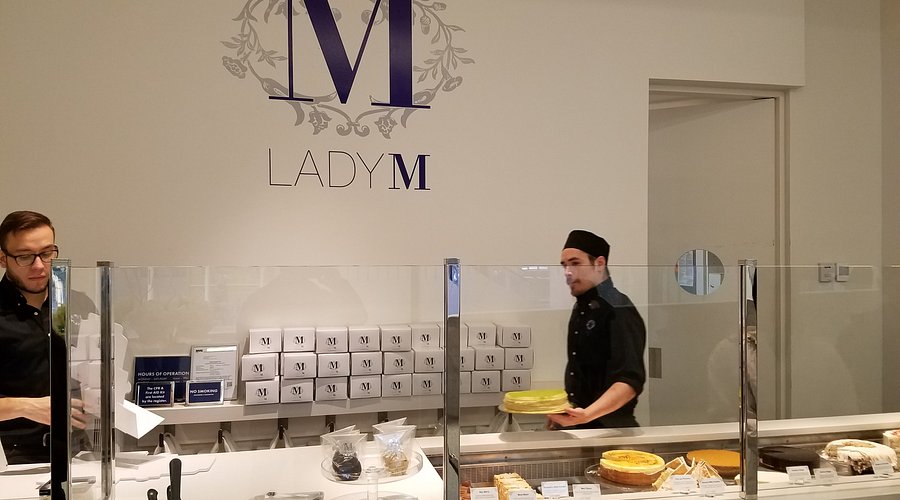
    Lady M, a prominent New York-based patisserie, has announced its return to Singapore, establishing a shop at Jewel Changi Airport. This announcement is accompanied by the unveiling of a special gift set, the 2026 Year of the Horse, in anticipation of the Lunar New Year.

    Year of the Horse Gift Set

    The gift set, created in honor of the Year of the Horse, is designed with a vivid moire pattern on its exterior. Upon opening, a horse in mid-gallop is revealed, reflective of the energy associated with the upcoming year. The set contains 32 mini crepe biscuits, each elegantly wrapped in glistening foil. These delights are available in a variety of four flavors: Coconut, Chocolate Hazelnut Orange, Vanilla, and Raspberry.

    An additional feature of the set is a collectible horse-bag charm fashioned from vegan leather. This charm, tucked away in the set’s drawers, serves as a symbol of good luck for the forthcoming year.

    The package also includes Lady M’s signature confetti-red envelopes, with each scattered piece embodying blessings, prosperity, and festivity.

    A Symbolic and Vibrant Return

    Ken Romaniszyn, CEO of Lady M, expressed that the brand wanted to commemorate its return with a collection that was “symbolic and vibrant”.

    He stated, “The moire horse motif encapsulates the dynamism and vigor we associate with the year ahead. We aspire for these creations to become treasured keepsakes and joyous gifts for all who celebrate.”

    After the Lunar New Year period, Lady M Singapore intends to provide its complete assortment of cakes and products to its customers.

    Questions & Answers

    What is the significance of Lady M’s Year of the Horse gift set?
    The gift set is both a celebration of the Lunar New Year and the symbol of the upcoming year, the horse. The set includes 32 mini crepe biscuits and a horse-bag charm as a token of luck.

    What are the flavors of the mini crepe biscuits included in the gift set?
    The biscuits come in four flavors: Coconut, Chocolate Hazelnut Orange, Vanilla, and Raspberry.

    What are the plans of Lady M following the Lunar New Year?
    After the Lunar New Year period, Lady M Singapore plans to offer its full range of cakes and products to its customers.

  • Singapore’s Food Delivery Market Growth Lags Behind Southeast Asia Peers

    Singapore’s Food Delivery Market Growth Lags Behind Southeast Asia Peers

    Last year saw Singapore experiencing the second-slowest growth rate in its food delivery market among prominent Southeast Asian nations, according to recent research. The Food Delivery Platforms in Southeast Asia report by Momentum Works reveals that Singapore’s food delivery gross merchandise value rose by 13% in 2025, totaling US$2.9 billion.

    Regional Growth Rates

    This growth rate is notably slower than the average 18% growth recorded across six Southeast Asian markets. Only the Philippines saw a slower growth rate than Singapore, at 12%, which was explained by the frequent disruptions caused by tropical cyclones.

    Thailand led the way as the fastest-growing market, with its gross merchandise value increasing by 22%. This rapid growth was attributed to the affordability of delivery platforms, heightened competition, and the government’s “half-half” subsidy scheme, which offsets a portion of consumers’ food costs.

    Following Thailand, Indonesia, Malaysia, and Vietnam each reported growth rates of around 18% to 19%. Indonesia, the most populated market in the region, experienced the largest absolute increase, approximately $1 billion.

    Singapore’s Market Challenges

    Momentum Works’ CEO Li Jianggan shed light on Singapore’s slower growth, pointing out the wide-ranging consumer behaviors and market conditions that differ between countries. Factors such as city layouts, spending power, and the supply dynamics of riders and restaurants all play a role.

    “Food delivery can be costly in Singapore, particularly when there are numerous affordable in-person dining options,” he shared. While Singapore’s double-digit growth reflects a resilient demand, keeping pace with this growth could put pressure on delivery platforms to enhance their efficiency, especially as customers consider other options like dining out or picking up orders themselves.

    Li further noted that Singapore faces a unique structural challenge due to a limited pool of delivery riders, an issue not shared by its larger, more populous neighboring countries. “While the adoption of technology can aid in overcoming this, the key drivers to increasing the market ceiling will be the platforms’ relentless focus on building density and operational efficiency,” he added.

    Market Shares and Trends

    On the platform front, Grab maintained its spot as the leading food delivery player in Southeast Asia, increasing its regional market share from 53.8% in 2024 to roughly 55% in 2025. In total, Grab generated an estimated $12.5 billion in food delivery value across the region last year.

    ShopeeFood surpassed Foodpanda to secure the position of the region’s second-largest platform, with an estimated $3.3 billion in transactions. Meanwhile, Foodpanda’s value decreased to around $2.6 billion. Both Gojek and Thailand-based Lineman reported similar figures, with each reaching about $2 billion, which reflects Lineman’s strong performance in its home market.

    The study also underscored Southeast Asia’s high order volume compared to other emerging markets. Despite having approximately double the population of Southeast Asia, India’s estimated 4-5 million daily orders were nearly half of what platforms in Southeast Asia fulfilled, between 8.5 million and 9.5 million orders per day on average. This discrepancy may be due to India’s local eating habits and a limited number of food establishments.

    China, whose population is smaller than India’s, fulfills an estimated 180 million to 200 million food delivery orders daily. “This emphasizes that food delivery penetration is influenced less by population size and more by urban density, substitution for dining out, and platform-led affordability mechanisms,” the study concluded.

    Questions & Answers

    What was the growth rate of Singapore’s food delivery market in 2025?
    The food delivery market in Singapore grew by 13% in 2025.

    Which country had the fastest-growing food delivery market in Southeast Asia?
    Thailand had the fastest-growing food delivery market in the region, with a growth rate of 22%.

    Which platform consolidated its lead as Southeast Asia’s dominant food delivery player?
    Grab consolidated its lead as Southeast Asia’s dominant food delivery player, increasing its regional market share to about 55% in 2025.

  • Revolut Set to Triple Singapore Workforce: Spearheading Fintech Innovation and Regional Expansion

    Revolut Set to Triple Singapore Workforce: Spearheading Fintech Innovation and Regional Expansion

    Revolut, a leading fintech company based in London, has announced its intention to triple the size of its workforce in Singapore over the next few years. This decision is primarily aimed at bolstering product innovation and facilitating regional expansion.

    The fintech giant is collaborating closely with the Singapore Economic Development Board (EDB) and its investment division, EDBI. This partnership has been instrumental in the company’s growth, with the number of employees in Singapore having doubled between 2024 and 2025.

    Revolut’s expansion initiatives extend beyond Singapore. The firm recently established its global tech hub in Manila, and it is currently studying the possibility of venturing into several other markets across Asia.

    Revolut is highly optimistic about its long-term prospects in Asia, viewing Singapore as a pivotal point for its regional activities. Victor Stinga, Revolut’s Chief Financial Officer, lauded the strategic investment from EDBI. According to Stinga, this investment validates Revolut’s ambitious plans in Asia and emphasizes Singapore’s crucial role in these plans.

    Furthermore, the backing from EDBI enhances Revolut’s ability to invest with both ambition and discipline. By doing so, the company aims to escalate its product capabilities, deepen its regional presence, and build robust operations to support its steady growth.

    Questions & Answers

    What are Revolut’s plans for its Singapore workforce?
    Revolut intends to triple its workforce in Singapore within the next few years to support product innovation and regional expansion.

    How has the partnership with the Singapore Economic Development Board (EDB) and EDBI impacted Revolut’s growth?
    The partnership has been instrumental in Revolut’s growth, helping it to double its headcount in Singapore between 2024 and 2025.

    What are Revolut’s expansion plans in Asia?
    In addition to tripling its workforce in Singapore, Revolut has recently launched a global tech hub in Manila and is evaluating the possibility of expanding into several other markets across Asia.

  • Singapore Struggles With Slow Growth in Booming Southeast Asian Food Delivery Market

    Singapore Struggles With Slow Growth in Booming Southeast Asian Food Delivery Market

    A recent study reveals that Singapore experienced the second-lowest growth in its food delivery market in the previous year amongst significant Southeast Asian nations. The gross merchandise value (GMV) for food delivery in Singapore escalated by 13% in 2025, reaching US$2.9 billion. This rate of growth trailed behind the mean growth rate of 18% observed across six Southeast Asian markets.

    Regional Growth Variances

    Singapore’s expansion only superseded that of the Philippines, which marked a 12% increase – reportedly, this sluggish growth was due to recurring interruptions triggered by tropical cyclones.

    In contrast, Thailand’s food delivery market noted the highest growth, with the GMV surging by 22%. The report suggests that this expansion was facilitated by various factors such as affordable initiatives launched by platforms, intensifying competition, and the government’s “half-half” subsidy scheme which underwrites a portion of consumers’ food expenditures.

    Other countries like Indonesia, Malaysia, and Vietnam also witnessed substantial growth, each marking a rise of roughly 18% to 19%. Indonesia, being the region’s most densely populated market, registered the most significant absolute increase, contributing approximately $1 billion.

    Factors Influencing Singapore’s Slower Growth

    Addressing Singapore’s slower growth, Momentum Works CEO Li Jianggan highlighted that consumer behavior and market conditions significantly differ between countries. He referenced variations in city architectures, spending capacities, and the supply dynamics of delivery personnel and eateries.

    He pointed out that food delivery can be quite costly in Singapore, particularly considering the availability of numerous affordable offline alternatives. Nonetheless, Singapore’s double-digit growth signifies a steady demand. However, keeping up this rate could put increasing strain on platforms to enhance their efficiency, especially as customers explore other options like dining out or self-collection.

    Furthermore, Li noted that Singapore has a unique structural challenge – a limited pool of delivery riders – compared to larger and more densely populated neighboring countries. Adopting technology can help address this, but the key to raising the bar would be platforms’ relentless focus on establishing density and operational efficiency.

    Market Leaders

    At the platform level, Grab fortified its position as the predominant food delivery player in Southeast Asia, raising its regional market share from 53.8% in 2024 to around 55% in 2025. In absolute terms, Grab generated approximately $12.5 billion in food delivery value across the region last year.

    ShopeeFood overtook Foodpanda to become the region’s second-largest platform, with estimated transactions totaling $3.3 billion. Meanwhile, Foodpanda’s value dipped to roughly $2.6 billion. Gojek and Thailand-based Lineman reported comparable values of about $2 billion each, indicating Lineman’s impressive performance in its local market.

    The report underscored that compared to other emerging markets, Southeast Asia had a high order volume. The study estimated that collectively, platforms in the region handled between 8.5 million and 9.5 million food delivery orders per day on average in 2025. This volume is nearly twice that of India’s estimated daily orders of 4-5 million, despite India having approximately double the population of Southeast Asia.

    The study concluded that the penetration of food delivery is less determined by population size, and more by urban density, eating-out substitution, and platform-led affordability mechanics.

    Questions & Answers

    What was the growth rate of Singapore’s food delivery market in 2025?
    The food delivery market in Singapore grew at a rate of 13% in 2025.

    Which was the fastest-growing market in Southeast Asia’s food delivery industry?
    Thailand was the fastest-growing market in Southeast Asia’s food delivery industry, with a 22% increase in gross merchandise value.

    Which platform consolidated its lead as Southeast Asia’s dominant food delivery player?
    Grab consolidated its lead as Southeast Asia’s dominant food delivery player, increasing its regional market share to about 55% in 2025.

  • Foodpanda Expands Footprint in Singapore with New Pandamart XL Stores: Bigger Selection, Better Value!

    Foodpanda Expands Footprint in Singapore with New Pandamart XL Stores: Bigger Selection, Better Value!

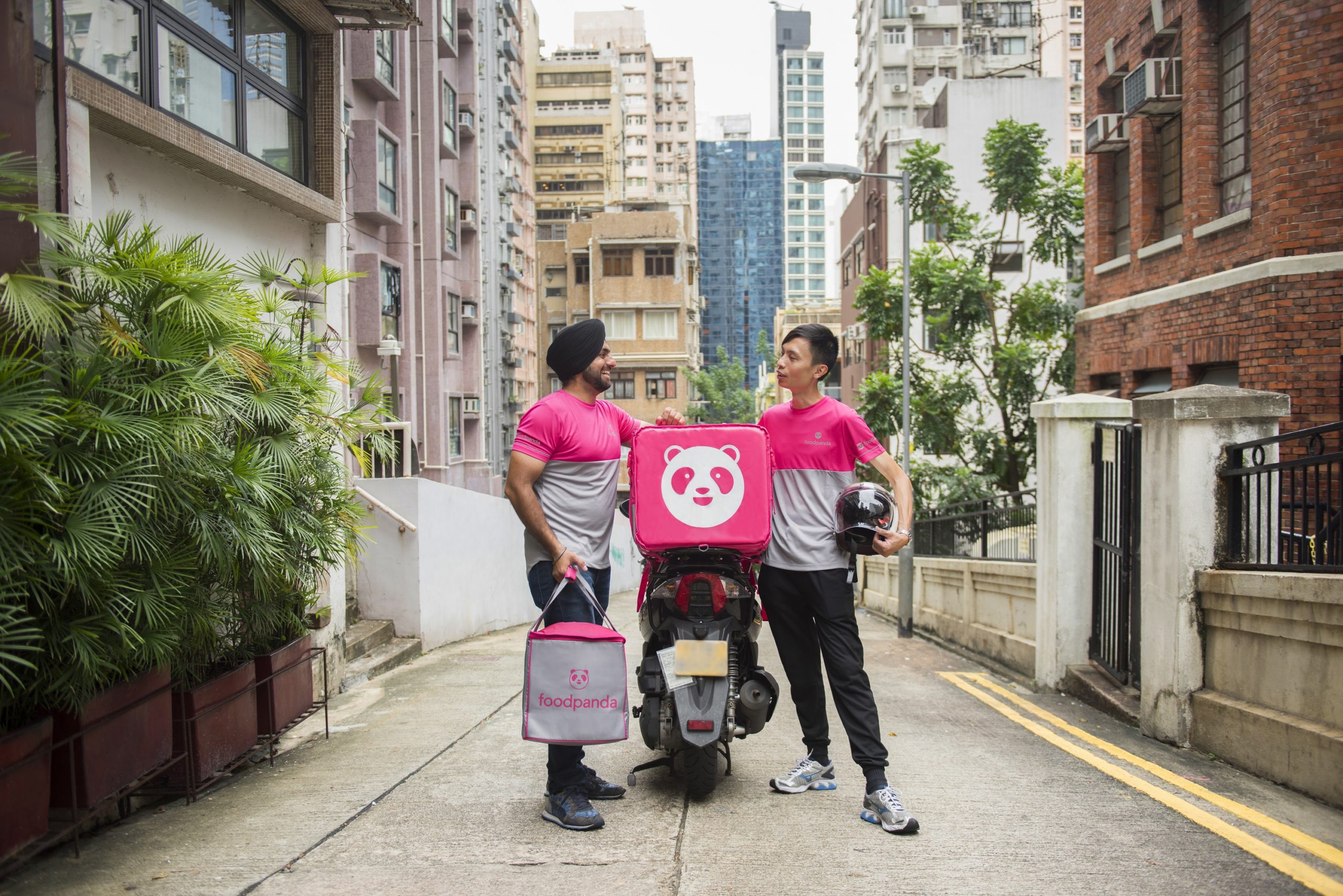
    Foodpanda, a popular food delivery service, has recently expanded its presence in Singapore with the opening of two additional Pandamart XL stores. These new locations, situated in Kallang and Yio Chu Kang, have been established to meet the increasing consumer demand and will provide a wider variety of products.

    Understanding the Change in Consumer Behaviour

    Bhavani Mishra, the Managing Director of Foodpanda Singapore, shared that they have noticed a shift in how their customers in Singapore are shopping. Shoppers are becoming more intentional, planning their purchases meticulously, spending wisely, and doing bulk shopping in one go. The new Pandamart XL stores have been specifically designed to cater to these changing needs.

    Expanded Product Range

    Pandamart XL stores are characterized by a larger product range, around 30 per cent more than their regular stores. This increased product assortment includes not just everyday items, but also specialty imported goods and locally popular items. This is designed to offer customers more options and better value while retaining the convenience they have come to expect from Foodpanda.

    Quick-commerce and Its Evolution

    Axelle Guibert, the Director of Quick-commerce at Foodpanda Singapore, elaborates that quick-commerce has moved beyond just being about convenience. It has become a part of the daily shopping rhythm in Singapore. With their new Pandamart XL stores, Foodpanda aims to deliver both scale and speed, offering customers a wider selection and better value, all in proximity to their homes.

    Foodpanda currently operates three Pandamart XL stores. The company utilizes hyperlocal demand trends for effective stock planning. This ensures that each store’s inventory is tailored to meet the specific needs of its surrounding neighbourhood.

    Questions & Answers

    What is Foodpanda’s recent development in Singapore?
    Foodpanda has recently opened two more Pandamart XL stores in Kallang and Yio Chu Kang, Singapore.

    What distinguishes Pandamart XL stores from regular stores?
    Pandamart XL stores offer 30 per cent more products than regular stores, including specialty imported goods and locally popular items, providing customers with more choices and better value.

    How does Foodpanda plan its inventory for the Pandamart XL stores?
    Foodpanda utilizes hyperlocal demand trends for stock planning, ensuring that each store is tailored to meet the specific needs of its surrounding neighbourhood.

  • Record-Breaking 2025: Changi Airport Soars with Highest Passenger Traffic and Unprecedented Cargo Performance

    Record-Breaking 2025: Changi Airport Soars with Highest Passenger Traffic and Unprecedented Cargo Performance

    In the year 2025, Singapore’s Changi Airport experienced record-breaking passenger traffic, with 69.98 million passenger movements noted, indicating a rise of 3.4% in comparison to the previous year. Aircraft activities, such as landings and take-offs, also witnessed a growth of 2.2%, reaching 374,000 movements in total. Furthermore, airfreight throughput amounted to an impressive 2.08 million tonnes, surpassing the prior year’s records by 4.5% and solidifying its position as one of Changi Airport’s most successful cargo performances.

    Busiest Periods of 2025

    The most crowded month of the year was December 2025, which saw 6.3 million passenger movements. A significant day during this period was the 20th of December, the Saturday preceding Christmas, when more than 223,000 passengers traversed the Changi terminals.

    The growth in traffic for 2025 was diversified, underpinned by steady travel demand and the air hub’s improved connectivity. Notably, the top five passenger markets for Changi Airport were China, Indonesia, Malaysia, Australia and India. China, in particular, remained the largest traffic market with the most significant growth of 12.2% compared to 2024. Vietnam and Japan also experienced substantial growth of 9.8% and 7.0% respectively. The most frequented routes for the year included Kuala Lumpur, Bangkok, Jakarta, Denpasar (Bali), and Hong Kong.

    Cargo Performance and Expansion

    In terms of cargo, growth was observed in all areas – exports, imports and transshipments. This can be attributed to the first three quarters’ front-loading activities and the robust global demand for semiconductors, driven by advancements in AI, electric vehicles and clean technology. The top five air cargo markets for Changi were China, the United States, Australia, Hong Kong and India, with China, the United States and Taiwan posting the highest growth.

    Enhancing Global Connectivity

    Changi Airport achieved a milestone in network growth in 2025 by adding 13 city links to its global network. These new destinations included locations in China, Indonesia, Austria, India, Malaysia, Mongolia and Vietnam. This expansion included two new passenger airlines, MIAT Mongolian Airlines and Pelita Air.

    A significant addition was the introduction of a direct connection to Ulaanbaatar, Mongolia, strengthening Changi’s position as a regional gateway. The introduction of new routes in China and Southeast Asia underscores Changi Airport’s commitment to diversifying its Asian network and enhancing its competitive edge as a hub.

    A Word from the CEO

    Mr Yam Kum Weng, Chief Executive Officer of Changi Airport Group (CAG), expressed satisfaction with the year’s performance, attributing the success to strong collaboration with airline partners. As travel demand in Asia continues to grow, Changi is actively seeking to expand its regional network, including to emerging secondary cities with promising economic and tourism potential. He also stated that CAG would continue to innovate to deliver more efficient and seamless operations to ensure Changi remains a leading aviation hub.

    As of January 2026, approximately 100 airlines operate more than 7,300 weekly scheduled flights at Changi Airport, connecting Singapore to over 170 cities in 50 countries and territories worldwide.

    Questions & Answers

    What was the total passenger traffic at Changi Airport in 2025?
    The total passenger traffic at Changi Airport in 2025 was 69.98 million.

    Which were the top five passenger markets for Changi Airport in 2025?
    The top five passenger markets for Changi Airport in 2025 were China, Indonesia, Malaysia, Australia, and India.

    Which new routes were added to Changi Airport’s network in 2025?
    New routes added to Changi Airport’s network in 2025 included destinations in China, Indonesia, Austria, India, Malaysia, Mongolia, and Vietnam.

  • Guardian Unveils Enhanced Flagship Store in Marina Bay Sands: A New Era for Personalized Health & Beauty Shopping

    Guardian Unveils Enhanced Flagship Store in Marina Bay Sands: A New Era for Personalized Health & Beauty Shopping

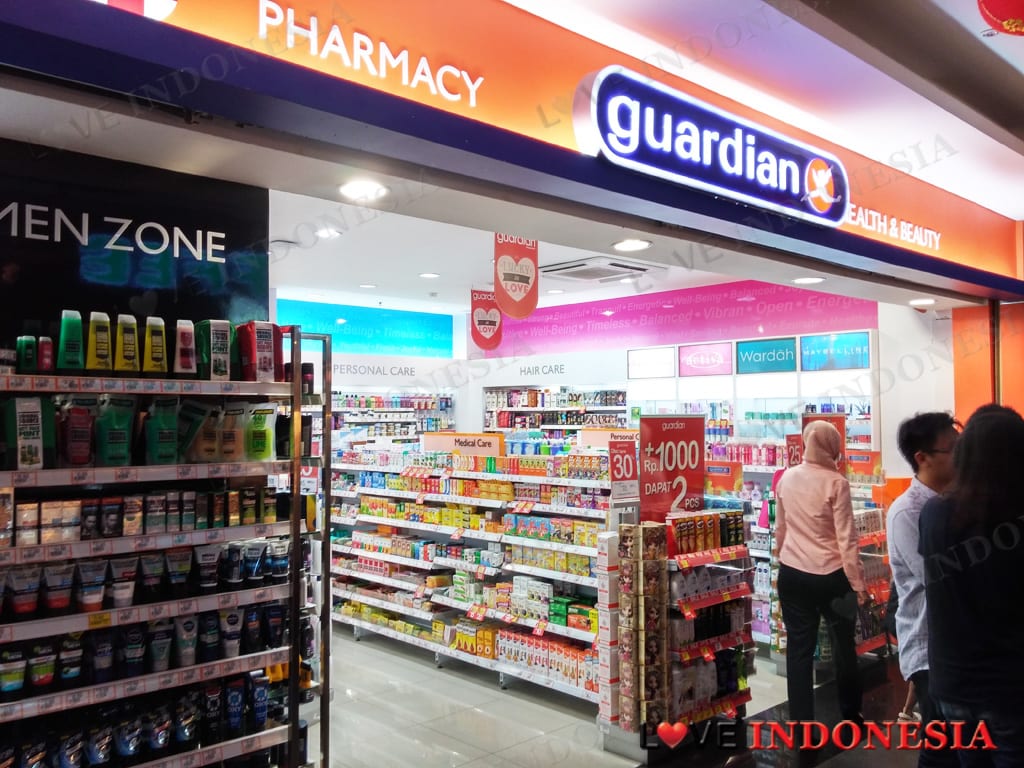
    Guardian, a prominent health and beauty retailer, has recently unveiled its revamped flagship store situated at The Shoppes at Marina Bay Sands in Singapore.

    Revamp Aims at Personalised Shopping Experience

    The new alterations are aimed at delivering a more personalised shopping experience. This is achieved by amalgamating health, beauty, and personal care products under a single roof.

    Five Wellness-Led Zones

    The renovated store introduces five distinct wellness-led zones: Health and Wellness, Derma Skincare, Men’s, Trial and Travel, and Guardian’s Pick. These zones are strategically designed and curated to cater to a variety of customer’s wellness and beauty needs effectively.

    On-Site Pharmacy Services

    In addition, the store includes on-site pharmacy services, a novel feature that not only provides preventive care but also offers consultations and wellness advice to customers. This service further enhances the customer shopping experience, delivering more than just purchases.

    Future Plans

    Guardian has stated its intention to gradually implement this new store format across numerous locations in the future. As a forward-thinking retailer, Guardian aims to stay ahead of the curve and consistently deliver a personalised, seamless, and comprehensive shopping experience for its customers.

    Questions & Answers

    What is the objective of Guardian’s flagship store revamp?
    The objective is to deliver a more personalised shopping experience by integrating health, beauty, and personal care products in one location.

    What are the five wellness-led zones introduced at Guardian’s flagship store?
    The five distinct wellness-led zones are Health and Wellness, Derma Skincare, Men’s, Trial and Travel, and Guardian’s Pick.

    What services does the on-site pharmacy at Guardian’s flagship store provide?
    The on-site pharmacy at Guardian’s flagship store offers preventive care, consultations, and wellness advice to its customers.

  • Singapore Eateries Appeal for Increased Subsidies and Rent Control Amid Skyrocketing Business Closures

    Singapore Eateries Appeal for Increased Subsidies and Rent Control Amid Skyrocketing Business Closures

    Amid numerous business closures, the restaurant industry in Singapore is urging the government for additional labor cost subsidies and measures to control excessive rental hikes for the food and beverage sector. This appeal was recently put forward by The Restaurant Association of Singapore, which suggested an increase in subsidies under the Progressive Wage Credit Scheme to 75% for 2026 to 2028, a notable rise from the current 50%.

    The Impact on Singapore’s Food Scene

    As patrons review menus outside a local restaurant in a Singaporean shopping center, the underlying struggles of the industry are far from view. The association has proposed numerous changes, including the elimination of foreign worker levies, reducing the wait time for Progressive Wage Credit Scheme payouts, and allocating additional funding to support employees’ parental leave.

    The restaurant industry in Singapore is weathering what the association refers to as a “perfect storm” of escalating costs, labor shortages, and evolving consumer habits. The situation has led the association to seek government intervention to enhance cost predictability and stimulate domestic demand in the food and beverage sector.

    According to government data, the food scene in Singapore suffered 2,431 closures within the first ten months of the previous year, with 63% of these businesses failing to make it past the five-year mark. With the sector’s contraction in 2024 and record-breaking business closures, the association warns of potential threats to the long-term sustainability of food and beverage businesses, especially small and medium-sized enterprises (SMEs).

    Addressing High Rental Costs

    Another key focus of the association’s proposal is rental stabilization. Maintaining a consistent rental cost is a significant issue for the industry, as it represents a major fixed expense for businesses. The association asserts that providing “essential cost predictability” would equip businesses with the necessary information to make informed, long-term financial decisions.

    The association has suggested policy interventions to address exorbitant rental renewal increases. These include introducing caps on increases or linking them to macroeconomic indicators such as gross domestic product growth.

    In an effort to further support local businesses, the association is advocating for stronger measures, including raising foreign worker quotas and simplifying licensing fees.

    Benjamin Boh, President of the association, stated, “A vibrant and thriving food and beverage industry is crucial to making Singapore an attractive place to live and visit for both residents and tourists.” He emphasized that the proposed measures would offer business owners and operators a much-needed “breathing room” to fortify their business structures while managing external market pressures.

    Since its establishment in 1980, the Restaurant Association of Singapore has represented over 500 members and roughly 800 brands, covering more than 5,000 outlets.

    Questions & Answers

    What is the Progressive Wage Credit Scheme?
    This is a government initiative in Singapore designed to subsidize labor costs in various sectors, including food and beverage.

    What policy interventions has the Restaurant Association of Singapore proposed to address high rental costs?
    The association has suggested measures such as introducing caps on rental increases or linking them to macroeconomic indicators like gross domestic product growth.

    What was the impact of business closures on Singapore’s food scene last year?
    The food scene in Singapore witnessed 2,431 closures within the first ten months of the previous year, with 63% of these businesses failing to survive beyond five years.

  • CarousellMobile Revolutionizes Preloved Phone Market – Introduces Singapore’s Largest Second-Hand Mobile Store

    CarousellMobile Revolutionizes Preloved Phone Market – Introduces Singapore’s Largest Second-Hand Mobile Store

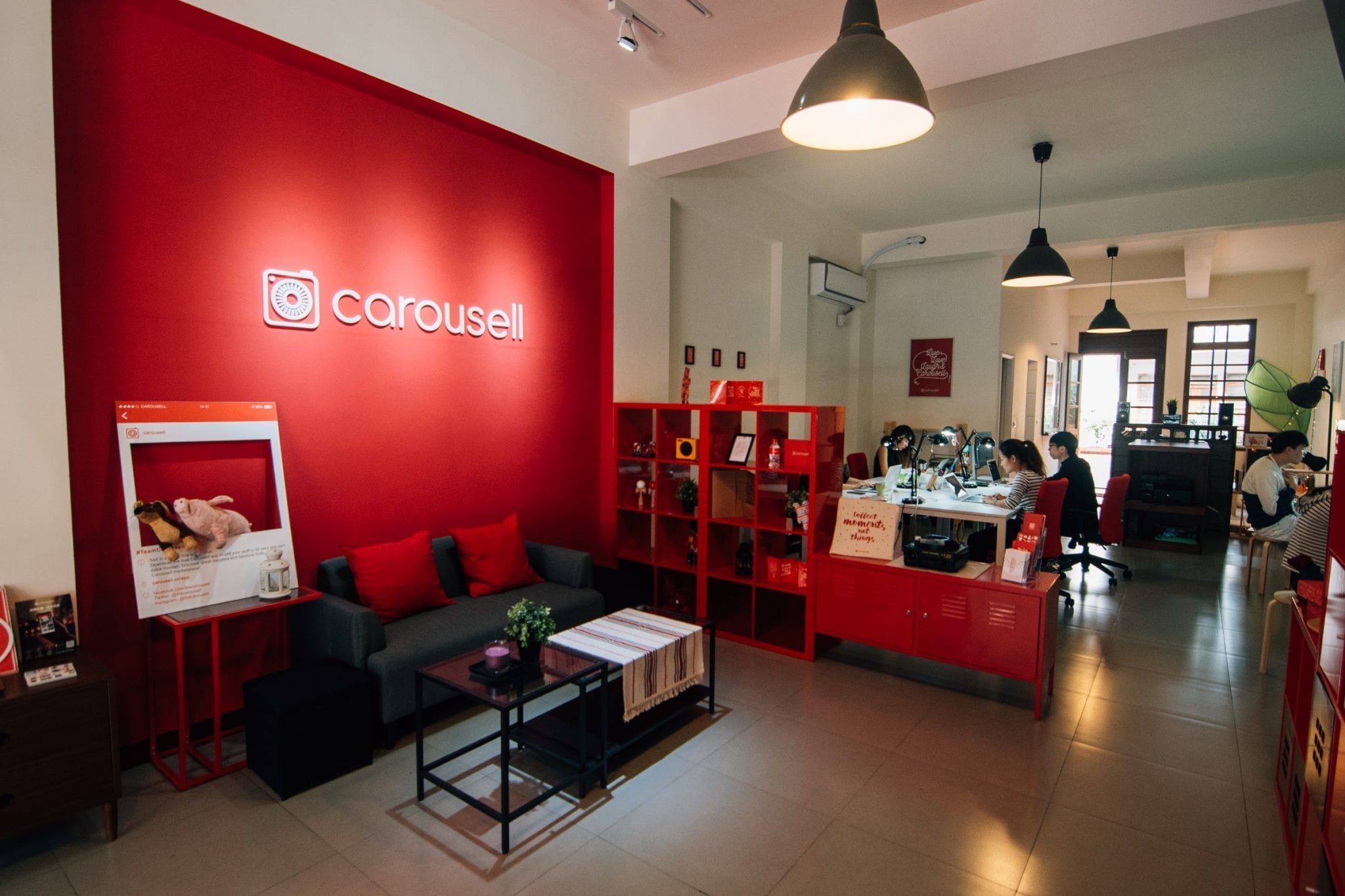
    CarousellMobile, the mobile-centric division of Carousell, has announced the launch of its inaugural physical outlet at Chinatown Point. This move marks a new phase in the company’s growth, introducing a tangible retail presence to supplement its popular online platform.

    The Store Aims to Enhance the Shopping Experience

    The new physical location promises to offer an extensive range of pre-owned mobile devices, reportedly the most comprehensive selection available in a singular retail point within Singapore. This unique set-up will enable customers to personally inspect and try out devices prior to their purchase. This hands-on approach will provide potential buyers with the confidence that they are purchasing a product that meets their requirements and expectations.

    CarousellMobile’s customers will also have the option to peruse online listings for all available products or obtain a valuation quote for their existing devices before making an in-store visit.

    Extending the Life of Mobile Devices

    In addition to retail services, the store is committed to providing comprehensive services that prolong the lifespan of mobile devices. This includes providing certified pre-owned phones accompanied by warranties and flexible return policies, instant cash buybacks, trade-in options, and on-site repair services.

    Alvin Yap, the lead at CarousellMobile, shared his insights on the company’s latest venture. He emphasized the significance of physical interactions in building trust, especially when dealing with high-value items like phones and luxury bags. He added, “CarousellMobile is our solution to the anxiety that comes with purchasing pre-owned electronics.”

    Questions & Answers

    What does the new CarousellMobile store offer?

    The store offers a wide range of second-hand mobile devices, along with services such as instant cash buybacks, trade-ins, and on-site repair services. Customers can physically inspect and test products before purchasing.

    Where is CarousellMobile’s physical store located?

    CarousellMobile’s physical store is located at Chinatown Point.

    What does Alvin Yap, the lead at CarousellMobile, say about the new store?

    Alvin Yap emphasizes the importance of physical interactions in building trust when dealing with high-value items. He sees the new store as a solution to the anxiety often associated with buying used electronics.

  • Ease Your Commute: Singapore Offers $46 Public Transport Vouchers to Qualifying Households

    Ease Your Commute: Singapore Offers $46 Public Transport Vouchers to Qualifying Households

    Singaporean households that meet the eligibility criteria can now submit their applications for public transport vouchers valued at S$60 (equivalent to US$46). These vouchers are intended to alleviate the increased cost of commuting.

    Details of the Voucher Scheme

    The vouchers became available on Tuesday and will continue to be so until October 31. The eligibility requirement is set at a monthly household income per person of S$1,800 or lower.

    This move signifies the second phase of the program. The first round of vouchers was issued last month, benefitting approximately 300,000 households.

    In the current round, households that did not previously receive a voucher and those seeking additional assistance, including households that do not meet the income requirement, can apply. Applications can be submitted either online or in person at local community centers and clubs.

    These vouchers can be applied towards topping up fare cards or purchasing monthly passes. They are redeemable until March 31, 2027.

    The main goal of the initiative is to assist lower-income families in counterbalancing the recent increase in public transport fares.

    Changes in Public Transport Fares

    The basic bus and train card fares for adults in the city-state have seen a hike of 9-10 cents per trip, an approximate increase of 5% based on distance. At the same time, the express bus services have levied a surcharge, marking its first-ever introduction.

    In addition to the vouchers, the cost of monthly passes has been cut by 5% for adults, senior citizens, and individuals with disabilities as a measure to support frequent users of public transit.

    Questions & Answers

    What is the purpose of the public transport vouchers?
    The vouchers are intended to help lower-income families mitigate the impact of the recent increase in public transportation fares.

    Who is eligible to apply for these vouchers?
    Families with a monthly household income per person of S$1,800 or lower can apply for these vouchers. In the latest round, even those households that didn’t receive a voucher in the first round or do not meet the income requirement can apply for additional assistance.

    How can these vouchers be used?
    These vouchers can be used to top up fare cards or to purchase monthly passes. They are redeemable until March 31, 2027.

  • Singapore Retailers Seek Increased Budget Support for Enhanced Competition and Sustainability in 2026

    Singapore Retailers Seek Increased Budget Support for Enhanced Competition and Sustainability in 2026

    In Singapore, the lifestyle industry, particularly retailers, has expressed the need for continuous support from the Budget allocation due to mounting challenges such as elevated costs, labour shortages, and fierce competition.

    According to the Singapore Retailers Association (SRA), the retail sector in the country continually faces obstacles that include labour shortages, high rents and operating costs, competition from the e-commerce sector, and evolving consumer preferences.

    The SRA cautioned that without ongoing support, local businesses could find themselves trailing behind their well-funded international competitors.

    Retail Sales Figures Reflect Struggles

    The tough conditions being faced by the industry are evident in the 2025 retail sales figures. Segments such as clothing and footwear have seen a continuous decrease, while other sectors such as supermarkets have managed to maintain their resilience, stated Ernie Koh, the president of the SRA.

    The retail market has also experienced a split-speed with well-funded global brands controlling high-traffic locations. This has put smaller local operators under pressure, added Koh.

    Joint Call for Support

    In an alliance with other lifestyle trade bodies including the Restaurant Association of Singapore and the Singapore Fashion Council, the SRA has marked several recommendations for the 2026 Budget to address the ongoing and future challenges facing the retail industry.

    The recommendations focus on three major areas: enhancing the competitiveness of SMEs, addressing labour issues, and promoting sustainability efforts.

    To boost the competitiveness of local SMEs, the groups suggest introducing a scale-up programme that provides them with capital for growth acceleration, as well as access to strategic guidance, mentorship, partnerships, and commercial opportunities.

    Proposed Measures

    The groups have also suggested a franchise and licensing accreditation system to gain more transparent insights into the entry of foreign brands. This would allow stakeholders to better forecast market shifts and protect local businesses.

    Refining the Community Development Council (CDC) voucher system was another suggestion, aiming to channel government support directly to essential items, thereby balancing the cost-of-living relief with support for local retailers.

    To address the labour shortage issue, the groups recommend extending the Progressive Wage Credit Scheme for the retail and food service industries until 2028, and increasing the co-funding for the retail industry from 20 per cent to 75 per cent this year.

    Further suggestions to tackle manpower shortages include reducing the cost of hiring foreign staff for frontline retail roles, encouraging the hiring of PMETs (professionals, managers, executives, and technicians) over 50, improving the career conversion programme, and implementing trade testing for new foreign workers.

    To accelerate sustainable retail, the group recommends expanding the Climate Vouchers scheme to include companies with trusted green certifications, such as B-Corp, Singapore Furniture Industries Council’s Sustainability Furniture Mark or Green Mark.

    The Future of Retail

    The SRA emphasised that the future of retail hinges on the seamless integration of omnichannel strategies, leveraging AI and personalisation, enhancing experiential retail, prioritising sustainability, and upskilling the workforce to overcome the challenges faced by the industry. These challenges include high costs and labour shortages, with growth being supported by tourism and technological adoption, despite short-term economic uncertainties.

    Questions & Answers

    What are the major challenges faced by the retail industry in Singapore?
    The key challenges faced by the industry mainly include high rents and operating costs, labour shortages, competition from e-commerce platforms, and shifting consumer demands.

    What are the recommendations made by the SRA for the 2026 Budget?
    The SRA has recommended actions in three key areas – enhancing SME competitiveness, addressing labour issues, and supporting sustainability efforts. These include a scale-up programme for SMEs, extension of the Progressive Wage Credit Scheme, and expanding the Climate Vouchers scheme.

    How does the SRA suggest dealing with labour shortages and high costs?
    The SRA suggests that extending the Progressive Wage Credit Scheme until 2028 and increasing co-funding for the retail industry could help with manpower shortages. To deal with high costs, the association recommends refining the CDC voucher system to balance cost-of-living relief with support for local retailers.