Tag: Singapore

  • BBIX and RETN Bolster APAC Presence: Partnership Expansion Takes Digital Interconnectivity to New Heights in Hong Kong and Singapore

    BBIX and RETN Bolster APAC Presence: Partnership Expansion Takes Digital Interconnectivity to New Heights in Hong Kong and Singapore

    BBIX, Inc., commonly known as BBIX, has recently announced the growth of its strategic alliance with RETN. This enhancement of their collaboration is built upon a prosperous long-term relationship in Japan, where RETN has been serving as an official reseller of BBIX’s services. The partnership is now broadening its horizons to include Hong Kong and Singapore, both of which are key digital centers in the region.

    Driving the Value of BBIX’s Established IX Platforms

    This new development significantly boosts the worth of BBIX’s well-established IX platforms in Tokyo, Hong Kong, and Singapore. It offers RETN the opportunity to make use of BBIX’s trustworthy, high-speed interconnection environments to enhance the delivery of services to its worldwide customers. By employing BBIX’s carrier-neutral peering platforms along with RETN’s Flex IX solution, businesses can gain access to an extensive range of networks throughout Asia without the requirement of significant local infrastructure investments.

    Commitment to Strengthen Interconnectivity

    Both BBIX and RETN are committed to bolstering interconnectivity throughout the Asia-Pacific region. As part of this commitment, they strive to provide customers and partners with a reliable, high-quality international network environment.

    Lisa Lu, VP of Global Business at BBIX, noted the success of the longstanding partnership with RETN in Japan and expressed her excitement over extending this collaboration to include Hong Kong and Singapore. She emphasized that this expansion would allow them to offer better support to international businesses seeking reliable, seamless connectivity in these dynamic markets. Moreover, she underlined their shared commitment to spurring growth and innovation across the Asia-Pacific region.

    Similarly, William Manzione, Product Manager at RETN, voiced his delight over the expansion of their collaboration with BBIX beyond Japan to include Hong Kong and Singapore. He emphasized that this milestone was indicative of their commitment to expanding their global service portfolio and supporting customers with access to Asia’s vibrant markets. He also highlighted the benefits of combining BBIX’s robust network with RETN’s innovative Flex-IX solution, which would provide their customers with unparalleled connectivity options.

    Questions & Answers

    What is the significance of the expanded partnership between BBIX and RETN?
    The expanded collaboration will allow businesses to access a wide range of networks across Asia without significant local infrastructure investments. It also signifies the shared commitment of the two companies to promote growth and innovation across the Asia-Pacific region.

    What benefits will the partnership bring to the customers?
    The partnership will provide customers with a reliable, high-quality international network environment. By combining BBIX’s robust network with RETN’s Flex-IX solution, customers will gain unparalleled connectivity options.

    Which new regions are included in the expanded partnership?
    The expanded partnership now includes Hong Kong and Singapore, in addition to the existing collaboration in Japan. These two regions are seen as key digital centers in the Asia-Pacific region.

  • Jewellery Demand Sparkles in Singapore, Driving Retail Sales Growth

    Jewellery Demand Sparkles in Singapore, Driving Retail Sales Growth

    In recent data from Singapore’s Department of Statistics, there has been a resurgence of retail sales growth in October, rebounding from a deceleration experienced in the prior month.

    Retail Sales Overview

    Retail sales, with the exclusion of motor vehicles, witnessed a 3.7% rise in October. This rate is notably quicker than the revised growth of 1.8% seen in September, yet it lags behind the 4.7% increase witnessed in August.

    The estimated worth of these retail sales was approximately SG$3.8 billion (US$2.9 billion), with online channels contributing to 16.8% of this total revenue.

    Industry Growth

    A majority of the sectors reported an annual growth in their sales for this month. The watches and jewellery sector retained its position at the top for the third consecutive month. Sales in this sector surged by 25%, largely credited to a spike in jewellery sales.

    Recreational goods saw the second-highest increase at 20.4%, followed by optical goods and books, and cosmetics, toiletries, and medical goods, both of which reported a 6.9% increase.

    Declining Sectors

    On the other end of the spectrum, petrol service stations experienced a 17.4% decrease in sales. This was followed by wearing apparel and footwear, which fell by 3.7%, and food and alcohol sales, which fell by 2.5%.

    Food and Beverage Services

    On a brighter note, the sales of food and beverage services in October saw a 2.4% increase, amounting to $1 billion. This contrasts with the 1.6% decline that was recorded in September.

    Questions & Answers

    Which sector had the highest growth in sales?
    The watches and jewellery sector saw the highest growth, with sales up 25%, largely due to higher jewellery sales.

    What was the estimated worth of retail sales in October?
    The estimated worth of retail sales for October was approximately SG$3.8 billion (US$2.9 billion).

    Which sectors saw a decrease in sales?
    Petrol service stations reported a 17.4% sales drop, while wearing apparel and footwear dropped by 3.7%, and food and alcohol sales decreased by 2.5%.

  • Manulife Ignites Responsible AI Revolution: Launches Cutting-edge Center in Singapore to Boost Insurance Efficienc

    Manulife Ignites Responsible AI Revolution: Launches Cutting-edge Center in Singapore to Boost Insurance Efficienc

    Manulife, the multinational insurance corporation, recently launched its Artificial Intelligence (AI) Center of Excellence in Singapore. This move is part of the company’s strategic plan to leverage cutting-edge technologies to streamline its operations and enhance customer experience.

    The insurance giant plans to utilize AI to expedite insurance processes while improving personalized advice and customer engagement, according to an announcement made last Friday.

    According to CEO Benoit Meslet, AI plays an instrumental role in delivering better, faster, and more personalized services to customers. He highlighted the importance of technology in strengthening trustworthy human relationships in the business.

    AI Integration in Various Insurance Processes

    Manulife’s development strategy places a focus on underwriting, distribution, operations, and customer engagement. The development is guided by principles of transparency and security. This approach signifies the company’s commitment to build unique customer service delivery and cost efficiency while preparing its workforce for the future.

    Singapore’s vibrant innovation ecosystem, robust digital infrastructure, and regulated AI governance framework provide the perfect base for experimentation and talent development. Manulife plans to increase its AI-specific workforce over the next three years, with new hires focusing on data science, AI governance, and engineering.

    Expanding Best Practices in the Regional Insurance Market

    Manulife is participating in the Monetary Authority of Singapore’s Pathfinder Programme, among other research partnerships. The company is committed to helping establish industry-wide standards for responsible AI use.

    Chief AI Officer for Manulife Asia, Mark Czajkowski, emphasized that “responsible innovation, governance, and impact” are at the core of the company’s strategy.

    Emphasizing the Role of Technology in Value Creation

    By incorporating advanced analytics and automation into its core operations, Manulife aims to increase productivity and offer more intuitive financial protection solutions. This step highlights a broader industry shift where investing in AI has become a crucial factor for competitive growth.

    Questions & Answers

    What is the primary aim of Manulife’s AI Center of Excellence in Singapore?
    The primary aim is to leverage AI technology to streamline operations and enhance personalized customer service.

    What are the focus areas of Manulife’s AI development strategy?
    The focus areas are underwriting, distribution, operations, and customer engagement.

    What is Manulife’s stance on AI governance?
    Manulife emphasizes the importance of responsible innovation, governance, and positive impact in its AI strategy.

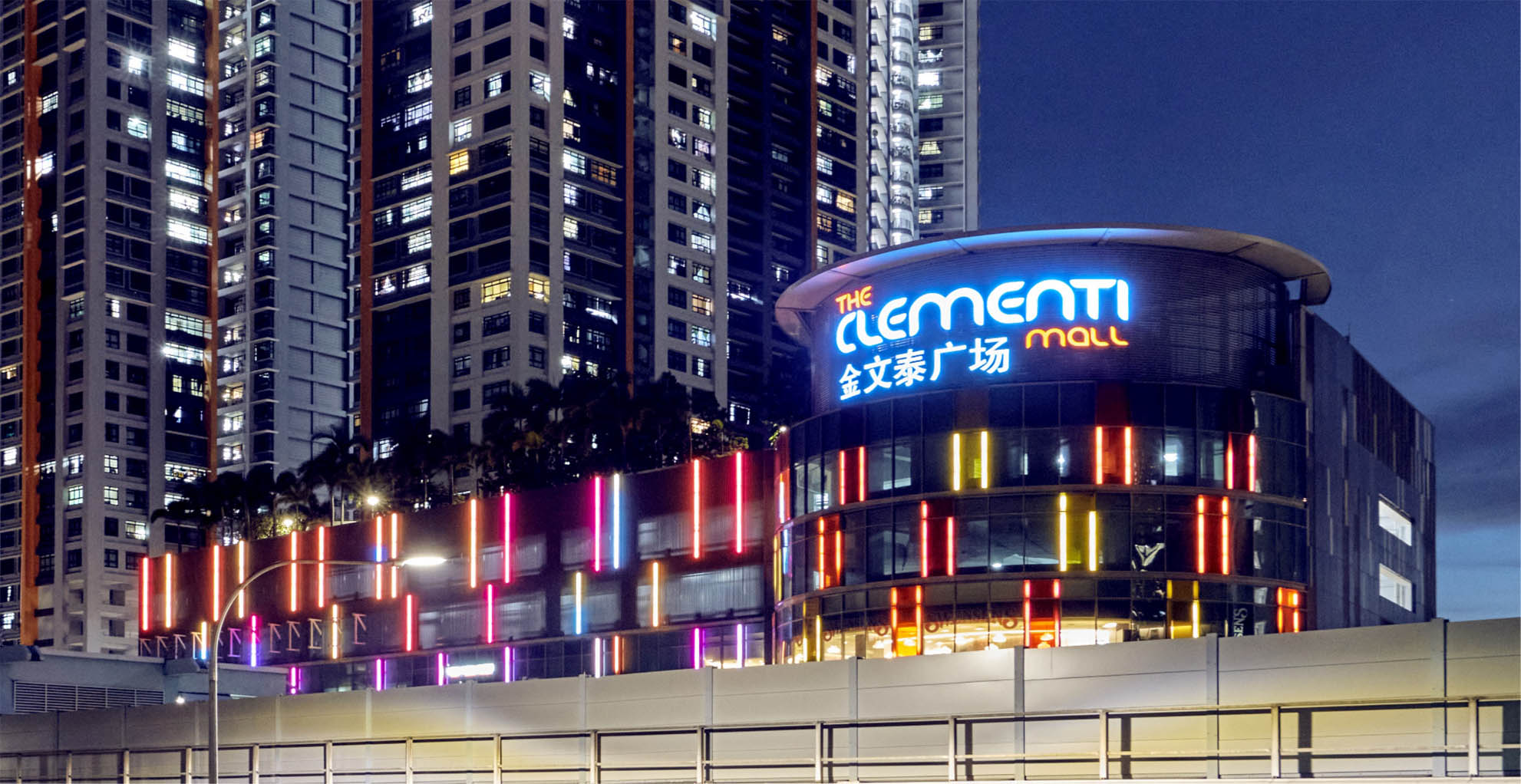
  • Singapore’s Clementi Mall Snapped Up for $809M in Record-Breaking Deal by The Elegant Group

    Singapore’s Clementi Mall Snapped Up for $809M in Record-Breaking Deal by The Elegant Group

    The prominent Clementi Mall in Singapore has changed hands, with Cuscaden Peak Investments selling the property to The Elegant Group for a hefty sum of S$809 million.

    The Elegant Group’s Expanding Portfolio

    The Elegant Group, a business entity associated with entrepreneur Zhao Zhichao, is steadily expanding its portfolio. The group now boasts ownership of five malls situated in Singapore, as well as six properties located in the heart of Sydney.

    Interestingly, the final transaction price of the Clementi Mall was 8 per cent more than the guide price set in August.

    Key Details of Clementi Mall

    The Clementi Mall is no ordinary property; it occupies a site with a 99-year lease that started on August 31, 2010. The structure, as described by Cuscaden Peak Investments, is a six-storey retail development featuring approximately 191,000 square feet of retail space. The mall’s prime location and convenient access, thanks to its direct links to the Clementi MRT Station and bus interchange, make it a desirable piece of real estate in Singapore.

    The Role of Cushman & Wakefield and Savills

    The sale of the Clementi Mall was brokered by renowned real estate firms, Cushman & Wakefield and Savills. They received considerable interest in the property, with 12 responses to an expression of interest request, which concluded on October 3.

    Questions & Answers

    Who is the new owner of the Clementi Mall?
    The Elegant Group, associated with entrepreneur Zhao Zhichao, is the new owner of the Clementi Mall.

    How much was the Clementi Mall sold for?
    The Clementi Mall was sold to The Elegant Group for S$809 million, 8 per cent higher than the guide price from August.

    What is unique about the Clementi Mall’s location?
    The Clementi Mall is strategically located, being directly connected to the Clementi MRT Station and bus interchange. This makes it easily accessible, thereby increasing its desirability as a retail property.

  • Singapore Workforce Trends 2026: Job Hugging, Emotional Salaries and the Death of 9-to-5

    Singapore Workforce Trends 2026: Job Hugging, Emotional Salaries and the Death of 9-to-5

    Recent data from the international payroll and HR platform, Deel, has highlighted five emerging trends that are set to significantly influence Singapore’s work culture and employee decision-making processes by 2026. These findings present a significant shift in the current landscape, challenging employers to rethink strategies surrounding talent retention, workspace design, and compensation.

    Decrease in Job Switching

    Singapore’s workforce has recently observed a notable decline in the frequency of job switching. This rising preference for maintaining a steady career, termed “job hugging,” is not fueled by employee loyalty but rather by a careful approach to career stability. Given the current state of economic unpredictability, workers are beginning to prioritize job security over swift career progression.

    Increasing Importance of Emotional Salary

    With the growing strain on standard pay packages due to inflation and budget constraints, employers are starting to focus on “emotional salary” to attract and retain talent. This concept encompasses various aspects such as recognition, flexibility, autonomy, purpose, and opportunities for personal development. Statistics highlight this trend, showing that only 13% of employees believe their salary has maintained pace with inflation, while 79% desire more flexible payment schedules, and 54% seek greater control over their compensation structure. This data indicates a workforce that values emotional and financial well-being as much as monetary compensation.

    Adoption of Microshifting

    Traditional 9-to-5 workdays are evolving into a more adaptable model through the concept of “microshifting.” This model allows employees to segment their workday into shorter, concentrated periods of work that align with their energy levels and personal needs, ranging from rest to exercise to caregiving. The outcome is a more flexible, productivity-centered work rhythm.

    Shift Towards Conscious Unbossing

    “Conscious unbossing” is a new trend where employees, particularly Gen Z, are consciously moving away from managerial roles to prioritize balance, autonomy, and wellness. This gradual shift is leading employers to reconsider their leadership succession plans as fewer employees express interest in climbing the corporate ladder.

    Rising Career Pressures

    The surge of polished success narratives on professional networks is amplifying what is known as “LinkedIn envy,” a phenomenon where employees grapple with feelings of inadequacy by constantly comparing themselves to others. As career achievements become more public, the emotional pressure escalates, reminding employers of the increasing correlation between psychological well-being and career contentment.

    Forecast for Singapore’s Talent Landscape in 2026

    These emerging trends suggest that employees are reshaping their definition of success and adjusting their expectations of employers. Organizations can seize this opportunity by accommodating these changing priorities through enhancing emotional and financial support, modernizing payroll systems, and overhauling the employee experience from its very foundation.

    Karen Ng, the Regional Head of Expansion, Enterprise, North and South Asia at Deel, explains, “In Singapore, the traditional career path is undergoing a transformation process as employees navigate not only economic turbulence but also evolving personal priorities. The trend of employees ‘hugging’ their current roles due to a yearning for stability is on the rise. When employees feel financially stable and emotionally supported, they are not only more likely to stay but also more likely to positively contribute to organizational growth.”

    Questions & Answers

    What is “job hugging”?
    Job hugging refers to the trend of employees opting to remain in their current roles rather than seeking new opportunities. This trend is driven by a desire for stability and predictability in uncertain economic times.

    What is “emotional salary”?
    Emotional salary refers to non-monetary benefits used to attract and retain talent. This can include recognition, autonomy, purpose, flexibility, and personal development opportunities.

    What is “conscious unbossing”?
    Conscious unbossing is a trend where employees, particularly from Gen Z, are intentionally stepping away from management tracks in pursuit of balance, autonomy, and well-being.

  • Singapore’s 2026 Economy: Navigating Tariffs, Tech, and Transformation Amid Weakening External Demand

    Singapore’s 2026 Economy: Navigating Tariffs, Tech, and Transformation Amid Weakening External Demand

    In 2026, Singapore is slated to encounter a crucial year in which its economic resilience will be put to the test by changing geopolitical scenarios, trade fragmentation, and a moderating technology cycle, according to a recent report by DBS, the nation’s leading bank.

    Projecting Economic Trends

    DBS Group Research predicts a GDP growth of 1.8 percent, which, while proximate to potential, is down from an estimated 4.0 percent in 2025. The city-state will be managing the dual challenges of tariffs and tech, often referred to as the “two Ts” by analysts.

    It is projected that export-dependent sectors will experience a slowdown due to the ongoing impact of increased global tariffs and potential new semiconductor charges that could be imposed by the US. The World Trade Organization anticipates world merchandise trade volume to grow by a mere 0.5 percent in 2026, a sharp decrease from over 2 percent in the previous two years. This suggests a waning external demand.

    Slowing Tech Momentum

    Singapore’s electronics strength, fuelled by AI-related components, has now reached a mature phase, following an 18-month growth period. Global semiconductor sales growth is expected to slow down to 9.9 percent in 2026, from 15.4 percent in 2025. This could potentially curb manufacturing momentum if the AI boom subsides or if proposed US chip tariffs come into effect.

    In contrast, the services economy, particularly finance and insurance, information and communications, and professional services sectors, is anticipated to balance overall performance. Over the past decade, these modern services have demonstrated stronger and more consistent growth compared to manufacturing. This has been facilitated by digitisation, favourable financial conditions, and robust regional investment flows.

    Infrastructure Projects Boosting Growth

    Major infrastructure projects, such as Changi Airport Terminal 5, Tuas Port, and the North-South Corridor, are expected to stimulate the domestic construction sector. This sector is forecasted to generate an annual demand of S$39-46 billion from 2026 to 2029, indicating a structurally stronger outlook than both the post-pandemic recovery and the pre-COVID times.

    Headline and core inflation are predicted to average 1.2 percent and 1.0 percent, respectively, in 2026. This inflation rate is higher than the post-pandemic low in 2025, but still falls within the Monetary Authority of Singapore’s target range. Imported disinflation is diminishing, while domestic costs will modestly increase as productivity trails behind wage growth.

    Climate Policies and Price Pressures

    Changes in green policies, such as a planned 1.8 fold carbon tax increase and a sustainable fuel levy for aviation, are forecasted to drive up utility and travel prices. It is estimated that the carbon tax adjustment could increase electricity tariffs by approximately four percent in 2026. However, inflation of essential services is expected to be controlled by healthcare subsidies and reduced education fees.

    Policy Focus on Economic Blueprint

    With a refreshed political leadership, Singapore is preparing to launch an updated strategy to boost competitiveness and ensure long-term vibrancy. This will include technology adoption, attracting global investments, and strengthening roles in emerging sectors like low-carbon energy and data flows.

    Year of Cautious Confidence

    Singapore’s status as a trusted hub, coupled with government buffers and policy continuity, forms the foundation of what DBS refers to as “measured resilience”. This refers to a type of growth that withstands challenges while also preparing for the next stage of economic transformation.

    Questions & Answers

    What are the “two Ts” that Singapore is expected to navigate in 2026?
    The “two Ts” refer to tariffs and technology. These are the two major challenges that are anticipated to impact Singapore’s economic growth in 2026.

    How is Singapore’s services economy expected to perform in comparison to the manufacturing sector?
    The services economy, particularly sectors like finance and insurance, information and communications, and professional services, is expected to balance overall performance in 2026. These sectors have shown stronger and more stable growth than manufacturing over the past decade.

    What is the predicted impact of green policy changes on Singapore’s economy in 2026?
    Changes in green policies, including a planned increase in carbon tax and a sustainable fuel levy for aviation, are expected to drive up utility and travel prices. However, inflation of essential services should be kept in check due to healthcare subsidies and reduced education fees.

  • China, US, and Malaysia Top Choices for Singapore Workers Seeking Global Experience

    China, US, and Malaysia Top Choices for Singapore Workers Seeking Global Experience

    Approximately 76,000 individuals, making up 3.1% of Singapore’s working populace, have experienced working overseas full-time for a minimum of six months. The primary locations for this international experience were China, the United States, and Malaysia.

    The Most Popular Destinations

    From the portion of the employed population with experience working abroad, 18.3% had most recently been posted in mainland China. The United States followed closely, with 13.6% of the workers having had their most recent overseas experience there, while 10.1% had last worked in Malaysia.

    Insights from the Comprehensive Labour Force Survey

    These statistics were obtained from the 2025 Comprehensive Labour Force Survey. The survey, conducted from March to July, gathered responses from 33,000 households—comprising of employed individuals and job seekers aged 15 and above. In this survey, overseas work experience of residents was noted for the first time, providing insights into its prevalence within the workforce.

    Sectors and Roles

    Those who had worked in China were primarily employed in the manufacturing sector. Meanwhile, most of the workforce in the United States were involved in growth industries such as professional services, information and communications, and financial and insurance services. In contrast, those in Malaysia were largely employed within the manufacturing and construction sectors.

    In terms of job roles, 45.2% of residents held professional positions during their recent work abroad. 30.7% were managers. The most common professional roles were in business and administration (16%), and science and engineering (13.7%). For managers, administrative and commercial roles (11.4%) and production and specialized services roles (9.4%) were the most frequent.

    Demographics and Income

    Overseas work experience was most common among mid-career workers, with 4.6% of individuals in their 40s and 4.5% of those in their 50s having had an overseas posting. However, many of these workers had completed their overseas stints earlier in their careers, primarily between the ages of 25 to 34.

    The report also revealed that international experience was less common among older and younger employees. Only 2.6% of employees in their 60s, 2.5% of those in their 30s and 0.5% of workers aged 25-29 had worked overseas.

    The study found that those in senior roles or with higher incomes were more likely to have had international work experience. Among managers and executives, 7.7% had experience working abroad. Moreover, 16.8% of full-time residents currently earning at least S$30,000 (US$23,100) a month had previously worked overseas. This figure was at 10.6% for those earning S$15,000-19,999 monthly and about 3% for employees in the S$5,000-9,999 range.

    The statistics emphasize the importance of international experience in fostering leadership skills and cross-cultural capabilities, particularly for those aspiring to higher-paying roles. Active planning and seeking overseas work opportunities is crucial to building necessary capabilities for these roles in the future.

    Questions & Answers

    What percentage of Singapore’s workforce has had full-time overseas work experience?
    – About 3.1% of Singapore’s workforce, or 76,000 individuals, have had full-time overseas work experience.

    What are the most popular destinations for overseas work assignments?
    – The top destinations for overseas work assignments are China, the United States, and Malaysia.

    Does international work experience correlate with higher income?
    – Yes, the report suggests that those in senior roles or with higher incomes are more likely to have had international work experience. For instance, 16.8% of full-time residents currently earning at least S$30,000 (US$23,100) a month had previously worked overseas.

  • Sudden Shutdown: Singapore’s Wan Yang Massage Parlor Leaves Customers $22,000 Short with Unfulfilled Packages

    Sudden Shutdown: Singapore’s Wan Yang Massage Parlor Leaves Customers $22,000 Short with Unfulfilled Packages

    Wan Yang Health Product and Foot Reflexology Centre, a well-known massage and reflexology chain in Singapore, has unexpectedly shuttered all its outlets. There are reports of customers losing in excess of S$29,000 (US$22,230) due to unutilized prepaid packages.

    Immediate Cease of Operations

    All five of the chain’s outlets across the city-state have displayed notices indicating an immediate halt of operations. Further, they have plans to initiate formal liquidation proceedings. The company’s website link on its social media page is now defunct, and phone calls to the outlets have gone unanswered. The outlets are now listed as permanently closed on Google Maps.

    Customers Surprised by Sudden Closure

    Customers, who had interacted with the outlets as recently as the preceding week, were taken aback by the sudden closure. They reported that the business seemed to be functioning normally, with appointments being scheduled for upcoming days. Celine, a regular customer, had an appointment scheduled for the following day but found the shop unexpectedly closed. Similarly, another long-term customer, Daniel, had purchased a substantial package and had a significant portion of it remaining. He too had an appointment scheduled, only to find the establishment boarded up.

    Concerns and Speculations

    Customers reported that the staff had been promoting new packages just days prior to the sudden closure. Given that Wan Yang was an established and reputable business, the abrupt closing has led to significant concern and speculation. The Consumers Association of Singapore has received 15 complaints related to the unexpected closure of Wan Yang outlets. The association has expressed deep concern over prepayment losses in the beauty and wellness sector due to sudden business shutdowns and is currently seeking clarification from Wan Yang regarding customer refunds for unused packages.

    Potential Impact on Employees

    Some customers have raised questions about the impact on Wan Yang’s employees and whether they were also blindsided by the sudden closure. There are concerns about the possibility of a situation similar to that of the bakery chain Twelve Cupcakes, which abruptly closed and left its employees without their owed salaries.

    Questions & Answers

    What led to the sudden closure of Wan Yang Health Product and Foot Reflexology Centre?
    The reasons behind the abrupt closure of Wan Yang Health Product and Foot Reflexology Centre are not currently known.

    How much money have customers lost due to the closure of Wan Yang outlets?
    Customers have reported losing over S$29,000 (US$22,230) related to unused prepaid packages.

    What is the potential impact on employees of Wan Yang?
    It is unclear at this time, but there is concern that employees may have been caught off guard by the sudden closure, similar to a recent situation with the bakery chain Twelve Cupcakes.

  • Singapore Unveils First Locally Vaulted Physical Gold Fund: A New Era for Precious Metals Investment

    Singapore Unveils First Locally Vaulted Physical Gold Fund: A New Era for Precious Metals Investment

    Singapore has recently launched its inaugural fully insured and locally stored physical gold fund. The move enhances the city-state’s prestige as an international financial center and a hub for precious metals.

    The LionGlobal Singapore Physical Gold Fund was unveiled following an alliance between Singlife and Lion Global Investors (LGI). It provides retail and policyholder portfolios with access to institution-grade bullion. This construct was designed to cater to the increasing demand for diversification and protection from long-term inflation, as reported in a press release on Tuesday.

    The fund is entirely backed by physical gold bars that meet the London Bullion Market Association’s Good Delivery standards. This arrangement allows investors to gain exposure to the performance of the metal’s price while circumventing the logistical costs and security risks associated with private storage.

    Transparent Tracking

    The fund securely stores and insures all holdings in Singapore and aims to closely emulate the LBMA Gold Price AM benchmark. This practice ensures the transparent tracking of the global reference price.

    The fund’s availability on Singlife’s ILPs is designed to let policyholders include physical gold exposure in their long-term insurance-linked savings and retirement plans.

    Digital Access

    Stanz Tan, Head of Investments and Wealth at Singlife, stated that this option supports “diversification, wealth preservation, and growth” as market dynamics develop. Digital access is a fundamental aspect of this rollout. Through GROW and dollarDEX, investors can add gold to their portfolios with minimal entry amounts.

    Lion Global Investors CEO Teo Joo Wah stressed that Singapore’s reputation as a reliable financial and gold-trading hub makes it the perfect location for a fully backed physical gold fund. This initiative, he said, makes gold exposure “simpler and more secure for policyholders and investors alike” and aligns with the long-term structural demand for the metal.

    Institutional Framework

    Standard Chartered Bank acts as the custodian, trustee, fund administrator, transfer agent, and gold provider, centralizing oversight under a single institution with extensive experience in precious metals operations. This structure is designed to reinforce governance, safeguard assets, and enhance operational efficiency for investors seeking institutional-grade protections.

    The launch, backed by partners including OCBC, MariBank, and Great Eastern, aligns with Singapore’s SG60 anniversary and utilizes the country’s refreshed aspirations in wealth management and gold custody.

    This consortium-led approach underscores the fund’s role in shaping a more comprehensive precious metals market accessible to retail and institutional investors.

    Questions & Answers

    What is the LionGlobal Singapore Physical Gold Fund?
    The LionGlobal Singapore Physical Gold Fund is a physical gold fund that is fully insured and locally stored. It was launched through a partnership between Singlife and Lion Global Investors.

    How does the fund ensure transparent tracking of the global reference price?
    The fund securely stores and insures all holdings in Singapore and aims to mirror the LBMA Gold Price AM benchmark closely.

    Who are the key players involved in the launch of this fund?
    Key players in the launch of the LionGlobal Singapore Physical Gold Fund include Singlife, Lion Global Investors, Standard Chartered Bank, OCBC, MariBank, and Great Eastern.

  • Popeyes Singapore Halts Fish Burger Sales Amid Mold Scare: An Investigation Underway

    Popeyes Singapore Halts Fish Burger Sales Amid Mold Scare: An Investigation Underway

    Popeyes Singapore recently halted the sale of its limited-edition Poppy Fish Burger throughout all its branches following an incident where a customer found mold on her burger bun at the Orchard Xchange outlet. This occurrence has led to a comprehensive investigation.

    The fast-food chain’s decision to suspend the sale of the burger is a precautionary measure while the inquiry is ongoing. In a statement, they expressed sincere apologies for the incident and emphasized their commitment to food safety, stating that it is their topmost concern and they take such matters very seriously.

    Popeyes also revealed that the Singapore Food Agency (SFA) had already inspected the Orchard Xchange outlet and found their food-safety controls to be satisfactory. Currently, Popeyes is collaborating with the SFA, its suppliers, and its operations team to identify the root cause of the mold incident and avert any similar issues in the future.

    The customer, identified as Teng, shared that she had consumed most of the Poppy Fish Burger before noticing the mold on the bun. She explained that she did not see it sooner because she had been focused on her computer while eating. Upon discovering the mold, Teng discarded the remaining burger and lodged complaints with both Popeyes and the SFA.

    The SFA confirmed its inspection of the Orchard Xchange outlet and stated it had sternly cautioned the management to improve their procedures. The agency assured that it would continue to monitor the outlet for compliance.

    Popeyes, on its part, pledged to scrutinize its internal processes to understand the cause of the mold incident. It has already performed a thorough inspection of all food items, required suppliers to confirm the integrity of the shelf-life of their products and reinforced food-safety checks across all its locations. Furthermore, recommendations from the SFA have been received, which the fast-food chain promised to implement immediately.

    Questions & Answers

    What action was taken by Popeyes Singapore following the discovery of mold on a burger bun?
    Popeyes Singapore suspended the sale of its limited-edition Poppy Fish Burger at all its locations as a precautionary measure and initiated a thorough investigation into the incident.

    How is Popeyes Singapore addressing the issue to prevent a repeat occurrence?
    Popeyes Singapore is reviewing its internal processes, performing comprehensive inspections of all food items, asking suppliers to verify their product shelf-life, and reinforcing food-safety checks at all outlets. The chain is also implementing recommendations from the Singapore Food Agency.

    What role has the Singapore Food Agency (SFA) played in this incident?
    The SFA inspected the implicated Popeyes outlet, found its food-safety controls satisfactory, issued a stern warning to the management to improve their procedures, and committed to ongoing monitoring for compliance. The agency also provided recommendations to Popeyes Singapore which the chain has pledged to implement immediately.

  • Coinbase Survey Reveals: Over 60% Singaporeans Own Cryptocurrency – A Deep Dive into Their Investment Trends

    Coinbase Survey Reveals: Over 60% Singaporeans Own Cryptocurrency – A Deep Dive into Their Investment Trends

    Cryptocurrencies have gained significant traction in Singapore, with the majority of its citizens having some level of interaction with the digital asset, as revealed by a recent survey.

    Singaporean Interest in Cryptocurrencies

    A substantial portion of Singaporeans, amounting to 61 percent, are in possession of some form of cryptocurrency, according to recently published survey data. Unsurprisingly, the predominant demographic among these investors are individuals aged 18 to 34 years, who make up 70 percent of the group. Of these, about 68 percent are male.

    Investment Approach: HODL vs Trading

    The study also revealed the investment habits of cryptocurrency owners. The majority, 58 percent, were found to be long-term investors, a strategy commonly referred to as HODL or “hold on for dear life”. On the other hand, 22 percent were classified as occasional traders, with another 20 percent identified as active traders. Remarkably, 42 percent of the survey participants had been investing in cryptocurrencies for over two years.

    The investment allocation was also explored in the study, with 74 percent of respondents stating that 10 percent or less of their portfolios was invested in digital assets. These portfolios typically contained an average of three different types of cryptocurrency. The median portfolio size ranged within S$3,000 ($2,300) to S$5,000.

    Cryptocurrency Price Predictions

    Looking ahead, 25 percent of the respondents anticipate the price of Bitcoin to reach between $100,000 and $150,000 within the next year. Meanwhile, 15 percent predict a rise above $150,000. However, the majority hold a more conservative prediction, expecting the value to fall within the $50,000 to $100,000 bracket. Only 18 percent of the respondents foresee Bitcoin dropping below $50,000. The price of Bitcoin at the time of the survey’s publication was approximately $86,000.

    The data for this report was collected from a pool of 3,513 active retail investors and other interested individuals in Singapore. The survey was conducted between August 15 and August 19 of the current year.

    Questions & Answers

    What percentage of Singaporeans own cryptocurrency?
    According to a recent survey, 61 percent of Singaporeans own some form of cryptocurrency.

    What is the average investment allocation to cryptocurrencies in Singapore?
    The survey found that 74 percent of investors have allocated 10% or less of their portfolios to cryptocurrency holdings.

    What are the future price expectations for Bitcoin among Singaporean investors?
    Within the next year, 25 percent of the respondents expect Bitcoin’s price to reach $100,000 to $150,000, 15 percent predict a rise above $150,000, and the majority forecast a value between $50,000 and $100,000.

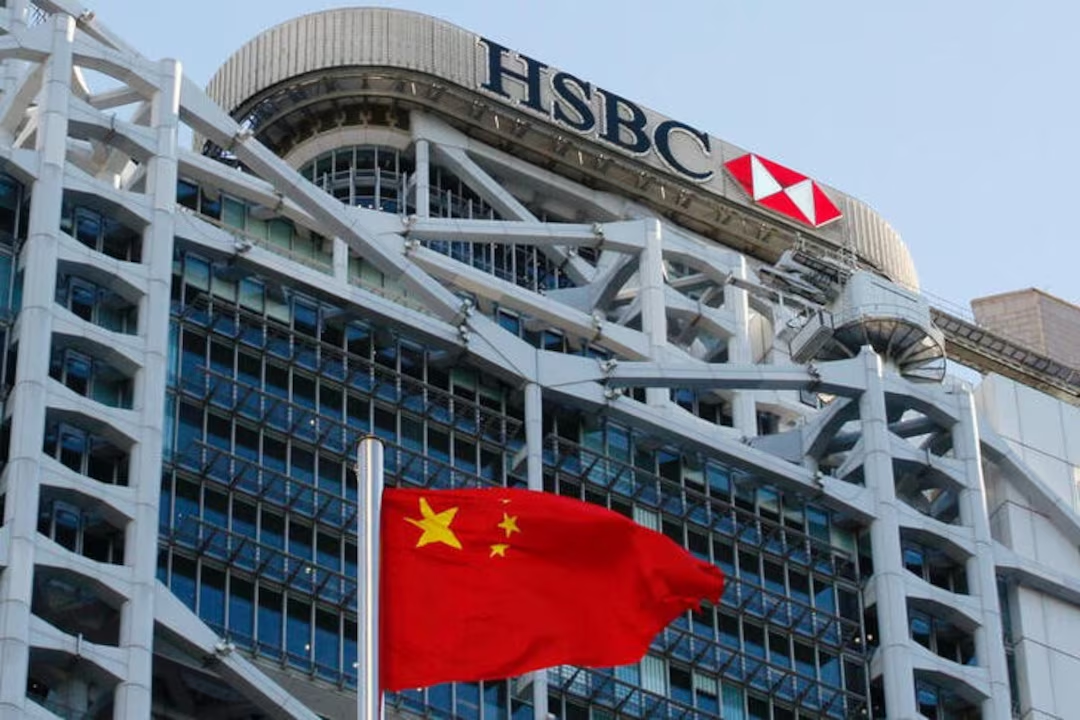
  • HSBC Bolsters ASEAN Presence: Ruby Ho to Spearhead Markets and Securities Services in Singapore

    HSBC Bolsters ASEAN Presence: Ruby Ho to Spearhead Markets and Securities Services in Singapore

    HSBC, the UK-based banking institution, recently undertook a strategic shift in its Southeast Asian operations, assigning an experienced professional to spearhead its markets and securities services across ASEAN.

    Ruby Ho Takes the Reins

    Ruby Ho now holds the reins of HSBC’s Markets and Securities Services (MSS) franchise throughout Singapore and the ASEAN region. She will lead the bank’s regional strategy for markets and securities services, poised at a moment when institutional demand, transnational investment, and treasury needs in Southeast Asia are on the rise.

    Ho comes to the role armed with almost three decades of experience in the financial markets. She joined HSBC in 2011 and has since occupied high-ranking roles across a variety of asset classes and markets, most recently serving as the head of MSS in HSBC Taiwan. Her proven ability to build robust institutional relationships is expected to be instrumental in driving client engagement across the region.

    Fostering HSBC’s ASEAN Growth Goals

    HSBC’s management team sees Ho’s appointment as a significant stride towards deepening the bank’s regional footprint. “Singapore is a high-priority growth market for HSBC. We have been consistently enhancing our regional banking and advisory capabilities, catering to the capital and investment requirements of our ASEAN clients”, said Wong Kee Joo, CEO of HSBC Singapore.

    He further remarked on Ho’s “vast expertise across asset classes and her capacity to foster robust collaboration across our wealth and corporate banking sectors, which will assist us in expanding our market share in this region.”

    Prepared for Growth

    With demographic growth, burgeoning capital markets, and increasing intra-regional investment, ASEAN is one of HSBC’s key areas of focus worldwide.

    The appointment of an experienced markets executive emphasises the bank’s intent to augment its MSS portfolio and seize a larger share of the institutional market across Southeast Asia.

    Questions & Answers

    Who has HSBC appointed to lead its MSS franchise in the ASEAN region?
    Ruby Ho has been appointed to oversee HSBC’s Markets and Securities Services in the ASEAN region.

    What is the significance of Ruby Ho’s appointment to HSBC’s growth strategy in ASEAN?
    Ho’s appointment is seen as a key step in strengthening HSBC’s regional presence and providing a boost to the bank’s growth agenda in the ASEAN market.

    What factors make ASEAN a high-priority area for HSBC?
    ASEAN is a key focus for HSBC due to the region’s demographic growth, expanding capital markets, and rising intra-regional investment.

  • Singaporean Woman Fined $15,300 Over Lamborghini Sale Featuring Mileage Discrepancy

    Singaporean Woman Fined $15,300 Over Lamborghini Sale Featuring Mileage Discrepancy

    A woman from Singapore, named Virginia Wong, has been mandated by the court to pay SGD20,000 (US$15,300) in damages to dealership Purpose Automobiles due to a discrepancy in the mileage of a Lamborghini Urus she sold them. Wong sold the vehicle to Purpose Automobiles in April 2023, assuring them its mileage was at 9,000 kilometers.

    However, a third-party inspection later uncovered that the actual mileage was over 18,000 km, which was twice the amount initially stated by Wong. Following this discovery, Purpose Automobiles took legal action against Wong, claiming SGD145,500 in damages. They argued that they lost a potential sale due to the SUV’s incorrect mileage.

    Court Finds No Breach of Contract

    On November 17, District Judge Sim Mei Ling found that the failed sale was not a result of Wong’s contract violation. Therefore, Purpose Automobiles was not eligible to receive the profits they might have obtained if the deal had proceeded. The judge pointed out that the potential buyer chose not to finalize the purchase once it became apparent that the car’s warranty had been voided by the authorized dealer.

    Judge Sim clarified that Purpose Automobiles was only entitled to compensation for the losses directly linked to Wong’s breach, and not for damages related to the warranty cancellation. As a result, Wong was instructed to pay SGD20,000 in damages, plus interest. This amount represents the difference in the car’s value once the actual mileage was taken into account.

    Judge Sim also mentioned that there was no concrete evidence showcasing what caused the mileage discrepancy or if Wong manipulated the odometer.

    Dealings & Transactions

    Purpose Automobiles initially acquired the car from Wong, the registered owner, for SGD908,000 in April 2023. In June 2023, a potential buyer expressed interest in purchasing the car for SGD965,000, pending an inspection at authorized dealer Eurosports Auto.

    It was during this inspection that it became evident that the mileage recorded on several independent electronic components, and shown on the diagnostics protocol downloaded during recovery, was twice the amount displayed on the vehicle’s odometer.

    Purpose Automobiles explained that the original sale did not go through, and they were only able to sell the Lamborghini Urus for SGD800,000 in August 2023.

    Questions & Answers

    What was the discrepancy in the Lamborghini Urus’ mileage?

    The car was initially reported to have 9,000 km of mileage. However, a subsequent inspection revealed that the actual mileage was over 18,000 km.

    How much in damages was the seller ordered to pay?

    The seller, Virginia Wong, was ordered by the court to pay SGD20,000 (US$15,300) in damages.

    Why did the potential sale of the car fall through?

    The prospective buyer decided not to proceed with the purchase after discovering that the car’s warranty had been voided by the authorized dealer.

  • HSBC Boosts ASEAN Growth Strategy with Key Leadership Appointment in Singapore

    HSBC Boosts ASEAN Growth Strategy with Key Leadership Appointment in Singapore

    HSBC, the renowned British lender, has showcased its strategic intentions in Southeast Asia by naming a seasoned financial professional as its Head of Markets and Securities Services, ASEAN. This move echoes HSBC’s determination to boost its growth strategy in the region, basing its operation in the economically vibrant Singapore. This approach is a direct response to the increasing concentration of global capital flows in the ASEAN region.

    Appointment of Ruby Ho

    The respected industry figure, Ruby Ho, is to take the reins of HSBC’s Markets and Securities Services (MSS) in Singapore and throughout the wider ASEAN region. From her base in Singapore, Ho will guide the bank’s regional markets and securities services strategy. Her leadership comes at a critical time, as institutional demand, cross-border investments, and treasury needs in Southeast Asia are on an upward trend.

    Ho’s professional experience, spanning nearly three decades in financial markets, will be invaluable in her new role. Since becoming part of the HSBC team in 2011, she has held high-ranking roles in multiple asset classes and markets. Her most recent position was as the head of MSS in HSBC Taiwan. Ho’s proven ability to forge trusted institutional relationships will play a crucial role in fostering client engagement across the region.

    Consolidating HSBC’s ASEAN Growth Plan

    HSBC’s leadership highlights Ho’s appointment as a crucial enabler in solidifying the bank’s regional footprint. HSBC’s regional strategy views Singapore as a crucial growth market. The bank has consistently enhanced its regional banking and advisory capabilities to accommodate the capital and investment needs of its ASEAN clients. Wong Kee Joo, the CEO of HSBC Singapore, emphasized Ho’s extensive knowledge across asset classes and her skill in fostering strong relationships within wealth and corporate banking sectors. He is confident that these qualities will help the bank increase its market share in the region.

    Positioning for Growth

    HSBC has identified ASEAN as a primary focus area globally, motivated by demographic growth, expanding capital markets, and a surge in intra-regional investments. The decision to appoint a seasoned markets expert like Ho exemplifies the bank’s aspiration to expand its MSS offering and secure a greater share of the institutional wallet across Southeast Asia.

    Questions & Answers

    Who has HSBC appointed as its new Head of Markets and Securities Services, ASEAN?
    Ruby Ho, a financial markets veteran, has been appointed to this role.

    What role will Ruby Ho play in HSBC’s ASEAN strategy?
    Ho will be guiding the bank’s regional markets and securities services strategy, based in Singapore. Her focus will be on fostering institutional relationships to drive client engagement and increase the bank’s market share in Southeast Asia.

    Why is HSBC focusing on ASEAN for growth?
    HSBC sees ASEAN as a primary global focus area due to demographic growth, expanding capital markets, and rising intra-regional investments.

  • UBS Names Kwa Chong Seng as New Chair for Singapore and Southeast Asia: A Strategic Move for Growth and Innovation

    UBS Names Kwa Chong Seng as New Chair for Singapore and Southeast Asia: A Strategic Move for Growth and Innovation

    UBS, the Swiss banking powerhouse, has announced the appointment of experienced corporate leader Kwa Chong Seng to the position of chairman for Singapore and Southeast Asia. Effective from December 1, Kwa will be based in Singapore from where he will report directly to Iqbal Khan, the president of APAC and co-president of Global Wealth Management (GWM).

    Kwa’s Role and Responsibilities

    In his new role, Kwa will be tasked with strategic oversight of the business, fostering partnerships and relationships within Singapore, and stimulating the bank’s growth and innovation across the region. A crucial part of his role will also be mentoring and cultivating the next generation of leaders. In carrying out these responsibilities, he will work closely with Edmund Koh, the APAC Chairman, and Jin Yee Young, the head of Singapore country and co-head of APAC GWM.

    Experience and Track Record

    Kwa brings to the table extensive leadership experience from both public and private sectors. His impressive portfolio includes chairing the boards of notable Singapore-based companies such as Singapore Exchange, ST Engineering, Neptune Orient Lines, Olam International, Fullerton Fund Management, and Media Corporation of Singapore. Kwa has also held board member positions at DBS and Seatown Holdings, while serving as the deputy chair of Temasek Holdings and the Public Service Commission Singapore.

    Presently, Kwa holds the position of chairman at UltraGreen.ai, a company that specializes in surgical imaging technology. The bank has officially confirmed these details pertaining to Kwa’s portfolio and appointment.

    Questions & Answers

    What role will Kwa Chong Seng play at UBS?
    Kwa Chong Seng has been appointed as chairman for Singapore and Southeast Asia. He will provide strategic oversight, boost partnerships and relationships in Singapore, aid the bank’s regional growth and innovation, and mentor emerging leaders.

    What is Kwa’s professional background?
    Kwa Chong Seng has a significant amount of leadership experience in the public and private sectors. He has chaired the boards of several prominent companies in Singapore and has held board member positions at DBS and Seatown Holdings.

    Who will Kwa report to in his new role at UBS?
    Kwa will report to Iqbal Khan, the president of APAC and co-president of Global Wealth Management (GWM).