Tag: Singapore

  • Coach Unveils Chic Dining Experience with New Flagship Restaurant at Jewel Changi Airport

    Coach Unveils Chic Dining Experience with New Flagship Restaurant at Jewel Changi Airport

    Coach, the well-known American fashion brand, has expanded its horizons into the hospitality industry by introducing The Coach Restaurant in Singapore’s Jewel Changi Airport. This venture is a part of the brand’s wider lifestyle strategy.

    Design Inspired by New York Heritage

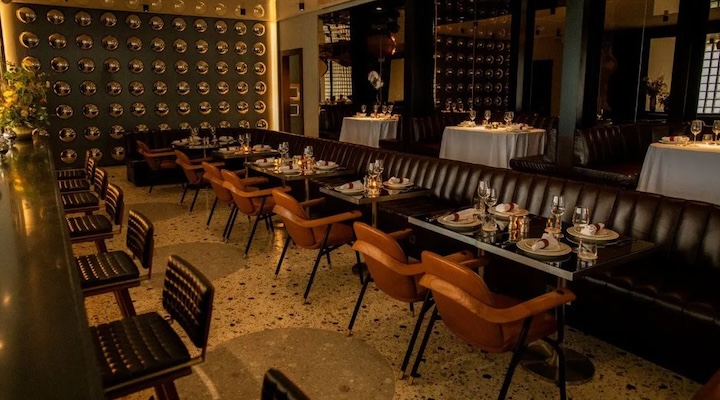
    The Coach restaurant’s design takes inspiration from the brand’s New York roots. The establishment offers breathtaking views of Jewel’s Rain Vortex. It includes a spacious 56-seat dining room, a 10-seat bar, and a chef’s counter with 10 seats, all built around a centralized, open woodfire kitchen.

    The interior design showcases a harmonious blend of bronze mirrors, terrazzo floors, and tropical wooden louvres. Leather accents have been thoughtfully utilized in menu covers and staff aprons, adding to the restaurant’s sophisticated ambiance. A noteworthy feature is a full-sized yellow taxi cab hanging above the dining area, serving as a focal point and a nostalgic nod to the brand’s origins.

    Singapore: A Natural Choice for Coach’s Venture

    Marcus Sanders, the Vice President of Global Food and Beverage at Coach, shared his excitement about the brand’s new venture. He highlighted that Singapore’s vibrant food culture and diverse international community made it an excellent choice to host their hospitality concepts.

    Sanders expressed his desire to create a space where guests can gather, celebrate, and experience Coach in a manner that feels both traditional and innovative.

    Building on Previous Successes

    The new restaurant is an extension of Coach’s earlier forays into the food and beverage sector. It enhances the brand’s in-house coffee shop and its refurbished retail store, both located at Jewel. These three distinct spaces are strategically devised to bolster the brand’s most extensive integrated lifestyle concept in Asia.

    Questions & Answers

    What is the inspiration behind the design of The Coach Restaurant?
    The design of the restaurant is inspired by Coach’s New York Heritage. It features bronze mirrors, terrazzo flooring, and tropical wooden louvres alongside leather accents used in menu covers and staff aprons.

    Why did Coach choose Singapore for their hospitality venture?
    Coach chose Singapore due to its dynamic food culture and globally diverse community, which aligns with Coach’s broader lifestyle strategy.

    How does the new restaurant enhance Coach’s integrated lifestyle concept?
    The new restaurant, along with Coach’s coffee shop and refurbished retail store at Jewel Changi Airport, strengthens the brand’s largest integrated lifestyle concept in Asia.

  • HSBC Amplifies Asian Venture Ecosystem with $1.5 Billion Innovation Banking Hub in Singapore

    HSBC Amplifies Asian Venture Ecosystem with $1.5 Billion Innovation Banking Hub in Singapore

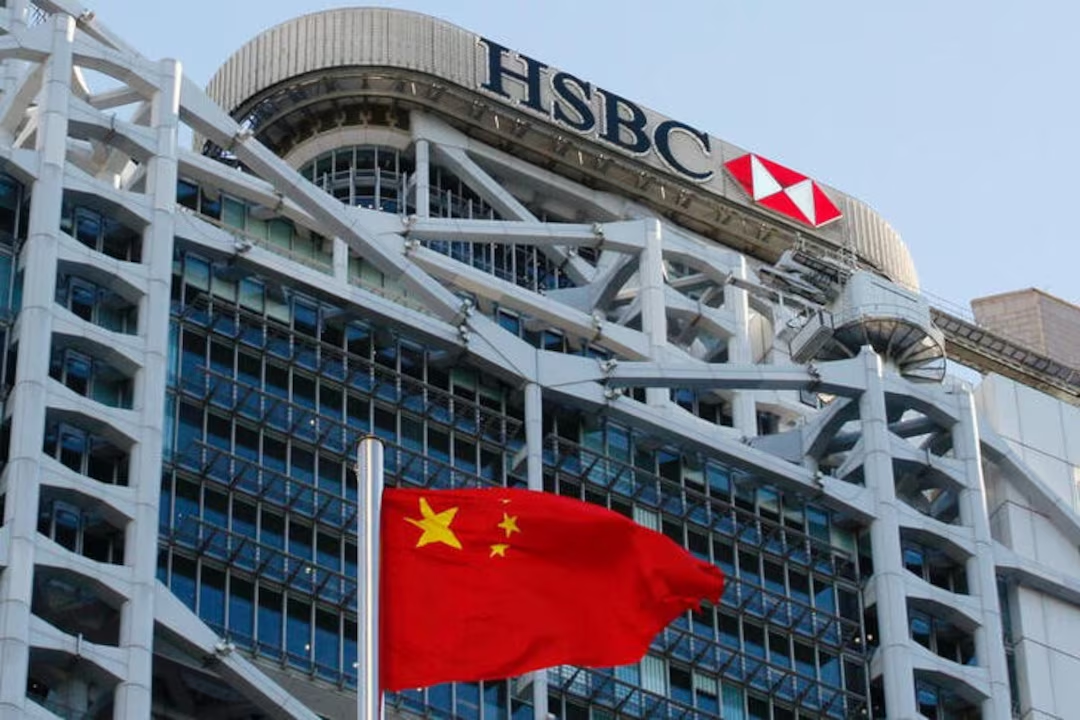
    HSBC is making a significant stride into the Singaporean market with the establishment of its Innovation Banking division. This move is marked by a considerable investment of $1.5 billion, aimed at promoting rapid expansion firms and improving the local venture ecosystem.

    Services and Leadership

    The department is structured to cater to venture-supported enterprises and investors by offering specialized products and sector knowledge. Additionally, it will provide access to the vast global network of HSBC. Neil Falconer, freshly appointed as the Head of Innovation Banking in Singapore, will lead a committed team to assist current clients and broaden coverage. Concurrently, he will maintain his role in managing the Consumer, Healthcare, and TMT sectors within the International Mid-Market segment of HSBC.

    Establishment of Credit Solutions Team

    In line with the new initiative, HSBC has also founded a Credit Solutions team. Shaun Sakhrani, the Head of Credit Solutions for Singapore and the Asia Head of Platform Lending, will lead this team. The group will offer a range of financial structures to Innovation Banking clients, including venture debt and platform finance.

    Singapore, A New Addition to HSBC’s Innovation Banking

    HSBC’s Innovation Banking launch in Singapore marks the third expansion within the Asia-Pacific region in the current year. This addition bolsters its presence across the globe, joining branches in the US, UK, Australia, New Zealand, Israel, Continental Europe, India, Hong Kong, and mainland China.

    Since its launch in 2023, HSBC’s Innovation Banking has witnessed a remarkable growth in its clientele, with an increase of nearly 60 percent. The bank now boasts of a robust team of over 900 innovation finance experts with a global connection.

    In Singapore, HSBC has been backing new-economy businesses since 2021, achieving double-digit revenue growth and supporting companies such as Atome Financial, Glife Technologies, and Tickled Media.

    Singapore: A Thriving Start-Up Hub

    Singapore houses over 4,000 start-ups and flaunts a pulsating network of accelerators, incubators, and investors. As Gilbert Ng, Head of Banking – Singapore, Corporate and Institutional Banking at HSBC, stated, the city-state is an attractive hub for the start-up ecosystem in Asia-Pacific.

    Questions & Answers

    What is the main aim of HSBC’s Innovation Banking division in Singapore?
    The division aims to support high-growth companies and enhance the venture ecosystem in the region.

    Who will lead the newly established Credit Solutions team?
    Shaun Sakhrani, the Head of Credit Solutions for Singapore and the Asia Head of Platform Lending, will lead the Credit Solutions team.

    How has HSBC’s Innovation Banking grown since its launch?
    Since its inception in 2023, the client base of HSBC’s Innovation Banking has grown by nearly 60 percent. It now includes more than 900 globally connected innovation finance experts.

  • Indonesian Fashion Brand Buttonscarves Debuts in Singapore with Exclusive Jewel Changi Boutique Launch

    Indonesian Fashion Brand Buttonscarves Debuts in Singapore with Exclusive Jewel Changi Boutique Launch

    Indonesia-based fashion brand, Buttonscarves, has recently established its premiere standalone store in Singapore. The new outlet is conveniently situated in the bustling Jewel Changi Airport.

    Store Overview

    Located on Basement 1 of the complex, this boutique showcases the label’s renowned scarves and brooches. Each item is elegantly displayed in packaging that is perfect for gift-giving. Additionally, the establishment carries exclusive Jacquard Voile scarves, a unique product line that can only be found at this Jewel location.

    Linda Anggrea, CEO of Buttonscarves, commented on the brand’s new venture. She noted that Singapore’s position as a regional hub with significant global reach permits the brand to interact with both local communities and international tourists. This strategic location places Buttonscarves at the center of Southeast Asia’s dynamic fashion scene.

    New Collection Launch

    To coincide with the store’s opening, Buttonscarves has launched the Singapore 2 Series. This novel line is a joint collaboration with the Singapore Tourism Board. The collection, featuring 16 different color variations, is an ode to the city’s cultural diversity and contemporary energy. Two color shades are exclusive to the Jewel Changi Airport store, enhancing the uniqueness of the collection.

    Buttonscarves was established in 2016 and is recognized as a modest fashion and lifestyle brand under the Modinity Group. The brand currently operates over 50 stores spread across Indonesia, Malaysia, and Singapore.

    Questions & Answers

    What products does Buttonscarves sell in its new Singapore store?
    The store showcases the brand’s signature scarves and brooches. It also offers exclusive Jacquard Voile scarves only available at this location.

    What is special about the new Singapore 2 Series collection?
    The Singapore 2 Series, created in collaboration with the Singapore Tourism Board, reflects the city’s cultural diversity and modern energy. It features 16 different color variations, including two shades exclusive to the new store.

    How many stores does Buttonscarves operate?
    Buttonscarves, under the Modinity Group, operates more than 50 stores across Indonesia, Malaysia, and Singapore.

  • Singtel, Ericsson And Hp Launch 5g+ Workspace: Revolutionizing Esim Management And Enterprise Security

    Singtel, Ericsson And Hp Launch 5g+ Workspace: Revolutionizing Esim Management And Enterprise Security

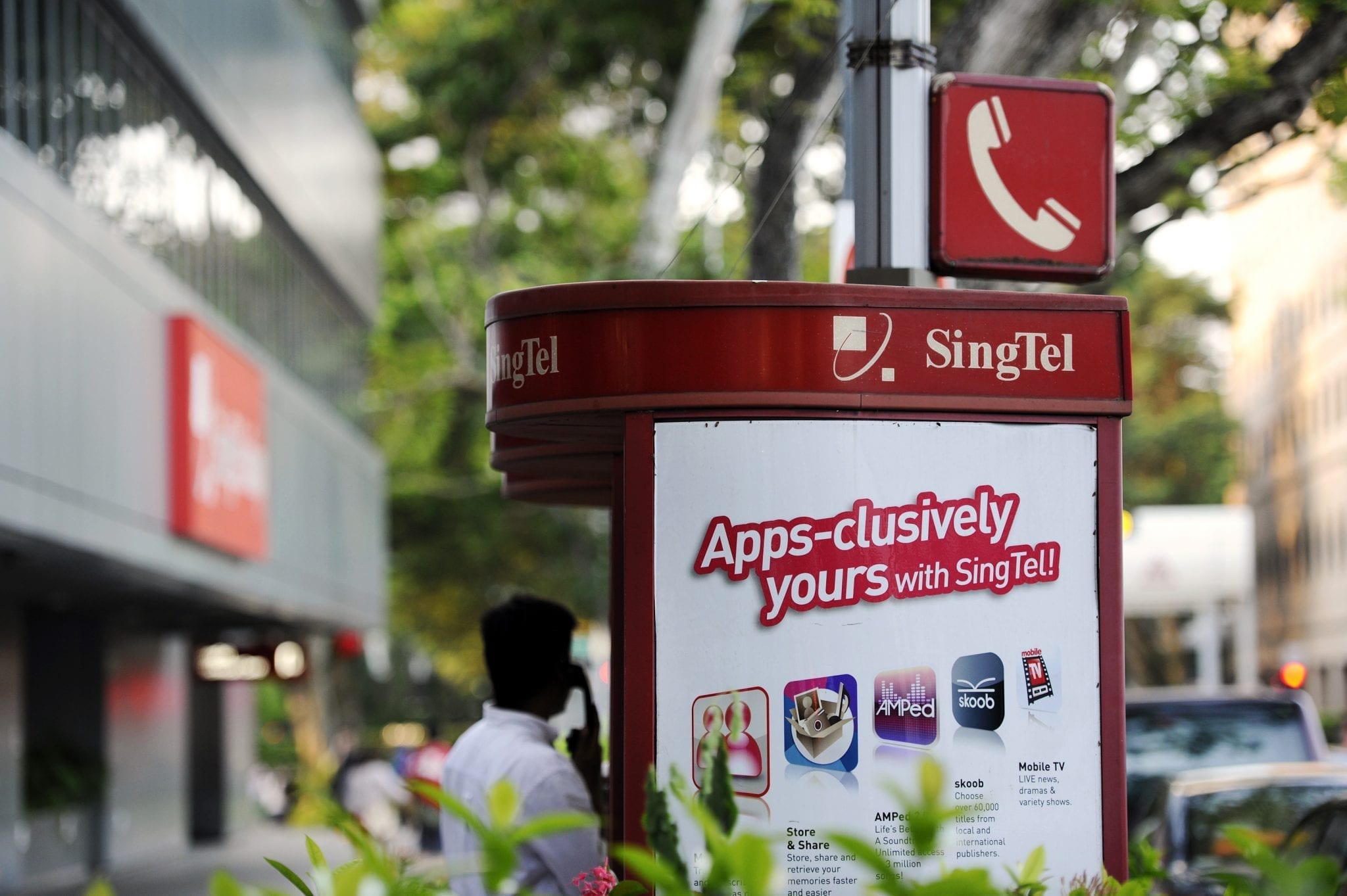
    In a joint venture with Ericsson and HP Inc, Singtel has launched a service featuring the Ericsson Enterprise Virtual Cellular Network. This service automates eSIM profile management, allowing zero-touch provisioning and secure access to corporate applications from nearly any location. This automation gives enterprises total control over eSIM activation and deployment, thus simplifying operations and reducing IT overhead.

    5G+ Workspace and HP’s Role

    The 5G+ Workspace is also equipped with HP’s enterprise-grade, AI-ready laptops and digital workplace tools. This combination simplifies device management for modern, geographically dispersed teams. Each device is fitted with Singtel’s 5G+ eSIM during production, ensuring secure connectivity straight out of the box. The intelligent management platform automatically activates 5G connectivity according to company policies, enabling IT teams to manage devices, monitor usage, and optimize the employee experience throughout the device’s lifecycle.

    Addressing Hybrid Work Challenges

    With 76% of employers in Singapore transitioning to hybrid work models, concerns about connectivity, security, and IT complexity have emerged. Singtel’s 5G+ Mobile Workspace addresses these concerns by offering a secure, intelligent mobility platform that supports cloud-native, AI-driven applications on a large scale.

    Benefits of the 5G+ Mobile Workspace

    The 5G+ Mobile Workspace provides flexible, secure, and cost-effective real-time communications, including voice, messaging, and video, without the need for additional infrastructure investment. Security is enhanced through SingVerify and Mobile Protect, which authenticate digital identities and block threats before they reach users’ devices, even when abroad.

    Enterprise Mobility Management

    Singtel’s unified dashboard allows IT teams to have full visibility and control over enterprise mobility. From a single interface, teams can monitor device usage, enforce compliance, allocate resources, and apply access policies by app, user, or location. This efficient approach eliminates the need for on-site infrastructure and simplifies operations across distributed workforces.

    The platform also supports the direct activation of advanced network services like network slicing, which facilitates high-speed data transfer and real-time analytics.

    5G+ Coverage and Performance

    Singtel’s nationwide 5G+ coverage, including the 700 MHz spectrum, ensures stronger indoor connectivity, ultra-low latency, and speeds up to four times faster. Singtel has demonstrated the scalability of its 5G+ network at high-traffic events, maintaining seamless connectivity even during peak demand.

    Questions & Answers

    What is the purpose of the Ericsson Enterprise Virtual Cellular Network?
    The Ericsson Enterprise Virtual Cellular Network automates eSIM profile management. This allows for zero-touch provisioning and secure access to corporate applications from almost any location.

    How does the 5G+ Workspace benefit distributed teams?
    The 5G+ Workspace simplifies device management for modern, geographically dispersed teams. It automatically activates 5G connectivity according to company policies, enabling IT teams to manage devices, monitor usage, and optimize the employee experience throughout the device’s lifecycle.

    What security measures does Singtel’s 5G+ Mobile Workspace offer?
    The 5G+ Mobile Workspace enhances security through SingVerify, which authenticates digital identities, and Mobile Protect, a network-level defense that blocks threats before they reach users’ devices, even when users are abroad.

  • Singapore Changi Airport Sees 3.1% Surge In Passenger Traffic Amid Robust Asian Travel Demand In Q3 2025

    Singapore Changi Airport Sees 3.1% Surge In Passenger Traffic Amid Robust Asian Travel Demand In Q3 2025

    Between July and September 2025, Singapore Changi Airport experienced a 3.1% year-on-year increase in passenger movement, handling approximately 17.3 million passengers. The number of aircraft movements, encompassing takeoffs and landings, remained fairly consistent with the same quarter of the previous year, totaling 91,600.

    Leading Markets

    The primary markets for Changi Airport during this period were China, Indonesia, Malaysia, Australia, and India. Among the top 10 markets, China and Vietnam displayed the most substantial growth, at 9.7% and 11.3% respectively. The leading city connections for the quarter were Kuala Lumpur, Jakarta, Bangkok, Denpasar (Bali), and Shanghai. Notably, the Singapore–Jakarta route exhibited double-digit growth.

    Airfreight Throughput

    During the third quarter, Changi Airport recorded an airfreight throughput of 531,000 tons. This figure represents a 3.7% increase year-on-year. Despite ongoing global trade uncertainties, air trade at Changi grew, with imports showing substantial growth of 10% compared to 2024 levels. The main air cargo markets for the quarter were China, the United States, Australia, Hong Kong, and India.

    Executive Remarks

    Executive Vice President for Air Hub and Cargo Development at Changi Airport Group, Mr. Lim Ching Kiat, stated that Changi Airport continues to capitalize on the positive travel demand this quarter, especially on Asian routes. The airport is extending its network with new airlines and destinations, which further enhance Changi’s regional connectivity. The airport is preparing for the year-end travel season, promising greater convenience and additional ways for travelers to explore both new and familiar destinations.

    New Services

    On 11 August, new Indonesian airline Pelita Air began operations at Changi Airport, offering daily flights between Singapore and Jakarta. This development expands Changi’s network to include about 100 airlines. New city links have been added to Changi’s network with the launch of Hainan Airlines’ four-times-weekly Singapore–Haikou–Changchun service on 22 September, and Loong Air’s three-times-weekly flights to Zhangjiajie on 9 October. Lion Group affiliate Batik Air Malaysia will begin new daily flights to Ipoh, Penang, and Subang from 8 December 2025 to accommodate the group’s growth and increasing regional travel demand.

    In addition, Scoot has introduced new routes to four Indonesian cities – Labuan Bajo, Medan, Palembang, and Semarang – providing travelers with more travel options across the archipelago.

    On the air cargo front, Changi Airport welcomed JD Airlines’ thrice-weekly Shenzhen freighter services, providing more shipping options for Southeast Asia and China.

    As of 1 October, approximately 100 airlines operate around 7,000 scheduled weekly flights at Changi Airport, linking Singapore to over 160 cities in 50 countries and territories worldwide.

    Questions & Answers

    **What were the leading markets for Singapore Changi Airport in Q3 2025?**
    The top five markets for Changi Airport during the third quarter of 2025 were China, Indonesia, Malaysia, Australia, and India.

    **What was the total airfreight throughput at Changi Airport in Q3 2025?**
    In the third quarter of 2025, Changi Airport recorded an airfreight throughput of 531,000 tonnes.

    **Which new airlines began operations at Changi Airport during this period?**
    New Indonesian carrier Pelita Air began operations at Changi Airport on 11 August, and Hainan Airlines and Loong Air introduced new city links in September and October respectively.

  • DBS CEO Outlines Singapore’s Success Strategy Amid Economic Uncertainty

    DBS CEO Outlines Singapore’s Success Strategy Amid Economic Uncertainty

    In a recent speech, DBS CEO Tan Su Shan discussed Singapore’s approach to the current unpredictable macroeconomic climate, emphasizing the role of trust as a crucial factor for ongoing success.

    Trust as the Foundation of Singapore’s Success

    Tan Su Shan highlighted how Singapore has positioned itself as a reliable center for entrepreneurs to safeguard data and intellectual property, enable interoperability, and create experimental environments in sectors including healthtech, biotech, and software.

    She noted that Singapore has cultivated a valuable asset over time – trust. Recalling a meeting with Jack Ma around a decade ago, she shared his insight on the significant trust that Singapore has earned globally.

    Tan Su Shan stated that Singapore has played a critical role in various fields, ranging from private banking, wealth management, pharmaceuticals, health supplements to food, serving as a bridge between East and West. She emphasized the city-state’s continued significance as a trusted hub in today’s globalized world.

    The Four D’s Framework

    Regarding Singapore’s reaction to the ongoing global uncertainty, Tan proposed a framework called the “four D’s”. It comprises:

    1. Defending the nation’s existing strengths
    2. Disrupting the environment to prevent complacency
    3. Embracing the digital age
    4. Diversifying supply chains and consumer demand sources

    She concluded her speech by introducing a bonus “D”, reflecting on the improbable success of Singapore as a nation, and the boldness and ambition it represents.

    The Last D: Dependable DBS

    Tan Su Shan called on partners to consider the last “D” – DBS Bank. She emphasized how DBS serves as a dependable partner, sharing the global dreams of its clients, and fostering their success and growth to new heights.

    Questions & Answers

    What are the “four D’s” proposed by DBS CEO Tan Su Shan?
    The “four D’s” are Defending existing strengths, Disrupting to avoid complacency, embracing the Digital age, and Diversifying supply chains and sources of demand.

    What does the last “D” in Tan Su Shan’s speech refer to?
    The last “D” refers to DBS, emphasizing the bank’s role as a dependable partner that shares the global ambitions of its clients and supports their success.

    How has Singapore established trust globally, according to Tan Su Shan?
    Tan Su Shan highlighted that Singapore has earned trust globally by serving as a reliable hub for a multitude of sectors, maintaining data and intellectual property security, and fostering innovation in industries like healthtech, biotech, and software.

  • Singapore Retains 5th Position In Global City Rankings, Emerges As Top Education And Urban Innovation Hub

    Singapore Retains 5th Position In Global City Rankings, Emerges As Top Education And Urban Innovation Hub

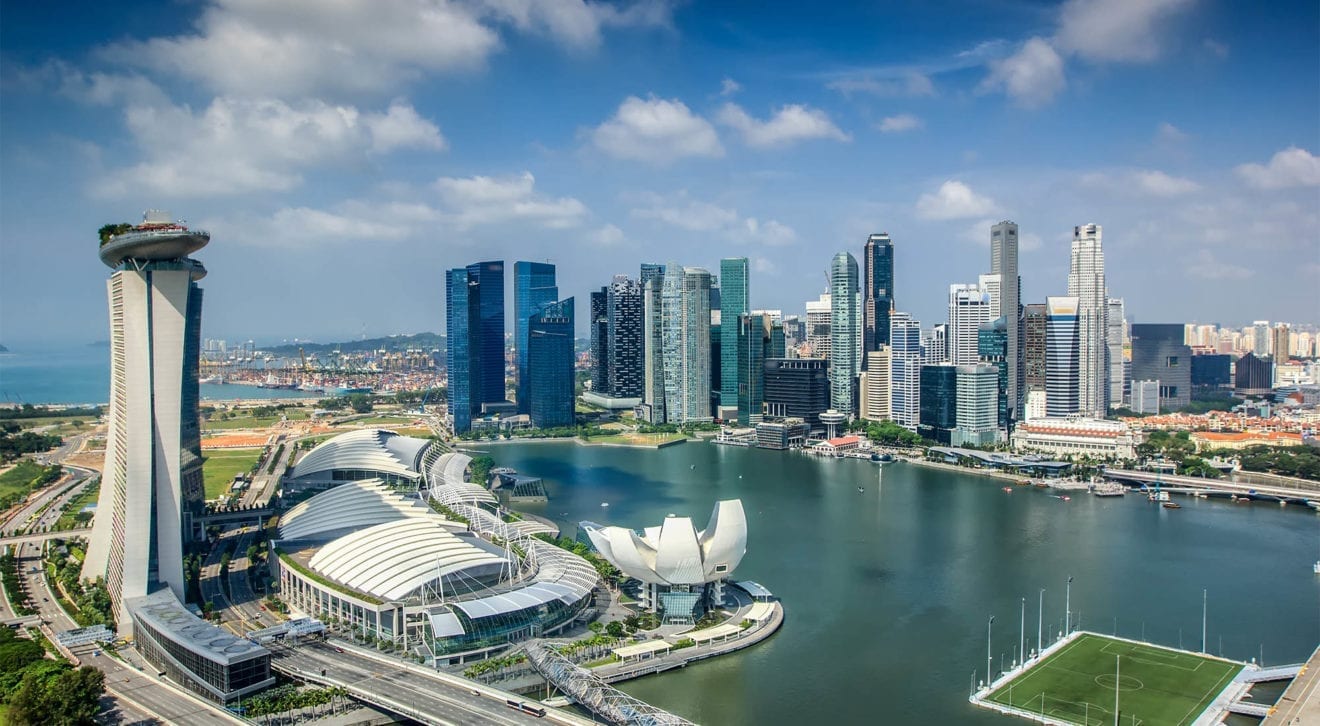
    In the yearly global city rankings, Singapore has managed to hold onto its fifth place, trailing only behind Tokyo in the Asia Pacific region. This city-state has continued to strengthen its status as a top international education center and a leading pioneer in urban innovation, based on findings from the 2025 Global Cities Report by Kearney, a management consulting company.

    Evaluating City Rankings

    The Global Cities Index, a section of the Kearney report, relies on publicly accessible data to evaluate 158 cities across the globe, using 31 different metrics over five areas. These include business activity, human capital, information exchange, cultural experiences, and political engagement.

    Singapore showed minor progress this year in areas of political engagement and human capital, primarily due to enhancements in ease of access. However, these advancements were somewhat negated by a decline in cultural experience and business activity.

    The top ten cities in the report include five from the Asia Pacific region. Japan’s Tokyo leads the pack in fourth place, followed by Singapore, with Beijing, Hong Kong, and Shanghai from China filling the sixth, seventh, and eighth positions respectively.

    Other Southeast Asian cities like Bangkok, Thailand, and Kuala Lumpur, Malaysia, appeared lower on the list, securing the 33rd and 55th places respectively.

    Recognizing Resilience

    According to Shigeru Sekinada, Kearney’s regional chair for Asia Pacific, the report highlights the resilience of well-established Asian hubs amid rising global challenges and technological shifts. He lauded the region’s adeptness in managing evolving global dynamics, due to the expansion of digital infrastructure, prioritizing regulatory innovation, and investing in climate resilience. He also expressed optimism that Asia Pacific cities would not only fuel the region’s economic growth but also serve as essential links in the global economy.

    The report underscored a shift in the way city competitiveness is viewed. In the emerging era of intelligence, the size or historical importance of a city no longer solely determines its competitiveness. Success now increasingly depends on readiness or the ability to incorporate infrastructure, renewable energy, and talent to grasp opportunities presented by artificial intelligence while managing its associated risks.

    Globally, New York City retained its top position, with London and Paris following closely, maintaining their standings from the previous year.

    Future City Projections

    The report also includes a future outlook section, which examines cities’ ability to foster inclusive growth, attract investment, and preserve livability in a progressively competitive global scenario. In this section, Singapore was the only Southeast Asian city to feature in the top 30, vaulting from 20th place in the previous year to 3rd place projected for 2025.

    This significant leap reflects Singapore’s enhanced infrastructure, increasing GDP per capita, and burgeoning foreign investment. It also highlights the city’s active efforts to upgrade its digital infrastructure.

    Questions & Answers

    What key factors contributed to Singapore’s strong showing in the report?
    Singapore’s advancement in political engagement and human capital, as well as its enhanced infrastructure, burgeoning GDP per capita, and growing foreign investment, were key contributors.

    How are city rankings determined in the Global Cities Report?
    City rankings are determined based on 31 metrics across five areas: business activity, human capital, information exchange, cultural experience, and political engagement.

    What shifts have been observed in defining city competitiveness?
    In the emerging era of intelligence, city competitiveness is no longer solely determined by its size or historical significance. It now increasingly depends on readiness, or the ability to integrate infrastructure, renewable energy, and talent to leverage the opportunities presented by artificial intelligence and manage its risks.

  • Singapore’s Public Transport Fares To Rise, Offset By Lower Monthly Pass Costs And Transport Vouchers

    Singapore’s Public Transport Fares To Rise, Offset By Lower Monthly Pass Costs And Transport Vouchers

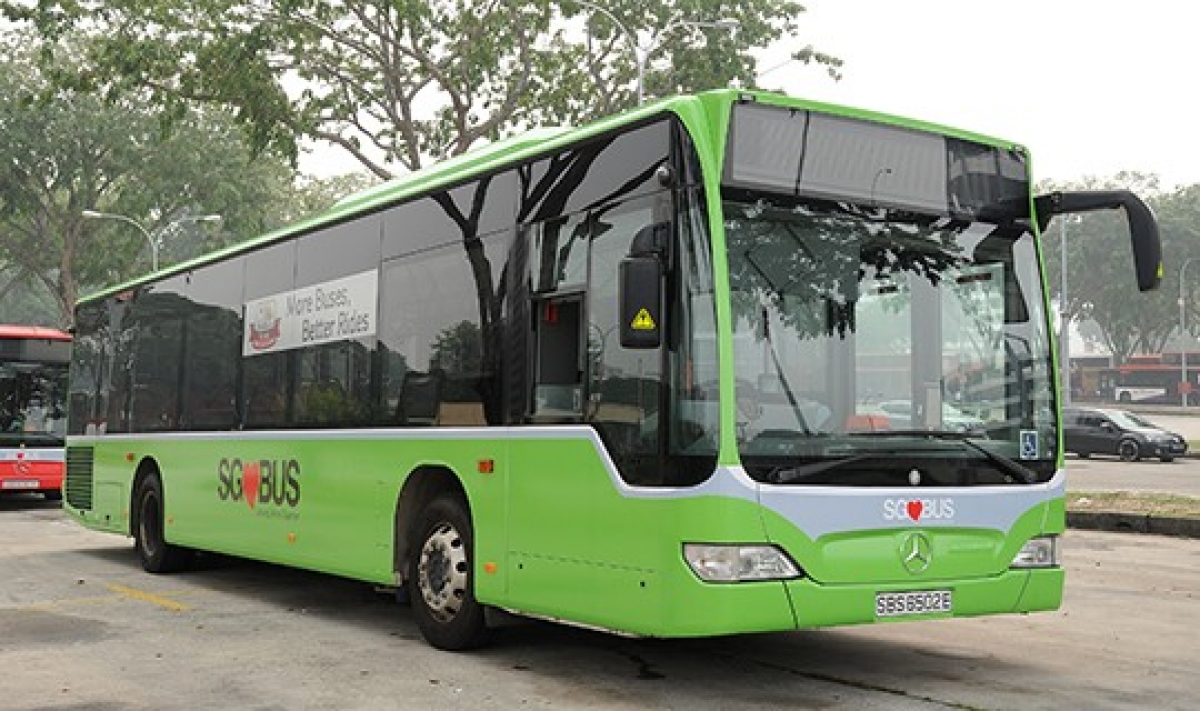
    Singapore’s adult commuters will soon face a 9-10 cent (0.07-0.08 USD) increase in their public bus and train fares per trip, corresponding to an overall public transport price increase of 5%.

    Rising fares from December 27

    Starting from December 27, the base fares for bus and train journeys for adults will increase by 9 cents for journeys up to 17.2 kilometers and by 10 cents for longer trips, according to a statement by the Public Transport Council (PTC) on Tuesday.

    Changes for concessionary card holders

    Fare changes will also affect concessionary card holders, including students, seniors, people with disabilities, and low-wage workers with workfare transport concessions. For these categories, the fare will increase by 3-4 cents for journeys longer than 3.2 kilometers, while fares for shorter trips will remain the same.

    PTC specified that more than a third of all concessionary trips, equating to around 450,000, are 3.2 kilometers or less. These short journeys are typically for commuting to school, work, or local amenities.

    Cash fares on public buses to rise

    Cash fares for public buses will likewise increase; adults will see a 20-cent rise, seniors and people with disabilities will face a 10-cent increase, and students will have a 5-cent increase. The council noted that fewer than 1% of all public transport trips are paid in cash.

    Express bus services fares to increase

    Fares for express bus services, which provide faster commuting options from residential areas to city centers and primary job hubs at higher rates than standard buses, will also see an increase. Adult passengers will pay an additional 49-50 cents per express bus trip, while passengers from concessionary groups will face a 20-24 cent increase. Cash fares for these services will rise by 60 cents per journey.

    Despite the increases, this year’s overall fare increase is less than the 6% and 7% increases experienced in 2024 and 2023, respectively.

    Reduced prices for monthly travel passes

    In an effort to support regular public transport users, the cost of monthly travel passes will decrease by 5% from December 27. The revised prices will be S$122 for adults, S$55 for seniors and people with disabilities, and S$92 for low-wage workers with workfare transport concessions. This discount is expected to benefit approximately 155,000 passengers, according to the council.

    Additionally, the government plans to issue S$60 public transport vouchers to households earning up to $1,800 per person per month to help offset the impact of the fare hikes. These vouchers can be used to top up fare cards or to purchase monthly passes.

    Questions & Answers

    When will the new fare rates take effect?
    The new fare rates will start from December 27.

    Who will be affected by the fare increases?
    The fare increases will affect adult commuters, concessionary card holders (including students, seniors, people with disabilities, and low-wage workers), and users of express bus services.

    What measures are being taken to ease the impact of fare hikes?
    To mitigate the impact of the fare hikes, the government will issue S$60 public transport vouchers to eligible households. Additionally, the price of monthly travel passes will be reduced by 5%.

  • Fintech Giant Icapital Plans Major Expansion In Asia-pacific Amid Growing Wealth Management Opportunities

    Fintech Giant Icapital Plans Major Expansion In Asia-pacific Amid Growing Wealth Management Opportunities

    Fintech platform, iCapital, is reportedly planning to expand its presence in the Asia-Pacific region, including in cities such as Hong Kong, Singapore, and Australia.

    Expansion in Singapore

    iCapital is currently relocating to a larger office in Singapore, fueled by an expanding team and increased client activity. The firm’s Head of International, Marco Bizzozero, reported that around 30 staff members are employed in the city-state, which constitutes half of the total headcount in Asia.

    Moving to Larger Spaces

    The fintech platform is also seeking a larger office in Hong Kong as part of its expansion strategy. The goal is to acquire more sales staff in both markets to support its growing operations. In addition to this, the firm is planning to open its first Australian office.

    The Wealth Management Market

    Marco Bizzozero pointed out that the wealth management sector is still in its early stages when it comes to integrating private markets into client portfolios. He noted that current allocations to private markets by the wealth management sector are low, averaging at around three percent. However, most wealth managers are now aiming for allocations between 10 and 20 percent. This trend presents significant opportunities for firms like iCapital.

    Questions & Answers

    What is iCapital’s expansion strategy in Asia-Pacific?
    iCapital plans to expand its presence by relocating to larger offices in Singapore and Hong Kong. It is also looking to hire more sales staff in these markets and open an office in Australia.

    How many staff members does iCapital currently employ in Singapore?
    The fintech platform currently employs around 30 staff members in Singapore, which makes up half of its total headcount in Asia.

    What trends in the wealth management sector present opportunities for firms like iCapital?
    The wealth management sector is still in its infancy in terms of integrating private markets into client portfolios. However, with most wealth managers now targeting allocations between 10 and 20 percent to private markets, firms like iCapital stand to benefit significantly.

  • Singapore Strengthens Europe-asia Link, Promotes Sustainability & Innovation At Inaugural Conference

    Singapore Strengthens Europe-asia Link, Promotes Sustainability & Innovation At Inaugural Conference

    Singapore, during the maiden “Europe Conference 2025”, solidified its position as a reliable conduit connecting Europe and Asia, fostering sustainability, innovation, and enduring collaboration across the continents. The Singapore Business Federation (SBF) and the European Chamber of Commerce Singapore (EuroCham) co-hosted this event, which served as a tribute to six decades of robust relations between Europe and Singapore. The event, held on October 14, 2025, garnered participation from more than 300 individuals across seven nations, underlining the profound engagement between the two regions.

    Future Anchored in Sustainability and Innovation

    The conference, underpinned by the theme of “Sustainability & Innovation”, brought together industry pioneers, policymakers, and innovators to delineate strategies for creating resilient, future-proof economies. The speakers emphasized the dire necessity of cross-border collaboration and partnerships spanning diverse sectors to sail through global uncertainties and stimulate sustainable growth.

    Building Bridges in a Changing World

    Singapore’s Minister for Foreign Affairs, Vivian Balakrishnan, initiated the conference with a keynote focusing on intensifying Europe-Singapore relationships. Balakrishnan underscored the importance of enhanced cooperation in digital and green economies, robust backing for multilateralism, and tighter ASEAN-EU collaboration. He also motivated European firms to leverage Singapore as a launchpad for their Southeast Asian ventures.

    Family Businesses as Catalysts of Change

    A stand-out session, steered by Federico Donato of MG Partners MFO, highlighted the escalating role of family-owned entities in fortifying Europe-Asia connections. Speakers including Peter Vyncke of Vyncke NV and Gan See Khem of HMI Medical elucidated how family businesses strike a balance between tradition and transformation, from handling generational transitions to embracing innovation without compromising their core values.

    Scaling Innovation Through Partnerships

    In an additional panel, headed by Marcus Lam, Executive Chairman of PwC Singapore, business leaders discussed how the Singaporean ecosystem can propel innovation. Industry experts, including Lawrence Wu of EDP Renewables APAC and Juliana Kua of the Ministry of Trade and Industry, shared practical strategies to assist businesses at various stages of their transformation journeys.

    Hub for Collaboration and Growth

    The conference served not just as a dialogue platform but also a networking opportunity. Participants engaged in cross-industry networking, explored foreign market prospects, and formed partnerships aimed at crafting resilient, future-proof business ecosystems. SBF Chairman S. S. Teo said, “The inaugural Europe Conference 2025 accentuates Singapore as a link connecting Europe and Asia. By collaborating with our European counterparts, we are cementing a foundation of trust, innovation, and long-term collaboration.”

    Milestone for Europe-Asia Connectivity

    The event, supported by partners such as Gulf Air, BPM LLP, EDP, Jason Marine, and PSA International, denoted a crucial landmark in promoting Europe-Asia connectivity. It highlighted Singapore’s persistent role as a strategic hub fuelling digitalisation, resilience, and sustainability – the primary forces moulding the future of international business.

    Questions & Answers

    What was the focus of the inaugural Europe Conference 2025?
    The conference focused on “Sustainability & Innovation” and aimed at bringing together industry leaders, policymakers, and innovators to chart strategies for creating resilient, future-ready economies.

    What role does Singapore play in connecting Europe and Asia?
    Singapore acts as a strategic hub that drives sustainability, innovation, and long-term collaboration between Europe and Asia.

    How can European firms leverage opportunities in Southeast Asia via Singapore?
    European firms are encouraged to use Singapore as a springboard for their ventures into the rapidly evolving Southeast Asian market.

  • Hidden Financial Strain: Singapore’s Workforce Grapples With High Out-of-pocket Expenses

    Hidden Financial Strain: Singapore’s Workforce Grapples With High Out-of-pocket Expenses

    A recent study by Airwallex, an international financial platform, reveals an overlooked financial burden weighing heavily on Singapore’s workforce. The study shows that a significant portion of workers are spending a substantial amount of money on work-related expenses before reimbursement, leading to a growing demand for changes in corporate policies.

    The research indicates that almost two-thirds of Singaporean employees spend up to S$5,000 annually on business-related expenses from their own pockets. Furthermore, 23 percent spend up to S$15,000, and a startling 5 percent spend over S$20,000 each year. The sectors with the most significant out-of-pocket spending are the hospitality and leisure industry, manufacturing, and education, with 15 percent, 13 percent, and 8 percent of their employees spending above S$20,000 respectively.

    Reimbursement Delays and Rising Tensions

    The issue of high employee spending is compounded by lengthy reimbursement wait times. The study shows that about 19 percent of workers wait between three and four weeks to be reimbursed, with some waiting even longer. Although most employees believe reimbursements should be processed within four to five business days, only 6 percent are reimbursed on the day they spend. According to the report, this discrepancy between expectation and reality points to a systemic problem in expense management across various industries.

    Personal Finance Strains

    The financial impact of delayed reimbursements is telling, with 41 percent of workers reporting financial stress due to slow repayments. Younger employees, those between the ages of 18 and 34, are the hardest hit. Disturbingly, 28 percent have had to withdraw from personal savings to cover business expenses, and 52 percent resort to using credit cards, which exposes them to potential interest charges and debt. This strain has also led to behavioral changes in the workplace, with 12 percent of employees avoiding company events to evade upfront costs, and 7 percent quitting their jobs due to poor reimbursement procedures.

    Need for Reforms

    The demand for modern solutions is strong among employees. A significant 85 percent of respondents believe that the introduction of corporate cards would mitigate reimbursement concerns by reducing out-of-pocket spending and financial pressure. In the face of challenges in talent retention and economic volatility, experts argue that improving expense management processes is no longer a luxury but a necessity for maintaining employee satisfaction and welfare.

    Corporate Solutions

    Lionel Tan, Director of Account Management, SME & Growth at Airwallex, comments on the company’s commitment to helping businesses streamline their financial operations. Through simplifying expense management, they aim to alleviate the pressure on employees who would otherwise be out of pocket, while providing businesses with better visibility and control over company expenditure. Airwallex’s tools, such as instant reimbursements, real-time spending controls, and integration with accounting platforms, are designed to increase the efficiency of companies both domestically and internationally.

    Financial Well-Being at the Forefront

    With financial well-being becoming a crucial element in employee retention and workplace morale, adopting smart, digital-first tools like those offered by Airwallex could be a pivotal moment. For Singapore’s workforce, where a large number continue to pay to work, technology might finally bring about the speed, transparency, and fairness they have been seeking.

    Questions & Answers

    What percentage of Singaporean employees spend up to S$5,000 annually on out-of-pocket work-related expenses?
    Approximately two-thirds of Singaporean employees spend up to S$5,000 annually on business-related costs out of pocket.

    What impact do delayed reimbursements have on employees?
    Delayed reimbursements contribute to financial stress among employees. This is particularly significant among younger workers aged 18-34. Employees have also reported needing to use personal savings or credit cards to cover business expenses due to slow repayments.

    What solutions do employees believe would help alleviate reimbursement concerns?
    A significant 85 percent of respondents believe that the introduction of company corporate cards would mitigate reimbursement concerns by reducing out-of-pocket spending and financial pressure.

  • Trust Bank: US Fractional Trading Comes to Singapore

    Trust Bank: US Fractional Trading Comes to Singapore

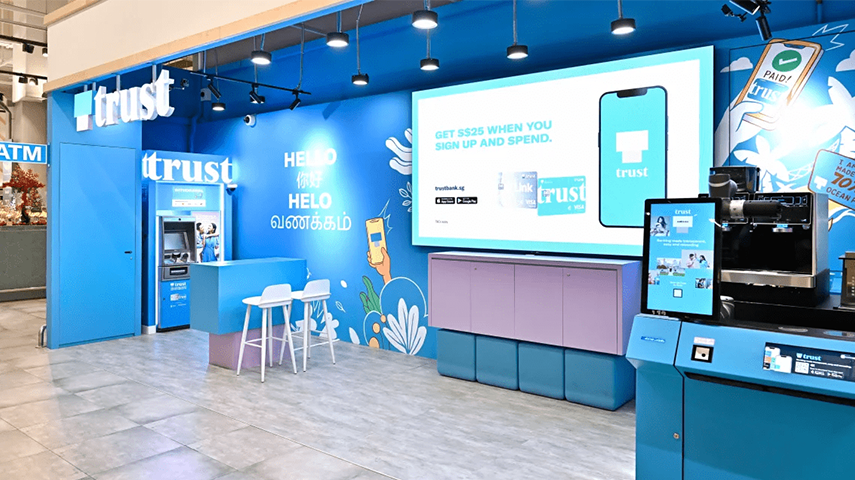
    Trust Bank is stepping into a new territory with the introduction of a trading platform for US stocks and exchange-traded funds (ETFs). This development makes Trust Bank the first in Singapore to offer fractional trading, thus offering everyday investors an easier gateway to the global marketplace.

    TrustInvest and Beyond

    In the early part of this year, Trust Bank rolled out TrustInvest, a tool aimed at simplifying the investing process and making it universally accessible. The digital banking institution is taking this promise a step further by launching a trading platform for US-listed stocks and ETFs within the Trust App.

    This innovative feature enables users to purchase and sell global equities directly within the app, creating an effortless path to investment, tracking, and increasing wealth all in one location.

    Leveraging Fractional Shares

    Trust Bank’s latest offering includes an outstanding feature: fractional trading. This facility allows customers to invest in fractions of high-priced stocks, thereby eliminating the need to invest large sums of money to own shares in their preferred companies.

    Trust Bank observes that some popular stocks and ETFs are priced over S$500 per share, but with fractional trading, even small investments can lead to building a diversified portfolio. This provision broadens the chance to access big-league entities like Netflix, Meta, or Apple for a wider range of investors.

    Diversification with ETFs and Sector Plays

    In addition to individual stocks, investors will have the opportunity to trade ETFs, offering a simple route to diversify their holdings. These funds amalgamate multiple assets – ranging from index trackers to sector-focused or digital asset portfolios – into a single investment. This strategy allows users to distribute risk while targeting specific themes or markets.

    All transactions take place within the Trust App, eliminating the need to transfer funds between different platforms. The entire experience is built to be straightforward, smooth, and secure.

    Open for Waitlist

    The waitlist for the new TrustInvest trading platform is now open for interested investors. Current Trust Bank customers can register directly within the app, while prospective users can open a Trust Savings account within a few minutes to start the process.

    Those on the waitlist will receive invitations to open trading accounts in the next few weeks.

    Empowering Every Investor

    Reflecting on the success of the initial TrustInvest launch, Dwaipayan Sadhu, CEO of Trust Bank, expressed enthusiasm about expanding the offering to allow customers to trade US stocks and ETFs. He emphasized that offering fractional trading will enable all customers to access a wide range of investments via a user-friendly and seamless banking app.

    This initiative positions Trust Bank as a pioneer in Singapore’s digital banking scene, drawing Wall Street closer to the everyday investor.

    Questions & Answers

    What is the new feature introduced by Trust Bank?
    Trust Bank has launched a trading platform for US stocks and ETFs within its app, making it the first in Singapore to offer fractional trading.

    How does the fractional trading feature benefit investors?
    Fractional trading allows investors to buy fractions of high-priced stocks, thus eliminating the need for large investments, and making the process accessible to a wider range of investors.

    How can investors join the waitlist for the new TrustInvest trading platform?
    Current Trust Bank customers can join the waitlist directly within the app, while new users can open a Trust Savings account to get started.

  • Adidas Unveils Flagship Store At Jewel Changi Airport: Integrating Peranakan Heritage With Innovative Retail Experience

    Adidas Unveils Flagship Store At Jewel Changi Airport: Integrating Peranakan Heritage With Innovative Retail Experience

    Adidas has launched its premier showroom at Jewel Changi Airport in Singapore, incorporating interactive spaces that seamlessly blend the brand’s core identity with local narratives.

    The flagship store offers both lifestyle and performance products, providing customers with a comprehensive shopping experience, according to the brand’s announcement.

    Taking inspiration from Singapore’s rich Peranakan heritage, the two-level showroom features contemporary adaptations of traditional tile designs throughout the interior.

    The store’s aesthetic design prominently features the Jewel Rain Vortex on its second level, providing a stunning retail backdrop.

    The ground level of the store hosts Adidas’s women’s collection, while the second level showcases the men’s line. The second floor is home to interactive areas including the ‘Made for You’ zone, a customization studio allowing customers to personalize their Adidas’s ‘Three Stripes’ products to their preference.

    The Y-3 Premium Corner of the store displays Adidas’s collaboration with Yohji Yamamoto, highlighting a predominantly black palette and minimalist design that underscores Adidas’s position in the luxury market.

    Naful Gani, Adidas Senior Manager of Brand Activation in Singapore, commented on the new store’s design. “With the Jewel Changi Airport store, we’ve deliberately created a space that seamlessly transitions between performance and lifestyle, mirroring our day-to-day life – transitioning between training in performance, living in Originals, and shuttling between both worlds daily,” said Gani.

    Gani further stated that the store’s interiors, inspired by local culture, offer international visitors immediate insights into Singapore’s distinct heritage while enjoying the familiarity of a globally reputed brand environment.

    Questions & Answers

    What does the new Adidas store at Jewel Changi Airport offer?
    The new Adidas store at Singapore’s Jewel Changi Airport offers a comprehensive shopping experience with both lifestyle and performance products. It also features a customization studio allowing customers to personalize their Adidas products.

    What is the unique aspect of the store’s design?
    Inspired by Singapore’s rich Peranakan heritage, the store features contemporary adaptations of traditional tile motifs throughout the interior. The second level of the store prominently features the Jewel Rain Vortex as a stunning retail backdrop.

    What does the Y-3 Premium Corner feature?
    The Y-3 Premium Corner of the store displays Adidas’s collaboration with Yohji Yamamoto, emphasizing a predominantly black palette and minimalist design that underscores Adidas’s luxury positioning.

  • Singapore: The Springboard For Chinese F&b Brands Eyeing Global Expansion Amid Domestic Challenges

    Singapore: The Springboard For Chinese F&b Brands Eyeing Global Expansion Amid Domestic Challenges

    In the last year, an unprecedented influx of Chinese restaurants and cafes has made their mark in Singapore. These establishments view the island as an ideal launchpad for their global expansion plans, largely spurred by lackluster consumer demand, fierce price competition, and extremely tight profit margins in their domestic market.

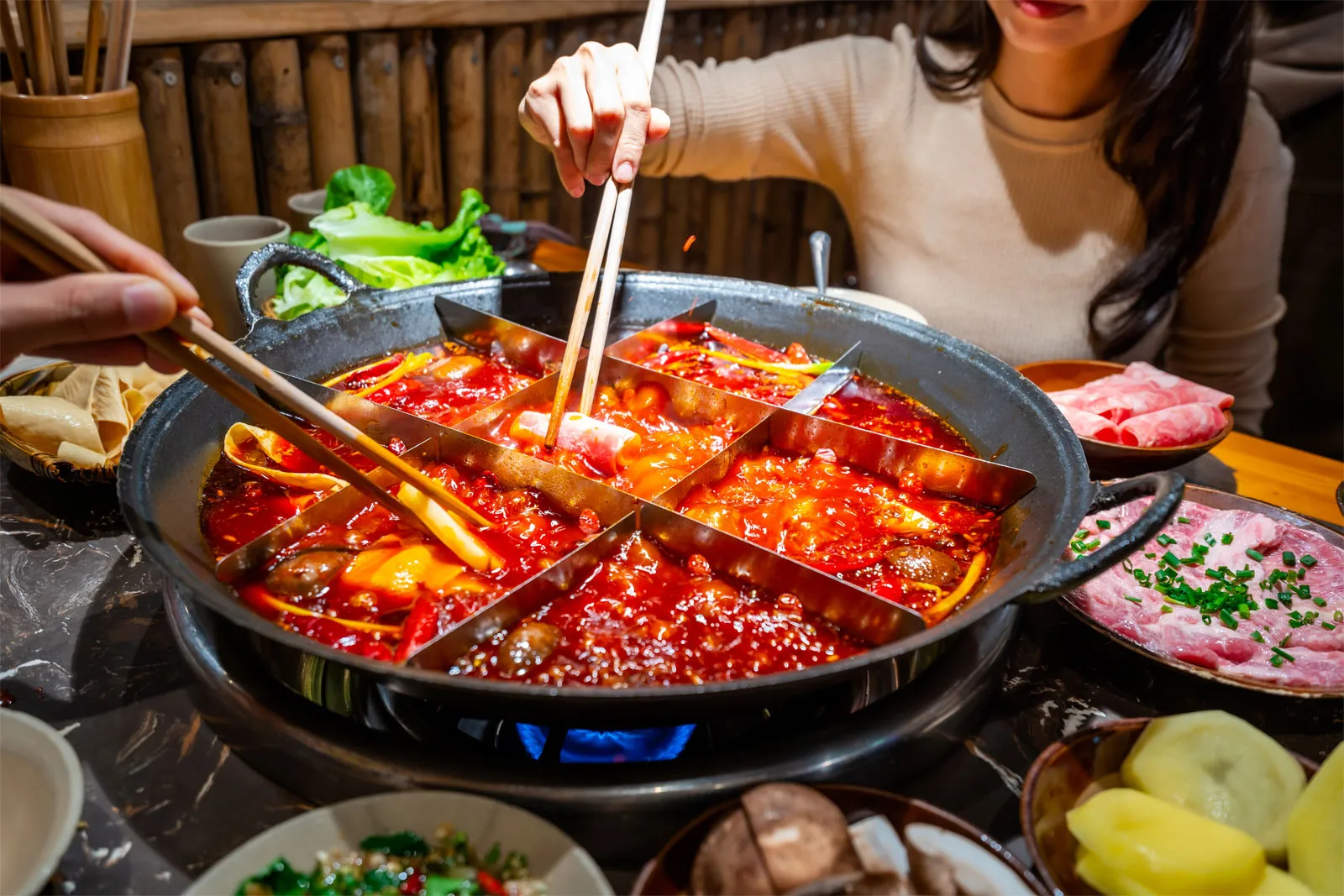
    Popular Chinese companies like Luckin Coffee and Mixue, a major bubble tea player, have joined a wave of hotpot and mala restaurants setting up shop overseas following the pandemic. They aim to leverage the international allure of the city-state, a trend that industry experts and executives predict will only gain momentum.

    Challenges in the Domestic Market

    According to Josie Zhou, the overseas general manager of Hunan cuisine restaurant Nong Geng Ji, the challenging business environment in China has prompted many brands to consider international expansion. Nong Geng Ji chose Singapore as the first stop in its global growth strategy.

    Persistent price wars have compelled Chinese food and beverage companies to seek new growth models abroad, says Joanna Jia, Singapore manager of bubble tea chain ChaPanda. The chain opened two franchisee tearooms in the city in July and is planning for more.

    Stagnant demand, exacerbated by a prolonged property market slump and US tariffs on Chinese goods, has hampered growth in China since the end of the Covid-19 lockdown nearly three years ago. This has intensified price wars across various sectors, leading to increasing deflationary pressure.

    Singapore: A Stepping Stone for Global Expansion

    Culturally similar Singapore has often served as a gateway for Chinese companies aiming to expand globally. As of August, about 85 Chinese food and beverage brands were operating approximately 405 outlets in Singapore, a considerable increase from the 32 brands that had 184 outlets in June of the previous year, according to data from consultancy firm Momentum Works.

    This rapid growth unfolds as local operators, including low-cost hawker stalls and Michelin-star restaurants, grapple with rising costs and lower consumer spending. However, Chinese brands remain optimistic about their prospects in Singapore, confident in their lean business models and supply chain management practices that allowed them to weather the storm in their home market.

    For example, tearoom chain Chagee can prepare a customized iced milk tea in just eight seconds using machines developed in-house, according to Jonathan Ng, Chagee’s director of government and public affairs for the Asia-Pacific region. This kind of agility has helped companies like Luckin and Mixue withstand the growth of Western competitors such as Starbucks in China.

    Backlash from Local Businesses

    These ready-made models have not been well received by all, however. Singapore Tenants United for Fairness, which represents 700 local business owners, stated in June that domestic companies struggle to compete with these larger Chinese entrants.

    “They are not even in the same stadium,” said the cooperative, implying the vast disparity between the resources of local SMEs and those of their Chinese counterparts.

    Gateway Singapore

    Singapore is often seen as a bridge between Eastern and Western cultures and is viewed as an attractive platform for expansion, especially given its 6.1 million predominantly Chinese population. Furthermore, Singapore’s reputation as a wealthy, fashionable location can significantly enhance a brand’s image.

    “If we can build up our brand in Singapore, the brand awareness can go to Malaysia and Vietnam, even Indonesia,” said ChaPanda’s Jia.

    Some smaller Chinese firms are often backed by deep-pocketed investors, giving them a competitive edge when it comes to securing prime locations. However, an influx of investment from large Chinese conglomerates has resulted in increased rents, especially in high-traffic areas, according to Ethan Hsu, head of retail for real estate firm Knight Frank.

    Questions & Answers

    Why are Chinese restaurants and cafes expanding to Singapore?
    A challenging business environment in China, characterized by fierce price competition and weak consumer demand, has prompted these businesses to explore new growth opportunities abroad. Singapore, with its cultural similarities to China and globally-oriented market, presents an attractive option for expansion.

    How are Chinese companies faring in the competitive Singaporean market?
    Despite the challenges faced by local operators, Chinese brands are optimistic about their prospects in Singapore. Their lean business models and robust supply chain management practices, which have been tested in their home market, provide them with a competitive edge.

    Is there any backlash against the influx of Chinese companies in Singapore?
    Yes, there has been some backlash, particularly from local businesses. Singapore Tenants United for Fairness, representing 700 business owners, has voiced concerns about the ability of local companies to compete effectively against their larger Chinese counterparts.

  • Filipino Bakery Chain Mary Grace Set For First International Venture In Singapore

    Filipino Bakery Chain Mary Grace Set For First International Venture In Singapore

    Singapore has recently seen an influx of Chinese food and beverage (F&B) brands. Among them are the florist-café Tomacado, the popular teahouse Incloud, and Siji Miinfu, a specialist in Peking duck. However, the island nation is also preparing to welcome a notable name from the Philippines: Mary Grace. From its humble beginnings as a small bazaar stall set up by a mother of five in 1994, Mary Grace has grown into a bakery and café chain with over 140 outlets in the Philippines. The upcoming Singaporean outlet will be its first international venture.

    Mary Grace’s Initial Success in Singapore

    In September of this year, Mary Grace held a three-day pop-up event in Singapore. Despite minimal advertising, the event was a sold-out success. This could be a signal that when the permanent store opens, a large number of eager customers will be waiting.

    Signature Offerings

    The bakery’s signature offerings include its cheese rolls and ensaymada, a soft and buttery Filipino pastry adapted from the Spanish ensaïmada. In the classic version, Mary Grace tops the pastry with a dusting of aged Edam cheese. During the pop-up event, a box of six was sold for $31.50. The ensaymada also comes in several other flavours, such as cinnamon apple and chocolate.

    Mary Grace’s other home-style baked goods include carrot cake, banana bread, lemon bars, and strawberry shortcake. It is hoped that these, along with savoury items like sandwiches and Filipino-style all-day breakfast dishes, will be available in the Singapore store.

    Further Information

    Details about the exact location and opening date of Mary Grace’s Singapore location are still forthcoming. The latest updates will be posted on its Instagram account @cafemarygrace.sg.

    Questions & Answers

    What is Mary Grace’s origin?
    Mary Grace originated as a small bazaar stall set up by a mother of five in the Philippines in 1994. It has since grown into a large bakery and café chain with over 140 outlets in its home country.

    What are some of the signature items at Mary Grace?
    Some of the signature items at Mary Grace include cheese rolls, ensaymada which is a fluffy, buttery Filipino pastry, and other home-style baked goods like carrot cake, banana bread, lemon bars, and strawberry shortcake.

    When and where will the permanent Mary Grace store in Singapore open?
    The exact details regarding the opening date and location of the Mary Grace store in Singapore have not yet been released. Future updates will be posted on its Instagram account @cafemarygrace.sg.