Tag: Singapore

  • Shinsegae And Metro Unveil Unique Korean Fashion Collaboration In Singapore

    Shinsegae And Metro Unveil Unique Korean Fashion Collaboration In Singapore

    South Korean fashion giant, Shinsegae, is set to make its entrance into the Singaporean market through a unique collaboration with Metro. This partnership will entail the launch of a pop-up store at Paragon, scheduled to run from September 25 until October 5.

    Introducing Six Korean Brands

    The pop-up shop aims to unveil six Korean lifestyle and fashion brands to Singapore’s fashion-forward audience. The brands include Studio Tomboy, Man on the Boon, Jaju, Voice of Voices, Rawrow, and Vidivici. Following the pop-up, these collections will continue to be available at Metro Paragon until the end of October. In this way, shoppers will have ample time to explore and shop from Shinsegae’s expertly curated portfolio.

    Collaborative Design Partnership

    The collaboration will also bring forth a unique amalgamation of design elements from both Singapore and Korea. This will be achieved through a design partnership between Singapore’s Phunk Studio and Korea’s Studio Tomboy. The design inspiration will borrow heavily from Peranakan florals, Korea’s hibiscus, the durian fruit, and the yin-yang symbol.

    Transition to a Fashion-centric Retail Model

    According to Erwin Wuysang-Oei, the CEO of Metro Singapore, this partnership signifies Metro’s strategic transformation from a traditional department store to a more fashion-focused retail model. He expressed that this collaboration with Shinsegae International marks a critical milestone in Metro’s evolution and brings a new model for international retail collaboration. The partnership not only brings Korean fashion to Singapore but also celebrates both cultures while setting new benchmarks for fashion retail in Southeast Asia.

    Questions & Answers

    What is the timeline of Shinsegae’s pop-up in Singapore?
    The pop-up is scheduled to run from September 25 until October 5.

    Which Korean brands will be introduced by Shinsegae in Singapore?
    The brands include Studio Tomboy, Man on the Boon, Jaju, Voice of Voices, Rawrow, and Vidivici.

    What does this partnership signify for Metro?
    According to the CEO of Metro Singapore, this partnership signifies a shift from being a traditional department store to adopting a more fashion-focused retail model.
  • Singapore’s Top Taxi Operator Launches $62 Cross-Border Rides to Johor, Malaysia!

    Singapore’s Top Taxi Operator Launches $62 Cross-Border Rides to Johor, Malaysia!

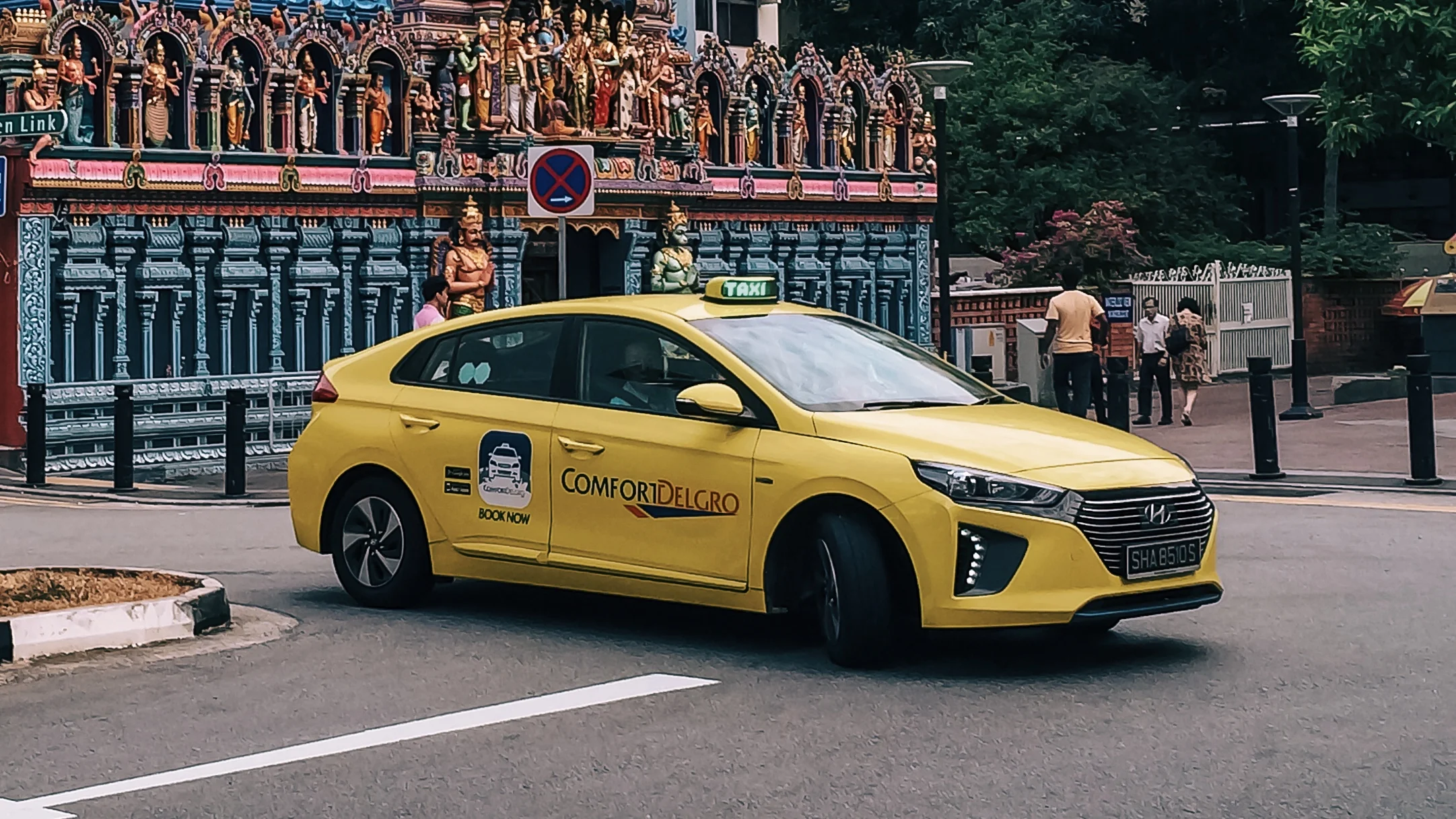
    In an exciting development for commuters in the region, public transport operator CDG has officially announced its new cross-border taxi service between Singapore and Johor Bahru. As detailed in a recent Facebook update, most pick-ups in Singapore will incur a fixed fare, with exceptions for those originating from Ban San Street terminal at S$60 and Changi Airport at S$120. All rides will conclude at the Larkin Sentral bus terminal in Johor Bahru, making it a critical link for daily travelers.

    Booking Made Easy

    Passengers can arrange their rides instantly or book in advance, up to 24 hours prior, by calling CDG’s hotline. This move comes as part of CDG’s reputation as Singapore’s largest taxi operator, boasting a fleet of over 8,400 vehicles. The company doesn’t just stop at taxis; it also provides bus, rail, and private hire services across 13 countries, including Malaysia and China.

    A Competitive Landscape

    With a lineup of 90 licensed cabbies ready to hit the road, CDG is stepping into a bustling market. The Johor–Singapore Causeway serves as one of the world’s busiest land crossings, with more than 350,000 people traveling daily—from Malaysians crossing over for work to Singaporeans hunting for bargains on goods and services.

    Despite the regulated framework allowing only 200 licensed taxis from each nation to provide cross-border services, reports indicate that illegal operators are creating turbulent competition for licensed drivers. Singaporean taxis must adhere to strict rules, picking up and dropping off exclusively at Larkin Sentral, while their Malaysian counterparts are confined to the Ban San Street terminal in Singapore.

    A Broader Vision for Transport

    Earlier this month, Singapore’s Land Transport Authority hinted at its ambitions to enhance the current scheme by integrating more pick-up and drop-off locations and collaborating with companies to develop app-based booking platforms. This initiative aligns seamlessly with the growing economic partnership between Singapore and Malaysia, fostered through the Johor–Singapore Special Economic Zone, which aims to draw in billions in investment while improving labor mobility.

    The anticipation doesn’t stop here; further expansions in cross-border transportation are on the horizon, including the much-anticipated Rapid Transit Link, expected to open by the end of next year. This connection is poised to ferry up to 10,000 passengers per hour in either direction, enhancing cross-border travel and trade significantly.

    Questions & Answers

    How can passengers book a ride with CDG’s new service?
    Passengers can book their rides immediately or up to 24 hours in advance via CDG’s hotline.

    What are the costs associated with pick-ups at different locations?
    The service charges a fixed fare for most pickups, with exceptions of S$60 from Ban San Street terminal and S$120 from Changi Airport.

    What future developments can commuters expect for cross-border transport?
    Future developments may include additional pick-up and drop-off points alongside the forthcoming Rapid Transit Link, projected to enhance capacity significantly.

  • OCBC Commits to Empower 10,000 Women Entrepreneurs with Social Loans by 2030

    OCBC Commits to Empower 10,000 Women Entrepreneurs with Social Loans by 2030

    In a bold move to empower female entrepreneurship across Southeast Asia, OCBC Bank has set its sights on a big goal: to provide social loans to 10,000 women entrepreneurs by 2030. This initiative, aimed at small and medium enterprises (SMEs), spans Singapore, Malaysia, Hong Kong, and Indonesia, marking a significant commitment to fostering economic growth among women-owned businesses.

    Achievements So Far

    As of June 2025, OCBC has made impressive strides, supporting over 2,000 women-owned SMEs with social loan commitments nearing $600 million. This support is part of a larger vision to increase financial accessibility for women entrepreneurs, who often face unique challenges in securing funding.

    Tailored Programs for Women Entrepreneurs

    OCBC’s initiatives include the OCBC Women Unlimited Programme, which was launched in Singapore in April 2024 and introduced in Malaysia in August 2025. In Indonesia, the initiative takes the form of the Women Warriors Programme, which has been operational since 2020. These programs don’t just provide capital; they aim to cultivate an ecosystem where women entrepreneurs can thrive.

    Understanding the Challenges

    The data paints a compelling picture: one in three of OCBC’s SME customers across Singapore, Malaysia, Indonesia, and Hong Kong are women. However, it also highlights a stark reality — women-owned SMEs in Singapore report approximately 30% lower sales turnover growth in their first three years compared to their male counterparts. Fortunately, those who secure financing through OCBC’s initiatives have shown the capacity to close this gap, demonstrating the transformative power of financial support.

    The Road Ahead

    With ambitious plans to extend its reach and enhance the financial landscape for women entrepreneurs, OCBC is not just banking on numbers; it’s betting on the untapped potential of women-led businesses in Asia. In a future where every woman entrepreneur can dream big, OCBC aspires to be the catalyst that turns those dreams into reality.

    Questions & Answers

    How many women-owned SMEs has OCBC supported so far?
    OCBC has supported over 2,000 women-owned SMEs across Southeast Asia as of June 2025.

    What kind of financial assistance does OCBC offer to women entrepreneurs?
    OCBC provides social loans of up to S$100,000 for women-owned SMEs within their first two years of incorporation, with waived processing fees for these loans.

    How do sales turnovers compare for women-owned SMEs versus male-owned ones?
    Women-owned SMEs in Singapore typically experience about 30% lower sales turnover growth in their first three years compared to male-owned SMEs, however, those that secure financing can bridge this gap.

  • Singapore Scam Victims Top Southeast Asia in Financial Losses, Each Losing an Average of $2,132

    Singapore Scam Victims Top Southeast Asia in Financial Losses, Each Losing an Average of $2,132

    In a startling revelation, Southeast Asia grappled with an astonishing $23.6 billion in scam-related losses last year, according to the Global Anti-Scam Alliance’s State of Scams in Southeast Asia 2025 report released in late August. The staggering figure translates to roughly $660 vanished from every adult in the region, highlighting a profound issue that calls for urgent attention.

    Among the countries surveyed, Malaysia topped the charts with an average loss of $1,035 per victim, while Thailand trailed with losses averaging $354. Singapore, meanwhile, set a poignant record with S$1.1 billion (approximately US$861.2 million) lost to scams, marking a dramatic 70% surge from the previous year, as reported by The Straits Times.

    In the city-state, investment, job, and phishing scams emerged as the trifecta of deceit, both in terms of frequency and financial impact. However, there is a glimmer of hope this year—with reported cases and losses in Singapore down 26% and 12.6%, respectively, in the first half, tallying 19,665 cases that resulted in S$456.4 million in losses, according to Channel News Asia.

    Victims by the Numbers: Malaysia Leads the Pack

    Malaysia also accounted for the highest percentage of scam victims, with a staggering 32% of adults reporting financial losses. The Philippines followed closely with 31%, while Singapore’s figure stood at 21%. Across the region, wire transfers remained the scammers’ preferred payment method. However, in the Philippines, digital wallets have emerged as a popular tool for fraudulent transactions.

    Top Scams: It’s All About Investment

    Investment scams reigned supreme with 63% of respondents claiming they had been targeted, including 32% who encountered such schemes more than once. Following closely were unexpected money scams, where individuals were deceived into providing money or personal information to claim non-existent prizes or lottery winnings; 58% reported such experiences. Impersonation scams, shopping scams, and employment scams rounded out the top five categories of fraud, each affecting more than half of the respondents.

    A Call to Action for a Collective Defense

    Jorij Abraham, CEO of the Global Anti-Scam Alliance, emphasized that scams represent a pressing social threat, not merely an individual misfortune. “Scammers are evolving faster than our defenses,” he warned, urging a collective response from governments, technology firms, and financial institutions. “We must unite to counter this growing menace, lest we inadvertently accept fraud as a normalized part of daily life—almost like an encore after the plays of our lives.”

    Questions & Answers

    What was the total amount lost to scams in Southeast Asia last year?
    The total amount lost to scams across Southeast Asia last year reached a staggering $23.6 billion.

    Which country had the highest average losses per victim?
    Malaysia had the highest average losses per victim, amounting to $1,035.

    What types of scams were most prevalent in Singapore?
    Investment, job, and phishing scams were the top three scams in Singapore during the reporting period.

  • Singapore Set for Lowest Hotel Openings Since 2023 as Hospitality Landscape Shifts

    Singapore Set for Lowest Hotel Openings Since 2023 as Hospitality Landscape Shifts

    Hotel development in Singapore is gearing down significantly in 2025, as the industry adapts to shifting market dynamics. The latest report from JLL highlights a stark trend: only the 338-key Mandai Rainforest Resort by Banyan Tree will debut in April 2025, designating it as the lone new hotel opening in Singapore during the second quarter. This follows the much-anticipated launch of Raffles Sentosa in the first quarter of the same year.

    Anticipated Slowdown

    JLL’s findings underscore that 2025 is likely to witness the fewest new room additions since the tourism sector began its rebound in 2023. “More active government support,” the report notes, is observable with the introduction of two hotel sites through the Government Land Sales program scheduled for the latter half of 2025. However, that proactive approach might not be enough to reverse the impending slowdown.

    Mixed Performance in Hotel Segments

    As of June 2025, luxury hotels have reported a year-on-year decline in revenue per available room (RevPAR), attributed to softer average daily rates (ADR) and occupancy rates. The midscale and upscale segments also experienced reductions, although the drop was somewhat softened by improvements in occupancy. The pronounced declines appear particularly striking when juxtaposed with the high baseline performance recorded in 2024.

    Record-Breaking Transactions

    In a surprising twist, Q2 2025 saw robust transaction activity, including the sales of notable properties like the 299-key Citadines Raffles Place, the 49-key Duxton Reserve Singapore, and the 48-key 21 Carpenter Street. The latter transaction set a record as Singapore’s largest shophouse deal, and one of the most significant for a hospitality property in the city-state.

    Stable Growth Ahead

    The outlook remains cautiously optimistic, fueled by stable year-on-year growth projections for tourism arrivals and receipts, as per the Singapore Tourism Board. Key markets, particularly China and Australia, are expected to continue to lead in tourism spending, especially around hospitality and food and beverage sectors.

    There’s also a notable shift toward unique hospitality properties with historical significance. Investors are increasingly drawn to these assets for their potential capital appreciation and stable returns, suggesting that more significant transactions could be on the horizon following high-profile deals in the sector.

    Questions & Answers

    Why is hotel development slowing in Singapore in 2025?
    Development is projected to slow due to a decrease in new room additions, marking the fewest since the tourism rebound began in 2023, alongside softer performance metrics in various hotel segments.

    What notable hotel transactions occurred in H2 2025?
    The quarter saw significant sales, including the landmark transaction of 21 Carpenter Street, which became Singapore’s largest shophouse deal, marking a pivotal moment for the local hospitality market.

    Which markets are anticipated to drive tourism in Singapore?
    Key markets such as China and Australia are expected to continue leading tourism spending, particularly in areas like accommodation and food and beverage, contributing to stable year-on-year growth in arrivals and receipts.

  • Premium Automobiles Faces $9,400 Fine Following Audi Service Center Explosion in Singapore

    Premium Automobiles Faces $9,400 Fine Following Audi Service Center Explosion in Singapore

    Singapore’s car retailer Premium Automobiles has been issued a fine of SGD12,000 (approximately US$9,400) following a significant explosion at its Audi service center, which left a gaping hole in a wall and prompted the evacuation of around 100 people.

    On September 10, Premium Automobiles admitted guilt for failing to promptly cease the operation of a malfunctioning lift that posed serious safety risks, as reported by The Straits Times.

    The incident occurred on March 7, 2023, at the company’s service center located at 55 Ubi Road 1. An investigation into the explosion revealed that a waste oil tank, installed in 2002, was located in the lift’s machine room, a decision that would ultimately prove catastrophic.

    Despite hiring a contractor to perform monthly maintenance on the lift, Premium Automobiles did not inform them about the presence of the waste oil tank. This oversight proved to be a costly mistake when arcing from the lift’s control panel ignited flammable vapors that had built up in the confined space, leading to the explosion.

    In court, a representative from Premium Automobiles requested leniency, underscoring that this was the first legal issue the company has faced since its establishment in 1999. “We believed we were ill-informed regarding the need for approval for the waste oil tank,” the representative stated, adding, “We accept full responsibility for this incident and are committed to improving our safety protocols moving forward.”

    While some might think an explosion at a car service center feels like a plot twist in a blockbuster film, for Premium Automobiles, it’s a sobering reality check that safety cannot be an afterthought.

    Questions & Answers

    What caused the explosion at Premium Automobiles’ Audi service center?
    The explosion was triggered by arcing in the relay switch of the lift’s control panel, which ignited flammable vapors from a waste oil tank that had been improperly installed in the lift’s machine room.

    How did Premium Automobiles respond to the incident?
    Premium Automobiles accepted full responsibility for the explosion, acknowledging their oversight in not informing their maintenance contractor about the presence of the waste oil tank.

    What penalties did the company face after the incident?
    The company was fined SGD12,000 (US$9,400) as a result of the explosion, marking the first legal trouble they have encountered since their founding in 1999.

  • Singaporeans Shift Focus: Declining Interest in Brand Ads and Social Media Messaging Revealed

    Singaporeans Shift Focus: Declining Interest in Brand Ads and Social Media Messaging Revealed

    Nearly half the population of Singapore appears to have tuned out traditional marketing efforts, as a recent report by Blackbox reveals that 49% of Singaporeans ignore brand advertising or social media outreach. This figure rises to an eye-opening 57% among consumers under 30, indicating a significant generational divide in receptivity to marketing messages.

    What’s particularly striking is that about 48% of all respondents admitted they can’t even remember the last ad that caught their attention. Among younger consumers, this figure climbs to a staggering 55%. Analysts blame the phenomenon on an “attention economy,” where consumers—especially younger ones—have perfected the skill of filtering out the marketing din surrounding them.

    Consumer Trust Takes a Hit

    As if these numbers weren’t sobering enough, 51% of Singaporeans feel that current brand messaging often “feels fake or tries too hard.” More than half (56%) outright dismiss the notion of “brand trust” as little more than empty rhetoric. In a telling statistic, half of the respondents—along with nearly two-thirds of those under 30—expressed a preference for trusting personal connections over brands.

    This disconnect between brand communications and consumer perceptions reveals a growing chasm. According to the findings, two key attributes influence whether a brand message resonates: honesty and proof. Consumers are increasingly drawn to messages that feel unscripted and are supported by tangible evidence, leaving clever slogans and polished presentations in the dust.

    The Challenge of Engagement

    The report suggests that brands are navigating a “double-disconnect,” struggling to capture consumer interest while also failing to listen to their audiences meaningfully. Traditional survey formats have only added to consumer frustration, as individuals cite long forms and repetitive questions as major turn-offs.

    Yet, there’s a glimmer of hope: six in ten respondents expressed openness to engaging with AI interviewers, a figure that jumps to 70% for younger consumers. Still, a quarter of participants remain unyielding, preferring a human touch. The suggestion here is clear—brands must find ways to create genuine dialogues rather than pushing out impersonal surveys.

    Authenticity is Key

    To bridge this growing gap, the report calls for marketers and researchers to shift gears—from surveying to conversing, treating consumers as active participants instead of passive respondents. Brands need to integrate authenticity into every interaction, moving away from superficial messaging and toward engaging, evidence-backed narratives.

    The potential of AI also looms large in the conversation. While technology can enhance speed and scale in brand communications, it’s essential that brands maintain a human-like presence—empathetic, responsive, and authentic. In a world rife with skepticism, delivering genuine connections might just be the secret ingredient for success.

    Questions & Answers

    How did the report measure consumer attitudes toward brand messaging?
    The report by Blackbox surveyed Singaporeans about their perceptions of advertising, finding that a significant percentage ignore ads, particularly younger consumers who have grown skilled at ignoring marketing noise.

    What key qualities do consumers look for in brand messaging?
    Consumers prioritize honesty and tangible proof, favoring unscripted messages supported by data over polished slogans that lack credibility.

    What innovative approach does the report suggest brands take to engage consumers?
    The report recommends transitioning from traditional surveys to authentic conversations that treat consumers as active participants, while also leveraging AI to create more meaningful interactions.

  • Chipotle Announces Expansion Into Asian Market Starting With South Korea And Singapore

    Chipotle Announces Expansion Into Asian Market Starting With South Korea And Singapore

    Chipotle, a popular American fast-casual restaurant chain, has announced plans to penetrate the Asian market in the coming year. The expansion will begin in South Korea and Singapore, through a strategic collaboration with SPC Group.

    Chipotle’s Asian Debut

    The rapidly growing interest in international food and exceptional culinary experiences among Koreans and Singaporeans makes these two markets the perfect launching pad for Chipotle’s Asian journey. This perspective was shared by Heesoo Hur, the Executive Vice President and Owner of SPC Group, who underscored the familiarity and appreciation for the brand in these countries.

    Chipotle’s reputation for offering personalized meals using fresh ingredients, with an assortment of burritos, bowls, tacos, and salads, resonates well with the evolving food preferences in these markets. Customers can craft their meals from an array of fillings served from an assembly line, making each meal a unique dining experience.

    A Promising Growth Opportunity

    According to Chipotle’s CEO, Scott Boatwright, the move to expand into Asia represents an enormous growth potential for the brand. With the increasing demand for real, fast-prepared food coupled with significant brand recognition among consumers, he anticipates strong adoption rates from the onset.

    This expansion to Asia trails Chipotle’s series of international openings. In 2023, the company started its Middle Eastern operations by signing an agreement with Alshaya Group, resulting in six Chipotle restaurants across Kuwait and the UAE. Furthermore, Chipotle has already announced plans to establish its first eatery in Mexico next year through a deal with Alsea.

    Currently, Chipotle operates over 3,800 restaurants across the globe, with plans to inaugurate up to 345 additional locations this year. The company also aims to reach a long-term target of 7,000 restaurants in the US and Canada.

    Questions & Answers

    Why has Chipotle chosen South Korea and Singapore as its entry points in Asia?
    These markets were selected due to their familiarity with the brand and their evolving interest in international culinary experiences.

    What makes Chipotle’s dining experience unique?
    Chipotle offers customers the opportunity to customize their meals with fresh ingredients, creating a personalized dining experience.

    What are Chipotle’s future expansion plans?
    In addition to its Asian debut, Chipotle aims to open up to 345 new restaurants this year, with a long-term target of 7,000 locations in the US and Canada.

  • Aupen, Singapore’s Buzzing Bag Brand, Faces Trademark Woes with Target: Staff Cuts and Product Withdrawal Announced

    Aupen, Singapore’s Buzzing Bag Brand, Faces Trademark Woes with Target: Staff Cuts and Product Withdrawal Announced

    Aupen, a burgeoning handbag brand founded by former national swimmer Nicholas Tan, announced layoffs on Monday as the company navigates mounting legal challenges. The spokesperson confirmed that staff were informed of the cutbacks, which affect over ten employees in Singapore as of last December.

    Operating solely online with no physical storefronts, Aupen specializes in asymmetrical leather handbags, with most pieces priced under US$600. The brand has gained significant traction since its founding in 2022, quickly capturing the attention of celebrities like Taylor Swift, Beyoncé, and Kylie Jenner. However, it remains unclear if the company will continue its operations amid these turbulent circumstances.

    Legal Showdown with Target

    The layoffs come on the heels of a letter from retail giant Target, opposing Aupen’s attempt to register its trademark internationally, including in the U.S. The communication, shared by Aupen on Instagram last month, raised concerns over “source confusion” due to the phonetic and visual similarities between Aupen and Target’s own label, Auden, which has been utilized since 2019 and was relaunched last July.

    In its letter, Target sought clarification on Aupen’s use of its brand name for products and services, questioning why any confusion is unlikely. With nearly 2,000 stores across the U.S. and recently reporting net sales of US$25.21 billion for the second quarter of 2025, Target’s weight in the retail realm is formidable.

    Aupen’s Climb to Fame

    Aupen’s rapid ascent has been nothing short of impressive. From its inception, the brand has established a cult following and even partnered with LVMH Metiers d’Art, an arm of the esteemed luxury conglomerate LVMH. It’s almost as if the fashion gods conspired for a perfect storm of success—until now.

    The Intellectual Property Office of Singapore (IPOS) has stepped in to support Aupen during this tumultuous time, advising the brand to seek independent legal counsel. Despite Aupen’s characterization of Target’s challenge as a lawsuit, IPOS clarified that they do not recognize it as such, confirming that Aupen’s existing trademark in Singapore remains intact. “IPOS maintains a registration regime that ensures equal and fair access for all companies seeking trademark protection in Singapore,” the agency stated.

    A Personal Plea

    Amid this legal fray, Tan has taken to social media to voice his concerns. He described the situation as a David versus Goliath struggle, stating, “a $100 billion giant is crushing an independent brand.” He highlighted the potential for long, costly court battles that could stifle Aupen’s product launches while allowing larger competitors to mimic designs at a fraction of the cost. “This will erase us. And when we are gone, people may think that Auden is Aupen,” he lamented in an Instagram story. Further complicating matters, he attributed the recent staff layoffs to the overwhelming legal pressures, dedicating himself to honoring the salaries of his team and suppliers amidst the turmoil.

    Questions & Answers

    What triggered Aupen’s layoffs?
    The layoffs at Aupen were driven by ongoing legal challenges with Target, which oppose the brand’s attempt to register its trademark internationally, including in the U.S.

    How has Aupen gained popularity since its inception?
    Founded in 2022, Aupen quickly amassed a following through its unique asymmetrical leather handbags, garnering attention from high-profile celebrities and even collaborating with LVMH Metiers d’Art.

    What is the stance of the Intellectual Property Office of Singapore regarding Aupen’s trademark?
    The IPOS has reached out to Aupen for support and confirmed that, while they are aware of Target’s opposition, Aupen’s existing trademark in Singapore remains valid.

  • Zoho Unveils Comprehensive ERP Solution, Transforming Its Finance Suite into a Complete Business Tool

    Zoho Unveils Comprehensive ERP Solution, Transforming Its Finance Suite into a Complete Business Tool

    In a bold move to redefine its role in the business landscape, Zoho is positioning itself as the “operating system for business,” unveiling an expanded finance and operations suite designed to enhance efficiency for small and medium enterprises (SMEs) aiming for international growth.

    The All-in-One Solution for SMEs

    Sivaramakrishnan Iswaran, Global Head of Zoho Finance and Operations, elaborated, “Zoho is the operating system for business. By this, I mean that any business with software needs can fulfill those requirements solely through Zoho.” The platform aims to provide comprehensive solutions that encompass payroll, accounting, tax management, inventory, commerce, and point-of-sale systems. This extensive toolset has proven particularly valuable for Southeast Asian companies looking to expand beyond their borders.

    Streamlined Tax Solutions for Singaporean Businesses

    Iswaran noted that initial challenges with manually configuring tax systems have been addressed through the launch of new tools tailored for customers in Singapore. “Most of the requirements should be met over the weeks,” he reassured, signaling a smoother experience ahead for local businesses.

    Embracing the Future: AI and Digital Payment Innovations

    Looking towards the future, Zoho is placing a significant emphasis on digital payments and artificial intelligence. “Southeast Asia is at the forefront of digital payment adoption,” Iswaran observed, highlighting the region’s rapid advancements. With AI stepping into the limelight, he remarked, “Many of the mundane tasks in our products can be handed over to agents, freeing up valuable time for more meaningful work.” The promise of AI not only aims to improve operational efficiency but also injects a spark of creativity into daily business functions.

    In an era where even routine tasks face disruption, Zoho is stepping up its game. It’s like giving a business a multi-tool equipped with innovative features, ready for whatever comes next in the bustling Asian retail landscape.

    Questions & Answers

    What is Zoho’s new focus for small and medium enterprises?
    Zoho is expanding its finance and operations suite into a full ERP platform, aiming to serve as the “operating system for business” for SMEs looking to streamline their operations and grow internationally.

    How is Zoho improving tax management for Singaporean businesses?
    Zoho has introduced new tools that automate the configuration of tax systems, allowing businesses in Singapore to address their requirements much more efficiently.

    What role will AI play in Zoho’s future strategy?
    Zoho plans to leverage AI to automate mundane tasks, enabling businesses to focus on more strategic activities, thereby enhancing overall efficiency and productivity.

  • Singtel and UTES Join Forces to Boost AI Upskilling Initiative Through Renewed MoU

    Singtel and UTES Join Forces to Boost AI Upskilling Initiative Through Renewed MoU

    The Singtel Group has reestablished its memorandum of understanding (MoU) with the Union of Telecoms Employees of Singapore (UTES) in a move that underscores their commitment to workforce transformation. This partnership aims to prepare employees with vital skills in artificial intelligence (AI), positioning AI as a cornerstone of the Group’s strategy to drive business growth and enhance customer experiences.

    Fostering Growth Through Learning

    The MoU was unveiled at the annual BIG Learning Fiesta, a month-long celebration featuring various workshops and talks specifically designed to foster the professional and personal development of Singtel’s workforce. This latest agreement builds on earlier collaborative efforts between the Singtel Group and UTES, highlighting the shared vision of advancing employee capabilities.

    Back in 2019, Singtel made a significant move by investing SGD 45 million over three years into a development framework known as the ACT initiative, aimed at boosting digital skills across its workforce. With this renewed MoU, the focus shifts towards accelerating training in AI, emerging technologies, sustainability, and essential skills. Employees will be empowered to design their own learning pathways, adopting a skills-first approach that aims to transform roles and cultivate a future-ready workforce.

    Staying Ahead in the Skills Race

    In a further commitment to employee development, Singtel announced in 2022 an annual investment increase of SGD 20 million dedicated to enhancing training programs. The launch of Singtel 8George—a learning academy for employees across experience levels—reflects the Group’s proactive response to rapid technological changes. This ongoing initiative supports the broader adoption and integration of AI across the organization. So far, around 13,000 employees in Singapore, or 95% of the workforce, have successfully completed a foundational AI training program that covers diverse topics like generative AI, data analytics, and responsible AI practices.

    Singtel is on a mission for all of its Singapore-based employees to undergo AI training, with plans to designate 3,000 as AI practitioners and 300 as specialists. This strategy aligns seamlessly with Singapore’s updated National AI Strategy, which aspires to train 15,000 AI practitioners to bolster the nation’s AI development and innovation.

    A Vision for the Future

    Singtel Group CEO, Mr. Yuen Kuan Moon, eloquently articulated the company’s forward-looking vision:

    “AI is transforming the way we live and work, and even redefining what jobs will look like in the future. That’s why we’re moving just as fast to prepare our people for this change. This MoU reflects our unwavering commitment to helping everyone at Singtel to learn, grow, and thrive in an age of accelerated change.”

    “To be truly AI-ready, we’re putting skills first, empowering our people to build the critical capabilities they need, with technology as their trusted co-pilot. By learning how to make the most of AI, our people will be able to seize new opportunities with confidence, make smarter decisions, and play a leading role in driving sustainable growth for the business and for themselves.”

    Singtel has laid out its AI strategy to encompass three essential roles: adopter, builder-provider, and enabler of AI through its connectivity, digital infrastructure, and digital services sectors. This structured plan is set to create diverse AI-related career paths within the Group, including fresh opportunities in data centers like Nxera, which recently celebrated its inaugural Sustainable AI Data Centre Career Day in collaboration with industry partners.

    Questions & Answers

    What is the purpose of Singtel’s renewed MoU with UTES?
    The renewed MoU aims to enhance workforce transformation by equipping Singtel employees with essential skills in artificial intelligence (AI), while fostering a culture of continuous learning.

    How many employees will undergo AI training at Singtel?
    Singtel plans to train all Singapore-based employees in AI, designating 3,000 as AI practitioners and 300 as AI specialists as part of its broader strategy to embrace AI.

    What significant investment did Singtel make for employee training in recent years?
    In 2022, Singtel increased its annual investment in training programs to SGD 20 million, further emphasizing its commitment to employee development amidst rapid technological changes.

  • South Korean Yogurt Giant, Yoajung, Makes Debut In Singapore Amidst Competitive Market

    South Korean Yogurt Giant, Yoajung, Makes Debut In Singapore Amidst Competitive Market

    South Korean yogurt chain, Yoajung, has officially launched its first store in Singapore, located on the bustling Orchard Road’s Scape.

    Yoajung, established in 2021, has seen rapid expansion in its short existence. The brand currently boasts over 650 branches in its home country of South Korea and has extended its international footprint to countries including Japan, China, Hong Kong, and Australia.

    This bold move into the Singaporean market was made possible through a partnership with Hong Kong’s Modu Consulting. Modu Consulting owns the master franchise rights for Yoajung in various regions, including Hong Kong, Macau, and now Singapore.

    The newly opened outlet on Orchard Road offers a customizable menu, with a focus on frozen yogurt and acai bowls. Customers have the opportunity to personalize their bowls with an extensive range of toppings and premium upgrades.

    Yoajung’s entry into Singapore is hot on the heels of another international yogurt brand, Yo-Chi. The Australian-based chain made its own foray into the Singapore market last month, opening a 60-seat outlet at Orchard Central.

    Questions & Answers

    When was Yoajung established, and how many outlets does it currently have?
    Yoajung was established in 2021 and currently operates over 650 outlets in South Korea, in addition to its branches in Japan, China, Hong Kong, and Australia.

    Who holds the master franchise rights for Yoajung in Singapore?
    Modu Consulting, a Hong Kong-based company, holds the master franchise rights for Yoajung in Singapore.

    What is unique about the menu at Yoajung’s Orchard Road outlet in Singapore?
    The Orchard Road outlet offers a customizable menu focusing on frozen yogurt and acai bowls with a broad variety of toppings and premium add-ons.

  • Singapore’s Retail Sector Sees Robust Growth In July, Led By Tech Industry

    Singapore’s Retail Sector Sees Robust Growth In July, Led By Tech Industry

    In July, the retail sector in Singapore displayed promising growth, with most categories reporting an uptick in sales.

    July’s Retail Sales Growth

    Singapore’s retail industry experienced an impressive 4.1% increase in July, a significant improvement over June’s modest 0.5% rise, when motor vehicle sales are excluded from the total. The total estimated retail sales value for the month was SG$3.6 billion (US$2.8 billion), with online sales accounting for 15.5% of this figure.

    On a seasonally adjusted basis, July’s retail sales figures represented a 3.8% increase from the previous month.

    Industries Contributing to Retail Growth

    The majority of industries within the retail trade sector contributed to July’s growth. The most substantial improvement was observed in the computer and telecommunications equipment industry, which reported a year-on-year increase in sales of 11.1%.

    Sales in the watches and jewellery sector, as well as supermarkets and hypermarkets, rose by 9.6%. Department stores, cosmetics, recreational goods, along with optical goods and books, also experienced sales uplifts, ranging between 4.1% and 8.6%.

    However, not all industries enjoyed a rise in sales. Food and alcohol, apparel and footwear, and petrol service stations saw declines in sales of between 2% and 5.6%.

    Growth in Food and Beverage Services

    The food and beverage services sector also registered growth in July. This sector saw a rise of 1.7% in sales, an improvement over the flat growth reported in June. The total sales value of F&B services was approximately SG$1 billion, with online sales representing 25.9% of this figure.

    Questions & Answers

    Which retail sector experienced the most substantial growth in July?
    The computer and telecommunications equipment industry reported the most significant growth, with sales up 11.1% year-on-year.

    Did all retail sectors in Singapore experience growth in July?
    No, the food and alcohol, apparel and footwear, and petrol service stations sectors saw a decline in sales.

    How did the food and beverage services sector perform in July?
    The food and beverage services sector saw a 1.7% rise in sales, compared to flat growth in June. Online sales made up 25.9% of the total sales in this sector.

  • Over 70% of Singaporeans Embrace AI as a Valuable Tool for Holiday Shopping

    Over 70% of Singaporeans Embrace AI as a Valuable Tool for Holiday Shopping

    In the fast-evolving landscape of holiday shopping, the future is undoubtedly digital—and Singaporeans are embracing it with open arms. As the holiday season approaches, a striking 74% of consumers in the city-state are turning to artificial intelligence (AI) tools for gift inspiration, according to the 2025 Holiday Shopping Report from IAS. This data reveals a significant shift in how people are making purchasing decisions, with 27% planning to use AI for online research on products and gift ideas.

    Ads as Essential Decision-Makers

    Interestingly, advertisements are playing a pivotal role in guiding consumer choices. The report highlights that three-quarters of shoppers find that ads significantly influence what they buy. “Instead of wish lists scribbled on paper, shoppers this year are guided by algorithms, trusted platforms, and festive ads that meet them at just the right moment,” says IAS. Despite rising economic pressures, the spirit of giving remains robust, with many Singaporeans intent on either maintaining or increasing their spending this season.

    Spending Trends Indicate Consumer Optimism

    According to the report, 57% of respondents are planning to spend more during the holidays, while 66% will be vigilant about discounts. Discounts emerge as the primary driver of holiday spending for 74% of shoppers, followed closely by festive content at 53% and family recommendations at 51%.

    Holiday Shopping Patterns Unveiled

    The early bird catches the present: half of all shoppers begin their holiday shopping as early as August or October, with the majority of expenditures peaking in November. Laura Quigley, Senior Vice President of APAC at Integral Ad Science, notes, “Our data shows impressions alongside holiday content surge by 150% between November 15 and December 3, a clear signal for brands to frontload their campaigns.”

    The Intersection of Trust and Technology

    With the rising consumer trust in ads and the innovative role of AI in gift discovery, this festive season presents an unparalleled opportunity for brands—not just to capture attention, but to convert that interest into tangible sales. As Quigley aptly puts it, “The opportunity isn’t just to capture eyeballs, but to convert them into meaningful outcomes.” It’s an exciting time for retailers who can navigate this new digital terrain.

    Questions & Answers

    How are Singaporeans using AI tools for their holiday shopping?
    Many Singaporeans are leveraging AI tools for gift inspiration, with 74% integrating these technologies into their shopping experience, particularly for online research about products and gifts.

    What role do advertisements play in consumer purchasing decisions?
    Advertisements significantly influence consumer choices, with three in four shoppers acknowledging that ads guide their buying decisions, highlighting the effectiveness of advertising during the festive season.

    When do most shoppers start their holiday shopping in Singapore?
    Half of the shoppers in Singapore begin their holiday shopping as early as August to October, while the peak spending period is in November, according to the report findings.

  • Over 370,000 Singapore Bank Customers Embrace Innovative Money Lock Feature for Enhanced Security

    Over 370,000 Singapore Bank Customers Embrace Innovative Money Lock Feature for Enhanced Security

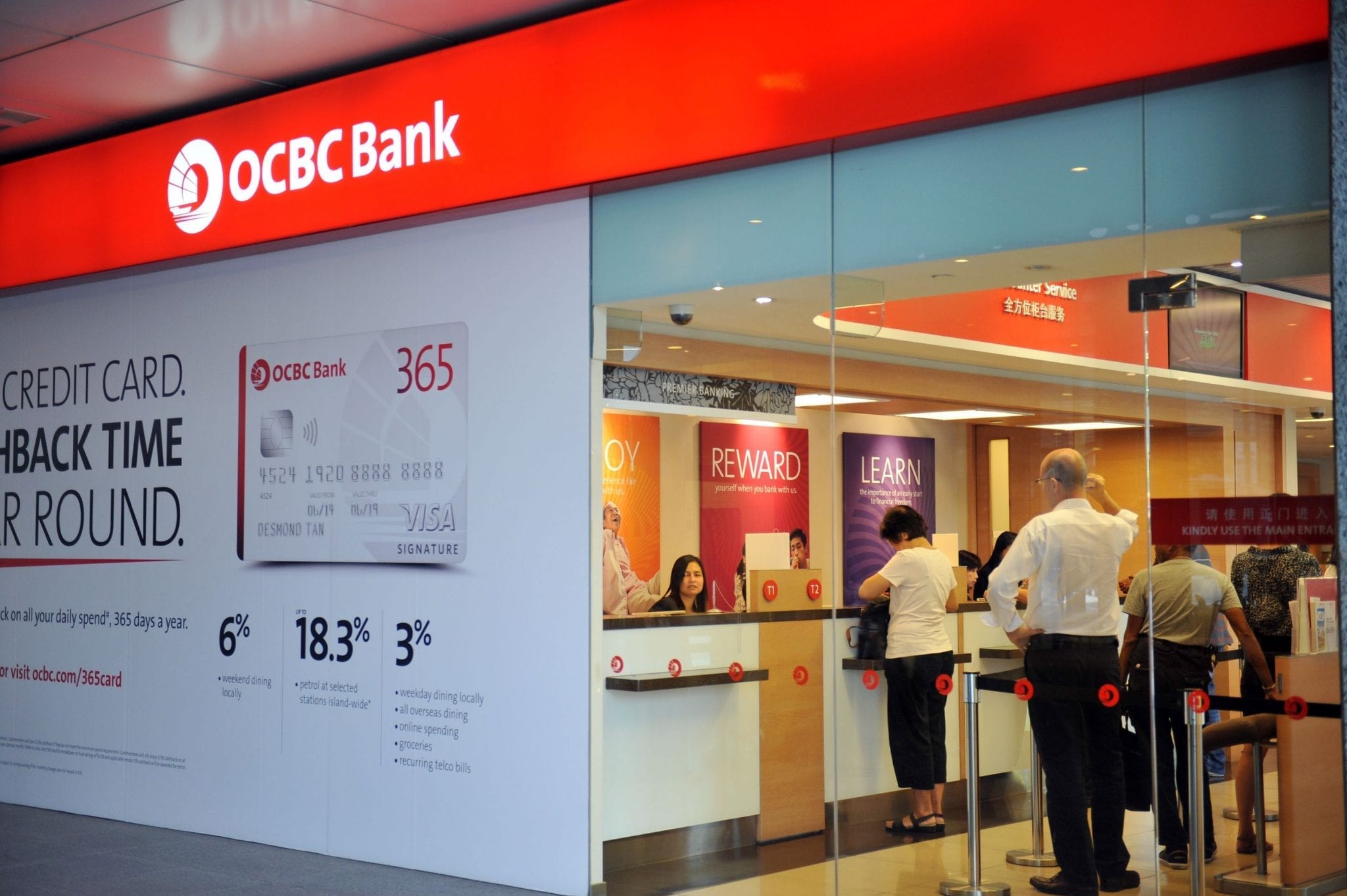
    In a striking demonstration of caution, over 370,000 bank customers in Singapore have embraced the innovative Money Lock feature, collectively safeguarding more than $30 billion from potential scams as of June 30. This initiative, highlighted in the Singapore Police Force’s Mid-Year Scam and Cybercrime Brief 2025, marks a significant shift in how consumers approach digital banking security.

    A New Guard Against Cybercrime

    Launched in December 2024 by the Monetary Authority of Singapore (MAS) and the Infocomm Media Development Authority (IMDA), the Shared Responsibility Framework (SRF) seeks to bolster accountability among financial institutions and telecommunications companies. Under this framework, these entities are now directly liable for losses incurred from phishing scams—an essential move in the ongoing battle against digital fraud.

    Enhanced Security Measures on the Horizon

    Recent developments show that the SRF is not just a paper tiger; it comes with actionable measures. As of June 16, 2025, banks have implemented a novel fraud surveillance duty to monitor suspicious transactions more closely, specifically targeting rapid withdrawals from customer accounts. Expect to see major retailers buttressing security further by instituting cooling-off periods for high-risk banking activities, like adjusting transaction limits or altering personal information—steps designed to give users a moment to reconsider potentially risky decisions.

    Brace for Friction: Security Takes Center Stage

    Looking to the future, MAS is partnering with banks to roll out a Fast IDentity Online (FIDO)-compliant hardware token. This device, which customers must insert into their devices for high-value online transactions, may introduce added friction, but the police emphasize that ensuring customer safety is paramount, even if it momentarily complicates legitimate transactions. After all, in a world rife with digital threats, a little inconvenience can go a long way in preserving one’s finances.

    As the financial landscape continues to evolve, authorities remain steadfast in encouraging customers to utilize the Money Lock service, which offers an extra layer of security against potential breaches in their digital banking capabilities. “Banks will continue to champion this service as a crucial tool to limit possible losses for customers whose accounts might be compromised,” a police spokesperson noted.

    Questions & Answers

    What is the Money Lock feature and how does it help consumers?
    The Money Lock feature allows customers to secure a portion of their funds, preventing digital withdrawals and thereby shielding them from potential scams.

    What significant policy was rolled out alongside the Money Lock feature?
    The Shared Responsibility Framework (SRF) was implemented to enhance accountability among banks and telecom firms regarding losses from phishing scams.

    What proactive measures are banks taking to address fraud risk?
    Banks are introducing cooling-off periods for risky transactions and are collaborating with MAS to implement hardware tokens that provide an additional layer of security for high-value transactions.