Tag: Singapore

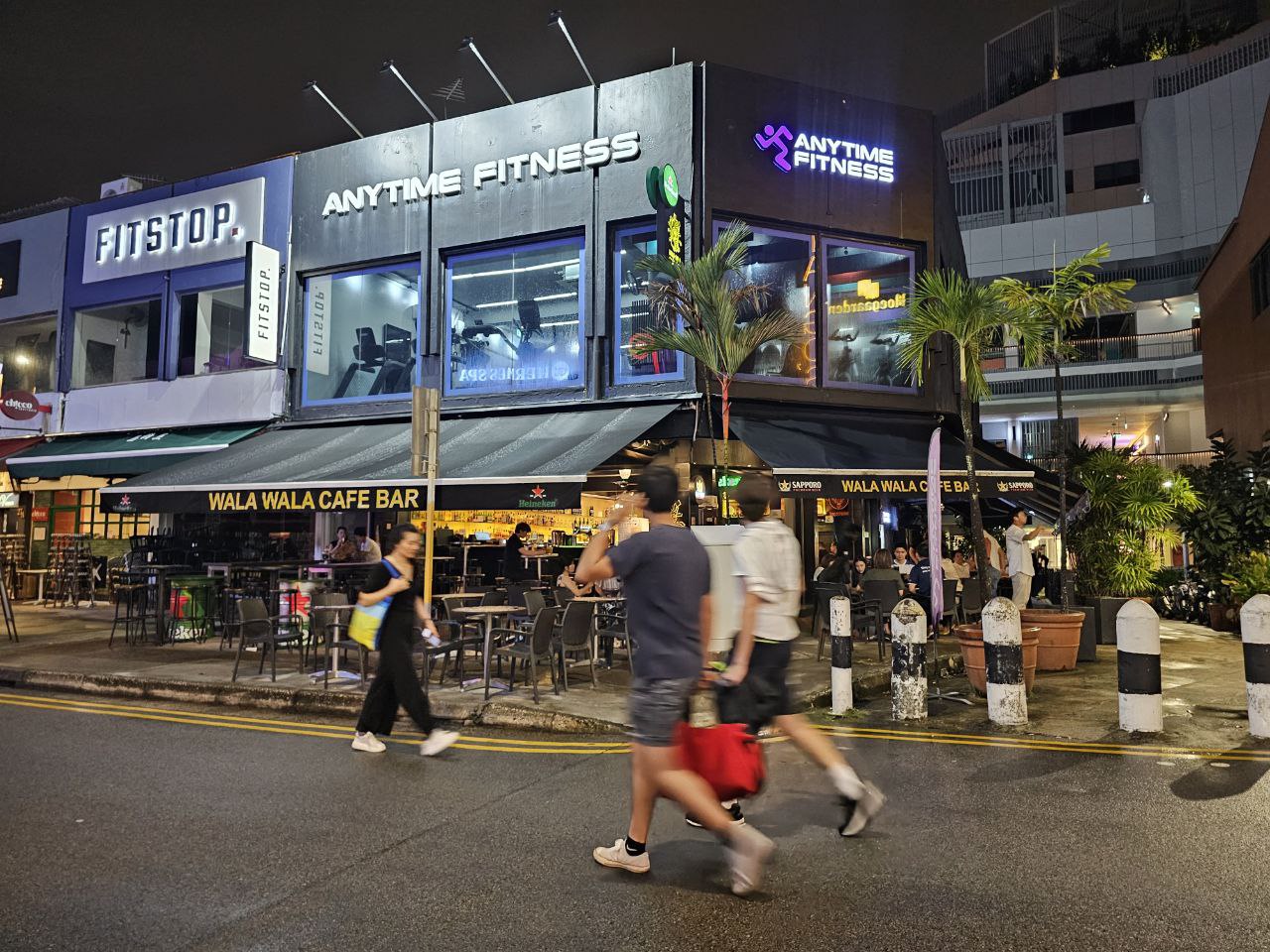
  • Wala Wala Cafe Bar in Singapore Abandons Closure Plans Thanks to Incredible Community Support!

    Wala Wala Cafe Bar in Singapore Abandons Closure Plans Thanks to Incredible Community Support!

    Stanley Yeo, the owner of Wala Wala Cafe Bar, recently shared that he was contemplating calling it quits due to declining visitor numbers, a challenging labor market, and soaring operational costs that have pushed rent for the venue’s 1,700-square-foot ground floor up by 9% over the past two years to S$28,000 (US$21,700) per month. However, the tide turned as the community rallied in support of the beloved establishment.

    By July, the bar saw a “significant increase” in foot traffic, reviving its fortunes. A heartwarming Instagram post last Tuesday revealed that Wala Wala’s landlord had “kindly offered revised terms that make it feasible” for the cafe bar to continue operating in Holland Village.

    “We have been deeply moved by the overwhelming support from our community — customers, friends, suppliers, and neighbors alike,” the post announced. “Today, we are heartened to share that Wala Wala Cafe Bar will remain in Holland Village.”

    Established in 1993, Wala Wala has been a cherished local gem, known for its hearty fare, draft beers, and lively weekend atmosphere. Once famous for hosting live music on its second floor — now closed since 2021 — the venue has since refocused on its food and beverage offerings, as noted by Bandwagon Asia.

    The decision to keep Wala Wala open is a sigh of relief for Holland Village, an increasingly popular dining and shopping hotspot currently facing a wave of closures. In recent months, local businesses such as Thambi Magazine Store, Lim’s Holland Village furniture shop, party store Khiam Teck, and soft-serve ice cream haven Sunday Folks have all shut their doors, as outlined by Channel News Asia.

    These closures highlight a troubling trend in Singapore’s food and beverage scene, where several beloved establishments are now bidding farewell. Two Michelin-starred restaurants — Euphoria and Alma by Juan Amador — closed this month, while well-known dessert spots Flourish Bakehouse and Fluff Bakery announced similar plans for September. Additionally, heritage eatery Ka-soh, noted for its Cantonese-style fish soup, will shut its last location later this month.

    Questions & Answers

    What factors led Stanley Yeo to consider closing Wala Wala Cafe Bar?
    Yeo cited falling visitor numbers, a tough labor market, and a significant rise in operating costs as the primary reasons behind his contemplation of closure.

    How has the local community reacted to Wala Wala’s potential closure?
    The community showed overwhelming support, resulting in a notable increase in foot traffic, which ultimately encouraged the landlord to offer revised terms that allowed the cafe bar to continue operations.

    What recent closures in Holland Village reflect a broader trend in Singapore’s F&B sector?
    Recent closures include popular local spots like Thambi Magazine Store and Lim’s Holland Village, mirroring a concerning trend where several well-known dining establishments, including Michelin-starred restaurants, have also announced their shutdowns.

  • TWC’s Bold Expansion Into Asia: New Zealand Retail Giant Opens First Store In Singapore

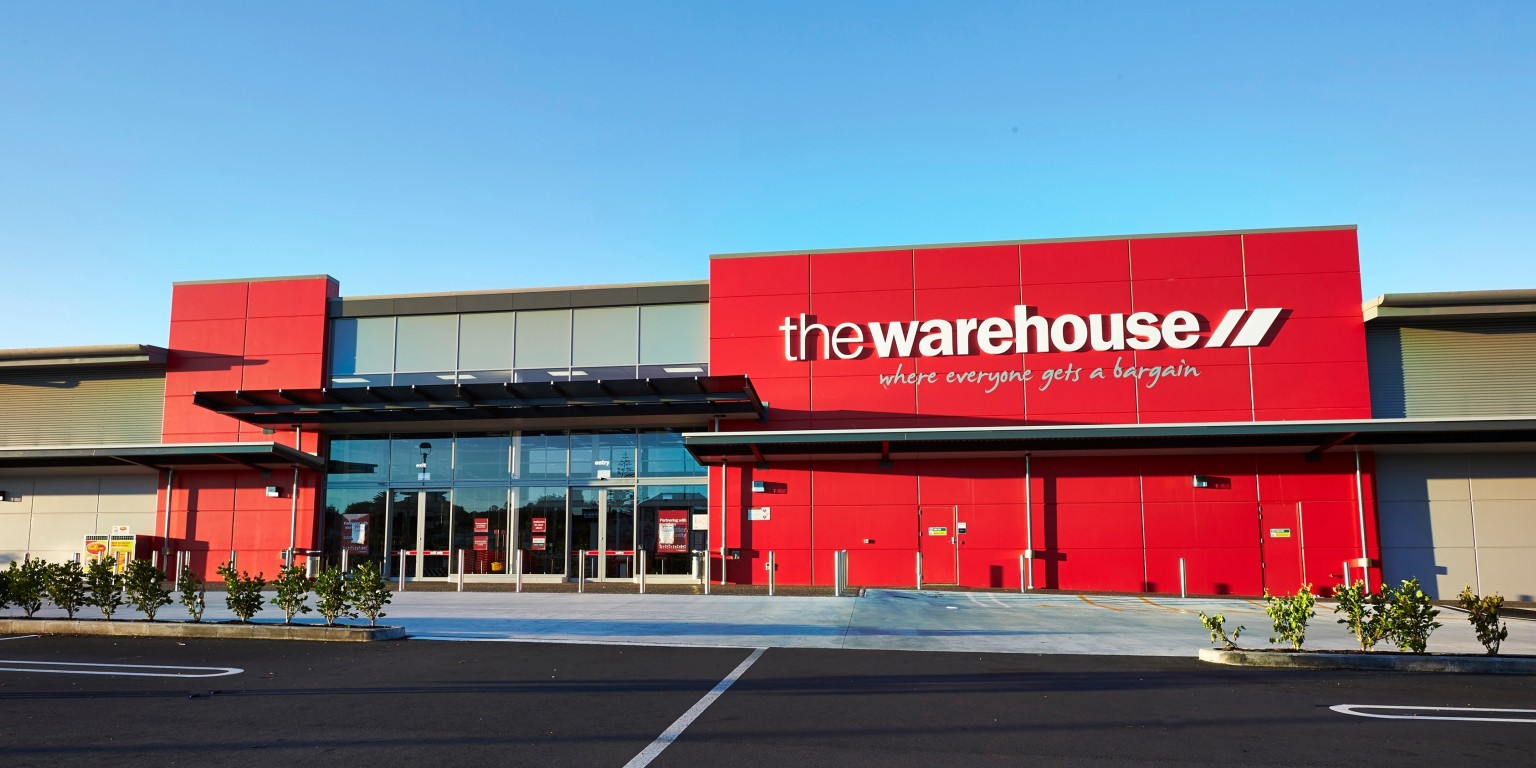
    TWC’s Bold Expansion Into Asia: New Zealand Retail Giant Opens First Store In Singapore

    In an audacious move showcasing the evolving landscape of retail in Asia, The Warehouse Company (TWC) has launched its first-ever store in Singapore, marking a significant step in its expansion strategy across the region. This new outlet, strategically positioned in heart of Orchard Road, not only adds a fresh vibrancy to the retail scene but also represents TWC’s commitment to introducing its popular Australasian offerings to the Singaporean market. Initially founded in New Zealand, TWC is best known for providing customers with quality products at affordable prices, a winning formula it is now eager to share with a new audience.

    Inspiring Growth Through Innovation

    The opening ceremony, which took place amidst a fanfare of excitement, highlighted TWC’s full range of offerings, including apparel, home goods, and a variety of lifestyle products. Executives shared that they aim to replicate the success seen in their home markets by bringing the same ethos of value and customer-centric shopping experience to Singapore. “Our goal is to create a retail environment that fosters community and actively engages shoppers,” said TWC CEO, Sara Tunstall. She expressed optimism about meeting the diverse needs of consumers in Singapore, a city renowned for its cosmopolitan flair and discerning shoppers.

    Creating a Retail Experience Like No Other

    The Orchard Road store isn’t just about transactions; it’s a thoughtfully designed space where shoppers are encouraged to explore and discover. TWC has cleverly integrated local design elements into the store’s aesthetic, resulting in an inviting atmosphere that feels distinctly Singaporean. And if you think that’s a nod to local flavor, wait until you see what they’ve done with their product selection — think tropical-themed goods that scream “staycation!”

    A Considered Approach to Sustainability

    As sustainability becomes a cornerstone of retail strategy, TWC is keen on reducing its environmental footprint. The store features eco-friendly materials in its layout and packaging, reflecting a commitment to not just profit, but planet as well. This initiative aligns perfectly with the growing consumer demand for sustainable practices within the retail sector, particularly in Asia, where eco-conscious shopping is becoming the norm rather than the exception.

    Potential Sparks of a Retail Revolution

    The opening of TWC’s Singapore location has caught the attention of industry analysts and competitors alike. It is seen as a bold gamble, not just due to the high-competition retail landscape but also because of evolving consumer behaviors shaped by the pandemic. Experts speculate that TWC’s arrival could inspire similar brands to consider Asia as a key market for growth. “They’re stepping onto a battlefield filled with giants; can they weave their own tale of success? Only time will tell,” remarked retail analyst Priya Chen.

    Setting the Stage for Future Engagement

    TWC’s presence in Singapore is more than a statement; it’s an invitation for ongoing dialogue with the local community. As part of its launch, TWC plans to host a series of events aimed at engaging consumers directly, from workshops to community fairs. This approach not only fosters brand loyalty but also creates a vibrant retail ecosystem where customers feel connected and valued.

    Questions & Answers

    What distinguishes TWC’s Singapore store from other retailers?
    The store blends local design elements with TWC’s diverse product range, creating a unique shopping experience that resonates with Singaporean consumers.

    How is TWC addressing sustainability in its operations?
    The company is focused on eco-friendly materials in both its store design and product packaging, responding to growing consumer demand for sustainability.

    What future activities does TWC plan to engage the Singapore community?
    TWC intends to host various community-focused events, such as workshops and fairs, to foster connection and loyalty among local shoppers.

  • Porsche Unveils Exciting Exhibition Store at Changi Airport: A New Retail Experience Awaits!

    Porsche Unveils Exciting Exhibition Store at Changi Airport: A New Retail Experience Awaits!

    Porsche is making a bold statement in Singapore with the launch of “Porsche at Jewel,” an innovative exhibition space nestled within the vibrant Changi Airport. This new venture marks a significant expansion for the luxury automotive brand, seamlessly blending its heritage with local culture and modern lifestyle experiences.

    The new location offers more than just a showroom; it features an array of engaging experiences designed to captivate both casual visitors and avid car enthusiasts. Among the highlights is a café that dishes out exclusive menu items, promising to tantalize taste buds while fostering a unique environment for discussion and delight.

    At Porsche at Jewel, customers can explore a curated selection of Porsche-branded apparel and accessories, alongside seasonal collections that reflect the brand’s ethos of luxury and performance. A standout feature is Porsche’s collaboration with local artist Tiffany Lovage, who crafted a limited-edition artwork inspired by Singapore’s beloved kopi (coffee) culture — a nod that adds a touch of local flavor to the brand’s international prestige.

    The exhibition space also showcases a rotating display that reflects the rich history and innovation of the automotive industry, from themed collections to rare vehicle showcases that transport visitors through Porsche’s storied lineage. Visitors can currently admire a striking red Porsche 911 Carrera, dramatically set against the backdrop of Singapore’s iconic shophouses, embodying the city-state’s unique blend of tradition and modernity.

    Looking ahead, Porsche plans to enhance its presence even further with the upcoming Porsche Experience Centre set to open by 2027, adjacent to the Changi Exhibition Centre. This attraction will offer an immersive journey into the world of Porsche, allowing enthusiasts and newcomers alike to experience the dynamic performance of these extraordinary vehicles firsthand.

    Questions & Answers

    What unique offerings can visitors expect at Porsche at Jewel?
    Visitors can enjoy a café with exclusive menu items, browse Porsche-branded apparel, and view a limited-edition artwork inspired by Singapore’s coffee culture, alongside rotating exhibitions of historical and innovative automotive displays.

    What current exhibit is featured at the new location?
    The opening exhibit features a bold red Porsche 911 Carrera, dramatically displayed against the backdrop of Singapore’s iconic shophouses, combining local flavor with automotive excellence.

    What future plans does Porsche have for its presence in Singapore?
    Porsche is set to launch the Porsche Experience Centre in 2027, which will provide an interactive platform for visitors to dive deeper into the performance and engineering of Porsche vehicles.

  • Singapore Seizes 90,000 Vape Products Amid Surge in Violations: What’s Driving the Crackdown?

    Singapore Seizes 90,000 Vape Products Amid Surge in Violations: What’s Driving the Crackdown?

    In a significant crackdown on the illegal vape trade, Singapore authorities confiscated nearly 90,000 vape items during the second quarter of 2025, uncovering 19 major smuggling operations. The enforcement statistics paint a stark picture: over 3,700 individuals were found possessing or using vaping devices, reflecting a sharp 20% increase compared to the previous quarter, as detailed by the Ministry of Health.

    The crackdown isn’t just about confiscation. As of August 12, authorities detected 29 cases of etomidate-laced vapes, colloquially referred to as Kpods. Of these, nine cases were attributed to importation or sales, while the rest involved illegal usage.

    Social Media in the Crosshairs

    In a move to combat vaping culture online, Singapore’s authorities have made headlines by penalizing individuals promoting vaping on social media. Eight individuals faced fines for sharing selfies or videos flaunting their vaping activities, a reminder that in Singapore, even a cheeky photo can lead to serious consequences.

    The government has ramped up its collaboration with e-commerce and social media platforms, resulting in the removal of over 2,000 online listings for vaping products—an impressive fourfold increase from the 408 listings taken down in the first quarter.

    Courts Set a Precedent

    Legal actions are underway as five individuals are facing court charges for their roles in the distribution of Kpods. In a notable case, a man who manufactured Kpods in his Yishun flat was sentenced on August 26 to 16 months in prison and fined $400. This marked Singapore’s first conviction related to Kpods, setting a strong legal precedent against these illicit products.

    Stiff Penalties Reinforced

    Vaping has been illegal in Singapore since February 2018, but the fight against this growing trend shows no signs of slowing down. From January of last year to March this year, authorities confiscated e-vaporizers and components valued at over SGD41 million (US$32 million). Possessing, using, or purchasing e-vaporizers can result in fines up to SGD2,000, while distributing or selling these prohibited items can incur penalties of up to SGD10,000 or even six months imprisonment.

    With such extensive measures in place, it’s clear that Singapore is committed to preserving public health while combating the allure of vaping that seems to have captured the attention of many in the region.

    Questions & Answers

    What prompted the recent crackdown on vaping in Singapore?
    The crackdown was driven by a significant increase in illegal vape possession and usage, revealing a growing trend that authorities felt needed immediate intervention.

    How has the authorities’ approach evolved in dealing with social media promotions of vaping?
    Authorities have taken a proactive stance by issuing fines to individuals promoting vaping on social media and working with platforms to remove illegal listings, showcasing their commitment to reducing vaping visibility online.

    What are the penalties for vaping-related offenses in Singapore?
    Possessing or using e-vaporizers can result in fines of up to SGD2,000, while distributing or selling these products can lead to heavier penalties, including fines up to SGD10,000 or imprisonment for up to six months.

  • Singapore’s Top-Paying Job Now Boasts a Median Monthly Salary Over $15,500!

    Singapore’s Top-Paying Job Now Boasts a Median Monthly Salary Over $15,500!

    In a recent Occupational Wage Survey released by Singapore’s Ministry of Manpower, flying instructors emerged as the highest-paid professionals in the city-state. Their remarkable median monthly salary of S$21,000 leaves other professions in the dust, with foreign exchange brokers following closely at S$19,750, and in-house legal counsel earning a respectable S$17,972.

    Salaries of Singapore’s Elite and Economy Insights

    Commodities traders, excluding those in oil and bunker sectors, secured the fourth spot with a median pay of S$16,000, while chief information, technology, and security officers earned S$15,258 on average, according to Yahoo! News Singapore. Interestingly, managing directors and CEOs only managed to snag the tenth position, with a median wage of S$13,000. Clearly, the sky is the limit for flying instructors, but their dependency on altitude might just be a metaphor for the highs and lows of their pay scale.

    The comprehensive survey, conducted between July and December of last year, evaluated 4,286 private sector firms employing approximately 407,800 full-time resident workers. Notably, this analysis excludes public sector employees. The wage figures reflect total earnings, including overtime pay, commissions, and bonuses, although they are calculated before accounting for Central Provident Fund contributions or income tax.

    Pay Gaps and Gender Disparities

    While the soaring salaries of flying instructors grab attention, the survey also shed light on more sobering statistics. Bus attendants and manual laborers such as building painters and waiters inhabit the lower end of the salary spectrum, earning a mere S$1,400 to S$1,600. Notably, differences in pay within professions indicate potential disparities; while the highest-paid flight instructors can earn anywhere from S$8,050 to S$30,000, economists noted a broader wage range from S$4,848 to S$20,000 for other occupations.

    The survey also uncovered a complex landscape of gender pay gaps across different sectors. Male economists and human resources consultants often earn significantly more than their female counterparts, while women excel in roles like security operations specialists and attractions managers, typically outpacing male earnings in those fields. Meanwhile, positions such as executive search consultants and auxiliary police officers exhibit no gender-based salary discrepancies.

    Wage Growth Trends Amid Global Challenges

    According to a preceding report from the manpower ministry, real wages experienced a significant uptick of 3.2% last year, marking the fastest growth since 2019. This increase followed a period of easing inflation, which dropped to 2.4% from 4.8%. Approximately 80% of companies raised salaries last year, a noteworthy rise from 65.6% in 2023, as many firms returned to profitability. However, the ministry cautioned about possible economic headwinds from global trade uncertainties and geopolitical tensions that could dampen wage growth moving forward.

    Ang Boon Heng, head of the ministry’s manpower research and statistics department, indicated that although wage growth could slow down in 2025, the labor market is expected to remain tight. “Demand for services in community and social sectors continues to be robust,” he said, suggesting optimism amid cautious forecasts.

    Questions & Answers

    What professional sector achieved the highest median pay in Singapore’s recent survey?
    Flying instructors topped the list with a median monthly salary of S$21,000.

    How did the wage growth in Singapore compare to previous years?
    Real wages rose by 3.2% last year, the fastest increase since 2019, marking a significant improvement compared to the previous year’s growth of just 0.4%.

    Which professions showed notable gender pay gaps and what were some exceptions?
    Male professionals, particularly in economics and human resources, often earned more than their female counterparts, while women in certain roles like security operations specialists earned more than men, and several professions showed no pay gap at all.

  • Changi Airport Crowned Singapore’s Most Desirable Employer: A Win for Retail Talent Attraction!

    Changi Airport Crowned Singapore’s Most Desirable Employer: A Win for Retail Talent Attraction!

    Changi Airport Group has aced the 2025 Randstad Employer Brand Research, recording an impressive attractiveness score of 78.4%. This marks a significant leap from its 2024 score of 69.6%, according to Singapore Business Review. Notably, this triumph marks the third time Changi has clinched the top spot since the study’s inception in 2012, with previous victories in 2016 and 2018.

    The Randstad report is a notable gauge of employer reputation, polling the insights of 2,522 respondents aged 18 to 64 who evaluated companies on their brand awareness and overall appeal as employers. While Changi is renowned as a top-tier air travel hub, its roles encompass a broader spectrum, spanning airport operations, management, development, and diverse commercial activities.

    Following in the rankings are Marina Bay Sands, a celebrated resort, and consumer goods giant Procter & Gamble. Singapore’s largest bank, DBS, and Micron Semiconductor also made the cut, rounding out the top five.

    The report doesn’t stop at mere rankings; it offers a window into how various generations in Singapore prioritize their workplace values. Hospitality and recreation emerged as the most alluring sectors out of the 15 analyzed, with life sciences and service industries—covering securities, facilities, and catering—trailing closely behind.

    Work-life balance continues to reign supreme across age groups, standout as the leading factor driving employee preferences for the third consecutive year. Salary and benefits trailed closely, as indicated by insights from The Business Times. However, a tapestry of generational differences reveals a more nuanced picture, particularly when it comes to job security. For instance, Gen Xers ranked job security as their third-most important factor, while millennials and Gen Z placed it fourth and fifth, respectively.

    Interestingly, younger generations are prioritizing career advancement, with both Gen Z and millennials listing career progression as their third-most important workplace aspiration. “Competitive compensation alone is no longer sufficient; organisations must now tailor their employer brand to provide not just an acceptable employee experience but one that resonates deeply with the talent they wish to attract and retain,” stated David Blasco, country director of Randstad Singapore. To paraphrase a famous adage: in today’s job market, it’s not just about what you pay, but how you make employees feel.

    Questions & Answers

    What notable achievement did Changi Airport Group accomplish in the 2025 Randstad Employer Brand Research?
    Changi Airport Group achieved an attractiveness score of 78.4%, marking its third time in the top spot since the study began in 2012.

    How does the study collect its data, and who are the respondents?
    The report gathers insights from a survey of 2,522 respondents aged 18 to 64, who evaluate companies based on employer brand awareness and attractiveness.

    What are some key worker priorities identified in the report?
    The report highlights that work-life balance remains the top priority for employees, while younger generations particularly emphasize career advancement opportunities.

  • Singapore Emerges as Asia Pacific’s 6th Easiest Business Hub, Surpassing Vietnam and Thailand

    Singapore Emerges as Asia Pacific’s 6th Easiest Business Hub, Surpassing Vietnam and Thailand

    Singapore has found itself in a challenging position in the latest Global Business Complexity Index, landing 48th out of 79 global destinations for 2025. This index, which scrutinizes how easy or difficult it is to set up and operate businesses around the world, reveals a landscape where the top-ranked countries exhibit significant complexity and the lower-ranked ones showcase simpler business environments.

    Asia’s Competitive Landscape

    In the Asia Pacific region, Singapore’s ranking pales in comparison to its neighbors, trailing behind New Zealand (77th), Hong Kong (76th), Thailand (56th), Vietnam (54th), and Taiwan (51st).

    A Comprehensive Evaluation

    Compiled by TMF Group, a global professional services firm now in its 12th iteration, the index assesses a whopping 79 locations representing 94% of global GDP and 95% of foreign direct investment inflows. The evaluation is based on 292 distinct indicators spanning legislation, compliance, accounting standards, tax procedures, and human resources practices.

    Investment and Infrastructure Benefits

    The report highlights Singapore’s ongoing investment in physical and digital infrastructure—supported by enhancements to its ports, airports, and digital networks—which bolsters its status as a pivotal trade hub in the region. According to Singapore Business Review, this focus on infrastructure elevates Singapore’s appeal in a highly competitive landscape.

    A Work-Life Balance Conundrum

    Interestingly, there has been a positive shift in the “human resources and payroll” category, with Singapore attracting global talent through streamlined immigration policies and competitive salaries. However, the flip side of progress comes with heightened regulatory complexity. Stricter anti-money laundering measures and tighter corporate service regulations have made the business climate more intricate.

    Balancing Transparency and Bureaucracy

    Mark Weil, CEO of TMF Group, acknowledges the intent behind Singapore’s compliance frameworks, stating they are designed to ensure transparency and maintain financial integrity. Yet, they inevitably introduce additional bureaucratic hurdles for firms looking to thrive. “Regulatory bodies like the Monetary Authority of Singapore are known for their efficiency but also for upholding high standards, particularly in finance and data governance,” Weil remarked in a recent interview with The Straits Times.

    Challenges in Talent Acquisition

    Weil also pointed out complications arising from restrictions on hiring foreigners in certain sectors and stringent employment pass requirements, which can stymie recruitment efforts. New flexible work policies introduced late last year have added another layer of complexity for companies navigating Singapore’s evolving regulatory framework.

    The Southeast Asian Perspective

    Other Southeast Asian economies didn’t fare too poorly either, with the Philippines ranking 26th, Malaysia at 27th, and notably, Indonesia impressively at 14th. On the global stage, Greece takes the crown of the most complex business environment, followed by France, Mexico, and Turkey, driven largely by their multifaceted regulatory setups.

    Questions & Answers

    How does Singapore rank in comparison to other countries in Asia?
    Singapore ranks 48th out of 79 destinations in the Global Business Complexity Index, falling behind countries like New Zealand, Hong Kong, and Thailand in the Asia Pacific region.

    What factors contributed to Singapore’s ranking?
    The ranking took into account Singapore’s regulatory complexity amid stricter anti-money laundering measures and enhanced corporate regulations, despite improvements in human resources recruitment.

    Which country is deemed the most complex globally, and why?
    Greece is recognized as the most complex market globally, primarily due to ongoing legislative changes related to tax, accounting, and human resources.

  • Chick-fil-a’s Global Leap: Plans For Permanent Outlets In Singapore, Uk Unveiled

    Chick-fil-a’s Global Leap: Plans For Permanent Outlets In Singapore, Uk Unveiled

    Chick-fil-A, the renowned American fast-food chain, is gearing up to establish its inaugural permanent eateries in Singapore and the UK. This move aligns with their expansion strategy that was unveiled last year.

    Singapore and UK Expansion

    The first Chick-fil-A restaurant in Singapore is slated to follow the brand’s triumphant pop-up event from last year, while the UK branch is anticipated to launch in Leeds this autumn.

    The restaurants in both nations will be directed by owner-operators native to the respective countries. Chick-fil-A is confident that their comprehension of the local community’s tastes will be advantageous for the company’s global growth.

    Anita Costello, Chick-fil-A’s Chief International Officer, stated that the local owner-operators are fostering impactful relationships by investing in the requirements of the neighborhoods where they will be catering to guests.

    Further International Expansion

    Hugh Park, who oversees operations in the Asia Pacific, revealed last year that the company is investigating various markets within Asia. Moreover, Chick-fil-A has set a goal to inaugurate five international outlets by 2030.

    In the previous year, Chick-fil-A had declared their intentions to open new restaurants in several UK locations, including Belfast, Leeds, Liverpool, and London.

    Questions & Answers

    When are the new Chick-fil-A outlets in Singapore and the UK scheduled to open?
    The Singapore branch is set to open later this year, following the successful pop-up event from last year. The UK outlet is expected to begin operations in Leeds this autumn.

    Who will be leading these new Chick-fil-A restaurants?
    The eateries in both Singapore and the UK will be managed by local owner-operators.

    What are Chick-fil-A’s future plans for international expansion?
    Hugh Park, who oversees the company’s Asia Pacific operations, mentioned last year that Chick-fil-A is exploring various markets within Asia. They aim to open five international locations by 2030.

  • FairPrice Group Teams Up with Google Cloud to Unveil Innovative AI Shopping and Workplace Solutions

    FairPrice Group Teams Up with Google Cloud to Unveil Innovative AI Shopping and Workplace Solutions

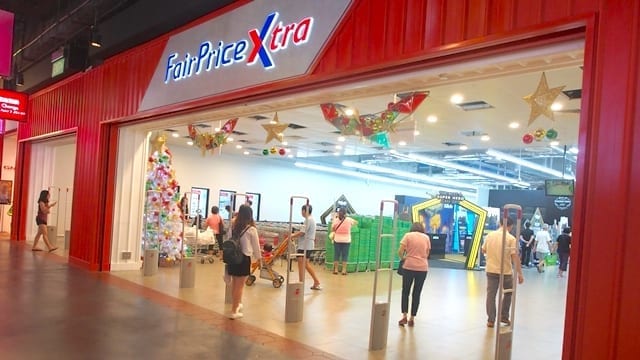
    Shoppers in Singapore can look forward to a transformative retail experience thanks to a groundbreaking collaboration between FairPrice Group (FPG) and Google Cloud. This expanded partnership aims to infuse Singapore’s largest retailer with cutting-edge AI-powered shopping and workplace tools, making the shopping process smarter and more efficient while enhancing employee productivity.

    AI Assistants Take Center Stage

    As part of FPG’s innovative Store of Tomorrow initiative, AI assistants, designed using Google Cloud’s Agent Development Kit (ADK), have made their debut at FairPrice Finest in Punggol Digital District. These sophisticated digital aides are set to offer personalized recommendations, streamline product searches, and assist shoppers with meal planning and recipes.

    Smart Carts: Your Personal Shopping Companion

    Armed with smart carts featuring multimodal AI assistants, shoppers can now navigate stores with ease. These high-tech carts allow customers to scan barcodes, uncover exciting promotions, and receive tailored product suggestions. For instance, a simple search for “yam paste” not only reveals ready-to-cook items and ingredients but also confirms in-store availability—a game-changer for lunch prep!

    Breaking Language Barriers

    The initiative doesn’t stop there. FPG is also piloting Vertex AI Search for Commerce, a tool adept at handling non-English and local dialect queries. This makes it significantly easier for customers to locate products, whether they are searching for “low fat cheese,” “荔枝” (lychee), or good old “orh nee” (yam paste). It’s retail becoming truly multilingual!

    Wellness Meets Convenience

    At Unity pharmacy, specialized AI agents provide personalized wellness advice, create meal plans, and generate shopping lists tailored to individual health needs. Meanwhile, wine aficionados can delight in a digital sommelier that recommends beverages based on taste preferences, price points, country of origin, and perfect culinary matches—a delightful approach that could turn you into a connoisseur faster than a cork pops!

    Empowering Employees with AI

    On the operational side, employees will benefit from Google Agentspace, which empowers them to create and utilize AI agents for various tasks ranging from research and ad creation to human resources and customer service. A standout feature of this collaboration is a custom creative agent that can generate ad visuals and copy up to ten times faster than traditional methods, giving staff the edge in a competitive landscape.

    With this partnership, FairPrice Group is stepping boldly into a future where AI enhances both the customer and employee experience, proving that the retail landscape in Asia is not just keeping up with technological advancements—it’s setting the pace.

    Questions & Answers

    What is the primary goal of the collaboration between FairPrice Group and Google Cloud?
    The partnership aims to introduce AI-powered tools to improve shopping efficiency and enhance employee productivity across FairPrice stores.

    How do the smart carts benefit shoppers at FairPrice?
    Shoppers can utilize smart carts with AI assistants to navigate the store, scan barcodes, find promotions, and receive personalized product recommendations based on their searches.

    What unique features does the Vertex AI Search offer?
    Vertex AI Search allows for non-English and local dialect queries, enabling customers to easily find products in their preferred languages, significantly breaking down communication barriers.

  • Shingda Group Streamlines Operations: A Bold Move for Singapore’s Construction Industry

    Shingda Group Streamlines Operations: A Bold Move for Singapore’s Construction Industry

    In a strategic move to elevate its IT capabilities, Shingda Group, a civil engineering and construction powerhouse based in Singapore, has embraced a cutting-edge cloud management platform. This innovation aims to enhance operations across remote construction sites, where digital resources are often sparse.

    By implementing a hub-and-spoke VPN architecture, Shingda has streamlined connectivity and fortified security across various locations, bridging its remote sites to headquarters with newfound efficiency. The company selected Zyxel Networks’ Nebula cloud management platform for this pivotal transition.

    Since its deployment, Shingda reports an impressive 60 percent increase in network management efficiency. The IT team is experiencing a remarkable transformation, completing troubleshooting and configuration tasks up to 70 percent faster, saving valuable time and resources.

    “We needed a solution that would keep our sites connected, secure, and manageable,” shared Joshua Pek, IT Manager at Shingda Group. The integration with Zyxel Networks’ equipment allows the IT team to swiftly diagnose and resolve issues from a single, unified dashboard — no more juggling multiple tabs like a circus performer just to configure devices!

    Building a Centralized Network for Enhanced Control

    Shingda Group’s revamped network infrastructure features GS1920 Series smart managed switches with Power over Ethernet (PoE) capabilities and WAX510D WiFi 6 access points, ensuring robust connectivity even in high-density environments. Security is prioritized via ATP Series firewalls and branch devices such as the ATP200, SCR50AXE, and USG20-VPN.

    All these components are seamlessly managed through Nebula’s centralized cloud platform, offering full network visibility and automatic topology mapping. This centralized approach eliminates the need for spreadsheets to track IP addresses or credentials, liberating staff from cumbersome manual processes.

    As a result, team members now enjoy streamlined logins, reliable WiFi coverage, and uninterrupted site-to-site connectivity, allowing them to focus on what truly matters — the projects at hand.

    Questions & Answers

    What prompted Shingda Group to adopt a cloud management platform?
    The company aimed to modernize its IT infrastructure and improve operations at remote construction sites where resources are typically limited.

    How has the implementation of the Nebula platform impacted Shingda’s network management?
    Shingda reports a 60 percent boost in network management efficiency and a significant reduction in the time needed for troubleshooting and configuration tasks.

    What key features does Shingda’s new network setup include?
    The network setup includes GS1920 Series smart managed switches, PoE-enabled WiFi 6 access points, and robust ATP Series firewalls, all managed through Nebula’s centralized cloud platform.

  • FairPrice Alerts Shoppers: Beware of $3,100 WhatsApp Scam Targeting Singapore’s Supermarket Fans!

    FairPrice Alerts Shoppers: Beware of $3,100 WhatsApp Scam Targeting Singapore’s Supermarket Fans!

    In a warning to its customers, Singapore’s FairPrice supermarket chain has flagged a fraudulent WhatsApp survey that promises a tempting reward of SGD4,000 (approximately US$3,100).

    In a recent Facebook post, FairPrice clarified that this deceptive questionnaire has no association with the company. Shoppers are urged to ignore the message and avoid clicking on the link or sharing any personal information.

    This scam cleverly attempts to entice potential victims with the lure of cash for completing the questionnaire, but FairPrice has made it clear: legitimate promotions can only be found on the FairPrice Group app or through their official website. “We will never send SMS, WhatsApp, or any other messages asking for your username, password, or financial information,” the company reassured its customers.

    A Snapshot of FairPrice’s Legacy

    With over five decades of service, FairPrice stands as Singapore’s largest supermarket chain, boasting more than 100 locations across the island. The company’s extensive history and trusted reputation make these scams all the more troubling for the consumer community.

    The Bigger Picture: WhatsApp Scams in Singapore

    Scams via WhatsApp have gained alarming traction in Singapore, with incidents of government official impersonation scams reaching 1,504 cases last year. Victims collectively lost an astonishing SGD151.3 million, with most targeted individuals aged between 50 and 64. Scammers primarily use phone calls and WhatsApp to connect with their victims, showcasing a disturbing trend that raises concerns about digital security and consumer awareness.

    Questions & Answers

    What is the nature of the scam targeting FairPrice customers?
    The scam involves a fake WhatsApp survey that promises respondents a reward of SGD4,000, aiming to collect personal information through a deceptive questionnaire.

    How has FairPrice responded to the scam?
    FairPrice has issued a warning on its social media channels, advising customers to disregard the scam and emphasizing that legitimate promotions are only communicated through their official app or website.

    What trend has emerged regarding scams in Singapore?
    WhatsApp scams have become increasingly prevalent in Singapore, with significant incidents reported last year, particularly targeting older demographics through impersonation tactics.

  • Youtube Sensation Mrbeast Burger Makes Singapore Debut In Partnership With Dignity Kitchen

    MrBeast Burger, a unique restaurant brand that operates solely through delivery services and was born out of a YouTube sensation, has made its debut in Singapore.

    The Debut

    The restaurant’s inaugural virtual spot in Singapore is launched in collaboration with Dignity Kitchen, a well-regarded food court renowned for its commitment to supporting and employing individuals with disabilities. The menu on offer includes their well-loved signature crinkle-cut fries along with various types of smashed burgers, all of which are available for island-wide delivery through platforms like Foodpanda, Grab, and the MrBeast Burger’s own website.

    Speaking about the partnership, Koh Seng Choon, founder and executive director of Dignity Kitchen, expressed pride in being the first to introduce MrBeast Burger in Singapore. Seng Choon also praised the brand’s unique blending of entertainment and social responsibility.

    The Partnership

    The restaurant’s successful entry into the Singaporean market was facilitated by its collaboration with Xolutions, a business that specializes in fostering connections within the food industry by aiding market entry and franchise development.

    Nichol Ng, CEO of Xolutions, spoke highly of the brand, stating that it represents more than just a burger joint. Ng described it as a smart, scalable opportunity for local kitchens to expand their operations while simultaneously delivering delicious, highly-desirable food to a younger demographic of food enthusiasts.

    The Origin

    MrBeast Burger was first introduced in 2020 by renowned American YouTuber Jimmy Donaldson, also known by his online alias MrBeast. His initiative, in conjunction with Virtual Dining Concepts (VDC), has successfully expanded to over 300 locations throughout the United States.

    In light of its successful launch, the brand has plans to establish more virtual restaurants in Singapore, with the aim of achieving this goal by the fourth quarter of this year.

    Questions & Answers

    What is MrBeast Burger?
    MrBeast Burger is a delivery-only restaurant brand that was created by popular YouTuber Jimmy Donaldson, also known as MrBeast.

    Where is MrBeast Burger’s first location in Singapore?
    The first virtual location for MrBeast Burger in Singapore is launched in association with Dignity Kitchen, a food court known for employing and supporting individuals with disabilities.

    What are MrBeast Burger’s future plans in Singapore?
    Following its successful launch, MrBeast Burger plans to continue its expansion in Singapore by opening more virtual restaurants across the country by the end of this year.

  • Aussie yogurt brand Yo-Chi kicks off global expansion in Singapore

    Aussie yogurt brand Yo-Chi kicks off global expansion in Singapore

    Melbourne-based frozen yogurt and acai chain Yo-Chi has established its first international outpost, a 60-seat shop located in Singapore’s Orchard Central. This move represents Yo-Chi’s first venture outside of Australia, where it boasts over 30 locations.

    Yo-Chi was established in Melbourne in 2012 and has steadily grown on the strength of its customizable model. This model allows customers to create their own concoctions of frozen yogurt or acai bowls, adorned with a variety of toppings.

    Customization and Quality Ingredients

    The newly-opened Singapore branch has retained the pay-by-weight, self-serve method adopted by its Australian counterparts. This enables consumers to craft their unique bowls or cones using a selection of frozen yogurt or acai and a multitude of toppings.

    Another distinctive feature of Yo-Chi is its commitment to using authentic Australian cow milk instead of powdered substitutes in its yogurt production. The result is a 98% fat-free yogurt infused with beneficial probiotics.

    A Wide Range of Toppings and Flavors

    Patrons of Yo-Chi are spoilt for choice with approximately 35 toppings to choose from, including fruits, jellies, mochi, chocolates, and sauces. The Singapore branch offers local specialties such as coconut jelly and nata de coco. Seasonal rotations ensure that the topping offerings remain fresh and exciting.

    The Singapore outlet also delivers nine yogurt flavors to customers. These include the signature tart, salted butterscotch, cookies and cream, mango, matcha, strawberry cream, classic vanilla, chocolate, and coconut.

    Future Expansion Plans

    According to Yo-Chi’s brand director, Oliver Allis, the company views Singapore as a strategic launch pad for its Asian expansion. He expressed his belief that succeeding in Singapore would establish a solid foundation for further growth in other Asian countries, including Thailand, China, and Japan.

    Customers can enjoy Yo-Chi’s offering at a starting price of SGD$3.50 per 100 grams.

    Questions & Answers

    What is Yo-Chi’s business model?
    Yo-Chi operates on a pay-by-weight, self-serve model which allows customers to create personalized bowls or cones of frozen yogurt or acai, topped with a variety of ingredients.

    What differentiates Yo-Chi’s yogurt from others?
    Yo-Chi emphasizes the use of real Australian cow milk instead of powder in its yogurt production, resulting in a product that is 98% fat-free and contains probiotics.

    What are Yo-Chi’s expansion plans?
    Yo-Chi has identified Singapore as a strategic starting point for its expansion into Asia. Successful operation in Singapore will pave the way for growth into other Asian markets such as Thailand, China, and Japan.

  • Singapore’s Retail Spaces Set for a 2% Rent Hike This Year—What It Means for Shoppers and Stores!

    Singapore’s Retail Spaces Set for a 2% Rent Hike This Year—What It Means for Shoppers and Stores!

    Amid a landscape of recovering tourist arrivals, Singapore’s retail sector is preparing for a bumpy ride, navigating uncertain economic waters. A recent report by Savills highlights that while there is potential for growth, particularly from the influx of tourists, the economy is set for subdued performance through the latter half of the year. This is primarily due to anxieties surrounding Liberation Day tariffs and a notable decline in non-oil domestic exports, which many businesses rushed to ship in anticipation of these increased costs.

    Retail Struggles Amid Economic Uncertainty

    Domestic-oriented sectors, particularly retail and food & beverage, are feeling the pinch, having reported subdued performance in the first half of the year. Savills notes that while the distribution of government consumption vouchers, such as CDC and SG60, could provide a temporary boost to retail activity, a sideways trend in overall sales is anticipated. This stagnation is largely fueled by cautious hiring sentiments and the softening indicators of resident employment, which could further limit consumer spending power. Adding to the complexity is Singapore’s strong currency, which continues to tempt shoppers to look overseas for value.

    Suburban Resilience Amid Central Region Pressures

    Interestingly, while the retail market braces for a challenging period, the tapering supply pipeline could bring some stability to occupancy rates and rents in the next two years. However, the overarching mood remains cautious, with both hiring and spending expected to lag. Suburban malls, particularly those well-connected to transport hubs and serving dense communities, may find themselves somewhat insulated from these broader industry challenges. In contrast, malls located in the Central Region are likely to experience continued pressure from declining spending power.

    A Shift in Tenant Dynamics

    Savills anticipates a rising tenant turnover rate as struggling stores vacate prime locations. While landlords may swiftly fill these coveted units with new tenants, they might need to offer shorter leases or attractively lower rental incentives to maintain occupancy in less desirable spaces. As the region gears up for a rebound in tourism, Orchard Road’s malls are expected to benefit, with rental prices projected to rise.

    The silver lining in this retail narrative is the expectation that both Orchard Road and suburban mall rents could see an uptick of up to 2% by 2025, fueled by the ongoing recovery of tourist arrivals. As the tide of tourism begins to lift Singapore’s retail waters, it seems that for some, the return of shoppers may indeed feel like a breath of fresh air amidst the uncertainty.

    Questions & Answers

    What factors are influencing Singapore’s retail sector performance this year?
    Singapore’s retail sector is grappling with uncertainties stemming from Liberation Day tariffs, a reduction in non-oil domestic exports, and softening resident employment, which collectively dampen consumer spending power.

    How are suburban malls poised to perform compared to those in the Central Region?
    Suburban malls with good transport connectivity and a solid residential base may remain more resilient, whereas Central Region malls may struggle under pressure from declining spending capacity.

    What is the forecast for retail rents in Singapore for 2025?
    Retail rents in both Orchard Road and suburban malls are expected to increase by up to 2% in 2025, spurred by a resurgence in tourist arrivals.

  • StarHub’s H1 2025 Surge Powered by Broadband, Enterprise Solutions, and Cybersecurity Innovations

    StarHub’s H1 2025 Surge Powered by Broadband, Enterprise Solutions, and Cybersecurity Innovations

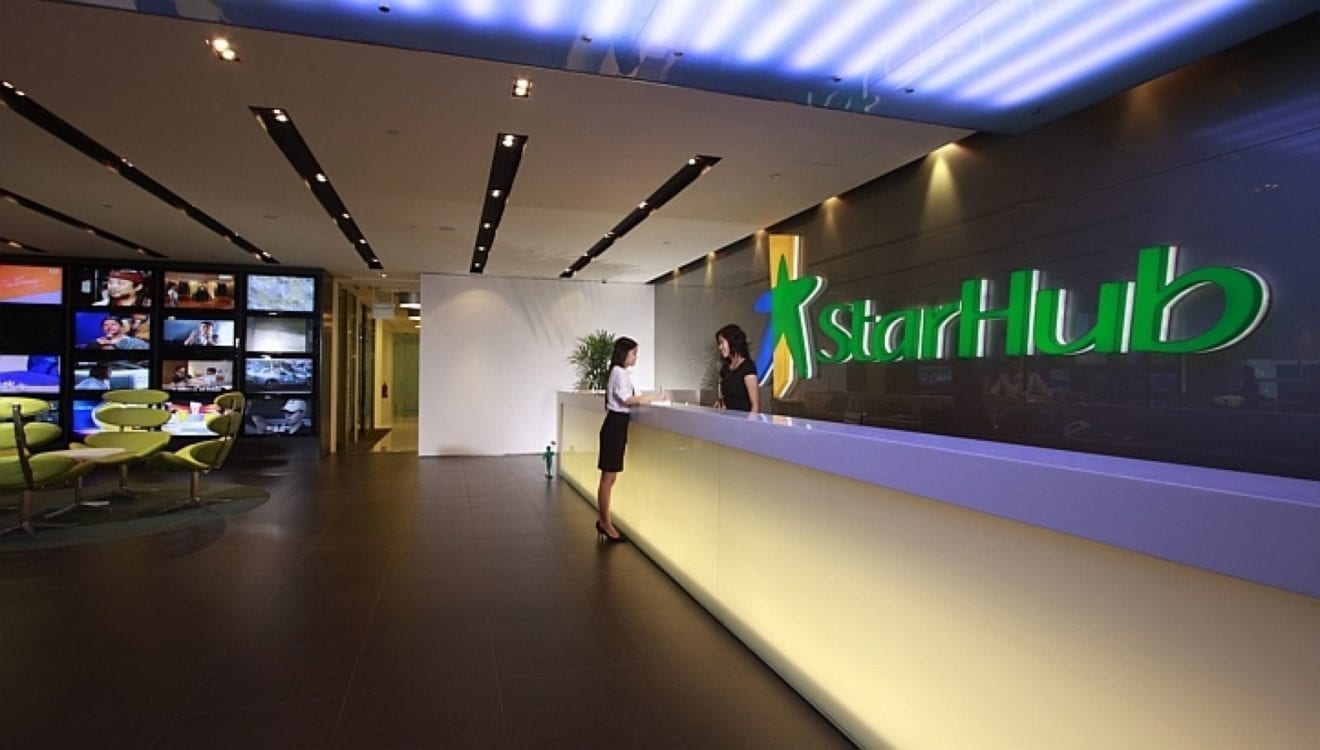
    StarHub’s financial report for the first half of 2025 has revealed promising growth across its service lines, highlighting the company’s resilience in a challenging market. The telecom operator’s service revenue climbed 3.0% year-over-year (YoY) to reach USD 976.1 million, while total revenue rose 2.2% YoY, totaling USD 1.1 billion. Notably, sectors such as broadband (+4.4%), regional enterprise (+6.8%), and cybersecurity services (+20.1%) were key contributors to this growth.

    Subtracting a one-time forfeiture payment of USD 14.1 million related to the return of 700 MHz spectrum rights, the net profit attributable to shareholders (NPAT) stood at USD 62.0 million for the period. Yes, you read that right—despite the hiccup, StarHub managed to maintain a healthy bottom line.

    Acknowledging Market Challenges with Confidence

    CEO Nikhil Eapen expressed optimism despite facing pressures from declining prices that threaten retail sustainability. He stated, “In a market where eroding prices challenge industry sustainability, we drove our industry-leading market position in broadband by upgrading our customers to UltraSpeed plans while extending our number two position in mobile by delivering for our customers the quality, reliability, and experience they expect from the StarHub brand.” Eapen also emphasized a commitment to an aggressive marketing strategy, positioning the company for a future market rebound.

    Enterprise Segment Fuels Growth

    The regional enterprise segment emerged as a major growth driver, with revenue reaching USD 296.1 million, an impressive increase of 6.8% YoY. Notably, managed services surged by 12.8% YoY, a reflection of higher project completions in modern digital infrastructure solutions. Meanwhile, cybersecurity emerged as a strong focal point for growth, with the segment recording a remarkable 20.1% YoY rise amid rising demand for advanced protection measures.

    Subscriber Growth and Diversified Revenue Streams

    StarHub’s mobile subscriber base saw an 8.2% YoY increase, fueled by a strong demand for SIM-only plans from its giga! and eight brands. Mobile revenue reached USD 274.1 million, while broadband revenue rose by 4.4% YoY to USD 128.3 million, supported by customers migrating to higher bandwidth plans. Additionally, the entertainment sector contributed USD 99.4 million, underscoring the success of StarHub’s Infinity Play, which seamlessly merges sports and over-the-top (OTT) content.

    Strategic Acquisitions and Future Plans

    In a noteworthy strategic initiative, StarHub has completed its full acquisition of MyRepublic Broadband, bolstering its brand and operational assets to enhance competitiveness in Singapore’s broadband landscape. Furthermore, the company has wrapped up the investment phase of its DARE+ program, transitioning its IT and network infrastructure to a hybrid multi-cloud environment. This move positions StarHub to scale modern digital infrastructure offerings and enhances the implementation of AI-driven automation.

    Eapen underscored that cybersecurity remains one of StarHub’s top strategic priorities and reaffirmed the company’s intent to boost investments in AI-native, cloud-driven defense capabilities to safeguard not just customer data but national infrastructure as well.

    Furthermore, Eapen noted, “Our transformation has also enabled us to move forward on a long-term deliberative cost-reduction roadmap centered around automation and AI, systems re-architecture, and business simplification.” Such strategic insights signal StarHub’s dedication to innovation while maintaining a pulse on cost management.

    Questions & Answers

    What are the main contributors to StarHub’s revenue growth in H1 2025?
    StarHub’s revenue growth was primarily driven by strong performances in broadband, regional enterprise, and cybersecurity services, indicating a diverse revenue stream that mitigates risks in a competitive market.

    How has StarHub responded to market challenges?
    StarHub is adapting to market challenges by aggressively promoting UltraSpeed plans and enhancing customer experience in its mobile segment to maintain a leading market position and prepare for future recovery.

    What strategic initiatives has StarHub undertaken recently?
    Recently, StarHub completed the full acquisition of MyRepublic Broadband to strengthen its brand and entered a new operational phase with its DARE+ program, shifting to a hybrid multi-cloud environment to enhance digital infrastructure and automation capabilities.