Tag: Singapore

  • KFC Unveils Butterbear Merchandise: New Trend Sweeps Fast-food Giant In Singapore

    KFC Unveils Butterbear Merchandise: New Trend Sweeps Fast-food Giant In Singapore

    Step aside, Labubu. A new captivating character is capturing our affections, and it doesn’t hail from Pop Mart. The Butterbear, a charming mascot from Thai bakery Butterbear, is quickly gaining fame. So, it was only a matter of time before brands jumped on the trend with an appealing collaboration. Leading the way in Singapore is the fast-food giant, KFC, which recently unveiled a delightful range of collectible Butterbear merchandise that fans will surely find irresistible.

    The Butterbear Boom

    This comes in the wake of the successful Mofusand launch for the Chinese New Year 2025. The launch included items like soft toy keychains, stickers, and red packets decorated with cats.

    KFC Meets Butterbear

    In keeping with the current rage for blind boxes, the KFC x Butterbear collection intriguingly includes surprise keychains. Collectors can seek out four different designs from October 15 to November 25, 2025, while stocks last. Each design draws inspiration from a different beloved item on the KFC menu: the egg tart, the Zinger, the drumstick, and the chicken bucket.

    To secure one of these keychains for $12.95, customers need to purchase either the Thai-Thai Saucy Chicken Box ($13.95) or the Thai-Thai Saucy Bites Box ($11.95). These are new limited-edition offerings that are part of the collaboration. The Thai-Thai Saucy Chicken Box offers a spicy, tangy, Thai-inspired version of KFC’s hot and crispy chicken, while the Thai-Thai Saucy Bites Box features boneless chicken pieces doused in the same distinctive sauce.

    Additionally, the menu features Thai fritters with condensed milk ($4.40 for four pieces), which can be thought of as the Thai twist on you tiao.

    A Rewarding Experience

    Early birds will be rewarded for their punctuality with Butterbear stickers. To claim these, they simply need to purchase two breakfast Twister buddy meals for $12. This offer is valid for both dine-in and takeaway orders. But fear not, night owls; those who prefer to order their Thai-Thai Saucy Chicken or Bites Box via KFC delivery can also snag a pair of red KFC Butterbear long socks for $5.95. If they choose to order via Grab, they can get a green version of the socks instead.

    Butterbear Plush Crossbody Bag

    One of the collection’s highlights is undoubtedly the KFC Butterbear plush crossbody bag. This accessory allows you to carry your essentials and your buttery buddy wherever you go. The bag, like the blind boxes, is purchasable with any order of the Thai-Thai Saucy Chicken or Bites Box. But act fast, as only 3,000 are available across selected KFC outlets in Singapore.

    These outlets include: Plaza Singapura, West Mall, Bedok Town Square, Causeway Point, HarbourFront Centre, Nex, Jurong Point, Lot One, Compass One, Northpoint City, Toa Payoh, Tampines Mall, Star Vista, Novena Square, and Admiralty Place.

    Questions & Answers

    What are some of the items included in the KFC x Butterbear collection?
    The KFC x Butterbear collection includes surprise keychains, Butterbear stickers, red and green KFC Butterbear long socks, and a KFC Butterbear plush crossbody bag.

    How can one acquire items from the KFC x Butterbear collection?
    The items can be obtained by purchasing certain meals from KFC, such as the Thai-Thai Saucy Chicken Box or the Thai-Thai Saucy Bites Box. Some items are offered as rewards for purchasing specific meals or placing orders through certain platforms.

    Where can the KFC x Butterbear collection be found?
    The collection is available at 15 selected KFC outlets across Singapore, including Plaza Singapura, West Mall, Bedok Town Square, and Causeway Point, among others.

  • Style Theory Shuts Down: High Operational Costs, Investor Departure Mark End Of Fashion Rental Platform

    Style Theory Shuts Down: High Operational Costs, Investor Departure Mark End Of Fashion Rental Platform

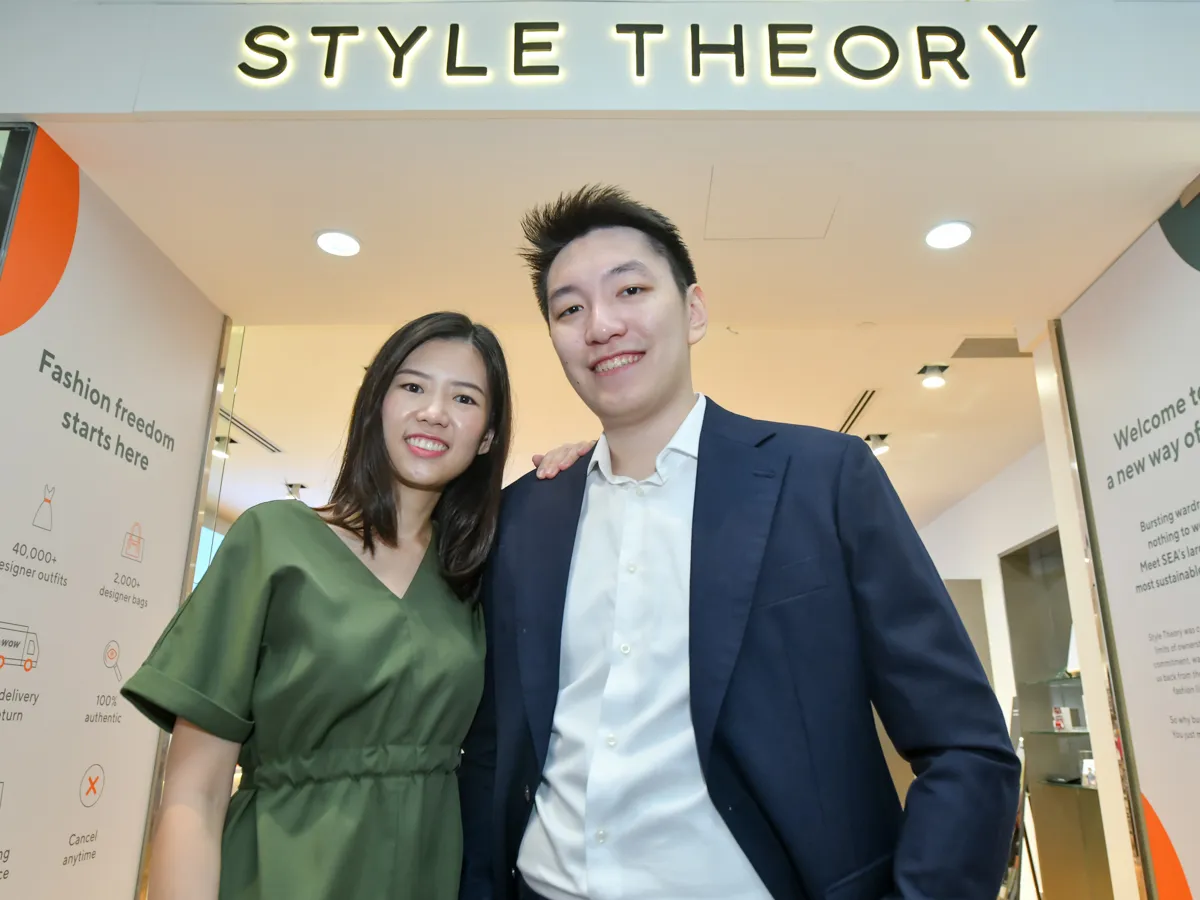
    Style Theory, a Singapore-based online clothing rental platform, has recently ceased operations due to increasing operational costs and the departure of its key investors.

    Established in 2016, Style Theory functioned as an online rental platform that operated on a subscription basis. For monthly fees ranging from $89 to $149, it provided its customers with access to designer clothing and fashionable accessories via its proprietary app.

    The company announced on its online platform that it discontinued its subscription service as of September 30. All related services including rental, delivery, membership, support among others, were also discontinued. Customers were alerted that unused points would not be refunded and they could retain any rented items indefinitely.

    The firm will go into liquidation, and those owed money will be classified as creditors. The economic climate, which the company describes as increasingly challenging, along with rising costs and unforeseen circumstances, including the withdrawal of key investors, were cited as the main factors behind this decision.

    Style Theory was supported by notable investors including Alpha JWC Ventures, Quest Ventures, The Paradise Group, and SoftBank Ventures Asia.

    The decision to shut down was not taken lightly, as stated by the founders. The main mission of Style Theory, since its inception, was to make fashion more sustainable, accessible, and circular. The unexpected discontinuation of services is regrettable, and the company sincerely apologizes for any disappointment caused. The founders assured that every possible alternative was considered before reaching this conclusion.

    This closure follows the shut down of the company’s operations in Indonesia in June. The company stated at that time that it wanted to concentrate its resources on strengthening its foundations in Singapore and Hong Kong.

    Questions & Answers

    Why has Style Theory ceased operations?
    Style Theory has ceased operations due to escalating operational costs and the departure of key investors.

    What happens to the customers who have unused points?
    Customers were informed that their unused points would not be refundable. They can, however, keep any items they have currently rented indefinitely.

    What was the primary mission of Style Theory?
    The primary mission of Style Theory was to make fashion more sustainable, accessible, and circular. The company aimed to achieve this through its online rental platform.

  • Gong Cha Exits Singapore Market After Franchise Agreement Ends; Plans For A Revamped Return Underway

    Gong Cha Exits Singapore Market After Franchise Agreement Ends; Plans For A Revamped Return Underway

    Taiwan’s popular milk tea brand, Gong Cha, has ceased operations and shuttered all its outlets island-wide as of October 1. This move follows the expiration of its franchise agreement with Gong Cha Singapore, which has been running the brand’s operations since 2017.

    All the physical stores were abruptly closed, and the brand’s digital presence was also taken down, including its website, social media accounts, and listings on food delivery platforms.

    Kang Puay Seng, Gong Cha Singapore’s CEO, confirmed these developments, expressing his gratitude to customers, staff, and business partners for their support.

    Future Prospects

    Gong Cha’s Global has confirmed plans to re-enter the Singapore market next year. The global CEO, Paul Reynish, stated that the company is currently in the process of selecting a new master franchisee and will relaunch with an updated ‘Gong Cha 2.0’ store concept, which has already been successfully implemented in select international markets.

    Gong Cha initially entered the Singapore market in 2009 but later withdrew due to a franchise dispute. The brand then re-entered the market under a new agreement with its now-former franchisee.

    The decision to exit the Singapore market follows a period of strong global performance for the brand. Earlier this year, Gong Cha reported an impressive US$600 million in system-wide sales for the 12 months ending in December, a milestone attributed to its aggressive international expansion.

    Questions & Answers

    What is the reason for Gong Cha’s exit from the Singapore market?
    Gong Cha’s exit from the Singapore market followed the end of its franchise agreement with Gong Cha Singapore.

    Will Gong Cha return to the Singapore market?
    Yes, Gong Cha Global has announced plans to re-enter the Singapore market in the coming year with a new master franchisee and an updated ‘Gong Cha 2.0’ store concept.

    What has been Gong Cha’s performance in the past year?
    Gong Cha reported strong global performance, with system-wide sales reaching $600 million for the 12 months ending in December. This success is mainly attributed to the brand’s rapid international expansion.

  • Unveiling Singapore’s Exciting New Data Centre Deals: What You Need to Know!

    Unveiling Singapore’s Exciting New Data Centre Deals: What You Need to Know!

    Development in Singapore’s data centre sector saw a sluggish pace in the first half of 2025, according to a report from Cushman and Wakefield. Ongoing restrictions on new developments have kept key indicators largely unchanged, echoing trends from the latter half of 2024. However, this stagnation has not dampened investor enthusiasm, with capital markets buzzing and activity remaining vibrant.

    High-Stakes Investments Shape the Market

    Significant financial maneuvers have emerged from operators in the space. Princeton Digital Group (PDG) has made headlines by securing a definitive agreement with Stonepeak for a staggering US$1.3 billion preferred equity investment. This follows PDG’s impressive US$1.2 billion debt financing. Collectively, PDG accrued US$2.5 billion in the first half of 2025, fueling its ambitious expansion plans across the Asia Pacific region.

    Partners Group Expands Its Data Centre Footprint

    Meanwhile, Partners Group continues to make waves by acquiring GreenSquareDC in Australia and Digital Halo from ARCH Capital. The firm intends to inject approximately US$400 million into the venture while ARCH Capital retains a minority stake. This initiative paves the way for transforming Digital Halo into a robust 500MW data centre platform spanning the Asia Pacific.

    Navigating Market Dynamics: NTT Data and Keppel’s Strategic Moves

    In another move reflecting the shifting landscape, NTT Data announced its intent to list the NTT DC REIT on the Singapore Exchange. This portfolio consists of six operational data centres from the U.S., Austria, and Singapore, valued collectively at US$1.57 billion. With this innovative REIT, the company hopes to expedite its capital recovery cycle, setting the stage for future investments and sustainable growth.

    Keppel, too, is making strides with the first close of its Keppel Data Centre Fund III, securing US$580 million from diverse global institutional players, including pension funds and sovereign wealth entities. The funds are earmarked for a suite of AI-ready hyperscale data centres positioned throughout the Asia Pacific, underscoring Keppel’s commitment to technological advancement.

    Financial Innovations: Nxera’s Green Loan and Alibaba Cloud’s AI Initiative

    Nxera has secured a noteworthy US$475.9 million green loan over five years to drive the development of its 58MW data centre in Tuas. This loan is backed by a consortium of major banks, including DBS and HSBC, and the facility is expected to launch in 2026. This financing underscores the growing trend of sustainable investments within the sector. Meanwhile, in a move that feels almost futuristic, Alibaba Cloud unveiled its AI Global Competence Centre (AIGCC) in Singapore, designed to serve as a collaborative hub for businesses and developers eager to harness advanced AI technologies. The centre aims to partner with academic institutions to cultivate a new generation of AI professionals, ensuring the region’s data expertise remains robust.

    Questions & Answers

    What has contributed to the subdued development activity in Singapore’s data centre sector?
    Ongoing restrictions on new developments have hindered growth, resulting in key market indicators remaining mostly unchanged since late 2024.

    How much capital did Princeton Digital Group raise in the first half of 2025?
    Princeton Digital Group raised a total of US$2.5 billion, combining a US$1.2 billion debt financing with a US$1.3 billion preferred equity investment from Stonepeak.

    What is the focus of Alibaba Cloud’s newly launched AI Global Competence Centre?
    The AI Global Competence Centre aims to foster collaboration among businesses and developers on advanced AI models while partnering with universities to train professionals in the field.

  • Singapore’s Investment Banking Fees Surge 31.5% in First Nine Months of 2025

    Singapore’s Investment Banking Fees Surge 31.5% in First Nine Months of 2025

    In a remarkable surge, Singapore’s investment banking landscape has shown robust growth, with estimated fees reaching $683 million in the first nine months of 2025, marking a notable 31.5% increase from the same period last year, according to data from the London Stock Exchange Group (LSEG). This uptick is underpinned by a significant rise in equity capital markets (ECM) underwriting and merger and acquisition (M&A) advisory fees, both of which more than doubled.

    Bright Spots in the ECM and M&A Arenas

    Equity capital markets underwriting fees soared to a four-year high of $140.1 million, showcasing the renewed confidence among investors. This rise indicates a flourishing ecosystem where companies are more eager to tap into public capital. Meanwhile, the advisory fees from M&A transactions rocketed 105.3% to reach $238.9 million, illustrating a vigorous appetite for deal-making in the region.

    Debt Market Gains and Lending Declines

    The Debt Capital Market (DCM) also experienced growth, with fees climbing 44.5% to $126.8 million. However, it’s a mixed bag for the syndicated lending sector, which saw fees decline by 29.3%, down to $177.2 million, reflecting a cooling in that particular area of finance.

    Citi and Morgan Stanley Dominate the Landscape

    In terms of institutional leaders, Citi proudly secured the top spot in Singapore’s investment banking fee rankings, commanding an 8.3% share of the wallet with $57 million in fees. Morgan Stanley, not to be outdone, led the M&A league table, with transactions totaling $4.4 billion, representing an 8.2% market share. It’s almost like they are competing for the title of “Investment Banking Champion” in Singapore’s bustling financial arena.

    Singapore’s Banking Giant Takes Charge

    DBS Group Holdings has also made significant strides, topping both the equity and bond underwriting league tables. Singapore’s largest bank by assets reported an impressive $661.3 million in equity-linked proceeds alongside $4.7 billion in bond underwriting proceeds. This solid performance affirms DBS’s dominant position in the financial sector, as it continues to set benchmarks for competitors in the market.

    Questions & Answers

    What factors contributed to the increase in investment banking fees in Singapore?
    The rise in fees is largely driven by a doubling of ECM underwriting and M&A advisory fees, signaling increased investor confidence and a robust appetite for acquisitions.

    How did Citi and Morgan Stanley perform in the investment banking sector?
    Citi led in overall investment banking fees with an 8.3% market share, while Morgan Stanley topped the M&A table, handling $4.4 billion in transactions, showcasing their strong foothold in Singapore’s competitive environment.

    What trend is evident in the syndicated lending fees?
    Syndicated lending fees experienced a notable decline of 29.3%, suggesting a potential cooling off in that segment, possibly due to changing market conditions and investor preferences.

  • 950,000+ Singaporean Households Set to Enjoy Utility Rebates Up to $150 This October!

    950,000+ Singaporean Households Set to Enjoy Utility Rebates Up to $150 This October!

    Over 950,000 households in Singapore’s public Housing and Development Board (HDB) flats are set to receive utility bill rebates ranging from S$110 to S$190 (US$86 to US$150) this October, aimed at easing the financial burden of rising living costs. In addition to these rebates, eligible families will also benefit from service and conservancy charge (S&CC) rebates, potentially equating to one month of waived fees.

    A striking 80% of Singapore’s residents call HDB flats their home. The S&CC fees collected contribute to essential services such as cleaning, landscaping, waste management, pest control, and the upkeep of electrical systems within the community. The specific amount of rebates depends on the type of HDB unit. For instance, residents of one- and two-room flats will enjoy the maximum rebate of S$190 alongside a full month’s worth of S&CC rebates. Conversely, those residing in larger executive or multi-generation units will see utility rebates of S$110 and about half a month’s S&CC rebate.

    To qualify for these rebates, households must meet certain criteria, such as not owning more than one property, and at least one member must be a Singaporean owner or occupant. Importantly, these rebates will be credited automatically to recipients’ accounts managed by local town councils and the national energy provider.

    These utility and S&CC rebates are part of Singapore’s ongoing GST Voucher scheme, designed to support lower- and middle-income families facing the challenges of escalating living expenses and a higher goods and services tax. Payments are made quarterly in April, July, October, and January.

    Looking ahead to the upcoming fiscal year from April 2025 to March 2026, eligible households could receive up to S$760 in utility rebates and as much as three and a half months of S&CC rebates. The recent announcement comes at a time when Singaporeans are bracing for a slight rise in electricity costs; shortly, the national grid operator SP Group reported a modest increase of 0.3% in electricity tariffs, resulting in an additional monthly cost of about S$0.31 for a typical family in a four-room HDB flat.

    As the cost of living continues to rise, this financial support is a crucial lifeline for many families navigating the urban landscape of Singapore.

    Questions & Answers

    How many households in Singapore will benefit from the utility rebates?
    More than 950,000 households living in HDB flats will receive the utility bill rebates this October.

    What factors determine the amount of the utility rebate?
    The amount of the rebate varies based on the type of HDB flat, with one- and two-room units receiving up to S$190, while larger executive or multi-generation units will receive S$110.

    What is the GST Voucher scheme?
    The GST Voucher scheme is a government initiative to assist lower- and middle-income households with rising living costs, providing support through utility and service charges, disbursed quarterly.

  • Pickleball Craze Sweeps Singapore Hotels, Boosts Guest Bookings And Urban Escapism

    Pickleball Craze Sweeps Singapore Hotels, Boosts Guest Bookings And Urban Escapism

    Atop the Fullerton Bay Hotel in Singapore, a new pickleball court has recently emerged, allowing players to enjoy their game with the stunning Marina Bay Sands as a backdrop. Since its launch in February, staying guests can reserve the court for SGD40 (US$31) per hour. Non-residents, however, need to meet a minimum spending of SGD20 on services in addition to the court fee, according to the hotel’s website.

    A Slice of Pickleball Paradise

    Meanwhile, at the Novotel and Mercure Singapore on Stevens—a dual-hotel marvel—outdoor tennis courts have been transformed into dedicated pickleball facilities, now managed by Anytime Fitness. Since opening its pickleball offerings in February 2025, this complex has witnessed a remarkable 30% surge in bookings, with over half of those made by guests not staying at the hotels, according to The Straits Times.

    Evenings and weekends are prime time for pickleball fanatics, said general manager Piotr Kupiec, who noted that enthusiasm is on the rise, evidenced by inquiries about hosting tournaments. In a charming twist, even weddings are getting in on the action: one couple celebrated their union at Novotel and incorporated a photo shoot on the pickleball court, melding romance and recreation.

    Four Seasons Joins the Fun

    Following this trend, the Four Seasons Hotel opened its own pickleball and padel court, converting an outdoor tennis area in January. Tatler Asia has hailed this court as “an elegant escape just off Orchard Road, and a serene setting for play.” Since the conversion, the hotel has seen a 37% increase in bookings across all racquet sports, as reported by Peter Draminsky, the hotel’s regional vice-president and general manager. The hotel even hosted its inaugural two-day pickleball and padel tournament in August, signaling a growing interest in competitive play.

    Court rental rates vary, with prices for in-house guests set between SGD35 and SGD40 per hour, while public players pay between SGD35 and SGD60. Budget-conscious enthusiasts can seize discounted rates during off-peak hours on weekdays from noon to 4 p.m.

    Lessons, Tournaments, and More

    For those eager to sharpen their skills, both hotels provide private and group lessons. At Four Seasons, in-house guests can book a private session for one hour priced at SGD150, while Novotel and Mercure’s offerings start at SGD100, including group and corporate options. Additionally, Novotel and Mercure are noticing a modest uptick in stay requests linked to pickleball tournaments, according to Kupiec.

    Looking forward, these hotels are eager to incorporate pickleball into packages for special occasions, anniversaries, and corporate events. They are also exploring opportunities to create tournaments that blend competitive play with pool access and dining experiences. “By bringing pickleball into our precinct, we’re not just offering a sport,” Kupiec explained, “We’re crafting a resort-in-the-city experience where play, dining, wellness, and community converge.” Who knew a racquet sport could play such a pivotal role in urban escapism?

    Questions & Answers

    What has prompted the rise in pickleball popularity at hotels in Singapore?
    The growing interest in pickleball, particularly in urban settings, has led hotels like Novotel and Mercure to convert tennis courts into pickleball facilities, driving a significant increase in bookings from both guests and non-guests.

    How do hotel pickleball offerings differ for guests versus non-guests?
    Staying guests typically pay around SGD40 per hour to book a court, while non-residents must meet a minimum spending requirement of SGD20 in addition to the court fee.

    What future plans do the hotels have for integrating pickleball?
    The hotels are exploring various ways to weave pickleball into packages for celebrations and corporate events, and are considering tournaments that combine play with amenities like pool access and dining experiences.

  • Malaysia Expands Fuel Subsidy Program for Commuters Heading to Singapore for Work

    Malaysia Expands Fuel Subsidy Program for Commuters Heading to Singapore for Work

    Malaysia is set to implement a new fuel subsidy program aimed at assisting the hundreds of thousands of citizens commuting to Singapore for work.

    New Subsidy Program for Commuters

    The Malaysian government plans to roll out significant changes to its fuel subsidy system, making it possible for an estimated 200,000 to 250,000 Malaysians, who commute daily to Singapore, to access a 3% discount on fuel prices. This subsidy, which is expected to be effective shortly, will allow eligible individuals to purchase RON95 fuel at MYR1.99 (approximately US$0.47) per liter—a tangible savings for those making the daily trek across the border.

    Implementation Delays Due to Data Integration

    Transport Minister Anthony Loke confirmed that while the initiative was announced on September 22, the system may take around two weeks to properly establish. “They are entitled to the subsidy. In principle, they are Malaysians and live in Malaysia. The only thing different is that they hold Singapore driving licenses,” he stated at a recent press conference. However, he noted that sharing data between the two nations poses a challenge due to Singapore’s stringent privacy laws, which hinder integration with Malaysia’s Road Transport Department.

    Recognizing National Pride and Community

    The introduction of this subsidy is framed as a gesture of appreciation from the Malaysian government, coinciding with National Day and Malaysia Day celebrations, aimed at honoring all Malaysians. In a statement, the Road Transport Department remarked that the initiative acknowledges the commitment and resilience of citizens who cross borders for work. Indeed, in an era where small savings can sometimes lead to big surprises, this subsidy may just give commuters a little more reason to smile at the fuel pump.

    Questions & Answers

    How much fuel can individuals purchase under the new subsidy scheme?
    Each individual is capped at purchasing 300 liters of fuel monthly under the new subsidy program.

    Why is there a delay in implementing the subsidy for drivers with Singapore licenses?
    The delay is due to the lack of data sharing between Malaysia and Singapore, as Singapore’s privacy laws prevent their authorities from sharing information with Malaysia’s Road Transport Department.

    What sparked the introduction of this fuel subsidy?
    The subsidy is intended as a recognition of the spirit of National Day and Malaysia Day, aimed at appreciating the contributions of all Malaysians, including those who work in Singapore.

  • FairPrice Group Unveils Innovative Digital Tools to Enhance Your Shopping Experience

    FairPrice Group Unveils Innovative Digital Tools to Enhance Your Shopping Experience

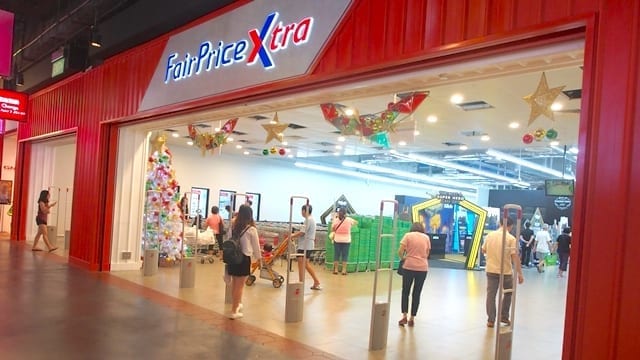
    FairPrice Group (FPG) is stepping into the future of retail with a suite of digital tools aimed at enhancing the shopping experience for travelers in Singapore. This innovative move opens the door for cross-border mobile payment acceptance across more than 500 FPG outlets, which include supermarkets, convenience stores, pharmacies, and bustling food courts.

    Visitors to Singapore can now use their home e-wallets or bank applications from 18 international partners, ensuring that travelers from 12 different countries and regions can shop with ease. This initiative is made possible through a partnership with Ant International, setting the stage for a digital revolution in retail.

    Cheers on Alipay: A Mini App Marvel

    In a notable first, FPG has also unveiled the Cheers Mini App on Alipay, making Cheers the only convenience chain in Singapore with a dedicated mini app. This consumer-friendly app serves as a digital concierge, specifically designed to assist Chinese tourists throughout their visit. With its user-friendly interface, travelers can curate shopping lists before arriving, redeem in-app vouchers upon landing, and receive tailored, location-based product recommendations during their stay.

    This tactical approach is complemented by a curated catalog of over 500 products for pre-departure gift shopping, complete with store mapping to ensure easy pick-up. Selected Cheers outlets located at key tourist hotspots—including Changi Airport, prominent hotel districts, and well-known attractions—are stocked with Singapore-themed souvenirs and travel essentials, appealing to every whimsical traveler’s heart.

    Powering Up with AI Innovations

    Ant International enriches this digital experience with AI-powered tools through Alipay+, enhancing personalized engagement, security in transactions, and smarter product discovery. Peng Yang, CEO of Ant International, expressed enthusiasm for the partnership, stating, “AI-powered digitization tools of Alipay+ will help partners obtain and engage consumers in richer, imaginative, and safer ways. We look forward to a long and exciting journey with partners like FairPrice Group to unlock more local and regional growth opportunities.”

    This collaboration allows FPG to provide an end-to-end digital shopping experience while drawing on the insights generated from AI-driven tools. Vipul Chawla, group CEO of FPG, articulated the ambition behind the partnership, noting that it enables Cheers to offer discovery, transactions, and rewards all on one platform, thus redefining retail for Chinese tourists and painting a more vibrant shopping canvas.

    The Cheers Mini App on Alipay is now live and ready to greet Chinese tourists eager to explore Singapore’s retail landscape, making their shopping experience not just convenient but also an adventure unto itself.

    Questions & Answers

    What digital tools has FairPrice Group introduced for travelers in Singapore?
    FairPrice Group has launched a suite of digital tools, including cross-border mobile payment acceptance across over 500 outlets and the Cheers Mini App on Alipay, aimed specifically at enhancing the shopping experience for travelers.

    What features does the Cheers Mini App offer to travelers?
    The Cheers Mini App allows visitors to create shopping lists, redeem in-app vouchers upon arrival, and receive tailored product recommendations based on their location during their stay in Singapore.

    How does Ant International contribute to this partnership?
    Ant International provides AI-powered tools through Alipay+ that enhance personalized engagement and secure transactions, enabling FairPrice Group to offer a comprehensive, digitized shopping experience for travelers.

  • Microsoft Appoints Chia Wee Luen as New Managing Director for Singapore’s Dynamic Market

    Microsoft Appoints Chia Wee Luen as New Managing Director for Singapore’s Dynamic Market

    In a significant move for its Singapore operations, Microsoft has appointed Chia Wee Luen as the new managing director, stepping into the role previously held by Lee Hui Li. This appointment comes at a crucial time as the tech giant aims to drive Singapore’s digital ambitions forward, especially in cloud services and artificial intelligence.

    Pioneering Singapore’s Tech Landscape

    Wee Luen will be at the forefront of Microsoft’s initiatives in Singapore, focusing on fostering innovation and inclusive transformation among customers, partners, and government entities. He brings a wealth of experience from his recent position as managing director for Asia at ServiceNow, a role that has equipped him with a deep understanding of the regional tech landscape.

    Mayank Wadhwa, Microsoft’s ASEAN president, emphasized the strategic importance of Singapore to the company’s global operations. “Under Wee Luen’s leadership, we will empower our customers to harness the full power of technology to drive meaningful impact and unlock the region’s extraordinary potential,” Wadhwa said, hinting at a promise of innovative collaborations ahead.

    A Visionary Leader with Deep Roots

    With over 20 years in enterprise technology, Wee Luen expressed his enthusiasm for the role. “I’m honoured to join Microsoft Singapore at this pivotal moment. I look forward to working with the team, our partner ecosystem, and visionary customers to capitalise on this transformative era of AI and continue shaping Singapore’s future together,” he remarked, echoing a sentiment of collective advancement.

    His impressive background began in Singapore’s public sector and unfolded through senior leadership roles at noted firms such as Red Hat, Qlik, and Oracle. Notably, Wee Luen is dedicated to community engagement, serving on the Digital & Technology Committee of the Children’s Cancer Foundation and chairing the Tech for Good Committee at the Singapore Computer Society, reinforcing his commitment to social responsibility.

    Anticipating a Bright Future

    As Microsoft embarks on this new chapter, the industry watches with keen interest. Will the savvy digital strategist manage to capture the zeitgeist of technological advancement in Singapore? Only time will tell, but if the past is any guide, his leadership could very well ignite a new era of innovation.

    Questions & Answers

    What are Chia Wee Luen’s main responsibilities as managing director of Microsoft Singapore?
    He is tasked with leading Singapore’s operations, focusing on advancing digital ambitions through cloud services and AI while fostering innovation and collaboration with customers and stakeholders.

    What was Chia Wee Luen’s role before joining Microsoft?
    Prior to his current appointment, Wee Luen served as managing director for Asia at ServiceNow, where he gained valuable experience in enterprise technology.

    How is Wee Luen involved in community initiatives?
    He participates actively in the community through his roles on the Digital & Technology Committee of the Children’s Cancer Foundation and as chair of the Tech for Good Committee at the Singapore Computer Society.

  • Batik Air and Thai Lion Air’s Lion Group Set to Soar from Changi’s Terminal 4!

    Batik Air and Thai Lion Air’s Lion Group Set to Soar from Changi’s Terminal 4!

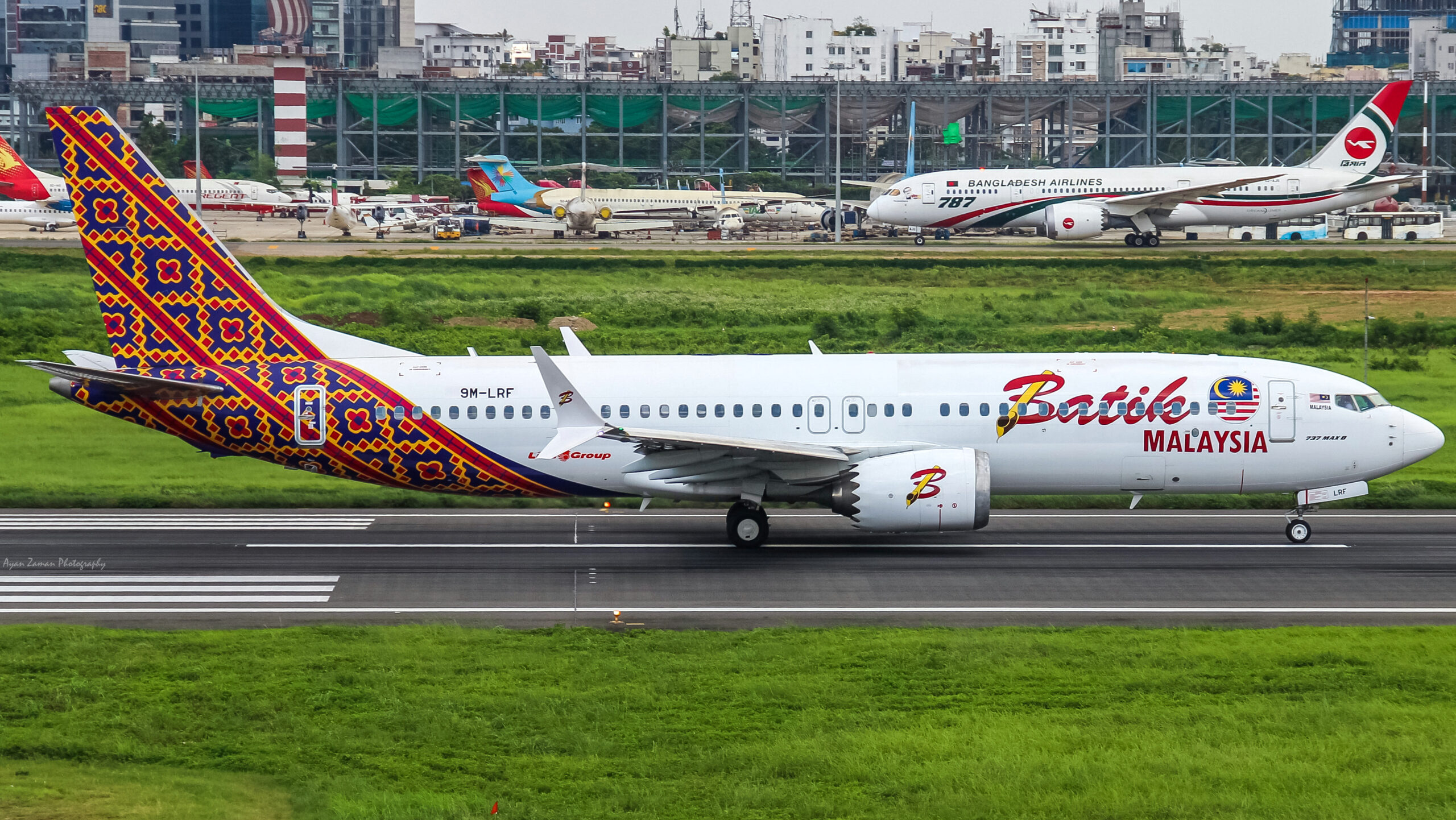
    Lion Group, the operator of Batik Air and Thai Lion Air, will relocate its operations from Terminal 3 to Terminal 4 at Singapore’s Changi Airport.

    In a strategic move aimed at enhancing passenger experience and accommodating future growth, Lion Group has announced its decision to transition its operations to Terminal 4, set to take effect in November. Following this relocation, the group is gearing up to introduce new daily flights in December to popular Malaysian destinations including Subang, Ipoh, and Penang.

    This move is tailored to meet the burgeoning air travel demand in the region. Upon completion, Terminal 4 will be home to 20 carriers, splitting its offerings between full-service airlines and low-cost operators.

    With Batik Air Indonesia, Batik Air Malaysia, and Thai Lion Air under its umbrella, Lion Group is primed to enter a competitive landscape on routes to Subang Airport. This airport is conveniently located just 24 kilometers from Kuala Lumpur’s city center, putting it in direct competition with low-cost carriers such as Scoot and Firefly.

    The Kuala Lumpur–Singapore corridor has been a hive of activity, ranked as the world’s fourth-busiest international route in 2024 and the busiest in 2023, according to flight analytics platform OAG. Not to be outdone, Lion Group currently operates 88 weekly flights connecting Singapore with various cities including Jakarta, Bali, Medan, Kuala Lumpur, and Bangkok.

    Looking ahead, Thai Lion Air plans to further broaden its horizon, with ambitions to launch flights connecting Singapore to additional Thai cities beyond Bangkok. It seems that in the realm of air travel, Lion Group is not just following the flight path, but actively charting new territories.

    Questions & Answers

    How will the relocation benefit Lion Group’s operations?
    The relocation to Terminal 4 is designed to enhance passenger experience and accommodate the anticipated growth in air travel demand, allowing Lion Group to operate more efficiently and attract more travelers.

    What new routes is Lion Group planning to introduce?
    Lion Group plans to launch new daily flights in December to Malaysia’s Subang, Ipoh, and Penang, expanding its service offerings in the region.

    How does Lion Group’s current flight schedule compare in the region?
    Currently, Lion Group operates 88 weekly services connecting Singapore to key cities such as Jakarta, Bali, Medan, Kuala Lumpur, and Bangkok, positioning itself strongly in the competitive Southeast Asian air travel market.

  • Carousell Enters Brick-and-mortar Retail With Luxury Handbag Store In Singapore

    Carousell Enters Brick-and-mortar Retail With Luxury Handbag Store In Singapore

    The Singapore-based e-commerce platform, Carousell, is set to launch its first physical store dedicated to second-hand luxury handbags in the city-state.

    Carousell Luxury Store Opening

    Carousell will debut a 1,400 square foot retail space, christened as Carousell Luxury, at The Centrepoint later this week. The move marks the firm’s first foray into brick-and-mortar retailing under its own brand.

    The store will offer an array of handbags and accessories from high-end labels such as Louis Vuitton, Chanel, Gucci, and Yves Saint Laurent.

    Business Model and Pricing Strategy

    Tresor Anne Tan, the director of client relations at Carousell Group, explained that the store will operate using a “net-earnings model”. In this approach, sellers agree in advance on the amount they will receive once an item is sold.

    Despite the overheads associated with running a physical store, the items will still be priced around the usual market rates. However, Carousell will retain a portion, approximately 25-30%, of the consignment price. This fee helps cover costs such as digital marketing, product photography, and other services that the platform provides.

    Questions & Answers

    What is Carousell’s new venture?
    Carousell is opening a physical retail store named Carousell Luxury, which will sell second-hand luxury handbags and accessories.

    What is the business model for Carousell Luxury?
    The store will operate on a “net-earnings model”, where sellers agree upfront on the earnings they will receive once an item is sold.

    How does Carousell cover the additional costs of running a physical store?
    Carousell will take a cut of about 25-30% from the consignment price of each item sold to cover additional costs such as digital marketing and product photography.

  • Whole Foods Market Expands To Singapore With Exclusive Private-label Products

    Whole Foods Market Expands To Singapore With Exclusive Private-label Products

    Whole Foods Market, a renowned American gourmet grocery chain, has recently launched around 300 of its private-label products in Singapore.

    Exclusive Brand Offerings

    The assortment covers a wide range of products, including everyday grocery items, snacks, beverages, and pet food. This collection is derived from three of the grocer’s exclusive brands, namely 365 by Whole Foods Market, Whole Foods Market, and Whole Paws. All products are formulated according to the brand’s stringent ingredient regulations that prohibit the use of over 550 commonly used additives.

    Sonya Gafsi Oblisk, the Chief Marketing and Merchandising Officer at Amazon-owned Whole Foods Market, expressed the company’s commitment to making organic products more widely available. She also expressed her enthusiasm about exploring a new market where there is a growing demand for high-quality, sustainable grocery options.

    Partnership with Local Grocer

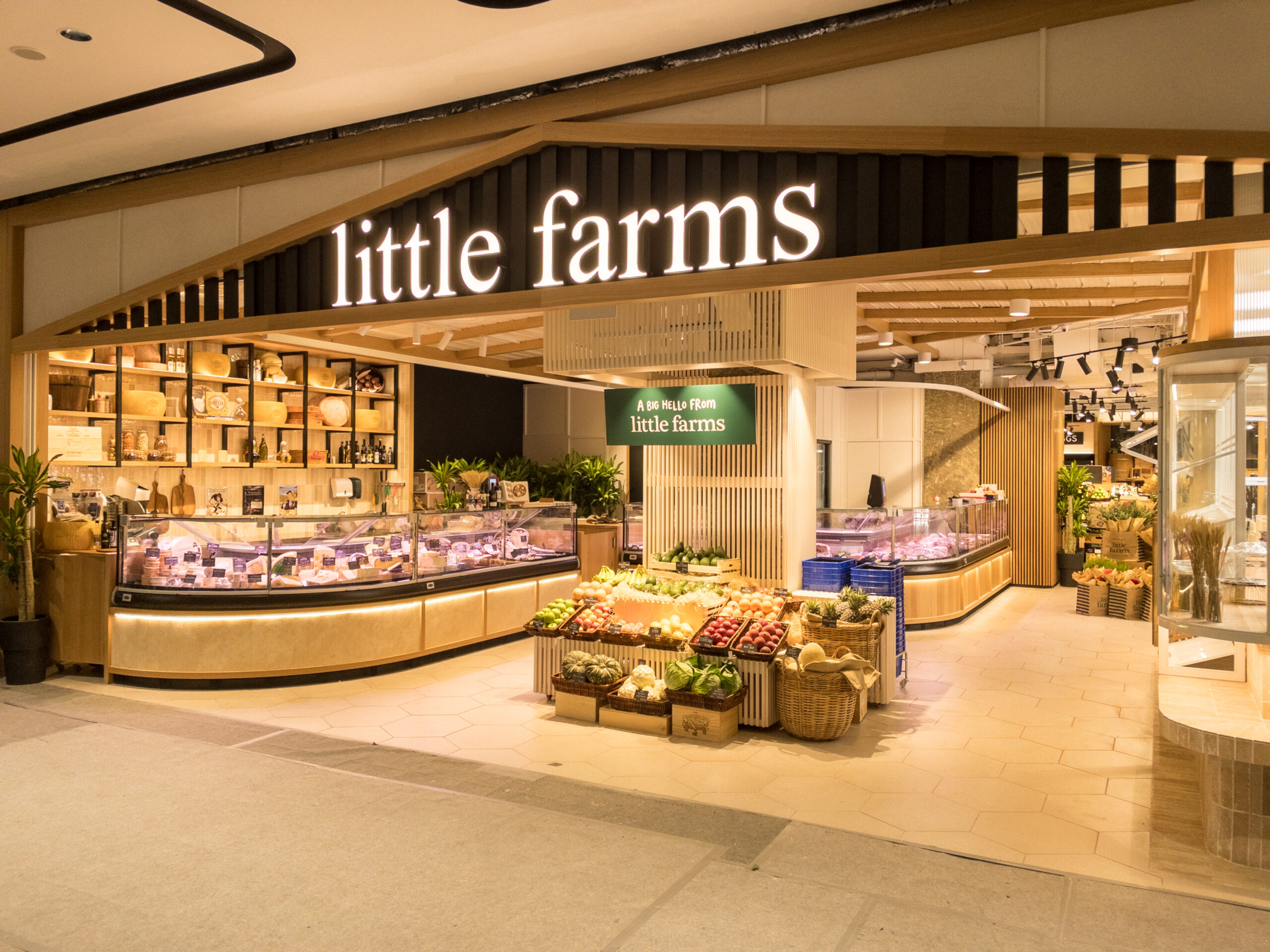
    Whole Foods Market’s products will initially be available online through the Amazon Singapore website and Amazon Fresh. The items will later be physically sold exclusively at Little Farms, a local premium grocer with eight branches across Singapore. This strategic partnership is designed to cater to the increasing number of health-conscious consumers who prefer clean-label and responsibly sourced products.

    Joe Stevens, the CEO of Little Farms, shared his company’s mutual commitment to quality ingredients, transparency, and responsible sourcing with Whole Foods Market. He also acknowledged the global standard set by Whole Foods Market for organic groceries.

    A Strategic Expansion

    The brand’s debut in Asia aligns with its broader growth strategy. This includes an international direct-to-consumer (DTC) expansion, new store formats such as the Whole Foods Market Daily Shop, and wider brand distribution through Amazon’s global platforms.

    Questions & Answers

    What are the exclusive brands of Whole Foods Market that have been launched in Singapore?
    Whole Foods Market has launched products from three of its exclusive brands in Singapore. These are 365 by Whole Foods Market, Whole Foods Market, and Whole Paws.

    Where will Whole Foods Market’s products be available in Singapore?
    Initially, the products will be available online on the Amazon Singapore website and Amazon Fresh. Later, the products will be physically sold exclusively at Little Farms, a local premium grocery chain in Singapore.

    What is the broader growth strategy of Whole Foods Market?
    The broader growth strategy of Whole Foods Market includes international direct-to-consumer expansion, the introduction of new store formats like Whole Foods Market Daily Shop, and wider brand distribution through Amazon’s global platforms.

  • Two Chinese Companies Debut Cutting-Edge Autonomous Shuttle Services in Singapore

    Two Chinese Companies Debut Cutting-Edge Autonomous Shuttle Services in Singapore

    In a significant move toward the embrace of autonomous mobility, two Chinese robotaxi companies are set to collaborate with local providers to launch shuttle services in Singapore, marking a new chapter in the city-state’s transportation landscape.

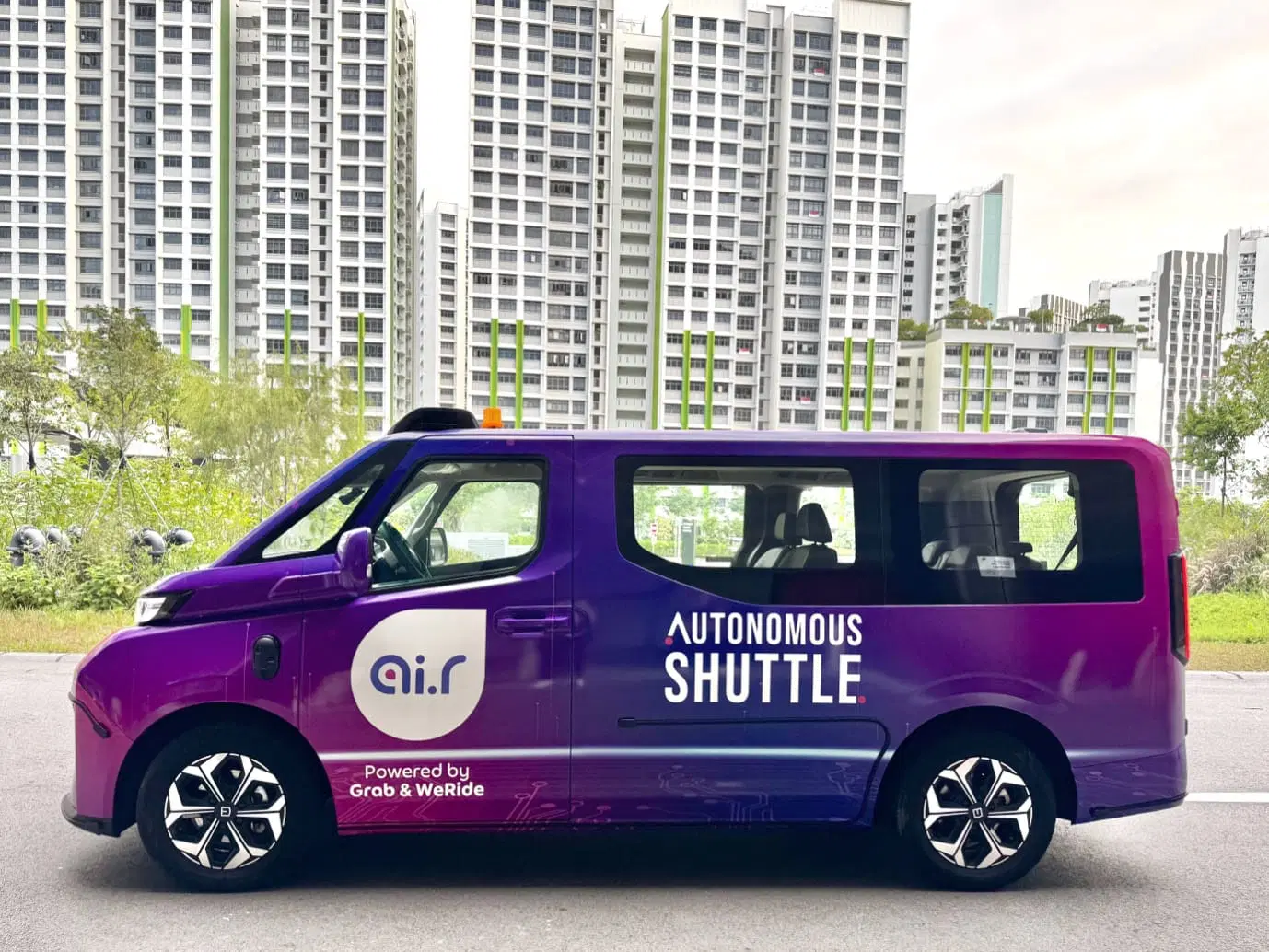
    Ride-hailing giant Grab has partnered with China’s WeRide, aiming to roll out services by early 2026. Meanwhile, Pony.ai is joining forces with Singapore’s ComfortDelGro, planning similar initiatives. The rapid developments signify Singapore’s ambition to become a focal point for autonomous driving technologies.

    Grab confirmed that it has received approval from local authorities to run two autonomous shuttle routes in the Punggol area. Passengers can expect to board WeRide’s five- and eight-seater vehicles following a thorough testing phase designed to fine-tune the service routes.

    WeRide recently secured a permit from the Shanghai municipal government, enhancing its credentials as it prepares to offer autonomous robotaxi services.

    On the other hand, Pony.ai announced its intention to offer services in Punggol with ComfortDelGro, with an ambitious plan to expand to nearby communities as soon as they clear regulatory hurdles. Singapore’s Land Transport Authority has outlined that Pony.ai and ComfortDelGro will service a 12-km (7.5-mile) route in Punggol, capturing the community’s attention with their innovative approach to transport.

    The Land Transport Authority has also recognized the robust capabilities of both WeRide and Pony.ai, noting their successful deployment of automated vehicles in various global markets.

    Currently, Pony.ai operates commercial robotaxis in four of China’s leading cities: Beijing, Shanghai, Guangzhou, and Shenzhen. The company, which has secured backing from Toyota Motor, is also looking to extend its driverless operations to South Korea and parts of Europe, fueled by a $260 million rise in funding following its Nasdaq listing last November. By year-end, Pony.ai aims to elevate its robotaxi fleet to 1,000 vehicles—talk about a drive for growth!

    The Singapore government, actively exploring autonomous technologies, is taking decisive steps in this direction, with Transport Minister Jeffrey Siow visiting Chinese autonomous driving firms in June to gather insights and bolster collaboration.

    Questions & Answers

    What companies are launching autonomous shuttle services in Singapore?
    Grab has partnered with WeRide, while Pony.ai is collaborating with ComfortDelGro to offer similar autonomous shuttle services.

    When will these services begin operations?
    Grab and WeRide plan to start their shuttle services in early 2026, whereas Pony.ai and ComfortDelGro are looking to commence within the coming months, subject to regulatory approval.

    What is the scope of Pony.ai’s operations?
    Pony.ai currently operates commercial robotaxis in major cities across China and is expanding its services globally, highlighting its ambition to grow its fleet significantly by the end of this year.

  • Singapore Man Faces Jail Time for Stealing Nearly $200 Worth of Durian Delights

    Singapore Man Faces Jail Time for Stealing Nearly $200 Worth of Durian Delights

    In a bizarre twist of fate, a 56-year-old man from Singapore found himself behind bars for five weeks after attempting to nab a luxurious fruit—an act that surely left the fruit-loving community in disbelief.

    The man, identified as Sew Swee Chai, was sentenced last Monday following his guilty plea to two counts of theft. These charges notably included stealing nine Black Gold durians valued at S$250 (approximately US$195), along with three religious amulets from the Fu Lu Shou Complex in Rochor, as reported by Channel News Asia.

    According to court documents, Sew’s midnight craving for durians led him to a closed fruit stall located at Block 276, Bukit Batok East Avenue 4, on the night of September 6, 2024. Surveillance footage captured him outside the stall, where he spent several minutes plotting his heist. In a fit of ingenuity, he attempted to disable the security cameras by unplugging them, only to unwittingly turn off the refrigerators instead. With a quick grab, he slipped the durians into a plastic bag and sauntered away.

    The following morning, an observant stall assistant quickly noticed the absence of the prized durians and immediately reviewed the CCTV footage, revealing the audacious theft. A police report ensued, leading to Sew’s identification and subsequent capture.

    But Sew’s misadventures didn’t stop there. About two weeks later, he returned to the scene of crime at Fu Lu Shou Complex, where he attempted to pocket two amulets. His sticky fingers nearly snagged a third before the shop owner caught him red-handed and alerted authorities, culminating in Sew’s arrest, as detailed by Mothership.

    During the court proceedings, prosecutors painted a picture of Sew as a repeat offender, citing prior convictions for burglary and theft noted by Shin Min Daily News. In his defense, Sew’s lawyer indicated that he suffers from major depressive disorder, claiming his client hadn’t been taking prescribed medication around the time of his heists. The defense underscored that Sew is seeking treatment and has already made reparations for stolen goods.

    Ultimately, the court handed down a sentence of nine weeks in jail, yet granted a deferment due to Sew’s need to assist his 80-year-old mother, who is battling Stage 2 breast cancer. Sew is slated to begin serving his sentence on October 13, leaving the banana (or rather, durian) kingdom abuzz with this unexpected tale of criminal folly in the pursuit of an exotic delicacy.

    Questions & Answers

    What motivated Sew Swee Chai’s theft?
    Sew’s actions were primarily driven by a late-night craving for durians, which are considered a delicacy in Singapore.

    What was the outcome of Sew’s court hearing?
    Sew was sentenced to nine weeks in jail but received a deferment to care for his ailing mother before he begins serving his time.

    How did authorities identify Sew after the theft?
    Authorities tracked Sew down after a stall assistant reviewed the CCTV footage from the night of the theft, which recorded his escapade.