Retail News CRM

Tag: Singapore

  • Singapore Emerges as Asia’s Most Accessible Housing Market, New Report Reveals

    Singapore Emerges as Asia’s Most Accessible Housing Market, New Report Reveals

    Last year, the median price of apartments in Singapore stood at a formidable 4.3 times the median annual household income, according to the recently published 2025 Asia Pacific Home Attainability Index from the Urban Land Institute (ULI), a distinguished global non-profit research and education organization. This statistic paints a vivid picture of the ongoing housing challenges faced by residents in urban areas across Asia.

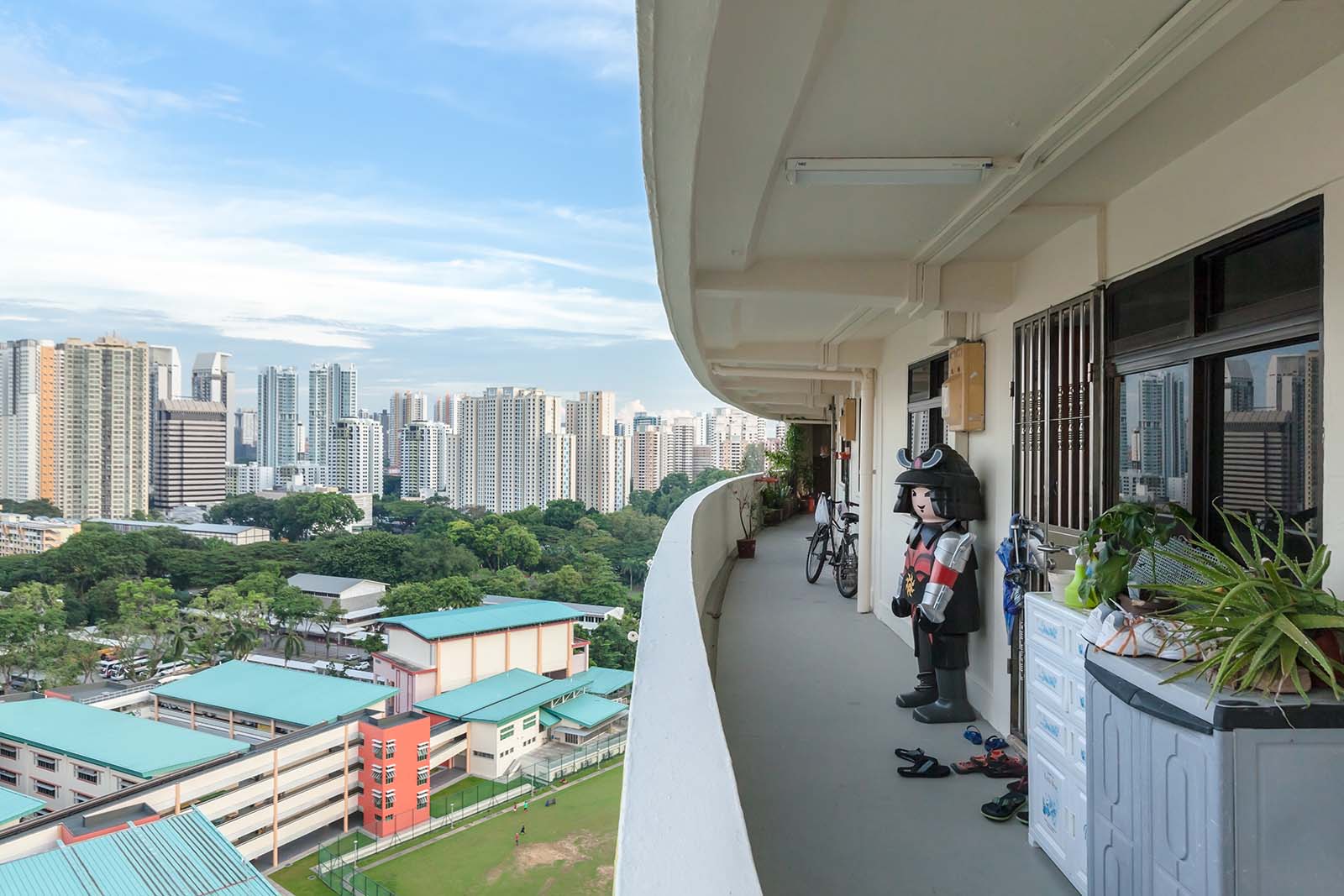
    The report emphasizes that throughout the years of the Home Attainability Index, Housing Development Board (HDB) apartments have emerged as the most feasible pathway to homeownership in major Asian cities. This study evaluated 51 market segments across 41 cities in the Asia-Pacific region, defining “attainable” housing as those with a price-to-income ratio below five.

    While urban housing costs continue to escalate across the region, resale prices for HDB flats in Singapore have remained within reach for median-income earners, a stark contrast to the skyrocketing costs in other major cities such as Hong Kong, Tokyo, and Sydney.

    With a median price of US$439,348 (or $4,609 per square meter), HDB apartments are relatively accessible, especially when considering Singapore’s median annual household income of $101,666—the highest among the cities analyzed. Notably, about 80% of Singapore’s residents live in HDB units, reflecting their pivotal role in the city-state’s housing landscape.

    Apart from Singapore, only Kuala Lumpur in Malaysia and Melbourne in Australia reported segments with a price-to-income ratio of five or lower in 2024. Notably, Perth, Australia, led the pack with the lowest price-to-income ratio at 4.1, revealing intriguing variations in housing affordability across the region.

    In stark contrast, private homes in Singapore top the charts in terms of average price per property, with costs soaring to $1.7 million and a price-to-income ratio of 16.9. However, if one dives deep into price-per-square-meter costs, Hong Kong claims the crown for the most expensive city for private homes, averaging a staggering $16,915 per square meter and sporting a price-to-income ratio of 23.4. It seems that luxury can really add up—who knew living in Hong Kong could cost as much as a small yacht?

    Questions & Answers

    How does Singapore’s housing market compare to other major cities in the Asia-Pacific region?
    Singapore’s housing market, particularly HDB apartments, is more attainable for median-income earners compared to cities like Hong Kong, Tokyo, and Sydney, where housing prices have soared beyond reach.

    What percentage of Singapore’s population lives in HDB units?
    About 80% of Singapore’s population resides in HDB units, highlighting their significance in the city’s housing framework.

    Which city has the highest per-square-meter cost for private homes in the region?
    Hong Kong ranks as the most expensive city for private homes by average cost per square meter, reaching an astonishing $16,915, with a price-to-income ratio of 23.4.
  • Singapore and Malaysia Casinos Set to Flourish Amid Rising Wave of Chinese Gamblers

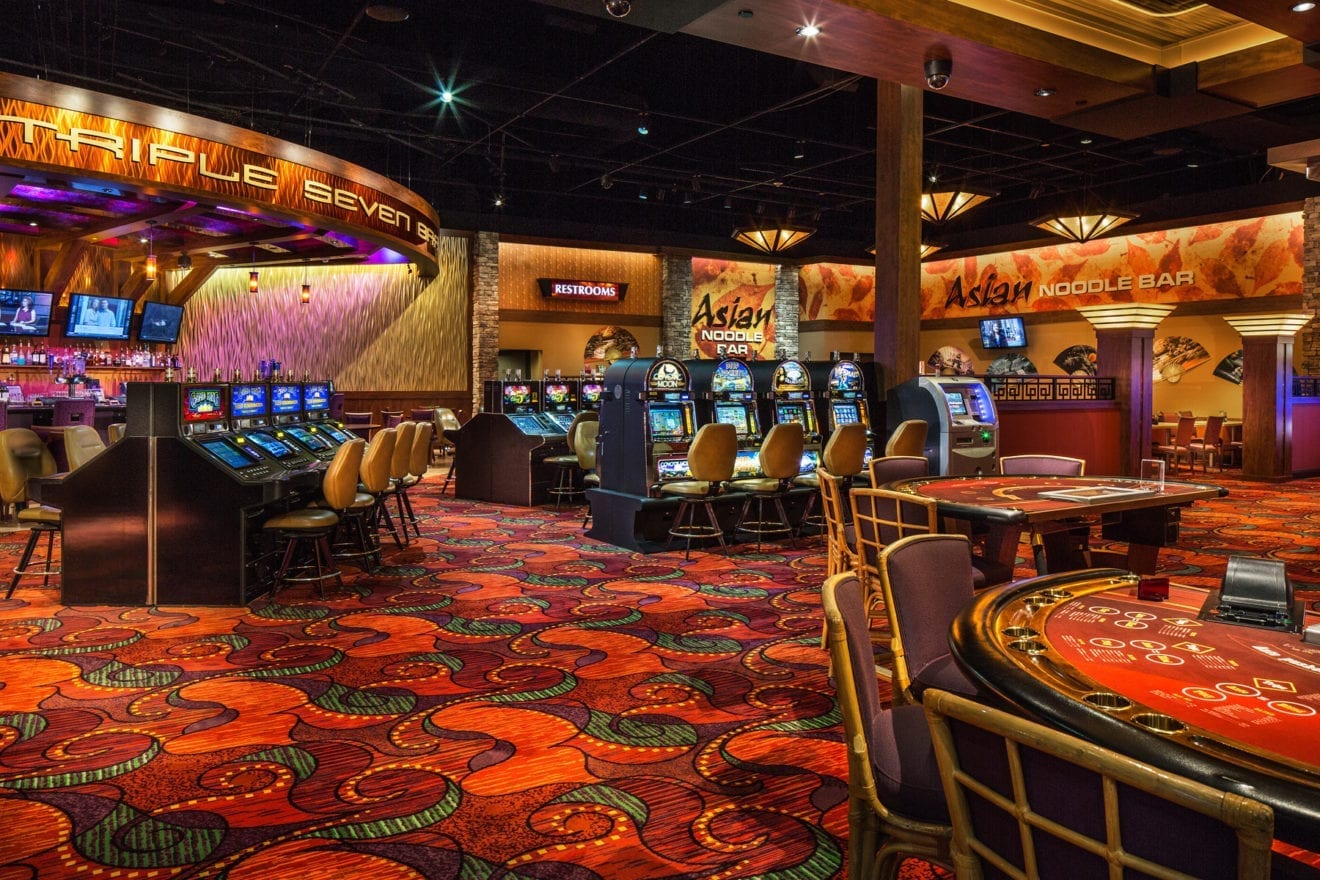
    Singapore and Malaysia Casinos Set to Flourish Amid Rising Wave of Chinese Gamblers

    Gross gaming revenue in Singapore, Malaysia, and the Philippines is on track to match or even surpass pre-pandemic levels, thanks to a surge in visitation and a thriving domestic market, as revealed in a recent report by S&P Global. The research underscores the enduring resilience of the gaming sector in these Southeast Asian nations, with a special nod to the influence of returning Chinese tourists.

    The influx of visitors, particularly from China, has been a game-changer for the region, with arrivals in both Malaysia and Singapore rebounding to pre-pandemic levels. Analyst Ong Hwee Yee from S&P Global emphasizes the importance of the premium mass gaming sector as a key revenue driver. “Affluent players are generally less affected by economic downturns compared to lower-income groups,” she noted, reflecting an optimistic outlook for engagement in this segment.

    A noteworthy shift occurred when Singapore lifted visa restrictions for Chinese travelers in February 2024, which led to a remarkable 50% increase in gaming revenue year-on-year during the first quarter. Not wanting to miss out, Malaysia introduced a similar visa policy only ten months later as it seeks to capitalize on the renewed interest.

    Genting Bhd, one of the region’s titans in hospitality and gaming, is also making headlines with its ambitious venture to establish a casino in New York City. Analysts at S&P Global have flagged this as a potential “event risk,” suggesting that success in securing a full casino license could solidify Genting’s standing in the competitive U.S. market, especially by leveraging the existing Resorts World New York City infrastructure. However, not obtaining this license could dampen its New York prospects significantly.

    Elsewhere in the Asia-Pacific, the casino landscape is facing challenges. While Singapore and Malaysia thrive, S&P Global warns that Cambodia’s gaming industry will see a slow recovery, largely due to a crackdown by China on junket operators involved in money laundering and corruption. These operators accounted for about 70% of Cambodia’s gross gaming revenue as of 2019, a stark reminder of how external factors can ripple through local economies.

    The legalization of casinos in Thailand has hit a roadblock as the government recently withdrew a flagship proposal put forth by suspended Prime Minister Paetongtarn Shinawatra. With betting remaining largely illegal, some lawmakers continue to advocate for legal casinos as a potential lifeline for the struggling tourism sector. Ong describes Thailand’s casino market as “massive” in potential, yet she cautions that such a development might impact neighboring markets.

    In the digital sphere, online gambling in the Asia-Pacific region is projected to soar to US$20.9 billion this year, representing a growth of 12.8% from the previous year. Factors such as technological advancements and changing consumer preferences are propelling this growth, while the region’s considerable population, rising smartphone penetration, and increasing disposable incomes signal a robust compound annual growth rate of 12.77% anticipated between 2025 and 2033.

    Questions & Answers

    What key factors are driving the recovery of gaming revenue in Southeast Asia?
    The recovery is largely attributed to increased visitation from Chinese tourists and a robust domestic market, along with the premium mass gaming sector, which remains a strong revenue driver.

    How is Genting Bhd positioning itself in the U.S. market?
    Genting Bhd is exploring the establishment of a casino in New York City, which could enhance its competitiveness in the U.S. if it successfully secures a full casino license, leveraging its existing Resorts World New York City infrastructure.

    What challenges do Cambodia’s casinos currently face?
    Cambodia’s casinos are grappling with a slow revenue recovery, particularly due to China’s crackdown on junket operators tied to money laundering, which had previously accounted for a significant portion of their gross gaming revenue.

  • OCBC Bank Hong Kong Launches Dedicated Team to Empower Local Entrepreneurs

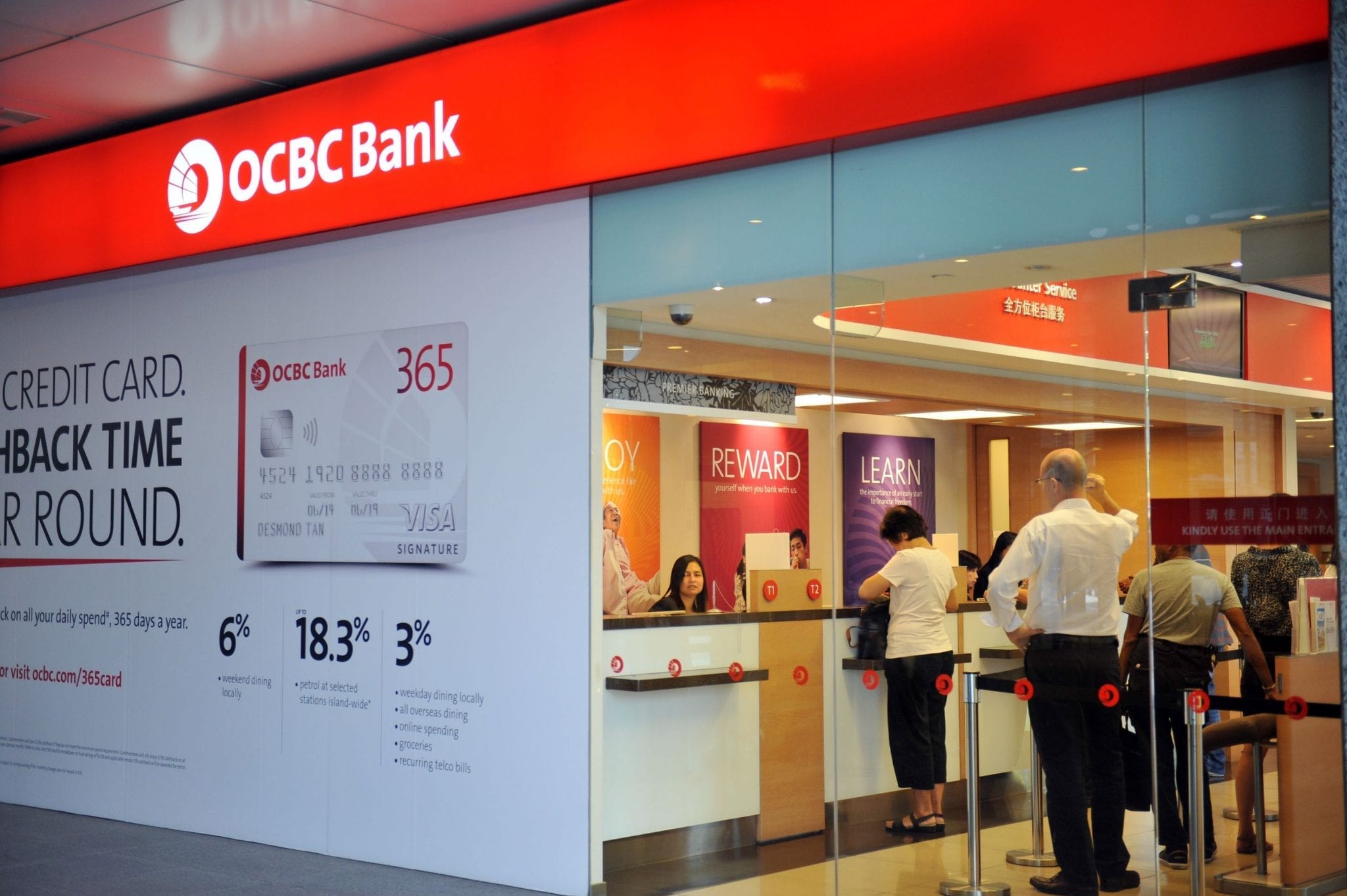
    OCBC Bank Hong Kong Launches Dedicated Team to Empower Local Entrepreneurs

    OCBC Bank (Hong Kong) has embarked on an ambitious journey, establishing a new department dedicated to providing loans for serial entrepreneurs in the bustling city. This strategic move aims to bolster support for the thriving entrepreneurial ecosystem in Hong Kong, with expectations to launch a comprehensive financing proposition by the end of 2025.

    A Holistic Approach to Entrepreneurial Lending

    In a bold departure from traditional banking practices, OCBC Hong Kong plans to assess potential borrowers through a holistic lens, considering their entire portfolio, including operating experience, track record, and strategic vision. This not only highlights the importance of individual entrepreneurial journeys but also allows the bank to tailor its offerings to meet diverse needs.

    Comprehensive Support Network for Entrepreneurs

    Entrepreneurs who secure financing from OCBC will find themselves supported by an integrated network that features a dedicated relationship manager and specialists in areas like cash management, corporate advisory, and wealth management. This multifaceted support is designed to empower entrepreneurs to navigate the complexities of business growth seamlessly.

    Sector-Specific Solutions on Offer

    OCBC’s offerings extend beyond standard loans, encompassing working capital loans, venture loans, cross-border expansion assistance, sustainable finance options, and corporate finance advisory services, particularly for mergers and acquisitions. It’s a buffet of financial solutions that aims to cater to the unique challenges faced by entrepreneurs, proving that financing can be as nuanced as the ventures themselves.

    Ambitions for the Future

    This initiative is part of OCBC’s broader goal to lend S$5 billion to the serial entrepreneur segment across Singapore, Hong Kong, Malaysia, and Indonesia by 2028. To date, since 2019, the bank has successfully financed 1,800 entrepreneurs in Singapore and Malaysia, disbursing S$1.5 billion. Looking ahead, an impressive S$3.5 billion in loans is expected to be extended between 2025 and 2028.

    A Commitment to Fostering Entrepreneurial Growth

    Ruby Yiu, head of emerging business at OCBC Hong Kong, articulated the bank’s commitment to facilitating entrepreneurs in navigating their journeys: “This new banking initiative showcases our dedication to enabling founders to expand and manage their ventures with ease.” Yiu further emphasized that the newly established department, created in July, is focused on providing tailored support necessary for the ongoing success of serial entrepreneurs.

    “Through this initiative, we hope to set a new standard in the market and gain widespread recognition for our efforts in fostering entrepreneurial growth,” she added, hinting at OCBC’s ambition to not just be a lender but a key player in enhancing the entrepreneurial landscape.

    Questions & Answers

    What is the main focus of OCBC Bank’s new department in Hong Kong?
    The new department is dedicated to providing tailored financial support to serial entrepreneurs, evaluating their entire portfolio to tailor solutions effectively.

    How much does OCBC aim to disburse in loans by 2028?
    OCBC aims to lend S$5 billion to serial entrepreneurs across Singapore, Hong Kong, Malaysia, and Indonesia by 2028.

    What kinds of financing options are available for entrepreneurs?
    Entrepreneurs can access working capital loans, venture loans, cross-border expansion support, sustainable finance, and corporate finance advisory services through OCBC.

  • Exclusive Singapore Club 1880 Set to Reopen Next Month After Brief Closure

    Exclusive Singapore Club 1880 Set to Reopen Next Month After Brief Closure

    Singapore’s exclusive members’ club 1880 is gearing up for a surprising comeback this August, just weeks after announcing its sudden closure. Nestled along the scenic Robertson Quay, a bustling destination along the Singapore River, 1880 will reestablish its presence at the same locale, as confirmed by a spokesperson. This unexpected turnaround brings a glimmer of hope to fans who thought they had seen the last of the club, which had a reputation for hosting prominent events and guest speakers.

    In a reassuring sign of continuity, over 90% of the staff from the previous iteration of 1880 are expected to return to their roles. However, fans will notice a significant absence: the three original co-founders—Marc Nicholson, Jean Low, and Luke Jones—will not be involved in the new venture.

    The shuttering of 1880 in mid-June ended nearly eight years of operations. “The club and all its operations will cease immediately. Please do not come to the premises as the doors will be locked,” Nicholson informed staff at that time, as reported by The Straits Times. The abrupt closure stemmed from declining member spending and failed efforts to attract new investors or buyers.

    With dwindling funds to cover employee and supplier payments, the club had no choice but to call it quits. Notably, 1880 had previously hosted illustrious figures, including former Foreign Affairs Minister George Yeo and Netflix’s Mind Your Manners host Sara Jane Ho. Sadly, the club’s closure echoes a broader trend, as its Hong Kong branch similarly folded shortly after opening, facing debts estimated at HKD20 million (US$2.5 million) due to unpaid rents and salaries for its 100 employees, according to the South China Morning Post.

    Questions & Answers

    What prompted the original closure of 1880?
    The closure was primarily due to a decline in member spending and unsuccessful attempts to find investors or buyers, leading to insufficient funds to cover operational costs.

    Will the founding team be involved in the new iteration of 1880?
    No, the original co-founders—Marc Nicholson, Jean Low, and Luke Jones—are not part of the reopening venture.

    What significant events did the original 1880 host?
    Throughout its operation, the club hosted notable speakers, including former Foreign Affairs Minister George Yeo and Sara Jane Ho, the host of Netflix’s Mind Your Manners, showcasing its prominence in social and cultural conversations in Singapore.

  • Singapore Emerges as Asia’s Premier Offshore Hub for Wealthy Investors

    Singapore Emerges as Asia’s Premier Offshore Hub for Wealthy Investors

    Saving for that dream vacation has officially eclipsed financial security as the leading aspiration for wealth among investors. In a revealing study by HSBC, Singapore is crowned as Asia’s premier offshore wealth destination.

    Singapore’s Winning Streak in Wealth Management

    The study, featured in HSBC’s 2025 Affluent Investor Snapshot, surveyed 10,797 individual investors from 12 different markets, highlighting Singapore as the top location in Asia for opening overseas investment accounts. This further cements the city-state’s reputation as a trusted and stable hub for international wealth management.

    Affluence and Confidence Among Investors

    Notably, Singapore also ranks alongside the USA and Hong Kong as one of the three premier destinations for wealthy investors worldwide. Confidence among Singaporean respondents is striking; two-thirds believe they can achieve their long-term financial objectives. Gen Z and Millennials especially shine in this regard, with nearly 70% expressing assurance about reaching their goals. Older generations, including Gen X and Baby Boomers, remain optimistic as well, with 60% conveying similar sentiments.

    Shifting Financial Priorities

    Interestingly, the pursuit of leisure now takes center stage. A noteworthy 47% of Singaporean investors prioritize saving for vacations and leisure ahead of traditional concerns like financial security. Despite this shift, affluent investors continue to prioritize wealth building (46%) and retirement planning (47%).

    Preferred Avenues for Wealth Guidance

    When it comes to wealth management services, Singaporeans have clear preferences. A significant 65% of investors turn to relationship managers and wealth specialists for guidance. In a surprising twist, stockbrokers are the second most favored option, chosen by 28% of respondents, diverging from the global trend where friends and colleagues hold that position with 29%.

    Questions & Answers

    What financial goal is currently prioritized by Singaporean investors?
    Investors in Singapore are now prioritizing saving for vacations and leisure, which has surpassed financial security as their top objective. About 47% of respondents report this as their main focus.

    How does Singapore rank among global wealth destinations?
    Singapore stands alongside the USA and Hong Kong as one of the top three destinations worldwide for investors seeking offshore wealth management options.

    Who do Singaporean investors prefer for wealth management guidance?
    A clear majority of 65% of Singaporean investors prefer to consult with relationship managers and wealth specialists for their wealth management needs, contrasting with global investors who lean more towards friends and colleagues.

  • Construction Begins on Singapore’s Innovative Next-Gen Green Comcentre

    Construction Begins on Singapore’s Innovative Next-Gen Green Comcentre

    Singtel and Lendlease have officially embarked on an ambitious project, breaking ground on the SGD 3-billion Comcentre, which aspires to be Singapore’s first fully carbon-neutral development. This landmark project promises to reshape the urban landscape by incorporating cutting-edge design, construction, and operational practices aimed at sustainability.

    The ceremony marked by the presence of Minister for National Development Mr. Chee Hong Tat and key executives from both firms signals not just a new building, but a potential new chapter in commercial real estate in the Orchard Road area, where available office space has been increasingly scarce.

    A Vision for the Future Workplace

    In an inspiring collaboration, Singtel is transforming its Comcentre headquarters into a state-of-the-art sustainable workplace infused with the latest in smart building technologies. Serving as both a co-developer and anchor tenant, Singtel aims to showcase groundbreaking innovations, not least of which is a dedicated 5G+ network that will redefine connectivity within the development. This ambitious initiative will seamlessly connect innovators, technology and finance leaders, as well as forward-thinking retailers, all while providing ultra-fast speeds and robust security.

    This dedicated 5G+ network is set to bolster technologies such as artificial intelligence (AI), with Singtel harnessing its power not only internally but also offering it to businesses keen on digital transformation. The Comcentre will also feature AI-enabled robotics, adaptive smart building systems, and tech-enhanced environments poised to challenge conventional notions of work and retail.

    Leadership Speaks

    Singtel Group CEO Mr. Yuen Kuan Moon expressed his enthusiasm: “We are remaking Comcentre into a new icon of innovation by integrating world-class 5G+ network slicing technology into the AI-enabled building. It’s designed not just for us, but for businesses to leverage the latest tech in crafting innovative products and solutions.” Moon’s vision captures the essence of a future where connectivity and intelligent systems redefine daily life.

    Lendlease, the development partner, brings its expertise in sustainable construction to the table. The partnership aims for ‘Triple Certification’—a prestigious trio of accolades that includes the Green Mark 2021 Platinum Zero Energy Certification, the WELL v2 Core Platinum Certification from the International WELL Building Institute, and the Zero Carbon Certification from the International Living Future Institute.

    “The new Comcentre is a testament to the transformational placemaking we champion at Lendlease,” stated Mr. Tony Lombardo, Group CEO and Managing Director of Lendlease. “We pride ourselves on combining our sustainable development expertise with a forward-thinking vision for the future of urban living and working.”

    A Green Oasis in the City

    With a total gross floor area exceeding 110,000 square meters, the Comcentre will consist of two 20-story buildings that offer premium Grade A office space. The project isn’t just about office space; it aims to enrich its surroundings with a large, sheltered arcade and vibrant urban areas that forge connections within the neighborhood.

    Expected to be completed in 2028, the new Comcentre promises not only to include Singapore’s largest elevated urban park but also 20,000 square meters dedicated to lifestyle and retail. This space will play host to Singtel’s flagship store, a variety of food and beverage options, medical suites, a gym, and even an auditorium. Furthermore, it strives to meet stringent sustainability standards, aspiring to be the first Green Mark Platinum (Zero Energy) high-rise commercial building in Singapore and aiming to attain all five sustainability badges.

    The innovative design seeks a 70% reduction in energy consumption compared to the Green Mark 2005 baseline, thus setting a new standard for energy efficiency in large-scale, high-rise commercial buildings. The redevelopment will employ integrated digital delivery methods, leveraging advanced technologies to streamline processes and enhance efficiency throughout the building’s lifecycle—who knew that cutting-edge construction could also be a performance art?

    Questions & Answers

    What is the significance of the Comcentre project?
    The Comcentre project signifies Singapore’s commitment to sustainable development, aiming to be the first fully carbon-neutral commercial space in the country while transforming the Orchard Road area into a hub for innovative businesses.

    How will Singtel’s 5G+ network benefit tenants?
    The dedicated 5G+ network will offer ultra-fast speeds, seamless connectivity, and enhanced security, enabling tenants—including innovators and retailers—to leverage advanced technologies for growth and digital transformation.

    What certifications is the Comcentre aiming to achieve?
    The Comcentre seeks ‘Triple Certification’ that includes the Green Mark 2021 Platinum Zero Energy Certification, the WELL v2 Core Platinum Certification, and the Zero Carbon Certification, indicating its commitment to sustainability.

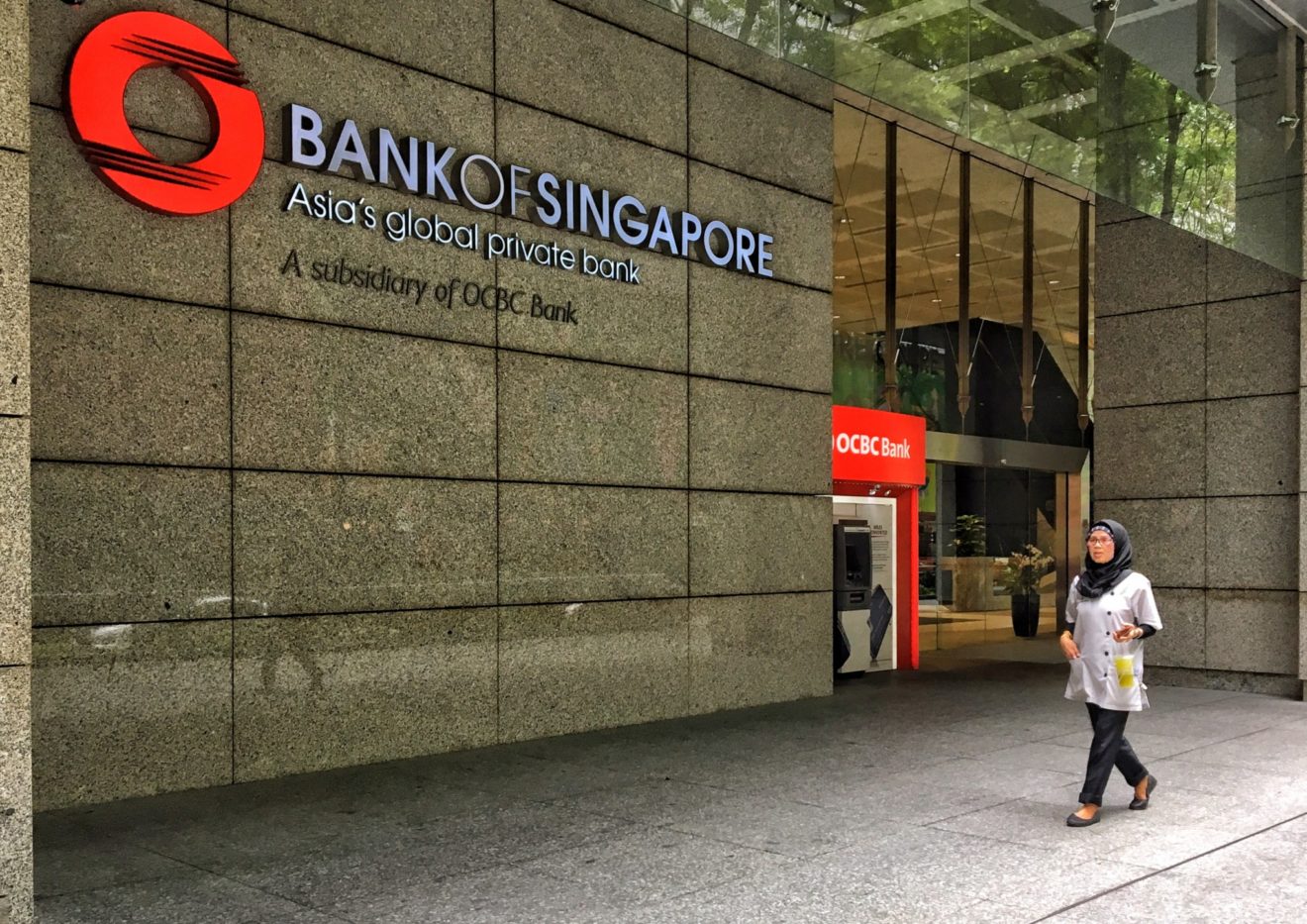
  • Bank of Singapore Launches Innovative Asset Allocation Framework to Enhance Investment Strategies

    Bank of Singapore Launches Innovative Asset Allocation Framework to Enhance Investment Strategies

    In an ever-evolving financial landscape, Bank of Singapore (BOS) is making waves with its newly unveiled asset allocation framework, a culmination of rigorous research and stress-testing involving 120,000 portfolios over the past year. This innovative strategic asset allocation (SAA) framework is designed with robust optimisation techniques aimed at crafting investment portfolios that are not only resilient to market fluctuations but also capable of delivering consistent returns.

    Tailored Investment Strategies for All Risk Tolerances

    The SAA framework enhances BOS’s investment offerings across five distinct risk profiles: conservative, moderate, balanced, growth, and aggressive. This tailored approach allows clients to choose investment strategies that align with their risk tolerance while ensuring that their assets are diversified more effectively.

    Breaking New Ground in Portfolio Management

    Dr. Owi Ruivivar, the chief portfolio strategist at BOS, has been at the forefront of this ambitious project. According to BOS, the robust optimisation methodology tackles the shortcomings of conventional approaches like mean-variance optimisation (MVO) and market cap-weighted benchmarks. While MVO typically falters when real-world conditions deviate from predictive models, leading to underperformance, market cap-weighted portfolios often concentrate too heavily on the US market. Such a focus can be precarious, especially amid current global uncertainties.

    Aiming for Stability Amid Market Chaos

    BOS emphasizes that the new framework not only enhances diversification across asset classes but also prioritizes minimizing potential losses during worst-case scenarios. “Our goal is to narrow the performance gap between expected and worst-case outcomes,” the bank stated, underscoring a commitment to delivering peace of mind to investors. After all, in the world of finance, a little precaution can go a long way — think of it as a financial umbrella for unpredictable weather.

    With this innovative framework, Bank of Singapore aims to set a new standard in asset management, providing clients a fortified approach to navigate the complexities of today’s investment environment.

    Questions & Answers

    What is the primary focus of the new asset allocation framework introduced by Bank of Singapore?
    The framework focuses on enhancing diversification across asset classes while minimizing potential losses in worst-case scenarios, aiming for more stable returns amidst market uncertainties.

    Who led the study behind the new strategic asset allocation framework?
    Dr. Owi Ruivivar, the chief portfolio strategist at Bank of Singapore, spearheaded the year-long study and testing of 120,000 portfolios that informed the new framework.

    How does the robust optimisation technique differ from traditional methods like mean-variance optimisation?
    Robust optimisation overcomes the limitations of traditional methods by addressing the unpredictability of actual market conditions, which often leads MVO to underperform, while also avoiding excessive concentration in sectors like the US market through market cap-weighted benchmarks.

  • Singapore’s Retail Sector: May’s Stability And Varied Industry Performances

    Singapore’s Retail Sector: May’s Stability And Varied Industry Performances

    Singapore’s Retail Sector in May

    In May, Singapore’s retail sector, excluding sales of motor vehicles, saw a stable performance. This follows a 0.8% growth in April and an increase of 0.7% in March. The data was gathered and released by the Department of Statistics. The total retail sales amounted to SG$3.6 billion (US$2.8 billion), with online sales contributing 14.5%.

    On a seasonally adjusted basis, however, there was a 0.6% decrease in retail sales in May compared to April.

    Performance across Industries

    Different sectors within the retail industry showed varied performances. The computer and telecommunications equipment industry saw the most significant growth. Sales in this sector rose by 9.2% compared to the same period in the previous year. Supermarkets and hypermarkets followed suit, recording a 7.2% increase.

    On the other hand, petrol service stations, as well as the clothing and footwear sector, reported declines. Sales dropped by 9.4% in petrol service stations and by 5.3% in the apparel and footwear industry.

    Food & Beverage Services

    The food and beverage (F&B) services sector also saw a rise in sales. In May, F&B sales increased by 1.4%, following a 1.3% increase in April. The total sales value for F&B services was about SG$1 billion. Online sales accounted for 25.2% of this figure.

    Questions & Answers

    What was the overall performance of Singapore’s retail sector in May?
    The retail sector in Singapore, excluding motor vehicles, remained stable in May after recording a growth of 0.8% in April and 0.7% in March.

    Which sectors within the retail industry showed the most growth?
    The computer and telecommunications equipment sector saw the most growth, with a 9.2% year-on-year increase. This was closely followed by supermarkets and hypermarkets, which reported a 7.2% rise in sales.

    How did the food and beverage services perform in May?
    The food and beverage services sector saw a 1.4% increase in sales in May, extending the growth of 1.3% recorded in April. The total sales value was estimated at SG$1 billion, with 25.2% of sales coming from online.

  • Singapore’s Luxury Market Expected to Soar to $10.9B in 2023, Thanks to 242,000 Millionaires

    Singapore’s Luxury Market Expected to Soar to $10.9B in 2023, Thanks to 242,000 Millionaires

    Singapore’s luxury retail market is poised for a remarkable rebound, with projections indicating a 7% growth from last year, according to Bloomberg, which cites data from analytics firm Euromonitor International. This upward trend could lead the city-state back to its pre-pandemic luxury sales peak of S$14.7 billion by 2026. Notably, in the previous year, Singapore’s luxury sales growth was only second to Japan among countries monitored by the firm.

    New Players in the Spotlight

    As consumer demand escalates across various luxury segments, brands are increasingly enhancing their presence in Singapore’s bustling market. French jeweler Van Cleef & Arpels opened an exhibition space, Les Jardins Secrets, at the Raffles Singapore hotel last February, a move that garnered attention, as reported by the Financial Times. Similarly, luxury watchmaker Audemars Piguet launched AP House, its first flagship in Southeast Asia, also at Raffles, which has been decorated to resemble a lavish apartment and even features the brand’s inaugural café, merging Swiss cuisine with local inspirations.

    A Beauty Boom

    In a parallel move, Raffles City mall has been aggressively courting the luxury beauty market by organizing substantial pop-up events that showcase 21 coveted brands, including Chanel, Dior, and Gucci this year. The charm of the mall is that, despite Singapore’s compact size—just 280 square miles with a population of around six million—it ranked third in luxury store openings last year among 32 Asia-Pacific cities, excluding mainland China, as revealed by real estate firm Savills.

    A Hub for the Affluent

    Singapore’s appeal to affluent individuals and luxury brands lies in its stability and welcoming business policies, factors that have facilitated the city’s evolution into one of the wealthiest nations globally. The World’s Wealthiest Cities Report 2025 by consultancy Henley & Partners places Singapore as the fourth wealthiest city worldwide, boasting 242,400 millionaire residents, including 333 centi-millionaires and 30 billionaires. Over the past five years, median household employment income has steadily increased, further complemented by a rise in tourism spending.

    Shopping Spree on the Rise

    International visitors brought S$3.9 billion to the local retail sector from January to September 2024, representing a 5% boost from the previous year, according to The Straits Times. These dynamics have crafted the city-state into a beacon for high-end brands seeking a strong foothold and a launchpad into the Southeast Asian market, especially as China’s economic slowdown casts shadows over the global luxury landscape. Jonathan Siboni, founder and CEO of consultancy Luxurynsight, articulated this, stating, “Singapore has proved to be a very stable place for wealthy people,” dubbing it “an oasis in the desert” for luxury markets.

    Challenges on the Horizon

    Nonetheless, this luxury boom may encounter hurdles soon. Henley & Partners projects that Singapore will see a net inflow of 1,600 millionaires in 2025—a figure that is less than half of the previous year’s estimate—even as record numbers of wealthy individuals are expected to relocate globally, as reported by The Business Times. Furthermore, although Singapore ranked fifth among global alpha cities for new luxury store openings, a recent Savills report warns that limited real estate options might stifle future growth and expansion for these luxury brands. “The available real estate for luxury brands remains limited, which could somewhat inhibit the growth and expansion of luxury brands in the city in the near future,” noted Sulian Tan-Wijaya, Savills Singapore’s executive director of Retail & Lifestyle, according to Singapore Business Review.

    Local Enthusiasm for Luxury

    Currently, the luxury marketing wave resonates well with local consumers. Among them is 22-year-old Chloe Liem, an avid collector of exquisite jewelry from established houses like Van Cleef & Arpels and Cartier. “Even though I know luxury items are crazily marked up, I recognize I’m paying for the experience and feeling of the brand,” Liem explained. “I feel confident splurging on these items because I enjoy it.” While some may call it indulgence, to Liem, it’s simply an investment in joy—a sentiment that highlights the emotional connection consumers have with luxury goods.

    Questions & Answers

    What is driving Singapore’s growth in the luxury retail market?
    Growing consumer demand, international tourism spending, and strategic brand expansions are key factors propelling Singapore’s luxury retail growth.

    How does Singapore’s luxury market compare to other Asian cities?
    Singapore is ahead of regional rivals such as Japan, China, and South Korea, ranking third in luxury store openings in the Asia-Pacific, excluding mainland China.

    Are there challenges facing Singapore’s luxury market?
    Yes, projections indicate a decline in the net inflow of millionaires in 2025, and limitations in available real estate for luxury brands could restrict future expansion.

  • Singapore Sees Surge in Fraud Losses Amid Rising APP Scam Threats

    Singapore Sees Surge in Fraud Losses Amid Rising APP Scam Threats

    Cybercriminal strategies increasingly shift in Singapore, revealing vulnerabilities amidst a surge in human-led attacks.

    In a striking revelation, the LexisNexis Risk Solutions Cybercrime Report APAC 2025 underscores a significant shift in the cyber threat landscape in Singapore. While the overall volume of automated bot attacks witnessed a 27% decline, human-initiated cyberattacks skyrocketed by 30% year-on-year, reflecting a meticulous targeting by cybercriminals.

    Singapore’s financial services sector found itself at the epicenter of this alarming trend, grappling with a 13% rise in attack rates—three times the nation’s average growth. The report highlights, “Singapore’s financial services sector was hit especially hard, showing a 13% increase in attack rate—three times the country’s overall attack rate growth.”

    Last year also saw fraud losses reaching unprecedented levels, with tactics shifting from third-party account takeovers to authorized push payment (APP) fraud, suggesting a sophisticated evolution in criminal strategies.

    Across the broader Asia Pacific region, human-initiated cyberattacks surged by 61% year-on-year, notably reversing last year’s downturn and outpacing global trends. This spike comes even as online transaction volume increased by 16%, leading to a 37% rise in attack rates fueled by more complex fraud techniques and the swift expansion of cross-border criminal operations.

    In an intriguing twist, while automated bot activity dropped by 15%, the communications, mobile, and media sector experienced the steepest increase in fraud, with attack rates soaring by 87% and bot volumes climbing by 59%. The financial services sector also remains a prime target, noting a 54% rise in attack rates alongside a 40% increase in bot activity.

    Mobile transactions continue to dominate the APAC market, accounting for 86% of all consumer interactions and 50% of fraudulent activities. While volumes of mobile attacks declined by 7%, the platform remains a hotbed for cybercriminals due to its widespread use and accessibility.

    In contrast, desktop-based fraud persists as a significant challenge, with attack rates surpassing the global average at 5.5%. LexisNexis attributes these figures to persistent vulnerabilities in traditional web interfaces and user behaviors that present easier targets on desktop platforms.

    The predominant form of fraud in the region remains third-party account takeover, constituting 66.3% of all detected fraud. This is closely followed by first-party fraud at 6.3% and buyer fraud at 4.9%. As cybercriminals fine-tune their approaches, a vigilant defense becomes crucial.

    Questions & Answers

    What factors are contributing to the rise of human-initiated cyberattacks in Singapore?
    Cybercriminals are adapting their tactics with increasing precision, targeting the lucrative financial services sector, which reported a significant increase in attacks, alongside broader trends across the Asia Pacific region.

    How does mobile fraud compare to desktop-based fraud in the Asia Pacific?
    Mobile fraud remains a major focus for cybercriminals, accounting for 50% of all fraudulent activities, although desktop-based fraud has attack rates more than double the global average.

    What are the most common forms of fraud identified in the report?
    The report highlights that third-party account takeover is the most prevalent form of fraud, making up 66.3% of all detected incidents, followed by first-party fraud and buyer fraud.

  • Singapore’s Private Home Price Growth Cools in Q2: What It Means for Buyers and Sellers

    Singapore’s Private Home Price Growth Cools in Q2: What It Means for Buyers and Sellers

    In a gradual shift, private home prices in Singapore edged up by a modest 0.5% during the second quarter of 2025, marking a slowdown from the more robust 0.8% growth seen in the previous quarter. According to the Urban Redevelopment Authority (URA) and the Housing and Development Board (HDB), this slower pace reflects a more sustainable trend in the housing market.

    Market Dynamics: Weaker Sales and Cooling Measures

    A recent report by PropNex highlights the impact of weaker sales and a limited number of new launches on private residential property prices, while also noting that the robust supply of new flats and various cooling measures have put pressure on the prices of HDB resale flats. Notably, in Q2 2025, a flat in Queenstown achieved a record-high resale price, contributing to a new quarterly peak for properties sold at over $1 million.

    Landed Homes Lead the Charge

    The growth in home prices was predominantly fueled by the landed private homes segment, where prices increased by 0.7% quarter-over-quarter. Despite this rise, transactions in this segment saw a significant dip of about 17.5%, with only 410 units sold during Q2. Interestingly, the average unit price per land area jumped by 1.2%, thanks largely to the semi-detached and terrace house markets—but who would have thought a slice of land could fetch such a premium?

    Non-Landed Homes and Regional Performance

    For non-landed private homes, prices rose by 0.5% quarter-over-quarter, showing a clear deceleration from the 1.0% growth in the first quarter. The Rest of Central Region (RCR) witnessed its first price decline in six quarters, with a notable drop of 1.1%. Meanwhile, the Core Central Region (CCR) and Outside Central Region (OCR) defied the trend, seeing respective price increases of 2.3% and 0.9% in the same period.

    New Launches: A Mixed Bag

    New launches during this quarter were predominantly centered in the RCR, with projects such as One Marina Gardens and Bloomsbury Residences hitting the market. One Marina Gardens stood out, selling 462 units at an average price of approximately $2,951 per square foot, while Bloomsbury Residences moved 151 units at about $2,477 per square foot.

    On Track for Growth

    PropNex estimates that developers sold at least 1,153 new units (excluding executive condos) in Q2 2025, bringing the total for the first half of the year to an impressive 4,528 units—a significant increase from the 1,889 transactions in the same period last year. As we look to the upcoming quarter, the expectation is clear: new private home sales are likely to gain momentum with a robust assortment of launches on the horizon. Meanwhile, the resale market reflects a strong activity level, with 2,949 transactions recorded in Q2, slightly surpassing the 1H 2024 figures.

    Questions & Answers

    What is the current trend in Singapore’s property market?
    Private home prices are experiencing a modest increase of 0.5% in Q2 2025, indicating a shift towards more sustainable growth.

    How have recent cooling measures affected resale flat prices?
    The introduction of cooling measures and an ample supply of new flats have exerted downward pressure on HDB resale flat prices.

    What impact did new launches have on private home sales this quarter?
    New launches significantly boosted private home sales, with developers recording 1,153 new units sold in Q2 2025, highlighting a compelling demand in the market.

  • Singtel CEO Earns $6.4M as Company’s Performance Soars, Highlighting Strong Growth in Telecom Sector

    Singtel CEO Earns $6.4M as Company’s Performance Soars, Highlighting Strong Growth in Telecom Sector


    In the latest financial report, telecommunications titan Singtel announced that its CEO, Yuen Kuan Moon, received a total compensation of SGD 8.2 million (approximately US$6.4 million) for the fiscal year ending March 31, 2025, marking a notable 16% increase from the previous year.

    The surge in Yuen’s remuneration reflects a remarkable corporate performance, with Singtel’s net profit skyrocketing by over 400% to SGD 4.02 billion. This impressive growth owes much to a one-time windfall of SGD 1.3 billion from the partial sale of its Comcentre headquarters, as reported by *The Straits Times*.

    Thriving Under Pressure

    Such stellar results are in line with the Singtel28 plan, a strategic initiative introduced by Yuen in 2024, designed to enhance operational efficiency while capitalizing on burgeoning growth trends. The plan focuses on delivering long-term value to shareholders, transforming Singtel into a leaner, more dynamic entity amidst the fast-changing telecommunications landscape.

    Breaking Down the Earnings

    Yuen’s sizable remuneration package comprised a salary of SGD 1.3 million, benefits totaling SGD 77,808, a cash bonus of SGD 2.2 million, along with an impressive SGD 4.6 million in share awards, as detailed by *Singapore Business Review*.

    A Transformative Leader

    Singtel commended Yuen for spearheading one of the organization’s most strategic transformations, repositioning it for growth amid a backdrop of rapid digitalization and industry disruption. His strategic reset, initiated at the start of his leadership, has fundamentally reshaped the group’s focus toward connectivity, digital services, and infrastructure.

    Paving the Way for the Future

    Yuen, who stepped into the role of group CEO in 2021 after overseeing Singtel’s Singapore consumer business since 2012, has played a pivotal role in the integration of consumer and enterprise sectors across Singapore and Australia. Under his stewardship, the company has expanded its digital services portfolio with NCS and launched Nxera, a regional data center venture poised to enhance its capabilities in a digital-first world.

    Questions & Answers

    How has Yuen Kuan Moon’s leadership affected Singtel’s performance?
    Yuen has driven significant changes in Singtel’s operations, leading to a net profit increase of over 400% and the successful implementation of the Singtel28 plan, aimed at long-term shareholder value.

    What does the compensation package for Yuen Kuan Moon reflect?
    The SGD 8.2 million compensation package reflects not just an increase in salary, but also a recognition of the company’s robust financial performance and Yuen’s strategic initiatives during a transformative period for Singtel.

    What key initiatives has Yuen implemented since becoming CEO?
    Since his appointment, Yuen has integrated consumer and enterprise services across markets, strengthened digital offerings through NCS, and launched Nxera to expand data center operations, positioning Singtel at the forefront of a rapidly evolving telecommunications sector.

  • Singapore Hits Record High in Renewable Energy Consumption

    Singapore Hits Record High in Renewable Energy Consumption

    In May, Singapore saw an unprecedented increase in the proportion of renewable energy in its power generation mix, according to recent market data analysis. This considerable achievement is attributed to the country’s efforts to scale up solar power production and import more renewable electricity.

    The National Electricity Market’s data indicated a significant upward trend in Singapore’s domestic solar generation, recording its fastest growth since March of the previous year. The rise in imported renewable energy for the third month in a row, reaching its highest level in over two years, also played a crucial role. These factors led to a record-breaking 2.58% of Singapore’s power mix being from renewable sources.

    Reducing reliance on fossil fuels in the region has become achievable through cross-border electricity trading, particularly as the demand for electricity from data centers continues to rise. Despite its limited potential for renewable energy due to its size and geography, Singapore has set ambitious aims. By 2035, the country hopes to source about one-third of its power needs, or 6GW, from clean electricity imports. Currently, natural gas-fired power plants make up approximately 95% of the nation’s generation capacity.

    From January to May, Singapore imported a substantial 122.7 million kWh of clean electricity, accounting for 0.52% of total power generation. This contrasts with the same period in the previous year, during which Singapore did not import electricity and only began small-scale imports in the last quarter.

    In May, the rising importation of electricity continued to replace some fossil fuel-based power generation, marking the third straight month of growth in import share. The overall electricity output in Singapore rose by 0.4% in the first five months of the year.

    Currently, Singapore is involved in two cross-border power purchase agreements, namely the 200MW Laos-Thailand-Malaysia-Singapore (LTMS) project and a 50MW pilot Energy Exchange Malaysia project with the Malaysian state utility company, Tenaga Nasional.

    Singapore’s Energy Market Authority (EMA) Chief Executive, Puah Kok Keong, noted in October that the extension terms for the LTMS project were still in negotiation as Singapore awaited Thailand’s finalization of transmission fee details under the agreement.

    Questions & Answers

    What has led to the rise in the share of renewable energy in Singapore’s power mix?
    The significant increase in the share of renewable energy in Singapore’s power mix is due to the country’s efforts to scale up solar power production and import more renewable electricity.

    What is Singapore’s aim for clean electricity imports by 2035?
    By 2035, Singapore aims to source about one-third of its power needs, equivalent to 6GW, from clean electricity imports.

    How are imports affecting Singapore’s reliance on fossil fuel-based power generation?
    The country has seen a continuing trend of replacing some fossil fuel-based power generation with imported electricity, leading to an increased share of renewable energy in their power generation mix.

  • Hong Kong Edges Out Singapore to Claim Title of Asia’s Most International City

    Hong Kong Edges Out Singapore to Claim Title of Asia’s Most International City

    In a recent release from the Hong Kong General Chamber of Commerce, the Asian Cities Internationality Index has revealed its latest rankings, ultimately declaring Hong Kong the leading city in Asia with a score of 73.7 out of 100. The dynamic city narrowly edged out Singapore, which secured a score of 73.5, making the competition as tight as a pair of shoes on a bustling Hong Kong street.

    Evaluating 11 major cities in the region, the index utilized 113 indicators across seven categories: business and economy, quality of life, infrastructure and connectivity, innovation and ideas, human capital diversity, cultural interaction, and the governmental and legal frameworks that support business operations. This comprehensive analysis also drew insights from a survey completed by 1,107 senior business executives situated in the assessed locales, ensuring a well-rounded perspective.

    Hong Kong’s recognition as a top-tier global financial hub shines through the report. Praised for its successful hosting of international events and a living environment characterized by safety, stability, and freedom, the chamber’s press release highlighted these factors as key to its ascendance in the rankings. In contrast, Singapore’s strengths were noted in its multicultural milieu and its adeptness at attracting and nurturing diverse talent.

    Despite this triumph, Hong Kong’s performance in the innovation and ideas category raised some eyebrows, where it ranked fourth behind Shanghai, Singapore, and Seoul. Patrick Yeung Wai-tim, the chamber’s CEO, acknowledged this shortcoming, pointing to an ongoing challenge in the commercial viability of scientific research. “Hong Kong’s own enterprises still invest a relatively low proportion of their operational costs in scientific research and development,” he commented, as reported by the South China Morning Post.

    Tokyo secured the third position in the rankings, followed closely by Seoul, Shanghai, and Bangkok, while Kuala Lumpur, Taipei, Jakarta, Ho Chi Minh City, and Mumbai completed the list in that sequence, according to the Macao News. Each city’s unique strengths play into the larger narrative of Asia’s evolving retail landscape, reminding us that while the skyline may gleam, innovation remains the true lifeblood of progress.

    Questions & Answers

    How did Hong Kong perform in the innovation and ideas category?
    Hong Kong ranked fourth in the innovation and ideas category, trailing behind Shanghai, Singapore, and Seoul, which raised concerns among experts regarding its commercialization of scientific research.

    What factors contributed to Hong Kong’s top ranking in the index?
    The city’s strong performance in the business and economy category, coupled with its status as a global financial hub and a safe, stable living environment, were key factors that contributed to its high score.

    Which cities rounded out the top six in the rankings?
    The top six cities included Tokyo in third place, followed by Seoul, Shanghai, and Bangkok, while Kuala Lumpur, Taipei, Jakarta, Ho Chi Minh City, and Mumbai followed in succession.

  • Singapore’s Millionaire Exodus Sees Dramatic Drop: Only 1,600 Expected to Migrate This Year, Report Reveals

    Singapore’s Millionaire Exodus Sees Dramatic Drop: Only 1,600 Expected to Migrate This Year, Report Reveals

    The latest Henley Private Wealth Migration Report for 2024 paints a revealing picture of high-net-worth migration trends, highlighting Singapore’s enduring allure despite a slight decline in millionaire inflow. The city-state is projected to welcome a fresh cohort of millionaires boasting a staggering $8.9 billion in wealth, solidifying its position as the sixth most popular destination for affluent migrants globally, behind the likes of the United Arab Emirates, the United States, Italy, Switzerland, and Saudi Arabia.

    Thailand: A Rising Star in Asia’s Millionaire Migration

    Shifting dynamics in Southeast Asia reveal that Thailand is emerging as a strong competitor to Singapore, particularly as its capital, Bangkok, experiences a surge in attraction from high-net-worth individuals hailing from China, Vietnam, and South Korea. The Thai capital’s appeal lies in its mix of international schools, an expanding financial services sector, and a flourishing luxury real estate market. This year alone, Thailand is expected to witness a net inflow of 450 million, marking it as a “rapidly emerging” safe haven in the region, according to the report.

    Challenges Facing Other Asian Countries

    However, not all Asian nations are basking in the glow of millionaire migration. South Korea is set to see a significant departure of 2,400 millionaires this year, more than doubling last year’s outflow amid ongoing economic and political volatility. Similarly, Vietnam is also grappling with a notable uptick in millionaire exits, with around 300 individuals expected to leave. In a global context, this trend is far from isolated; an unprecedented 142,000 millionaires are projected to relocate internationally in 2024.

    Global Insights and Shifts

    The UAE stands poised to maintain its status as the world’s foremost magnet for wealth, with an anticipated net inflow of 9,800 relocating millionaires. In stark contrast, the United Kingdom is forecast to witness the most significant outflow, with 16,500 millionaires expected to leave, followed closely by China, which looks set to lose 7,800 individuals. “For the first time in a decade of tracking, a European country leads the world in millionaire outflows,” remarked Juerg Steffen, CEO of Henley & Partners. This reflects not just shifting tax structures but a broader sentiment among the wealthy that greater opportunities, freedoms, and stability can be found in other global hotspots. The implications for Europe’s economic competitiveness and investment allure could be profound.

    Questions & Answers

    What factors are contributing to Singapore’s appeal for wealthy migrants?
    Singapore remains a top destination due to its robust economy, political stability, and high-quality education options, making it attractive for high-net-worth individuals looking for a safe place to live and invest.

    How is Thailand positioning itself in the race for millionaire inflows?
    Thailand is emerging as a competitor to Singapore by offering a strong real estate market, quality international schools, and an expanding financial services sector, particularly appealing to individuals from nearby countries.

    What are the broader implications of millionaire migration trends for Asia?
    The shifts in millionaire migration can significantly impact economic competitiveness, with countries like South Korea and Vietnam facing challenges while others like the UAE and Thailand benefit, reshaping the wealth landscape in Asia.