Tag: Singapore

  • Hong Kong Edges Out Singapore to Claim Title of Asia’s Most International City

    Hong Kong Edges Out Singapore to Claim Title of Asia’s Most International City

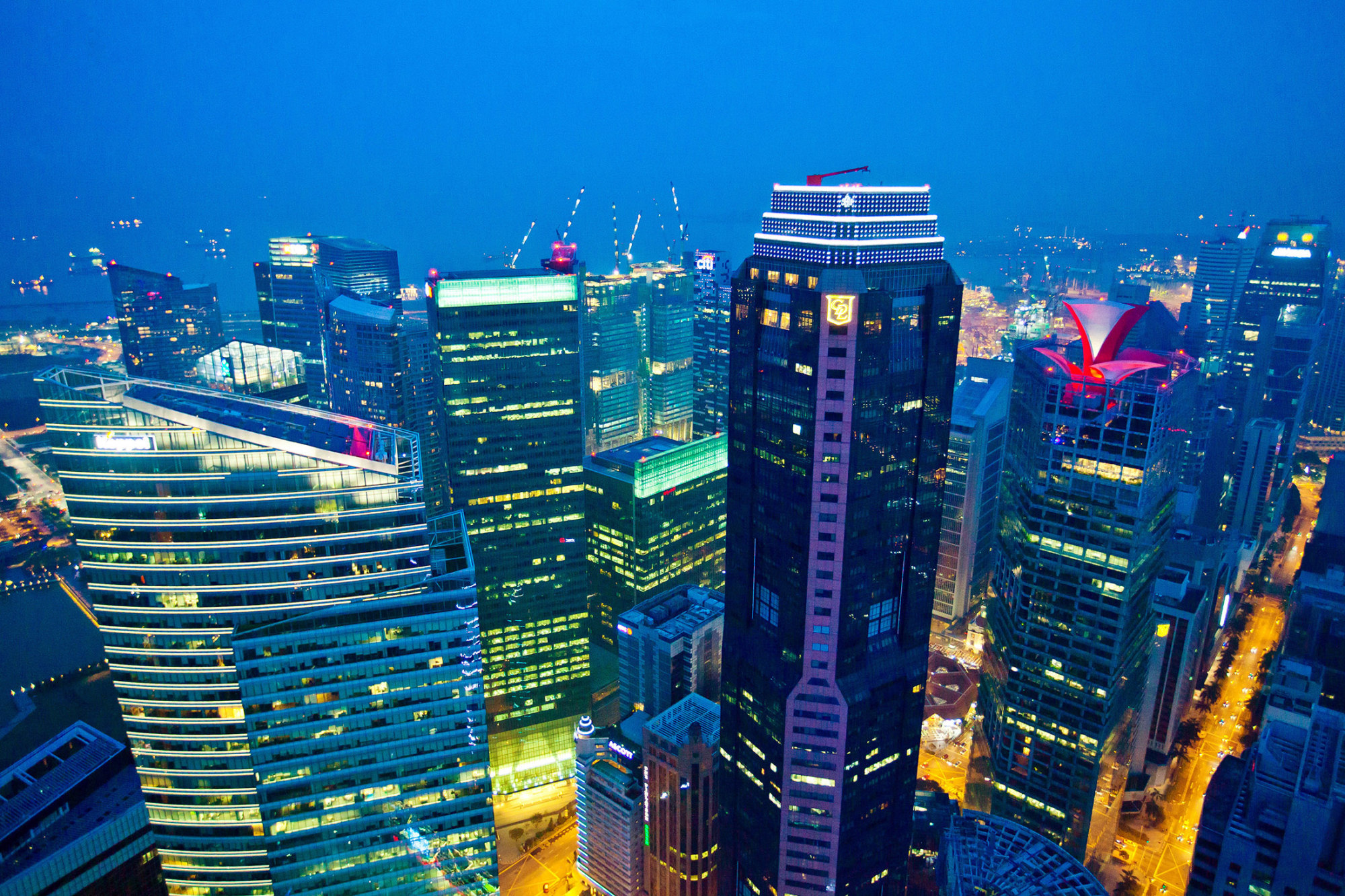
    In a recent release from the Hong Kong General Chamber of Commerce, the Asian Cities Internationality Index has revealed its latest rankings, ultimately declaring Hong Kong the leading city in Asia with a score of 73.7 out of 100. The dynamic city narrowly edged out Singapore, which secured a score of 73.5, making the competition as tight as a pair of shoes on a bustling Hong Kong street.

    Evaluating 11 major cities in the region, the index utilized 113 indicators across seven categories: business and economy, quality of life, infrastructure and connectivity, innovation and ideas, human capital diversity, cultural interaction, and the governmental and legal frameworks that support business operations. This comprehensive analysis also drew insights from a survey completed by 1,107 senior business executives situated in the assessed locales, ensuring a well-rounded perspective.

    Hong Kong’s recognition as a top-tier global financial hub shines through the report. Praised for its successful hosting of international events and a living environment characterized by safety, stability, and freedom, the chamber’s press release highlighted these factors as key to its ascendance in the rankings. In contrast, Singapore’s strengths were noted in its multicultural milieu and its adeptness at attracting and nurturing diverse talent.

    Despite this triumph, Hong Kong’s performance in the innovation and ideas category raised some eyebrows, where it ranked fourth behind Shanghai, Singapore, and Seoul. Patrick Yeung Wai-tim, the chamber’s CEO, acknowledged this shortcoming, pointing to an ongoing challenge in the commercial viability of scientific research. “Hong Kong’s own enterprises still invest a relatively low proportion of their operational costs in scientific research and development,” he commented, as reported by the South China Morning Post.

    Tokyo secured the third position in the rankings, followed closely by Seoul, Shanghai, and Bangkok, while Kuala Lumpur, Taipei, Jakarta, Ho Chi Minh City, and Mumbai completed the list in that sequence, according to the Macao News. Each city’s unique strengths play into the larger narrative of Asia’s evolving retail landscape, reminding us that while the skyline may gleam, innovation remains the true lifeblood of progress.

    Questions & Answers

    How did Hong Kong perform in the innovation and ideas category?
    Hong Kong ranked fourth in the innovation and ideas category, trailing behind Shanghai, Singapore, and Seoul, which raised concerns among experts regarding its commercialization of scientific research.

    What factors contributed to Hong Kong’s top ranking in the index?
    The city’s strong performance in the business and economy category, coupled with its status as a global financial hub and a safe, stable living environment, were key factors that contributed to its high score.

    Which cities rounded out the top six in the rankings?
    The top six cities included Tokyo in third place, followed by Seoul, Shanghai, and Bangkok, while Kuala Lumpur, Taipei, Jakarta, Ho Chi Minh City, and Mumbai followed in succession.

  • Singapore’s Millionaire Exodus Sees Dramatic Drop: Only 1,600 Expected to Migrate This Year, Report Reveals

    Singapore’s Millionaire Exodus Sees Dramatic Drop: Only 1,600 Expected to Migrate This Year, Report Reveals

    The latest Henley Private Wealth Migration Report for 2024 paints a revealing picture of high-net-worth migration trends, highlighting Singapore’s enduring allure despite a slight decline in millionaire inflow. The city-state is projected to welcome a fresh cohort of millionaires boasting a staggering $8.9 billion in wealth, solidifying its position as the sixth most popular destination for affluent migrants globally, behind the likes of the United Arab Emirates, the United States, Italy, Switzerland, and Saudi Arabia.

    Thailand: A Rising Star in Asia’s Millionaire Migration

    Shifting dynamics in Southeast Asia reveal that Thailand is emerging as a strong competitor to Singapore, particularly as its capital, Bangkok, experiences a surge in attraction from high-net-worth individuals hailing from China, Vietnam, and South Korea. The Thai capital’s appeal lies in its mix of international schools, an expanding financial services sector, and a flourishing luxury real estate market. This year alone, Thailand is expected to witness a net inflow of 450 million, marking it as a “rapidly emerging” safe haven in the region, according to the report.

    Challenges Facing Other Asian Countries

    However, not all Asian nations are basking in the glow of millionaire migration. South Korea is set to see a significant departure of 2,400 millionaires this year, more than doubling last year’s outflow amid ongoing economic and political volatility. Similarly, Vietnam is also grappling with a notable uptick in millionaire exits, with around 300 individuals expected to leave. In a global context, this trend is far from isolated; an unprecedented 142,000 millionaires are projected to relocate internationally in 2024.

    Global Insights and Shifts

    The UAE stands poised to maintain its status as the world’s foremost magnet for wealth, with an anticipated net inflow of 9,800 relocating millionaires. In stark contrast, the United Kingdom is forecast to witness the most significant outflow, with 16,500 millionaires expected to leave, followed closely by China, which looks set to lose 7,800 individuals. “For the first time in a decade of tracking, a European country leads the world in millionaire outflows,” remarked Juerg Steffen, CEO of Henley & Partners. This reflects not just shifting tax structures but a broader sentiment among the wealthy that greater opportunities, freedoms, and stability can be found in other global hotspots. The implications for Europe’s economic competitiveness and investment allure could be profound.

    Questions & Answers

    What factors are contributing to Singapore’s appeal for wealthy migrants?
    Singapore remains a top destination due to its robust economy, political stability, and high-quality education options, making it attractive for high-net-worth individuals looking for a safe place to live and invest.

    How is Thailand positioning itself in the race for millionaire inflows?
    Thailand is emerging as a competitor to Singapore by offering a strong real estate market, quality international schools, and an expanding financial services sector, particularly appealing to individuals from nearby countries.

    What are the broader implications of millionaire migration trends for Asia?
    The shifts in millionaire migration can significantly impact economic competitiveness, with countries like South Korea and Vietnam facing challenges while others like the UAE and Thailand benefit, reshaping the wealth landscape in Asia.

  • Singapore Sees 1.3% Rise in Industrial Leasing Volume for Q1: A Positive Trend Unfolds!

    Singapore Sees 1.3% Rise in Industrial Leasing Volume for Q1: A Positive Trend Unfolds!

    In a landscape marked by shifting economic climates, Singapore’s factory and warehouse segments maintained steady leasing activity in the first quarter of 2025. According to a recent report by Savills, the total number of tenancies soared to 2,902, reflecting a modest year-on-year increase of 1.3%. However, the data also reveals that businesses are treading carefully—adopting a “wait-and-see” approach as they reassess their real estate needs amid a more challenging business environment.

    Warehousing Holds Steady Amid Challenges

    “Companies are taking longer to make leasing decisions and are closely examining their space requirements,” the report indicated. Warehouse logistics emerged as the frontrunner in leasing performance, showcasing a 6.1% rise in tenancies compared to the previous year. In contrast, while demand for multiple-user factories remained robust with a 1.7% increase, the single-user factory segment experienced a significant decline, dropping 16.0% year-on-year.

    Shifts in Vacancy Rates Reveal Market Dynamics

    In a curious twist, the overall factory vacancy rate diminished despite the lackluster demand for factory space, thanks to a tightening supply chain. A notable reduction in the inventory of single-user factories led to a 0.6 percentage point drop in vacancies, leaving the rate at 11.4% in Q1. Meanwhile, multiple-user factory vacancies also dipped slightly to 8.7%, down from 9.0% in the previous quarter.

    On the flip side, warehouse space vacancies did see an uptick, rising by 1.0 percentage point to 9.5% in Q1. This increase stemmed from the completion of over 1.0 million square feet of new warehouse stock, including DB Schenker’s RedLion2 at 33 Greenwich Drive and a redeveloped logistics hub at 36 Tuas Road—a reminder that as one door closes, another one opens.

    Rental Trends Paint a Mixed Picture

    After a rental growth of 0.5% in the previous quarter, JTC’s rental index for all industrial properties continued its upward trajectory, persisting at the same rate in Q1 2025. Of particular note, JTC’s single-factory rental index experienced a more rapid increase of 0.8%, a contrast to its slower growth of 0.1% in the previous quarter. This elevation is attributed to the introduction of newly completed facilities featuring modern, high-tech specifications that demand premium rents.

    Despite the promising signs in single-user factory rentals, the overarching industrial rental growth remained subdued due to muted performance in both multiple-user factories and warehouses, which expanded by 0.3% and 0.6% respectively. In terms of market pricing, Savills noted a rebound in the monthly rents for prime multiple-user factories, which edged up to S$2.29 per square foot following a brief decline. However, with an anticipated influx of warehouse supply this year, landlords are adapting their strategies, leading to a 2.5% decrease in rents for prime warehouse and logistics properties, now at S$1.69 per square foot.

    Questions & Answers

    What is the overall trend in leasing activity for Singapore’s industrial properties?
    Leasing activity in Singapore’s industrial properties has shown modest growth, with a total of 2,902 tenancies recorded in Q1 2025, representing a 1.3% year-on-year increase, despite a cautious approach from businesses.

    Which segments saw the most demand in the first quarter?
    Warehouse logistics led the demand with a 6.1% increase in tenancies, while multiple-user factories also showed solid performance, growing by 1.7%. However, demand for single-user factories dropped sharply by 16.0% year-on-year.

    How have vacancy rates shifted in Q1 2025?
    The overall factory vacancy rate decreased to 11.4%, while multiple-user factory vacancies fell to 8.7%. Conversely, warehouse vacancies increased to 9.5%, partly due to the addition of over 1.0 million square feet of new warehouse stock.

  • Singapore Airlines CEO Goh Choon Phong’s Pay Falls to $5.5M Even Amid Strong Profit Surge

    Singapore Airlines CEO Goh Choon Phong’s Pay Falls to $5.5M Even Amid Strong Profit Surge

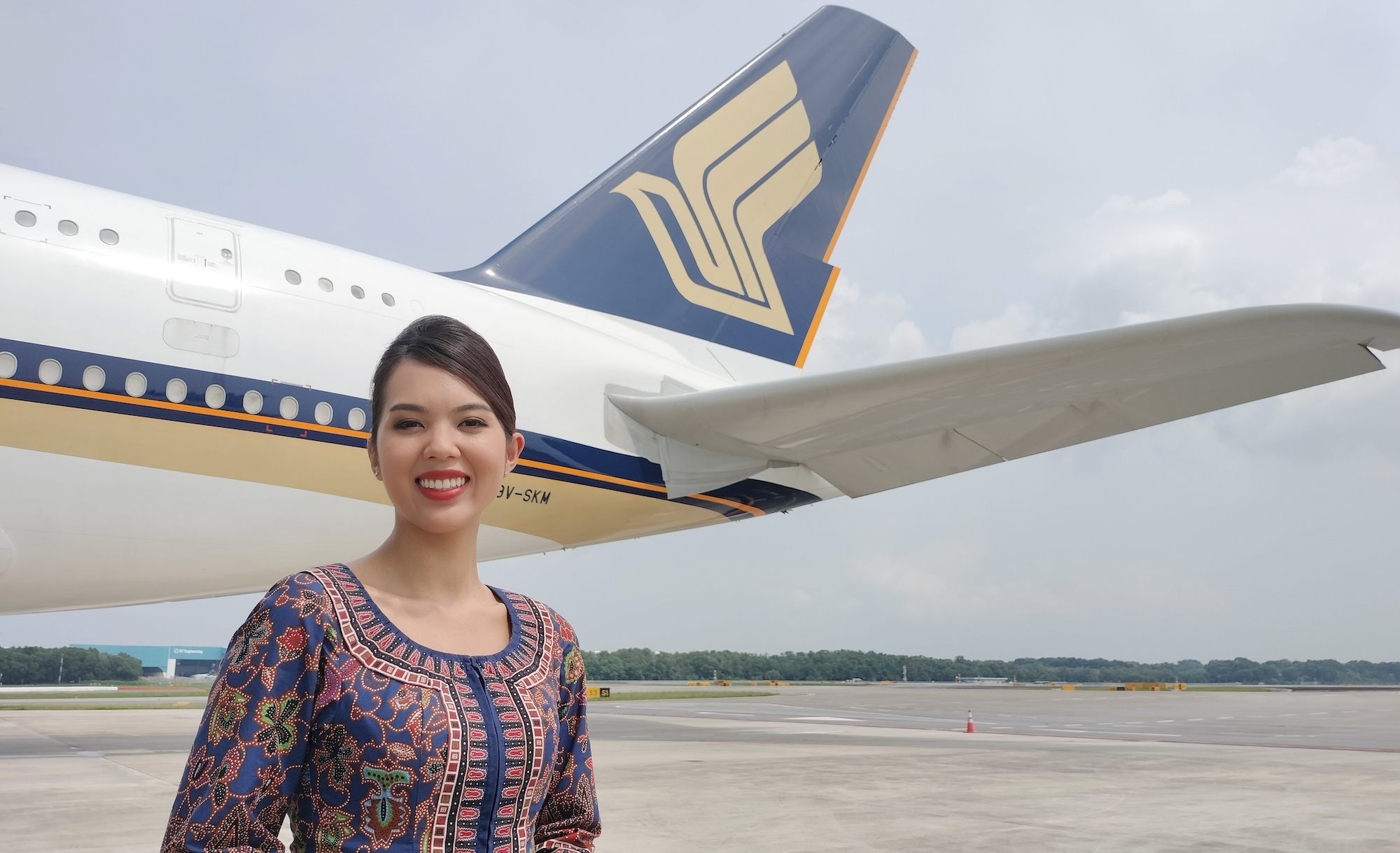
    Singapore Airlines has revealed that it paid CEO Goh Choon Phong SGD7 million (US$5.5 million) for the financial year ending March 31, marking a 13.5% decrease from the prior year, despite notable growth in both profit and passenger numbers.

    CEO’s Compensation Package Highlights Increases Amid Overall Pay Drop

    Goh’s latest compensation package comprises a SGD1.5 million salary and SGD3.1 million in bonuses, both of which saw an upward trend, as reported by The Business Times. However, the value of shares awarded to him took a significant hit, plummeting by 46% to SGD2.3 million.

    Sky High Performance Amid External Challenges

    Despite grappling with geopolitical tensions, supply chain disruptions, and inflationary pressures, Singapore Airlines has managed to soar above the challenges. Chairman Peter Seah expressed optimism in a letter to shareholders, celebrating the airline’s robust performance. The company posted a 3.9% rise in net profit to SGD2.8 billion while also welcoming a record 39.4 million passengers aboard its flights.

    Generosity in Profit-Sharing for Employees

    In a gesture of appreciation, Singapore Airlines has maintained a substantial profit-sharing bonus for its employees, offering eligible staff a share equivalent to 7.45 months’ salary. This is slightly less than the record-breaking 7.94 months’ profit-sharing bonus from the previous year, which was the highest in the airline’s history. It’s clear that while Goh might be tightening his belt, the company continues to reward its dedicated workforce generously — which, let’s be honest, is a refreshing change in these turbulent times.

    Questions & Answers

    What major factors contributed to Singapore Airlines’ resilience over the last year?
    Geopolitical tensions, supply chain issues, and inflation posed significant challenges, yet Singapore Airlines achieved a 3.9% increase in net profit and carried a record number of passengers.

    How does Goh Choon Phong’s current compensation compare to previous years?
    Goh’s total compensation is down 13.5% from the previous year, primarily due to a steep drop in the value of awarded shares, despite increases in his salary and bonuses.

    What profit-sharing bonus did Singapore Airlines offer its employees this year?
    The airline provided eligible staff with a profit-sharing bonus equivalent to 7.45 months of salary, just shy of the all-time high of 7.94 months from the previous year.

  • Thousands Stranded at Major Airport, Impacting Singapore-Bound Travelers Amidst Ongoing Travel Disruptions

    Thousands Stranded at Major Airport, Impacting Singapore-Bound Travelers Amidst Ongoing Travel Disruptions

    Travelers heading to Singapore faced an unexpected ordeal at Hamad International Airport in Doha, Qatar, where many reported a lack of communication and support from airline representatives following their flight cancellations. Among the stranded passengers was Melodie Yip, who was transiting through Doha before her scheduled Qatar Airways flight was abruptly canceled.

    After enduring nearly eight hours queuing to rebook her flight, Yip learned that her newly assigned departure for Tuesday afternoon had also been scrapped. “When I heard the second flight was cancelled, I was very, very anxious because I didn’t want to go through that … eight-hour queue again,” she admitted, sharing that the camaraderie among fellow Singaporeans waiting in line provided a sliver of comfort. With hopes pinned on a potential Wednesday exit, she remains wary of potential further disruptions, questioning how a “world-class, award-winning airline and airport” could be so ill-prepared for the crisis.

    Chaos in the Skies: The Ripple Effect

    The turmoil wasn’t confined to Doha; Dubai International Airport, the world’s busiest airport, also felt the impact, with around 145 flights canceled and over 450 delays reported by FlightRadar24. The operational slowdowns at both airports followed a sudden closure of airspace in Qatar, Bahrain, and Kuwait as tensions escalated after an attack on a U.S. military base in Doha.

    This unprecedented shutdown prompted airlines to cancel or divert hundreds of flights, leaving a severe backlog of passengers stranded across airports in the region. Amanda Tate, a nurse from Adelaide returning home from a conference in Italy, described her surreal experience at Hamad International Airport. With uncertainty filling the air, she recounted, “We started looking on the internet and seeing there had been some missiles launched. At that time, we didn’t know what had happened.” It’s a reminder that the skies are not as calm as they might seem.

    Airlines in Crisis Mode

    In the aftermath of the chaos, Qatar Airways announced efforts to restore its flight schedule, but also cautioned travelers about potential disruptions extending through Thursday. Meanwhile, Dubai International confirmed it had resumed operations after a brief pause but advised travelers to anticipate further delays and cancellations as the effects of the crisis continue to ripple through the region.

    Airports in the Middle East frequently serve as critical hubs for global travel, particularly between Europe and Asia. In 2024, Dubai alone processed a staggering 92.3 million travelers, averaging over 250,000 passengers daily. As airlines scramble to manage the aftermath of this incident, the ongoing situation serves as a stark reminder of the vulnerabilities in modern air travel.

    Questions & Answers

    What caused the disruptions at Hamad International and Dubai International airports?
    The disruptions were triggered by the abrupt closure of airspace in Qatar, Bahrain, and Kuwait following a strike on a U.S. military base in Doha, leading to numerous flight cancellations and delays.

    What was the experience of passengers like during this crisis?
    Passengers reported long waits with little information or support. Melodie Yip, for instance, faced an eight-hour line to rebook her canceled flight, only to find her new departure also canceled.

    How are airlines responding to the ongoing flight cancellations?
    Qatar Airways is working to restore its flight schedule, warning passengers of possible disruptions through Thursday, while Dubai International has resumed operations, albeit with continued delays and cancellations expected.

  • Singapore Set to Welcome 1.2M Sq Ft of Exciting New Retail Space by 2028

    Singapore Set to Welcome 1.2M Sq Ft of Exciting New Retail Space by 2028

    As Asian retail continues to evolve at a rapid pace, recent data reveals a fascinating landscape reflecting both resilience and transformation. As of October 2023, retail in the region is showing signs of recovery post-pandemic, driven by an increase in consumer spending and innovative shopping experiences. With a blend of traditional brick-and-mortar stores and dynamic online shopping platforms, retailers are adapting to meet the demands of an ever-shifting market.

    Rising Consumer Confidence Fuels Growth

    In recent months, consumer confidence has surged, with many customers eager to return to shopping both online and in-store. E-commerce sales are soaring, thanks to an uptick in mobile shopping and personalized online experiences that cater to individual preferences. Retailers are harnessing data analytics to fine-tune their offerings, ensuring that they remain relevant in consumers’ eyes.

    Embracing Sustainability and Innovation

    Sustainability is no longer just a buzzword; it’s a crucial element shaping the retail sector. Brands across Asia are recognizing the importance of eco-friendly practices, incorporating sustainable materials and ethical production methods into their supply chains. Innovative brands are not just finding ways to reduce waste but are also engaging with their customers through transparent communication about their sustainability efforts.

    Technological Integration Transforms Shopping Experience

    The integration of cutting-edge technology is revolutionizing how consumers shop. From augmented reality fitting rooms to AI-driven customer service chatbots, retailers are creating seamless, engaging experiences that resonate with tech-savvy shoppers. This transformation is not just about efficiency; it’s about creating memorable experiences that keep customers coming back for more.

    In this dynamic environment, retailers that truly listen to their customers and embrace change are the ones poised to thrive. As the market landscape continues to shift, one thing is clear: the future of retail in Asia is bright, vibrant, and full of possibilities—much like a neon-lit street market after dark.

    Questions & Answers

    **What factors are driving the current growth in Asian retail?**
    Increased consumer confidence and robust e-commerce sales, alongside a blend of physical and online shopping experiences.

    How are retailers addressing sustainability today?
    Many brands are adopting eco-friendly practices, utilizing sustainable materials, and being transparent about their production methods.

    What role does technology play in the retail transformation?
    Technology enhances the shopping experience through innovations like augmented reality and AI, creating engaging and memorable interactions for consumers.

  • Singapore Durian Prices to Fall 30% as Malaysia Celebrates Peak Harvest Season!

    Singapore Durian Prices to Fall 30% as Malaysia Celebrates Peak Harvest Season!

    Durian enthusiasts are buzzing with excitement as the season unfolds, although the peak harvest is a tad late this year. Sam Ho, owner of Uncle Sam Durian at Clementi Market & Food Centre, anticipates a prime durian bonanza starting in July, which is expected to lead to a drop in prices. “Right now, we’re at the beginning of the season, and because the harvest is small, prices will be a bit higher,” he commented in a recent interview.

    Ho sells fruits sourced from his own farm in Malaysia’s Pahang state, renowned for its Musang King durians. He predicted that this year’s supply is gearing up to outshine last year’s figures, even if the best bounty arrives a bit later than expected.

    Durians on the Move

    Singapore imports around 85% of its durians from Malaysia, with daily shipments during peak season sometimes exceeding 100,000 kilograms, as highlighted by Bloomberg. However, this season’s start has faced delays due to heavy rainfall affecting the blooming process earlier in the year.

    “Typically, the season kicks off in late April, but we are only just beginning to see the initial batches of durians,” stated Eric Yeap, a durian grower managing seven orchards across 53.4 hectares in Penang, in an early May interview.

    Despite the slow start, the recent hot and dry weather in Pahang has been favorable for durian blossoms, according to reports. Alvin Yap, president of the Pahang Fruit Farmers’ Association, is optimistic about a fruitful July and August ahead.

    With three waves of harvest expected, Pahang should deliver a wealth of durians come next month, particularly the beloved Musang King variety. However, Austin Quak of Rolling Durian warns that while prices may trend downwards, unpredictable weather could still impact the harvest outlook.

    Sweet Promotions for Durian Lovers

    As the peak season draws near, several businesses are rolling out promotions to delight durian fans in Singapore. FairPrice, the largest supermarket chain in the city, recently launched a limited-time offer featuring kampung durians at just S$1.95 (US$1.52) each, available from June 13 to 15 and June 20 to 22.

    In addition to these supermarket deals, The Bay Restaurant at Resorts World Sentosa is set to unveil a premium durian buffet on July 11, inviting enthusiasts to indulge in an all-you-can-eat experience for S$268 per person.

    For those willing to venture across the border, a durian carnival at Sunway Big Box Retail Park in Johor Bahru promises a delightful buffet sourced from one of Johor’s largest orchards, priced at RM98 (US$23) per person. It’s a perfect excuse to savor the famed fruit while enjoying a festive atmosphere!

    Questions & Answers

    What is causing the late start to the durian season this year?
    Heavy rainfall earlier in the year disrupted the blooming process, pushing back the typical start time of the season.

    When can we expect the peak harvest of durians?
    The peak harvest is anticipated in July and August, with abundant supplies particularly of the Musang King variety.

    Are there any exciting durian promotions happening in Singapore?
    Yes! FairPrice offers kampung durians for S$1.95 each, and The Bay Restaurant is launching a premium durian buffet for S$268 per person starting July 11.

  • Over 2,000 Demand Free Tap Water at Singapore Restaurants, Igniting Vital Health Discussion

    Over 2,000 Demand Free Tap Water at Singapore Restaurants, Igniting Vital Health Discussion

    The recent Change.org petition calling on the Singaporean government to ensure public access to free tap water at eateries is gaining traction. Launched in late May, its visibility surged following a Facebook post by Gerald Giam, a member of the Singapore parliament, which highlighted the issue’s importance and potential health implications.

    Giam passionately pointed out, “Some eateries charge as much for water as they do for sugary drinks. This unintentionally nudges consumers toward less healthy options, increasing the risk of obesity and diabetes.” The petition reminds us of the alarming trend where many outlets across Singapore have begun charging for a basic commodity, tapping into economic pressures and beverage sales strategies. A 2018 survey conducted at VivoCity found that over half of the surveyed outlets charged anywhere from 30 cents to S$1 (23 to 78 US cents) for a glass of water. Furthermore, a report by The Straits Times documented a troubling climb in the number of eateries charging for tap water—from 5% in 2013 to around 10% in 2015.

    Yee Yucai, the petition’s organizer and consultant at the Singapore General Hospital, drew upon a personal experience to voice his frustration. At a recently visited buffet costing about S$60 per person, water was not provided without an additional S$5 for beverages. “That’s going too far,” Yee lamented, highlighting how food and beverage (F&B) establishments are pushing diners toward buying profit-generating drinks instead of offering complimentary water, despite ongoing governmental campaigns to curb sugar consumption.

    Customers have certainly taken notice of this trend. Student Koh Liang Lin reflected, “If water is chargeable at the restaurant, it will push me to top up a dollar more to get a canned drink.” Such sentiments have been echoed in the past by a human resource manager who expressed reluctance at paying for water, considering it “super not worth it.”

    What Are Businesses Saying?

    While many dining establishments do not charge for tap water or have ceased the practice due to customer complaints, the reality for F&B operators is more complicated. Daniel Sia, the chef-owner of Nasi lemak restaurant The Coconut Club, acknowledged the financial burdens involved in providing free tap water. “Utilities cost money, and offering that service often leads to a drop in beverage sales, which is an opportunity cost,” he explained. Anonymous sources from various cafés indicated that, in a tight economy, every cent counts. One owner candidly remarked that they charge 50 cents for free-flow tap water as their profit margins can be precarious.

    Additionally, certain establishments invest in filtration systems that can set them back between S$1,000 and S$3,000 monthly. While offering complimentary drinks may seem minor, the cumulative operational costs—cleaning, service, and utilities—rapidly accumulate. A Korean restaurant operator noted, “Bigger restaurant groups may absorb the cost, but for small businesses like ours, utilities are just a fraction of many overheads.”

    ‘A Basic Service’

    The debate over mandating eateries to provide free tap water resurfaced in parliament in 2021 but was dismissed due to the financial burdens on businesses. Giam suggested a compromise, proposing that eateries be allowed to charge for tap water but at lower rates than sugary beverages, to encourage healthier consumer choices. Conversely, Yee contended that the financial impact of providing free tap water is “very minimal,” based on calculations showing that offering water could only amount to about 0.13 cents per customer. For Yee, providing free water should be seen as an essential service that fosters public health.

    As diners navigate the waters (pun intended) of dining out amidst these changes, one can wonder: is there a better way for businesses to balance profit margins while providing a basic need? Perhaps it’s time restaurants reevaluate their drink strategies in favor of health and goodwill.

    Questions & Answers

    What is the main goal of the Change.org petition?
    The petition seeks to urge the Singaporean government to ensure that eateries provide free tap water to promote healthier food and beverage choices, reducing reliance on sugary drinks.

    How have some businesses responded to offering free tap water?
    While many have stopped charging for water, some F&B operators argue that the costs of providing it affect their already thin profit margins, leading them to charge nominal fees instead.

    What does the public think about the trend of charging for tap water?
    Many consumers are frustrated by the trend, feeling that charging for water nudges them toward purchasing less healthy options and that access to water should be a basic service in dining establishments.

  • Singapore Overtakes Japan as Asia’s Richest Market

    Singapore Overtakes Japan as Asia’s Richest Market

    While Singapore’s net financial assets per capital grew 4.4 percent year-on-year, global economic instability and trade wars are weighing heavily on the global middle class, according to Allianz’s new Global Wealth Report.

    With net financial assets per capita of €100,370 ($110,201), Singapore has taken the crown from Japan as the richest country/region in Asia, ranking third globally after the United States and Switzerland, according to the 10th edition of the «Global Wealth Report,» published last week by German financial services company Allianz.

    Financial assets in both industrial and emerging economies both fell together for the first time in 2018, while the gross financial assets of Asian households (ex-Japan) fell 0.9 percent during the year – the first decline since the global financial crisis a decade ago, the report, which looks at the asset and debt situation of households in more than 50 countries and regions, said.

    Global equity prices fell by 12 percent in 2018, which directly affected asset growth – the global gross financial assets of private households fell by 0.1 percent, to €172.5 trillion. The publication attributed this decline to increasing geopolitical tensions and a slowdown in international trade.

    The dismantling of the rule-based global economic order is poisonous for wealth accumulation. The numbers for asset growth also make it evident: Trade is a no zero-sum game. Either all are on the winning side – as in the past – or all are on the losing side – as happened last year, Michael Heise, chief economist of Allianz Group, said.

    The size of the global middle class, at 1,040 million people, remained relatively similar to the year before. This is the first time in over a decade that this demographic did not grow, Allianz said, attributing it to shrinking assets in China.

    However, report co-author Arne Holzhausen, Allianz head of insurance and wealth markets, said «There are still plenty of opportunities for global prosperity,» noting that if countries with large populations like Brazil, Russia and India had better wealth distribution, the global middle class could grow by 350 million

  • Mobile Wallet YouTrip to Double Local Workforce

    Mobile Wallet YouTrip to Double Local Workforce

    The company will be adding over 50 new hires in Singapore across engineering and product development by 2022.

    YouTrip has announced plans to grow its technology capabilities and product development to capture the rise of the multi-currency payments landscape.

    The Singapore-headquartered company will be establishing an innovation lab in the country to drive the development of a new suite of multi-currency products and features, according to an announcement on Wednesday.

    Among them are a new suite of products including YouTrip Business, a new multi-currency corporate credit card and a refresh of its consumer app, which will include new features such as a virtual card, an interactive exchange rates dashboard, exclusive deals, and the ability to hold more popular currencies.

    YouTrip intended to tap on booming travel among people in Southeast Asia when it was launched in 2019. And despite the travel standstill, the company has seen significant growth in online overseas spending

    With this shift in spending, our advancement in innovation to offer a wider suite of multi-currency is timely, and drives our goal of elevating the cross-border payment experience for our users.

  • Why Singapore’s Retailers Need to Take Heed of Recent Supply Chain Cyber Incidents

    Why Singapore’s Retailers Need to Take Heed of Recent Supply Chain Cyber Incidents

    As cyber threats continue to rise, understanding the impact of these threats and how they infiltrate the retail supply chain is vital for operational continuity. Singapore’s recently refreshed Industry Digital Plan (IDP) for the retail sector highlighted enhanced cyber hygiene measures for protection at different stages of growth.

    The region’s booming digital economy makes businesses operating here a prime target for cyberattacks. The retail sector is ripe for third-party cyberattacks, with threat actors exploiting vulnerabilities in Point-of-Sale (POS) terminals, supply chain systems, logistics platforms, and other interconnected technologies.

    Recent Cyber Attacks Targeting Supply Chains

    The retail industry has been shaken by a number of high-profile reported cyber incidents recently, affecting major players like Marks and Spencer (M&S) and Harrods.

    Closer to home, popular bubble tea chain Chica San Chen disclosed a data breach of one of its vendors’ servers, compromising the personal information of members, such as their names, mobile numbers, e-mail addresses and login passwords. In 2024, Filipino fast-food giant Jolibeewas reportedly subjected to a major data breach affecting the data of 11 million customers.

    These incidents not only tarnish brand reputations, but also disrupt operations and expose sensitive customer data, causing widespread concern. The financial fallout from these compromises highlights the crucial need for retailers to focus more diligently on the security of their digital and physical supply chains.

    According to BlueVoyant research, more than 70% of Singaporean organisations reported an average of 3.97 breaches impacting operations. Almost half (47%) of Singapore organisations indicated the news of breaches over the past 12 months are likely to lead to an increase in budget for additional internal and external resources to help protect against supply chain cyber security issues.

    Retail Under Growing Threat

    Threat actors like DragonForce have reportedly boldly claimed responsibility for a series of attacks targeting UK retailers, often partnering with groups like Scattered Spider to amplify their reach. Understanding the motivations and methods of these groups provides invaluable insight — such as exploiting supply chain vulnerabilities — to predict and prevent future attacks. Their evolving strategies represent a constant threat that requires ongoing vigilance and continuous improvements to third-party risk management practices in retailers.

    Retail businesses are often vulnerable to a catalogue of common cyber threats, including phishing schemes, ransomware, and supply chain compromises. Threat actors leverage malware and sophisticated social engineering to infiltrate retailers’ defences. By embedding malicious software within trusted channels, they can access secure areas usually safeguarded but overlooked in anticipation of direct attacks.

    In fact, more than a third (35%) of Singapore respondents to BlueVoyant research said they have no way of autonomously seeing the cyber risk posture of third parties and rely on self-reporting. This knowledge underscores the necessity for robust cyber security practices targeting every link in the retail supply chain.

    Harden defences and manage supply chain risk

    Singapore’s Cyber Security Agency (CSA)’s toolkit for enterprises highlight key areas for organisations to address increasing cyber risks, including the need for a third-party risk management programme to assess and manage the risks posed by third parties, including vendors, products, and services.

    Implementing effective third-party risk management practices, characterised by strong cross-business collaboration in vendor management, continuous cyber threat monitoring across the supply chain, and robust due diligence procedures, is essential for ensuring comprehensive visibility of risks associated with key suppliers.

    Additionally, both retailers and their suppliers must prioritise robust employee training in cyber security best practices, empowering them to recognise and respond to suspicious activity. Implementing multi-factor authentication adds an extra layer of security, making it significantly more difficult for unauthorised users to compromise the integrity systems. Securing helpdesk authentication can also help prevent deceptive access attempts, ensuring that customer service channels remain protected.

    Proactive incident response planning is crucial for effectively managing breaches, should they occur, with an eye towards the potential for a cross-business compromise. Retailers work with many suppliers and partners and so must maintain even greater vigilance within their extended ecosystem. Establishing network segmentation, sharing only strictly necessary data, and implementing access controls can help make sure that a potentially compromised vendor does not cause a cascade of issues.

    Regular drills and collaboration with cyber security partners can help ensure incident management is more seamless, minimising potential damage through quick containment and eradication. By embracing these defensive strategies, retailers can significantly bolster their security posture.

    As cyber threats become increasingly sophisticated, it is imperative for retailers in the region to maintain constant vigilance and adaptability in their cyber security posture. Ensuring robust protection of these essential services is vital due to their immediate impact on society’s well-being. Retailers must heed the call to integrate recommended cyber security measures, protecting themselves against potential compromises.

    By William Oh, Head of Asia Pacific, BlueVoyant

  • Zara to open at Changi Airport

    Zara to open at Changi Airport

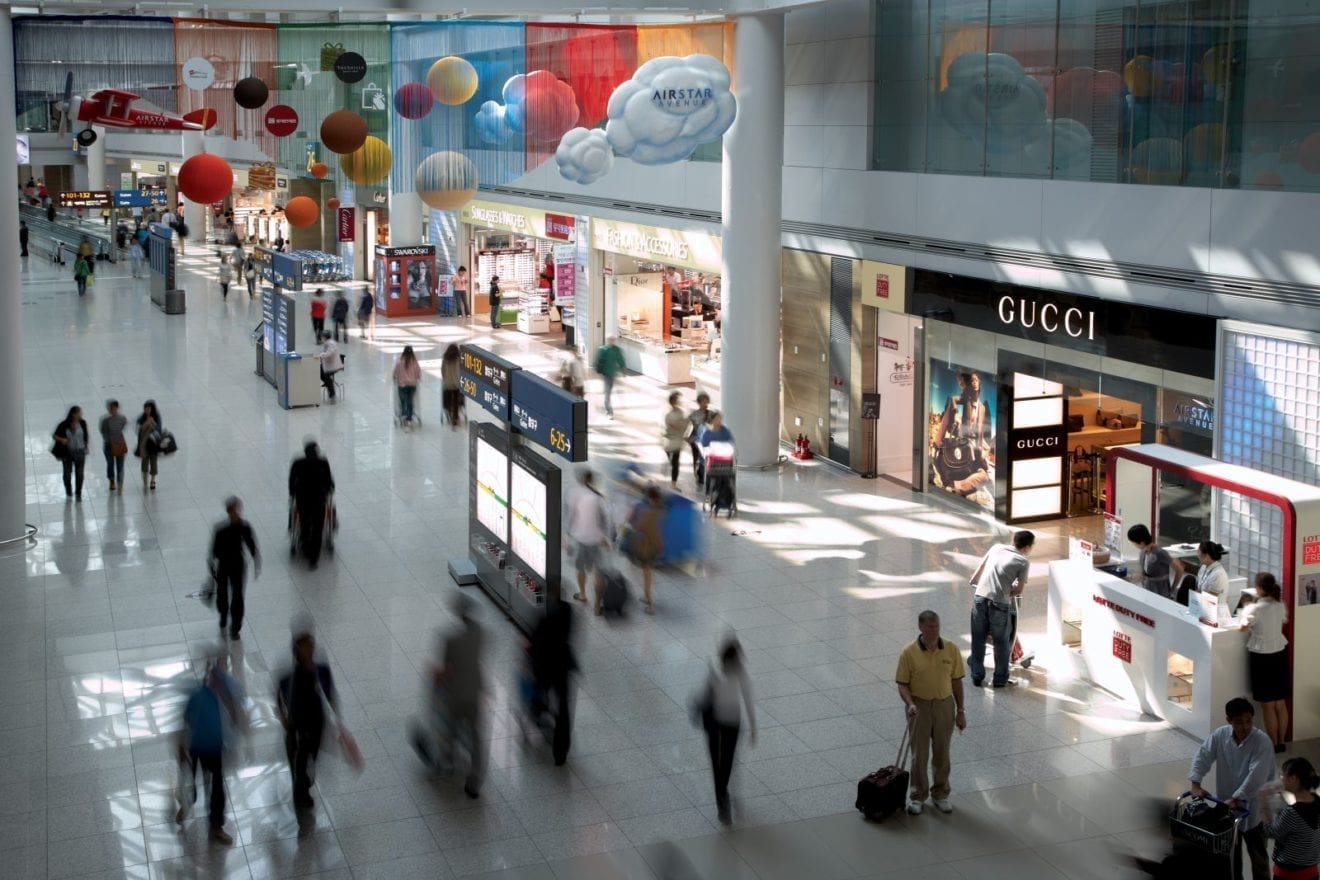
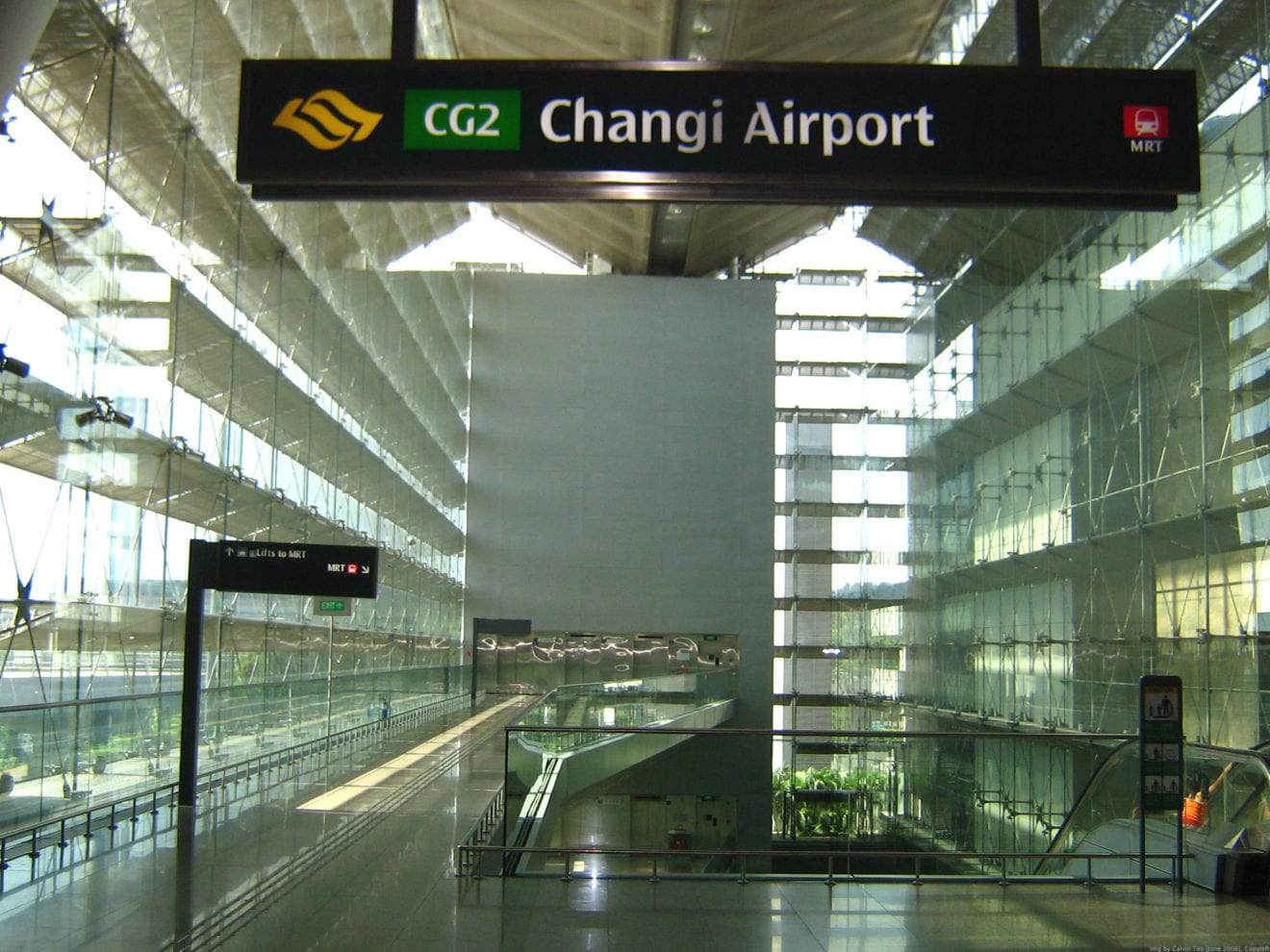
    Spanish clothing brand Zara will open a shop in Singapore’s Changi Airport in May.

    The new store, in Terminal 3, is part of a broader plan by Singapore Zara franchisee, Dubai-based Al-Futtaim Group, to ramp up the Zara brand’s retail offer in the city state.

    In the same month, Al-Futtaim Group will reopen the brand’s store in Ion Orchard, in the heart of the Orchard Rd shopping strip, after an extensive renovation and expansion.

    The Zara expansion plan was outlined in concert with revelation of plans to refocus the Robinsons and Marks & Spencer operations in Singapore. Al-Futtaim Group also has Royal Sporting House in its retail brand portfolio.

    The company plans to open the first stand-alone Royal Sporting House Junior store at Suntec City in May, ranging footwear for those aged between six and 12.

    Kesri Kapur, head of the Al-Futtaim Group’s Asian business said the changes were about reacting to “the ever-evolving retail landscape” in Singapore.

    He said the relevancy of the mall space had to be balanced with the brand profile, shoppers’ consumption patterns and increasing competition as well as Singapore’s labour shortage, so the business “stayed relevant in the retail market”.

  • Keppel granted license to provide telecommunications services in Singapore

    Keppel granted license to provide telecommunications services in Singapore

    Keppel Telecommunications & Transportation’s (Keppel T&T) wholly-owned subsidiary, Keppel Midgard Holdings Pte. Ltd. (KMH), has been granted a Facilities-Based Operator (FBO) license by the Infocomm Media Development Authority of Singapore (IMDA). The FBO license will allow KMH to own, maintain and operate telecoms infrastructure in Singapore and to provide telecommunications services in connection with the Bifrost Cable System, which Keppel T&T is undertaking with its partners, Facebook and Telin.

    FBOs are operators intending to deploy any form of telecommunication network, systems and facilities to offer telecommunication switching and/or telecommunication services to other licensed telecommunication operators, businesses, and/or consumers.

    Mr Thomas Pang, CEO of Keppel T&T, said, “Securing the FBO license is an important milestone for Keppel as it marks the start of our subsea cable business in Singapore. The Bifrost project is in line with Keppel’s Vision 2030 roadmap, which includes growing our connectivity platform, and will strategically strengthen and broaden the Group’s play across the spectrum of data communications, from network infrastructure, data centers to wireless 5G connectivity. It can give rise to potential opportunities for cross-selling or creating new profit pools across Keppel’s different connectivity businesses, for example by leveraging Keppel Data Centres’ network of data centers as potential points of presence. We may also collaborate with funds managed by Keppel Capital to help provide funding for the project. Drawing from our experience in Bifrost, we will also explore other opportunities in subsea cables.”

    The Bifrost Cable System, which will be the largest capacity high-speed transmission cable across the Pacific Ocean when completed, will bolster Singapore’s role as a digital hub for the region.

    Expected to be completed in 2024 and spanning over 15,000 km, the Bifrost Cable System is the world’s first subsea cable system that directly connects Singapore to the west coast of North America via Indonesia through the Java Sea and Celebes Sea. It will connect Singapore, Indonesia, the Philippines, Guam and the west coast of North America.

    The Bifrost cable system will boost the connectivity of the region’s governments and businesses, including cloud operators, telecommunications operators, network providers, over-the-top (OTT) providers, data centres, governments, enterprises, and consumers by offering them competitive pricing and capacity resilience.

  • BeeBio aims to sweeten travel retail’s skincare offer

    BeeBio aims to sweeten travel retail’s skincare offer

    Key ingredients within the range include active medical grade Manuka honey – known for its healing properties – natural bee products (bee venom, Royal Jelly) and anti-oxidant botanicals from New Zealand. The products regenerate new skin cells by 80%, according to research conducted by the brand.

    BeeBio is performing strongly on the Australian domestic market, and earlier this year entered the inflight travel retail sector, with listings onboard Singapore Airlines, Hong Kong Airlines and Cathay Pacific. The brand is targeting a presence onboard 15 airlines by the end of the year.

    The BeeBio portfolio includes cleansing, moisturising and treatment lines. Star products include the Venomenous Bee Venom and Active Manuka Honey Anti-Aging Face Masque, Active Manuka Honey Eye Crème with Bee Venom, Royal Jelly Facial Crème and Active Manuka Honey Day Crème with SPF15. Body and hand care products are also available, while an anti-ageing serum is in the pipeline.

    “We believe we have a premium offer and want to go global,” Sales Director Liz Kolovos told The Moodie Report. “We are targeting travel retail expansion, and have already created special travel packs and exclusives for the channel.”

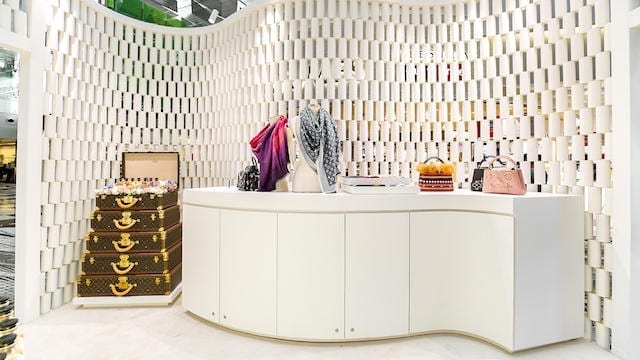
  • Pop-up Perfume Store by Louis Vuitton

    Pop-up Perfume Store by Louis Vuitton

    All seven Louis Vuitton fragrances feature in a Les Parfums pop-up store at Changi Airport’s Terminal 2 until November 28.

    Louis Vuitton has also created a limited-edition (100 pieces) monogrammed orchid travel case exclusive to the pop-up.

    There is also a travel set including a travel bottle and seven perfume cartridges, along with a cartridge of Eau Neutre to clean the bottle and atomiser in between changes. The set is being launched in Singapore first.