Tag: Singapore

  • Giuseppe Zanotti Expands Into Singapore

    Giuseppe Zanotti Expands Into Singapore

    Valiram and Giuseppe Zanotti jointly announce a new phase in their partnership with the opening of a new boutique in Singapore.

    Valiram’s partnership with the Italian luxury footwear and fashion designer started in 2007 when the Malaysian-based luxury and lifestyle retail specialist opened the first Giuseppe Zanotti boutique in Malaysia at premier retail landmark Pavilion Kuala Lumpur.

    The new Giuseppe Zanotti monobrand boutique will be located in ION Orchard, a stylish architectural wonder and the most glamorous shopping complex in Singapore.

    Occupying 108-square-meter premium retail space, this refined concept store houses the brand’s iconic sculptural shoes, avant-garde sneakers and leather handbags and accessories for both men and women.

    A limited collection of children’s shoes will be introduced specifically for the boutique launch.

    The boutique’s interior design is driven by the vibrant and emotional DNA of the brand. Chrome and shiny gold surfaces mix with dark yellow and electric blue fabric on the floor carpet and furniture, and classic elements like white walls and mirror finishing complement the contemporary furniture and hardware details.

    A careful juxtaposition of materials and details brings to the environment a refined and contemporary mood, which enhances the brand’s creations for a luxury shopping experience.
    “Valiram is passionate about creativity and craftsmanship, a combination that Giuseppe Zanotti is renowned for.

    Mr. Giuseppe Zanotti added: “The strong affinity between Valiram and the brand, two businesses both longing for creativity and craftsmanship, has made it possible to accept this new challenge with true determination.

    This partnership along with the new boutique at ION Orchard, embarks our footprints in Singapore”.


  • Singapore partner pulls out of Vietnam taxi joint venture

    Singapore partner pulls out of Vietnam taxi joint venture

    Singaporean transport firm ComfortDelGro has decided to sell its entire stake in the Vietnam Taxi Company to a local company and pull out of Vietnam.

    Under a deal it has signed, it will transfer its 70-percent stake in Vinataxi to the HCMC-based Helios Service and Investment Joint Stock Company for VND55 billion ($2.4 million).

    Vinataxi was established in 1992 by Vietnamese firm Tracodi and Hong Kong company Tecobest Investment, which sold its share to ComfortDelGro in 2003.

    The company reported revenues of VND20 billion and a loss of VND7.6 billion in 2020.

    In 2018, ComfortDelGro and another local firm, Savico, would up their joint venture, ComfortDelGro Savico Taxi, unable to cope with the fierce competition from tech-based taxi operators.

    According to ComfortDelGro, the Vietnamese market fetched revenues of $500,000 in the first half of this year, or less than 0.1 percent of its total revenues.

  • DHL supply chain sharpens growth focus on Singapore, Malaysia and the Philippines

    DHL supply chain sharpens growth focus on Singapore, Malaysia and the Philippines

    DHL Supply Chain, the global market leader for contract logistics solutions, has named Jerome Gillet as CEO of the new Singapore cluster which includes Singapore, Malaysia , and the Philippines . In this role, Jerome will continue to report to Terry Ryan, CEO, DHL Supply Chain Asia Pacific, while remaining as a member of the regional board.

    The appointment will bring synergy for the three markets and drive new growth for the region. The DHL Supply Chain businesses locally continue to be led by the respective country heads – Jason Goh, managing director, DHL Supply Chain Singapore; Mike Davies, managing director, DHL Supply Chain Malaysia; and Suzie Mitchell, managing director, DHL Supply Chain Philippines — who now report to Jerome.

    “We see tremendous opportunity in Singapore, Malaysia and the Philippines to grow our business with even more focus on greater service quality in the markets. Jerome has repeatedly demonstrated his commitment to customer needs, and, in a changing economic climate, he is well placed to help customers deliver greater value from their supply chains,” said Terry Ryan , CEO, DHL Supply Chain Asia Pacific. “An innovator and strategic leader, Jerome is well suited to lead the next stage of growth transformation in our Singapore cluster. With his track record of delivering accelerated growth and building strong customer relationships, I am confident he will drive this new cluster in achieving high and sustainable growth.”

    “I am looking forward to accelerating growth in the newly formed cluster with a strong focus on Quality, Innovation and Customer centricity,” said Jerome Gillet , CEO, Singapore cluster, DHL Supply Chain.

    Jerome’s career in logistics spans over 20 years (the last 17 years in Asia Pacific ) and includes roles in general management, operations and business development. His last appointment as chief customer officer (CCO) of DHL Supply Chain Asia Pacific saw him turn Asia Pacific into the fastest-growing region worldwide within DHL Supply Chain. The tremendous growth was driven by his business development efforts in key sectors such as consumer & retail, technology and life sciences. Prior to his role as the CCO, Jerome was the vice president of consumer sector for Asia Pacific , and increased annual new business gains by over 200 percent between 2008 and 2014.

  • Star Cloud Services Brings First Digital Receipt Solution to Singapore Retailers

    Star Cloud Services Brings First Digital Receipt Solution to Singapore Retailers

    Star Cloud Services, a subsidiary of leading receipt printer manufacturer Star Micronics, announced it has expanded support to retailers in Singapore.

    Built to bring IoT solutions to retailers, Star Cloud Services helps them better engage with, activate and retain shoppers by turning receipt printers into cloud-connected devices and offers a suite of free services to get the most out of shopper data available from receipts.

    Star Cloud Services powers all retailers with AllReceipts™, a fast, free, and secure digital receipt solution making it easy to offer customers digital receipts without sharing an email address or taking a picture of the physical copy.

    “We are really excited to expand our support to Singapore,” said David Salisbury, VP of Sales and Marketing at Star Cloud Services. “Small brick and mortar retailers have found themselves not only competing with the big box stores, but with the drastic growth of ecommerce. With so many people in Singapore reliant on their smartphones, digital receipts just make sense.”

    The opportunity for digital transaction data, especially in Singapore, is growing rapidly. According to the “Consumer Barometer,” a study done by Google, Asia leads the world with smartphone usage and engagement. Singapore currently holds the highest smartphone penetration at 85 percent, according to the same study. More people in Singapore have smartphones than computers, with an astonishing 60 percent of those surveyed saying they use their phones compared to their other digital devices.  

  • Surprising Leader: Southeast Asia’s Smallest Nation Outshines 500 Major Companies in Revenue Rankings!

    Surprising Leader: Southeast Asia’s Smallest Nation Outshines 500 Major Companies in Revenue Rankings!

    While the city-state claimed the fourth spot in the rankings, Singapore’s 81 companies amassed an impressive US$637 billion in revenue last year, according to a recent report by a prominent U.S. business magazine. This staggering sum represents a third of the total revenue of $1.8 trillion collected by all firms listed and is nearly double that of Thailand, which came in second with revenues of $352 billion.

    Leading the Charge

    At the helm of this economic powerhouse is Trafigura Group, Southeast Asia’s largest company, specializing in commodities such as oil, gas, metals, and minerals. For the second consecutive year, Trafigura secured the top position with a remarkable revenue of $243.2 billion, nearly quadrupling the revenue of Singapore’s second-largest firm, agribusiness giant Wilmar.

    Profitable Banks Shine

    Despite not holding the highest revenue figures, three major Singaporean banks—DBS, OCBC, and UOB—emerged as the most profitable firms in the region, as reported by Singapore Business Review. It’s a fascinating twist that highlights profitability can sometimes outshine sheer revenue.

    An Evolving Landscape

    The Southeast Asia 500, now in its second year following its launch in 2024, spotlights a diverse array of businesses from Cambodia, Indonesia, Malaysia, the Philippines, Singapore, Thailand, and Vietnam. The total revenue generated by this year’s top 500 firms saw a modest increase of 1.7%, trailing the more robust 4.1% GDP growth witnessed across the economies represented in the ranking.

    Clay Chandler, Executive Editor for Asia at Fortune, noted the magazine’s increasing interest in the region. He explained that Southeast Asia is becoming a pivotal engine for global growth. “The region has become a crucial manufacturing and export hub, which is drawing significant capital flows,” he stated, adding that Trump-era tariffs have reshaped global trade dynamics and spurred a pivot towards Southeast Asia.

    Singapore’s strategic positioning as a regional hub enhances its appeal for businesses looking to expand into neighboring markets like Malaysia and Indonesia. Amidst this dynamic backdrop, it’s clear that the Lion City continues to roar as a key player in the Asian economy.

    Questions & Answers

    Which company topped the revenue rankings in Singapore?
    Trafigura Group led the charge, generating an impressive $243.2 billion in revenue.

    How do Singapore’s banks compare in terms of profitability?
    Despite not having the highest revenue, DBS, OCBC, and UOB were noted as the most profitable companies in the region.

    What is the significance of the Southeast Asia 500 ranking?
    This ranking highlights the growing importance of Southeast Asia as a critical manufacturing and export hub and showcases a mix of various types of businesses from across the region.

  • 300,000 Seniors in Singapore to Benefit from Nearly US$1,000 Health Support Initiative

    300,000 Seniors in Singapore to Benefit from Nearly US$1,000 Health Support Initiative

    Around 300,000 seniors from Singapore’s “Pioneer Generation” will soon receive government top-ups ranging from SGD 300 to SGD 1,200 (approximately US$234 to US$937) this July, in recognition of their significant contributions during the nation’s early years.

    Generous Increase in Health Support

    This year’s top-up amounts surpass last year’s figures of SGD 250 to SGD 900, as reported by the Ministry of Finance in a statement Monday. The total commitment for this initiative exceeds SGD 160 million, reflecting the government’s dedication to supporting its older citizens.

    These financial top-ups are designed to cover various medical expenses, including premiums for insurance plans, eldercare programs, as well as hospitalization costs and day surgeries. Notably, this financial boost is in addition to the annual vouchers provided to Singaporeans aged 65 and older.

    Supporting Seniors at Every Stage

    To qualify for the top-ups, seniors must be at least 76 years old, with the oldest citizens, aged 91 and above, receiving the highest amount of SGD 1,200. The Pioneer Generation Package, introduced in 2014, serves as a heartfelt tribute to the contributions of these individuals during the country’s formative years.

    The benefits don’t stop there; those aged 91 and above will continue to have their MediShield Life premiums fully covered, while younger pioneers can expect around two-thirds of their premiums to be taken care of.

    In a nation where every dollar counts, the initiative exemplifies how Singapore values its past while investing in the health and well-being of its elders. After all, nothing says “thank you” quite like a little extra cash for your hospital visits!

    Questions & Answers

    Who is eligible for these health support top-ups?
    Eligible seniors for the top-ups are those aged 76 and above, with those 91 years and older receiving the highest benefits.

    How much total funding is allocated for this initiative?
    The total funding for the top-ups is over SGD 160 million, reflecting the government’s commitment to its senior population.

    What does the top-up cover?
    The financial top-up aids in covering insurance premiums, eldercare programs, and various medical expenses, ensuring that seniors maintain access to essential health services.

  • Singapore’s Private Home Sales Dive 53% in May, with Just 312 Units Sold!

    Singapore’s Private Home Sales Dive 53% in May, with Just 312 Units Sold!

    In a striking turn of events, Singapore’s real estate market experienced a significant dip in new home sales in May 2025, hitting its lowest point in five months. The PropNex report reveals that only 312 new private homes were sold, excluding executive condominiums, a staggering 53% decline compared to April’s 663 units. While the year-on-year comparison shows a more optimistic picture with sales up 40% from May 2024, the current slump highlights a worrying trend.

    A Drought of New Projects

    This decline comes as no surprise, with May marking the first month in 2025 devoid of new project launches. Analysts noted that fresh projects typically stimulate monthly transactions, and a subdued launch activity in June suggests that developers’ sales may continue to lag. In fact, only 20 new units were made available in May, all from the previously launched project The Myst. This number is notably low, matching the weakest monthly launch figures since 2009, alongside December 2024’s 20 units.

    Market Dynamics: The Rest of Central Region Shines

    May’s sales data tells a nuanced story, especially in the Rest of Central Region (RCR), where 191 units changed hands—down 65% from April’s surge of 551 units, thanks largely to the launches of One Marina Gardens and Bloomsbury Residences. Impressively, the RCR made up about 61% of total transactions for the month, with One Marina Gardens leading the charge, selling 62 units at a median price of $2,975 per square foot. The Hill @ One-North also performed well, indicating that collaborations with neighboring projects, like Bloomsbury Residences, can create buzz and drive sales.

    A Slow but Steady Performance in the Outside Central Region

    Meanwhile, the Outside Central Region (OCR) saw a modest uptick with 106 new units sold, compared to 95 in April. Although this marked one of the slowest sales months in the OCR this year, it followed a strong uptake from earlier projects like Parktown Residence and ELTA. Hillock Green was the standout project, moving 17 units at a median price of $2,285 psf, while the majority of units at the six projects in the Lentor Hills estate were already sold.

    Core Central Region: A Tale of Two Markets

    Sales in the Core Central Region (CCR) remained uninspiring, with only 15 new units transacted. Watten House led this sub-market with four units sold at a median price of $3,255 psf. Interestingly, three units sold for over $15 million each, including a lavish 4,489-sq ft unit at 21 Anderson that fetched an astounding $24 million, a telling sign of Singapore’s high-end market’s resilience amidst the overall slowdown.

    Executive Condominiums Take a Hit

    The executive condominium segment faced challenges as well, with only 24 new units sold in May, down by 75% from April. Yet, hope springs eternal with the anticipation of the upcoming launch of 600-unit Otto Place EC in July 2025, fueled by a mere 38 unsold new ECs remaining on the market.

    As the market navigates this interesting phase, one wonders if the lack of fresh launches might unlock more innovative strategies from developers to reinvigorate sales. Who knows, perhaps a surprise project announcement could shake up the market in an unexpected twist!

    Questions & Answers

    What were the total new private home sales in May 2025?
    Only 312 new private homes were sold in May 2025, marking a sharp drop from the 663 units sold in April.

    Which area led the new home sales in May?
    The Rest of Central Region (RCR) led the sales, with 191 units transacted, accounting for about 61% of all transactions.

    How did the executive condominium segment perform?
    The EC segment saw a significant decline, with only 24 new units sold in May, down 75% from the previous month.

  • Singapore and Airbus Team Up to Revolutionize Hybrid Satellite-Terrestrial Network Technology

    Singapore and Airbus Team Up to Revolutionize Hybrid Satellite-Terrestrial Network Technology

    Singapore is making exciting strides in communications by embarking on a groundbreaking initiative to develop hybrid satellite-terrestrial networks. This ambitious project aims to ensure uninterrupted connectivity across land, sea, and air. The Infocomm Media Development Authority (IMDA) and the Office for Space Technology and Industry (OSTIn) have joined forces with Airbus through a recent memorandum of understanding (MoU) to spearhead the evolution of non-terrestrial network (NTN) technologies.

    Connecting Satellites and 5G

    This partnership underscores Singapore’s strategic intent to seamlessly integrate satellite communication into its 5G and future 6G infrastructure. IMDA and OSTIn aim to collaborate with Airbus to create a national innovation consortium that will include leading research institutions and industry players. It’s a collective effort to turn the Lion City into a hub for cutting-edge communications technology.

    Expanding Connectivity Horizons

    Non-terrestrial networks, which are pivotal to the 3GPP standards for 5G and 6G, utilize non-terrestrial assets such as low-Earth orbit (LEO) satellites, geostationary satellites, and high-altitude platforms, like drones and balloons. By leveraging these advanced technologies, Singapore plans to extend its network coverage beyond the traditional terrestrial limits, ensuring resilient, wide-area connectivity even in the most remote locations.

    Vision for the Future

    Ong Chen Hui, Assistant Chief Executive of IMDA’s BizTech Group, highlighted the vital role that satellite communications play within the digital connectivity landscape. She remarked, “By partnering with Airbus and OSTIn, we aim to propel the advancement of NTN technologies and foster deeper research collaborations within Singapore’s innovation ecosystem.”

    A notable aspect of this initiative is Airbus’s commitment, bringing its global technical expertise into play. This marks its first 5G/NTN collaboration outside of Europe, paving the way for a new chapter in connectivity.

    Anand Stanley, President of Airbus Asia Pacific, expressed enthusiasm about the project, stating, “Singapore is an ideal environment to explore cutting-edge connectivity solutions that will define the future of resilient, wide-area communications. This MoU lays the foundation for Airbus to work closely with IMDA, OSTIn, and other partners in developing a robust 5G/NTN ecosystem that supports both industry growth and national innovation goals.”

    As Singapore charts its course toward a hyper-connected future, who knew that the skies could become such an integral part of the conversation?

    Questions & Answers

    What is Singapore’s goal with the new hybrid satellite-terrestrial networks?
    Singapore aims to deliver uninterrupted connectivity across land, sea, and air as part of its digital infrastructure.

    Who are the key players involved in this initiative?
    The key players include the Infocomm Media Development Authority (IMDA), Office for Space Technology and Industry (OSTIn), and Airbus.

    What are some technologies that non-terrestrial networks utilize?
    NTNs leverage non-terrestrial assets such as low-Earth orbit satellites, geostationary satellites, drones, and balloons to expand network coverage.

  • Singapore’s Jumbo And China’s Siji Minfu Unite To Bring Peking Duck Delicacy To Resorts World Sentosa

    Singapore’s Jumbo And China’s Siji Minfu Unite To Bring Peking Duck Delicacy To Resorts World Sentosa

    Singapore’s Jumbo restaurant group and Siji Minfu, a well-known Chinese roast duck brand, are joining forces to introduce Siji Minfu’s famous Peking duck to Singapore. This collaboration will see the first international establishment for Siji Minfu.

    The New Venture

    The upcoming joint restaurant will be located at Resorts World Sentosa, featuring an interior design influenced by Beijing’s classic courtyard architecture. The restaurant’s menu will highlight traditional Peking duck and a variety of northern Chinese dishes.

    Siji Minfu currently operates over 20 locations throughout China, with outlets in places such as Wangfujing and Qianmen Street in Beijing.

    Jumbo perceives this partnership as a strategic opportunity to strengthen its relationship with Siji Minfu and take advantage of the expanding global food and beverage industry in Singapore.

    Strategic Expansion

    This joint venture aligns with Jumbo’s ongoing efforts to broaden its brand portfolio and diversify its food and beverage offerings. Jumbo, famed for its chili crab at Jumbo Seafood, already operates in multiple Chinese cities, including Shanghai, Beijing, and Fuzhou.

    The collaboration is set for an initial five-year term, with the possibility for automatic extension or renewal through a mutual agreement. The joint venture will be structured with an issued share capital of US$1.5 million, with Siji Minfu owning a 90 per cent stake and Jumbo the remaining 10 per cent.

    The Siji Minfu outlets in China will continue to operate independently from this joint venture.

    Jumbo has announced that the investment will be financed through internal resources and is not expected to significantly affect its net tangible assets or earnings for the financial year ending September.

    Questions & Answers

    What is the main focus of the joint venture between Jumbo and Siji Minfu?
    The joint venture primarily aims to introduce Siji Minfu’s signature Peking duck to Singapore through a new restaurant.

    How long is the initial term for the joint venture?
    The initial term for the joint venture is set for five years, with the potential for extension or renewal through mutual agreement.

    How will the investment for this collaboration affect Jumbo’s financial status?
    The investment will be financed through Jumbo’s internal resources and is not predicted to have a significant impact on its net tangible assets or earnings for the financial year ending in September.

  • SG Digital Banks Venture into Investments and Loans to Drive Profit Growth

    SG Digital Banks Venture into Investments and Loans to Drive Profit Growth

    Digital banks in Singapore are striding confidently into the future by expanding their portfolios with higher-margin products like investments and loans, but two years after their debut, they still face significant challenges. A recent report from Simon-Kucher highlights that while these digital entities have garnered attention, they remain in the red due to high acquisition costs clashing with a troubling number of inactive accounts.

    Curiosity versus Commitment

    One major hurdle for these banks is the surprising number of accounts that remain dormant. “Many customers open accounts out of curiosity but fail to fund them—especially in Singapore, where the process is streamlined with tools like Singpass,” explained Simon-Kucher managing partner Silvio Struebi, alongside partners Alan Lim and David Lielacher. This scenario underscores the challenge of transforming casual curiosity into active engagement.

    Expanding Offerings to Boost Engagement

    In a bid to attract a more engaged customer base, digital banks are broadening their service offerings. MariBank, for instance, has recently unveiled investment options, becoming the first digital bank in Singapore to do so. This innovative move is expected to pave the way for Trust and GXS to introduce similar features in 2025. Simon-Kucher suggests that integrating investment solutions into a more comprehensive, customer-centric product lineup could help digital banks deepen their impact.

    Building Broader Ecosystems

    Many digital banks are already nested within larger ecosystems, like Trust Bank’s partnership with NTUC or GXS’s collaboration with Grab and Singtel. However, the report emphasizes that to truly grow, these banks must seek expansion beyond their initial ecosystems. Recognizing this necessity, GXS and MariBank are now reaching out to sole proprietorships and micro-businesses, often overlooked by traditional banks.

    These small enterprises share some characteristics with retail clients but typically come with heightened risks and costs for established banks. “We observe a financing gap in the MSME and SME segment, where business customers struggle to access loans at reasonable rates,” the report noted. Digital banks, buoyed by their tech-driven models, could potentially offer more affordable options, sidestepping the liquidity constraints that traditional lending platforms often face.

    Moreover, digital banks possess a unique advantage in monitoring customer payment behaviors, which helps them gauge the liquidity health of MSME clients. By also providing supplementary services—ranging from payment terminals to invoicing solutions and cybersecurity offerings—they can carve out a valuable niche in this underserved market.

    As digital banks navigate this complex landscape, they hold the promise to not only expand their own foothold but also empower a wealth of small businesses in Singapore.

    Questions & Answers

    What challenges are digital banks in Singapore currently facing?
    They are contending with high acquisition costs and a significant number of inactive accounts, which has kept them in the red for the past two years.

    What strategies are digital banks employing to attract customers?
    Digital banks are expanding their product offerings to include investments and wealth management services to engage customers more effectively.

    How are digital banks serving micro and small businesses?
    They are reaching out to niche markets such as sole proprietorships and micro-businesses, offering tailored financial solutions and ancillary products to meet underserved needs.

  • APAC Healthcare Workers Raise Alarm on AI and Data Gaps Impacting Patient Care

    APAC Healthcare Workers Raise Alarm on AI and Data Gaps Impacting Patient Care

    Retail businesses in Asia are in the midst of a transformative phase, as innovative strategies continue to reshape the landscape. With digital integration skyrocketing, brands are reimagining customer engagement and shopping experiences to keep pace with rapidly evolving consumer preferences.

    Digital Trends Transforming Retail

    Retailers across the region are harnessing the power of technology to enhance their offerings. The use of artificial intelligence, augmented reality, and data analytics is not just a trend—it’s a necessity. These technologies are enabling personalized shopping journeys, where consumers receive tailored recommendations, making every interaction feel unique and significant. In essence, the retail experience is swiftly becoming as much about the journey as it is about the destination.

    Experiential Shopping: The New Norm

    Gone are the days when shopping was a simple transaction. Today’s consumers seek immersive experiences that captivate their senses and create lasting memories. Retail outlets are evolving into multifunctional spaces where customers can enjoy everything from gourmet food tastings to interactive product demonstrations. Imagine sipping artisanal coffee while engaging in a lively workshop on sustainable fashion right in the heart of a department store—how delightful is that?

    Omnichannel Strategies on the Rise

    With the rise of e-commerce, retailers are increasingly adopting omnichannel strategies, seamlessly blending in-store and online experiences. Click-and-collect services, live chat support, and virtual shopping assistants are just a few methods being employed to ensure customers can interact with brands in ways that suit them best, whether they’re browsing in their pajamas or navigating a bustling shopping mall.

    As the retail scene evolves, partnering with innovative advertising can further amplify outreach. Agencies are keen on helping businesses craft compelling digital campaigns and engaging them through vivid storytelling.

    Emerging Markets: A Hotbed for Innovation

    Emerging markets in Asia are brimming with potential, sparking exciting retail ventures and attracting global players eager to capitalize on this growth. Brands are not only looking for market entry but are also tailoring products to cater to local tastes and preferences. From street food to fashion, the region offers a rich tapestry of cultural diversity that is influencing product lines and marketing strategies.

    As a surprise twist, a few unconventional retail experiments—like pop-up stores in unexpected locations—are turning heads and attracting curious shoppers, proving that creativity knows no bounds in today’s retail world.

    Questions & Answers

    What are the key factors driving the transformation of retail in Asia?
    The key factors include the integration of technology, the demand for personalized shopping experiences, and the rise of omnichannel strategies that seamlessly connect online and offline interactions.

    How is experiential shopping shaping consumer behavior?
    Experiential shopping is captivating consumers by offering unique, immersive experiences that go beyond traditional transactions, thus fostering stronger emotional connections with brands.

    What role do emerging markets play in the future of retail?
    Emerging markets serve as a hotbed for innovation, drawing international brands that seek to meet diverse local preferences and explore unique retail opportunities that cater to this burgeoning consumer base.

  • Singapore Banks Face Growing Job Vacancies Amid Corporate Spending Slowdown

    Singapore Banks Face Growing Job Vacancies Amid Corporate Spending Slowdown

    Singapore’s banking landscape is undergoing a significant transformation, as hiring practices take a cautious turn in response to shifting economic realities. According to recruitment expert Ken Ong, managing director at Morgan McKinley’s Singapore operations, banks are slowing down hiring, with a striking statistic emerging: for every two employees who resign, only one position is filled.

    Hiring Trends Shine Light on Industry Concerns

    Ong shared his insights in a recent interview with Asian Banking & Finance, noting that while some specific roles, particularly in wealth management and relationship management, continue to be in demand, the overall trend is undoubtedly towards reduced hiring. “Bulge bracket banks are not bringing in new talent at the same pace,” he explained. “Conversely, second-tier banks, especially Asian ones, are still making selective strategic hires.”

    Cybersecurity and Contract Work Take Center Stage

    Ong emphasized that second-tier banks are actively looking for specialized skills to enhance their cybersecurity measures, cloud investments, and data analytics capabilities. However, this hiring activity is primarily concentrated in contract positions, reflecting a broader economic expectation for stagnation this year. “Organizations are eager to maintain greater flexibility with their cash flow, ensuring they have enough cushion in these uncertain times,” he added.

    Shifting Job Market Dynamics

    In this era of caution, the banking workforce is also evolving. Ong noted a noticeable trend of bankers transitioning into the fintech sector, as well as shifts in job locations, with roles moving from Hong Kong to Singapore. Employers are now leveraging contract work as a means to evaluate potential candidates before offering permanent positions. “Many clients are open to the contracting approach to validate performance,” he shared.

    Career Paths Redefined

    Interestingly, new professionals are embracing contract roles as a unique opportunity to explore different career paths. “Gone are the days when young professionals were expected to specialize early in their careers; they now prefer varied experiences before committing to a niche,” Ong concluded, revealing a refreshing shift in mindset.

    Questions & Answers

    What is the current trend in hiring at Singaporean banks?
    The hiring trend in Singaporean banks is slowing down, with a significant imbalance where for every two resignations, only one position is filled.

    What types of roles are still in demand despite the slowdown?
    Roles such as relationship managers and positions in wealth management continue to be sought after, particularly within second-tier Asian banks.

    How are new hires approaching their career paths differently today?
    New hires are increasingly opting for contract roles that allow them to explore various career paths before settling on a specialization, contrasting with previous expectations of early specialization.

  • Singapore retail vacancies rise despite steady demand for prime space

    Singapore retail vacancies rise despite steady demand for prime space

    In the first quarter of this year, Singapore experienced a rise in retail vacancy rates, a phenomenon attributed to the healthy demand for prime locations and steady rental growth, as reported by real estate specialists Savills.

    Increased Retail Vacancy Rate

    The retail vacancy rate across the island escalated to 6.8% during the first quarter due to the introduction of 323,000 square feet of new retail space, exhibiting an increase from the previous quarter’s 6.2%.

    Following five quarters of an upward trend in net take-up, the first quarter saw a net demand of -129,000 square feet, a result of a decrease in occupied space across most regions.

    The recent inauguration of Punggol Coast Mall and the refurbishment of The Cathay have further contributed to the rising vacancy rates, owing to the time that these establishments require to be fully occupied.

    Prime Mall Demand and Rental Rates

    On the other hand, landlords of prime malls situated along Orchard have reported a robust demand for lease renewals. This trend is particularly noticeable among luxury retailers, a scenario that has empowered landlords to negotiate higher rents due to a limited supply.

    The exiting of current tenants is balanced by the immediate occupation by new retailers entering the Singaporean market. An example of this is the Japanese thrift shop brand 2nd Street, which recently replaced Pomelo at a location in Somerset.

    Rental Pressure and Future Predictions

    The report identified early indications of rental rates coming under pressure in the Central Region, highlighted by a 0.2% quarter-on-quarter decline in the Central Area and a 1.1% decrease in the Fringe Area. The average monthly rent in the Orchard Area and Suburban Area remained static at SG$23.2 (US$18) per sqft and $14.7 per sqft respectively.

    In terms of future supply, the report anticipates a fairly consistent pipeline of about 597,000 square feet of retail space this year, compared to 679,000 square feet last year.

    For the entirety of the year, Savills predicts that rents in Orchard will touch the upper limit of the 1-2% forecast range, while suburban rents will lean toward the lower end of this range.

    According to Savills, the escalating global trade tensions could potentially cast a negative shadow on Singapore’s export-dependent economy, particularly in the latter half of the year. This could adversely affect business recruitment and wage growth, subsequently leading to a slump in retail sales. The report concludes that the retail sector is set to witness more churn this year as underperforming tenants either endure their leases before relocating or terminate their agreements prematurely if they find their business unsustainable.

    Questions & Answers

    What led to the rise in retail vacancy rates in Singapore?
    A surge in new retail space, coupled with the time required for new establishments to be fully occupied, resulted in an increase in retail vacancy rates.

    What trend was observed among landlords of prime malls in Orchard?
    Landlords of prime malls in Orchard observed a strong demand for lease renewals, especially from luxury retailers, enabling them to negotiate higher rental rates owing to limited supply.

    What is the effect of escalating global trade tensions on Singapore’s retail market?
    Escalating global trade tensions can negatively impact Singapore’s export-dependent economy, potentially affecting business hiring and wage growth, and leading to weakened retail sales.

  • Ant International Pursues Stablecoin Licenses in Hong Kong and Singapore, Report Reveals

    Ant International Pursues Stablecoin Licenses in Hong Kong and Singapore, Report Reveals

    Since you’re here, you might find it intriguing to know that a vast array of advertising opportunities awaits you to connect with your customers. Our dedicated team is ready to help you craft compelling advertising campaigns, both in print and digital formats, on this platform and within our print magazine.

    But that’s not all! We can also facilitate engaging live or digital events tailored to your needs, complete with industry leaders and thought-provoking speakers who could serve as ideal partners. Additionally, our awards programs provide a fantastic chance for recognition, allowing you to shine as a participant or sponsor throughout the year.

    Let us propel your business forward with an effective partnership!

    Retail Landscape Update

    In a remarkable turn of events this quarter, retail trends across Asia are evolving, shaped by shifting consumer behaviors and the growing demand for sustainability. With more shoppers opting for eco-friendly products, brands are racing to adapt their offerings to this conscious consumer base.

    Digital Transformation Accelerates

    Technology continues to be a key player in the retail arena, driving businesses to invest in e-commerce platforms and innovative shopping experiences. From augmented reality showcases to seamless payment solutions, the digital shift is not just noteworthy—it’s revolutionary. Retailers who embrace this shift stand to gain a competitive edge, capturing the hearts of tech-savvy consumers.

    Brands Embrace Sustainability

    Sustainability has leapt to the forefront of retail strategies, as consumers increasingly seek products that are not only high-quality but also environmentally responsible. Major brands are committing to sustainable practices, ensuring their supply chains reflect eco-friendly values.

    To keep up with these dynamic changes, it’s crucial for retailers to remain vigilant and responsive. After all, in the world of retail, it’s not just about selling products; it’s about creating experiences that resonate with the modern shopper.

    Oh, and did you hear? Apparently, sustainable shopping can now even be a fun family outing!

    Questions & Answers

    **What are the main trends influencing retail in Asia right now?**
    The current trends include a strong emphasis on sustainability, digital transformation, and evolving consumer preferences towards eco-friendly products.

    How can retailers prepare for the digital shift?
    Retailers can prepare by investing in robust e-commerce platforms, enhancing customer experience through technology, and exploring omnichannel strategies.

    Why is sustainability becoming so important in retail?
    Sustainability is crucial as consumers are increasingly choosing brands that reflect their values, prioritizing environmentally friendly and ethically sourced products.

  • Grab Set to Roll Out Exciting New Taxi Service, GrabCab, in Singapore Next Month

    Grab Set to Roll Out Exciting New Taxi Service, GrabCab, in Singapore Next Month

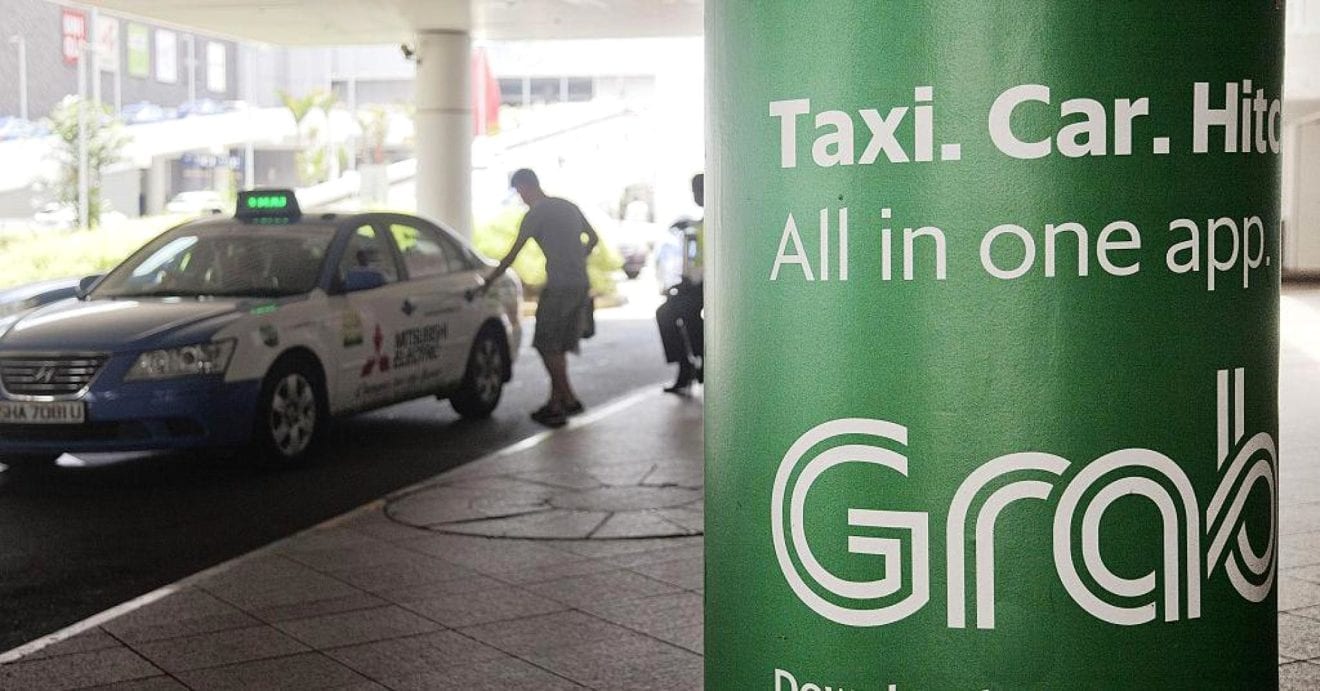
    GrabCab, a new player in Singapore’s taxi market, is gearing up to launch next month, becoming the sixth taxi operator in the bustling city-state with an initial fleet of 40 electric hybrid vehicles. The move comes from Grab’s subsidiary, GrabRentals, which is poised to challenge existing operators with a focus on sustainability.

    Driving Into a Green Future

    According to reports from The Straits Times, GrabCab’s debut will feature the eco-friendly Toyota Prius, with plans to roll out additional hybrid models, including the Hyundai Kona, starting in August. The company is on a mission to transition to a fully electric fleet within the year, aligning with a growing trend towards greener transportation solutions.

    GrabCab is setting its sights high: it aims to meet the minimum fleet requirement of 800 taxis needed to obtain a street-hail operator license before reaching its third anniversary. Victor Sim, director of GrabRentals, shared exciting news, stating that, as of June 4, the company has received between 700 to 800 registration applications from potential drivers eager to join the GrabCab team. From this pool, around 400 to 500 qualified applicants have been selected for the inaugural fleet.

    Competitive Rates with a Tech Twist

    When it comes to financials, rental rates for GrabCab vehicles can soar up to SGD117 (US$91) per day. However, the first 100 drivers who come aboard will enjoy a slightly reduced rate of SGD112 per day—a welcome incentive. To put that into perspective, other operators like ComfortDelGro offer their Toyota Prius rentals at approximately SGD110 per day, while Prime Taxi sets their rate at SGD109.80.

    Sim has assured that GrabCab’s passenger fare structure will be on par with competitors, and the integration of the taxi meter with the Grab platform allows drivers to conveniently switch between ride-hail and street-hail jobs by simply scanning a QR code via the Grab driver app.

    GrabCab’s edge? Sim highlighted the company’s cutting-edge technology and robust partnerships in the industry, including collaborations with charging point operators and fuel stations. These alliances promise discounts of up to 25% at select charging and fuel providers, making it financially appealing alongside its eco-friendly aspirations.

    While GrabCab is racing onto the scene, one can’t help but think: How many electric cars can a fleet hold before they start competing with online car rentals for the grand title of Asia’s ultimate ride-sharing service?

    Questions & Answers

    What vehicles will GrabCab initially use?
    GrabCab will start with the electric hybrid Toyota Prius and plans to add more hybrid options like the Hyundai Kona later this summer.

    How many applicants have shown interest in becoming GrabCab drivers?
    As of June 4, GrabCab received approximately 700 to 800 applications, with around 400 to 500 chosen for initial onboarding.

    What is the rental rate for GrabCab vehicles compared to other operators?
    Refunding to the competition, GrabCab’s rates can reach SGD117 daily, while ComfortDelGro and Prime Taxi offer similar vehicles at around SGD110 and SGD109.80, respectively.