Tag: Singapore

  • Stability Prevails in Singapore’s Retail Sales Amid Consumer Demand Trends

    Stability Prevails in Singapore’s Retail Sales Amid Consumer Demand Trends

    Singapore’s Political Landscape: Stability Persists Amid Growing Challenges

    Amid rising consumer concerns and economic pressures, Singapore’s political scene sees a reaffirmation of the status quo as the People’s Action Party (PAP) retains power.

    In a political landscape marked by uncertainty, Singapore holds its position as a leading financial hub, drawing parallels with global giants like New York and London. This weekend’s elections have revealed not only the resilience of the PAP but also the complex dynamics that shape the future of this Southeast Asian city-state.

    The Enduring Influence of the People’s Action Party

    For 60 years, the PAP has been synonymous with governance in Singapore, a legacy built by the late Lee Kuan Yew. His vision transformed the nation from a developing country into a thriving economy, establishing a reputation for stability and reliability. Despite occasional challenges, Singaporeans have consistently supported the PAP, reflecting their trust in the party’s ability to maintain these foundational values.

    A New Face: Prime Minister Lawrence Wong

    Prime Minister Lawrence Wong’s ascent marks a generational shift in Singapore’s leadership. As the successor to Lee Hsien Loong, Wong is the first Prime Minister not directly linked to the founding generation. His comparatively shorter political career raised questions about his popularity and experience, creating an unpredictable environment ahead of the recent parliamentary elections.

    Rising Consumer Concerns and Inflation Pressures

    Increasing living costs and heightened inflation — particularly in the property market — have fueled public dissatisfaction, especially among younger voters. With calls for a stronger opposition to challenge the ruling party’s authority, many were anticipating a change in the political tide.

    Unexpected Election Results

    Contrary to expectations of a potential setback for the PAP, the ruling party achieved a decisive victory, while opposition parties made only modest gains. This outcome underscores the electorate’s preference for stability amid global uncertainties, particularly influenced by geopolitical tensions involving superpowers like the United States and China.

    Implications for Singapore’s Financial Sector

    The implications of this election are significant for Singapore’s financial sector, which houses numerous Swiss enterprises. The PAP’s continuation in power signals a commitment to maintain the country’s reputation for stability and reliability, vital traits in an increasingly complex global landscape.

    Looking Ahead: A Stable Future for Singaporeans

    As Singapore continues to navigate the fluctuations of world trade and international diplomacy, the recent electoral results affirm the public’s desire for dependable governance. The PAP’s sustained leadership suggests a concerted effort to balance local needs with global aspirations, making it a key player in shaping future consumer trends and economic policies in the region.

    As the retail sector adapts to changing dynamics, consumers can expect a focus on stability that will influence economic growth and opportunities in the coming years.

  • Changi Airport’s operating indicators for Q1 2025

    Changi Airport’s operating indicators for Q1 2025

    Singapore Changi Airport handled 17.2 million passenger movements from January to March 2025 (Q1), exceeding 2024 levels for the same period by 4.3%. This is 4.8% more than what was recorded in the first quarter of 2019, before the Covid-19 pandemic in Q1 2020.

    On a rolling twelve-month basis, Changi Airport’s passenger traffic surpassed pre-Covid levels, reaching an all-time one-year high of 68.4 million passenger movements, an increase of 9.5% compared to the previous 12 months. For the quarter, aircraft movements, which include landings and takeoffs, totalled 94,000, representing an increase of 5.2% compared to last year.

    Among the regions, North America registered the highest growth with a year-on-year (yoy) increase of 15.8% for Q1. Changi Airport’s top five markets for the quarter were China, Indonesia, Malaysia, Australia, and Thailand. Continuing the growth momentum from last year, traffic between Singapore and China posted a 10% yoy increase. Among Changi’s top markets, Japan also saw a strong performance in Q1, recording a 16% increase yoy.

    From January to March 2025, Changi Airport registered 480,000 tonnes of airfreight throughput, a 1.0% increase compared to the same period last year. Despite macroeconomic uncertainties, Changi registered growth in imports, with a slight decline in exports. For this quarter, Changi’s top five air cargo markets were China, Australia, the United States, Hong Kong and India.

    Mr Lim Ching Kiat, Changi Airport Group’s Executive Vice President for Air Hub and Cargo Development said, “Changi Airport’s 12-month passenger traffic surpassed pre-Covid levels for the first time, reflecting positive trends in air travel and continued appeal of Changi as a key air hub. We are seeing encouraging growth across all regions and key markets, supported by the collective effort of our airline partners.

    “In recent months, we have expanded Changi Airport’s connectivity with more flights to cities in China and Indonesia, and we are excited to welcome direct services to Vienna in June, operated by Scoot. We will work closely with our current and potential airline partners to expand Changi’s network, both regionally and on long-haul routes.”

    New and reinstated services

    During the quarter, Changi Airport welcomed several new city links, offering travellers even more destination choices. Three new China cities were added to Changi’s network – Harbin, operated by Shenzhen Airlines with 3x weekly services, Lanzhou, operated by Hainan Airlines with 4x weekly services, and Yichang, operated by Hainan Airlines with 3x weekly services. Services to Ningbo and Shantou also resumed during the quarter.

    Changi’s connectivity to Indonesia was further strengthened with the launch of new services to Padang and Labuan Bajo. Scoot has introduced 4x weekly services to Padang operated by its Embraer E190-E2 fleet, while Jetstar commenced 2x weekly flights to Labuan Bajo, with the latter representing a first-time link for Changi.

    Firefly began operating flights to Sultan Abdul Aziz Shah Airport (Subang Airport) from Changi Airport on 24 March, enhancing travel options between Singapore and Kuala Lumpur. Qantas also expanded its Australia-Singapore network with the launch of 4x weekly flights to Darwin on 30 March, making it the fifth Australian city directly connected to Changi by the carrier.

     As at 1 April, some 100 airlines operate over 7,200 weekly scheduled flights at Changi Airport, connecting Singapore to about 170 cities in 49 countries and territories worldwide.

  • Singapore retail sales plunge in February

    Singapore retail sales plunge in February

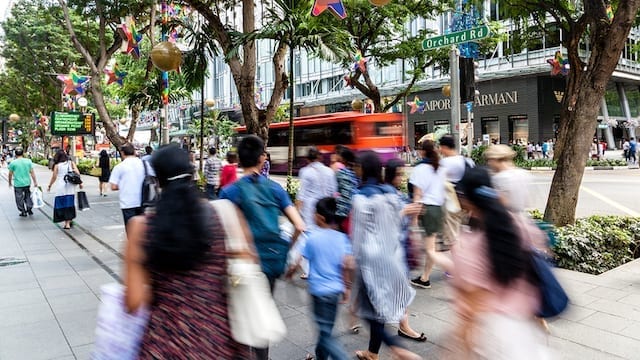
    Singapore retail sales took a dive in February due to the difference in timing of the Chinese New Year.

    Excluding motor vehicles, retail sales fell 6.7 percent year-on-year in February, reversing the 5.1 percent increase in January. The estimated total value was SG$3.2 billion (US$2.3 billion), of which 14.6 percent were from online sales.

    The Department of Statistics said the decline was partly due to Chinese New Year being celebrated in February last year, as opposed to January this year.

    For the two-month period (January to February), retail sales were down 0.5 per cent.

    By industry, wearing apparel and footwear recorded the biggest sales decline of 18.4 percent, mainly due to lower sales of wearing apparel. Department stores and supermarkets and hypermarkets saw a 14.6 percent and 13.3 percent decrease, respectively.

    In contrast, retailers of optical goods and books recorded sales growth of 6.4 percent. The cosmetics, toiletries and medical goods, watches and jewellery, and computer and telecommunications equipment industries also reported modest improvements.

    Sales of food & beverage services fell 5.6 percent in February, compared to the 10.3 percent growth in January. This was also due to the difference in the timing of Chinese New Year.

  • Singapore experiences warmest year on record in 2024

    Singapore experiences warmest year on record in 2024

    In 2024, Singapore’s annual average temperature was 28.4 degrees Celsius, making it the warmest year on record, tied with 2019 and 2016, according to the Singaporean National Environment Agency.

    According to the agency’s annually report released on March 23, every month in 2024 was equal to or warmer than its corresponding long-term average temperature. Temperature records were broken on several occasions during the year, with record high daily minimum temperatures in February and record high daily maximum temperatures in December.

    The preceding decade from 2015 to 2024 was the country’s warmest decade on record, at 28.11 degrees Celsius. This was 0.05 degrees Celsius warmer than the decade from 2014 to 2023, and the fourth consecutive year that Singapore’s decadal mean temperature record had been broken.

    The report emphasized that while climate change contributed to warmer temperatures, climate variability in 2024 also played a role.

    The El Niño event that developed in 2023 and ended in the second quarter of 2024 likely contributed to the warm temperatures in 2024, including during Singapore’s hot season (March – May), which was the third warmest hot season on record, after 1998 and 2016 which were also associated with strong El Niño events.

    It is noted that Singapore’s annual temperature trend in 2024 was similar to the global trend recently reported by the World Meteorological Organization. Accordingly, the year 2024 was declared the warmest year on record globally since 1850.

  • Scaling Infrastructure to Support AI Growth in Japan, Indonesia, and Singapore

    Scaling Infrastructure to Support AI Growth in Japan, Indonesia, and Singapore

    Nationally, projections indicate that AI investments in APAC are expected to reach USD 110 billion by 2028, growing at a compound annual growth rate (CAGR) of 24.0% from 2023 to 2028.

    As AI technologies become integral to various sectors, the demand for scalable infrastructure has intensified. Organizations are increasingly investing in compute and storage hardware to facilitate AI deployments, with spending reaching USD 31.8 billion in the first half of 2024—a 37% year-over-year (YoY) increase. This trend highlights the necessity for robust infrastructure capable of supporting complex AI workloads.

    Developing AI-ready infrastructure in APAC presents unique challenges. Macroeconomic factors such as rising interest rates, supply chain constraints, and escalating construction material costs have made it increasingly difficult to bridge the funding gap necessary for building new data center capacity. Securing essential resources like land, power, and water supplies further complicates these efforts.

    As AI adoption accelerates worldwide, the need for powerful infrastructure to support AI-driven applications is becoming more pressing. Recognizing this demand, SoftBank has announced plans to repurpose a former Sharp LCD panel plant in Osaka, Japan, into a large-scale data center dedicated to AI operations. Developed in collaboration with OpenAI, the facility is expected to begin operations in 2026, with a robust power capacity of 150 megawatts, making it one of the largest AI-focused data centers in Japan.

    SoftBank’s decision to convert the defunct LCD panel plant into a data center aligns with its broader vision of positioning Japan as a hub for AI innovation. With an estimated initial investment of JPY 100 billion (USD 677.05 million) and a potential total investment nearing JPY 1 trillion yen (USD 6.77 billion), the project highlights the telecom giant’s commitment to scaling AI infrastructure.

    AI development requires immense computational power, with models like OpenAI’s GPT series relying on extensive data processing, high-performance graphics processing units (GPUs), and robust networking infrastructure. The Osaka data center is designed to meet these demands by offering a 150-megawatt power capacity to support high-density computing environments optimized for AI model training and inference. It will also enable businesses to leverage AI models tailored to their industry-specific needs, fostering AI adoption in Japan’s corporate sector. Additionally, given the growing concerns about AI’s energy consumption, the facility may incorporate advanced cooling and power efficiency solutions to ensure sustainable operations.

    Furthermore, Elon Musk’s xAI and Nvidia have joined the AI Infrastructure Partnership (AIP), a multibillion-dollar investment fund backed by BlackRock, Microsoft, and Abu Dhabi’s MGX, with an initial fundraising target of USD 30 billion and plans to secure up to USD 100 billion, including debt financing. This collaboration is driven by the growing need to scale AI infrastructure, as the development and deployment of generative AI (GenAI) models requires immense computational power and energy resources.

    According to Nvidia CEO, Jensen Huang, the demand for AI infrastructure is surging, with data centers and energy projects struggling to keep pace.

    “The global buildout of AI infrastructure will benefit every company and country that wants to achieve economic growth and unlock solutions to the world’s greatest challenges.”

    AI models consume far more power than previous technological innovations, prompting concerns over energy sustainability. According to the International Energy Agency, data centers’ global electricity consumption could surpass 1,000 terawatt-hours by 2026 (more than twice the amount used in 2022).

    The race to scale AI infrastructure has intensified, with Microsoft alone pledging USD 80 billion in capital expenditures (CapEx) this fiscal year to expand its data center footprint. This move follows the launch of SoftBank and OpenAI’s Stargate Project, which aims to spend up to USD 500 billion on AI infrastructure development over the next four years.

    Indonesia’s commitment to AI development took a significant step forward with the launch of its National Strategy for Artificial Intelligence (Strategi Nasional Kecerdasan Artifisial) in 2020. This long-term initiative, spanning 2020 to 2045, is designed to position Indonesia as a regional leader in AI innovation and application. President Joko Widodo’s strong stance on AI’s transformative potential—emphasizing that whichever country “controls AI can potentially control the world”—has driven the government’s proactive approach to fostering AI growth.

    A core element of Indonesia’s AI strategy is its emphasis on infrastructure development to support AI innovation and adoption across multiple sectors. Recognizing that AI thrives on robust digital infrastructure, the government has accelerated efforts to expand high-speed internet access, cloud computing capabilities, and data center availability. The Making Indonesia 4.0 initiative, which serves as a broader framework for the country’s digital transformation, integrates AI infrastructure expansion with industrial automation, biotechnology, and smart manufacturing. Furthermore, Indonesia’s push to roll out 5G networks, particularly in major urban centers, is playing a crucial role in facilitating AI-driven solutions such as smart cities, autonomous systems, and advanced analytics in governance and business.

    The Bukit Algoritma (Algorithm Hill) project in Sukabumi, West Java, further exemplifies Indonesia’s commitment to AI-driven infrastructure. This 888-hectare technology hub, inspired by Silicon Valley, aims to be a center for research and innovation in AI, quantum computing, neuroscience, and digital technology.

    Indonesia’s AI strategy has also facilitated partnerships between the public and private sectors, accelerating the integration of AI into real-world applications. The Jakarta Smart City initiative, which deploys AI-powered solutions for urban governance, mobility, and security, showcases Indonesia’s ability to leverage AI for improved public services.

    Singapore’s National AI Strategy 2.0 (NAIS 2.0), launched on December 4, 2023, has placed infrastructure development at the heart of its vision for AI-driven growth. Recognizing the critical role of high-performance computing (HPC), data centers, and cloud ecosystems, NAIS 2.0 lays the foundation for a sustainable and scalable AI infrastructure. A prime example of this initiative is the Singapore Cloud Region, which features cutting-edge, liquid-cooled, high-density data centers equipped with NVIDIA HGX H100 and L40S clusters.

    This advanced setup ensures that businesses and researchers have access to powerful, energy-efficient AI computing resources. Additionally, NAIS 2.0 aligns with Singapore’s goal of becoming a regional AI hub, emphasizing cross-border connectivity and AI-driven collaboration across Southeast Asia. With ST Telemedia Global Data Centres and Sustainable Metal Cloud (SMC) at the forefront of this infrastructure push, Singapore is not only expanding AI accessibility but also ensuring its AI ecosystem is cost-effective, energy-efficient, and globally competitive.

    Beyond Japanese, Indonesian, and Singaporean initiatives, the ASEAN Guideline on AI Governance and Ethics and the establishment of the ASEAN Working Group on AI (WG-AI), mark a significant step toward fostering cross-border collaboration and infrastructure development to support AI growth.

    The ASEAN Guide on AI Governance and Ethics, launched during the fourth ASEAN Digital Ministers’ Meeting on February 2, 2024, offers a structured framework to help organizations navigate AI integration while balancing innovation and regulation. The guide emphasizes the necessity of financial and capacity support for businesses, reinforcing ASEAN’s commitment to establishing a robust AI ecosystem.

    Complementing this initiative, the newly formed WG-AI aims to facilitate regional cooperation, ensuring interoperability among national AI frameworks and enabling a unified approach to AI governance.

    As AI adoption accelerates in Japan, Indonesia, and Singapore, scaling infrastructure is essential to sustain this momentum. Nations that foster collaboration between governments, tech firms, and research institutions will be well-equipped to build resilient, future-ready ecosystems that drive innovation and economic growth in the AI era.

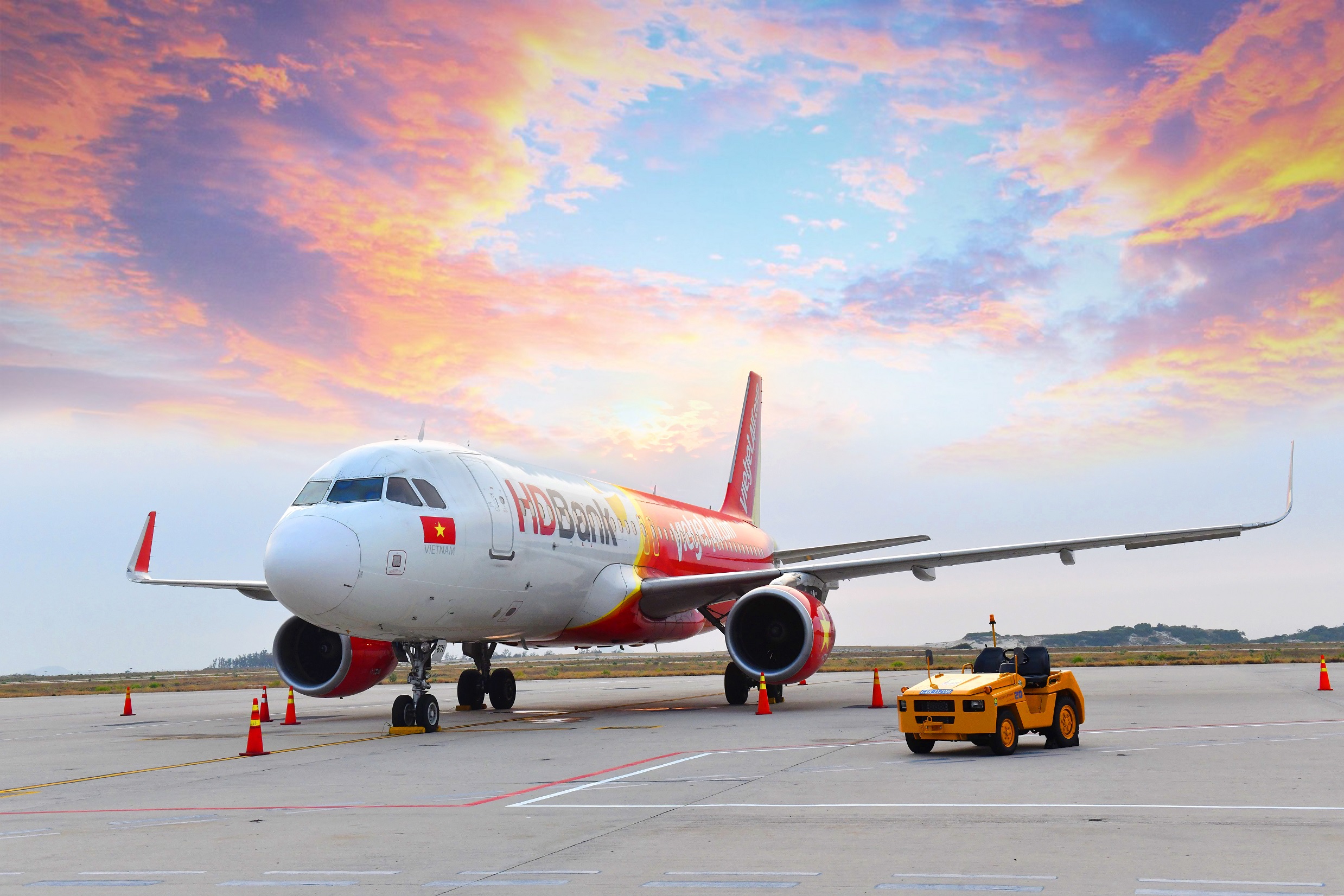
  • Vietjet launches Singapore-Phu Quoc direct flight route

    Vietjet launches Singapore-Phu Quoc direct flight route

    Party General Secretary To Lam and leaders of Vietnamese ministries, agencies and localities witnessed the announcement of Singapore – Phu Quoc direct flight service on Tuesday, as part of his official visit to the city state.

    Starting May 30, Vietnam’s budget carrier Vietjet Air will operate the new route with four weekly flights, connecting Singapore with Vietnam’s largest island. This addition brings the total number of weekly flights between Vietnam and Singapore to 78, catering to an estimated half a million passengers a year.

    It is the fourth direct air service between the two countries, joining existing routes to Ho Chi Minh City, Hanoi, and Da Nang. It is expected to not only boost tourism but also strengthen economic, trade, and cultural cooperation between the two nations.

    Chairwoman of the Vietjet Air Board of Directors Nguyen Thi Phuong Thao stressed that Vietjet is more than just an airline, it drives economic growth, trade, investment, education and cultural exchanges.

    Vietjet Air and its Singaporean partners, handling billions of USD in annual transactions, are deepening collaboration in finance, trade, and innovation to build a sustainable and prosperous future, she said.

    On this occasion, Vietjet Air and Carlyle Aviation Partners signed a US$300 million financing agreement to support the purchase of aircraft scheduled for delivery between 2025 and 2026. This deal is a pivotal step in Vietjet Air’s plan to acquire more than 400 new aircraft, as part of its fleet expansion strategy.

    Furthermore, Vietjet Air and Satair, an Airbus Group subsidiary, inked a cooperation deal on the use of Integrated Material Services (IMS), a comprehensive material supply solution for Vietjet’s entire fleet of Airbus A320 and A330 aircraft.

  • Singapore’s largest bookstore, Books Kinokuniya is downsizing

    Singapore’s largest bookstore, Books Kinokuniya is downsizing

    Singapore’s largest bookstore, the Books Kinokuniya flagship in Takashimaya shopping centre on Orchard Road, is downsizing – again.

    The company said changes will include refinement of its book collection while incorporating a lifestyle element, including a new cafe set to open this year.

    A recent rental negotiation with Toshin Development has led to announcements informing shoppers that Books Kinokuniya is “currently making changes to store layout” and advising them to approach staff if they cannot find what they need.

    The decision is likely a response to the declining book retail industry, which is experiencing a rise in poor reading habits and diminishing book-buying rates coupled with high rental costs.

    According to a 2021 survey by the National Library Board, only 33 per cent of respondents reported reading six or more books a year.

    Currently, the store occupies 38,000sqft of retail space on one floor, a size that has fluctuated over the years.

    From 1999 to 2013, it occupied a 42,000 sqft space on the third level of the mall before reducing its size by approximately 25 percent and relocating to the fourth floor in 2013 to make room for new retail offerings.

    After the closure of the Chinese restaurant Imperial Treasure Teochew Cuisine in 2016, Books Kinokuniya regained 5000sqft of space and subsequently reopened with a layout and frontage that is familiar to shoppers today.

    Books Kinokuniya said that challenges are “ever present” for book retailers.

    “Our Singapore main store continues to evolve while remaining true to our core values, offering an extensive collection of quality titles housed in a pleasant ambience,” it added.

  • Changi Airport reports handling 67.7 million passengers in 2024

    Changi Airport reports handling 67.7 million passengers in 2024

    Singapore Changi Airport handled 67.7 million passenger movements in 2024, registering a 14.8% year-on-year increase. This was 99.1% of the passenger movements recorded in 2019, prior to the Covid-19 pandemic. Aircraft movements, totalled 366,000 in 2024, up 11.5% compared to 2023. A total of 1.99 million tonnes airfreight throughput was recorded in the year, surpassing 2023’s level by 14.6%.

    For the fourth quarter (Q4) of 2024, Changi Airport handled 17.8 million passenger movements. This was a 10.7% increase compared to the same period in 2023, and marked a full traffic recovery compared to Q4 of 2019. Aircraft movements, which include landings and take-offs, totalled 95,300, up 9.3% year-on-year. For the quarter, 521,000 tonnes in airfreight throughput was recorded, an increase of 15.0%.

    December 2024, with 6.4 million passenger movements, was the busiest month in the year, the first time monthly traffic has exceeded six million since December 2019. The busiest day of the year was 21 December 2024 – the Saturday before Christmas – when 226,000 passengers passed through Changi’s terminals.

    While all regions witnessed growth, North Asia was the fastest growing in 2024, registering an increase of 40% compared to 2023. Changi Airport’s top five passenger markets for the year were China, Indonesia, Malaysia, Australia and Thailand.

    China was Changi’s largest source market of the year, with passenger traffic almost doubling 2023’s level and surpassing the pre-Covid level by 6%. Hong Kong and Japan also recorded significant growth of more than 20% year-on-year.

    Kuala Lumpur, Bangkok, Jakarta, Denpasar (Bali) and Hong Kong were Changi Airport’s busiest routes during the year. Shanghai entered Changi’s top 10 cities list for the first time since 2011, registering a 94% growth compared to the previous year.

    On the cargo front, growth was seen across all cargo flows – exports, imports and transshipments, contributed by major improvements in cargo flows between Singapore and China, as well as the United States. Growth was also driven by the recovery of Singapore’s electronics exports and re-exports, strong global demand for cross-border e-commerce shipments and the modal shift from ocean to air freight arising from disruptions in maritime transport. For the year, Changi’s top five air cargo markets were China, Australia, the United States, Hong Kong and India.

    Mr Yam Kum Weng, Chief Executive Officer of Changi Airport Group, said, “We witnessed a year of strong growth in passenger and cargo traffic as well as connectivity in 2024. Changi added a bumper crop of 11 new city links, strengthening the air hub’s network and opening up a world of new destinations to support business ties and for travellers to explore. We are deeply grateful for the close partnership with our airline partners and are pleased to welcome the new airlines to Changi. Their collaboration has been instrumental in driving this growth.

    “Looking ahead, we are optimistic of another year of growth in passenger traffic.Operating a major air hub in Asia-Pacific, Changi Airport Group will continue to invest in our airport’s infrastructure, systems and processes to augment our handling capacity, so as to be well-placed to support the rising demand for air travel in the coming years.”

    Enhancing connectivity
    In 2024, Changi Airport welcomed eight new passenger airlines – Aero Dili, AirAsia Cambodia, Air Canada, Air Japan, Loong Air, Peach Aviation, Tianjin Airlines and West Air. As Changi expanded its connectivity to the world, it added 11 new passenger city links to its network, connecting Singapore to Broome, Brussels, Guiyang, Kertajati, Lhasa, Linyi, Malacca, Phu Quoc, Quanzhou, Vancouver, and Wenzhou.

    During the year, Changi also established flights to London Gatwick Airport and Subang Airport, providing more options for travels to London and Kuala Lumpur. More exciting new routes are already on the horizon, and travellers can look forward to new destinations including Labuan Bajo from March, and Vienna from June this year.

    Changi Airport also welcomed two new freighter airlines in 2024 – Shandong Airlines, which also resumed passenger services during the year, and Air Incheon. Two new freighter city links were added, connecting Singapore to Haikou and Nagoya.

    As of January 2025, 100 airlines operate over 7,400 weekly scheduled flights at Changi Airport, connecting Singapore to 163 cities in 49 countries and territories worldwide.

  • U Mobile, CIMB Sign MoU to Support 5G Network Rollout

    U Mobile, CIMB Sign MoU to Support 5G Network Rollout

    U Mobile CEO, Wong Heang Tuck, highlighted the company’s enthusiasm for this strategic partnership with CIMB for the 5G rollout, emphasizing CIMB’s shared commitment to innovation and digital growth. He noted that the financial support would enable a fast, cost-effective deployment, benefiting businesses, consumers, and the public sector.

    Chu Kok Wei, CEO of Group Wholesale Banking, CIMB Group, said, “In line with our shared goal of nation building, CIMB is pleased to support U Mobile in its efforts to connect Malaysians and spur digital innovation through the power of 5G. CIMB is also ready to offer a holistic range of bespoke products and services apart from financing, extending to diverse areas including investment banking and treasury that will spark further innovation and accelerate growth both for U Mobile and Malaysia.”

    Both Tuck and Wei signed the MoU at U Mobile’s Corporate Offices in Berjaya Times Square. The ceremony was attended by U Mobile CFO, Sandy Tsang, and Denise Wong, Head of Corporate Coverage Malaysia at CIMB Group.

    This MoU builds on a longstanding financial relationship between the two companies, including CIMB’s participation in a MYR 1.2 billion facility for U Mobile in 2021, which was increased to MYR 1.4 billion in 2023.

  • SingPost appoints Neo Su Yin as Group Chief Operating Officer

    SingPost appoints Neo Su Yin as Group Chief Operating Officer

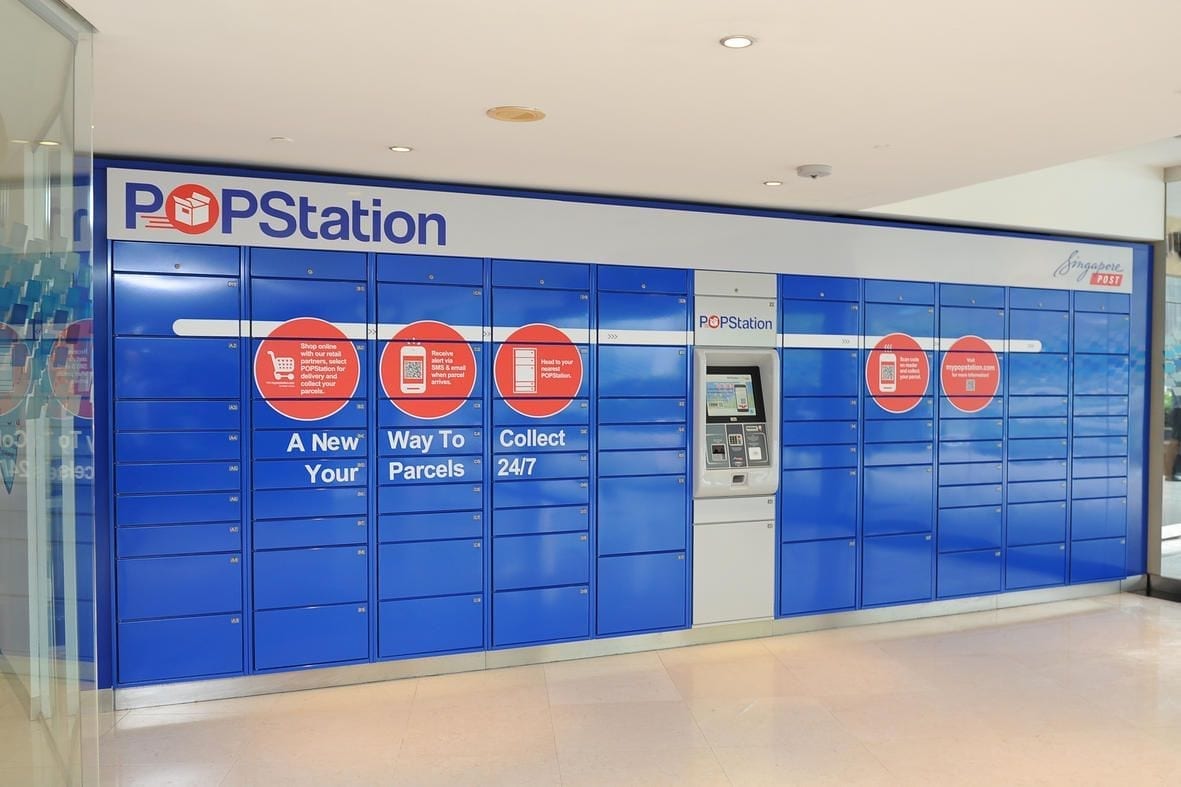
    Singapore Post (SingPost) announced the appointment of Neo Su Yin as Group Chief Operating Officer (GCOO), effective 2 January 2025. In this newly created role, Su Yin will be responsible for the Singapore Business Unit, the International Business Unit and Property. Under transitional management arrangements, she will take guidance from the Chairman of the Board, Simon Israel.

    The position of the GCOO is a pivotal role to translate transformation into tangible results, ensuring high quality execution, while fostering a culture of innovation and continuous improvement.  Su Yin will also support the Board in a review of the International Business Unit.

    “The Board is pleased to welcome Su Yin back to SingPost as our Group Chief Operating Officer,” said Simon Israel, Chairman of the Board. “She has a proven track record and deep understanding of SingPost’s business and operations. Her appointment greatly strengthens our leadership’s focus on driving operational performance and excellence – a core foundation for sustainable growth.”

  • Grab, Gojek to hike fees in Singapore by up to 37 cents

    Grab, Gojek to hike fees in Singapore by up to 37 cents

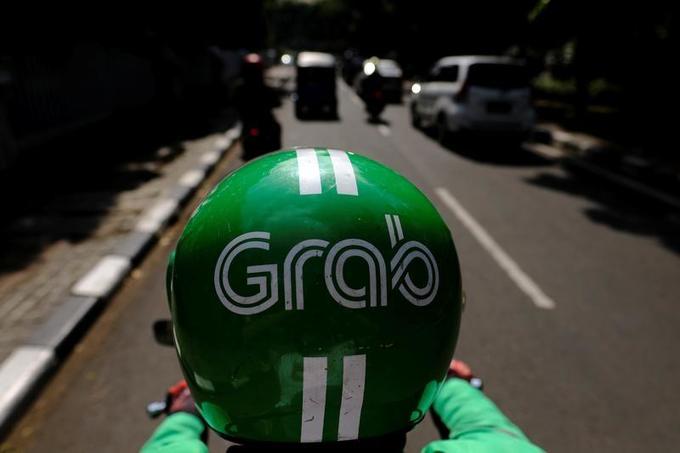
    Ride-hailing operators Grab, Gojek, TADA and CDG Zig in Singapore will hike their platform fees by up to 50 Singapore cents (37 U.S. cents) starting Jan. 1, 2025.

    Grab, the largest ride-hailing firm, will raise its platform fee from 70 cents to 90 cents per trip. For its food, groceries and parcel delivery services, fees will go up from 40 cents to 60 cents.

    It said the new “platform & partner fee” will support Central Provident Fund contributions, work injury compensation coverage and other welfare initiatives for its platform workers, as well as platform maintenance and service improvements.

    Similarly, Gojek will raise its platform fee from 30 cents to 50 cents per trip, saying these changes are to “protect drivers and their earnings in support of the Bill” on top of improving and maintaining its services.

    ComfortDelGro, the largest taxi operator in Singapore, will follow suit and raise its platform fee from the current rate of 70 cents to S$1-1.2, based on factors such as distance and travel time.

    As for TADA, fees per ride will go up by 50 cents, excluding goods and services tax. It noted that besides maintaining current features and developing new ones to provide a better ride-hailing experience, this adjustment is also essential to support the implementation of the government’s Platform Workers Bill.

  • Singapore-based fintech startup Tyme raises $250M

    Singapore-based fintech startup Tyme raises $250M

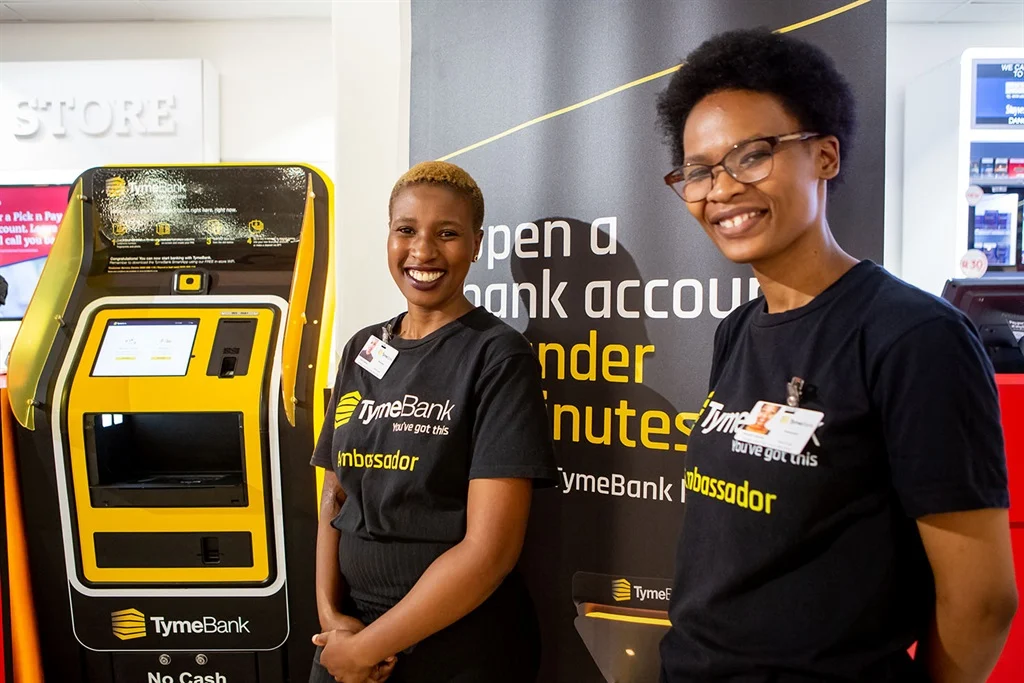
    Singapore fintech startup Tyme Group has secured a US$250 million investment, which it calls the “largest fintech raise this year in Southeast Asia,” giving it a valuation of $1.5 billion.

    The company received the investment from Brazil-headquartered lender Nubank and other investors, it said in a news release Tuesday

    With established operations in South Africa and Philippines, Tyme now gears up for expansion into Vietnam and Indonesia as it eyes to expand its presence in Southeast Asia.

    Tyme, backed by South African billionaire Patrice Motsepe’s African Rainbow Capital Investments, has been developing and operating digital banks since 2019.

    The company entered the Philippines in 2022 in a joint venture with a local company.

    Southeast Asia’s loan book balance is expected to reach up to $300 billion by 2030, quadrupling from an estimated $71 billion this year.

    Startup investment in Southeast Asia remains weak this year, with 474 equity deals taking place in the first three quarters, the lowest level since 2020.

  • 45% of Singapore workers fear admitting to AI use

    45% of Singapore workers fear admitting to AI use

    Nearly half of employees in Singapore feel uncomfortable admitting to their managers that they use artificial intelligence (AI) in their jobs, a survey has found.

    The top concerns among these workers include the fear of being perceived as incompetent, lazy, or cheating, The Independent Singapore reported, citing AI-powered work management tool Slack’s Workforce Index report, which in August surveyed more than 17,000 workers across 15 countries, 1,008 of which are from Singapore.

    The report noted that workers, lacking clear guidance, are uncertain about when it is appropriate to use AI at work, leading many to hide their usage.

    Hence, employers should establish clear guidelines on which AI tools are considered “approved and trusted” for use in their organizations, as well as the specific tasks these tools are intended for, Christina Janzer, senior vice president of research and analytics at Slack.

    Too much of the burden today has been put on workers to figure out AI. It is important that leaders not only train workers to use AI, but encourage employees to talk about it and experiment with AI out in the open,” she said.

    Despite their concerns, 88% of employees in Singapore are keen to develop their AI skills and feel a pressing need to become experts in the field. However, 63% of them have spent fewer than five hours total learning how to use AI.

    Workers in the city-state are also prioritizing AI-enabled workplaces, with 87% viewing a company’s ability to provide and implement AI tools as a key consideration when searching for jobs.

    As a result, employers there must invest in AI training to attract and retain top talent.

    Globally, 30% of workers worldwide have not received any AI training, including self-guided learning or experimentation, according to Slack.

    Among those who did receive guidance on AI usage, adoption has increased by 13% since January, compared to just 2% for those without such training.

  • Singtel and Ericsson Partner to Power Tuas Port with 5G

    Singtel and Ericsson Partner to Power Tuas Port with 5G

    This partnership will support PSA Singapore’s plans to create the world’s largest fully automated port by the 2040s to meet the increasing demand for global transshipment.

    The existing automated vehicles at the port, like automated guided vehicles (AGVs), will be upgraded to 5G to improve real-time shipment tracking and streamline crane operations for smoother cargo transportation between ships and the berth.

    To facilitate these upgrades, Singtel will provide a network slice from its 5G network to offer dedicated resources such as high speeds, high bandwidth, and low latency for mission-critical applications. They will also create secure private networks tailored to the port’s security needs to prevent data breaches and unauthorized access. The implementation of 5G will enable PSA to handle 65 million twenty-foot equivalent units (TEUs) annually once Tuas Port is fully operational, nearly double the current capacity.

    Singtel’s CEO, Mr. Ng Tian Chong, noted that 5G’s capabilities will enhance communication and data transfer, achieving more efficient port operations. PSA’s Regional CEO, Mr. Nelson Quek, expressed that they are commitment to leveraging cutting-edge technologies like 5G to optimize port operations and respond to customer needs effectively.

    Ericsson’s Head of Singapore, Philippines, and Brunei, Mr. Daniel Ode, emphasized that 5G is transforming the seaport sector by improving efficiency and eliminating human error. PSA will explore 5G applications like predictive maintenance using drones and extended reality (XR) to enhance efficiency and reduce downtime over the next three years.

    Singapore’s seaport is already one of the most efficient globally, and the implementation of 5G will further enhance its capabilities. Singtel has been investing in advanced technologies to help businesses accelerate digital transformation. They have achieved nationwide 5G standalone coverage and conducted trials at Sentosa to demonstrate viable 5G use cases for industries requiring fast speeds and low latency. Singtel’s focus on unlocking advanced 5G features like network slicing will drive widespread enterprise adoption and foster innovation.

  • Singapore man uses fake Grab receipts and timesheets to defraud employers $18,000

    Singapore man uses fake Grab receipts and timesheets to defraud employers $18,000

    A 33-year-old man, Muhammad Fariz Shaik Sha Marican, scammed his employer out of more than SGD24,000 (US$17,950) by forging over 460 Grab receipts and false timesheets.

    On Tuesday, he pleaded guilty to two charges of forgery, with two additional charges to be considered during sentencing. Deputy Public Prosecutor Kelly Ng stated that Fariz was employed by the recruitment agency Persolkelly (PSK), which partnered with Ministry of Health (MOH) to provide staffing.

    In November 2021, PSK assigned Fariz as temporary support staff for MOH’s Covid-19 operations. By April 2023, as MOH considered making him a permanent staff member, they reviewed his annual leave balance.

    Following this review, both PSK and MOH filed police reports, leading to an investigation that revealed Fariz had forged Grab receipts on 228 occasions from July 2022 to April 2023.

    He digitally altered dates and times on existing receipts for rides he never took, submitting them to PSK and obtaining over SGD9,500 in fraudulent reimbursements.

    Additionally, between July 2022 and April 2023, he forged his supervisor’s signature on timesheets, falsely claiming overtime, resulting in SGD7,700 in fraudulent payments.

    The fraud was exposed in April 2023 during MOH’s review of his leave records, which revealed discrepancies between PSK and MOH in timesheets and transport claims. Fariz confessed in a letter and resigned before his arrest in July 2023.

    The prosecutor requested a six to eight-month jail term, highlighting the calculated nature of his actions.

    “Each time the accused forged a receipt or timesheet, he had to put in the deliberate effort of altering it digitally or filling it up with extra days or hours, and each time he did this, he had the opportunity to stop his offending. Instead, he did not do so,” said the prosecutor.