Tag: Singapore

  • Singapore Airlines’ profit plunges 59%

    Singapore Airlines’ profit plunges 59%

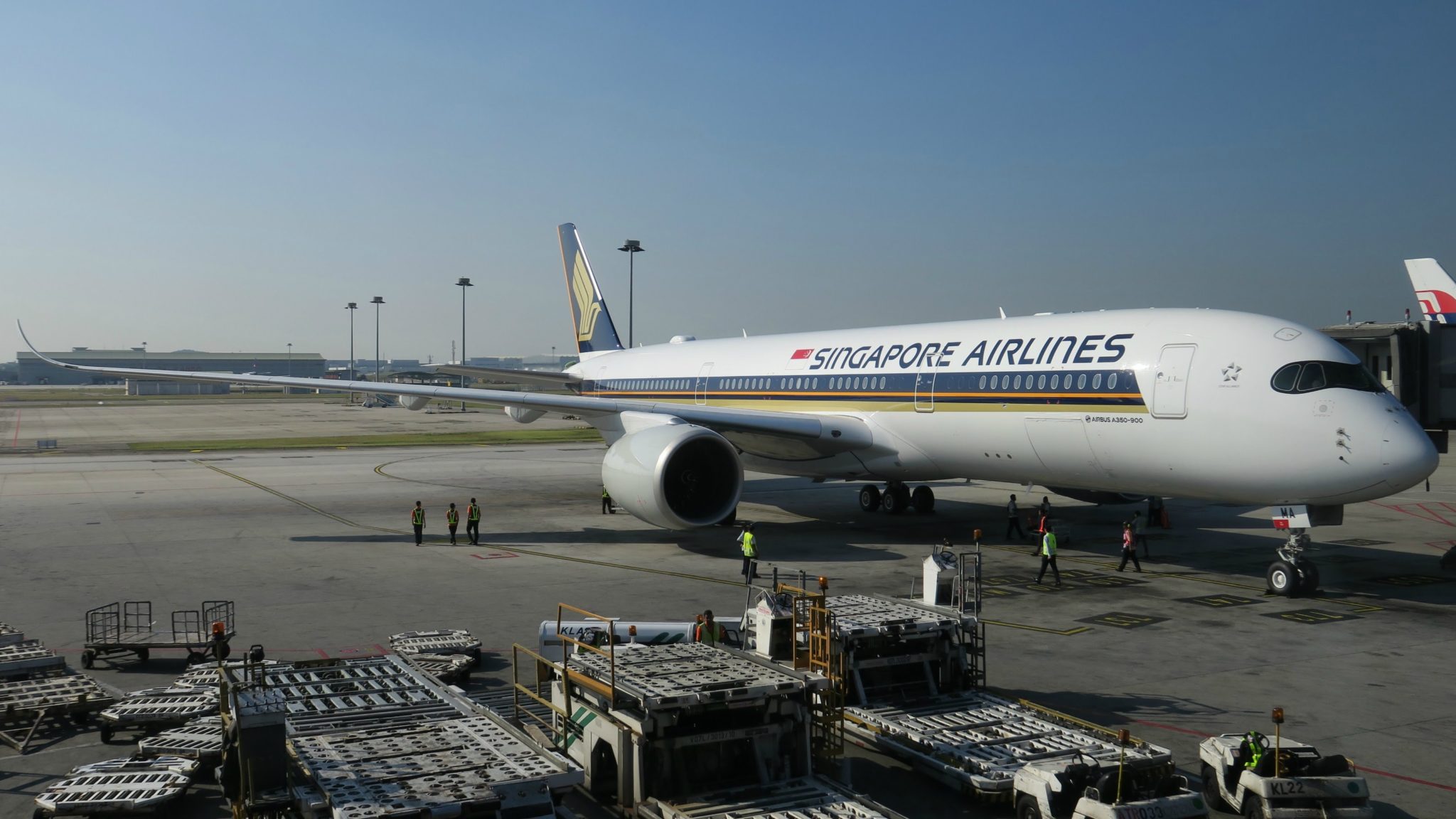
    Singapore Airlines saw net profit in the July-to-September quarter plunging 59% year-on-year to SGD290 million (US$) amid intense competition and surging costs.

    Revenue rose 2% to SGD4.8 billion in the second quarter of its financial year which began April, the company said in a financial report. It saw costs rising by 14.7 percent over the period.

    “The operating landscape will continue to be competitive,” the airline said. “The group will remain nimble and agile, adjusting its passenger network and capacity to match evolving demand patterns.”

    Singapore Airlines operates a fleet of 205 aircraft, with four Boeing 787-10 aircraft added in the July-September quarter.

    It has been increasing number of flights to popular destinations such as Hanoi, HCMC, Johannesburg, Melbourne, Phuket and Seoul.

    The airline is also investing SGD1.1 billion to upgrade its premium travel experience by installing long-haul cabins in 41 Airbus wide-body aircraft.

  • Singtel Advances Quantum-Safe Cybersecurity with Key Partnerships

    Singtel Advances Quantum-Safe Cybersecurity with Key Partnerships

    The enhancement integrates Post-Quantum Cryptography (PQC) technologies—designed to withstand the advanced computational capabilities of quantum computers—from cybersecurity leaders, Palo Alto Networks and Fortinet, into Singtel’s nationwide Quantum Safe Network (QSN).

    Through its collaboration with Palo Alto Networks, Singtel will implement a PQC-powered IPSec VPN, utilizing the latest encryption standards from the U.S. National Institute of Standards and Technology to secure data transmission and authentication.

    Fortinet’s role includes integrating Quantum Key Distribution (QKD) and PQC solutions to foster a secure, scalable, and commercially viable QSN. This partnership will leverage Fortinet’s quantum-resistant PQC software, encryption hardware, and advanced security platforms to build robust quantum-safe architectures tailored for enterprise needs.

    These joint efforts will ensure the security of encryption keys across key applications like identity, mobility, and authentication, providing enterprises with stronger resilience against potential quantum-enabled cyber threats.

    Keith Leong, Managing Director, Enterprise, Singtel Singapore, stated, “Quantum computing presents a significant threat to traditional encryption methods, and has the potential to disrupt our digital economy by potentially decrypting sensitive data, exposing businesses to significant risks. The addition of Palo Alto Network and Fortinet’s enhanced software solutions to our QSN ensures our enterprise customers get more industry-leading choices to secure their business against both current and future quantum threats, regardless of their hardware requirements. We encourage enterprises to take the  necessary steps to secure their critical assets sooner rather than later.”

    Steven Scheurmann, Regional Vice President of Palo Alto Networks in ASEAN, highlighted Palo Alto Networks’ commitment to helping enterprises prepare for the future by integrating their quantum-resistant VPN solutions with Singtel’s Quantum-Safe Network. This collaboration aims to protect critical data from both current threats and the potential risks posed by future quantum computers.

    Jess Ng, Country Head for Singapore and Brunei at Fortinet, noted that, as quantum computing progresses, the approach to cybersecurity must evolve accordingly. She expressed Fortinet’s pride in partnering with Singtel to enhance the nation’s defenses against emerging threats, emphasizing that, “By integrating Post-Quantum Cryptography (PQC) and Quantum Key Distribution (QKD) into Singtel’s Quantum-Safe Network, building hybrid architecture, and leveraging quantum-safe solutions, we are helping enterprises stay ahead of future risks. Through the development of industrial and government use cases, we are committed to building a foundation for a more resilient and secure digital future.”

  • Thailand eyes sending more workers to Singapore

    Thailand eyes sending more workers to Singapore

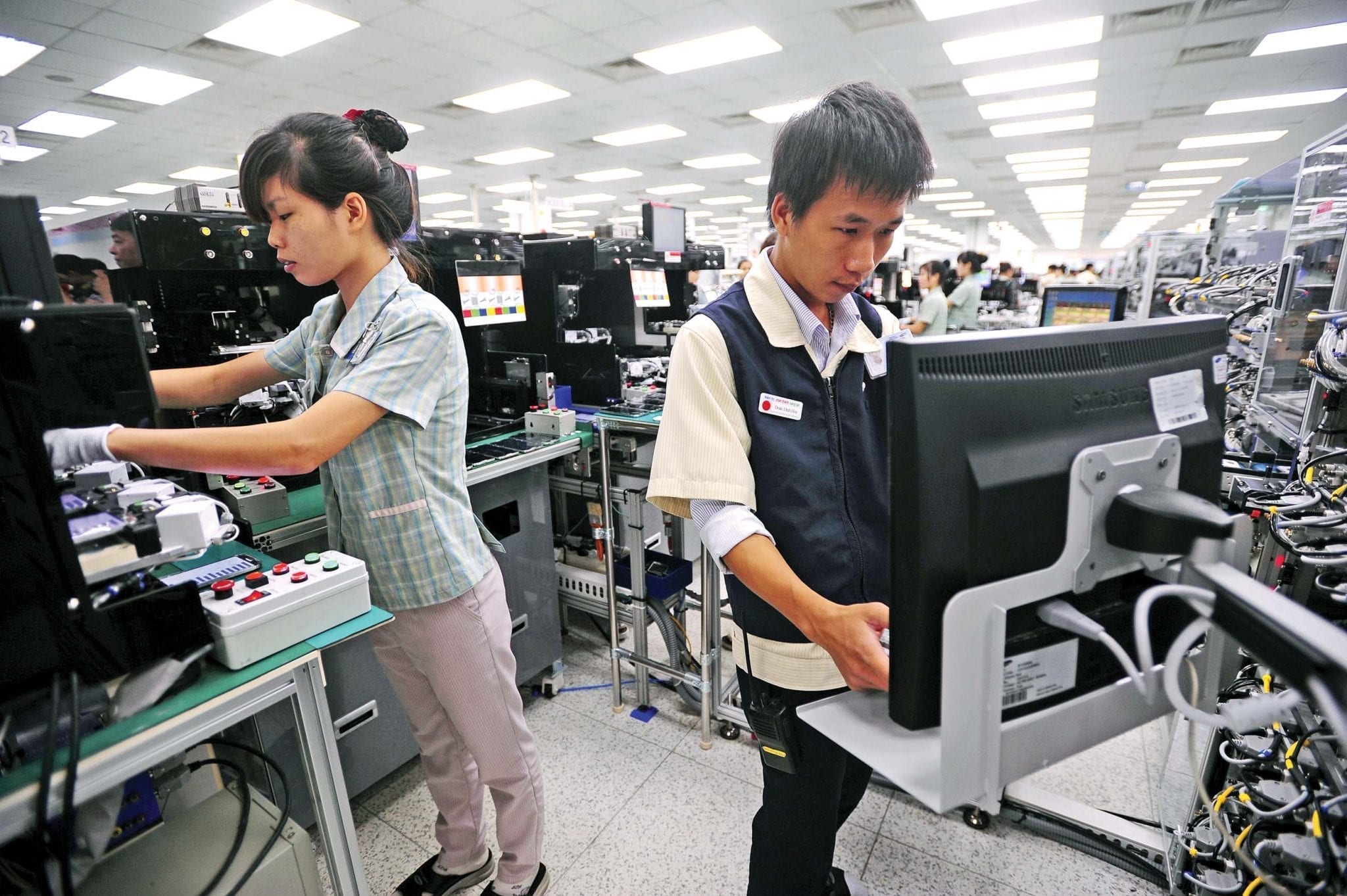
    Thailand’s Ministry of Labor is planning to export more workers, particularly those in the shipyard sector, to Singapore.

    Singapore is looking for welders in the shipbuilding sector, skilled workers in electronic parts, and experienced construction workers, and the huge demand for these jobs presents a good opportunity for Thailand to send more workers there, quoted Thai Labor Minister Phiphat Ratchakitprakarn as saying on Sunday.

    The minister said he and the ministry’s permanent secretary, Boonsong Thapchaiyuth, met with officials from from the Labor Office in Singapore, Singaporean businesspeople, and Ureerat Chareontoh, the Ambassador of Thailand to Singapore, over the weekend at the Thai embassy in Singapore.

    The discussion is expected to make way for broader employment opportunities and facilitate the labor market in Singapore, he noted.

    “Thais can come to work in Singapore as the jobs will help develop their skills, and make money to support their families.”

    Thai workers can secure roles as general laborers, welders, painters, and ship platers, and start working without having to pass tests, he added.

    Boosting labor exports aligns with the ministry’s key strategy of promoting Thai workers’ skills through international exposure and generating income for their families back home.

    Some 4,000 Thai workers are currently employed in Singapore, holding various roles in construction, manufacturing, welding, flight attendant, electronic parts production, pipe assembly, and other general labor positions, as reported by Thai news website Thaiger.

  • First Lotteria store in Singapore to launch next year

    First Lotteria store in Singapore to launch next year

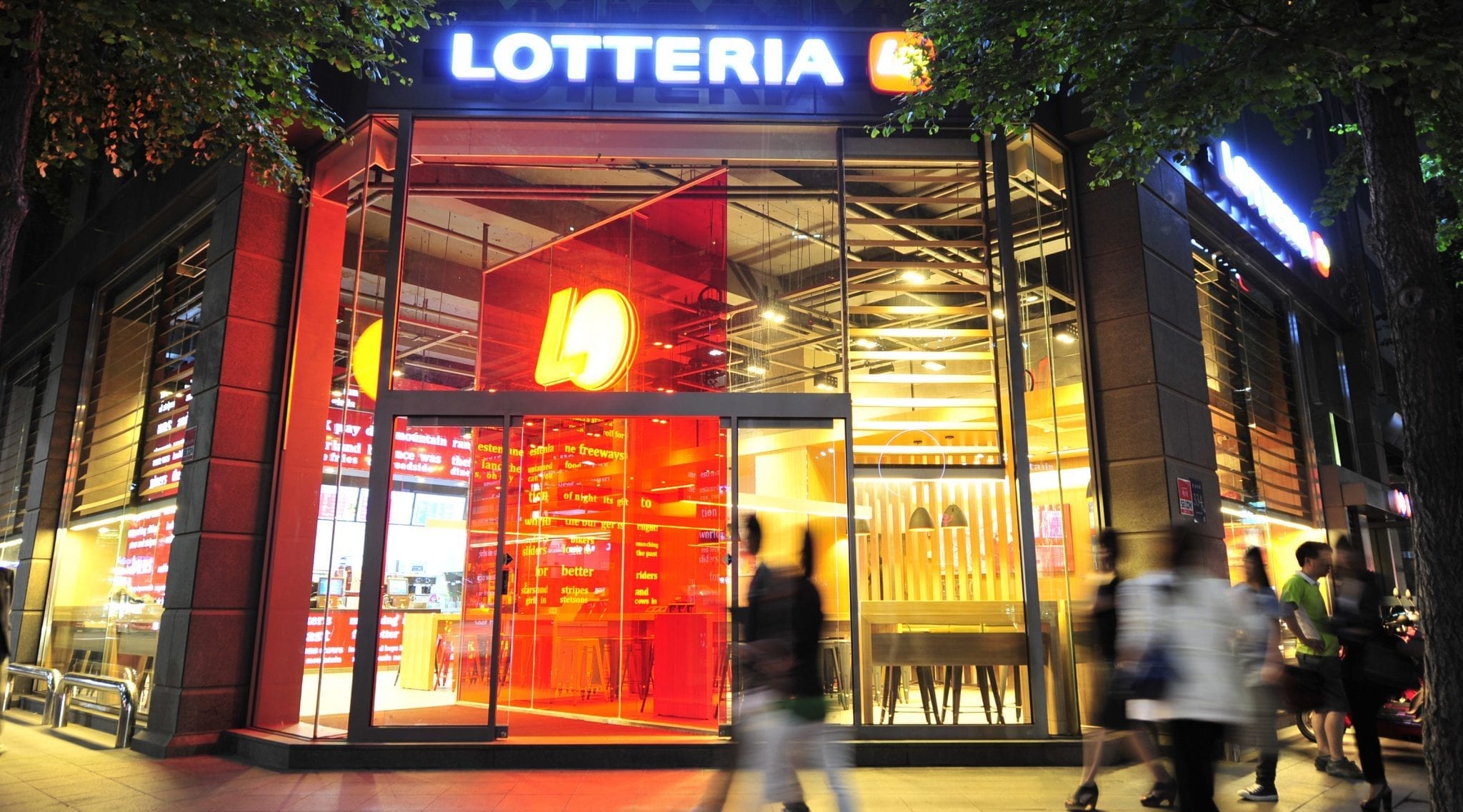
    The first store of South Korea’s famous fast food chain Lotteria in Singapore is set to be opened in the second quarter next year.

    Food and beverage company Katrina Group has inked a non-binding term sheet with a restaurant business of Lotte Group to bring the chain to the city-state, it said in a news release Wednesday.

    Established in 1979, Lotteria specializes in hamburgers, fried chicken, and fries, and currently operates 1,600 outlets across seven countries, including Vietnam, Cambodia, and Myanmar.

    “Given the brand’s massive popularity in South Korea and its emphasis on quality, innovation and customer satisfaction, we are confident that Lotteria will resonate with Singaporeans and further enhance our F&B portfolio,” said Alan Goh, CEO and founder of Katrina Group.

    Katrina Group operates seven food and beverage brands in Singapore, including Bali Thai, Daily Chicken, and Vietnamese-style noodles chain So Pho.

    Earlier this month U.S. chicken sandwich chain Chick-fil-A announced plans to launch its first Singapore restaurant late next year as part of its US$75 million investment to enter Asia.

  • Changi Airport Group opens refurbished air logistics facility Changi Nexus One in Changi Airfreight Centre

    Changi Airport Group opens refurbished air logistics facility Changi Nexus One in Changi Airfreight Centre

    Changi Airport Group (CAG) announced the opening of Changi Nexus One, a refurbished air logistics facility within Changi Airfreight Centre (CAC) spanning close to 8,000 sqm of warehousing space. Strategically located with direct apron connectivity, Changi Nexus One is designed as a facility for two tenants, capable of expeditious cargo handling and will serve the special needs of air logistics players looking to expand their global airfreight operations through Singapore.

    This new facility will increase Changi Airport’s logistics warehouse capacity, ensuring that Singapore’s Changi air cargo hub can meet the growing demand for air cargo services, prior to the completion of the Changi East Industrial Zone (CEIZ) in the mid-2030s. CAG’s investment in Changi Nexus One demonstrates its commitment to providing world-class facilities for air logistics players, augmenting Changi’s role as a leading regional air cargo transshipment hub. The new tenants at Changi Nexus One are expected to bring new air logistics handling capabilities, as well as adopt automation and smart technology in their operations, further enhancing Changi Airport’s air cargo management capabilities.

    A key partner taking up space in this facility is Expeditors, the world’s seventh largest air freight forwarding company, which is looking to expand its air logistics activities in Singapore.

    Mr Barthul Hoefnagels, Regional Vice President – Malaysia, Singapore & Indonesia said, “The new facility in Changi Airfreight Centre will enhance our end-to-end efficiency and reliability through fewer touch points, allowing Expeditors to further enhance our specialised cargo handling capabilities for pharmaceutical, aviation, semiconductor and other industries, and better serve the in-transit needs of our global customers. We are excited to expand our collaboration with Changi Airport Group to drive further value to our customers.”

    New benchmark for green building practices

    In line with Changi Airport’s commitment to sustainability, Changi Nexus One is a pioneer in several areas. It is the first building within CAC, and the first-of-its-kind in Changi, to achieve both Green Mark Platinum and the Green Mark Platinum Positive Energy Building (PEB) certifications by the Building and Construction Authority (BCA).

    The Green Mark Platinum PEB certification is issued to buildings with the highest environmental performance. To achieve this, Changi Nexus One has demonstrated that it is a BCA super-low energy building that achieves more than 60% energy savings and generates more renewable energy than it consumes. Besides the ongoing installation of solar photovoltaic (PV) system airport wide including at the Cargo Agent Buildings, solar PV panels will also be installed at Changi Nexus One by the first quarter of 2025 to provide on-site renewable energy. By 2028, Changi Nexus One will generate enough on-site solar power to offset the total building energy consumption by over 140%. This surplus of renewable energy will be channelled to other airport facilities to sustain Changi Airport’s other operations.

    Additionally, this project is the first in Singapore’s private sector to adopt the collaborative contracting method. This new contracting method recommended by BCA is an innovative approach which fosters greater collaboration between project stakeholders, leading to improved efficiency. It focuses on risk management, which involves all parties assessing and evaluating potential project threats in advance, resulting in completion of works ahead of schedule, risk sharing and cost savings.

    Mr. Lim Ching Kiat, CAG’s Executive Vice President for Air Hub and Cargo Development said, “The opening of Changi Nexus One marks a significant milestone in our efforts to strengthen Changi Airport’s position as a global air cargo hub. Through enhancing our cargo handling capacity and capabilities, we aim to stay at the forefront of the air cargo industry, putting Changi in a good position to capture growth from key cargo players, as well as growth in the region. Working closely with our tenants, we aim to bring in new cargo opportunities and expand into new markets.

    “As we strive to maintain Changi’s continued success as a thriving air cargo hub, we also constantly challenge ourselves to carry out our development works and operations according to our sustainability goals.”

  • Budget e-commerce platform Temu enters Vietnam, Brunei after Indonesia ban

    Budget e-commerce platform Temu enters Vietnam, Brunei after Indonesia ban

    Chinese discount shopping site Temu has entered Vietnam and Brunei after facing a ban in Indonesia.

    But its entry into Vietnam was rushed, seeing as the Temu website in the country was initially only available in English.

    It also only accepts payments through credit cards and Google Pay, and no local digital wallets.

    The platform said shipping to Vietnam takes four to seven days, much faster than the five to 20 days for Malaysia or the Philippines, according to Singapore-based research firm Momentum Works.

    Meanwhile, Temu’s Brunei site is available in both English and that country’s official Malay language.

    Vietnam was the fastest-growing e-commerce market in Southeast Asia with a 53% year-on-year growth in gross merchandise value last year while Brunei has one of the world’s highest standards of living.

    The move to expand into these two Southeast Asian countries came after the site was banned from operating in Indonesia earlier this month.

    Budi Arie Setiadi, the country’s Minister of Communications and Informatics, said on Oct. 1 that the ban is in place to protect local micro, small and medium enterprises from being disrupted, as quoted by CNA.

    Indonesia has also requested Google and Apple to block Temu from their Indonesia app stores to prevent it from being downloaded, Reuters reported.

    The country’s e-commerce industry is projected to grow from US$62 billion in 2023 to approximately US$160 billion by 2030, according to a report by Google, Singapore state investor Temasek Holdings and consultancy Bain & Co.

    Based in Boston, Massachusetts, Temu is an online marketplace offering a variety of products at heavily discounted prices. It is owned by Chinese e-commerce giant PDD Holdings and currently operates in over 80 countries and territories.

  • OpenAI begins recruiting in Singapore

    OpenAI begins recruiting in Singapore

    OpenAI is hiring a team in Singapore for its second office in Asia following the launch of its Japan outpost four months ago.

    The new office is planned to be launched by the end of the year and will serve as a hub for the company to work with partners and customers across the region, Bloomberg reported.

    “Singapore, with its rich history of technology leadership, has emerged as a leader in artificial intelligence,” Sam Altman, chief executive officer of OpenAI, said in a statement.

    “We’re excited to partner with the government and the country’s thriving AI ecosystem as we expand into the Asia Pacific region.

    Open positions in Singapore include sales director, customer manager, architect and engineer.

    OpenAI is also partnering with local company AI Singapore, a state initiative which connects local research groups.

    The San Francisco-based startup is accelerating its expansion following recent funding and credit deals which helped it reach a valuation of $157 billion.

    Among its backers is SoftBank Group Corp., a major AI-focused investor.

    In April it launched its first office in Asia, located in Tokyo, and introduced a specialized GPT-4 model tailored for Japanese-language users.

  • BYD’s luxury EV brand Denza launches in Singapore

    BYD’s luxury EV brand Denza launches in Singapore

    Chinese auto giant BYD’s premium electric vehicle brand Denza has made its official debut in Singapore with two variants, both costing over US$200,000.

    According to Singapore-based car selling platform Motorist, the brand launched its first model in the city-state, the D9 large multi-purpose vehicle, on Thursday.

    It comes in two variants: the D9 Elite, which has a price tag of S$296,888 (US$227,500), and the D9 Grandeur priced at S$341,888 (US$262,000). Both prices include Certificate of Entitlement, a permit required to own and use a vehicle in Singapore.

    Some 300 orders have been placed for the D9, according to a BYD representative cited.

    Another Denza model, the Z9 GT sedan, is planned to debut in the city-state by mid-2025.

    BYD will directly distribute Denza vehicles and has named two existing partners, Vantage Automotive and Harmony Auto, as its dealers.

    The Singapore launch came as the brand is looking to expand to large markets in the Asia-Pacific region.

    Liu Xueliang, BYD’s Asia-Pacific sales general manager, said at the Thursday launch event that Denza will launch in Thailand later this year and in Australia, New Zealand, Indonesia and Malaysia in 2025.

    Apart from Denza, Singapore recently saw the launch of Zeekr, another luxury EV brand, in August and is expected to welcome EV maker Neta by the end of 2024. Both brands are from China.

    While more Chinese automakers are seeking to enter Singapore, BYD has been dominating the country’s car market, The Straits Times reported.

    In the first half of 2024, it registered 2,587 new vehicles, accounting for 13.9% of the market, and is the best-selling brand when considering only authorised dealer registrations.

  • Singapore retail sales remain subdued, but show signs of recovery

    Singapore retail sales remain subdued, but show signs of recovery

    Singapore retail sales – excluding motor vehicles – continued to decrease in August, but at a slower pace compared to the previous months.

    The city-state saw a 1.5 percent drop in retail sales for the month, a slight improvement from the 2.3 percent reduction in July and 3.1 percent decline in June.

    According to the Department of Statistics, the total value of retail sales was about SG$3.5 billion (US$2.7 billion), of which 14.1 percent were from online retail sales.

    Within the retail trade sector, wearing apparel & footwear reported the biggest drop in sales – at 6.7 per cent, followed by department stores with a 6.2 per cent decrease. The remaining majority also saw poorer results, such as petrol service stations, optical goods & books, and recreational goods.

    The food and alcohol sector swung against the trend with an 8.1 percent increase. Retailers of cosmetics, toiletries, and medical goods and supermarkets and hypermarkets also enjoyed improvements of 3.1 percent and 2.2 percent, respectively.

  • Singapore’s Dyson disappoints union with 1-day notice layoff

    Singapore’s Dyson disappoints union with 1-day notice layoff

    A workers’ union in Singapore has expressed disappointment in household appliance maker Dyson for informing it of a layoff only one day in advance.

    The United Workers of Electronics and Electrical Industries (UWEEI) said in a Facebook post Wednesday that the company only gave it a one-day notice about the layoff on Tuesday, which was “unacceptable.”

    The move did not give sufficient time for the union, Dyson and the affected workers to discuss the matter to ensure employees’ interest and welfare are supported, it added.

    It has brought the matter to the attention of the Ministry of Manpower.

    Dyson, which did not disclose the number of workers it had let go, said that the company had “respectfully informed UWEEI in advance.”

    The company was following all prevailing guidelines from the Ministry of Manpower and providing employees with the support they need, including outplacement services and employment assistance programs, it added.

    The layoff came three months after it announced a global restructuring that involved about 1,000 job cuts in the U.K.

    The company said at the time that Singapore employees were “not directly impacted” by the plan.

    Some employees told Channel News Asia that the retrenchment exercise was done “very discreetly” and came as a surprise.

    “People are shocked and have low morale, as they are not sure when their turn might come,” a laid-off employee spoke on condition of anonymity.

    Dyson is known as a manufacturer of high-end vacuum cleaners, air purifiers and bladeless fans. It opened the first Singapore office in 2007 and chose the country as its global head office in 2019.

  • Singapore private home sales plummet to 16-year low in August

    Singapore private home sales plummet to 16-year low in August

    Singapore’s private home sales dropped to a 16-year low in August, reflecting weak buyer sentiment, although new launches and anticipated interest rate cuts are expected to drive demand in the coming months.

    Developers sold 208 units, down 47% year-on-year, according to Urban Redevelopment Authority data released Monday as cited by The Straits Times.

    “This is a record low for the month of August since 325 units were sold in August 2008,” Tricia Song, property consultancy CBRE’s head of research for Southeast Asia, was quoted as saying.

    The year 2024 is on track to be the weakest for annual new home sales since 2008, when 4,264 units were sold. Market sentiment has remained cautious since late 2023, Song added.

    In the first eight months sales reached 2,668 units, down 49% year-on-year.

    Most developers are waiting for home-buyers’ enthusiasm and more risk appetite to return, said Nicholas Mak, the chief research officer at property portal Mogul.sg, as reported by Bloomberg.

    Demand is set to be tested in the coming months, as 56.2% of developers anticipate a moderately or significantly higher number of units to be launched in the second half of the year, according to a June quarterly survey of senior executives in Singapore’s real estate and development industry.

    Analysts say that sales volumes are likely to recover in September, driven by several upcoming launches, potential improvements in the economy, and possible interest rate cuts.

  • Malaysia’s Zus Coffee secures $57m funding, to expand into Singapore, Brunei

    Malaysia’s Zus Coffee secures $57m funding, to expand into Singapore, Brunei

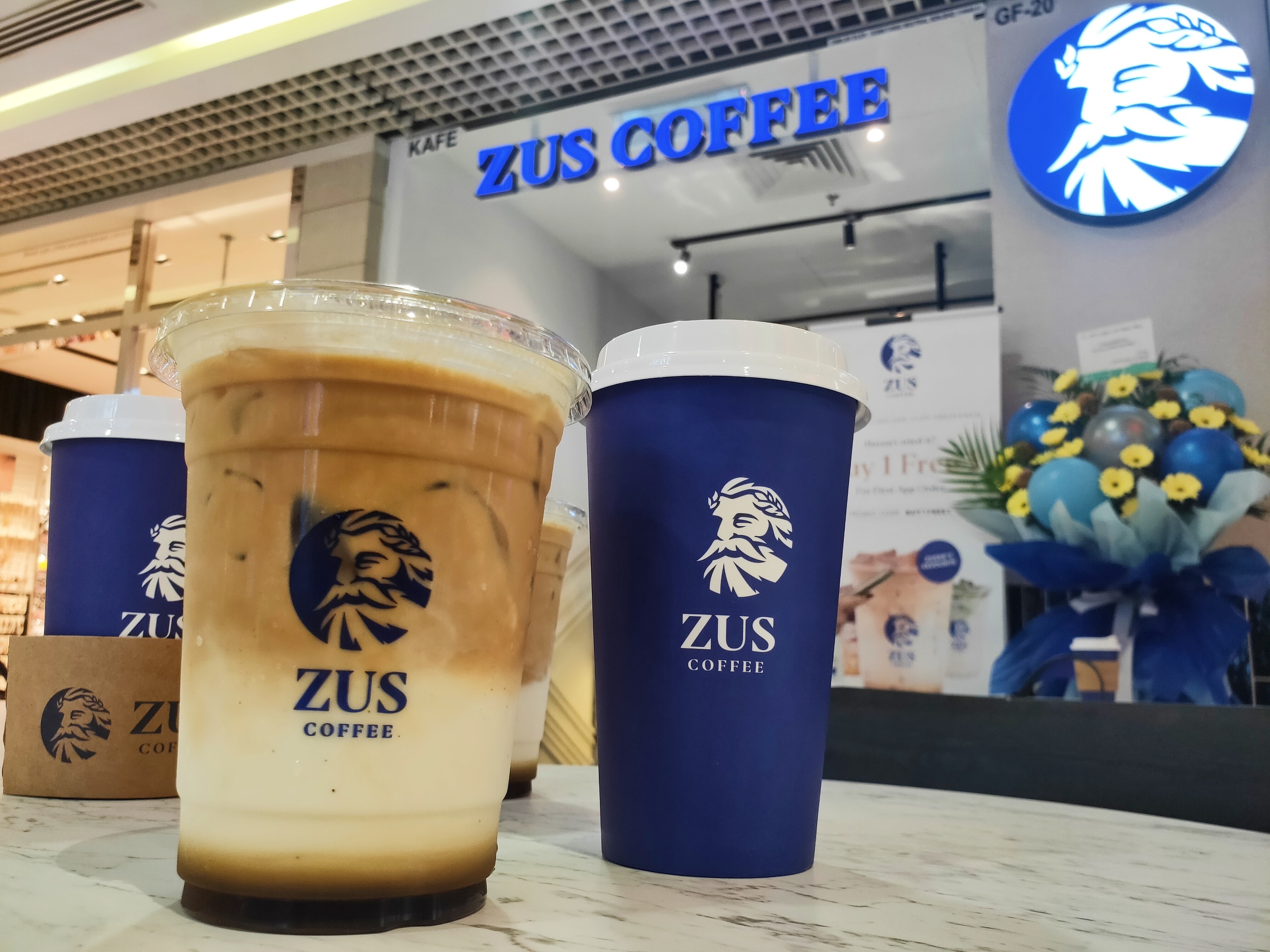
    Malaysian coffee chain Zus Coffee has secured a US$57.27 million (RM 250) investment to support its expansion in Singapore and Brunei this year. The funding was secured from a consortium comprising private equity firm KV Asia Capital, Malaysian pension fund KWAP, and Indonesia’s Kapal Api Group.

    Founded in 2019, Zus Coffee has expanded to become one of Malaysia’s largest coffee chains, with an estimated  550 stores.

    It has also extended its footprint to the Philippines, where it operates 50 stores. This is following a strategic partnership with the Filipino hospitality group Choi Garden Restaurant Company, which acquired a 35 percent stake in the company last year.

    The Edge reports that the investment from KV Asia Capital will be raised in two phases: an initial US$10.7 million (RM 50 million), followed by an additional $42.8 million (RM 200 million) at a later date.

    KV Asia Capital has already invested in several other companies in Southeast Asia. These include the Taguig-based Wildflour Hospitality Group, the Vietnamese logistics firm Bee Logistics, the Indonesian beauty brand Victoria Care, the health food supplement company DXN, and the Malaysian supermarket chain TF Value Mart.

    Ernst & Young Malaysia acted as an adviser for the transaction.

  • Singapore retail sales see softer decline in July

    Singapore retail sales see softer decline in July

    Singapore retail sales dropped 2.3 percent in July after motor vehicles were excluded from the data, compared with the 3.1 percent decline in June.

    According to the Department of Statistics, the estimated total retail sales value in July was SG$3.4 billion (US$2.6 billion), of which 14 per cent came from online.

    On a seasonally adjusted basis, retail sales increased 0.5 percent month on month.

    The department stores and wearing apparel and footwear industries led the decline, with sales down 11.2 percent and 10.3 percent, respectively. Sales of optical goods and books fell 8.7 percent, mainly due to lower book demand.

    Meanwhile, the petrol service stations, food and alcohol, supermarkets and hypermarkets, and watches and jewelry industries recorded sales growths of between 0.8 percent and 4.7 percent.

    Sales of food and beverage services edged up 0.2 percent in July following a 1.9 percent increase in June.

    The total sales value of F&B services in July was SG$989 million, of which 23.8 per cent were from online.

  • Singapore second most transparent property market in Asia

    Singapore second most transparent property market in Asia

    Singapore ranked second in Asia for real estate market transparency and was rated as “highly transparent” for the first time.

    The city-state moved up one spot from last year to 13th place globally, achieving an overall score of 1.92, citing the Global Real Estate Transparency Index 2024 published by property consultancy JLL on Tuesday.

    The index evaluates market transparency by combining quantitative data and survey results from 89 countries and 151 city markets.

    An overall score from one to five is given to each city based on six factors including performance, regulatory and legal policies, market fundamentals, transaction process, corporate governance and sustainability efforts.

    A lower score indicates a higher level of market transparency. Scores below 1.96 are designated as “highly transparent,” while those above 1.96 are categorized into four other groups, ranging from “transparent” to “opaque.”

    The only other Asian market in the “highly transparent” group – the top ranking category – is Japan at the 11th spot, scoring 1.83.

    Singapore’s advancement to the highest group this year is attributed to its commitment to sustainability and efforts to enhance technology and digital services.

    Notable initiatives introduced by the city-state include mandatory climate-related reporting requirements for listed companies, effective from 2025, and the Real Estate Industry Transformation Map 2025, a roadmap that aims to future-proof the property industry by upskilling the workforce and enhancing the efficiency, security, and professionalism of property transactions.

    Globally, the U.K. is the most transparent property market this year with a score of 1.24, followed by France with 1.26 and the U.S. with 1.34, according to the index.

  • Decathlon Singapore opens new outlet, revamps Kallang store

    Decathlon Singapore opens new outlet, revamps Kallang store

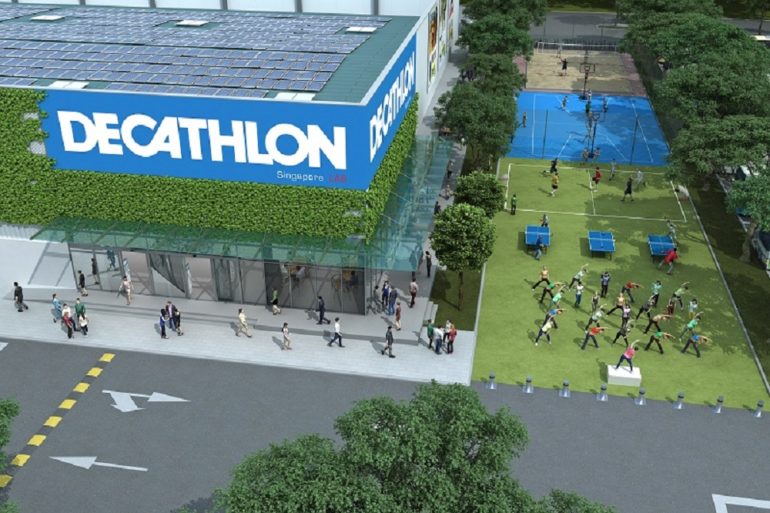
    Decathlon has completed two developments in Singapore: renovating the Decathlon Lab in Kallang and opening a new outlet at Lot One Shoppers’ Mall in the Northwest region.

    The Singapore Lab now features a modern layout with immersive alcoves, offering customers a more interactive and personalised shopping experience. Its new design leads through different sports areas in a circular path, making it easier to find related products.

    In addition, the store introduces digital solutions like a Safe Size digital foot scan, which uses 3D tech to help shoppers find their perfect shoe fit; the Zwift Cycling Turbo Challenge; and watersports testing zones for the Stand-Up Paddle and Kayak.

    Meanwhile, the new Lot One outlet is Decathlon’s 11th click-and-collect outlet in the country and its first in the Northwest. It will offer a range of items, including hiking, fitness, running, and water sports gear.

    The company plans to refresh all its experience stores with similar features over the next two years.