Tag: Singapore

  • Uniqlo debuts small-format ‘touchpoint’ concept store in Singapore

    Uniqlo debuts small-format ‘touchpoint’ concept store in Singapore

    Uniqlo, the Japanese casual wear designer, has launched a new innovative retail store model in Singapore. This pioneering initiative, referred to as the touchpoint store, is located at Velocity at Novena Square.

    Revolutionizing the Retail Experience

    The touchpoint store is a unique prototype that is only 10% the size of a traditional Uniqlo outlet. The store primarily serves as a collection point for click-and-collect orders. The innovative design of the store offers an efficient, digitally integrated shopping experience for customers.

    Customers can now effortlessly place their orders through the Uniqlo App or the company’s website. The touchpoint store offers the convenience of same-day collection, with no minimum purchase requirements or additional delivery fees. This new approach redefines the retail space, providing customers with a unified online and offline shopping journey.

    Redefining the Role of Physical Retail

    Cecilia Tan, the e-commerce director for Uniqlo Singapore, has stated that the brand’s goal is to maximize the store footprint for consumers, specifically those who prefer a flexible combination of online and offline (O2O) shopping experiences.

    She highlighted that the Velocity store is a prime example of how Uniqlo is merging the efficiency of digital platforms with the accessibility of physical retail locations. Tan expressed that improving customer engagement with the brand’s LifeWear range was paramount. She emphasized the brand’s dedication to providing high-quality, thoughtful everyday wear to more consumers, regardless of their location.

    Questions & Answers

    What is the main purpose of Uniqlo’s touchpoint store?
    The touchpoint store serves as a hub for click and collect orders, providing a more efficient and digitally integrated shopping experience for customers.

    How does the touchpoint store benefit customers?
    Customers can place their orders through the Uniqlo App or the brand’s website and collect them from the store on the same day without any minimum spend or delivery fees.

    What is the aim of introducing the touchpoint store, according to Cecilia Tan, the e-commerce director for Uniqlo Singapore?
    The aim is to optimize the store footprint for consumers who prefer a flexible online-to-offline shopping experience, combining digital efficiency with physical retail accessibility.

  • Ultra-Rich Seek Safe Haven: Singapore’s Gold Storage Becomes Hot Commodity Amid Rising Global Risks

    Ultra-Rich Seek Safe Haven: Singapore’s Gold Storage Becomes Hot Commodity Amid Rising Global Risks

    Located near Singapore’s bustling airport, a remarkable six-story structure known as “The Reserve” holds gold and silver bars valued at an astounding US$1.5 billion. This extraordinary facility features numerous private vaults and an impressive storage chamber filled with thousands of safe deposit boxes, soaring three stories high.

    Record Surge in Precious Metal Storage

    In the first four months of this year, The Reserve reported an astonishing 88% increase in orders for gold and silver storage compared to the same period in 2024, according to its founder, Gregor Gregersen. Even more striking, the facility experienced a 200% year-on-year rise in sales of precious metals bars during this timeframe.

    “A lot of very high net-worth clients are looking at tariffs, the changing world, and the potential for geopolitical instabilities,” Gregersen shared with CNBC. “The idea of placing physical metal in a safe jurisdiction like Singapore with trustworthy partners is becoming an undeniable trend.” Interestingly, 90% of the new orders come from clients based outside Singapore.

    Gold Prices on the Rise

    With gold prices skyrocketing to consecutive record highs this year, driven in part by its status as a safe haven amid tumultuous U.S.-China trade tensions, the allure of physical gold has tantalized investors. Currently, spot gold is trading at around $3,300 and is projected to climb to $3,400 in the near term, according to Tim Waterer, chief market analyst at KCM Trade. Furthermore, JP Morgan anticipates bullion could reach $4,000 per ounce next year.

    Gregersen highlighted that wealthy investors are increasingly opting for tangible gold bars over paper investments to mitigate counterparty and geopolitical risks. “Previous crises have amplified the demand for physically owning gold rather than relying on paper assets or pooled reserves, which may become precarious if a bank fails,” noted Nicky Shiels, head of research and metals strategy at MKS Pamp, a distinguished refining and trading firm for precious metals.

    Singapore’s Spotlight Role

    Given the current economic uncertainties, Singapore has emerged as a premier hub for gold reserves. “Singapore is regarded as the ‘Geneva of the East’; it boasts a reputation for political and economic stability,” Shiels remarked to CNBC.

    This major transit hub not only serves as a safe space for storing wealth but also offers ease of access. According to Shiels, “You can bank and store your gold there, and it’s easy to pick up and transport, making it a competitive advantage over Switzerland.”

    As The Reserve continues to flourish in Singapore, it’s clear that the allure of physical gold won’t be fading away anytime soon.

    Questions & Answers

    What significant increase did The Reserve see in storage orders?
    The Reserve experienced an impressively high 88% surge in orders for gold and silver storage in the first four months of this year.

    What are the current trends in gold pricing?
    Spot gold is currently trading around $3,300, with predictions suggesting it may rise to $3,400 soon, and JP Morgan estimates it could reach $4,000 per ounce next year.

    Why is Singapore viewed as a favorable location for gold storage?
    Singapore is considered a legitimate “Geneva of the East” due to its political stability, economic security, and convenience as a major transit hub, making it an attractive option for wealth storage.

  • Fresh Private University Graduates in Singapore Now Enjoy Monthly Salaries Exceeding $2,700

    Fresh Private University Graduates in Singapore Now Enjoy Monthly Salaries Exceeding $2,700

    Recent findings from the Private Education Institution Graduate Employment Survey 2023/2024 reveal that graduates from Parkway College of Nursing and Allied Health and ERC Institute boast the highest median monthly pay, hitting S$4,000. They are closely followed by graduates from the Singapore Institute of Management who earn an average of S$3,600, according to The Business Times.

    Insights By Field of Study

    When dissecting salaries by field of study, information and digital technologies emerge as the frontrunners with a median salary of S$4,080. In contrast, humanities and social sciences graduates are not far behind, averaging S$3,500. Sadly, data for engineering and arts graduates are unavailable due to small sample sizes.

    Survey Scope and Participants

    The survey, conducted from November 2024 to March 2025, gathered insights from approximately 3,500 recent graduates of 27 private institutions, including reputable names like James Cook University, PSB Academy, and the Management Development Institute of Singapore.

    Notably, of those surveyed, about 2,300 were actively engaged in the labor force. SkillsFuture Singapore, the body behind the survey, aims to foster lifelong learning and skills development across the nation.

    Comparison with Autonomous Universities

    For a broader context, fresh graduates from autonomous universities such as Nanyang Technological University and the National University of Singapore launched their careers with a median monthly salary of S$4,500 in 2024. Meanwhile, post-national service polytechnic graduates began at S$3,000, as reported by an earlier joint survey highlighted by The Straits Times.

    Challenging Job Market

    Despite a slight increase in median salaries, job prospects for fresh graduates from private institutions stiffened in 2024, reflecting the challenges of a decelerating economy and muted hiring demand, according to insights from Mothership. Only 46.4% managed to secure full-time roles, a drop from 58.7% in 2023. Part-time or temporary jobs rose to 24.2%, up from 18.9%, while the freelance segment shrank from 5.7% to 4.2%.

    Course Clusters and Employment Rates

    Among the various course clusters, engineering led the way in full-time employment, boasting a rate of 55.3%, followed by sciences at 51.8%. Conversely, graduates from autonomous universities enjoyed significantly higher full-time employment rates at 79.5% compared to 65.2% for their polytechnic peers.

    Valuable Insights for Future Graduates

    Angela Tan, director general for private education at SkillsFuture Singapore, stated that this survey offers essential insights to help prospective students navigate their educational and career choices. She acknowledged the backdrop of global economic uncertainty but highlighted an array of resources and learning opportunities that SkillsFuture provides to empower Singaporeans in achieving their career goals.

    “In today’s complex job environment, informed choices based on industry-relevant skills can make all the difference,” she said, adding a splash of hope amidst the uncertainty.

    Questions & Answers

    What was the median salary for graduates from Parkway College of Nursing and Allied Health and ERC Institute?
    Those graduates earned a median monthly salary of S$4,000, the highest among private institutions.

    What percentage of graduates from private institutions secured full-time employment in 2024?
    Only 46.4% of these graduates landed full-time roles, a notable decrease from the previous year’s 58.7%.

    Why is the Private Education Institution Graduate Employment Survey important?
    The survey provides valuable insights that can guide prospective students in making informed decisions about their educational and career trajectories, particularly in light of current economic challenges.

  • Exploring Why Malaysians Lead Southeast Asia in Grocery Spending Trends

    Exploring Why Malaysians Lead Southeast Asia in Grocery Spending Trends

    Malaysians are savoring their culinary delights, with average annual food-at-home expenses hitting a notable US$1,940 per person in 2023, according to the U.S. Department of Agriculture (USDA). Following closely behind, Singaporeans spend about $1,831 per person, while other nations in the region like Thailand ($1,108), the Philippines ($1,070), and Cambodia ($898) show a stark contrast in expenditure levels, as reported by The Star. Notably, these figures haven’t been adjusted for inflation or varying costs of living across countries.

    Understanding High Grocery Bills

    Experts attribute Malaysia’s substantial household grocery spending to a mix of factors: rising input costs, a weakened Ringgit, low agricultural productivity, and a heavy reliance on food imports. Sunway University economics professor Yeah Kim Leng observed that despite Singapore boasting a far higher per capita income, its food-at-home spending has closely mirrored Malaysia’s, even dipping below it this year.

    KRI research associate Teoh Ai Ni shed light on the varying spending habits across the region. She pointed to data from the Household Expenditure Survey 2022, revealing that Malaysian households dedicate about 52% of their monthly food budget to meals at home, contrasting with Singapore’s 68% spent dining out. This appetite for home-cooked meals places a unique spin on Malaysia’s grocery landscape.

    Moreover, KRI fellow researcher Nik Syafiah Anis highlighted the vulnerability of Malaysia’s food sector due to its dependence on imports. She emphasized that this reliance, especially on imported animal feeds like corn and soymeal, adds to rising domestic food prices. Geopolitical tensions and unfavorable harvests on the global stage can further inflate feed costs, leading to pricier staples like chicken, eggs, fish, and meat.

    Teoh added that while Malaysians might spend more in dollar terms on groceries, the share of their income allocated to food is comparatively lower than in many regional counterparts. It appears that while we’re enjoying a tasty meal, the economy continues to stir up its own concoctions of challenges.

    And just when you think you’re spending too much on groceries, remember that you could be paying even more for your takeout!

    Questions & Answers

    What are the average food-at-home expenses for Malaysians in 2023?
    Malaysians spent an average of US$1,940 per person on food-at-home expenses in 2023.

    How do Malaysian food spending habits compare to those in Singapore?
    While Malaysia’s food-at-home expenditure is higher, Singaporeans allocate a greater portion of their food budgets to dining out, with 68% spent on meals away from home compared to Malaysia’s 52%.

    What factors contribute to the rising grocery costs in Malaysia?
    Factors include a reliance on food imports, rising input costs, a weakened Ringgit, and low farm productivity, all of which create pressure on domestic food prices.

  • OH!SOME Unveils Exciting First Store in Singapore!

    OH!SOME Unveils Exciting First Store in Singapore!

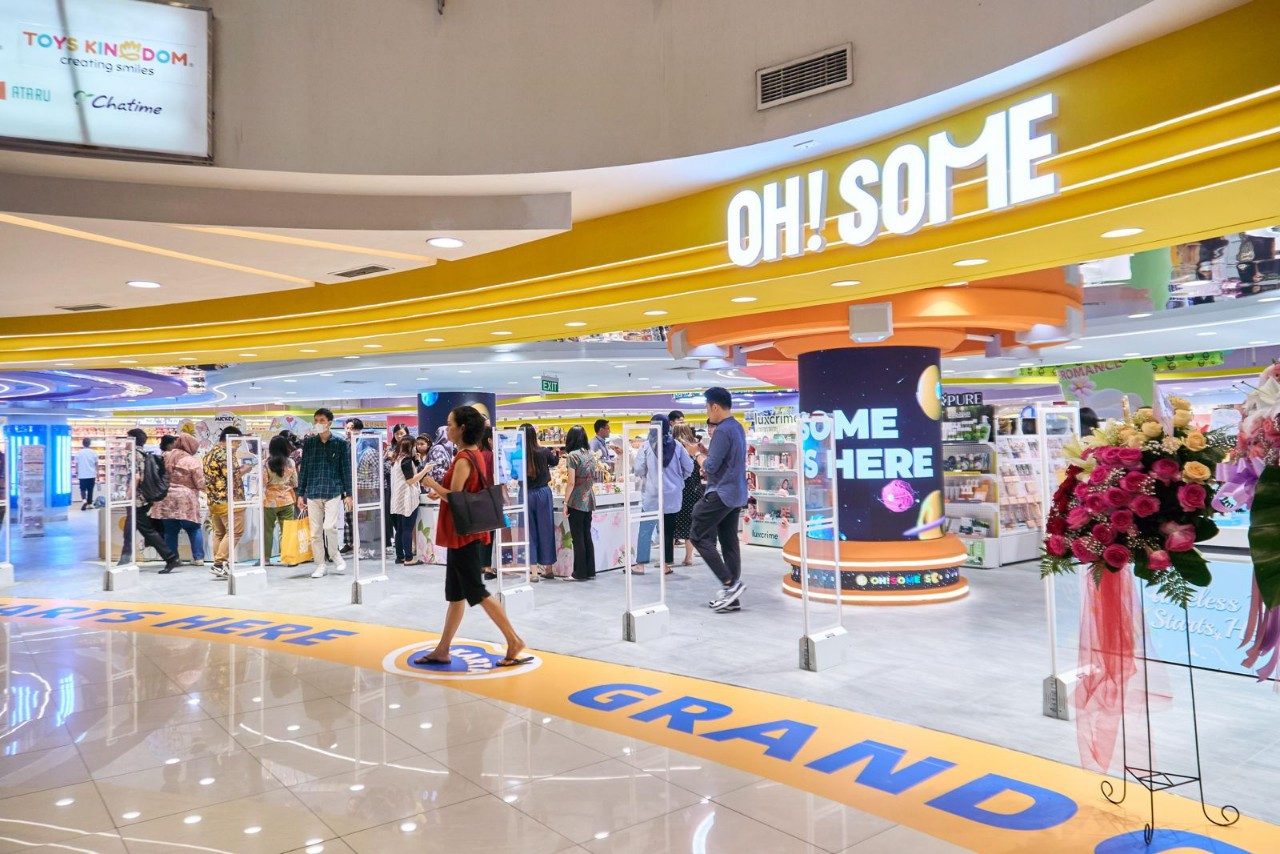
    Lifestyle retail brand OH!SOME has made waves by launching its first Singapore store in Suntec City Mall, bringing a fresh and engaging shopping experience to local consumers. Known for its chic and globally-curated selections, the store unveils a unique layout divided into four captivating themed zones designed to excite and inspire.

    Anime Collectibles Zone: A Fan’s Paradise

    The Anime Collectibles Zone is the crown jewel, featuring an array of merchandise from beloved series like Jujutsu Kaisen, Attack on Titan, Haikyu!!, and Frieren: Beyond Journey’s End. Shoppers can explore an impressive collection of collectible pins, blind boxes, and stylish ita-bags that will make any otaku’s heart race.

    Travel Essentials: Pack Like a Pro

    Heading out? The Travel Zone has you covered with essentials that simplify packing. From ergonomic neck pillows to UV-protective sunscreens and compact toiletries, this zone ensures you’re prepared for your next adventure without the fuss.

    Creative Gifting: Thoughtful Surprises Await

    The Gifting Zone offers a delightful selection for those looking for something special. With options like whimsical Disney-themed floral arrangements and Crayon Shinchan collectibles—complete with stylish gift wrapping and greeting cards—this corner takes the guesswork out of gifting.

    DIY Dreams: Crafting Made Easy

    For craft enthusiasts, the DIY Zone is a treasure trove filled with inspirational materials sourced from Japan, Korea, and China. From wool felting kits to modeling clay and journaling supplies, this zone invites shoppers to unleash their creativity.

    As if that weren’t enough, visitors will also discover exclusive Disney merchandise featuring beloved characters such as Mickey Mouse, Winnie the Pooh, and Toy Story’s Buzz and Woody, along with some early-release Lilo & Stitch collectibles to complete the magical experience.

    With over 110 outlets across the region, OH!SOME is making a significant splash in Singapore, gearing up to open a second store at TAMPINES 1 on May 23. This brand is not just about shopping; it’s about creating memorable experiences that resonate with the vibrant local culture. Who knows, you might just bump into your favorite anime character while browsing!

    Questions & Answers

    What types of products can shoppers find in the Anime Collectibles Zone?
    Shoppers can discover merchandise from popular anime series like Jujutsu Kaisen and Attack on Titan, including collectible pins, blind boxes, and ita-bags.

    What unique items are available in the Travel Zone?
    The Travel Zone features practical items like ergonomic neck pillows, UV-protective sunscreens, and compact toiletries to simplify travel packing.

    When is the second OH!SOME store set to open in Singapore?
    The second store is scheduled to open at TAMPINES 1 on May 23, further extending OH!SOME’s reach in the city.

  • Myntra Launches ‘Myntra Global’ as it Expands into the Singapore Market

    Myntra Launches ‘Myntra Global’ as it Expands into the Singapore Market

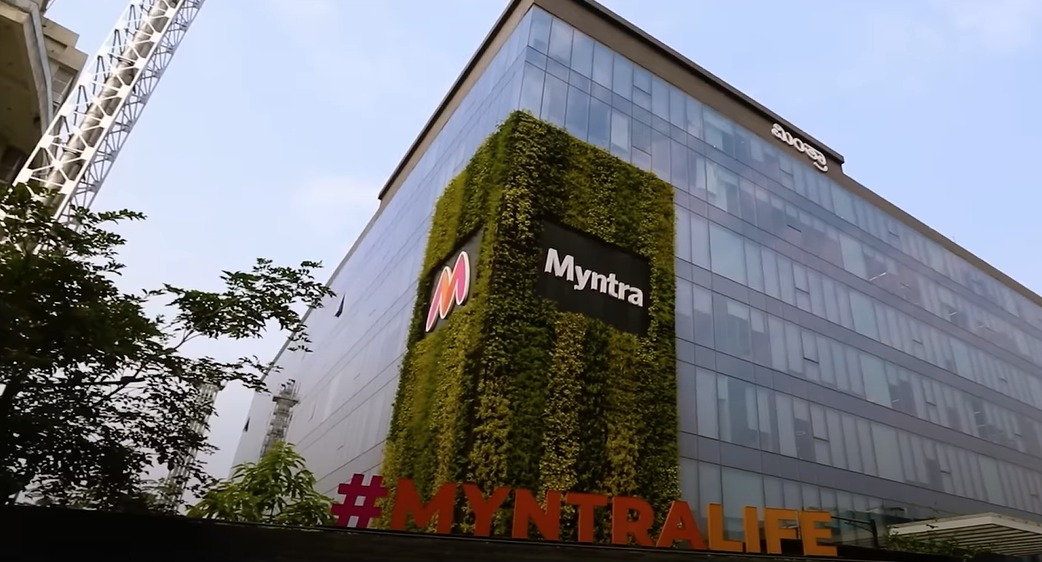
    Indian e-commerce powerhouse Myntra has made a splash in Singapore with the launch of Myntra Global, its first foray into the international market. This strategic move aims to cater to the vast Indian diaspora in the city-state, which numbers around 650,000 individuals, by offering a diverse selection of Indian fashion and lifestyle products.

    A Treasure Trove of Indian Styles

    With a staggering 35,000 styles from 100 renowned Indian brands, including favorites like Aurelia, Global Desi, Libas, W, House of Pataudi, and Chumbak, Myntra is set to create waves. Shoppers can explore categories that span apparel, footwear, home décor, and accessories—all designed to resonate with the cultural sensibilities of the Indian community in Singapore.

    Organic Growth Sparks Expansion

    Before the official launch, Myntra witnessed an impressive organic interest from Singapore, attracting nearly 30,000 users eager for Indian styles. The company’s ambition is to provide not just a shopping platform, but a seamless and dependable experience that answers the demand for culturally-rich fashion.

    Championing ‘Made in India’

    This expansion underscores Myntra’s long-term vision to tap into new consumer markets while enhancing global visibility for Indian brands. Furthermore, it aligns with India’s larger initiative to promote ‘Made in India’ products on an international scale, showcasing the rich cultural tapestry of Indian fashion.

    So, Singaporean shoppers, prepare yourself! You might just find yourself falling head over heels for styles that blend tradition with contemporary flair.

    Questions & Answers

    What types of products will Myntra Global offer in Singapore?

    Myntra Global will feature a variety of products, including apparel, footwear, home décor, and accessories from popular Indian brands.

    How many styles can customers expect from different brands?

    Shoppers can look forward to an impressive collection of about 35,000 styles from 100 diverse Indian brands.

    What is Myntra’s broader goal with this international expansion?

    The expansion is part of Myntra’s strategy to reach new customer bases, increase global visibility for Indian brands, and promote ‘Made in India’ products worldwide.

  • Singapore Shines Bright: Ranked 4th Globally in Thriving Startup Ecosystem

    Singapore Shines Bright: Ranked 4th Globally in Thriving Startup Ecosystem

    The latest index from StartupBlink ranks Singapore as a vibrant player in the global startup arena, trailing behind Israel, Britain, and the United States. Since 2020, Singapore’s ascent has been remarkable, jumping 12 spots to become one of the fastest-growing startup ecosystems worldwide.

    StartupBlink attributes this progress to Singapore’s business-friendly atmosphere and robust support structures for startups. The city-state shines in crucial areas such as investor presence, startup opportunities, and a concentration of global tech firms, all bolstered by a skilled local workforce.

    Evaluating 118 countries, the index underscores Singapore’s strategic commitment to leading sectors like deep tech, fintech, food tech, artificial intelligence, and advanced manufacturing. Its universities play a pivotal role, training a highly competent workforce, linking startups with academic initiatives, and fostering an entrepreneurial spirit on campus.

    Aiming to further enhance this ecosystem, the Singapore government, through Enterprise Singapore, is on a mission to attract innovation. “Enterprise Singapore will continue to strengthen the ecosystem and we welcome global startups with strong science-based solutions to leverage Singapore as a launchpad to grow and scale their business in the region and beyond,” said Emily Liew, assistant managing director of innovation at Enterprise Singapore, as reported by The Straits Times.

    Liew emphasizes Singapore’s open ecosystem, nurturing talent and collaboration that offers stability and access to growth resources, all while navigating global startup challenges. This uptick in ranking coincides with an impressive funding year and substantial government backing.

    A report released in April 2025 by Enterprise Singapore and PitchBook revealed that in 2024, Singapore captured nearly 60% of ASEAN’s venture capital deal volume, totaling US$4.8 billion. Additionally, in October 2024, the government pledged an extra SGD440 million (US$341 million) to attract venture capital firms towards local deep tech startups, raising the total government funding for this initiative to over SGD1 billion.

    Could this be Singapore’s ticket to tech supremacy? Only time will tell!

    Questions & Answers

    What notable achievements has Singapore made in the startup ecosystem?
    Singapore has jumped 12 spots in startup rankings since 2020, making it one of the fastest-growing ecosystems globally, thanks to its business-friendly environment.

    How much venture capital did Singapore secure in 2024?
    In 2024, Singapore captured nearly 60% of ASEAN’s venture capital deal volume, amounting to a total deal value of US$4.8 billion.

    What steps is the Singapore government taking to attract startups?
    The government, through Enterprise Singapore, is investing an additional SGD440 million to draw venture capital firms to local deep tech startups, totaling over SGD1 billion in funding for this initiative.

  • Video Content Drives 62% of E-Commerce Purchases in Singapore, Transforming Online Shopping

    Video Content Drives 62% of E-Commerce Purchases in Singapore, Transforming Online Shopping

    Shopee and YouTube Join Forces to Revolutionize Digital Commerce

    In an exciting shift, video commerce now accounts for a remarkable 20% of the total e-commerce value across Southeast Asia. In Singapore, a staggering 62% of consumers report that they’ve made purchases after watching a video on YouTube. This dynamic surge in video-centric shopping is reshaping consumer interactions with brands and transforming how small businesses tap into digital commerce.

    The Role of Video in the Consumer Journey

    Ajay Vidyasagar, the Managing Director for YouTube Southeast Asia and Emerging Markets, emphasizes video’s pivotal role in the consumer journey. “Two out of five consumers in Southeast Asia rely on online videos for their research,” he explains. “YouTube is the go-to platform for 86% of all users in the region.”

    He attributes this upward trend to the vibrant ecosystem of creators, noting, “More than 5,000 YouTube creator channels in Southeast Asia have crossed the 1 million subscriber mark. When creators make a recommendation, there’s genuine belief in its value. YouTube truly stands out because our creators are considered some of the most trusted voices.”

    Engagement is Key

    Chua Kel Jin, Director of Shopee Singapore, reinforces the significance of creator-led content. “People enjoy video commerce because it’s engaging and fun,” he states. “That interaction is essential for building trust. In Singapore specifically, 62% of viewers watch a YouTube video and then feel compelled to make a purchase on an e-commerce platform.”

    Innovative Partnerships and Simplified Access

    In a groundbreaking partnership, Shopee and YouTube have rolled out YouTube Shopping, a feature that allows sellers to sync their products directly with the video platform. “Previously, sellers faced high upfront costs to collaborate with content creators,” Chua points out. “Now, they only pay creators a commission, enhancing return on investment.”

    Shopee is also focused on streamlining access to video commerce tools. “We’ve designed live streaming so that all you need is a phone,” Chua adds. “Plus, our platform provides real-time analytics, enabling sellers to receive immediate feedback to engage buyers more effectively.”

    The Future of Video Commerce

    Looking ahead, both executives predict that video commerce is merely in its infancy. “With video commerce currently representing 20% of all e-commerce, we anticipate significant growth,” Vidyasagar shares. “The future of video commerce lies in creating seamless shopping experiences that integrate directly within users’ favorite videos and creators.”

    In this rapidly evolving retail landscape, it’s clear that watching a cooking blog might not just satisfy your appetite but could also lead to a small kitchen upgrade!

    Questions & Answers

    What percentage of e-commerce in Southeast Asia is driven by video commerce?
    Currently, video commerce constitutes 20% of the total e-commerce value in Southeast Asia.

    How does YouTube Shopping benefit sellers?
    YouTube Shopping allows sellers to sync their products directly with the video platform, reducing upfront costs and requiring only commission payments to creators.

    What does the future hold for video commerce according to the executives?
    Both executives believe that video commerce will see significant growth, with potential for seamless shopping experiences integrated directly into videos and creator content.

  • Singapore Airlines Shower Employees with Bonuses Exceeding Seven Months’ Salary in Generous Reward Initiative

    Singapore Airlines Shower Employees with Bonuses Exceeding Seven Months’ Salary in Generous Reward Initiative

    Singapore Airlines is celebrating its remarkable financial performance by rewarding its employees with a substantial bonus equivalent to 7.45 months of salary. This generous payout is a gesture of appreciation for the hard work and dedication that staff exhibited during the fiscal year ending March 31, which saw the airline achieve a record annual net profit of S$2.78 billion (approximately US$2.1 billion), as reported by The Straits Times.

    Recognizing Commitment Amid Challenges

    Although the bonus is slightly less than last year’s impressive 7.94 months, it comes amidst a cautious outlook. On Thursday, the airline warned that global trade tensions and geopolitical uncertainties might impact both travel and cargo demand, according to Bloomberg.

    Within the 2024 fiscal year, Singapore Airlines enjoyed a notable boost from a one-off gain of about S$1.1 billion generated from its merger with Vistara, which was completed in November. Group revenue surged by 2.8% year-on-year to a record S$19.54 billion, driven by consistent air travel and strong cargo demand. Cargo revenue rose by 4.4% as e-commerce and perishable goods gained momentum, although competition led to a 7.8% drop in freight yields.

    Operating profit took a hit, dropping 37% to S$1.71 billion, primarily due to a 5.5% decline in passenger yields, impacted by the airline industry’s expanded capacity, as reported by CNA.

    Despite navigating fluctuations in tariff policies and ongoing supply chain issues, Singapore Airlines remains vigilant, promising to adapt quickly to the changing landscape while keeping its workforce in high spirits. After all, who doesn’t enjoy a little extra cash in their pocket?

    Questions & Answers

    What is the amount of the bonus Singapore Airlines is providing?
    The airline is providing each employee with a bonus worth 7.45 months of salary.

    How did Singapore Airlines perform financially in the 2024 fiscal year?
    The airline reported a record annual net profit of S$2.78 billion and a group revenue increase of 2.8% year-on-year, totaling S$19.54 billion.

    What challenges is Singapore Airlines facing in the coming months?
    The airline cited global trade frictions and geopolitical uncertainties as potential factors that could impact travel and cargo demand.

  • Raffles City Unveils Exciting Second Edition of Its Beauty Vault Pop-Up Experience

    Raffles City Unveils Exciting Second Edition of Its Beauty Vault Pop-Up Experience

    Raffles City in Singapore is set to dazzle beauty aficionados once again with the return of its luxury beauty pop-up, Beauty Vault. Running from 8 May to 15 June 2025 at the Level 3 Main Atrium, this vibrant event will feature an impressive lineup of 21 premium brands.

    A Luxurious Lineup of Brands

    The Beauty Vault will spotlight both newcomers like Aesop, Armani Beauty, Diptyque, GUERLAIN, and YSL Beauty, along with fan-favorites such as Chanel, Dior, Gucci, and Maison Francis Kurkdjian. Shoppers will be treated to a series of rotating brand takeovers, ensuring fresh experiences with each visit.

    Engaging Activities Await

    Attendees can indulge in a plethora of exclusive experiences, including makeup masterclasses led by celebrity artists, skincare demonstrations from professional trainers, fragrance layering workshops, personalized color analyses, and holistic wellness solutions. But wait, there’s more—engage in lifestyle workshops on floral arrangement and cocktail-making, plus join in on sustainability talks and special in-store events designed to enrich your beauty journey.

    Exclusive Rewards and Highlights

    As an added incentive, Raffles City will reward its top spender with a luxurious trip for two to Paris, courtesy of Maison Francis Kurkdjian. Meanwhile, the Level 1 Fashion Walkway will transform into a glamorous beauty zone, showcasing seasonal must-haves that promise to elevate your beauty game.

    So, prepare your wallets and get ready for a beauty experience that’s anything but ordinary. After all, who wouldn’t want to look fabulous while learning to mix the perfect cocktail or arrange stunning floral displays?

    Questions & Answers

    What are the dates for the Beauty Vault event?
    Beauty Vault will be open from 8 May to 15 June 2025.

    Which premium brands will be featured at the event?
    The event will showcase 21 premium brands, including Aesop, Armani Beauty, Diptyque, GUERLAIN, YSL Beauty, Chanel, Dior, Gucci, and Maison Francis Kurkdjian.

    What unique experiences are offered at Beauty Vault?
    Visitors can enjoy makeup masterclasses, skincare demonstrations, fragrance workshops, and lifestyle classes on floral arrangements and cocktail-making, along with sustainability talks and more.

  • Singaporean Households Can Now Access $380 Vouchers from New Cost-of-Living Relief Program

    Singaporean Households Can Now Access $380 Vouchers from New Cost-of-Living Relief Program

    The latest distribution of CDC vouchers is set to bring some cheer to Singaporean households, providing much-needed financial relief amid ongoing economic pressures. These vouchers can be claimed online via the official website and are valid until December 31, 2025.

    Where Can They Be Used?

    A split distribution model allows half of the vouchers to be redeemed at participating heartland merchants and hawkers, while the other half is valid at eight major supermarket chains—Ang Mo Supermarket, Cold Storage, Giant Singapore, HAO Mart, NTUC FairPrice, Prime Supermarket, Sheng Siong, and U Stars Supermarket—spanning nearly 400 outlets across the nation.

    This initiative represents the sixth distribution under the CDC voucher scheme, established in 2020 in response to the financial challenges posed by the COVID-19 pandemic, which directly impacted hawkers and local businesses. Last year alone, two distributions totaling S$800 were rolled out, with an impressive 97% of Singapore’s 1.3 million households making claims.

    This year saw an additional S$300 set issued in January 2025, with approximately 97.3% of households already having claimed their share as of Monday. Of those, around 83.4%—equating to over S$324 million—have already been redeemed, as reported by The Straits Times.

    Government Support Continues

    At the launch of the latest distribution on Tuesday, Prime Minister Lawrence Wong emphasized the importance of these vouchers in light of persistent inflation in Singapore, which, while easing more quickly than in other parts of the world, still leaves households wrestling with high costs. Wong highlighted that this initiative is part of a broader set of measures introduced in the national budget to ease financial burdens.

    Singaporeans can expect further assistance in the upcoming financial year from April 1 to March 31 next year, with SG60 vouchers offering S$600-800 coming in July, along with another S$300 in CDC vouchers set for release next January. For a typical family of four with two young children, total support this financial year could reach around S$5,000, illustrating the government’s ongoing commitment to provide relief.

    “This is not a one-off exercise,” Wong assured. “We will continue to strengthen our social support system across various areas—housing, healthcare, education, and retirement,” he noted, as quoted by CNA. “All these updates, changes, and improvements in policy will help give Singaporeans greater assurance at every life stage.”

    Who knew vouchers could be the superhero cape for struggling families?

    Questions & Answers

    **What are CDC vouchers, and how can I claim them?**
    CDC vouchers are financial aids distributed to help households cope with rising living costs and can be claimed online through the official website until December 31, 2025.

    Which merchants accept these vouchers?
    Half of the vouchers can be used at participating heartland merchants and hawkers, while the remainder is accepted at major supermarket chains like Cold Storage and NTUC FairPrice.

    How much total support can a typical family receive this financial year?
    A typical family of four with two young children can receive approximately S$5,000 in total support, thanks to various assistance initiatives and upcoming voucher distributions.

  • Switzerland’s Fintech Challenge: Missing Out on Asia’s Retail Revolution

    Switzerland’s Fintech Challenge: Missing Out on Asia’s Retail Revolution

    As the Singapore Fintech Festival (SFF) draws to a close, it’s clear that this event has evolved from a modest gathering to Asia’s premier financial technology showcase, attracting over 70,000 attendees this year. The SFF has become a nexus for innovation, where startups and industry giants alike converge to explore the future of finance.

    The Significance of the Singapore Fintech Festival

    Since its inception in 2016, the SFF has established itself as a vital platform for discussing cutting-edge technologies ranging from generative AI to digital assets. Major financial institutions, including J.P. Morgan, HSBC, and Tencent, are heavily investing in technological advances, underscoring the event’s importance in shaping the global financial landscape.

    Switzerland’s Diminished Presence

    Switzerland has historically maintained a close partnership with Singapore, benefiting from mutual insights and exchanges. However, the Swiss representation at this year’s SFF has been notably subdued. While the nation did have a pavilion at the event, it did not command the attention or influence expected from a leading financial hub.

    A Defensive Posture

    The Swiss exhibit evokes a sense of isolation, resembling a “Reduit” — a fortification. Though Swiss fintech companies have made commendable efforts to attend, the absence of recognizable figures from its financial sector casts a shadow over their contributions. Major Swiss banks, which often express an interest in Asia, have not fully committed to showcasing their initiatives at influential events like the SFF.

    Missing Opportunities

    This year’s event highlights a puzzling contradiction; Switzerland is a prominent partner in the SFF yet struggles to make its mark. The nation even hosts a reciprocal event in Zurich, “Point Zero,” each summer, which draws high-level delegates from Singapore. However, the once-vibrant Swiss presence at SFF has diminished, with only a handful of representatives notably participating.

    Inadequate Engagement

    Current representation includes Deputy State Secretary Christoph König, who is only scheduled for a single panel discussion focused on “Innovation and Consumer Protection.” The Swiss financial sector’s representation in key conversations appears minimal. In contrast, nations like Italy take an active approach, utilizing press releases and announcements to foster engagement and visibility.

    Missed Strategic Goals

    This lack of visibility at influential gatherings further cements the idea that Switzerland risks missing out on significant opportunities to shape the future of finance. As the financial landscape evolves, issues such as financial inclusion, sustainable investment, and cybersecurity are becoming increasingly critical. It is here that fintech can serve as a key facilitator of progress.

    Upcoming Initiatives: Swiss Financial Innovation Desk

    In an effort to regain its edge, Switzerland has launched the Swiss Financial Innovation Desk (FIND), aimed at bolstering its status as a global financial hub. Despite the initiative, FIND’s forthcoming report, “Pathway 2035 for Financial Innovation: Your Navigator,” will not be released until January—potentially too late to capitalize on momentum gained at the SFF.

    A Call to Action

    The contrasting dynamics observed at the Singapore International Reinsurance Conference (SIRC) serve as a lesson in effective representation. Swiss Re’s CEO, Andreas Berger, delivered a powerful keynote speech, illustrating how impactful leadership can promote national interests on the global stage.

    In conclusion, Switzerland’s hesitancy to fully engage with the fintech ecosystem in Asia poses a significant challenge for both industry players and policymakers. As consumer demand for innovative financial solutions continues to grow, ensuring a robust presence in such influential forums will be crucial for the country’s future in the competitive global market.

  • Proton Launches $134,000 EV in Singapore, Boosting Brand Growth in Retail Sales

    Proton Launches $134,000 EV in Singapore, Boosting Brand Growth in Retail Sales

    Proton Makes a Charge into Singapore’s EV Market

    In a strategic comeback, Malaysia’s national carmaker Proton is re-entering the Singaporean automotive scene after a decade, unveiling its first electric vehicle, the e.MAS 7. Set to start at approximately S$174,000 (around US$134,000), this move aligns perfectly with Singapore’s growing commitment to sustainable mobility.

    A Showcase of Innovation

    The e.MAS 7 was introduced at The Car Expo 2025 in Singapore over the weekend, generating excitement among attendees and industry experts alike. Available in two variations—Prime and Premium—this electric vehicle features a cutting-edge 12-in-1 electric drive system paired with an advanced Aegis short blade battery, underscoring Proton’s commitment to innovation and performance.

    Proton’s return dovetails with Singapore’s ambitious plans for greener initiatives, reflecting a wider trend in consumer demand for electric vehicles. The city-state has seen a steady increase in electric vehicle adoption, with market share rising from 12% in 2022 to 18% in 2023. Projections suggest this could soar to 55% by 2027.

    A Limited Edition Launch

    As part of its reintroduction, Proton plans to release a limited Founders Edition of the e.MAS 7. Automotive enthusiasts can expect this model to be available in Singapore showrooms as early as this August, with local dealer Vincar stepping in as Proton’s official distributor. Vincar will also establish a flagship showroom in the prominent Leng Kee motor belt to enhance its presence.

    While Proton has not confirmed pricing details for Singapore, automotive news sources estimate the e.MAS 7 will start at around S$174,000. Comparatively, the model is priced starting at RM105,800 (approximately US$32,400) in Malaysia, where it has quickly risen to become the best-selling electric vehicle in the first quarter of 2025.

    A New Era for Proton

    Proton’s last engagement in Singapore dates back to 2014, prior to the company’s acquisition by Chinese automotive group Geely, which has since revitalized the brand’s product offerings. Geely’s influence extends across several platforms in Singapore, including well-known names like Lotus, Polestar, Volvo, and Zeekr.

    Proton’s resurgence not only marks a pivotal moment for the brand but also contributes to the broader evolution of the retail automobile market in Southeast Asia, where consumer trends are increasingly leaning towards sustainable options.

    Conclusion

    Proton’s entry with the e.MAS 7 not only signifies the brand’s expansion into a competitive market but also underscores a pivotal shift in consumer preferences towards electric vehicles. As adoption rates climb, this development may shape future strategies across the automotive sector.

    Questions & Answers

    1. What is Proton’s new electric vehicle model? Proton has introduced the e.MAS 7, its first electric vehicle, in its comeback to the Singapore market.

    2. How much will the e.MAS 7 cost in Singapore? The anticipated starting price for the e.MAS 7 in Singapore is around S$174,000 (US$134,000).

    3. What are the expected consumer trends for electric vehicles in Singapore? Electric vehicle adoption in Singapore is projected to grow significantly, from 18% in 2023 to an estimated 55% by 2027.

  • Singapore’s Young Billionaires: $20B in Net Worth Among Six Under 50

    Singapore’s Young Billionaires: $20B in Net Worth Among Six Under 50

    Wealth Insights from Singapore’s Newest Elite

    Singapore’s financial landscape is continually evolving as new names emerge among the billionaire ranks. The city-state’s youngest billionaires showcase a diverse blend of industries, from real estate to tech, reflecting significant consumer trends and brand expansion strategies. With a total net worth ranging from technology to property development, these individuals are making their mark in retail news.

    Kishin RK: A Legacy Built on Innovation

    Kishin RK stands out as Singapore’s youngest billionaire, boasting a net worth of $1.6 billion as of March 7, 2023. The son of renowned real estate mogul Raj Kumar, Kishin joined the family business in 2003 before establishing his own property venture, RB Capital. Notably, he sold a gifted 5,000-square-meter apartment to initiate his real estate journey.

    The partnership between Kishin’s RB Capital and his father’s Royal Holdings results in a robust portfolio valued at approximately $10 billion. Their impressive roster includes key assets such as the Holiday Inn Express Clarke Quay and InterContinental Singapore Robertson Quay, highlighting the successful brand’s expansion in the hospitality sector.

    Sea Limited: Tech Titans Thrive Again

    The co-founders of Sea Limited, the parent company of the popular e-commerce platform Shopee, are also making headlines. Chairman Forrest Li, COO Gang Ye, and co-founder David Chen have all reached billionaire status under 50, with Li leading the pack at $8.6 billion.

    These entrepreneurs have seen their fortunes fluctuate dramatically in recent years, especially during the pandemic and subsequent market adjustments. However, after Sea Limited reported its first full-year profit in 2023, with a net gain of $163 million, their financial recovery has spurred renewed optimism. Revenue climbed to $16.8 billion in 2024, indicating a robust rebound in consumer demand and retail growth.

    Razer’s Min-Liang Tan: Gaming Innovator

    Min-Liang Tan, co-founder and CEO of Razer, transitioned from a law career to carve out a niche in the gaming industry. Since co-founding Razer in 2005, Tan has positioned the brand as a leader in gaming hardware and lifestyle products. After taking Razer private in 2022, valuing the company at $3.2 billion, Tan aims to enhance innovation and strengthen community ties within the gaming sector. His current net worth stands at $1.6 billion.

    Teo Swee Ann: Semiconductor Pioneer

    Teo Swee Ann, founder and CEO of Espressif Systems, is new to the list of billionaires this year with a net worth of $1.5 billion. Under his leadership, the Shanghai-listed company specializes in semiconductor technology, notably producing the popular ESP32 chips used in a variety of consumer products. His impressive journey from engineering to entrepreneurship marks a significant point in consumer technology trends.

    Impact on the Retail Sector

    The journeys of these billionaires reflect broader consumer trends and the evolving face of the retail landscape in Singapore. Their ventures not only symbolize personal success but also indicate a dynamic market where innovation and strategic brand expansion lead to substantial economic growth. The influence of technology and hospitality on consumer behavior continues to reshape retail, paving the way for exciting developments ahead.

    Questions & Answers

    1. Who is Singapore’s youngest billionaire and what industry does he operate in? Kishin RK is Singapore’s youngest billionaire, operating in the real estate industry through his company, RB Capital.
    2. How has Sea Limited’s financial status changed in recent years? Sea Limited’s co-founders saw fluctuations in their wealth but rebounded after the company reported its first full-year profit in 2023, indicating strong growth in consumer demand.
    3. What unique position do Teo Swee Ann and Espressif Systems hold in the tech market? Teo Swee Ann’s Espressif Systems specializes in semiconductor technology and is known for its ESP32 chips, which are integral to various electronic devices, signifying a trend toward smart consumer products.
  • UBS Settles Credit Suisse U.S. Tax Case for $511 Million

    UBS Settles Credit Suisse U.S. Tax Case for $511 Million

    UBS Resolves Credit Suisse Tax Investigation with $510 Million Settlement

    The U.S. Department of Justice has concluded its protracted investigation into Credit Suisse’s tax practices, resulting in a settlement considerably lower than initial projections.

    In a significant development within the retail banking sector, Credit Suisse Services—now a subsidiary of UBS Group—will pay over $510 million to resolve two major U.S. tax inquiries. The settlement, announced by the Department of Justice (DOJ), addresses serious misconduct involving American clients.

    Major Allegations and Settlement Details

    The guilty plea from Credit Suisse reveals its role in aiding U.S. taxpayers to conceal assets totaling more than $6 billion across offshore accounts. This included over $4 billion hidden in at least 475 undeclared accounts in Switzerland and an additional $2 billion linked to U.S. assets in Singapore. These actions occurred despite Credit Suisse’s previous admissions of guilt in a 2014 agreement aimed at achieving full compliance with U.S. tax laws.

    A Settlement Lower Than Expected

    Speculation surrounded the potential settlement amount, with earlier reports suggesting a figure much higher than the final tally of $511 million. This sum is broken down into $371.9 million related to Swiss misconduct and $138.7 million for issues tied to Singapore. Two critical factors may have influenced the lower resolution: changes in the administration’s enforcement priorities and the decline in interest in prosecuting past Credit Suisse executives following UBS’s acquisition.

    Continued Misconduct Up to 2021

    The DOJ’s findings confirm that Credit Suisse continued to assist American clients in tax evasion well beyond its 2014 commitment to compliance. Bankers engaged in activities such as crafting fraudulent donation documents and misrepresenting account holders as recently as 2021.

    Connections to Singapore and Ongoing Litigation

    The investigation’s ties to Singapore include claims of undisclosed funds associated with Georgian billionaire Bidzina Ivanishvili, who is currently pursuing legal action against Credit Suisse for alleged fraud. UBS has emphasized its non-involvement in misconduct, reiterating its stringent “zero tolerance” policy toward tax evasion.

    Looking Ahead: Financial Impact Still Unclear

    The ramifications of this settlement for UBS are still being assessed. While UBS anticipates a credit this quarter resulting from a contingent liability adjustment following its acquisition of Credit Suisse, a related charge will also be recorded.

    As this case culminates, it brings to light ongoing challenges within the retail banking sphere, particularly regarding compliance with tax regulations. The implications of this case could resonate through the sector, prompting a reassessment of regulatory practices and consumer trust in financial institutions.