Tag: Singapore

  • Singapore’s Affluent Investors Neglect Retirement Plans, Despite Confidence in Financial Future: HSBC Survey

    Singapore’s Affluent Investors Neglect Retirement Plans, Despite Confidence in Financial Future: HSBC Survey

    Affluent investors in Singapore are optimistic about their financial future, though many are overlooking the crucial aspects of retirement and wealth-transfer planning. This is according to recently released data from a survey by HSBC.

    There’s a noticeable contradiction among these investors; despite their confidence in their future financial status, their readiness for significant life-stage events is still lacking. HSBC’s Global Affluent Investor Snapshot 2026 reveals that a mere 20% of affluent investors in Singapore currently utilize retirement-planning services. Even fewer, just 9%, use wealth-transfer planning services, despite both being high on their list of financial priorities.

    Opportunities for Private Banks and Wealth Managers

    The survey’s findings indicate a sizable opportunity for private banks, wealth managers, and family-office advisors. This comes as Singapore’s wealthy population expands and the complexity of portfolios increases.

    The trend of international diversification is being led by younger investors. More than half (55%) of affluent Gen Z investors in Singapore prefer investing outside their home market. This surpasses both the average of 50% for Singapore and the global Gen Z average of 49%.

    However, the confidence of Gen Z investors has significantly declined. This is especially apparent in their medium-term financial goals, with confidence dropping from 73% the previous year to just 48%. HSBC reports that despite this decline, the younger generation remains strongly focused on wealth creation and financial security. The rising market uncertainty seems to be impacting their expectations.

    Investor Confidence Remains Robust

    Despite these concerns, the overall investor sentiment in Singapore is still strong. Confidence in achieving short-term financial goals increased to 78%, while faith in medium- and long-term goals reached 63% and 65% respectively. Retirement planning, wealth preservation and financial security continue to be high priorities for affluent investors.

    International diversification continues to be a crucial strategy. Half of Singapore’s affluent investors are now looking for investment opportunities beyond their domestic market, which is above the global average of 47%.

    Increasing Demand for Diverse Investment Products

    The study also points to a growing demand for a wider variety of investment products. Across the globe, investors plan to raise allocations to insurance products, alternatives and gold over the next year. Ownership of insurance products is anticipated to rise from 39% to 57%, and alternative investments could increase from 27% to 44%. Interest in gold is also on the rise.

    Younger investors are projected to be the main drivers of demand for alternative investments, private equity, and digital assets. Ashmita Acharya, Head of International Wealth and Premier Banking at HSBC Singapore, says the findings underline the necessity for more comprehensive wealth-planning solutions.

    She points out that as portfolios become increasingly international and diversified in nature, many investors are finding it challenging to turn financial ambitions into actionable plans.

    Questions & Answers

    Why are affluent investors in Singapore overlooking retirement and wealth-transfer planning?
    The exact reasons vary, but one possible explanation could be the lack of awareness or understanding of the importance of these financial planning aspects.

    What is the significance of the growing trend towards international diversification among Singapore’s investors?
    This trend indicates that Singapore’s investors are seeking to spread their investments geographically to mitigate risk and potentially take advantage of higher returns in other markets.

    How are financial institutions responding to the growing demand for a broader range of investment products?
    Financial institutions are increasingly offering more diverse and sophisticated products to meet the evolving demands of their clients, including alternative investments and digital assets.

  • Solbevi’s Limoncello Spritz Makes a Splash in Singapore with Nationwide Relaunch

    Solbevi’s Limoncello Spritz Makes a Splash in Singapore with Nationwide Relaunch

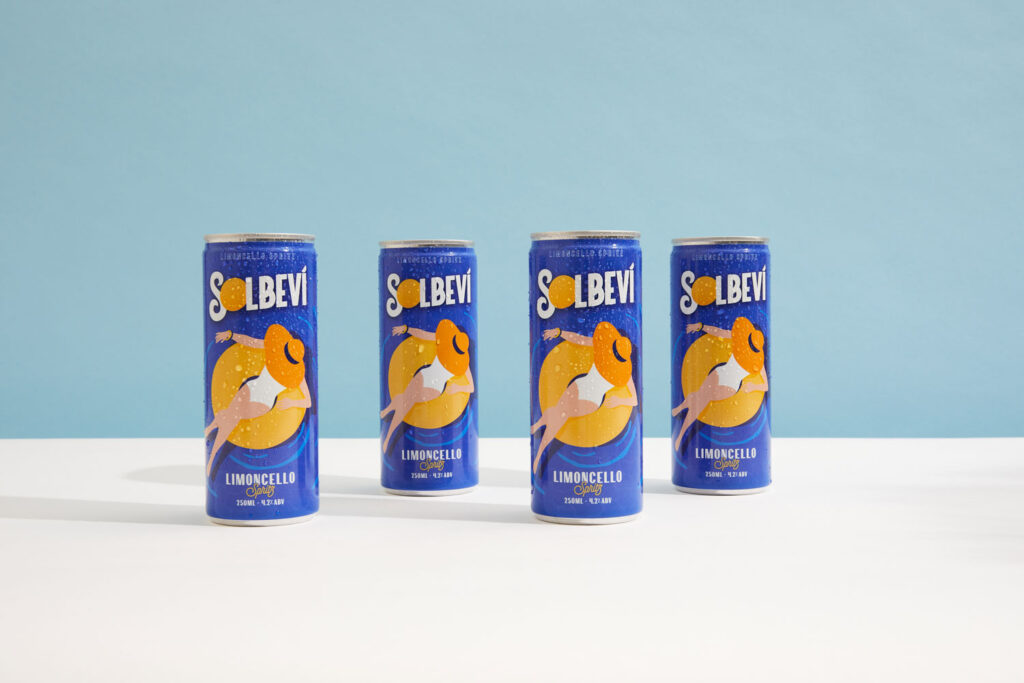
    Solbevi, the Australian creator of an Italian-inspired Limoncello Spritz, has recently revitalised its distribution in Singapore. This development follows a shift in local distribution partners, which confirms the availability of the company’s canned Limoncello Spritz at all Cold Storage supermarkets across Singapore.

    Marking a Distribution Milestone

    The recent relaunch signifies the first country-wide distribution for a canned Limoncello Spritz in Singapore. The brand debuted in the Singaporean market nine months ago but faced logistical constraints. This limitation restricted its preliminary retail exposure to on-board sales with Scoot Airlines.

    Solbevi, with its headquarters in South Melbourne, Australia, markets its Limoncello Spritz in a 250ml can that holds 4.2 per cent Alcohol By Volume (ABV). In addition to the canned spritz, Solbevi also offers a bottled limoncello liqueur. The brand has maintained a robust retail distribution across Australia and New Zealand (ANZ), coupled with a continual expansion overseas into markets such as Malaysia and Thailand.

    Learning and Growing

    In response to this relaunch, Stefan Di Benedetto, founder and CEO of Solbevi, expressed his insights into the competitive yet fulfilling Singaporean market. He highlighted the value of selecting the right distribution partner, a lesson derived from Solbevi’s initial market entry attempt.

    The achievement of securing 100 per cent distribution with Cold Storage, along with forging partnerships with Mondrian and Mama Shelter, marks a significant turning point for Solbevi in Asia. The relaunch events are not just about celebrating this accomplishment, but also a way of expressing gratitude to the city for providing a second opportunity to succeed.

    Questions & Answers

    What is Solbevi?
    Solbevi is an Australian-based company that produces an Italian-inspired Limoncello Spritz. They offer their product in both canned and bottled forms.

    What change has recently taken place with Solbevi’s distribution?
    Solbevi has revitalised its distribution in Singapore, successfully securing placements for its canned Limoncello Spritz across all Cold Storage supermarkets in the country.

    What challenges did Solbevi face when they entered the Singaporean market?
    When Solbevi first entered the Singaporean market, they faced distribution challenges that limited their early retail presence to on-board sales with Scoot Airlines.

  • Marmite Mania: Singapore Supermarkets Face Unexpected Shortage of Beloved British Spread

    Marmite Mania: Singapore Supermarkets Face Unexpected Shortage of Beloved British Spread

    Marmite, the unique British food spread revered for its savory umami flavor, has reportedly disappeared from the shelves of Singapore’s major supermarket chains and retail outlets. This comes as a surprise to the local populace who have grown to love the uniquely flavored condiment.

    Empty Shelves in Local Stores

    The top supermarket chains in Singapore, notably FairPrice, Sheng Siong, Cold Storage, and Giant, have all reported the absence of Marmite from their inventories. An employee at FairPrice confirmed that Marmite had been out of stock for several months. Similarly, a staff member at Sheng Siong revealed that they had not received any new Marmite shipments recently. Even online searches for Marmite on these supermarkets’ websites yield no results.

    While Marmite is still available from a handful of online sellers, the prices are considerably higher than before. For instance, last week, Shopee had only a few sellers offering 8g sachets for S$4.50 (US$3.48) each. This is a stark contrast to the previous price of a 200g jar, which was sold for S$7.08 at FairPrice.

    Marmite, a dark, sticky spread made from yeast extract, is renowned for its intensely savory, salty, and umami flavor profile. Traditionally spread on toast in the UK, it has also found its way into Singaporean cuisine, featuring in popular dishes such as Marmite chicken and Marmite pork ribs.

    Under New Management

    Unilever, the consumer goods behemoth that produces Marmite, announced in late March that it had agreed to merge its food business, including Marmite, with U.S.-based McCormick. The merged entity will operate under the McCormick name and will be managed by a combination of executives from both companies. The deal is anticipated to close by mid-2027, with Unilever and its shareholders retaining 65% control in the combined company.

    Earlier this month, a notice circulated on social media suggesting that Unilever Asia, the regional distributor responsible for Marmite supplies in Singapore, had removed the product from its portfolio as of April 1.

    Questions & Answers

    Why has Marmite disappeared from Singapore’s supermarket shelves?
    According to local reports, Marmite has been out of stock for several months. The exact reason remains unknown.

    Is Marmite still available in Singapore?
    While Marmite is no longer available in major supermarkets, it can still be purchased from a few online sellers although at higher prices.

    What changes are expected after the merger of Unilever’s food business with McCormick?
    The combined entity will operate under the McCormick name and will be managed by a blend of executives from both companies, with Unilever and its shareholders retaining 65% control. The deal is expected to close by mid-2027.

  • Q2 2026 Sees 17.2 Million Passengers at Changi Airport Despite Slight Decline in Passenger Traffic

    Q2 2026 Sees 17.2 Million Passengers at Changi Airport Despite Slight Decline in Passenger Traffic

    In the second quarter of 2026, Singapore’s Changi Airport recorded 17.2 million passenger movements, representing a slight 1.5% decline compared to the same period in the previous year. Despite this, the airport saw a 0.4% increase in passenger traffic in the first half of the year.

    Quarterly Performance Indicators

    Within the quarter, there were 92,400 aircraft movements, including both landings and takeoffs, which marks a 1.3% decrease from the same period last year. The total aircraft movements for the first half of the year equaled 188,000, on par with the numbers from the previous year.

    Traffic to and from Europe and the Southwest Pacific went up by 8.7% and 3.0% respectively due to airlines increasing their capacity on these routes to streamline their operations. However, the challenging business environment, characterized by high jet fuel costs and fuel supply constraints, led to reduced services, particularly on Southeast Asian routes, which saw a 5.0% decrease in traffic.

    The top five passenger markets for Changi Airport in this quarter were China, Indonesia, Australia, Malaysia, and India. Despite the overall decline, Vietnam and China experienced robust growth, with year-on-year increases of 18.5% and 8.3% respectively. Japan also saw a steady growth of 7.0%.

    In the second quarter, Changi Airport handled 567,000 tonnes of airfreight throughput, a 9.8% increase from the same period in the previous year. This strong performance was driven by growth in all cargo flows, particularly in AI-related semiconductor and electronics shipments. The top five air cargo markets were China, the United States, Australia, Hong Kong, and India.

    Looking Forward

    Mr. Lim Ching Kiat, Executive Vice President for Air Hub and Cargo Development at Changi Airport Group, noted that although airlines continue to adjust their services due to changing operating conditions, the sustained demand for travel is encouraging, particularly to and from Europe and Northeast Asia.

    Changi Airport expanded its connectivity in the second quarter, with the introduction of new passenger and cargo services. China Eastern started services to Dalian in April, while Scoot added services to Belitung and Pontianak in Indonesia in May and June respectively. The airport also welcomed two new passenger airlines, Shanghai Airlines and Oman Air.

    On the cargo front, Tianjin Air Cargo began operations between Singapore and Haikou in June, becoming Changi Airport’s newest cargo operator.

    Questions & Answers

    What was the total number of passenger movements recorded at Changi Airport in the second quarter of 2026?
    Changi Airport recorded 17.2 million passenger movements in the second quarter of 2026.

    How did aircraft movements in the first half of 2026 compare to the same period in the previous year?
    The total number of aircraft movements in the first half of 2026 was 188,000, similar to the same period in the previous year.

    Which were the top five passenger markets for Changi Airport in the second quarter of 2026?
    The top five passenger markets were China, Indonesia, Australia, Malaysia, and India.

  • HSBC’s $2B Singapore Insurance Unit Sale to Allianz: A Strategic Boost for Both Giants

    HSBC’s $2B Singapore Insurance Unit Sale to Allianz: A Strategic Boost for Both Giants

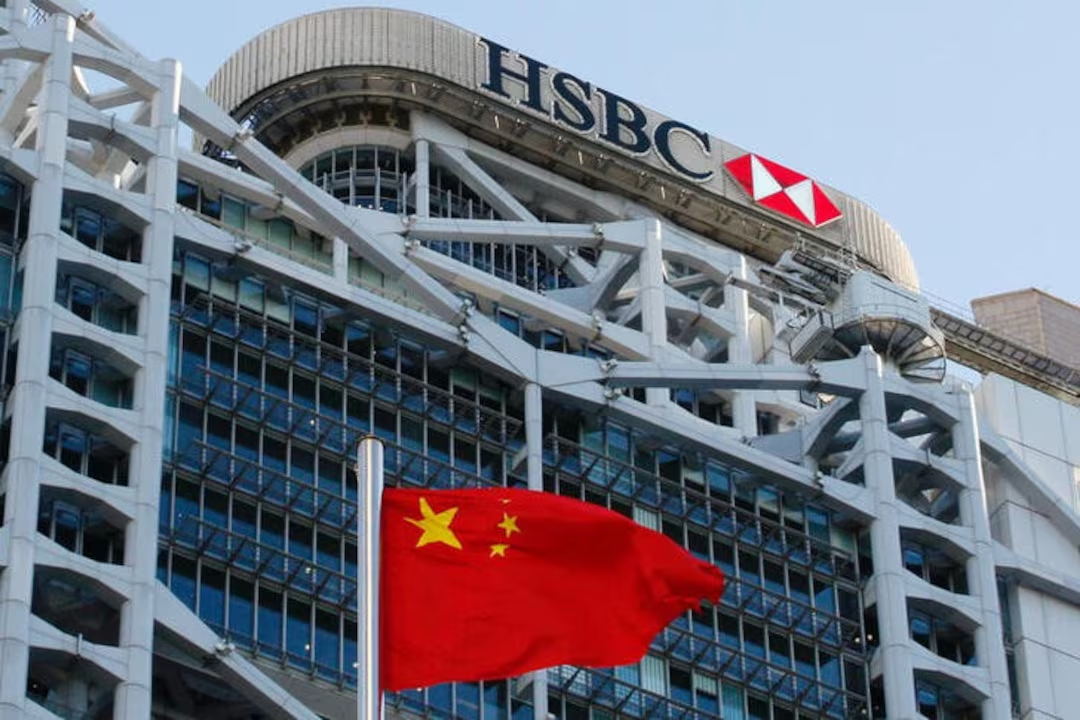
    HSBC has announced that it will sell its life and health insurance division in Singapore to Germany’s Allianz. The deal, which values the unit at SGD2.7 billion (US$2.09 billion), is expected to produce a pre-tax gain of US$1.8 billion for HSBC and potentially enhance the HSBC Group’s common equity tier 1 ratio by up to 15 basis points.

    Simplifying Operations and Boosting Capital Returns

    This sale signifies another move in HSBC CEO Georges Elhedery’s strategy to streamline operations at Europe’s largest bank and reinvest capital into sectors and markets that promise better yields. Simultaneously, he aims to maintain Singapore’s position as a vital hub for wealth and wholesale banking.

    The deal presents Allianz with a unique chance to expand in Singapore, a wealthy, strictly regulated market where distribution networks and bank-insurance partnerships carry high value. Anusha Thavarajah, Allianz’s Asia Pacific Regional CEO, states that the transaction underscores her company’s confidence in Singapore and recognizes HSBC Life Singapore’s fast-growing business, local expertise, and solid reputation among customers and partners.

    The planned divestment, set to occur in early 2027, will lead HSBC to enter a 15-year bank-insurance distribution agreement with Allianz. This agreement involves selling insurance products in Singapore, supported by an upfront payment of SGD200 million.

    Expanding Insurance Business

    The deal arrives in the wake of HSBC’s broader expansion in the insurance sector. Despite the bank’s ongoing effort to reshape its global footprint and focus on core Asian wealth and corporate banking markets, insurance income has seen a 16% year-on-year rise in the first quarter. This trend has contributed to an 18% boost in quarterly wealth revenue.

    Past investment interests include HSBC Holdings’ acquisition of French insurer Axa’s Singapore assets for US$529 million in 2022. However, the bank is also known for trimming smaller or less scalable retail and insurance operations in parts of Asia, while fiercely vying for affluent clients in the region.

    This sale follows Singapore’s Overseas-Chinese Banking Corp’s announcement in May of its Indonesian unit’s acquisition of certain HSBC wealth and premier banking portfolio assets and liabilities. HSBC is currently also reviewing its retail operations in Turkey, Australia, and Egypt.

    Questions & Answers

    What is the value of the deal between HSBC and Allianz?
    The deal values HSBC’s Singapore life and health insurance unit at SGD2.7 billion (US$2.09 billion).

    What will be HSBC’s strategy after the planned divestment in 2027?
    HSBC plans to enter into a 15-year bancassurance distribution agreement with Allianz to sell insurance products in Singapore.

    What has been the trend in HSBC’s insurance income?
    HSBC’s insurance income has seen a 16% year-on-year rise in the first quarter.

  • End of an Era: Beloved Singapore Korean Eatery Bigmama Bids Farewell After 16 Flavorful Years

    End of an Era: Beloved Singapore Korean Eatery Bigmama Bids Farewell After 16 Flavorful Years

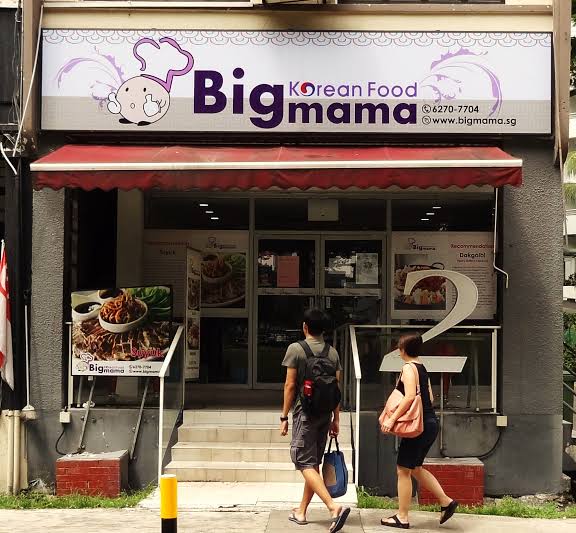
    Bigmama, a beloved Korean eatery in Singapore, has officially closed its doors after a successful run of more than a decade. The owner made the sad announcement in a series of heartfelt social media posts and comments on Monday, revealing that the restaurant had served its final meal the previous day.

    End of an Era

    The proprietor of the popular restaurant, situated on Kim Tian Road, wrote, “After 16 glorious years, it’s time to conclude the beautiful journey of Bigmama.” She also mentioned that she was preparing for her return to South Korea.

    The restaurant was initiated in January 2012 by a former caretaker and tutor who had spent numerous years whipping up meals for her Korean students who were studying in Singapore. Bigmama quickly garnered a reputation for its delicious and authentic Korean dishes, with patrons particularly praising its suyuk (steamed pork belly) and dakgalbi (pan-fried chicken).

    A Heartfelt Farewell

    The posts expressed heartfelt gratitude towards the customers who had supported Bigmama throughout its journey. “Words cannot depict how grateful I am for your consistent love and the cherished memories we’ve created,” the post read. “Thank you for filling a significant chapter of my life with your warm smiles.”

    Questions & Answers

    How long had Bigmama been in business?

    Bigmama had been in business for over a decade, specifically 16 years.

    Who was the founder of Bigmama?

    Bigmama was started by a former caretaker and tutor who used to cook for her Korean students studying in Singapore.

    What were the signature dishes of Bigmama?

    Bigmama was particularly known for its suyuk (steamed pork belly) and dakgalbi (pan-fried chicken).

  • Singapore Exchange Broadens Horizons with SpaceX and Grab Depository Receipts Launch

    Singapore Exchange Broadens Horizons with SpaceX and Grab Depository Receipts Launch

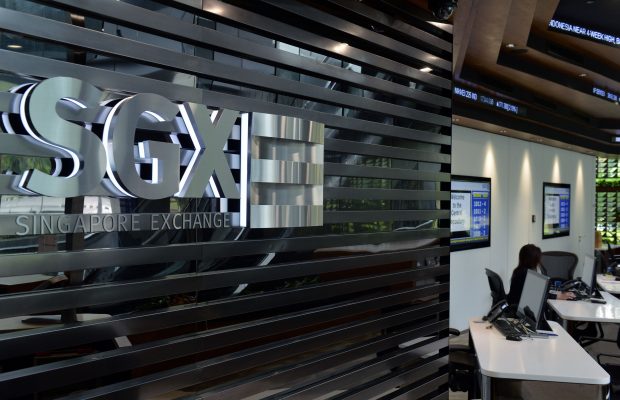
    Singapore Exchange (SGX), the country’s stock exchange, has announced that it will introduce depository receipts for three major tech companies: SpaceX, Grab, and Sea. This announcement was made on Tuesday, with the trading of the depository receipts set to commence the following day. The addition of these companies allows investors to trade in Singapore Dollars during local trading hours.

    The introduction of these three businesses expands the SGX’s offering to a total of 38 depository receipts, adding to those already available from companies across Thailand, Indonesia, Hong Kong, and the United States. This expansion serves to further diversify and enhance the offerings available to investors in the local market.

    The Impact on Retail Investors

    The SGX highlights that the inclusion of these companies, especially the launch of SpaceX’s depository receipts following its historic IPO last month, provides retail investors with unprecedented access to these equities. The depository receipts offer a simplified and convenient method for investors to gain exposure to these equities, using local currency.

    Grab and Sea, while both listed in the U.S., are headquartered in Singapore, further solidifying the SGX’s position as a global hub for investment. Bernice Tan, a representative from the Securities Market & Depository with SGX, expressed that the new addition mitigates traditional challenges such as foreign exchange friction and the complexities of overseas markets. She added that this allows investors to build a globally diversified portfolio in the Singapore Dollar, within a familiar trading environment.

    Questions & Answers

    What is the significance of introducing depository receipts for SpaceX, Grab, and Sea to the Singapore Exchange?
    Introducing depository receipts for these companies provides investors with more diversification options. It allows them to invest in these companies using local currency and during local trading hours.

    How does the introduction of these companies impact the SGX’s portfolio?
    The addition of SpaceX, Grab, and Sea expands the SGX’s portfolio to a total of 38 depository receipts, alongside those from Thailand, Indonesia, Hong Kong, and the U.S., enhancing its offerings.

    What advantages do these new additions offer to retail investors?
    The new additions provide a simplified and convenient way for retail investors to gain exposure to these equities, mitigating challenges such as foreign exchange friction and overseas market complexities.

  • CIMB Expands Wealth Services into Singapore and Thailand, Targeting Southeast Asias Rising Affluent Class

    CIMB Expands Wealth Services into Singapore and Thailand, Targeting Southeast Asias Rising Affluent Class

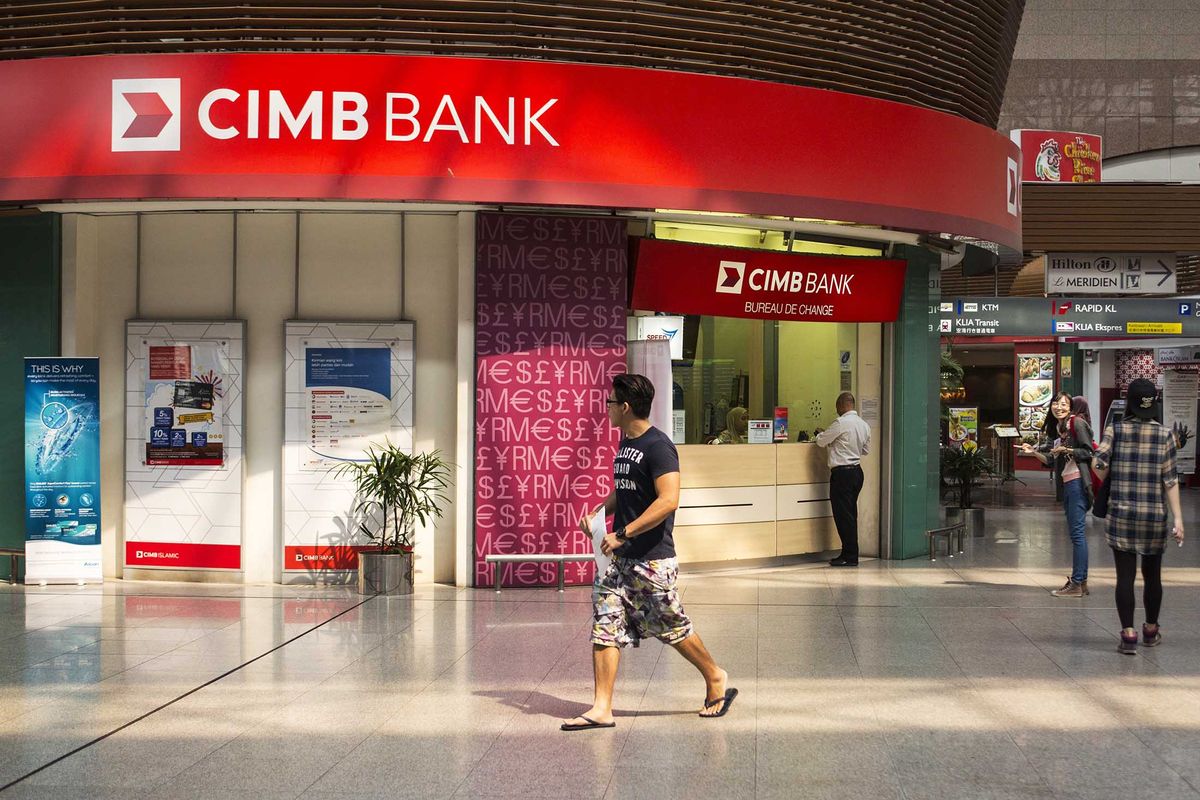
    CIMB Group, Malaysia’s second-largest bank in terms of assets, has announced its intention to expand its private wealth business to Singapore and Thailand by the end of the year. This move is part of a larger plan to double the bank’s wealth assets under management by 2030.

    Targeting Southeast Asia’s Growing Affluent Segment

    Haniz Nazlan, the CEO of group consumer banking at CIMB, revealed on Monday that this expansion activity is targeting the rapidly increasing affluent segment in Southeast Asia. This strategic move follows the successful launch of the bank’s private wealth business in Indonesia earlier in the year and in Malaysia on the same day.

    According to Nazlan, the ASEAN economy, worth US$4 trillion, has been experiencing robust annual economic growth rates of approximately 4%, which is significantly higher than many developed markets. This economic dynamism is expected to stimulate a 5% to 6% annual increase in the region’s affluent population. Furthermore, the middle class is projected to comprise between 65% and 70% of the ASEAN population by 2030.

    Factors such as growing incomes, escalating cross-border investments, and a notable surge in intergenerational wealth transfers are propelling the market.

    A New Service for High Net-Worth Clients

    Daniel Cheong, CIMB’s head of consumer banking for Malaysia, revealed that the new private wealth service is tailored to clients who have at least RM1 million ($244,612) in assets under management. This offering is positioned above CIMB Preferred, the bank’s mass-affluent priority banking segment, which requires a minimum of RM250,000 in assets.

    CIMB’s Private Wealth service offers clients dedicated relationship managers, treasury solutions, investment advisors, customized investment products, succession planning, and digital wealth capabilities.

    Nazlan noted that affluent clients are progressively seeking advice that goes beyond mere investment product selection. He explained that they want guidance on wealth protection, preparation of their children’s futures, access to global opportunities, and making informed decisions in an unpredictable world.

    Nazlan disclosed that CIMB’s wealth assets under management (AUM) were approximately RM250 billion in the preceding year. However, he refrained from providing interim growth targets or customer acquisition figures, stating that it is still the early stages of the Private Wealth proposition’s rollout.

    Questions & Answers

    What is CIMB Group’s plan for its private wealth business?
    CIMB Group plans to expand its private wealth business to Singapore and Thailand by year-end, aiming to double its wealth assets under management by 2030.

    Who are the target clients of the new CIMB private wealth service?
    CIMB’s private wealth service targets high net-worth clients who have at least RM1 million ($244,612) in assets under management.

    What are the key services offered by CIMB’s Private Wealth service?
    CIMB’s Private Wealth service offers dedicated relationship managers, investment advisors, treasury solutions, succession planning, customizable investment products, and digital wealth capabilities.

  • Singapore’s Sky-High Home Sale: Record-Breaking $539K for a Two-Room Flat

    Singapore’s Sky-High Home Sale: Record-Breaking $539K for a Two-Room Flat

    A new national resale record has been set in Queenstown, Singapore, after a two-bedroom public housing flat fetched a whopping SGD696,000 (US$539,000). The sale, completed on July 16, involved a unit located on a high floor at SkyParc @ Dawson. This transaction didn’t just set a record for the highest price for a two-room Housing and Development Board (HDB) resale flat; it also appears to have established a new national record for the price per square foot for this type of flat.

    Sky-High Sale

    The 506-square-foot flat that set the new record is situated between the 31st and 33rd floors and was sold for approximately SGD1,375 per square foot. This unheard-of sum represents the highest price per square foot ever recorded for a two-bedroom HDB resale flat in Singapore. SkyParc @ Dawson, where the flat resides, comprises three high-rise residential blocks at 94 to 96 Dawson Road, with heights ranging from 34 to 43 stories. The record-breaking flat is located in block 95, which stands at 40 stories high. The upper floors offer stunning panoramic views of the surrounding greenery, the city skyline, and neighboring low-rise districts.

    Property Features

    The lease for the flat began in 2021, with approximately 94 years and four months remaining as of July 2026. This gives potential buyers a significantly longer lease than many older resale flats in Queenstown. The SkyParc @ Dawson development offers a blend of commercial, recreational, and community facilities. On the ground floor, residents have access to a minimart, two retail shops, and a café facing Dawson Road. The complex also features a preschool, adding convenience for families with young children. Additional amenities include fitness zones, sheltered communal areas, bicycle parking, and a jungle-themed playground. The estate is further embellished with murals and landscaped common spaces, giving it a unique character compared to a typical residential development.

    Questions & Answers

    What record has the SkyParc @ Dawson sale set?
    The transaction set a new national resale record in Singapore as the most expensive two-bedroom HDB flat, and also established a new price per square foot record.

    What amenities does SkyParc @ Dawson offer its residents?
    Residents have access to a minimart, shops, and a café, as well as a preschool, fitness zones, sheltered communal areas, bicycle parking, and a playground.

    How long is the lease for the record-breaking flat?
    The lease for the flat began in 2021 and has approximately 94 years and four months remaining as of July 2026.

  • School Dropout to Billionaire: The Remarkable Journey of Chua Thian Poh, Singapores Sentosa Cove Property Mogul

    School Dropout to Billionaire: The Remarkable Journey of Chua Thian Poh, Singapores Sentosa Cove Property Mogul

    After dropping out of school at 16, Chua Thian Poh embarked on a business venture that would ultimately lead him to become a pioneer in Singapore’s prestigious Sentosa Cove with his company, Ho Bee Land. Today, Sentosa Cove is an exclusive residential district, and Ho Bee Land stands as its largest private developer.

    The Journey to Sentosa Cove

    Back in the early 2000s, Sentosa Cove was nothing more than a reclaimed segment of land with few believing in its potential to become a prime residential enclave. However, Ho Bee Land was the first private developer to take a bold risk on the area. Chua recounts, “At that time, the concept of luxury waterfront living was new to Singapore, but we saw Sentosa Cove’s potential to become a world-class seafront precinct.”

    While this is arguably his most recognised success, the establishment of Ho Bee Land predates Chua’s move to Sentosa Cove. As one of fourteen siblings, Chua left high school early and borrowed S$15,000 (roughly US$11,600) from his mother to start a business manufacturing hooks and spikes for logging companies. He later ventured into commodity trading in Indonesia, generating the capital needed to launch his property business back in Singapore in 1987. With the purchase of an industrial building, Ho Bee Land began developing small and medium-sized projects, eventually going public on the Singapore Exchange in 1999.

    A significant move was made in 2003 when Chua and Ho Bee Land ventured into Sentosa Cove. They built eight buildings in the following years, with buyers from numerous countries quickly purchasing the first five buildings at increasingly high prices. The profits from these projects pushed Ho Bee Land into the spotlight as one of Singapore’s stock market’s standout performers between 2006 and 2010.

    However, by the early 2010s, housing prices in Sentosa Cove began to fall from their 2008 peak in response to Singapore’s property cooling measures. Instead of selling in a weak market, Chua cleverly converted a major project into a rental property. Sales of the project finally began in 2022, with half of the 50 units released being sold on the launch day.

    Expanding A Global Approach

    Over the years, Chua has made several strategic moves that have transformed Ho Bee Land into a leading property developer with presence extending to Australia, China, the UK and Europe. In 1996, Chua shifted his investment focus from Singapore to London, a move which fortuitously shielded Ho Bee Land from the 1997-98 Asian financial crisis.

    Ho Bee Land continued its expansion with The Metropolis, a 23-story twin-tower office development at one-north on the city fringe. This put Ho Bee Land ahead of the curve yet again, attracting a number of multinational tenants and establishing one-north as a flourishing business and research hub.

    In addition, the company has also been expanding its investments in Australia, purchasing a 181-hectare landholding in Queensland for A$318.5 million (around US$220 million) earlier this year. Ho Bee Land also contributes to the community through the Ho Bee Foundation, supporting causes such as education, healthcare, social welfare, and the arts.

    Chua, now ranked among Singapore’s wealthiest individuals with an estimated net worth of US$1.4 billion, has gradually been handing over the reins to his eldest son, Nicholas Chua, who joined Ho Bee Land in 2002 and is now its CEO and executive director.

    Questions & Answers

    What was Chua Thian Poh’s first business venture?
    Chua Thian Poh’s first business venture involved manufacturing hooks and spikes for logging companies, which he started with a loan from his mother.

    How did Ho Bee Land become a standout performer in Singapore’s stock market?
    Ho Bee Land became a standout performer in Singapore’s stock market through the profits it earned from its projects in Sentosa Cove between 2006 and 2010.

    What was Ho Bee Land’s strategy when housing prices in Sentosa Cove began to fall?
    When housing prices in Sentosa Cove began to fall, Ho Bee Land chose not to sell in a weak market. Instead, they converted their major project into a rental property, generating income to cover the cost of holding the development until a more opportune time for sales arrived.

  • Chick-fil-A Boosts Singapore Presence: Second Restaurant Opens at Millenia Walk

    Chick-fil-A Boosts Singapore Presence: Second Restaurant Opens at Millenia Walk

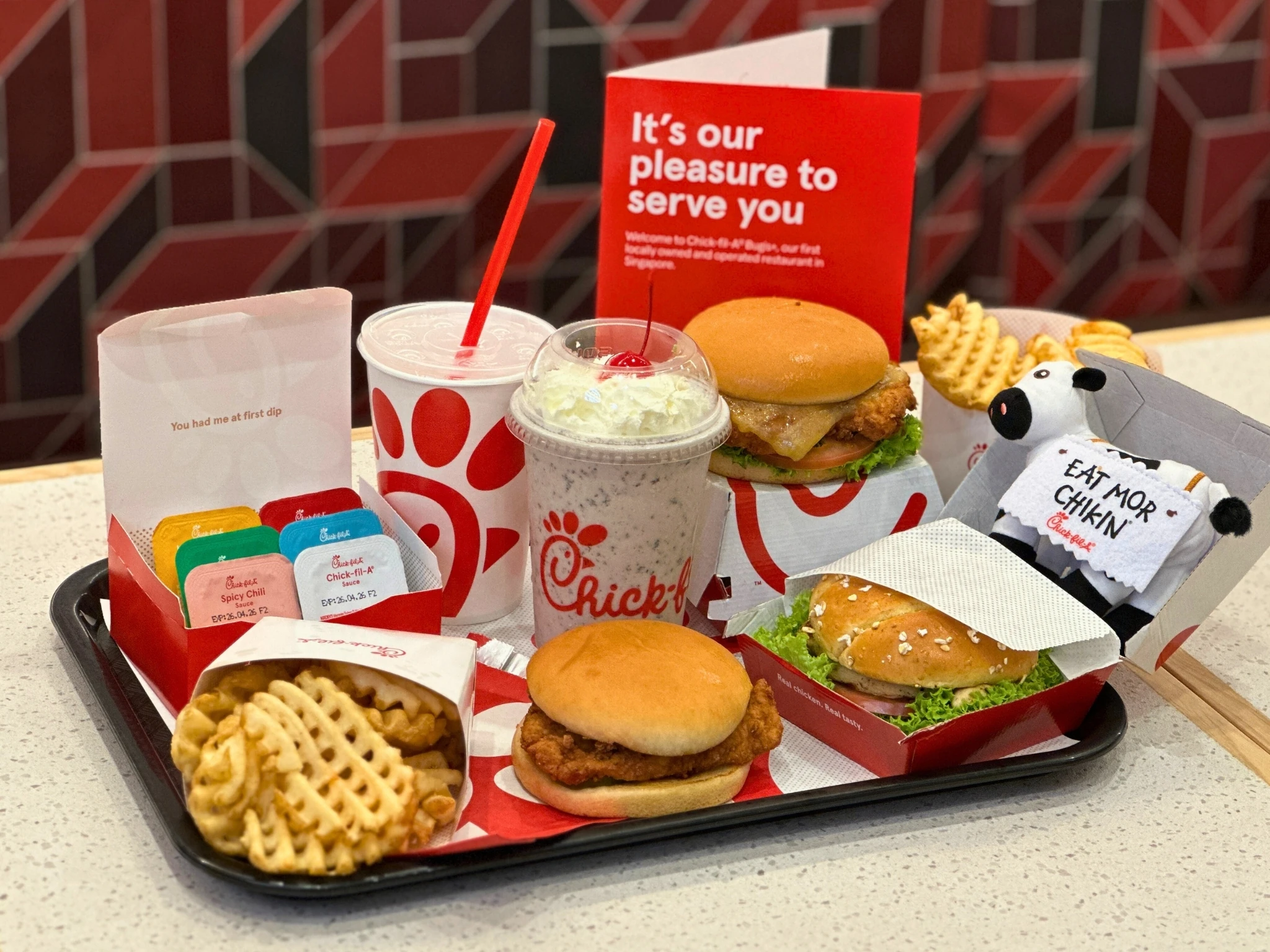
    American fast-food chain Chick-fil-A is set to expand its footprint in Singapore with the inauguration of its second restaurant, located at Millenia Walk, on July 30th.

    This new establishment forms part of the company’s strategic growth plan following its successful entry into Singapore last year, marking the brand’s debut in the Southeast Asian market. In a bid to boost its international presence, Chick-fil-A has committed to investing over US$75 million across Asia over the forthcoming decade.

    Details of the New Outlet

    The Millenia Walk restaurant, situated in Marina Centre, will offer both dine-in and takeaway services. Consistent with the brand’s longstanding global operating policy, the restaurant will operate from Monday to Saturday and remain closed on Sundays.

    The new venue will be managed by local owner-operator Deborah Ku, a seasoned professional in the food and beverage sector with more than two decades of industry experience. Ku will lead a workforce of 60 to 80 employees, focusing on training, mentorship, and leadership development.

    In expressing her excitement about the venture, Ku said, “Growing up in a culture deeply ingrained in warm hospitality, being part of Chick-fil-A’s journey in Singapore is a dream come true – not just for me, but also for my family, who have long admired the company’s strong culture of care and commitment to the community.” She added that she looks forward to creating a welcoming environment at Chick-fil-A Millenia Walk, where guests feel genuinely cared for and team members can grow, realize their potential, and make a profound impact in the lives of others.

    Community Contributions

    Coinciding with its launch, the Millenia Walk restaurant will participate in Chick-fil-A’s Shared Table program. This initiative combats food waste by redistributing surplus food to local charities through The Food Bank Singapore. So far, the program has provided more than 42 million meals globally.

    Chick-fil-A currently operates over 3,000 restaurants in multiple locations, including the United States, Canada, Puerto Rico, the United Kingdom, and Singapore.

    Questions & Answers

    What is Chick-fil-A’s investment plan for Asia?
    Chick-fil-A has committed to investing more than US$75 million across Asia over the next decade.

    Who will manage the new Chick-fil-A restaurant at Millenia Walk?
    The new restaurant at Millenia Walk will be managed by local owner-operator Deborah Ku, who has over 20 years of experience in the food and beverage industry.

    What is Chick-fil-A’s Shared Table program?
    The Shared Table program is an initiative by Chick-fil-A that redistributes surplus food to local charities. The Millenia Walk restaurant will participate in this program, which has so far provided over 42 million meals globally.

  • Bang & Olufsen Unveils Asias Largest Flagship Store in Singapore: A New Era of Luxury Electronics Experience

    Bang & Olufsen Unveils Asias Largest Flagship Store in Singapore: A New Era of Luxury Electronics Experience

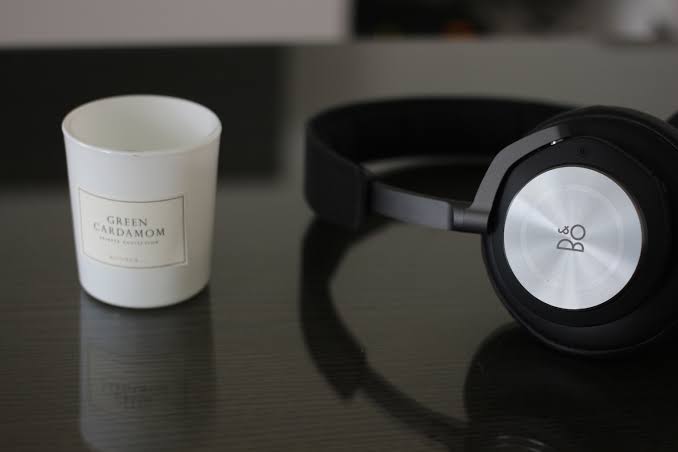
    Established Danish electronics manufacturer, Bang & Olufsen, recently unveiled its flagship store at Singapore’s Scotts Square shopping complex. With a retail area of approximately 2853 square feet, this site represents the company’s first Culture Store in Southeast Asia and the grandest in the Asia Pacific region. The inauguration follows their centennial celebration in the previous year.

    The innovative store design mirrors a high-end home, offering patrons the unique opportunity to explore Bang & Olufsen’s product range in a realistic setting, rather than on traditional display shelves. Amongst the features of this space are exclusive listening suites and personal consultation areas. These have been specifically designed for customers to assess the products in various acoustic conditions.

    Why Singapore?

    Bang & Olufsen’s CEO, Nikolaj Wendelboe, stated that Singapore was chosen as the location for their flagship store due to its status as a design, cultural, and commercial nexus in the region. The store was established through a collaborative effort with Design Collection Denmark. This partnership has been a key part of Bang & Olufsen’s operations in Singapore for the past two decades.

    Originally founded in 1925 in Struer, Denmark, Bang & Olufsen has made a name for itself with its premium audio equipment, televisions, and headphones. Globally, the brand has a commercial presence extending over more than 70 countries.

    Questions & Answers

    What is the significance of the new Bang & Olufsen store in Singapore?
    This store is the first Culture Store in Southeast Asia for Bang & Olufsen and is the largest of its kind in the Asia Pacific region.

    What differentiates this store from traditional retail spaces?
    Instead of standard display shelves, the store is designed to resemble a luxury home, allowing customers to experience the products in realistic living environments. There are also dedicated listening rooms and private consultation spaces.

    Why was Singapore chosen as the location for this flagship store?
    According to the CEO of Bang & Olufsen, Nikolaj Wendelboe, Singapore’s position as a regional hub for design, culture, and commerce made it an ideal location for their flagship store.

  • Singapore Retail Sales Continue Upward Trend, Albeit at a Slower Pace in May

    Singapore Retail Sales Continue Upward Trend, Albeit at a Slower Pace in May

    Singapore’s retail sector experienced continued growth in May, albeit at a slower pace than in April. Statistics from the Department of Statistics indicate that retail sales, excluding motor vehicles, parts, and accessories, rose by 3.7% in May. This increase represents a slight slowdown when compared to April’s 4.5% growth. Nevertheless, this marks the continued progression of the positive trend that started in February.

    The total value of retail sales in May was estimated at SG$3.8 billion (US$2.9 billion). Interestingly, online sales made up 17.7% of the total. However, on a seasonally adjusted basis, retail sales decreased by 1.8% compared to the previous month.

    Trends by Category

    Examining the growth by category, recreational goods and watches and jewelry saw the most significant increases, with sales jumping 23.6% and 11.7% year-on-year, respectively. A 9.5% increase in sales was also noted at petrol service stations, primarily due to rising petrol prices.

    Other categories that noted sales boosts between 4.5% and 7.7% include cosmetics, optical goods and books, furniture, and telecommunications equipment.

    On the other hand, food and alcohol retailers and department stores experienced declines, reporting decreases of 3.7% and 3.3%, respectively. The sector of food and beverage services maintained a steady level in May, showing no significant increase when compared to the 0.1% growth in April.

    Questions & Answers

    Which retail categories experienced the most growth in May?
    Recreational goods and watches and jewelry saw the most significant growth, with sales increasing by 23.6% and 11.7% year-on-year, respectively.

    What percentage of total retail sales were made online?
    In May, online sales constituted 17.7% of the total retail sales.

    Did all retail categories see an increase in sales?
    No, not all categories saw an increase. Food and alcohol retailers and department stores reported declines in sales of 3.7% and 3.3%, respectively.

  • DBS Leads Singapore Banks in $1B Synthetic Securitization Deal: Unveiling a New Era of Corporate Lending

    DBS Leads Singapore Banks in $1B Synthetic Securitization Deal: Unveiling a New Era of Corporate Lending

    DBS Group, the largest bank in Southeast Asia in terms of assets, recently completed a pioneering synthetic securitization transaction. This transaction, which is tied to a corporate loan portfolio worth $1 billion, marks the first of its kind to be carried out by a Singaporean bank.

    A New Approach to Risk Management

    The transaction, known in the financial sector as a significant risk transfer transaction, provides an opportunity for investors to shoulder a portion of the loan portfolio’s credit risk. This was confirmed in a statement released by DBS on Tuesday. DBS retains and services the loans, but this new approach reduces the amount of regulatory capital that the bank is required to hold against them.

    This innovative transaction is expected to assist DBS in managing its capital more efficiently. It is also intended to bolster client financing as the bank continues to grow its presence across Southeast Asia.

    According to DBS, the deal also sets a precedent for future transactions of a similar nature. The bank plans to selectively undertake more such transactions in the future.

    Maintaining a Robust Balance Sheet

    Philip Fernandez, the Group Corporate Treasurer at DBS, expressed that this new approach would facilitate the bank in maintaining a strong balance sheet while simultaneously pursuing growth opportunities. DBS also confirmed that its capital ratios are comfortably exceeding regulatory requirements.

    Questions & Answers

    What is a synthetic securitization transaction?
    A synthetic securitization transaction, also known as a significant risk transfer transaction, allows investors to assume part of the credit risk of a loan portfolio.

    How does this transaction benefit DBS?
    The transaction assists the bank in managing capital more efficiently, supports more client financing, and reduces the regulatory capital DBS must hold against the loans.

    What does this transaction mean for the future of DBS?
    The successful completion of this transaction paves the way for DBS to selectively perform more of these transactions in the future. It also indicates the bank’s commitment to maintaining a strong balance sheet while seeking out growth opportunities.

  • Revamped Pokémon Center Singapore Unveils Cultural Heritage-Inspired Store and Exclusive Merchandise

    Revamped Pokémon Center Singapore Unveils Cultural Heritage-Inspired Store and Exclusive Merchandise

    After a three-month refurbishment, Pokémon Center Singapore celebrated its reopening at Jewel Changi Airport, presenting a fresh store design influenced by Singapore’s rich cultural heritage and an array of exclusive new merchandise. The updated store boasts unique interiors inspired by traditional local architecture and features a variety of themed spaces, such as a food court-inspired zone and an ocean-themed event section.

    Revitalizing Pokémon Center Singapore with New Symbol and Exclusive Products

    In addition to its fresh new look, the store has adopted Solgaleo as its new emblem Pokémon. The iconic Legendary Pokémon now graces the official logo and stands proudly at the entrance, accompanying Pikachu.

    The Pokémon Center Singapore, strategically placed at Jewel Changi Airport, continues to serve as a lively community hub and a cherished destination for locals and global travelers. The reopening is a significant step in enhancing relationships with local consumers and Pokémon enthusiasts worldwide.

    To commemorate the grand reopening, the Pokémon Singapore team is set to launch 20 exclusive celebratory products in two stages. The first wave, released on July 1, includes Singapore-inspired lifestyle items. A second collection, expected to be available on August 7, comprises locally-themed merchandise such as Pikachu bag charms, Peranakan-inspired pouches, T-shirts, and tote bags.

    Established in 2019, the Pokémon Center Singapore was the first permanent Pokémon Center in Southeast Asia. The brand is progressing its regional expansion with the planned opening of its second Southeast Asian store at CentralWorld in Thailand.

    Questions & Answers

    What is the new design concept of the refurbished Pokémon Center Singapore?
    The newly refurbished Pokémon Center Singapore features a design concept inspired by traditional local architecture and Singapore’s cultural heritage.

    What is the new symbol Pokémon for the store?
    The store has chosen Solgaleo as its new symbol Pokémon, which now features on the official logo and at the entrance alongside Pikachu.

    Are there any special events or products to mark the reopening?
    Yes, the reopening is being marked with the launch of 20 exclusive commemorative products in two waves. The first wave includes Singapore-inspired lifestyle items, and the second wave features locally-themed merchandise such as Pikachu bag charms, Peranakan-inspired pouches, T-shirts, and tote bags.