Tag: mumbai

  • UltraTech Cement to Add 600 Electric Trucks to Indian Logistics Fleet

    UltraTech Cement to Add 600 Electric Trucks to Indian Logistics Fleet

    UltraTech Cement will deploy more than 600 heavy-duty electric trucks across its Indian supply chain by December 2026. The fleet will haul over five million metric tonnes of clinker and raw materials annually across seven states.

    Operations will span industrial corridors in Gujarat, Uttar Pradesh, Madhya Pradesh, Rajasthan, Chhattisgarh, Maharashtra and Odisha. The company calculated that replacing diesel prime movers at this scale cuts net carbon emissions by more than 117,000 tonnes annually, eliminating the consumption of roughly 39 million litres of diesel fuel each year.

    Fleet suppliers and regional deployment

    Procurement contracts have been split among domestic and international commercial vehicle builders. Suppliers include Tata Motors, Ashok Leyland, IPLTech, Sany and Energy In Motion, alongside third-party logistics operators.

    The heavy vehicles will manage mine-to-plant transport as well as inter-plant transfers of clinker. UltraTech currently runs more than 850 alternative-fuel commercial vehicles, a tally that blends compressed natural gas units with battery-electric haulers.

    Scaling heavy-duty electric freight

    Electrifying heavy industrial freight remains rare across Asian emerging markets, where high battery pack costs and limited mega-watt charging infrastructure keep most operators tied to diesel. UltraTech tested the waters in June when it put 45 electric trucks into service on a 250-kilometre clinker route between Rajasthan and Uttar Pradesh with Energy In Motion, bringing its dedicated electric fleet to 89 units at the time. Expanding that base almost sevenfold indicates commercial confidence in operating economics on fixed factory-to-mine loops.

    Delivery schedules for the new vehicle batches begin over the coming quarters, with all 600 prime movers scheduled to enter full revenue service before the end of 2026.

  • Nykaa Buys Additional 24.2 Percent Stake in Beauty Brand Earth Rhythm

    Nykaa Buys Additional 24.2 Percent Stake in Beauty Brand Earth Rhythm

    Indian beauty and fashion retailer Nykaa acquired an additional 24.2 per cent stake in direct-to-consumer personal care brand Earth Rhythm. The transaction builds on the retailer’s initial backing of the company two years ago.

    Nykaa first took a position in Earth Rhythm during an 8 million dollar Series A funding round in 2022. The increased holding deepens its direct ownership of domestic skincare and haircare labels as competition intensifies across India’s beauty and personal care market.

    Consolidation in Indian Beauty Brands

    The deal reflects a broader push by established e-commerce platforms to secure higher-margin proprietary and partner labels rather than relying entirely on third-party marketplace distribution. By taking a larger equity position, Nykaa gains tighter control over product development, supply chains, and exclusive digital merchandising rights for Earth Rhythm’s portfolio.

    Direct-to-consumer brands in India face rising customer acquisition costs on digital channels. Partnering closely with platform operators provides these brands with immediate shelf space, physical store exposure through Nykaa Luxe and Nykaa On Trend outlets, and shared logistics infrastructure across tier-one and tier-two cities.

    Building Out the House Brand Strategy

    Rival platforms including Reliance Retail’s Tira and Tata Cliq Palette are expanding their own portfolios of private and partnered beauty brands. Nykaa’s strategy mirrors global retail trends where multi-brand operators buy equity in high-performing independent labels to capture manufacturing margins alongside retail markups.

    The investment follows Nykaa’s entry into Earth Rhythm in 2022, when the startup used its Series A proceeds to expand manufacturing capacity and marketing reach. The brand formulates solid beauty bars, skincare serums, and clean-label cosmetic formulations sold across India.

    Investors will look to Nykaa’s upcoming quarterly filings for the total cash consideration paid for the 24.2 per cent equity tranche and any changes to Earth Rhythm’s board structure.

  • Burma Burma Expands to 21 Outlets Across India with D2C Lines

    Burma Burma Expands to 21 Outlets Across India with D2C Lines

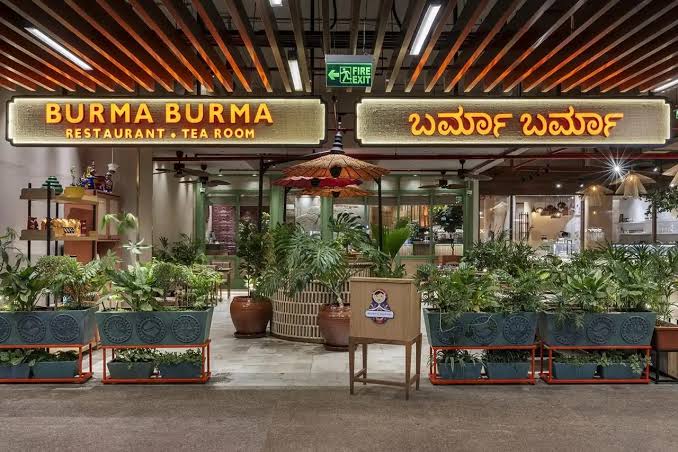
    Indian dining chain Burma Burma has expanded its footprint to 21 outlets across India while adding direct-to-consumer pantry goods and ice cream lines. The concept, launched in Mumbai in 2014, built its network by converting traditionally meat-heavy and fish-sauce-based Burmese dishes into an entirely vegetarian, alcohol-free format.

    Founder Ankit Gupta began development for the concept in 2011, three years before opening the first restaurant in Mumbai’s Kala Ghoda district. Gupta spent that period travelling through Mandalay, Yangon, and Sagaing to document street food preparations, dine in private homes, and secure supply links directly from local agricultural markets. His connection to the cuisine came through his mother, who lived in Myanmar for more than 20 years.

    Adapting a Regional Menu

    Traditional Burmese cooking relies on fermented seafood pastes and meat broths, ingredients that Gupta stripped out entirely to fit Indian dining preferences. The resulting menu created a new reference point for a cuisine that had virtually no commercial presence in India prior to the chain’s launch.

    Most international food concepts entering India rely on pre-existing consumer awareness or western brand equity. Burma Burma established demand for an unfamiliar Southeast Asian category by pairing strict vegetarian compliance with specialized ingredient sourcing, demonstrating that niche regional formats can scale nationally without serving alcohol or meat.

    Retail Pantry and Ice Cream Expansion

    Alongside its 21 physical restaurants and tea rooms, the business has diversified into packaged consumer goods. The brand now sells a direct-to-consumer pantry line and an artisanal ice cream range, targeting at-home consumption across major urban centres.

    The company continues to distribute its packaged line online while managing supply chain flows for imported specialty ingredients across its 21-store restaurant network.

  • Aptar Beauty Shifts Focus to India and Southeast Asia as Market Hits 4% Growth

    Aptar Beauty Shifts Focus to India and Southeast Asia as Market Hits 4% Growth

    Aptar Beauty is shifting its product development and manufacturing footprint toward India and Southeast Asia as global beauty demand stabilises at 4 per cent annual growth.

    The dispensing systems supplier developed its Nouvelle airless dispenser specifically in India to capture surging demand for premium skincare before exporting the design across the region. Aptar plans to roll out the Indian-made packaging line into Thailand and Indonesia, tapping markets where consumer adoption is rising alongside trading up to higher-end product formats.

    Localising production across India and Southeast Asia

    International beauty brands in China face softer sales while domestic players gain ground, prompting packaging suppliers to diversify their regional revenue base. To support Asian fragrance demand, Aptar took a stake in Chinese manufacturer Goldrain to produce perfume pumps tailored to local price points and design preferences.

    Regional production sites in India, Thailand, and China also insulate the company against trade barriers and US tariffs. Operating plants across seven countries allows the group to supply multinational brands locally rather than shipping components across borders.

    For retailers and beauty brands across the Asia-Pacific region, packaging suppliers are moving away from adapting Western designs for Asian shelves. Aptar, like competitors Berry and Silgan, is now engineering packaging in Asia for local climate conditions, viscous formulations, and regional cost targets before distributing those formats globally.

    Engineering pumps for new cosmetic formulas

    Formulation changes are forcing mechanical redesigns across beauty dispensers. Skincare brands are replacing silicones with short-chain alkanes, which cause standard polyolefin plastics to swell and jam pump mechanisms.

    Fragrance houses are also introducing water-based, alcohol-free sprays that standard pumps cannot atomise properly. Aptar developed customised dispensing hardware for formulations like Guerlain’s Aqua Allegoria Perle skincare fragrance, while engineering its GSA platform for high-viscosity creams and expanding refillable systems such as its Gaïa airless line used by Clarins.

    The supplier is now eliminating polyoxymethylene and per- and polyfluoroalkyl substances across its catalogue ahead of the enforcement of the European Union’s Packaging and Packaging Waste Regulation.

  • Airbus Expands Indian Supply Chain with New A320 Work for Mahindra

    Airbus Expands Indian Supply Chain with New A320 Work for Mahindra

    Airbus expanded its manufacturing supply chain in India by awarding new A320 aircraft component work to Mahindra.

    The contract deepens the industrial partnership between the European aerospace manufacturer and the Indian conglomerate, adding production volume for the primary commercial passenger aircraft programme in the Airbus fleet.

    Expanded Aerostructures Work

    Under the agreement, Mahindra manufactures structural parts and assemblies for the Airbus A320 single-aisle programme. The components feed directly into the final assembly lines that Airbus operates across its global network.

    Local operations handle precision machining, sheet metal fabrication, and sub-assemblies. The expanded work strengthens domestic aerospace manufacturing capabilities across industrial facilities in India.

    Deepening Sourcing in India

    Airbus has broadened its supplier base across South Asia to support international delivery rates. Major commercial aircraft manufacturers continue to scale procurement contracts with Indian engineering and manufacturing firms to secure critical assembly inputs.

    Production under the expanded work package feeds into the global assembly schedule as Airbus works toward higher monthly output rates across its single-aisle line.

  • Indian Sneaker Brand Zaydn Raises Fresh Capital for Expansion

    Indian Sneaker Brand Zaydn Raises Fresh Capital for Expansion

    Indian sneaker brand Zaydn has secured fresh capital to accelerate retail expansion across the domestic market.

    The investment will support the brand’s production scale and broader distribution network as consumer appetite for homegrown footwear labels increases across Indian urban centres.

    Targeting domestic sneaker demand

    Capital from the round will go directly toward expanding retail channels and widening the brand’s core product lineup. Indian consumers continue to shift casual wardrobe budgets toward sneakers and athletic styling, opening room for domestic players to compete alongside established global labels.

    Distribution strategy for direct-to-consumer and lifestyle footwear in India relies heavily on blended retail channels. Brands must balance online marketplaces with dedicated brand outlets to build repeat purchase rates and maintain stock efficiency in metro regions.

    The race for shelf space

    Homegrown footwear brands in India face stiff competition from multinational sporting goods giants and local value manufacturers alike. Established international brands hold the bulk of premium mall space, leaving younger labels to build loyalty through direct channels and targeted offline footprint before pushing into Tier-2 retail corridors.

    RetailNews Asia will track Zaydn’s subsequent channel rollout and store openings as the new capital deployment begins across regional markets.

  • Reliance Jio Holds 506 Million Users but Trails in 11 Indian Circles

    Reliance Jio Holds 506 Million Users but Trails in 11 Indian Circles

    Reliance Jio reached 506 million mobile subscribers across India while trailing regional rivals in 11 of the country’s 22 telecom service circles.

    The split highlights how regional competition remains stubborn across key states even as the operator dominates aggregate national numbers.

    Regional Market Share Dynamics

    India divides its telecom market into 22 operational circles covering distinct states and metropolitan areas. Jio leads in half of those service areas, driven by heavy nationwide mobile broadband rollout. In the other 11 circles, competing operators retain the top rank through entrenched distribution channels and long-standing subscriber bases.

    Gaining ground in secondary and rural circles requires continuous capital expenditure on base stations and fiber links. Jio has focused its standalone 5G deployment to challenge rival networks where earlier market entrants built strong local brand loyalty.

    The Battle for Secondary Circles

    Across Asian telecommunications, aggregate national subscriber leads frequently mask localized market splits where regional operators protect user share and pricing power. Similar dynamics play out in markets like Indonesia and the Philippines, where provincial dominance often resists nationwide network rollouts.

    Jio now faces the operational test of lifting its rank across those 11 remaining circles as Indian operators push to convert network capacity into higher average revenue per user.

  • Indian Companies Raise 22,400 Crore Rupees as Listing Risks Mount

    Indian Companies Raise 22,400 Crore Rupees as Listing Risks Mount

    Indian companies raised about 22,400 crore rupees through initial public offerings in August as issuers accelerated listings across Mumbai exchanges.

    The rush comes before September 30, when one-year approvals granted by the Securities and Exchange Board of India lapse for a large batch of listing candidates.

    Trading performance has weakened as issue volumes expanded. The share of initial public offerings closing below their issue price on debut day climbed to 37 per cent in 2026 through August 26, up from 33 per cent across 2025. About 40 per cent of all companies listed on Indian bourses since 2022 traded below their offer prices as of late August.

    Valuation Spikes and Pre-IPO Trimming

    Market analysts point to aggressive pricing and short-term cost cuts in draft prospectuses. Issuers frequently compress advertising budgets and headcount spending in the final quarters before filing, lowering visible losses before public scrutiny begins.

    Pre-IPO share transactions also show sharp price differences over short periods. Stock changing hands six months before an issue at half the public offer price raises immediate questions about whether underlying business performance changed enough to justify the markup.

    If existing investors are simply using the IPO to exit, that may not augur well, because the basic premise is that the company should make productive use of the capital.

    Governance risks documented in offer filings include heavy related-party transactions, frequent promoter business pivots, and contingent liabilities that sit off the balance sheet until tax or legal disputes resolve. Recurring negative operating cash flows alongside stated book profits remain a primary warning sign for retail portfolios.

    Loss-Making Consumer Tech Issuers Face Scrutiny

    Across regional equity markets from Seoul to Mumbai, high-multiple listings without clear profit pathways face stricter institutional discounting once trading opens. RetailNews Asia has tracked a similar reassessment across Southeast Asian consumer tech listings, where public investors demand positive unit economics rather than gross merchandise volume growth.

    For loss-making consumer tech businesses now entering Indian exchanges, assessing valuation relies heavily on private venture benchmarks rather than stable price-to-earnings metrics. Comparing prospective valuations against established listed peers in the same sector exposes whether promoters priced the issue for market sentiment rather than underlying returns on capital.

    Attention now turns to the final batch of filings facing the September 30 regulatory deadline, which will test whether institutional books clear remaining supply before clearances expire.

  • Indian Gen Z Spends Three Times More on Quick Commerce Than Older Shoppers

    Indian Gen Z Spends Three Times More on Quick Commerce Than Older Shoppers

    Indian Gen Z shoppers spend three times more on quick commerce platforms for groceries than consumers over 30, allocating 2.6 per cent of their wallet share to instant delivery.

    By contrast, traditional supermarket chains such as D-Mart capture just 0.85 per cent of their spending, according to transaction data from credit-on-UPI fintech platform Kiwi. Consumers aged 30 and older continue to direct the bulk of their grocery budgets to physical stores and neighbourhood kirana shops.

    Shifting priorities in grocery and credit

    Younger shoppers in India are bypassing traditional discount hunting in favour of speed. Kiwi, which analysed 25,000 users between June and July 2026, found that Gen Z cardholders use credit selectively for high-value items while relying on app-based delivery for routine supplies.

    They also spend 20 per cent more on rental and education payments compared to older age groups, pointing to heavy reliance on credit for essential recurring living costs. When financing larger transactions through equated monthly instalments, Gen Z users consistently choose longer repayment windows to reduce monthly outgo, accepting higher overall interest charges in exchange for immediate budget flexibility.

    “Gen Z is not necessarily using credit more frequently; they are using it differently,” said Siddharth Mehta, co-founder and chief operating officer at Kiwi. “Our data shows that convenience is playing a much bigger role in how younger consumers make payment and credit decisions.”

    Everyday essentials dominate digital wallets

    The pivot toward speed over pricing rewards mirrors broader consumer shifts across South Asia, where instant delivery platforms like Blinkit, Zepto and Swiggy Instamart have eroded market share from established hypermarkets. A separate study of 520,000 users by payroll fintech SalarySe confirmed that Gen Z spending remains concentrated on essential living costs, utilities and recurring digital subscriptions managed through automated UPI mandates, rather than discretionary lifestyle splurges.

    Kiwi, which has issued more than 200,000 RuPay credit cards over the past two years, reported a 10 per cent higher wallet share among Gen Z users compared to millennials on its platform. Retailers and card issuers now face the challenge of retaining young consumers who show little loyalty to multi-card cashback schemes, focusing instead on whether quick commerce operators can sustain current delivery speeds as order volumes rise into the festive quarter.

  • Indian Executive Coaching Faces Price War as New Entrants Cut Hourly Fees

    Indian Executive Coaching Faces Price War as New Entrants Cut Hourly Fees

    Indian executive coaching rates dropped to 8,000 rupees an hour as new entrants flooded corporate rosters and undercut established advisors who command up to 100,000 rupees.

    Corporate clients across Mumbai, Bengaluru, and New Delhi now demand bulk discounts on leadership training contracts while testing artificial intelligence bots for standard employee check-ins. The shift comes as businesses look for cheaper ways to retain senior executives amid moderating salary growth.

    Supply Spikes Across Training Platforms

    Senior corporate directors who left industry roles over the past five years created a sudden supply surge. New practitioners must log fixed coaching hours to earn International Coaching Federation credentials, prompting many to slash initial hourly fees to between 8,000 and 10,000 rupees ($95 to $120) to win corporate mandates.

    Specialized recruitment and training marketplaces expanded quickly to handle the volume. B2B coaching network Meeraq accumulated 3,000 coaches on commission over four years, while affiliated training arm Coach-To-Transformation expanded annual enrollment to 500 executives, up from 25 participants in 2016. Its three-to-four-month qualification course costs 165,000 rupees plus goods and services tax.

    Automated Agents Enter Corporate Retainers

    Enterprise buyers are also weaving automated software into long-term leadership contracts. Human resources departments deploy AI agents to handle early goal-setting, coach matching, and routine follow-ups during multi-month development programs.

    For enterprise employers in India, the coaching shakeout mirrors the rapid commoditization seen across corporate software and technical training. Retailers and consumer tech firms that previously reserved one-on-one executive development for board-level leadership can now distribute structured coaching to mid-level managers at a fraction of historic budgets.

    Enterprise procurement teams across India are now renegotiating annual leadership retainers ahead of the next fiscal budgeting cycle, with platforms competing to bundle human advisory sessions alongside automated tools.

  • Indian Digital Beauty Brands Face Margin Squeeze as Offline Push Costs Mount

    Indian Digital Beauty Brands Face Margin Squeeze as Offline Push Costs Mount

    India’s digital beauty startups face steep margin pressure as marketing costs jump past 50 per cent of revenue once annual sales cross ₹200 crore ($21 million).

    Offline retail accounts for 75 to 80 per cent of the country’s beauty and personal care market, forcing online-native brands into capital-heavy physical store networks to sustain growth.

    Mobile data costs in India dropped from roughly ₹200 ($2) to under ₹9 ($0.09) per gigabyte over recent years, bringing over 800 million consumers online and giving early direct-to-consumer operators cheap customer acquisition. That easy digital runway hits an initial wall at ₹100 crore ($10.4 million), according to an industry analysis by Kearney.

    Past the ₹200 crore mark, acquiring incremental shoppers turns expensive. Heavenly Secrets, the owner of Pilgrim, allocated 57 per cent of its revenue to advertising and promotion, while Bad Habit Mediacorp spent 55 per cent and Foxtale Consumer directed 53 per cent into marketing.

    The Omnichannel Hurdle

    Scaling past ₹600 crore ($63 million) requires building direct distribution across India’s 50 largest cities, an effort that takes 12 to 18 months before turning profitable.

    Larger operators manage to rein in promotion costs once they establish physical store footprints. Brands generating more than ₹400 crore ($42 million) typically trim marketing expenditure to between 30 and 36 per cent of sales.

    Honasa Consumer reached profitability in 2024 by generating 36 per cent of its revenue offline against 59 per cent online, keeping its marketing spend at 36 per cent. Mosaic Wellness also capped ad spending at 36 per cent, while Plum owner Pureplay Skin Sciences ran at 35 per cent and Minimalist parent Uprising Science spent 34 per cent.

    Enterprise Restructuring and Buyouts

    Operating at scale forces startups to overhaul management structures in favour of enterprise executives, including chief revenue officers who understand fragmented wholesale networks and senior supply chain directors.

    Software investments also shift away from basic ad trackers. Companies take six to nine months to deploy unified customer data platforms that combine offline point-of-sale receipts with web data, alongside algorithmic demand planning systems.

    Across Asia, online-born brands in South Korea and China faced the same reckoning when digital customer acquisition matured, eventually turning to department stores and pharmacy chains to protect volume. For Indian founders, Kearney said the organic playbook stops working once revenue approaches ₹1,000 crore ($104 million).

    Expansion at that threshold shifts toward mergers and acquisitions to buy physical retail routes and specialised research facilities outright, setting up a consolidation phase among the country’s largest personal care independents.

  • Indian Women Triple Gold ETF Holdings as Mutual Fund Assets Reach 15.88 Lakh Crore

    Indian Women Triple Gold ETF Holdings as Mutual Fund Assets Reach 15.88 Lakh Crore

    Women investors in India expanded their gold exchange-traded fund holdings to 16.4 percent of their passive portfolios in March 2026, up from 6.4 percent a year earlier. The reallocation accompanied a surge in total mutual fund assets managed by women to ₹15.88 lakh crore, up by ₹10.04 lakh crore over five years.

    Data from the AMFI-Crisil Factbook 2026 shows women accounted for 1.61 crore of India’s 6.09 crore mutual fund investors by March 2026. Gold ETF net inflows across the industry reached ₹0.69 lakh crore during fiscal 2026, more than double the combined ₹30,213 crore recorded across the preceding five financial years. Precious metal funds drew more fresh capital than equity ETFs during the period, driven by price rallies and global volatility.

    How Portfolios Shift Across Age Groups

    Asset allocation among female investors showed clear differences by age bracket. Investors under 25 directed 88.3 percent of their capital into equity funds, with 5.4 percent going to hybrid funds and 2.1 percent to debt. In the 25 to 44 age bracket, equity allocations stood at 76.2 percent, while passive funds took 6.6 percent.

    Older demographics moved toward income stability. Women aged 45 to 58 allocated 64.8 percent to equities and 20.1 percent to hybrid funds. Investors above 58 lowered equity exposure to 51.2 percent while raising hybrid assets to 29.6 percent and debt holdings to 12.0 percent.

    Folio Sizes and Hedging Strategies

    The turn toward precious metals reflects a broader shift across Indian retail finance, where digital distribution and systematic investment plans have converted traditional jewellery buyers into paper commodity holders. Retail investors overall saw gold ETF assets rise to 14.9 percent of their passive portfolios in fiscal 2026, up from 4.6 percent in fiscal 2021.

    Average folio sizes for women tracked higher than those of men in March 2024 and March 2025 before reaching parity at the end of fiscal 2026. The next indicator will be whether gold inflows sustain their share against monthly domestic equity systematic investment plans running above ₹30,000 crore.

  • Levi’s Expands India Store Footprint and Women’s Wear to Chase Global Sales Target

    Levi’s Expands India Store Footprint and Women’s Wear to Chase Global Sales Target

    Levi Strauss & Co. Is expanding retail floor space across major Indian cities, targeting higher-margin women’s apparel and non-denim categories to fuel regional revenue growth.

    The apparel maker recently crossed 500 stores in India, which now ranks among its top six markets globally. Rather than simply adding shop fronts, the company is increasing the square footage of existing and new locations in metros including Mumbai, Bengaluru, and Delhi, alongside secondary hubs such as Chandigarh, Pune, Ahmedabad, and Chennai.

    Direct-to-consumer sales through its larger ICON store format now generate approximately 20 per cent of the brand’s India DTC revenue. Hiren Gor, managing director for South Asia, Middle East, and Africa at Levi Strauss & Co., noted that adding retail space in high-performing locations delivers equivalent commercial returns to opening separate doors.

    Category Shift Toward Women and Tops

    Consumer buying habits in India are diverging sharply from global denim baselines. Indian shoppers purchase more than one top for every bottom, compared to a global average of one top for every three bottoms sold.

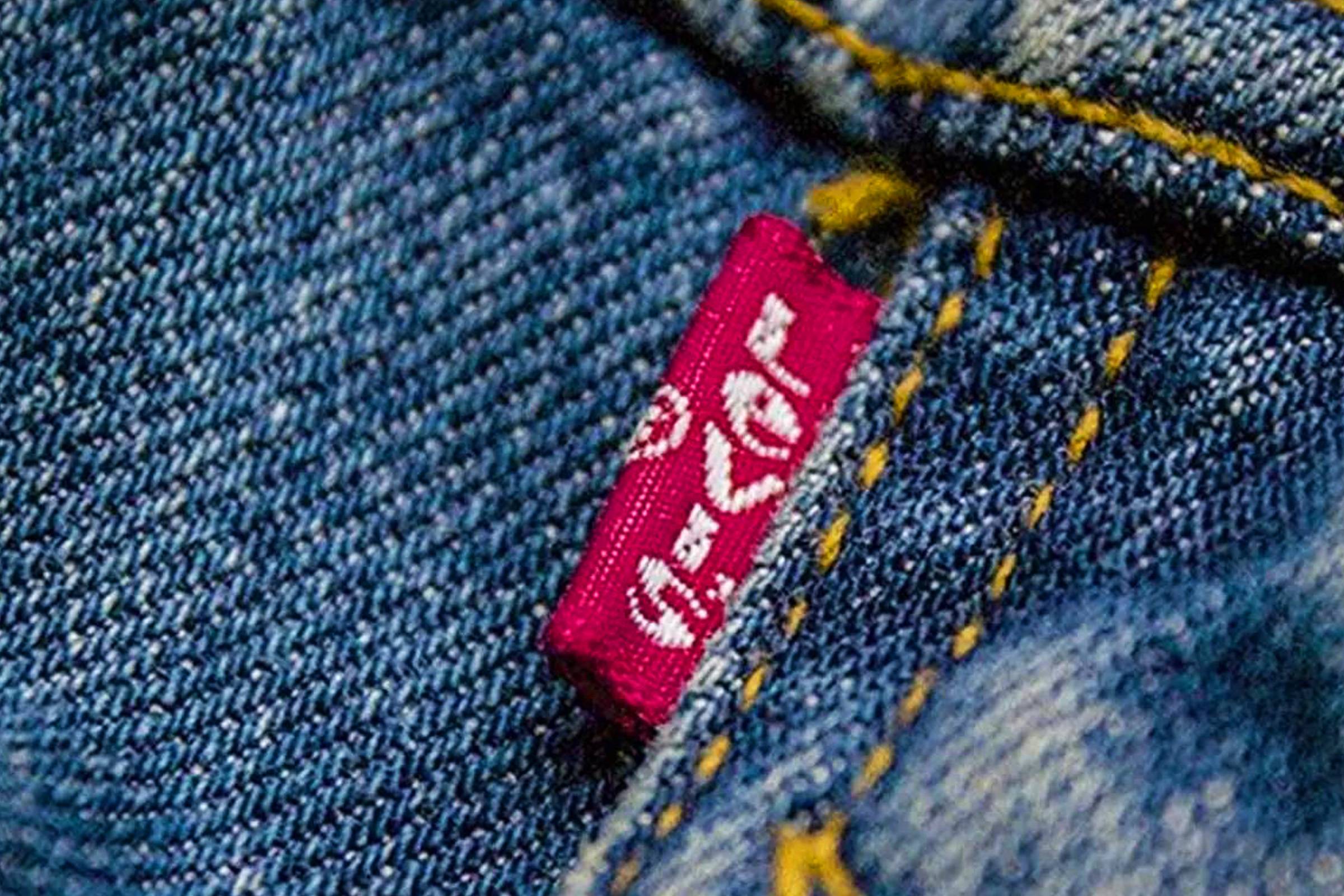
    Demand patterns reflect that split. While both denim and non-denim lines are expanding at mid-double-digit rates, women’s apparel is advancing at high double digits. The company’s upscale casual line, Red Loop, now accounts for roughly 15 per cent of its Indian menswear sales, also expanding at a high double-digit pace.

    Supply chain localization underpins the category push. More than 95 per cent of the products Levi’s sells in India are manufactured domestically, supported by an in-house design team of 10 that creates 85 per cent of its product range specifically for the local market.

    Direct Retailing and Regional Reach

    International fashion labels in South Asia have routinely faced floor space constraints when attempting to sell complete lifestyle collections rather than single staple items. Shifting capital expenditure into large-format direct retail allows multinational brands to show complete lines, capture higher basket values, and protect margin against wholesale discount cycles.

    Parent group Levi Strauss & Co. Recorded $6.3 billion in global revenue for fiscal year 2025. The company is leaning on higher square footage and expanded apparel assortments in India to close the gap toward its stated $10 billion global revenue target.

  • India Quick Commerce Discounts Ease to 20% as Rivals Add Dark Stores

    India Quick Commerce Discounts Ease to 20% as Rivals Add Dark Stores

    Average discounts across India’s quick-commerce platforms have dropped to between 19 and 20 per cent, cooling from early-year peaks as operators focus on unit economics. The pull-back comes even as larger e-commerce rivals prepare to roll out up to 1,500 new dark stores over the next 12 to 18 months, according to research by UBS.

    Price discounting reached its height in early 2026 when Amazon Now raised discount rates from 26 per cent in November 2025 to 57 per cent two months later. Competitors responded in kind. Flipkart Minutes and incumbent platforms increased promotional discounts by 200 to 300 basis points across key retail categories before the pricing war settled over the past four months.

    Dark Store Land Grab

    The total addressable market for quick commerce across India is projected to reach $59 billion by FY30, upgraded by UBS from an earlier forecast of $34 billion. Quick-commerce networks now operate across more than 100 towns and are expected to capture roughly half of all incremental growth in online retail across the country.

    Network footprints are widening beyond standard grocery lines. Dark stores increasingly handle consumer electronics, personal care, and apparel, directly competing with traditional parcel delivery networks. To contest this volume, conventional e-commerce groups are setting up 400 to 600 micro-warehouses each, with plans to scale their combined networks to between 1,200 and 1,500 facilities.

    Unit Economics and Margins

    Incumbents enter this new round of competition with substantial cash reserves. Blinkit and Swiggy’s Instamart hold roughly Rs 18,000 crore each on their balance sheets, while Zepto holds about Rs 7,000 crore. Blinkit posted positive adjusted EBITDA margins in the first quarter alongside rapid net order value growth. Instamart reached contribution-margin break-even in May, lifting its sequential quarterly margin by 160 basis points to negative 0.2 per cent. Zepto cut promotional pricing and removed more than four million unprofitable customer accounts before restarting growth spending in July.

    Across Asia’s instant-delivery markets, platforms in South Korea and Southeast Asia experienced a similar shift once order density matured: headline subsidies gave way to monetisation through merchant advertising, platform fees, and branded marketing tie-ups. In India, UBS reduced its steady-state operating margin forecast for the sector by 250 to 300 basis points, reflecting the lower margins found in non-grocery merchandise and higher fulfilment costs outside top-tier metros.

    Attention now shifts to food-delivery user activation, where platforms report that more than 70 per cent of accounts transact less than once a month. Zomato and Swiggy are rolling out smaller basket sizes, tighter delivery radiuses, and reduced restaurant commissions to draw those dormant accounts into regular ordering cycles.

  • Asia’s Fox Nuts Market Set for Strong Growth, Driven by Healthy Snacking and Online Retail

    Asia’s Fox Nuts Market Set for Strong Growth, Driven by Healthy Snacking and Online Retail

    The global market for fox nuts, also known as makhana, is on a significant upward trajectory, with Asia Pacific leading the expansion. Valued at USD 183.4 million in 2025, the market is projected to reach USD 404.95 million by 2034, growing at a compound annual rate of 9.2% from 2026. Asia Pacific alone accounted for 59.28% of the market share in 2025, highlighting its crucial role in this burgeoning industry.

    Fox nuts, derived from the aquatic plant Euryale ferox, are gaining traction as a nutritious snack. They are rich in protein, antioxidants, minerals, and dietary fiber, and are naturally gluten-free. This nutritional profile makes them popular among health-conscious consumers seeking clean-label and plant-based food alternatives. The demand is further fueled by a growing shift toward healthy snacking, a preference for low-calorie and nutrient-dense options, and the rise of plant-based diets. Flavored, ready-to-eat makhana products are expanding their reach through supermarkets, convenience stores, and e-commerce platforms, particularly in Asia Pacific and North America.

    Innovation And Investment Drive Market Expansion

    Innovations in flavor and product development are key to the fox nuts market’s growth. Manufacturers are developing gourmet fusion snacks, incorporating global flavors like peri-peri, cheese, and chocolate, moving fox nuts from a traditional snack to a premium functional food. This appeals to urban consumers and is leading to expanded product portfolios and increased visibility in modern retail and online channels. For instance, India’s government initiatives, such as the PLI scheme for millet and superfood processing, are encouraging further innovation in fox nut-based products.

    Beyond gourmet offerings, there is a growing demand for fox nuts as a clean-energy snack for work and travel. Their light, fiber-rich, and convenient nature makes them ideal for on-the-go consumption, transitioning them into a mainstream daily snack. Portion-controlled packs and nutrient-enhanced variants are being introduced to cater to busy urban lifestyles. These trends align with health-focused public initiatives, like India’s POSHAN Abhiyaan, which promotes healthier snacking habits.

    Significant investment and funding are also bolstering the market. In 2025, the Government of India allocated USD 54.4 million (INR 476.03 Crore) for a six-year program to modernize the fox nuts ecosystem, focusing on cultivation, processing, value addition, and market development. An additional USD 11.4 million (INR 100 Crore) was invested in the National Makhana Board Initiative to develop processing clusters and improve supply chain infrastructure in Bihar, which accounts for over 80% of India’s makhana production. Private companies like Farmley also secured USD 40 million in Series C funding in May 2025 to scale their packaged fox nuts portfolio and expand distribution.

    Opportunities And Challenges For Retailers

    The increasing demand for convenient and nutritious food presents a strong opportunity for fox nuts in meal replacement formats and functional snacking. Brands are developing fox nut-based protein blends and breakfast mixes, targeting fitness enthusiasts and wellness-focused consumers. This aligns with a global trend of consumers seeking healthy snacks that offer satiety and clean-label nutrition. The global interest in plant-based and minimally processed foods, particularly in North America and Europe, also creates export opportunities for premium fox nut products through health food retailers.

    Despite the positive outlook, the industry faces challenges in standardizing puffing efficiency without compromising texture quality. Much of the processing still relies on manual labor, leading to inconsistencies and higher operational costs. Post-harvest, fox nuts are highly susceptible to moisture reabsorption, which can degrade quality and shorten shelf life, especially in humid regions. Ensuring export compliance with global food safety certifications also remains a hurdle for market players aiming for international expansion. RetailNews Asia has observed similar challenges in scaling artisanal food production across the region, where traditional methods often clash with modern industrial demands and international quality standards.