Retail News CRM

Tag: mumbai

  • Vardenchi To Open New Lifestyle Garage Store In Mumbai

    Vardenchi To Open New Lifestyle Garage Store In Mumbai

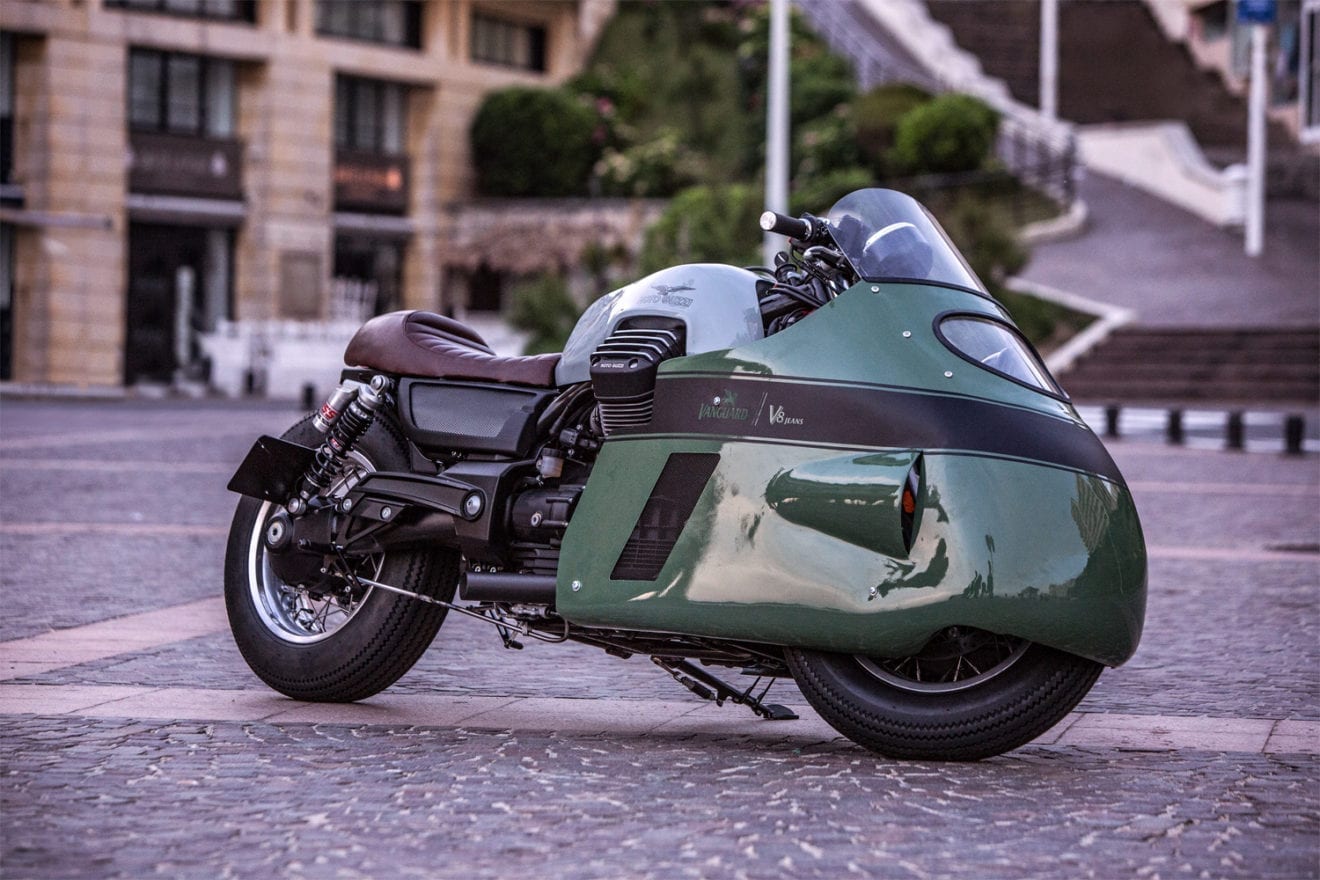
    Motorcycle design company, Vardenchi, is all set to open its first ‘Lifestyle Garage’ in Goregaon, Mumbai. The flagship space will offer a wide range of bespoke motorcycle upgrade solutions and crafted biker products. Biker Products will include a range of fashion motorcycle helmets, lifestyle riding gear, a collection of apparel like t shirts hoodies and shoes. Motorcycle Upgrade products will include accessories for Safety, Utility and Style such as lights, seats, guards, luggage and more.

    A lot of motorcycle parts and materials have inspired the design of the Lifestyle Garage. Akshai Varde, MD/Founder, Vardenchi said, “The Vardenchi Lifestyle Garage is a culmination of our long standing vision of offering ‘everything motorcycle.’ The market and the timing are very well positioned for a concept like this and we are extremely excited to kick off the first of an entire network of franchise stores”

  • AirAsia to launch Mumbai-Kolkata daily flight from Mid-April

    AirAsia to launch Mumbai-Kolkata daily flight from Mid-April

    Low cost carrier, AirAsia India Friday announced the launch of its flight services to Kolkata from the city next month. This would be airline’s second destination from Mumbai after it started operating daily services to Bengaluru from the country’s financial capital.  AirAsia India will now fly connecting Kolkata and Mumbai, with one daily flight, effective April 15, the airline said in a release Friday.

    The introduction of Mumbai-Kolkata route comes close on the heels of AirAsia India adding eighth additional flights to its network of 19 destinations.

    “We recently introduced the first connection between Bengaluru and Mumbai and are now adding a new connection between Mumbai and Kolkata. It’s a key market for AirAsia and this flight will strengthen our operations in East. This new route is a manifestation of our future growth plan in these key and important business markets, said Sunil Bhaskaran, managing director and chief executive officer, AirAsia India.

    AirAsia India, a joint venture between Tata Sons and Malaysian airlines’ group AirAsia, currently operates to 19 domestic destinations with a fleet of 20 Airbus A320 planes. The group made its first entry in the Mumbai market with the launch of AirAsia Berhad services to here from Kuala Lumpur in May 2010.

    However, in 2012 it withdrew the route citing high airport charges. But came back again with its subsidiary Indonesian AirAsia X in May 2017, which was again discontinued in April last year.

  • Vodafone Idea doubles 4G speeds in Mumbai

    Vodafone Idea doubles 4G speeds in Mumbai

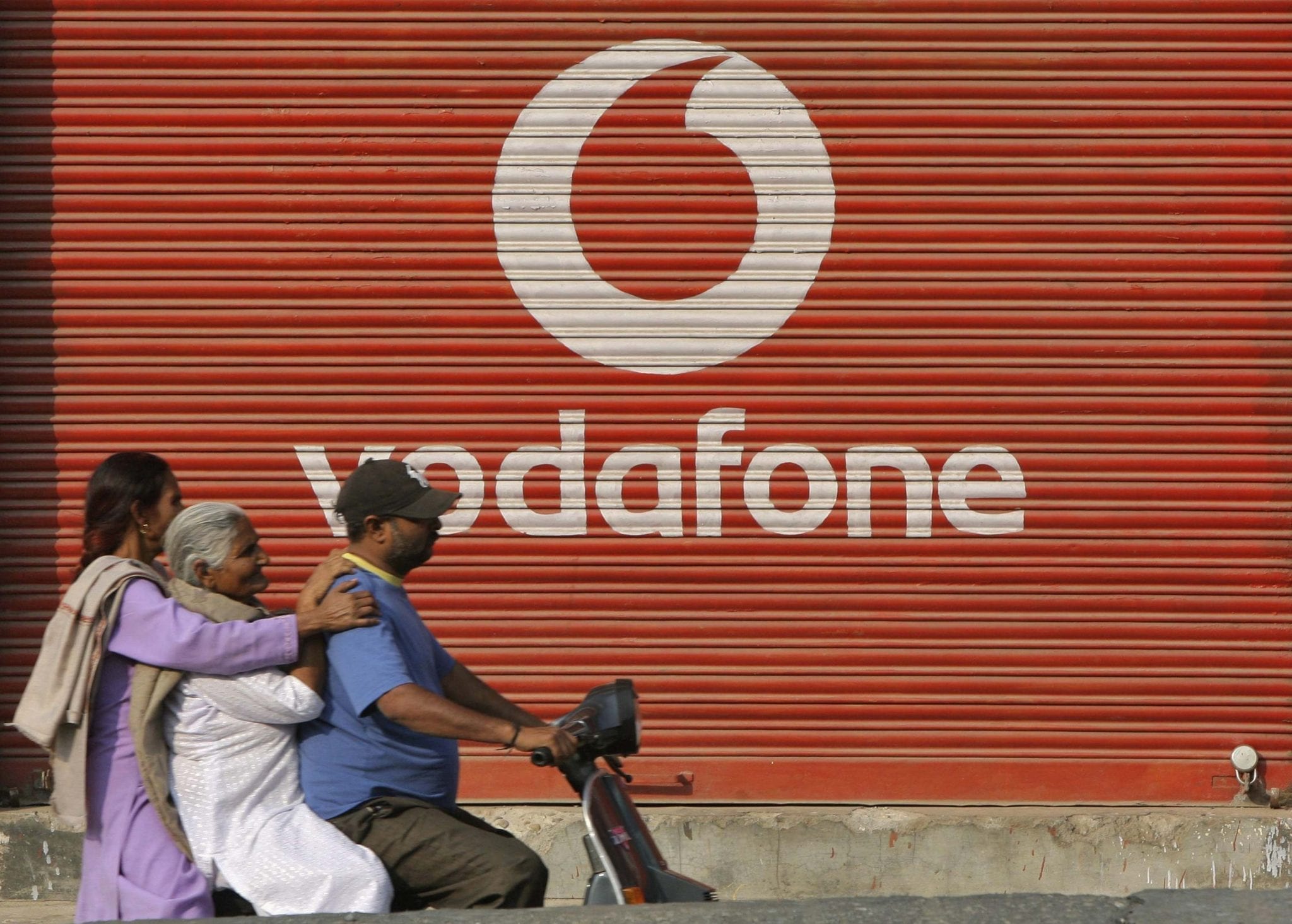
    India’s Vodafone Idea has announced it has doubled 4G download speeds in the Mumbai metro area as part of a major network modernization program in the city.

    The operator is deploying new technologies in the metro area including Massive MIMO, small cells and more TD-LTE cell sites, and has so far deployed more than 5,000 such sites across several regions.

    As part of the network upgrade, Vodafone Idea has also installed over 1,900 pieces of dedicated indoor coverage equipment at high rises and commercial buildings.

    Vodafone Idea’s capacity and coverage in Mumbai has also benefited from 4G spectrum refarming conducted as part of the network consolidation between the former Vodafone India and Idea Cellular, which combined to become Vodafone Idea last year in a $23 billion merger.

    “I am happy to announce that ‘Mumbai just got two times faster’ which means that our customers will now experience two times the download speeds on the 4G network,” Vodafone Idea business head Sunil Tolani said.

    This is based on statistics from Valu Connex Telecom Services indicating that average download speeds in Mumbai have improved by 2.16 times compared to prior to the modernization program.

    “We will be utilizing multiple [advertising] media like OOH [out-of home], radio and digital to reach out to our audience and hope they will enjoy the benefits of our focused network initiatives in Mumbai,” Tolani concluded.

  • GOZOOP wins Digital Mandate for amanté

    GOZOOP wins Digital Mandate for amanté

    GOZOOP, a leading integrated marketing company based in Mumbai, has bagged the digital media mandate of amanté -The International intimate wear brand. As part of their digital duties, the agency will manage the brand’s presence across social media and other digital platforms.

    amanté is an international intimate wear brand, adding confidence, glamour and sensuality to every modern Asian woman’s wardrobe. A brand owned by MAS Brands, subsidiary of MAS Holdings South Asia’s largest supplier of niche market intimate wear, it embodies 30 years of excellence held by the conglomerate in lingerie manufacturing. The brand is available in 1500+ outlets across partner stores in India, with a strong presence on leading online portals, along with its own direct to consumer brand stores and e-stores. MAS Brands has now extended to multiple consumer groups with three brands, amanté -which celebrates a decade long trust of discerning consumers, every dé by amanté- for value conscious consumers looking for pocket-friendly yet good quality products, and Ultimo – the specialist brand for the full-figured women.

    The mandate entails GOZOOP to build and reinforce the brand’s digital presence and create new, out-of-the-box communication strategies to strengthen brand awareness on digital platforms including social media and search engines. The association aims to integrate the digital presence across platforms and build content seamlessly across all platforms.

    Commenting on the win, Ahmed Aftab Naqvi, CEO and Co-Founder, GOZOOP said, “Partnering with brands give GOZOOP an equal seat not just for driving digital communication, but also business innovation basis consumer insights and behaviour across platforms. amanté is one such partnership and we are looking to use our capabilities to accelerate the brand and help grow the business.”

    Smita Murarka, Marketing Head, MAS Brands commented “We are excited about this partnership with GOZOOP! Being a leader in the lingerie industry in India, we are looking to connect with our audience through powerful digital content as they are spending most of their time online. amanté is glad to associate with an agency that understands the digital landscape very well and will help us meet our goals. MAS brands India is glad to associate with an agency that understands the digital landscape very well and will help us meet the goals for all our brands. We really look forward to seeing innovative ways to integrate our marketing strategies with their creative intellect.”

  • Indian mall supply industry booming

    Indian mall supply industry booming

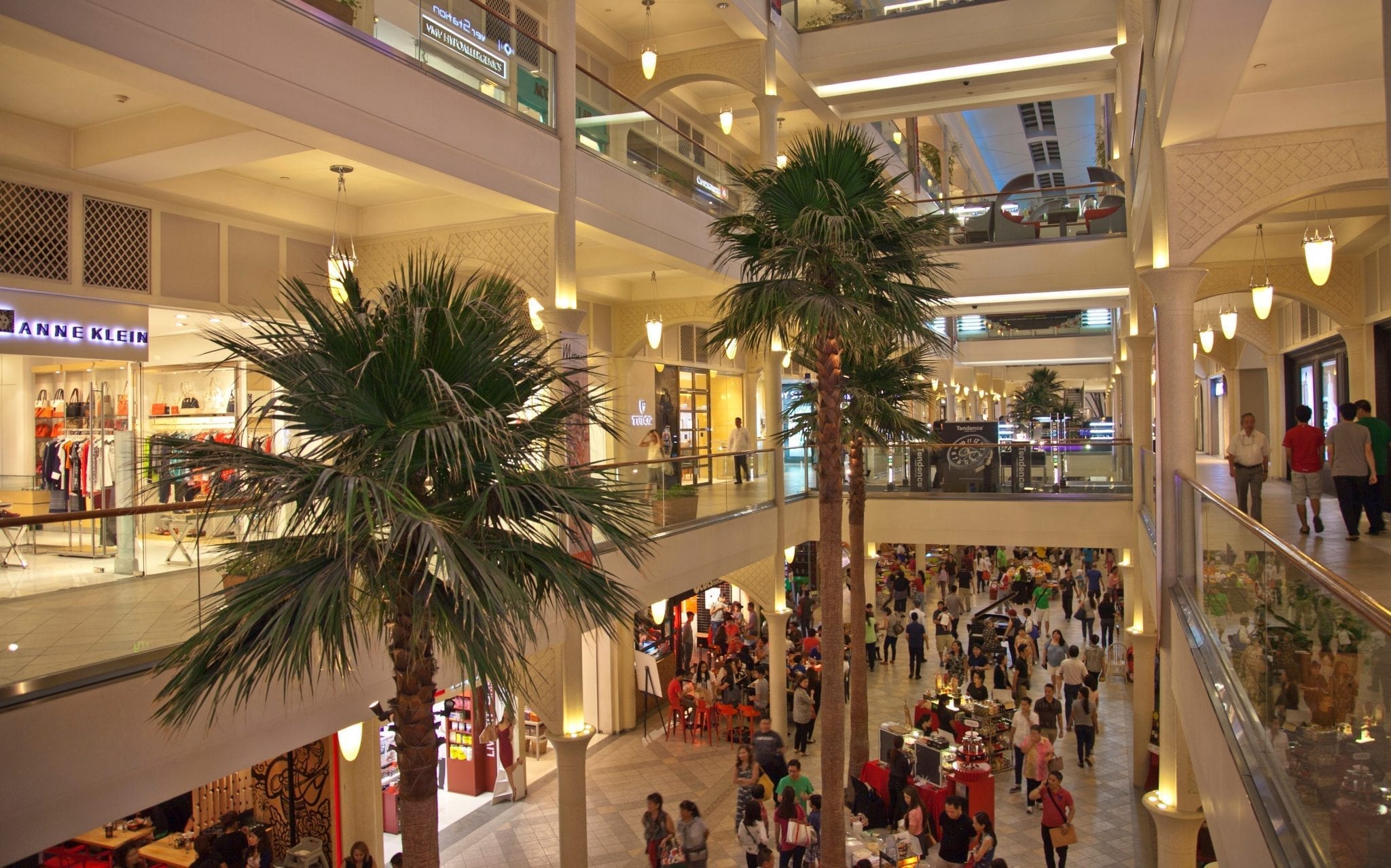
    A three-fold jump in Indian mall supply from 3.2 million sqft last year to nearly 10 million sqft this year has been reported in India, following supply rollover from the previous year.

    The figures were outlined in the research report Customer Experience (CX) – The Epicentre of Retailing by property consultant firm Anarock, released at the Retail Leadership Summit 2019 in Mumbai this week. The report finds that customer experience and ‘built environment’ are completely metamorphosing the retail business in the country, and that these trends have already started influencing and impacting both the online and the offline retail segments.

    “With the new e-commerce policy in effect from early this month, online retail giants are realigning their business strategies and focussing to expand their offline presence,” said Anarock chairman Anuj Puri.

    “Brick-and-mortar retailers who were earlier under threat from e-commerce can now look forward to a more level playing field and tap into the rapidly growing Indian consumer market with renewed confidence and business prospects. The new e-commerce policy will bring parity between the online and offline retailers and address the concern of data colonisation as well. Even as online players may lose many of their competitive advantages – such as high price discounts on their private labels – brick-and-mortar stores will focus on offering superior customer experience to enhance customer loyalty.

    “The new e-commerce policy will cause online retail entities to invest seriously in offline stores,” he continued. “They will consider tie-ups with offline retailers or buy stakes in them. However, as competition stiffens, customer experience will be the key differentiator to the success and sustenance of any new retail venture.”

    Kumar Rajagopalan, Retailers Association of India CEO, added: “A combination of essential and value-added services, along with sound marketing strategy, is now the key to customer attraction and therefore successful mall performance. F&B and entertainment are critical ingredients for attracting footfalls into retail developments. Simultaneously, style, variety, and overall quality of malls also play crucial roles in ensuring customer satisfaction.”

    Historically dominated by unorganised mom-and-pop stores, the Indian retail sector’s dynamics are rapidly changing post liberalisation and subsequent e-commerce boom across the country. The rise in internet subscribers and active social media users, changing lifestyles and increasing disposable incomes have transformed the rural and urban consumer bases alike. This dynamic resulted in the increasing prominence of e-commerce across the country, leading to India’s emergence as a key global retail market.

    Nearly $1.42 billion FDI has already been infused in the Indian markets between April 2000 to June 2018 – and global investments into Indian retail are all set to increase further, states the report. The Indian retail sector is expected to reach $1.750 trillion by 2026, due to changing demographics and increasing consumer expenditure, which is expected to rise to $3.6 trillion by 2020.

  • India’s WoodenStreet eyes 15 stores by end of 2019

    India’s WoodenStreet eyes 15 stores by end of 2019

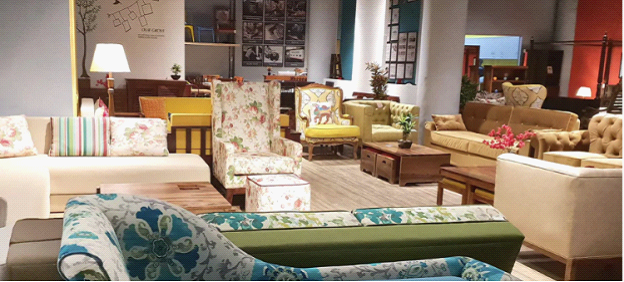
    In 2016, WoodenStreet entered the retail market with its first brick-and-mortar experience store in Bangalore. Established in 2015 as an online platform for quality custom furniture, WoodenStreet expanded its reach by opening 2 stores in 2017 and 9 stores in 2018, totalling to 12 experience stores. What’s next? 15 new experience stores by the end of 2019.

    Lokendra Ranawat, CEO, WoodenStreet expressed his aim to bring customization and quality a step closer to everyone’s home. “It’s not just about an online presence”, he elaborates, “but getting down there and interacting with our customers makes buying furniture a more personal experience, as it should be. We want people to not just visualize, but also feel the quality of furniture that we offer. We want them to see the limitless configurations, combinations and customization possibilities that they can actually get for themselves.”

    2018 was a long but fruitful year for WoodenStreet. Mumbai and Jaipur stores have been established in the last quarters of 2017, and the overwhelming response from these two stores, combined with a financial push from US$ 1 million Series A funding from RVCF, hardened the resolve to expand into further cities. Hence came the first stores of Ahmedabad, Hyderabad, Chennai, Pune, Noida, Gurgaon and Indore, with two more stores in Bangalore and Jaipur. This set up a large Omnichannel network, enabling greater penetration into the furniture market with a promise of quality and flexibility.

    “Last year was challenging but fun.”, says Virendra Ranawat, COO of WoodenStreet.com, commenting on the rocking journey. “But this hasn’t stopped us. We want to ensure that 2019 sees the addition of 15 more stores to our ever-growing roster. Which means that by the end of this year, we’ll have 27 brick-and-mortar stores in total.”

    WoodenStreet.com is a custom furniture store, with more than 30 delivery hubs and 12 experience stores spread across India, bringing quality solid wood furniture and the flexibility of customization closer to people and their dream of setting up a home flavoured to their tastes.

  • Indian retail drew Rs 1,300 crore investment in 2018

    Indian retail drew Rs 1,300 crore investment in 2018

    The hallmark of a market’s increasing maturity is how organized it is – and in any developing country, the state of ‘organized’ business is usually kick-started by the entry of foreign players who bring in structured deployment and business philosophies wherever they go. This philosophy of organized retail players covers a lot of ground, from the aptness of locations to size and visibility of a mall or high street, from store sizes to layouts, tech enablements and promotion parameters, and from pricing to financial accountability. The arrival of foreign brands forces domestic brands to up their game, as well. This is exactly what is happening in Indian retail, and what ‘getting organized’ is all about.

    By definition, organized retailing essentially refers to any trading activity conducted by licensed retailers from modern retail formats such as hypermarkets, supermarkets or departmental stores. Organized retail formats can exist either as stand-alone shops or occupy space in a mall. Unorganized retailing, which is what all developing nations start out with, are usually family-run neighbourhood shops (referred as ‘kirana’ shops in India) and in open markets.

    Bringing organized flavour into a previously disorganized market first disruption, then gradual acceptance and emulation, and finally prosperity to all stakeholders and immeasurable benefits to customers. Getting organized has certainly benefited Indian retail, causing massive growth spurts.

    Growth of Organized Retail

    From a mere 9 percent share in 2017, the organized retail market in India is gearing up for a significant 20-25 percent growth jump across the top 7 cities. By 2020, organized retail will have captured approximately 19 percent of overall market share. The fact that it accounted for only 4 percent just 10 years ago tells its own story. Indian retail is coming of age.

    The growth of organized retail obviously involves organized retail real estate – especially modern, well-researched and fully-equipped malls in the right locations – and organized mall space is definitely proliferating across India.

    As per ANAROCK data:

    – Around 39 mn sq. ft. of organized retail space is slated to hit the market between 2019-2022
    – Out of this supply, approximately 71 percent is in metros and Tier 1 cities and the remaining 29 percent in Tier 2 & 3 cities

    Ahmedabad, Bhubaneshwar, Ranchi, Kochi, Lucknow, Surat and Amritsar, among others, are the new stages where the next chapters of the Indian organized retail saga will play out. Global retailers are now also eyeing cities like Chandigarh, Lucknow and Jaipur, to name a few.

    As they catch this growth wave, mall developers and big-banner brands have grasped the utmost importance of providing a metropolitan-grade shopping experience to customers in these smaller cities. This is hardly surprising.

    In these cities, customers’ shopping options were previously limited to whatever was available locally. Today, they are being aggressively wooed by hyper-capitalized e-commerce giants who sensed the latent opportunity in Tier 2 and Tier 3 long before brick-and-mortar retail did.

    To counter this onslaught, albeit belatedly, retailers whose business model is largely based on physical retail are prevailing on mall developers to build metro-grade shopping centres in areas they had never considered before.

    Policy Impetus Fuels Growth

    Foreign retailers, to whom India owes most of its turbo-charged growth in organized retail, took their time to view India as worthy of their attention. For the longest time, this country was an unattractive destination for them, largely because of regressive Government policies.

    All this changed when the Government decided to give a major impetus to the retail industry. By liberalizing its hitherto restrictive FDI policies, it repositioned Indian retail and finally put it on the global map. Consequently, global retailers and foreign investments made a beeline for the Indian retail industry. The decision to allow 51 percent FDI in multi-brand retail and 100 percent FDI in single-brand retail under the automatic route has caused global retail giants like Walmart and IKEA to foray into India.

    Thereafter, the rebooted regulatory environment post DeMo, RERA and GST implementation put even more wind into organized retail’s sails and allowed organized players to race ahead of the unorganized sector.

    Investments Surge

    The Indian retail sector has attracted cumulative investments of more than Rs 5,500 crore between 2015-2018, and close to Rs 1,300 crore in 2018 alone. This made 2018 one of the best years ever for the Indian retail sector, and the momentum is eminently sustainable. The increasing involvement of foreign and private players in India’s retail infrastructure indicates long-term growth potential for organized retail in the country.

    The growth of organized retail is also evident in the stock prices of listed retail firms, which were major wealth generators for investors in 2018. If we check the performance of these stocks on the basis of their 52-weeks high and low, some very interesting data emerges:

    Untapped Potential

    The fact that despite this growth, 91% of India’s retail market still remains unorganised underscores the huge latent potential that remains to be explored by organised players. Despite the deliriously positive numbers, organized retail in India is nowhere close to the level in more developed countries. For instance, in the US, 85 percent of the overall retail market is organized.

    Advantage Brick-and-mortar in 2019?

    The most recent policy developments will give physical organized retail a leg up in its fierce battle with e-commerce. The Government is pushing a new e-commerce policy from February 2019 wherein the concept of ‘exclusivity’ will no longer hold good. This means that online retail players will scramble to grab a larger pie of the offline market, so physical stores will get the upper hand.

    2019 will hopefully be the year in which the Government embarks on the next stage of ushering more unorganized retail into organized formats – thereby making Indian retail a worthy contender as a global grade market.
  • Carlton London launches its first store in Mumbai

    Carlton London launches its first store in Mumbai

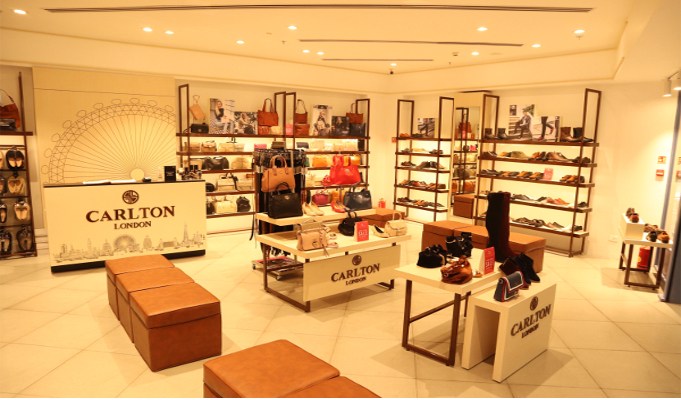
    Carlton London, the leading fashion footwear and accessory brand has launched its first store in Mumbai at Phoenix Marketcity, Kurla. After running nine stores successfully in the Northern region including Delhi NCR and Punjab, the tenth store in Mumbai marks the expansion of the brand in the Western region of the country. Spread across an area of 1,200 sq.ft., the new Carlton London store is extremely spacious and offers a complete range of fashion footwear along with an exclusive collection of accessories.

    The store displays a wide range of footwear from party collection, work-wear and ballerinas to premium collection for men. Being one of the fastest growing fashion and accessory brand, Carlton London aims to target consumers across the country. The brand thrives at its philosophy of providing highest quality designs to the customers, which are at par with the international standards. Their diversified product line offers comfortable fashion which creates a mark of luxury while being affordable. Having established itself as one of the key players in the footwear industry, the brand caters to various age groups and target audience.

    Commenting on the store launch , Director, Carlton London, said, “We are extremely delighted to announce the launch of our first store in Mumbai. Being the fashion capital of India, Mumbai is a key market for us and we aim to expand our retail footprints in various parts of the country. We always work towards providing fresh and innovative designs to our customers and keep our collection in sync with the global runway trends.”

    “Like our other stores, the theme of the new store is inspired by rich British architecture. With a minimalistic approach, the store has soft and subtle lighting with elegant couches and fancy mirrors,” he added.

  • The highs and lows of Indian retail real estate in 2018

    The highs and lows of Indian retail real estate in 2018

    2018 saw further liberalization of FDI policies, repositioning Indian retail on the global investment map and attracting a large number of global retailers into the country. In H1 2018, private equity investments into Indian retail swelled to over US$ 300 million, denoting a bracing growth of 54 percent over the previous year.

    Worryingly or encouragingly (depending on one’s viewpoint) online retail also witnessed exponential growth in 2018. In fact, online retailing is now expected to be at par with physical retail over the next 5 years. With India positioned to become the world’s fastest-growing e-commerce market, online retail in the country is driven by robust investments and deepening internet penetration in the country.

    As per ANAROCK data, the top cities with significant retail growth in 2018 included MMR, NCR, Bengaluru and Hyderabad
    New retail supply in 2018 was limited to 5.1 mn. sq. ft.
    Interestingly, apart from the top metros tier 2 & 3 cities played a significant role in India’s retail growth story in 2018

    Saturation of the metros due to limited space availability, mounting rental values and escalating infrastructure issues fuelled retail growth in smaller cities like Ahmedabad, Bhubaneshwar, Jaipur, Lucknow, Thiruvananthapuram, etc. New malls that became operational in the smaller cities in 2018 range from anything between 200,000 to 18,00,000 sq. ft. in size, amply vouchsafing the increasing appetite for organized retail in the hitherto underserved cities.

    In response to the huge potential in these markets, both domestic and international brands made deep forays into them via the online route, followed by more gradual offline presence. This disparity is hard to ignore and sends out a clear signal to investors and mall developers – physical retail deployment must pick up considerable pace in these smaller markets in the coming years.

    Other Sunshine Sectors

    The logistics and warehousing sector transformed rapidly in 2018 after the Government granted the coveted infrastructure status to logistics in November 2017. In fact, warehouse stock supply is expected to see substantial increase over the next two years owing to implementation of GST, the Government’s determined infrastructure push and increased interest from national and international investors. Overall, strong economic fundamentals, proactive reforms and increasing use of technology will continue to boost the sector.

  • Miniso to set up warehouses in Delhi, Mumbai, Kolkata and Bengaluru

    Miniso to set up warehouses in Delhi, Mumbai, Kolkata and Bengaluru

    Japanese retail brand Miniso plans to source India-made products for its stores in the US and Australia, said a top company official. According to a report: Miniso India is also investing to set up its own warehouses in Delhi, Mumbai, Kolkata and Bengaluru to cater to its expanding network.

    “We are looking into getting more local purchase and we also want to sell Indian products to other countries,” Yang Liu, Chief Business Development Officer, Miniso Indi said.

    He further said, “We have built up a system. We do not only want to import here but also export from here to markets like Australia and the US.”

    The initial line-up of products to be sourced from India include socks and snacks, he said.

    About the local purchase, Liu said by December 2019, around one third products at Miniso India would be sourced locally.

    As per FDI norms, it is mandatory to source 30 per cent goods from India in single brand retail trade.

    “The products which are selling are not only from China but some cosmetics are from South Korea and Thailand also, and I think before the end of next year, we would be able to put our local purchase to 30 per cent,” Liu said.

    He further added that the company is working in this direction and has already signed contract with some local manufacturers.

    The company would also set up small warehouses around tier II & III cities for its new franchise stores.

    Miniso launched retail operations in India in August 2017 and clocked Rs 700 crore revenue in one year. It plans to take its store count to 800 by 2019.

    It operates around 3,000 stores in over 70 markets.

  • Berluti showcases its signature styles in Mumbai

    Berluti showcases its signature styles in Mumbai

    One of the world’s most iconic luxury footwear brands, Berluti, hosted an exclusive evening to showcase new styles to guests and present their signature technique of footwear tattoo artistry by Elena Lodiat Soho House, Juhu. Firmly grounded in bespoke know-how, Berluti took its technical skills and creative flair a notch higher by transforming the rules of style with tattooing.

    The rare tattoo designs based on four themes: a classic bestiary of Insects & Animals, the signs of the Zodiac and the Chinese horoscope, vintage designs with Eagles, and the subtle art of Calligraphy can now be perfected on Berluti’s original and globally renowned Venezia leather. The noblest of all leathers, only Venezia leather sustains the creative audacity of Olga Berluti’s vision of art.

    The design is crafted to meet the modern-day sensibilities of contemporary dandy men. Fire-breathing dragons, fantastic beasts, regal eagles, all the mythical creatures and several other esoteric designs can now be realized on the emblematic Berluti Venezia leather from shoes and handbags to belts and other small leather goods.

    With this exclusive service, Berluti brings an even more bespoke look to an already-unique shoe.

    Talking about the event, the only female shoemaker in the world Olga Berluti said, ‘’I always wanted to grace leather shoes with the markings of the skin; scars, gashes, branding, piercings. We have already mastered the color technique on the leather from bronze and brown to red and copper, and the dark blue of the Tuaregs. Only one thing was missing, the most obvious and most difficult: tattoos. I tried to tattoo shoes using every possible process, but the designs faded, the colors were lost beneath the patinas, and the tattoos had no “life” in them. However, my technique has evolved over the years and today I am using the exact same methods as tattoo artists, along with inks that work well with leather. I hope Berluti loyalists from across the world admire this new art.”

    An exclusive Indian distribution partner of iconic global brands Bequest Group, Managing Director, Gaganmeet Singh said, “Luxury is all about a bespoke experience and personalization and creating tattoos on leather is an artisanal process. We are glad to have showcased this unique technique of tattooing on the Berluti Venezia leather to our patrons in India. The activity was insightful and interactive at the same time that gave a chance to the luxury connoisseurs to get involved in the nuances of tattoo making on leather at this unique Berluti event.”

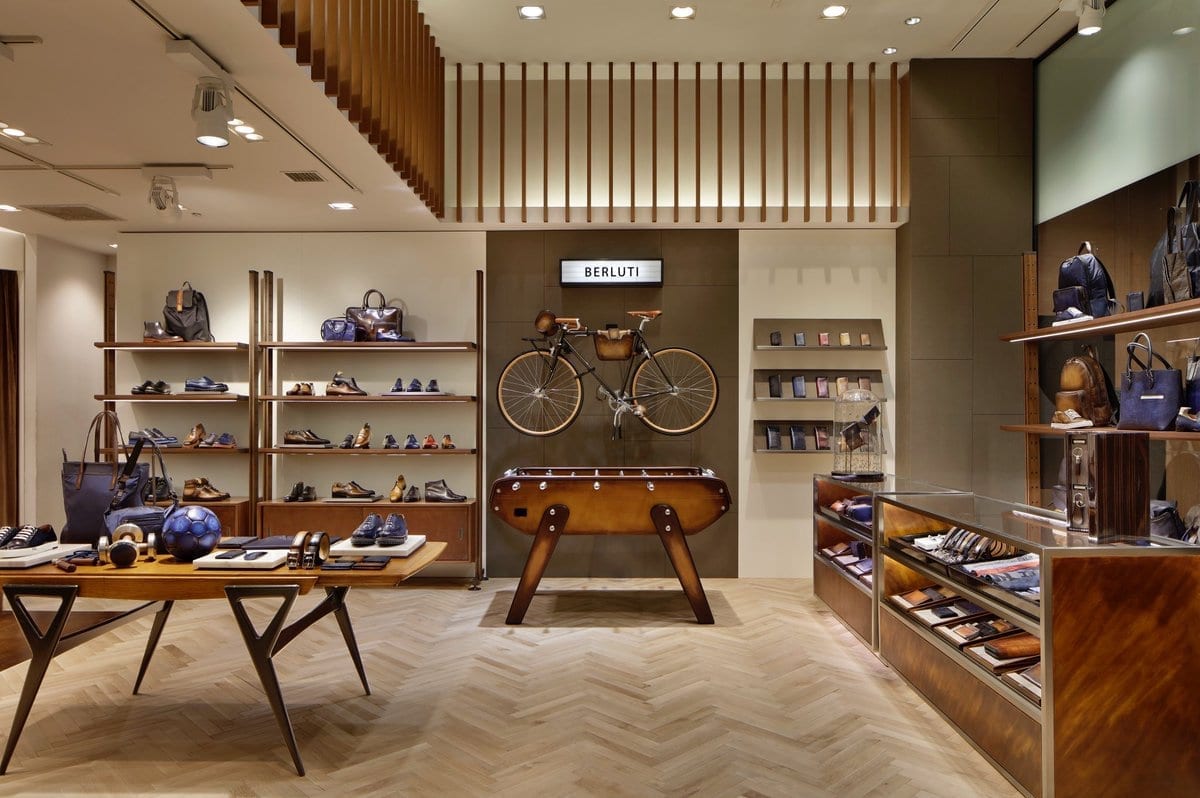
    Berluti currently has a store in New Delhi at DLF Emporio Mall and is scouting for a property in Mumbai to open its store.

  • South African restaurant chain Barcelos to add 12 restaurants in India by FY’20

    South African restaurant chain Barcelos to add 12 restaurants in India by FY’20

    South African restaurant chain Barcelos is looking to add 12 more to its kitty in India by the end of 2019-20 as part of an expansion plan, a senior company official said. The company has one restaurant each in Delhi, Lucknow, Kolkata, Jaipur, Hyderabad, Chennai and two in Mumbai.

    “We plan to add 12 more restaurants across the country by the end of next fiscal year,” Rohit Malhotra, Business Head India, Barcelos said.

    According to a report: The new restaurants would be in Bengaluru, Pune, Goa, Chandigarh, Kochi, Puducherry, Mumbai, among others, he added. The company is also planning to rename all its big restaurants (area of 1,500 square feet or above) by March next year, Malhotra said.

    Barcelos is also looking to open between 10 to 12 smaller outlets in food courts in the country. Such outlets will have area between 300-500 square feet, he added.

    When asked about the business model Barcelos follows in India, Malhotra said: “All the outlets are franchise owned. Barcelos works through franchise model in India.”

    Regarding investments to expand Barcelos’ presence in the country, he said it will be mainly on research and development for menus, supply chain, marketing and training.

    Barcelos started operations in 1993 in Pretoria in South Africa. The company is present in 22 countries, Malhotra said.

  • Fila opens its second heritage store in Mumbai

    Fila opens its second heritage store in Mumbai

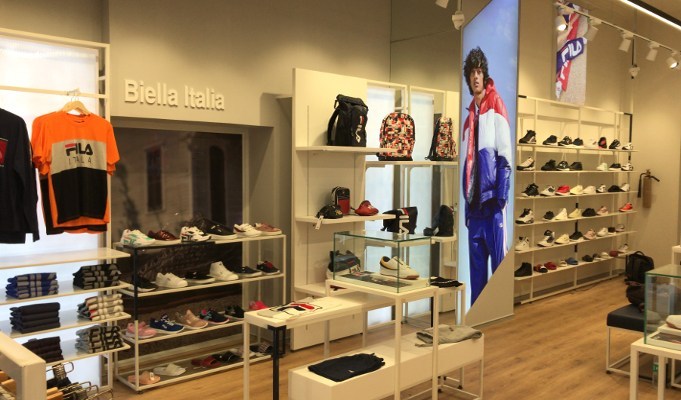
    Fila launched its flagship heritage store in Mumbai at Fort last month. As part of the brand’s retail expansion plan for the current financial year, they have now opened doors to their second heritage store in Mumbai at Inorbit Mall in Malad.

    With Kala Ghoda being the upcoming shopping district for South Mumbai, the second store is strategically located in a popular mall in North Mumbai that sees high footfalls of consumers from other parts of the city.

    The Inorbit Malad store aims to attract the millennial customer with its classic-meets-contemporary vibe and is standardized to sync with the brand’s retail design layout across all existing and upcoming stores in India. Characterized with its signature, bold, oversized, backlit logo on the exterior and iconic red, white and blue color palette in the interiors; the design serve as the ideal backdrop to showcase a show-stopping and vibrant Fila Heritage autumn/winter 2018 collection.

    Fila has been there for iconic moments, accompanying extraordinary individuals in pursuit of true sport – those who courageously challenge limits and defy expectations through a seamless combination of power and grace.

    From its humble textile beginnings in Biella, Italy in 1911 to its historic introduction of colour on the tennis court in 1973, the brand has always taken pride in creating designs as bold and breath-taking as those wearing it. With a philosophy of innovation and a commitment to performance and sophistication, Fila continues to make a statement with styles that are novel in aesthetic and effective in function.

  • Sephora plans expansion in India, marks fifth store in Mumbai

    Sephora plans expansion in India, marks fifth store in Mumbai

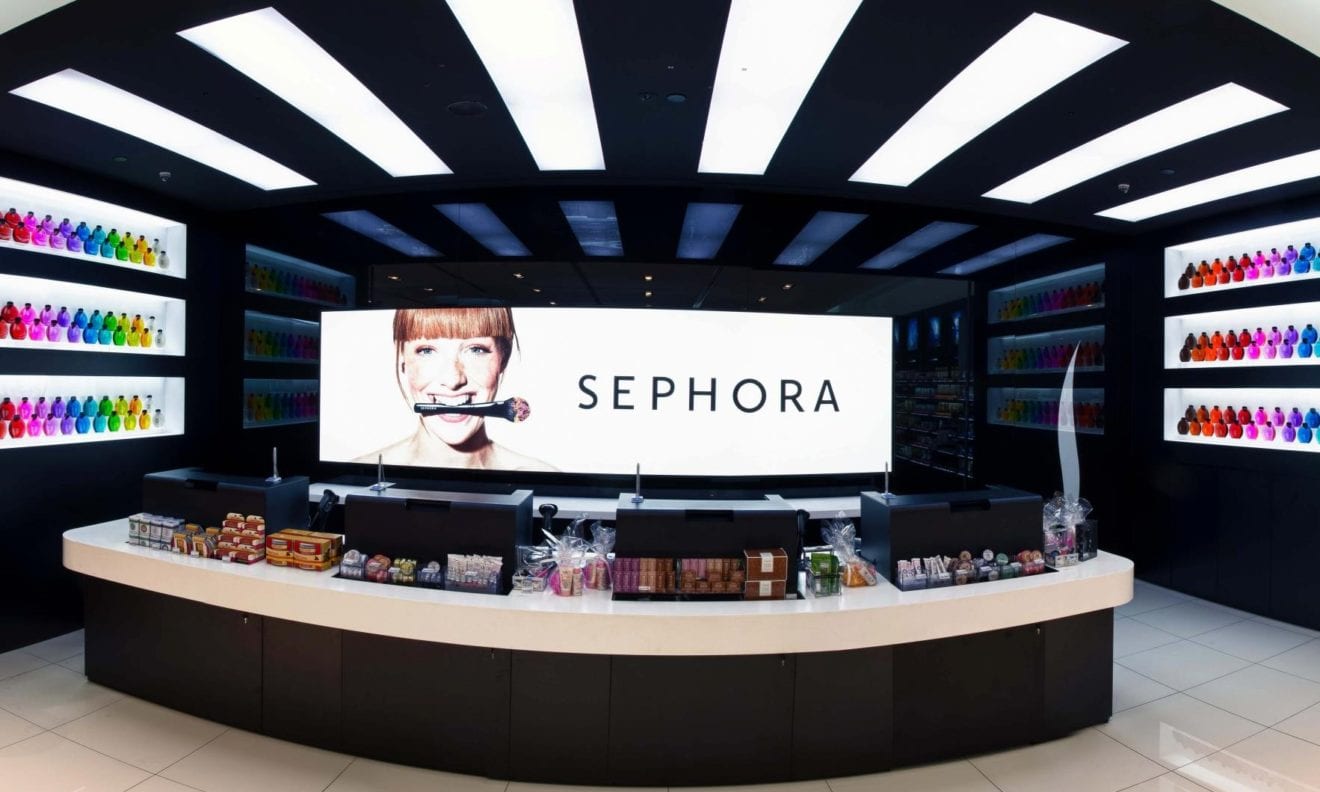
    Sephora opened its doors at Oberoi Mall, Goregaon, Mumbai recently. Spread across 3,130 square feet, the store is located on the ground level of one of the city’s buzzing retail hubs in the suburbs. With presence in cities such as New Delhi, Noida, Gurgaon, Mumbai, Kolkata, Chennai, Chandigarh, Bangalore and Pune, this is Sephora’s 17th store in the country.

    Talking about the brand journey Vivek Bali, Chief Operating Officer – Sephora India at Arvind Beauty Brands said, “It’s been a very strong journey for Sephora with a fantastic response from the millennial customers. I am very proud to say that Sephora is the No.2 searched brand for millennial. So when we opened the physical stores in India with the right assortment of brands matching the Indian skin types it brought in an overwhelming response. We are different and we have brands which nobody has. We continue to promise the customer about 6-10 new brand additions every year which we will be exclusively available at Sephora. We have started our journey in the urban centers as 60 percent of the business comes from here. Balance 40 percent comes from the Tier II and III cities which are very important. Sephora will be embarking its journey in Tier II cities this year. We are registered a double digit growth with Sephora.”

    Like all the other Sephora stores in the city, this store too carries the retailer’s popular in-house and exclusive range across make-up, skin-care, fragrances, bath and body categories as well as beauty accessories. The collections include well-known names in beauty such as Sephora Collection, Benefit, Makeup Forever, Cover FX, Becca, Stila, Smash Box, Glam Glow, Boscia, Burt’s Bees etc.  In addition to these product ranges, beauty enthusiasts are also able to shop luxe brands such as Dior, Estee Lauder, Clinique, Tom Ford Private blend, Clarins, Givenchy, Shiseido, Forest Essentials and Elizabeth Arden, making Sephora the one stop destination for all things beauty. Australian makeup brand, Klara Cosmetics with its 100 percent colour pigment range launched its collection at the store. Collections from Jo Malone and Olive will be unveiled shortly at the new store. For the discerning man, the store carries a wide range of men’s grooming products.

    The store houses the newest edition of the Beauty Studio, where shoppers are offered Mini Flash Make overs and personalized consultations from Sephora’s beauty advisors. At the beauty studio, shoppers can learn to create key makeup looks from Sephora such as Night Smokey, Diamond Lips, Perfect Brows, Dewy Foundation, Frozen Eye Shadow and Golden Frame Smoky Eyes. They can also learn the techniques for 4K contouring and how to achieve the perfect eyeliner.

    Speaking on the customer experiences and its way forward Vivek says, “We look forward in enhancing the customer experience in Sephora and we talk about the new looks. We demonstrate, promote and educate the customers for the new looks which in turn gives an experience to the customer to try the product and then buy it. This exercise will go a long way in improving the consumption in India.”

    In line with its brand ethos, the Sephora store is brightly lit with vibrant colours creating a lively atmosphere for its shoppers. The various categories of products have been divided into convenient sections enabling shoppers to pick their favourites with ease.

    Quoting on the retail numbers and its retail Omnichannel approach Vivek comments, “We have 16 operational stores and this Oberoi Mall, Goregaon, Mumbai store is the 17th store. We will be looking at opening 8 to 10 stores every year. As we evolve we have already seen the larger sizes of the stores also. On an average our stores are around 3,300 sq.ft. now and this will keep increasing with more and more brands coming in. Sephora is already a fully Omni brand where the customer can get the same experience from both online and offline. They have the choice to buy from the online store or come at the physical store and can even book the product online and pickup from the store. We operate through pour store and we deliver to the customer from the nearest store.”

  • Air Asia X to stop flights from Mumbai

    Air Asia X to stop flights from Mumbai

    Malaysian budget carrier AirAsia has decided to pull out its flights from Mumbai to Kuala Lumpur from April 30.

    AirAsia India spokesperson saying passengers booked on the sector after April 29 will be allowed to either re-route through other destinations, get a credit refund, change the travel date or get a full refund.

    The Mumbai-Kuala Lumpur flight has been popular with tourists to Malaysia and Bali, where Air Asia has excellent connections. If you were planning your South Asia summer holiday, you still have three good options from Mumbai. The following airlines operate non-stop flights:

    Malindo Air flies to to Kuala Lumpur from Mumbai every day, with a flight duration of 5 hours and 20 minutes. Book your tickets here.

    Malaysia Airlines also has daily non-stop flights between Mumbai and Kuala Lumpur. Book tickets here.

    Jet Airways flights, operated by Malaysia Airlines as a part of codeshare, will also take you to Kuala Lumpur in just 5 hours 20 minutes. Book here.

    Other primary carriers that will get you there with 1 short stop along the way include Singapore Airlines, Air India, Emirates, Etihad, Cathay Pacific and Sri Lankan Airlines, to name a few.