Retail News CRM

Tag: mumbai

  • HCL Care Wins Asia Retail Excellence Award in ‘Mobile and Telecom Service’

    HCL Care Wins Asia Retail Excellence Award in ‘Mobile and Telecom Service’

    The HCL Care division (HCL Care Services) of HCL Services Ltd., a wholly owned subsidiary of HCL Infosystems Ltd. (India’s premier IT Services and Distribution Company), has won the prestigious Asia Retail Excellence award in the ‘Mobile and Telecom Service’ category at an award ceremony held in Mumbai. This recognition was conferred on HCL Care Services for providing excellent end-to-end support services for various product categories across locations in India.

    On receiving this recognition, Mr. Sharad Talwar, Head, HCL Care Ltd. said, ” We are honored to receive the prestigious Asia Retail Excellence award in the ‘Mobile and Telecom Service’ category. This award encourages us to continue delivering service excellence and exceptional after-sales support to our customers. Today we provide world-class service support, including setting up exclusive Service Centres to leading OEMs, and are the preferred partner for leading Indian and international brands.”

    HCL Care Services provide support across telecom, IT, consumer electronics and consumer durables products for multiple brands through its contact centres, walk-in centres, on-site support, supply-chain operations, reverse logistics, repair factory and value-added services. HCL Care Services, under its specialized retail outlets ‘Touch’, have a network of more than 300 service centres across 250 cities in India, and serves more than 3 million consumers in a year. HCL Consumer Services has further expanded its retail presence by opening up exclusive service centres for various brands.

    Asia Retail Congress is an important global platform to promote world-class retail practices. The forum is aimed at company chairs, presidents and CEOs from leading international and national retailers, directors of international and national retailers, and directors of international brands, who believe in making a change. Their awards recognize best practices in the retail industry across various categories like fashion, consumer durables, mobile and telecom services, food, travel and hospitality, health, real estate, etc.

  • Mumbai has highest potential for modern retail in India

    Mumbai has highest potential for modern retail in India

    Mumbai Metropolitan Metro has the highest potential for modern retail in the country at Rs 1.05 lakh crore, followed by Delhi-National Capital Region, which has total potential of Rs 77,900 crore, according to Knight Frank & Retailers Association of India’s ‘Think India. Think Retail. 2016’ report.

    Bengaluru is third in the list, with potential of Rs 48,600 crore.

    As part of the city-level analysis, the report has identified zone level supply-demand gap for apparel, F&B, entertainment and grocery across India’s top markets.

    It says the penetration of modern retail is set to increase from the current 13.5% to 50% by 2036 in Mumbai, from 26% to 50% by 2028 in NCR and from 24% to 50% in 2026 in Bengaluru.

    While the market potential of daily needs supermarkets and hypermarkets is pegged at Rs 58,800 crore in Mumbai and Rs 51,200 crore in NCR, it stands at Rs 24,300 crore in Bengaluru.

    The report says that modern retail penetration in India is extremely low at 19% compared to US, Singapore and China, where the figures are 84%, 71% and 63% respectively.

    According to the report, 69% of the total retail spending comes from Mumbai Metropolitan Region, NCR and Bengaluru out of the top seven cities in the country.

  • Hong Kong Indian entrepreneur out to build ‘the next Alibaba’ in Mumbai

    Hong Kong Indian entrepreneur out to build ‘the next Alibaba’ in Mumbai

    Akanksha Hazari’s parents were relieved when she announced in 2013 that she was moving to Mumbai on her own.

    “After Palestine, India was fine,” says her mother, Anjali. “Akanksha wanted to go to Africa originally, but her father and I managed to convince her that it was probably not a good idea.”

    Home for the 32-year-old former Middle East strategist turned star technology entrepreneur is Hong Kong, the city she moved to with her Indian parents when she was eight. She attended West Island School,and became so good at squash she was selected to play for Hong Kong in her teens.

    “For me, Hong Kong is very much home … I am an Indian-Hong Kong girl,” she says.

    Hazari is the founder of m.Paani, a phone-based customer loyalty platform that helps to bring together small retailers andconsumers in emerging markets.

    It may sound esoteric, but as she explains in her parents’ Mount Davis flat, this is just the first step in building a global business that can help the world’s underserved “offline” population access important services from which they have been excluded. In short, she wants m.Paani to be the next Alibaba.

    Her ambition is matched by an iron will that has seen her take on a large American charity co-founded by Hollywood star Matt Damon, and win.

    In 2010, Hazari was studying for an MBA at Cambridge University and formed a team to enter an annual competition for business students run by the Hult Prize Foundation. That year, participants were asked to submit business plans that could help address water scarcity issues, and Damon’s Water.org was brought in as an adviser. Hazari’s team came up with m.Paani (paani means water in Hindi), a mobile phone-based customer loyalty programme that encourages the supply of clean water to low-income families in India. When they won, Hazari – the only team member who wanted to launch the start-up for real – asked for the US$1 million prize money she believed they had been promised. Water.org, however, was under the impression that the US$1 million was going to its own projects.

    Our goal was to support Hult in its efforts to teach about the urgency of this issue among students and the need for innovation,” writes Rosemary Gudelj, the charity’s senior manager, global advocacy and office of the CEO, in an email. “However, we also knew that these students only had two months to develop ideas. While we were hopeful that the winning case or other cases would be actionable by Water.org, we clearly were not comfortable committing to implementing the winning idea.

    “When [Hazari’s] team won, we offered to have her and her team work with Water.org on looking into and developing the group’s idea to probe further, and see how this concept could be applied to local needs and circumstances. However, her request was to receive the full US$1 million grant to fund the organisation she launched.”

    In the end, Water.org kept the US$1 million and the Hult family gave Hazari a separate grant of US$300,000 that allowed her to widen m.Paani’s business.

    “At the time, Hult Prize thought it a better strategy to partner with a non-government organisation to help the winners manage and deploy the prize capital, rather than to directly give the money to a young student team. But once the US$1 million was transferred to Water.org, they kept it. That’s why I couldn’t start m.Paani straight away. It took me two years to get the money, which Philip Hult privately gave me,” says Hazari.

    That tenacity helped her secure most of the funding she needed to set up the business in Mumbai around 18 months ago. Today, the loyalty point network has around 200 merchants and 10,000 customers.

    “Think of it as something like air miles or credit card points. You earn points when you buy your groceries at your neighbourhood m.Paani corner shop. The shopkeeper taps in your mobile phone number – that’s your m.Paani account number – and your point balance is updated in real time,” says Hazari. The points can be used to pay for items or to redeem practical gifts from the m.Paani gift shop: water filters, English language textbooks or small appliances, for example.

    While m.Paani has a social agenda – to leverage the often-neglected purchasing power of lower-income households and to boost the competitiveness of small, independent retailers that make up about 70 per cent of India’s US$600 billion a year retail market – it is very much a for-profit business.

    It makes money by charging shop owners a commission for each transaction recorded. In return, previously offline mom-and-pop shops get a customised website, mobile app and digital transaction histories, and a consumer database.

    The latter is key to Hazari’s ultimate goal: for m.Paani to become a “big data” player. The idea of data collection may be anathema to many internet users concerned with privacy, but she says those who do not have any data to offer get left behind.

    “These shopkeepers tend to write everything down in a notebook. They can’t get insured, or apply for a bank loan, because there is no data about their business,” she says.

    The same goes for the customers. Without any credit history, they are not likely to get bank loans or access other financial services. From this year, m.Paani will start scoring individuals and businesses on their creditworthiness, a first step in utilising their shopping records.

    Hazari says small retailers with no online presence will struggle to compete against the growing presence of international chains such as Wal-Mart and Tesco as India gradually liberalises its retail sector. Online giants such as Amazon are also expanding aggressively in India. Issuing loyalty points helps rope in their customers.

    The next step for m.Paani is to go national, and eventually spread to Africa and Southeast Asia.

    “I want to build an Indian company that’s international,” she says. “For me there’s a lot of pride in that. Why can’t the next Google come out of India? That’s why Alibaba is such an exciting company. It’s the first company to do that out of our market.”

    After earning a degree in politics and Middle Eastern studies from Princeton, Hazari worked for the Aspen Institute, encouraging Israeli and Palestinian joint business ventures as a way to promote peace. It meant living in Jerusalem and crossing the border every day to manage operations such as a hospital and a power plant in Gaza.

    “Her time in the Middle East meant months of sleeplessness for me,” says her mother. “But I’m very proud of her.”

    After two years,Hazari decided that business had a lot of power to change people’s lives and immersed herself in the corporate world, becoming a consultant in clean energy at Booz & Co. in the US and Dubai. That was followed by a year of designing environmentally sustainable services and information technology applications to help rural Indian families, and then the MBA in Cambridge.

    Hazari’s parents had settled in Hong Kong so that their children could have access to better education, and a better quality of life (dad Ajay is a director in a shipping company, and mum Anjali teaches at an international school). But for her, the opportunities lie in India and beyond.

    I think we have a desire to be a part of that story, of building our country and taking it forward.

    Akanksha Hazari

    “For my parents, or people like them in India and mainland China, the dream was to get their kids to go out. That’s not the case for us any more. These countries are no longer the same. We see so much opportunity to do something bigger than just go the West and get a job. If we come home we can actually build something of our own. And also, I think we have a desire to be a part of that story, of building our country and taking it forward. We are shaping the future of that country, and that’s a huge opportunity,” says Hazari.

    The start-up in India has yet to make her a billionaire (“We’ve been surviving by bootstrapping, she says). But it has already earned her valuable international recognition. On March 9, she is receiving an award from the Vital Voices Global Partnership, the NGO set up by Hillary Clinton and former secretary of state Madeleine Albright, at a gala celebrating women leaders around the world.

    Investors are also beginning to see m.Paani’s potential. “We’ve just closed series A [funding]. Our user numbers are growing 20-40 per cent month-on-month and investors are starting to see this as a proper business,” Hazari says. Their backers include an Indian venture capital firm and a select group of Indian angel investors.

    She is not surprised that Hong Kong – once known as a breeding ground for entrepreneurship – has failed to produce many start-ups that grab the world’s attention.

    “There’s a lot of pushback here for those who want to set up their own business. You have to be a very strong personality to do it anyway. I didn’t take any money from my parents. I knew the decision I was making meant I would not have a great lifestyle but I was OK with that. You need to be ready to deal with the negative pushbacks… and work a lot harder to prove your point and make sacrifices,” she says.

    Besides, Hong Kong is fundamentally a very small economy and very focused on financial services, which means that young people who want to pursue big ideas tend to have to go abroad, or to China. And she expects more people will.

    “Our generation is more purpose-driven than it is pay-cheque driven. The time is right – we are very educated and have the luxury of thinking about what values we want in life and not just how much money we want to make. I think it’s a fundamental shift,” she says.
  • Indonesia promotes “Wonderful Indonesia” in Mumbai, India

    Indonesia promotes “Wonderful Indonesia” in Mumbai, India

    Indonesia will be promoting “Wonderful Indonesia,” its country branding, in Mumbai, India, from December 2-4, 2015 in order to market tour packages featuring attractive cultural performances and festivals.

    Assistant Deputy for Asia Pacific Market Development, Ministry of Tourism, Taufik Nur Hidayat, said here on Wednesday that India is a potential market as most Indian tourists are high-class travelers.

    Indian tourists generally prefer hotels with five star facilities, so a specific strategy has to be put in place to attract more tourists to Indonesia.

    “We must prepare what they need, such as adventure tour packages as well as comfortable and safe environment, Indian food, and a pleasant night atmosphere,” he said.

    The Ministry of Tourism, according to Taufik, is targeting Indian tourists, hoping that around 250 thousand people will visit the country in 2015, especially Bali, Jakarta and Batam (Riau Islands).

    The tourism ministry also facilitates various Indonesian tourism players to participate in the South Asia Travel & Tourism Expo (Satte), last of which was held in New Delhi recently.

    Taufik explained that the promotion of Wonderful Indonesia in Mumbai is part of the cultural diplomacy to strengthen emotional ties between the two countries, emphasizing that Indonesia has a close relationship with India in terms of history and culture.

    In the ninth century, some Hindu kingdoms flourished in Java. Many Hindu relics are preserved by the people and the Indonesian government.

    The spread of Islam in Indonesia also involves traders from Gujarat, India, who developed trade in various port cities in Indonesia.

    In modern times, Indonesia, along with India, initiated the Asian-African Conference (AAC) in 1955 which resulted in Dasa Sila Bandung (the ten principles of Bandung).

    The number of Indian tourists visiting Indonesia in 2016 is expected to increase by 10 percent to 300,000 visitors.

    The Wonderful Indonesia promotion campaign in Mumbai is a combination of the two programs, namely selling tour packages and cultural festivals such as dance performances, culinary exhibitions and sasando music performances (featuring a Timorese traditional musical instrument).

  • Jeweller Malabar to expand in Asia, Gulf

    Jeweller Malabar to expand in Asia, Gulf

    Indian retailer Malabar Gold and Diamonds says it will open 22 new stores in India, the Gulf and ‘the Far East’ over the next six months.

    New showrooms will be opened in Hong Kong and Indonesia as part of the plan, but there are no details as yet on timing or exact location.

    To help stock the expanded store network – 155 after the openings – a new gold processing unit will be opened in Dubai and a diamond processing facility in Mumbai.

    “The new showrooms will be opened in major cities across India, the Gulf region and the Far East in next six months,” Malabar group chairman M P Ahammed said in a statement.

    The rollout is a further step towards Malabar’s goal of reaching 300 stores by 2020.

    “In response to the government’s ‘Make in India’ initiative, we are setting up new processing units at Kinfra industrial park in Kerala and at other industrial parks in Andhra Pradesh, Gujarat and West Bengal,” Ahammed said.

    “We are also building an advanced gold manufacturing unit on a five-acre land in Dubai with the support of the UAE government.

    “As more Indians are buying diamond jewellery due to changing lifestyle, higher disposable incomes and for being trendy, the diamond processing unit will be in Mumbai, which is a major centre for diamonds business,” Ahammad said.

    The group’s retail network is already spread across nine countries, including Bahrain, Kuwait, Oman, Malaysia and Singapore.

  • WS Retail’s 10K crore sales offer peek into Flipkart’s performance

    WS Retail’s 10K crore sales offer peek into Flipkart’s performance

    WS Retail, the largest seller on India’s biggest online marketplace Flipkart, nearly tripled its turnover to Rs 10,163 crore in FY15 — more than the combined sales of top brickand-mortal retailers such as Shoppers Stop, Future Lifestyle, Tata’s Trent and Aditya Birla Group’s Pantaloons.

    Experts feel WS Retail’s numbers, which were submitted by the company to the ministry of corporate affairs earlier this week, offer a peek into Flipkart’s likely performance for the year to end-March 2015, given its dominant position on the e-tailer’s platform.

    Cutting dependence on WS retail

    Flipkart’s own annual revenue numbers are not known. “WS Retail numbers should be good barometer to the performance of Flipkart considering it gets a bulk of its sales from this seller,” said Ruchi Sally, director at retail consultancy Elargir.

    The six-year-old company, originally founded by Flipkart’s founders Sachin Bansal and Binny Bansal, sells nearly 80% of its merchandise to Flipkart. Three years ago, the Bansals sold their stake to former OnMobile Global chief operating officer Rajeev Kuchhal and a clutch of investors.

    WS Retail reported a net profit of Rs 67 lakh on sales of Rs 3,135 crore for fiscal year 2014, which was higher than Flipkart India’s revenue of Rs 2,846 crore for the same period, the numbers showed. Another company, Flipkart Internet, which earns commission and advertising revenues from sellers, posted total sales of Rs 179 crore last year. Both WS Retail and Flipkart didn’t respond to email queries sent by ET.

    Flipkart’s head of commerce Mukesh Bansal told ET last month that Flipkart was on course to sell goods worth $10 billion (Rs 65,000 crore) during fiscal 2016. The company has in the past said it had achieved $4 billion worth of gross merchandise value or GMV, which is industry jargon for sales, last year.

    For years, WS Retail was the mainstay seller on Flipkart, the one encountered most by customers shopping on its platform. However, in the last year and a half, Flipkart has sought to diminish its prominence as part of its shift away from an inventoryled model to a marketplace one, even though WS Retail remains its top seller even now. Indian laws also prevent foreign-owned internet retailers — Flipkart is registered in Singapore and a majority of its ownership is held by overseas entities — from only operating inventory-based models.

    While Flipkart has 60,000 sellers on the platform already, it is planning to double the count by March next year in an effort to convert itself into a pure marketplace much like the one its rival Snapdeal operates.

    “Flipkart has been reducing its dependence on WS Retail in its effort to simplify its business structure. It is expected that such a step and simultaneous addition of new vendors on its website directly shall automatically reduce the trading volume of WS Retail over time,” said Rakesh Nangia, founder and managing partner at tax and transaction advisory firm Nangia & Co.

    In fact, Flipkart informed several companies and brands, which sell on the site through WS Retail, to sell directly to consumers through its marketplace few months ago. However, WS Retail will continue to be the seller for Flipkart exclusives such as the Motorola and Xiaomi handsets.

    Snapdeal already has 2 lakh sellers listed on its marketplace while Amazon India has nearly a lakh sellers, although in its case, Clouttail, its joint venture with NR Narayana Murthy’s Catamaran Ventures, is its biggest vendor.

    A month ago, Flipkart bought back the logistics business of WS Retail, which has also seen exits of two shareholders — Meenu Gupta and Sujeet Kumar — who together held a 25.3% stake.

    According to WS Retail’s annual filings for fiscal year 2015, Rajeev Kuchhal owned 49.7% stake, while one of Flipkart’s early employees, Tapas Rudrapatna, controlled another 24.8%. In fact, Rudrapatna was given Rs 24 crore as a one-time bonus for ‘increasing sales beyond targets,’ said the filing.The latest shareholding pattern after these exits and logistics business sell-off hasn’t been filed yet.

  • KidZania India enters Delhi

    KidZania India enters Delhi

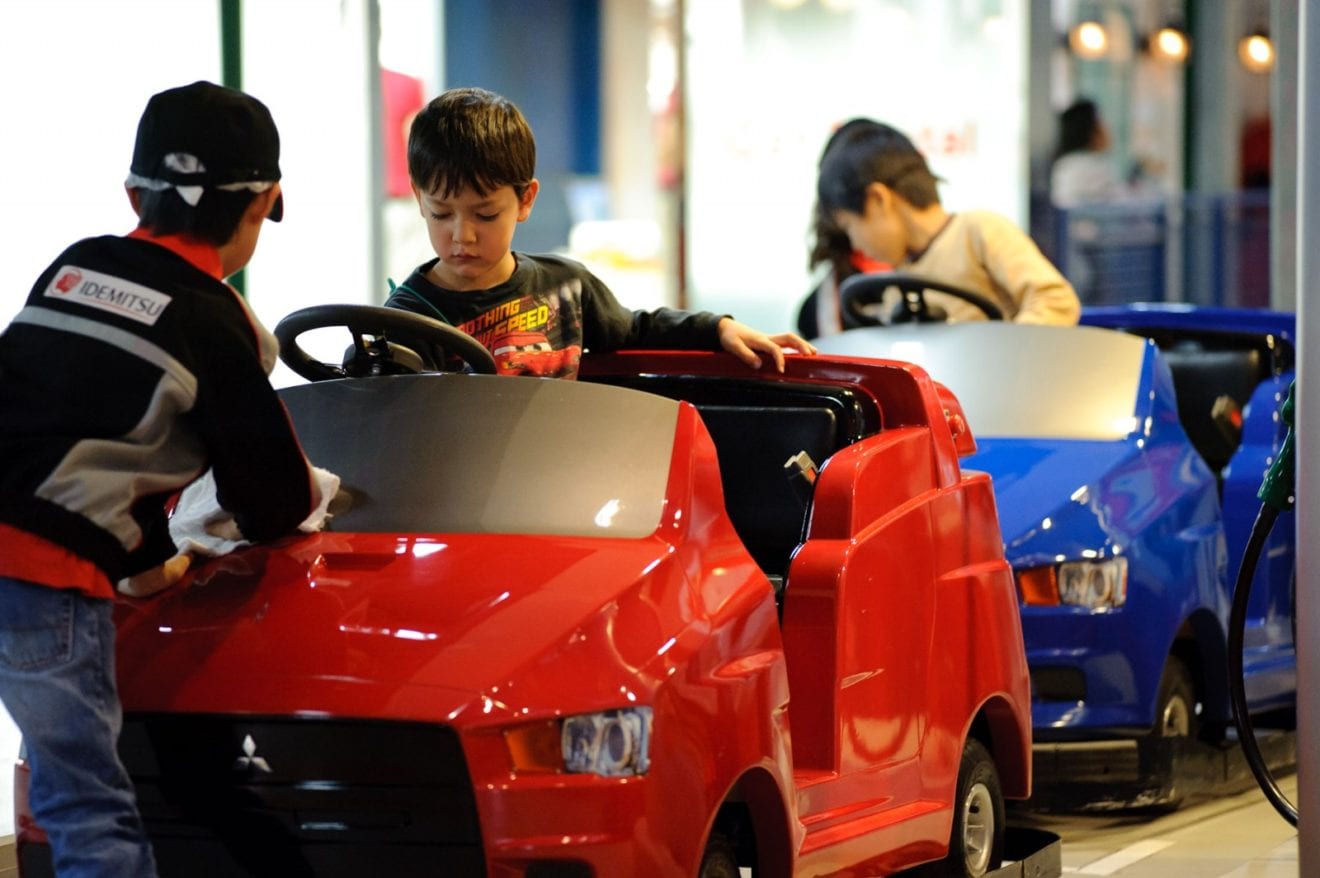
    KidZania, the global chain of role-play centres for children, will invest over US$15 million in a facility in Delhi-NCR, CEO Sanjeev Kumar, has said.

    “The project funding will be done through 70 per cent equity and 30 per cent debt, Kumar said.

    The new KidZania will be located on a 147-acre facility in Noida and will open in 2016.

    The Kidzania India franchise rights are owned by Imagination Edutainment. Singapore-based KidZ Inc, whose shareholders are Comcraft Group, Xander Group and Maxfield Management, owns 74 per cent of the franchise and actor Shah Rukh Khan the remaining 26 per cent.

    “We are very bullish about the Delhi NCR market. While we will be targeting kids between four and 14 years and their parents residing in Delhi, Noida and Gurgaon and we feel there is a great potential in the surrounding cities of Sonipat, Panipat, Mathura, Agra and Meerut.

    “Our feasibility report has also shown interest of inbound tourists and school groups from Punjab and Haryana. We are confident of hosting 600,000+ visitors in the first year,” said Kumar.

    The indoor theme-park, built-to-scale across three levels, will be spread over nearly 100,000 sqft and have a capacity for 1800 visitors a day – 65 per cent children and 35 per cent adults.

    The KidZania Delhi operation will follow on from the successful Mumbai destination which has now hosted 700,000 children in the last two years.

    But this one will feature new zones, including an underground archaeology facility, a stadium and a hanging aircraft at the entrance.

    There are now 20 KidZanias, operating in cities including London, Dubai, Jeddah, Lisbon, Tokyo and Santa Fe.

    KidZania Delhi facility has signed on brands including Parle-G for a biscuit factory, Bajaj Electricals for a culinary school and an energy conservation hub, Kellogg’s for a cereal factory, Big Bazaar for a supermarket, and E-Zone for an electronics store.

  • Leading Tier 1 Operator in Malaysia deploys Elitecore’s Crestel Online Charging Platform

    Leading Tier 1 Operator in Malaysia deploys Elitecore’s Crestel Online Charging Platform

    Elitecore Technologies, a global provider of BSS and Packet Core solutios, announces that a leading Tier 1 Operator in Malaysia has deployed Elitecore’s 3GPP compliant Online Charging System (OCS) for their voice and data services; the solution enables its subscribers to keep track of their account, services and usage in real time. It supports dynamic notifications to customers prior to reaching their credit thresholds and also supports admin action in real time on threshold breach. The solution enables real-time charging of VOIP calls over SIP interface for post-paid subscribers on FTTX network.

    Elitecore’s real time OCS is a modular solution integrated with operator’s existing CRM and Billing systems, without having to go through a transformation of its existing billing system to support next generation services. The entire project was completed in just 3 months. The platform supports features such as single touch Point of Credit Governance for customer, Self Care service interaction in real time with accurate and timely information related to their usage, time/volume based rating, differential rating, advice of charges, shared balances, policy based discounting etc.

    Dhaval Vora, VP, Product Management, Elitecore says, “With our Real Time charging Solution, the operator is well prepared to support the growing demand for data services and benefit from enhanced real-time capabilities for its Data, Voice & Internet Services. Better real-time processing and instant notification of credit balance status enhances user experience and eliminates bill shock scenario.”

    The solution helps operators to add subscriber value through personalized offering, ensures optimum network utilization & greatly increases service usage and ARPU. Moreover, the solution is future ready which can support multiple networks on the same platform.

  • G-Star Raw eyes Malaysia, Vietnam

    G-Star Raw eyes Malaysia, Vietnam

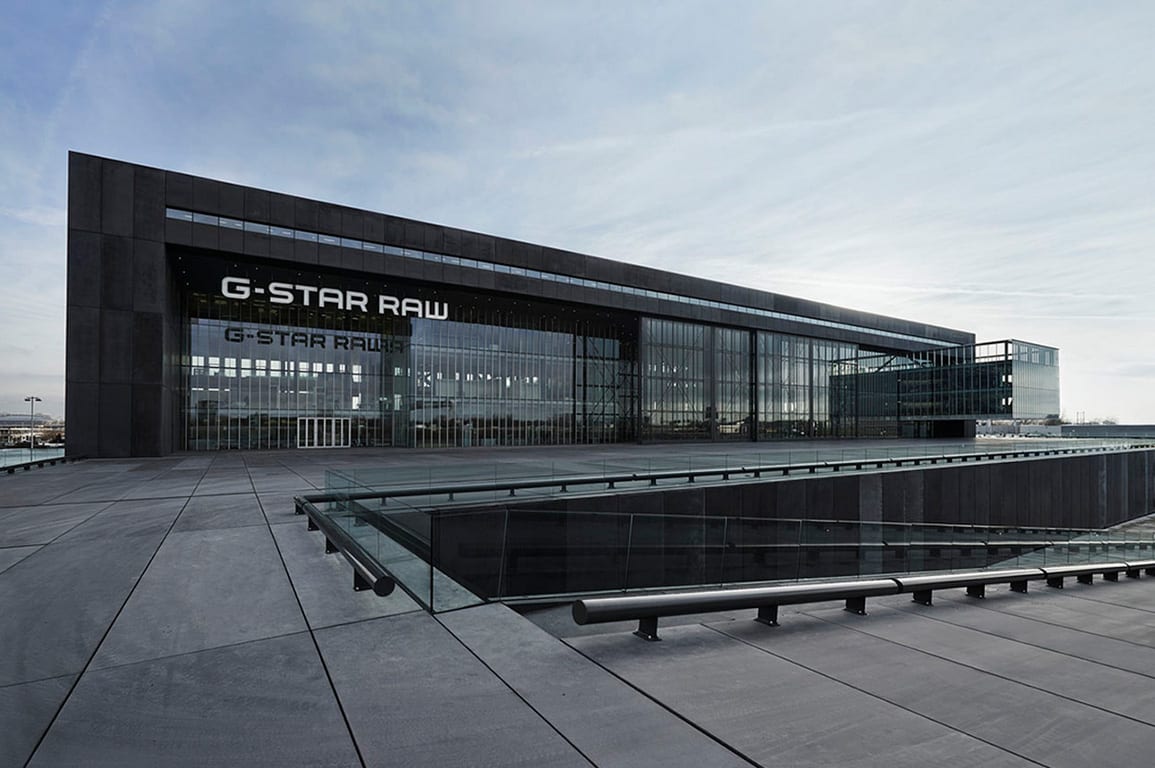
    Fashion denim brand G-Star Raw says it is considering forays into Malaysia and Vietnam after a successful debut in India.

    G-Star recently opened its first Indian store in Mumbai’s Palladium Mall and plans a network of up to 35 stores by 2020 in partnership with local venture Genesis Luxury.

    “India is an emerging powerhouse, and we want to be part of this growth – particularly as the middle class’ capacity to spend on consumer goods, such as clothing, continues to increase,” a spokesperson for the company told Just Style.

    G-Star Raw already has stores in Australia, China, Japan, Singapore, Thailand, Indonesia and the Philippines.

    “We are looking to expand into Malaysia, and potentially Vietnam, in the future,” the spokesperson said in the interview.

    “We believe the G-Star Raw brand has the potential to grow not only in metropolitan cities, but also in these fast emerging ‘smart cities’.”

  • Singapore-based DBS mulls expanding retail banking in India

    Singapore-based DBS mulls expanding retail banking in India

    Global turmoil may have forced many foreign banks to exit non-profit making India businesses but Singapore-headquartered DBS Bank has a different story to sell: retail banking.

    The lender is now planning to expand its retail footprints through remittance business between Singapore and India, and domestic secured and unsecured loans business.

    DBS is the only bank to have applied to RBI to convert its branches into a wholly-owned subsidiary.

    “The online remittance volumes from Singapore to India through our platform, DBS India Remit, have doubled over the past one year,” said Rahul Johri, managing director, head – consumer banking. “This not only generates fee income for DBS but also creates a platform to attract customers to other banking services of DBS.”

    “We are also planning to introduce personal loans, credit cards and multiple-currency foreign exchange cards in the next nine to 18 months,” he told ET.

    DBS India Remit, the online platform for inward foreign exchange remittances to India for DBS Singapore non-resident Indian clients, has brought down funds transfer time to just four hours for DBS India account holders. This service is now available in five metros.

    But it takes 48 hours to transfer funds in far-flung cities and towns in India. DBS will soon extend the service to smaller cities and towns as well.

    DBS now sees 60,000 transactions involving $150-160 million per month. The size and scale were half a year ago.

    “The service will become a differentiator for us to attract Singapore-based NRIs to bank with us as we grow our distribution reach,” Johri said. About 2.5 lakh NRIs bank with DBS in Singapore.

    DBS India offers home loans and loan against properties, launched last December. The lender expects to attain a book size of Rs 3,000 crore in the next three years from Rs 100 crore now. So far, it is selling such products primarily to affluent customers in five cities, including Pune, Mumbai, Delhi, Kolkata and Bengaluru.

    “As we garner more business and the processes become robust, we will enter new markets,” said Johri.

    “We would define a road map for branch expansion once we start operating under the subsidiary route subject to central bank approvals.”

    During 2014-15, the bank incurred a loss of Rs 275 crore as it wrote off loans in the construction and infrastructure sectors, which had gone bad. In the previous year, it had posted a profit of Rs 2 crore. Its overall loan book grew 4.55 per cent to Rs 15,845 crore. The bank did not grow its construction and infrastructure portfolio during the year.

    Asset quality improved due to write-offs and increased provisioning. Net non-performing asset ratio reduced to 4.15 per cent during the year, from 10.19 per cent in the previous year.

  • Apple’s India test: how to gain volume and meet aspiration

    Apple’s India test: how to gain volume and meet aspiration

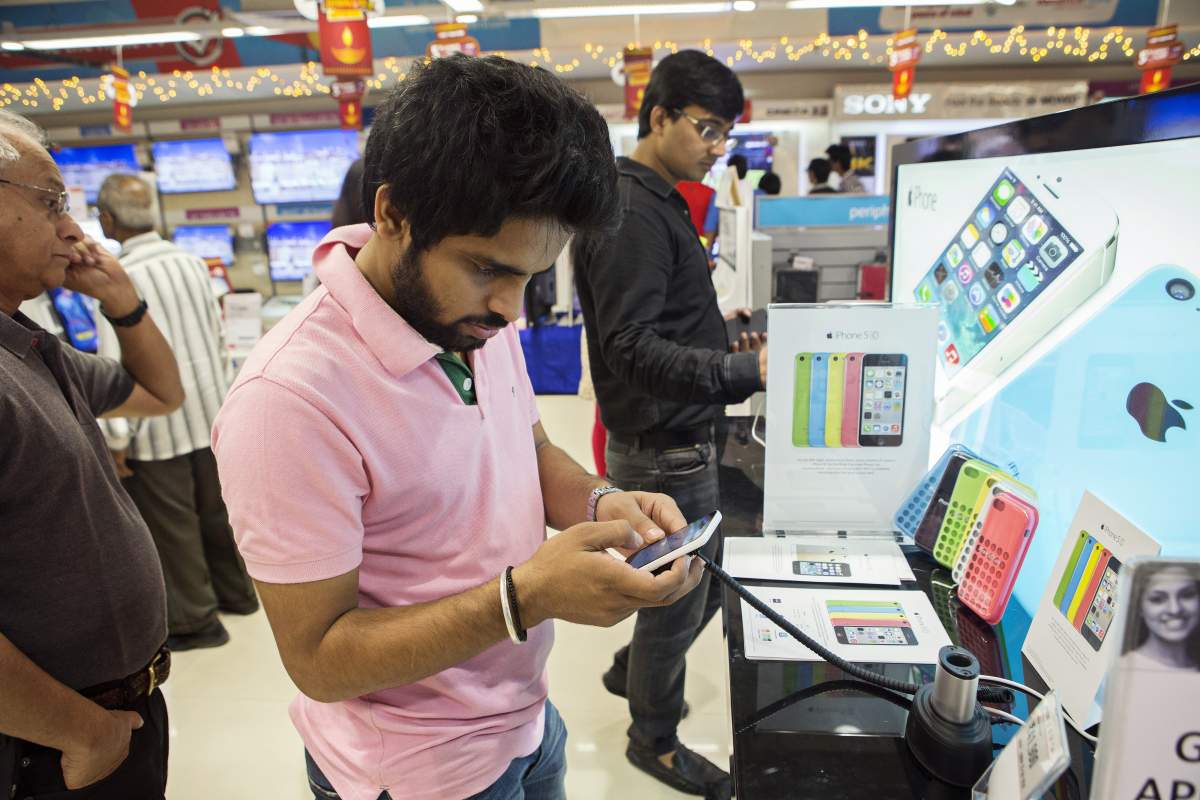
    With only a tiny share of the world’s fastest-growing major smartphone market, Apple Inc is stepping up its push into India, with a first targeted TV advertising campaign, expanded retail network and promotional financing schemes.

    For years, India has been a low priority for Apple as spending power is weaker than in China, where the company’s iPhones swiftly became must-have devices after their 2007 launch.

    But Apple is now looking to build on a 93 percent increase in its iPhone sales in India in April-June, which for the first time outpaced growth in China, of 87 percent – albeit from a low base. Apple has just a 2 percent share of India’s smartphone market, while South Korean rival Samsung Electronics accounts for around one third of volume sales with its range of Android phones.

    The India push coincides with Apple missing elevated expectations when it reported earnings earlier this week, prompting some investors to question how long double-digit growth can continue.

    “Apple is consciously expanding its distribution in India and pushing its products aggressively. The marketing spend too is a part of that,” said Jaideep Mehta, managing director for India and South Asia at tech research firm IDC.

    Executives at several electronics retail chains and Apple distributors said the Cupertino-based firm was chasing shelf space to make its gadgets more visible, and has more than doubled the number of distributors to five.

    Apple has also brought in a new senior executive to take charge solely of the Indian market, industry sources said, and has placed advertisements for a policy adviser to help it work with New Delhi’s bureaucracy.

    The company declined to comment on its India strategy.

    “Apple’s single-minded focus for India is on volume,” said a senior executive at an electronics chain store, who declined to be named. “They have increased distributors and want to reach out to smaller cities.”

    BALANCING VOLUME, ASPIRATION

    Analysts say much of the high growth in iPhone sales in India has come from earlier models such as the 4S, 5S and 5C, which are sold more cheaply.

    “Apple is an aspirational brand. They will (have to) balance their volume push with that to get growth,” said IDC’s Mehta.

    That could be tough in a market where you can buy around eight basic-level smartphones for the upwards-of-50,000 rupee (US$785) price of a new iPhone.

    Taking to Indian TV screens for the first time, Apple plays up the aspirational appeal of its phones, showing a glamorous Indian bride using Facetime, Apple’s video calling feature, to send coy flashes to her groom of a henna-ed hand or skirt hem before their wedding.

    In addition, Apple offers financing schemes where buyers of its latest iPhone 6 can pay in monthly instalments, and has launched Apple Music, a cloud-based music streaming service, for just 120 rupees (US$1.88) a month in India – a fifth of the price in the United States.

    The company has offered easy financing schemes in India before, but retailers say the focus on operations and marketing show Apple is now more seriously targeting the market.

    And there’s plenty of market for it to aim at.

    “The premium smartphone market will be close to 8 million units in 2015,” said Neil Shah, analyst at Counterpoint. “Apple has a lot of room to grow and capture a significant share of that,” he added, noting Apple sold just over a million iPhones in India in the year to April.

  • Capital Foods’s brand Chings’s Secret exits noodles market

    Capital Foods’s brand Chings’s Secret exits noodles market

    Consumer goods company Capital Foods, which sells the Ching’s Secret instant noodles and Smith & Jones ketchup and masala noodles, has officially exited the noodles category post the Nestle Maggi controvery. The company says it had a marginal contribution from the noodles category to its total business and will restrict its focus to soups and sauces. The company has also shut down its Vapi plant which manufactured noodles.

    The company’s founder chairman and managing director, Ajaay Guptal told ET that the controversy had affected the growth prospects of the category. ” It has never been a focus business and we decided to shut down our factory. As far as our pedigree is concerned, we started off as an exports company and out backend meets the strictest guidelines and laws laid down by global markets, especially the US government.

    The Maggi controversy has impacted the entire processed foods industry significantly especially the ready to eat food category. All food companies are reworking their packaging and ingredients to make sure it meets the strictest mandatory laws.

    Very recently Hindustan Unilever (HUL) had recalled its Chinese range of ‘Knorr’ instant noodles from the market pending product approval from the central food safety regulator FSSAI. “HUL has decided to stop production and sale of its Chinese range of instant noodles till such time as its application is approved by FSSAI. HUL is initiating a withdrawal of its Chinese instant noodles from the market,” HUL had stated.

    Capital Foods sells Ching’s brand and Smith & Jones range of ketchups and ginger-garlic paste in markets such as the US, Canada, Singapore and Dubai. Capital foods recently hired Bollywood actor Ranveer Singh as the brand ambassador, with a campaign ‘My Name is Ranveer Ching’.

    It has tie-ups with the large retailers such as Tesco, Loblaw, and Mustafa in Singapore.

    ITC’s Sunfeast Yippee, HUL’s Knorr and Nissin Foods’ Top Ramen categories are very nascent, so other players are growing the market instead of biting into each other’s share. Capital Foods’ (it has two brands Smith-Jones and Ching’s Secret) consolidated revenue for the fiscal year 2014 stood at Rs 240 crore of which Ching’s Secret contributed a whopping Rs 200 crore.

  • Ikea India buys site for first store

    Ikea India buys site for first store

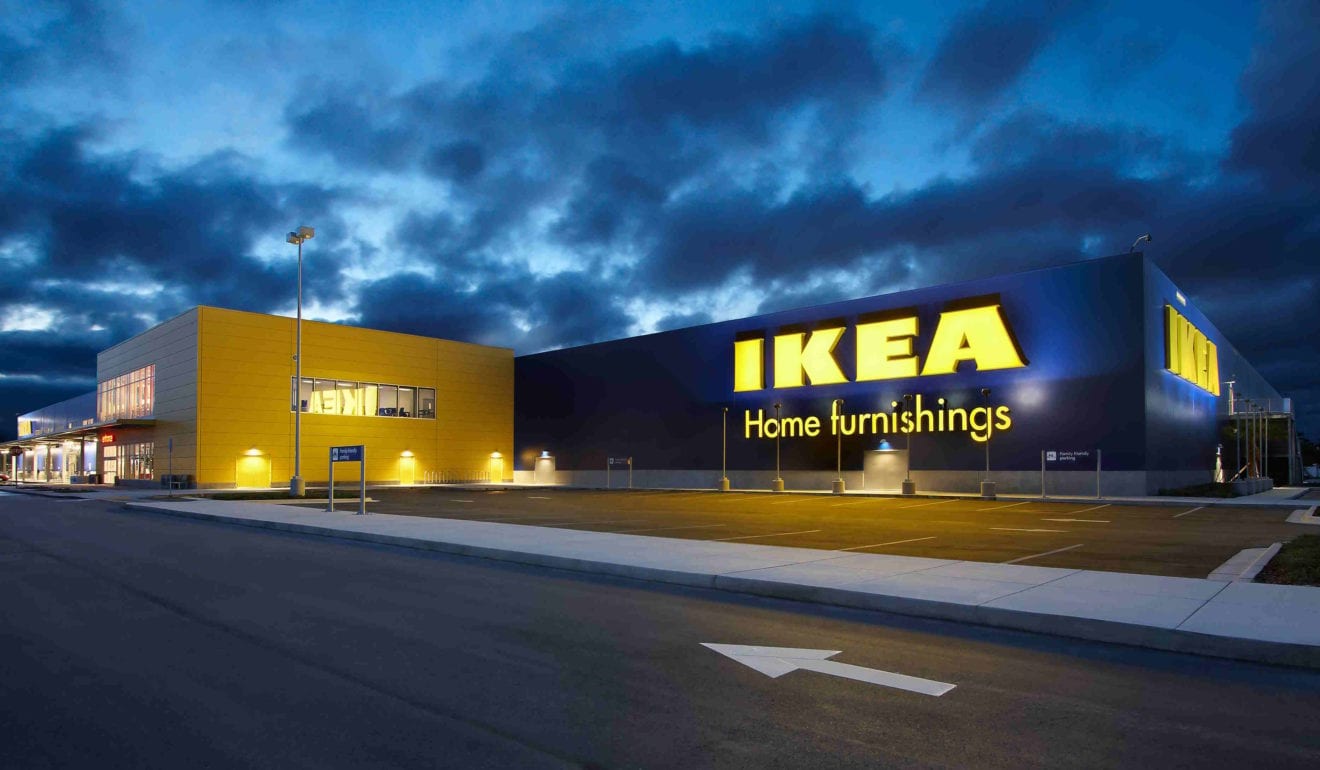
    Ikea India has acquired the land for the first of 25 stores planned for the country.

    The Swedish home furnishings company says the 13 acre site is located close to the IT hub Hitec City and is close to public transport, including a metro line under construction.

    Further details were scant, except that the land was acquired from the Telangana government. Ikea India plans 24 more stores in the long term and is currently evaluating sites in Mumbai, Bengaluru and Delhi NCR.

    Each Ikea store will cost about $100 million to establish, including land and construction costs.

    Part of the arrangement allowing Ikea to open single brand stores in India is that it has to source product from within the country. The company already has about 50 suppliers in India employing some 45,000 people. Now it is actively searching for more suppliers to boost the proportion of locally-sourced stock.

    IKEA India CEO Juvencio Maeztu described India as a promising market because it offers the company the opportunity to source, retail, conduct CSR initiatives through Ikea charitable foundation and empower social entrepreneurs through next generation projects.

    “Our focus now is to bring all of it together in Hyderabad as we have bought our first land to build an Ikea store. We will bring a unique shopping experience through our inspiring stores offering affordable home furnishing products,” he said.

  • Muji heads to India

    Muji heads to India

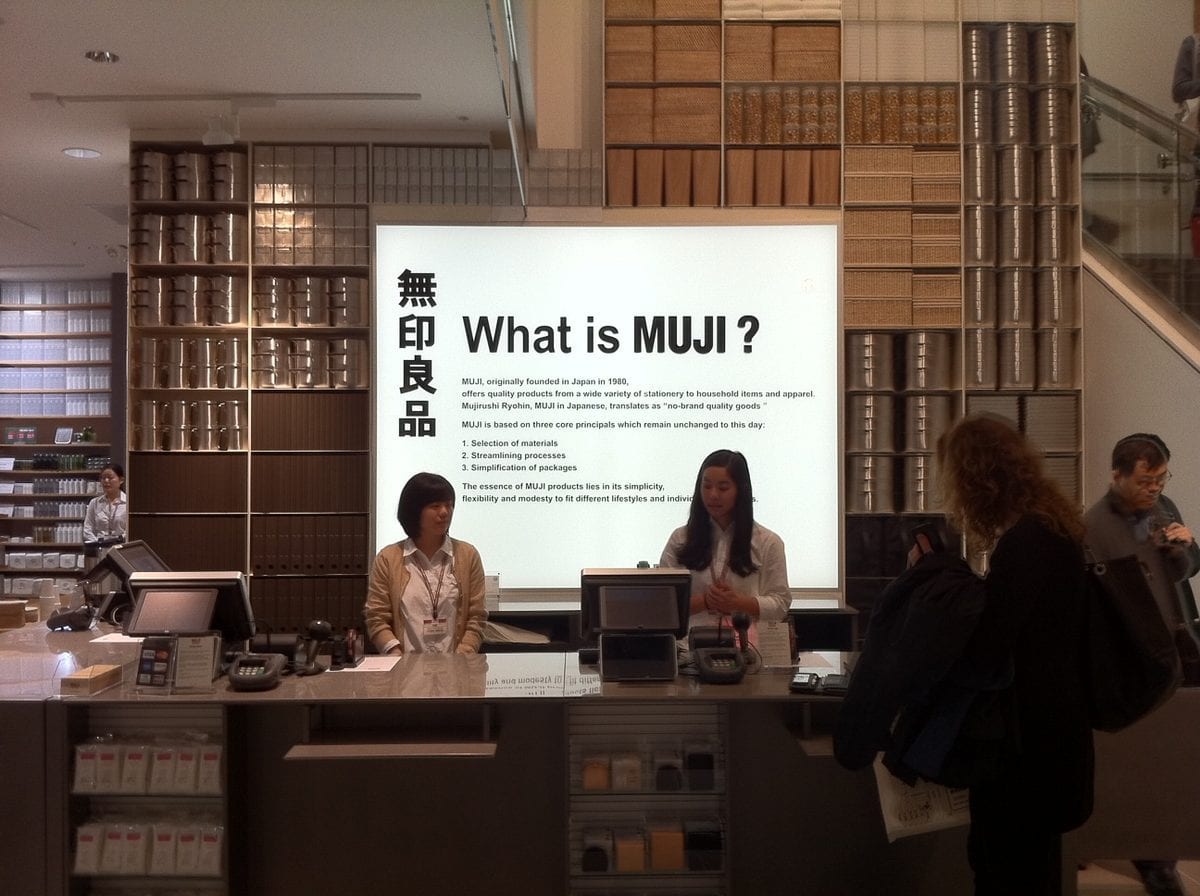
    Japanese minimalist retailer Muji will open its first shops in India by the center of subsequent yr.

    Muji has sealed a cope with Reliance Industries to create an Indian operation, turning into Reliance’s 19th worldwide retail model.

    Muji’s information comes as fellow Japanese retailer Uniqlo is in discussions with potential companions to enter India.

    Famend for its unbranded, minimalist designs, Muji shops inventory items starting from attire and homewares to stationery, cosmetics and meals. About half its gross sales at the moment are furnishings and homewares.

    In some markets it operates cafes, however present laws prohibit in-store cafes in India.

    Reliance says the primary Muji shops will open in Delhi and Mumbai with footprints starting from 6000 sqft to 10,000 sqft.

    “Muji is simplicity – however simplicity achieved via a complexity of thought and design,” stated Reliance CEO and president Darshan Mehta in a press release.

    “Their merchandise are extraordinarily high-quality and have been designed to cater to the life-style of city dwellers. We’ve nice confidence that the Indian shopper will embrace the model.”

    “Worldwide enlargement is of utmost precedence for us and India is our subsequent massive Asian market with immense progress potential,” Satoru Matsuzaki, president and consultant director of Muji mum or dad Ryohin Keikaku, in an e mail interview with the Occasions of India.

    “We consider there’s a vital pool of cosmopolitan shoppers [in India] who’ve their very own sense of favor and who place product above model logos.”

    Reliance Manufacturers already companions with Diesel, Brooks Brothers, Steve Madden and Kenneth Cole, amongst others.

  • Reliance Retail to launch B2B e-marketplace

    Reliance Retail to launch B2B e-marketplace

    Reliance Retail would launch a B2B digital market to allow small retailers to transact on-line, chairman Mukesh Ambani stated at Reliance Industries’ 41st annual common assembly at this time.

    “We’re rolling out the Reliance Digital Market platform to allow hundreds of thousands of small retailers and supply them with an enhanced provider base and product vary, higher provide chain productiveness, digital cost functionality, connectivity to clients and credit score functionality,” Ambani stated. Reliance already runs ‘Reliance Market’ B2B shops.

    Ambani stated the style and way of life codecs of Reliance Retail would launch their e-commerce portals by the top of the yr. Reliance Retail runs trend and way of life codecs corresponding to jewelry chain Reliance Jewels, durables and electronics chain Reliance Digital, attire chain Reliance Developments, and footwear chain Reliance Footprint. After a pilot challenge in Mumbai, Reliance’ Retail’s grocery-focused e-commerce portal www.reliancefreshdirect.com can be launched in different markets, Ambani stated.

    “This yr will convey a few disruptive buying expertise for shoppers as they embrace know-how and have entry to anytime, anyplace buying. With the superior Web infrastructure constructed by Reliance Jio and a strong bodily retail enterprise constructed by Reliance Retail, we’ll create a differentiated e-commerce mannequin for India,” he  added.

    Ambani stated Reliance would scale up its retail presence throughout its codecs from 200 cities to over 900 cities by subsequent yr. Reliance Retail added 930 shops final yr, which translated into 5 shops each two days, setting a brand new international benchmark within the largest variety of retailer openings in a yr, he identified. “This mixed bodily and e-commerce retail enterprise is poised for a progress of 30-50 per cent yr on yr and maintain our management in retail,” Ambani stated. Reliance Retail has a community of two,600 shops in 200 cities throughout 20 states.