Tag: india

  • Apple India aims 5,000 employees eventually for Hyderabad facility

    Apple India aims 5,000 employees eventually for Hyderabad facility

    Apple has hired 3,500 people for their development centre here and is expected to take the number to 5,000 eventually, said a senior Telangana Government official.

    “Apple has taken 3,500 people so far for their development centre in Hyderabad. They will totally hire 5000 people eventually. There is no time frame for that (to achieve 5000 headcount),” Jayesh Ranjan Principal Secretary IT and Industries said.

    According to a report: The Cupertino, California-based tech giant in May last year opened it development centre here that will focus on development of Maps for its products, including iPhone, iPad, Mac and Apple Watch.

    The Californian firm had then said the investment in the facility will accelerate Maps development and create up to 4,000 jobs.

    Meanwhile, Jayesh Ranjan today inaugurated Pactera Technologies’ first office in India here.

    The Hyderabad office of Pactera Technologies reflects its strategic focus on becoming an industry leading provider of IT services on a global scale, a press release from the company said.

    The new office can seat 150 people in Phase 1 and additional 300 people in Phase 2.

    The abundant talent that is currently part of Pactera would help contribute much more to the digital and innovation world, which would also help them grow to 3,000 people organization in the next 2-3 years, it added.

  • Apple to open (mini) India stores

    Apple to open (mini) India stores

    Apple is about to open its first retail stores in India.

    But unlike in other international markets, the Apple India stores will be a joint venture with local electronics chain, Croma. And they’ll be considerably smaller than elsewhere.

    India has strict laws regulating single brand foreign retailing, which would require Apple to source a percentage of its products’ components within India.

    Media sources in India say the new stores – the first of which will open around the time of next month’s Diwali Festival – will feature the same signature wooden tables and counters of full scale Apple stores elsewhere in the world and staff will be trained in the US.

    Croma, a subsidiary of Infiniti Retail, in turn owned by industrial giant Tata, will open six stores in an initial trial, all in greater Mumbai.

    Infiniti Retail CEO Avijit Mitra said in a statement: “We are proud to partner [with] Apple to launch the Apple Store in India and extremely bullish about it.

    “These stores will be modelled on the global design and will offer the best experience to consumers, showcasing the entire range of Apple products,” he said.

    The first stores will comprise a mere 46 sqm, a fraction of the size of the tech giant’s global flagships, in reality resembling little more than a concession. But it marks a significant strategic step from Apple’s previous india strategy of selling through authorised resellers or mobile phone networks.

    Apple’s iPhone 6s model goes on sale in India this week, with the 16GB version priced at 62,000 rupees, about US$960).

  • BSNL Set to Expand with 100,000 New 4G Towers, Paving the Way for Upcoming 5G Rollout!

    BSNL Set to Expand with 100,000 New 4G Towers, Paving the Way for Upcoming 5G Rollout!

    Bharat Sanchar Nigam Limited (BSNL) is gearing up to bolster its network with plans to deploy an additional 100,000 4G towers across India. This initiative follows the successful installation of nearly 100,000 towers, marking a significant step in their ongoing infrastructure expansion.

    Government Approval on the Horizon

    Union Minister of State for Communications, Chandra Sekhar Pemmasani, expressed optimism about the upcoming proposal: “After successfully installing 100,000 towers with optimal 4G equipment, we will approach the Cabinet and Prime Minister Narendra Modi to approve another 100,000 towers.” He also highlighted the plan to enhance BSNL’s cash flow, which would facilitate the installation of more 4G and 5G equipment and enable the monetization of BSNL’s assets.

    Strategic Partnerships for Growth

    BSNL’s ambitious journey took a significant turn in May 2023, when it awarded a major contract to a consortium led by Tata Consultancy Services (TCS). This partnership also includes Tejas Networks, the Center for Development of Telematics (C-DOT), and ITI Ltd., covering the supply of 4G equipment for the new 100,000 towers, along with necessary network components and a 10-year maintenance contract.

    Pemmasani acknowledged initial equipment challenges but noted substantial improvements: “There were some problems with the equipment in the beginning. But now, it’s functioning well. We expect it to operate near perfection by the end of July or August next year.” He also emphasized the technological lead enjoyed by global telecom firms like Nokia and Ericsson, whose legacy spans decades, compared to India’s homegrown solutions that are still in their infancy.

    Stiff Competition and Future Plans

    BSNL currently faces tough competition; with its limited 4G infrastructure, retaining customers has been a challenge. Pemmasani pointed out, “One major limitation is that we currently have only 100,000 4G towers. In comparison, Reliance Jio and Airtel each have more than 500,000 towers.” However, he is confident that as the 4G rollout progresses, customer retention will improve significantly.

    Looking ahead, BSNL plans to launch its 5G network by June 2025. Telecom Minister Jyotiraditya Scindia confirmed that the transition to 5G will only occur once the 4G network stabilizes and meets quality standards: “Once the 100,000 towers are up and the network is stabilized, and once we see that the QoS is up to the mark, then we can start switching.”

    Homegrown Technology Takes the Lead

    In a bold move, the Indian government has ruled out foreign involvement in BSNL’s 5G deployment, insisting on the use of domestically developed technology. BSNL aims to roll out 5G standalone services using the 900 MHz and 3.3 GHz spectrum bands, starting with an initial target of 100,000 subscribers. The company is also set to introduce 5G fixed wireless access (FWA) services, ensuring cutting-edge connectivity for urban users.

    In a nod to its readiness, BSNL has successfully tested its indigenous 5G technology in New Delhi, across locations like Nehru Place, Chanakyapuri, and Minto Road, signaling that they’re primed to push forward once their 4G foundation is firmly in place. Who knew the race for digital dominance could feel so thrilling?

    Questions & Answers

    What is BSNL’s plan for expanding its 4G network?
    BSNL intends to deploy an additional 100,000 4G towers across India, building on its existing infrastructure to enhance customer retention and prepare for 5G.

    When does BSNL expect to launch its 5G network?
    BSNL aims to launch its 5G services around June 2025, contingent on stabilizing its 4G network.

    What is unique about BSNL’s approach to 5G technology?
    BSNL will rely solely on domestically developed technology for its 5G deployment, ensuring that all equipment and services are homegrown.

  • Asics Boosts Indian Manufacturing Amid Regulatory Changes, Plans For Brand-owned Stores

    Asics Boosts Indian Manufacturing Amid Regulatory Changes, Plans For Brand-owned Stores

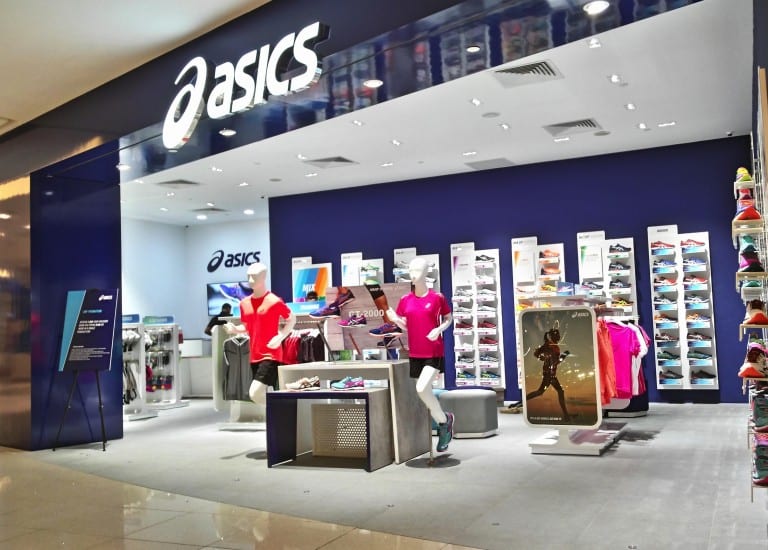
    Asics, the Japanese sportswear giant, has announced plans to increase its manufacturing operations in India from 30% to 40% over the coming years. This move is aimed at maintaining a stable supply chain, following changes in the country’s regulations that have led to a halt in footwear imports.

    The Indian government has recently introduced a set of standards for different footwear types. These regulations demand that both local and international manufacturers secure quality certifications. In response to these rules, Asics has paused its footwear imports, citing the impracticality of importing without the required government certification.

    Local Production Strategy

    In order to navigate this challenging situation, Asics is working towards enhancing its local production capabilities. “We are strategically developing local production capabilities,” stated Rajat Khurana, Managing Director of Asics India.

    During the 2024-25 fiscal year, Asics achieved 30% local production. This achievement meets the government’s required threshold, which permits foreign brands to run their own single-brand stores in India.

    Expansion Plans

    With approximately 125 stores currently being operated via franchise partners, Asics is now planning to open its first brand-owned store within the year. The company is actively exploring potential locations in and around major cities such as Delhi and Mumbai, with plans to establish a few more outlets in the years to come.

    In addition to directly owned stores, Asics also intends to open three new franchise stores every month until the end of the year. The brand, which competes with internationally recognized names such as Nike, Adidas, and Skechers USA in the Indian market, is set to capitalize on the country’s growing fitness culture.

    Financial Outlook

    Asics is optimistic about its financial prospects in India, predicting a revenue growth of between 35% and 37% for the fiscal year 2024-25. This projection follows a 26% increase in revenue during the previous fiscal year, which saw its earnings rise to 4.28 billion rupees (US$49.7 million).

    The company, which is particularly known for its running shoes, is benefitting from the rising interest in fitness, tennis, and pickleball among India’s affluent urban dwellers. The local market for sporting goods and apparel is anticipated to double by 2030, reaching US$58 billion, up from the 2023 levels, as per a 2024 report by Deloitte.

    Questions & Answers

    What is the reason behind Asics’ decision to increase manufacturing in India?
    Asics is boosting its manufacturing in India in response to new regulations that have halted footwear imports.

    What are Asics’ expansion plans in India?
    Asics plans to open its first brand-owned store in India this year and aims to establish more in the coming years. The company is also looking to open three new franchise stores every month until the end of the year.

    What is Asics’ projected revenue growth in India for 2024-25?
    Asics is expecting to see a revenue growth of between 35% and 37% in India for the fiscal year 2024-25.

  • India Enhances Guidelines for Unclaimed and Inoperative Deposit Accounts: What You Need to Know

    India Enhances Guidelines for Unclaimed and Inoperative Deposit Accounts: What You Need to Know

    Retail News is proud to highlight the latest innovations and trends shaping the retail landscape in Asia.

    The Rise of Omni-Channel Retailing in Asia

    In an increasingly competitive market, retailers across Asia are embracing the omni-channel approach, providing seamless shopping experiences that blend online and offline interactions. This transformation isn’t just about having a website; it’s about creating a cohesive brand experience that resonates with customers no matter where they choose to engage.

    Leading the charge, prominent brands are leveraging technology to redefine customer service, enhance convenience, and foster loyalty. From integrating artificial intelligence in inventory management to harnessing data analytics for personalized marketing, the deployment of tech is proving vital. It’s as if retailers are saying, “Why settle for one experience when you can have them all?”

    Consumer Behavior is Changing

    Trends reveal that today’s consumers crave instant gratification, further accelerating the shift toward swift delivery options. Nearly 80% of shoppers in Asia now expect same-day delivery, prompting retailers to rethink their logistics and supply chains. Fast is no longer just a luxury; it’s an expectation. Retailers that can meet these demands are not just surviving; they’re thriving, with some even turning logistics into their unique selling proposition.

    Moreover, the influence of social media cannot be ignored. Platforms like Instagram and TikTok are morphing into shopping destinations, allowing retailers to foster community and drive sales simultaneously. After all, who says you can’t scroll and shop at the same time?

    Sustainability as a Driving Force

    As consumers become more environmentally conscious, sustainability emerges as a key consideration in retail strategies. Brands are now actively working to reduce their carbon footprints and implement eco-friendly practices. Whether it’s through sustainable sourcing or innovative recycling programs, the push for green retailing is stronger than ever. This shift speaks volumes about consumer expectations: It’s no longer just what you sell, but how you sell it that matters.

    Innovation shines bright as companies experiment with various initiatives, from biodegradable packaging to circular economy models. It’s a thrilling time when retailers not only satisfy shopping cravings but also contribute to a healthier planet—talk about a win-win!

    Challenges Ahead

    Nonetheless, challenges loom on the horizon. Retailers must navigate economic uncertainties and supply chain disruptions, not to mention rising competition. Preparing for the unexpected is more crucial than ever, as agility and adaptability define the winners in this dynamic market landscape.

    Companies are investing in robust digital infrastructures to ensure they can pivot quickly—a savvy move in an ever-evolving environment. Surprises are around every corner, and those who dare to be one step ahead will be the ones leading the way.

    It’s a wild world out there in the retail sector, but with innovation, sustainability, and a touch of agility, the future looks promising!

    Questions & Answers

    What is omni-channel retailing?
    Omni-channel retailing is a strategy that integrates multiple shopping methods—online, mobile, and physical stores—into a seamless customer experience.

    How important is speed in delivery for today’s consumers?
    Speed has become essential, with nearly 80% of consumers in Asia expecting same-day delivery as standard.

    What role does sustainability play in modern retail?
    Sustainability is increasingly vital, as consumers prefer brands that demonstrate eco-friendly practices and a commitment to reducing their environmental impact.

  • Starlink Wins Regulatory Green Light to Launch Satellite Internet Services Across India!

    Starlink Wins Regulatory Green Light to Launch Satellite Internet Services Across India!

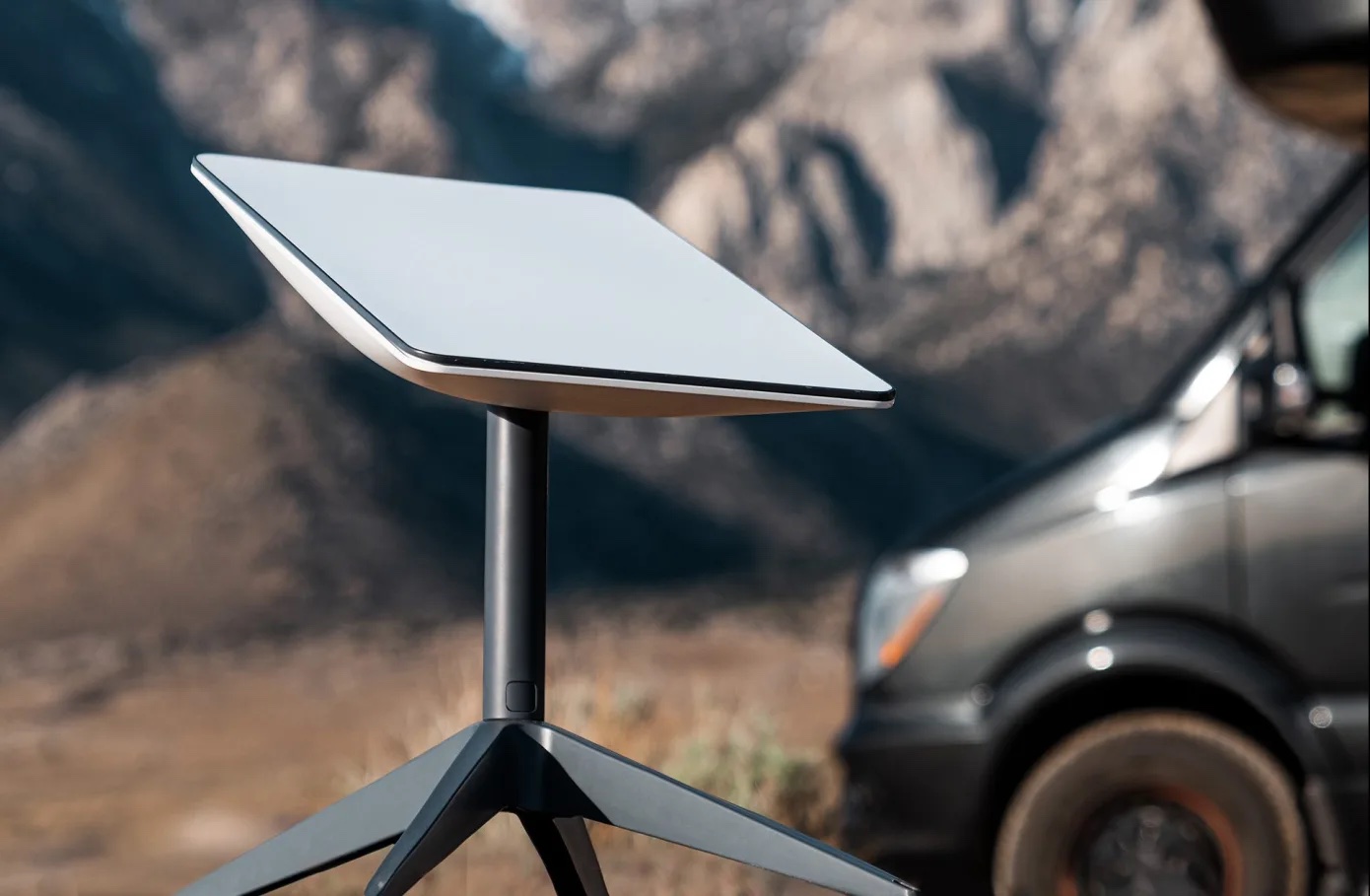
    Elon Musk’s Starlink Inc. has received the green light from India’s telecom ministry, paving the way for the launch of its satellite internet services within the country. This much-anticipated approval marks a significant milestone for the U.S.-based company as it seeks to tap into India’s expansive internet user base of over 900 million—a crucial market following its exclusion from China.

    A New Era for Internet Access in India

    Starlink’s entry is set to transform the Indian internet landscape, which has largely relied on conventional cell towers and fiber-optic cables. By introducing satellite technology, the company aims to bridge the connectivity gap, particularly in underserved areas. Imagine connecting to the internet from the comfort of your backyard rather than needing a thick bundle of wires!

    Expanding Horizons Beyond the Skies

    But Musk isn’t stopping with internet services. He is also ramping up Tesla’s ambitions in India’s automotive market by shipping vehicles, hiring local talent, and establishing showrooms across the nation. It seems that Musk is launching everything but the kitchen sink in his quest for innovation in India.

    Building on Global Success

    Since the launch of its first satellites in 2019, Starlink has rapidly amassed around 5 million customers across more than 100 countries, outpacing its competitors. However, to start operations in India, the company must secure spectrum licenses to conduct trial services, expected to last between three to six months. The approval process for trial spectrum is anticipated to take about two to three weeks, so stay tuned!

    Strategic Partnerships for a Robust Rollout

    In a strategic move, Starlink has forged partnerships with India’s top telecom players, signing agreements in March with Reliance Jio Infocomm Ltd. and Bharti Airtel Ltd. These alliances will help bolster its rollout efforts in the expansive Indian market. India’s Telecom Minister, Jyotiraditya Scindia, has emphasized the crucial role satellite internet will play in enhancing connectivity in remote areas and during disaster recovery scenarios, underscoring a pivotal shift in the way India accesses the internet.

    Questions & Answers

    What is the significance of Starlink entering India?
    Starlink’s entry provides innovative internet access to over 900 million users, transforming connectivity especially in underserved regions.

    How does Starlink’s technology differ from traditional internet?
    Unlike conventional services relying on cell towers and cables, Starlink uses satellite technology, which allows it to reach remote areas more effectively.

    What is the timeline for Starlink to begin operations in India?
    After securing the necessary spectrum licenses, Starlink anticipates conducting trial services for three to six months, with approval for trial spectrum expected within two to three weeks.

  • Tata Communications Boosts Asia’s Connectivity with Launch of TGN-IA2 Subsea Cable

    Tata Communications Boosts Asia’s Connectivity with Launch of TGN-IA2 Subsea Cable

    Tata Communications has taken a giant leap in enhancing its global network with the successful integration of the TGN-IA2 submarine cable system, marking a significant boost in capacity and performance along crucial Intra-Asia routes.

    Bridging Asia with Enhanced Connectivity

    On Tuesday, Tata Communications unveiled the TGN-IA2 subsea cable system, promising to elevate connectivity for businesses across Asia. This new cable creates vital links between Singapore, Hong Kong, and Japan, complementing the existing TGN-IA system with increased interconnections to other global regions.

    A Robust Addition to Subsea Infrastructure

    Constructed by the Asia Direct Cable (ADC) consortium, TGN-IA2 enriches Tata Communications’ subsea portfolio by offering high-capacity, low-latency connectivity. This integration is poised to benefit sectors like finance, e-commerce, and logistics that rely on instantaneous and secure data transfers between Asia and international markets.

    Agility at Its Core

    Importantly, Tata Communications retains full ownership and control over TGN-IA2’s capacity upgrades, which distinguishes it from many consortium-built cable systems. This autonomy ensures that businesses, hyperscalers, and service providers can enjoy agile, scalable services tailored to meet the surging demand for digital infrastructure in Asia and beyond.

    Future-Proofing Connectivity

    Genius Wong, Executive Vice President and Chief Technology Officer at Tata Communications, expressed enthusiasm about this enhancement: “This latest improvement will further solidify Tata Communications’ status as a global leader in smart, secure, and scalable connectivity, along with cross-border innovation.”

    Building Resilience and Efficiency

    The new system bolsters network resilience by adding vital redundancy to Tata Communications’ existing subsea infrastructure. With TGN-IA2 in place, latency for data-hungry applications such as high-definition streaming, real-time collaboration, and inter-data center connectivity is expected to decrease significantly.

    Harnessing Hyper-Connectivity for the Future

    TGN-IA2 serves as an essential complement to the original TGN-IA cable, linking Asia to major global hubs, including the U.S., EMEA, and India. It’s also crafted to support forward-thinking applications like AI workloads, enabling cloud providers, multinational corporations, and digital businesses to efficiently scale in an increasingly hyper-connected world.

    Wong concluded, “Whether you’re a cloud provider entering Asia, a multinational corporation searching for low-latency links across continents, or a digital business looking to expand globally, TGN-IA2 lays the groundwork for your future.”

    And let’s be honest—who knew that the future of connectivity could be swimming beneath the sea?

    Questions & Answers

    What are the main benefits of the TGN-IA2 cable system?
    The TGN-IA2 submarine cable system enhances high-capacity, low-latency connectivity, crucial for sectors like finance and e-commerce, ensuring secure, real-time data transfer between Asia and the rest of the world.

    How does TGN-IA2 differentiate itself from other cable systems?
    Tata Communications retains full ownership and control over TGN-IA2, allowing for flexible capacity upgrades and agile services that cater to the growing needs of businesses and service providers.

    In which areas will TGN-IA2 have the most impact?
    The TGN-IA2 system is expected to have a significant impact on data-intensive applications such as high-definition streaming, real-time collaboration, and inter-data center connectivity, enhancing overall network resilience.

  • India’s Payments Authority Unveils Cybersecurity Training Programs to Strengthen Digital Transaction Safety

    India’s Payments Authority Unveils Cybersecurity Training Programs to Strengthen Digital Transaction Safety

    The retail landscape in Asia is constantly evolving, and recent trends point to a significant shift towards innovative consumer engagement. As brands fight to capture attention in this competitive market, clever strategies are emerging to attract and retain customers.

    Engaging Storytelling in Retail

    Gone are the days of simple promotional strategies. Retailers are now harnessing the power of storytelling to create emotional connections with their audience. By weaving narratives around their products and brands, companies can foster loyalty and engagement, making the shopping experience memorable. This approach not only caters to traditional shoppers but also resonates deeply with younger consumers who favor brands that tell a story.

    Embracing Technology and Personalization

    As digital transformation continues to sweep across the industry, tech-savvy retail players are leveraging advanced technologies to enhance customer experiences. Personalized recommendations, powered by artificial intelligence, are becoming the norm rather than the exception. This seamless integration of data-driven strategies allows retailers not only to meet the demands of individual customers but also to anticipate their needs.

    While in-store experiences may seem traditional, they are evolving with the incorporation of augmented reality (AR) and virtual reality (VR). Imagine stepping into a virtual store where you can try on clothes or visualize furniture in your home before making a purchase! It’s a thrill for consumers and a game-changer for retailers looking to redefine shopping.

    Sustainability Takes Center Stage

    Amidst these trends, sustainability has emerged as a critical focus for retail. Consumers are increasingly leaning towards brands that prioritize eco-friendliness and ethical practices. Retailers are responding by adopting sustainable sourcing and minimizing waste in their operations. This commitment to sustainability not only attracts environmentally-conscious shoppers but also enhances brand reputation.

    In the whirlwind of retail innovation, it’s clear that staying relevant means being adaptable. Brands that embrace change while keeping their core values intact are likely to thrive.

    Questions & Answers

    What role does storytelling play in modern retail?
    Storytelling creates emotional connections between consumers and brands, fostering customer loyalty and making shopping experiences more memorable.

    How is technology influencing consumer behavior in retail?
    Technology, particularly through personalized recommendations and immersive AR/VR experiences, enhances how consumers interact with brands, often driving sales and engagement.

    Why is sustainability important for retailers today?
    Sustainability appeals to a growing segment of environmentally-conscious consumers, helping brands improve their reputation and attract new customers.

  • India Strengthens Digital Infrastructure and Connectivity Commitment, Boosting Space Collaboration Efforts

    India Strengthens Digital Infrastructure and Connectivity Commitment, Boosting Space Collaboration Efforts

    India is reaffirming its dedication to forging long-lasting partnerships with BRICS nations, placing a spotlight on digital infrastructure, space sustainability, and connectivity. This commitment is not just about building technology; it’s about crafting a resilient future together.

    Connecting the Nation

    During a recent address, Minister of State for Communications, Chandra Sekhar Pemmasani, painted a vibrant picture of India’s progress in digital governance. He emphasized that this advancement marries the rich tapestry of cultural heritage with cutting-edge technological innovations.

    BharatNet, a standout initiative, has successfully hooked up over 218,000 village councils to high-speed optical fiber. On the mobile front, indigenous 4G technology now reaches an impressive 95% of the country’s population, with India boasting one of the swiftest 5G rollouts globally—more than 470,000 base stations deployed in just two years. Talk about connecting the dots!

    Meet the Challenges of Space

    But it’s not all about the ground; the skies pose challenges too. Pemmasani raised awareness of increasing satellite traffic in low-Earth orbit (LEO) and urged for structured collaboration among BRICS members. The goal? To tackle orbital congestion, prevent spectrum monopolization, and ensure that space remains sustainable for future generations. After all, who wouldn’t want a clean and clutter-free cosmos?

    He also spotlighted India’s recent regulatory strides, including the 2023 Telecommunications Act and the Digital Personal Data Protection Act, showcasing a governance model that prioritizes user rights and data sovereignty amid a rapidly evolving digital landscape.

    As the Minister lays the groundwork for India’s technological future, one can’t help but wonder if we’re on the verge of a digital renaissance!

    Questions & Answers

    What initiatives is India undertaking to improve digital connectivity?
    One significant initiative is BharatNet, which has successfully connected over 218,000 village councils through high-speed optical fiber.

    How fast is India rolling out 5G technology?
    India has achieved one of the world’s fastest 5G rollouts, deploying more than 470,000 base stations within just two years.

    What challenges in space are being addressed?
    The rising satellite traffic in low-Earth orbit (LEO) is a primary concern, and India is calling for BRICS nations to collaborate in managing orbital congestion and ensuring sustainable space practices.

  • Mumbai’s Retail Market Set to Expand by 1.4 Million Sq Ft from 2026 to 2029!

    Mumbai’s Retail Market Set to Expand by 1.4 Million Sq Ft from 2026 to 2029!

    The Mumbai retail landscape is poised for an exciting transformation, with JLL analysts forecasting a vibrant expansion of premium malls packed with new local and global brands—all designed to elevate the shopping journey.

    Promising Growth on the Horizon

    As optimism reigns in the retail sector, JLL anticipates that around 1.40 million square feet of additional premium space will become available from 2026 to 2029, energizing the market with fresh offerings. “The retail sector is expected to see more traction across all submarkets due to upbeat market sentiment,” JLL has reported.

    Quarterly Trends Reveal a Surge

    The momentum in Mumbai’s retail market has gained significant traction, with a marked increase in demand quarter-on-quarter, attributed largely to the completion of three new malls in the first quarter of 2025. This resulted in a net absorption of 0.3 million square feet, with the Suburbs submarket seeing significant lease activity. Popular names such as Decathlon, Cinepolis, Timezone, Play N Learn, Lifestyle, and Enamor expanded their footprints across well-regarded malls during this period.

    New Malls Make Their Debut

    The retail scene welcomed three new centers in Q1 2025: Sky City Mall and Aurum Square Mall in the Suburbs, along with The Rise I in the Prime South submarket. Together, these venues added an impressive 1.35 million square feet of operational space this quarter.

    Rental Prices on the Climb

    As demand for prime retail environments continues to grow, rents have increased moderately, led by high occupancy rates and bustling foot traffic. Landlords are becoming more assertive in negotiations, aware that premium retail spaces are now commanding higher rates. Overall, rents and capital values saw an upward trend across the board, particularly in the Suburbs and Prime North submarkets, following the closure of an average-category mall and the robust performance of other high-end locations. Interestingly, yields dipped slightly as capital values surged ahead of rent increases.

    Mumbai’s retail scene is not just on the rise—it’s shaping up to be a shopper’s paradise filled with delightful experiences and encounters around every corner. Who knew retail could make such a strong comeback?

    Questions & Answers

    What new brands are entering the Mumbai retail market?
    Several exciting brands like Decathlon and Cinepolis are expanding their presence in Mumbai as new malls open up.

    How much retail space is expected to be added in the coming years?
    An estimated 1.40 million square feet of premium retail space is set to hit the market between 2026 and 2029.

    What factors are driving the increase in rental prices?
    The rise in rental prices is primarily due to high occupancy rates, increased demand for premium malls, and the completion of new retail spaces.

  • India’s Life Insurers Showcase Solid Growth in May Amidst Declining Policy Volumes

    India’s Life Insurers Showcase Solid Growth in May Amidst Declining Policy Volumes

    India’s life insurance industry is experiencing quite the twist, as it reported a year-on-year premium growth of 12.7% in May, bringing the total premiums to a substantial Rs30,463.2 crore. This surge is a welcome improvement from April’s 8.4% growth, although it falls below the impressive 15.1% growth seen in May 2024, largely influenced by the revised surrender value regulations introduced in October 2024.

    Policy Sales Take a Dip

    However, in an unexpected turn of events, the number of life insurance policies sold plummeted by 10.4% during the month. The segment of individual non-single policies suffered a particularly steep decline of 10.5%, totaling at 16.7 lakh. While these figures may sound ominous, private insurers managed to thrive in the individual non-single premiums category. In contrast, the Life Insurance Corporation of India (LIC) faced a 7.8% decrease in this sector. Evidently, private players are enjoying a sweet spot, propelled by a growing preference for higher-value policies.

    Annual Premium Equivalent Sees Impressive Growth

    Amidst this backdrop, the Annual Premium Equivalent (APE) showcased a remarkable uptick of 14.4% in May, compared to a 12.0% rise in May 2024. Over the period from May 2023 to May 2025, the industry’s APE has grown at a steady 13.2% compound annual growth rate (CAGR), with private insurers outpacing LIC at 13.8% versus LIC’s 12.4%. On the other hand, the growth of Unit Linked Insurance Plans (ULIPs) remains subdued, primarily due to market volatility, while group business has become the standout performer this May.

    A Bright Future Ahead

    Looking ahead, industry analysts predict that insurers will intensify their focus on agency channels, especially as banks increasingly prioritize deposit mobilization. Upcoming regulatory changes, such as the proposed Insurance Amendment Act and the Bima Trinity initiatives, are seen as catalysts for market expansion. CareEdge Ratings optimistically forecasts the industry could achieve an annual growth rate of 10% to 12% over the next three to five years, buoyed by innovations in product offerings and enhanced distribution strategies. And who knows? With such promising growth, life insurers might soon find themselves in a healthy competition for policyholder affection!

    Questions & Answers

    What was the growth percentage of life insurance premiums in May? The life insurance industry experienced a growth of 12.7% in May, reaching a total of Rs30,463.2 crore.

    How did private insurers perform compared to LIC? Private insurers saw growth in individual non-single premiums, while LIC recorded a 7.8% decline in this segment.

    What future growth is projected for the life insurance industry? CareEdge Ratings projects a yearly growth rate of 10% to 12% for the industry over the next three to five years, largely driven by private sector expansion and product innovation.

  • Shein and Reliance Join Forces to Expand Indian Supplier Network

    Shein and Reliance Join Forces to Expand Indian Supplier Network

    In a strategic move to reduce dependency on China amid escalating U.S. tariffs, Shein and Reliance Retail are set to ramp up their Indian supplier network from 150 to a remarkable 1,000 within just a year. This ambitious expansion plan, as reported by Reuters, includes plans to start exporting India-made Shein apparel globally within the next six to twelve months.

    A New Era for Indian Manufacturing

    This partnership is a pivotal element of a broader strategy aimed at relocating supply chains away from China—Shein’s largest market. By collaborating with Reliance, Shein seeks to expedite production in India with a primary focus on the lucrative U.S. and U.K. markets.

    Reviving Shein’s Presence in India

    While the partnership between Shein and Reliance is limited to a brand licensing deal for domestic sales, it marks a significant revival for Shein’s brand presence in India. The online fashion retailer initially entered the Indian market in 2018 but faced a temporary ban in 2020 alongside other Chinese applications. However, it made a comeback in February through a licensing agreement with Reliance Retail, which now operates SheinIndia.in, featuring garments produced by local manufacturers. Currently, a majority of Shein’s global offerings are still sourced from China.

    Boosting Local Production with Big Ambitions

    Reliance has already signed agreements with 150 garment manufacturers and is actively negotiating with an additional 400 to achieve its goal of 1,000 suppliers that can meet both local and international demands. The companies are rigorously evaluating whether Indian factories can replicate Shein’s best-selling items at competitive prices.

    Investing in the Future of Fashion

    Moreover, Reliance plans to bolster suppliers through investments, machinery imports, and sourcing fabric—particularly for synthetic textiles—where India is still catching up in expertise. With this move, Reliance isn’t just enhancing its operations; it’s also poised to transform India’s fashion landscape.

    In a world where fashion trends shift faster than a lightning bolt, could this partnership be the spark that ignites India’s manufacturing prowess on a global scale? Only time will tell!

    Questions & Answers

    What is the goal of Shein and Reliance Retail’s partnership? The aim is to expand their Indian supplier base to 1,000 within a year and begin exporting India-made Shein garments globally within six to twelve months, reducing dependency on China.

    How has Shein’s presence in India evolved? Shein initially entered India in 2018, faced a ban in 2020, and returned in February 2022 through a licensing agreement with Reliance Retail, enabling them to sell locally produced garments.

    What support will Reliance provide to Indian suppliers? Reliance plans to assist suppliers with investments, machinery imports, and fabric sourcing, especially targeting the synthetic textiles sector where local expertise is currently lacking.

  • Did Walmart Asia Just Take This Massive Step?

    Did Walmart Asia Just Take This Massive Step?

    Walmart’s presence in Asia is a key part of its global growth strategy. The retail giant has established a significant presence across the region, with hundreds of stores spanning from China to India and Southeast Asia.

    The potential of the Asian market is enormous:

    • A rapidly growing middle class
    • Increasing consumer spending power
    • Digital-savvy populations embracing modern retail

    2024 is an important year for Walmart Asia as the company focuses on expanding in the region. With plans for opening more physical stores, investing in digital technology, and forming strategic partnerships, Walmart aims to capture a larger share of Asia’s trillion-dollar retail market.

    In this article, we will explore Walmart’s ambitious plans across Asia. We will take a closer look at its operations in key markets such as China, India, and Southeast Asia, and discuss the opportunities that await in this ever-changing region.

    Walmart’s Operations in Different Asian Countries

    Walmart’s presence in Asia reflects its commitment to diversifying markets and expanding regionally. Let’s explore their operations in key Asian countries:

    China: A Retail Powerhouse

    Walmart China stands as a testament to successful market adaptation. With over 360 stores spread across 100+ cities, the company has:

    • Implemented smart retail technology in stores
    • Partnered with JD.com for enhanced e-commerce capabilities
    • Developed Sam’s Club locations catering to premium shoppers
    • Created localized product offerings matching Chinese consumer preferences

    India: Navigating Complex Markets

    The Indian market presents unique challenges and opportunities for Walmart:

    • Flipkart acquisition – $16 billion investment strengthening digital presence
    • Best Price wholesale stores serving small businesses
    • PhonePe digital payments platform expansion
    • Regulatory hurdles in multi-brand retail operations

    Southeast Asian Ventures

    Walmart’s approach to Southeast Asia reflects strategic market targeting:

    • Indonesia: Partnership explorations with local retail chains
    • Malaysia: Focus on digital marketplace opportunities
    • Thailand:
    • Strong presence through Siam Makro partnership
    • Investment in supply chain infrastructure
    • Development of omnichannel retail solutions

    The company’s operations in these regions demonstrate varied approaches to market entry and expansion. Each market requires unique strategies, from direct retail presence to strategic partnerships and digital platforms. Walmart’s ability to adapt its business model while maintaining core operational efficiency drives its success across these diverse Asian markets.

    Walmart’s Growth Strategies for 2024 and Beyond

    Walmart has ambitious plans for expansion in 2024, focusing on strategic locations in Asia’s bustling markets. The retail giant aims to open 50 new physical stores in China alone, specifically targeting tier-2 and tier-3 cities where consumer spending power continues to rise.

    Expansion Plans

    Walmart’s growth strategy includes:

    • Building smart supercenters equipped with AI-powered inventory management
    • Introducing smaller-format stores in high-density urban areas
    • Establishing specialized fresh food markets tailored to local preferences

    Omnichannel Approach

    In addition to expanding its physical presence, Walmart is also embracing an omnichannel approach that integrates both online and offline shopping experiences. This means that customers can enjoy the convenience of shopping online while still being able to visit Walmart stores for certain products or services.

    The company’s Walmart+ membership program now offers:

    • Same-day delivery from local stores
    • Scan-and-go shopping technology
    • Personalized mobile app recommendations
    • Virtual try-on features for clothing and home décor

    Technological Innovations

    Walmart is also leveraging technology to enhance the shopping experience. The retailer’s tech-forward approach includes implementing smart shopping carts that automatically track purchases and enable checkout-free experiences. Digital price tags update in real-time, reflecting online prices and promotions across all channels.

    These innovations align with Asian consumers’ expectations for seamless shopping experiences. Walmart’s mobile app integration allows customers to create shopping lists, locate items in-store, and access exclusive deals – bridging the gap between online browsing and in-store shopping.

    Leveraging Technology to Drive Growth in Asia

    Walmart Asia’s tech-driven approach shapes its regional expansion through strategic acquisitions and innovative sourcing methods. The retail giant’s recent technology investments showcase its commitment to digital transformation:

    Smart Supply Chain Solutions

    • AI-powered inventory management systems
    • Automated warehousing facilities
    • Real-time tracking and analytics platforms

    The company’s acquisition strategy targets local tech startups specializing in:

    1. Mobile payment solutions
    2. Last-mile delivery optimization
    3. Customer data analytics

    Global sourcing remains a cornerstone of Walmart’s Asian operations. The company has established dedicated sourcing offices across:

    • Shanghai, China
    • Bangalore, India
    • Ho Chi Minh City, Vietnam

    These strategic locations enable Walmart to:

    1. Build direct relationships with manufacturers
    2. Reduce supply chain costs
    3. Maintain competitive pricing
    4. Ensure product quality control

    Walmart’s technology integration extends to its supplier network through a digital procurement platform. This system connects thousands of Asian manufacturers with Walmart’s global retail network, streamlining:

    • Order processing
    • Quality assurance
    • Product development
    • Market trend analysis

    Tapping into Southeast Asia’s Digital Boom

    Southeast Asia’s digital landscape presents a goldmine of opportunities for Walmart’s expansion plans. The region’s 650 million population, predominantly under 30 years old, drives a thriving digital economy worth $200 billion.

    Key market indicators paint an exciting picture:

    • Mobile-first consumers: 90% of Southeast Asian internet users connect primarily through smartphones
    • Rising middle class: Expected to reach 350 million by 2025
    • E-commerce adoption: 70% year-over-year growth in online shopping

    Walmart’s strategic focus on this region aligns with these demographic advantages. The company’s digital initiatives target tech-savvy young professionals through:

    • Mobile payment integration
    • Social commerce features
    • Personalized shopping experiences

    The region’s digital infrastructure continues to evolve, with 5G networks rolling out across major cities. This technological advancement supports Walmart’s vision of seamless shopping experiences, from in-app purchases to same-day deliveries.

    Conclusion

    Walmart Asia’s strategic expansion is a significant moment in the retail giant’s global journey. The company’s multi-faceted approach – combining physical store growth, digital innovation, and market-specific adaptations – positions it strongly for success in the diverse Asian marketplace.

    The success of Walmart’s Asian ventures depends on three critical factors:

    • Local Market Understanding: Each Asian country has its own unique consumer preferences, shopping behaviors, and cultural nuances
    • Digital Integration: The seamless blend of online and offline retail experiences meets evolving consumer demands
    • Strategic Partnerships: Collaborations with local players strengthen market presence and distribution networks

    The company’s commitment to tailoring its business model for different Asian markets shows its dedication to long-term regional growth. From China’s tech-savvy consumers to India’s emerging middle class and Southeast Asia’s digital natives, Walmart’s adaptive strategy addresses diverse market needs.

    The next few years will be crucial for Walmart Asia’s expansion plans. As the region continues to transform economically, Walmart’s ability to balance standardization with localization will determine its success. The company’s investment in technology, infrastructure, and human capital reflects its confidence in Asia’s potential as a key driver of future growth.


  • BharatNet Expands Connectivity to Rural India

    BharatNet Expands Connectivity to Rural India

    In a written response to the Rajya Sabha, Baghel stated that the Department of Telecommunications (DoT) is implementing the project in phases to ensure broadband connectivity reaches all Gram Panchayats nationwide.

    The BharatNet infrastructure is classified as a national asset and is accessible to service providers without discrimination. It supports various broadband services, including Fiber-to-the-Home (FTTH) connections, leased lines, dark fiber, and backhaul connections for mobile towers. As of February 2025, a total of 2,14,323 Gram Panchayats are service-ready, Baghel confirmed.

    Additionally, the Union Cabinet has approved the Amended BharatNet Program (ABP), adopting a design, build, operate, and maintain (DBOM) model. The revised program aims to upgrade the existing network under BharatNet Phases I and II, expand connectivity to approximately 42,000 Gram Panchayats that are yet to become service-ready, and ensure network operation and maintenance for the next decade.

    Baghel also noted that Bharat Sanchar Nigam Limited (BSNL) has been assigned the task of providing 1.50 crore FTTH connections to households over the next five years. The completion timeline for the ABP is set for March 2027.

  • Jio Partners with SpaceX to Bring Starlink Internet to India

    Jio Partners with SpaceX to Bring Starlink Internet to India

    Jio’s commitment to providing affordable, high-speed internet across the country is at the heart of this collaboration.

    “Ensuring that every Indian, regardless of location, has access to seamless broadband remains Jio’s top priority. Our collaboration with SpaceX to bring Starlink to India is a significant step in our journey toward comprehensive digital inclusion. By incorporating Starlink into Jio’s broadband infrastructure, we aim to enhance accessibility, reliability, and connectivity in an increasingly AI-driven world, empowering communities and businesses alike,” said Mathew Oommen, Group CEO of Jio Platforms.

    “We appreciate Jio’s dedication to enhancing connectivity across India. We look forward to collaborating and securing the necessary approvals from the Government of India to extend Starlink’s high-speed internet services to a broader audience,” said SpaceX’s President and COO, Gwynne Shotwell.

    In addition to broadband services, Jio and SpaceX are exploring other possible collaborations to further enhance India’s digital ecosystem. This includes expanding connectivity solutions in sectors such as education, healthcare, and business.

    Apart from Jio, India’s Airtel has also teamed up with Starlink to bring satellite broadband to local users. This partnership allows Airtel to distribute Starlink equipment and offer tailored solutions to businesses, schools, healthcare providers, and remote communities. Both companies are also looking at ways to combine their infrastructures to optimize connectivity and improve service delivery.

    With both Jio and Airtel partnering with SpaceX, India is on the brink of a major upgrade to its broadband network, bringing faster, more reliable internet to both urban and rural areas.