Category: Logistics

Retail News Asia is committed to providing both local and global retailers with the latest Logistics news throughout the Asian market. This on a daily base.

  • FedEx expands International Connect Plus service to the U.S. and Europe, boosting growth opportunities for Asian SMEs

    FedEx expands International Connect Plus service to the U.S. and Europe, boosting growth opportunities for Asian SMEs

    Federal Express Corporation, one of the world’s largest express transportation companies, is expanding FedEx® International Connect Plus (FICP), its international, day-definite, e-commerce shipping service. Already available for e-tailers to send shipments within Asia Pacific markets, the expanded service will now connect to destinations in the U.S. and Europe. Initially, this service expansion will be available to e-tailers operating in China, Hong Kong SAR, and Japan, with other Asia Pacific markets being added later this year.

    The expanded coverage of FICP is the company’s latest effort to support the growth of cross-border e-commerce from Asia to the U.S. and Europe. E-commerce sales in Asia are projected to reach $13,209 billion by 2030, growing at a CAGR of 17.6% from 2023 to 2030. China and Japan remain the largest Asian Pacific markets with robust cross-border e-commerce activity, providing extensive business opportunities for SMEs. With this expansion, e-commerce merchants in these markets can now offer their customers an international shipping solution with prices that offer greater value, while ensuring most shipments will be delivered between two to three business days to the U.S. and Europe.

    Greater value – The FICP allows businesses to enjoy greater savings at competitive day-definite transits and provide their customers greater value by matching attractive prices with their specific delivery needs.

    Flexibility and control – Besides home delivery, the FICP service enables e-tailers to give their end customers the flexibility to pick up their package from hundreds of available pick-up locations, and the option to change delivery date and location.

    Seamless Integration – Both online and offline shipping automation solutions are available for e-tailers to enjoy a paperless experience.

    Peace of mind – FedEx extensive parcel tracking capabilities gives e-tailers and customers visibility throughout the entire delivery journey.

    “FICP has been received enthusiastically by our e-commerce customers who value it as the optimal balance of expedited delivery and cost-effectiveness,” stated Salil Chari, senior vice president, Marketing & Customer Experience, Asia Pacific, FedEx. “At FedEx, we are focused on providing businesses with a comprehensive range of shipping solutions tailored to their specific requirements. The expansion of FICP, in conjunction with our other digital offerings, enhances our ability to support our customers and facilitate the continued growth of cross-border e-commerce from this dynamic region.”

    FedEx provides end-to-end e-commerce solutions that make order fulfillment easy and efficient for merchants while providing convenience and reliability for customers receiving deliveries. It recently launched cross-border e-commerce handbooks for merchants looking to expand in China and Japan. FedEx Picture Proof of Delivery was introduced to bolster e-commerce residential deliveries, in the company’s continued efforts to digitize its services and improve the customer experience while supporting e-commerce growth in the region.

    FICP also comes with the reliability of FedEx international, day-definite delivery service, coupled with its customs clearance expertise. It is further supported with capabilities including tracking, sending notifications to recipients, and flexible delivery options and visibility features via FedEx Delivery Manager® International.
  • DHL and Envision team up for sustainable innovations in logistics and energy

    DHL and Envision team up for sustainable innovations in logistics and energy

    Envision Group, a leading global green technology company, and DHL Group, the world’s leading logistics company, signed a Strategic Partnership Agreement to foster a comprehensive cooperation in logistics solutions and mutually accelerate the progress of sustainability targets. The partnership covers four main areas: logistics solutions, Sustainable Aviation Fuel (SAF), green energy, and the joint development of a “Net Zero Industrial & Logistic Park”. The partnership will combine DHL Group’s extensive logistics expertise with Envision’s knowledge of renewable energy solutions, aiming to accelerate the advancement of environmental energy initiatives. Both companies are committed to sustainability with targets to reach net-zero emissions.

    SAF is a key focus area in the scope of this partnership. Both companies recognize SAF as a critical component in reducing carbon emissions in air transportation and advancing the decarbonization of the aviation industry, with DHL aiming to increase the SAF mix to 30% by 2030. In this strategic collaboration, Envision will provide SAF for DHL, supporting the logistics company’s goals of reducing carbon emissions while securing global supply. Envision will also explore renewable feedstock sources and technology routes to continuously advance decarbonization in the air transportation sector.

    Zhang Lei, Chairman of Envision Group, said, “The transportation sector, mainly sustainable fuel, represents a critical frontier in the transition to zero-carbon emissions but is currently trailing targets largely due to high costs associated with green hydrocarbons and their derivatives. Envision aims to address this cost barrier through systematic technological innovation, revolutionizing the production of SAF products, and facilitating the large-scale industrial development of this “new oil” to support global efforts towards carbon neutrality.”

    Additionally, Envision will provide comprehensive green energy transition solutions, including electricity, to support DHL’s renewable energy goals through focused green power procurements.

    The agreement establishes DHL as a key strategic partner for Envision’s development plans, leveraging DHL’s extensive network across over 220 countries and territories to support Envision’s goals in entering new markets for renewable energy. As Envision’s preferred logistics partner, DHL will deploy fully integrated logistics solutions to improve efficiency and quality, ensuring seamless global supply chain management, and comprehensive support in navigating regulatory requirements and operational challenges.

    “The partnership framework with Envision represents a further step towards global sustainability leadership for DHL Group. By leveraging our unparalleled logistics expertise and unique global network, we are committed to supporting Envision in their international expansion and logistical challenges.” said Tobias Meyer, Chief Executive Officer at DHL Group. “Together, we will lead the change in integrating green technologies and optimizing supply chains, setting new benchmarks for sustainable innovation and global environmental impact through the energy transition.”

    Envision and DHL will also explore opportunities for the joint development and construction of a “Net Zero Industrial & Logistic Park” across various industry sectors. The “Net Zero Industrial Park” is a new class of industrial parks that are fully powered by a comprehensive clean energy solution and integrates the supply chains of several industries, such as electric vehicle and battery manufacturing. The Park aims to advance new electric power systems models and foster green industrial ecosystems, while ultimately expediting the global green transition for customers. Initially launched in China by Envision, it is now expanding to Europe, the Middle East, and beyond, with the support of DHL, providing innovative solutions for global zero-carbon transformation.

  • DHL Express and CIMB join forces to reduce CO₂e through sustainable aviation fuel

    DHL Express and CIMB join forces to reduce CO₂e through sustainable aviation fuel

    DHL Express has signed an agreement with CIMB Group Holdings Berhad (“CIMB” or “the Group”) to welcome the banking group onboard its GoGreen Plus programme.

    The partnership enables CIMB to leverage the use of sustainable aviation fuel (SAF) to mitigate the CO2e emissions associated with its international shipments. Through the partnership, CIMB will deploy the programme across Malaysia and Singapore.

    CIMB recognises the importance of aligning business interests with climate practice. In September 2022, the Group announced a net-zero by 2050 goal for Scope 3 emissions, emphasising the indirect greenhouse gases generated through transportation and distribution activities. DHL’s GoGreen Plus service helps to facilitate a pathway towards cleaner operations and contributes to scaling the wider SAF ecosystem.

    SAF is considered the aviation industry’s most promising means of decarbonisation. Made from alternative raw materials such as used cooking oil, waste, and hydrogen, SAF cuts approximately 80 percent of carbon emissions for air transport shipments over its lifecycle compared to conventional jet fuel. In collaboration with DHL Express, CIMB expects to lower the carbon emissions of its time-definite international air shipments from Malaysia and Singapore by 20 percent via DHL. An independent auditor, Société Générale de Surveillance, verifies the greenhouse gas emission reductions to be counted against CIMB’s Scope 3 carbon emission footprint.

    “Many of our customers look at sustainability as a business imperative today. In Asia Pacific alone, more than 12,000 customers have signed up for our GoGreen Plus service and this number continues to grow consistently,” said Ken Lee, CEO DHL Express Asia Pacific. “As a leading express logistics company, we always connect people and businesses across borders. GoGreen Plus serves as a vital avenue for businesses to cut carbon emissions, and we are convinced more will come on board.”

    “SAF is widely acknowledged as a truly viable route to decarbonising the aviation sector. There is still significant progress to be made, as SAF makes up only 0.1 percent of aviation fuel consumed today. We are impressed with the leadership CIMB has demonstrated in the sustainability space and we are delighted to have CIMB partner us for this important initiative. This motivates us to accelerate efforts to promote SAF availability, accessibility, and affordability so that our customers realise their environmental ambitions,” said Julian Neo, Managing Director of DHL Express Malaysia and Brunei.

    “Sustainability is a key focus at CIMB and central to that are our 2050 net-zero commitments. In our roadmap to achieve these targets, we have long advocated the need to strategically partner and drive innovative solutions. CIMB is pleased to be partnering DHL in their sustainable fuel proposition that will help us mitigate our Scope 3 carbon emissions and in that regard, help us get closer to our 2050 net-zero commitments. DHL’s innovative solution in bringing such an option to its key clients is commendable and will accelerate the commercialisation of such technology,” said Gurdip Singh Sidhu, Chief Executive Officer of CIMB Malaysia and CIMB Bank Berhad.

    Launched in February 2023, GoGreen Plus is among the DHL Group’s initiatives to achieve net-zero missions by 2050, which is made possible by three of the most significant SAF agreements with bp, Neste, and World Energy. The air freight network accounts for around 70 percent of the company’s carbon footprint, so sustainable air transportation solutions are crucial for greener logistics.

  • Emirates Group announces senior appointments

    Emirates Group announces senior appointments

    His Highness Sheikh Ahmed bin Saeed Al Maktoum, Emirates Group Chairman and Chief Executive, announced senior appointments to support the organisation’s growth and strengthen its leadership bench.

    This latest list of promotions and senior appointments includes 7 UAE nationals, many of whom have grown their careers at the Emirates Group in different roles and continue to play key roles in the organisation’s success.

    HH Sheikh Ahmed said, “These appointments reflect the expanded scale, breadth, and ambition of our business. I’m heartened that we have been able to fill these roles with internal talent, including UAE nationals. The Emirates Group will continue to invest in being an employer of choice for the best talent in the industry, to deliver world-leading products and services, and reflect Dubai’s vision to be number one in everything we do.”

  • HKIA reports continuous growth in passenger and cargo volume in May

    HKIA reports continuous growth in passenger and cargo volume in May

    Airport Authority Hong Kong (AAHK) released the air traffic statistics for Hong Kong International Airport (HKIA) for May 2024. During the month, HKIA handled 4.07 million passengers and 29,855 flight movements, marking year-on-year increases of 30.8% and 34.5%, respectively.

    Mainland China’s Labour Day “Golden Week” holidays starting at the end of April had contributed a significant traffic growth among all passenger segments in May. Traffic to and from Southeast Asia, Mainland China, and Japan recorded the most notable boosts during the month.

    Cargo throughput saw a year-on-year increase of 19.0% to 416,000 tonnes in May. HKIA has continued to record double-digit year-on-year growth in cargo volume each month this year. Export traffic remains the main driver of the growth, recording a 30.1% increase compared with the same month last year. Among key trading regions, cargo traffic to and from North America, Europe and the Middle East increased most significantly during the month.

    For the first five months of this year, the airport handled 21.0 million passengers or 58.9% higher than the low base during the same period in 2023. Flight movements also increased 50.5% year-on-year to 145,140, while cargo volume rose by 18.0% year-on-year to more than 1.9 million tonnes.

    On a 12-month rolling basis, passenger volume was 47.3 million, marking an increase of 157.9% comparing with the previous comparable period. Flight movements increased by 76.3% year on year to 324,805, as cargo throughput also grew 13.1% year-on-year to 4.6 million tonnes.

    In terms of route development, HK Express Airways inaugurated a new direct flight service linking HKIA and Sanya Phoenix International Airport, Hainan on 10 May. With four pairs of flights each week, the new route provides more choices for travellers visiting Hainan.

    Meanwhile, HKIA’s “Marine Ecology and Fisheries Enhancement Strategy” project won the highest Platinum Award in the ACI Green Airports Recognition 2024, in the biggest airport capacity category of over 35 million passengers per annum. Organised by the ACI Asia-Pacific & Middle East, the award recognises airports with outstanding achievements in biodiversity and nature-based solutions.

    Peter Lee, General Manager, Sustainability of AAHK said, “We are honoured to receive this award, which commends our voluntary and continuous efforts to explore and enhance local marine biodiversity and fisheries resources around HKIA and North Lantau waters.  The efforts, namely eco-enhancement of seawall designs, deployment of artificial reefs and shellfish reefs, and fish restocking, were first investigated by experts, with pilot tests following on intended to determine the viability and real-world value of promising enhancements.  With positive biodiversity impacts identified, we are in the process of scaling up these initiatives around HKIA, and importantly, these nature-based efforts will serve as a useful reference for future implementation by others across broader Hong Kong waters.”

  • Etihad Cargo expands European freighter network with launch of Madrid

    Etihad Cargo expands European freighter network with launch of Madrid

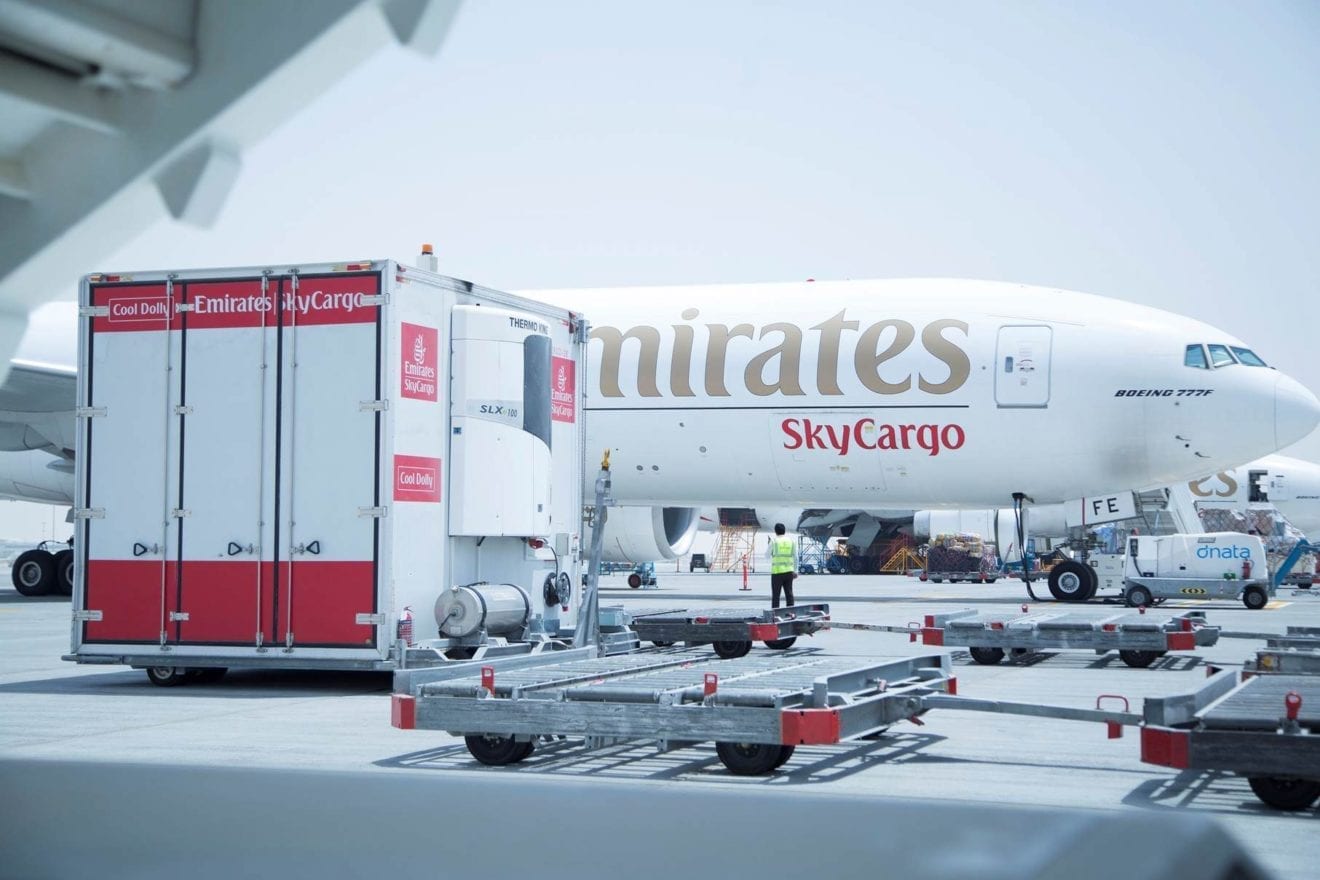
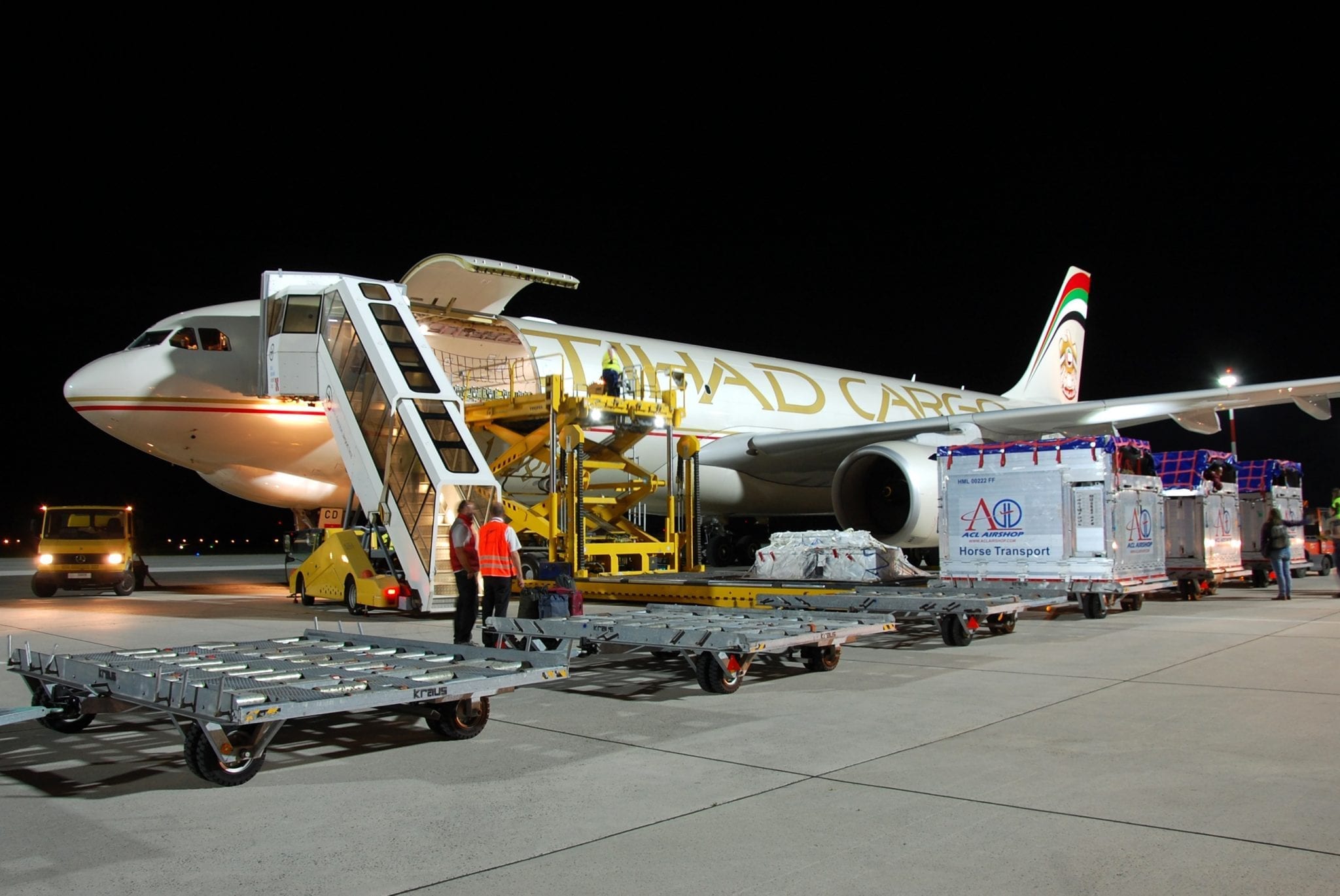
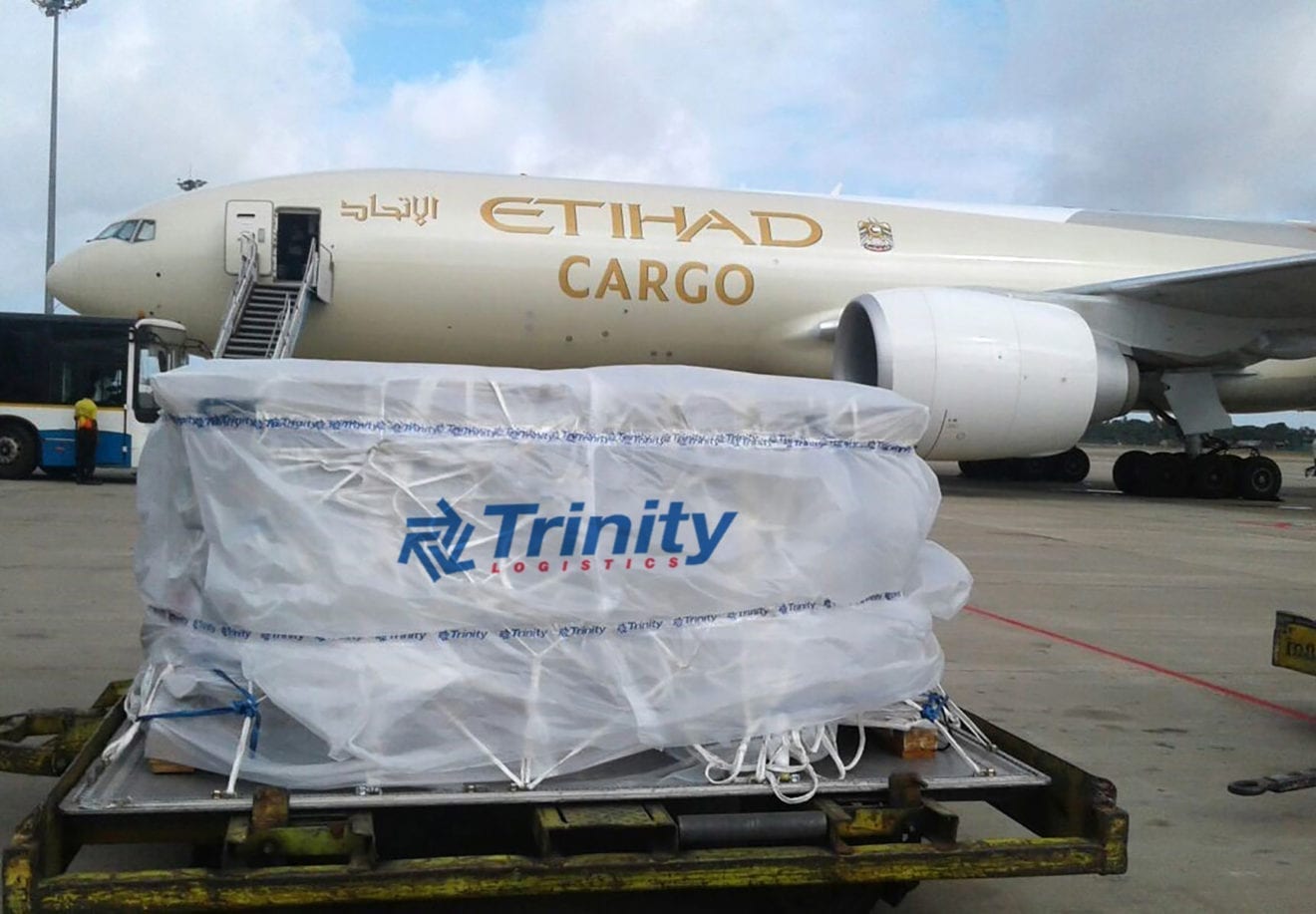
    Etihad Cargo, the cargo and logistics arm of Etihad Airways, is expanding its freighter network with a new route to Madrid. Starting 15 July 2024, Etihad Cargo will operate two weekly Boeing 777 freighter flights between Abu Dhabi and Madrid, adding over 200 tonnes of cargo capacity for Europe.

    The launch of a twice-weekly freighter service between Abu Dhabi and Madrid will increase the total number of flights to Spain to 25 per week. Etihad Cargo provides belly capacity via 10 passenger flights to Madrid, 10 to Barcelona and three seasonal flights to Malaga launched as part of the airline’s summer schedule. This expansion highlights the strategic importance of these destinations, particularly Madrid as a key European fashion hub, and aims to boost e-commerce connectivity from Asia to Europe via Etihad Cargo’s Abu Dhabi hub.

    This new route complements Etihad Cargo’s existing European freighter network, which includes six weekly flights to Amsterdam and three weekly flights to Frankfurt. With the addition of Madrid to the network, the total number of Etihad Cargo’s freighter flights to Europe will increase to 11 per week. Customers will also benefit from additional belly hold capacity offered as part of the carrier’s summer schedule, which includes the launch of two weekly seasonal flights to Nice. Flights to Athens will increase to 14 per week, with two operating via seasonal destination Mykonos and two via Santorini. A new route to Antalya will operate with three weekly flights, and flights to Istanbul will increase from ten to 14 per week starting 22 July 2024. Additionally, Dublin will see three more flights from 23 July 2024, totalling ten per week.

    Stanislas Brun, Vice President Cargo at Etihad Cargo, stated, “Launching Madrid as Etihad Cargo’s latest European freighter destination supports the growing demand for e-commerce flows between Asia and Europe. Madrid’s role as a key fashion hub makes it an essential destination for the carrier’s freighter network.”

    Etihad Cargo’s hub in Abu Dhabi serves as a crucial link between East and West, providing efficient and reliable cargo services to meet the specific needs of the fashion industry and other sectors dependent on timely e-commerce deliveries.

  • DHL Express leads the way in electrification of ground fleet at Brussels Airport

    DHL Express leads the way in electrification of ground fleet at Brussels Airport

    As part of the Stargate project of Brussels Airport, DHL Express leads the way in the field of electric ground-handling equipment. Following a successful test phase, one in three tractors and loaders of DHL Express that sorts and transports time-critical shipments from Brussels Airport, will be fully electric this summer. The cargo transporter’s crew buses and tarmac cars are already one hundred percent electric. This investment is a first step for DHL Express towards reducing its CO2 footprint on the ground by more than half. The necessary charging infrastructure will be provided, both on the tarmac, by Brussels Airport, and at its own buildings.

    Over the past days and weeks, express carrier DHL has put eleven electric tractors (which can tow up to four cargo containers) and thirteen electric container lifts, belly loaders and pushbacks into operation at Brussels Airport.  And that is just the beginning, for in the coming months and years, DHL Express aims to develop a fully electric ground fleet in phases at the airport, with machines that are both more sustainable and quieter than their diesel counterparts. And of course, the electric charging stations will follow.

    ‘Electrifying a third of the ground equipment in just a few weeks – that’s quite a feat by our technical department. A heavy electric tractor or a high loader for an aeroplane are not exactly the kind of vehicles you take along to the garage. All the maintenance and training is carried out by DHL employees, now including that of the new electric tractors and chargers. From now on, we will continue to expand our electric ground fleet in phases; the fossil fuel machines will be systematically phased out and will soon be a minority.’ – Kirsten Carlier, CEO of DHL Aviation.

    DHL Express is being supported in the investments by the Stargate project, a Brussels Airport project with a consortium of 21 partners, including DHL Express, which has been awarded subsidies under the European Green Deal to develop projects for greener aviation.  In a first phase, DHL Express committed itself under the Stargate project to invest in a test project for electrical ground-handling equipment. The company has now significantly stepped up this effort, by electrifying a third of its ground-handling equipment in one go, intending to remain a leader in the electrification of its ground fleet at Zaventem in the coming years.

    ‘We are pleased that we are taking the next important step in the electrification of ground-handling equipment within our Stargate project, and that DHL Express is taking the lead. This can drastically reduce both CO2 emissions and the noise impact of ground operations, which is important for both staff and local residents. We will, of course, help to provide the necessary charging points on the tarmac. We will also be testing hydrogen-powered ground handling equipment within Stargate, in order to see which infrastructure is needed for this too, so that we can support all our partners in their evolution towards more sustainable ground handling equipment,’ says Arnaud Feist, CEO of Brussels Airport.

    With the commissioning of eleven tractors and thirteen loaders and lifts, DHL Express already has by far the largest electric ground fleet at Brussels Airport. Emissions from ground-handling equipment account for 55 percent of the total CO2 footprint of DHL Express ground operations. Full electrification therefore means halving their CO2 emissions.

    Electric ground handling equipment may be available fully electrically powered, but what about the aircraft themselves? That’s a very logical and important question, according to DHL, which has an ambitious sustainability programme underway to make both time-critical shipments and last-mile deliveries greener.

    ‘Our focus is very clear – to reduce CO2 emission. Can it be done tomorrow? No, it needs to evolve, while we are making every effort worldwide to make aviation greener. We believe in a pragmatic approach, with honest and clear communication. An electric cargo plane, such as a Boeing 777 or Airbus A350, is still a long way off. Probably not even for the next decade, unfortunately. The problem is that the batteries would be too heavy for a cargo plane. The development of alternatives will require research and time. What is possible in the short term are smaller types of aircraft, for shorter distances. According to the current planning, DHL will put twelve e-cargo air freight planes into service in 2027. Who knows, maybe these electric planes may soon be flying at Brussels Airport too.’ – Kirsten Carlier, CEO of DHL Aviation.

  • Lufthansa Cargo launches freighter operations from Munich

    Lufthansa Cargo launches freighter operations from Munich

    Lufthansa Cargo is expanding its operations at the southern German hub and will be operating freighters from the hub for the first time from 6 July 2024. An A321 freighter will connect Munich with Istanbul Airport twice a week, complementing the existing belly network from Munich. The new freighter connection is planned every Saturday and Sunday with flight numbers LH8350 / LH8351 and LH8346 / LH8347. Lufthansa Cargo customers can book their shipments on the new route with immediate effect.

    “We are looking forward to offering our customers this new freighter connection, which makes our global network even more attractive. For our southern German customers in particular, Munich Airport offers ideal conditions for the fast and reliable transportation of air freight, which ultimately also enables global business from another important European airport. With the launch of our cargo operations out of Munich, we are laying the foundation for aligning our network even more closely with the needs of our customers in the future and continuing to manage it flexibly,” explains Ashwin Bhat, CEO of Lufthansa Cargo.

    Jost Lammers, CEO of Flughafen München GmbH: “The launch of regular cargo flights to Istanbul by Lufthansa Cargo is very good news for the Bavarian export industry and for Munich Airport. Above-average growth rates in the current year have already shown that Munich Airport is also becoming increasingly important as a hub airport for cargo. The attractiveness of Munich Airport as a cargo location will now receive a further boost through Lufthansa Cargo’s commitment.”

    Lufthansa Cargo operates its hub in Munich on a total area of 38,000 m². Among other things, the state-of-the-art CEIV-certified Pharma Hub MUC, in which temperature-sensitive pharmaceutical products can be stored and handled under optimal conditions, is integrated into the premises. This means that the carrier can also transport almost all product and goods groups via Munich. Until now, these have mainly been transported from the Bavarian capital to destinations all over the world via the belly capacities of Lufthansa, Brussels Airlines, Discover Airlines, Austrian Airlines and SunExp

  • DHL identifies four ways for companies to bolster supply chain resilience in latest Trend Report “Supply Chain Diversification”

    DHL identifies four ways for companies to bolster supply chain resilience in latest Trend Report “Supply Chain Diversification”

    Amidst the recent developments such as geopolitical crises, attention is increasingly turning to supply chain diversification. Yet, until now, there has been no clear definition and comprehensive framework for this approach. Rising to the challenge, DHL and leading academics have presented a new definition and a versatile model to explain this important and holistic concept in the latest DHL Trend Report, “Supply Chain Diversification”. Supply chain diversification is defined here as a proactive approach where companies incorporate one or several dimensions into their supply chains to minimize risk. This includes multi-shored supply networks, multi-sourcing, parallel modes of transportation, and concurrent or redundant logistics operations. The report also provides tangible customer case examples, enabling companies to assess their diversification level and devise a suitable strategy.

    “The events of the last years have shown us the importance of resilient supply chains and companies adapting their global supply networks accordingly,” says Katja Busch, Chief Commercial Officer and Head of DHL Customer Solutions & Innovation. “At DHL we are committed to supporting our customers in staying resilient in a sustainable way by providing tailored solutions, sharing best practices, and facilitating collaborative initiatives.”

    “This latest DHL Trend Report underscores our aim to be at the forefront of supply chain trends to empower our customers but also businesses across industries,” adds Klaus Dohrmann, Vice President and Head of Innovation and Trend Research at DHL Customer Solutions & Innovation. “We equip companies with the latest research, our industry expertise, tools and logistics solutions needed to bolster resilience, drive agility, improve sustainability, and thus grow their competitive advantage.”

    Illustrative model of the dimensions of supply chain diversification.

    In the novel model developed by DHL in collaboration with Emeritus Professor Richard Wilding OBE, one of the world’s leading experts in Logistics and Supply Chain Management, four dimensions of supply chain diversification are illustrated:

    Dimension 1 – Multi ShoringThis involves spreading manufacturing and supplier locations across different regions or countries to mitigate risks. It includes duplicating manufacturing capabilities and using the same supplier in different locations.

    Dimension 2 – Manufacturing & Supplier NetworkExpanding the network to include redundant suppliers and manufacturing capacities to address financial and operational risks.

    Dimension 3 – Mode of transportation: Utilizing multiple transportation modes simultaneously, covering all stages of transport, including first mile, long haul, and last mile, to diversify routes and reduce risk.

    Dimension 4 – Logistics OperationsExpanding logistics infrastructure to include additional functions like hubs, warehouses, and distribution centers. This may involve adding redundant capacity nearby and outsourcing certain logistics activities for diversification.

  • DB Schenker officially opens state-of-the-art facility in Manchester

    DB Schenker officially opens state-of-the-art facility in Manchester

    DB Schenker has officially opened its new, recently purchased purpose-built facility at Trafford Park. The £11 million freehold building provides a significant boost to the local economy and is a testament to the company’s commitment to the Greater Manchester area. Located on a 2.3 acre site, this project underscores DB Schenker’s strategic expansion across the UK & Ireland cluster alongside a dedication to sustainable development.

    Spanning some 47,500 square feet of warehousing and 7,500 square feet of office space, this modern hub has been designed with efficiency and sustainability in mind, and is a TAPA A, AEO and customs approved warehouse facility. It aims to support the diverse needs of DB Schenker’s operations and client base across the region.

    Aaron Scott, CEO UK & Ireland cluster says: “This investment reflects our long-term commitment to the region and will support a broad range of industry verticals, highlighting our dedication to providing comprehensive solutions for our customers.  Our team in the north have worked tirelessly to bring this multi-modal hub of innovation and efficiency to fruition.”

    The new building was opened by Councillor Tom Ross, leader of Trafford Council who said: “I would like to welcome DB Schenker to Trafford. It was an honour to be invited to open this new multi-million-pound transportation and contract logistics hub here in Trafford. This is a momentous occasion that will attract millions of pounds of investment into the borough – and it is also testament to the company’s commitment to the Greater Manchester area.

    “I’m delighted that DB Schenker has chosen Trafford Park for its strategic UK expansion given it is already home to numerous world-famous names across the business sector. We have a strong and thriving business community in Trafford, with great transport links and a skilled workforce making it one of the most successful and economically competitive areas within Greater Manchester. I will look forward to working alongside DB Schenker in the near future.”

    Touching on the advantages for the local community, Scott states, “We are pleased to contribute to the economic development of the region, creating job opportunities and fostering growth. Our new facility will not only enhance our operational capabilities but also reinforce our position as a key player in the market. We look forward to the continued success and growth this investment will bring, benefitting both DB Schenker and the wider community”.

    Scott adds, “As part of our commitment to the future, we continue to invest in young talent, providing opportunities and training for the next generation. Moreover, many of our employees have been with us for over 30 years, demonstrating our dedication to nurturing long-term careers and the wealth of experience within our team.”

    The new building features solar panels on the roof, significantly reducing its carbon footprint and reliance on non-renewable energy sources. Additionally, the site is equipped with electric vehicle charging stations for use by DB Schenker vehicles, colleagues and visitors. It is also equipped with an x-ray machine for local airfreight screening, to allow cargo to depart from Manchester Airport.

    The Manchester facility serves as a key facility for various diverse industry verticals including industrial, aerospace, retail, healthcare and renewables.

  • Etihad Cargo ramps up belly hold cargo capacity with summer schedule

    Etihad Cargo ramps up belly hold cargo capacity with summer schedule

    Etihad Cargo, the cargo and logistics arm of Etihad Airways, will provide its customers and partners with increased belly hold cargo capacity across its global network starting from June 2024. The carrier’s summer schedule will introduce 23 passenger flights to new destinations and increase passenger flights to existing routes by 77 per week, totalling 100 new weekly passenger flights.

    Popular seasonal destinations in Europe return to the carrier’s schedule, and Etihad Cargo will offer additional belly hold cargo capacity to Spain, Greece, and France and launch a new route to Turkey. From 2 June, customers will be able to book cargo capacity on three weekly passenger flights to Malaga and two flights per week to Nice. In addition to increasing the flights to Athens to 14 per week, two flights to Greece’s capital will operate via Myknos, and two flights will operate via Santorini. The airline will also launch a new route to Antalya via three weekly flights in addition to increasing weekly flights to Istanbul from ten to 14 from 22 July. Etihad Cargo’s customers will also benefit from increased cargo capacity for Dublin, with three more flights being offered from 23 July, bringing the total number of flights to the Republic of Ireland’s capital to ten per week.

    Etihad Cargo’s partners and customers will have access to increased belly hold cargo capacity in the Middle East. In addition to three passenger flights to Al-Qassim in Saudi Arabia, a new destination for the carrier, the airline will also increase frequencies to Middle Eastern destinations by 32 flights per week. This includes seven additional flights to Amman, bringing the total to 14 per week, seven more flights to Kuwait, bringing the total to 28 per week, two more flights to Bahrain, Beirut and Muscat, five more flights to Doha, and, by mid-July, flights to Cairo will have increased to 28 per week.

    The carrier’s India network will grow to include four weekly flights to the new destination, Jaipur. Following the launch of Thiruvananthapuram to the carrier’s 2023 winter schedule, weekly flights will increase from seven to ten per week in response to increased demand. Two new flights to Ahmedabad will bring the weekly total to 17, three new flights to Bengaluru will bring the weekly total to 17, and flights to Kolkata will increase by one to eight per week.

    Strengthening its commitment to the Asian market, the airline will also launch a new route via four weekly flights to Bali. Additional belly hold capacity will also be offered via an extra weekly flight to Bangkok, bringing the total to 18; eleven more flights to Colombo, bringing the total to 27; three more flights to Karachi, bringing the total to 17; and four more flights to Seoul, bringing the total to 11.

    Stanislas Brun, Vice President Cargo at Etihad Cargo, said: “With the launch of its summer schedule, Etihad Cargo will deliver significant benefits to its partners and customers, thanks to the added belly hold cargo capacity and enhanced connectivity to key markets. The expansion of the airline’s passenger network, in combination with Etihad Cargo’s regular and charter freighter services, will substantially increase cargo capacity across Europe, the Middle East and Asia. Introducing new routes and increased frequencies will reinforce the connections between Abu Dhabi and major global markets, effectively meeting the growing demand for cargo capacity.”

    In March 2024, Etihad Cargo launched a fourth US gateway destination, offering belly hold cargo capacity to Boston via four weekly flights. Celebrating its 20th anniversary in 2024, the carrier is committed to continuously evaluating its network, increasing frequencies, launching new destinations and expanding cargo capacity to better serve its customers and remain the air cargo partner of choice.

  • Australia Post Metro next day delivery service launches in Adelaide

    Australia Post Metro next day delivery service launches in Adelaide

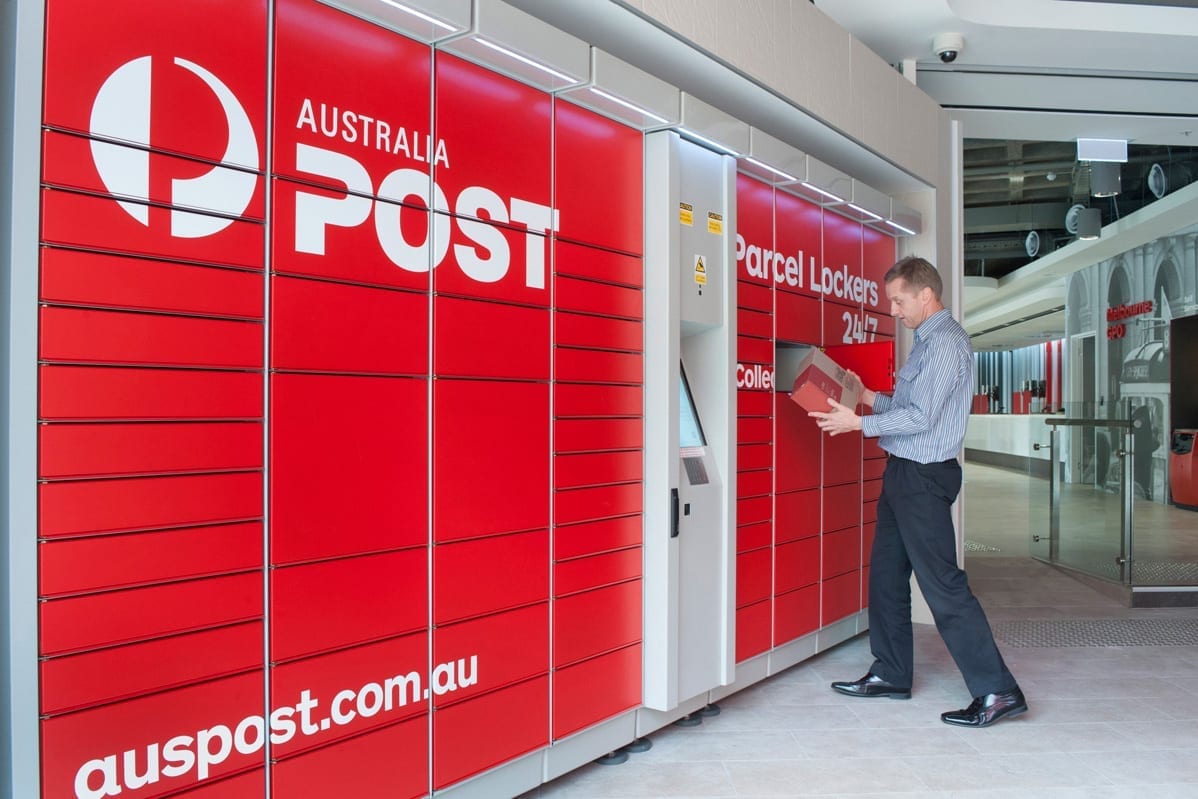
    Australia Post has just expanded its next-day delivery service, Australia Post Metro, to Adelaide. This delivery service provides eligible retailers and their customers with speed and more certainty when they shop online.

    The launch of the new service is a direct response to the Adelaide community continuing to embrace the online shopping trend with consistent year-on-year eCommerce growth with online purchases 15.2% higher than in 2019 and nearly 500,000 households shopping online in the past year.

    Recent data found that 68% of online shoppers are likely to abandon their shopping cart if they feel the delivery method is too slow.

    Australia Post Metro addresses these changing consumer needs and helps retailers entice customers to finalise their online purchase.

    Gary Starr, Australia Post Executive General Manager Parcel, Post and eCommerce Services said the flexibility and reliability that next-day delivery provides customers was becoming increasingly important, as the desire for fast fulfilment continues to be a key factor in online sales.

    “We’ve been listening to our customers, and know they expect more certainty, simplicity and speed when ordering online. The Australia Post Metro service raises the bar for customers – prioritising next day delivery in metropolitan areas enabling us to respond to that demand and deliver parcels to customers’ doors sooner.

    “We already have some of the country’s largest retailers using the Australia Post Metro service covering the lifestyle, fashion, beauty and FMCG space, with more retailers coming online every month. This new service provides a more agile, flexible delivery option as we head into our busiest time of year.” Mr. Starr said.

    Jo-Ann Hicks, Director of BIG W’s Ecom and Digital business says, “BIG W is excited to offer Australia Post’s next day delivery service to our Adelaide customers, giving them the opportunity to receive their BIG W shopping quickly by ordering online. Next day delivery joins many convenient ways to shop at BIG W including Pick up and Direct to Boot services.”

    In less than a year since the launch of Australia Post Metro across Australia, more than 2.6 million parcels have been delivered and this is expected to continue growing strongly as demand for this product increases, and new retail partners come on board.

  • FedEx appoints Sandeep Shahi as Chief Information Officer in Asia Pacific

    FedEx appoints Sandeep Shahi as Chief Information Officer in Asia Pacific

    Federal Express Corporation, one of the world’s largest express transportation companies, announced the appointment of Sandeep Shahi, CIO Asia Pacific. He will drive the company’s technology operations in Asia Pacific.

    Sandeep started his career in Germany with SAP AG before joining the logistics industry to lead digital transformation and the adoption of digital solutions playing a key role in the modernization of integrated IT architectures.

    Operating at the intersection of the physical and digital worlds, FedEx’s business strategy in the Asia Pacific region is deeply rooted in innovation. The company is dedicated to making supply chains smarter by deploying technology to enhance the service experience, automate processes, and improve efficiency for customers.

    Some examples include FedEx Dataworks which harnesses the company’s rich data ecosystem to help optimize internal operations, fuel innovation, and build more intelligent supply chains around the globe. FedEx new digital platform called fdx, will offer end-to-end e-commerce solutions for businesses of all sizes.

    This first-of-its-kind data-driven commerce platform will connect the entire customer journey and make it easier for SMEs to manage their supply chain. To enable transparency in sustainable reporting, FedEx has also introduced FedEx® Sustainability Insights. This innovative cloud-based data engine allows customers to measure the carbon footprint of their shipments using near real-time FedEx network data to estimate CO 2 e emissions.

  • DHL Express adds innovative feature on AI-powered platform to help businesses access new markets

    DHL Express adds innovative feature on AI-powered platform to help businesses access new markets

    DHL Express, the world’s leading international express service provider, has further enhanced its AI-powered platform, “My Global Trade Services” (MyGTS), with a new “trade lane comparison” feature. This feature enables businesses of all sizes to find references to existing trade lane regulations and requirements between the exporting and importing country or territory. With this, companies planning a market expansion strategy can leverage the solution to make well-informed decisions to maximize efficiency and gain competitive advantage.

    MyGTS is an online self-serve portal that helps users easily retrieve customs information to pre-plan shipments as they access new markets or launch new products. The new feature uses artificial intelligence and machine learning to provide an overview of the trade agreements in place and estimated duties/taxes which are included in the landed cost of the different trade routes. Landed costs can be defined as the total cost of getting a product from the factory to a customer’s door. Besides shipping fees and insurance, it includes estimated customs duties and taxes for cross-border shipments.

    On the platform, users will simply need to indicate the product they are shipping and the desired exporting and importing country or territory. This is especially useful to small and medium enterprises (SMEs), often challenged by a lack of internal resources, knowledge, and expertise to navigate a complex landscape of customs regulations and procedures.

    “Companies including SMEs are doing what they can to boost business resilience and global presence. However, SMEs tend to be impeded by the intricacies of trade regulations and processes, slowing down their expansion plans,” said Yung C. Ooi, Asia Pacific Senior Vice President for Commercial, DHL Express. “The new trade lane comparison capability helps SMEs enhance the understanding about customs requirements and landed cost. It aligns with our commitment to providing innovative solutions to help SMEs lower major trade barriers and become more confident in cross-border trade activities.”

    With this information, businesses can analyze and identify routes that offer the most favorable import and export conditions, leading to potential cost savings and increased profitability. When sourcing or procuring materials from different factories or vendors, importers can identify references of where import license or permits are required for entry. On the other hand, exporters will be informed about the import customs requirements for the products that they want to ship to the destination country or territory. This valuable insight helps businesses to define their go-to market strategy, strategically positioning themselves in new markets.

    With a heightened focus on risk mitigation and resilience, companies can leverage this feature to reduce reliance on single-sourcing locations. Moreover, businesses can tap into the burgeoning Asia market, which presents immense market opportunities fueled by many manufacturing powerhouses and emerging consumer markets. The latest DHL Global Connectedness Report shows that corporate globalization is rising, as companies invest in overseas markets, and expand their international presence.

    MyGTS is part of DHL’s Global Trade Services, which contains a suite of capabilities that help shippers easily navigate the increasingly complex customs regulations and requirements. Besides the new trade lane comparison feature, MyGTS also includes a pre-shipment planner tool that helps businesses know the import/export requirements regulations and calculate landed costs.

  • WestJet Cargo launches three new routes

    WestJet Cargo launches three new routes

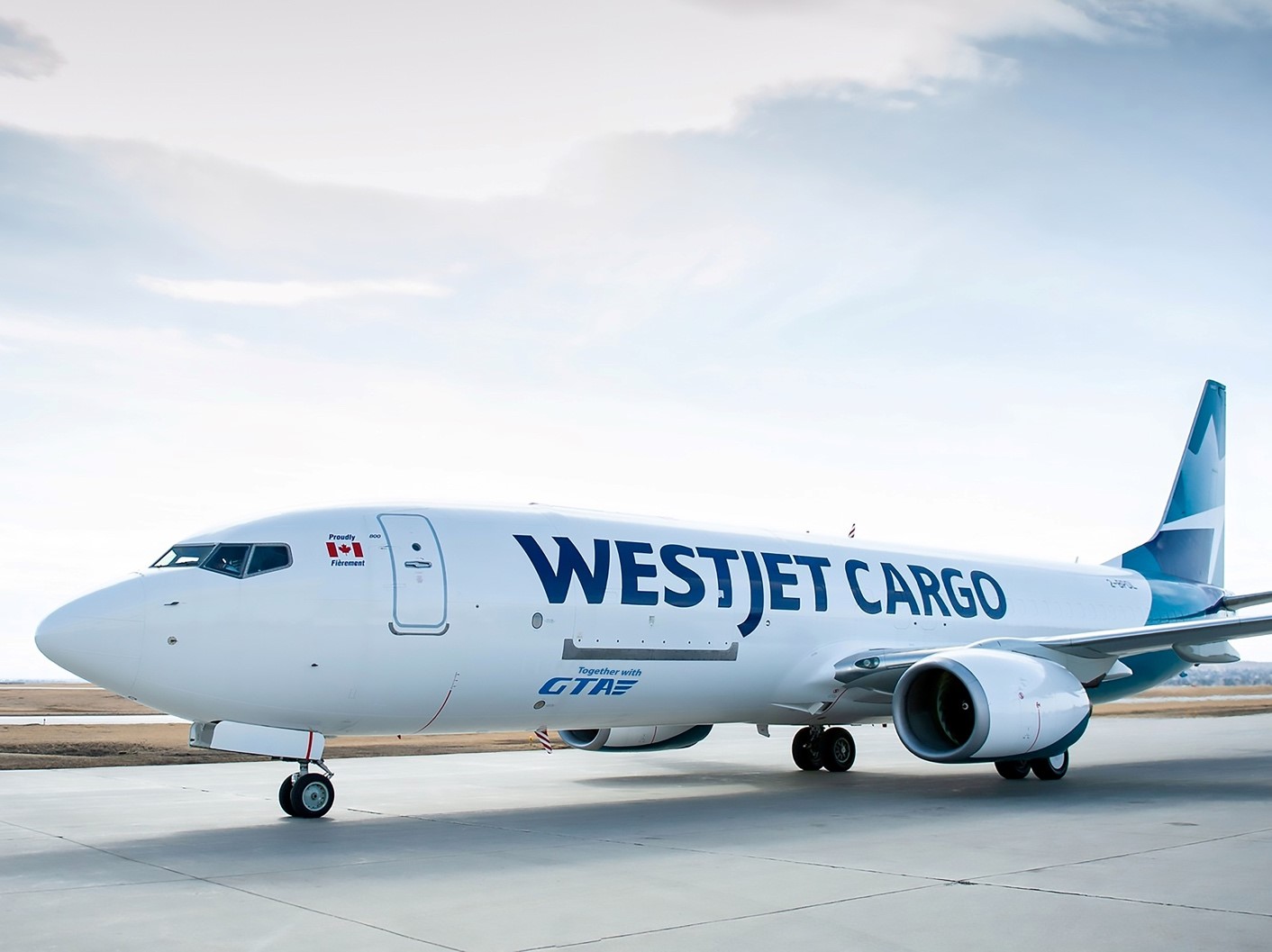
    The Chicago route was opened for cargo sales on May 16th, connects Calgary to the US city three times a week, increasing to daily flights by June 17th and will continue to operate year-round. Operating with 737 aircraft, this route offers cargo capacities of 2,700 kg per flight, focusing on the transportation of perishables. This route addresses increasing demand and marks the opening of WestJet Cargo’s passenger belly network in addition to the weekly freighter that already operates into Chicago.

    Moncton, Canada, was opened for cargo sales on May 17th to meet the growing needs of the Canadian market and will continue to operate year-round. Also utilizing a 737 aircraft, this route links Moncton to Calgary, Edmonton, and Toronto with varying frequencies: up to daily flights to Calgary, 3 to 4 weekly flights to Edmonton, and 3 to 5 weekly flights to Toronto. The primary cargo for this route is live animals and can also accept 2,700 kg per flight of cargo.

    The Calgary to Incheon route, launched on May 18th, operates three days weekly with a 787 Dreamliner, offering a 60 tonnes capacity for all cargo commodities. This route is already highly popular with the WestJet cargo customers!

    “These new routes will significantly enhance our ability to serve the Canadian market by offering greater capacity and more options for our customers,” said Kirsten De Bruijn, Executive Vice President of WestJet Cargo. “We’re delighted to expand our network and provide reliable and efficient cargo services to meet the growing demand.”