Retail News CRM

Tag: China

  • Ambitious plan for Playboy China

    Ambitious plan for Playboy China

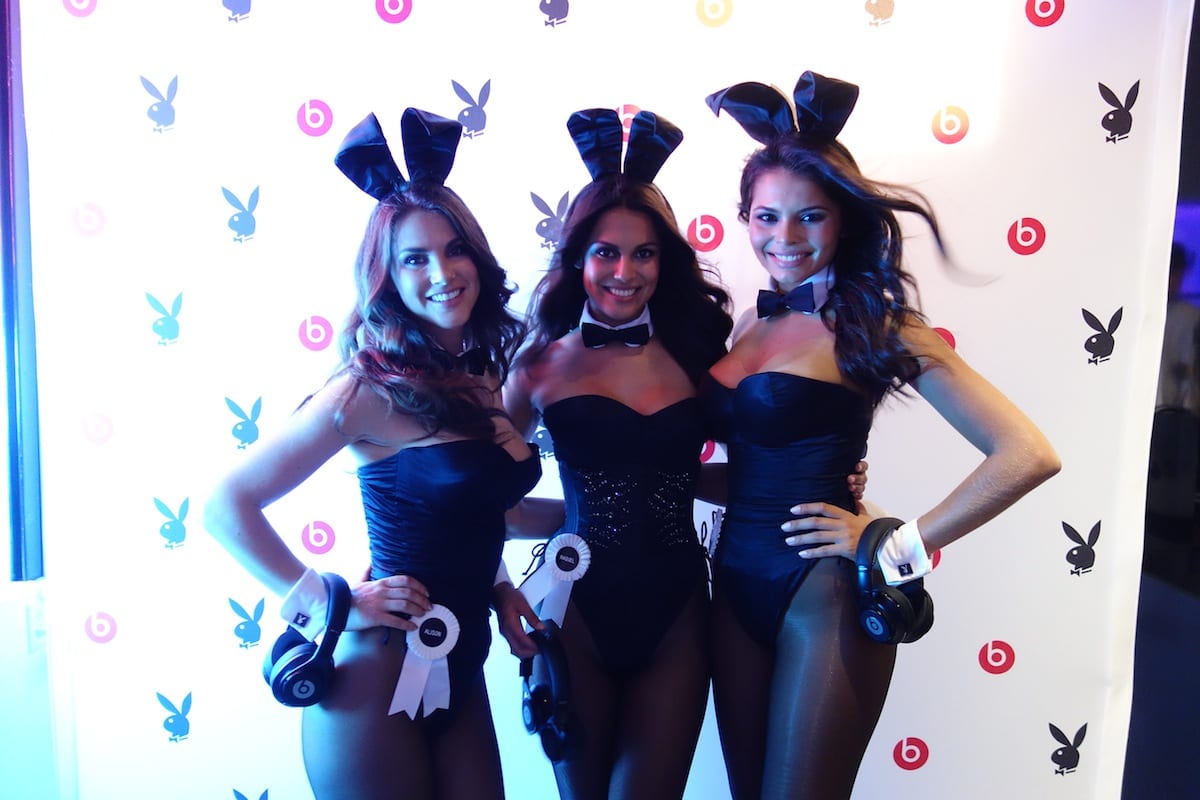
    Playboy is using its massive brand awareness in China to drive an expansion of its apparel range and enter new retail categories.

    US-based Playboy Enterprises has signed a new 10 year licensing agreement with Handong United to manufacture and distribute an expanded assortment of men’s and women’s fashion apparel, including casual fashion apparel, formal and casual footwear, and accessories, such as belts, bags, backpacks, wallets, and travel luggage. Leveraging Handong’s broad distribution network, Playboy is expected to further expand beyond its current reach from 3100 retail touchpoints in China’s mainland to 3500.

    Playboy China boasts a 97 per cent brand awareness among Chinese consumers according to research house Penn Schoen Berland.

    “We’re proud of the fact that the Playboy brand has achieved household status as the one of the most recognised and popular brands in the world’s leading retail market,” said Scott Flanders, CEO, Playboy Enterprises.

    “To achieve this leadership position without ever having a media entity in China is a testament to the tremendous power of our brand. China is one of our most important markets and we’re committed to working with the highest calibre of partners to develop premium quality products to connect our brand to the future generation of Chinese consumers.”

    Playboy has been building its business in China for 20 years – without any of the printed or digital products it may be best known for in its US home market. In China it is purely an apparel brand and has licensing deals for other products.

    Playboy China generated US$5 billion in retail revenue over the last decade and last year achieved $1.5 billion in retail sales worldwide, more than one-third of that in China. The company wants to achieve revenues of $10 billion during the course of its new partnership with Handong United.

    The brand continues to generate momentum through its portfolio of long time partners in apparel, footwear, luggage and accessories, who actively market the brand through its Physical and VIP sub-brands, which have 1000 and 180 points-of-sales respectively.

    “Playboy has demonstrated success in building a loyal consumer base by introducing a variety of modern apparel and accessories with a renewed focus on attracting a younger male and female consumer base,” said Matt Nordby, president, global licensing and chief revenue officer with Playboy Enterprises.

    “We’re enhancing our licensing portfolio with long-term, brand-enhancing partners, and Handong United is a partner that can deliver a premium and superior product quality. We look forward to teaming with Handong to design and create new products to further grow our China presence and reach the younger fashion-conscious Chinese consumer.”

    Xiaojian Hong, executive officer of Handong United described Playboy as “one of the most famous and treasured brands in China” and a “must-have fashion choice” for men and women across the Mainland.

    Elsewhere in Asia and beyond, Playboy has been expanding its existing audience base and attracting a new generation of consumers by revamping and refining its licensing portfolio, partnering with Lane Crawford in Hong Kong, Beijing and Shanghai, Isetan in Tokyo and Marc Jacobs globally.
  • Esprit positive as network shrinks

    Esprit positive as network shrinks

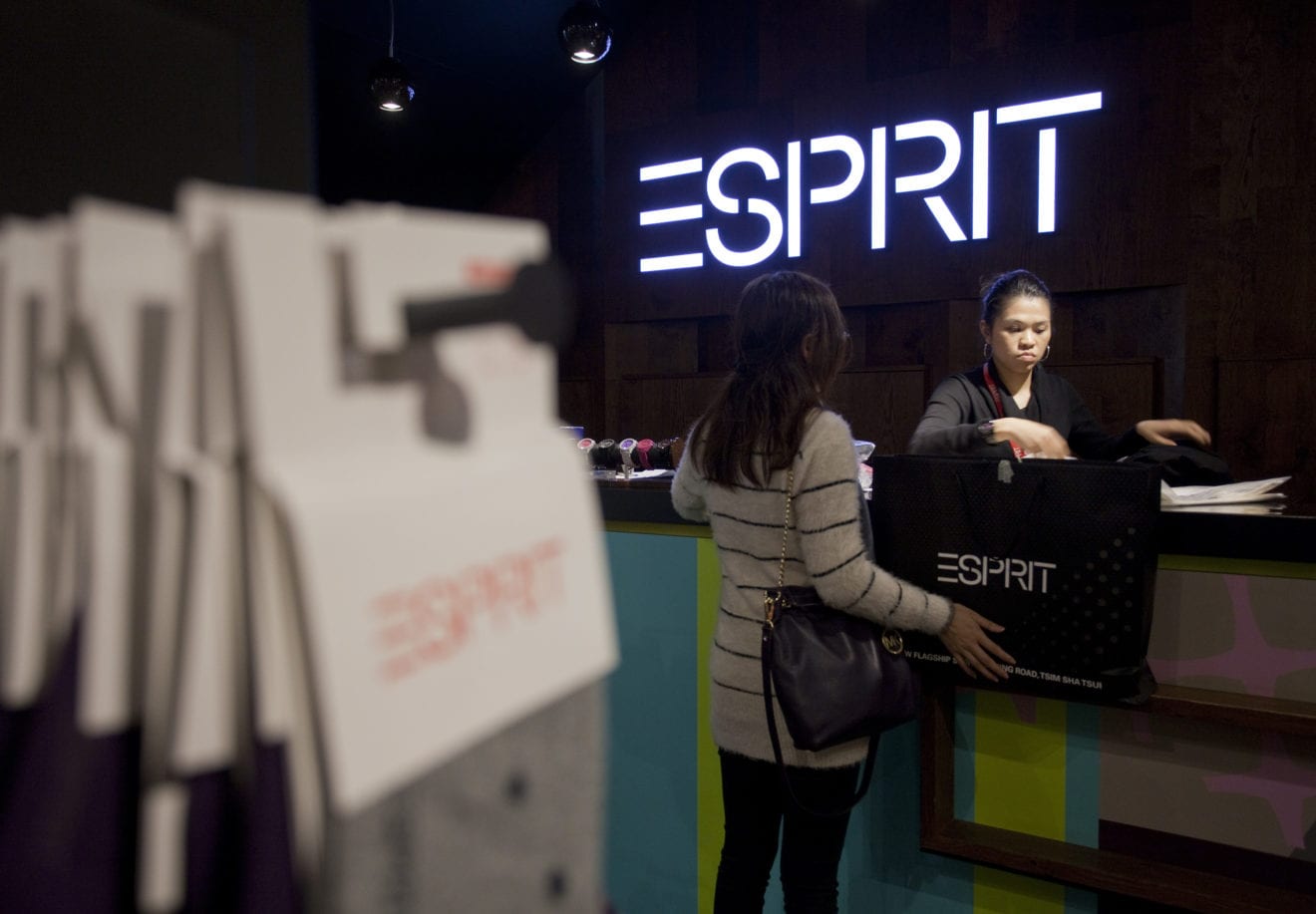
    Fashion retailer Esprit continues to cull its retail network, but despite reduced sales is confident its turnaround program is on track.

    In the third quarter to March 31, the Hong Kong-listed company’s turnover fell 25.5 per cent in Hong Kong dollar terms to HK$4.51 billion, or 12.2 per cent in local currencies where it trades. The Hong Kong figure has been exaggerated by a 17.7 per cent depreciation in the Hong Kong dollar-euro exchange rate.

    Retail turnover in Asia Pacific grew by two per cent year-on-year in the third quarter, despite a 2.6 per cent reduction in net sales area, or 20 fewer company-owned stores.

    Over the last 12 months Esprit has reduced the number of Asia-Pacific stores supplied by its wholesale division by 40 per cent, or 188 stores.

    Wholesale turnover in Asia Pacific thus declined by 8.8 per cent year-on-year in local currency (compared with a 49.3 per cent reduction in the first half of the year). Esprit says this improvement was mainly attributable to the success of its special return agreements with wholesale partners in China which helped to clear considerably aged inventories in the same period last year. That, in turn, has resulted in an improved order intake for the third quarter.

    “In the third quarter, the Transformation phase continued to make good progress,” Esprit said in a stock exchange filing.

    “Our leaner supply chain maintained its positive impact on our sourcing costs, enabling us to reinvest the savings to further improve the value-for-money of our products. Consequently, the new collections developed under the Vertical Model, which were available in stores since February 2015 have received a more positive response.

    “While this favorable response is encouraging, it is too early to assess the full impact of the new products on our sales given their short time in the market.”

    Esprit said to drive sales development and support its sustainable growth, the company will be increasing its marketing efforts and implementing an ambitious omni-channel model to enhance the customer experience across its multiple distribution channels.

    “The savings from a leaner supply chain are also driving a year-on-year improvement of our gross profit margin, which is key for the profitability of the company.

    “We remain fully confident that our current strategies will enable us to turn around Esprit and to establish a strong foundation for future long term growth.”

    Esprit concluded by saying it was encouraged by improved sales of its new collections which went on sale from February this year.

    “Retail turnover for the months of February and March 2015 declined year-on-year by 2.9 per cent in local currency – better than our square meters reduction.

    “The positive performance in Asia Pacific, where we did not face the same issues from Autumn/Winter 2014 season, was attributable to  better availability of merchandise in stores as a result of improved logistics support and more successful tactical promotions in all of our Asian markets for the Chinese New Year holiday.”

  • Alibaba aims to slash wine prices

    Alibaba aims to slash wine prices

    Online retailer Alibaba believes it has found a way to cut the retail prices of wine in China.

    Using its business to business website 1688.com Alibaba has commenced selling wine direct to retailers, short-circuiting a raft of middlemen currently adding margins yet no value to the supply chain.

    Buyers from 1688.com are negotiating to buy wine in bulk direct from Spanish exporters which it then sells online to retailers.

    According to China news service Xinhua, in an article published on Alibaba’s own news website, a bottle of wine sold for 10 euros (68.54 yuan) in Spain can cost more than 240 yuan in China. That’s because the wine is often sold and on sold exporters to general agents, regional agencies and wholesalers before it finally reaches the retail shelf for consumers to buy. Each time the wine changes hands some 15 per cent margin is added to the price, along with additional freight charges and duties.

    Alibaba estimates that using 1688.com to link exporter and retailer, the same 10 euro bottle of wine in Spain could be retailed in China at just 116 yuan – that’s less than a half of the price traded through traditional channels, according to Liu Fei, a department manager at 1688.com.

  • Chinese in bid for New Look

    Chinese in bid for New Look

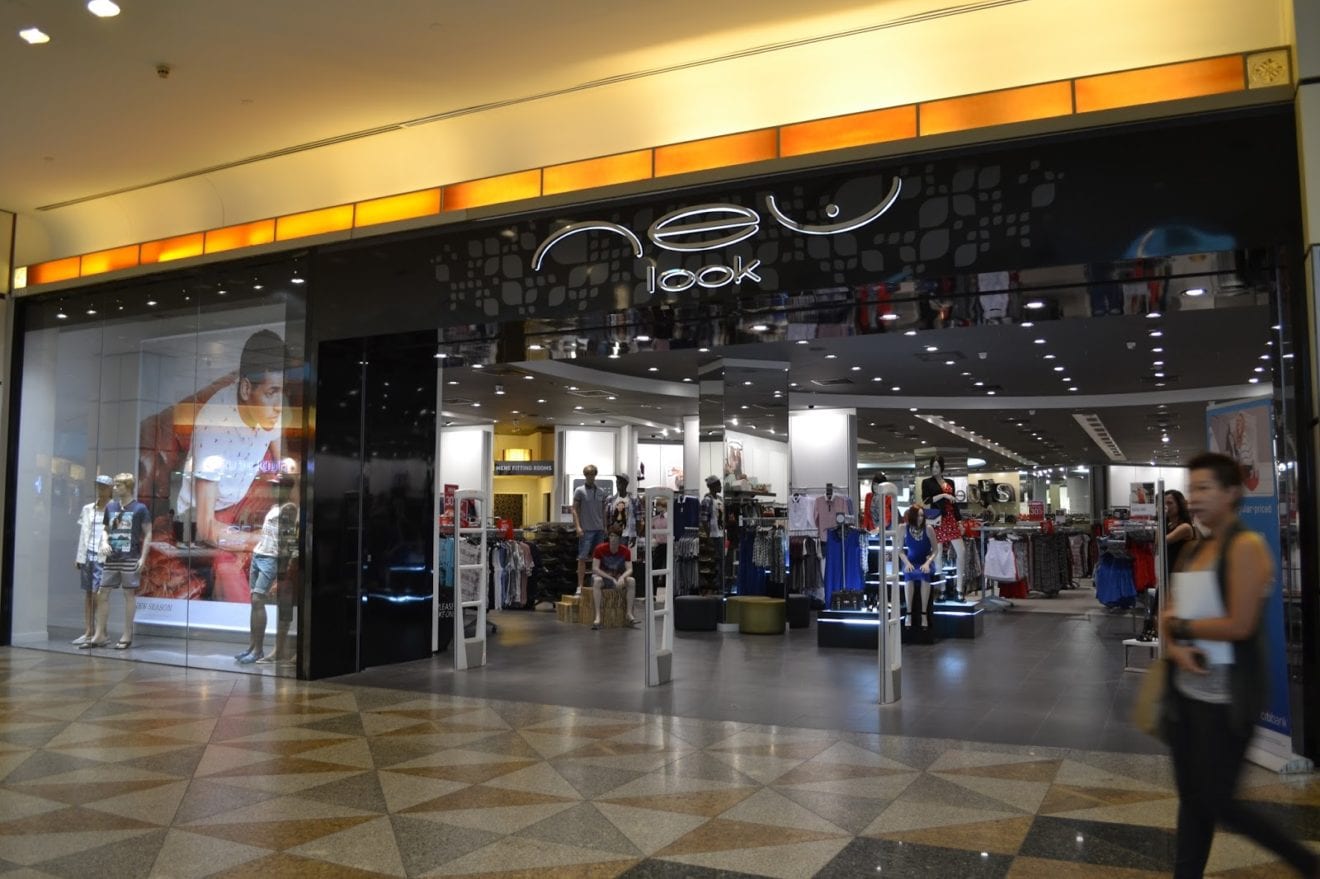
    Chinese buyers are circling high profile UK fashion brand New Look.

    UK news media are reporting negotiations are underway between a business linked with former Tesco CEO turned retail investor Sir Terry Leahy and a Chinese private equity group. The plan is to mount a joint venture bid for the business.

    New Look is currently owned by founder Tom Singh and private equity groups Permira and Apax Partners. The reports suggest a bid of £2 billion for New Look, which has more than 1000 stores internationally and a staff of more than 30,000.

    The US partner is Clayton, Dubilier & Rice, a private equity firm which owns 60 per cent of Luxembourg-based B&M. The Chinese partner is identified as CDH, another private equity group.
    Sir Terry reportedly has a shareholding in CD&R through a Cayman Islands based fund and is an advisor to the group on its retail investments.

    New Look has stores in Thailand, Korea, Singapore, Indonesia, China, Malaysia, Europe and the Middle East.

  • Tourists drag down Hong Kong retail sales

    Tourists drag down Hong Kong retail sales

    Official Hong Kong retail sales figures for March show a 2.9 per cent year-on-year fall, blamed on shrinking in-bound tourist numbers.

    According to data released by the Census and Statistics Department the fall follows a two per cent drop in January and February combined.

    A government spokesman blamed the sluggish sales on a slowdown in inbound tourism.

    “Most types of retail outlets recorded year-on-year declines in sales… Retail outlets selling certain consumer durable goods saw some notable increases in sales, mainly helped by the launch of certain smartphone models,” the spokesman said.

    Weakened tourism is likely to continue to constrain growth, he said, “although the stable labour market conditions should still render support to local consumer sentiment”.

  • Costs eat into Eu Yan Sang profit

    Costs eat into Eu Yan Sang profit

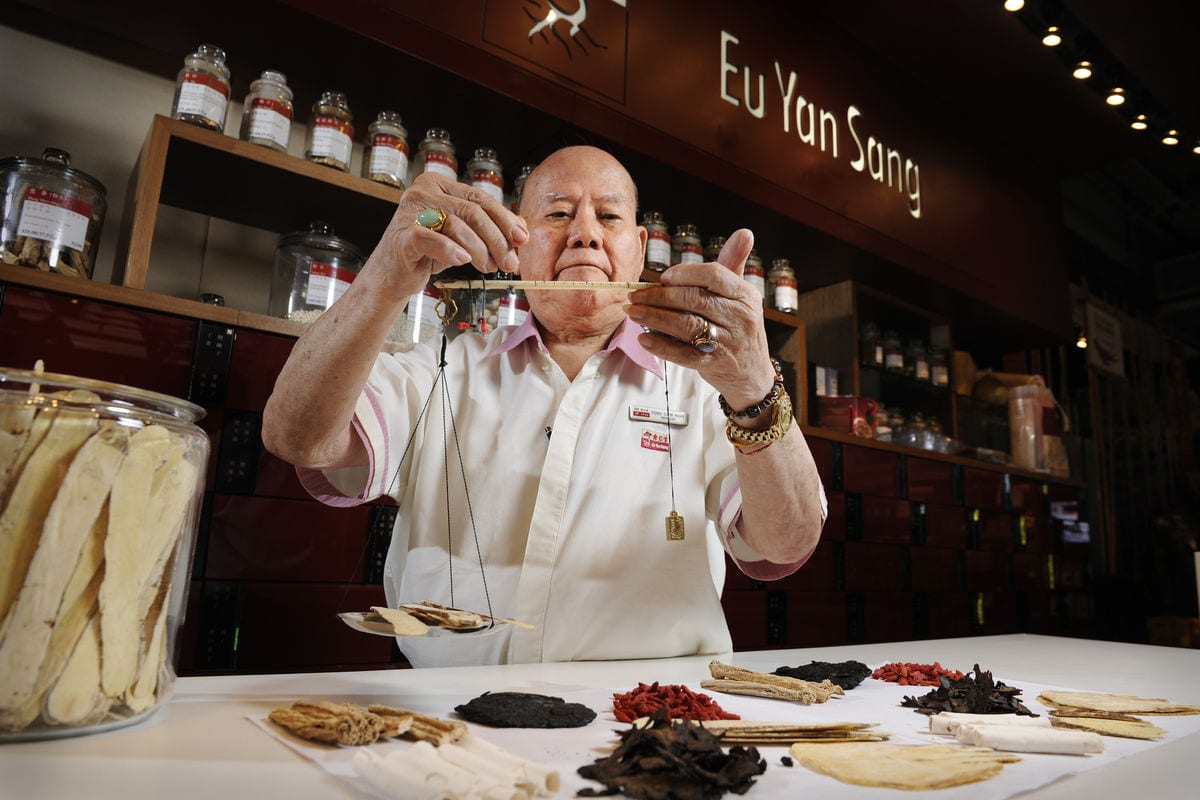
    Chinese herbal medicine retailer Eu Yan Sang has repoted a 38 per cent drop in profit on stable revenues in the first quarter of its current financial year.

    Eu Yan Sang posted a net profit of S$5.45 million on sales of $110 million.

    Improved sales in Australia, Singapore and Malaysia during the Chinese New Year, and in Malaysia where shoppers stocked up ahead of the introduction of GST on April 1, balanced a decline in Hong Kong, where the company says sales were soft due to the fall in mainland visitros.

    Gross margin for the quarter dipped 2.6 per cent due mainly to the impact of sales mix and longer lead time to Chinese New Year. Correspondingly, the group’s operating profit declined due to lower gross margin contribution and increased operating expenses.

    As at 31 March 2015, Eu Yan Sang had 258 company-operated retail outlets and 30 franchises in China, Hong Kong, Macau, Malaysia, Singapore and Australia.

    Group CEO Richard Eu said despite the challenging retail environment in Hong Kong and Macau, where retail revenue fell 21 per cent, most of the company’s key markets showed resilience.

    “Singapore, Malaysia and Australia markets have reported revenue growth. We see long-term opportunities especially in rising health awareness as consumers are becoming more discerning and better educated about wellness issues and are actively seeking for healthy food and natural health remedies. This is a space where we differentiate ourselves from others, where consumers understand product quality over pricing.

    “Rising disposable income in the region also played an important role to our business. In addition, our wellness offerings are easily accessible through ongoing introduction of new, exciting products and the extension of our wholesale channels,” he said.

    Retail revenue rose five per cent driven by increased consumer spending during the longer lead up period to Chinese New Year in Malaysia and Singapore, while the increased sales in company-operated outlets and improvement in same-store sales boosted retail revenue in Australia.

    The wholesale segment dipped by 32 per cent due to the slower offtake in trade as a result of the decline in mainland tourists’ spending in Hong Kong, which was caused by China’s recent move to restrict visitations of its nationals to Hong Kong.

    “In local currency terms, Australia showed the strongest improvement with a boost of 28 per cent in revenue,” the company said in its earnings statement. “This was in line with the increase in number of company-operated outlets and the increase in same-store sales.”

    For the rest of the year, the company expects the softer market to continue in Hong Kong, and in Malaysia where consumers are still adjusting to the impact of GST.

    But after two years of decline, Singapore is showing growth.

    “Given the recent regulations to limit Chinese tourists in Hong Kong and the enforcement of GST in Malaysia, the group expects a protracted recovery in these markets. We believe that the negative impact of GST on retail sales in Malaysia will be a short-term challenge.”

  • Sun Art looks to fresh Fields

    Sun Art looks to fresh Fields

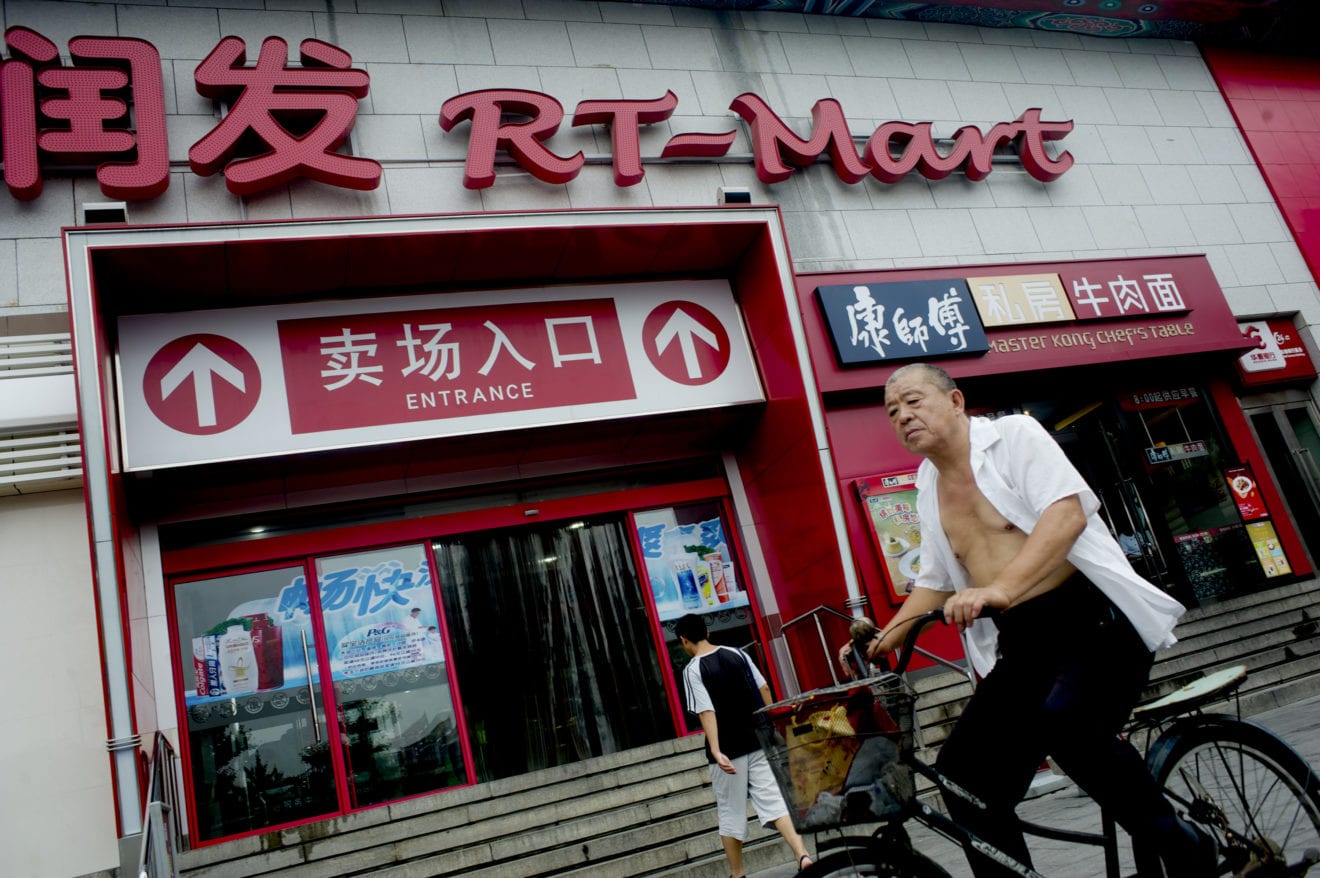
    Chinese hypermarket operator Sun Art Retail Group has bought a controlling interest in Fields Hong Kong, an online retailer of fresh foods and produce.

    No price was disclosed for the 54 per cent stake.

    Fields Hong Kong was established to provide an alternative source of produce in a market where food safety scandals have bred distrust of corporate retailers and fast food chains. Middle class consumers who have the disposable income to afford premium products from vendors they trust are a growing market for online suppliers.

    Sun Art, listed in Hong Kong, is part owned by France’s Auchan Group and Taiwanese billionaire Samuel Yin.

    In a statement the company said the purchase would “further strengthen” its Chinese eCommerce business.

    Fields’ competitors include Amazon.com-backed yummy77.com, kateandkimi.com and epermarket.com.

  • Kingold Jewelry opens on Tmall

    Kingold Jewelry opens on Tmall

    Kingold Jewelry, one of China’s leading manufacturers and designers of gold jewellery, ornaments and investment-oriented products, has launched an online retail flagship store on Tmall.com.

    Nasdaq-listed Kingold expects to leverage the Chinese eCommerce platform to sell the Company’s 24-karat gold jewelry and products, including rings, necklaces, bracelets and pendants.

    Additional categories may be added in the future.

    Zhihong Jia, chairman and CEO of the company, said having a presence on Tmall allows Kingold to interact directly with consumers and builds brand awareness in China.

    “We will continue to introduce new products and designs in our online flagship store on a regular basis.”

    Tmall.com provides an online shopping experience for increasingly sophisticated Chinese consumers in search of quality branded merchandise. It was launched in April 2008 as part of Taobao Marketplace and became an independent platform in June 2011.

    Thousands of international and Chinese brands and retail merchants have established storefronts on Tmall.com, part of the Alibaba Group. According to iResearch, Tmall.com was the largest B2C online retail platform in China based on the value of goods transacted as of September 2013.

    Kingold Jewelry, located in Wuhan City, was founded in 2002 and is now one of China’s leading designers and manufacturers of 24-karat gold jewelry, ornaments, and investment-oriented products. The Company sells both directly to retailers as well as through major distributors across China.

  • China’s JD.com posts 62 pct rise in quarterly revenue

    China’s JD.com posts 62 pct rise in quarterly revenue

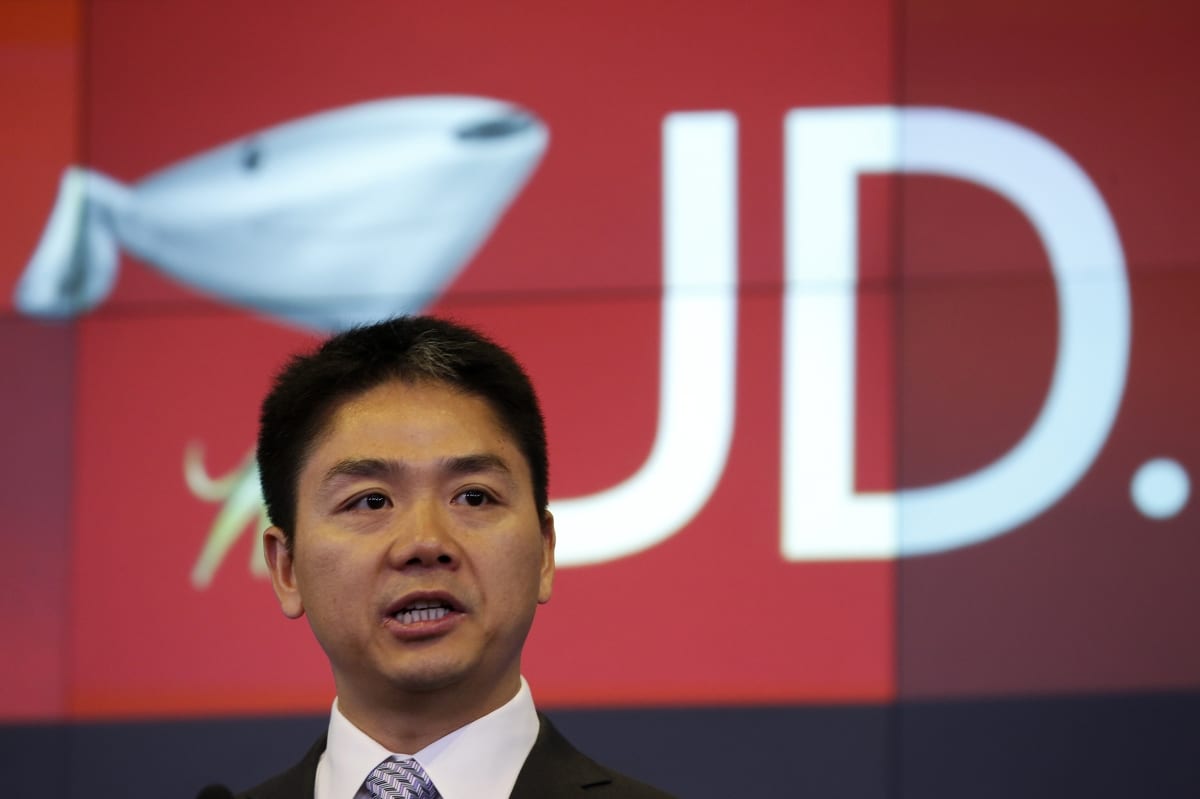
    JD.com Inc, China’s No.2 e-commerce company, reported a 62 percent rise in quarterly revenue, topping analysts’ expectation as the number of active customer accounts across its sites nearly doubled from a year earlier.

    First-quarter revenue of 36.6 billion yuan ($5.90 billion) exceeded analysts’ estimate of 35.65 billion yuan, according to Thomson Reuters I/B/E/S.

    Gross merchandise volume (GMV), or the total value of goods sold on JD.com, nearly doubled to 87.8 billion yuan ($14.14 billion) in the quarter ended March, with roughly 42 percent of all fulfilled orders coming from mobile devices, the company said.

    Excluding certain items, losses widened to 2 cents per American depositary share, from 1 cent, as it spent heavily to broaden its inventory and on marketing.

    The Beijing-based company’s business, like bigger U.S. peer Amazon.com Inc’s, is built on selling products it purchases through its own logistics network. Alibaba Group Holding Ltd, on the other hand, has grown its business quickly by connecting sellers to buyers rather than stocking its own merchandise.

    The difference in business models has allowed JD.com to market itself as a purveyor of authentic goods, while its larger rival has wrestled with occasional, high-profile controversies over fake products.

    When JD.com announced in April that it would sell and warehouse clothes from Japanese giant Uniqlo, the e-tailer touted the deal as an example of its growing ability to offer customers mainstream labels and authentic clothes.

    JD.com last month launched its JD Worldwide cross-border online shopping platform, a challenger to Alibaba’s Tmall Global service.

    It also announced on Friday its participation in a $500 million investment in Tuniu Corp.

    The company’s U.S.-listed shares have risen close to 60 percent since its IPO last May.

    ($1 = 6.2089 Chinese yuan renminbi)

  • China’s Alibaba names Daniel Zhang new CEO

    China’s Alibaba names Daniel Zhang new CEO

    China’s e-commerce giant Alibaba Group on Thursday named Daniel Zhang, currently Chief Operating Officer, CEO of the group, effective on 10 May 2015.

    Current CEO Jonathan Lu will remain on the board of directors of Alibaba Group as Vice Chairman. He will work with Daniel to ensure a successful transition in the coming months.

    “In this capacity Jonathan will play an important role in developing future leaders of Alibaba Group. This role is especially important as Alibaba Group continues to build the necessary talent to enable the company to grow and thrive in a rapidly changing environment,” the Chinese largest e-commerce company said in a statement.

    Daniel Zhang has been with the company for eight years and has held top management positions across the organization. He is also one of the founding members of the Alibaba Partnership. Zhang has been Alibaba’s chief operating officer since September 2013. In his role as COO, he oversaw the operations of all Alibaba Group businesses in China and internationally.

    Zhang first joined the company as Chief Financial Officer of Taobao Marketplace in August 2007. In 2008, he was appointed Chief Operating Officer of Taobao Marketplace and general manager of Taobao Mall.

    Under his leadership, Taobao Mall rapidly became one of Alibaba’s most important businesses and was highly recognized by consumers and brands in China and around the world. In 2011, he was named president when it first became an independent business unit, Tmall.com, which has become one of world’s largest online B2C platforms. Zhang was also a key architect of the 11 November Shopping Festival, and led it to become the world’s largest online shopping event.

  • Magento companions with Razorfish in Higher China

    Magento companions with Razorfish in Higher China

    Magento, an e-commerce platform owned by eBay’s Enterprise division, on Thursday stated it has partnered with Razorfish in Larger China to function a gateway for retailer progress within the booming Asia-Pacific market.

    As a part of the brand new partnership, Magento will present Razorfish in Higher China with market improvement instruments and assets to construct Magento Enterprise Version storefronts for retailers in search of to swiftly seize shopper gross sales and capitalize on the huge market alternative.

    Magento offers e-commerce software program and platform options worldwide. It provides merchandise comparable to Enterprise Version, Group Version in addition to e-commerce answer for small companies. Magento’s Enterprise Version is an e-commerce answer for giant companies which helps retailers to drive extra visitors to their shops, convert browsers into consumers, and increase on-line income.

    “Social commerce has quick grow to be the spine of brand name constructing in Higher China. China is now main the world in social commerce, ours is a area getting used as a check marketplace for main international manufacturers creating leading edge social commerce options,” stated Alex Misseri, SVP APAC, Head of Retail & Commerce, Razorfish. “Magento’s open structure, flexibility and modular strategy to customization provides the differentiated shopper experiences that manufacturers search for when establishing commerce operations in Higher China.”

    On-line purchasing in China is rising quicker than anybody initially anticipated. Forrester’s newest on-line retail forecast for China tasks that the nation’s on-line market (B2C and C2C) will move USD670 billion by 2018.

    Digital Dopamine, Razorfish’s 2015 International Digital Advertising Report, exhibits that ecommerce is an plain powerhouse in Larger China. The overwhelming majority of Chinese language shoppers would like to do all their buying on-line. Shopper choice to buy on-line in China is nearly double that of US counterparts. The research exhibits 82 % of Chinese language buyers want they might make all their purchases on-line, in comparison with simply 49 % of these within the US.

    Magento boasts the most important open commerce ecosystem of greater than four,300 Magento licensed professionals and 260 confirmed Answer Companions worldwide. Powering greater than 240,000 websites globally, it stays the preferred platform available on the market based on a 2015 international commerce share report by Hivemind. eBay Enterprise, together with Magento, was additionally acknowledged because the main ecommerce platform for the 2015 Web Retailer Prime 500

  • Open Sesame? Jack Ma’s Alibaba loses $US70b in market worth as progress disappoints

    Open Sesame? Jack Ma’s Alibaba loses $US70b in market worth as progress disappoints

    After Alibaba Group raised a document $US25 billion ($31 billion) final yr, founder Jack Ma stated the Chinese language e-commerce firm confronted the hazard of excessive expectations. He is perhaps proper.

    About $US70 billion of market worth has evaporated since Ma made that assertion in November as buyers fear about slowing progress. Alibaba’s dominance at residence as a market for consumers and sellers of products is being undermined by a Chinese language financial system projected to develop on the slowest tempo since 1990 and a shopper shift to cellular buying that crimps promoting income.

    Ma’s push outdoors China additionally has but to realize traction — its presence within the US and far of Europe stays negligible. Outcomes due Thursday are anticipated to point out that the tempo of Alibaba’s income enlargement fell under the typical of the earlier seven quarters. Shares of Alibaba closed Tuesday at $US79.54 in New York, a 3rd under their November peak and the bottom because the Hangzhou-based firm bought inventory at $US68 apiece in its preliminary public providing in September.

    “With the general Chinese language financial system slowing down and the market saturating in giant cities, abroad enlargement appears much more essential,” stated Cao Lei, director of the China E-Commerce Analysis Middle in Hangzhou

    Alibaba’s success in China made it the nation’s largest e- commerce operator, with every little thing from garments and meals to jets and automobiles being bought throughout its platforms.

    Russia, Brazil

    Ma needs to duplicate that all over the world, setting a objective of producing half of gross sales and servicing greater than 10 million small companies outdoors China. However whereas the corporate has made inroads into Russia and Brazil, Alibaba at present will get lower than 5 per cent of its income from outdoors China, Ma stated in March on an organization Twitter account.

    Alibaba’s gross sales in all probability rose 41 per cent within the fourth quarter to 16.9 billion yuan ($three.four billion), in line with the typical of 23 estimates compiled by Bloomberg. That compares with a mean of about 50 per cent in the course of the previous seven quarters.

    The corporate’s technique of increasing in under-served areas of China and abroad is driving up advertising prices as extra shoppers store on cellular units, the place advertisements sometimes generate much less income than these on desktop computer systems. Working revenue will in all probability shrink 18 per cent to four.5 billion yuan, based on the estimates.

    ‘Credibility disaster’

    “They’ve confronted hurdles and difficulties that they should overcome to succeed in the subsequent degree of progress,” stated Matthew Kwok, chief strategist at China Yinsheng Asset Administration in Hong Kong. “It has reached such success in China, it will make sense for them to duplicate that enterprise mannequin abroad.”

    Alibaba declined to remark in an e-mail, citing quiet interval restrictions forward of the earnings launch.

    Including to considerations round Alibaba’s progress outlook is the resurfacing of allegations that the corporate’s platforms, together with Taobao Market and Tmall.com, are a haven for counterfeiters. The Chinese language authorities this yr stated Alibaba faces a “credibility disaster” for failing to crack down on shady retailers, pretend items and deceptive promotions.

    Whereas buyers have punished Alibaba, an index of US- traded Chinese language corporations has jumped by 17 per cent this yr. Rival e-commerce operators have additionally surged with JD.com rising 46 per cent in New York and Tencent Holdings gaining 40 per cent in Hong Kong by means of Tuesday.

    The 2 corporations have joined forces to compete towards Alibaba. Tencent is making an attempt to drive the 1 billion customers of its WeChat and QQ chat apps to JD.com, which lately began a service to hurry imports to Chinese language consumers.

    As JD.com, China’s second-biggest e-commerce firm, “ups its recreation,” stated Mark Tanner, founding father of China Skinny, a Shanghai-based analysis and advertising company, Alibaba’s earlier progress “appears unsustainable within the medium time period.”

  • Mainland companies ease hiring employees in Q1

    Mainland companies ease hiring employees in Q1

    Employers on China’s mainland have been much less lively in hiring employees within the first quarter, recruitment consultancy Robert Walters stated in a report yesterday.

    The variety of job ads within the mainland print media and main on-line job boards jumped 16 % within the first quarter yr on yr, 9 proportion factors down from the survey carried out in the identical interval of final yr, Robert Walters stated within the report which coated six main economies in Asia.

    However the mainland rose a spot to develop into the second-quickest rising job market after Japan, which surged 33 % pushed by the federal government’s proactive financial insurance policies, the report stated.

    “With the Chinese language authorities setting its GDP goal at 7 % this yr, the job market will possible develop at a secure tempo,” stated Arthur Wang, managing director, Robert Walters China.

    As China shifts its financial system towards consumption-led, “we anticipate to see the creation of extra high-paying jobs inside the shopper and providers sectors so as to encourage spending,” Wang stated.

    The report discovered IT a scorching sector on the mainland because the variety of job ads jumped 53 % yr on yr.

    Advertisements for accounting and finance jobs adopted with a progress of 19 %.

  • Overseas grocers wrestle in fast-moving China retail market

    From quick meals to smartphones, from luxurious items to groceries, the best way China outlets — and what mainland consumers need to purchase — is altering quickly. The modifications are leaving overseas grocery store and hypermarket chains struggling to maintain up by revamping retailer codecs and promoting extra groceries on-line, retail analysts say.

    On Wednesday Walmart introduced a plan to show spherical its declining gross sales in China by boosting retailer numbers by greater than 25 per cent, renovating present outlets and introducing a brand new on-line buying app.

    The U.S. chain has been hit by meals security scandals in China, together with quickly intensifying competitors from different massive hypermarket chains and from new on-line grocers.

    However Walmart is way from the one overseas grocer that has struggled in China in recent times: Tesco, the U.Okay. chain, did not make it alone on the mainland regardless of an formidable program of constructing so-called “way of life malls” in China, anchored by a Tesco retailer.

    From quick meals to smartphones, from luxurious items to groceries, the best way China outlets — and what mainland consumers need to purchase — is altering quickly. The modifications are leaving overseas grocery store and hypermarket chains struggling to maintain up by revamping retailer codecs and promoting extra groceries on-line, retail analysts say.

    On Wednesday Walmart introduced a plan to show spherical its declining gross sales in China by boosting retailer numbers by greater than 25 per cent, renovating present outlets and introducing a brand new on-line buying app.

    The U.S. chain has been hit by meals security scandals in China, together with quickly intensifying competitors from different huge hypermarket chains and from new on-line grocers.

    However Walmart is way from the one overseas grocer that has struggled in China in recent times: Tesco, the U.Okay. chain, did not make it alone on the mainland regardless of an formidable program of constructing so-called “way of life malls” in China, anchored by a Tesco retailer.

    That gamble failed, largely as a result of Tesco didn’t have the experience to compete as a property developer within the troublesome mainland property market, retail analysts say. Tesco was pressured right into a three way partnership with one of many mainland’s main retailers, China Assets Enterprise.

    However turning spherical Tesco’s mainland enterprise has not proved straightforward for CRE both, and the corporate final week bought its loss-making non-beer (together with grocery) companies to its dad or mum, China Assets Holdings.

    The sector’s woes are usually not restricted to overseas manufacturers both. A brand new report by OC&C technique consultants finds that “almost all the most important gamers amongst China’s big-box grocers … have skilled near-consistent unfavourable progress since 2010.” Progress throughout that interval has come virtually totally from new retailer openings, OC&C stated.

    Competitors from on-line grocers is likely one of the largest threats to brick and mortar gross sales at chains akin to Walmart, Carrefour and Auchan’s SunArt Retail, retail analysts say. Shopper tastes in China change extra quickly than in lots of established markets, and up to now yr or two, on-line grocery gross sales have exploded.

    OC&C says on-line gross sales rose almost 50 per cent in 2014, yr on yr, in contrast with a paltry 6.7 per cent for hypermarkets and grocery store gross sales (together with new retailer openings). Many shoppers are shifting their shopping for to comfort shops too, retail analyst say, prompting grocers together with Walmart and Carrefour to attempt new, smaller codecs for his or her shops in massive cities.

    “In China, older individuals do not have a variety of leisure so purchasing (even in grocery shops) is leisure for them, however our youthful era has grown up with a pc at their aspect and they also want to entertain themselves by travelling, not purchasing in bodily shops,” says Huang Aizhu, head of Tmall’s meals enterprise. The enterprise, a part of the Alibaba group, is rising yearly within the “triple digits”, she says.

    “The mixture of on-line and offline is the best way of the longer term,” she provides. Gross sales of recent meals like fruit, greens and seafood — historically the protect of brick and mortar shops or conventional moist markets — are rising quicker on-line than different grocery gadgets, Ms Huang says.

    Walmart already has one of many strongest e-commerce presences in China, via its 51 per cent stake in Yihaodian, the favored on-line grocer.

    Tesco is experimenting with on-line grocery purchasing in Shanghai, and its digital expertise have been one of many parts that attracted CRE to the three way partnership with the retailer. Nevertheless, in the meanwhile, the emphasis is on integrating Tesco and CRE’s retail companies in China, in accordance with individuals accustomed to the state of affairs.

    Doug McMillon, Walmart international chief government, informed a press convention in Beijing on Wednesday that the corporate plans to increase each on-line and offline. “We need to assist clients store in a approach that’s most handy for them. For some comfort is purchasing on-line and having merchandise delivered to their houses, for others it’s purchasing on-line and choosing up at a retailer and for others it is the expertise of being in a retailer, seeing and dealing with merchandise that they purchase … new methods are being invented each week.”

    “Shopper spending energy in China is rising at about 10 per cent per yr and tastes are altering quickly. Maintaining with that for retailers is hard, and there’s more and more competitors with one another. A number of chains are having to shut present shops and reopen and redevelop new codecs,” says Matthew Crabbe, China retail analyst at Mintel.

    Fixing the chilly chain logistics drawback is vital for on-line meals retailers, he says. JD.com, a pacesetter mainland ecommerce firm, has struck a deal to distribute recent, chilled and frozen merchandise by way of comfort shops that both maintain them for buyer assortment or ship to their houses.

    “They’re leapfrogging the large chains, which should reply in variety to compete,” he provides, noting that Walmart and Tesco have been “creating their shops to be extra like supply depots”.

  • Chinese cities make up half of the world’s top 20 shopping center markets

    Chinese cities make up half of the world’s top 20 shopping center markets

    Chinese cities account for half of the top 20 most active shopping center markets globally with a total of 5.7 million square meters of shopping center space completed last year, an industry report released today by CBRE has showed.

    Wuhan in central Hubei Province, among all, saw the largest volume of shopping center space delivered to market with nearly one million square meters spanning 8 projects, said the world’s largest commercial real estate services provider, which has tracked 171 cities globally and is focused on new centers of more than 20,000 square meters excluding retail warehousing and factory outlet centers.

    Chengdu, which topped the list in 2013 by development completions, remained highly active. It closely followed Wuhan with 981,000 square meters of development in 2014. Beijing, with 926,600 square meters, and Chongqing, with 776,000 square meters, are the third and fourth most active markets. Wuhan, Chengdu and Beijing altogether contributed half of the new completions in China last year.

    Globally, more than 39 million square meters of shopping center space were under construction at the end of 2014 with over 32 million square meters being located in Asia Pacific. China, in particular, accounts for over 60 percent of the region’s pipeline and takes 9 spots out of the Top 10 most active markets in the world.

    Shanghai tops the ranking for most new space under construction with 4.1 million square meters, followed by Shenzhen with 3.4 million square meters and Chengdu with 3 million square meters. Each of the three has more than 20 projects in the development pipeline, according to CBRE.

    Around the world, a total of 11.4 million square meters of new shopping center space was completed last year, compared to 10.6 million square meters in 2013.