Tag: China

  • HSBC and W. Management Secure Prime Causeway Bay Flagships as Rents Soften

    HSBC and W. Management Secure Prime Causeway Bay Flagships as Rents Soften

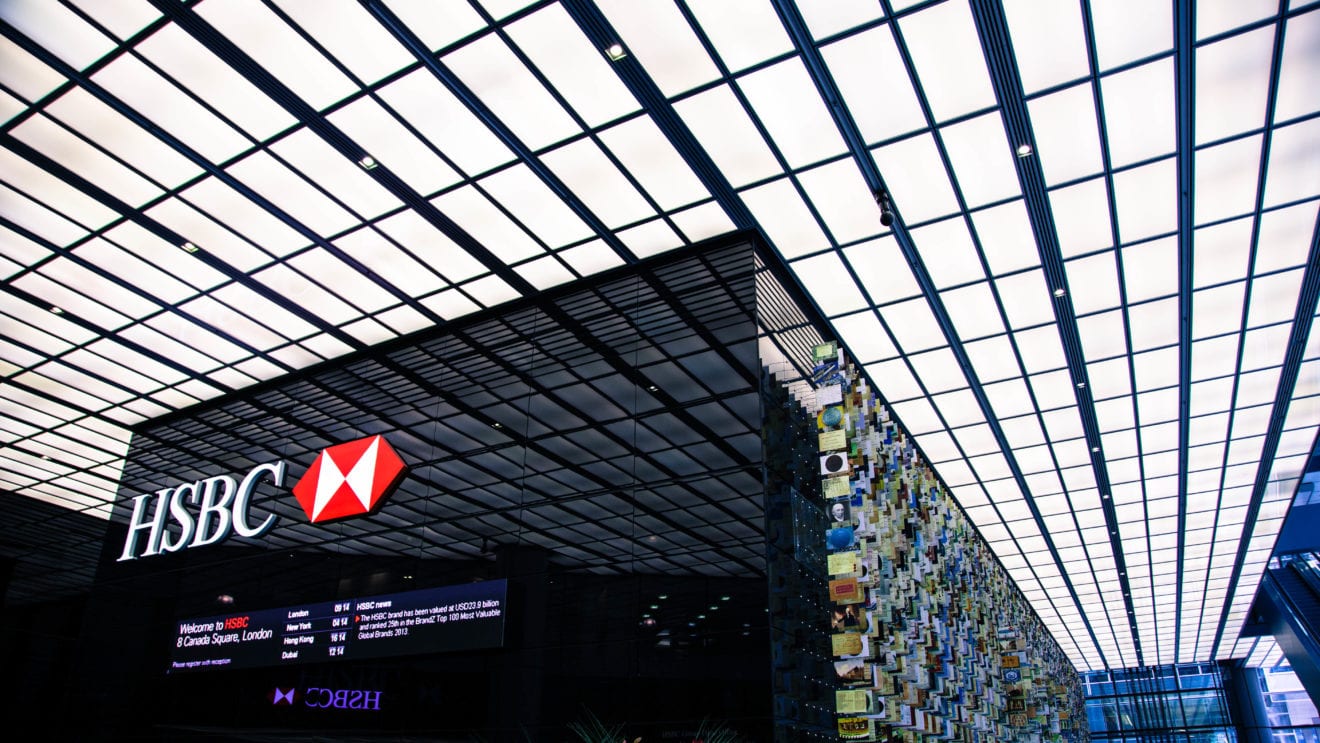
    HSBC has secured a five-floor flagship branch at Causeway Bay’s Capitol Centre for HK$4 million a month, taking space long dominated by international fashion retailers.

    The 3,900-square-metre lease lets the lender replace two nearby outlets with a single customer hub that exceeds the combined floor area of both prior locations.

    Renovation is now underway across the ground floor and four upper levels. The space previously housed apparel brands including Victoria’s Secret, Forever 21 and Chanel. Land Registry filings confirm HSBC signed a five-year agreement for the site, making it the first long-term non-fashion occupant at the property since 2008, when casualwear chain Giordano paid HK$5.06 million monthly for the basement and five upper floors.

    Shifting from Apparel to Wealth Hubs

    A few streets away on Paterson Street, fast-fashion retailer W. Management took three floors spanning roughly 2,790 square metres in Fashion Walk. The company agreed to pay more than HK$2 million monthly for space vacated by Swedish rival H&M, which previously paid as much as HK$10 million a month for the entire four-floor building.

    Financial institutions across Asia-Pacific are increasingly stepping onto prime retail strips that once priced out non-luxury operators. Where fashion giants previously bid up core retail corridors to unsustainable peaks, wealth managers, private banks and insurance firms now view discounted street-front flagships as essential physical hubs for customer acquisition and private client meetings.

    Prime Street Rents Level Off

    Data from Savills shows Hong Kong retail sales climbed 7.1 per cent year on year in the second quarter, while online sales rose 25.3 per cent. Street-level rents across the four core shopping districts of Central, Causeway Bay, Mong Kok and Tsim Sha Tsui held flat quarter on quarter, while mall rents slipped 1.8 per cent over the same timeframe.

    HSBC will close its Premier centre at Causeway Bay Plaza 2 on Lockhart Road and its branch at Park Lane on Gloucester Road on October 17, with the new Capitol Centre flagship scheduled to open on October 20.

  • Chinese Electric Vehicle Makers Prepare Canada Launch with Lower Cost Models

    Chinese Electric Vehicle Makers Prepare Canada Launch with Lower Cost Models

    Chinese electric vehicle manufacturers are preparing shipments to Canada, offering advanced vehicle technology at price points below established North American competitors.

    Domestic assembly plants across China have scaled output to supply overseas export corridors as international distribution plans advance.

    Export expansion into North America

    Production lines inside Chinese EV facilities are shifting capacity toward global specifications. Manufacturers have focused on software integration, high-voltage battery architecture, and cabin electronics to compete directly with legacy marques.

    Canada represents a key entry corridor in North America. Integrated local supply chains and battery manufacturing scale allow Chinese carmakers to price vehicles competitively even after international freight costs.

    Pricing pressure and regulatory hurdles

    Competitive pricing remains the primary lever for Chinese automakers entering developed automotive markets. By controlling component supply, cell manufacturing, and digital operating systems in-house, these plants maintain substantial production cost margins.

    Establishing certified retail networks and securing federal safety approvals in Ottawa remain the operational steps ahead of the first scheduled consumer deliveries.

  • China Instant Retail Reaches 1.2 Trillion Yuan as Platforms Trade Subsidies for Warehouses

    China Instant Retail Reaches 1.2 Trillion Yuan as Platforms Trade Subsidies for Warehouses

    China’s instant-retail market will reach 1.2 trillion yuan (US$178 billion) this year as Alibaba, Meituan and JD.com pivot from discount subsidies to physical logistics networks.

    Ministry of Commerce data projects the sector to expand at an average annual pace of 12.6 per cent through 2030, driven by consumer demand for one-hour delivery on non-food goods including cosmetics, electronics and pharmaceuticals.

    The shift follows heavy margin erosion across the sector last year, when billions of dollars spent on consumer coupons and merchant incentives drove Meituan into a net loss and sharply reduced earnings at Alibaba and JD.com. Market regulators intervened with multiple summons and levied 3.6 billion yuan in penalties in April over safety violations, halting the aggressive discounting cycle.

    Shifting Shares and Margin Pressure

    Merchant earnings reveal the fallout from the promotional pullback. Luckin Coffee reported a 5.3 per cent drop in same-store sales at self-operated outlets for the April to June quarter, reversing a 13.8 per cent gain a year earlier when platform subsidies artificially lifted order volumes.

    Market share numbers have tightened as a result. Data from Analysys for the second quarter shows Alibaba’s Taobao Instant Commerce leading the market with 45.7 per cent, closely followed by Meituan at 45.3 per cent, while JD.com holds 7.7 per cent. That represents a sharp retreat for Meituan, whose meal-delivery share stood between 75 and 80 per cent before the latest price war began, according to Goldman Sachs estimates.

    The operational pivot is already repairing platform balance sheets. Instant-retail revenue at Alibaba jumped 45 per cent year on year to 53.3 billion yuan in the second quarter, while Meituan returned to profitability for the first time in nearly a year as subsidy budgets shrank.

    Dark Stores Replace Cash Handouts

    Platform operators are now spending their capital on property and fulfillment networks instead of digital vouchers. Meituan is constructing dedicated supermarkets to support grocery operations, while Alibaba and JD.com are rolling out urban dark stores and neighborhood lightning warehouses to guarantee sub-60-minute dispatch times.

    For retailers across the Asia-Pacific region, China’s quick-commerce evolution demonstrates that high-frequency food delivery functions primarily as an expensive customer acquisition tool. The sustainable profit pool sits in converting those app users into repeat buyers of higher-margin general merchandise through dedicated local fulfillment hubs.

    Platform operators now face the task of defending order volumes in the third quarter as promotional discounts expire completely across tier-one cities.

  • Dairy Queen Returns to Hong Kong with Four Outlets in Fourth-Quarter Push

    Dairy Queen Returns to Hong Kong with Four Outlets in Fourth-Quarter Push

    American ice cream chain Dairy Queen will open four Hong Kong outlets in the fourth quarter of 2026. The rollout starts with a flagship in Causeway Bay.

    The launch reintroduces the 85-year-old brand to the market 47 years after a brief stint in 1979. Outlets will spread across Hong Kong Island, Kowloon, the New Territories and the outlying islands.

    Locations and Product Formats

    Its first flagship site opens at the One Causeway Bay shopping centre in November. A second store in Kowloon is under hoarding at The Angle shopping centre in Kwun Tong. The remaining two branches will open before the end of December.

    Dairy Queen developed a localised menu for the territory with five core product categories. Offerings include milkshakes, parfaits, ice cream cakes, and its signature soft-serve dessert. The soft serve uses an exclusive full-fat dairy mix and an air overrun of roughly 40 per cent to maintain consistency.

    Shifting Rents and Tourist Spending

    Structural turnover continues across the city’s food and beverage sector. Prime commercial rents in core retail districts remain down 60 to 70 per cent from their 2013 and 2014 peaks. That drop lowers startup overhead for international franchise operators as legacy restaurants exit.

    Lower leasing costs arrive alongside a rebound in inbound traffic. Hong Kong recorded 31.22 million visitor arrivals during the first seven months of 2026, up 11 per cent year on year. Total retail sales value grew 8.9 per cent over the same period.

    Deploying across four separate districts in a single quarter lets foreign fast-casual operators build brand awareness quickly. The footprint tests local demand across tourist and suburban residential catchments.

    Fit-out work continues at the One Causeway Bay site ahead of the November launch. Opening dates for the New Territories and island locations are expected before year-end.

  • China Mandates Finished Home Sales as Developer Losses Mount

    China Mandates Finished Home Sales as Developer Losses Mount

    Chinese regulators issued a joint directive mandating a shift toward completed-home sales, putting fresh liquidity pressure on property developers as the market downturn entered its fifth year.

    The policy overhaul on August 28 coincided with wider mortgage easing, including raising the debt service-to-income cap to 60 per cent from 55 per cent and extending maximum loan terms to 40 years from 30 years.

    Cash Flow Squeeze for Distressed Builders

    Pre-sales historically funded the bulk of residential construction across mainland China. Ending that practice forces developers to finance entire projects up front, stretching cash conversion cycles at a time when private builders remain cut off from standard bank lending.

    State-backed developers with deeper balance sheets stand to gain market share while defaulted operators struggle to buy land. Fitch Ratings warned that the rules raise the bar for internal financial management just as distressed builders attempt to revive project deliveries.

    Recent regulatory changes place even higher demands on developers’ cash flow and financial management capabilities.

    Asset disposals and external debt restructurings offer the only immediate route to liquidity for private builders, according to Shanghai-based property consultancy E-house China.

    Country Garden and Sunac Narrow Half-Year Deficits

    Interim earnings released late August showed that finished restructurings have not yet restored profitability. Country Garden reported first-half revenue of 44.1 billion yuan ($6.6 billion) and a net loss of 15.62 billion yuan, narrowing its deficit by 16.3 per cent from a year earlier.

    Sunac posted six-month sales of 16.35 billion yuan, down 18.2 per cent year on year. Its net loss reached 12.54 billion yuan, a 2.1 per cent reduction from the prior period.

    The operational pivot follows the life imprisonment sentence handed to China Evergrande founder Hui Ka-yan. While risk resolution on historical offshore bond defaults is progressing through courts in Hong Kong and the mainland, physical housing turnover across primary markets remains depressed.

    Investors now await monthly transaction figures for September across top-tier cities to gauge whether 40-year mortgages and easier debt thresholds can lift buyer demand under the new finished-home regime.

  • Richemont Anchors Asian Network Through Dual Hubs in Hong Kong and Tokyo

    Richemont Anchors Asian Network Through Dual Hubs in Hong Kong and Tokyo

    Richemont manages its expanding Asian luxury operations through dedicated regional hubs in Hong Kong and Tokyo, supporting a global footprint of 2,369 monobrand boutiques generating 22 billion euros in revenue. Direct sales to retail clients now account for 77 per cent of total group turnover across its 23 Maisons and businesses.

    The Swiss luxury conglomerate employs more than 40,000 people across upwards of 150 international locations. Central corporate management in Geneva coordinates policy and governance across five regional headquarters, with Asia commanding two distinct reporting territories.

    Regional Footprint Across Nine Asian Markets

    From its regional Asia Pacific headquarters in Hong Kong, Richemont directs operations across nine major territories: mainland China, Australia, South Korea, Macau, Malaysia, Singapore, Taiwan, and Thailand. A separate regional headquarters in Tokyo oversees the Japanese market, backed by two satellite offices in Fukagawa and Osaka.

    Western Asia and South Asian expansion run through a third regional division based in Dubai. That office coordinates commercial operations across India, Saudi Arabia, and South Africa from an operations base at the Dubai Airport Free Zone.

    Direct Retail Shift and Infrastructure Targets

    The operational concentration in Hong Kong and Tokyo reflects the luxury sector’s reliance on Asian consumer demand, even as brand houses take closer control of physical distribution. Operating 2,369 monobrand boutiques allows the group to secure higher margins while managing client relationships without wholesale intermediaries.

    Richemont also reported that renewable electricity powers 97 per cent of its global operations, alongside holding Global Equal-Salary certification across its business units. Group leadership continues to focus resources on store productivity and direct boutique expansion across key metropolitan shopping districts in Greater China and Southeast Asia.

  • DFI Retail Group Tests Experiential 7-Eleven Formats Across Hong Kong

    DFI Retail Group Tests Experiential 7-Eleven Formats Across Hong Kong

    DFI Retail Group rolled out two distinct format concepts across its 7-Eleven network in Hong Kong, targeting airport transit traffic and young mall shoppers.

    The deployment includes a compact food-first site under 100 square metres at Hong Kong International Airport Terminal 2 and an entertainment-focused store at Kai Tak Retail Mall 3. Both formats shift floor space away from traditional packaged goods to generate higher footfall and basket values.

    Hot Food and Collectibles at Kai Tak

    At the airport location, DFI deployed its Hong Kong Taste cafe concept. The layout combines a fresh local hot-food counter, chilled ready-to-eat meals, self-checkout kiosks, and coffee counters within a compact sub-100-square-metre unit designed to compete directly with quick-service restaurants.

    The Kai Tak store focuses entirely on youth merchandise and interactive displays. Shoppers find collectible card vending machines alongside a dedicated K-pop merchandise section requiring staff assistance for access, concert light sticks, Tamagotchi devices, and miniature double-decker bus models. The branch also stocks exclusive collaboration apparel, including Gundam socks and 45th-anniversary branded merchandise, alongside an interactive mechanical keyboard sound wall.

    Yoep Man leads the format trials as chief executive officer of 7-Eleven for South China, Hong Kong, Macau, and Singapore at DFI Retail Group.

    Asian Convenience Chains Pivot to Experience

    Convenience operators across North and Southeast Asia are redesigning store footprints to defend operating margins against rising rents and saturated packaged-goods categories. Regional competitors in Japan, Taiwan, and South Korea have pursued similar split strategies, turning transit units into fast hot-food hubs while transforming suburban mall branches into lifestyle destinations with licensed character goods. DFI’s two concepts test how far a traditional convenience banner can push into quick-service dining and collectible retail within dense commercial districts.

    DFI Retail Group plans to present operational insights and format findings from the Hong Kong pilot during the NACS retail conference taking place from October 6 to October 9.

  • Geely Prepares North American Push as Canadian Tariffs Drop to 6 per Cent

    Geely Prepares North American Push as Canadian Tariffs Drop to 6 per Cent

    Geely plans to enter North America under a Canadian trade arrangement permitting up to 49,000 Chinese electric vehicles annually at a reduced 6 per cent tariff. The agreement cuts duties from a previous 100 per cent rate, creating an entry point into the broader North American market.

    Assembly takes place at Geely’s factory in Ningbo, where production lines for its luxury electric marque Zeekr run at 99 per cent automation using artificial intelligence and robotic machinery. Zhao Chunlin, vice president of manufacturing and a former General Motors executive, oversees the plant. Zhao confirmed the group eventually aims to sell and manufacture Geely-branded vehicles in the United States.

    Exporting the Zeekr 9X

    The company is broadening its export operations across multiple regions this month. Geely begins shipments of its flagship Zeekr 9X hybrid SUV to dealerships across Europe and the Middle East. The vehicle achieves a range of 745 miles on a single charge and fueling cycle, includes automated self-parking software, and retails for approximately $70,000. That price tag is roughly half the cost of competing full-size luxury SUVs built by legacy American and European rivals.

    Automation on the Ningbo line

    High levels of factory automation allow Chinese automakers to sustain vehicle margins even when entering highly competitive export markets. Geely’s push into Canada and Europe mirrors similar export campaigns by domestic peers such as BYD and SAIC Motor, which have turned to foreign dealerships as price competition intensifies across mainland China.

    Initial shipments for Europe and the Middle East depart Chinese ports this month, while the first batch of Canadian vehicle imports will determine how quickly North American buyers adopt Chinese luxury electric models.

  • Del Monte Partners with Riverking to Expand Fresh-Cut Fruit in China

    Del Monte Partners with Riverking to Expand Fresh-Cut Fruit in China

    Del Monte Corp. Has formed a joint venture with Shanghai-based Riverking to sell fresh-cut fruit across China, targeting an Asian business that generated 9 per cent of its sales.

    The partnership, signed through Hong Kong subsidiary Del Monte Fresh Produce (HK), links the New York-listed group with Riverking’s network of 11 distribution centres across mainland China.

    Riverking was founded in 2003 and handles supply chains spanning cultivation, sourcing, harvesting and cold-chain distribution. Outside mainland China, the Shanghai firm operates international offices in Thailand, Australia, New Zealand, North America and South America.

    Distribution Across Eleven Hubs

    Fresh and value-added items delivered $2.62bn of Del Monte’s $4.32bn total revenue last year, while bananas contributed $1.49bn. The group, which changed its corporate name from Fresh Del Monte Produce in June, relies on third-party distributors across China, Hong Kong, Japan and South Korea.

    Up to now, South Korea housed the company’s only dedicated fresh-cut processing facility in East Asia. Partnering with an established domestic handler in Shanghai gives the brand immediate cold-storage reach into Chinese supermarket shelves without building out an entire standalone logistics fleet from scratch.

    Portfolio Realignment After Asset Deals

    The China agreement follows several portfolio shifts by Del Monte over the past year. In January, the group purchased vegetable, tomato and refrigerated fruit lines from California-based Del Monte Foods in a US bankruptcy transaction, after buying a majority stake in Ugandan avocado oil producer Avolio.

    Competitors in China’s packaged produce sector face high spoilage risks and fragmented retail networks. For Del Monte, the next metric to watch is whether Riverking’s 11 regional hubs can lift Asian sales above their current 9 per cent share of total revenue.

  • Giordano Net Profit Drops to HK$108 Million as Asian Margins Lag

    Giordano Net Profit Drops to HK$108 Million as Asian Margins Lag

    Giordano International reported a net profit drop to HK$108 million for the six months to June 30, down from HK$121 million a year earlier.

    Group revenue slipped 1 per cent to HK$1.914 billion as store counts dropped across Mainland China and Indonesia, leaving the apparel retailer heavily dependent on earnings from the Gulf Cooperation Council.

    The geographic split reveals an uneven business. Greater China, Southeast Asia and Australia generated HK$1.572 billion, representing 82.1 per cent of total sales, but produced only 61 per cent of segment results. In contrast, the GCC delivered HK$62 million in segment profit on just 18 per cent of revenue, even after traffic in Gulf stores fell by up to 40 per cent following regional disruption in late February.

    Pruning China and Sourcing Locally

    In Mainland China, Giordano cut its store footprint to 239 doors from 359 a year earlier, halving its directly operated outlets to 48. The downsizing helped narrow the mainland segment loss from HK$16 million to HK$9 million, with constant-currency revenue down 0.9 per cent at HK$334 million. Management cleared older stock through VIP.com and shifted higher-margin product lines to Tmall, intending to rebuild physical retail starting in southern China.

    Southeast Asia and Australia remained the largest regional earnings contributor at HK$86 million in segment results on revenue of HK$699 million. Indonesia, the anchor market, brought in HK$330 million after import restrictions slowed merchandise shipments and forced store closures from 199 locations to 176. The company countered the disruption by shifting production to Indonesian factories, which began delivering local stock in June.

    Taiwan proved the regional exception. Segment profit climbed to HK$21 million from HK$15 million on a 5.9 per cent constant-currency revenue gain, meaning Taiwan generated more profit than Hong Kong, Macau and Mainland China combined.

    Korean Drag and the Next Overhaul

    The company faced additional pressure from its 48.5 per cent-owned South Korean joint venture, where revenue slid 8.9 per cent to KRW59.7 billion and 19 stores closed. Giordano deliberately restricted wholesale shipments into the venture to clear excess stock, causing group wholesale revenue to decline 12.2 per cent and cutting royalty income.

    For years, Giordano relied on high-density physical networks in lower-tier Chinese cities and steady franchised wholesale to support its balance sheet. With those legacy channels retreating under fierce domestic e-commerce competition and supply chain friction, the group is now forced to extract higher gross margins from a much smaller physical footprint across Asia.

    Management plans to launch its Giordano 2.0 concept in the fourth quarter, rolling out revamped store layouts and core product lines in Hong Kong and Singapore before expanding to overseas digital channels in Europe and North America.

  • Hong Kong Narrows Gap on London and New York in Global Financial Index

    Hong Kong Narrows Gap on London and New York in Global Financial Index

    Hong Kong is closing in on London and New York in global financial centre rankings, trailing the front-runner by just two points.

    In the March edition of the Global Financial Centres Index compiled by London think tank Z/Yen Group and the China Development Institute, Hong Kong placed third, one point behind London and two behind New York. Michael Mainelli, chairman of Z/Yen Group, said a structural shift toward Asia, which now commands roughly 40 per cent of global finance, will eventually push an Asian city into the top spot.

    Legal Stability and Fiscal Discipline

    Mainelli pointed to the territory’s common law framework and predictable tax structure as decisive factors against Western competitors. Government spending accounts for approximately 15 per cent of gross domestic product in Hong Kong, compared with 19 per cent in Singapore and more than 40 per cent across European economies.

    Survey results from the March index showed that financial institutions prize regulatory predictability above processing speed, cost flexibility, or tax adjustments. Mainelli warned that frequent policy revisions designed to match competitor incentives risk undermining investor confidence over the long term.

    Infrastructure and Physical Gold Assets

    Competition from mainland Chinese centres has not eroded Hong Kong’s standing. Shanghai held sixth place and Shenzhen ranked ninth in the same survey, functioning as feeder markets into Hong Kong rather than direct replacements.

    Physical trading logistics continue to expand across the territory. A centralized precious metals clearing and settlement system started trial operations in July, backed by plans to expand airport vault capacity beyond 2,000 tonnes.

    For corporate treasurers and commercial operators tracking regional capital flows, the steady ranking shows that Hong Kong retains its institutional pull despite regulatory friction across other international hubs. The next edition of the Global Financial Centres Index will be published later this month.

  • Chery-JLR Launches Freelander 8 in China Starting at 289,900 Yuan

    Chery-JLR Launches Freelander 8 in China Starting at 289,900 Yuan

    Chery and Jaguar Land Rover launched the Freelander 8 in China on Thursday, pricing the extended-range electric SUV from 289,900 yuan ($42,750) after incentives. The final entry sticker cuts 40,000 yuan from the pre-sales price announced in late August.

    Buyers can choose between five-seat and six-seat cabin layouts across Pro, Max and Max+ versions, which top out at 379,900 yuan. Six-seat configurations add 10,000 yuan to each trim. A flagship launch edition limited to 1,000 units and priced at 449,900 yuan sold out prior to the official debut.

    Powertrain and charging specs

    The 5.1-metre SUV runs on an 800-volt electrical architecture paired with a 60.3-kilowatt-hour ternary lithium battery from CATL, delivering 310 kilometres of pure electric range under China light-duty vehicle test cycle standards. A fast-charging cycle takes the pack from 20 per cent to 80 per cent in 12 minutes.

    A 1.5-litre turbocharged four-cylinder engine acts as a dedicated range extender for a dual-motor all-wheel-drive system. Output reaches 610 kilowatts (818 horsepower) and 813 Newton-metres of torque, driving the vehicle from zero to 100 kilometres per hour in 4.6 seconds. Standard chassis hardware includes dual-chamber air suspension, continuously variable dampers, and rear-wheel steering that delivers a 5.15-metre turning radius.

    Software and export plans

    Cabin systems operate on Qualcomm Snapdragon 8397 chips alongside a 46.3-inch 8K display and Huawei’s Qiankun ADS 5 driver-assistance platform. Higher trims add multi-channel roof LiDAR hardware for advanced automated navigation.

    Foreign automakers in China have steadily lost market share to domestic extended-range producers such as Li Auto and Seres. By turning JLR’s legacy Freelander badge into an electric sub-brand built on Chery platforms and Huawei software, the joint venture is attempting to hold premium territory without relying entirely on British engineering.

    Chery-JLR plans to introduce six Freelander models over the next five years. Initial exports start between late 2026 and early 2027, led by left-hand-drive shipments to the Middle East.

  • HarmonyOS Hits 24 per Cent Share in China as Global Smartphone Sales Fall

    HarmonyOS Hits 24 per Cent Share in China as Global Smartphone Sales Fall

    Huawei’s HarmonyOS captured 24 per cent of China’s smartphone sales in the second quarter of 2026, squeezing Android down to 58 per cent. The domestic operating system expanded its footprint as overall worldwide smartphone shipments dropped 11 per cent year on year.

    Global handset demand contracted faster than the 4 per cent drop recorded in the first quarter, with the sharpest drops hitting budget and mid-tier devices across developing markets. Android felt the brunt of that pullback. Its worldwide sales share dropped four percentage points to 75 per cent, even with stronger sales from Samsung’s Galaxy S26 lineup.

    Shifts in Component Sourcing and Pricing

    Huawei insulated its handset business from rising component prices by sourcing more parts from domestic suppliers in mainland China. High demand for the Enjoy 90 Pro Max alongside steady sales of legacy models helped HarmonyOS reach a 5 per cent global volume share.

    Chinese Android manufacturers took a different path. Pinched by memory chip shortages and higher bill-of-materials expenses, brands scaled down their low-cost phone lineups to focus on higher-margin premium devices. That pivot opened room for Apple at the top end of the market.

    Apple Takes Record June Quarter Share

    Apple captured 20 per cent of worldwide sales during the three months ending June, its highest second-quarter share on record. Deliveries were anchored by the iPhone 17 family and the entry of the iPhone 17e, supported by trade-in programs and retail installment plans.

    In India, Android maintained a dominant 91 per cent volume share, leaving iOS with 9 per cent. In the United States, Apple took 51 per cent of sales against Android’s 49 per cent.

    For retailers and hardware distributors across Asia, the product mix is shifting upmarket as low-end volumes shrink. Brands are preparing their product allocations for the fourth-quarter holiday cycle, where component pricing will dictate whether entry-tier production rebounds or stays constrained.

  • Best Mart 360 Lifts First Half Revenue to HK$1.45 Billion

    Best Mart 360 Lifts First Half Revenue to HK$1.45 Billion

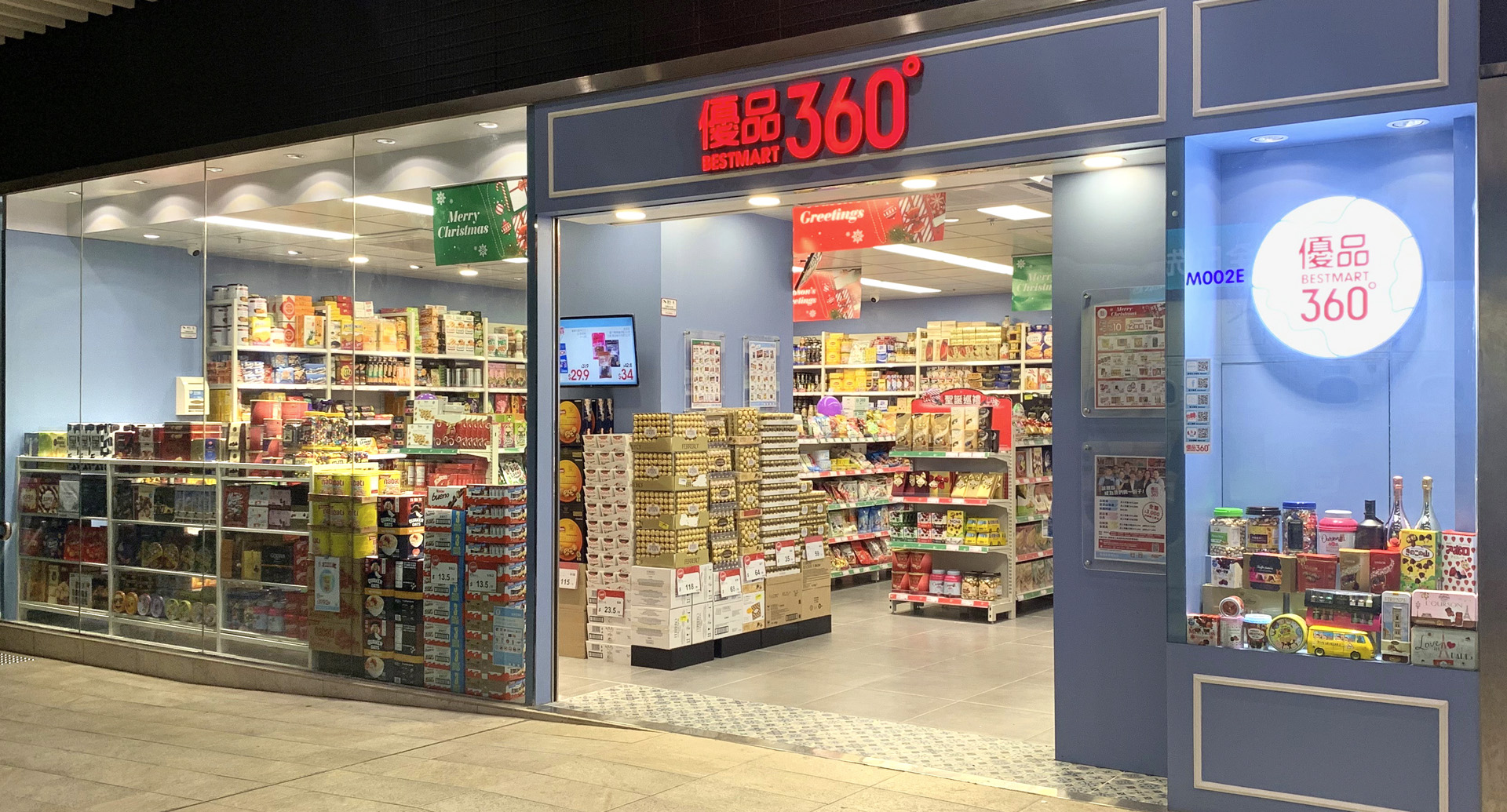
    Hong Kong snack retailer Best Mart 360 Holdings reported a 1.0 per cent rise in revenue to HK$1.45 billion for the six months ended 30 June 2026. Profit attributable to owners reached HK$116.2 million, supported by steady store-level demand for imported packaged food and household staples.

    Gross profit edged up 0.1 per cent to HK$518.8 million, translating to a gross profit margin of 35.8 per cent. The board declared an interim dividend of HK11.0 cents per share on basic earnings of HK11.6 cents.

    Private labels drive margin defence

    Sales from in-house private labels generated HK$277.2 million, up 10.3 per cent from HK$251.2 million a year earlier. These proprietary lines now represent 19.1 per cent of total turnover, spanning 12 private labels and 272 stock-keeping units across dried fruits, canned seafood delicacies, cereals, honey, and personal care items.

    Total store count reached 190 outlets at the end of June 2026, comprising 184 locations in Hong Kong and six in Macau. Cash-basis rental expenses absorbed 9.7 per cent of sales revenue during the period, while staff costs accounted for 9.6 per cent across an operational workforce of 1,257 employees.

    Expanding the FoodVille footprint

    The company continues to run a dual-banner model, deploying eight premium specialty shops under the FoodVille brand alongside its core chain. FoodVille targets mid-to-high-end consumers with selections of imported wine, chocolates, cheeses, and Western condiments. Across its entire business, the group catalogued over 3,054 stock-keeping units from 1,045 global brands.

    Hong Kong packaged food retailers face mounting headwinds as mainland Chinese e-commerce platforms expand cross-border grocery deliveries into the territory. At the same time, weekend outbound travel to Shenzhen continues to divert discretionary retail spending away from local neighborhood shopping malls. Best Mart 360 has countered this pressure by deepening promotions through its foodpanda mall delivery channel and expanding its direct-procurement supply base.

    Customer membership reached 2.47 million registered accounts by mid-year, including 1.37 million app users. Management is now negotiating lease renewals across high-density residential clusters while testing automated workflow tools to trim store-level administrative costs before the peak year-end retail season.

  • Hong Kong Customs Arrests Third Suspect over Opatra Beauty Sales Tactics

    Hong Kong Customs Arrests Third Suspect over Opatra Beauty Sales Tactics

    Hong Kong customs officers have arrested a third suspect in an investigation into aggressive sales tactics at skincare outlets formerly trading under the Opatra London brand.

    The latest arrest involves a saleswoman suspected of pressuring a customer to buy skincare products at a now-closed store inside New Town Plaza in Sha Tin.

    Enforcement at Sha Tin Branch

    Sayles Retail previously operated the New Town Plaza branch before the location shut down. The detention follows earlier enforcement actions connected to the chain, bringing the total number of arrests in the case to three.

    Customs officials intervened after receiving reports of high-pressure sales behaviour targeting shoppers inside major retail malls. Investigators are examining aggressive commercial techniques used to sell high-value cosmetic and skincare items.

    Scrutiny on Beauty Retailing

    Hong Kong authorities maintain strict enforcement against unfair trade practices across beauty and wellness operators, where storefront staff face direct scrutiny over coercive sales pitches.

    Customs officers have not disclosed further details on bail terms or pending court appearances as inquiries into Sayles Retail and affiliated locations continue.