Tag: Japan

  • Asics restructures global operations

    Asics restructures global operations

    Japanese sports brand Asics has announced an organisational restructure and the appointment of experienced international executives to accelerate business growth.

    Under what it calls ‘The Center of Excellence Initiative’ Asics is strengthening its global business, which includes the Onitsuka Tiger brand and retail network, through the appointment of “top talent to lead and manage its global categories from the most influential regional markets by category”.

    From September 16, a new Global Lifestyle Division will be established to lead global marketing for Lifestyle brands such as Onitsuka Tiger and Asics Tiger. Europe will be designated as the Center of Excellence for this category with the offices based in Amsterdam. This division will be headed by the newly appointed senior GM, Torsten Widarzik, who moves from his current position as CEO of German fashion label Campus. Widarzik was previously Levis Strauss Germany/Switzerland GM and business and brand director with Nike Sportswear at Nike CEMEA, where he built the sportswear business across Central and Eastern Europe.

    Asics says strengthening its footwear and apparel business is also a key part of the business growth strategy following the appointment of Asics as Gold Partner in Japan for Tokyo 2020 Olympic and Paralympic Games.

    “To further accelerate growth, the design functions will be added to the Global Footwear Product Marketing Division.

    “The seamless integration of the product design, development and manufacturing functions will boost the development of competitive products.The reformed Global Footwear Product Marketing Division will continue to be led by Gerard Klein, senior GM, who returned to Asics in August 2014 after seven years at Converse where he was in charge of the go-to-market strategy and merchandising in the EMEA market.”

    Earlier this year, Asics also strengthened its Global Brand Marketing Division by appointing a new leader, Paul Miles, senior GM, who joined Asics in May 2015 from Nissan Motor, where he was VP of marketing and communications. Miles previously worked for Fast Retailing in France and Japan, where he was responsible for the market launch and expansion of the Uniqlo brand.

    “The restructuring of our global operations and the appointment of top talent as our new leaders shows our commitment to accelerate growth as a global sporting goods company,” said Motoi Oyama, CEO of Asics Corporation.

    “I am confident that the Center of Excellence initiative will enhance organisation’s capacity and effectiveness, and lead us into the next stage of growth.”

  • Uniqlo eyes Philippines as garments production site

    Uniqlo eyes Philippines as garments production site

    GLOBAL clothing retailer Uniqlo is planning to tap Philippine garments manufacturers as it considers making the country one of its production sites that will cater to its global retail network.

    In a briefing on Thursday, Katsumi Kubota, chief operating officer of Fast Retailing Philippines Inc., said he had started studying a list of 40 local garments factories that was given to them by the Philippine government during President Aquino’s state visit to Japan recently.

    Kubota said this was also one of the topics discussed by the Uniqlo head and President Aquino when they met in Tokyo.

    “I think we have to study it carefully…We do not own any of our factories so what I’m checking now is, first of all, the quality (of the products produced by these factories). We cannot sacrifice quality. We’re also looking at their (capacities) because most the time, one factory produces one item for Uniqlo branches all over the world, so we have to work with large factories. These factories must also be operated by good owners,” Kubota said.

    Kubota, however, did not provide any timeline as to when the study on the prospective factories would be completed. If the company decides to pursue this plan, the local garments factories that will be selected will have to supply to all Uniqlo stores globally.

    For now, Kubota said Uniqlo was focusing on expanding its retail network aggressively over the next five years and in beefing up the local market’s awareness of the Uniqlo brand.

    He said Uniqlo would be opening two branches in Cebu by the fourth quarter of this year, marking the company’s first foray outside Luzon. Plans to put up stores in key areas in Mindanao such as Davao, Cagayan de Oro and GenSan are being studied.

    “Opening our stores in Cebu, after our third year in the Philippines, is another important phase of our business in the country. We have opened 23 stores in Metro Manila and Luzon, and entering the Visayas market is a milestone in our growth strategy,” he added.

    The two Uniqlo stores in Cebu will cover at least 1,000 square meters each and create 200 jobs per branch. Kubota did not say the amount the company was investing in these stores but said it was compliant with Philippine laws that required foreign retailers to invest a minimum of $800,000 a store.

    He said Uniqlo was targeting to have 29 stores in the country by the end of the year and 200 by 2020.

  • After Toshiba scandal, foreign investors want tougher Japan governance steps

    After Toshiba scandal, foreign investors want tougher Japan governance steps

    Japan needs bolder measures such as harsher criminal sanctions for fraud and whistleblower protections to improve corporate transparency and prevent a repeat of the accounting scandal seen at Toshiba Corp, foreign investors and governance experts said.

    Toshiba’s chief executive Hisao Tanaka and a string of other senior officials resigned on Tuesday after an independent inquiry found he had been aware the company had inflated its profits by $1.2 billion over several years.

    The scandal is a major setback for the government of Prime Minister Shinzo Abe, who has made improving corporate governance a central theme in his bid to reinvigorate Japan’s economy and entice more foreign capital.

    “This is a negative headline in what’s been 18 months of positive momentum in Japan,” said Singapore-based David Smith, head of corporate governance at Aberdeen Asset Management, which owns Japan stocks. An Aberdeen affiliate had a very small equity holding in Toshiba as of end-May, Reuters data shows.

    “This is a black mark for corporate Japan in the face of positive news and strong markets. The government may want to act tough,” said Smith, who helps manage about $115 billion in Asia.

    Japan’s listed companies have long-had tense relations with their foreign shareholders, who have frequently blamed long-term insiders’ dominance of corporate boards for low returns and weak oversight.

    In response to this criticism, the Abe government last month introduced new rules requiring listed company boards to appoint at least two outside independent directors, but investors said this did not go far enough – Toshiba already had four independent directors as part of its 16-person board.

    “The Toshiba scandal further underlines the need for board training as well as a robust whistleblower protection system,” said Seth Fischer, chief investment officer at Hong Kong-based hedge fund Oasis Management and a corporate governance activist who successfully pushed for reforms at Nintendo Co Ltd.

    “Whistleblowers are ultimately performing a service to the company, its executives and the company’s overall mission – which is integrity of financial statements. They need to be rewarded as such,” he said.

    This week’s revelations come four years after a similar scandal in which camera-maker Olympus Corp concealed nearly $1.7 billion in losses from shareholders.

    Both scandals also raise questions about the quality of Japan company audits, which rate poorly compared with developed market peers, according to data compiled by Hong Kong-based GMT Research.

    “One of the problems is that audit fees are very low in Japan. It’s nonsense that auditors, on these fees, are doing any proper work,” said Robert Medd, a partner at GMT.

  • Shin calls for fresh goals for entire Lotte group

    Shin calls for fresh goals for entire Lotte group

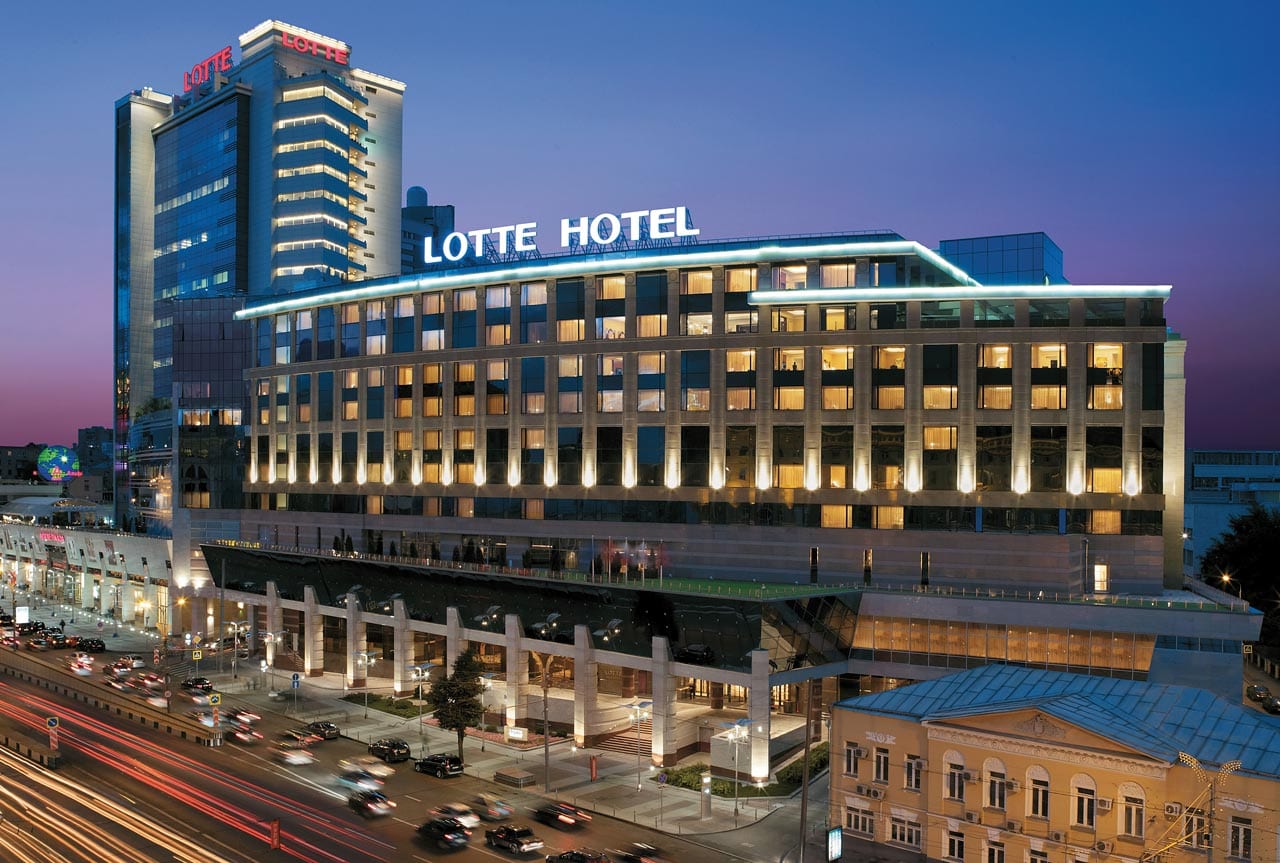
    The 60-year-old chairman on Thursday became chairman of Lotte Holdings, the holding company of the Lotte Group in Japan, which was previously held by his brother Shin Dong-joo. This sealed his control of Lotte operations in both Korea and Japan. It is believed to be the first step in uniting the businesses in both countries.

    According to industry sources, Hwang Gak-kyu, president of policy coordination at Lotte Group, is already making adjustments to the chairman’s Vision 2018.

    In 2009, Shin teamed up with the Boston Consulting Group to devise long-term goals for the Korean retail giant to expand into a conglomerate that would be 10th-largest in Asia with annual revenues of 200 trillion won ($173 billion).

    “It seems that Chairman Shin has come to the conclusion that the vision needs to be readjusted, as the leadership has changed and the retail industry is also changing rapidly,” said a high ranking official at Lotte.

    Lotte Japan has far smaller revenues than Lotte Korea. In 2013, Lotte Korea generated 83 trillion won in revenue from 74 affiliates. On the contrary, the Japanese businesses only generated 5.7 trillion won in revenue from 37 affiliates.

    The biggest change in the vision is said to be “select and focus” and “synergy management.”

    Lotte said it is looking into the idea of choosing duty free shopping, hotels, chemicals and finance as core businesses and focus its resources on enhancing those businesses. Additionally, since food and beverages are key businesses in Lotte Japan, it plans to generate synergy with Lotte Shopping and Lotte Confectionery.

    For new growth engines, the retail conglomerate is likely to inject large amounts of investment, but the affiliates that are not picked will likely undergo heavy restructuring, and some will probably shut down.

    One of the key areas for Lotte is chemicals.

    On Friday, the day after Shin was officially made the head of Lotte Japan, he visited Lotte Chemical’s headquarters in Sindaebang-dong, southwestern Seoul, where he was briefed on business.

    On the contrary, investments in department stores and supermarkets is expected to decline. Lotte Group is expected to pursue merger and acquisitions in channels that combine offline and online shopping in order to raise synergy with existing branches and businesses.

    “Considering the size of changes that Lotte will undergo, we can’t say the funding we have is sufficient,” a Lotte official said. “Our investments will likely focus on quality more than on quantity.”

  • Hermes weathers storm

    Hermes weathers storm

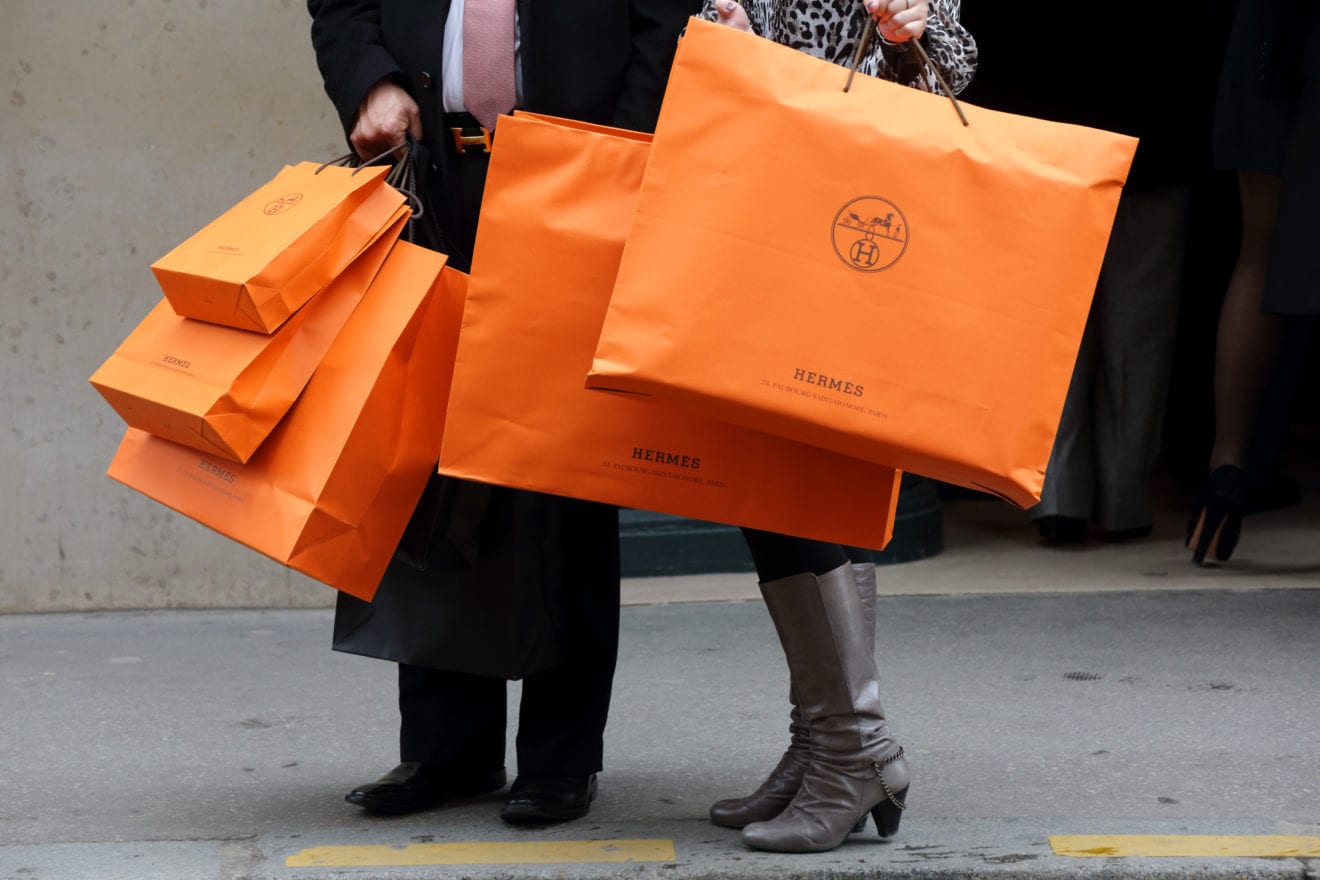
    Luxury goods retailer Hermes says a slowdown in sales in Hong Kong has been more than offset by solid Japanese trade.

    Hermes International has reported a 22 per cent increase in second-quarter sales as growth in Japan took off, consumers finally opening their wallets on luxury goods after a long season of economic malaise.

    The Parisian company said sales rose to 1.17 billion euros (US$1.27 billion). When currency exchange effects are removed from the result, sales climbed 10 per cent, two percentage points faster than in the preceding first quarter.

    The company says wealthy Chinese are preferring to shop in Japan or Europe, rather than in Hong Kong as goods there are perceived to be cheaper, largely due to favourable currency exchange rates.

    Hermes has seven stores in Hong Kong.

  • Uniqlo closes JD.com store citing China online strategy mismatch

    Uniqlo closes JD.com store citing China online strategy mismatch

    Fast Retailing Co Ltd said on Monday it has closed the online Uniqlo store that it opened in April on China’s popular JD.com Inc shopping site, saying it did fit into its China e-commerce strategy.

    After a three-month trial run, “Uniqlo determined that a presence on JD.com was not in line with the company’s China e-commerce strategy”, said a spokeswoman for Fast Retailing, which owns the casual-clothing brand.

    “During the trial run, we realized that it is best for us to take a step back,” she told Reuters.

    She declined to disclose details about the performance of the online site or specify the firm’s e-commerce strategy, but said Uniqlo was committed to the China market, both online and offline.

    JD.com and larger rival Alibaba Group Holding Ltd have been vying to attract big, international brands onto their platforms. Bagging such names can be a huge credibility boost and a sign of implicit trust in China, a market notorious for the proliferation of fake and knock-off products.

    Uniqlo’s speedy retreat from JD.com stands in contrast to its robust presence since 2009 on Alibaba’s Amazon.com-like Tmall platform. During Alibaba’s annual Singles Day sales event last November, Uniqlo was fifth in overall sales and the top apparel brand, the spokeswoman said.

    JD.com spokesman Josh Gartner said sales on Uniqlo’s JD.com store had exceeded aggressive sales targets in the first month of operation.

    “Uniqlo is stopping operation of its flagship store due to an e-commerce strategic restructuring in China, not based on the performance of the store,” he said.

    The Japanese company is expanding rapidly in China as it aims to become the world’s biggest apparel retailer ahead of Zara-owner Inditex SA, Hennes & Mauritz AB (H&M)

    and Gap Inc by 2020.

    Fast Retailing Chief Executive Tadashi Yanai has said Uniqlo aimed to have 1,000 stores in Greater China in about five years, more than its Japan total – and eventually as many as 3,000. It had 442 in China, Hong Kong and Taiwan as of end-May.

    Japan’s stock market was closed on Monday for a public holiday. On Friday, Fast Retailing’s shares gained 1.1 per cent to close at 57,220 yen ($460.41).

  • NTT Communications to Launch Prepaid SIM Vending Machines for Tourists and Business

    NTT Communications to Launch Prepaid SIM Vending Machines for Tourists and Business

    NTT Communications Corporation (NTT Com), the ICT solutions and international communications business within the NTT Group, announced today that it will begin operating prepaid SIM card vending machines for foreign visitors to Japan at Narita International Airport from July 24.

    The prepaid SIM vending machines, the first to be installed at Narita International Airport, will give foreign tourists and business travelers access to low-cost mobile data communications while in Japan.

    One machine each will be installed in the international arrival lobbies of Terminal 1 and Terminal 2. In addition to NTT Com’s Prepaid SIM for JAPAN for short-term use, the machines will offer smartphones, mobile routers, accessories and more.

    Touch panel screens in English or Chinese guide the user through the purchase procedure. Payment is via credit card, so there is no need to prepare Japanese yen cash. After making their purchase, the user can register their name, birthday, etc. via either the machine’s touch panel or passport scanner to begin accessing the Internet immediately.

    NTT Com already operates SIM card vending machines at the AQUA CITY ODAIBA mall in Tokyo and Kansai International Airport near Osaka. NTT Com’s Prepaid SIM cards are also sold at airports, electronics stores and travel agencies.

    Given that a record 13 million tourists visited Japan in 2014 and more are expected this year, NTT Com expects to continue adding retail outlets for its Prepaid SIM, mainly at airports, electronics retail stores and travel agents. NTT Com also will gradually expand its range of optional services to support mobile communication experiences for foreign visitors.

    Products & Costs           Prepaid SIM for JAPAN (7-day plan)
    Prepaid SIM for JAPAN (14-day plan)
    Accepted Credit Cards     VISA, MasterCard, JCB, American Express and Diners Club
    (Payment is available via credit card only.)
    Operating Time           24 hours every day

    Note: Information as of July 17, 2015. Products and prices are subject to change without notice.
    Prepaid SIM for JAPAN prices may vary by retail location.

    Prepaid SIM for JAPAN
    Package                            Prepaid SIM for JAPAN          Prepaid SIM for JAPAN
    7 days                                   14 days

    Plan                                                     7-day plan                         14-day plan
    Max. data                                         100 Mb/day                   100 Mb/day
    Charges                           JPY 3,450 (excluding tax)            JPY 4,950 (excluding tax)

    Max. speed                                Download:150 Mbps; Upload 50Mbps

    Max. speed after
    100 Mb/day                                                       200 Kbps (until midnight of that day)
    Service extension                                        Neither plan can be extended
    SIM card sizes                                            Regular, Micro and Nano
    Service area                                                   Japan (nationwide)

    During the purchase procedures, instructions are provided on how users many apply for the no-charge Japan Connected-free Wi-Fi service provided by NTT Broadband Platform Inc. at some 130,000 locations, including airports, train stations, commercial facilities, convenience stores and more. (www.ntt-bp.net/jcfw/en.html).

  • UNIQLO’s ‘look good, do good’ campaign takes off

    UNIQLO’s ‘look good, do good’ campaign takes off

    Whether you want to admit it or not, bumping into someone wearing the same outfit you’re wearing can be awkward. (We may laugh it off, but deep down inside, we are wishing it doesn’t happen again.)

    Thankfully, as part of the Uniqlo Street Tales initiative, the popular casual fashion brand has come up with a unique way of ensuring it doesn’t. All you need to do is download the free UTme! application (it is a new custom T-shirt service) and design your own tee. Then, head down to Uniqlo Bugis+, print out your design and voila! You get to showcase your one-of-a-kind art piece wherever you go.

    This is one of several initiatives by the brand to give back to local communities. So far in Singapore, Uniqlo has gotten more than 50 artistes (such as Rebecca Lim, Desmond Tan), businesses (Tiger Balm, BreadTalk) and personalities (chef Willin Low, fashion icon Daniel Boey) under the Uniqlo Street Tales umbrella to create UTme! T-shirts, retailing at Uniqlo Bugis+ for S$29.90 (RM83.21) for adults and S$24.90 for children’s tees, with all net proceeds from the sale of these tees from now until Aug 10 donated to the Community Chest.

    “I feel great about it. I’ve always known that Uniqlo is very big on CSR (corporate social responsibility) projects but to be able to participate with Uniqlo and at the same time try my hand at designing something, the whole experience just makes it a lot more meaningful,” said actress Lim. “(We are) contributing to something that is close to our hearts, it’s a charity organisation in Singapore so it’s great (to) see Singaporeans buying and supporting the brand and at the same time, supporting this organisation.”

    Cheok Weiling, PR manager of Uniqlo Singapore, said that the brand has seen “encouraging response from customers who are eager to personalise their T-shirts”. But more than that, Heng Li Lang, director of relations & engagement at Community Chest, said that the net proceeds from the sale of these T-shirts would also be matched dollar for dollar by the government under the Care & Share Movement “to build the capability and capacity of the social service sector”. “Through these efforts, Uniqlo has exemplified the spirit of the movement in giving time, talent and treasures towards helping the less fortunate. We are very thankful to Uniqlo for this innovative partnership and look forward to many more years of close collaboration ahead,” Heng said.

    Also doing its part is Swedish fashion giant H&M, which launched Unicoin, “the first currency dedicated to good”. In support of UNICEF, the H&M Conscious Foundation’s Unicoin initiative enables children to help less privileged children gain access to learning opportunities.

    With help from their parents, children would upload a drawing that depicts what they dream of becoming when they grow up to the Unicoin website (https://unicoins.org) in exchange for a Unicoin. The H&M Conscious Foundation then matches each Unicoin with one notebook and pencil, which UNICEF then distributes to children around the world.

    Abby Wee, PR manager of H&M Singapore and Malaysia, said she was encouraged by the “very positive and overwhelming” response so far. “Twenty thousand notebooks and pencils have been sent to children worldwide, thanks to the help from everyone who has supported this initiative. Even though the period to exchange your drawing for a Unicoin has ended, we hope that more people will spread the word in support of every child’s right to early development and education.”

    That is not all. Homegrown brand TANGS said their Shop For Good initiative will return in the last quarter of the year. Launched last October, the initiative saw the company partnering with retailers to raise funds for charities. TANGS donated S$0.50 to the Community Chest with every receipt generated during the period. “As one of the pioneers in the Singapore retail scene, we hope to use our influence to drive lasting social awareness by inspiring and building a strong community of purpose-driven consumers and retail partners,” said Foo Tiang Sooi, chief executive officer of C.K. Tang Limited, adding that the company hoped that this would “empower a new generation of savvy, ethical consumer”.

    Even beauty brands have gotten in on the act. Globally, Clarins has constructed a facility to generate clean drinking water in Madagascar, with the funds for the project coming from the sale of the Katafray bark extract, an ingredient that can be found in Clarins’ HydraQuench range. The French brand has also built schools in Vietnam, thanks to the harvesting of the Vu Sua fruit used in its bust care range. In Singapore, Clarins has been participating in the Singapore Garden Festival since 2006 to raise awareness for sustainable development. (In honour of its contribution, the Singapore Botanic Gardens presented Christian Courtin-Clarins, the chairman of the Clarins Group, with the first Clarins Orchid, the Renanthera Clarins Christian & Olivier, in 2010.)

    “It is our great pride and deep honour to be gifted with an orchid that was specially created for us,” Courtin-Clarins said. “It is not simply a flower, but a validation of the efforts that Clarins has dedicated to sustainable development all these years.”For Estee Lauder Companies, which has brands such as Estee Lauder, Clinique, La Mer, Origins and Bobbi Brown under its wing, championing awareness and support for breast cancer has been one of its aims since the 1990s. The Breast Cancer Awareness (BCA) Campaign, for example, started in 1992 with the creation of the Pink Ribbon, which has been regarded as the universal symbol for breast health. The BCA Campaign has raised more than US$58 million to support global research, education and medical services over the past 21 years.

    “In Singapore, breast cancer is the most common cancer among women. Our colleagues are very committed to building breast cancer awareness among women of all ages and different ethnicities through the BCA Campaign that we run in October every year,” said Lisa Chow, managing director, Estee Lauder Cosmetics. “We have a very dedicated committee formed by our employees who organise fund-raising activities and education programmes in order to reach thousands of women, not only to enforce better knowledge that early detection saves lives but also raise funds to support local research projects or education programmes …”

    While the various brands under Estee Lauder Companies have been crafting what they termed “Pink Ribbon Products”, with a percentage of the profits from the sale of these items going towards the Breast Cancer Awareness Fund, here in Singapore, the Estee Lauder Companies will take going pink to a whole new level this year, by lighting up an iconic building in pink later this year, although the brand has yet to reveal which one.

    Nevertheless, it is nice to know that, in an era when people are taking pains to look good, they can now do good at the same time. ― TODAY
  • Migros to sell private label in Japan

    Migros to sell private label in Japan

    Swiss retailer Migros is to sell private label products into two Japanese retail chains.

    Switzerland’s largest grocer, and one of the world’s 40 largest supermarket chains, is to sell lines to Lawson’s Seijo Ishii stores and Seiyu, which is Walmart’s Japan business.

    According to the Nikkei Asian Review, Migros will start with 16 premium products including Swiss Delice biscuits and iced tea, which will go on sale in 400 supermarkets trading under the Seiyu and Seijo Ishii banners.

    By 2020, Migros hopes to expand the range to 300 items, including desserts, snacks, cosmetics and skincare products, projecting sales of US$16 million annually.

    Retail research house IGD describes the move as “particularly surprising” for Seiyu, whose range already includes private label lines from Walmart’s own network, including Asda’s Extra Special wines.

    IGD describes Japan as “the most sophisticated private label market in Asia,” with strong players including Seven & I, Aeon, FamilyMart and Lawson.

    “These retailers are exploring the higher margin opportunities that premium private label ranges offer, focusing development around high quality, special ingredients and unique products.”

    Those ranges include Seven Gold and FamilyMart’s Platinum Line.

    But IGD says European influenced products are likely to appeal to shoppers’ increasingly cosmopolitan tastes, and the early line-up includes items which are mutually popular in the Swiss and Japanese markets: ice cream and iced tea.

    “Migros follows in the footsteps of European retailers Waitrose and Carrefour, whose private label products are already available in Japan through partnerships with Aeon.”

  • Uniqlo denies video role

    Uniqlo denies video role

    Beijing police have arrested five people they say played a role in the filming of a video of a couple having sex in a Uniqlo fitting room in China’s capital.

    The sheer number of people involved in the video, which has gone viral on social media networks around the world, has raised speculation the apparel retailer was somehow involved behind the scenes in engineering the video as a publicity stunt.

    But the company has strenuously denied it had anything to do with the one minute long production, or endorses it. And such a viral campaign certainly does not fit with the company’s ethical positioning or its record of community involvement and sponsorships.

    Some Chinese media say the police “suspect that the case may possibly be a publicity stunt by Uniqlo”, one going so far as to quote a Beijing lawyer saying the company could face a fine of between 200,000 and 1 million RMB (US$32,000 and $165,000) and have its trading licence revoked if it was found to be involved.

    In a statement (not issued through Uniqlo’s normal media media channels) Uniqlo reportedly condemned the filming.

    Since the video was uploaded, attracting attention from news organisations worldwide, the Sanlitun flagship in which it was filmed has become something of a tourist attraction, with people posing for photographs outside.

    The young couple who had reportedly “only just met” were quickly identified via social media and have become celebrities on Chinese social media networks, albeit they have now reportedly been arrested and charged with indecency.

    From censored stills posted online by news media outlets, the video appears to have been filmed entirely by mobile phone. So the involvement of an additional three people is puzzling unless they were responsible for its spread or reposting, rather than production as reported in China.

    Meanwhile, Chinese authorities have summoned representatives of Tencent and Weibo to discuss how the video was so widely shared and viewable on its networks. Chinese law prohibits pornography.

  • Kappa China sales soar

    Kappa China sales soar

    Kappa China sportswear brand sales are soaring in the Mainland.

    China Dongxiang, the Kappa sportswear and accessories brand’s Chinese rights owner, has reported a 21.5 per cent year-on-year same-store sales growth in China for the second quarter of 2015.

    There were 1231 Kappa retail stores trading at the end of the quarter, a net increase of 21 stores over six months.

    And Kappa’s trade orders also posted double digit growth.

    Chen Yihong, chairman, CEO and executive director of China Dongxiang, described the retail trading result as “spectacular” saying they were the result of efforts to streamline the company’s brands and business, sales and supply-chain models. China Dongxiang, listed on the Hong Kong stock exchange, designs, develops, markets and wholesales of branded sportswear in China.

    Currently, China Dongxiang owns all rights to the internationally renowned Kappa brand in China, Macau and Japan.

    The company believes the Kappa brand’s success in China is due to the products conveying “a vibrant, fashionable and youthful image hugely popular with China’s fast-growing base of consumers with potentially high spending powers”.

    China Dongxiang also owns Phenix, the most popular ski brand in Japan.

  • Cath Kidston buys Japanese franchise

    Cath Kidston buys Japanese franchise

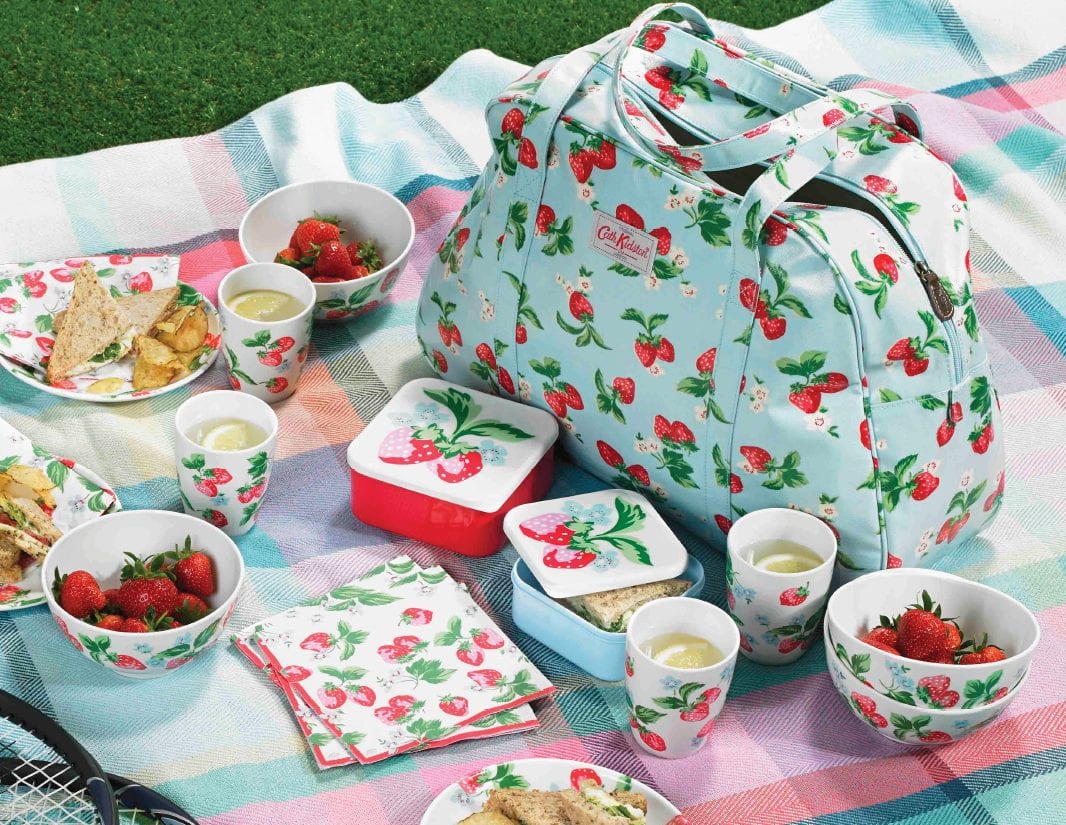
    UK-headquartered Cath Kidston says it will buy out its Japanese franchise business.

    Store leases and stock will transfer to a wholly owned subsidiary Cath Kidston Japan on September 1.

    The move brings to an end a four year partnership started in 2011 with Sanei International, a subsidiary of TSI Holdings.

    Japan accounts for 20 per cent of Cath Kidston’s global sales with four consecutive years of sales growth driven largely by the home, childrenswear and bags categories.

    Cath Kidston CEO Kenny Wilson said Japan is the brand’s biggest international market outside the UK and a key part of its business strategy to globalise the brand.

    “During 2016 we will celebrate our tenth anniversary since opening the first store in Tokyo and we see real opportunities to grow the brand even further across Asia.

    “This is a unique opportunity to take full control of the Japanese business. Sanei International has been a trusted franchise partner and we have worked successfully together, helping to grow the portfolio to over 30 stores. Our desire to buy, and Sanei’s decision to sell back the business, fitted perfectly with each other’s strategy,” said Wilson.

    “We are grateful to the Sanei management team in developing the business over the past four years. We have been delighted by the response of the Japanese staff to our decision to take full ownership of the stores.”

    Cath Kidston now has stores in 16 countries including China, Hong Kong, Indonesia, Japan, Korea, Malaysia, Singapore, Taiwan, Thailand, Spain and France.

    In April this year, Cath Kidston opened its 200th overseas store in Beijing, China.

  • Smoothie King eyes Asia

    Smoothie King eyes Asia

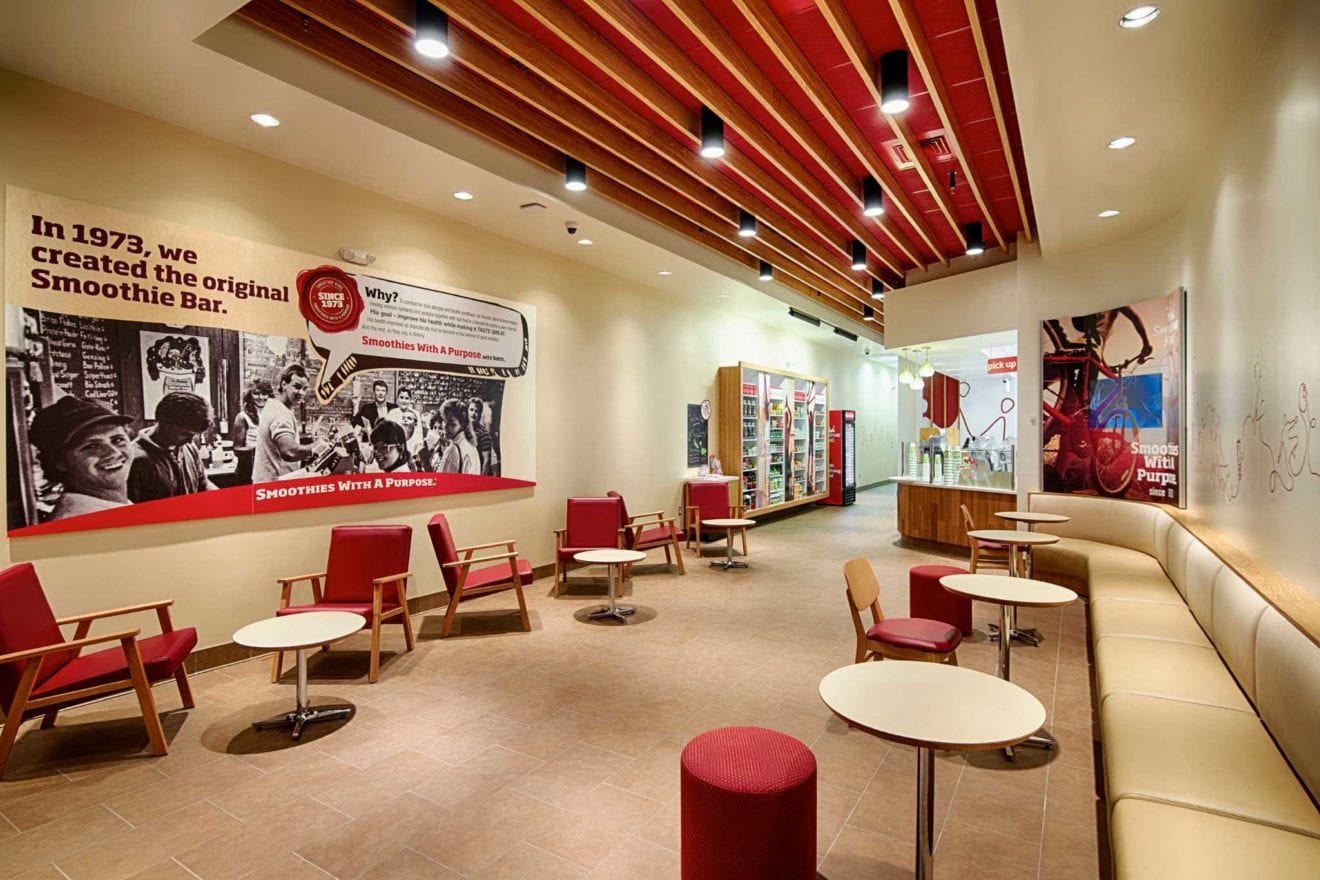
    Fresh from sealing a deal to enter the UAE, US chain Smoothie King is now seeking partners to enter seven Asian markets, along with Australia.

    With more than 700 locations worldwide and plans to top 1000 locations globally by the end of 2017, Smoothie King has signed up Al Ghurair Retail to open across the emirates, starting with multiple locations in Dubai.

    Smoothie King is currently located in Korea, Grand Cayman and Singapore, and according to Dan Hannah, VP of international business development, the company is now eyeing development in Japan, China, India, Indonesia, the Philippines, Taiwan, Australia and Brazil.

    Smoothie King is providing guests around the world with nutritional solutions that live up to the brand’s founding vision to create “Smoothies With a Purpose.”

    Smoothie King differentiates itself in the crowded juice and smoothie category as an “originator and innovator”, evolving to meet customer’s health needs since 1973. The mission since the company’s inception carries through to today: to inspire people to live a healthy and active lifestyle.

    New Orleans-based Smoothie King offers a wide variety of smoothies made with the highest quality ingredients, created to meet all nutritional goals including weight loss, weight gain and increased energy.

    “By working with dedicated and passionate partners like AG Retail, we are able to continue to build our brand and expand our presence worldwide, while preserving brand integrity,” said Smoothie King CEO Wan Kim.

  • Bridgestone to establish auto parts JV in Indonesia

    Bridgestone to establish auto parts JV in Indonesia

    Bridgestone Corp. plans to establish a joint venture company to produce anti-vibration rubber products for automotive vehicles in Indonesia.

    The agreement was concluded on July 2 with PT Astra Otoparts Tbk, which manufactures and sells automotive parts in Indonesia.

    The JV is to build a manufacturing plant of anti-vibration rubber products, which is set to start operations in January 2016, according to a Bridgestone statement. The total amount of the investment by Bridgestone and Astra Otoparts will be $13 million.

    Bridgestone has seven facilities in five countries to manufacture automotive anti-vibration components. To achieve further global expansion, the firm said it needed a manufacturing base in Indonesia, a major car making state in the ASEAN region.

  • Uniqlo ‘modest wear range’ targets Muslims

    Uniqlo ‘modest wear range’ targets Muslims

    A new Uniqlo modest wear range designed in partnership with UK designer and blogger Hana Tajima has gone on sale in Malaysia and Singapore.

    The Uniqlo X Hana Tajima Collection is launched today, July 3, at Uniqlo’s 313@Somerset store on Singapore’s Orchard Rd, and online at www.uniqlo.com/sg.

    A promotional campaign is fronted by Malaysian singer Yuna and the range is expected to be launched in Asian markets with large Muslim populations, such as Malaysia and Indonesia.

    Uniqlo says in line with its ‘LifeWear concept’, the collection is designed to meet the needs of women who value comfortable and relaxed wear. This inaugural collection takes inspiration from an international approach in appreciation of diverse culture and style.

    “Although Uniqlo X Hana Tajima caters to ladies who embrace modest fashion, this collection has been carefully designed to suit contemporary tastes and is versatile to complement a fashionista’s wardrobe easily,” the company said in a statement.

    The collection features pants (SG$49.90), skirts ($49.90), rayon blouses ($49.90) and long dresses ($49.90-$59.90) with a comfortable, relaxed fit which Uniqlo says makes them appropriate for an office and perfect as casual outfits.

    “Our conservative customers will certainly delight at the variety of stylish hijab headscarves ($24.90-$29.90), as well as inner AIRism hijab headscarves ($4.90) and headbands ($14.90). AIRism is a Uniqlo patented material that is thin, light and absorbs moisture for extraordinary comfort especially in tropical climates.

    Taku Morikawa, CEO of Uniqlo Singapore, said the Hana Tajima collection illustrates Uniqlo’s ambition of making fashionable, high quality products for all to wear, while enhancing their lifestyle at the same time.

    “We worked with Hana to determine what would be internationally appealing while keeping to the concept of modest wear. We are thrilled with the results of this unique collaboration which produced a desirable collection that does not sacrifice style for utmost comfort.”

    Hana Tajima, who oversaw the design of every piece in this collection, said: “We want to create a collection that not only appeals to modern ladies who prefer to dress modestly, but also an international audience who desire clothes that fit comfortably and look contemporary. My collection is specially designed to allow effortless mix and match for the today’s women to express their own style.”