Retail News CRM

Tag: Japan

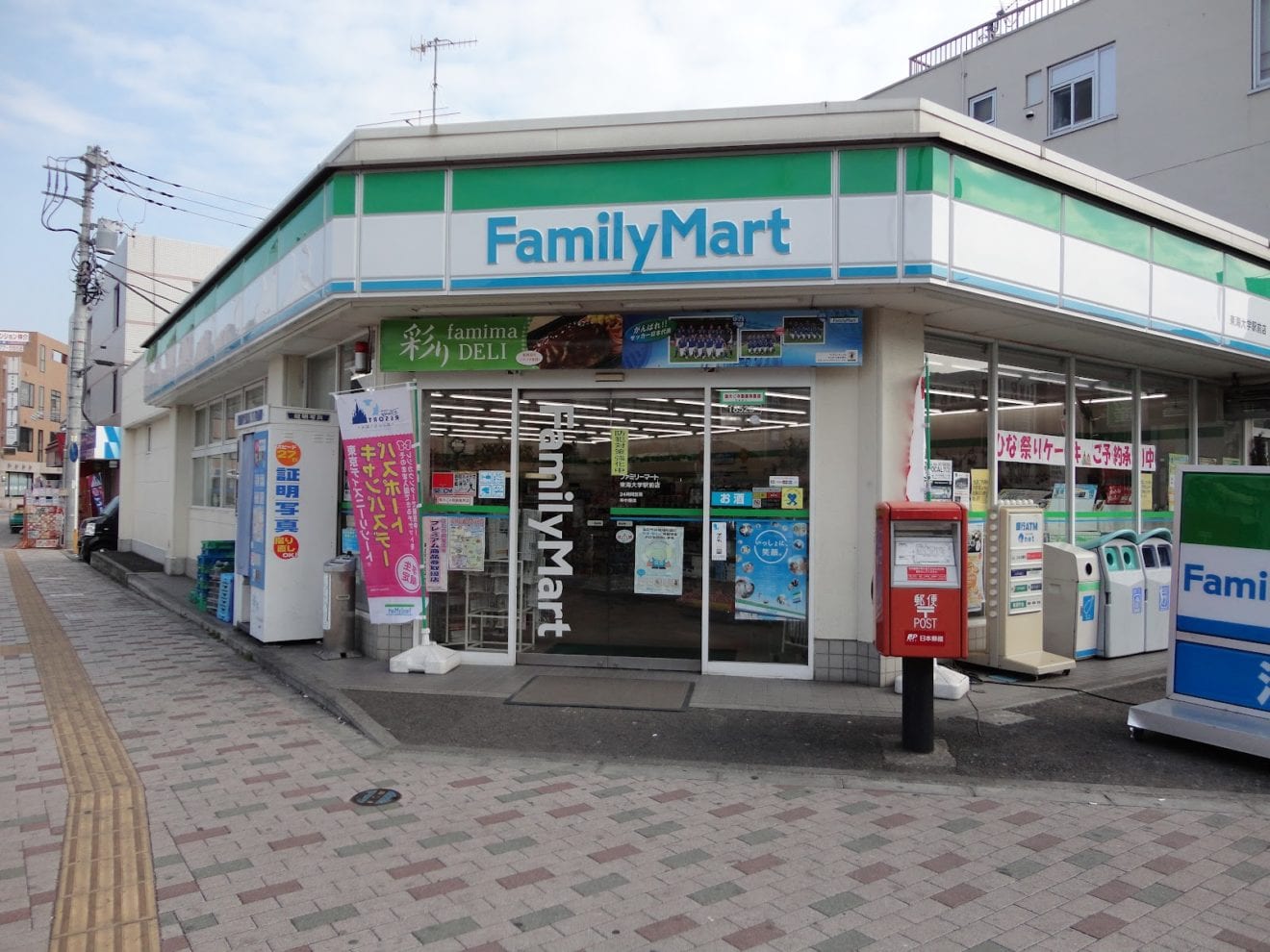
  • FamilyMart, Uny may put off business integration accord

    FamilyMart, Uny may put off business integration accord

    Retailers FamilyMart Co. and Uny Group Holdings Co. are mulling putting off the conclusion of a basic accord on their planned business integration to September or later, it was learned on Thursday.

    This is because Uny’s work to draw up measures to shore up its slumping general merchandise store operations has been delayed, informed sources said. The two firms originally planned to reach a basic accord this month.

    Still, there is no change in their goal of realizing the integration in September 2016 after obtaining approval at their respective general shareholder meetings in May the same year, according to the sources.

    FamilyMart, a major convenience store operator, and Uny said in March this year that they had started negotiations on integrating their operations.

  • Super Delivery concept launches in Japan

    Super Delivery concept launches in Japan

    An eCommerce venture relaunched in Japan this week claims to be the world’s largest wholesale website.

    Super Delivery, launched domestically by Raccoon Co back in 2002, offers apparel and general merchandise produced or developed in Japan for supply to 134 countries. This week it opened to the world.

    It has launched with some 400 manufacturers displaying more than 100,000 items for sale on the website. More than 930 shops and companies are  registered with the eCommerce marketplace as buyers.

    Among products being sold on the portal are numerous traditional Japanese handicrafts. Echizen Shikki Kyodo Kumiai (Echizen lacquerware cooperative association) in Sabae, Fukui Prefecture, which deals with lacquerware products that have a history of more than 1500 years, will sell  over 1000 items, mainly bowls and dishes.

    Those who use the Super Delivery service can confirm the wholesale prices of products after they register themselves with the website as members, and can pay for products they buy by credit card or electronic money transfer.

  • Israel’s Teva Naot expands in Japan

    Israel’s Teva Naot expands in Japan

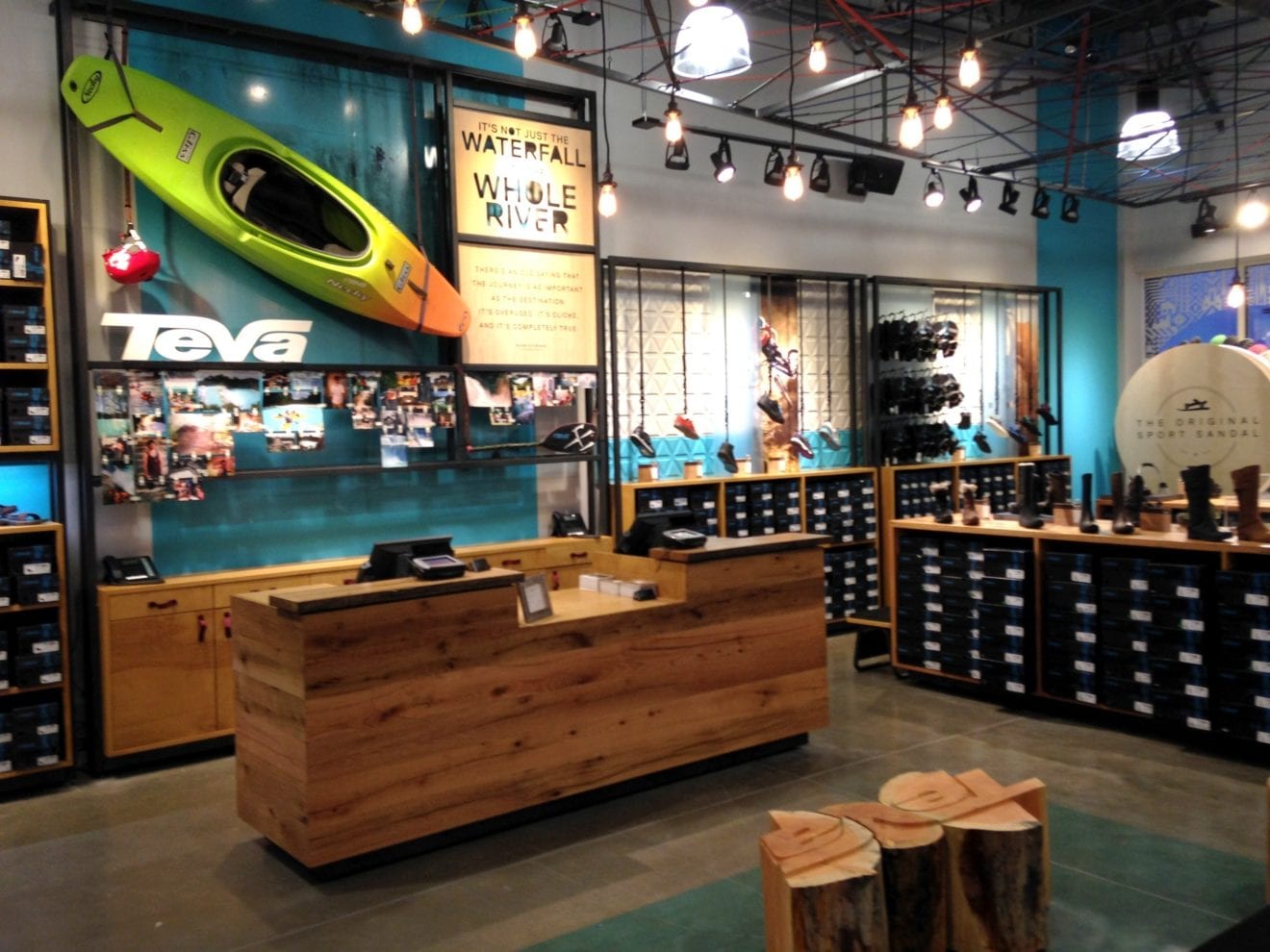
    Israeli sandal maker and retailer Teva Naot is gaining a cult following in Japan.

    The footwear brand has just opened its fifth “high class boutique” in Japan, and plans even more stores as it wins the hearts and wallets of Japanese.

    The company already has three stores in Tokyo and one in Nara in the Kansai region of Japan’s south. The new store will be in Tokyo.

    CEO, Michael Iluz,says its shoes have become extremely popular among Japan’s business and celebrity class.

    Teva Naot shoes are handmade from high quality materials and positioned at the premium end of the market. It has designed a range of 20 sandals specifically for the Japanese market to reflect local tastes, fit and trends. The stores are designed to evoke a ‘high class, luxury’ shopping experience.

    The Israeli newspaper Maariv reports the company sold more than $3.6 million worth of shoes in Japan this financial year and expects sales to reach as high as $5 million in 2016.

    Teva Naot has also met with success in South Korea.

  • Clarks steps up in Asia

    Clarks steps up in Asia

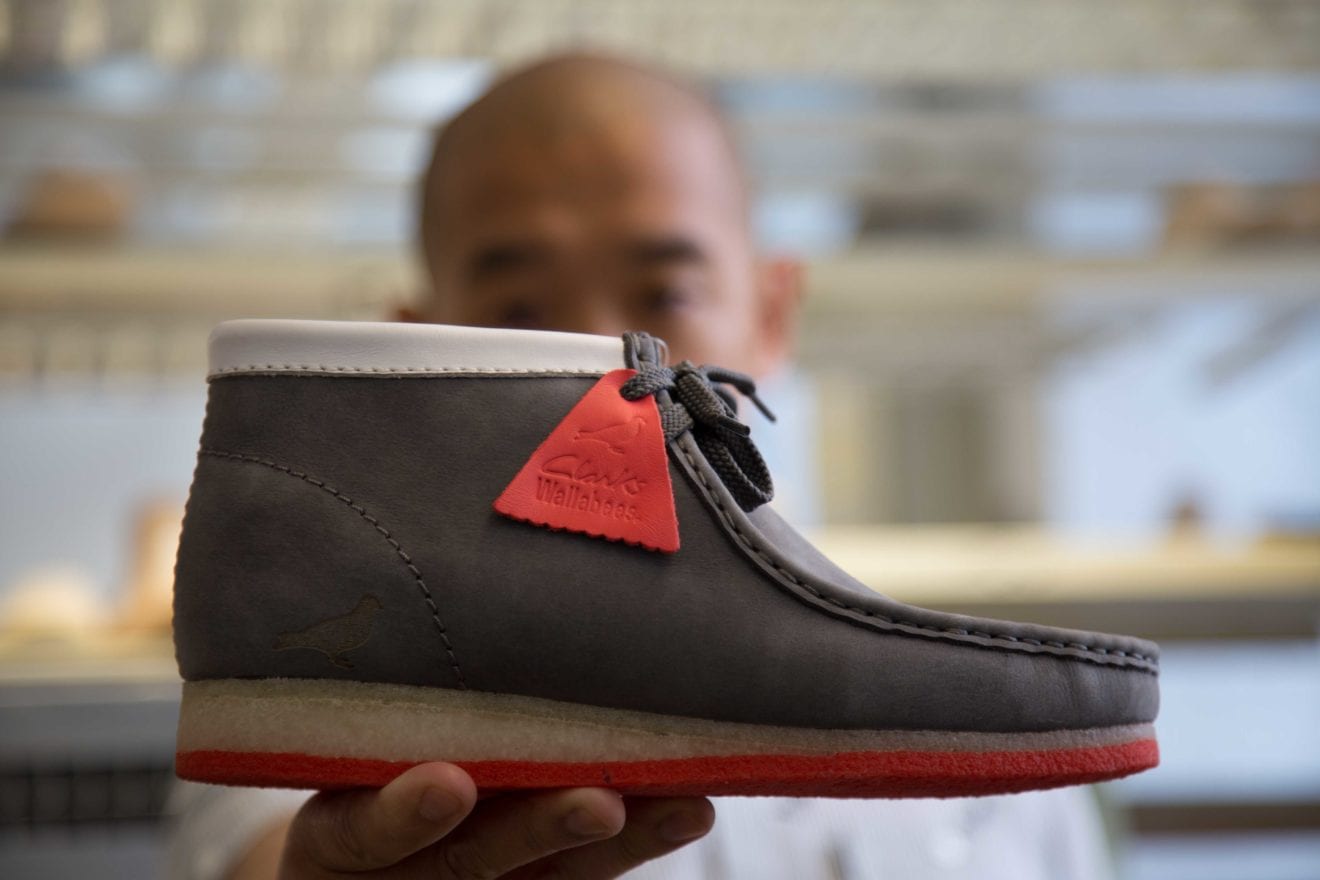
    British footwear brand Clarks says it sees Asia Pacific growth as a “a key strategic focus” for the company.

    The 190 year old, £1.5 billion business, plans to open 100 stores in the region in the next 12 months.

    “As we celebrate a significant birthday, we are as nimble and entrepreneurial as ever and poised for growth,” said Nancy Huang, president of Clarks Asia Pacific.

    “We see great future potential for further expansion and are excited about the possibilities.”

    Clarks, which operates through retail, wholesale, franchise and online channels has a presence in 130 markets worldwide and has been in Asia for 20 years.

    It has a strong footprint in China with 600 points of sale and hundreds of stores across Asia including the markets of India, Japan, Singapore, Malaysia and Indonesia.

    Huang says Clarks’ strong British heritage and reputation for craftsmanship has widely appealed to Asia’s rising middle class. In recent years, the company has invested heavily in building infrastructure, people resources and capabilities in Asia Pacific to support a rapidly expanding set of markets.

    The company will also invest “heavily” in reinvigorating key existing stores in China, Japan and Singapore.

    C&J Clark Limited, owners of the Clarks brand, the privately owned footwear business, was founded in Street, Somerset in the UK by the Clark family in 1825. Still based in Street, the Clarks Group designs, develops and sells a wide range of footwear and accessories for men, women and children. The Clarks brand is renowned worldwide for quality and style with comfort.

  • Rakuten launches express delivery

    Rakuten launches express delivery

    Japan’s leading eCommerce portal Rakuten has launched Rakubin – a new rapid delivery service which promises goods in as little as 20 minutes – 2 hours a day.

    The new service has made its debut in the Tokyo suburbs of Shibuya, Setagaya, Minato and Meguro. It applies to a limited range of 450 items – largely convenience or drug-store core lines, such as noodles, cafe products, confectionery and coffee; detergent, toilet paper and diapers.

    In the Rakubin app, users can check the estimated time of delivery before placing their order.

    After the order has been completed, a delivery interval of 15 minutes will be displayed, allowing users to effectively make use of the time before the arrival of the order. The delivery cost for one order is 390 yen (including tax) when users receive the goods beside the delivery vehicle at the specified location, and 770 yen (including tax) when the goods are delivered directly to users by a member of the delivery staff.

    Fulfilment is undertaken by a fleet of delivery vans which carry stock of the items and circle the areas, awaiting despatch to delivery addresses.

    Rakuten says it will expand the service to include a longer list of products, and a broader geographical area once the concept is bedded down and refined.

  • Bleak result for Isetan Singapore

    Bleak result for Isetan Singapore

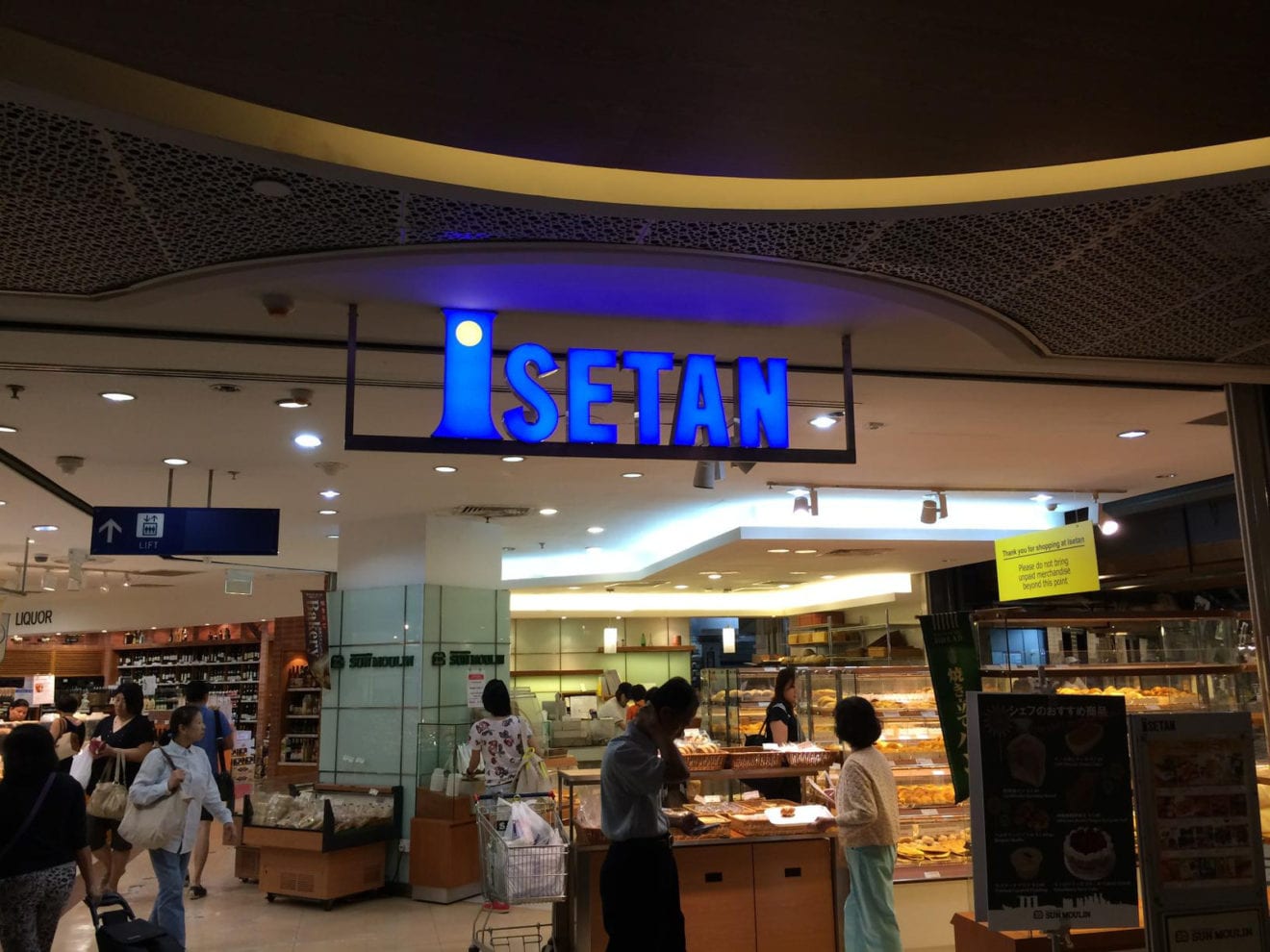
    Japanese department store operator Isetan has reported mounting losses in Singapore as sales fall and rents rise.

    Group sales for the three months to June 30 were $71.467 million, a decrease of $10.819 million or 13.15 per cent over the same quarter a year ago. Isetan said the decrease was largely due to the closure of its Isetan Orchard store at the end of March to prepare the store space for subletting, and a slowdown in sales in all of its stores (except Isetan Jurong East) “due to an environment of slower economic growth and stiff competition amongst retailers”.

    In the second quarter the company incurred a loss after tax of $5.847 million, compared to a loss of $1.214 million in 2014.

    Higher rent at Isetan Scotts, affected both the store’s result and was the main reason for the overall increase in the rent outgoings.

    “At Isetan Orchard, the process of finding tenants and converting the space for renting out is ongoing,” the company said in a statement.

    “In this respect, there was no rental income from this store during Q2.”

    “At Isetan Jurong East, although the store is experiencing sales growth, it is not contributing to profits yet. The general slowdown in sales was also a drag on the results of the Group for Q2.”

    Its other stores are at Katong, Tampines and Serangoon Central.

  • Starbucks tests smart smartphone case

    Starbucks tests smart smartphone case

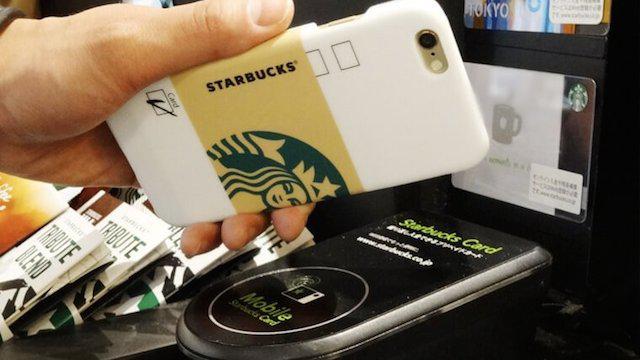
    Starbucks Japan is involved in a unique trial which allows customers to order and pay for their coffee with a swipe of their phone.

    The concept uses a branded smartphone case which is preloaded with the customer’s preferences.

    Trend monitoring website Springwise.com reports the Starbucks Touch phone case was developed in collaboration with Japanese clothing brand Uniform Experiment, and can currently be used in two Starbucks branches in Japan.

    The case – made for iPhone 6 – is designed to resemble a Starbucks coffee cup and features the brand’s iconic logo. It works like a prepaid Starbucks loyalty card, letting customers make cashless coffee purchases. It also enables users to save their preferred store and favorite beverage via a companion app. Upon arrival, customers simply launch the app and place their order, settling up by touching their phone case on the contactless payment device.

    The Starbucks Touch is available online for JPY 3000, or about US$25.

  • Shopping malls revamp amid onslaught from online retailers

    Shopping malls revamp amid onslaught from online retailers

    As the brick-versus-click-sales war intensifies, shopping malls in Singapore are plotting aggressive strategies to stay ahead in the game while they continue to battle falling tourist arrivals, the oversupply of retail space and growing competition for consumers’ attention.

    Their renewed game plans include reshuffling the tenant mix, exploring more flexible leasing terms with tenants, revamping marketing campaigns and even forming alliances with online sales platforms — all of these aimed at getting consumers to shop more as they spend longer hours at their malls.

    “Landlords are adjusting their marketing strategies and tenant mix and repositioning their properties towards offering more entertainment, services and food and beverage (F&B) outlets, aiming to remain relevant in the midst of shoppers taking to online shopping as well as changing consumer preferences,” said DBS Vickers analyst Derek Tan.

    Mall operators are making more space for restaurants, cafes and bars as well as entertainment and services-oriented businesses, such as education, beauty and wellness, as these remain insulated from the online onslaught, while department stores and retailers that sell products such as books, toys and fashion continue to be hit by the surge in e-commerce.

    Malls now allocate around 35 to 40 per cent of net lettable area to F&B, entertainment and services, compared with about 25 per cent around five years ago, Mr Tan noted.

    The increased focus on F&B, entertainment as well as beauty and wellness is also demand-led, as young Singaporeans today are well-travelled and seek more in terms of enhancing their personal appeal and well-being.

    “Singaporeans today are more sophisticated and want to explore more when it comes to F&B and beauty and healthcare. This is attracting new F&B players from Japan, South Korea, China, the United States and Europe to enter Singapore in a big way. Several Korean and Japanese cosmetic companies are also coming in,” said Mr Wilson Tan, chief executive of CapitaLand Mall Trust Management. He also emphasised the group’s strategic focus on necessity retail that defends it from disruptions in shopper traffic and volatility in sales revenue.

    Besides the onslaught from online retailers offering low-cost shopping and free delivery services, a strong Singapore dollar has prompted Singaporeans to shop abroad as they travel for holidays, making it more challenging for mall owners to attract footfall.

    “Over time, the way people shop will change … In the past, we did more conventional advertisements. As we move ahead, we see mobile and digital platforms becoming a lot more prevalent, and that is where we will be looking at, using new technology to bring people into the shopping malls,” Mr Tan said.

    Malls are scurrying to identify ways to embrace new sales channels that allow traditional and online retailers to coexist and complement each other. Some are exploring the option of partnering with e-commerce players such as Qoo10.

  • Lotte Group head issues apology for feud, vows reform

    Lotte Group head issues apology for feud, vows reform

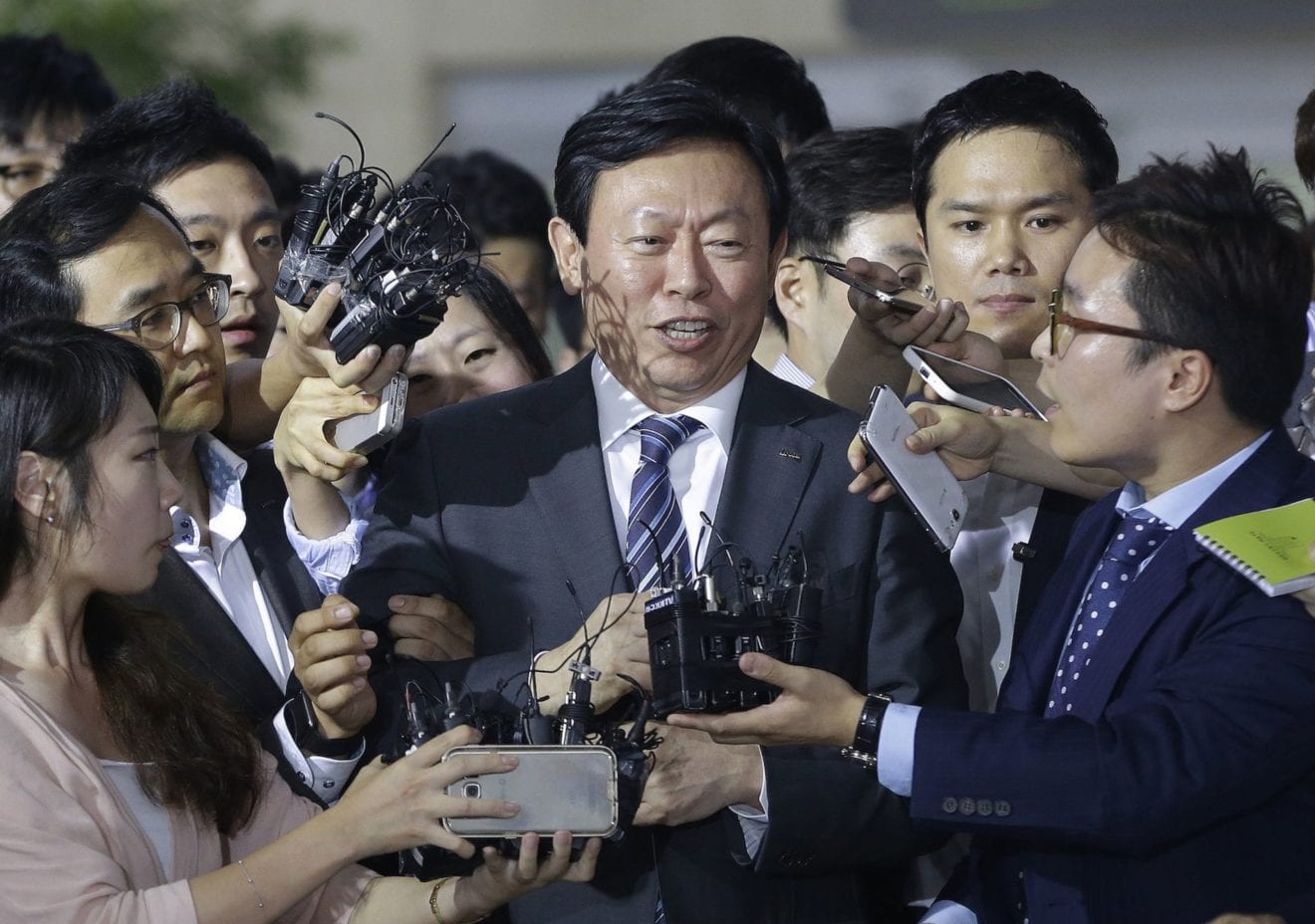
    The head of South Korea’s Lotte Group yesterday vowed a new era of corporate governance and transparency as he apologized for the family feud engulfing the beleaguered retail giant.

    In an address broadcast live on TV, group chairman Shin Dong-bin also sought to deflect growing anti-Japanese sentiment surrounding Lotte, which was founded in Japan, but does 80 percent of its business in South Korea.

    Talking in accented Korean, the native Japanese speaker twice bowed deeply before the cameras in a show of contrition for the bitter and very public battle for corporate control that has pitted him against his father and elder brother.

    “The current dispute has occurred as we have failed to make efforts to improve corporate governance and enhance transparency,” Shin said.

    “We will be bold in reform in order to address concerns held by the people of Korea, our shareholders, contractors and employees,” he added.

    At stake in the Lotte feud is control of a sprawling conglomerate with 80 units across South Korea — spanning retail, amusement parks, hotels and chemicals — and total combined assets of about US$90 billion.

    Among other reforms, Shin said he would push for the public listing of the conglomerate, which effectively controls the South Korean business, while also streamlining the group’s complicated web of cross-holdings to enhance transparency.

    “Lotte belongs to Korea,” the chairman said, stressing that the group’s South Korean interests dwarfed the Japanese-based side of the business in terms of employee numbers and sales.

    “There has been little flight of capital back to Japan,” Shin said, adding that earnings made in South Korea had been plowed back into the domestic business.

    Lotte was founded in Japan in 1948 by Shin Dong-bin’s father — South Korean-born Shin Kyuk-ho, now 92 — and grew from a seller of chewing gum to a confectionary giant. It expanded to South Korea after Tokyo and Seoul normalized relations in 1965.

    The row within the Shin family has fanned the embers of the anti-Japanese public sentiment the group has long contended with in South Korea — largely due to the family members’ awkwardness with the Korean language.

    The battle for control of the conglomerate has pitted Shin Dong-bin against his father and his elder brother, Shin Dong-ju, with accusations of dirty tricks and attempted boardroom coups.

  • Aeon Cambodia to build second mall

    Aeon Cambodia to build second mall

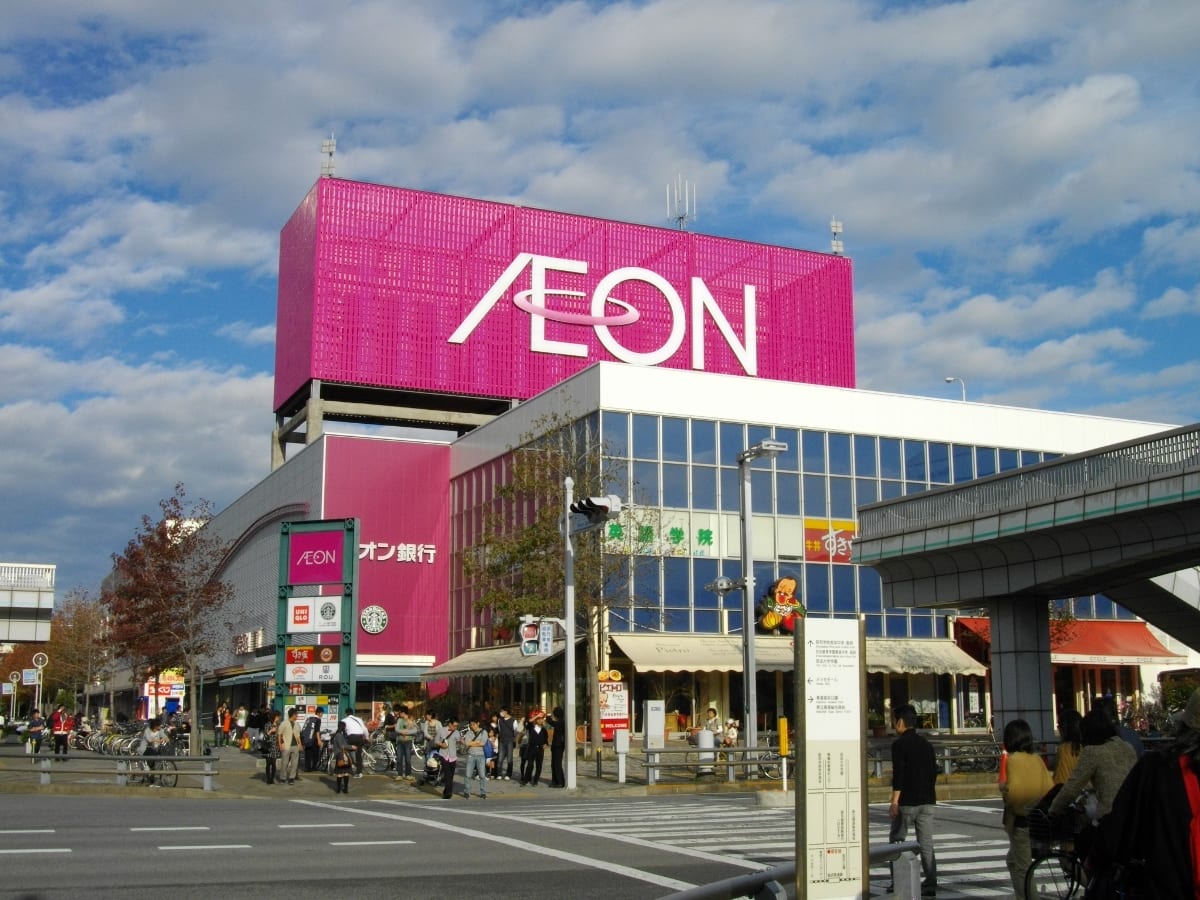
    Japan’s Aeon is to build a second shopping mall in Cambodia’s capital city Phnom Penh.

    The news was revealed on the first birthday of Aeon’s first Cambodia mall, which it says has attracted 15 million visitors.

    The new mall will be built about 10km north of Phnom Penh’s CBD in the Pong Peay City, a new residential and commercial development by the LYP Group on the city’s north side.  LYP is owned by prominent local businessman and ruling party senator Ly Yong Phat.

    With a 151,000 sqm footprint it will be significantly larger than the first mall, which is 108,000 sqm. The gross leasable area will be 70,500 sqm.

    Like all of Aeon’s malls in Asia, the centre will be anchored by an Aeon supermarket. Supporting retailers will include Japanese brands who partner with Aeon in new developing markets and international brands such as Puma, Adidas and Levi’s.

    Aeon Asia MD Washizawa Shinobu said his company is confident Cambodia’s emerging middle class will make the new centre a success, aiming to attract 10 million visitors in its first year.

    “I am sure Cambodian people will be richer with economic growth like that, which means they will buy more products,” he said.

  • Korea’s GearX finds favour online

    Korea’s GearX finds favour online

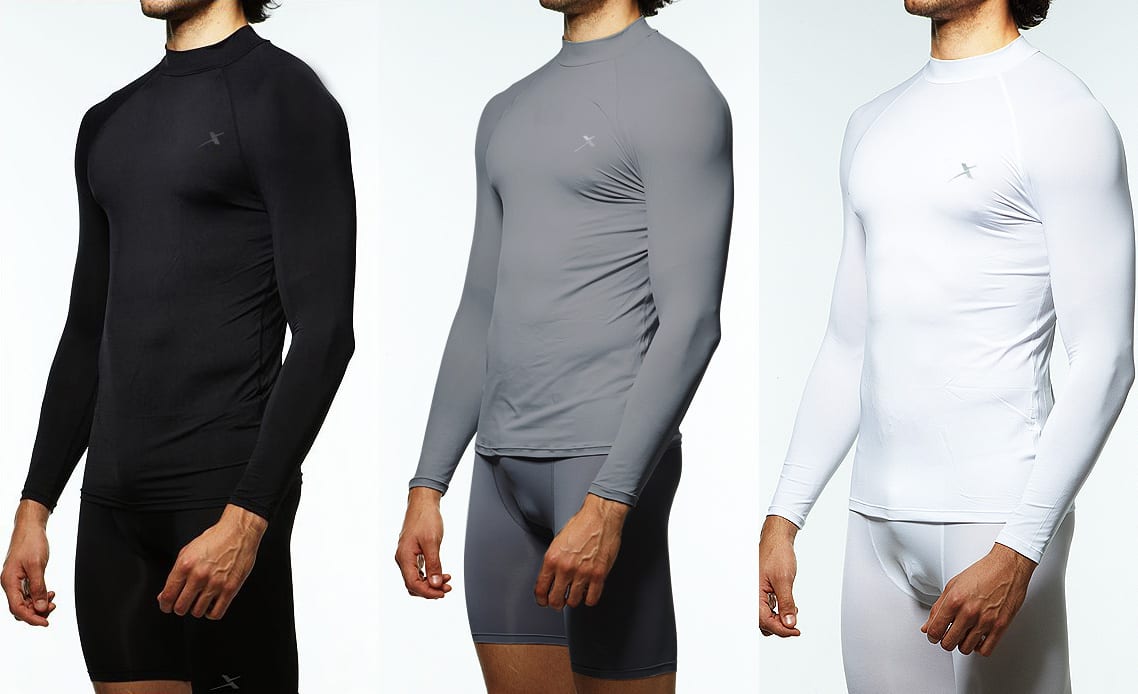
    Korean underwear brand GearX says sales of its functional sportswear online is booming – especially in Japan, China, Southeast Asia and America.

    While not revealing actual sales figures the company says its online mall is succeeding because the brand is building popularity by maintaining reasonable prices for products that boast excellent functions, “contrary to a number of global functional wear brands that started out as offline businesses and formed high price range”.

    Now, Lee is planning to expand GearX’s product range to include functional yoga outfits, running and cycling apparel.

    GearX is running its shopping mall in multiple languages including English, Chinese, andJapanese using the Global Service of cafe24, Korea’s largest shopping mall solution provider. GearX’s products are also available on global online shopping malls such as Amazon.com of America and Qoo10 of Singapore.

    GearX’s products include base layer, rash guard, and underwear; all of them offer fast-drying, UV blocking, and antibacterial features. GearX applies a seamless sewing technique on the clothing to achieve excellent flexibility. Thus, all of GearX products fit the body without extreme tightness.

    “From the very beginning, we focused on developing a highly functional fabric that relieves heat, maintains coolness, and repels insects. As a result, we have become Korea’s first, and only, functional clothing manufacturer to acquire a patent for the fabric,” said Sang-hun Lee, president of GearX.

    “After successfully developing the fabric, he had also developed and introduced a sewing technique that would not irritate the skin considering the the fact that the product is in direct contact with the skin.”

  • Seiko Japan opens ‘Premium Boutique’

    Seiko Japan opens ‘Premium Boutique’

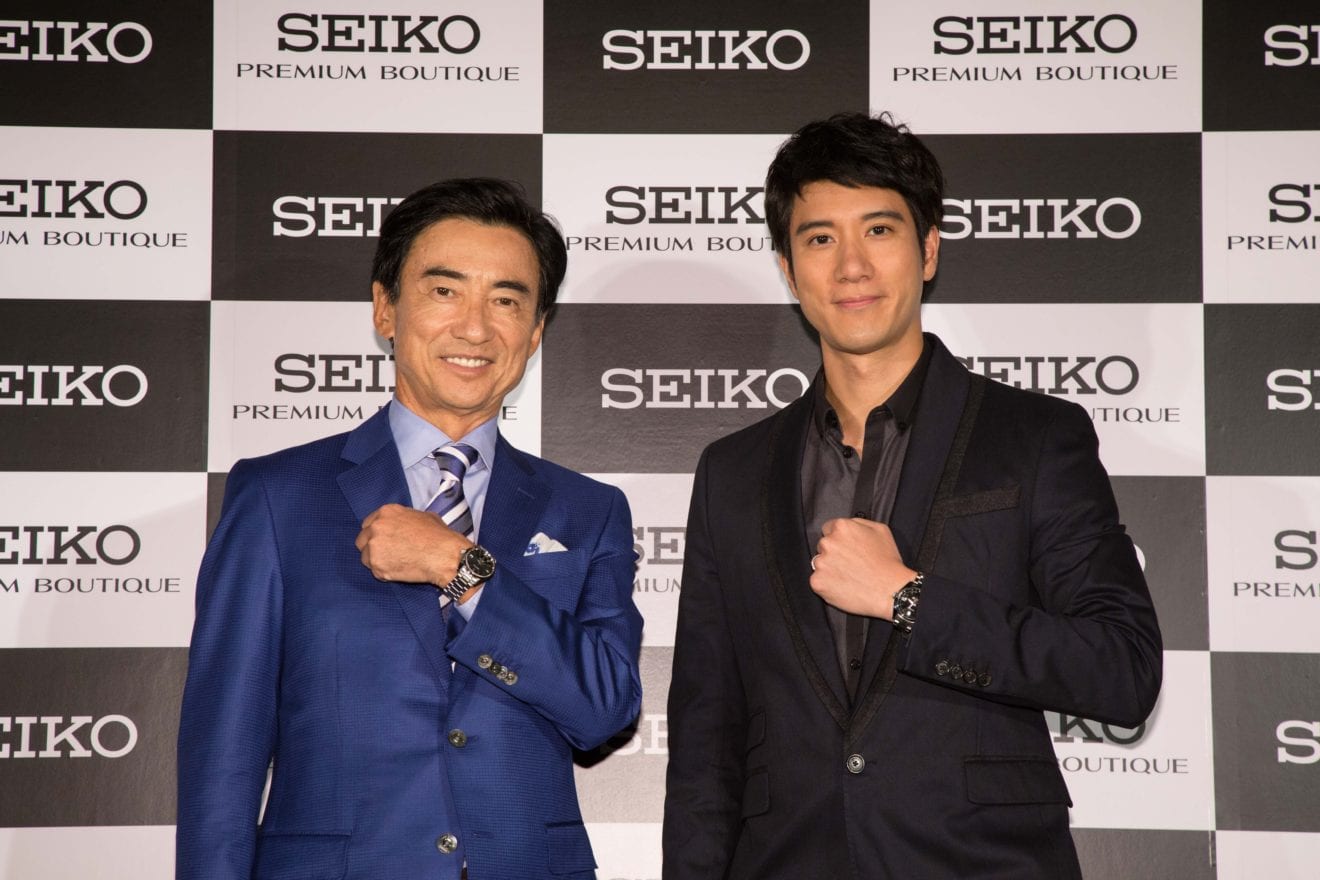
    Seiko Japan has opened a world first “Seiko Premium Boutique” in Tokyo.

    The new store is the first shop to carry Seiko’s three luxury brands exclusively: Grand Seiko, Credor and Galante. It is located in the high-end Ginza shopping district.

    Wang Leehom, a famous Chinese-American singer and actor who has been Seiko’s brand ambassador in Asia since 2011, joined Shinji Hattori, president & CEO of Seiko Watch Corporation to open the store.

    “Showcasing our prestigious collections, this boutique will offer a true window to the Seiko world and visitors will experience the uniqueness of Seiko’s craftsmanship and Japanese hospitality,” Hattori said at a press conference to mark the opening.

    After a ribbon-cutting ceremony with Hattori at the boutique, Wang Leehom became the store’s first customer, perusing the topline products on display, including Credor Spring Drive Minute Repeater which sells at 33,000,000 yen (US$265,000).

    “It is my great honor to have a chance to attend this festive occasion in the center of Tokyo. I was deeply impressed with Seiko’s masterpieces such as Credor Minute Repeater. They are true culmination of legendary Japanese craftsmanship and cutting-edge technologies,” he said.

  • Prada Japan flourishes

    Prada Japan flourishes

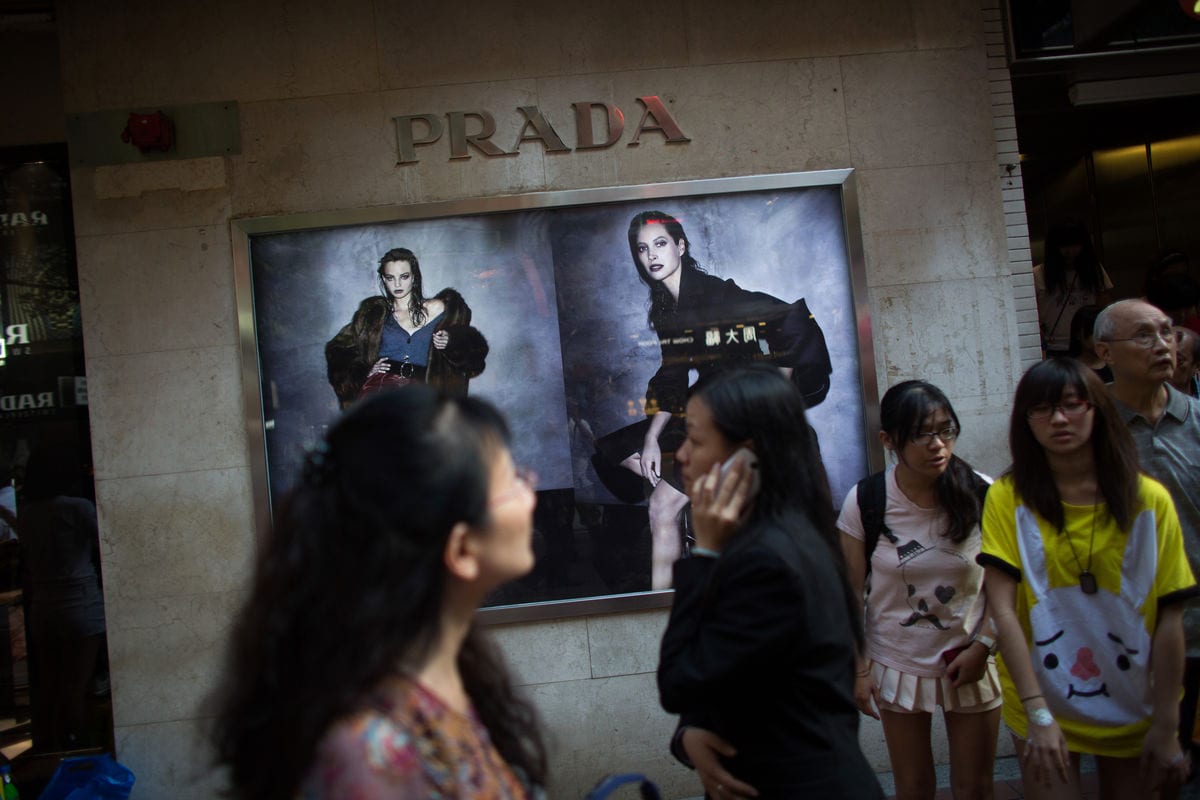
    Prada Japan has posted a strong sales lift in the first half thanks to a burgeoning number of inbound tourists.

    Sales in the Japanese market grew by 12 per cent year on year current exchange rates and by five per cent on constant exchange rates. Tellingly, growth was stronger in the second quarter than in the first.

    In its half year results issued Friday, Prada reported net revenue for the six months to July 31 of euro 1.823 billion, a four per cent increase over the corresponding period in 2014. Wholesale sales fell 14 per cent, reflecting Prada’s strategy of rationalising its network of retail partners in favour of selling from its own stores.

    While Japan was a standout market, sales in Asia Pacific fell, offset by a positive rate exchange effect.

    “Hong Kong and Macau remain the main drivers affecting the performance in this geographical area,” Prada said.

    At current exchange rates, sales increased 15 per cent in both the Americas and in the Middle East.

    The European market has continued to grow with revenues up at both current exchange rates up 12 per cent and constant exchange rates up 11 per cent, thanks to a steady flow of tourists together with a recovery in consumption by domestic customers.

    By brand, Prada recorded five per cent growth at current exchange rates which is entirely attributable to the exchange rate effect, mainly because of the adverse economic situation in the Asian market.

    Miu Miu continues to grow with revenues up at both current exchange rates up 19 per cent and constant exchange rates up six per cent, showing an acceleration in the second quarter of the year. Church’s achieved sales growth of 19 per cent, with the volumes trend also remaining largely positive. Car Shoe has performed broadly in line with prior year.

    Prada Group CEO Patrizio Bertelli said sales in the first half of 2015 reflect an economic and exchange rate landscape that remains “rather volatile with the continuing weakness of important markets like Hong Kong and Macau and the uncertainty that is looming on other Asian markets”.

    “Our distribution structure, which has achieved an appropriate global presence, together with our awareness of the specific needs of the various markets, has enabled us to compensate for the drop in sales in Asia Pacific thanks to growth on markets which are currently more dynamic like Europe and Japan. We will continue to prioritise measures intended to sustain long-term growth focusing on our manufacturing tradition and innovation, as again confirmed recently by the success of our latest collections.”

  • Daiso wins Manila court battle

    Daiso wins Manila court battle

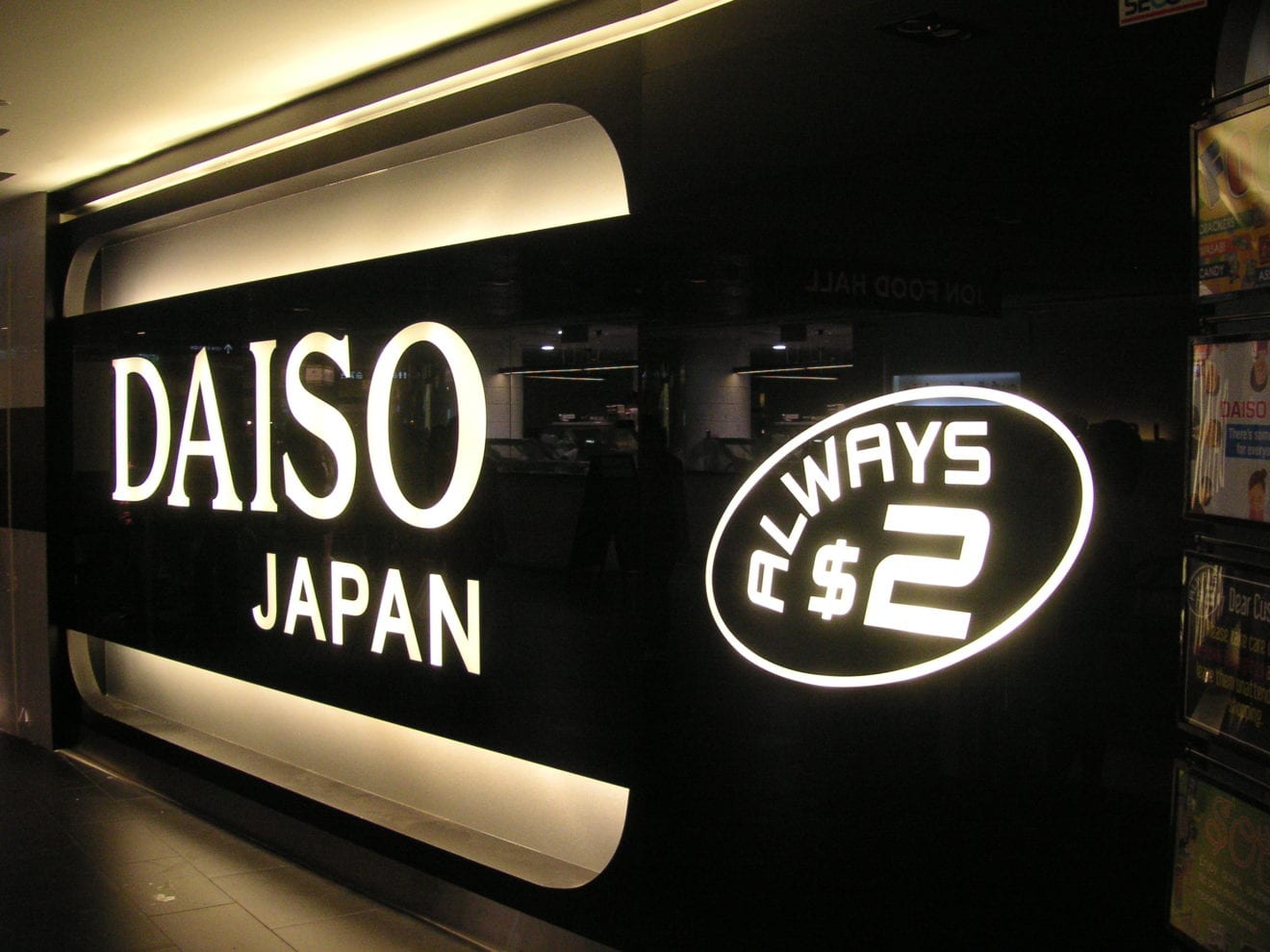
    Japanese discount retailer Daiso has won the right to use its name in the Philippines after a hearing in the Supreme Court.

    In a final ruling just issued, the court has blocked Filipino company Japan Home Center from using the trademark Daiso, confirming an earlier ruling by the Court of Appeals.

    The judges ruled that Japan Home Center had registered the name in “bad faith” in 2005 – largely to prevent the Japanese Daiso or its local franchisee from using it.

    Daiso Industries of Japan first filed a complaint with the Intellectual Property Office back in 2009 after it appointed Robinsons Retail Holdings as its local distributor and retail partner. Daiso Industries owns the brand name.

    This week’s Supreme Court decision thus ends a six year long legal battle to give Daiso and Robinson the legal right to use the brand.

    Robinsons currently operates 38 Daison stores in the Philippines.

    In another case in January this year, the Intellectual Property Office blocked MySmart One-Shop Daiso from using the brand name.

  • Disney, Uniqlo form global partnership

    Disney, Uniqlo form global partnership

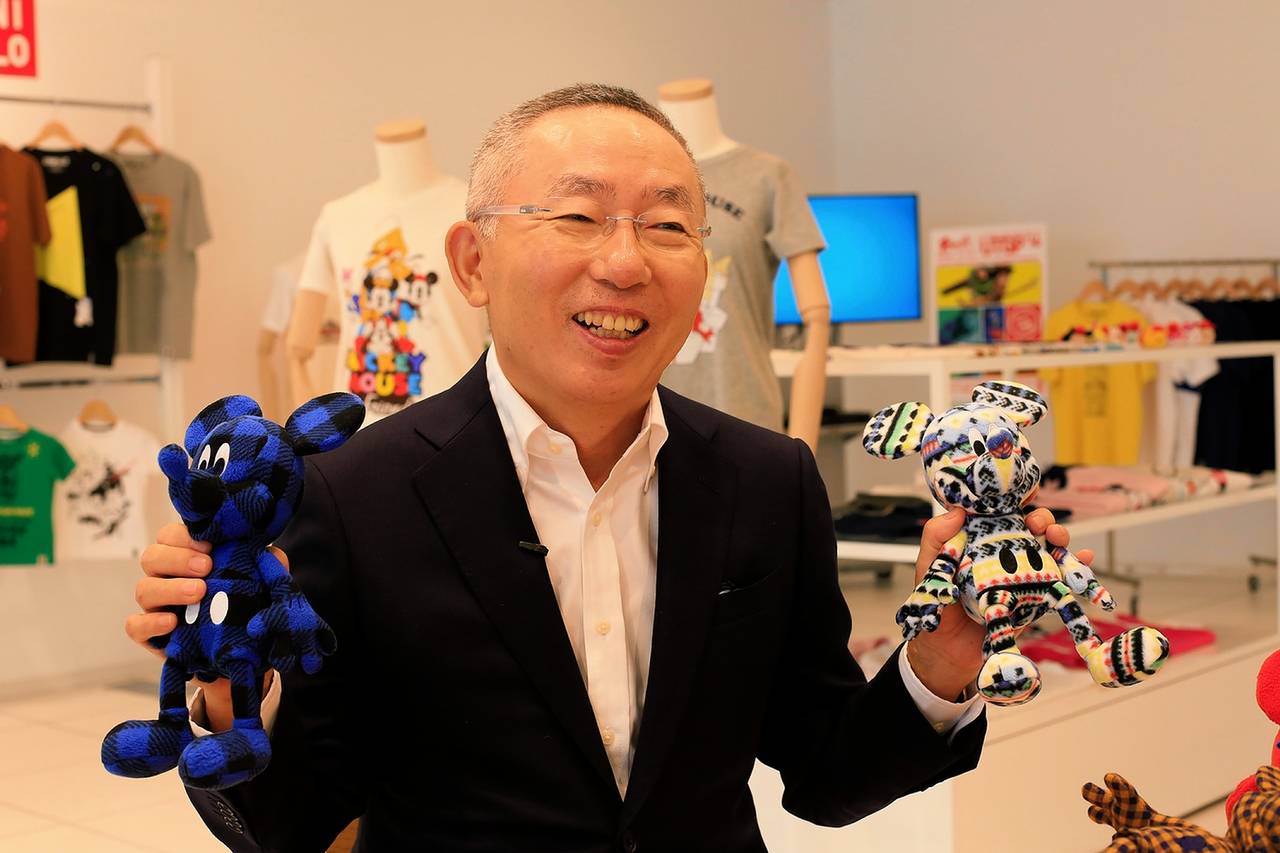
    Uniqlo has announced a global collaboration with Disney Consumer Products, dubbed Magic For All.

    The initiative will see characters from Disney’s brands, including Marvel action, Star Wars adventure and Pixar creativity to everyday Uniqlo LifeWear fashions and introduce “innovative new products, pop-up displays, and in-store and online customer experiences,” the Japanese apparel retailer said in a statement.

    “We want to help everyone’s dreams come true,” said Tadashi Yanai, chairman, president and CEO of Fast Retailing.

    “I look forward to bringing together LifeWear and the magic, excitement and adventure of Disney, Marvel, Star Wars and Pixar to deliver enjoyment to customers all around the world through our products, customer service and shopping experience.”

    Paul Candland, president of The Walt Disney Company Asia, said the entertainment giant prides itself on delivering magical experiences to fans of all ages, “whether it’s at the movies, retail, our theme parks or at home”.

    “Uniqlo shares our passion for storytelling and we look forward to expanding our global collaboration creating unique experiences for fans to immerse themselves in the Disney, Marvel, Star Wars and Pixar brands.”

    The Disney, Uniqlo relationship began in 2009, when the company launched its first collection of UTs (Uniqlo T-shirts) featuring iconic and treasured Disney characters, Mickey Mouse and Minnie Mouse. Through Magic For All, Uniqlo will extend its collaboration beyond the UT and sweat parka lines and introduce new LifeWear items beginning in fall 2015.

    Products will range from Ultra Light Down, fleece, and flannel shirts to umbrellas, plush toys, and other offerings featuring Mickey Mouse and Minnie Mouse and then expand to include popular characters from Star Wars, Pixar Animation Studios’ Toy Story, Marvel’s Avengers and Disney’s Frozen.

    Customers will be introduced to Magic For All at D23 Expo, The Ultimate Disney Fan Event, in Anaheim, California from August 14-16.


    A concept store featuring the full product range will open in Shanghai at the end of September. Currently under construction, it will occupy the fifth floor of the five story Uniqlo Shanghai Global Flagship, the brand’s largest worldwide.

    Global flagships and large-format stores around the world will also offer Disney, Marvel and Star Wars-themed products through newly created Magic For All sections.

    In spring 2016, Uniqlo will open its first store in the US southeast, at Disney Springs in Lake Buena Vista, Florida. This flagship will house the brand’s assortment of Magic For All offerings for men, women and children in a setting that captures the fantasy and magic of Disney.

    On July 13, Uniqlo announced “friendship in Disney-Pixar movies” as the theme for its annual UT (Uniqlo T-shirt) Grand Prix 2016 Design Contest. First launched in 2005, the contest attracts thousands of entries from around the world. The winning designs are included in the following year’s spring summer UT Collection, which is sold worldwide. An exclusive animated short was produced to support the 2016 competition.