Tag: Japan

  • Dollar drops against yen as risk-off mood persists

    Dollar drops against yen as risk-off mood persists

    The dollar weakened against its main rivals Wednesday after a spate of weak economic data and the Federal Reserve’s Beige Book painted a troubling picture of the U.S. economy.

    The ICE U.S. Dollar Index DXY, +0.12% a measure of the dollar’s strength against a basket of six rival currencies, was down 0.5% to 94.2800.

    U.S. producer prices fell 0.5% in September, outpacing an expected decline of 0.2% from a survey of economists conducted by MarketWatch, while retail-sales increased by just 0.1% in September. A measure of retail sales in August was revised lower to show no change.

    The Fed’s Beige Book, a collection of anecdotes from business leaders in each of the Fed’s 12 regions, indicated some slowing in the economy.

    Emerging-markets currencies also put in a strong performance Wednesday, with several — including the Brazilian real USDBRL, -0.0525% South African rand USDZAR, -0.2130%  and the Turkish lira USDTRY, -0.0686% — rising nearly 2% against the dollar.

    “The combination of [the retail sales and PPI] and the pretty awful data we’ve seen thus far in September is pushing back when the Fed will hike, lowering the odds of December and raising the odds of 2016,” said Mark McCormick, a global FX strategist based in New York.

    The U.S. currency was slightly weaker against the euro EURUSD, -0.0349% which rose to $1.1473, up 0.8% from $1.1378 late Tuesday in New York — its highest level since Sept. 18, according to FactSet data.

    The greenback USDJPY, +0.25%  was at ¥118.75, down 0.8% from ¥119.74 Tuesday, its weakest level since Oct. 2.

    Concerns about stubbornly low inflation and deteriorating jobs growth caused two voting members of the Fed’s rate-setting committee — Fed Governors Lael Brainard and Daniel Tarullo — to warn against a premature rate increase during speeches earlier this week. While Brainard refused to speculate about timing, Tarullo said outright that he doesn’t expect the Fed to hike in 2015.
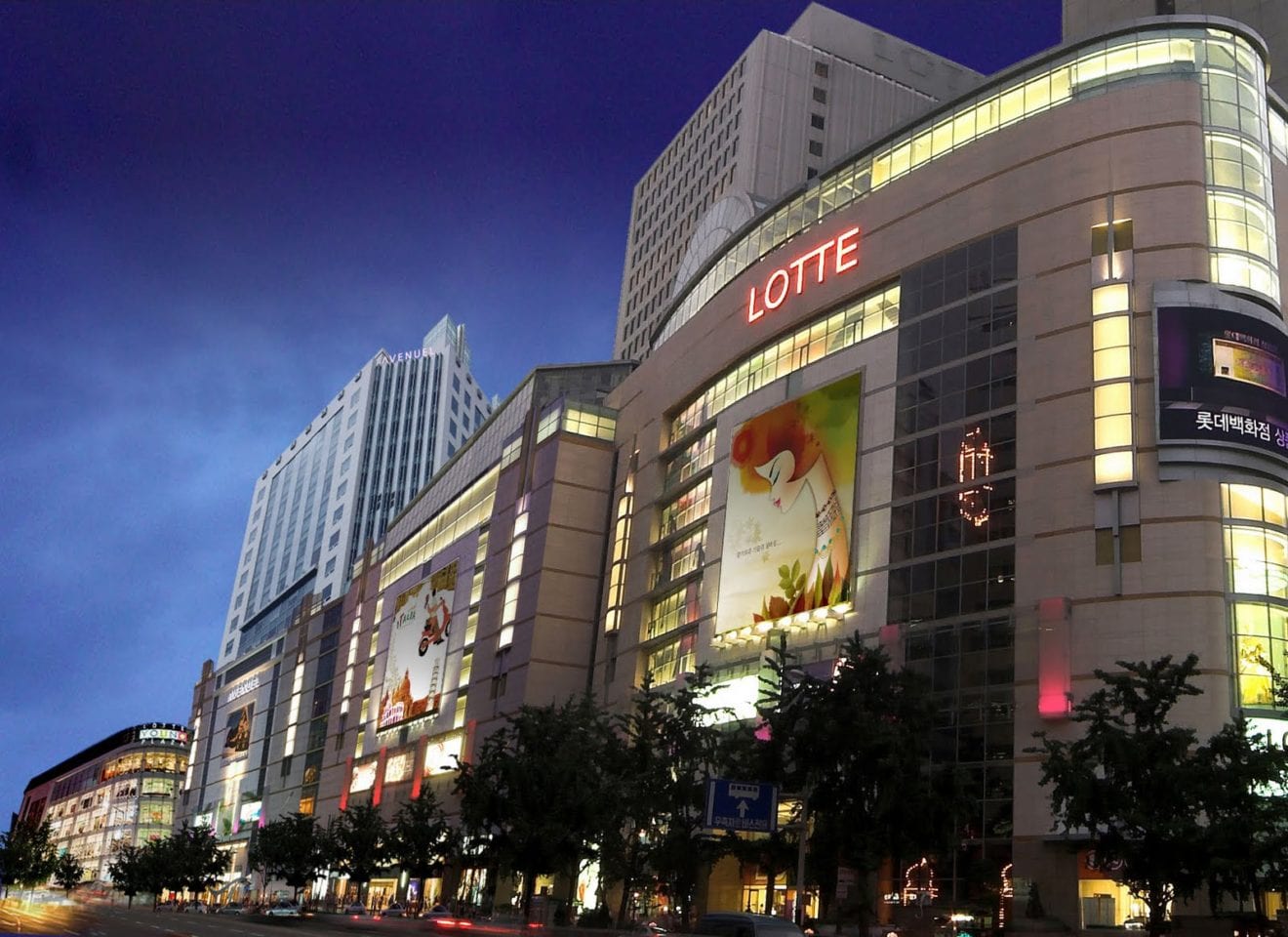

     

  • Lotte chief unseated from group’s virtual holding firm

    Lotte chief unseated from group’s virtual holding firm

    In a hastily arranged shareholder meeting in Japan, Lotte Group Chairman Shin Dong-bin lost his seat on the board of Kojunsha, which is at the apex of the group’s entire governance structure, with a 28 percent stake in Lotte Holdings, the group’s holding firm, according to his elder brother Shin Dong-joo, who owns a 50 percent stake in the Japanese package manufacturing firm.

    The group’s business spans from luxury hotels to amusement parks, mostly located in South Korea and Japan.

    Dong-bin has a 38.8 percent stake in Kojunsha, and their father and group founder Shin Kyuck-ho owns 0.8 percent.

    But Lotte Group said earlier even if its chairman were to be removed from Kojunsha’s board, it would have little impact on the group management.

    Lotte Holdings is 28 percent owned by employees, 20 percent by affiliates and 11 percent by special investment vehicles.

    Lotte, a retail giant, has been mired in the family squabble involving the founder and his two sons, who are sparring to bolster their grip on the group.

    In August, Dong-bin bagged a landslide win at a shareholders meeting for Lotte Holdings, in what was thought to be the end of the family squabble.

    Last week, Dong-joo said he will lodge suits against his younger brother to regain the helm of the group.


  • More Indian consumer use social media for feedback than Japanese

    More Indian consumer use social media for feedback than Japanese

    Indian consumers are more digital savvy for reporting and resolving customer service experiences over social media than their counterparts in Japan and Hong Kong, says a survey by American Express.

    According to the American Express Global Customer Service Barometer (CSB), which did a random online survey of 1,000 respondents each in the three Asian countries this year, 71% Indians use social media to get a customer response, same as last year but significantly up from 54% in 2012. In Japan, only 29% used social media for customer response while in Hong Kong the number stood at 29%.

    While 41% Indians said they always receive resolution of their customer service issues through social media, for Japan and Hong Kong the numbers stand at 12% and 18%, respectively.

    In selecting a company to do business with, consumers in India and Japan give top priority to ‘good product’ followed by ‘good value for the price’, while the order stood reversed in the case of Hong Kong. All three countries ranked ‘excellent customer service’ third in importance, the survey said.

    While most consumers are willing to give a company at least one more chance after receiving poor service before they consider switching, 33% immediately consider switching after initial poor customer service experience.

    Indians customers are the most reactive with 73% having dropped an intended purchase or transaction due to poor customer service as compared to 56% and 40%, respectively, for Hong Kong and Japan.

    As for sharing their experiences, on an average, consumers tell 39 people about their good experiences (41 in 2014), and 42 people about their bad experiences (48 in 2014), the report said. As much as 98% talk about their good customer service experiences at least some of the time.

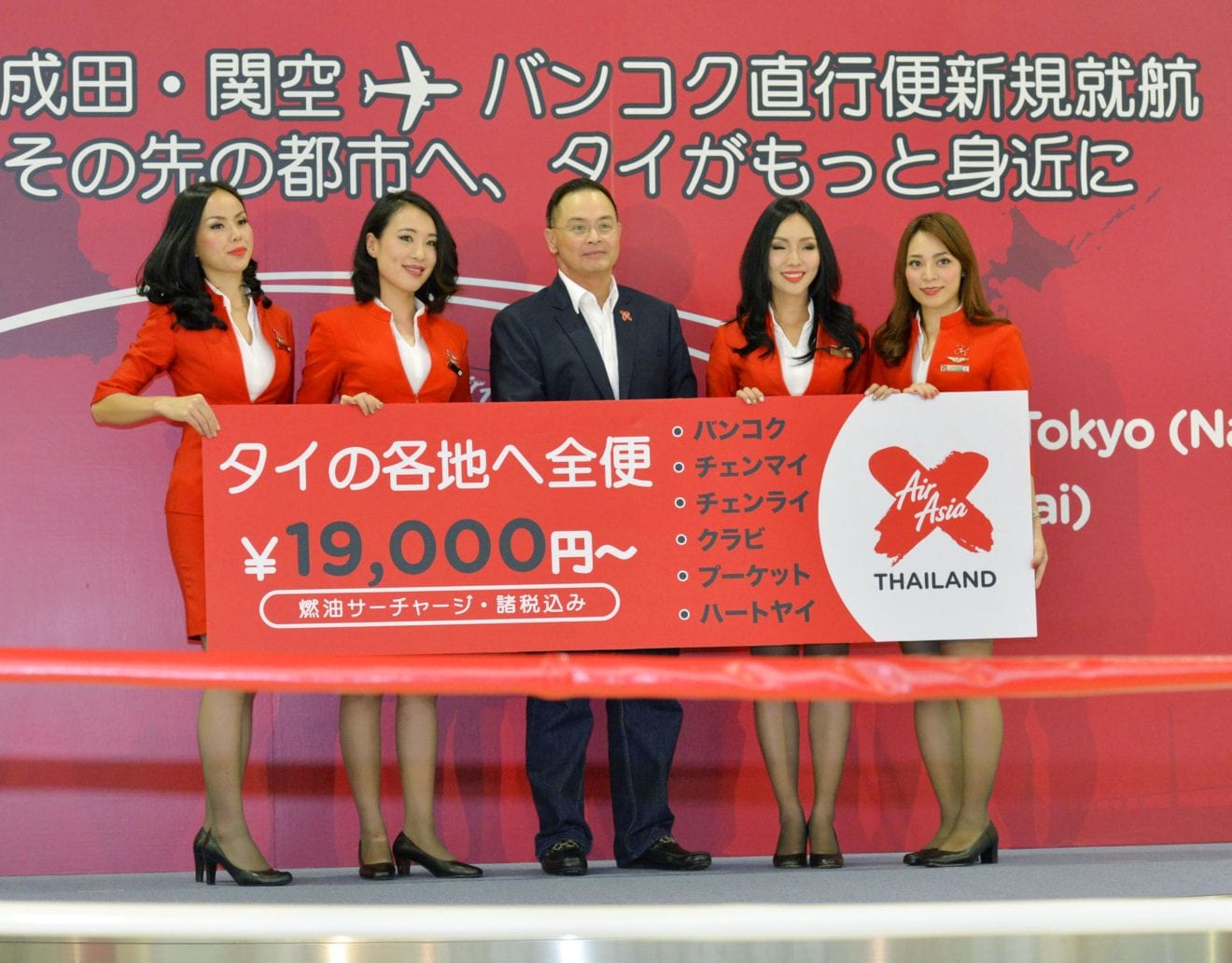
  • AirAsia Japan granted Air Operator’s Certificate

    AirAsia Japan granted Air Operator’s Certificate

    AirAsia Japan Co., Ltd. (CEO: Yoshinori Odagiri) recently announced that the airline has been granted the Air Operator’s Certificate by the Civil Aeronautics Act by Ministry of Land, Infrastructure, Transport and Tourism, under the air transport business, Japanese Aviation Law Article 100.

    AirAsia Japan is scheduled to commence operations from their base at Chubu Centrair International Airport in Aichi prefecture to Shin-Chitose Airport in Sapporo, Sendai Airport in Sendai and Taiwan Taoyuan International Airport in Taipei in Spring 2016.

    AirAsia Group CEO Tony Fernandes said, “We are very excited to be back in Japan. We have fantastic partners here and we are united in the vision to change the way people travel in Japan. Centrair Airport is a fantastic base and with our new routes, we look forward not only to enable the Japanese to enjoy our direct destinations but to connect them to the rest of Asia and beyond on our extensive network.”

  • Uniqlo Denver displaces famous bookstore

    Uniqlo Denver displaces famous bookstore

    Japanese apparel retailer Uniqlo is continuing its expansion in the US, signing up for a strategically significant flagship in Denver.

    Uniqlo Denver will open in the Pavilions shopping centre, downtown in the Colorado state capital, displacing the former anchor, bookstore Barnes & Noble.

    Pavilions is also home to Colorado’s largest H&M store, along with fashion brands Forever 21 and Banana Republic.

    Uniqlo’s first Rocky Mountain region store will open in autumn 2016 once Barnes & Noble moves out.

    The Uniqlo Denver flagship will featuring the brand’s full assortment of mens’, women’s and children’s lines. Pavilions management say it is the only store planned in Colorado by Uniqlo.

    “Introducing new global brands to Denver is a key component of Gart Properties’ strategy for Denver Pavilions,” said Mark Sidell, president of Gart Properties, which owns the Denver Pavilions with another Denver family. “Opening the flagship Uniqlo store in the Rocky Mountain Region is a big win for downtown Denver. It’s sure to be a tourist attraction in addition to serving shoppers from all across the city and the state.”

    Uniqlo currently has 42 stores in the US, selling comfortable, affordable and stylish casual apparel for men, women and children in natural and synthetic fabrics engineered to perform in varying climates and weather conditions.

    Pavilions says it expects Uniqlo will strengthen the retail environment in downtown Denver and positively impact the downtown economy.

    “In addition to creating local jobs, Uniqlo seeks to partner with local organisations and municipalities to give back to the communities where their customers live and work through a CSR program.

  • Fast Retailing US to slow rollout

    Fast Retailing US to slow rollout

    Fast Retailing US, the North American business unit of Japan’s largest apparel retailer is to slow its Uniqlo store roll out program after heavy losses.

    The Japanese company missed its earnings target in the latest quarter and posted losses due to a US$134 million  impairment charge relating to its 42-strong US Uniqlo store network and the poor performance of other brands there, including the J Brand denim label.

    Last year, Uniqlo opened 15 new stores in the US market – this year it will open just five.

    But the company remains committed to the US market – last week it was announced it had signed a lease to take an anchor tenancy in a downtown Denver shopping mall.

    The Financial Times quoted CEO Tadashi Yanai: “The brand penetration in big cities such as New York, San Francisco and Chicago – where we will open a new store – is good, but not in the suburbs.

    “We need to overhaul our policy for opening new stores.”

    CFO Takeshi Okazaki admitted in an earnings briefing: “The brand also still doesn’t have a lot of recognition in the United States.”

    Yanai will relocate a management team to the US to review operations there and try to revive sales growth, with a fresh strategy to be developed. In the year to the end of August, Fast Retailing reported a 48 per cent growth in net profit to JPY110 billion, (US$914,685,200) 10 billion lower than its earnings guidance three months earlier. It also incurred losses on the refurbishment of its Oxford St, London, and Shanghai flagships.

    Annual sales rose 22 per cent to JPY1.68 trillion (US$13.9 billion) largely due to growing demand for its products in China and South Korea.

  • Blooming Sweet nail art concept goes global

    Blooming Sweet nail art concept goes global

    Blooming Sweet, the online shopping mall specialising in DIY nail art materials is rapidly gaining popularity in Hong Kong, Japan, Singapore and the US.

    CEO Kim Sun-Hee has been a famous nail artist in Korea for over 10 years, and launched Blooming Sweet in 2011 to promote the nail art market in Korea.

    Currently, Blooming Sweet carries gel nail products and accessories essential for creating nail art. Unlike existing nail polish products, gel is applied to nails and cured under an LED or UV lamp. Gel nails have gained great popularity for their excellent colors and long-lasting effects.

    Blooming Sweet has been selling its products worldwide since 2012 after participating in an international expo held in Japan, a pivotal moment which led to an influx of orders from buyers globally. Blooming Sweet also sells customised accessories especially designed based on suggestions by buyers keeping in mind the local circumstances and trends.

    The products of Blooming Sweet can be purchased through both Korean and English pages of theonline shopping mall developed by Korea’s largest eCommerce solution brand, cafe24.

    “It would be great if products related with K-Beauty can gain more international recognition,” said Kim, later adding: “Blooming Sweet will continuously make efforts to learn about the beauty trends around the world to grow into the world’s best nail art brand.”

  • Asia luxury goods market still growing

    The Asia luxury goods market is still growing rapidly despite negative press about Hong Kong, Macau and deteriorating China spending.

    Luxury goods retail sales in Asia-Pacific are expected to reach US$134.9 billion by 2019, growing at a CAGR of seven per cent during 2014-2019, according to the report Luxury Goods Retailing Market in Asia-Pacific, 2014-2019 Market and Category Expenditure and Forecasts, Trends, and Competitive Landscape.

    Japan will remain the largest Asia Pacific luxury goods market amid a slowdown in China and India’s luxury goods market is the fastest growing in Asia-Pacific, driven by rising disposable income, growing fascination towards luxury brands, and the desire of high earners to differentiate themselves from others.

    The report says jewellery, watches and accessories is the largest and fastest growing category in the region, driven by higher spending on jewellery and watches by Chinese, Japanese, and Korean consumers.

    The Hong Kong luxury goods market is struggling due to political unrest and reduced Chinese spending. A luxury tax exemption is expected to boost luxury goods consumption in Indonesia.

    Social messaging apps is a trending marketing channel for luxury brands, as the digital channel is influencing the purchasing decisions and pattern of consumers.

  • Aeon Living Plaza opens at HKIA

    Aeon Living Plaza opens at HKIA

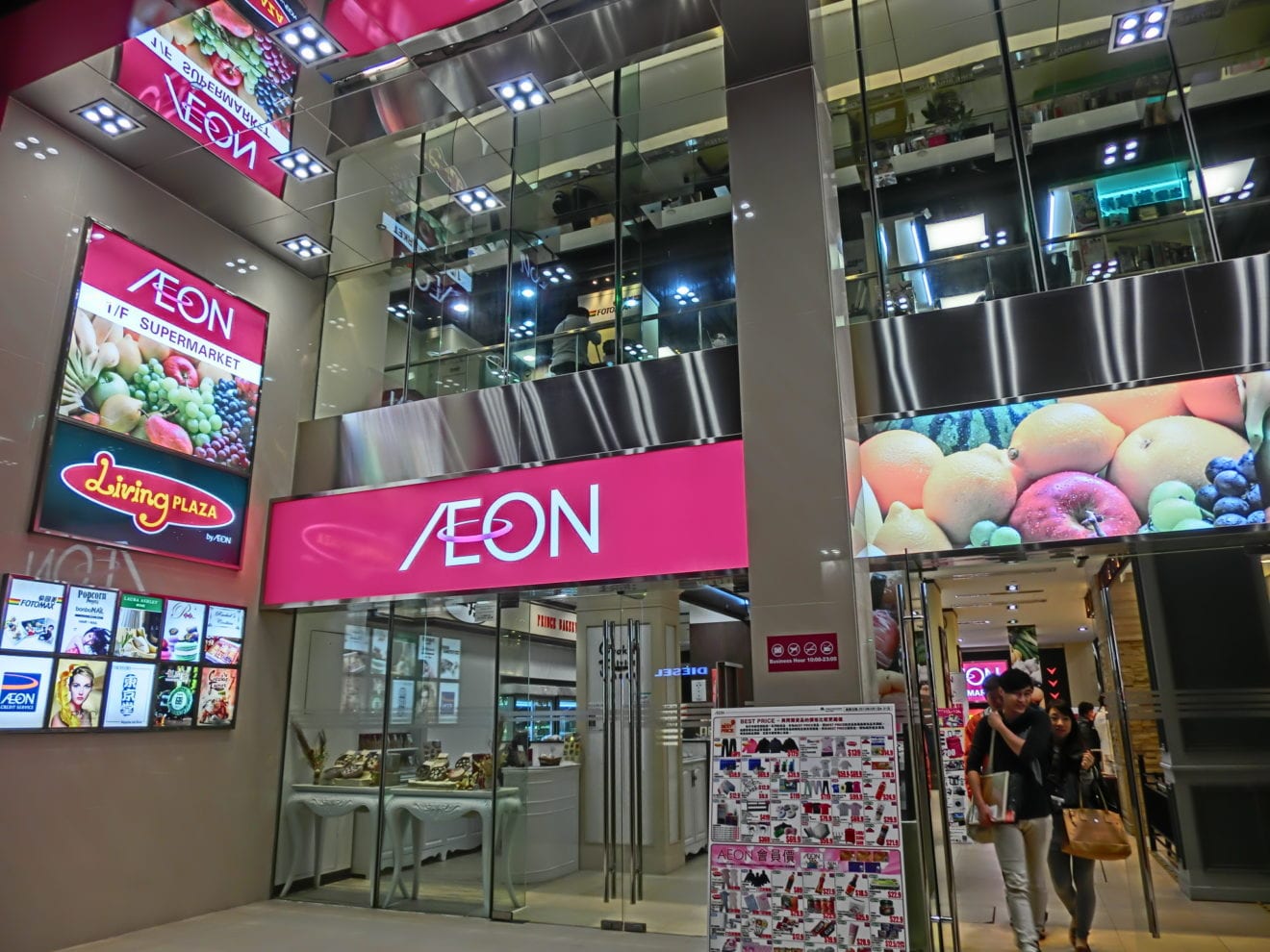
    Aeon Living Plaza has opened at Hong Kong International Airport.

    The new 4200 sqft store offers 8000 items ranging from snacks and convenience items through to home furnishings, fine stationery and other giftwares.

    Aeon Living Plaza at HKIA 1

    The shop takes up three retail spaces on the second floor of Terminal 2 and trades from 9am to 9pm daily.

    Aeon Stores (Hong Kong) Department Store was founded in 1987 and listed on the Hong Kong Stock Exchange in 1994. It operates eight integrated general merchandise department stores (GMS) in Hong Kong, five supermarkets, 27 Living Plaza by Aeon stores, six Bento Express by Aeon and two independent La Bohéme Bakery outlets. In Guangdong Province it has opened 20 GMS stores, six independent supermarkets and two shopping centres.

    Aeon Living Plaza at HKIA 2

  • Asia mCommerce shopping soars

    Asia mCommerce shopping soars

    Asia Pacific consumers are increasingly likely to make their online purchases and bill payments through mobile devices (mobile phone or tablet), rather than via desktops, according to Visa’s 2015 Regional eCommerce Monitor Survey.

    The survey, which polled 11,760 respondents from 13 markets in Asia Pacific, found respondents reported an average 22 per cent increase from 2014 in Asia mCommerce shopping.

    Respondents from Indonesia (36 per cent), Mainland China (34 per cent) and Taiwan (28 per cent) reported the greatest growth in mCommerce during the year.

    The rising popularity of mCommerce among Asia Pacific consumers is narrowing the gap with traditional eCommerce channels such as laptops or desktop computers across the region. In Thailand, consumers are as likely to purchase using their mobile devices as through desktops, while the mCommerce-eCommerce gap in markets such as Mainland China (eight per cent), Korea (nine per cent) and Indonesia (nine per cent) is decreasing.

    Visa’s regional director for eCommerce, Conor Lynch said the results show that making purchases on the go through mobile devices is becoming the norm in Asia Pacific.

    “As consumers get more comfortable using their smart devices to research, browse and purchase, mCommerce should soon overtake traditional eCommerce habits, strengthening this channel of engagement between consumers and retailers.”

    The survey also found travel, bill payments and movies were the top spending categories for eCommerce in general across Asia.

    For mCommerce, the top three categories are also fashion, bills and movies at 27 per cent each.

    “Across Asia Pacific, we are seeing that ticket-size, as well as the nature of the purchase, impacts how consumers purchase goods and services online. Consumers in this part of the world, are already comfortable purchasing smaller ticket-sized, everyday items by clicking the purchase button on an app or checkout button on a mobile device,” Lynch said.

    Another continuing trend revealed by the survey is the tendency for consumers to engage in cross-border online shopping. In particular, consumers from Singapore (77 per cent), Australia and Hong Kong (75 per cent) and New Zealand (74 per cent), are the most likely to make online purchases from retailers abroad, well above the regional average of 55 per cent. On the other hand, consumers from Japan (81 per cent), Taiwan (61 per cent) and Vietnam (57 per cent) are more likely to shop at domestic online stores.

    When shopping online with an overseas retailer, price (68 per cent), access to products (60 per cent), paying and delivery processes (40 per cent) and reputation of products (29 per cent) are key motivations for Asia Pacific consumers.

    The Visa eCommerce Monitor Survey 2015 was conducted by ORC International Singapore with 11,760 consumers, aged 15 to 55 years and across 13 countries and markets – Australia, Mainland China, Hong Kong, India, Indonesia, Japan, Malaysia, New Zealand, Singapore, South Korea, Taiwan, Thailand and Vietnam in May and June 2015.

  • Origami launches payment service

    Origami launches payment service

    Origami, a social eCommerce startup for fashion and lifestyle products, is entering the offline payments fold.

    The startup, one of Japan’s most-funded, has announced the beta release of ‘Pay with Origami’ and ‘Shop Reward Program’. The new services allow existing users to pay for items at bricks-and-mortar retailers with credentials stored in the Origami app. They will also help retailers connect the dots between their customer’s online and offline purchases, data that can be used to provide special perks and incentives for repeat shoppers.

    Founded in February 2012, Origami unveiled its online-to-offline (O2O) mobile shopping app in April 2013. Users can follow their favorite brands within the app and receive updates when new items are introduced. It also recommends lesser-known brands and boutiques based on existing likes and purchase history. Users can share their likes and follows on social media, creating free advertising for the startup’s partner merchants.

    Approximately 100 influential brands – including Hankyu Men’s Tokyo, Urban Research, Head Porter, Toms, and MoMA Design Store – are scheduled to join Origami’s payments beta.

    “I created Origami to become a fintech company, but we decided to start with fashion- and lifestyle-focused mobile commerce” Origami founder and CEO Yoshiki Yasui told Tech in Asia.

    “They already have the followers on Facebook and Twitter, they have the best retail locations, and they set the benchmarks for other brands to look up to.”

    With its focus on O2O from the outset, it makes sense for Origami to offer an offline payments solution that keeps users and merchants within a single ecosystem. But becoming a force in Japan’s crowded offline payments space will be easier said than done.

    When you step up to a cash register in Japan, you’re often met by one or more contactless payment terminals for a seemingly endless variety of RFID-compatible cards and mobile phones (though NFC options remain slim to none). You can use your subway pass to buy a bottled water or your flip phone to buy a Big Mac, for example, but these options are largely limited to convenience stores and fast-food chains.

    Fashion retail is almost entirely cash or credit, and nearly 40 per cent of all consumer transactions in Japan are done with cash.

    ‘Origami for Business’ will use an iPad-based payment terminal without replacing the merchant’s existing POS systems. When an Origami user wants to make an in-store purchase, they simply scan a QR code with their smartphone or enter a six-digit pin code. Since Origami was born as an eCommerce platform, Yoshiki says that many users’ credit card details are already registered with the app.

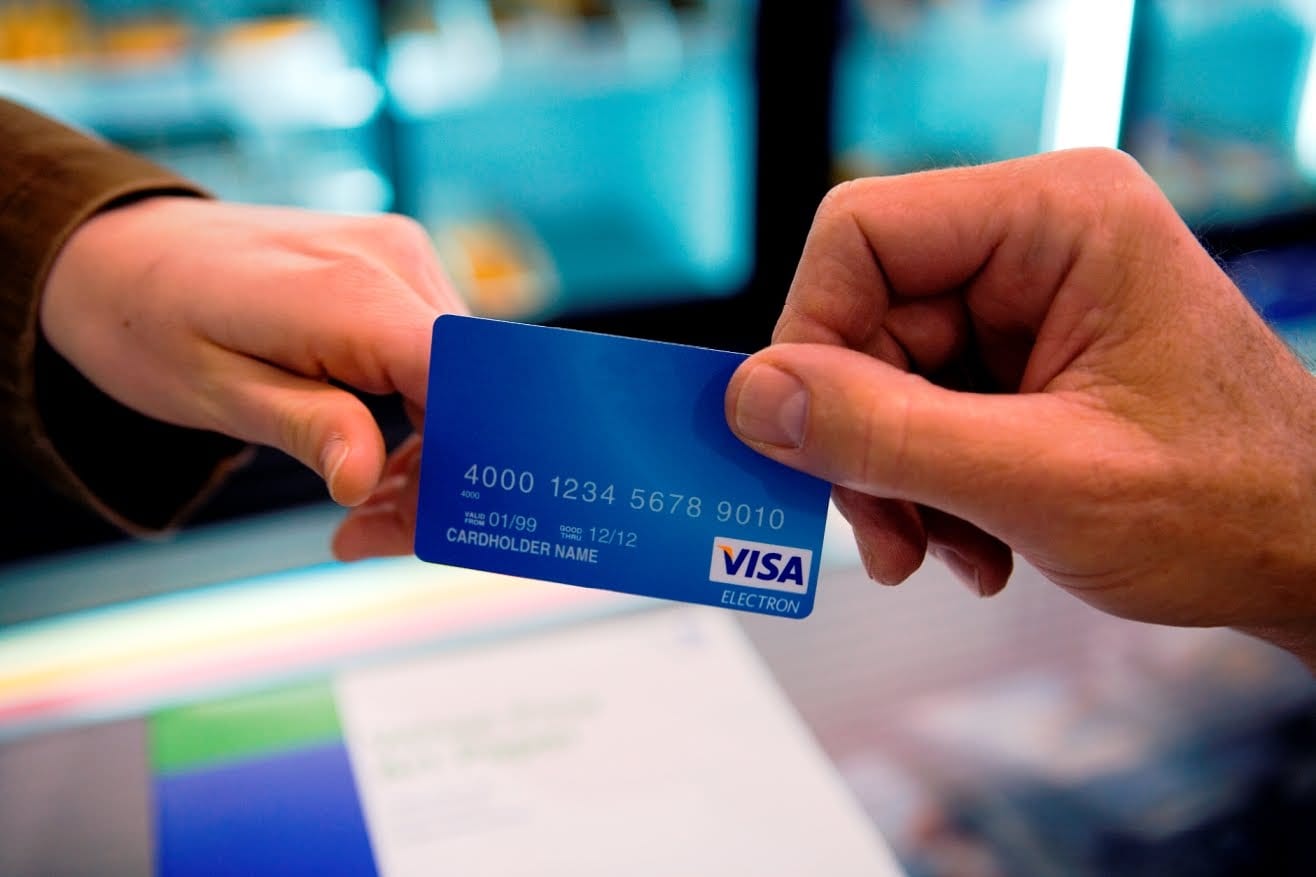
    Pay with Origami and the startup’s new reward program are currently available in beta for iOS, with an Android version in the works. Origami accepts Visa and MasterCard for in-store payments, with more credit card options coming soon. They charge partner shops 3.25 per cent per transaction.

    The startup’s two biggest advantages over existing offline payment options will be that captive app audience and its founder’s connections in the financial world – Yoshiki was an investment banker and venture capitalist before becoming an entrepreneur.

    “Payments and eCommerce are the same, the only difference is online versus offline,” Yoshiki said.

    “If you buy three items from a retailer’s online store, then the fourth purchase is made in-store, you get treated like a first-time customer. That’s just wrong.”

    According to Techlist data, Origami is among Japan’s top-10 most highly-funded startups.

  • Japan retail sales cause concern

    Japan retail sales cause concern

    Japan retail sales in August rose 0.8 per cent according to official data released on Wednesday.

    That was a full 0.4 per cent – or one third – below market expectations, fuelling concerns about the state of the nation’s fragile economy.

    The figure from the Ministry of Economy, Trade and Industry followed a healthier 1.8 per cent increase in July.

    Once seasonally adjusted, retail sales were flat in August – worse than the anticipated 0.5 per cent increase, and well down on the 1.4 per cent rise of July.

    ‘Large retailers’ reported sales were up 1.8 per cent year on year, near the 2.1 per cent of July and ahead of the forecast 1.3 per cent.

    The only bright news on Japan’s retail sales front in recent month has been the increased spending by Mainland Chinese tourists, opting to take vacations there or Europe instead of their more traditional destination, Hong Kong.

  • Now AirAsia can fly again in Japan

    Now AirAsia can fly again in Japan

    AirAsia Japan Co Ltd, which recently reorganised its shareholding structure, has received the air operator’s certificate from the Ministry of Land, Infrastructure, Transport and Tourism.

    AirAsia said in a statement that AirAsia Japan was scheduled to begin operations from its base at Chubu Centrair International Airport in Aichi prefecture to Shin-Chitose Airport in Sapporo, Sendai Airport in Sendai and Taiwan Taoyuan International Airport in Taipei in spring 2016.

    AirAsia group CEO Tan Sri Tony Fernandes said: “We are very excited to be back in Japan. We have fantastic partners here and we are united in the vision to change the way people travel in Japan.

    “Centrair Airport is a fantastic base and with our new routes, we look forward not only to enable the Japanese to enjoy our direct destinations but to connect them to the rest of Asia and beyond on our extensive network.”

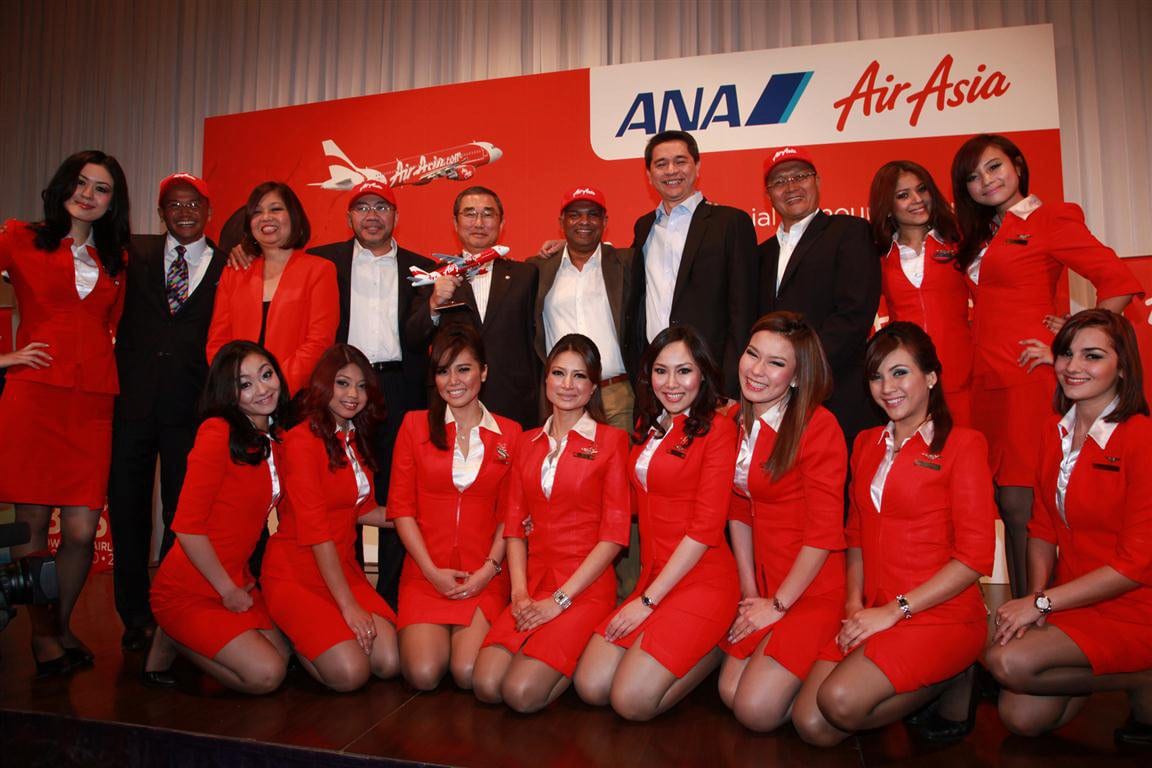
    AirAsia first tried to enter the Japanese market by collaboratng with All Nippon Airways Co Ltd (ANA) in July 2011, but AirAsia withdrew from the joint venture in June 2013 due to “different management styles”.

  • JCB Starts Trials of Payment by Palm for Practical Application

    JCB Starts Trials of Payment by Palm for Practical Application

    JCB Co., Ltd. (“JCB”), the only international payment brand based in Japan, will be conducting a trial of payment using palm vein authentication in corporation with Fujitsu Limited and Fujitsu Frontech Limited. The trial will be held at the JCB World Conference in October, an event attended by JCB partner companies and financial institutions from around the world.

    Payment by palm leverages the JCB global network with Fujitsu’s palm vein authentication technology, one of the most accurate biometric authentication technologies in the world. After linking a palm vein pattern and payment card information, customers can make a simple, fast and secure payment by using palm. Multiple cards can be linked to one pattern, and customer does not need to bring his or her wallet or any mobile payment device.

    Palm vein authentication is highly accurate (see “About Palm Vein Authentication”), and already being used for many applications such as bank ATMs and high security area access control systems. Incorporating this authentication method with the JCB global network will create the world’s first payment way of its kind.

    In addition to the trial at JCB World Conference in October, JCB has already conducted a trial of, involving several hundred employees at the JCB headquarters in Tokyo in July 2015.

    “We are planning pilots in different global markets in order to develop a unique biometric-based program using the most secure accurate palm vein authentication, followed by the trial at the JCB World Conference. I am confident that this new payment method using innovative technology will be in line with the needs of JCB customers and partners around the world,” Tac Watanabe, Executive Vice President, Brand Infrastructure & Technologies of JCB, said.

  • Fast Retailing launches refugee initiative

    Fast Retailing launches refugee initiative

    Japanese retail company Fast Retailing has launched HELP, a global initiative to help clothe refugees.

    The project – dubbed 10 Million Ways to HELP will be run in conjunction with the UNHCR.

    Collection starts at Uniqlo and GU on October 2 at stores around Japan and from mid-October in other markets.

    According to a Uniqlo statement, UNHCR estimates the number of women, men, and children forcibly displaced owing to armed conflict and other causes reached 59.5 million by the end of 2014 – the highest since the end of World War II – prompting Fast Retailing to respond.

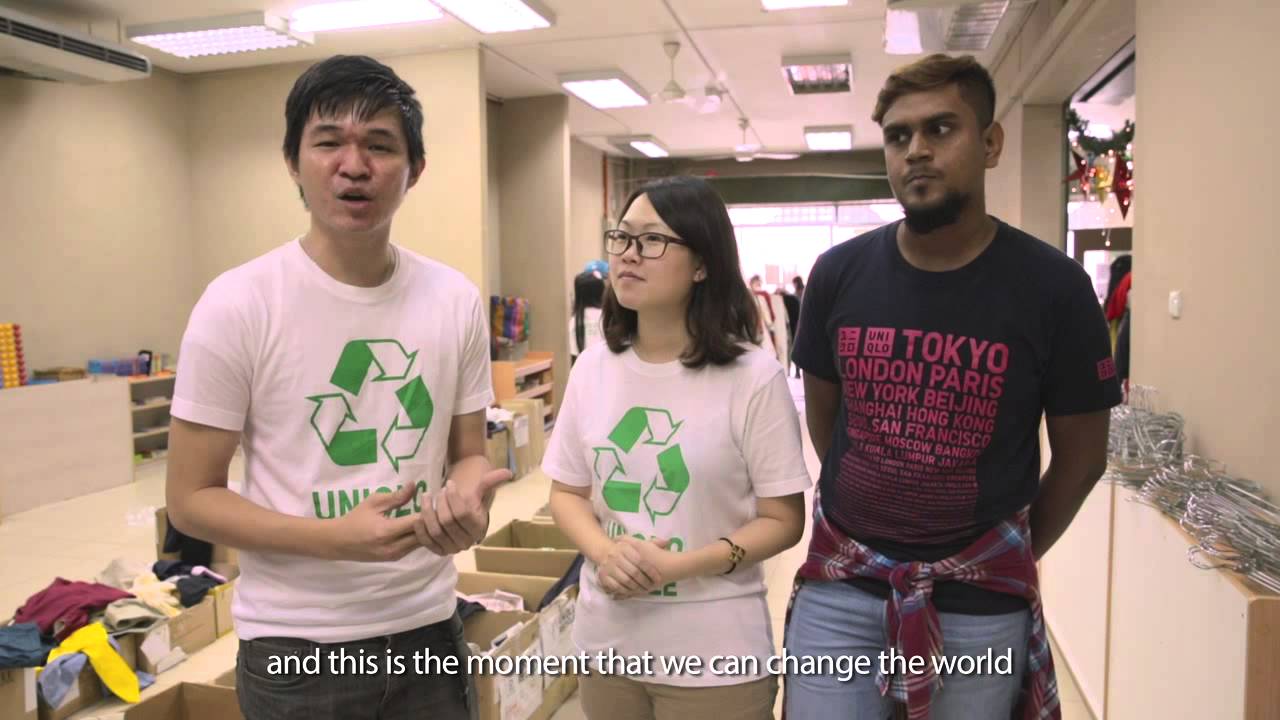
    Fast Retailing has been implementing an All-Product Recycling Initiative to provide clothing to refugees since 2006, and in 2011 became the first company headquartered in Asia to establish a global partnership with UNHCR. As part of the initiative, Fast Retailing has also launched a drive to collect clothing from employees.

    Around 90 per cent of the clothing that Fast Retailing has collected to date through its All-Product Recycling Initiative has been in wearable condition. As of the end of April 2015, more than 10 million items from the company had been delivered to refugees in 37 countries by UNHCR, including those in Jordan, Syria, Thailand and Nepal.

    As another contribution to alleviate the plight of displaced people, from 2011 Fast Retailing has operated an internship program at Uniqlo stores in Japan for refugees and their family members, offering invaluable work experience to promote their self-reliance.