Retail News CRM

Tag: Japan

  • Legendary Kyoto Tearoom ‘Nakamura Tokichi’ Launching New Autumn-Winter Delicacies

    Legendary Kyoto Tearoom ‘Nakamura Tokichi’ Launching New Autumn-Winter Delicacies

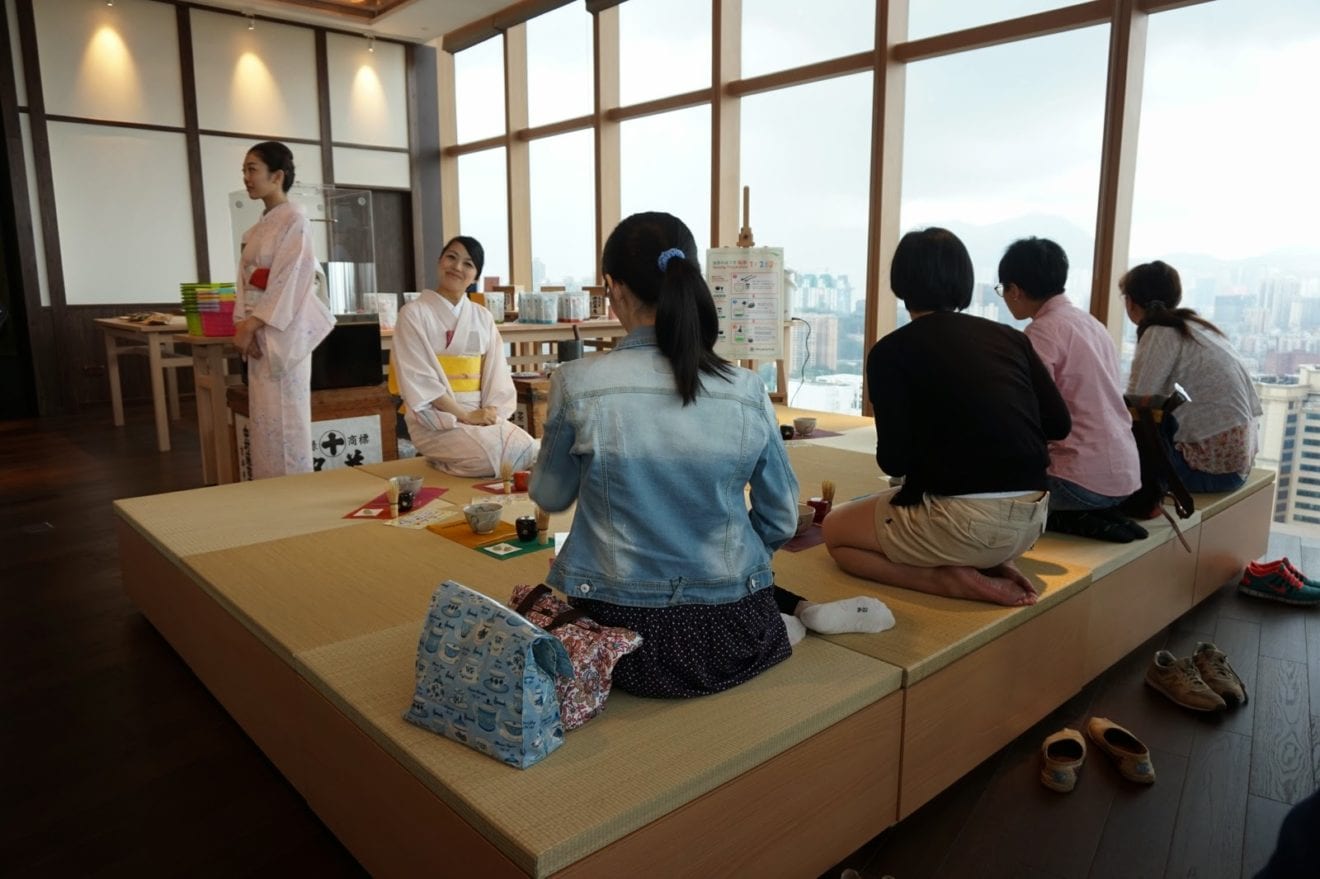
    Legendary Japanese tearoom Nakamura Tokichi unveils its first season of autumn-winter delicacies on October 1 at their first overseas branch in Hong Kong.

    Since the successful launched in May, this historic Kyoto tearoom brand has become an overnight success story in Hong Kong, beloved for its famously unique green tea treats. The launch of its first new seasonal specialties now promises to flood social media, with inevitable queues by fans keen to be the first to sample the latest delicacies.

    Famed chestnut from Aichi in Nagoya is the annual awaited seasonal ingredient, Nakamura Tokichi bringing in a range of new items that will be serve from October 1 till December.

    The new Chestnut Maruto Parfait (HK$108) sumptuously layered with the unique sweet potato puree and homemade chestnut fresh cream which match perfectly well with the matcha & hojicha flavours tea jelly, ice-cream and two chestnut varieties, which is available at the Tearoom.

    The irresistible Chestnut Financier Cakes (HK$33) made in two flavours – Matcha or Hojicha comes in with a whole Japanese chestnut in the middle of the Cakes. Last but not least to complete the chestnut season with the Nakamura Tokichi’s inimitable Chestnut Matcha Yokan (HK$108), this limited version added in crushed chestnuts which pairs well with green tea.

    MEEc23PK5J_Vby8ZDIwy3jNSo_U0AE9m5JDGzT8Qt48

    Apart from the seasonal items, the latest addition to the Gift Shop from October 1 will be the all-time-favourite Gateau Chocolate Cake (HK$218) comes with rich matcha flavour and a well mix with white chocolate, when serve it warm with fresh cream or ice-cream it brings out another level of fragrance.

    Nakamura Tokichi opens daily from 11am – 9:15pm and extending the operation hours from Oct till 10pm. HK$10 tea charges per person, and customers are requested to order minimum of 1 drink/ 1 food item at shop.

  • Instagram users top 400 million as Japan and Indonesia growth soars

    Instagram users top 400 million as Japan and Indonesia growth soars

    Instagram has rocketed past the 400-million-user mark, with more than 80 million pictures shared daily at the Facebook-owned service.

    The number of people sharing pictures and videos each month using Instagram soared from 300 million at the start of this year and tops the number of people using Twitter monthly by nearly 100 million.

    “While milestones like this are important, what really excites us is the way that visual communication makes the world feel a little bit smaller to every one of us,” Instagram said in a blog post.

    “Instagrammers continue to capture incredible photos and videos from all corners of the Earth (and even the solar system).”

    More than half of the last 100 million people to join Instagram live in Europe or Asia, with Brazil, Japan, and Indonesia seeing the strongest growth, according to the service.

    The list of high-profile new Instagram users who quickly won legions of followers included David Beckham, Caitlyn Jenner and footballer Toni Kroos.

    Earlier this month, Instagram unveiled plans to expand its offerings to advertisers, opening up possibilities for global marketing efforts on the photo-sharing network.

    The expansion is intended to allow advertisers to launch global campaigns in a variety of formats, including video ads of up to 30 seconds.

    Instagram, which was acquired by Facebook in 2012, has had only limited advertising opportunities up to now.

    In 2013, it began with a small number of “sponsored” posts by well-known brands such as Michael Kors and Adidas.

    The new system could help Instagram generate considerably more revenue.

    Instagram also introduced a service called Marquee, a “premium” advertising product aimed at driving mass awareness in a short time-frame for events like movie premieres and new product launches.

    Industry tracker eMarketer estimates that Instagram’s worldwide ad revenue this year will grow rapidly, hitting $600 million.

    Instagram is seen as a potential growth segment for Facebook, which has nearly 1.5 billion users.

    Last month, Instagram broke its square mold with an update that adds portrait and landscape formats to the image-sharing smartphone application, which also opened up new possibilities for advertisers.

    Meanwhile, Twitter continues to search for a new leader since Dick Costolo announced on June 12 he was stepping down, with co-founder Jack Dorsey holding the job on an interim basis since July 1.

    The unusually long search has some investors and analysts worried over the future of Twitter, which has failed to ignite the kind of growth that many had anticipated when it launched its public offering in 2013.

  • Nojima commences Vietnam rollout

    Nojima commences Vietnam rollout

    Japanese consumer electronics retailer Nojima is about to commence its store rollout program in Vietnam, following its acquisition of an additional  21 per cent of local chain Tran Anh Digital Worldlast June.

    The first of the new stores will carry both retailer’s brands when it opens in October inside the new Aeon shopping centre, currently under completion on the outskirts of the capital city Hanoi.

    Like the Nojima stores in Japan, the Hanoi shop will feature wide aisles and LED lighting, and stock a range of Japanese brand appliances. It will also stock Nojima’s house brand Elsonic.

    Tran Anh is based in Hanoi and has 15 stores in the northern regions of Vietnam. It is on track to open as many as nine more stores this year.

    Research house GfK reports home electronics sales in Vietnam exceeded US$5.5 billion last year, the second year in a row growth in the category has exceeded 20 per cent year on year.

    Nojima had held 10 per cent of the shares in Tran Anh before June and now owns about 31 per cent of the business.

  • Lawson to accept UnionPay

    Lawson to accept UnionPay

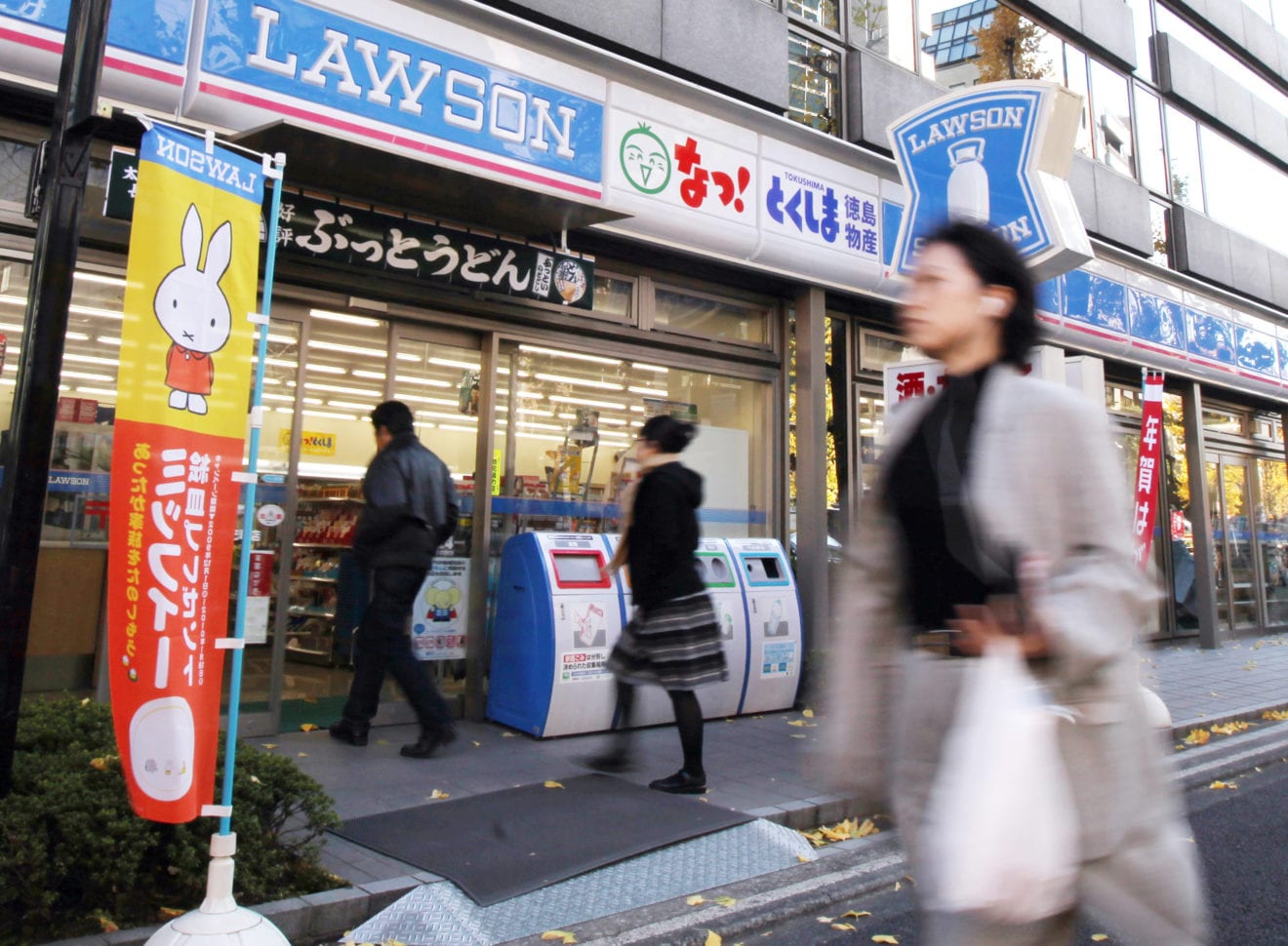
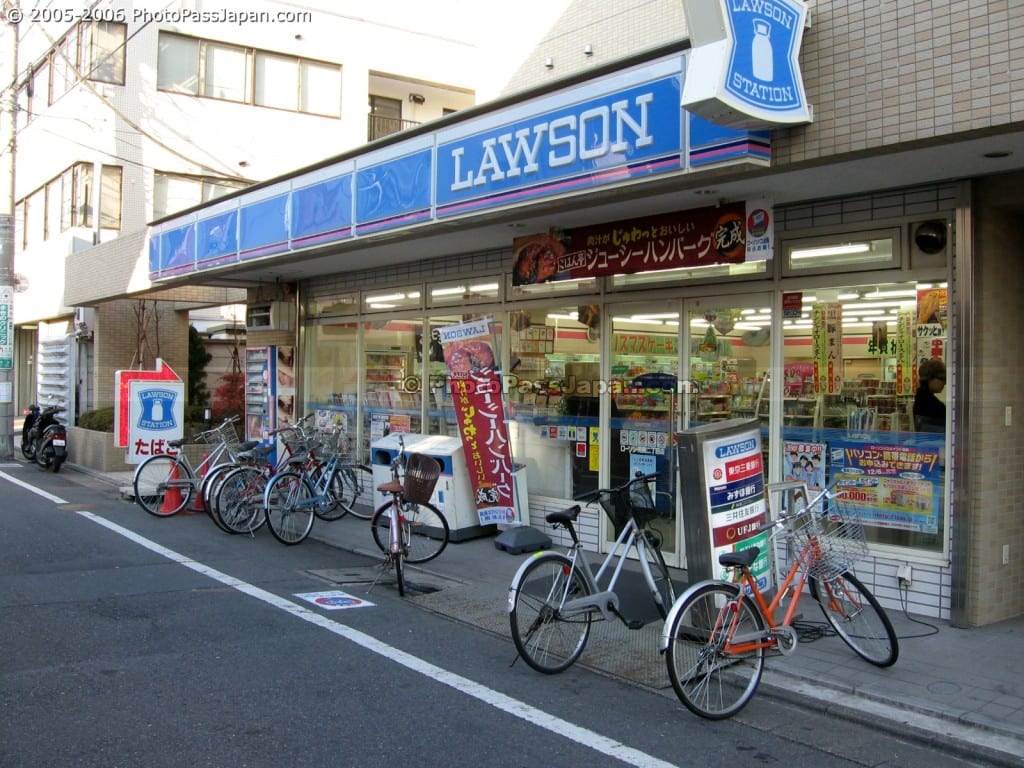
    Japanese retailer Lawson has installed 1000 ATMs in a new network to help Chinese tourists access their cash via UnionPay cards.

    And from September 24, customers will be able to pay for purchases using UnionPay credit cards at all Lawson stores in Japan – that’s 12,195 stores, trading under the Lawson, Natural Lawson and Lawson Store 100 banners.

    From September 28, customers can also withdraw Japanese yen by UnionPay credit or debit card on the newly introduced ATM network which will eventually be expanded to more than 2000.

    During the Chinese National Day holidays, a large number of Chinese tourists are expected to visit Japan. During this holiday season, Lawson will launch a coupon campaign for customers who use the UnionPay credit card for settlement. Customers who have purchased over 2000 JPY worth of goods using a UnionPay credit card can get a 200 JPY coupon ticket which can be used for their next purchase.

    The campaign runs through the month of October and the coupons can be used until November 7.

    At Lawson stores in Japan, the average shopping amount per payment is 600 JPY. Spending on credit cards is more than twice as much, at around 1300 JPY. Furthermore, in some pre-launched stores where payment by UnionPay card is already available, the average shopping amount made by UnionPay card jumps to about 3000 to 4000 JPY.

    Foreign visitors going to Lawson stores buy not only rice balls and drinks, but also confectionery and daily goods as souvenirs. This campaign will be able to meet a wide range of needs from foreign visitors to Lawson stores.

  • Japanese food traders target more exports to Thailand

    Japanese food traders target more exports to Thailand

    Last year, Japan’s exports of food and farm products reached 610.7 billion yen.

    Koichi Takano, director of the agriculture, forestry, fisheries and food division at the Japan External Trade Organisation (Jetro), said Thailand was a high-potential market because many Thais liked Japanese foods, while the country is a centre of Asean, which means many visitors come here.

    Thailand is Japan’s six-largest food importer, with imports last year worth 248 billion yen, up by 1.1 per cent from 2013. In the first half of this year, Japanese food imports by Thailand increased considerably, by 4.9 per cent year on year.

    Most Japanese food companies are small and medium-sized enterprises.

    Last week, Jetro Bangkok held a business-matching event between 40 Japanese food enterprises and more than 200 Thai businesses, including modern trade, retail and wholesale, hotels and restaurants. The event aimed to increase trade opportunities for Japanese producers of food and agricultural products in Thailand.

    Sachio Takiyama, director of Jetro Bangkok’s trade promotion department, said the organisation expected that each Japanese firm participating in this event would secure at least one trading contract or one business transaction with a Thai company.

    He said that with the rising popularity of Japanese restaurants here, Thailand would import more raw materials and food products from Japan.

    According to a Jetro survey in August, the number of Japanese restaurants in Thailand had grown by 11.5 per cent year-on-year to 2,364.

    Takiyama said Jetro Bangkok expected the number of Japanese restaurants in Thailand to increase by 10 per cent a year. Thus there is a strong opportunity for more exports of Japanese foods, rice and raw materials, as well as alcoholic beverages, to Thailand in the near future.

    Japanese products with high potential for export to Thai markets are premium-grade meat, alcoholic beverages, fish, and fruits and vegetables.

    Kouda Mayumi, a member of the technical staff of the beef promotion section of the Oita prefectural government, said the prefecture had started to export premium-grade beef to Thailand via Japanese importers last year, with a total volume of about 2 tonnes. She foresees strong demand in the Thai market.

    Shingo Yamashita, senior adviser to Azuma-Cho Fisheries, said demand for fresh fish in Thailand was expected to increase considerably as spending power rose along with the popularity of Japanese restaurants here.

    The company exports about 50 tonnes of buri fish, also known as yellowtail, to Thailand each year.

    Masanobu Miyazaki of JTF Trading, an importer of beef and fish from Japan to Thailand, said demand for Japanese food here had increased strongly over the past few years.

    Vegetables

    Takashi Kato, assistant manager of Bangkok Food System, an exporter of Thai vegetables to Japan and importer of Japanese food to the Thai market, said the company had exported Thai vegetables to Japan for more than 30 years.

    It foresees imports of Japanese foods to Thailand increasing, due not only to demand from Thais themselves but to the rising number of Japanese residents in this country.

    “Now, with higher demand for Japanese foods, we will import Japanese rice, vegetables and fruits to Thai markets to serve restaurants and supermarkets,” he said.

    Haruhiko Sunakawa of Okayama Fruits Company wants to export Muscat grapes to Thailand, along with other fruits such as peaches and strawberries.

    He is now looking for distributors or modern trade outlets to buy such products.

    Kyoko Yoshida, director of Shiyoshida-Syuzou, a producer and trader of shochu, a distilled beverage, said the company has started to introduce the product to the Thai market two years ago. So far, the company has exported it to some Japanese restaurants in Bangkok, and wants to seek |modern-trade partners as distributors.
  • Korea more active than Japan in Southeast Asian tech

    Korea more active than Japan in Southeast Asian tech

    In a region where masses of users are newly armed with smartphones and more spending power, Southeast Asia is a new gold mine for tech enterprises.

    China’s quickly saturating market for all things tech has pushed Asia-bound start-ups to seek new territory, and global companies like Rakuten, eBay and Rocket Internet are vying over Southeast Asia with no clear winner ― meaning plenty of opportunities still abound for new players.

    Those conditions drew Korean-Japanese entrepreneur Tesong Kim, who led e-commerce at Japanese investor Rakuten’s offices in Tokyo and Jakarta, to launch his own discount retail start-up VIP Plaza for fashion goods in Indonesia, Southeast Asia’s biggest market, in 2014, and recently expand to Malaysia.

    And Korea’s start-ups are joining the rush, he says.

    They seem to be making bigger waves there than in Japan. He cannot list any Korean start-ups with a big presence in the country, a closed, conservative market that is a nut nearly impossible for foreign companies to crack. But in expanding to Southeast Asian markets like Singapore, Indonesia and Malaysia, he says they are far more active than their Japanese rivals.

    “Korea is quite aggressive in Southeast Asia, I think more aggressive than Japan in terms of e-commerce start-ups,” he told The Korea Herald in an interview on the sidelines of tech start-up conference Tech in Asia Tokyo 2015 last week.

    “Korea is very crowded. The population is very small, geographically the landscape is very small, and there’s a lot of start-ups. So it’s quite packed, but I think Japanese investors think Korean start-ups can go global more than Japanese start-ups.”

    Indeed, SK Planet’s e-commerce retailer 11st is seen harnessing the region’s demand for Korean fashion and beauty products, while couples messenger Between and crowdsourcing translation app Flitto are also gaining traction in markets like Indonesia, Taiwan and Thailand.

    Meanwhile, Kim says Japanese start-ups are trapped at home, falling hard when they try to copy and paste their successful domestic strategies into new markets.

    But competition in Southeast Asia is heating up fast. Kim believes Korea’s KakaoTalk lost the messenger app war in the region to rivals like BlackBerry, WhatsApp, LINE ― one successful Japanese exception in the region ― and WeChat because it entered too late.

    That’s why it has pivoted to commercial services such as e-commerce when targeting markets like Indonesia, he said.

    Not that e-commerce is any easier, as Kim knows from his experience with Rakuten’s Indonesian e-commerce venture and starting his own online discount retailer. Handling logistics, acquiring products and dealing with fragmented, cash-based payment systems takes immense effort.

    But due to the region’s overall cheaper costs, he believes Korean and Japanese start-ups underestimate the investments they need to gain ground ― a mistake that will get them steamrolled in the market. “They think that with $1 million-$2 million, they can go to Indonesia, try to develop ― with that kind of mindset, they will never succeed,” he says. “All the very aggressive companies are investing into Southeast Asia with a very big amount of money.”

    Even for Korea’s prized e-retailer Coupang, which received a $1 billion boost from Japan’s SoftBank Ventures this year, it might already be too late to test the region’s waters, he said.

    “What they have is a know-how of how to sell things, of impulse buying. They have a system and good talents, but they are not localizing the region,” he said. “If they tackle some new country now, they need to invest in everything ― the products, warehouse, marketing and user acquisition.”

    But the market is already crowded by Lazada, Elivenia and Rakuten, not to mention 11st and Kim’s own start-up VIP Plaza. “I think it’s already too late in terms of social commerce,” he said. “The better strategy is buying out some local players. It’s not only easier, but much cheaper.”

    Still, Japan’s massive opportunities can’t be ignored, he says. Its app market is the biggest in the world, and gaming companies are seizing opportunities. “So in that sense, I think the market is still very big.”


  • Lotte chief vows to improve corporate governance

    Lotte chief vows to improve corporate governance

    By Kim Eun-jung

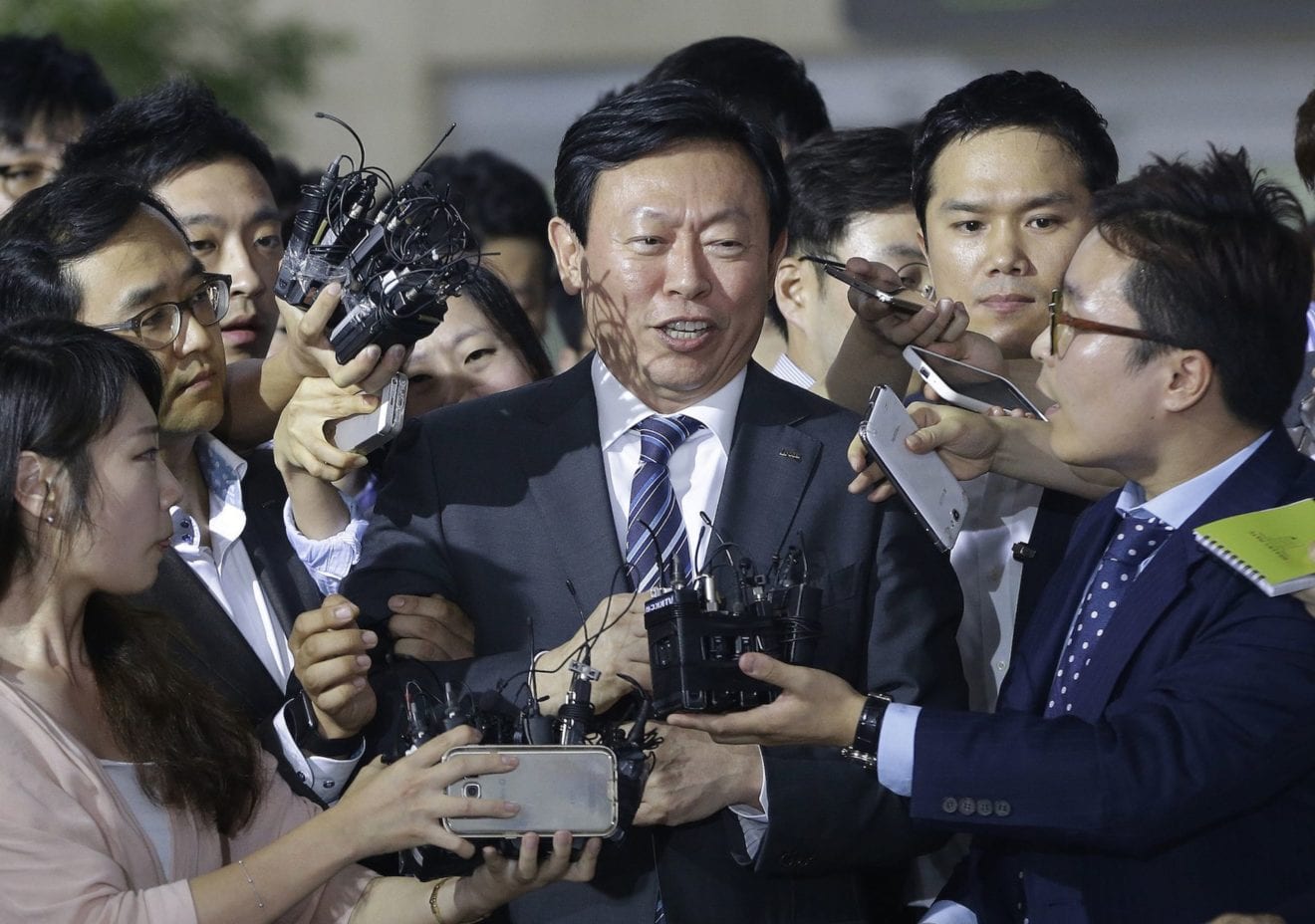
    SEOUL, Sept. 17 (Yonhap) — The chief of South Korean retail giant Lotte Group pledged Thursday to untangle a cobweb of cross-shareholding among its affiliates and speed up the listing process of its hotel unit.

    Testifying before a parliamentary committee, Shin Dong-bin also ruled out the possibility that Lotte, the fifth-largest family-run conglomerate in South Korea, may be embroiled in another family fight over leadership.

    Shin appeared before a parliamentary audit of the antitrust watchdog the Fair Trade Commission, tasked with assuaging public discontent after a bitter fraternal feud over winning control of the nation’s fifth-largest conglomerate.

    After winning the backing of Japanese shareholders last month, the 60-year-old has vowed to improve corporate transparency and list Hotel Lotte, a hotel and duty-free operator.

    During the nationally-televised audit session, Shin apologized for the family feud and vowed to clean up 80 percent of the cross-shareholding structure by the end of October.

    “We formed a task force to improve the governance structure and restore the brand image,” Shin said.

    Lotte has listed only eight companies and the core units are linked through unlisted Japanese units. Shareholders of the small Japanese firms remain largely shrouded in darkness because they are not subject to Korea’s financial disclosure rule.

    As part of reform efforts, Shin bought 35.8 billion won in Lotte Confectionery Co. shares from Lotte Construction on Aug. 28, clearing up about 34 percent of the cross-shareholding links.

    Shin said the task force is working on the initial public offering for Hotel Lotte, with plans to complete it by the first half of next year. Last week, Lotte selected three lead managers for the planned initial public offering.

    Hotel Lotte is 99 percent controlled by Japanese shareholders, including Tokyo-based Lotte Holdings and other unlisted Japanese companies.

    Lotte said earlier the hotel unit is expected to have a market capitalization of around 10 trillion won ($8.5 billion) when it lists, but market watchers estimate it could reach as much as 20 trillion won, considering its large stakes in affiliates and strong earnings.

    When repeatedly asked about the company’s identity, Shin said Lotte is a Korean company that generates most of its sales locally.

    “Lotte is a Korean company because it pays tax according to the Korean law and its employees are Koreans,” Shin said, noting he will maintain the Korean nationality.

    Founder Kyuk-ho was born in the South Korean port city of Ulsan, 414 kilometers south of Seoul, while his sons were born and raised in Japan by a Japanese mother.

    Lotte has tried to allay public discontent over its historic links to Japan as it could deal a harsh blow to the group that heavily relies on the retail, food and travel industries.

    Lotte was first established as a confectionery store in postwar Japan in 1948. It later expanded into Korea when diplomatic ties between Japan and Korea were normalized following Japan’s colonial rule from 1910 to 1945.

    Although lawmakers’ summoning businessmen has been a longstanding ritual as a way to flex their muscles in front of cameras, it is the first time the head of one of the nation’s top 10 family-run conglomerates, called chaebol, showed up before parliament to face acrimonious questions.

    Shin was called in for a 2013 parliamentary audit, but he evaded it, citing overseas trips and instead paid fines. But this time, negative public sentiment and growing government pressure left him no choice but to clarify issues related to the governance structure and other related issues.


  • Uniqlo Belgium to launch in Antwerp

    Uniqlo Belgium is to open its first store – in Antwerp, on October 2.

    The opening will mark a further expansion of Uniqlo parent Fast Retailing’s European footprint as it tries to achieve its goal of becoming the world’s largest apparel retailer by 2020.

    The new Antwerp store will have a total sales floor area of about 1320 sqm over two levels and a mezzanine floor. It will be a “large-scale Uniqlo store” featuring men’s, women’s, and kids’ clothing. In addition to the 2015 Fall/Winter collection, customers will also find the collaboration line created jointly with apparel brand Lemaire, led by Christophe Lemaire and Sarah-Linh Tran.

    “Our first store in Antwerp, an important and influential fashion city, marks our arrival in the Benelux region,” said Takao Kuwahara, Fast Retailing Group senior VP and Uniqlo Europe COO. “Uniqlo has so far built a presence in London, Paris, Moscow and Berlin, and I am pleased that the time has come for us to expand on our success in Europe by opening a first store in Belgium. We are very excited to introduce our brand and our products to customers across Benelux.”

    Uniqlo, (an abbreviation for ‘Unique Clothing Warehouse’) was established in Japan in 1984 and now boasts more than 1600 stores across 16 countries. Belgium will be its 17th. In Europe, the company operates 26 stores in four countries, having launched in the UK in 2001, France in 2007, Russia in 2010, and Germany in 2014.

    To coincide with the store’s debut, Uniqlo has developed a marketing campaign centred around ‘Six Faces of Antwerp’.

    The six are Bent Van Looy, Helena Eeckeleers, (pictured above), Felix Denayer, Joke De Coninck, Mark Colle, and Francine Martens.

    Spanning across different parts of society, including musicians, sportsmen, craftspersons, models and entrepreneurs, each person in the campaign has a special connection and relevance to the scenery of Antwerp. They will showcase how Uniqlo’s LifeWear products fits seamlessly into the daily lives of every person, regardless of age, personal background or style.

    Bent Van Looy is a singer, musician, artist, style icon, and TV personality. As the frontman of Das Pop and the drummer of Soulwax, he travels regularly around the world. In 2013, he released ‘Round the Bend’, his first solo album. He is currently based in Paris but returns regularly to Antwerp, where he grew up and still has a strong connection with.

    Helena Eeckeleers combines her marketing studies at the Karel de Grote-Hogeschool with a modeling career. She is passionate about fashion and loves to spend time in the south of Antwerp.

    Felix Denayer is a professional field hockey player who won the ‘Golden Stick’ for Best Belgian Hockey player twice.

    Joke De Coninck is a barista who spends most of her time working in Caffenation, a renowned coffee bar in Antwerp.

    Mark Colle is one of the most sought-after florists in the world and the number one choice for haute couture houses.

    Francine Martens worked for 50 years at bakery Goossens, the smallest but most authentic bakery in the center of Antwerp where people queue all day long. Francine retired a few years ago, but is still very much linked to the bakery.

  • Japanese edtech startup acquired by US startup amid online tutoring boom

    Japanese edtech startup acquired by US startup amid online tutoring boom

    American edtech startup EnglishCentral earlier this week announced the acquisition of a Japanese startup offering similar online tutoring for English learners. Langrich will be acquired in a share-swap agreement that sees the Tokyo-based startup’s investors – KLab Ventures and Hitomedia – become minority shareholders in EnglishCentral. According to a KLab spokesperson, it marks the first time that a Japanese startup has been acquired by a larger American one.

    Founded in 2010, Langrich uses English tutors in the Philippines to provide English instruction via Skype. Like its main competitors, Rarejob and DMM, lessons are one-on-one and focus on conversation skills. Langrich users will now benefit from a video lesson archive for web and mobile, as well as EnglishCentral’s speech recognition technology for studying vocabulary and pronunciation.

    “We will keep the Langrich brand as our consumer brand in Japan,” Alan Schwartz, EnglishCentral’s CEO. “EnglishCentral will remain the name of the company and the name of the platform that we provide to our global partners, including many leading online learning companies in Korea, China, and Brazil.”

    EnglishCentral, headquartered in Arlington, Massachusetts, boasts more than 100,000 paying users per month. The service is available in more than 100 countries and at over 400 universities across the globe. Perhaps EnglishCentral’s biggest differentiator in the crowded edtech space is its money-back guarantee – the startup refunds 100 percent of a student’s lesson fees if they don’t level up after three months.

    Schwartz says that EnglishCentral will retail all of Langrich’s current employees – a total of 260 including teachers. “We’re also adding dozens of teachers a month, and we will not limit teacher hiring to the Philippines going forward,” he adds.

    The Japanese juku – cram school – industry is valued at roughly US$10 billion. Eikaiwa – conversational English lessons – take a big chunk of that market. With strong internet infrastructure and a population that’s increasingly fond of smartphones, many of those lessons are moving online. That could hurt brick-and-mortar schools, which have already faltered, since online learning is more cost effective for learners. This shift to online has created, arguably, one of Japan’s hottest startup verticals.

    “After the Nova implosion (once Japan’s largest physical English conversation school, Nova went bankrupt in 2007), the whole market in Japan stalled, but things have changed in last several years,” Schwartz explains. “Rarejob is now public and you can see from their financials they are growing at close to 50 percent in terms of registered users. DMM we believe is growing even faster. They are the main competitors in the online market in Japan that have traction. We grew 90 percent last year in terms of revenue.”

    Further evidence of Japan’s online tutoring boom could be seen at Tech in Asia Tokyo’s Arena pitch battle last week, where domestic edtech startup Mana.bo took the grand prize.

  • Seiko Moscow boutique opens

    Seiko Moscow boutique opens

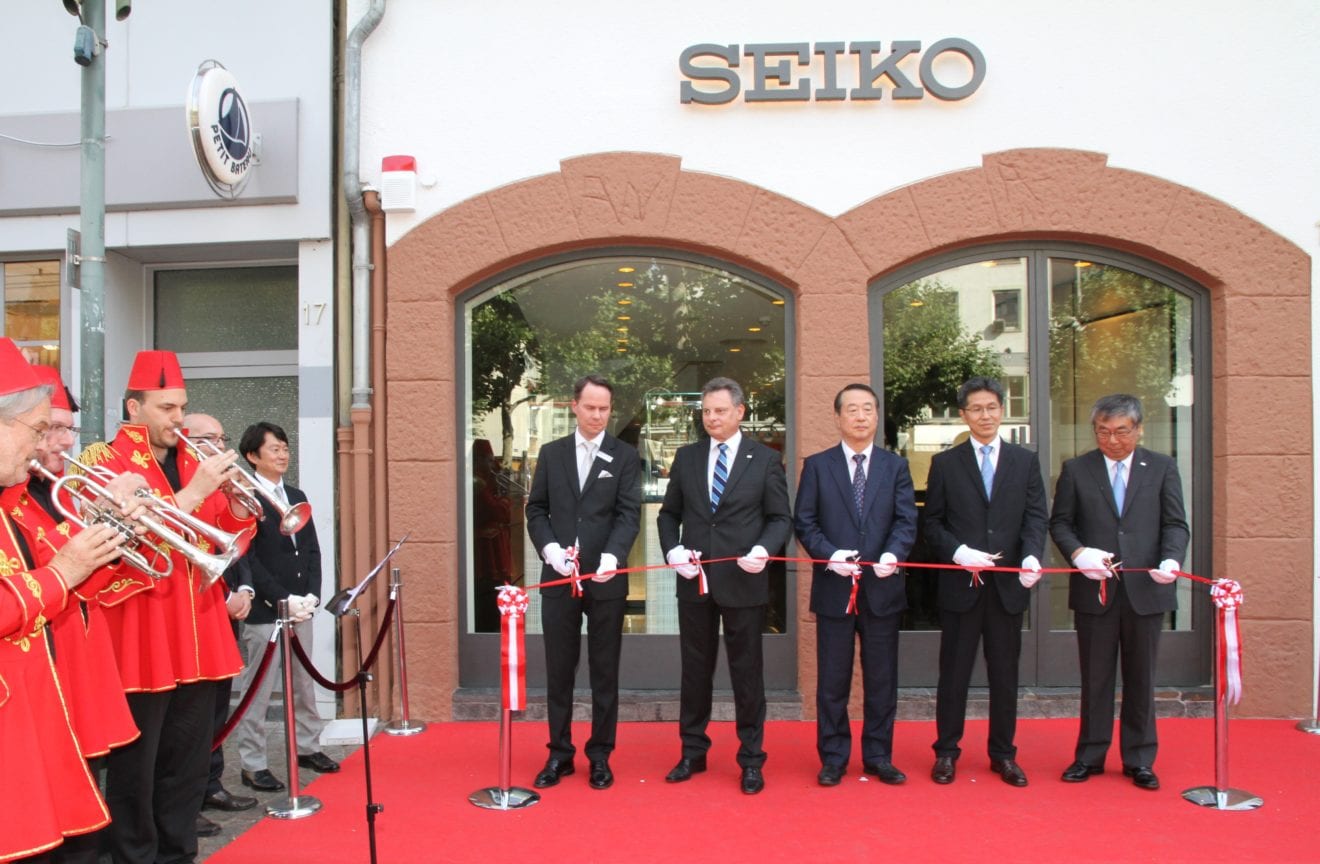
    Japanese watchmaker Seiko has opened its first boutique in Russia – 50 years after it first started exporting watches to Russian.

    The Seiko Moscow boutique opened at the St. Nickolas complex on Nikolskaya St, a high-end shopping district in the capital city.

    At the heart of the 80sqm boutique are Seiko’s luxury brands: Grand Seiko, Credor and Galante. The Grand Seiko selection at the boutique is one of the widest outside of Japan. A large selection of Credor and Galante, brands which until now have been sold mainly in Japan is also offered for the first time in Russia.

    The boutique also carries many exclusive and limited-edition models such as the Credor masterpiece “Eichi II”, a hand-crafted watch which has attracted wide praise among connoisseurs of luxury watchmaking, and sells for RUB3,990,000 (including VAT). In addition, Seiko’s latest technologies are found in a variety of Astron and Prospex watches.

    Takashi Aizawa, director and executive VP of Seiko Watch Corporation, said at a reception: “Seiko was registered as a trademark in Russia in 1965. We are delighted to open this boutique in this important anniversary year. This new boutique is one of several that are opening in the world’s leading cities. Last year we opened one in New York, and this year we added Frankfurt and Tokyo.

    “Our aim is to allow visitors a unique, exciting and intriguing opportunity to explore the world of Seiko through our history and our finest watches.”

    Darya Klishina, one of Russia’s leading athletes and Seiko’s ambassador since 2012, was present for the opening ceremony.

    A dedicated website will open soon where information about new models and special events at the boutique will be announced.

  • Lawson, Three F in partnership talks

    Lawson, Three F in partnership talks

    Japanese convenience store rivals Lawson and Three F say they are “discussing options” for a capital and business alliance.

    The move was announced in a statement which was short on detail.

    Lawson, a subsidiary of Mitsubishi Corporation, is Japan’s second largest c-store operator behind 7-Eleven with a network of more than 11,500 stores in Japan, Indonesia, China and Thailand. Three F Co, headquartered in Yokohama, operates only in Japan where it has about 560 stores in Tokyo, Chiba, Saitama and Kanagawa.

    In the statement, the companies said an alliance would help boost their convenience store operations in an extremely competitive environment. Japan is a mature market, which is main reason its convenience store players are seeking growth offshore.

    While both companies will maintain independent management and protect their individual corporate brands and culture, they would conduct joint product development, procurement and promotional campaigns, and also share information that could boost management efficiency.

    “Both companies are determined to discuss ideas frankly and openly, with the aim of creating a concrete, workable alliance agreement. Further developments will be announced once they are finalised,” the statement said.

  • Online security ‘paramount’ for shoppers

    Online security ‘paramount’ for shoppers

    A sense of security is paramount for nearly one quarter of shoppers when evaluating whether to purchase goods from a retailer online, according to a new survey from Worldpay, a payments provider.

    Assuring customers they are in safe hands throughout the entire payment experience should be a priority for retailers, according to 3500 online shoppers polled globally.

    Similarly, for one in four online shoppers, seeing payment authentication and digital certificate logos displayed prominently on a retail site’s homepage is the single most reassuring element in the purchasing process. Forty-six per cent of consumers globally admit this would help address their concerns.

    Transparency around online security is particularly important in China, where 70 per cent of shoppers said they feel more secure shopping when payment authentication and certificate logos are clearly displayed, indicating that this simple measure will go a long way in addressing the misgivings of online customers.

    Shoppers also want security transparency when retailers store personal and payment details. Thirty-one per cent of shoppers worldwide say they don’t want a retail website to store their payment details, and South Koreans and Australians are most averse to the idea with over 50 per cent saying they don’t want this information stored online. In China and Japan, 65 per cent of shoppers expect reassurance that their details will be kept safe by the retailer and want a clear explanation of how this will be done.

    Stuart Thornton, VP of business development in APAC with Worldpay, said: “Nagging doubts about the security of their payment details can add up over the multiple stages of the purchasing journey for shoppers and stop them from ever clicking ‘buy’, even if they really want a product. When selling online, retailers need to step in and reassure customers that their information is in safe hands, from the second they start browsing a site to the moment they receive an email confirming their purchase”.

    At checkout, shoppers expect the ability to use their preferred payment method and want the process to be simple and intuitive. Sixty-five per cent globally have abandoned their purchase at the checkout stage as a result of not being able to pay how they wish.

    Nearly 60 per cent of shoppers worldwide would drop out of a purchase if their preferred payment method was displayed on a retail site’s homepage but wasn’t available at checkout. Forty per cent of shoppers globally admit they would not take the time to look for their preferred payment method at checkout if it was not easy to find. This figure is even higher in Japan, where 62 per cent of shoppers say they wouldn’t search for their preferred payment method if it wasn’t already clearly indicated on the website.

    Retailers must also manage consumer expectations by clearly indicating what they can expect at each stage of the payments journey, particularly when redirecting them to a third-party website. Ninety-four per cent of shoppers globally say this is important, and one-fifth would instantly drop a transaction if ushered to a third-party site without warning. In Japan, nearly 30 per cent of shoppers would drop out if unexpectedly redirected to a third-party site to enter additional details.

    “Purchasing products online demands a certain level of trust between retailers and shoppers, and making the process simple and transparent is absolutely essential,” said Thornton.

    “Retailers will struggle to inspire confidence in their customers if they cannot deliver on shoppers’ expectations and give them peace of mind throughout the online shopping journey”.

    The need for retailers to act as a source of reassurance for shoppers is equally strong when it comes to handling errors or providing customer support. Nearly two-thirds of online shoppers (64 per cent) want a clear and immediate explanation of exactly what went wrong. When it comes to additional support, 27 per cent want to be able to call customer support, while 24 per cent want the option to email a support representative.

    Clear error messages also head off any potential confusion as to whether a transaction has been processed. Ninety-six per cent of shoppers say it is important they receive an email confirming that their order has been processed and their payment accepted.

    Adds Thornton: “If there is one thing to take away from these findings it is that the online payments journey is inextricably linked to the user experience. If retailers cannot reassure customers that their transaction will be quick, secure, and managed to the highest standard of professionalism throughout the payment journey they will struggle to keep shoppers engaged”.

    The research was carried out in partnership with KAE Marketing Intelligence, which conducted a desktop analysis of 350 top retail sites and surveyed 3500 online shoppers in 14 countries across North America, South America, EMEA, and APAC.

  • Kumamon arrives in Thailand

    Kumamon arrives in Thailand

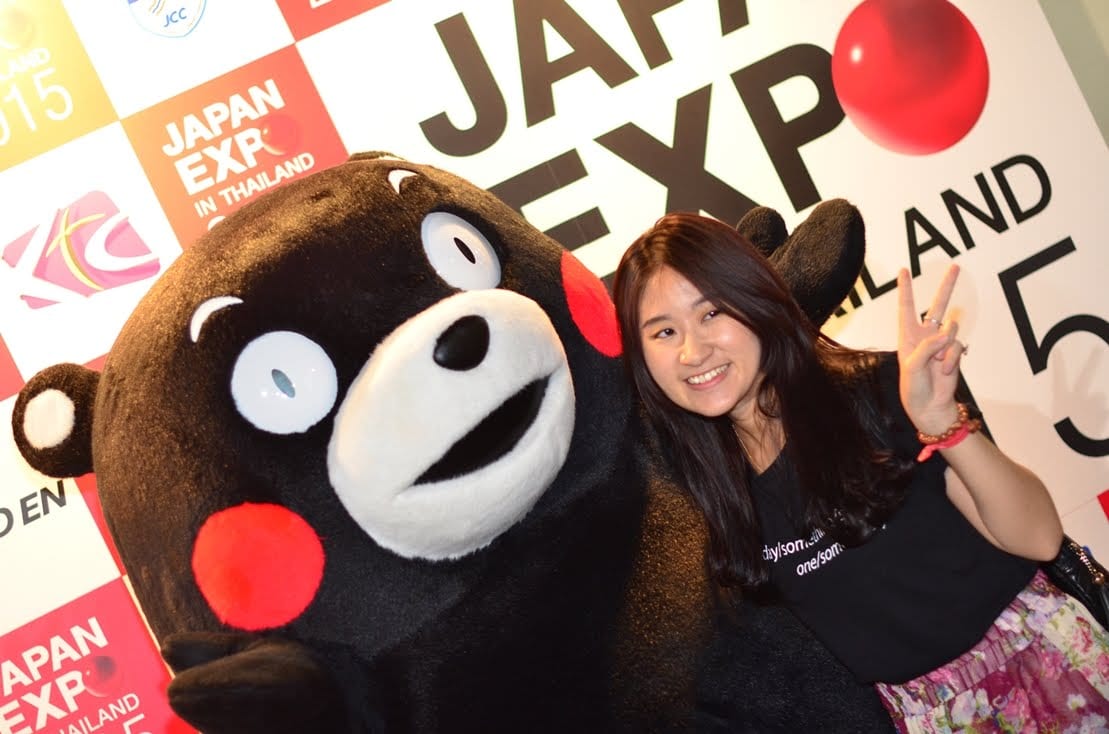
    The first official theme stores of Japanese bear character Kumamon have opened in Thailand’s capital city, Bangkok.

    Kumamon is a mascot created by the government of Kumamoto Prefecture in Japan. It was created in 2010 for a campaign called to draw tourists to the region after the Kyushu Shinkansen line opened. Now it has grown into an internationally-recognised character, especially in Southeast Asia where Japanese and Korean cartoon and animated characters, and fashion trends, are quickly adopted.

    The first Kumamon store opened on the third floor of Siam Paragon shopping centre, at B-Trends in late July. That was followed by a more recent opening at Studio B Trend in the Emporium shopping centre.

    The Thai rights to Kumamon have been acquired by ICC International, who invited Kumamon’s creators to visit Thailand during a recent trade fair.

    ICC says it plans to open more themed stores inside premium department stores in Bangkok and in other Thai provinces.

  • Hermes Japan sales boom

    Hermes Japan sales boom

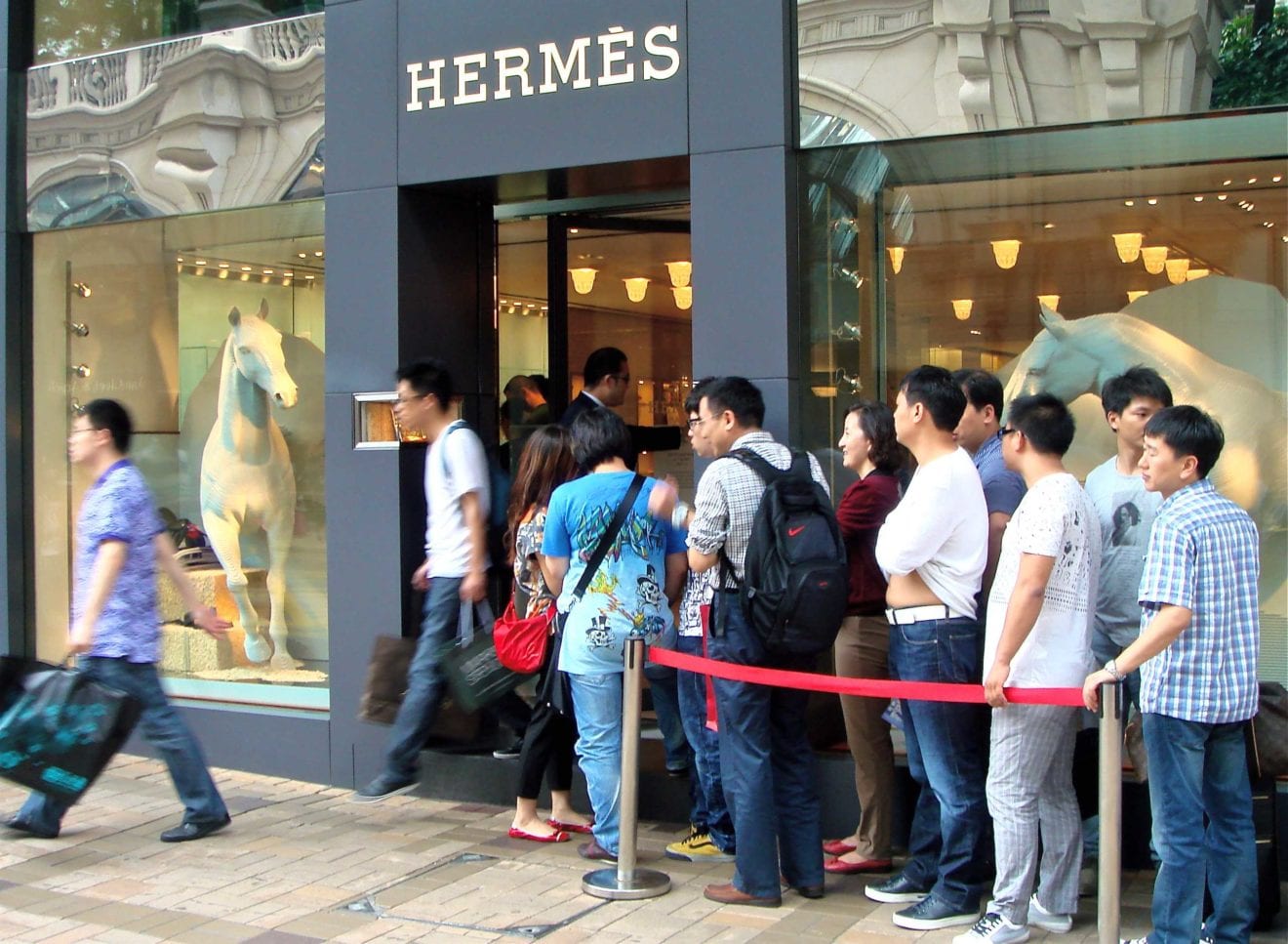
    Hermes Japan has driven the luxury handbag and apparel brand to a 20 per cent increase in first half profit.

    For many successive quarters, Japanese have been maintaining tight control of their spending – but this year life has returned to the retail sector – and the luxury market especially. And cashed up Chinese – who once travelled across the border into Hong Kong for their high fashion indulgences – are now heading to Japan instead.

    Hermes International says the Japanese sales increases has proved more than enough to make up for China’s economic slowdown, where sales have slipped for most luxury brands this calendar year.

    Paris-headquartered Hermes says its global operating income increased to US$842 million on sales up 21 per cent to US$2.58 billion.

    Hermes says its Japanese sales climbed 20 per cent in the six months to June 30 at constant exchange rates. Across the rest of Asia, sales rose just seven per cent; in Hong Kong they dipped by an unspecified amount. That market was “difficult”, the company said.

  • RedWhite Apparel expands abroad

    RedWhite Apparel expands abroad

    Singapore-born sportswear brand RedWhite Apparel is expanding into two new Asian markets.

    RedWhite Apparel makes clothing for cyclists, high quality gear for those undertaking ultra-long distance rides.

    The company has announced the appointment of CobbleSports in South Korea, which will be managing online sales of the brand’s products, distributing to independent retailers and executing a marketing program.

    And in Japan RedWhite Apparel has appointed Funks Trading to oversee retail and wholesale distribution.

    Founded just last year with only one product – a $150 ‘bib short’ manufactured in Italy – the brand is achieving success beyond expectation in Asia and is now eyeing an entry into the US market. It has achieved distribution in five stores in Thailand and is stocked in London by UK boutique Always Riding.

    The brand’s founder is Yuvaraman Viswanathan, whose previous job was as a designer with Dyson in Singapore.

    Launched in August 2014 initially through retailers, the company now retails direct online and is already shipping goods internationally. About 70 per cent of sales are into the US.