Tag: Japan

  • Moncler Tokyo flagship opens

    Moncler Tokyo flagship opens

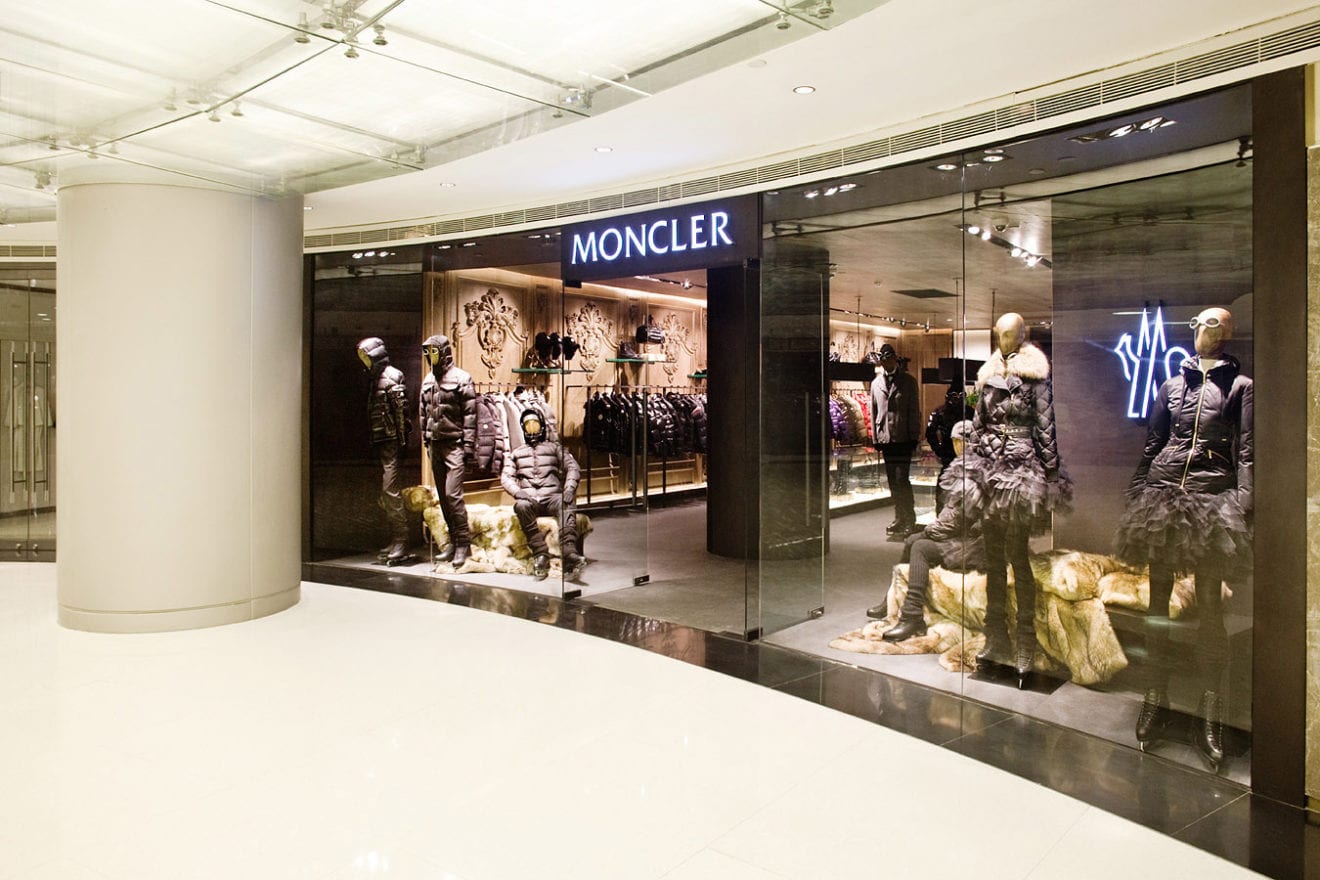
    Moncler has opened a new flagship store in Japan’s highest profile shopping strip.

    The Moncler Tokyo boutique in the Ginza comprises 560 sqm spread over two floors. It was designed by Parisian architects Gilles & Boissier.

    Moncler Ginza 1


    For years this studio’s ties with the fantastical world of Moncler have resulted in a lively partnership and the new Japan store is no exception.

    Coinciding with the opening was the launch of a new partnership with young Los Angeles artist duo,FriendsWithYou.

    Moncler Ginza 5


    “Once again the Italian-French brand is working directly with today’s young and creative generations, interpreting and assimilating its language, sources of inspiration and moods. The universe of comic signs of the FriendsWithYou duo, their references to pop icons such as Malfi, Snowy, Happy Virus, Look Who, or the fluorescent rainbow of Mr TTT, the visual repertoire of smiling graphic clouds, of penetrating, astonished eyes, of mouths and fun monsters, are the hallmarks of a collection of puffer jackets developed in different colors that range from black to light-blue, from red to yellow, which are completed by sweatshirts, t-shirts bags and sneakers,” explains Moncler.

    Moncler Ginza 3

    The Moncler FriendsWithYou collection will be sold in all Moncler single brand stores from the Fall-Winter 2016/17 season onwards.


    Moncler Ginza 2

  • Croesus Retail Trust posts flat quarter

    Croesus Retail Trust posts flat quarter

    Singapore-listed Croesus Retail Trust achieved a 17.2 per cent increase in quarterly earnings to $23 million from its Japanese shopping centre investments.

    But that was not enough to change its distribution per unit (DPU) for the quarter, which remained flat at 2.08 cents.

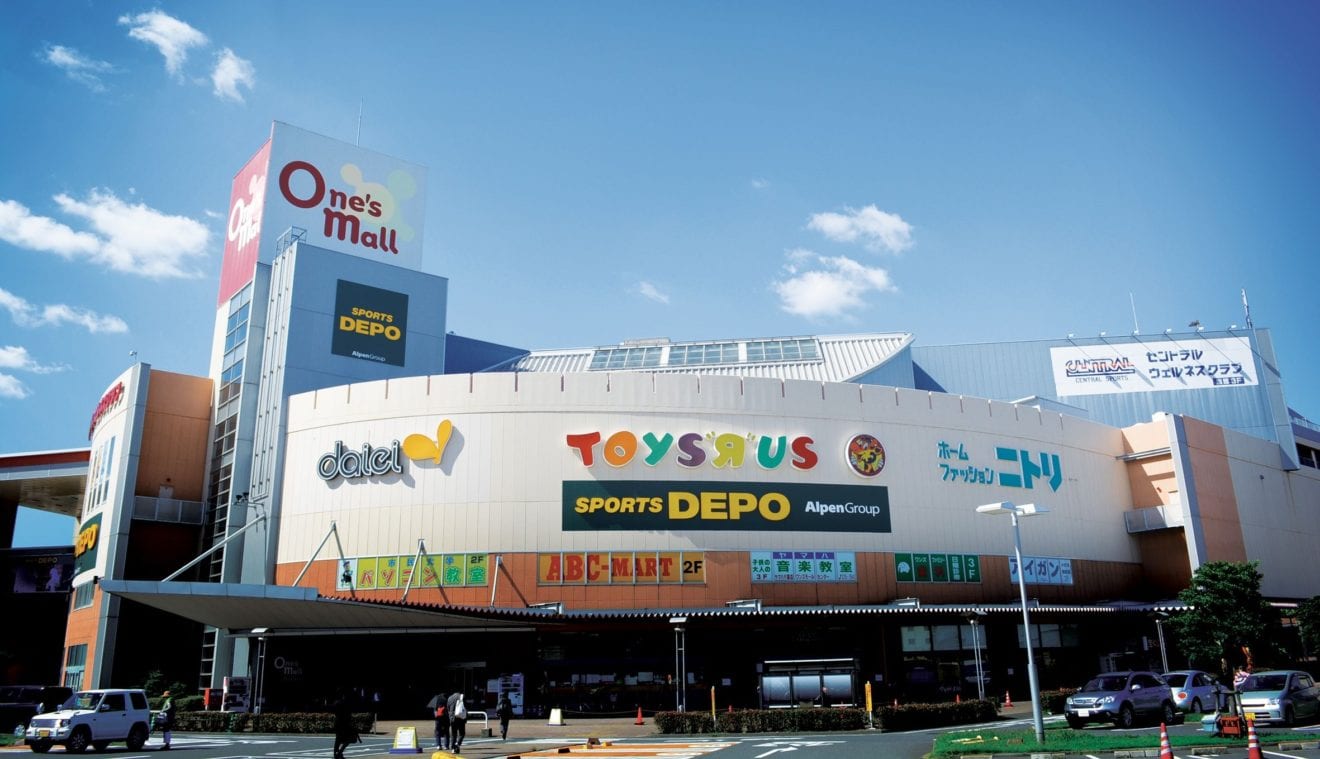
    The retail property investor says its earnings rose on the back of its acquisition of One’s Mall in Chiba and lease renewals at Mallage Shobu in the Saitama Prefecture.

    However, the increase was partially offset by the absence of a one-off income at Mallage Shobu recorded in the first quarter last year.

    Net property income rose 10.7 per cent accordingly.

    CRT has seven retail properties in Japan with a combined net lettable area of about 251,000 sqm.

    The company says competition for buying real estate assets in Japan has been keen over recent quarters, a trend expected to continue in the short term.

  • JTB chases Chinese at home

    JTB chases Chinese at home

    Japanese Travel agency JTB has opened its first retail location in China’s capital Beijing. The agency will specialise in tours to Japan and will be run in a joint venture with a local travel company.

    The agency will be equipped with the same reservation system used in its Japanese retail travel stores, but it will not issue tickets. The 90 sqm stores is situated in an office building in a popular business district.

    The Japanese-themed interior is intended to serve as an advertisement in itself. The branch intends hosting exhibitions in cooperation with Japanese municipalities.

    JTB says the new venue is aimed at diversifying demand among Chinese travellers through face-to-face sales. It aims to sell 10,000 tour places annually.

    Japan is attracting a rapidly-rising number of Mainland Chinese tourists, attracted by the favourable exchange rate and close proximity, along with relaxed visa conditions.

    JTB gained official approval to open in China four years ago but the launch was delayed due to the earthquake of 2011 and simmering tensions between the two countries.

  • LeSportsac to expand China footprint

    LeSportsac to expand China footprint

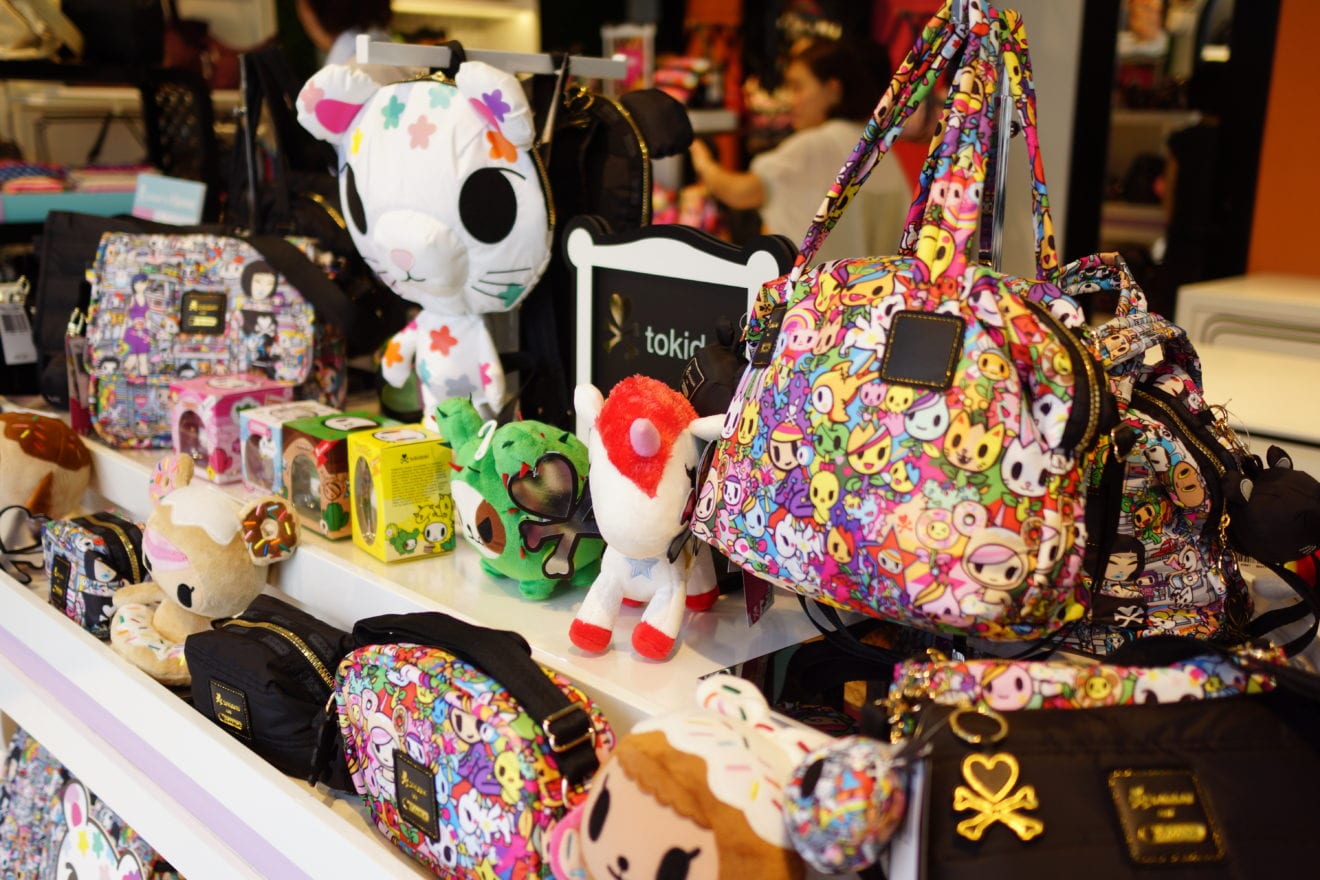
    Japanese trading house Itochu has formed a joint venture with Hong Kong based Novo Fashion Retail Group to ramp up the LeSportsac retail presence in Mainland China.

    Itochu signed an exclusive distribution agreement with Novo back in 2007 to supply LeSportsacs to outlets in major department stores and other retailers.

    This month, the two companies will launch a joint venture, its name not yet revealed,

    to focus on the LeSportsac range of casual nylon bags. Standalone stores are a possibility, given the brand’s strong appeal and name recognition in China.

    Itochu distributes the US-founded LeSportsac brand in 35 countries and Novo specialises in marketing western brands in Greater China.

    Initial plans are to double the network of stores selling LeSportsac to about 100 over the next three years, with a concentration on larger cities, and to broaden the bags’ online availability.

    The new venture is also likely to work on expanding the range to include products designed specifically for the China market, based on customer feedback.

  • UNIQLO and Toray Announce Third Stage of Strategic Partnership

    UNIQLO and Toray Announce Third Stage of Strategic Partnership

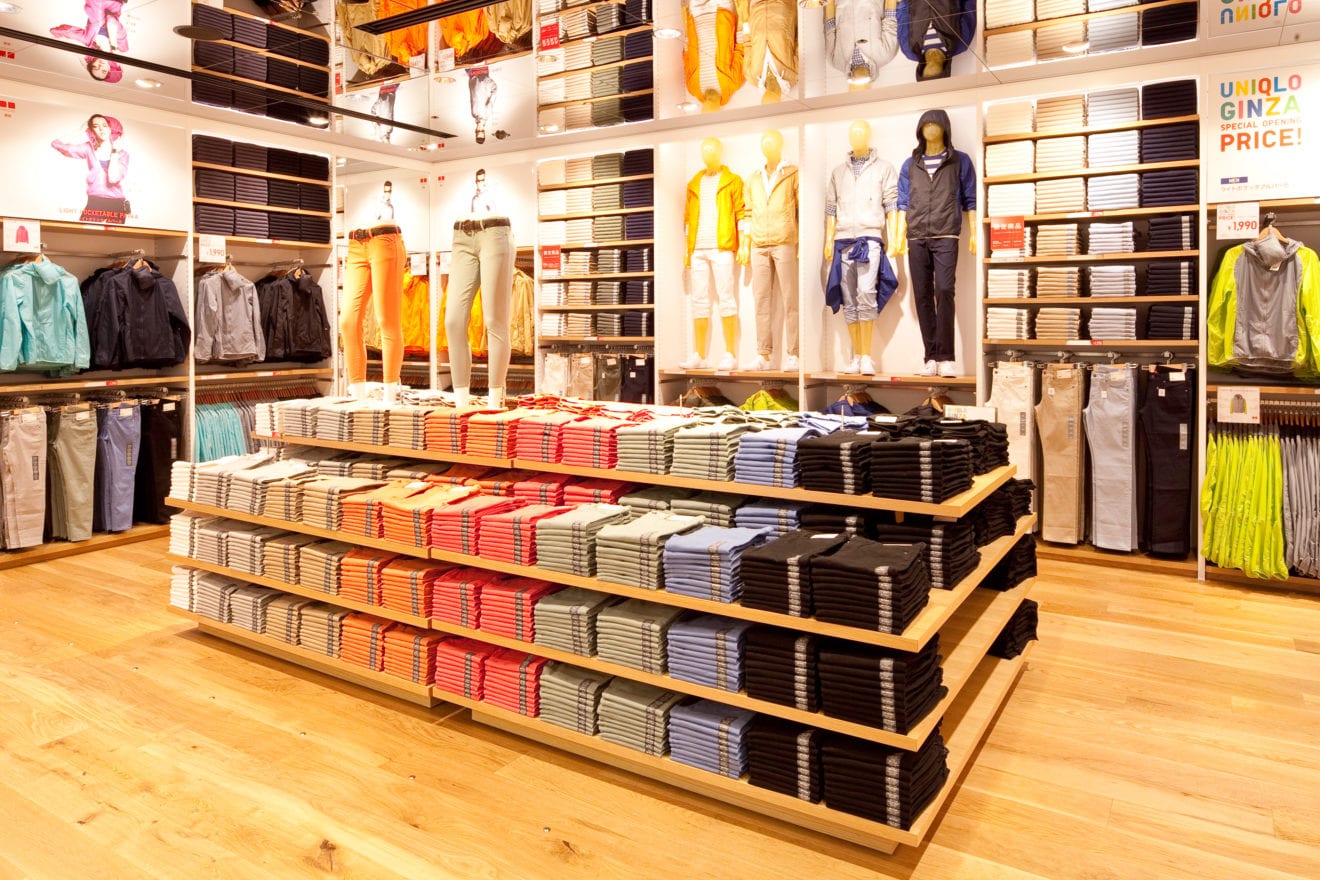
    Uniqlo and Toray Industries, Inc. (company headquarters registered in Tokyo) today jointly announce the third stage of their strategic partnership for the next five years. First established ten years ago, the newest stage of the partnership between the two companies aims at strengthening collaborative efforts further and creating a new industry centered the future.

    Uniqlo, leading apparel retailer and originator of LifeWear clothing that is made for all, and available in 841 stores in Japan and 798 stores abroad (as of August 31, 2015), and the Toray Group, global top business group of advanced materials, with its 98 subsidiary companies in Japan and 155 companies abroad (as of March 31, 2015), are accelerating globalization and digitalization to achieve the initiatives listed below. From 2016 through 2020 the total number of transactions between the two companies is expected to reach 1 trillion yen.

    Acceleration of globalization and digitalization to create a new industry:

    – Realize an end-to-end business model by utilizing the Internet of Things (IoT)

    – Reduce production lead times further

    – Increase globalization of production sites and locations further

    – Optimize production in each location

    – Expand production sites to support business growth in Greater China (China, Hong Kong and Taiwan)

    Maximize LifeWear that is made for all:

    – Improve comfort and functionality of current products

    – Conduct research and development of products that offer completely new added value

    – Develop new sportswear to enhance people’s daily lives

  • Muji unveils the Muji Hut

    Muji unveils the Muji Hut

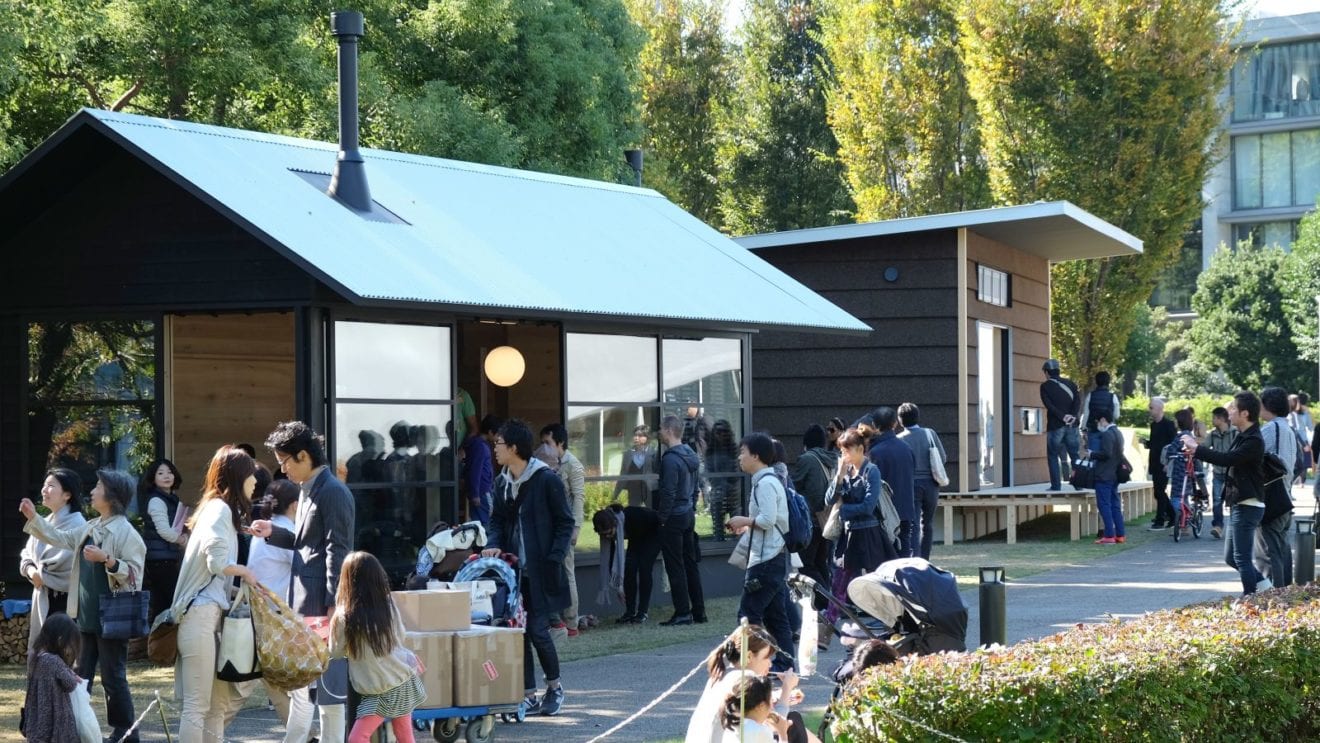
    Anti-brand department store Muji has opened a pop up store in Japan to unveil a prefabricated cottage it calls the Muji Hut.

    With a cult following throughout Asia for its simple, clean, brandless designs of homewares, its development of ‘Vertical Houses’ in Japan has drawn widespread attention for their innovative, quirky designs.

    This week the company unveiled the new Muji Hut concept at a pop-up design event in Tokyo.

    Muji Hut Japan 1

    The concept goes like this: In Japanese cities, people have learned to live in a compact home. But on the weekend, it’s time to get outside, enjoy nature, and cozy up inside a cabin.

    Muji Hut cork

    “We gather around the fireplace, enjoy each other’s company,” the exhibit’s welcome sign says. “Muji now invites you to slip away from the hustle and bustle of the city to a place where you can feel instantly at home and at ease.”

    Muiji Hut Japan 2

    Muji demonstrated three huts, ranging in size, complexity and materials. One has cork exterior, one wood and one aluminium.

    The largest, a cork hut, was designed by Jasper Morrison, who has long collaborated with Muji. The mini house includes a main room with fireplace, a bathroom with shower and a kitchen with a stove.

    Muji Hut

    Take a look at the concept on the website which features a full screen animated presentation. (Scroll down to see the Muji Huts).

  • Michael Kors Japan sales soar

    Michael Kors Japan sales soar

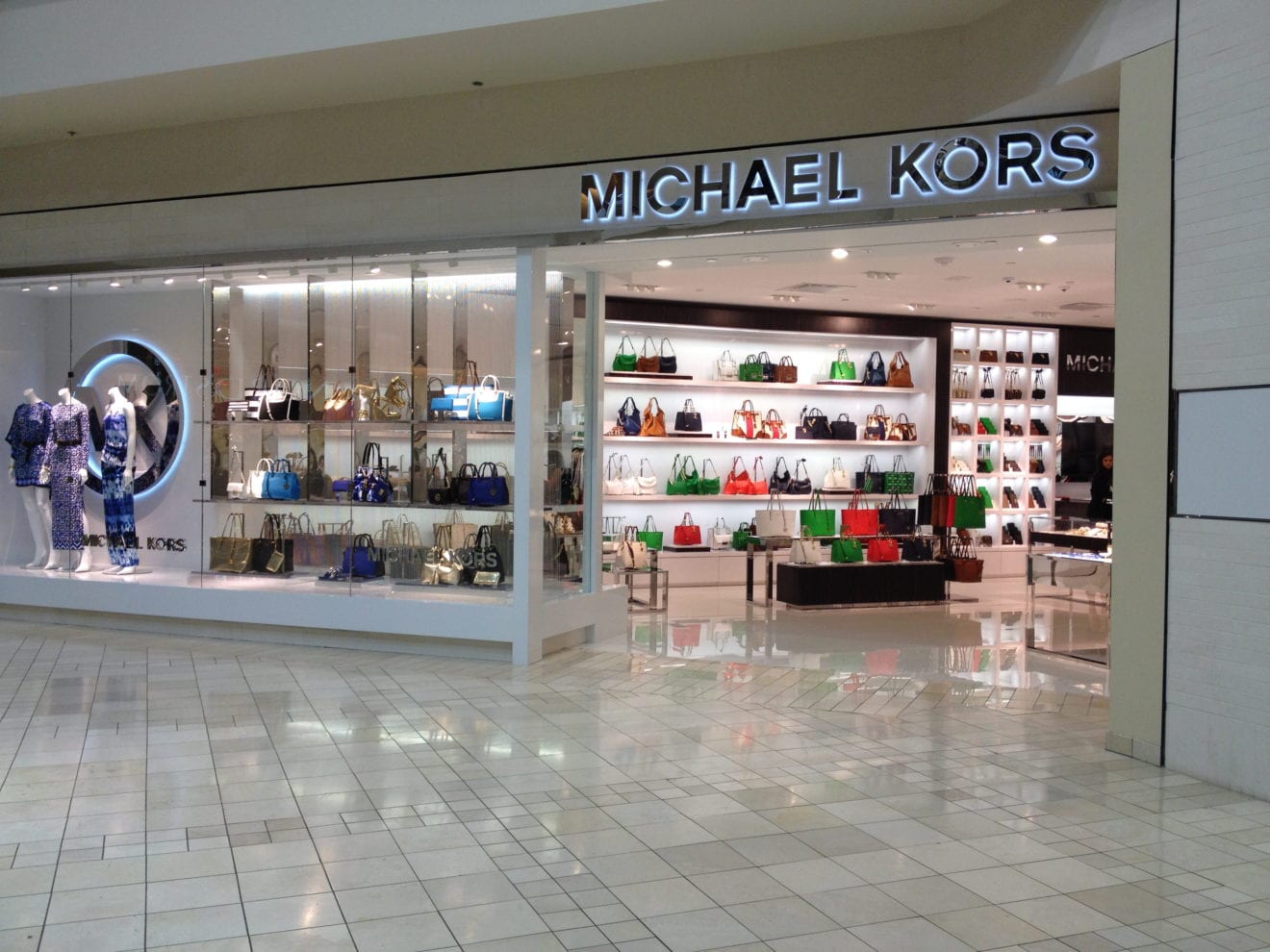
    Michael Kors Japan sales continue to soar as rising US fashion player expands its global success.

    Revenue in Japan for the last quarter rose 60.7 per cent on a constant currency basis.

    While that figure was carved back to 36.1 per cent after the exchange rate was taken into account, it shows stellar growth in the Asian nation, which is now Michael Kors’ second largest market behind the US.

    Globally, although still in positive territory, sales growth at Michael Kors continues to slow. Total revenue was up by 6.9 per cent during the quarter, a sequential worsening of the 7.3 per cent growth posted during the first quarter, and a long way down on the double digit increases recorded across the prior fiscal year.

    But while some of this is due to currency fluctuations, according to Conlumino CEO Neil Saunders, this does not explain away all of the decline.

    “Of particular concern are the same store sales numbers which were down by a sharp 8.5 per cent over the same period last year. While this represents a slight improvement on the 9.5 per cent dip recorded last quarter, it is still a dismal outcome and one which has diminished productivity and profitability. At total level retail sales remained in positive territory, saved only by the addition of some 116 new stores over the past year,” he said.

    “All that said, while Michael Kors is now feeling some pressure on the bottom line, with net income falling by 6.8 per cent over last year, it remains in a much better financial position than a number of its luxury rivals. Indeed, its return on invested capital is over 10 percentage points higher than Coach and some 20 percentage points higher than Ralph Lauren,” noted Saunders.

    “Margins, while having weakened due to both exchange rates and discounting, remain comparatively robust. As such, Michael Kors’ capacity to weather the slowdown in demand for its products is, in our view, reasonable.”

    But demonstrating it is capable of dealing with slowing demand does not mean Michael Kors wants to be in such a position, said Saunders.

    “One of the current issues for the company is that its brand simply does not have the cachet that it once did and is, to some extent, suffering from over-exposure. Nowhere is this truer than in the North American market where the proliferation of the brand over recent years has diluted its value.

    “Steps have been taken to remedy this, including lessening the reliance on traditional products like handbags by introducing more contemporary accessories like oversized wallets and cross body satchels. However, while these are helpful additions which balance out the range, they do not necessarily address the problem of ubiquity that the brand faces.”

    While Michael Kors can look to overseas for growth, as it is successfully demonstrating in Japan, the problem is that with unfavorable exchange rates this translates into a less helpful boost than it once did.

    “Europe is a case in point: here sales on a local currency basis rose by a fairly good 20.6 per cent. However, when exchange rates are factored in this growth is reduced to a paltry 2.3 per cent.

    “Given these dynamics, it is difficult to see how Michael Kors can return to strong growth in the near future,” concluded Saunders.

  • Chinese account for 31% of global luxury sales

    Chinese account for 31% of global luxury sales

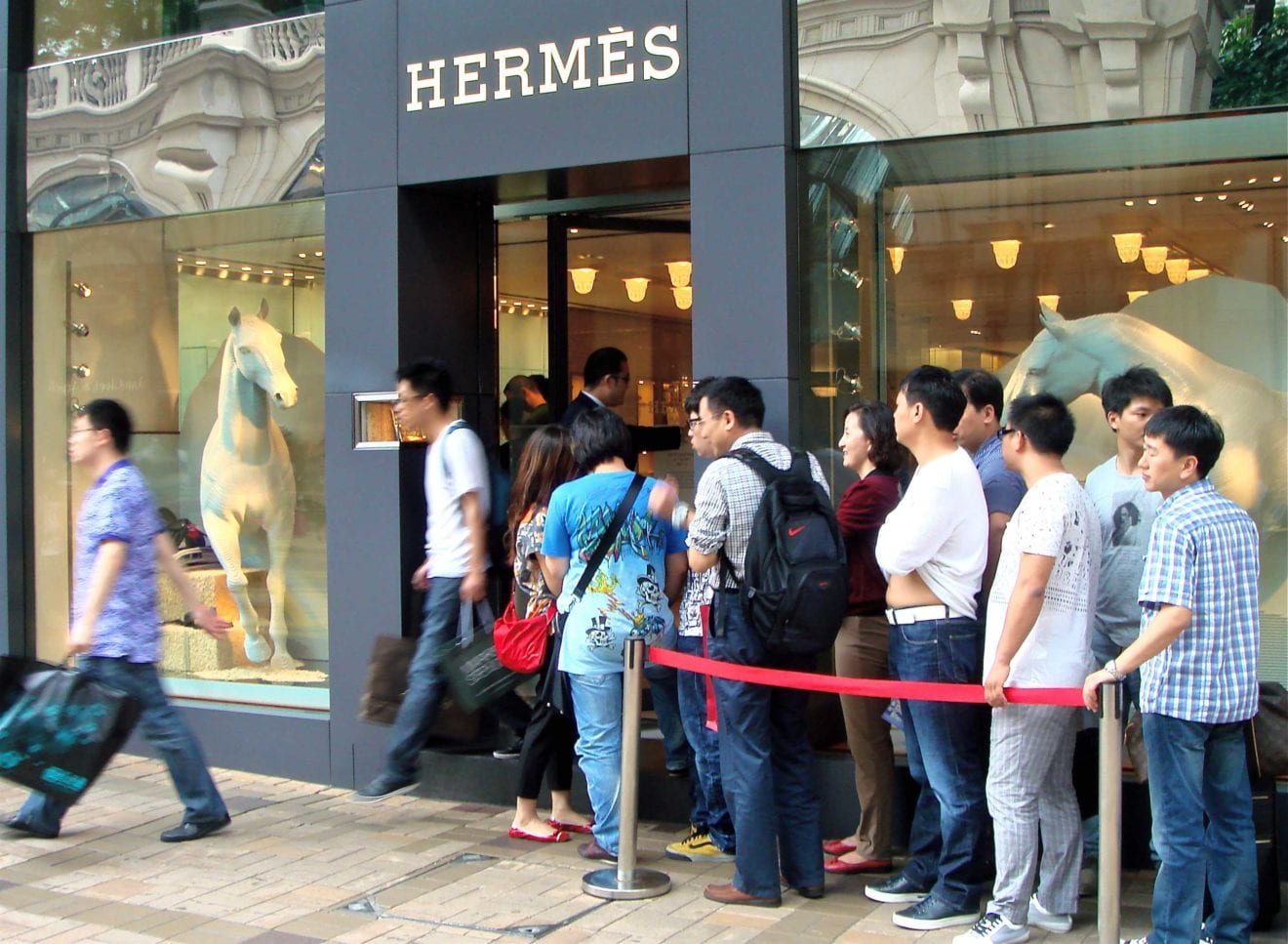
    Chinese shoppers now account for 31 per cent of the world’s annual luxury sales.

    According to Bain & Company’s 2015 Worldwide Luxury Report, the overall luxury industry will surpass €1 trillion in retail sales value in 2015.

    The market delivered healthy growth of five per cent year on year (at constant exchange rates), driven primarily by luxury cars (eight per cent), luxury hospitality (seven per cent) and fine arts (six per cent).  Aided by global currency fluctuations and continued jet-setting of “borderless consumers,” the personal luxury goods market ballooned to over a quarter trillion euros.

    That sector – including leather accessories, fashion, hard luxury and fragrance & cosmetics – reached €253 billion in 2015. This represents 13 per cent growth at current exchange rates, while real growth is significantly slowing to between one and two per cent.

    But the report warns that luxury brands will need the right pricing model to win against hard to predict currency volatility in the year ahead, which has impacted heavily on luxury retailers especially.

    While global tourists flocked to Europe and Japan to capitalise on a weak euro and yen, the Americas region, stagnant in real terms, was strongly inflated by the super dollar, thus capturing more than a third (34 per cent) of the global market spend in 2015.

    Meanwhile, Asia registered the worst historical performance (at constant exchange rates), driven by the lacklustre trend of Mainland China and the sharp drop in sales in Hong Kong and Macau.

    “For the last several years, we’ve referenced ‘luxury’s new normal’ with a deceleration of the personal luxury goods market. Now, we are starting to feel the impact of that slow-down,” said Claudia D’Arpizio, a Bain partner in Milan and lead author of the study.

    “The challenge for luxury brands in this environment is how to successfully navigate through hard-to-predict volatility.”

    According to Bain’s research, Chinese consumers continue to spend the largest share of luxury purchases (31 per cent) globally, followed by Americans (24 per cent) and Europeans (18 per cent).

    Chinese consumers are flocking to mature markets in droves, especially Europe, where an analysis of European tax-free shopping data, conducted in partnership with Global Blue, shows Chinese tax-free purchases increased by 64 per cent, particularly among the accessible and aspirational luxury segments, thanks to a weak euro.

    Americans also increased their tax-free spending in Europe by 67 per cent, aimed largely at the high end of the luxury spectrum.  Meanwhile, Russians cut their European spending by 37 per cent, and spending among the Japanese in Europe withered by 16 per cent.

    “Undoubtedly, Chinese consumers play a primary role in the growth of luxury spending worldwide,” said Federica Levato, principal at Bain and co-author of the study.

    “For years, we have known that they spend far more abroad than in Mainland China, but what’s changing is that they’re spending little money in historically popular destinations, such as Hong Kong and Macau, and are instead gravitating to new locales, such as Europe, South Korea or Japan, to benefit from currency fluctuations that drive favorable price gaps.”

    In terms of constant exchange rates, the US market did not deliver.  The “super dollar” was too expensive for many global tourists and though local consumption is growing, it was barely sufficient to offset the lost tourism revenue. Nevertheless, the US is the confirmed largest luxury market in terms of global luxury value, reaching €79 billion; New York City alone outweighed all of Japan.

    Another trend evident this year is the impact of eCommerce, which grew to seven per cent market share in 2015, nearly double its penetration since 2012. Luxury globetrotters have also fuelled the performance of airport retail, which posted 29 per cent growth in current exchange rates (18 per cent in constant exchange rates) and now accounts for six per cent of the global luxury market.

    With the growing middle class in economies such as China seeking good quality and good value, the off-price channel has more than doubled to nearly €26 billion.  Mark-downs are also increasing in prevalence across more than 35 per cent of the luxury market, with a strong relevance in department and specialty stores, as well as online.

    The Price of Luxury

    According to Bain, the number one challenge facing most luxury brands is establishing the right pricing model.

    The rise of eCommerce and global tourism growth create greater transparency around international price differentials. Additionally, price-conscious luxury shoppers are struggling to reconcile the price of luxury products with their real value. As a result, luxury brands must assess how to mitigate volatility and how best to deliver at local and global levels. This includes managing inventory to accommodate fluctuations in tourism and coordinating pricing and mark-downs across markets and channels.

    Luxury brands also face a host of tough issues such as rethinking their store footprint and the role of their stores in a world of growing digitalisation, as well as figuring out how to delight local customers even as masses of tourists flock to stores in mature markets.

    “Relentless price increases over the last decade, aimed at creating a more exclusive position in the market and maximising touristic flows are now starting to backfire on luxury brands,” said D’Arpizio.

    “They face the long-term challenge of rebuilding credibility and trust among consumers, rather than simply making shortsighted, tactical pricing adjustments to benefit from market fluctuations.”
  • Best Denki Singapore plans two more stores

    Best Denki Singapore plans two more stores

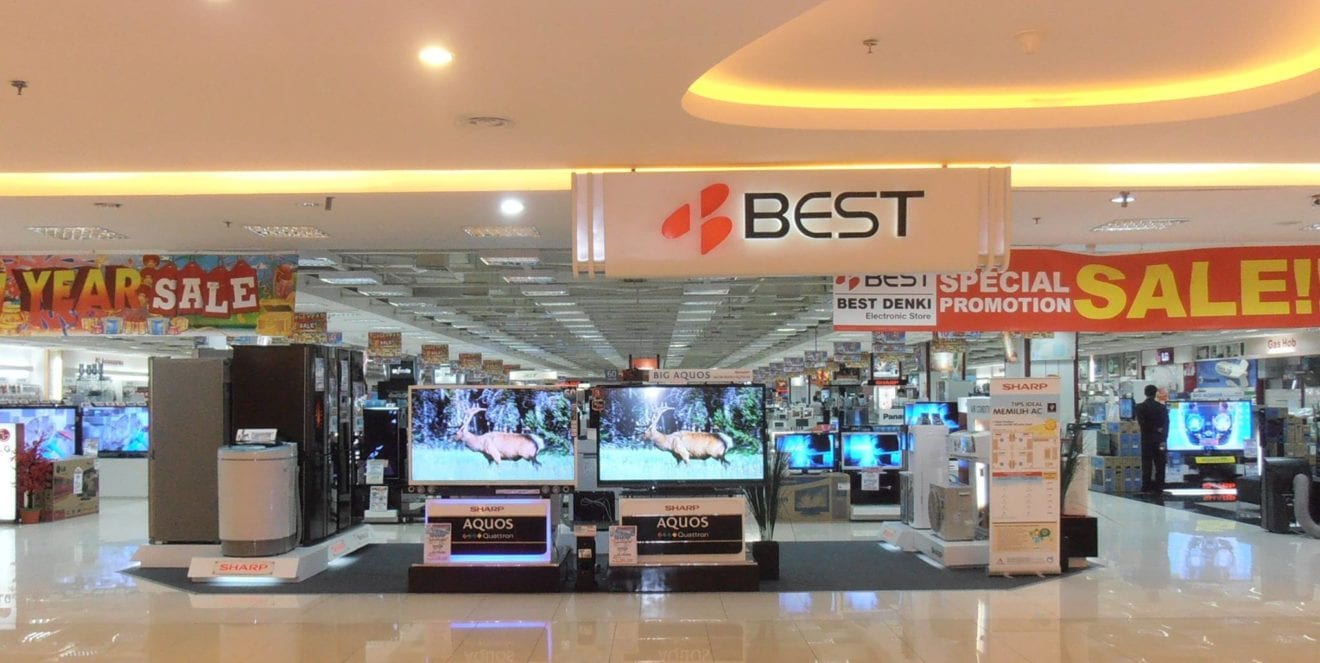
    Best Denki Singapore, the Japanese electronics retailer, plans to open two more stores in the city next year.

    Hanasaki Kenji, president and head of Asean region with Best Denki, told the Straits Times newspaper he is unfazed by the downturn in the local consumer electronics market.

    “I am not so worried. The downward trend does not hamper our business from growing,” he said.

    Best Denki entered Singapore in 1985 inside the Yaohan department store at Plaza Singapura. When that store closed in 1997 the concession was renamed Best Denki and since then the chain has grown to 11 stores.

    The company says its annual sales have grown nearly 20 per cent over the last 10 years, reaching S$293 million last year.

    Kenji attributes the brand’s success to its strategy of locating stores in shopping centres and sharp negotiating with suppliers.

  • Saturation hits luxury retail, but new trends provide hope

    Saturation hits luxury retail, but new trends provide hope

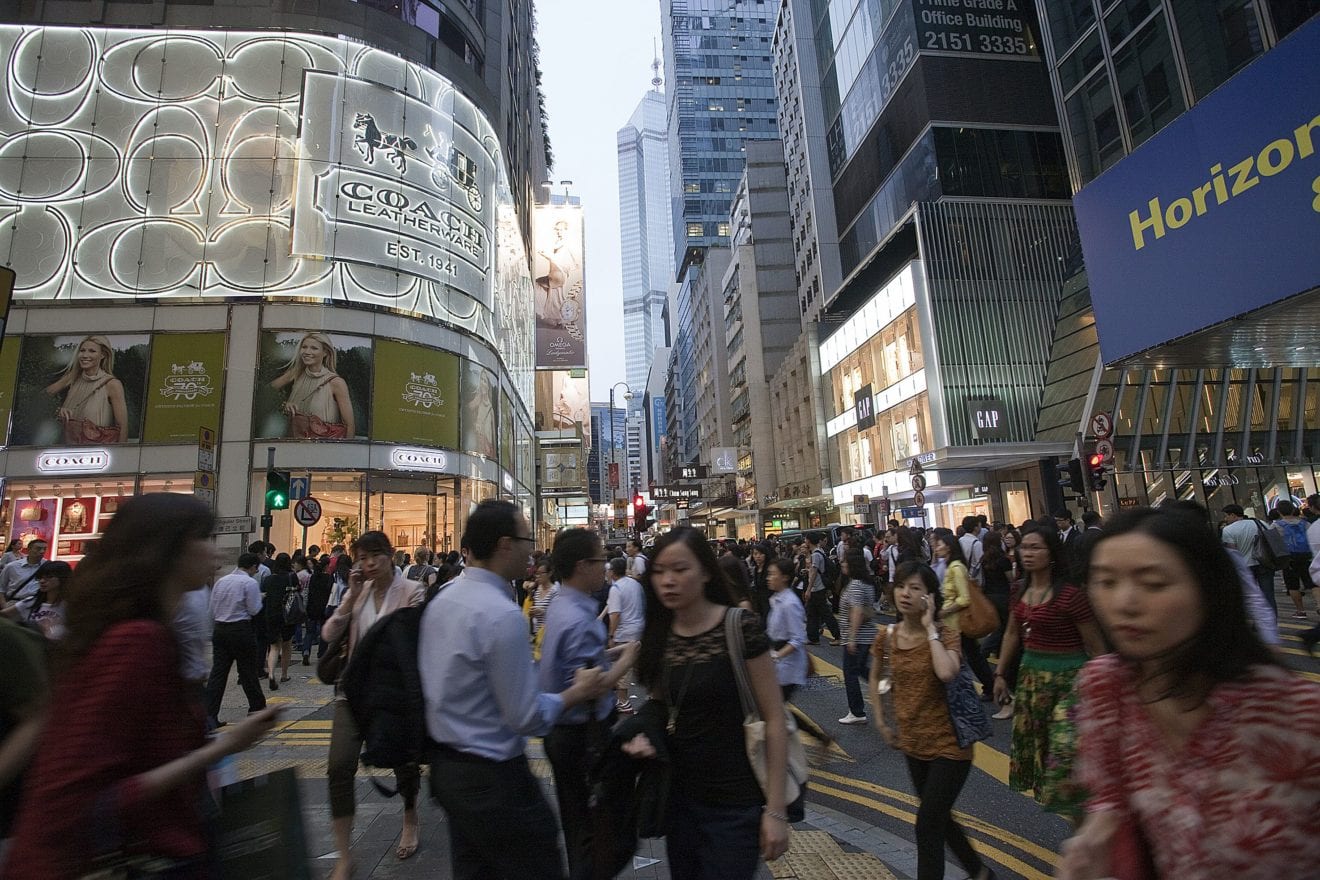
    The Asia Pacific region is experiencing a slowdown in the luxury retail sector, but new emerging trends are set to provide the retail sector with a solid new stimulus for demand in the coming years, according to the CBRE’s special report, ‘The Future of Luxury Retail in Asia Pacific: New Demand Drivers and Shifting Occupier Requirements’.

    Most major luxury retailers are now well established in Asia Pacific with China and Hong Kong being two of the most penetrated markets at 89 per cent and 81 per cent, respectively. However, following several years of rapid expansion, these markets are approaching saturation point.

    “Accounting for one-third of personal luxury goods sales globally in 2014, Asia Pacific is a key region for international luxury brands with key markets including China, Hong Kong, Japan, Singapore, South Korea and Taiwan. However, the high growth period for luxury retailers in the region is gradually coming to an end,” said Dr Henry Chin, Head of Research, CBRE Asia Pacific.

    ”Over-saturation, surging operational costs and weaker retail sales – especially in Hong Kong due to the slowing mainland China economy – have prompted retailers to consolidate their existing store networks and slow their rate of entry into new markets focusing on operational efficiency,” said Dr Chin.

    CBRE has identified three emerging trends which will partially offset some of the negative effects arising from the slowdown and compensate for the loss of demand: Emergence of Affordable Luxury, Inclusion of F&B and Growth of Luxury Childrenswear.

    “With the momentum behind these trends, this will account for a bigger slice of leasing demand for prime retail space,” says Joel Stephen, Senior Director, Head of Retailer Representation, CBRE Asia. “Retailers and landlords can benefit from the projected growth in these market segments,” he adds.

    Emerging retail trends are already impacting luxury retailers’ real estate requirements, resulting in new, and in some cases, weaker demand for different types of retail property, the report said.

    Some of the key trends that CBRE have identified include weaker interest in department stores despite continued interest in prime locations; stronger focus on flagship stores; increased popularity in short-term opportunities for brands to set up exhibitions, pop-up and concept stores, and workshops, to generate greater consumer awareness; affordable luxury brands continuing to drive demand; and more interest in upper floor retail space, but limited to top-tier malls and driven by F&B and childrenswear segments.

  • Gloss coming off Starbucks Asia growth

    Gloss coming off Starbucks Asia growth

    Global coffee giant Starbucks has finished its financial year on a high, reporting a 17 per cent increase in annual revenue to a record US$19.2 billion.

    But is the Starbucks Asia Pacific business underperforming?

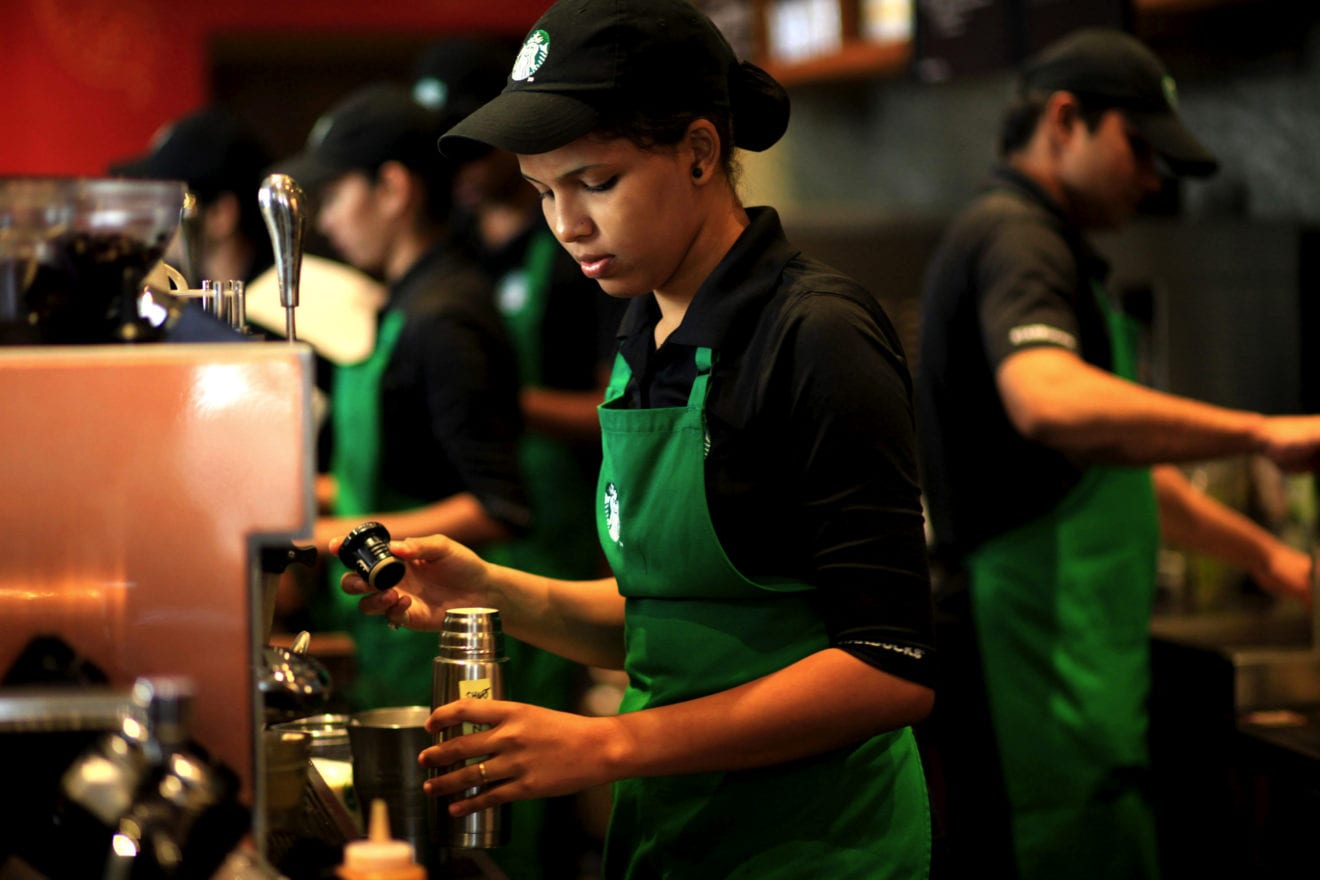
    Neil Saunders, CEO of Conlumino, believes so. He says the company’s last quarter figures were boosted by the acquisition of the balance of its Japan joint venture from partner Sazaby League. Globally it finished the quarter with 1666 more cafes than in the previous year, an impressive figure in itself.

    “For a company of Starbucks size and scale, such results are exceptional and a testament to the company’s innovative attitude, as well as the continued relevance of coffee across many geographies,” says Saunders.

    “While the overall numbers are strong, there is an interesting trend in the detail: namely that although Starbucks performed well across many geographies – including in the more mature core Americas territory – performance in Asia Pacific was surprisingly muted.”

    Saunders says while total revenue held up well, rising 110 over last year, this is mainly because of the Japanese acquisition.

    The opening of 767 new stores in Asia-Pacific (which is essentially Asia given Starbucks has only 25 cafes in Australia and 26 in New Zealand, both run by franchise partners) certainly helped.

    “However, on an underlying basis, same store sales only rose by six per cent – a slightly disappointing outcome, and one that is partly attributable to the general slowdown in China,” says Saunders.

    “If the emerging markets proved to be soft, the same cannot be said of the Americas where comparable sales rose by eight per cent. Here some of the menu changes, including the continued growth of the food offer, have helped to push up average ticket within existing stores. However, in our view the various digital initiatives Starbucks has been developing and pursuing have also paid dividends. Its popular digital app is already widely used for payment, and locks in loyalty both by saving customers time at the register and by making Starbucks a destination by virtue of the fact that the card is preloaded with cash. It is also notable that the average ticket from customers using the mobile app for payment tend to be higher. Naturally, some of this is because Starbucks enthusiasts and most loyal customers are more likely to have the app. However, we also believe that the rewards and advertising, which the app supports, help to stimulate add-on sales.”

    Saunders says Starbucks’ plan to drive evening sales through offering alcoholic beverages and an enhanced food menu in US and UK stores is also encouraging.

    “These improvements should be in a quarter of US stores by the end of 2019. In our view, they’re another example of why Starbucks outperforms: it evolves and innovates its in a way that’s relevant to customers.”

    Next year, Starbucks says it plans to open about 900 new stores in Asia-Pacific, two thirds of them licensed. And it says it expects it earnings in the region to be flat or even down.

  • Matsumotokiyoshi Thailand to launch in Bangkok

    Matsumotokiyoshi Thailand to launch in Bangkok

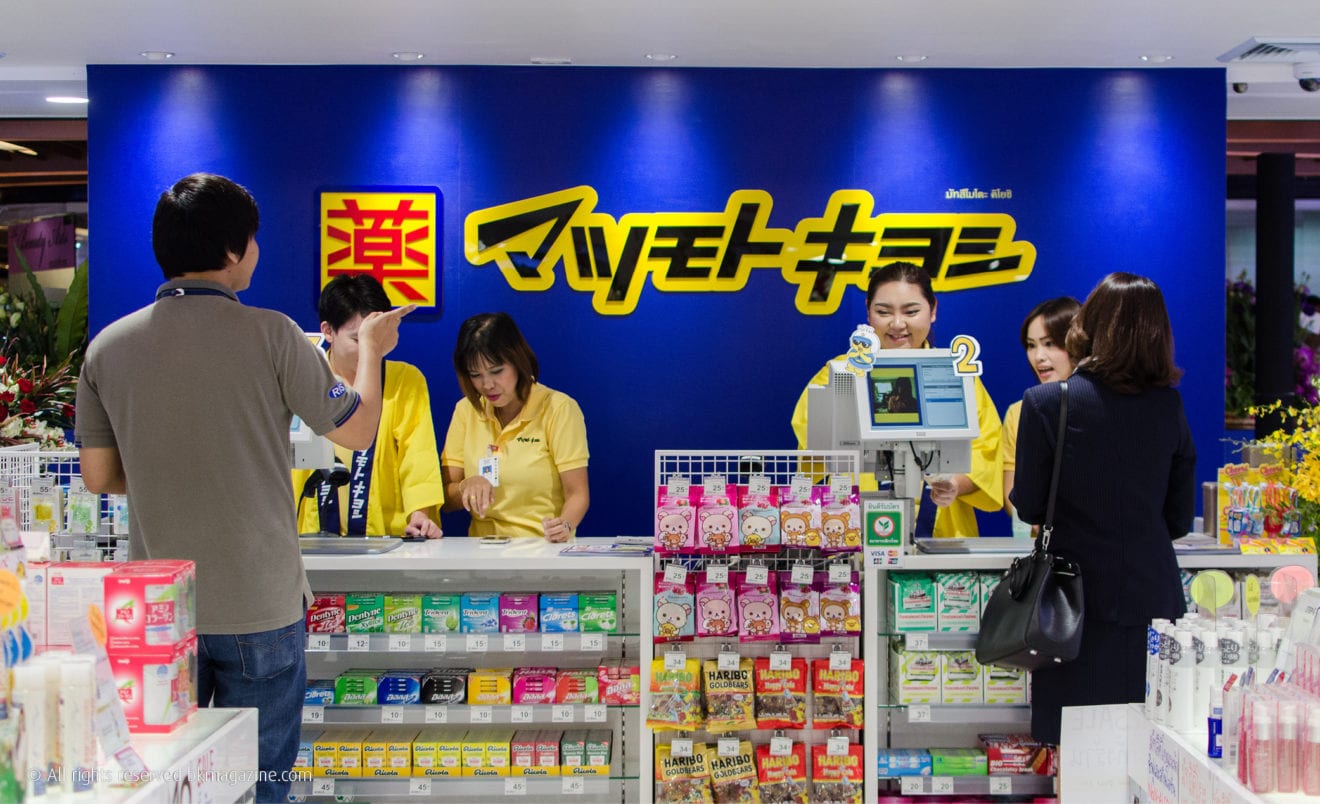
    Japan’s largest drugstore Matsumotokiyoshi has chosen Thailand for its first international foray.

    Matsumotokiyoshi Thailand is a joint venture between the Japanese company and Thai retail conglomerate Central Retail Food Corp who have formed Central & Matsumoto Kiyoshi Corp. Central owns 51 per cent.

    The first store will open in Bangkok at Central Plaza Ladprao this week and will be followed by a second before the end of the year.

    “We are confident to be successful here,” Junichi Tateno, CEO of the JV told a press briefing.

    Tateno says Thailand’s health and beauty market is worth 85 billion baht, or US$2.4 billion, annually and is continuing to grow. Thais, he says, have an interest in Japanese culture and products.

    Central has been test marketing some 200 Matsumotokiyoshi products in 23 Bangkok supermarkets for about a year to assess interest in Japanese beauty products. The results prompted the two companies to proceed with standalone stores, which will stock about 2000 SKUs from the Japanese company’s mainstream offer, together with products sourced from elsewhere.

    Matsumotokiyoshi, launched 85 years ago, has 1500 stores in Japan.

    The second Thai store will open at Central Plaza Pinklao and there are plans to open concessions in department stores from next year.

  • Five Manchester City online stores launched in Asia

    Five Manchester City online stores launched in Asia

    English Premier League club Manchester City has partnered with EZ Shopnet to launch five online stores serving Asian fans.

    Manchester City online stores will be launched for customers in China, Hong Kong, Japan, Korea andSoutheast Asia.

    As the club’s new online retail partner for Asia Pacific, Hong Kong-based EZ Shopnet will help to meet fast growing demand across Asia Pacific for official Club merchandise. Each of the five stores operates in local languages and currencies, with local customer support enabling the club to get official merchandise to its fans quickly and cost effectively.

    Manchester City is following the lead of rivals Manchester United and Chelsea in cashing in on the growing fan base for EPL across broader Asia. It recently opened a regional management office in Singapore.

    Omar Berrada, group commercial director for City Football Marketing, which brokers Manchester City’s commercial partnerships and manages all of its retail and licensing, said that through EZ Shopnet, the club can get even closer to its growing fan base across Asia Pacific and deliver them a better and quicker service.

    “We have seen an enormous growth in our followers in the region and we are extremely happy that they will have easier access to official City kits and our wide range of merchandise than ever before.”

  • I.T. Limited sales rise despite Hong Kong

    I.T. Limited sales rise despite Hong Kong

    Apparel business I.T. Limited has boosted sales by 5.1 per cent to HK$3.393 billion in the first half year despite a slowdown in Hong Kong.

    But the company recorded a net loss of $31 million due to a non-recurring foreign exchange losspreviously reported totaling $79.6 million. Without that, profit would have increased by 32.8 per cent to $48.6 million.

    Gross profit increased by 1.4 per cent to HK$2.026 billion at a gross profit margin of 59.7 per cent, slightly down on the 61.9 per cent of a year ago.

    In Hong Kong, retail sales slipped 3.6 per cent to $1.571 billion, but I.T. Limited noted that was a lesser fall than the broader apparel market in the city. Same store sales fell by 0.9 per cent.

    But in China, where it has more than 580 stores, the company increased sales by 19.1 per cent to $1.336 billion.

    Total Macau sales rose 6.2 per cent to $101 million despite lower than expected tourist traffic.

    And Japan continued to outperform with total retail sales of HK$222.4 million, representing 6.9 per cent increase in Hong Kong dollars, or 27.5 per cent in local currency.

    The company said in the Hong Kong market, a slow economic recovery alongside diminished inbound tourist traffic growth (from Mainland China in particular), which was attributed predominantly to the strength of the HK dollar and the easing of immigration in multiple tourist destinations such as Europe, Japan and Korea, has placed “unprecedented challenges on the consumer retail market”.

    “Similarly, Mainland China, where domestic headwinds continued to cause considerable impact on consumer appetite and maintained lingering concerns about the economic prospect of the country, demonstrated by the depression of external import demand, has created a challenging economic environment for retailers in the region,” I.T. Limited said in its filing.

    “At this juncture, consumer sentiment across these regions remained weak, and retail sales growth was largely boosted by sales promotions.”

    The company said having a multifaceted business model with “inherent flexibility” will allow it to remain resilient in the face of the market challenges.

    “We also believe that innovation and differentiation are among the most relevant tools to support our position as a fashion leader across our operating regions and allow us to adapt to the rapidly changing fashion markets. To that end, the group continues to focus and invest in further strengthening its fashion platform through a combination of international brands assortment upgrades and new fashion concepts establishment within the in-house brands segment.

    “Today, we have a balanced portfolio showcasing a collection of the latest distinctive international brands alongside multiple innovative in-house brands, all of which have their own unique identities that complement each other well.”

    In the first half year, I.T. Limited’s house brands accounted for 56.8 per cent of its revenue.

  • Japanese Comics Digital Bookstore “MangaMon” Launched in Indonesia

    Japanese Comics Digital Bookstore “MangaMon” Launched in Indonesia

    eBOOK Initiative Japan Co., Ltd., who operates ebook-selling website, “eBookJapan,” which boasts the largest line-ups of the digital comics in Japan, has launched the Japanese comics digital bookstore, “MangaMon” on November 1st.

    “MangaMon” url: https://www.mangamon.id/

    “MangaMon” proudly introduces the properly-licensed Japanese comics in digital form (i.e. “ebook”) that are translated into Bahasa-Indonesia in collaboration with Kompas Gramedia group publishers: Elex Media Komputindo and m&c!.

    At the same time, “MangaMon” focuses on Japanese entertainment portal site by providing the cutting-edge news from Japan and by offering various events. The three main features of MangaMon are as follows:

    Japanese comics digital bookstore translated into Bahasa-Indonesia

    [Line-up]
    MangaMon has a vision to offer all of the major Japanese comics. The line-up includes “Angel Heart” which is a very hot topic now in Japan after being made into TV drama. We will soon increase the line-ups published by various major publishers in Japan.

    [Payment method]
    Users can pay by credit card, mobile carrier charge, and internet banking online, as well as through offline such as ATM and convenience stores, which are available on 100,000+ places.

    [Reading]
    Comics bought on MangaMon can be read in smartphones, tablets, and PCs. Apps (free of charge!), which are made available for Android, iOS and Windows, will make users read offline after downloading the ebooks. Furthermore, users don’t have to use the apps should they use browser and connect to internet.
    (Supports Android from ver. 4.0.0 and from iOS 6)

    Various alliances with all players related to entertainments

    “MangaMon” is committed to foster Japanese entertainment portal function in Indonesia by making alliance with all player related to entertainment field.

    “MangaMon” is launched in Indonesia by collaborating with Kompas Gramedia group publishers of Elex Media Komputindo and m&c!. It also features Japanese pop culture news by forming alliance with Jurnal Otaku INDONESIA and KAORI Nusantara.

    MangaMon shall further endeavor to form various alliances with Mass media such as TV, radio and magazines, Publishers, Game providers, Talent agencies, and chain of café, as well as Event organizers, Manga circles in universities, Famous cosplayers, and Influential bloggers in Indonesia.

    “MangaMon” has started to form alliances in Japan too with companies who introduce Japanese pop culture abroad such as; Tokyo Otaku Mode Inc. who runs “Tokyo Otaku Mode”, ALL BLUE inc. who runs “Tokyo Girls’ Update”, IID, Inc. who runs “Anime!Anime!”. We plan to run cooperative campaigns and contents provisions.

    A lot of delightful events and campaigns

    • Variety of contests aimed at offering the chance for creation
    “MangaMon” plans to host many kinds of contests; Comic contests, Cosplay contests, Character illustration contests, etc. to provide chances of creative activities for new talents. The judges in the first comic contest are editors from Elex Media Komputindo, m&c! and publishers in Japan.

    • Luxurious prizes for accumulated rewards points
    “MangaMon” offers a rewards points system which you can exchange to goods and vouchers. Users can earn points through four types of opportunities; buying ebooks, tapping the “likes” for books and reviews, answering the questionnaire, getting “likes” pressed for your reviews. For every point stage, we will offer more than 20 kinds of prizes, including a lottery for a 7 days tour to Japan.

    Enjoy the new service of “MangaMon,” which shall boost the entertainment market in Indonesia.

    Social Networks
    Facebook: https://www.facebook.com/mangamon.id
    Twitter: https://twitter.com/mangamon_id
    Instagram: https://instagram.com/MangaMon_id/