Tag: Japan

  • Top Japan bank buys 20% of Security Bank

    Top Japan bank buys 20% of Security Bank

    Bank of Tokyo-Mitsubishi UFJ Ltd., Japan’s biggest bank, is buying a 20 percent stake in the Philippines’ Security Bank Corp. in a deal expected to expand both institutions’ market reach.

    Security Bank Corp. said the deal would infuse an additional P36.9 billion in capital with BTMU investing in newly issued common and preferred shares. The sale remains subject to regulatory approvals and other conditions.

    Described as the largest equity investment in a Philippine financial institution by a foreign investor, the stake sale will increase Security Bank’s shareholder capital from P52.4 billion as of September 2015 to P89.3 billion on a pro-forma post-transaction basis.

    “The additional capital will help us accelerate our strategy over the next three to five years of building our retail banking business as a third business pillar alongside wholesale banking and financial markets,” said Alfonso Salcedo Jr., Security Bank president and chief executive officer.

    Salcedo said the bank would be able to scale up its branch network much faster, from the current 262 to more than 500 branches by 2020.

    “We will be able to conveniently serve our customers with a larger network, offer them a comprehensive range of financial services, as well as make inroads into the Japanese business sector, tapping on BTMU’s expertise,” he added.

    The strategic partnership will result in BTMU, the commercial banking entity of Mitsubishi UFJ Financial Group, becoming the second largest shareholder of Security Bank.

    BTMU will be appointing two directors to Security Bank’s board, while Security Bank will become an equity affiliate of BTMU.

    The Dy Group will remain as the biggest shareholder of Security Bank with majority voting control.

    Through the partnership, BTMU aims to establish a comprehensive financial service platform, including retail banking, to meet clients’ needs in the Philippines. It has adopted similar equity alliance deals in Asia including Vietnam.

    Seeking to take advantage of the fast-growing Philippine market and the economy’s attractive fundamentals, BTMU expects to expand its business platform indirectly through the investment in Security Bank, which is known for its retail and small and medium business capabilities that will be new business areas for BTMU in the country.

    “BTMU has been focusing on Asia as one of its core markets for growth. It is a strategic intent for the bank to identify the right partner in the higher growth markets like the Philippines to deepen our presence, including through inorganic means,” said Go Watanabe, chief executive officer of BTMU for the Asia and Oceania region,
    “This strategic partnership with Security Bank reinforces our Asia strategy and enables both parties to offer more comprehensive financial services to a wider range of customers in the Philippines. We believe in Security Bank’s growth strategy and are keen to play a role and be part of its transformational journey, “he added.

    For Security Bank, the partnership with Japan’s largest banking group is expected to enhance shareholder value by accelerating the bank’s growth strategy, including the
    expansion of its branch network and increasing its retail market penetration.

    It also expects to tap BTMU’s extensive relationship with Japanese corporates, its global network, and diverse range of functions and expertise within MUFG.

    “We are elated to have BTMU as a strategic shareholder and business partner. The transaction will position Security Bank as a large independent bank supporting the growth of the Philippines’ economy, with the strength and capabilities to compete with other larger financial institutions,” said Alberto Villarosa, Security Bank chairman.
  • Uniqlo struggles with currency and weather

    Uniqlo struggles with currency and weather

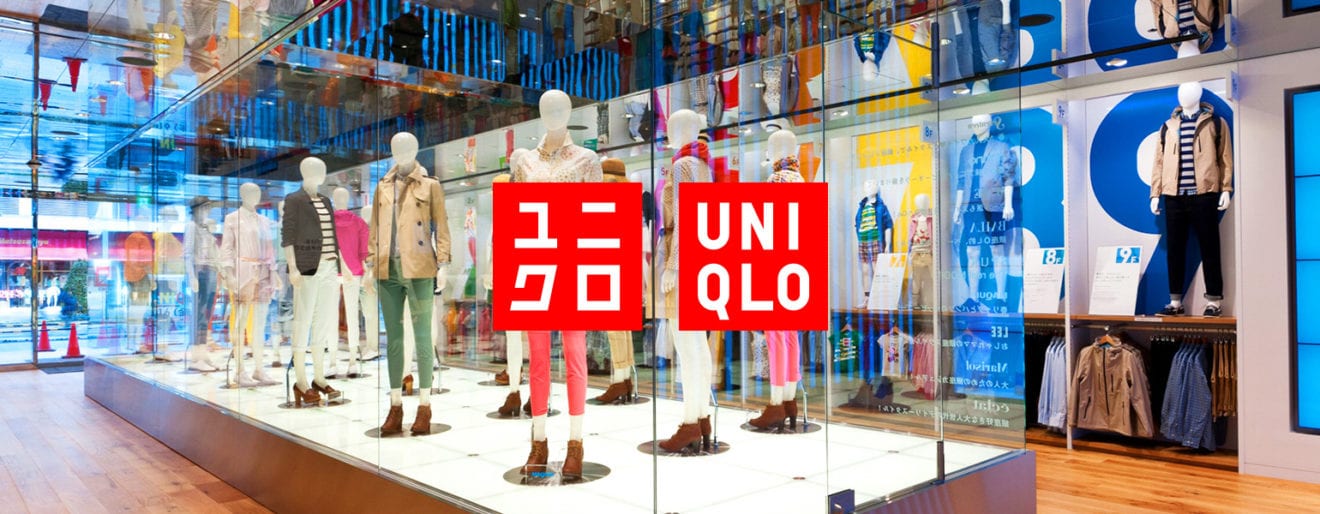
    Uniqlo, Asia’s largest apparel retailer, has delivered a disappointing set of results for the quarter to November 30.

    While revenue rose 8.5 per cent year on year to ¥520.3 billion (US$4.44 billion), profit fell 16.9 per cent to ¥75.9 billion ($647.1 million). Considerable depreciation of the Japanese yen was the main factor in a ¥29.0 billion fall in pre-tax profits, the company said.

    Uniqlo International sales also fell short of target in the first quarter, reporting a rise in revenue but a decline in profit (revenue: ¥196.9 billion (+17.2 per cent year on year), operating profit: ¥20.8 billion (-14.2 per cent)).

    “Unseasonal warm winter weather around the globe adversely impacted same-store sales at Uniqlo Greater China (encompassing operations in mainland China, Hong Kong and Taiwan), Uniqlo South Korea and Uniqlo US in particular, resulting in a lower than expected first-quarter performance and declining profits in all three of these areas.

    Meanwhile, Uniqlo Europe reported higher than forecast gains in both revenue and profit, and Uniqlo Southeast Asia and Oceania reported a steady operating profit, as expected.

    New store openings proceeded as planned, with a net 66 stores opened during the first quarter, mainly in Greater China and Southeast Asia. As a result, the total number of Uniqlo International stores had expanded by 169 year on year to 864 stores as at November 30.

    Uniqlo Japan fell short of expectations in the first quarter, declining in both revenue and profit Revenue was ¥230.9 billion (-0.7 per cent), operating profit ¥44.8 billion (-12.4 per cent).

    “While online sales expanded 23.2 per cent year on year, same-store sales declined 2.3 per cent, resulting the fall in revenue,” the company said.

    “In September and October, fall winter items such as cashmere sweaters, merino sweaters, gaucho pants and wide pants got off to a great start and sales proved strong, pushing same-stores sales higher as a result. However, the unexpected heatwave in November stifled demand for winter items, and led to a sharp drop in revenue.

    “On the profit side, hefty discounting of winter items in November squeezed the first-quarter gross profit margin, while lower than-expected first-quarter sales inflated the selling, general and administrative expenses to revenue ratio.”

    The number of directly run Uniqlo Japan stores, excluding 38 franchise outlets, totaled 806 stores at the end of November 2015. While that represents a net decrease of 18 stores year-on-year, 10 of these stores were converted from directly-run stores to new employee-franchise outlets.

    The group reiterated its goal of becoming the globe’s largest apparel retailer.

    “To this aim, we have focused our efforts on expanding Uniqlo’s global operations, boosting store numbers in each country where we operate, opening global flagship stores and large-format stores in major cities around the world, and offering exciting joint collections with well-known designers from around the world, such as Ines de la Fressange. This strategy is designed to both boost awareness and visibility of the Uniqlo brand and strengthen our global operational base. We are also actively promoting our GU brand by accelerating the opening of new stores in Japan and launching the label in the Chinese market.

    “We believe the GU operation has reached a key turning point in its growth and development as a second pillar brand for the group,” the company concluded.

    Uniqlo’s Global Brands division exceeded expectations in the first quarter by reporting a 17.4 per cent year on year gain in revenue to ¥91.8 billion, and a 29.7 per cent year on year gain in operating profit to ¥12.4 billion.

    “Within the Global Brands segment, our low-priced GU fashion casualwear label reported significant rises in both revenue and profit that surpassed our initial forecasts. GU reported double-digit growth in same-store sales on the back of strong sales of heavily advertised campaign items such wide pants, baggy sweaters and knitted bottoms.

    “Meanwhile, our Theory fashion brand and J Brand premium denim label both fell slightly short of target when they reported a decline in profits.”

    The company’s France-based Comptoir des Cotonniers and Princesse tam.tam labels reported lower-than-expected sales and a decline in profit, after the November terrorist attacks in Paris forced some stores to close temporarily.

  • Shibuya109 opens in Hong Kong

    Shibuya109 opens in Hong Kong

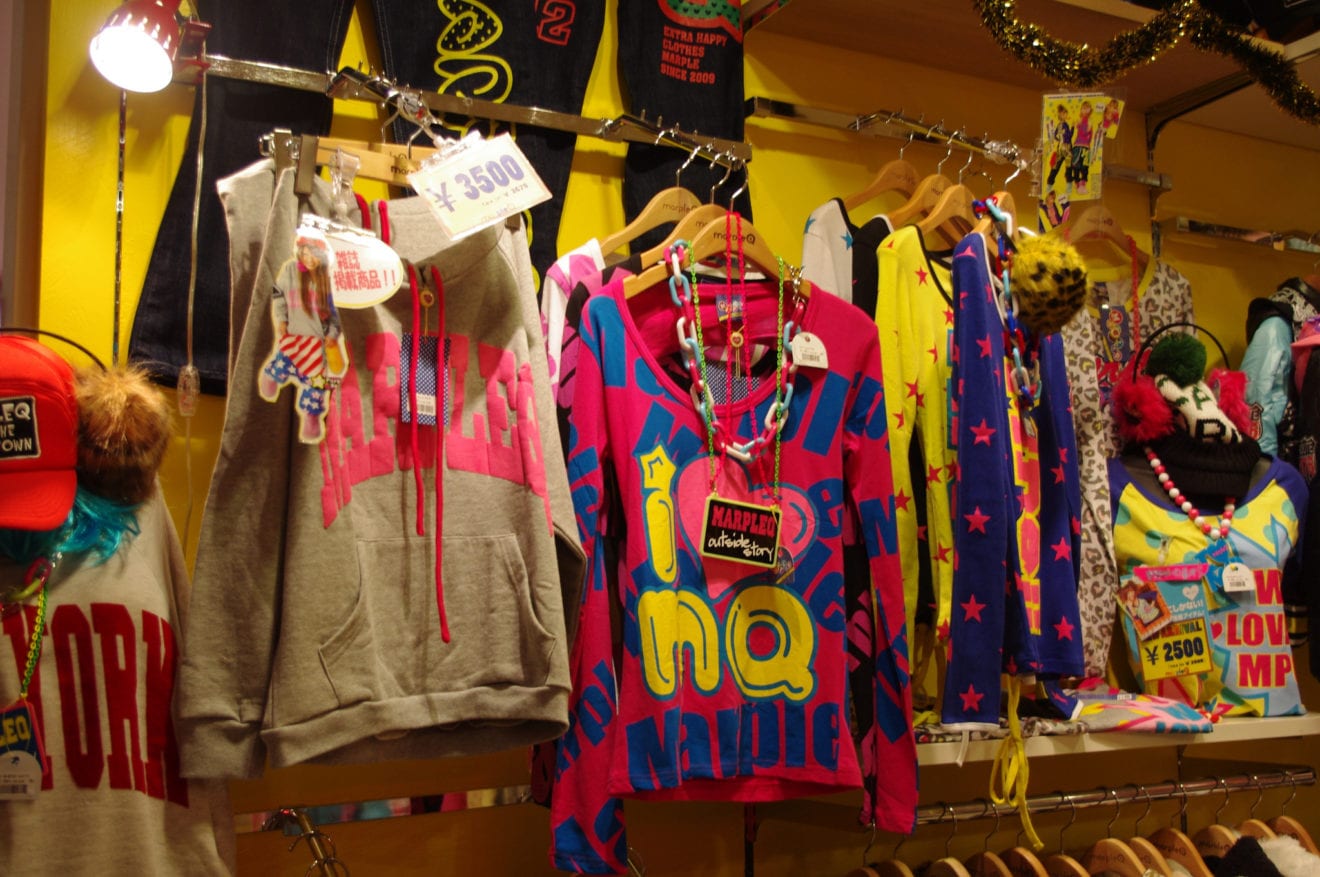
    The Japanese department store Shibuya109 has opened its first outlet outside its home market – in Market City in Kowloon, Hong Kong.

    Owned by Tokyu Hands, Shibuya109’s first Hong Kong store is described as a ‘mini-mall’ offering just a curated collection of brands from Japan to test the broader Asian market.

    The store opened quietly during the Christmas season lead-up taking up an 800sqm space on the third floor of Gateway Arcade at Harbour City in Tsim Sha Tsui. It is home to 13 retail brands from the Tokyo stores: Ank Rouge, Duras, Esperanza, Ki La Ra Girl, Liz Lisa, MLR, Rady, Redyazel, Regalect, Samantha Vega, Secret Honey, SLY and Wego Tokyo. For six of these brands, it will be their first launch on an overseas market.

    There is also a space tagged Shibuya109 Stage, dedicated to incubator brands.

    Shibuya109 takes its name from the popular shopping district in Tokyo.

    The concept of the mini mall is to highlight Japan’s fashion culture.

    Tokyu Malls Development Corporation says it chose Hong Kong because of its popularity with tourists – some 50 million people a year visit the territory.

    If the Hong Kong store proves a success, Tokyu will consider similar such outlets in Singapore and other Asian cities.

  • Max Brenner Korea launches

    Max Brenner Korea launches

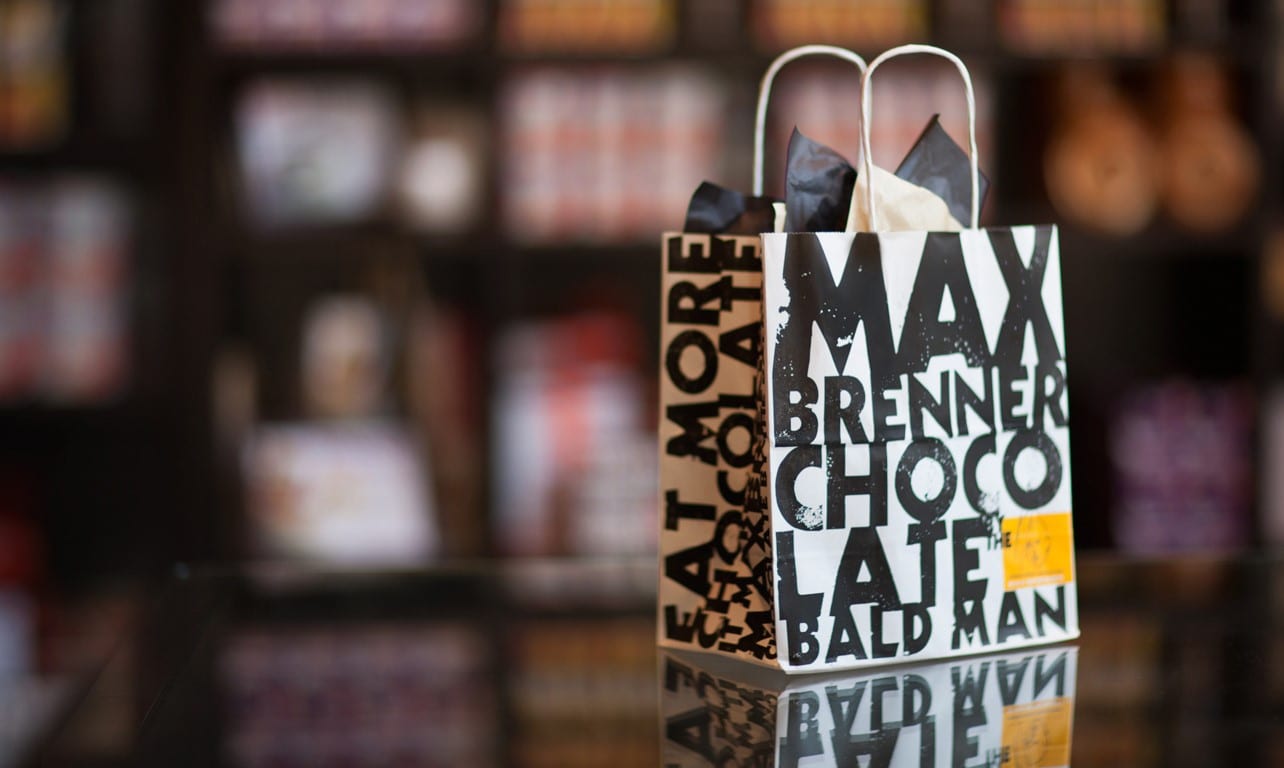
    Max Brenner “the baldy man” has opened its first stores in Japan and Korea as it expands its Asian footprint.

    The first Korean store (pictured) was opened quietly in Seoul in late November.

    In Japan, the brand made its debut in Tokyo’s upmarket Omotesando Hills retail precinct, and followed that with a second outlet which opened just before Christmas at the Skytree shopping complex in Tokyo Solamachi.

    Founded in 1996, the now famous global chocolate brand Max Brenner came from humble beginnings in Israel, as a small shop selling handmade chocolates. Max Fichtman and Oded Brenner combined their names to form the brand, which is now a fully owned subsidiary of the

    Strauss Group, Israel’s second-largest food and beverage company.

    There are now over 40 restaurant and bar stores worldwide, including outlets in Israel, New York, and other locations throughout the US, in Australia, the Philippines and Singapore.

    In line with the catering style of other Max Brenner Chocolate Bars, the Korean and Japanese stores were set up in the fashion of a casual counter-style cafe serving pizzas, waffles, crepes, and fondue.

    Max Brenner’s fun and pop art attitude of serving chocolates, or “chocolate entertainment,” will also be featured in the Tokyo stores, such as in the chocolate-filled giant “syringes,” the cacao

    bean-shaped cup filled with Max Brenner’s trademark hot chocolate known as the Hug Mug, and Chocolate Chunk Pizzas topped with toasted marshmallows and melted chocolate.

    The interior of the Max Brenner Chocolate Bar is fashioned in the image of a chocolate factory, in chocolate shades of dark brown, milk, caramel, and white chocolate.

  • Bengkulu exports Layur fish to Japan

    Bengkulu exports Layur fish to Japan

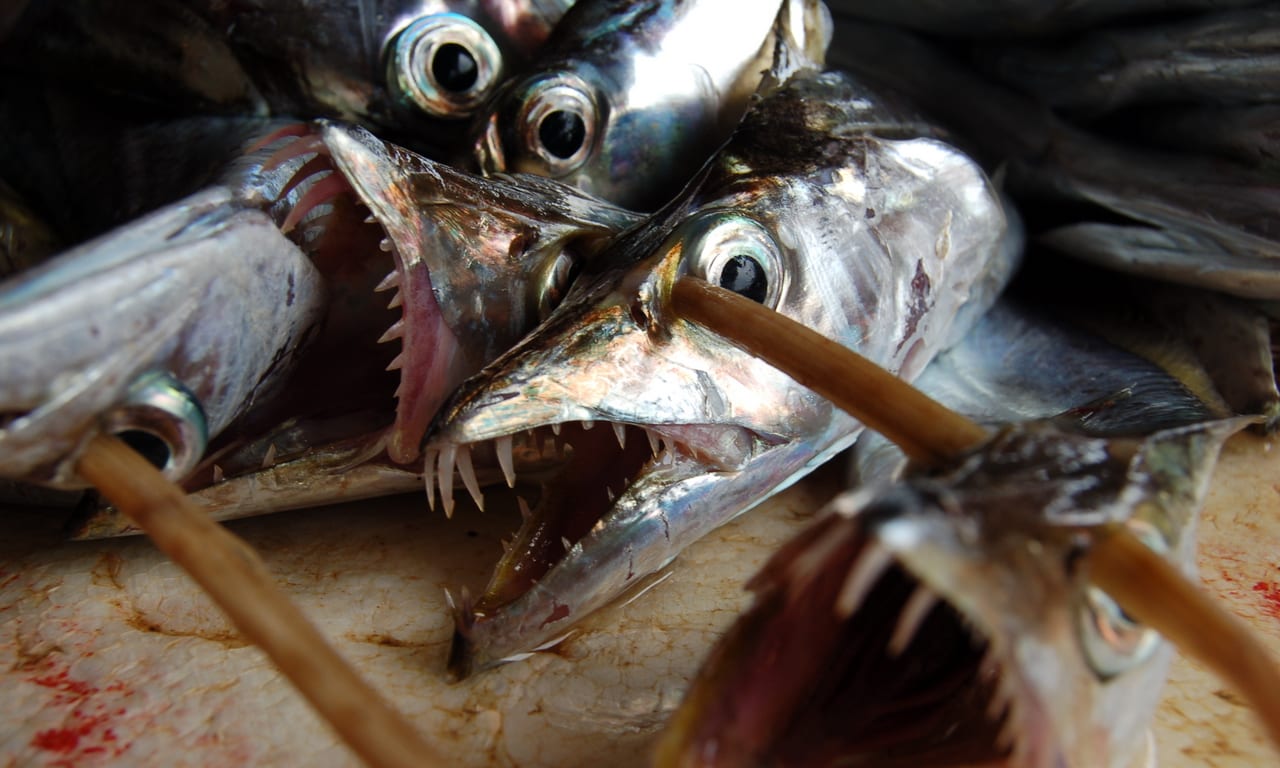
    The fisheries cooperative of the Bengkulu city has started exporting Layur fish (Trichiurus Lepturus) to many countries, such as Japan, Taiwan, China and South Korea.

    Layur fish export was started as the fishing season began in November 2015, the Management of Mutiara Laut Coop, Hermansyah, said here on Wednesday.

    “This Layur fish catch depends on the season which lasts for six months, and the species is not available for the rest of the year,” he said at Pondok Besi fish auction, Bengkulu city.

    This fish is obtained from North Bengkulu, South Bengkulu and Kaur districts.

    Hermansyah could export 100 tons of Layur fish per month through the Bandung city, West Java.

    “We use a cold store built by the government for this auction,” he said.

    The coop buys Layur fish from fishermen at prices ranging between Rp15 thousand and Rp36 thousand per kilogram, depending on the size of the fish.

    The demand of Layur fish caught from the Indian Ocean is high because it if of better quality.

    “There are no certain standards in case of this fish. They always accept every lot of the species we send. The problem is actually of the production being low because many fishermen still use traditional fishing gear,” Hermansyah emphasized.

    Layur fish could easily be identified, owing to its flat and long shape.

    Various kind of Layur fish are found in the Pacific and Atlantic Ocean.

    Many people like it because the meat is chewy, not too fishy, not greasy, and it has easily removable bones.

  • Ginza West Hong Kong store is first outside Japan

    Ginza West Hong Kong store is first outside Japan

    Japanese confectionery company Confectionery West (Ginza West) has opened its first overseas store in Hong Kong, leveraging the city’s international platform to expand its business outside its home market.

    Ginza West Hong Kong is located at Lee Tung Avenue, a new shopping mall in Wan Chai and sells handmade biscuits imported from Japan.

    Director and representative of the Hong Kong office of Confectionery West, Baniel Cheung, said the company hopes to gain access to the upmarket cookies sector with the store in the city.

    Ginza West 1“Hong Kong is a major business hub in Asia as well as an international city with a good mix of local Hong Kong people, Mainlanders and foreigners. It is the best place to showcase our high-quality confectionery products to the world,” he said.
    “Hong Kong people are very open to trying and accepting new products, and in particular Japanese food. They are also willing to spend more for high-quality confectionery products. Therefore, the new store in Hong Kong is a strategic step for us to build up our brand and expand outside our home market.”

    Associate director-general of investment promotion Dr Jimmy Chiang said Hong Kong has a large number of visitors from around the world, offering excellent brand exposure for foreign investors.

    “A range of advantages like a skilled workforce, a business-friendly environment and world-class transportation and logistics makes Hong Kong the ideal place for companies that aim to expand their business globally.”

    Founded in 1947 and headquartered in Ginza, Confectionery West (Ginza West) is a luxury confectionery store offering high end confectionery products. Currently, the company has three luxury cafes in the Ginza, Aoyama and Yokohama areas and 19 handmade biscuit counters in major department stores and the Narita and Haneda airports.

  • Bridgestone pulls out of bidding war for Pep Boys

    Bridgestone pulls out of bidding war for Pep Boys

    Japanese tire maker Bridgestone Corp said it would not counter Carl Icahn’s raised offer to buy Pep Boys – Manny Moe & Jack, ending a bidding war for the U.S. auto parts retailer.

    Icahn sweetened his offer for Pep Boys for the second time to $18.50 per share on Monday, after Bridgestone raised its bid by $1.50 to $17 per share on Dec. 24.

    Pep Boys said on Monday Icahn’s latest offer was superior to the deal it accepted from Bridgestone, and moved to terminate its agreement with the Japanese company.

    Icahn, whose latest bid values Pep Boys at about $1 billion, had reported a 12.12 percent stake in Pep Boys earlier in December and said the company’s retail automotive parts business would be a perfect fit for Auto Plus, a competitor he owns.

    The auto parts retailer has been on the block since June, when it said it was considering selling itself as part of a strategic review.

    Bridgestone had said on Oct 26 that it would buy Pep Boys to boost its retail network by more than a third in the United States.

  • Giant Muji Shanghai flagship store opens

    Giant Muji Shanghai flagship store opens

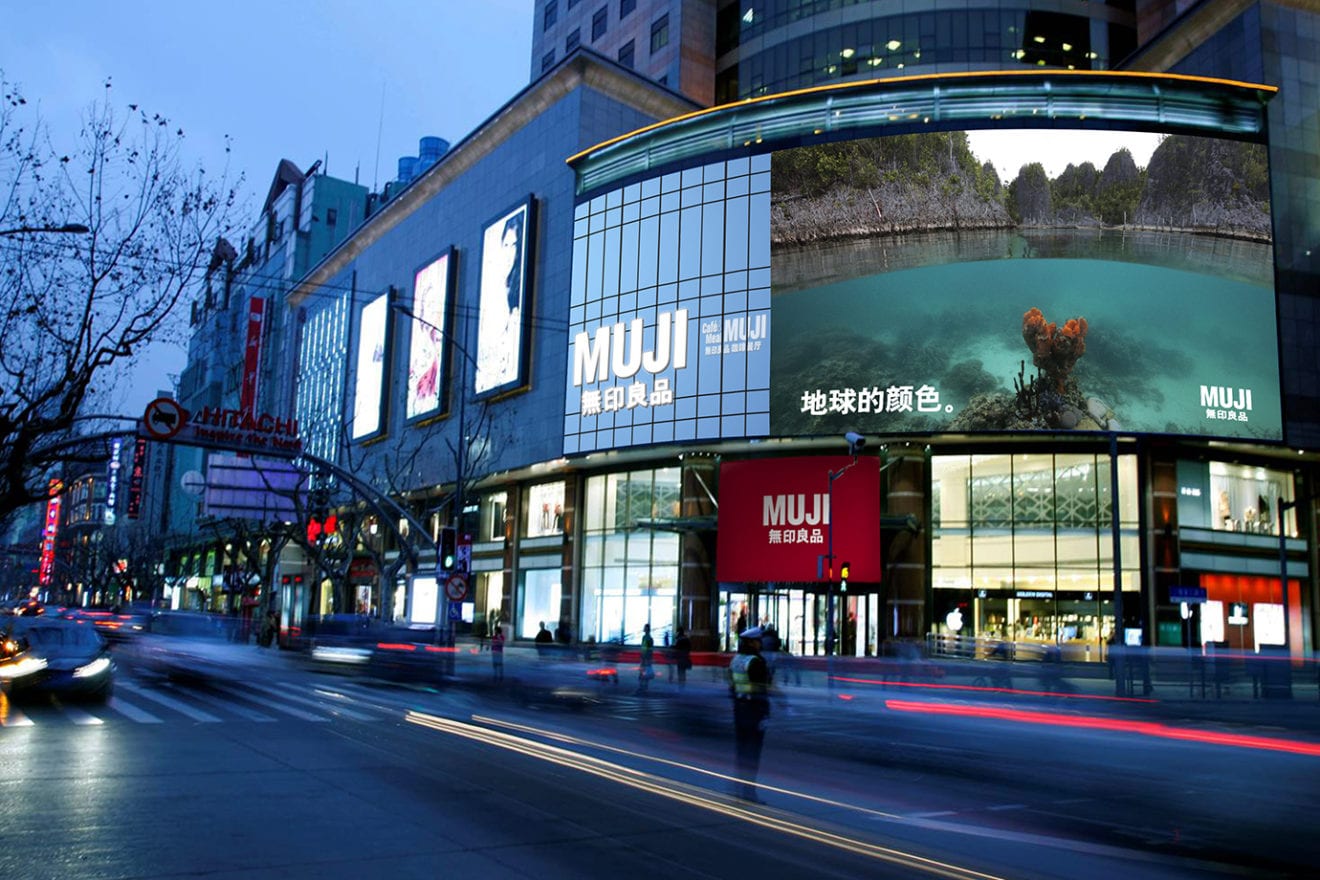
    The new Muji Shanghai flagship just opened marks the Japanese department store brand’s largest shop in China.

    Muji says it built the massive store so consumers in China “can experience the Muji lifestyle concept”.

    MUJI Shanghai Huaihai 755 - 6

    MUJI Shanghai Huaihai 755

    The new store is located at 755 Huaihai Rd, Shanghai’s premium high street shopping strip which is also home to flagships from brands as diverse as Uniqlo and Alfred Dunhill.

    MUJI Shanghai Huaihai 755 - 5

    MUJI Shanghai Huaihai 755 -1

    From a design perspective, each of the store’s three levels uses a different natural material to create three unique, differentiated shopping environment: Wood, iron (metal) and glass (earth).

    MUJI Shanghai Huaihai 755 - 4

    The flagship also incorporates  the cafe & Meal Muji dining concept, for the first time in Shanghai.

    MUJI Shanghai Huaihai 755 - 10

    “We seek out food ingredients that are tasty as natural food, and produce menus that make use of the original tastes of those ingredients with simple cooking methods,” said a Muji spokesperson of the new eatery offer.

    MUJI Shanghai Huaihai 755 - 3

    And – for the first time in China – Muji Books has opened featuring a curated range of reading materials and stationery products.

    MUJI Shanghai Huaihai 755 - 7

    MUJI Shanghai Huaihai 755 - 9

    MUJI Shanghai Huaihai 755 - 2

    In one corner of the store, customers can create their own scents mixing and matching various essential oils for their own unique recipe.

    MUJI Shanghai Huaihai 755 - 8

    Muji says the store is large enough for it to host seminars and events for customers.

  • Rakuten to open on JD.com

    Rakuten to open on JD.com

    Rakuten, Japan’s largest eCommerce company, is to open an online flagship on Chinese cross-border eCommerce platform JD.com.

    The Japanese company says it aims to take “the best Japanese products to Chinese consumers”. It launched a beta version of the new marketplace on JD Worldwide earlier this month. Plans are under way to expand the merchandise range over coming months, with an initial focus on categories such as cosmetics, snacks and health food products.

    Masato Takahashi, managing executive officer of Rakuten, said the partnership between Rakuten and JD.com will promote cross-border trade by connecting Chinese consumers with authentic and popular Japanese products from a top selection of Rakuten’s merchants from around Japan, both small and large.

    “Rakuten will continue to work to expand our offering to Chinese consumers.”

    Haoyu Shen, CEO of JD Mall, said imported Japanese products have proven popular in China to date.

    “Our focus remains on partnering with the most trusted retailers in key overseas markets to meet the growing demand for premium imported products.”

    Expansion of the product line-up will continue over the coming months.

  • Singapore’s Honestbee launches in Japan

    Singapore’s Honestbee launches in Japan

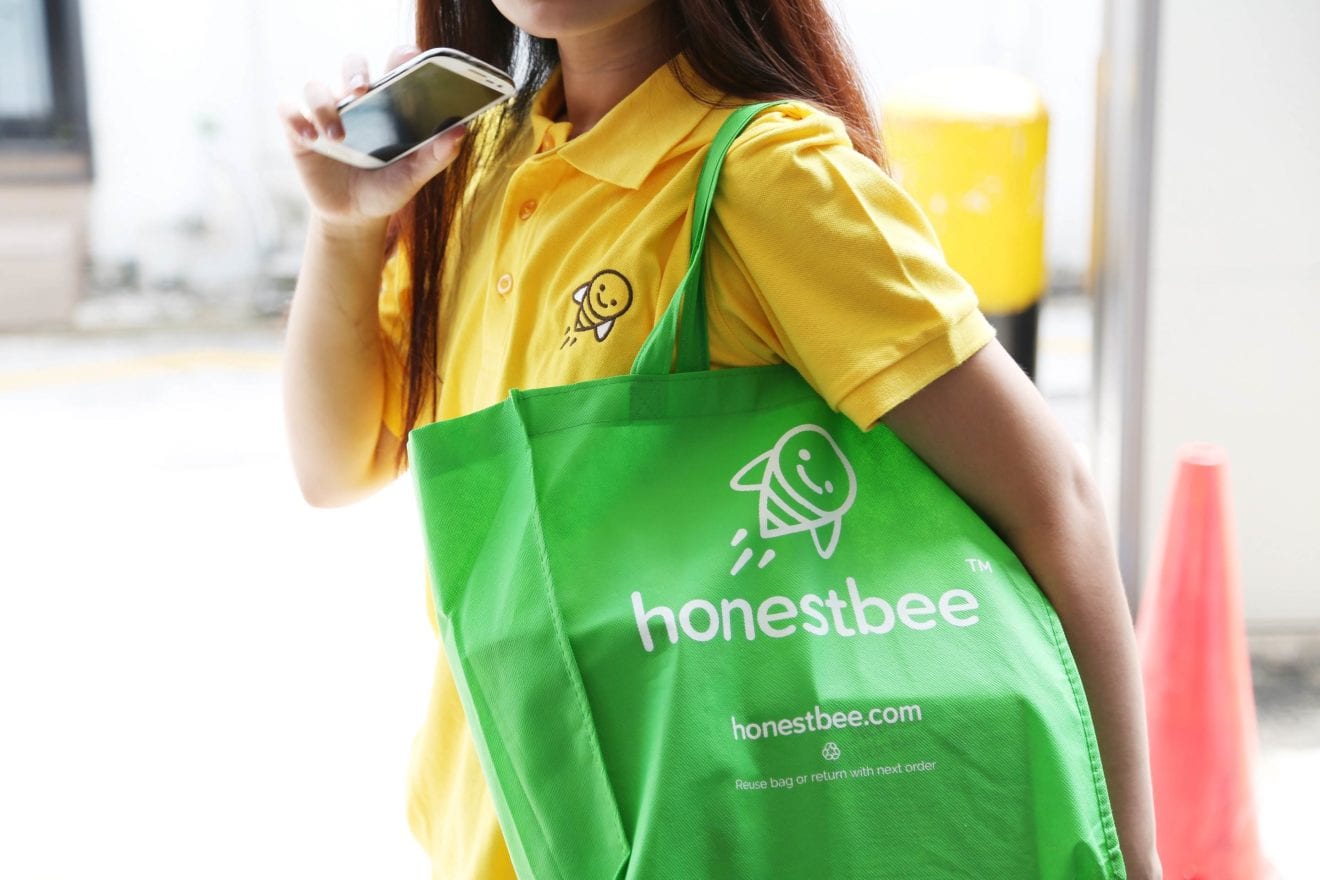
    Honestbee, the fast-growing on-demand grocery concierge and delivery service company founded in Singapore just last July, has launched its service in Japan.

    The first Japan stop of many to come, visiting tourists can now enjoy the convenience of grocery shopping via the online portal honestbee.jp in Niseko, Hokkaido, Japan, from now until February 29.

    Honestbee’s point of difference to other online grocery shopping services is that it partners with retailers to offer a high-quality array of products and uses concierge shoppers to fulfil orders on demand – and then deliver them. It expanded into Hong Kong in October, and its next market is Taiwan, where it launches in a fortnight.

    “Niseko is one of the most popular ski destinations in the world which sees a great amount of tourist visits every season. While these families look forward to grocery shopping, the closest supermarket in the area is an hour away,” said Joel Sng, co-founder and CEO, Honestbee.

    “With technology and software, we plan to offer our customers the same level of convenience they have back home by travelling alongside them. Now they can better spend their time skiing or sipping hot chocolate somewhere else.”

    With the launch of this service, ski-lovers and snowboarders can now spend more time skiing on the powdery slopes of Niseko and have their groceries covered by Honestbee.

    As the third-largest economy in the world, Japan presents a wealth of opportunities for Honestbee’s expansion. Niseko is a world-renowned region in the Hokkaido prefecture. With the launch of the New Chitose Airport, increased direct flights to Sapporo from neighbouring cities have contributed to the dramatic rise of international tourists to about 1.5 million throughout the year. Foreign investments in properties in the ski areas have also fuelled economic growth in Niseko.

    Maintaining its commitment to offering a one-stop shop for a range of highly curated and specialty products, customers in Niseko will be able to shop for the freshest groceries, local Hokkaido and international products at major brands well-loved by the locals.

    While the Hokkaido launch may be perceived as something of an experiment or publicity stunt, Honestbee has confirmed it will offer a permanent service in more Japanese cities next year.

  • FC Schalke opens Asian stores

    FC Schalke opens Asian stores

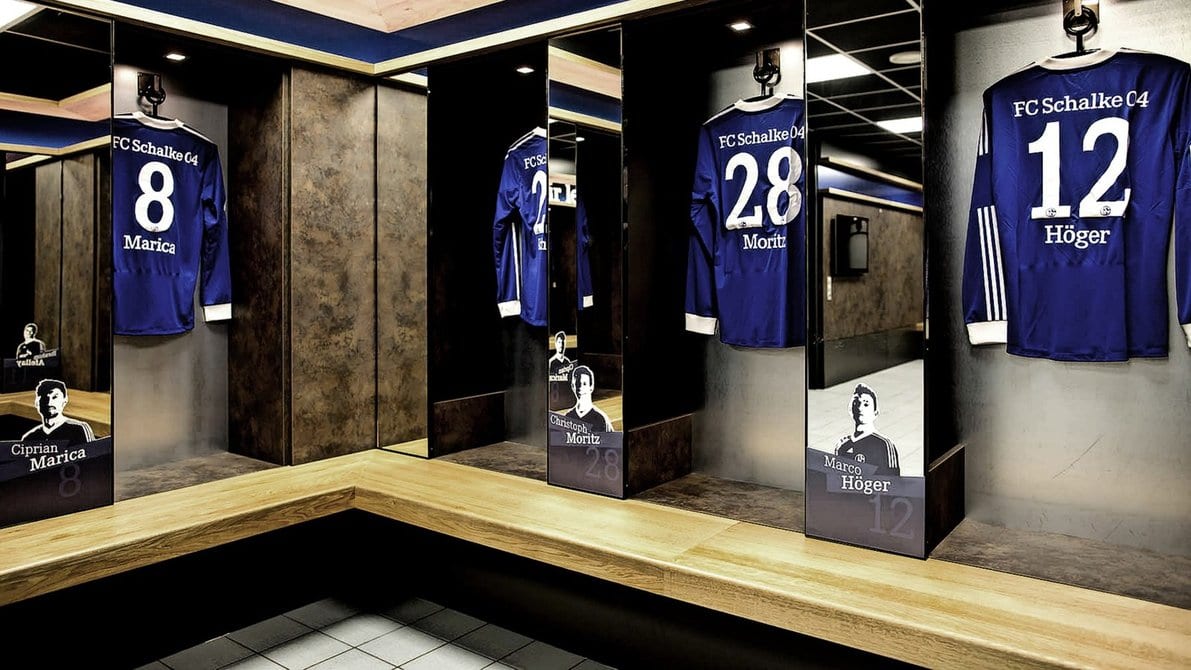
    German Bundesliga football team FC Schalke 04 has taken the next step in its long term process of internationalisation, opening three online stores for fans in Asia.

    The Royal Blues (as the team is nicknamed) has launched online shops to sell fans club merchandise quickly and easily online. This applies to every country in the Asia-Pacific region. For China and Japan there are separate online shops in the respective languages, while the English site reaches out to supporters in all the other countries.

    S04’s marketing director Alexander Jobst said Asia is an important target market for the team, as it has already gained a lot of support.

    “So we’re very pleased that the online shops are bringing us closer to our fans out there.”

    FC Schalke 04 is currently communicating with more than 1.2 million people in China through the club’s Chinese media channels. Schalke’s Japanese Twitter account has over 90,000 followers making S04 one of the best supported European clubs in Japan. The language-specific Facebook page is also liked by almost 40,000 Japanese fans.

    Jobst says the stores will enable faster delivery, market-specific products and country-specific payment methods.

    To begin with, the online shops will be available in four different languages: Chinese, with both traditional and simplified writing, Japanese and English. Further language options are planned to follow soon.

    FC Schalke 04 is offering a ‘welcome discount’ of 15 per cent off all products to celebrate the launch online.

    Hong Kong based company EZshopnet International  is the club’s official partner in the eCommerce project and help run the online shops of several other clubs including Chelsea, Juventus and AC Milan.

    Perhson Wong, chairman of EZshopnet said FC Schalke 04 is the company’s first partner from the German Bundesliga.

    “Most notable of all it is the first time that three parties from three different countries have collaborated to develop the online shops – a German football club, an eCommerce firm from Hong Kong and a creative web-design agency from the UK,” he said.

    As part of their internationalisation strategy, FC Schalke 04 has long been putting most of its focus on the Asia-Pacific region, and has been able to strike two partnership deals with multi-billion Chinese companies Hisense and Huawei, as well as South Korean tyre manufacturers Kumho Tyre.

  • Japan’s Miniso opens Singapore flagship

    Japan’s Miniso opens Singapore flagship

    Japanese fast fashion brand Miniso has opened new flagship stores in Singapore and Dubai as it works on a global rollout.

    Miniso, founded by designer Miyake Jyunya and partner Ye Guofu, advocates the philosophy of ‘simple, natural and quality life and brand essence’ by “returning to nature and restoring product nature”.

    The brand is opening new stores at the rate of 20 to 30 a month, with China – where it made its debut in 2013 – a major focus.

    Jyunya, who attended the Singapore store opening at the Harbourfront Centre on Saturday (December 12), aims to provide “high-quality, low-priced and innovative products for global consumers”. Its stores are decorated in a fresh and natural style, establishing a service-oriented shopping environment that is finding favour with consumers.

    Jyunya described the Singapore and Dubai openings as “a major milestone in the company’s globalisation strategy”.

    “As one of the most developed market economies in Asia, a key services and shipping hub and the fourth global financial center after New York, London and Hong Kong, Singapore is an important destination for Miniso’s first international venture. Singaporean consumers have always been sensitive to changes in fashion, a philosophy built on and shared by Miniso,” the company said in a statement.

    “Dubai likewise is a significant location in the global services and retail sector and serves to highlight the newly established reach of the Miniso brand in addition to its ability to expand into developed markets.”

    In future, Miniso plans to continue to actively explore internationally, with the aim of offering a new generation of consumers an alternative to high-level retail through quality products at affordable prices.

    After its expansion into Singapore and Dubai, the company will turn its attention to Europe and eventually the rest of the world, “evolving into a superior international brand enjoyed and talked about by consumers everywhere”.

  • Japanese e-retail leader Rakuten doubles its online sales in China

    Japanese e-retail leader Rakuten doubles its online sales in China

    Rakuten’s Q3 growth from China jumps 101%. The Tokyo-based company plans to open a store soon on Chinese marketplace JD.com. The falling value of the Japanese yen and China’s relaxed cross-border e-commerce policies have helped Rakuten Inc., Japan’s dominant online marketplace operator, double its web sales in China in the third quarter.

    Founded in 2007, Rakuten says it now sells about 150 million products from over 41,000 merchants on its Japanese online marketplace, Rakuten.jp.

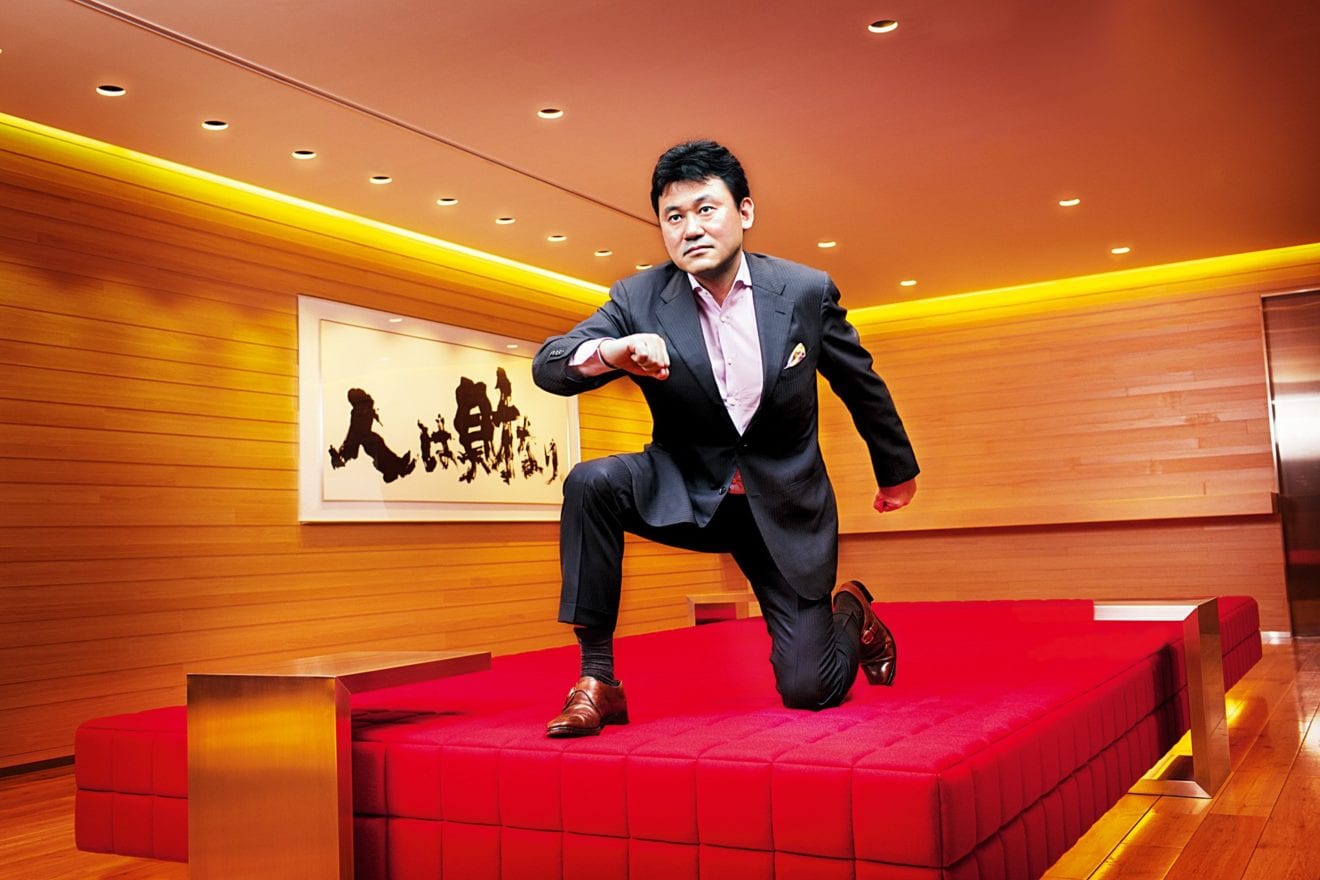
    Rakuten operates localized sites in 13 countries, including Japan, the United States, the United Kingdom, Spain, Brazil, Germany, France, Austria, Singapore, Thailand, Malaysia, Indonesia and Taiwan. CEO Hiroshi Mikitani has pursued a global strategy that has included several e-retail acquisitions, such as of Buy.com in the U.S. and PriceMinister in France.

    Rakuten also operates the Rakuten Global Market, an online marketplace offering 1.2 million Japanese products from 10,000 merchants to consumers outside of Japan. China represents the fastest-growing country in terms of purchases on the Rakuten Global Market, the Rakuten spokesman says. “Our Q3 total cross-border trading showed 50% growth year on year,” he says. “Our Q3 growth from China showed a significant increase of 101%.”

    Japanese products have become much cheaper to Chinese consumers as the Japanese yen has depreciate about 30% over the last few year.

    In addition, China has relaxed its policies on online imports, making it easier for Chinese consumers to buy from foreign e-commerce sites. For example, the duty charged on small online purchases from abroad is lower than the tax charged on domestic purchases in China, and China has created free-trade zones in nine cities where parcels from overseas move through customs faster than before.

    Rakuten says Chinese consumers are particularly interested in unique and high-quality Japanese-made goods. “We will also continue to explore new avenues to empower Rakuten merchants in expanding their businesses in China.” the spokesman says.

    This week, Rakuten announced it will open an online store to sell Japanese products on the e-commerce site of Chinese e-retailer and marketplace operator JD.com, No. 1 in the Internet Retailer 2015 China 500.

    This is not the first time Rakuten has entered China. In 2010, Rakuten and Chinese search engine company Baidu created a joint venture to operate Rakuten.cn, aiming to sell products in China to Chinese consumers. After only 18 months, the site was closed by Rakuten in 2012, reflecting the fierce e-commerce competition in China.

    In April 2015, Rakuten also announced it had invested in a Chinese cash-back shopping site, Fanli.com, but did not disclose the investment amount.

    Rakuten is No. 20 in the Internet Retailer Asia 500. JD.com is No.1 in the Internet Retailer 2015 China 500. Rakuten is the leading online retail site in Japan, accounting for about 20% of web sales in 2014, according to Euromonitor International.

  • Uniqlo strengthens Toray partnership

    Uniqlo strengthens Toray partnership

    The partnership which pioneered Heattech and Airism garments have forged a new expanded relationship they say will create “a new industry for the future”.

    Fast Retailing’s flagship Uniqlo and Toray Industries first joined hands 10 years ago aimed at developing technological solutions to make clothing functional rather than just practical – and provide the Japanese fashion giant with a point of difference over fast fashion rivals.

    Uniqlo’s signature Airism garments are meant to be worn beneath any ensemble to keep you cool and dry, making heat and humidity more bearable with properties such as absorbency, breathability and odour control. Heattech garments come with features designed to make it the most comfortable innerwear, including sweat-wicking, quick-drying, anti-odour and anti-static features.

    The most recent seasonal Heattech lines contain camellia oil moisturiser to keep the wearer’s skin soft and supple in dry weather.

    In the new five year third stage of their working partnership, Uniqlo and Toray will work together to:

    Accelerate globalisation and digitalisation to create a new industry by:

    • Realising an end-to-end business model by utilising the Internet of Things (IoT).
    • Further reducing production lead time.
    • Further increasing globalisation of production sites and locations.
    • Optimising production in each location.
    • Expanding production sites to support business growth in Greater China (China, Hong Kong and Taiwan).

    Maximise LifeWear that is made for all by:

    • Improving comfort and functionality of all current products.
    • Adding value to products by conducting research and development.
    • Developing new sportswear to enhance daily lives.
  • Lotte’s Japan unit to jack up stake in Korean affiliate

    Lotte’s Japan unit to jack up stake in Korean affiliate

    Lotte Confectionery Co., a unit of South Korean retail giant Lotte Group, said Wednesday that Lotte’s Japan operation will increase its stake in the affiliate, a move seen as part of efforts to cement the incumbent group chairman’s grip in the conglomerate amid a succession feud.

    In a regulatory filing, Lotte Confectionery said that Tokyo-based Lotte Holdings will buy 7.9 percent of its shares at 2.3 million won ($1,950) per share during trading hours by Dec. 28, a deal worth about 258 billion won.

    Last week, Lotte Holdings bought a 2.1-percent stake in Lotte Confectionery through block deals in after-hour trading.

    If the transaction is completed, Lotte Holdings’ stake in the confectionery unit will rise to 10.3 percent to become the No. 2 stakeholder after Lotte Aluminum.

    “Lotte Holdings will increase its stake in Lotte Confectionery to step up cooperation in the confectionery business for a synergy effect,” Lotte said in a release.

    The move comes as Lotte Group chairman Shin Dong-bin and his elder brother Dong-joo have been involved in a succession feud over the group whose business portfolio ranges from food to retail, mostly based in South Korea and Japan.

    The latest share purchase is interpreted as an effort to strengthen Dongbin’s grip on Lotte Confectionery, which stands at a critical position in the group’s cobweb-like structure.

    The confectionery unit has stakes in other key Lotte affiliates, including Lotte Shopping, Lotte Chilsung and Lotte Food, serving as a critical link in South Korea’s fifth-largest conglomerate.

    Shin Dong-bin also owns an 8.8-percent stake in Lotte Confectionery, followed by Shin Kyuk-ho’s 6.8 percent and Shin Dong-joo with 4 percent.

    Founder Shin Kyuk-ho has sided with Dong-joo, who has waged several suits against his brother in Japan and Korea after being fired from his senior executive position at Lotte Holdings earlier this year.