Tag: Japan

  • Moynat Tokyo store opens

    Moynat Tokyo store opens

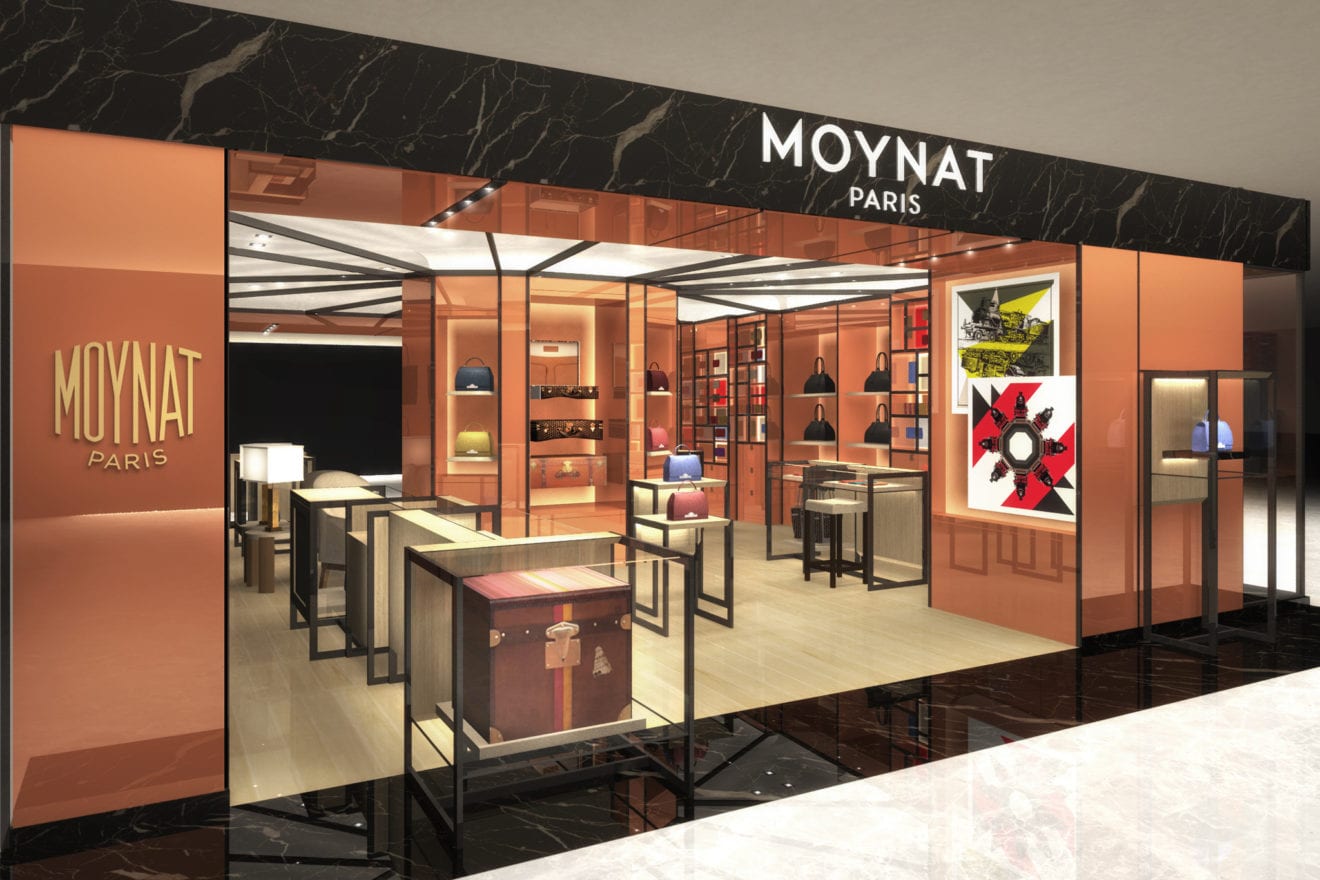
    French luxury trunk-maker Moynat is about to open its first store in Japan, with the ribbon to be cut by Japanese actress and singer Miho Nakayama.

    Moynat’s history goes back to 1849, when trunk-makers Octavie and François Coulembier opened their first atelier in Paris.

    After Paris and the Bon Marche, the house has established presences in London, Hong Kong and Beijing. Family holding company Groupe Arnault, which owns Moynat, aims to have stores in the 10 major cities of the world.
    The new 45 sqm Moynat Tokyo boutique was designed by local architecture firm Curiosity. It offers a fresh look, featuring vintage Moynat trunks – including its iconic vintage red-car trunk from 1925 – alongside current collections. it will be on the ground floor of the Seibu Department Store in Ikebukuro, the same floor as Louis Vuitton and Hermes (most other luxury brands are grouped on the store’s sixth floor).

    For its first two weeks, Moynat will present several workshops in painting and marquetry. Two creations will also be previewed, the Flower Bag and Charlotte Imagined by Ramesh Nair. These are small bags that are lightweight, refined and suitable for Japanese women to carry while wearing their kimono, says Moynat president Guillaume Davin.

  • Aeon Japan shortens opening hours

    Aeon Japan shortens opening hours

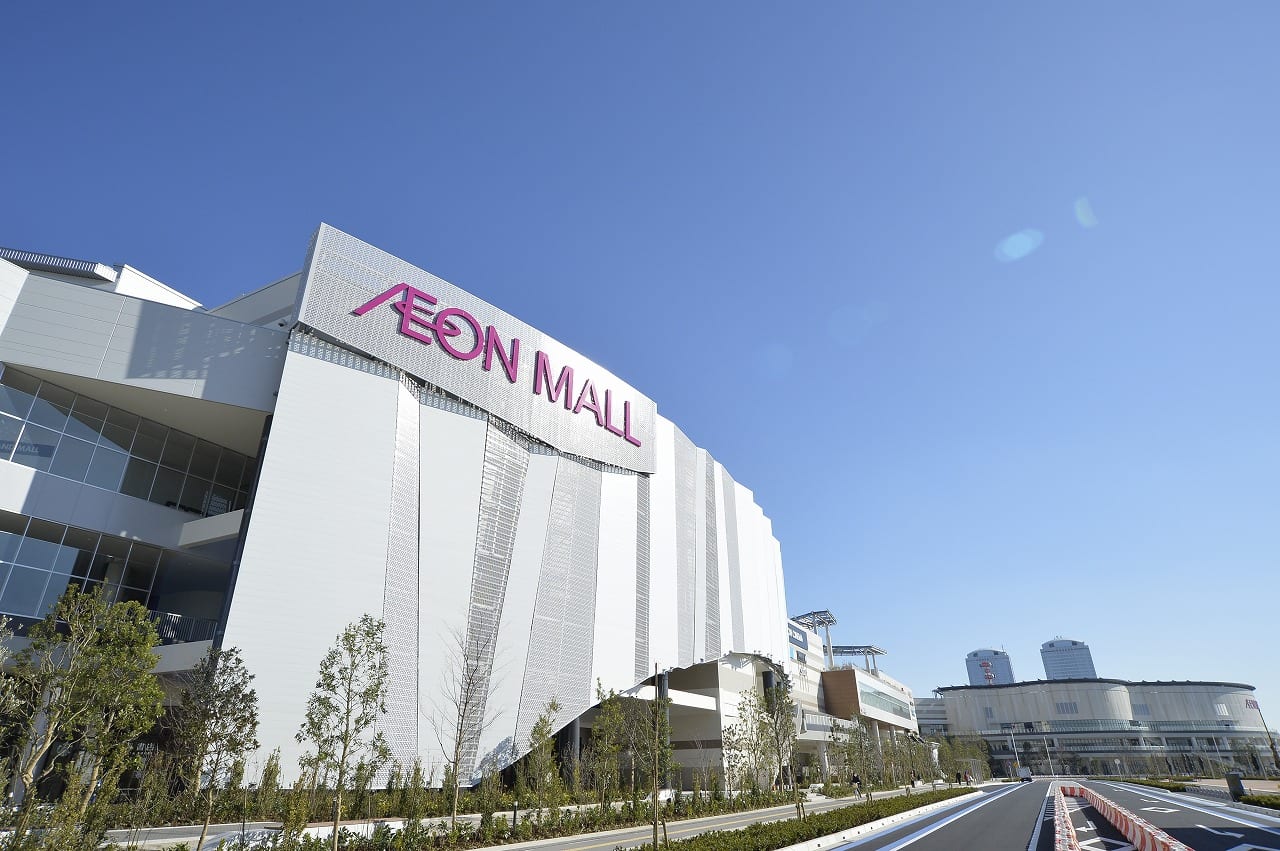
    Japanese retail giant Aeon is chopping back opening hours at most of its Tokyo-area general merchandise stores, seeking more efficiency in the face of staff shortages and competition with convenience stores pushing up costs.

    The opening time at Aeon Japan stores will move from 7am to 8am for grocery sections at 42 of the company’s 64 general merchandise stores in the Tokyo, Chiba and Kanagawa prefectures under brands including Aeon and Aeon Style. Some stores will remain open 24 hours.

    Aeon began opening many of its stores at 7am in summer 2012. Company and local-government policies designed to take advantage of daylight hours following the March 2011 earthquake and tsunami resulted in more people being out and about in the early morning, which was a benefit for businesses. Aeon decided to keep the new hours year-round, and while shoppers in regions such as Japan’s north-east, most affected by the disaster, have continued to support the earlier opening times, Tokyo-area stores have found it hard to retain morning traffic.

    Competition from rapidly expanding convenience stores and small-scale supermarkets is partly to blame. Japan had about 56,000 convenience stores in the year ended last March, about 20 per cent more than before the earthquake. These stores have been growing their fresh- and prepared-food offerings to rope in demand from the elderly, homemakers and other customers, generating more than 10 trillion yen (US$89.7 billion) in sales during the 2014 fiscal year.

    Small grocery stores, such as Aeon’s own My Basket, have also been expanding.
    Staff shortages have also hit Aeon, making early-morning and late-night hours a practical challenge as well as driving up personnel costs.
    General retailers are also losing out to eCommerce, which is worth more than 12 trillion yen in Japan alone.

  • Rakuten quits Thailand

    Rakuten quits Thailand

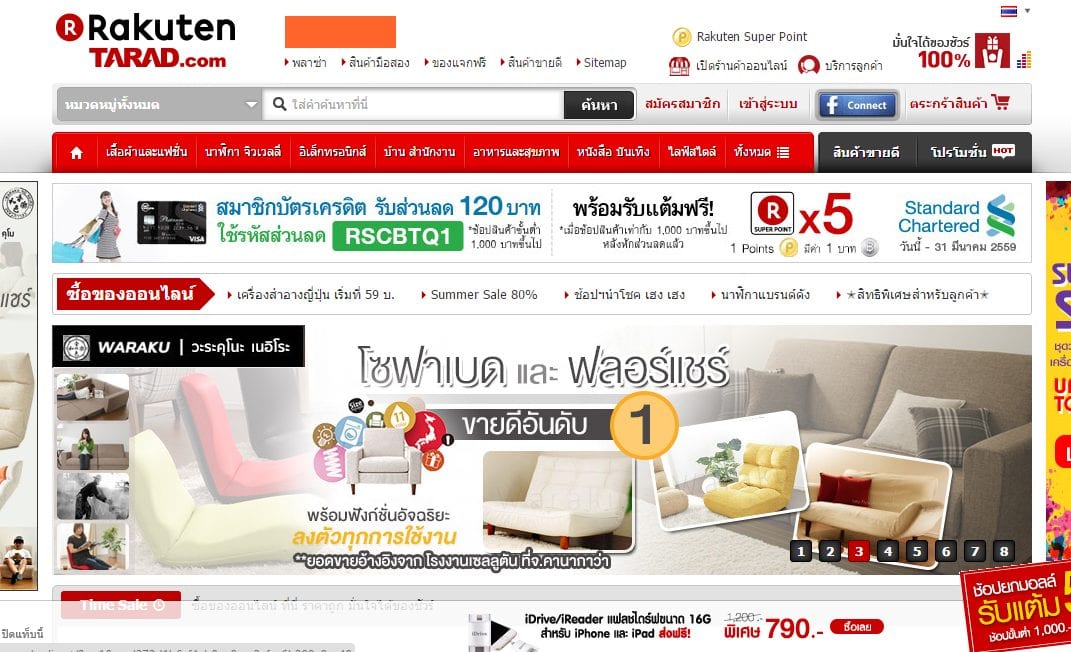
    Japanese eCommerce giant Rakuten is negotiating to sell its stake in Thailand’s largest eCommerce company Tarad.com to an undisclosed Thai company.

    Rakuten Tarad.com founder and MD Pawoot Pongvitayapanu has told the Bangkok Post the deal is expected to be sealed within a few days. Rakuten has a 67 per cent stake in Tarad.com since acquiring it in 2009 for US$35 million, and Pongvitayapanu holds the balance.
    Rakuten’s move follows a strategic overhaul of its business in Southeast Asia, Deal Street Asiareports. It had previously focused on business-to-business and business-to-consumer models, but now plans a shift to consumer-to-consumer (C2C) by launching a mobile app, Rakuma.
    Shopee, which already has a foothold in Thailand, is one of the main competitors for C2C apps in the region, along with Carousell.
    Tarad.com had an accumulated loss of 117 million baht ($3.2 million) in 2013, rising from losses of 35 million baht in 2010 and 5.6 million baht in 2009. Pongvitayapanu says business will continue business as usual as it prepares to implement a strategic shift following the new shareholding structure.
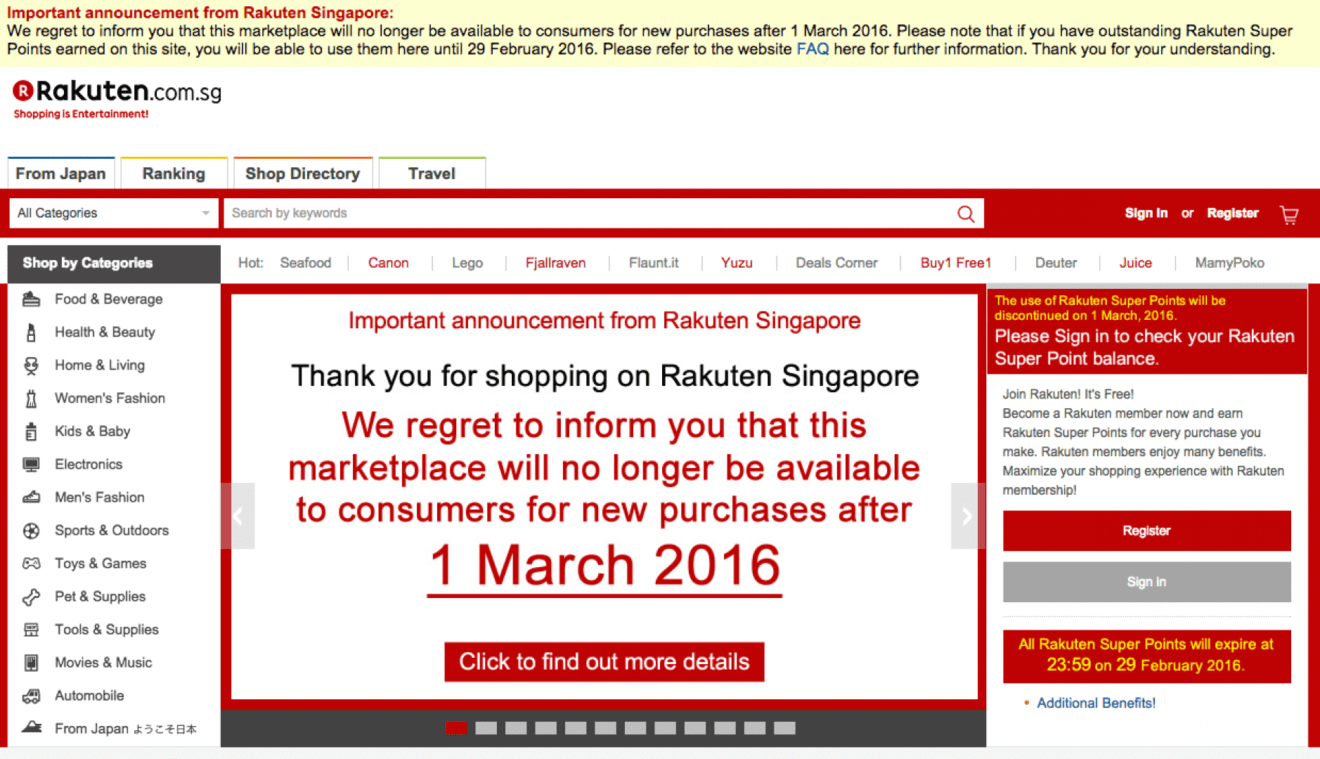
    Rakuten earlier announced it is shutting down its eCommerce marketplaces in Indonesia, Malaysia and Singapore from March 1, laying off about 150 employees. It plans to focus on eCommerce in Japan, where it is a market leader. It will also keep a presence in east Asia, Taiwan and the US.

  • Japan manufacturing output up in January, retail sales fall

    Japan manufacturing output up in January, retail sales fall

    Japan’s industrial production rose in January from the month before, beating forecasts, while retail sales fell, suggesting the recovery of the world’s third-largest economy is still on the ropes.

    January’s increase in factory output was a turnaround from month-on-month declines in November and December. But production was down 3.8 percent from January 2015, and is forecast to fall by 5.2 percent month-on-month in February, partly due to weak demand as the world economy slows.

    Marcel Thieliant of Capital Economics said in a note that the economy would likely remain in the doldrums in this quarter.

    “The rebound in industrial production in January is unlikely to assuage concerns about the health of Japan’s economy as firms are predicting a renewed slump in February,” he said.

    Japan’s central bank recently began a negative interest rate policy aimed at getting banks to lend more to help spur business activity and fend off deflation. Japan’s inflation rate was flat in January, according to data reported earlier.

    Finance ministers and central bank governors of the Group of 20 rich and developing economies called for using all policy tools available to help fend off recession as they wrapped up a meeting in Shanghai over the weekend.

    Data released Monday showed Japan’s manufacturing index was at 99.8 in January compared with a base of 100 in 2010. Prime Minister Shinzo Abe has sought to rekindle growth with a three-pronged approach of monetary stimulus, government spending and reforms.

    Retail sales fell 1.1 percent in January from the month before and were down 4.3 percent from a year earlier. Other key data, such as wages, household spending and the jobless rate, are due Tuesday.

    So far, the “Abenomics” strategy has leaned heavily on the Bank of Japan’s unprecedented barrage of monetary stimulus through massive asset purchases. The injections of trillions of dollars into the economy each year have helped weaken the yen, boosting the profits of corporations and, for a time, pushing share prices higher.

    But since companies have shied away from raising wages or making sizable investments in operations in Japan, growth has remained tepid.

  • Christian Louboutin Tokyo pop-up

    Christian Louboutin Tokyo pop-up

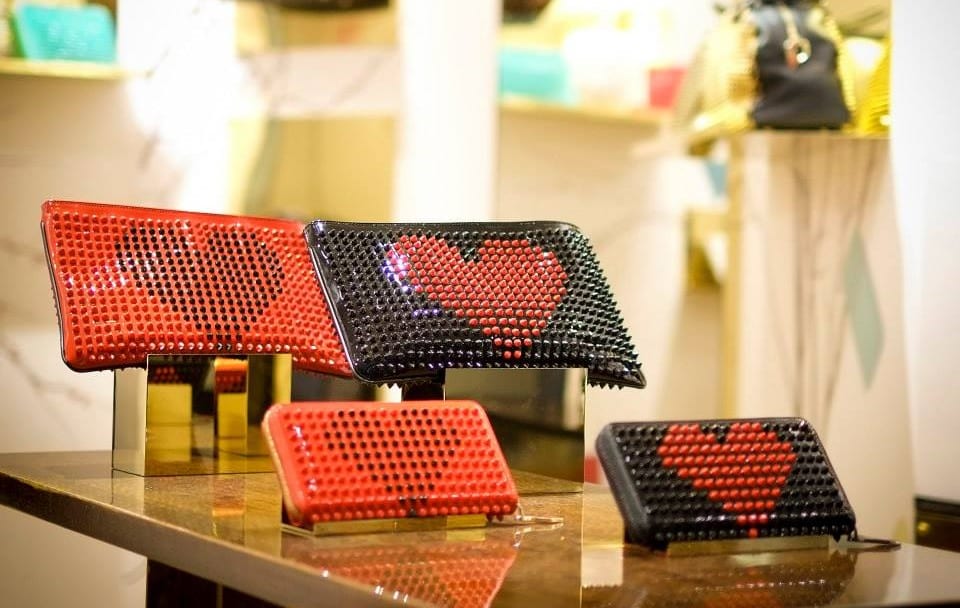
    Christian Louboutin’s latest spring/summer bag collection is being showcased in a stunning pop-up boutique in Tokyo’s Isetan department store.

    Christian Louboutin pop-up opens in Tokyo 1

    Open on the second level until March 1, the Christian Louboutin Tokyo pop-up was inspired by showgirls and exotic birds and features feathered plinths layered with rich colours plus quirky details.

    Christian Louboutin pop-up opens in Tokyo

    It is the latest retail experience designed by the luxury label in conjunction with customer experience specialist Household, and the second within the Isetan store. Household has also created spaces forChristian Louboutin at Selfridges in London and Manchester in the UK, Brentwood Los Angeles, Printemps Paris, Seibu Tokyo and Osaka’s Hankyu and Daimaru department stores.

    Christian Louboutin pop-up opens in Tokyo 2
    Based in London and Los Angeles, Household works across Asia, Europe and the US for clients including Harrods, Tesco, Unilever and Vodafone.

  • Philipp Selva Japan opens Aoyama store

    Philipp Selva Japan opens Aoyama store

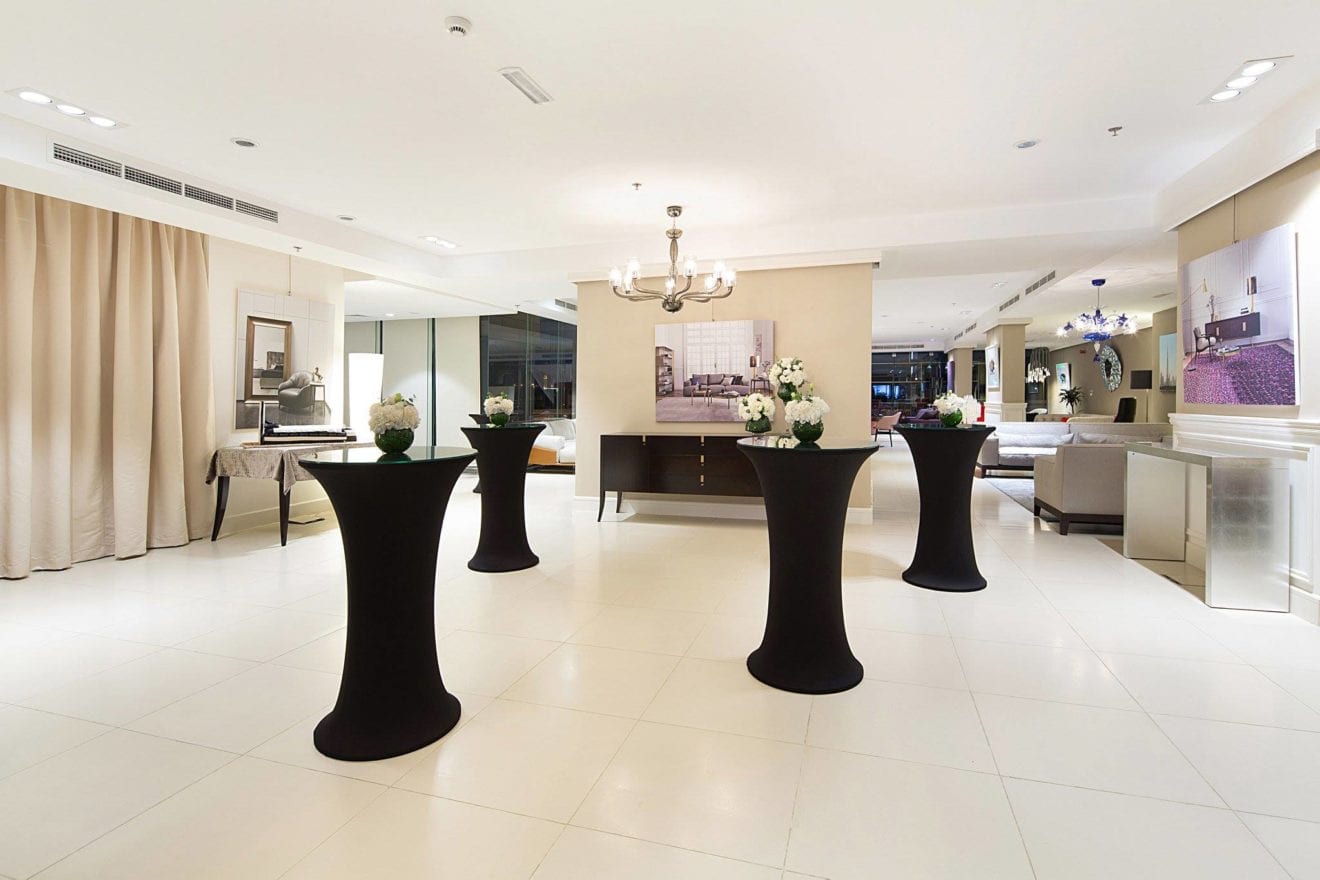
    Upmarket furniture design house Philipp Selva Japan has opened a dedicated store in Tokyo.

    Located in the Aoyama quarter, one of the city’s most elegant residential areas and home to high-fashion brands and architectural firms, the high-end store is surrounded by residences of its target customers.

    Philipp Selva at Aoyama Japan

    The Philipp Selva showroom features exclusive home furnishings and accessories with  a contemporary slant.

    Philipp Selva at Aoyama Japan 4

    Italian-headquartered Philipp Selva describes his designs as a “total living luxury concept”.

    “It is not a collection but a lifestyle concept, which is the protagonist of the most exclusive spaces; a concept that expresses through its products the sophisticated and perfectly balanced taste of deeply rooted craftsmanship, backed by almost 50 years of experience, always in step with a continuously evolving market,” the designer explains on his website.

    Philipp Selva at Aoyama Japan 1

    Philipp Selva at Aoyama Japan 2


    “Continuous research is one of the strong points of Philipp Selva, which distinguishes itself thanks to a unique concept that lends a discreet total living luxury mood to all spaces.”

    Philipp Selva at Aoyama Japan

    The brand was founded in 1968 and exports its furniture to more than 50 countries.

    Philipp Selva at Aoyama Japan 3

  • Uniqlo Announces Collaboration with KAWS for UT Collection

    Uniqlo Announces Collaboration with KAWS for UT Collection

    UNIQLO today announces a collaboration line for UT (UNIQLO T-shirts) with the artist KAWS. Since its launch in 2003, UT has featured an array of pop culture graphics in such collaborations as SPRZ NY and the Shochiku Kabuki series. The new KAWS collection celebrates UT’s fusion of fashion with authentic pop culture.

    KAWS is a renowned artist who cut his creative teeth on the streets of New York, his subversive images winning him considerable notoriety. Today, some of the world’s most renowned museums and galleries collect and exhibit his critically acclaimed artwork.

    UNIQLO is committed to changing the world for the better through the power of clothing. UT is part of LifeWear, a concept first introduced in 2003 and which embodies a quest to enhance individual lifestyles by delivering quality clothing that is functional in design and versatile to wear.

    Commenting on the new collaboration, KAWS said, “I have always enjoyed working in different medium, whether it be plastic toys, painting, bronze sculpture, or graphic design. UT is a cool canvas for making my artwork available to people virtually everywhere. I have enjoyed working with the UNIQLO team whose enthusiasm is unparalleled. It is great to be part of the amazing UT platform of my friend and fellow artist NIGO.”

    UT Creative Director NIGO said, “KAWS has been a friend of mine for more than 20 years, and I’m very happy to collaborate with him for our 2016 UT items. I’m certain that the collection will be a hit around the world. I’ve created things with KAWS quite a few times before, and we’ve got a lot of respect for each other. This project was no exception. We went through a ton of ideas to come up with some great results. I think the T-shirts and other items in the collection reflect KAWS’s amazing worldview.”

  • Mitsui & Co. invests in Singapore’s analytics startup Crayon Data

    Mitsui & Co. invests in Singapore’s analytics startup Crayon Data

    Japanese conglomerate Mitsui & Co. has invested an undisclosed amount in Crayon Data, a Big Data analytics startup in Singapore, with operations in Chennai (India)

    The funds will help Crayon accelerate its global expansion, according to an official statement.

    The investment also includes a business service agreement by which Mitsui will support the launch of Crayon’s products in Japan, and the expansion of its customer assets. Crayon is looking to partner with banks, hotels, and advertising and media companies in Japan.

    Mitsui will also look to add benefits to their own subsidiaries and investee companies in retail, CRM and digital advertising.

    This announcement comes hot on the heels of Ratan Tata’s investment in Crayon Data in November last year. Crayon has previously raised approximately US$7 million in seed and Series A funding from angel investors such as Jungle Ventures and Spring Seeds.

    “We believe that personalisation, which Crayon Data brings through Big Data analysis of consumer behaviour is going to be key for every business-related to consumer interactions, across every industry and every geography,” said Noda, General Manager of IT Service Div, IT & Communication Business Unit of Mitsui & Co.

    Founded in 2012 by Srikant Sastri and Suresh Shankar, Crayon Data is an analytics startup. Unlike the conventional people-led model of analytics, Crayon builds tools that deliver real business solutions by bringing together enterprise, public, external internet and social data to a single platform.

    Its flagship product ‘Simpler Choices’ brings the power of Big Data and analytics to enterprises that enable clients increase their sales conversions and improve returns from existing accounts. The firm’s key focus verticals are hospitality, finance, retail and technology.

    The firm also offers Maya, a personalisation engine that facilitates choice delivery for the banking, hotel and digital media verticals.

  • Rakuten and Gmarket announce trading partnership

    Rakuten and Gmarket announce trading partnership

    When Japanese e-commerce platform Rakuten shut offices in Singapore, Malaysia and Indonesia two weeks ago, the company stressed a renewed corporate focus on cross-border trading in East Asia.

    In a concrete result of the mandate, Rakuten announced today a partnership with South Korea’s largest e-commerce shopping mall Gmarket to boost cross-border trading amongst merchants in both countries.

    “Rakuten is delighted to announce this collaboration between the leading internet shopping mall retailers of both Japan and Korea, as another step on the path toward more active and profitable cross-border trading for merchants, small and large, of both countries,” said Masato Takahashi, Managing Executive Officer at Rakuten.

    As part of the deal, Gmarket will launch mini-stores on Rakuten Ichiba (its Japanese platform) to offer Korean fashion and beauty products in the country. At initial launch, the deal will include 200 items of women’s fashion and 100 Korean SME beauty products.

    Henry Chun, Head of Gmarket, explained his perspective as to why the deal would be beneficial for his company.

    “The deal will pave the way for Korean small fashion and cosmetic brands who have been struggling to introduce their unique, high-quality products to consumers worldwide, to increase their exports to Japan,” he said.

    In Korea, Rakuten will launch a flagship e-commerce store on Gmarket and offer products on the Korean company’s curated commerce service G9.

    The next few months will be focussed on increasing the product line on both platforms.

    During its fiscal year 2015 review, Rakuten revealed its Vision 2020 plan. The strategy was an inwards move which resulted in the Southeast Asia shutdowns. The desire to promote cross-border agreements in East Asia was part of the Vision 2020 plan.

    This is not the first deal of this nature in recent months for Rakuten. In December, the Japanese company inked a similar deal with Chinese e-commerce giant JD.com. In that instance, Rakuten opened a store on the JD.com network.

    Gmarket is owned by eBay, the American online auction company bought it for a whopping US$1.2 billion in 2009.

  • Tyco Retail Solutions Opens New Office in Tokyo

    Tyco Retail Solutions Opens New Office in Tokyo

    Tyco Retail Solutions (www.tycoretailsolutions.com) is pleased to announce the opening of its new Tokyo office to meet the growing need for Store Performance Solutions in Japan, the world’s third-largest economy. As Japan-based multinational retailers are upgrading technology and expanding in Asia, Tyco is strengthening its presence to support retailers’ demand for new technologies, including RFID for which the adoption rate in Japan is ahead of other Asian markets.

    According to PwC’s report, “2015-16 Outlook for the Retail and Consumer Products Sector in Asia,” retail sales in Asia are expected to top U.S. $10 trillion by 2018. Japan, home to a number of internationally recognized designer brands, will remain a cornerstone of the global fashion industry. PwC reported that Japanese fashion continues to influence apparel and footwear trends in many other countries.

    Tyco has served the Japanese retail market for 45 years, focused on loss prevention solutions and customer relationships managed through certified business partners. Building on its success in the region, Tyco is reinforcing its RFID resources on the ground to support key retail global accounts.

    As the retail industry undergoes transformation, RFID has emerged as a critical, enabling technology for retailers competing in an omni-channel world and a cornerstone for the retail Internet of Things (IoT). Progressive retailers understand the critical role of RFID-based inventory visibility to maximize revenue, improve store operations, and meet the demands of today’s consumers. Tyco has seen significant momentum, not only in the number of retailers deploying RFID, but also in the number of stores and merchandise categories designated for RFID roll-outs. It is gaining increased value as an essential technology for solving inventory challenges.

    “The Tokyo site represents our continued investment in IoT technologies such as RFID, which helps deliver meaningful, tangible business benefits for our customers,” said Nancy Chisholm, President, Tyco Retail Solutions. “Our expansion in the region allows us to keep pace with their needs and deliver the quality solutions, products and services they have come to expect over the years.”

  • Furla Asia-Pacific plans more flagships

    Furla Asia-Pacific plans more flagships

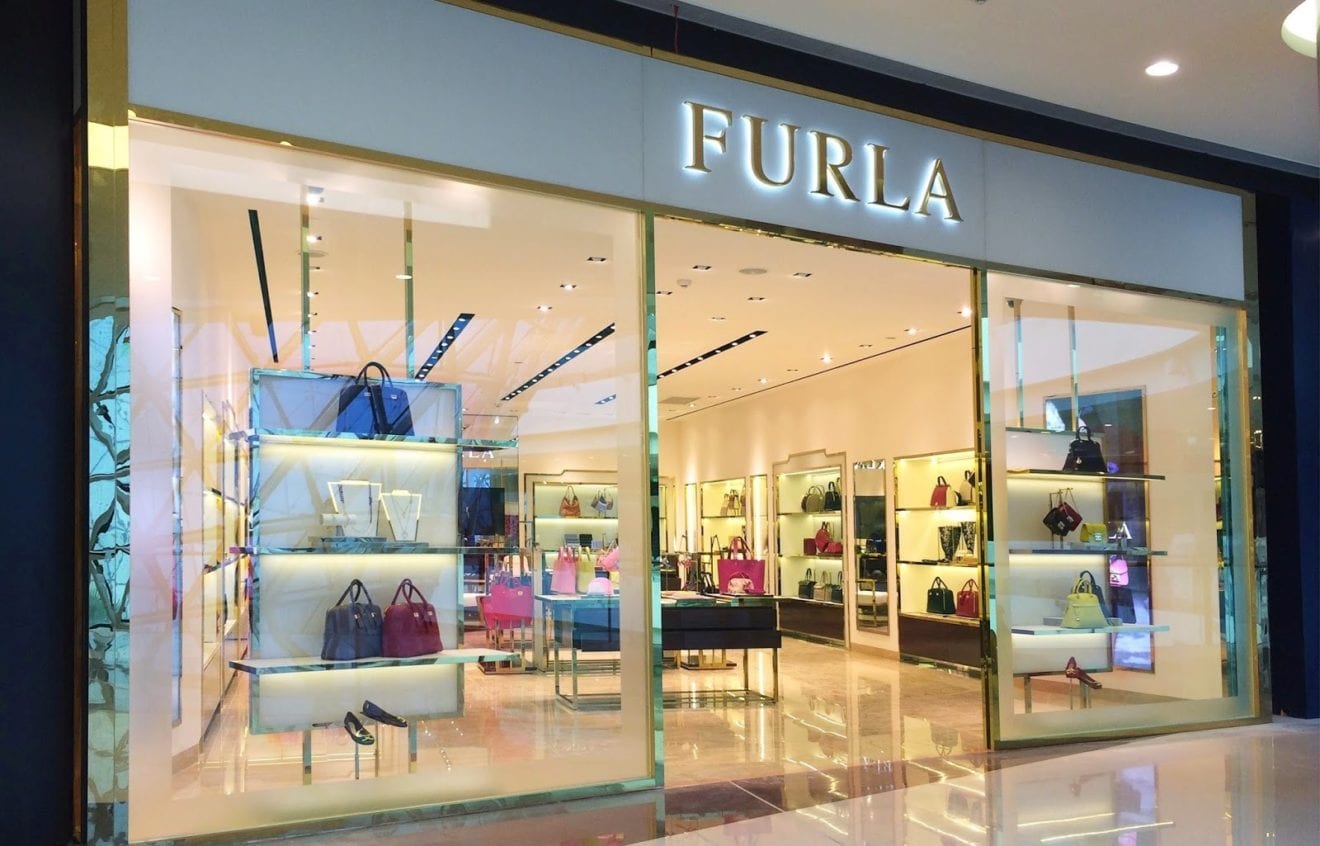
    Luxury Italian brand Furla is planning more flagship stores in Asia as the region delivers strong growth for the 89-year-old family-owned company.

    FURLA CEO_Eraldo PolettoIn an exclusive interview with Inside Retail Asia, Furla CEO Eraldo Poletto explains how the company has bucked the decline in luxury spending in core markets like Hong Kong and Singapore during the past year. Furla achieved 53 per cent growth in total sales (in euro at the current exchange rate) in Asia-Pacific, where it counts 14 markets – Australia, Cambodia, China, Hong Kong, India, Indonesia, Korea, Macau, Malaysia, Singapore, Taiwan, Thailand, The Philippines and Vietnam. Japan, a stand-alone territory in Furla’s accounts, saw sales grow 24 per cent.

    Even discounting sales from new stores, like-for-like growth for Furla Asia-Pacific reached 15.5 per cent last year, yet the region accounts for just 19 per cent of the company’s sales – about €64.4 million ($72.1 million) – suggesting strong growth potential ahead.

    “The consistent strategy we have implemented over the past four years – positioning ourselves as the only Italian and ‘Made-in-Italy’ brand in the premium segment, without accepting compromises in terms of quality – is paying off,” says Poletto.

    “We are expanding our footprint with important flagships: Singapore Marina Bay Sands opened in September; Hong Kong Miramall and Shanghai Citic, each with a 300 sqm street facade, opened in December with a luxury retail concept showcasing our full ladies’ and men’s collections.”

    Furla China Flagship Store @ Shanghai Citic Square 4

    He says more flagships will open this year in Australia and Bangkok.

    “Flagships are meant to represent every aspect of the brand in terms of image and product range; however, we are not expecting to open more than five or six flagships in the region, as we are focusing on the profitability of our retail network, and prefer to penetrate the market extensively.”

    In what he terms a “capillary” approach, more standard-sized stores and points of sale will also open across the region.

    Furla China Flagship Store @ Shanghai Citic Square 7

    For the past two years the company has opened or renovated one store a week. It now has 172 points of sale in Asia-Pacific, along with 72 monobrand stores in Japan.

    “In terms of our retail format, our average store size is increasing together with Furla’s total-look collections. Malls and high-street locations complement each other, and in this period of time, rent levels in some markets have decreased substantially because of a drop in demand from luxury, watch and jewellery brands. We are always on the lookout for new opportunities to invest in,” says Poletto.

    “Our retail store concept is also quite special, as it wants to deliver a 360-degree luxury shopping experience while maintaining our the value-for-money approach.”

    Furla China Flagship Store @ Shanghai Citic Square 2

    Asians appear to be embracing Furla’s distinctive quality brand feel and shopping experience. Perhaps surprisingly, the brand has no strategy of differentiating its Asia-Pacific product range from those of other markets.

    “We believe that if a product captures customers’ hearts in one market, its appeal is universal. Our price and product range have always been appealing to a large spectrum of clientele; it is not by chance that our two best-seller styles – Metropolis and Artesia – represent the most affordable and the highest offer of our collection respectively.

    Furla China Flagship Store @ Shanghai Citic Square 6

    “In terms of branding, strong marketing investments – like our collaboration with Mario Testino and a more aggressive digital and outdoor media planning strategy – are making Furla far more visible.”

    Department stores are still an integral part of the Furla sales strategy, especially in China, where that sector is still in its infancy by western standards.

    “The department store culture in Greater China isn’t very strong yet, and there are very few players compared to the shopping mall retail model in western markets. There is most surely room for improvement in this region.

    Furla China Flagship Store @ Shanghai Citic Square

    “The situation is much more developed in Singapore and Australia, and obviously a priority in Korea with Shinsegae, Hyundai and Lotte, where we are present with 10 domestic stores and an aggressive development plan.”

    Furla is also experiencing strong growth in the travel retail sector, which is helping both top-line sales and brand awareness.

    “Travel retail will continue to fuel the growth in APAC,” says Poletto. “Total sales generated by the travel retail channel were up 27 per cent for 2015, and we opened five new locations. We see blooming opportunities in this channel as Asian customers shop worldwide while they travel: it is a great showcase for the brand.”

    In June, Furla will open a directly managed boutique in Hong Kong International Airport.

    Furla China Flagship Store @ Shanghai Citic Square 8

    Southeast Asian focus

    Furla’s strong growth in the region is coming not just from the established markets of Hong Kong, Singapore and Greater China.

    “We have witnessed a significant double-digit growth in Southeast Asia markets including Cambodia, Malaysia, Singapore, Thailand, The Philippines and Vietnam,” says Poletto.

    “In Indonesia, a fast-growing country with a population of 250 million, we have a capillary quality presence with 10 boutiques in five cities. As of today, Furla has 46 stores in Southeast Asia, and we will focus on strengthening our foothold in these markets this year.”

    Furla China Flagship Store @ Shanghai Citic Square 5

    In India, which Furla has entered in a joint venture with Genesis Luxury, the label has three boutiques – one each in Mumbai, Delhi and Calcutta.

    “They are all performing very well with a 50 per cent sales growth increase in 2015,” says Poletto. But the market has considerable challenges.

    “India is a market with very high potential, but also with a huge limits when it comes to infrastructures. There are not enough qualitative shopping malls to cover Indian clients’ high demand for fashion and luxury: this is why Indian consumers represent a key nationality in markets like Dubai, London or Singapore.

    “In terms of expansion, we will tap into all the new relevant real-estate projects.”

    Globally, Furla has 415 monobrand stores, of which 190 are directly owned and 198 franchised. It has 27 travel retail stores and more than 1200 outlets in department stores and multibrand outlets.

    Furla China Flagship Store @ Shanghai Citic Square 10

    Results released today show that Furla’s global turnover reached €339 million last year, up 30 per cent on 2014. The growth was driven across all Furla product categories, including the new men’s collection, women’s footwear collection and eyewear.

    Poletto says that being a family-owned business – an increasingly rare phenomenon in the model luxury retail business – has its advantages.

    “Being 89 years old gives us a great DNA to be around into the future: the real assets are the brand and its heritage, which are translated into equity. The Furlanetto family has very strong values – they have a long-term vision, instead of making opportunistic choices.”
  • Rakuten Singapore axes eCommerce site

    Rakuten Singapore axes eCommerce site

    Japan’s online retailing giant Rakuten is to close its eCommerce websites in Singapore, Indonesia andMalaysia on March 1.

    And it is reportedly seeking a buyer for its Thailand business Tarad.com which it bought in 2010.

    The decisions follow a disappointing trading result which has prompted the business to refocus on its domestic operations and scale back unprofitable overseas activities. The company reported net profit for the year fell 38 per cent year-on-year to 44.3 billion JPY (US$393 million) on revenue of 714 billion JPY ($6.3 billion) – up 19 per cent, largely due to writedowns of its Kobo, Southeast Asian and other struggling divisions.

    Some 30 staff in Singapore had their employment terminated on Friday, just five days into the Lunar New Year. By the time the sites are wound down, about 150 staff will have been axed in the three markets, but the company will retain a regional headquarters in the city state.

    Rakuten’s apparently profitable Taiwan business will continue to operate.

    Tech website Techcrunch reported the three eCommerce sites to be shuttered will be replaced by a new product in Southeast Asia, “a consumer-to-consumer app called Rakuma” which, Rakuten said, has grown 20 per cent month-on-month in Japan.

    “That concept sounds a lot like (indeed, the same as) Carousell, the app that Rakuten Ventures is an investor in. Singapore-based Carousell is currently in three countries in Southeast Asia but, as we reported late last year, it is trying to raise a $50 million round to expand its service significantly across Asia.”

    No further details of the Rakuma concept, which is mobile-based, have been released, with the project still under development.

    In a statement to Reuters, Rakuten said the new concept was a consumer-to-consumer business model, rather than the aggregation-based business-to-business-to-consumer format of the closing Rakuten sites.

    “In Southeast Asia, as the market itself changes and adapts, we are looking toward C2C (customer to customer) and mobile business models for eCommerce and other businesses,” Rakuten said.

  • Asian retail outlook: “more cautious”

    Asian retail outlook: “more cautious”

    High operating costs – particularly rents and labor in Asia – will ensure retailers are more cautious this year, concludes real estate specialist CBRE.

    In its annual Asian retail outlook, the company’s research department predicts many retailers will shift their strategic focus from expanding their store networks to rationalisation, improving in-store profitability and upgrading to better locations.

    That trend is expected across the broad Asia-pacific market, including Hong Kong.

    “Leasing activity will diverge across markets, with Australia, Japan and New Zealand the most upbeat, whereas Hong Kong and Singapore will continue to struggle,” CBRE concluded.

    “Driven by ongoing urbanisation and wage increases, Southeast Asia will also see solid leasing activity. Demand across the region will be led by food and beverage retailers, while affordable and niche luxury brands will also be active.”

    CBRE also warns the rise of online shopping will continue to force shopping malls to embrace ‘retail-tainment’ and adjust their trade mix to include more experience-oriented retailers to retain foot traffic. Around 63.8 million sqft of new shopping center supply is scheduled to be completed in 2016. Against the sluggish leasing demand and ample new supply, overall retail rents are forecast to experience a mild correction of below 1 per cent in 2016.

    In a broader property outlook, CBRE forecasts that due to Asia Pacific’s steady economic growth – which will continue to outpace the rest of the world in 2016 – investment activity in the region will remain solid, although activity will be limited by asset pricing and availability.

    “The region’s investment market will continue to see strong demand from real estate funds and institutional investors. Institutional investors will continue to invest in Asia Pacific to increase their exposure to real estate for strategic diversification,” said Dr Henry Chin, head of research, CBRE Asia Pacific.

    “That said, Asia Pacific will enter a period of slower growth in the commercial real estate market with activity likely to moderate over the course of the year as it becomes more challenging to source investable stock able to meet investors’ target returns. Interest rates will remain low in 2016 so yields are largely to remain stable across Asia Pacific. However, we are expecting to see a mild yield expansion in 2017 together with the rise in interest rates.”

    The economic slowdown in China – as well as higher-than-expected US interest hike rates, and currency volatility – will also remain a key concern for investors, given the scale of its impact across the whole region.

    “However, macro trends of urbanisation and the rise of the middle class remain largely unchanged and will continue to drive growth across Asia.

    “There are structural investment-themed opportunities for investors to focus on in 2016, such as the growth of e-commerce, regional tourism and demographic changes. Demographic changes will create opportunities in niche sectors such as self-storage facilities, senior and student housing, and data centers,” said Chin.

    “Regionally, active markets will continue to be led by Australia and Japan, whilst India expects to see a positive year following the relaxation of FDI norms at the end of last year.

    “China will also remain on the radar for most international investors although demand will be largely confined to tier I cities. Overall, the long-term outlook remains positive for the region,” he concluded.

    CBRE’s 2016 APAC Real Estate Market Outlook report can be downloaded here.

  • China’s ‘explosive shopping’ sprees bring chaos to Tokyo roads

    China’s ‘explosive shopping’ sprees bring chaos to Tokyo roads

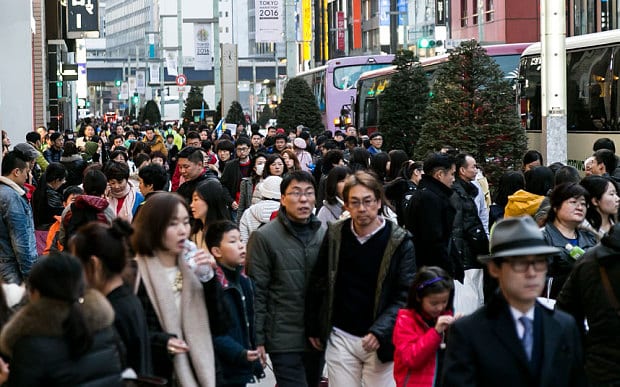
    Tensions between Japan and China are not confined to remote islands and historical disputes it seems – now an unlikely activity is causing tension between the two Asian powerhouses. Shopping.

    Japanese police are reportedly receiving increasing numbers of complaints about the surge in buses carrying Chinese shoppers who are causing parking chaos in Tokyo’s retail districts.

    The issue taps into the booming number of Chinese tourists indulging in intense shopping sprees in Tokyo, whose surge in prevalence has prompted the creation of the new Japanese buzzword “bakugai” (“explosive shopping”).

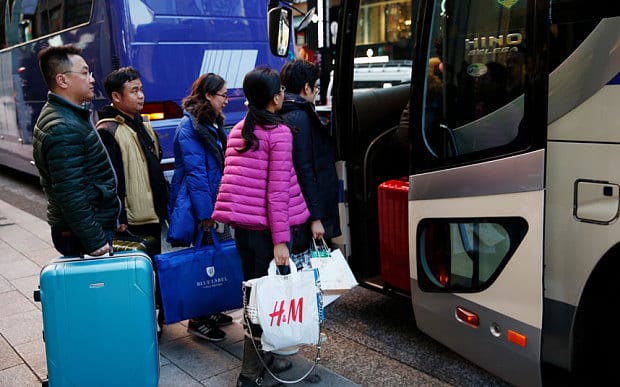
    Chinese tourists pack their shopping into a suitcase at a department store in Tokyo  Photo: Reuters

    From Ginza’s upmarket boulevards lined with department stores to the historic lanes of the old Asakusa area, large buses ferrying retail therapy-loving Chinese shoppers have apparently been causing parking chaos across the capital.

    On one recent occasion in the run up to Chinese New Year, a total of eight tour buses reportedly caused mayhem after blocking the left traffic lane on one of the main streets in Ginza, according to Kyodo News.

    Store security on the Ginza street also reportedly became involved in the retail chaos, asking Chinese shoppers laden down with bags outside the buses to step aside to allow other pedestrians to pass.

    One of the bus drivers said: “I usually stop here because there aren’t any other places. If we are lucky, we can leave here around 15 minutes behind schedule but a 30-minute delay is not unusual.”

    Japan’s economy received a welcome bolster from a surge in overseas visitors in 2015, with a record 19.73 million overseas tourists arriving in the country, many of whom were intent on shopping.

    Fuelled by a then-weakened yen, foreign tourists visiting Japan last year spent around 3.08 trillion yen – an increase of one trillion from the previous year, according to finance ministry figures.

    Chinese tourists shopping during the Lunar New Year Holiday at Tokyo's Ginza shopping district in Japan

    However, the rise of shoppers – in particular groups of voraciously-consuming Chinese shoppers – has gone hand in hand with increasingly complex parking problems across the capital, according to Kyodo News.

    Japanese items coveted by Chinese shoppers range eclectically from swishy Japanese techno lavatories and rice cookers to designer handbags and green tea-flavoured KitKats.

    As the city braces itself for further increases in visitors in the run-up to the Olympics, retail associations are urging local authorities to help find long-term solutions to the problem.

    “The central and the Tokyo metropolitan governments need to take the initiative to provide more parking spaces if they are going to promote tourism,” one leader of a local business association for the Ginza shopping area told Kyodo.

    An official for the metropolitan police department added: “Instead of tightening regulations, we would like to unite with municipalities and stores to decide on appropriate rules to welcome tourists together.”


  • McDonald’s Japan rebounds

    McDonald’s Japan rebounds

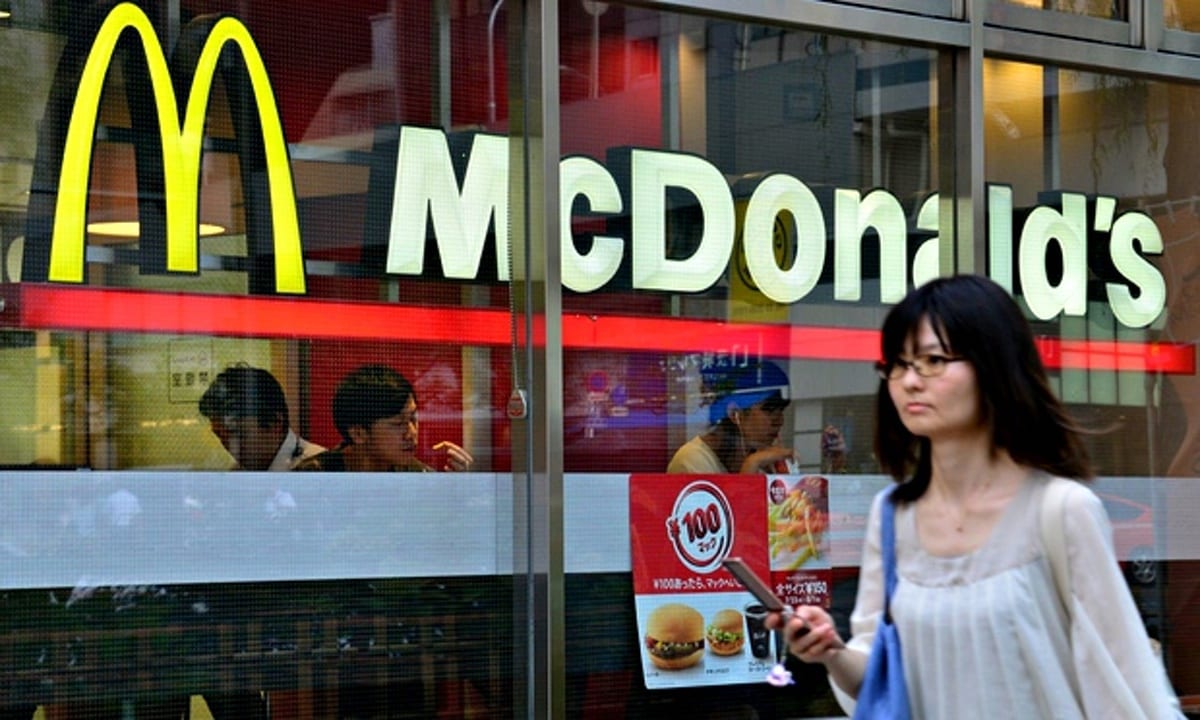
    McDonald’s Japan has recorded its first increase in customer numbers in nearly three years.

    Preliminary figures released internally by the company show footfall at stores which remained open for more than one year rose by more than 10 per cent Japan-wide. Better yet, same-store sales rose by as much as 30 per cent, according to a report by Reuters.

    McDonald’s Holdings Co (Japan) has projected a net profit of about 1 billion yen (US$8.47 million) for the year to December 2016 – which would mark its first time out of the red in three years since a food safety scandal relating to expired chicken hit the brand in 2014. In January last year sales plunged 38.6 per cent, customer ranks depleted by 28.5 per cent.

    In April last year the company unveiled a plan to cull its restaurant network and revamp remaining stores after a US$319 million loss.

    It also revised its menu, adding salads which has clearly drawn customers back to restaurants.

    Analysts say that despite the apparent recovery, the work is not complete with a long road ahead to restore profits to pre-2014 levels.