Tag: Japan

  • Lotte El Cube – Korea’s new compact mall

    Lotte El Cube – Korea’s new compact mall

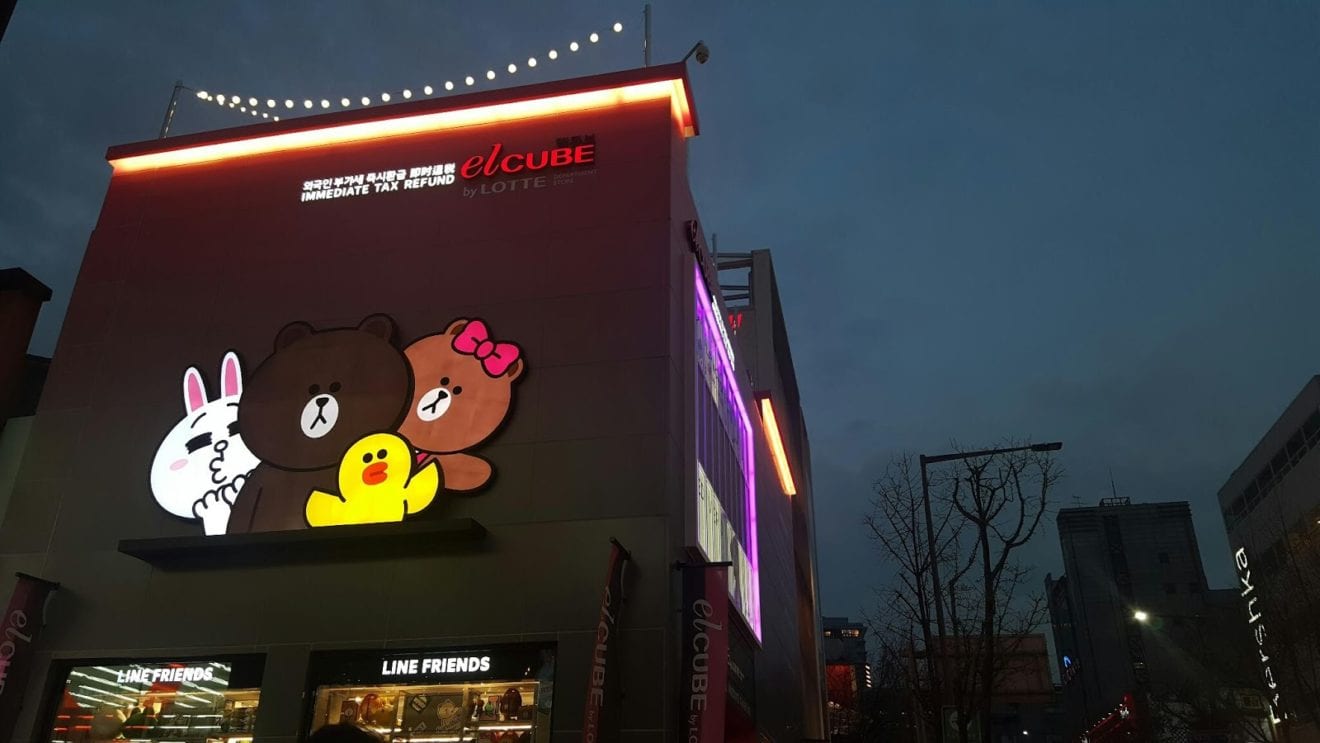
    In a bid to overturn the sluggish growth of traditional brick-and-mortar retail, Lotte Department Store is launching a new type of shopping mall in Seoul, the Lotte El Cube.

    In a trendy university neighborhood, the relatively small store focuses specifically on young, fashion-conscious shoppers – a departure from the retailer’s usual strategy of offering something for everyone at its department stores.

    Lotte El Cube 4

    Covering 630 sqm in a three-storey building, the Lotte El Cube houses 20 clothing brands, mostly casual in style. Featured labels include Pigment, PlayNoMore and Tomotom’s.

    “El Cube can adopt different concepts and focuses, such as beauty and lifestyle, depending on the location and needs of consumers,” says Lotte, which plans a second such outlet also in Seoul within a year.

    Lotte says it took its cue from Japan’s Isetan Department Store, which has several branches with different offerings. Isetan Mirror is dedicated to cosmetics and beauty products, while its Alta mall targets shoppers in their 20s.

    Lotte El Cube 5

    Known for its urban art and indie music culture, the neighbourhood where El Cube has set up is also attracting start-ups. The average number of daily users of nearby Hongik University Station grew from 72,000 in 2014 to 78,000 last year, and the neighborhood is also expanding in size.

    Lotte El Cube 1

    Annual combined sales at South Korea’s department stores – Hyundai and Shinsegae as well as Lotte – have had negative growth since 2014. Lotte is confident El Cube will attract new customers and become a fresh source of revenue amid unfavorable market conditions.

    “The key is to find new consumers as department stores are expected to face headwinds and low growth,” says Lotte merchandise strategy division head Woo Gil-jo.

    To match other stores in the area, El Cube will have extended shopping hours, from midday to 10pm.

  • Fujitsu switches on Tatebayashi Data Center

    Fujitsu switches on Tatebayashi Data Center

    Fujitsu has commenced operations at its new Tatebayashi Data Center. The newly opened Annex C, featuring optimized air conditioning systems and operating environment, meets Japan’s highest environmental performance standards.

    Fujitsu built the facility with a particular focus on support for hybrid clouds to support burgeoning demand, as well as for robust security and resiliency to disasters.

    Fujitsu is using the data center as the core facility for its digital business platform MetaArc, which supports the digital business of customers, and is helping to bring greater dynamism to the businesses of its customers.

    By optimizing the air conditioning systems, operating environment, and the ICT equipment environment, the new annex increases the use of outside air for cooling to roughly 7,000 hours per year, from roughly 3,250 hours for previous data centers.

    In addition, Fujitsu developed a new architectural structure and air conditioning method that maximizes the use of natural convection for airflow, thereby reducing the amount of electricity used for air conditioning and other equipment by approximately 60%. It is designed to achieve power usage effectiveness (PUE) of 1.20, the most efficient level in Japan.

    In addition to connections with other Fujitsu data centers throughout Japan and Fujitsu’s cloud services, the new annex uses standard equipment for closed networks to enable connections with third-party clouds, thereby providing fast support for hybrid cloud usage needs.

    The new annex is equipped with three different types of server rooms to meet diverse customer needs. The Standard rooms are high-quality server rooms equivalent to Tier 3. The Cloud rooms are for the exclusive use of clouds and use new air conditioning methods and support high integration and high power supply capacity.

    Thirdly, the FISC-compliant rooms are for customers in the financial services industry. The new annex complies with the Center for Financial Industry Information Systems (FISC) security standards, and uses an electricity distribution system with a UPS with reliability that exceeds Tier 4 standards.

  • Campaign encourages more Japanese SMEs to invest in the Philippines

    Campaign encourages more Japanese SMEs to invest in the Philippines

    Japanese SMEs are being enticed to invest in the Philippines, where labor cost is competitive and a majority of workers are English-speaking.

    Spearheading the campaign are Rizal Commercial Banking Corp. (RCBC) and Resona Bank, a bank for small and medium enterprises in Japan’s Kansai and Osaka areas. To date, 55 Japanese firms have established their facilities in the Philippines following the tie-up agreement they entered into in 2012.

    Japanese companies which have established their facilities in Philippines affirmed the advantage of the competitive cost of Philippine labor with the added benefit of Engish-speaking skills that enable easier training and work atmosphere.

    In their latest campaign, RCBC’s Japanese Business Relationship Office first senior vice president Yasuhiro Matsumoto recently accompanied Trade Secretary Adrian Cristobal Jr.  to a Philippine Investment Opportunities Forum in Osaka, Japan.

    Attended by 350 corporate clients, the forum was organized by the Resona Foundation for Asia and Oceania with co-organizers Osaka Prefecture Government, the Osaka Municipal Government, the Kansai Economic Federation, the Osaka Foundation for Trade and Industry, and the Osaka Chamber of Commerce Industry. This was also supported by JETRO, Resona Bank and the Kinki Osaka Bank.

    Matsumoto highlighted the success secrets of companies operating in the Philippines. As RCBC’s key senior officer focused on Japanese clients, Matsumoto had seen and supported the entry and growth of Japanese companies, specially in export processing zones.

    Matsumoto further cited the growing spending power of the Filipino consumer as shown by the surge in business by a range of consumer-focused companies in food, beverage, and middle-end retail outlets that are supplanting the formerly ubiquitous low-end sari-sari stores in the urban centers. With the second largest population in ASEAN, with a young average age, the Philippine potential for investments is huge, he said.


  • eCommerce won’t dent Asian retail real estate demand

    eCommerce won’t dent Asian retail real estate demand

    Growing online sales will not undermine demand for Asian retail real estate, according to the last CBRE study of major international brands.

    For the seventh edition of How Active Are Retailers Globally?, the real-estate company looked at more than 150 major international brands based in Americas, Asia Pacific and EMEA (Europe, the Middle East and Africa) countries.

    China is the top target market in the Asia Pacific (APAC) and fourth-ranked globally, with 27 per cent of retailers looking to expand there. Hong Kong follows in sixth position (24 per cent), Japan in seventh (22 per cent) and Singapore in ninth (21 per cent). The top three globally were Germany (35 per cent), France (33 per cent) and the UK (29 per cent).

    China and Hong Kong maintained their placings, while Japan, Singapore and Australia (11th) all rose higher in the ranking, up from 13th, 18th and 15th positions respectively.

    “Hong Kong will remain a desirable market for retailers, particularly as it continues to serve as a popular shopping destination for mainland Chinese tourists,” says CBRE Hong Kong executive director for retail services Joe Lin.

    “The main difference is a shift from luxury to mid-range brands. This is forcing luxury retailers to consolidate their footprint, leading to a drop in rental cost in prime locations and therefore opportunities for non-luxury retail brands.”

    Most APAC markets saw increased interest for this year, with the exception of China and South Korea. Malaysia (10 per cent), Indonesia (9 per cent), Thailand, Vietnam and The Philippines (all 8 per cent) received more than double the interest they saw last year, when all markets secured between 1 and 3 per cent.

    Asked about the risk factors for the coming year, brands indicated that real-estate cost escalation (56 per cent) and unclear economic prospects (42 per cent) continue to be at the forefront of their minds.

    “We’re seeing more of a challenging economic environment, and concerns such as high operating costs and a lack of quality space means retailers are somewhat more wary this year,” says CBRE head of Asia Pacific research Dr Henry Chin. “However, even as markets such as China and Hong Kong are experiencing a slowdown, we see increasing numbers of opportunistic retailers looking to enter markets like Hong Kong, supported by strong underlying consumer demand.

    “Japan and Australia remain attractive, while Southeast Asia showed strong growth because of opportunities for retailers around an expanding middle class and stronger economic growth.” CBRE senior director and head of retailer representation for Asia Joel Stephen says there are still opportunities for retailers to grow their business in Asia, underscored by the region having four of the 10 most popular destinations. “The goal now for all brick-and-mortar retailers is to build an engaging offer that encourages people to stay longer and spend more.”

    The survey shows that 83 per cent of brands suggest their physical store expansion plans for this year will not be affected by the growth of eCommerce. From a retailer perspective, only 22 per cent of the brands see stiff competition from online retailing as a threat to their business.

    At the same time, retailers are cautiously optimistic on physical expansion. Of those canvassed, 17 per cent have large-scale ambitions, many of them looking to open more than 40 stores this year (up from 9 per cent last year), while 67 per cent plan to open up to 20 stores.

    “A physical store presence in key locations is still critical to the strength of a brand’s image,” says Stephen. “Customers still feel a need to go into stores, to physically touch a product and enjoy the feel-good factor associated with a particular brand experience. The store is integral to the shopping journey and can be used in different ways, such as to click and collect, research of the product or brand, or to test the product. It isn’t solely about the transactional side.”

    A new trend is brands looking to expand into travel hubs, such as airports and train stations, giving them access to high footfall in busy locations. But for APAC retailers, shopping malls are still the preferred destination by far, at close to 90 per cent.

    While globally the key concern for brands in negotiations for premises is lease length, APAC retailers are most concerned with turnover rent clauses (GP). They are also particularly concerned about changing consumer behaviour (40 per cent), which is higher than the global average (31 per cent).
  • Lotte opens 2nd duty-free store in Tokyo

    Lotte opens 2nd duty-free store in Tokyo

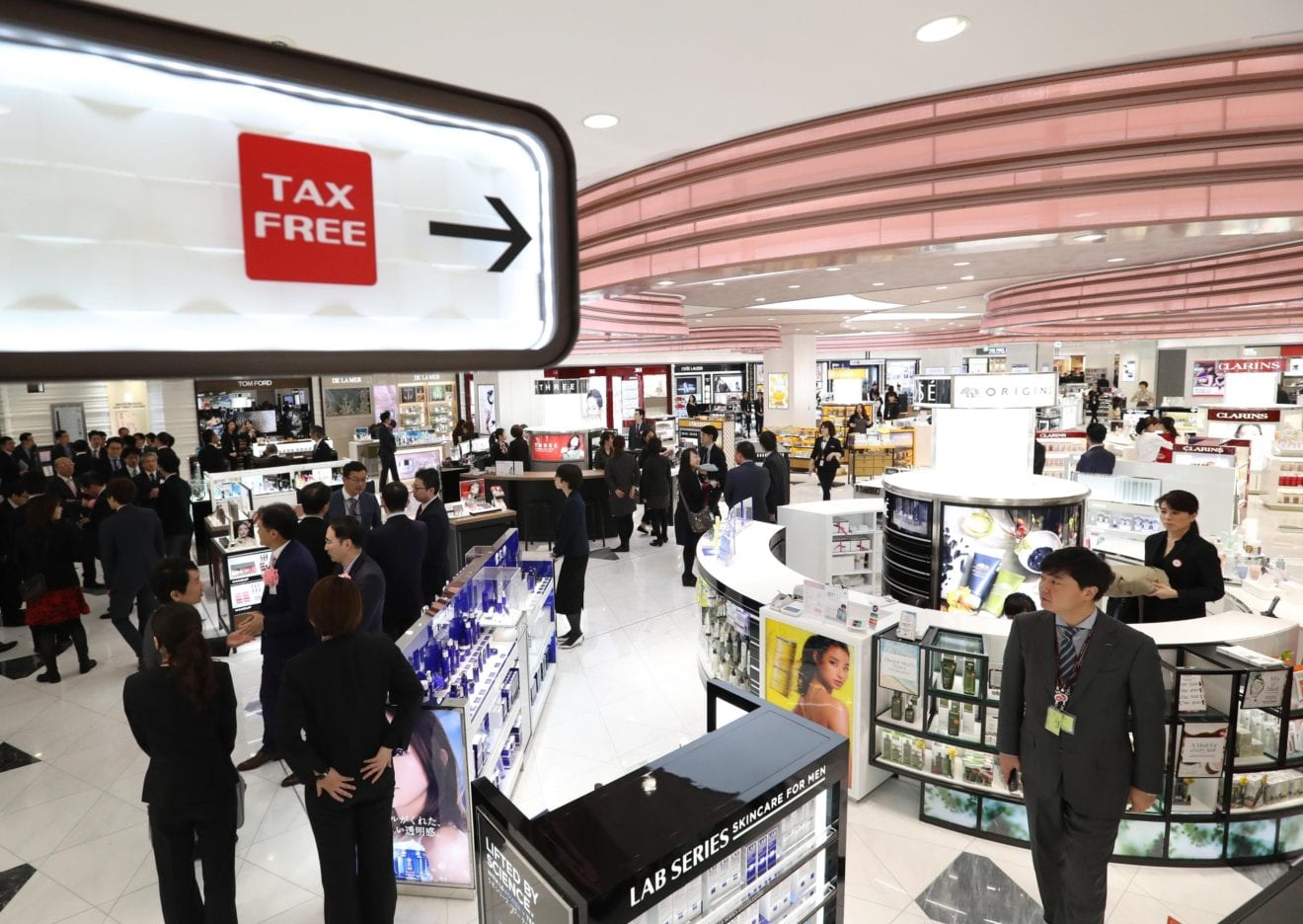
    Lotte Duty Free, South Korea’s No. 1 duty-free operator, opened a duty-free store in Tokyo on Thursday to target rising travelers, as part of efforts to expand its global presence.

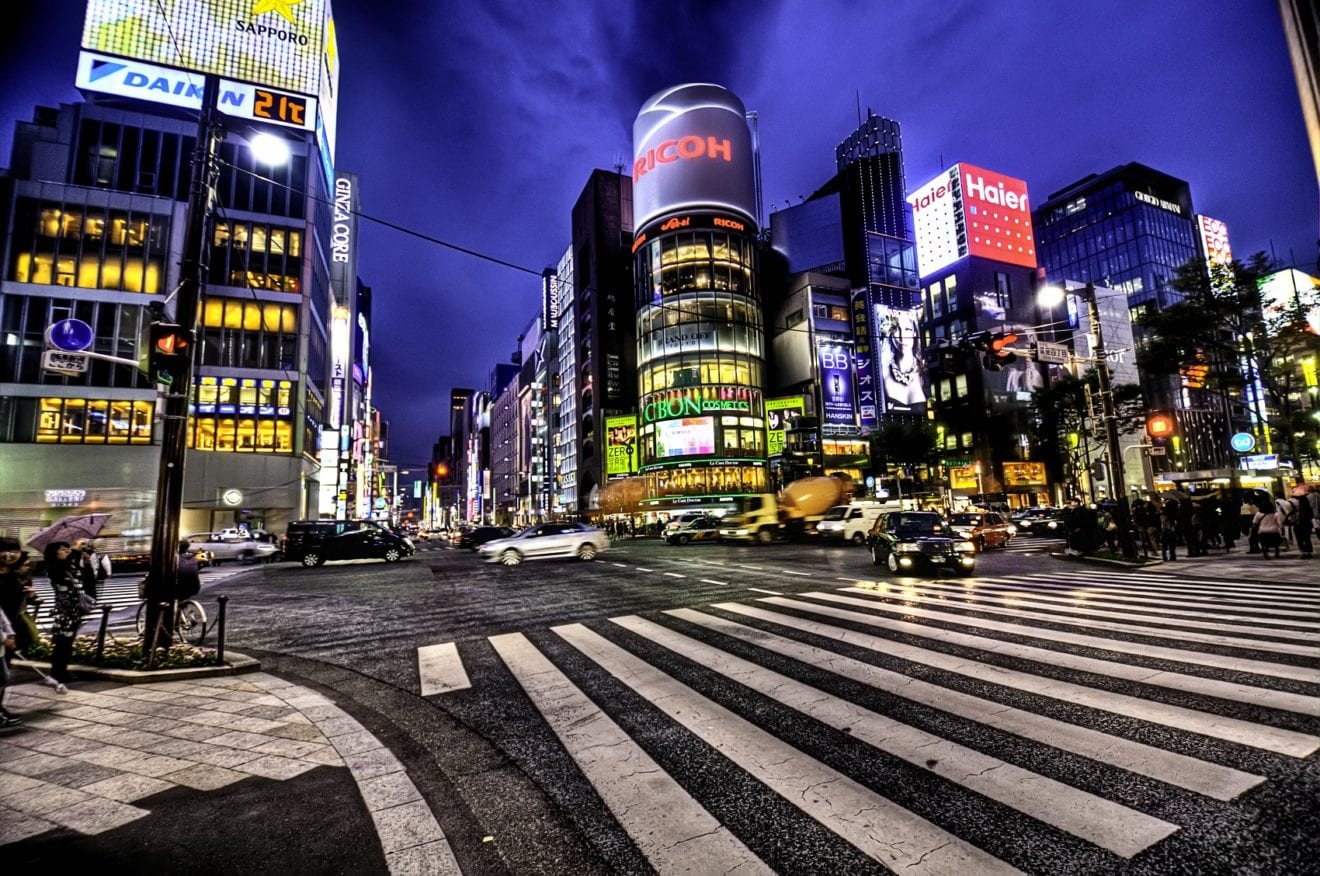
    The duty-free store opened in the upscale shopping district of Ginza, the second following one in the Japanese capital in late January.

    Lotte, the world’s No. 3 duty-free operator, said it will strengthen its brand competitiveness in Japan, which attracted a huge influx of Chinese travelers last year.

    Lotte chairman Shin Dong-bin and his family, including his mother, wife and son, attended the opening ceremony. His father and corporate founder Kyuk-ho and his elder brother and former vice president Dong-joo did not attend.

    The rare family gathering at a public event was seen as an effort to show internal unity as Lotte has been trying to improve its tarnished corporate image following a prolonged succession feud between the founder’s two brothers.

    “The duty-free business has created some noise in South Korea, but I hope it to do well,” Shin told Yonhap News Agency during the ceremony. “I think this store is better than I expected.”

    Lotte lost its duty-free license in Lotte World Tower in southern Seoul in a November bid, amid the family succession feud and criticism for its dominance in the domestic market.

    Shin said his company will open a new tax-free store in Thailand in June, and two more in Japan — Osaka in early 2017 and Fukuoka later that year.

    Lotte, the retail giant who runs businesses in Korea and Japan, said the new duty-free shop is targeting 150 billion won (US$131 million) in sales this year and it plans to open additional shops in Japan over the next decade.

    Foreign visitors to Japan hit a record high of 19.69 million in 2015, marking the first time since 1970 that inbound travelers surpassed those who headed abroad, according to the Japan National Tourism Organization. Koreans were the biggest tourist group to Japan by nationality, followed by Chinese with 3.78 million.

  • Ted Baker Asia trading ‘a challenge’

    Ted Baker Asia trading ‘a challenge’

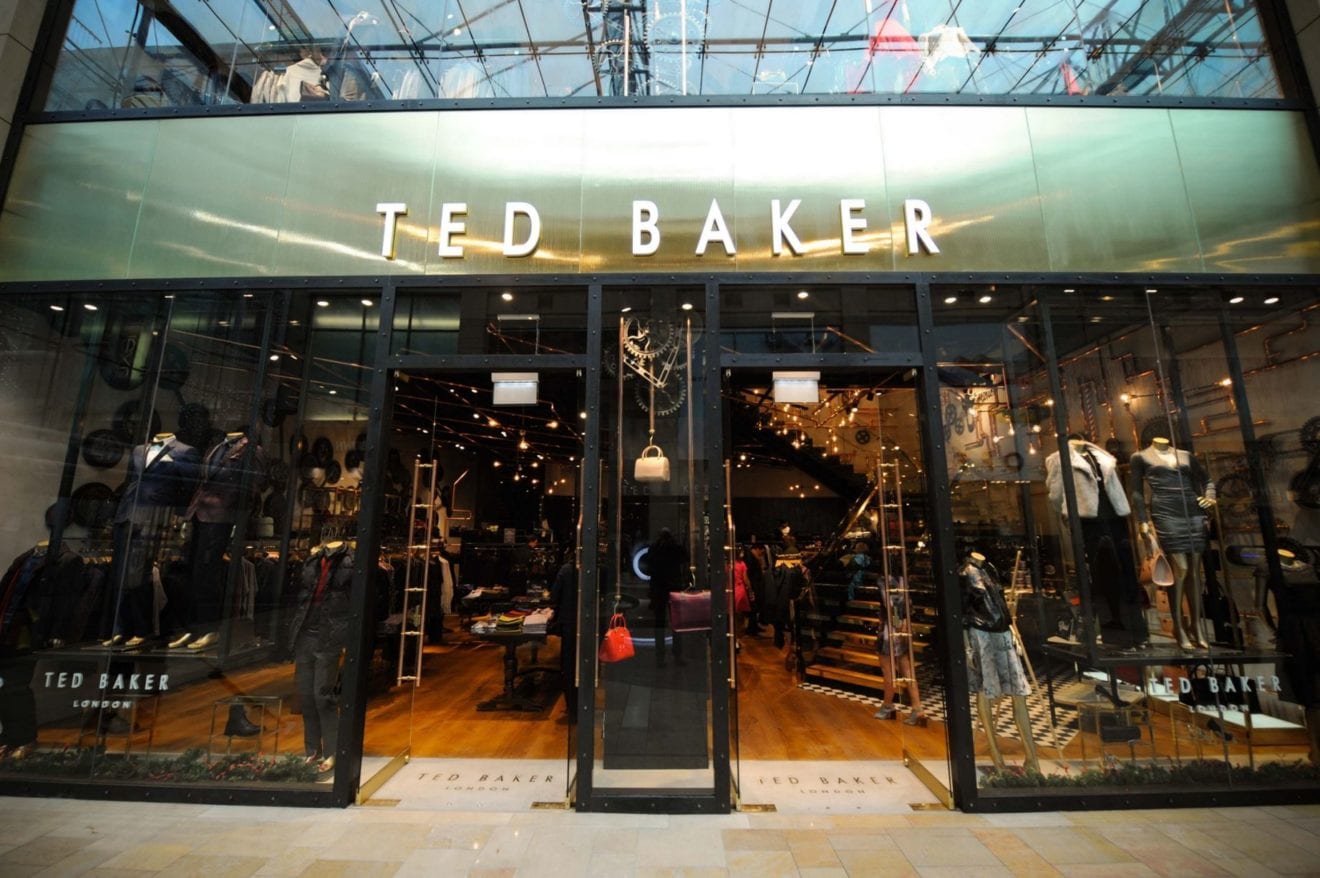
    Global fashion chain Ted Baker overcame an uncertain backdrop in Asia to boost profits by 18.6 per cent last year.

    Rebecca Marks, an analyst at Verdict Retail, said Ted Baker’s strong full year results demonstrate the strength of the brand, driven by its reaction to trends “and signature mix of quality and attention to detail”.

    Ted Baker reported a pre-tax, full-year profit of £58.7 million.

    But the company said while trading generally was in line with expectations, the Ted Baker Asia business trading environment “continues to be challenging”.

    “Whilst Asia currently represents a small part of our business at 3.4 per cent of revenue, we remain positive about the long term opportunities to develop the brand in this territory,” the company said.

    “In Asia, we remain focused on building brand awareness in this market where we are in the relatively early stages of investment. In line with our development strategy in this territory, we have opened another store in Beijing and we are opening further concessions in China and Japan.”

    Marks said the overall results showed Ted Baker was on track to establish itself as a global lifestyle brand.

    “The  investment in brand-building in newer markets paying off,” she said.

    “A strong performance in North America demonstrates the brand’s growing recognition, enhanced by 22 retail and wholesale openings in this market throughout this period. Closer-to-home, the brand is investing in a new distribution centre in the UK to service its European markets – a necessary move to support the growing popularity of its e-commerce platform, where its 45.8 per cent growth primarily reflected its performance in the UK.”

    While womenswear sales were up 15.9 per cent year-on-year, menswear collections outperformed with 20.1 per cent growth.

    “As the prevalence of celebrity and fitness culture continues to heighten male’s interest in fashion and personal appearance, Ted Baker opportunely responded to its typical 25-45 year old male shoppers’ growing demands for increased choice and style with its fashion-led quality collections justifying its premium price points,” said Marks.

    “A raft of planned store openings planned in the coming year, alongside continued investment in its eCommerce platforms and personalisation globally, will help ensure Ted Baker is positioned to enjoy another flourishing financial year ahead. Initial reactions to its Spring/Summer collections have been positive, tapping into the growing activewear market with its new contemporary collection of premium sportswear for women, Fit to a T.

  • Fuji keen to intensify cooperation with Indonesia

    Fuji keen to intensify cooperation with Indonesia

    Fijian Minister for Agriculture, Rural, and Maritime Development and National Disaster Management Ina Seruiratu has expressed his countrys keenness to expand cooperation with Indonesia in various fields.

    “We have expanded our cooperation with Indonesia in areas such as agriculture, which is paramount for the two countries as well as in the field of residential development,” Seruiratu noted in a press statement of the Indonesian Coordinating Minister for Political, Legal and Security Affairs Luhut Binsar Pandjaitan released on Thursday.

    He made the remarks after receiving assistance worth US$5 million from the Indonesian government through Minister Pandjaitan to help alleviate the financial burden of the victims of Cyclone Winston, which left 19 people dead and affected part of the country.

    He expressed hope that the Indonesian assistance would strengthen relations between the two nations.

    Pandjaitan also said his country was looking forward to taking a cue from Indonesia in mitigating natural disasters as it was also a disaster-prone nation.

    “Besides learning from Indonesias experiences, we also want to gain a deeper understanding of disaster mitigation technology from the country,” he revealed.

    During his visit to Fiji, Minister Luhut also met Prime Minister Josaia Bainimarama to extend his condolences over the disaster that affected the South Pacific country.

    Luhut praised the Fijian premier for his swift action in addressing the disaster.

    “I believe that under the leadership of Prime Minister Bainimarama, Fiji would soon recover and rebuild itself,” he added.

  • Lotte declares $860m Japan target at Ginza launch

    Lotte declares $860m Japan target at Ginza launch

    Lotte Duty Free anticipates that sales at its spectacular new downtown duty free shop in Tokyo’s Ginza shopping district will reach KRW150bn/$129m in its first year. At the opening today, the retailer also announced plans to open four to five stores in other regions in Japan and expects total sales from its stores in the country to grow to one trillion won ($860m) within a decade.

    The Korean-style duty free shop in Tokyo, Japan marks Lotte Duty Free’s entry to the country’s downtown market. A source at the company told us: “We will create a new paradigm for duty free in Japan as we have done in South Korea.”

    ‘STEPPING STONE’

    Today, the South Korean duty free and travel retailer went further by outlining its goal to become the world’s number one duty free player. Sunwook Jang, President of Lotte Duty Free (pictured above in the centre), commented: “Japan is rising as the biggest rival country (to Korea) in inviting Chinese tourists. By using the Tokyo Ginza store as a stepping stone, we will strengthen the brand competitiveness and advance the date of becoming the global number one duty free shop.

    “We will keep expanding (our) overseas stores, publicise the competitiveness of Korean products and grow together with the SMEs in the overseas market.”

    In a statement, the company goes on to say: “Lotte Duty Free plans to continuously expand overseas stores in order to let the world know the superiority of the Korean-style duty free shop and strengthen the competitiveness of the duty free industry in Korea.”

    Currently, Lotte Duty Free has overseas retail operations at Jakarta Airport and Jakarta downtown in Indonesia), Kansai Airport in Japan and Guam airport, and it is accelerating the expansion of new overseas stores in Bangkok, Thailand and Osaka, Japan. The company first entered the Indonesian market in 2012.

    GINZA HIGHLIGHTS

    The shopping district of Ginza attracts 20 million visitors per year and Lotte Duty Free’s store is claimed to be the biggest duty free shop in Tokyo at 4,396sq m in total area.

    The shop offers shoppers 300 brands in categories such as watches, jewellery, cosmetics, perfumes, electronics and accessories. Popular Korean brands like MCM, Whoo, IOPE, Mediheal and competitive Korean SME brands are expected to spread the K-beauty and K-fashion message more widely across the Japanese market.

  • Warm weather chills TSI Holdings bottom line

    Warm weather chills TSI Holdings bottom line

    With unseasonably warm weather at the end of last year dampening demand for winter clothing, Japanese apparel retailer TSI Holdings had weaker earnings for the year ended February 29.

    Its operating profit was flat at about 1 billion yen (US$8.86 million), falling short of a 1.2 billion yen projection. Sales fell about 9 per cent to 165 billion yen against a predicted 167 billion yen.

    Same-store sales, including online data, eased 3.6 per cent, with dips of 8 per cent for November and 4.1 per cent for December. High-margin items such as wool overcoats from mainstay brand Natural Beauty Basic met lukewarm demand.

    During the quarter, the company opened 58 stores for 21 brands, and has been negotiating with domestic and overseas apparel and natural cosmetics companies, leading to partnerships with a Chinese apparel company and a domestic beauty industry company.

    TSI also reports a “drastic shift” from paper media to digital promotion, and is enhancing its relationship with Google. This follows its eCommerce ratio growing from 9.6 to 10.8 per cent.

    Almost all brands’ O2O sites are now on the table, says the group, which is developing smartphone apps. Four brands opened sites – Free’s Mart, Jill Stuart, Natural Beauty and Zio Bernardo. Free’s Mart also became the first Japanese brand launched on the Zalora eCommerce site in Southeast Asia.

    The group’s own eCommerce sites grew 129 per cent year-on-year, from 11 to 20.

    TSI has 14 apparel subsidiaries in Japan and three overseas, and its 63 brands include Adore, Callaway, High Street, Nano Universe and Stussy.

  • Takashimaya Tokyo going duty free

    Takashimaya Tokyo going duty free

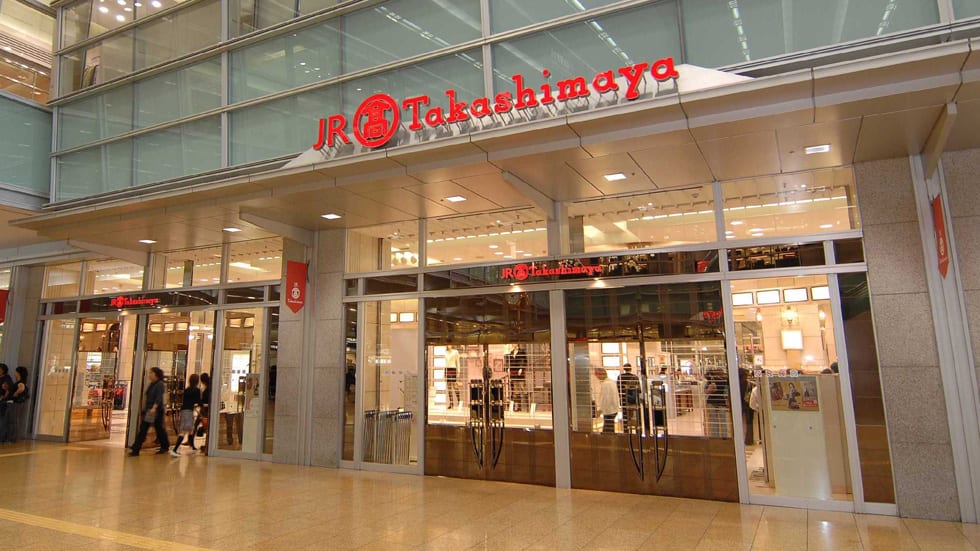
    Eyeing the growing tourist market, Japanese department store Takashimaya is going duty free with an airport-style store in Tokyo.

    Not only sales tax, but also alcohol and tobacco duties will be waived under the venture, in which the Takashimaya Tokyo store is partnering with ANA Holdings and South Korea’s Samsung Group.

    Takashimaya will contribute more than half of the capital for the outlet, establishing an oversight company with All Nippon Airways Trading and Hotel Shilla of the Samsung Group. Scheduled to open next spring, the store will probably be on an upper floor of Takashimaya’s Shinjuku branch. Depending on its performance, the partners may roll out further stores.

    Shoppers will be able to buy items in-store to pick up later at Haneda or Narita airport after completing departure procedures.

    Hotel Shilla, which runs hotels and duty-free stores, generated sales of 3.25 trillion won (US$2.73 billion) last year. The company is second only to the Lotte Group for duty-free stores in South Korea, and its international presence includes Singapore’s Changi Airport.

    ANA Trading runs airport souvenir shops.

    Visitors to Japan increased 47 per cent last year to 19.73 million, according to the Japan National Tourism Organization. More people are travelling there multiple times a year and visiting localities outside greater Tokyo via train and bus. A major bus terminal is slated for completion in Shinjuku this spring.

    Takashimaya rival Isetan Mitsukoshi Holdings opened a similar duty-free store in Tokyo’s Ginza area in late January.

  • Calbee’s famous fried chips & made before your very eyes

    Calbee’s famous fried chips & made before your very eyes

    Japanese snack brand Calbee has joined with Four Seas Mercantile Holdings to open its first overseas concept store “Calbee Plus” in Hong Kong, where customers can buy its famous potato chips straight from the deep fryer.

    Located in Lee Tung Street in Wan Chai, the Okashi Galleria x Calbee Plus store offers customers potato chips and potato sticks that are deep fried on the spot.

    95013884-807a-4b1e-bf24-323225b8f79b calbee3

    For snack lovers, it doesn’t get more indulgent than this: the crisps out of the fryer will be drizzled with chocolate sauce, and served with Japanese fresh milk 3.5 soft serve ice-cream on the side.

    More than 10 different kinds of freshly fried chips and potato sticks are available, including normal and wave-cut chips in four flavours: barbecue, double cheese, chocolate, and Hong Kong’s exclusive flavour: typhoon shelter spicy – which is inspired by the city’s famous typhoon shelter spicy crab.

    Customers can also purchase limited edition Japanese confectioneries in the store.

    On its opening day, it saw long queues snake outside the freshly fried-in-front-of-you potato chips store.

    Peggie Lau, associate director of communications at Four Seas Mercantile Holdings, toldMarketing that Calbee Plus is more than a retail store, and aims to bring a holistic experience to customers.

    “By watching the making of those freshly made products through the glass wall open kitchen, we want to bring fresh and delicious products to customers which also aligns with the brand philosophy: making tasty and joyful snacks,” she said.

    Calbee

    Besides targeting snack lovers, the snack maker also wants to attract families to the store.

    “We want to take customer loyalty to the next level. In addition to trying the fresh potato chips, we also want them to experience the service, to witness how we make the products in front of them, and more importantly, to get feedback from them for product research and developments.”

    Lau said the store was aiming to attract 1,000 visitors every day, with plans to open four more stores within five years in Hong Kong to become an attraction for food lovers and overseas visitors.

  • Joyo Financial to Provide Retail Investors’ Access to IPO

    Joyo Financial to Provide Retail Investors’ Access to IPO

    The tech sector is always a main focal point for investors and consumers’ alike as it lays down the bench mark for what will be common place for most people whether it is in the home, places of business, or recreationally.

    In the bustling IPO market which covers a variety of numerous product sectors by some of the marketplaces more recognizable and also some not so well known companies, whose products are among the best innovative and pioneering ideas to date. These companies offer many different options to potential investors and have the retail, corporate and institutional clients as well as the management at Joyo Financial Ltd., drooling at the prospects.

    Joyo Financial Ltd., a Japanese brokerage company with an office in Hong Kong, has made all the right noises in relation to at least 2 impending IPO’s that they will be involved with this year.

    Charles Leung, Chief Investment Officer at Joyo Financial Ltd, attending the 23rd annual SXSW Interactive festival in Austin, Texas, USA had the following to say, “I love coming to these expos, the companies demonstrating their latest products and achievements are always insightful and never fail to provoke thought on what can and what almost definitely will be a standard in our ever evolving world.” The SXSW festival is an annual set of film, interactive media, and music festivals and conferences that take place in mid-March.

    When asked about Joyo Financials plans in the Tech sector this year he remarked, “I really would like to reveal more on 2 IPO projects in particular we’re involved with this year. I can say this, that one is in the tech sector and will be huge and the other is in the more conventional mining sector and will just as big, full details will be disclosed shortly.”

  • Rakuten launches mobile e-commerce app in Taiwan

    Rakuten launches mobile e-commerce app in Taiwan

    Japanese e-commerce giant Rakuten has launched  consumer-to-consumer mobile e-commerce app Rakuma in Taiwan.

    The app, first launched in late 2014 in Japan, enables the sale of goods between individual consumers via smart devices. It allows quick product listing and direct communication among users.

    Rakuten said the app will target Taiwanese consumers interested in easy mobile access to e-commerce and is available for free download on Google Play and the iTunes Store.

    “We are excited about Rakuma making the leap from Japan to Taiwan with this popular mobile app and providing Taiwanese users with the opportunity to ‘sell and buy’ their personal, home and fashion goods seamlessly on their smart devices,” said Rakuma Business Manager, Takafumi Inoue.

    Taiwan is a priority market for Rakuten’s global growth strategy as Taiwan Rakuten Ichiba is already a leading e-commerce company in Taiwan and other newer Rakuten services, such as the Rakuten Card credit card and Rakuten Travel, continue to experience rapid growth.

    Rakuten is building its ecosystem of services that offers Taiwan users valuable membership benefits.

  • Uniqlo Oxford St remodel complete

    Uniqlo Oxford St remodel complete

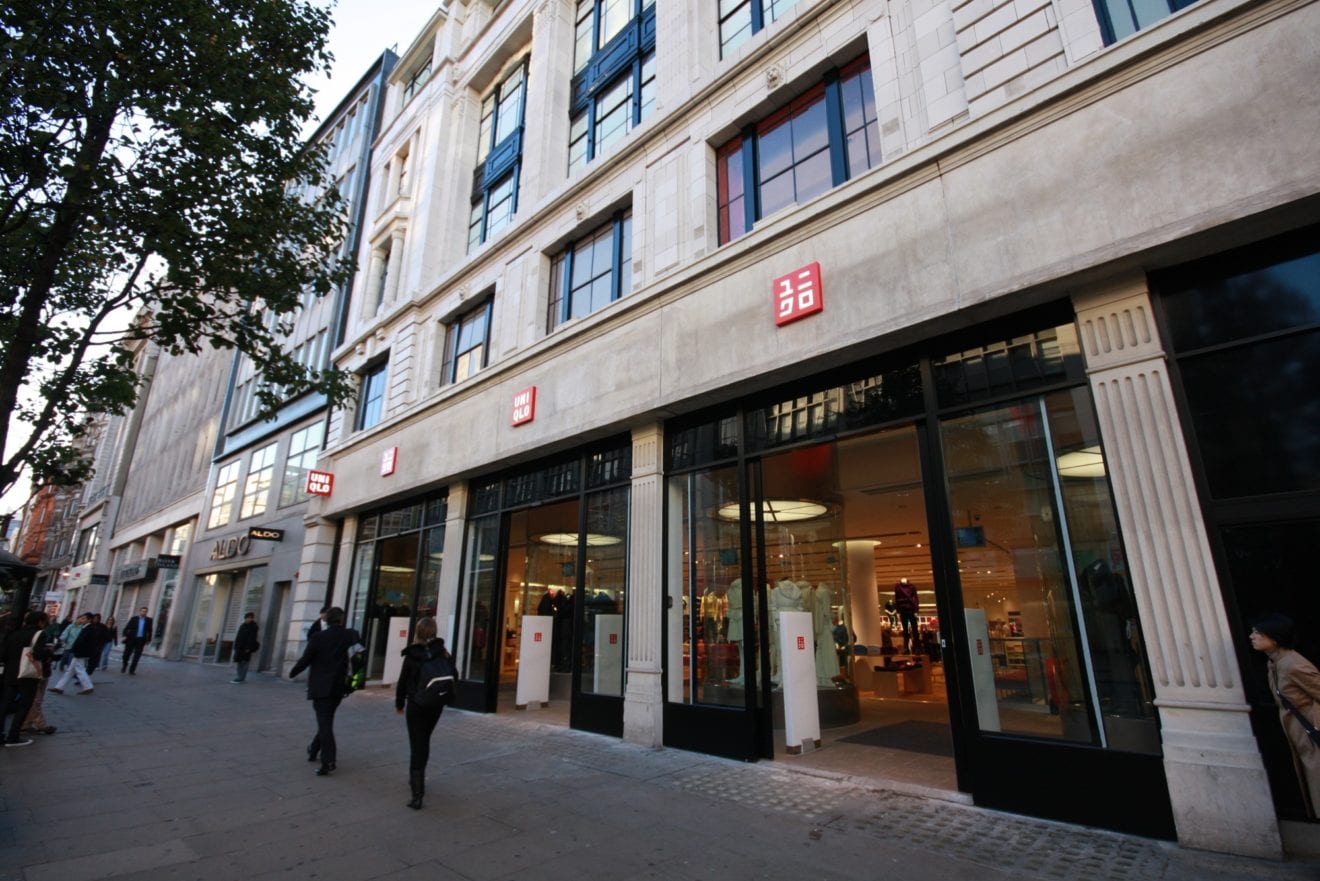
    Uniqlo Oxford St, the London flagship of the Japanese fast fashion brand, will reopen on March 18, after an extensive refit.

    One of the brand’s global flagships, Uniqlo Oxford St originally opened back in 2007 at No 311, six years after Uniqlo made its UK debut. In its new guise, the store will showcase the group’s LifeWear concept as well as pay tribute to London’s rich culture.

    “We wish to celebrate the special connection we feel with London,” says Global Creative fast-retailing president John Jay. “We believe that our new campaign, ‘This Way to Utopia’, and campaign ambassadors showcase this in the best way possible.”

    The completely renovated sales floors at Uniqlo Oxford St span five layers, covering 2240 sqm altogether. A highlight is the Uniqlo WearHouse London, a special area on the third and fourth floors where customers can immerse themselves in the LifeWear concept, which aims to enhance individual lifestyles by delivering quality clothing that is functional in design and versatile to wear.

    These special floors will feature core seasonal styles along with items – also for sale – that capture London lifestyles.

    Cultural events will be held at the store throughout the year to celebrate London’s art and music scenes.

    Another new attraction at the store is a roof terrace overlooking central London. There will be public events in this space throughout the year that combine Uniqlo with local culture.

    To mark the reopening of the store, Uniqlo is collaborating with local partners. The Liberty London spring/summer collection makes its global debut on March 18. It is a collaboration line with Liberty, a London store known for its floral prints since being founded more than 140 years ago.

    For the first time in the UK, the Uniqlo X Hana Tajima collection of modest wear will have its UK launch at the flagship store. Hana Tajima, a UK-born fashion designer and blogger, mixes her styles with Uniqlo’s LifeWear concept to create a collaboration line that has already launched in Southeast Asia and the US.

    A new partnership with Tate Modern Museum will include regular events at the store curated by the museum. In addition, Uniqlo will be the official sponsor of the Tate Modern’s relaunch weekend in June, as well as a new attraction at the museum, Uniqlo Fridays, a series of late-night events starting in October.

    The talents of six leading Londoners from the art, fashion and music scenes will be featured in the “This Way to Utopia” reopening campaign.

  • Starbucks baristas vie for best of Asia honour

    Starbucks baristas vie for best of Asia honour

    Starbucks baristas from across Asia took part in the first Regional Barista Championships in Hong Kong.

    The contest, held before more than 600 spectators, drew 2000 entries from markets including China, Thailand, Hong Kong, Malaysia, Japan and Indonesia before the field was narrowed to the final 14.

    Finalists were judged on coffee knowledge, beverage mastery and customer service. Each partner had 20 minutes to demonstrate technical and communications skills, craftsmanship and knowledge of the barista profession.

    “Our judges group, made up of eight partners and one guest who is an accredited global coffee-competition judge, was immensely impressed and inspired by the professionalism and passion demonstrated by the final competitors,” said Major Cohen, senior project manager, Starbucks Global Coffee.

    The top three partners from round one of the finals were:

    • Nopparat “Yong” Arpornsuwan who joined Starbucks Thailand in 2002 as a part-time barista and is currently the store manager at the Baan Chart Khaosan Starbucks in Bangkok. She has a personal connection and understanding of coffee, having grown up near coffee farms in Thailand.
    • Hirokazu Terasaki of Japan, who joined the global coffee giant because of the friendly service culture a year ago. He is now an assistant store manager at the Maguro store in Japan.
    • Ryan Wibawa of Indonesia, who became a part-time barista with Starbucks in 2011 and just two years later was designated as a Coffee Master. Now a full-time shift supervisor at the first Starbucks Reserve store in Indonesia, Wibawa earned first-place honors in the first Indonesian Brewers Cup Championship finals in November 2015.

    Starbucks partners from China and Asia Pacific region finalists in the first Regional Barista Championships in Hong Kong. From left: Wibawa, Terasaki and Arpornsuwan.

    Arpornsuwan took top honors, based on her “perfect execution, personal storytelling and knowledge of coffee sourcing,” to become the first Starbucks Barista Champion. She was awarded a first-place trophy, a hand-crafted leather roaster brewers kit complete with coffee and accessories, and a three-week coffee experience in Seattle, which will include a visit to the first Starbucks at Pike Place Market and a tour of Starbucks Reserve Roastery and Tasting Room.

    Starbucks will celebrate additional barista champions across the globe in 2016. The company will host the Europe, Middle East and Africa Barista Championships and US Barista Championships later this year.