Tag: Japan

  • 800 Degrees pizza outlet for Tokyo

    800 Degrees pizza outlet for Tokyo

    Customised pizza has arrived in Japan, thanks to American chain 800 Degrees Neapolitan Pizzeria.

    Its first outlet for the nation is at the south exit of Tokyo’s Shinjuku Station in the new Newomanbuilding complex, which features fashion boutiques and fancy eateries.

    800 Degrees Pizza res

    With an open-plan kitchen set-up, 800 Degrees features quick-baked pizzas that can be customised when ordering, including the style of base, cheese and sauce selection, and protein and vegetable toppings, even including renkon (lotus root). Side salads can also be customised, and specialty pizzas are also available.

    800 Degrees Pizza inside

    After assembly, the pizzas go into a wood-burning oven and are ready within a minute.

    Already there are queues at the outlet, with customers sometimes having to wait about 30 minutes to be served. However, after ordering customers will be given a pizza number if the restaurant is busy.

    Japan is the second international destination for 800 Degrees, which has four outlets in Dubai.

  • Issey Miyake China launches in open-air complex

    Issey Miyake China launches in open-air complex

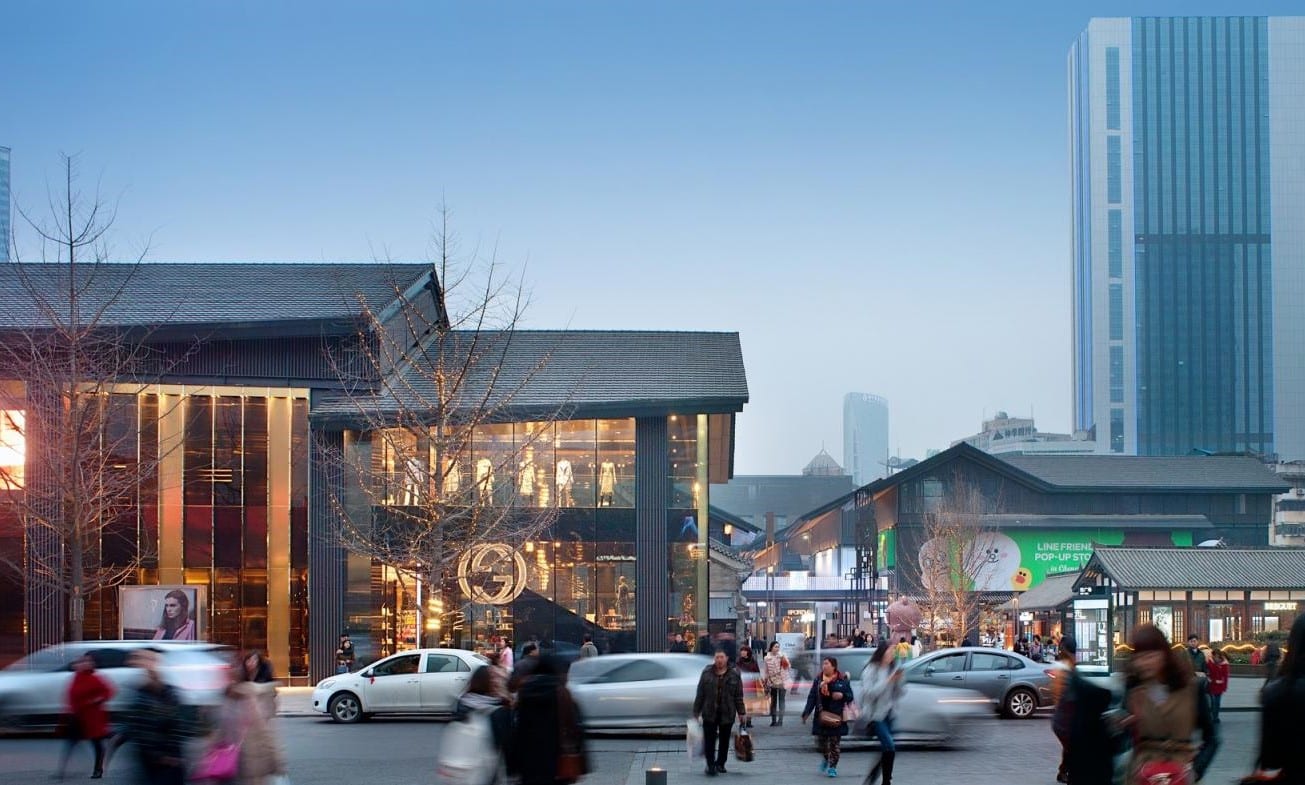
    An Issey Miyake China boutique has opened in Chengdu, at the open-air shopping complex Sino-ocean Taikoo Li.

    Covering two floors, the Japanese fashion store has a white interior with modular displays and sleek metal racks that makes the products stand out. Its range includes women’s items from the Issey Miyake main collection, as well as Pleats Please, Bao Bao and Me Lines items.

    Issey-Miyake-store-Chengdu-China

    Sino-ocean Taikoo Li is centered around the historic Buddhist Daci Temple. It is a low-rise project that includes shopping, dining, drinking, entertainment, offices and hotels with the setting of lanes, squares, streets, alleys and courtyards.

    Issey-Miyake-store-Chengdu-China-02

    Its retail planning concept is “Fast Lane” and “Slow Lane” (play fast, live slow). “Fast Lane” incorporates luxury brands and high-end contemporary fashion, while “Slow Lane” comprises outdoor dining and lifestyle stores.

    Master planner for the project and lead architect was the Oval Partnership.

    Issey-Miyake-store-Chengdu-China-03

  • Muji India set to make history

    Muji India set to make history

    Muji India  is about to become the first Japanese retailer to open stores in the nation.

    One is planned for Mumbai, the commercial capital, and another in Bangalore, the hub of the IT industry.

    This follows the forming of a joint venture by Muji owner Ryohin Keikaku, Tokyo, with Reliance Brands, based in Mumbai.

    Ryohin Keikaku is also the first-ever Japanese retailer to receive individual approval for a direct investment from the Indian government’s Foreign Investment Promotion Board.

    Its first venture will be the Muji Palladium. Opening in 2009, Mumbai’s Palladium is one of India’s largest shopping centres, attracting more than 24 million visitors every year. It has luxury retail brands, restaurants and a food court, and is next to a five-star hotel and cinema complex. The Muji India store, scheduled to open in August, will cover about 207 sqm.

    Muji’s second outlet will be in the VR Mall next to Phoenix Market City, which has fashion stores as well as a cinema complex and restaurants. Covering about 485 sqm, the Muji store is scheduled to open in September.

  • FamilyMart Malaysia rollout confirmed

    FamilyMart Malaysia rollout confirmed

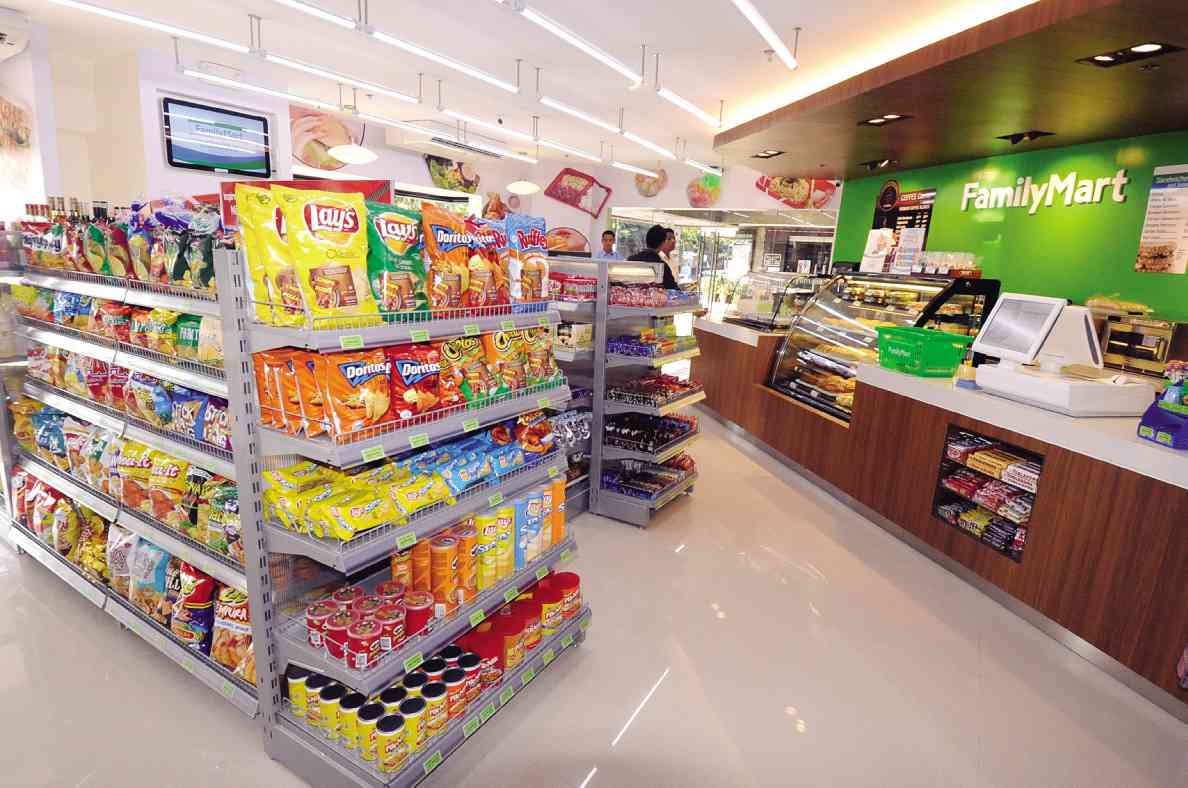
    QL Resources, which produces chicken eggs and seafood surimi, is set to launch a MalaysiaFamilyMart network.

    The company says it plans to open 300 outlets within five years, with the first to be up and running by the end of this year. That will trigger a battle with fellow Japanese convenience store chain 7-Eleven and local startup Bison Incorporated which plans to use the funds from an upcoming IPO to open 150 new stores by 2017.

    QL Resources says its wholly owned subsidiary Maxincome Resources has signed the area master franchise agreement for the development and running of FamilyMart convenience stores in Malaysia. The 20-year agreement is renewable for subsequent periods of 20 years, each at Maxincome’s option, and becomes conditional once the company has registered as a franchisee with Ministry of Domestic Trade, Co-operatives and Consumerism.

    FamilyMart sees the move into Malaysia as an “exciting opportunity” given the country’s growing economy and consumer spending.

    Both parties seem to agree the launch will have a long gestation period, understandable given the current state of the convenience store industry in Malaysia.

    7-Eleven Malaysia dominates the market, with a share of around 82 per cent, through  more than 1900 stores nationwide and with an expansion rate of about 200 annually at present..

    Smaller rival Bison has about 240 newsstands and convenience stores under its brands, which include myNews, Newsplus, MagBit and The Front Page. It also runs WHSmith outlets in Malaysia, in a joint venture with UK’s WH Smith Plc.

    QL Resources says the launch of FamilyMart will open up bigger growth opportunities in the consumer market for the whole group. “It fits into our strategy of strengthening and expanding integration of the group’s value chain.”

    It cites such favourable factors as Malaysia’s increasing urbanisation and per-capita consumption, young population demographic, and a growing trend of proximity and convenience retail.

    Globally, FamilyMart had 17,540 stores in seven countries as at March 31, and is known for its range of ready-to-eat food and beverage offerings as well as convenience items.

    “FamilyMart’s philosophy and values resonate with QL Resources’ mission of providing nourishing agro-based products,” QL Resources says in a statement. “Their emphasis of delivering quality food is also a value that QL Resources, as a food company, values and sees synergy in.”

  • Uniqlo profit drops

    Uniqlo profit drops

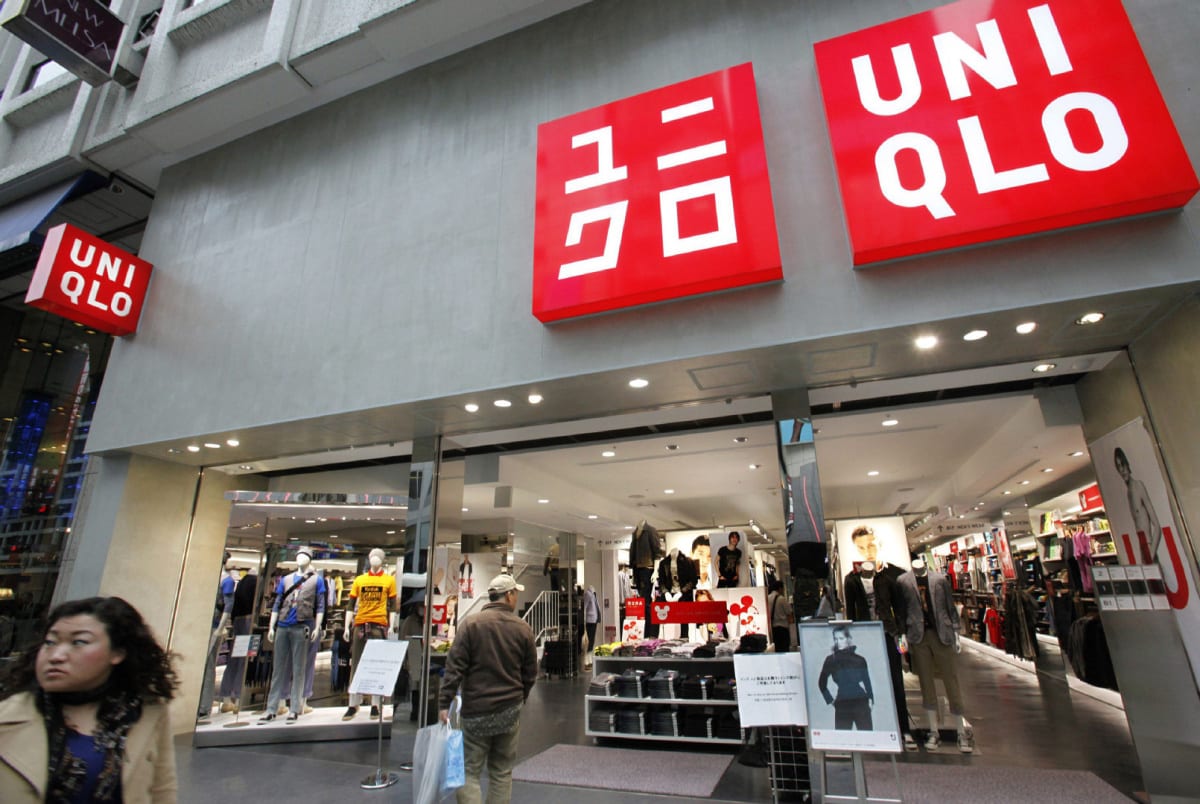
    Uniqlo profit has plummeted in the Japanese fast fashion chain’s first half year.

    Parent Fast Retailing has revealed a 33.8 per cent decline in year-on-year surplus, despite a 6.5 per cent increase in sales from September 2015 to February 2016.

    Consolidated revenue reached JP¥1.0116 trillion (US$9.385 billion) and profit ¥99.3 billion (US$1.535 billion).

    While Global Brands reported a rise in both revenue and profit, Uniqlo Japan reported declines in both revenue and profit, and Uniqlo International reported a rise in revenue but a decline in profit.

    The company blamed the Japanese decline on poor sales of winter ranges and lower gross margin, with same-store sales down 1.9 per cent.

    “Subsequent stronger discounting in January and February contributed to a 3.5 per cent fall in the first-half gross margin.

    Uniqlo profit was down on weaker sales in Greater China, South Korea and the US in the company’s international division. However sales and profit rose in Southeast Asia, Oceania and Europe.

    In the Global Brands division, revenue and profit both rose on strong sales of GU ranges. “GU’s widely advertised campaign items such as knitwear and trendy bottoms such as wide pants and jogger pants all generated strong sales, fueling double-digit growth in same-store sales,” Fast Retailing reported.

    The company is predicting a better second half but has revised its earnings forecast to a 7 per cent rise in revenue and a 27 per cent decline in operating profit.

  • Double launch by Diesel Japan

    Double launch by Diesel Japan

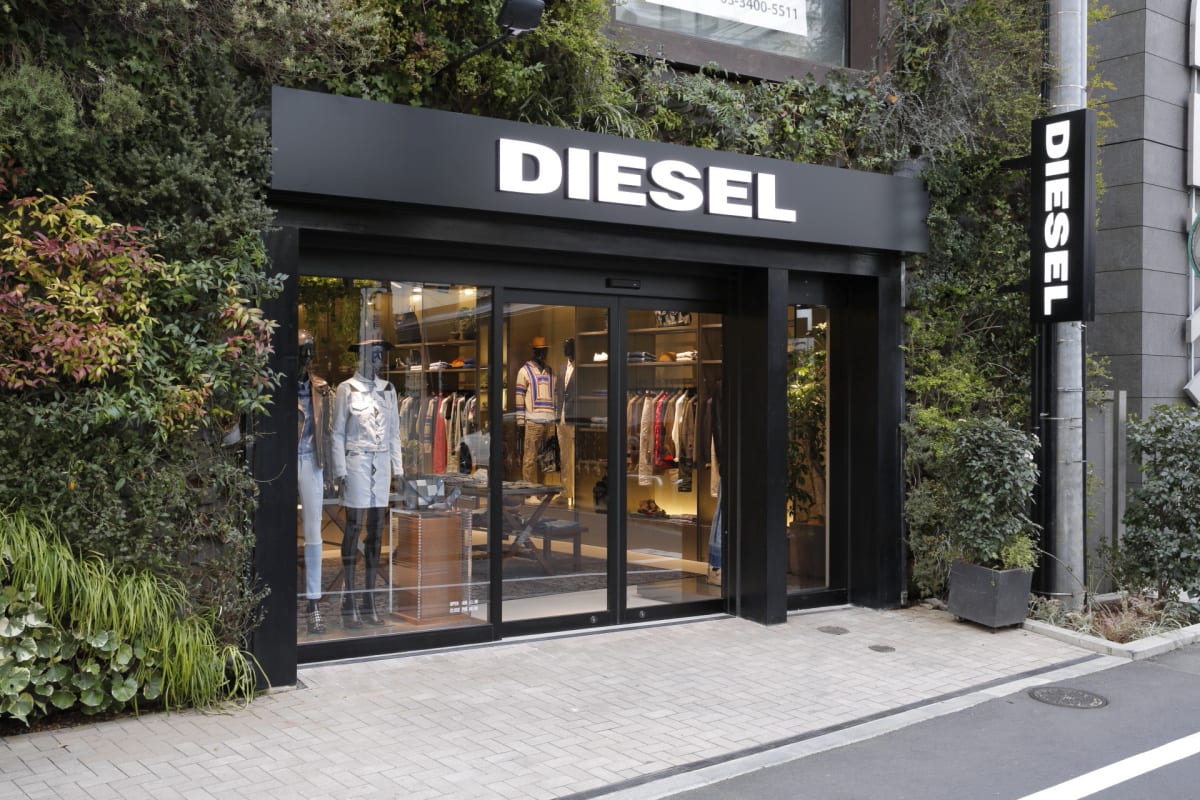
    Diesel has returned to the quiet fashion area of Aoyama in Tokyo with a double store opening – Diesel Aoyama and Diesel Black Gold Aoyama.

    Diesel Aoyama offers the label’s full collection of men’s and women’s denim, apparel, bags, shoes and accessories, as well as tableware from Diesel Living. It features the brand’s new retail design concept, with a highlighted denim area featuring stainless steel and glass. Design details include steel fixtures paired with rugs, concrete flooring with wooden ceilings, and antique furniture with technologically advanced materials.

    Diesel Aoyama store. 2

    Diesel Black Gold is the label’s first-ever monobrand store in Japan, showcasing a complete range of women’s and men’s collections along with accessories. Industrial and raw materials are used as a backdrop for the collection.

    Diesel Aoyama store. 1

    To mark the occasion, both Diesel and Diesel Black Gold have launched limited-edition items available only in the two stores, such as a Made in Japan denim collection for Diesel, and iconic items like a leather jacket for Diesel Black Gold.

    Diesel Aoyama store


    Diesel Aoyama store. 3

    Nearly 10 years ago, Diesel created a stir by opening Diesel Denim Gallery in Aoyama. The two-storey concept shop displayed denim items as artworks, and featured limited-edition items. There were also gallery spaces for in-store installations and art exhibitions, featuring creators such as video director Timothy Saccenti and architect Makoto Tanijiri. In 2011, the project moved and opened as Diesel Art Gallery in Shibuya, Tokyo.

  • MSGM new boutique in Tokyo

    MSGM new boutique in Tokyo

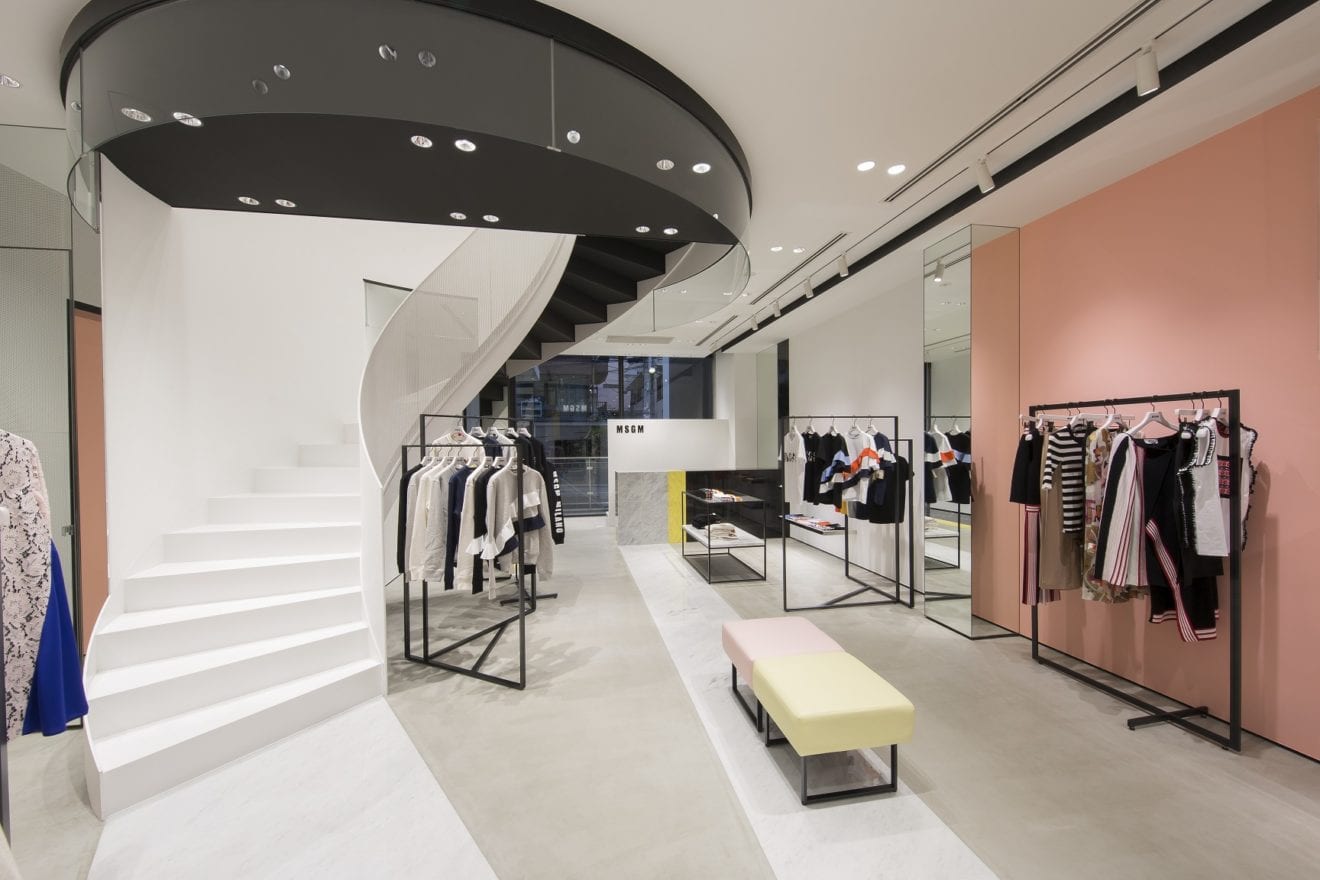
    Italian fashion label MSGM has opened its first boutique in Japan, in Tokyo’s Shibuya district.

    It is MSGM’s fifth monobrand shop in the world, again with its interior design concept being the brainchild of founder/creative director Massimo Giorgetti. He collaborated again with Milan-based architect studio CLS Architetti, as well as Tokyo studio Garde.

    Over two levels, the Tokyo store covers 2152 sq ft (199.9 sqm), and carries the brand’s men’s, women’s and accessories collections. It continues label’s street-style aesthetic with flexible iron structures and black-and-white marble surfaces with fluorescent yellow lines for exhibiting products.

    Another feature is geometrically shaped neon tubes on the ceilings, and there are two artworks, by Japanese-American artist Shingo Francis.

    MSGM’s other monobrand boutiques are in Singapore, Hong Kong, Milan and Dubai.

  • FPT Vietnam to sell stake

    FPT Vietnam to sell stake

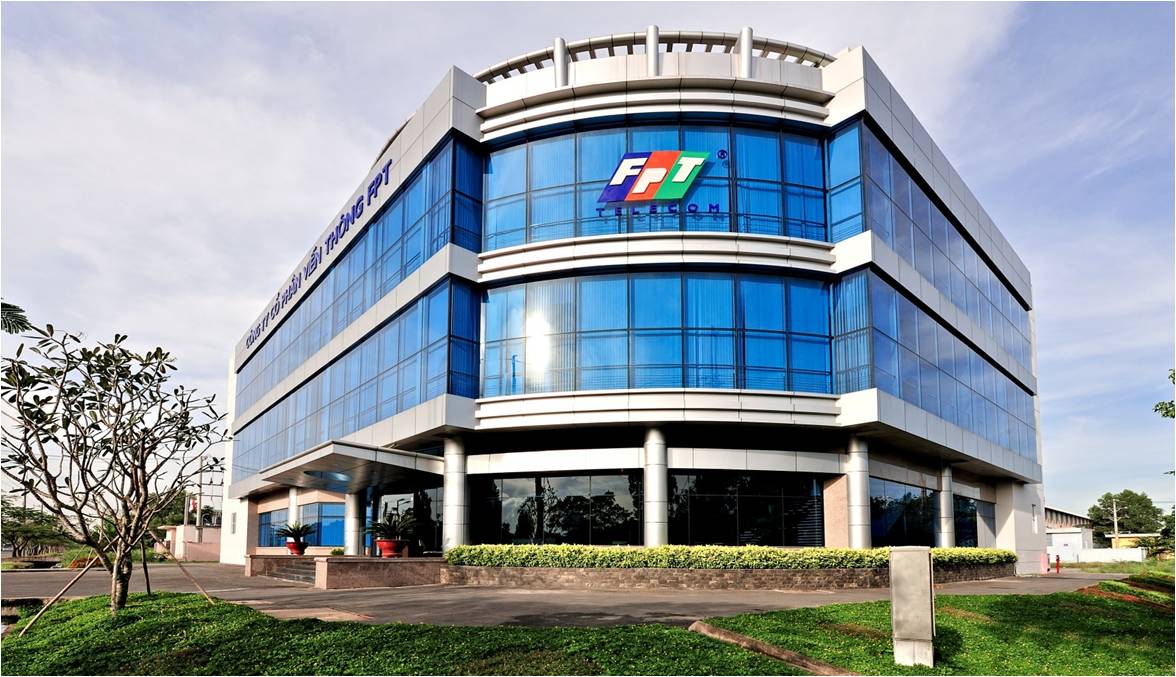
    One of Vietnam’s largest private tech firms, FPT Corporation is planning to sell a large stake in its retail and distribution units, providing an opportunity for regional players to buy into the fast-growing Vietnamese market.

    Funds from the sale will be used to help with mergers and acquisitions (M&A) in the information technology area.

    At a shareholder meeting, the company said it will reduce its holdings in FPT Shop, a mobile device retailer, and FPT Trading, which makes, imports and sells telecommunications and electronic products.

    FPT Shop has reached its target of having 250 outlets by this year, and the distribution arm’s profit margins are steady 46 per cent, the meeting was told. FPT still expects the major part of its revenue to come from retail and distribution, estimated at VND28.58 trillion (US$1.27 billion) – about 63 per cent of turnover.

    “The IT industry has a lot of potentials, and the opportunities are universal,” says deputy-CEO Nguyen The Phuong.

    He says some of the money raised will be used to increase the company’s stake in FPT Telecom.

    FPT chairman Truong Gia Binh last year unveiled his goal to invest US$50 million through M&A every year, in both local and international companies. The targeted markets include the US, Japan, Singapore and Europe. Two years ago, the company acquired RWE IT Slovakia for an undisclosed amount and rebranded it to FPT Slovakia.

    One of the main competitors of FPT Shop, Mobile World, has expressed an interest in buying the retail unit. Another candidate could be Thailand’s Central Group, which bought 49 per cent of Vietnamese electronics retailer Nguyen Kim early last year and reportedly wants to also acquire Pico, another local electronics store.

    FPT Vietnam has retained VietCapital Securities and Japan’s Nomura Securities for advisory services on the sale.

  • Marui takes up half of Kitte Fukuoka

    Marui takes up half of Kitte Fukuoka

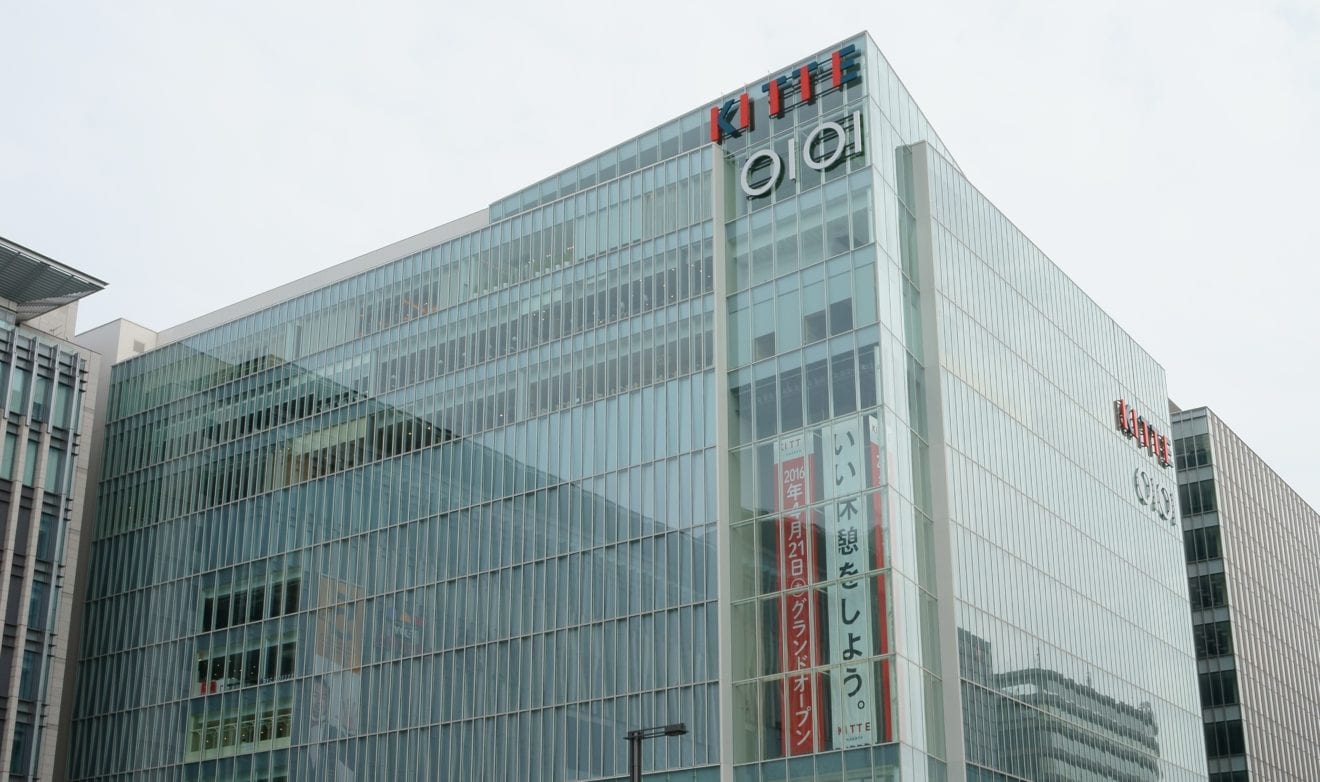
    Marui Group is opening a seven-floor retail centre that will take up half of the new Kitte Fukuokadepartment store.

    With its headquarters in Tokyo and known for its “OIOI” sign, the group will be launching Hakata Maruion floors one to seven at the 14-floor Hakataekichuogai area complex, run by Japan Post, on April 21.

    Covering about 15,000 sqm, Hakata Marui will have more than 130 tenants for food, general goods and fashion. The first six floors will feature cafes.

    A feature store will be 4 Dot Watch by OIOI on the sixth floor featuring such brands as Casio, Citizen and Seiko. It will cater for custom orders and overseas brands, such as Hamilton, La Mer Collections and Rosemont.

    There will also be three “stations” – the My Fit Station for shoes, the Customise Station for personalising products and the Gift Station for personalised gifts.

    Duty-free shopping is available, and discounts may be offered for customers using China’s UnionPay or Taiwan’s EasyCard or Chinatrust cards.

    Each section will feature specially designed environmental sounds.

    With the theme “Anyone, any time, every day”, the shopping complex will have 131 shops as well as Hakata Marui. The list includes HMV & Books’ second Japanese branch, and 30 per cent of the shops will specialise in clothing, such as Uniqlo, which will take up half a floor.

    There will be 50 restaurants and cafes, including Honolulu Cafe, Natural Dining Hakatagi (French/Japanese fusion cuisine) and Tsukiji Sushi Sei.

    There will also be an international clinic and rehabilitation centre, and a wedding hall.

  • Kao Group partners with Chinese e-tailer

    Kao Group partners with Chinese e-tailer

    Japanese consumer products group Kao Group has formed a strategic partnership with China’s largest online direct sales company, JD.com.

    Included in the deal is the opening of Kao Group’s cross-border flagship store on JD Worldwide in May, which will initially stock maternal and children’s products, with other product lines expected to be introduced later.

    Founded in 1887, Kao Group owns a range of consumer brands including Attack, Biore, Laurier and Merries. JD.com started co-operating with Kao China in 2014 for categories covering baby and maternity products, personal-care items and cleaning products.

    Leveraging JD.com’s bonded warehouse and self-built delivery network, customers of the new flagship store will be offered efficient delivery of Kao products directly from Japan.
    “JD.com is known for its authentic products and efficient logistics network,” says Kao Group senior managing executive officer Toshiaki Takeuchi.

    “The JD Worldwide platform will provide the safest and most reliable channel for Chinese consumers to buy Kao products, while helping group expand its reputation and footprint in the China market,” says JD.com FMCG business unit president Carol Fung.

    Since launching in April last year, JD Worldwide has attracted brands and merchants from more than 40 countries and regions, and features more than 2.5 million SKUs from 2000 international brands.

    With a history of more than 120 years, the Kao Group is engaged in business in Asia, Japan and Europe with bases in 33 countries and regions. It established a subsidiary in Shanghai in 1993.

    JD.com has seven fulfillment centres and 213 warehouses in 50 cities across China, as well as 5367 delivery pick-up stations.

  • US theme park debut for Sanrio’s Hello Kitty

    US theme park debut for Sanrio’s Hello Kitty

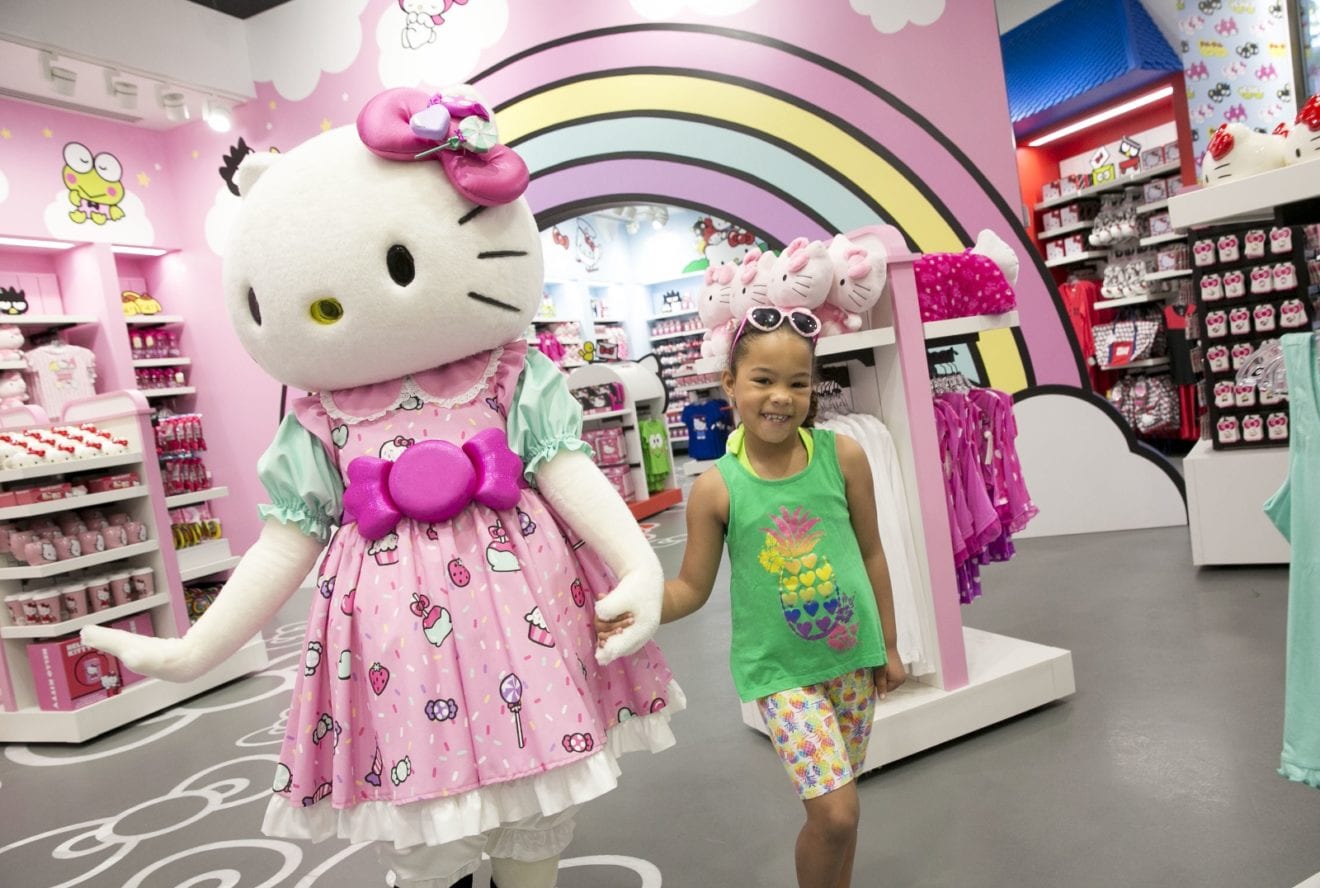
    Global lifestyle brand Sanrio has opened a Hello Kitty Shop at Universal Orlando Resort in the US.

    Opened in conjunction with Universal Parks & Resorts, the store marks Sanrio’s official retail debut and Hello Kitty‘s first appearance at a theme park in North America. On Hollywood Boulevard in the theme park, the outlet offers specialty merchandise including stationery, home goods, apparel, accessories, collectibles and confectionery. Most product is exclusive to the park.

    Other Sanrio characters including Badtz-Maru, Chococat, Keroppi, My Melody and Pompompurin are also be featured.

    “Our partnership with Universal delivers a new touch point for the brand through special products, unique merchandising and a fully branded store experience that incorporates many of our beloved characters,” says Sanrio senior VP of brand management and marketing Jill Koch.

    As well as shopping for exclusive merchandise, customers have photo opportunities at the show, can create souvenir versions of Hello Kitty’s signature bow, send letters and receive gifts.

    Hello Kitty StoreMerchinterior Talent CharacterAven

    With four specially themed areas within the Hello Kitty Shop, fans can find treats at the Hello Kitty Sweet Yummy Shop, loungewear and home goods in the Hello Kitty Lounge, multi-character accessories, stationery and gifts in the Hello Kitty and Friends Town, and collectibles featuring Sanrio characters reimagined with classic Universal properties in the Hello Kitty at the Movies area. New products and designs will be released regularly.

    Guests can also meet Hello Kitty herself, with the 40-year-old Japanese icon making regular appearances.

    Sanrio launched in 1960 and now has more than 50,000 branded items in more than 130 countries, and upward of 15,000 US retail locations including 80 Sanrio boutiques.

    Academy Award-winning director Steven Spielberg is creative consultant for Universal Parks & Resorts, a unit of Comcast NBCUniversal, which wholly owns Universal Studios Hollywood, including Universal CityWalk Hollywood. It also owns Universal Orlando Resort and its two theme parks (Universal Studios Florida and Universal’s Islands of Adventure), four resort hotels and Universal CityWalk Orlando. It also has licence agreements with Universal Studios Japan in Osaka, and Universal Studios Singapore at Resorts World Sentosa, Singapore.

    Comcast NBCUniversal also plans a theme park in Beijing and an indoor theme park in Moscow.

  • Lotte Duty Free Ginza store opens

    Lotte Duty Free Ginza store opens

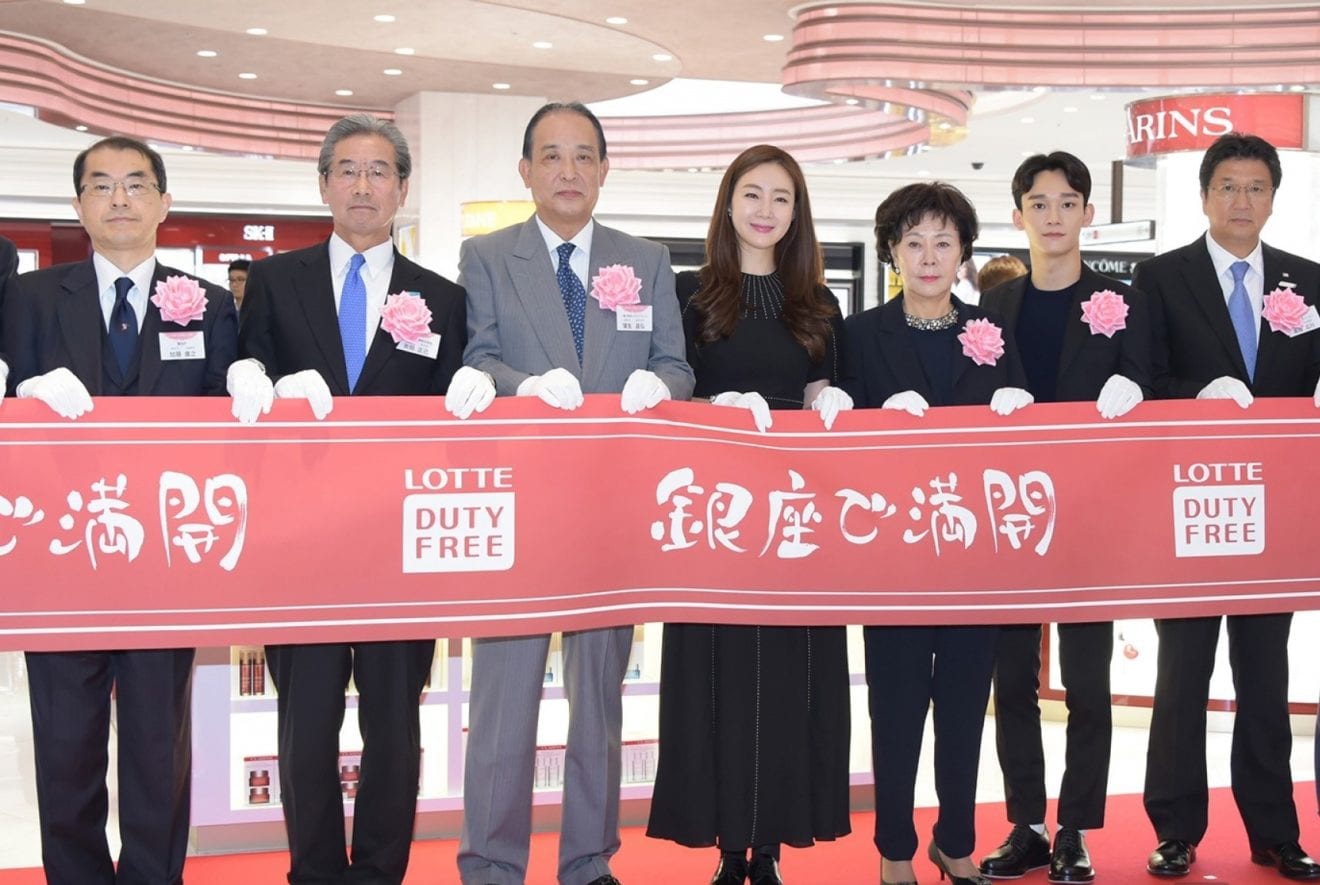
    Tokyo’s new Lotte Duty Free Ginza is the largest duty-free store in the Japanese capital.

    Covering 4400 sqm, it occupies the entire eighth and ninth floors of the new Tokyu Plaza Ginza, at Sukiyabashi intersection, connecting the historic and cultural Hibiya district to Ginza, Japan’s most famous shopping street.

    With about 150 international brands, the store has luxury boutiques on the eighth floor, and international cosmetics on the other floor. Cosmetics include Estee Lauder, Lancome and Shiseido, fashion brands include Alexander McQueen, Coach, Gucci, Hugo Boss, Ralph Lauren, Zegna and South Korea’s MCM, while there will be watches from such brands as Blancpain and Omega.

    There is also a Japanese souvenirs section.

    Tokyu Plaza Ginza is an 11-storey retail, commercial and entertainment complex developed by theTokyu Land Corporation.

    Meanwhile, a two-level Lotte Duty Free store is also planned for Osaka, to open early next year.

  • Japan’s biggest bank sees crucial role for Philippines

    Japan’s biggest bank sees crucial role for Philippines

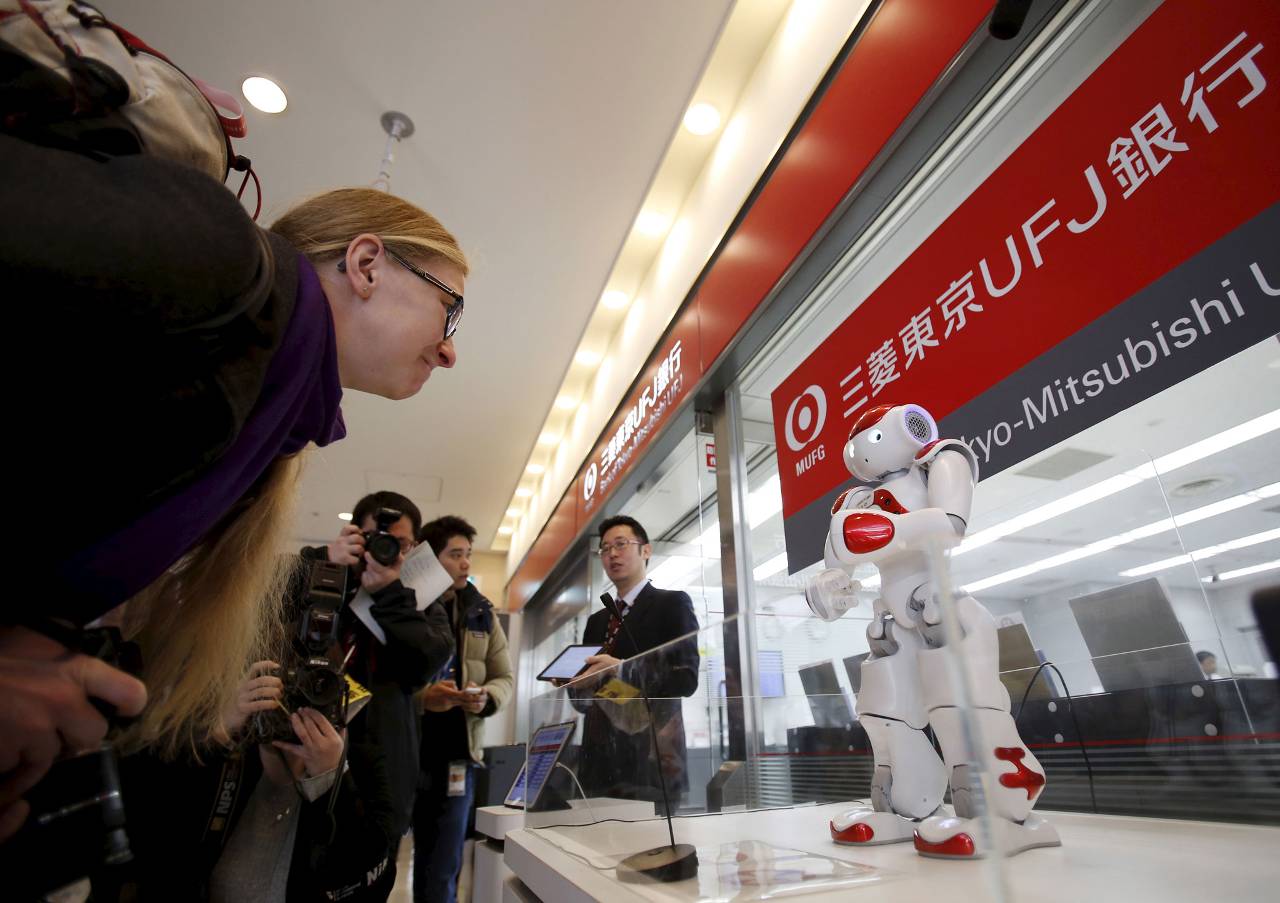
    Japan’s biggest lender Bank of Tokyo-Mitsubishi UFJ said the Philippine market plays a crucial role in its goal to become Asia’s Tier 1 financial institution.

    BTMU, which recently bought a 20-percent stake in the Philippines’ Security Bank Corp., said it envisions surpassing three of the biggest banks in Asia (HSBC, Citibank and Standard Chartered Bank) by 2020.

    “The Philippines is one of the most important markets for the bank because the economy is strongly performing, and many Japanese companies have been advancing in the Philippines,” Go Watanabe, BTMU chief executive officer in Asia and Oceania Region, told reporters in a roundtable discussion on Tuesday.

    “The Philippines is the missing part of BTMU. That is why we have decided to have a strategic alliance with Security Bank,” he added.

    Watanabe said its P36.9-billion investment in the local lender, which is also the biggest capital infusion to date in the Philippine financial market, is part of BTMU’s strategy to identify the right partners in high growth markets and to deepen its presence in organic communities.

    He said that with the partnership BTMU could now provide its strong base of Japanese customers with retail banking services using the local network of Security Bank.

    With BTMU’s diverse global network, it can also provide global corporates and Filipino companies with services such as project and trade financing, he added.

    For his part, BTMU General Manager Tadahiro Miyamoto, said that with the large consumer market in the Philippines, many Japanese firms are showing interest in expanding operations into the country.

    Potential for auto industry
    “There are many companies interested in the Philippine market. One is the retail segment such as food and apparels, but currently, probably the most interested segment is automotive,” he said.

    Miyamoto added that if the Comprehensive Automotive Resurgence Strategy (CARS) program of the government becomes successful, there are potentially many Japanese manufacturers and suppliers that would be producing car parts in the Philippines, which would create even more investment opportunities for the sector.

    Despite this, Watanabe said that encouraging more manufacturing firms to do business in the country is a bit challenging because of the lack of incentives and persistent gaps in infrastructure and power generation.

    “The challenge for the Philippines is how to encourage overseas companies, especially manufacturing, to invest in this country. In that respect, BTMU is willing to support the country to encourage them to invest more in the Philippines,” he said.

    “More than 100 million population is a good big market. If the government will think about good incentives, I think it will be a good chance for the Philippines to increase the entry of foreign direct investments, not only from Japan but also from other countries,” he added.

    Meanwhile, Miyamoto said improvement in other areas such as infrastructure, and the cost and reliability of electricity are also needed.

    “There are a lot of projects going on. We hope that those will be realized soon so that there will be more general support for Japanese companies to invest more here,” he said.

    Interested in PPP
    In this regard, Watanabe said the public-private partnership program (PPP) of the government, particularly in infrastructure, is necessary for the country.

    “Japanese companies are showing strong interest in participating in the PPP. BTMU as the best project finance bank, together with good peso liquidity from Security Bank, means our team is the best team to support the PPP and encourage Japanese customers to participate in the PPP. This will be very beneficial to this country,” he said.

    At present, Miyamoto said BTMU has no PPP investment yet, but the bank has been looking to participate in projects included in the pipeline.

    One particular project that the BTMU is interested in is the Clark Green City, which includes access and inter-city roads, a railway system, a mixed-use residential and commercial block, business district, industrial estates, schools and centers, government offices, and other facilities that would make up a major city.

    At full development, the city is estimated to accommodate some 1.12 million residents and 800,000 workers.

    “It is a very good project. It creates a lot of positivity for the Philippines and we will see what we can do,” Miyamoto said.

    Another project that can be considered by BTMU is the North-South Railways Project, Watanabe added.
  • Croesus Retail Trust buys Hiroshima mall for over $40m

    Croesus Retail Trust buys Hiroshima mall for over $40m

    It is expected to provide stable income.

    According to KGI Fraser, Croesus Retail Trust (CRT) is acquiring Fuji Grand Natalie, a suburban retail property in Hiroshima Prefecture.

    It added, “The NPI yield of the acquisition is 6.3 percent using the purchase consideration of JPY3.3b. The total acquisition cost is JPY3.63b (S$44.3m), funded by equity using part of the net proceeds from the private placement raised earlier.”

    In its report KGI Fraser cited steady income stream as the property “is master-leased to Fuji Co Ltd/Ehime (8278 JP) till end-March 2024 on a fixed monthly rent basis.”

    RHB meanwhile described Fuji Grand Natalie as an income-producing large scale suburban retail mall in Hatsukaichi City with 100 percent level of occupancy.

    The acquisition, according to RHB, will be accretive to CRT’s shareholders.

    – See more at: https://sbr.com.sg/retail/more-news/croesus-retail-trust-buys-hiroshima-mall-over-40m#sthash.6auQqA0v.dpuf

  • Miniso stores set global retail record

    Miniso stores set global retail record

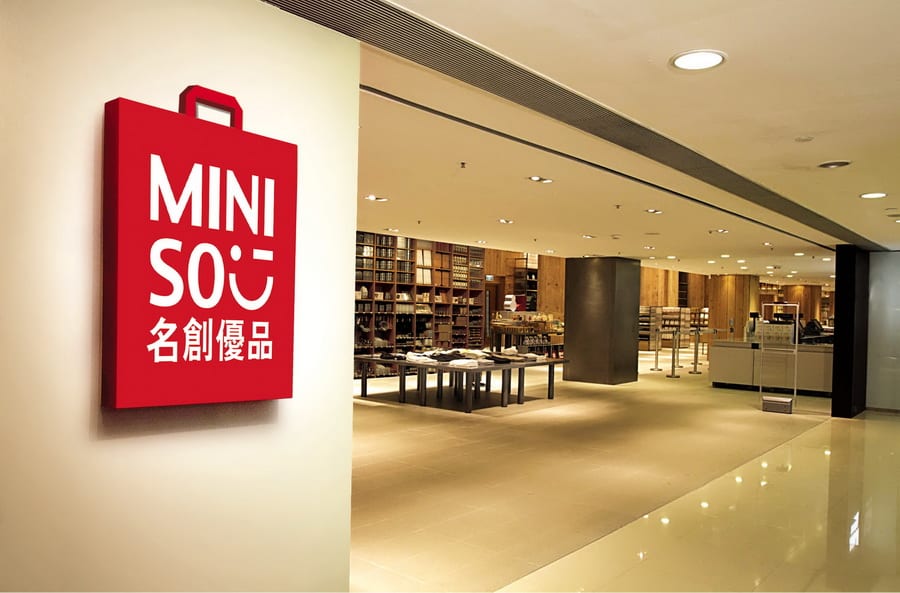
    Japanese fashion retailer Miniso has enjoyed explosive growth across Asia, last year raking in sales revenue of more than RMB5 billion (US$769.9 million).

    Launched in Tokyo by designer Miyake Jyunya and Chinese entrepreneur Ye Guofu just three years ago, the company has since opened more than 1400 stores internationally. Its expansion last year is believed to have set a global retail record.

    It aims to continue its growth this  year, aiming at RMB10 billion in sales.

    Offering fashionable and casual products, Miniso has as its brand philosophy “high quality, low price and full of texture”. Its prices range from 10 to 29 yuan, with a wide range of target consumers.

    It first focused on store design and decoration to attract attention, following up with high service levels. The linking of decoration, service, quality and economy is termed “four goods” by Miniso.

    As well as clothing, Miniso offers creative home necessities, health and beauty products, fashion jewellery, office supplies, stationery gifts, seasonal items and even food and drink – more than 10,000 lines altogether.

    Miniso stores can be found throughout greater China and in Dubai, Hong Kong, Italy, Macau, The Philippines, Singapore and the US.

    Jyunya graduated from Japanese Bunka Fashion College along with two other international brand founders, Issey Miyake and Zenzo Takada.