Tag: Japan

  • Chinese shoppers deterred by rising Japanese yen

    Chinese shoppers deterred by rising Japanese yen

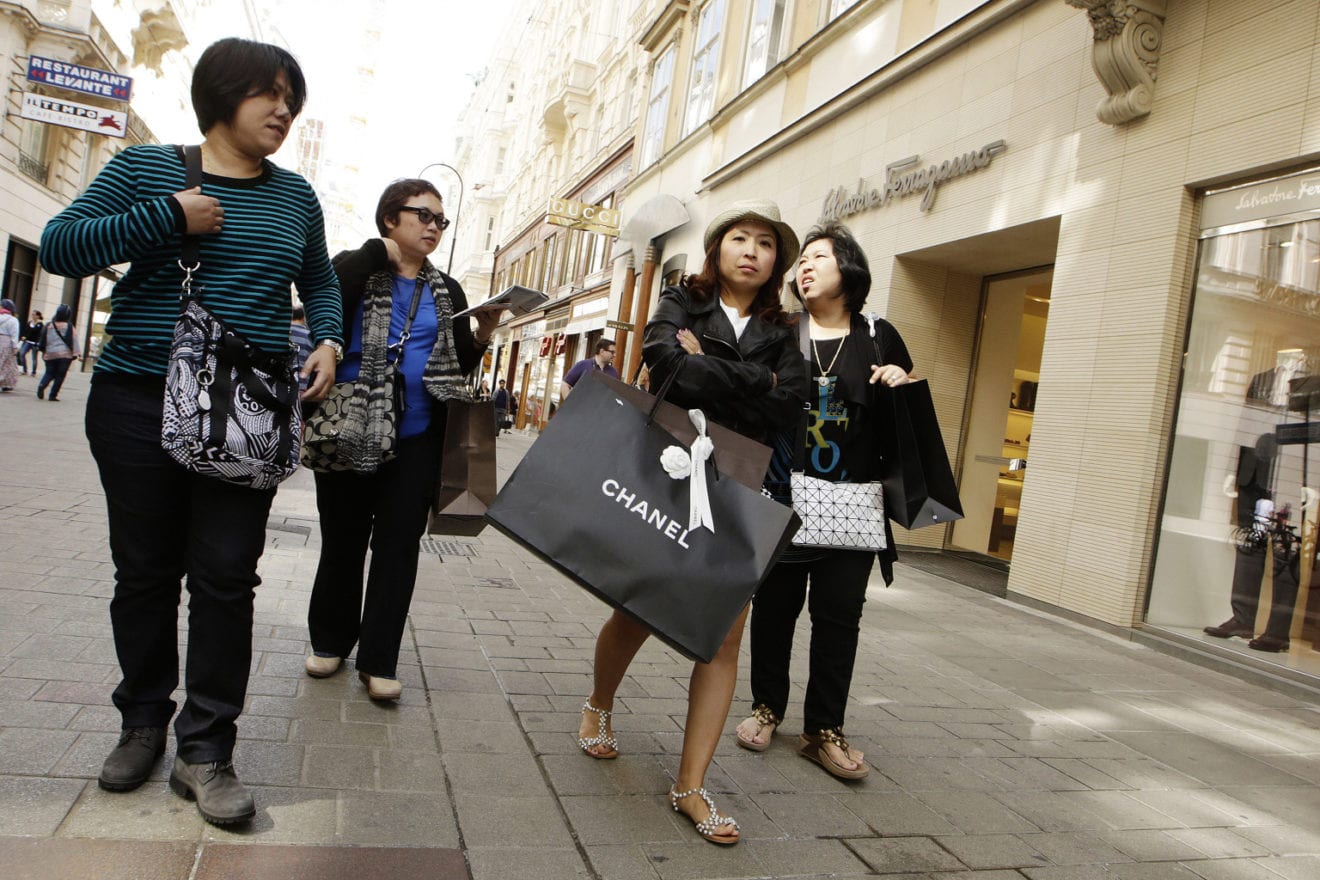
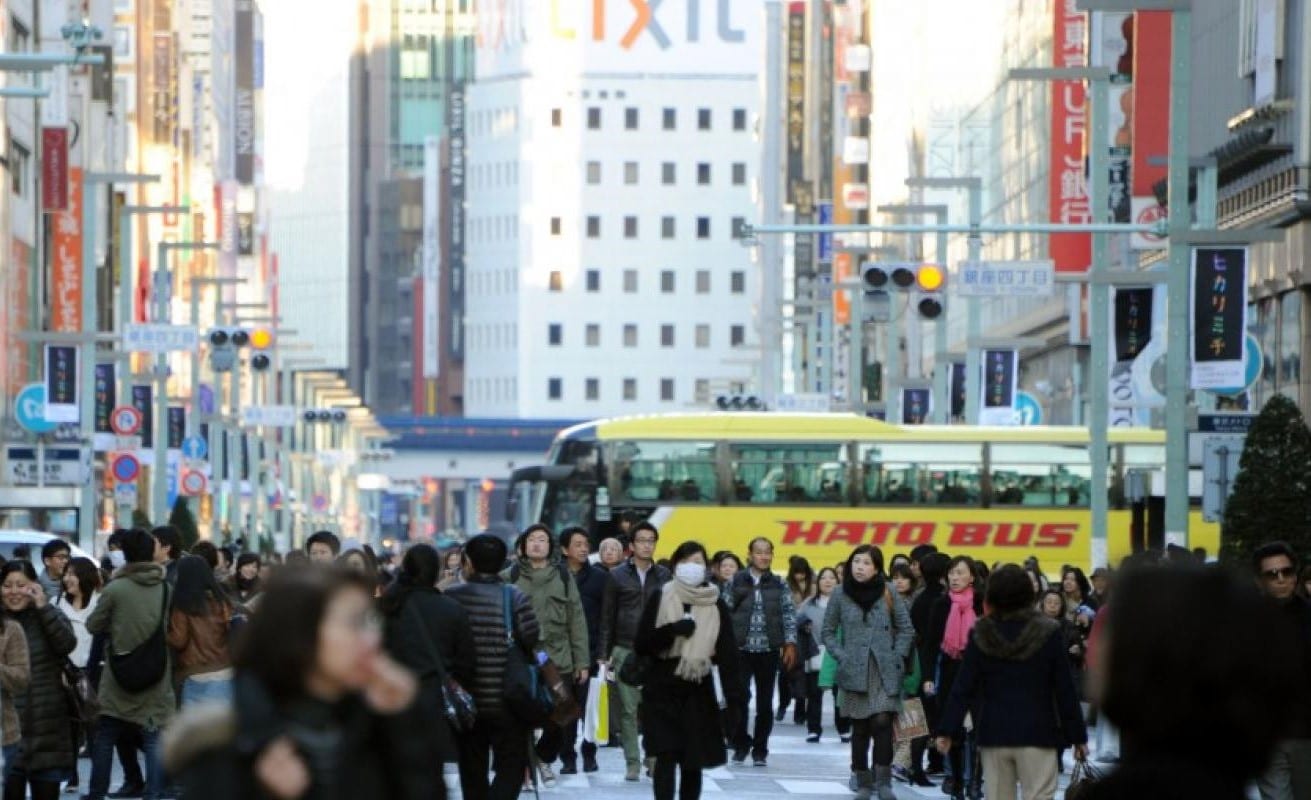
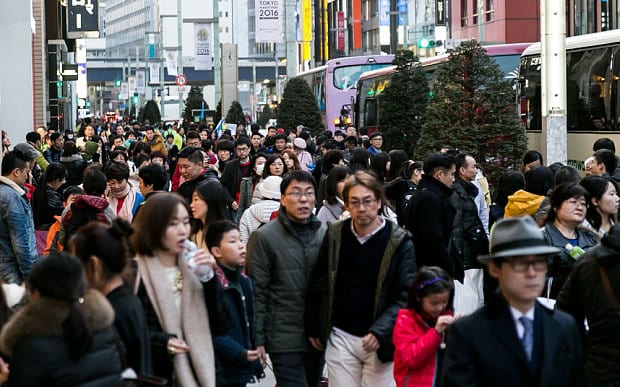
    Japan is starting to lose its edge as a shopping holiday destination for Mainland Chinese.

    Mainland Chinese shoppers are likely to become increasingly discouraged by the rising value of the Japanese yen against the yuan, according to analysis by Nikkei and Nomura International.

    While the Chinese accounted for just 1 per cent of Japan’s total retail spending in 2015, the share was rising and the total Japanese retail market is huge, given the wealth of its population. By comparison, Mainland Chinese account for close to 50 per cent of retail sales in Hong Kong and 30 per cent in Macau, according to Nomura. (Those figures exclude categories like cars and fuel).

    Hong Kong luxury retail sales are down by as much as 25 per cent due to the absence of wealthy mainlanders who have chosen to visit Japan, Korea, Europe and even the US thanks to more favourable exchange rates last year. Last year 4.99 million mainlanders visited Japan, attracted by the value of the yen and relaxing of visa restrictions. The average spend per visitor rose 20 per cent.

    However the advantage Japan held is slipping as the yuan weakens against the yen. In January, 1 yuan bought 18 yen, at its peak last May it bought 20. Today it buys just 16.

    Chinese tourist spending in Japan fell 10 per cent in the first quarter, accounting now for just 0.8 per cent of the total market, according to data from Japan’s Ministry of Economy, Trade and Industry. Their spend has fallen two months in a row.

  • BeautyFresh has bold Asian ambitions

    BeautyFresh has bold Asian ambitions

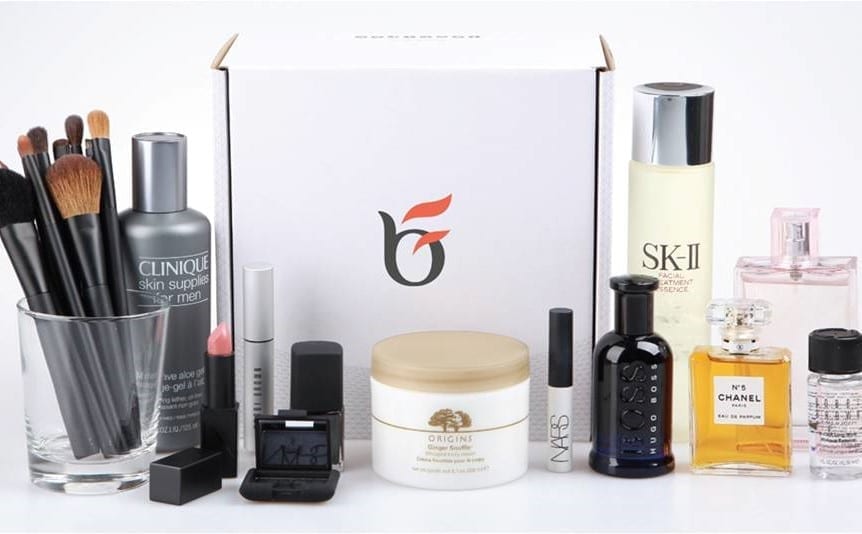
    Singapore cosmetics startup BeautyFresh is eyeing the eCommerce potential in its home market and broader Asia.

    Stocking more than 70 international brands including Chanel, Dior, Jo Malone and Nars, the company ensures authenticity of its products by scanning them with ultraviolet light to check for defects. Employees also check to ensure products are not near expiry dates.

    Director Jack Wong has a background in online security, so is using his expertise to ensure that client data is secure. The web developments and encryption of the BeautyFresh site are similar to those of online banking (signified by a green lock in the URL).

    Meanwhile, market research firm Mintel says that a growing number of Chinese consumers are going online to buy international beauty products.

    Jo Malone_BeautyFresh.com (1)

    Its research shows that 58 per cent of Chinese consumers bought foreign products online from a domestic shopping website in the six months to the end of November last year. The top three countries buying beauty products were South Korea (47 per cent), Japan (29 per cent) and France (27 per cent).

    According to the report, cross­-border eCommerce grew more than digital retail generally last year, a trend that is expected to continue.

    While cross-border eCommerce is increasingly competitive and provides great sales opportunities, the report warns that brands need to be increasingly responsive to consumer demand.

    Quality of products (63 per cent) and prices (38 per cent) are the top concerns for Chinese online buyers.

    BeautyFresh offers free delivery on orders worth US$40 or more, and offers a 30-day money back guarantee.

  • Japanese retailer Muji expecting record profit

    Japanese retailer Muji expecting record profit

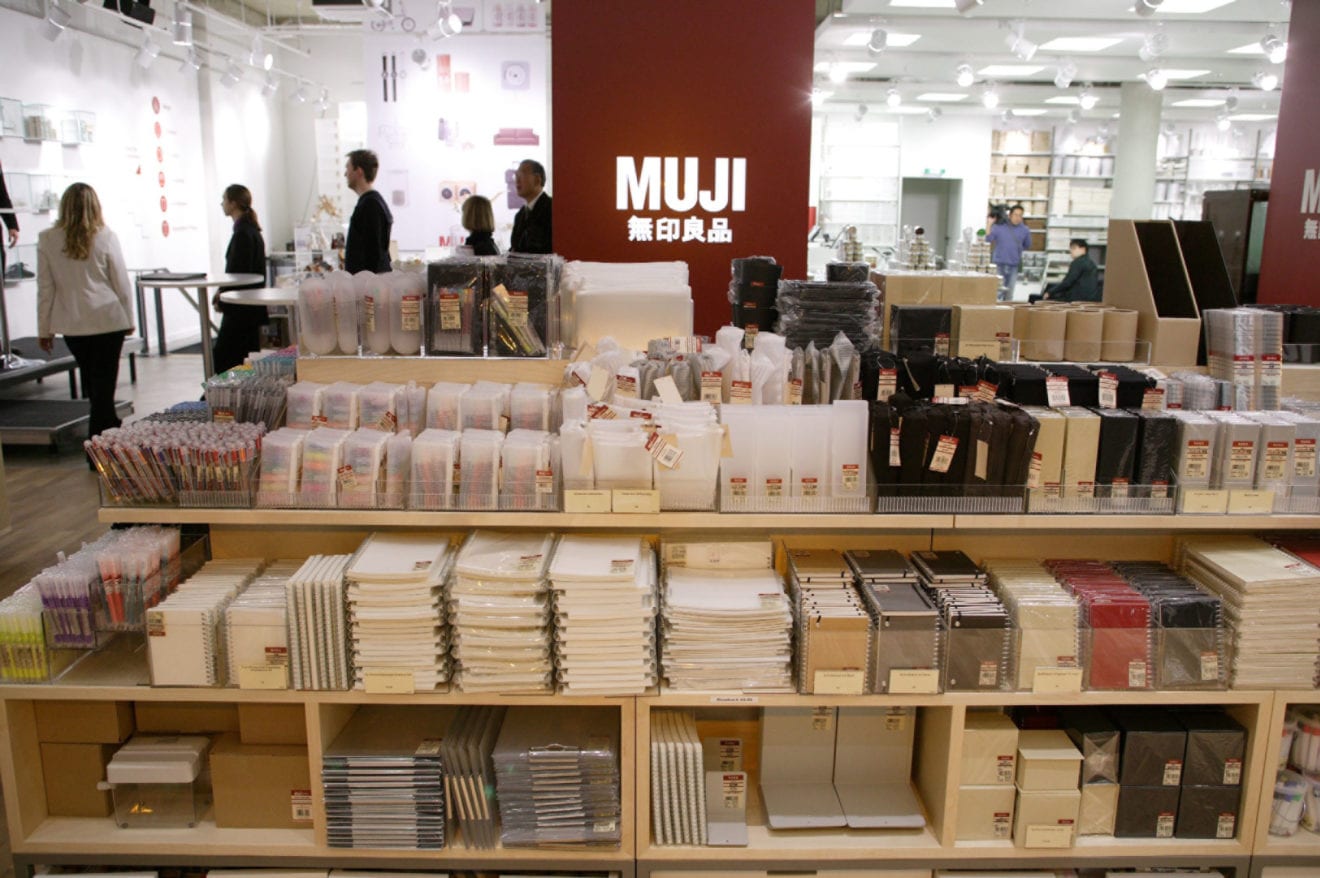
    Japanese retailer Muji is expected to end its latest quarter with a 10 per cent year-on-year rise in group operating profit to about 10.5 billion yen (US$95.5 million), a record for the period.

    Sales for the parent company, Ryohin Keikaku, will probably have similar growth to reach about 85 billion yen.
    During the three months, the company opened 13 stores in Japan. Sales at directly run stores rose 8.1 per cent in March and 7.3 per cent in April. The demand for Muji brand processed foods, such as pasta sauces and freeze-dried rice, has been growing since they were featured on TV. Stronger sales of storage furniture, around 30,000 yen, will probably help lift per-customer sales on average between 2000 and 3000 yen.

    Ryohin Keikaku has also performed solidly abroad, where it generates slightly more than 30 per cent of its sales. In China, which accounts for nearly half of the company’s overseas sales, same-store sales appear on track to beat the year-earlier amount by roughly 5 per cent, thanks to the popularity of lotions and other daily household items.

    Processed foods remain popular at Muji Chinese stores. By bolstering local production, the company was able to expand its food line-up in China, fueling sales growth.

    However, the yen’s appreciation will probably hurt Ryohin Keikaku’s overseas earnings.

    For the full year through to next February, Ryohin Keikaku projects a 9 per cent rise in sales to 336.5 billion yen and a 10 per cent increase in operating profit to 38 billion yen. Both would be record-breaking levels.

  • What young Chinese luxury shoppers want

    What young Chinese luxury shoppers want

    Young Chinese luxury travellers demand bespoke experiences and go abroad every three to four months, mainly for leisure, according to a Hurun Research Institute report.

    It shows that these travellers spend RMB420,000 (US$65,000) on tourism every year and RMB220,000 on travel shopping. Japan is the top destination for shopping – not Hong Kong.

    They demand personalised luxury experiences, Wi-Fi access, and next-generation guest services on smart devices as standard.

    The inaugural Chinese Luxury Traveler 2016 study was released by the institute in conjunction with Marriott International, and is the first collaboration of its kind between a global hotel company and an authority on Chinese luxury travel.

    Key findings reveal a shift in travel habits among this younger generation of travelers, aged 18 to 36 years. They want added value throughout the entire hospitality ecosystem, from planning a trip, to requesting guest services, to choosing which loyalty program to join.

    When it comes to services and information, young Chinese luxury travellers prefer the digital approach. Interactive guest services on smart devices are far more popular than traditional guest services, and travelers also expect this smart technology to record and manage their personal preferences.

    They also do their research on digital platforms, with WeChat emerging as their primary source of travel information. Third-party apps are also important for information, such as C-Trip, Qunar and Tuniu.

    Novel travel experiences are popular, such as adventure travel, polar exploration and road trips.
    Also, this group feels underwhelmed by loyalty programs, many of which are seen as low value and not unique.

    “This is a key focus area for Marriott,” says Marriott International chief sales and marketing officer for Asia Pacific, Peggy Fang Roe. In the first quarter of this year, the hotel group had a 7 per cent increase in domestic travellers in China and a 25 per cent increase in Chinese outbound travellers.

    Hurun Report chairman and chief researcher Rupert Hoogewerf says despite the economy slowing, the impact on outbound travel from high-net-worth individuals seems to have steadily grown.

    “The young luxury travellers have developed significant spending firepower, minted on the back of the recent boom in Chinese entrepreneurship, together with a growing class of second-generation ‘rich kids’.”

    The report says the young, Chinese luxury travellers have an average hotel budget of RMB3100 a night.

    Established as a research unit in 1999, Hurun Report has grown into a media group targeted at high-net-worth individuals in China and India. Headquartered in Shanghai, Hurun Report has offices in Beijing, Guangzhou, Chengdu, Sanya, London, Los Angeles, Chicago and Cochin (Kerala) in India.

  • Strong yen could send Chinese spending back to Hong Kong

    Strong yen could send Chinese spending back to Hong Kong

    Chinese tourists’ consumption in Japan has begun to wither in the face of a strengthening yen, setting up Hong Kong to recapture spending that has moved elsewhere in recent years.

    Affordability is key

    A country appeals more to foreign travelers as its currency weakens, making shopping and food more affordable than in other destinations. This is doubly true for Chinese travelers, who tend to spend heavily while abroad.

    Such was the case for Japan from mid-2014 onward. The yen moved from the level of 16 to the yuan back then to between 19 and 20 in less than a year. Chinese tourism there more than doubled from the previous year to 4.99 million visitors in 2015, with per-visitor spending growing 20%.

    Hong Kong was on the other side of the shift. Mainland visitors dropped 3% in 2015, while retail sales fell 3.7% in a second straight year of decline. Emperor Watch & Jewellery, a seller of luxury watches from such brands as Audemars Piguet and IWC Schaffhausen, reported a 25% drop in sales for the year ended Dec. 31. It blamed a “strong local currency” and an unfavorable tourism environment.

    Chinese buyers’ spending in 2015 accounted only for around 1% of Japan’s retail market excluding such goods as automobiles and gasoline, Nomura International has calculated. That share was 50% in Hong Kong and 30% in Macau, exposing retailers dependent on mainland consumption to heavy damage as spending slipped away.

    Trouble returns

    Yet the landscape is shifting once again as the yuan weakens against the yen. 1 yuan now fetches around 16 yen, compared with 18 yen at the start of the year. Chinese tourists’ spending in Japan came in 10% below the year-earlier level for the January-March quarter. The total value of retail sales shrank 0.8% for April, Japan’s Ministry of Economy, Trade and Industry said Monday — a second straight month of year-on-year drops.

    Retail sales in Hong Kong fell 9.8% for March, indicating improvement following February’s 20.6% tumble. Visitors from mainland China were still 6.9% below the year-earlier level. But overnight visitors declined only 0.8%, compared with a 20%-plus fall in February. Tourism from the mainland over the holidays surrounding Labor Day on May 1 swelled more than expected. While challenges continue, headwinds are gradually weakening.

    Shifts in the Hong Kong dollar compared to the yen bolster this view. According to the Nikkei Currency Index, the Hong Kong dollar became stronger than the yen overall in September 2014, just as Chinese visitors’ so-called explosive buying of goods was taking off in Japan. The yen then continued to weaken while the Hong Kong dollar appreciated.

    But the yen’s value hit bottom in May 2015, with the Japanese currency’s overall strength overtaking the Hong Kong dollar’s in April. The yuan, meanwhile, strengthened through the summer of 2015, only to weaken around 5% to its current level, the index shows.

    Close to home

    Changes in a locale’s exchange rate alter the affordability of goods there. An HSBC index tracking prices of 38 luxury items in various places compared with their home markets of France and Italy demonstrates this for top-of-the-line goods.

    The Japanese market overall rated 121 on the index in February, with home-market prices serving as the baseline of 100. By mid-May, the figure had risen to 127. Hong Kong, meanwhile, has fallen from 119 to 116 over the past three months. The mainland-market figure has dipped slightly as well, from 137 in February to 135.

    Chinese tourists will now feel less benefit from buying luxury brands in Japan as opposed to elsewhere. So while the Hong Kong figure has changed little in absolute terms, shopping here as compared with Japan has taken on fresh appeal, HSBC said. Some goods can even be found more cheaply here than in their home markets.

    Bain & Co. sees Japan’s luxury goods market growing 5% in 2016 — the most among major countries. But a strengthening yen and shrinking Chinese tourism hint at a coming deceleration, according to the U.S. consulting firm.

    Some 120 million Chinese headed abroad in 2015, plunking down more than $200 billion at their destinations. More detailed patterns of consumption will inevitably shift as the focus of spending turns from goods to services. But exchange rates will remain a key factor in these travelers’ buying power worldwide.

  • Sales still falling for Japan department stores

    Sales still falling for Japan department stores

    Japan department stores saw their sales fall 3.8 per cent year-on-year last month, continuing the trend from March when sales fell back into negative territory after a short return to growth in February.

    According to the Japan Department Store Association, purchases fell in nearly all categories last month, with sundries and cosmetics reporting the best sales growth at a modest 0.7 per cent.

    Household electronics sales had the most dramatic reversal, from gains of 10.7 per cent in March to plunging 20.2 per cent last month. Furniture purchases fell 12.5 per cent.

    Overall, retail sales were down 1 per cent in March, the weakest reading since December.

  • Uniqlo price-rise tactic fails

    Uniqlo price-rise tactic fails

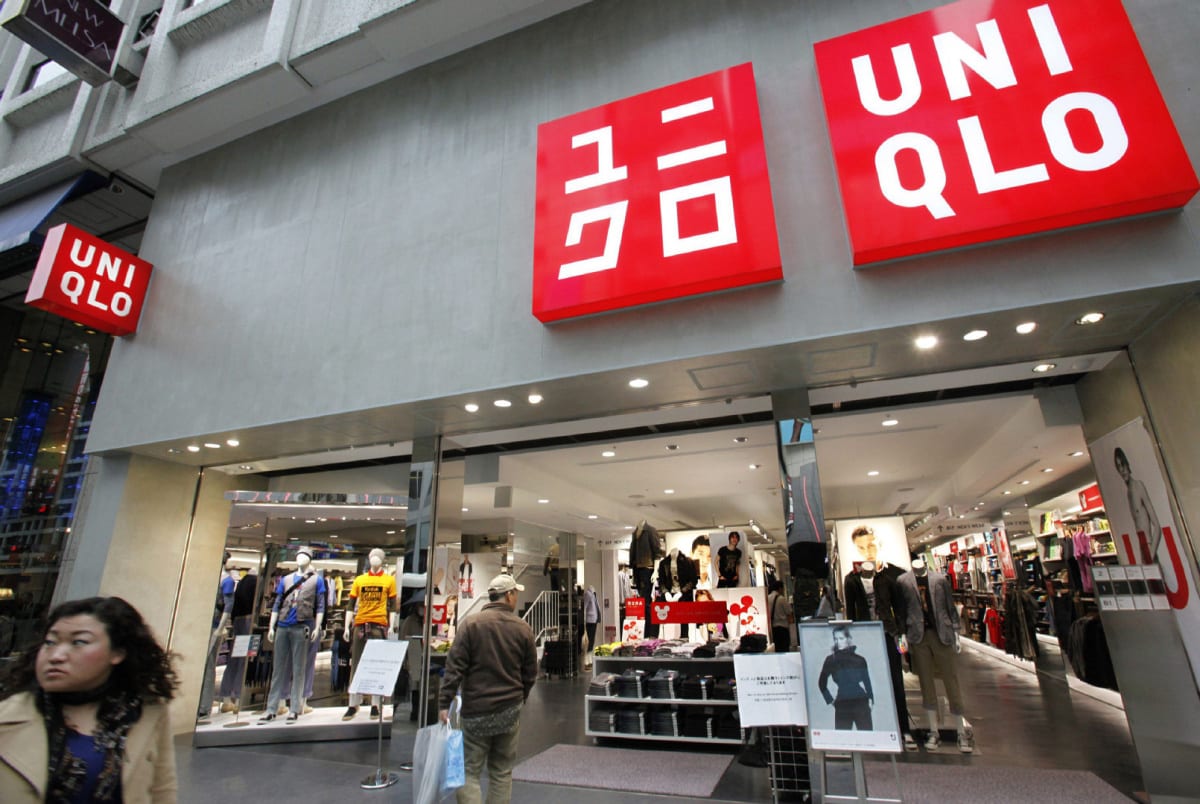
    A tactic to move to high prices over the past year has failed for Japanese casualwear chain Uniqlo, admits the chairman of its parent company, Fast Retailing.

    Japan’s richest person, billionaire Tadashi Yanai says the company is considering how to sell value-added products for the lowest possible price.

    “The world is flooded with clothes without added value,” he said at a fashion event in Tokyo’s Shibuya shopping district featuring Uniqlo’s latest seasonal styles.

    Japanese consumers are being cautious as the country’s financial situation tightens, and Fast Retailing has seen its overseas earnings hit by a stronger yen, compounded by China’s slowdown and losses in the US. Uniqlo lost some of its budget-minded customers in Japan after raising prices last year.

    Fast Retailing has cut back its operating profit forecast last month to 120 billion yen ($1.1 billion) for the year ending August, down 33 per cent from its estimate in January.

    In April, Uniqlo reported that its first-half year profits had plunged.

  • Blancpain Osaka shop-in-shop opens

    Blancpain Osaka shop-in-shop opens

    As well as opening a Blancpain Osaka shop-in-shop, the Swiss watchmaker has a new flagship boutique on one of Hong Kong’s busiest streets.

    Blancpain-Hong-Kong

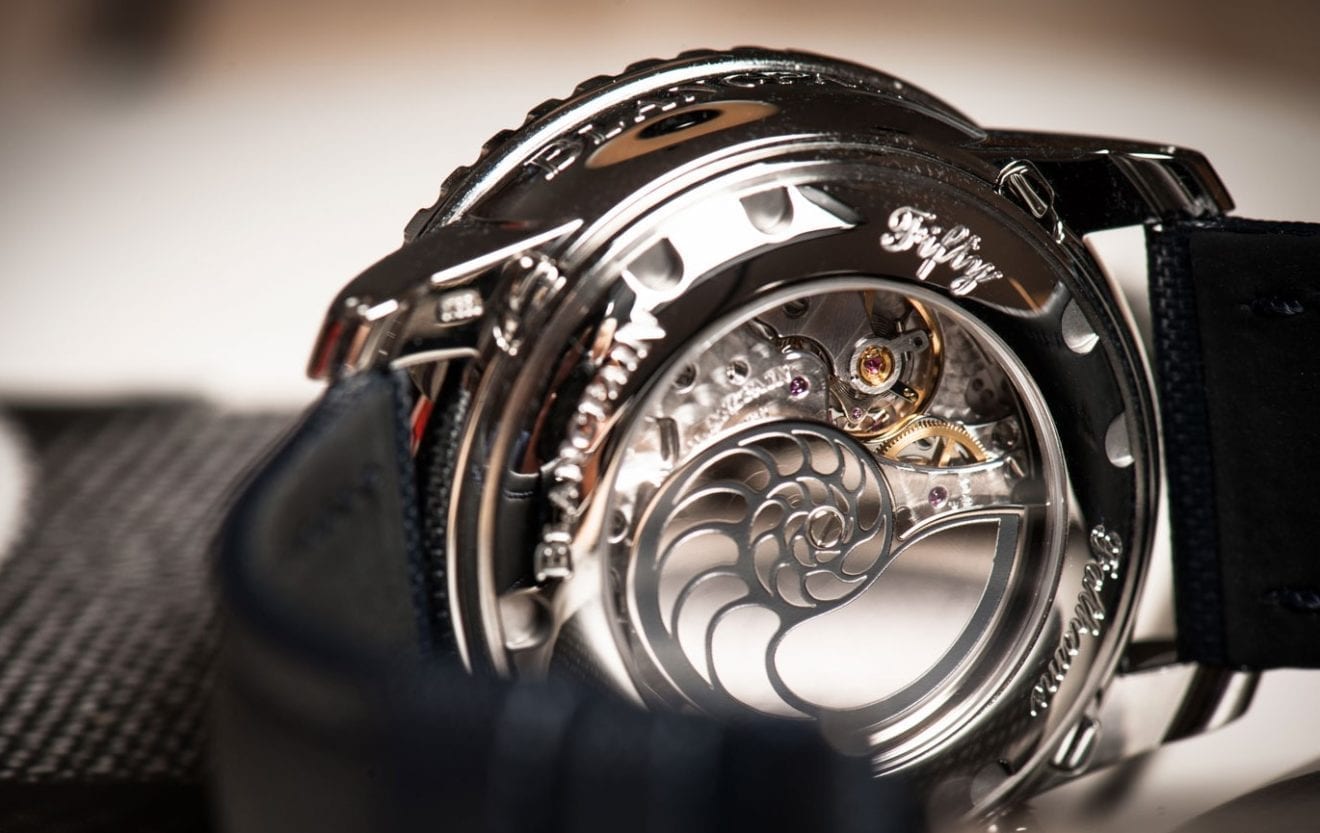
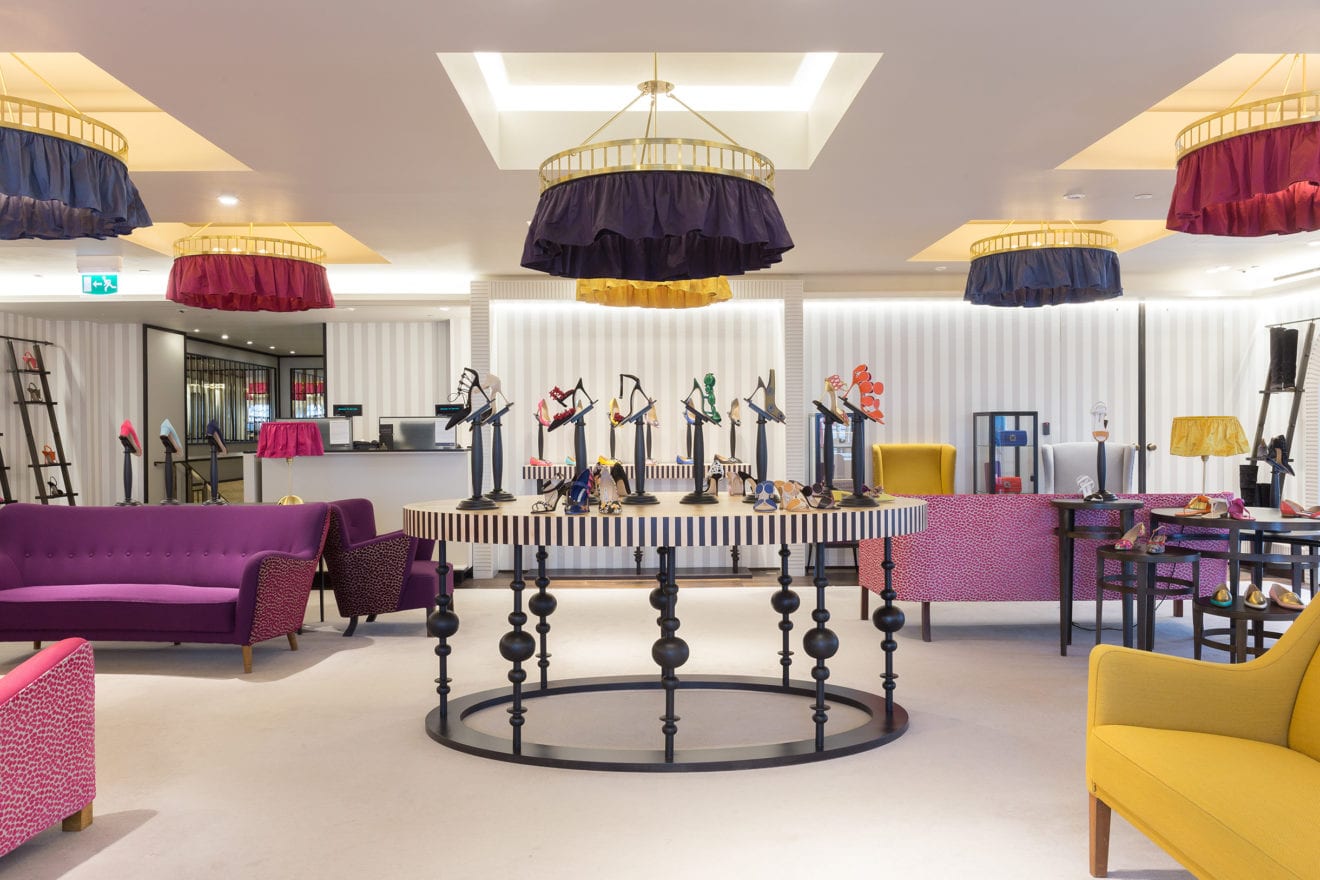
    Blancpain’s new Japanese concession is inside the Hankyu Department Store Umeda Main Store, on its seventh-floor luxury-watch outlet area, which has just been remodelled. Crafted by a Swiss cabinetmaker, the interior design of the Blancpain outlet features woodwork and mouldings along with streamlined furniture and displays.


    Blancpain Japan 1

    Visitors can see such Blancpain masterpieces as the Carrousel Volant Une Minute, the Fifty Fathoms Bathyscaphe and the Ladybird.
    Blancpain Japan 2

    Founded in 1735, Blancpain develops its components and tools in house, with a single watchmaker manually assembling each movement.

  • Toyota resumes production in all Japan plants after quakes

    Toyota resumes production in all Japan plants after quakes

    Japanese carmaker Toyota Motors on Friday resumed production at all assembly lines in the country after operations were halted at most facilities due to powerful quakes that struck the nation in April.

    A company spokesperson told EFE news that the last five production lines that had remained closed due to the quakes were back online.

    The carmaker was forced to halt production in 26 of its 30 plants in Japan due to shortages of components manufactured by suppliers near the Kumamoto and Oita prefectures, which were the worst affected in the quakes.

    The temporary halt in operations in those assembly lines had affected the production of around 80,000 units, according to Japanese daily Nikkei.

    Transport and communications in several parts of Kumamoto and Oita are still experiencing disruption after the tremors, the worst since the March 2011 earthquake that caused a devastating tsunami.

    The recent quakes have also led to the temporary closure of factories owned by Japanese and foreign firms.

    Automotive manufacturers Mitsubishi and Honda Motors, and electronics giant Sony, also halted production at their Japan factories.

    The first 6.5-magnitude earthquake hit the area on April 14, followed on April 16 by a powerful 7.3-magnitude earthquake that caused building collapses and landslides.

  • Hokkaido dairy pop-up educates & engages

    Hokkaido dairy pop-up educates & engages

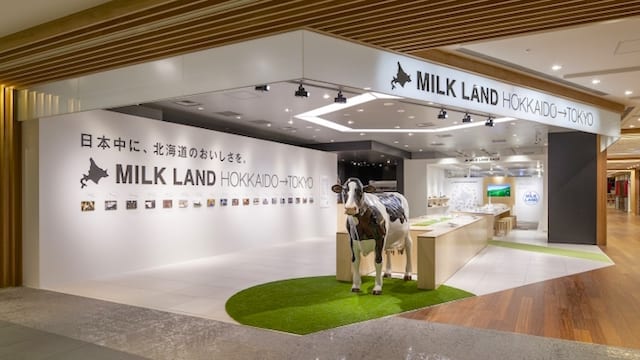
    With the idea that food needs to be tasted as well as its provenance explained, a Hokkaido dairy “pop-up flagship” shop was opened in Tokyo to introduce the brand.

    Over three months, Milk Land HokkaidoTokyo aimed to build the brand by letting consumers learn, eat and buy in the one space products from the Hokkaido dairy production area of Japan.

    MILK-LAND-HOKKAIDO-TOKYO-flagship-shop-by-Ryusuke-Nanki-Tokyo-Japan-06

    Central to the shop was an 18 metre wooden table where all three facets of the concept came together. Customers were able to learn about the dairy farmers and their products, and how the products are transported from the miniature farms to the city. They could also sample the products at the table, and buy from an inbuilt refrigerator.

    MILK-LAND-HOKKAIDO-TOKYO-flagship-shop-by-Ryusuke-Nanki-Tokyo-Japan-05

    The table was split by a green carpet leading to the cashier at the back of the store. Also at the back was a kitchen and a counter for desserts. Customers were able to combine various types of cream  from Hokkaido with cereals and sauce to create their own desserts (more than 300 combinations were possible).

    MILK-LAND-HOKKAIDO-TOKYO-flagship-shop-by-Ryusuke-Nanki-Tokyo-Japan-09

    More than 110,000 people visited the pop-up, which was designed by architects Ryusuke Nanki, Sachiko Abe and Mina Ueyama, with creative director/art director Segawa Hiroki and copywriter Ai Sakamoto.

  • Gap Japan to axe Old Navy

    Gap Japan to axe Old Navy

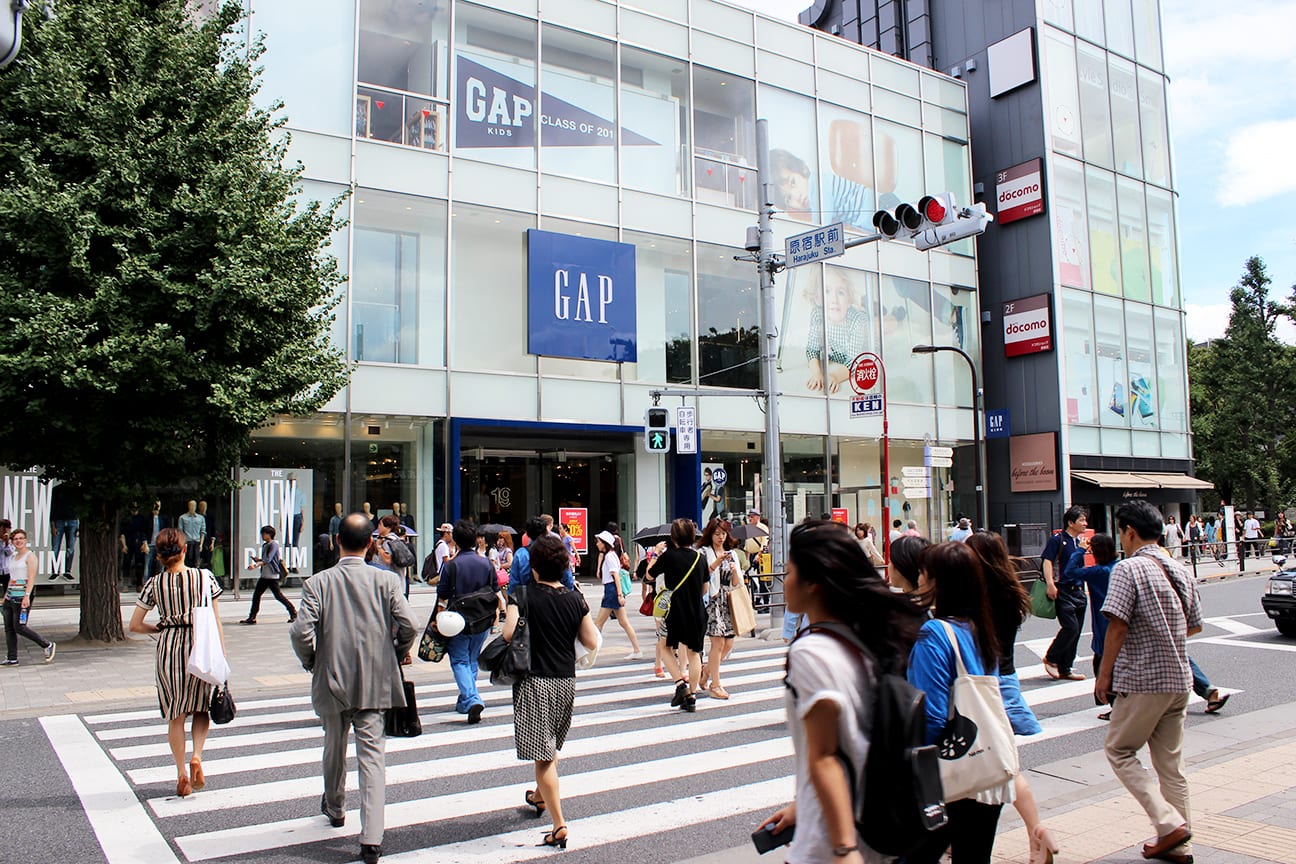
    Gap Japan will close its 53 Old Navy stores as its parent narrows its focus in Asia.

    But CEO Art Peck says the company “remains committed” to growing its brands in regions where it has a structural advantage.

    The relatively down-market Old Navy brand will focus on the Mainland China market and the Gap brand will remain in Japan, he announced, at the time of revealing a first quarter sales decline of US$$3.44 billion, down 5 per cent.

    “Japan remains an important market for Gap Inc’s portfolio, with a continued strong presence of more than 200 Gap and Banana Republic stores,” said Peck.

    A further 22 international stores will close, but the company has not revealed where or which brands.

    “As the pace of change across the apparel industry increases, now is the time to accelerate our

    transformation by scaling our product and operating capabilities across our global portfolio,” said Peck.

    Asia accounted for 11 per cent of Gap’s global sales, 1 per cent more than during the same quarter of last year. Across the region it no has 312 Gap-branded stores (up seven), 69 Old Navy stores (up four) and 51 Banana Republic stores (no change).

    Globally, Gap stores sales decline 3 per cent – which was better than last year’s 10 per cent; Banana Republic sales fell 11 per cent compared with 8 per cent and Old Navy fell 6 per cent, compared with 3 per cent.

    Neil Saunders, CEO of Conlumino, described the quarter as “disastrous” for Gap, “ one during which all of its main engines stalled and went into reverse”.

    “Gap Inc is now retailer without any star brands and with seemingly little vision to move itself forward. Unless it takes radical action to overhaul its businesses the outlook will only darken still further,” said Saunders.

    “Most worryingly, while the latest April numbers are likely impacted by the earlier Easter, they nevertheless show that all brands failed to gain any momentum as the quarter progressed. Indeed, in the case of Old Navy the sales slip accelerated.”

    Saunders says the central issue for Gap is that it is “creatively dull” and does very little to change collections from season to season or year to year.

    “As a result it has become increasingly reliant on customers buying on a replacement cycle rather than being inspired to buy new products. This, in turn, leads to it stimulating sales by the use of extensive discounting which then discourages consumers from buying at full-price. Gap shows no signs of getting out of this viscous cycle.”

    He said its Banana Republic brand has gone into reverse since the departure of Marissa Webb.

    “While Webb’s attempts to revitalise the chain did not bear immediate fruit, that she was not given sufficient time in the job and, much like the departure of Rebekka Bay, her leaving signifies Gap has both a problem with change and with giving competent people the scope to get on with the job in hand.”

    Old Navy’s decline is more recent, he argues.

    “While the brand has been the star of the show for many quarters, the past few collections have been dull and uninspiring. Stores are also looking more fragmented with no clear merchandise or brand story to entice shoppers. Coupled with excess inventory this has made for a less than pleasant shopping experience – something that has diluted the impact of the various flash sales and offers Old Navy has traditionally relied on for growth.

    “As problematic as sales are, there is no doubt that margins are equally troubled. All Gap brands have resorted to heavy discounting in order sales and, even so, the company still has an excess of inventory. The final profit position for the quarter is very poor with net income down by a sharp 47 per cent over the prior year.

    “All of this bodes badly,” Saunders concluded.

  • Bio c’ Bon Japon JV to boost organics

    Bio c’ Bon Japon JV to boost organics

    Japanese supermarket giant Aeon has set up a joint venture with a European company to establish an organic supermarket in Japan, to be called Bio c’ Bon Japon.

    Bio c’ Bon, an affiliated company of business investment firm Marne & Finance Europe, runs a specialty organic supermarket business in Europe, mainly in France. Its headquarters are in Paris.

    The joint venture aims to lead the expansion of an organic market in Japan through specialty supermarkets.

    Across the world, the organic market is growing at 15 per cent or more a year, especially in France where the annual sales of organic products reach about US$5.241 million. It is the third-biggest market in the world following America and Germany. Japan ranks seventh with annual sales of about 143.1 billion yen ($1308.85 million).

    Established in 2008, Bio c’ Bon has 90 organic supermarkets in Paris, and as well as France is also expanding in Milan and Madrid.

    Since the organic Japanese Agricultural Standard (JAS) system was introduced in 2000, Aeon has been working on expanding the organic market in Japan in co-operation with public organisations and producers, and has offered Japan’s first certified organic products.

  • Manolo Blahnik steps up in-store presence in Asia

    Manolo Blahnik steps up in-store presence in Asia

    Footwear label Manolo Blahnik is expanding operations in select Asian markets through a new distribution and retail partnership.

    Beginning with the autumn/winter 2016 collection, Bluebell Group will be responsible for Manolo Blahnik’s distribution and retail development in Japan, Singapore and Malaysia. Depending on the success of the partnership, Bluebell Group will then be tasked with expanding Manolo Blahnik further into the region.

    Finding its footing
    Under the agreement, Bluebell Group will manage and provide support service for Manolo Blahnik’s 41 retail locations already in operation in the Japanese market.

    The Japanese locations will be added to Manolo Blahnik’s existing 290 points of sale in 33 countries. Manolo Blahnik’s retail network consists of 11 standalone stores, including two in Hong Kong and one in Seoul, South Korea.

    In Japan particularly, Bluebell Group will help Manolo Blahnik to launch its first shop-in-shop and corners in the market’s leading department stores. Additionally, the brand is planning its first flagship in Tokyo for 2017.

    Also, Manolo Blahnik’s shop-in-shop in Takashimaya in Singapore will be operated by Bluebell’s local division. The shop-in-shop will undergo renovations later this year.

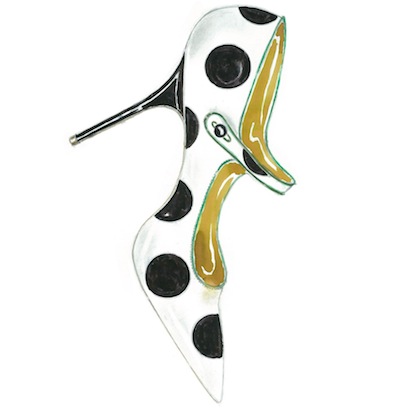
    manolo blahnik.ss16 illustration

    In the Malaysian market, Manolo Blahnik will open its first standalone storefront in autumn/winter 2016. The boutique will be located in the Pavilion Mall in the speciality retail section.

    “We are delighted to now be working with the Bluebell Group in Asia,” said Kristina Blahnik, CEO of Manolo Blahnik International, in a statement. “Manolo Blahnik is a global brand but with comparatively small distribution in Japan, Malaysia and Singapore.

    “With Bluebell now as our partners we are excited about exploring and building the business in these regions and further territories,” she said. “I have trust in their guidance and experience, and appreciate their company family values that resonate with our own. We look forward to a successful relationship.”

    Manolo Blahnik has recently turned to ecommerce platform Farfetch to expand its global presence. As of March, the online retailer’s Black & White service powers Manolo Blahnik’s monobrand ecommerce point of sale.

    manolo.ecomm web full 400
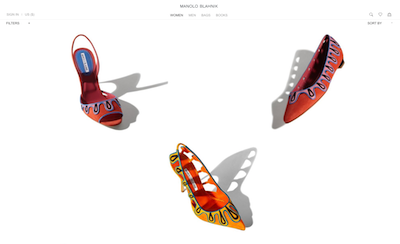
    Manolo Blahnik ecommerce Web site, powered by Farfetch’s Black & White 

    Through Black & White, Manolo Blahnik sells its entire catalog of men’s and women’s shoes as well as books relevant to the brand

  • Japanese bank eyes bigger foothold in PH

    Japanese bank eyes bigger foothold in PH

    One of the more significant banking stories of the year is the acquisition of Bank of Tokyo Mitsubishi UFJ (BTMU) of a 20 percent share in a local bank. It’s a move that many predict will eventually lead to a larger ownership stake in the future.

    BTMU CEO Go Watanabe (Asia and Oceania Region) is not dismissing this possibility but one thing he is sure, if it should come to pass it will be a decision that both banks will reach at the same time, at the right time.

     

    WATANABE

    WATANABE

    Watanabe and officials of Security Bank Corp. announced in January this year of BTMU’s purchase of 20 percent of the bank for $782 million. BTMU, the investment banking arm of the Mitsubishi UFJ Financial Group, is Japan’s biggest bank while Security Bank is the sixth top bank in the Philippines.

    “I cannot disclose the details of the contract but at this moment, 20 percent is very comfortable. So, at this moment we have no plan to increase our share,” said Watanabe.

    The future though, is not set in stone. “(Do we want more share?) we don’t know yet,” he remarked. “Hopefully, our collaboration has been successfully expanding and if both sides will see further opportunity to change the ownership … in that case, we might think about it.”

    Watanabe said BTMU’s “purpose” in Security Bank is not just about making an investment. “We don’t have to limit ourselves to 20 percent as a collaboration. We have already started at 100 percent collaboration.”

    Watanabe said they value mutual agreements and their relationship with the owners of Security Bank and its management is “much more important”. “Due to the good relationship, I think if Security Bank or its owners will reduce their share (in the future), BTMU will be the best party to talk first.”

    Bigger market share

    BTMU is an ambitious bank, it wants global banking status soon and sees the Philippines as part of its plan of establishing a larger regional presence first before becoming one of Asia’s largest by 2020.

    For the Japanese bank, the Philippines is a high growth market based on sustained GDP expansion (66 quarters of above five percent growth), a developing infrastructure industry, a promising revival of the manufacturing sector, and a demographics profile that assures a tenable growth path for a long time.

    BTMU, in the Philippines since 1918, has one branch which they established in the 1970s.

    Watanabe said they have a strong client base here mostly Japanese corporations but their local clients are also growing. “We also have been working with a number of big deals with local conglomerates.” In 2015, its loan book in the Philippines amounted to $800 million.

    BTMU has been in business with Security Bank since 2011 as the latter has an expertise in cash management segment. When they bought shares in the bank – which was approved by the central bank in February this year – they quickly installed their representatives in the bank.

    During its recent annual stockholders’ meeting, and after ratifying the 20 percent equity infusion of BTMU, the Security Bank’s board elected three representatives from BTMU. One of them, Takahiro Onishi, is appointed executive vice president and head of alliance segment. This segment is a new position for exploring “opportunities for the growth of Japanese and related businesses for Security Bank.”

    Watanabe said the collaboration involves providing existing Japanese customers in the Philippines with services such as retail banking. “In addition, we can also provide global corporate business to local companies with services such as project finance, trade finance and tapping BTMU’s diversified global network.”

    “Our business collaboration is (mainly) based on corporate banking. We will be using Security Bank’s expertise in cash management for our Japanese clients (for payroll service, among others),” explained Watanabe.

    In BTMU’s current set up in the country it does not have retail banking. It is in this area that Security Bank will come in. “We are willing to collaborate, to walk together, to transfer our knowledge and support Security Bank’s retail banking.”

    And, since the Philippines is one of the “most important country” for BTMU’s plans to become a top Tier 1 bank in the region, Watanabe said they did not purchase their shares cheap, even offering a high premium. “Our investment is the biggest investment in the Philippine financial market,” he said.
  • Panasonic Healthcare Indonesia Upbeat Over Export Opportunities

    Panasonic Healthcare Indonesia Upbeat Over Export Opportunities

    Panasonic Healthcare Indonesia, a local producer of equipment used in the health care industry, has set a target to increase sales by 70 percent over the next four years on the back of growing exports.

    The company, which is a subsidiary of the Japanese business group, eyes $88 million in sales by 2020, up from $51 million last year, it said in a statement on Thursday (19/05).

    Panasonic Healthcare also seeks to increase its workforce to 799 from 611 currently during the same period to raise production on blood glucose monitors, medical imaging monitors, dental intraoral cameras, heated incubators, and ultra-low temperature freezers.

    Parent company Panasonic Healthcare Holdings has acquired Bayer Diabetes Care, a leading global producer of blood glucose monitoring systems, earlier this year. The acquisition has opened more opportunities for the local unit to tap offshore markets.

    “Panasonic Healthcare Indonesia has great potential to increase exports,” the company said in a statement.

    Exports currently account for 88 percent of the company’s sales.

    Gobel International, which is controlled by former trade minister Rahmat Gobel, has a 5 percent stake in Panasonic Healthcare.