Tag: Japan

  • JCB and Nets sign merchant acquiring deal in Singapore

    JCB and Nets sign merchant acquiring deal in Singapore

    JCB International Co., Ltd, (JCBI) the international operations subsidiary of JCB Co., Ltd., and Network For Electronic Transfers (Singapore) Pte Ltd (NETS) today announced a new partnership to accept JCB cards in Singapore.

    Receiving an average of 15 million visitors annually and with Singapore Changi Airport operating as a regional aviation hub for over 100 airlines that fly to over 300 cities, Singapore is undoubtedly a key destination for global travellers. In particular, there has been a notable increase in tourism arrivals from Asia and India due to the greater affordability of air travel.As JCBI builds its momentum in developing its issuing business in Asia, more emphasis will be placed on increasing its presence in Singapore through this strategic partnership with NETS. NETS is Singapore’s leading payment solutions provider and the largest acquirer with a merchant network of 91,000 acceptance points.

    This latest collaboration between JCBI and NETS will facilitate local and global issued JCB cards with more acceptance points for card usage, thereby aligning with the Singapore government’s vision of a Smart Financial Centre where the usage of cash and cheques are reduced.

    Jeffrey Goh, CEO of NETS said: “This strategic partnership aligns both NETS and JCBI’s interests to deliver greater benefits to Singapore merchants. With our latest offering, Unified POS, which is a single terminal that accepts different types of payments, our merchants will be able to offer more payment options as they tap on a sizeable pool of JCB cardmembers and the significant number of Japanese tourists in Singapore.”

    Vincent Ling, Managing Director of JCB International Asia Pacific Pte Ltd commented: “As Singapore continues to be a key tourist destination in Asia Pacific, a stronger JCB card acceptance will bring about enhanced conveniences to JCB cardmembers. JCBI is pleased to collaborate with NETS and we look forward to working closely together to serve our cardmembers, merchants and business partners better.”

  • Wasedaya Shirt brand returns, but not in Japan

    Wasedaya Shirt brand returns, but not in Japan

    A Japanese businessman has revived the established Japanese shirt brand Wasedaya Shirt – in Vietnam.

    His first outlet is in the Aeon Mall Long Bien in Hanoi, run by Japanese retail giant Aeon and its subsidiary Aeon Mall.

    Founded in 1903, the Osaka-based company provided custom-made shirts to Japanese consumers for more than a century. The founder was a graduate of  Waseda University in Tokyo.

    However, the tailored shirts gave way to low-priced shirts, and in 1998 the company became a subsidiary of a major Japanese shirt company. Wasedaya Shirt went out of business in 2009, but trading house Itochu acquired the brand and is behind the Vietnam comeback with its textile subsidiary Prominent (Vietnam).

    “I’d like Vietnamese customers to know more about Japan’s high-quality shirts,” says Hiroshi Morita, who as president of Prominent decided to revive the label.

    Its shirts are made from fine Japanese fabrics at a factory in Japan, and carry a price tag of 1.2 million dong ($54) each. Contemporary features have been added, such as photocatalyst-based deodorant and anti-bacterial technology in collars and cuffs to suit the humid climate in Vietnam.

    Itochu set up a capital and business agreement with Vietnam Kowil Fashion last year, which has helped Wasedaya Shirt obtain data about Vietnamese body shapes and preferences.

    A second Wasedaya Shirt has been opened in Ho Chi Minh City, and Morita hopes to expand its sales network to other parts of the country as well as Cambodia – and is thinking about reimporting the shirts to Japan.

  • SuperGroup’s stellar performance

    SuperGroup’s stellar performance

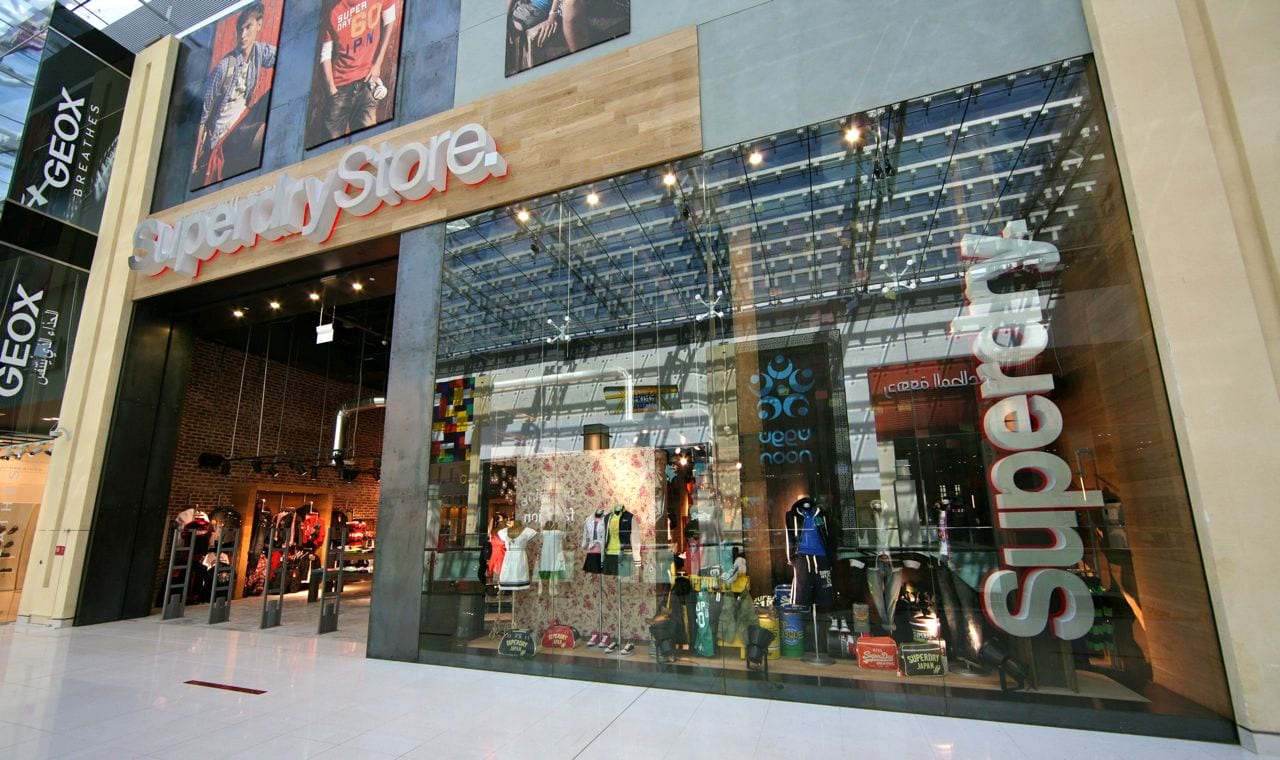
    Against a bleak background of stalling sales from major high street players such as Next and Primark, SuperGroup has posted a stellar set of full-year results.

    Strong growth was achieved across both its retail and wholesale divisions – 24.5 per cent and 13.7 per cent respectively – contributing to total group revenue of £589.5 million.

    There was no mention of poor weather affecting fourth quarter retail sales, which were up by 29.9 per cent on a top line basis and by 15.4 per cent on a like-for-like basis, highlighting how Superdry’s transeasonal ranges are more aligned with the manner in which consumers shop than many other retailers. Consumers’ shopping habits are changing, and seasonal product drops are increasingly irrelevant when shoppers prefer to buy across seasons – a lesson several clothing retailers would do well to learn.

    No doubt, the net 24 stores the retailer opened during the year were major contributors to its full-year results, but robust like-for-like growth indicates consumer demand remains strong for Superdry’s distinctive product. 2015 was a year of product development and range extensions for the retailer, with new sports and activewear ranges added, a highly-publicised collaboration with actor Idris Elba, and greater focus on womenswear – all initiatives which have driven spend from existing shoppers while recruiting new ones.

    On a slightly less upbeat note, founder James Holder has resigned as brand & design director of the business. However, he will be creating and working exclusively in SuperDesign Lab – a design consultancy where he intends to focus on innovation to support Superdry. It’s a well-thought out move especially as Verdict Retail data shows that consumers are increasingly demanding value for money.

    Incorporating fabric and technology innovation into key product ranges such as sports and activewear, will help Superdry provide more value to existing and prospective customers – thereby positioning it well for long-term growth.

  • Fast Food Aid Tokyo seeking for long term house

    Fast Food Aid Tokyo seeking for long term house

    After a short-term trial, a pioneering pill-store pop-up called Fast Food Aid is seeking a longer-term home in Harajuku, Japan.

    Billed as the “world’s first supplement shop for fast foods”, it offered free tablets to replace nutrients missing from convenience foods like hamburgers, pizza and ramen.

    Fast Food Aid Pop-up Japan 1

    All customers needed to do was trade in the receipt from their latest fast-food purchase. The pills come along with professional advice about the health issues associated with such foods.

    Fast Food Aid Pop-up Japan 8

    With the aim of educating people and discouraging them from choosing non-nutritional meals, the shop was designed by creative director Ikkyu and Junya Sato of design studio Kaibutsu on behalf of Dohtonbori, a restaurant that sells organic, healthy fast food, reports Dezeen.

    Fast Food Aid Pop-up Japan 6

    “This shop doesn’t look like other pharmacies, but the truth is it’s an educational supplement shop,” says Ikkyu. “We opened this shop in Harajuku, where there are a lot of young people who have bad eating habits.

    Fast Food Aid Pop-up Japan 4

    Fast Food Aid Pop-up Japan 3

    “Once they get in, they are surprised with the the supplements they have to intake and understand how bad their eating habit is.”

    The shop’s window featured pill pots lined in rows beneath an illuminated sign reading “For FREE”. Inside, long shelves with more containers are mounted against wire fencing along the side walls.

    Fast Food Aid Pop-up Japan

    The designers aimed to make the space feel as clinical, combining a street fell with a “mad laboratory” atmosphere.

  • Go karts part of mix at new Taroko Park mall

    Go karts part of mix at new Taroko Park mall

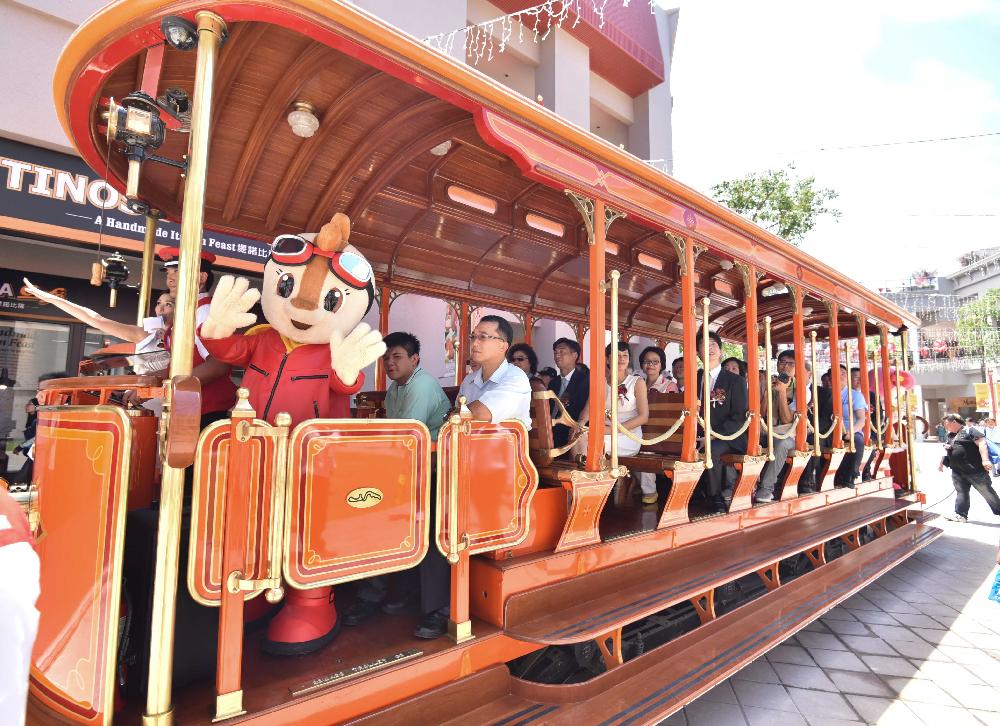
    A carousel and a go-kart racing track are attractions at the new Taroko Park shopping centre in Kaohsiung, in the south of Taiwan.

    It is owned by Taipei-based developer Taroko Development, which aims to generate NT$5 billion (US$154.24 million) in sales in the first year.

    o_1airo3a6n1vmhrcc1eh0tj1tkmv

    Unlike its peers, the company says Taroko Park will gain 61 per cent of its revenue from recreation and dining attractions, with department store sales making up the rest. It aims to provide a fun-filled shopping experience with several sports and entertainment attractions, such as the carousel in the front plaza, and the go-kart track which is a miniature of Japan’s Suzuka circuit. The company believes it sets a precedent for Asia.

    Taroko Development spent about NT$5.3 billion on the mall, which has attracted 220 international fashion and sportswear brands. There is also a shop selling official merchandise of the Lamigo Monkeys professional baseball team.

    o_1airo315g12dfotq1ceusn18dpo

    Developed as a joint build-operate-transfer project for Kaohsiung Rapid Transit and the Kaohsiung City Government, the shopping centre is near the Caoya Station, south of the city’s airport. Taroko Development’s lease with KRTC is 25 years, and is to be extended for another 10 years with the original landowner, the city government, with a guarantee of priority right of renewal for two more 10-year contracts, the company says.

    An aim of the mall is to create job opportunities and attract tourists.

    “Taroko Park’s entertainment and shopping offerings are expected to attract 12 million visitors annually,” says Taroko Development chairman Jeff Tsai. He says the mall is also expected to generate about 5000 jobs as well as boost metro system users by 6 million.

    Kaohsiung mayor Chen Chu made her way to the opening ceremony for the mall via the metro.
    A subsidiary of Taroko Textile, Taroko Development has been determined to enter the shopping-centre industry since its establishment in 2011. It moved into retail last year when it took over the Mode Mall in Taichung from Fubon Life Insurance.

    Taroko has also announced tentative plans to launch a shopping mall in Hsinchu county by the third quarter of next year.

  • Foreign retailers in Vietnam under attack

    Foreign retailers in Vietnam under attack

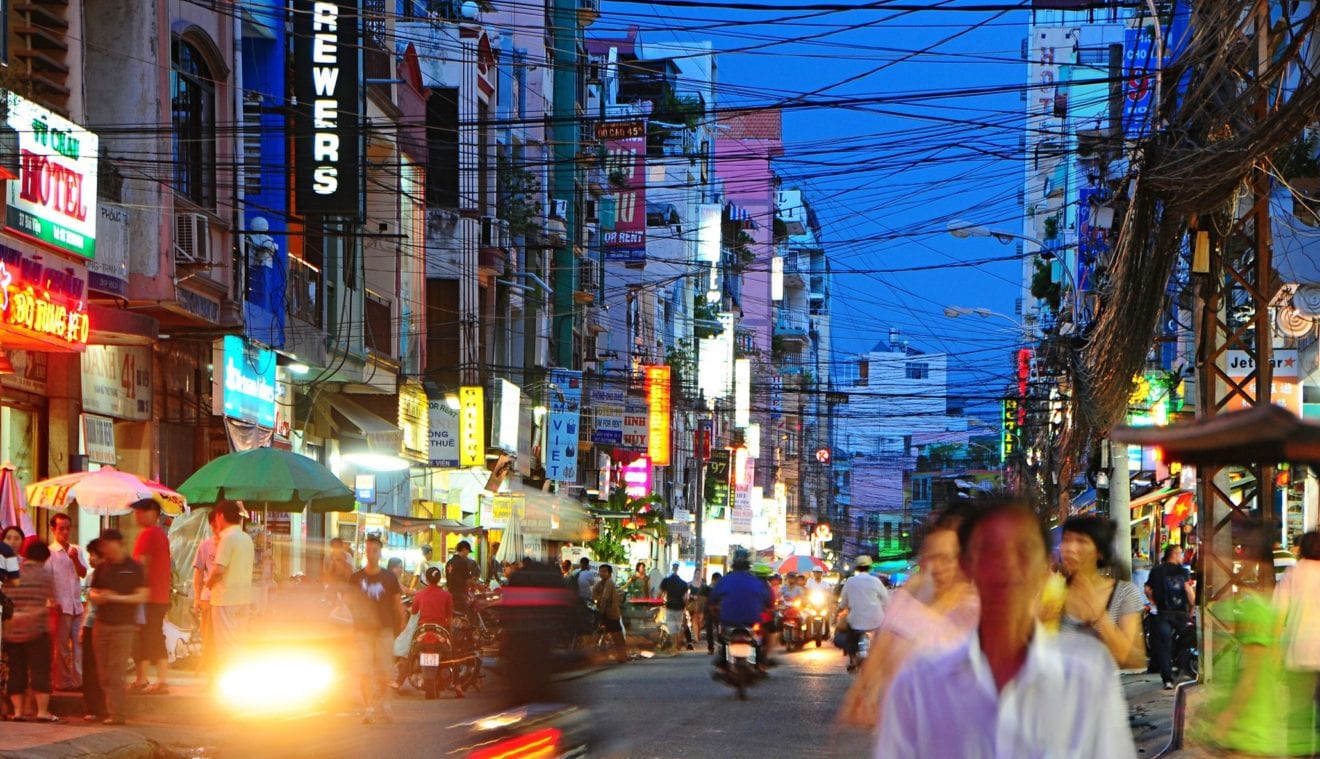
    Complaints by Ho Chi Minh City businesses about foreign retailers in Vietnam have sparked the prime minister to order an investigation.

    Members of the Ho Chi Minh City Union of Business Associations (HUBA) say the growing number of foreign retailers in Vietnam have a loose rein to expand at a pace that will eventually hurt local companies.

    HUBA has sent at least two letters to the government raising questions about the legality of some business activities by foreign retailers, reports Thanh Nien News.

    Vietnam laws forbid foreign businesses to distribute products such as rice, cane sugar and cigarettes, but these items are still available at the supermarkets and convenience stores of most foreign retailers, including South Korea’s Lotte and Big C, Tuoi Tre reports.

    Following the complaints, Prime Minister Nguyen Xuan Phuc has ordered relevant agencies to check into foreign retailers, including mergers and acquisitions.

    Media reports say Mega Market Vietnam, which owns Metro wholesale stores, is expected to be first to face the scrutiny. The stores were originally run by Germany’s Metro before being acquired by Thailand consumer group TCC this year.

    Statistics show that Vietnam is home to more than 700 supermarkets and 132 shopping malls, mostly in the main centres of Hanoi and Ho Chi Minh City.

    Meanwhile, Hanoi Association of Supermarkets chairman Vu Vinh Phu says a supermarket in the northern city of Hai Phong had its revenue fall 30 per cent six months after a foreign superstore opened.

    Foreign companies now control more than half of Vietnam’s retail market, says the association, and many producers complain they are struggling to have their products in foreign supermarkets mainly because the retailers ask for high discounts, says HUBA vice-chairman Pham Ngoc Hung.
    Meanwhile, products from countries such as Japan, Malaysia, South Korea and Thailand are becoming more and more popular.

    Vietnam’s retail sales rose 10.6 per cent from 2014 to VND2469 trillion (US$109.4 billion) last year, official figures show.

  • Indonesian Culinary Fair 2016 to be held in Japan

    Indonesian Culinary Fair 2016 to be held in Japan

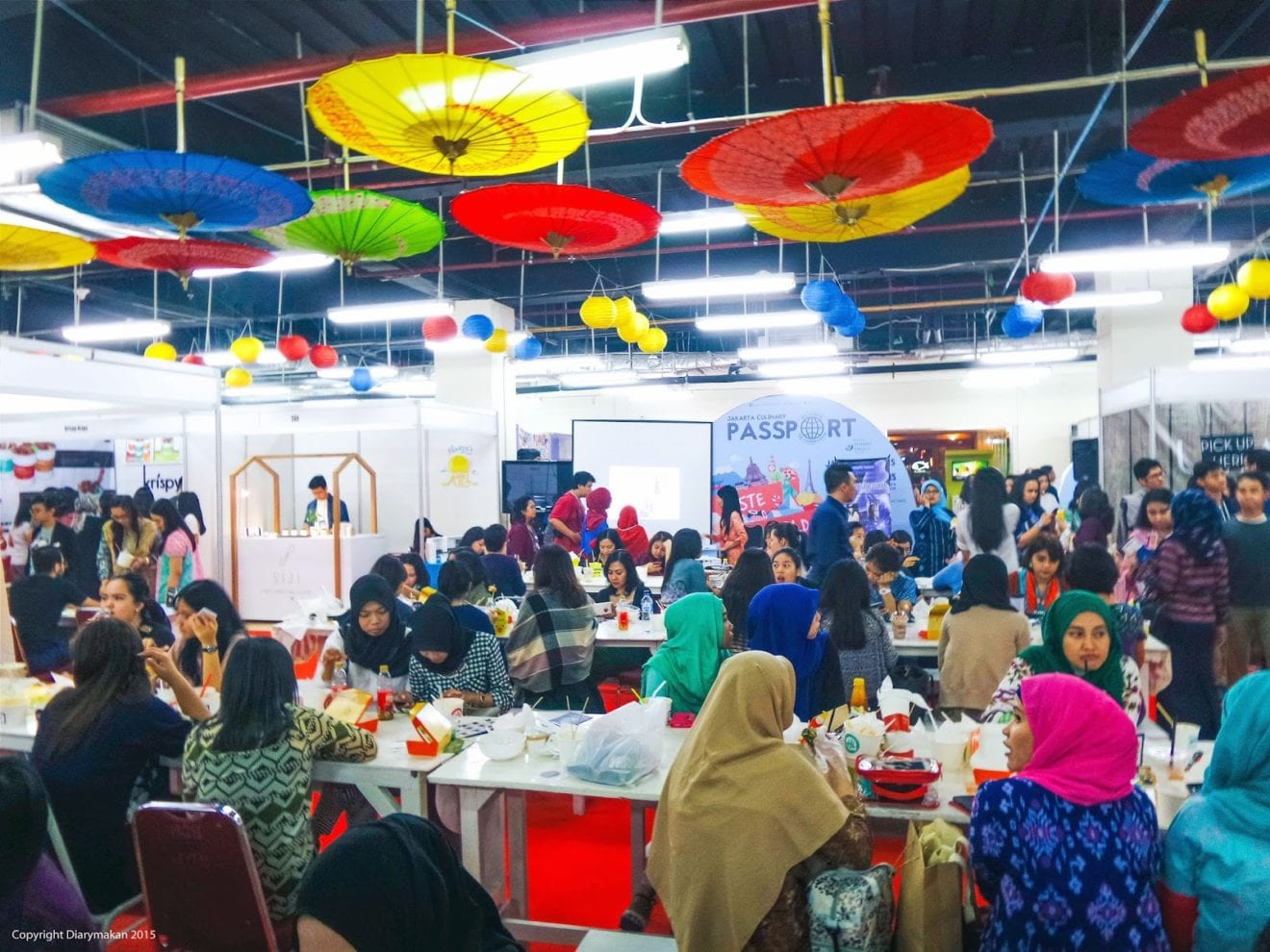
    The Indonesian Culinary Fair 2016, dubbed “The Taste of Indonesia,” will be organized at the Shinagawa Prince Hotel, Tokyo, from May 16 to June 16.

    The organization of the culinary promotion event was in line with the governments policy to intensify culinary diplomacy, Tourism Minister Arief Yahya stated here, Friday.

    The promotion event has been organized to achieve three targets. The short-term target is to introduce Indonesias diverse flavors and tastes, as well as to promote the countrys culinary delicacies.

    The mid-term target is to encourage restaurants and hotels in Japan to offer Indonesian dishes as well as to attract more Japanese tourists to visit Indonesia.

    The long-term target is to send Indonesian chefs to work in restaurants and hotels in Japan and to introduce halal food cooking techniques as well as Indonesian dishes in Japans culinary schools.

    Japan ranks fifth in the list of major countries contributing tourists to Indonesia, according to Deputy Minister in charge of International Tourism Marketing Development of the Tourism Ministry I Gde Pitana.

    During the culinary fair, various Indonesian traditional arts, such as Sasando, will be performed.

    The Japanese government has promoted international cuisines, including halal food, to attract foreign tourists from Muslim majority countries, among others.

    Japan has set a target to attract 30 million foreign tourists by 2020. Six to eight million, or 20 percent of the 30 million tourists, are expected to be Muslims.

    “This is an opportunity for Indonesia to promote its various culinary delicacies and food products, including spices,” Pitana affirmed.

    Last month, the “Wonderful Indonesia” Restaurant was opened in Anhui Province, China, to offer typical culinary delicacies from the archipelago as part of the efforts to promote the countrys tourism and culture.

    Situated in the densely populated area of Hefei in Anhui Province, the Wonderful Indonesia Restaurant was inaugurated by Minister Yahya.

    “There is a growing trend of using culinary diplomacy to support tourism, and almost all television stations are also highlighting this aspect as one of their flagship programs,” Yahya remarked.

  • Apple India stores a step closer

    Apple India stores a step closer

    A government panel has recommended the removal of a trading obstacle that would free Apple India to open single-brand retail stores across the country, one of its few growth markets.

    A three-member panel has recommended the waiving of the mandatory 30 per cent local sourcing condition for Apple, which earlier this year asked the government to consider the exemption. The reason for the waiver is said to be the cutting-edge technology the company would bring to India, reports The Tech Portal.

    With the committee’s finding, Apple is just a step away from a final decision. The Department of Industrial Policy and Promotion (DIPP) will send the proposal for final approval to the Finance Ministry.

    Apple has retail stores across the world, including China and Japan. In India, it sells its products through exclusive reselling arrangements with chains such as Imagine and iStore.

    In November last year, India scrapped the condition of 30 per cent local sourcing for overseas companies seeking to invest more than 51 per cent equity in the single-brand retail segment, if certain other conditions are met.

    Chinese tech retailer Xiaomi has also applied to open single-brand stores in India while seeking the sourcing exemption for a range of products including Wi-Fi amplifiers, Bluetooth speakers and power banks.

  • Pokemon cafe to open in Singapore next month

    Pokemon cafe to open in Singapore next month

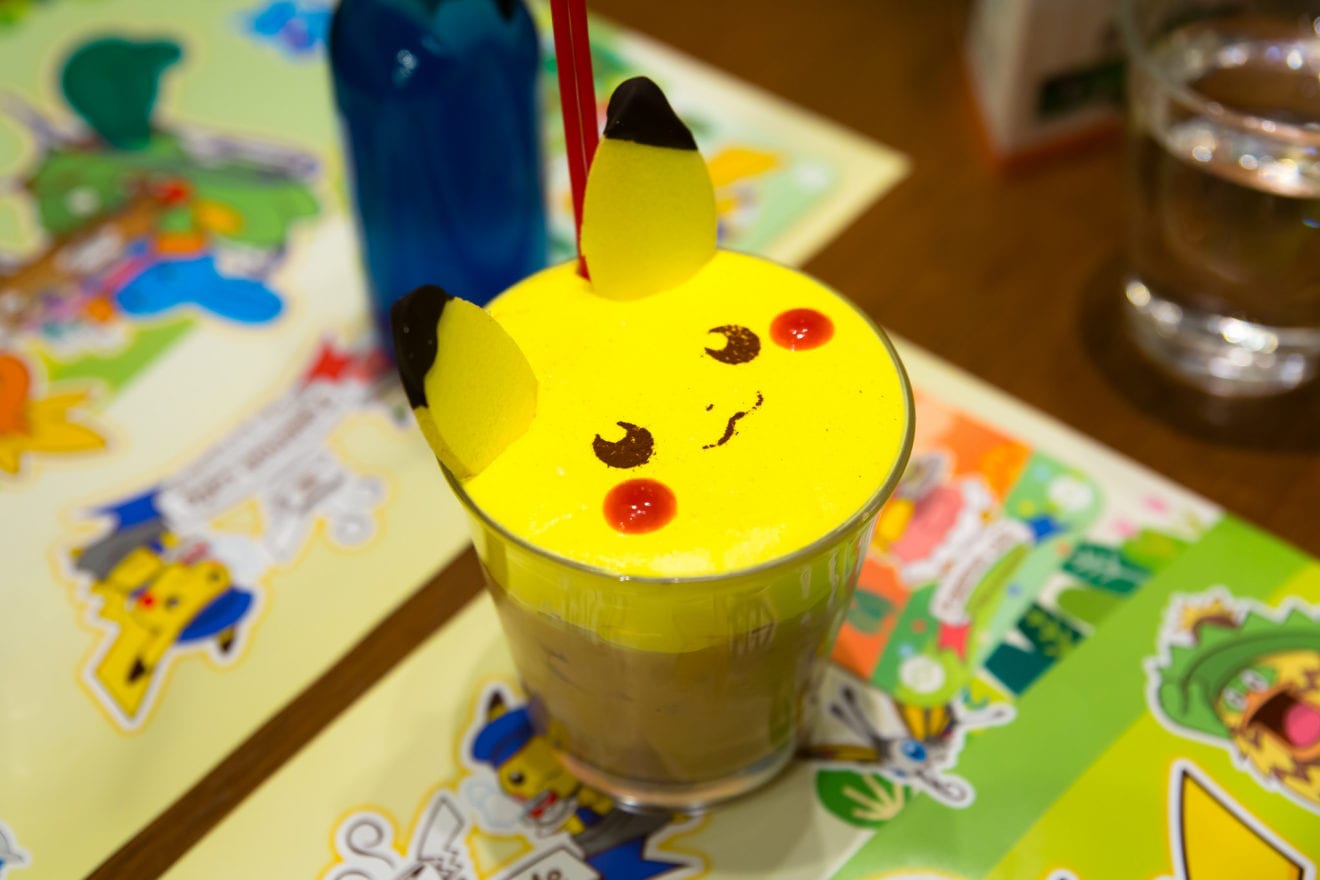
    Singapore will be the first country in South-east Asia to have its own Pokemon cafe, albeit only for some two months.

    The cafe, which will run from May 27 to July 31, will be located on the fourth floor of Bugis Junction. During this time, the Pokemon cafe will be temporarily taking over the retail space of Everything With Fries at #04-05, said Parco in a press statement on Monday (April 25).

    Besides Pokemon-themed food, the cafe will also be selling some limited edition merchandise, the retailer said. Photo sessions with Pikachu will also be available.

    Parco said the cafe will be a reproduction of the one that ran in Shibuya, Tokyo from January to March last year.

  • Rakuten drones to deliver from May 9

    Rakuten drones to deliver from May 9

    Japanese eCommerce giant Rakuten will launch the Sora Raku drone delivery service for general consumers on May 9.

    The  Rakuten drones will make their debut on a golf course, where they will deliver golf equipment, snacks, beverages and other items to players at pickup points.

    Using the service, players can use the dedicated Android app to place orders, confirm the total possible order quantity, and receive push notifications when preparations begin for dispatch and when the drone commences its journey. To use the service players will need to log in using their Rakuten Member IDs, and can choose to pay by either credit card or with Rakuten Super Points.

    Drone rakuten


    On the operator’s side, once an order has been received, staff waiting at a dedicated depot pack the goods into a delivery box and load it onto the drone. The staff then initiate the delivery process from the control screen on a dedicated tablet, and the drone flies to the pickup point autonomously. After landing, the drone automatically releases the load and returns automatically to the takeoff point.

    The drone to be used in the service is the “Tenku,” a dedicated drone developed specifically for Sora Raku by Rakuten and Autonomous Control Systems Laboratory Ltd. (ACSL), which Rakuten invested in in March this year, based on an existing ACSL drone. In addition to the new load-release feature, the drone also uses image recognition technology from the Rakuten Institute of Technology for landing. Tenku is equipped with an autopilot system developed domestically by ACSL and boasts highly stable flight performance, even in strong winds. The drone also employs a design that makes it highly visible even on a golf course.

    Drone rakuten 1

    Initially, the service will be offered for a period of one month at the Camel Golf Resort, a golf course in Chiba Prefecture. Based on user feedback and analysis of the operation, Rakuten will look into the continuation and expansion of the service, as well as its implementation at other golf courses.

    By offering the Sora Raku drone delivery service at golf courses,  Rakuten hopes to provide a new shopping experience and make drones more widely accepted among consumers. In addition, Rakuten is looking into the use of drones for deliveries in sparsely populated areas and mountainous regions, in transporting supplies during disasters and in its eCommerce businesses, including Rakuten Ichiba, and aims to accumulate technical and operational expertise through running the service and put it to use in developing further innovative drone delivery services.

  • UBS optimistic on Australia, Japan real estate markets

    UBS optimistic on Australia, Japan real estate markets

    UBS Asset Management is optimistic on the Australian and Japanese real estate markets, according to its latest Asia Pacific quarterly outlook report. Amid a challenging macro conditions, transaction volume for commercial real estate fell 12% y-o-y in 2015. However, Japan and Australia bucked the trend as domestic lenders eased their credit policies on account of improving fundamentals and collateral quality.

    Toh Shaowei, UBS Asset Management director of research and strategy for Asia Pacific, says: “Broadly speaking, the near-term condition in APAC region is still challenging and there is a ‘longer winter’, but the long-term fundamentals remain strong. We see a few macro themes and continue to monitor them.”

    In Japan, household spending is likely to be the main driver of economic growth on the back of ongoing wage rises, healthy job market and lower oil prices. Negative interest rates have also boosted capital expenditures. Notably, these expenditures have focused largely on new product development, R&D and efficiency saving measures to counter aging population and labour shortages.

    Occupancy rates and rents for Japan’s key office markets have also trended up due to limited new supply and steady demand from large corporates. These corporates have benefited from Bank of Japan’s asset purchases, lower borrowing costs and weaker currency which boosted earnings.

    The leasing market in the Japanese logistics sector remains robust on the back of increasing demand for same day deliveries from end users and growth of online shopping. However, rising supply from new developments are likely to restrict overall rental growth.

    In Australia, Sydney and Melbourne led the recovery in the office leasing market as the country shifts its growth model from the mining sector and resource-rich state. Finance and insurance, professional services and the technology, media and telecommunications sector are the key drivers of demand for office space. Meanwhile, net absorption level in resource-rich states of Queensland and Western Australia continue to lag but is gradually stabilising, says UBS.

    Separately, robust demand from international retailers looking to gain exposure to the Australian market have strengthened the rents and occupancy rate of prime retail space. However, secondary retail space is expected to continue to underperform amid subdued wage growth and increasing penetration of online retailers. UBS anticipates near-term rental growth to remain below historical averages as households allocates a higher share of their incomes to healthcare and education.

    On the home front, the outlook for Singapore’s real estate market remains challenging in the near term. The clampdown in foreign labour supply and an elusive labour productivity gain have lifted business costs and dented corporate sentiments. Coupled with a supply onslaught, UBS expects the overall office sector performance to remain depressed over the next two years.

    UBS expects the weakness to be broad-based across all property segments. Singapore’s retail rents are likely to witness a flat to marginal declines over the next 12 months while sluggish manufacturing outlook is clouding the overall prospects for the industrial property sector.

  • On Pedder takes first step into eCommerce

    On Pedder takes first step into eCommerce

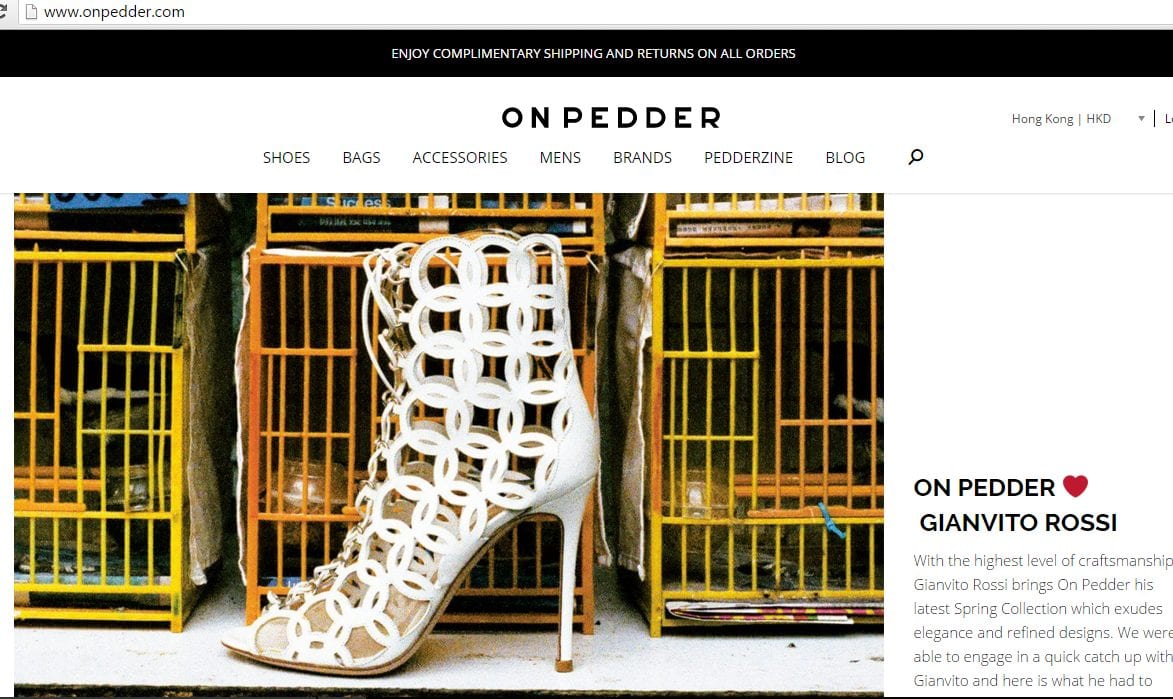
    Hong Kong shoe retailer On Pedder has launched an eCommerce site featuring a curated mix of luxury footwear.

    It is centered around the retailer’s Pedderzine, a seasonal art-fashion hybrid magazine distributed to customers.

    Complimentary shipping is being offered by the site, with returns possible, for customers in Hong Kong, Japan, Macau, Philippines, Singapore, South Korea, Taiwan and Vietnam, as well as Australia and New Zealand.

    Brands include 3.1 Phillip Lim, Aquazzura, Chloe, Common Projects, Gianvito Rossi, Giuseppe Zanotti Design, N⁰21 , Neil Barrett, Nicholas Kirkwood, Paul Andrew, Rene Caovilla, Sophia Webster and Valentino.

    More brands are showcased under the “On Pedder Love” section of the site, along with exclusive product.

    On Pedder collaborated with Hong Kong photography and video artist Luke Casey for Pedderzine this season, which focuses on Hong Kong and Kowloon’s roots and was shot on the streets of Jordan and Sham Shui Po and Jordan, including karaoke bars, back alleys, markets and brothels.

    “We wanted to create an online destination for our customers to enjoy the energy and aesthetics of our in-store curation,” says Pedder Group president Peter Harris.

  • MCM aims to double sales in five years

    MCM aims to double sales in five years

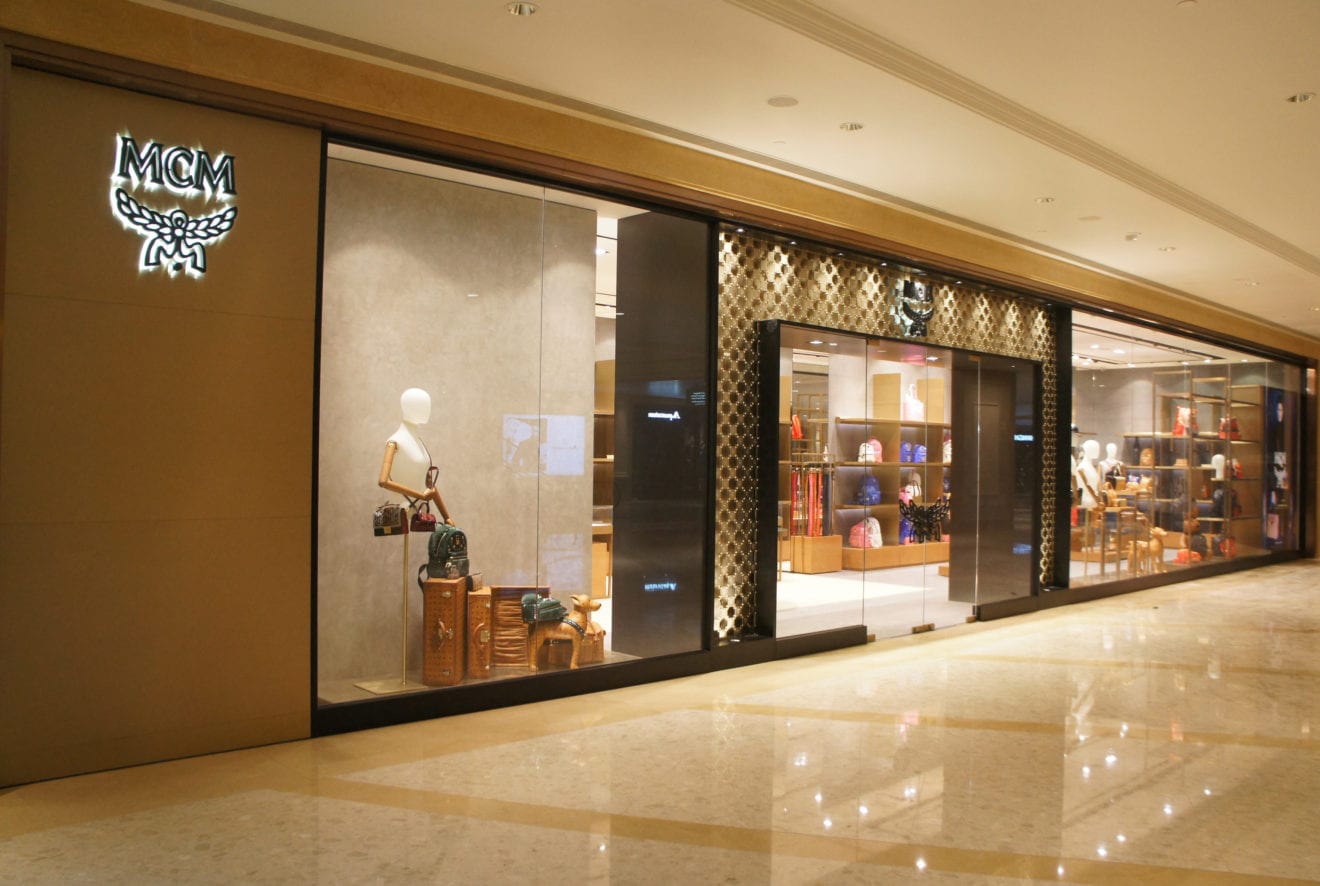
    German accessories brand MCM, owned and run by South Korean entrepreneur Sung-joo Kim, aims to more than double sales to RM7.8 billion (US$2 billion) within five years.

    Founded in Munich in 1976, MCM is known for its colourful $700 studded canvas backpacks. It  plans to expand in markets from Japan to Europe.

    “We have not even explored the Japanese market yet, we are just starting there,” says Kim.

    Unlike many European brands, MCM does not have a star designer, but has an in-house team of stylists to develop its products. Its collection is loaded with logo-embossed products. Its prices are around the same level as brands such as Celine and Louis Vuitton, and it makes around $700 million in annual sales, similar to Versace, reports Reuters.

    MCM is the second-biggest fashion brand by sales after Louis Vuitton in the duty-free market, where South Korea leads with annual sales of about $8 billion, says Kim. MCM makes about 60 per cent of its sales in Asia, with the balance in Europe, the Middle East and America.

    The youngest daughter of South Korean magnate Kim Soo-keon, Kim built her businesses from scratch after gaining experience at US department store Bloomingdale’s then developing Gucci’s South Korean business. After licensing MCM in 1991, she bought the German brand from a Swiss financier in 2005.

    Kim says she estimates that within five years, 15 to 20 per cent of MCM’s sales could be through eCommerce.

  • Snoopy Museum Tokyo

    Snoopy Museum Tokyo

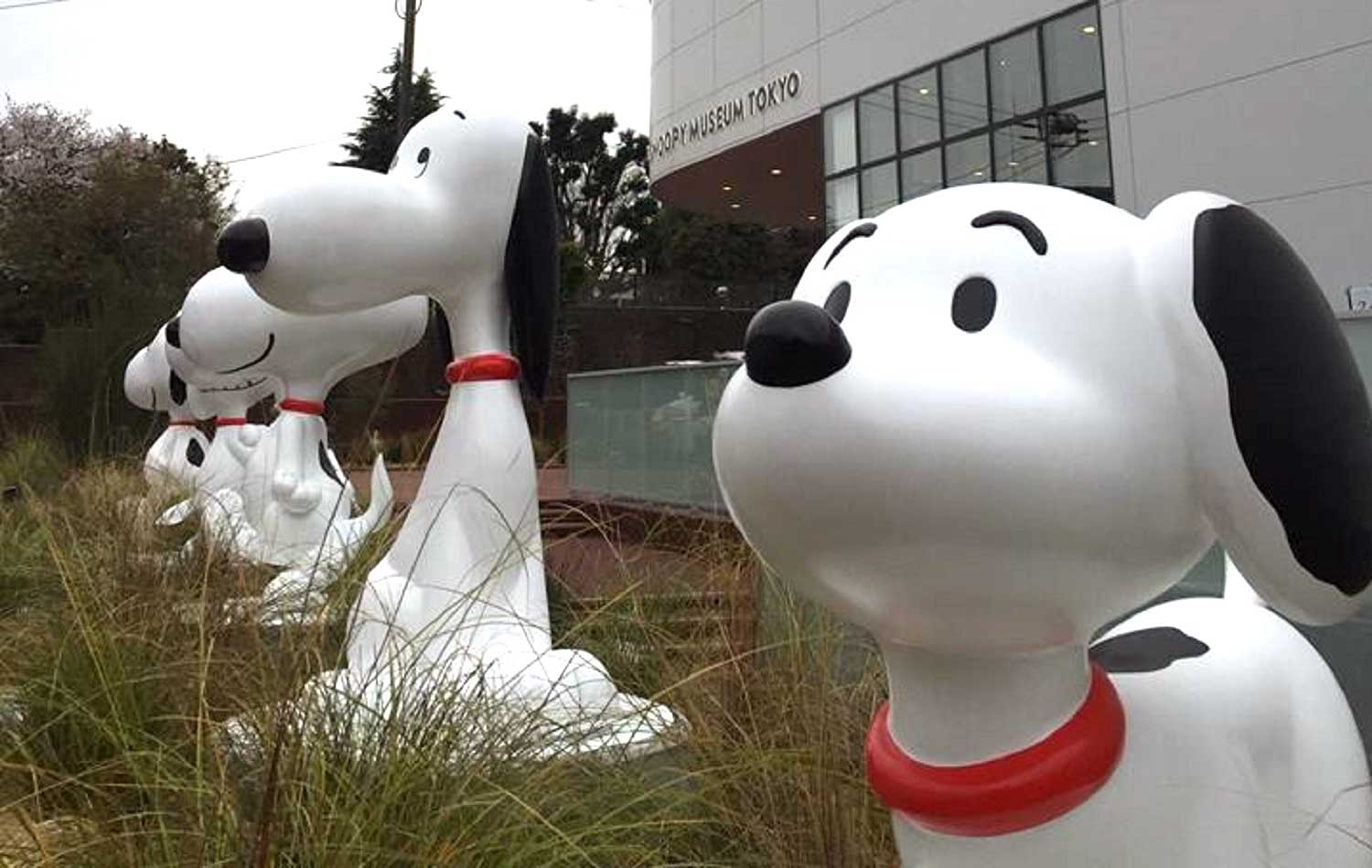
    An American cartoon has taken life in Japan with the opening of Snoopy Museum Tokyo, in the Roppongi district.

    As well as exhibitions, the museum shop Brown’s Store will sell exclusive items, while Cafe Blanket will serve food and beverages with a West Coast twist.

    It is the first satellite museum of the California-based Charles M.Schulz Museum and Research Center, named after the comic-strip cartoonist who created Snoopy the dog in his Peanuts series.

    Snoopy Museum Tokyo

    Once every six months, until September 2018, Snoopy Museum Tokyo will exhibit original comic strips and other artworks from the collection of the Charles M. Schulz Museum. At the opening exhibition, My Favorite Peanuts, there were about 150 items chosen by Schulz’s widow Jean, including original comic strips.

    The Brown’s Store will offer more than 500 original items, ranging from stuffed toys, stationery and homegoods to foodstuffs, all developed specially for the Tokyo museum.

    Cafe Blanket will feature a “Snoopy Dish Component” comprising sandwiches, mini corn dogs, potatoes and peanut butter. Pancakes, pizza and “My Sweet Babboo”, a milkshake that appears in works Mrs Schulz chose for the exhibition, will also be served.

    Snoopy Museum Tokyo 2

    Like the original, Snoopy Museum Tokyo will show the achievements and personality of Charles Schulz through changing exhibitions, seasonal events and workshops. There will be new original content every six months, curated by the Charles M. Schulz Museum. These will include early comics drawn before Peanuts, such as the Li’l Folks cartoons, animation art, Vince Guaraldi’s jazz music from animated Peanuts cartoons, and rare vintage Peanuts memorabilia. Unpublished sketches and artwork by Schulz will be displayed in a special section.

    Mrs Schulz says Peanuts has been loved by Japanese people for more than 40 years.

  • All Saints Japan opens first Tokyo store

    All Saints Japan opens first Tokyo store

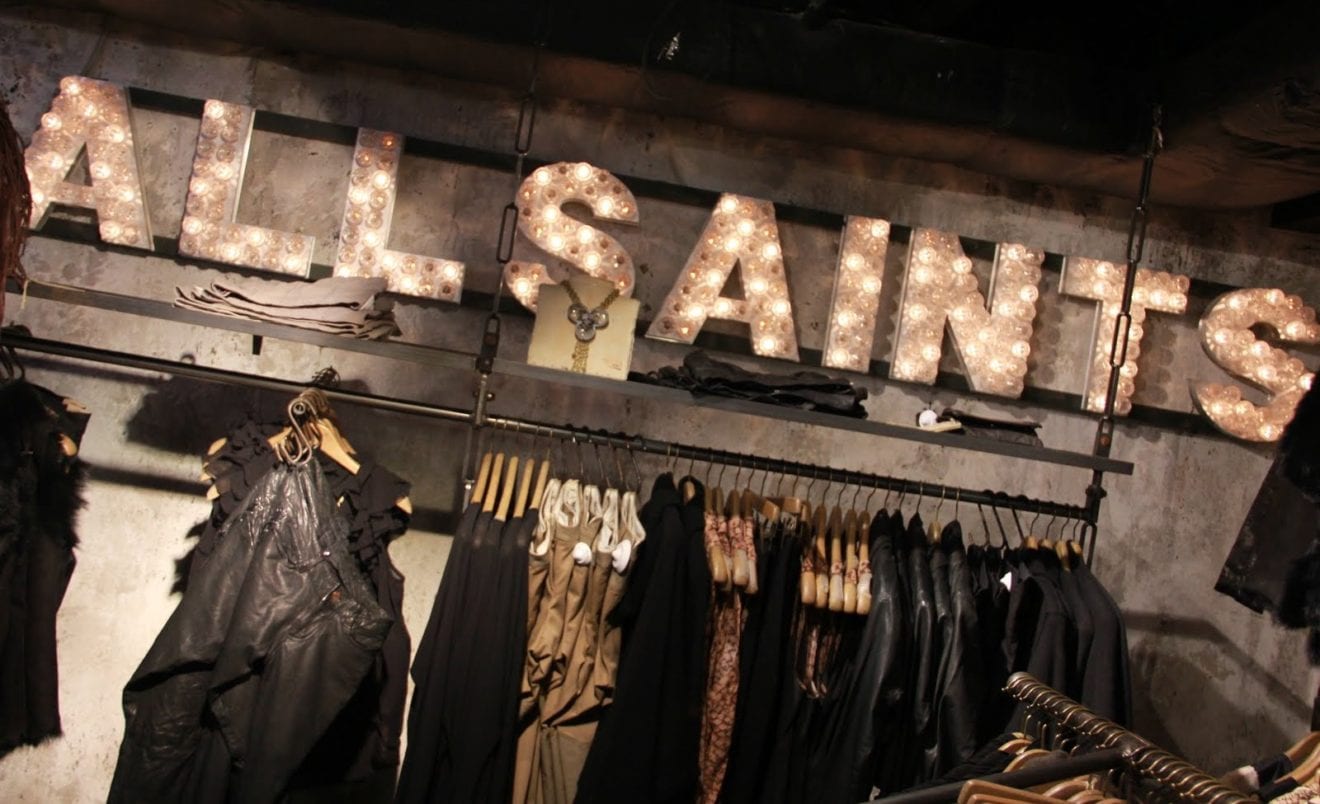
    Fashion group All Saints Japan has launched, with a dedicated website as well as a store in Tokyo.

    Out of the UK, All Saints made its Japan debut at Tokyo Fashion Week last month. It partnered with infrastructure company Locondo to develop the digital platform and tailor it for Japanese consumers. Locondo also worked on All Saints’ logistics offer, looking at delivery and returns options, and working out fulfilment logistics.

    All Saints Japan instore 1

    Both menswear and womenswear will be stocked in the 3000 sqft (278 sqm) Tokyo Bay store, as well as All Saints’ debut handbag collection. The store will carry more than 30 styles of leather jackets.

    All Saints Japan instore

    All Saints halved its pretax losses in its last financial year when sales jumped 11 per cent, thanks to its new CEO William Kim, who was brought in to run the business after private-equity firm Lion Capital bought a majority stake. He has closed stores, overhauled its website, streamlined distribution and cut supplier numbers from 400 to 55.

    While All Saints has on-the-ground presence in 18 countries, it ships to 200.