Tag: Japan

  • Rakuten to shut Singapore website, cuts 30 local staff

    Rakuten to shut Singapore website, cuts 30 local staff

    Japan’s largest online retailer Rakuten is closing its Singapore website after two years, and trimming its staff.

    On Friday, the fifth day of Chinese New Year, about 30 local employees were given the pink slip .

    While the company will continue to keep its regional HQ here, a notice on the website posted on Friday evening said no new purchases can be made from its online portal from next month.

    Earlier that afternoon, around 30 staff at its Market Street office at Raffles Place were told that they would be laid off. They included sales, marketing and customer service staff who were directly involved in running the website.

    They were among the 150 employees who were laid off in Singapore, Malaysia and Indonesia. The company is closing its websites in the other two countries as well.

    Most of the Singapore staff were told to immediately return their staff passes, and their e-mail accounts were deactivated on the spot. They were escorted out of the office and told that they did not need to turn up for work any more, said a source.

    “All were in shock,” the source said. “They were told that Friday was their last day (of work).”

    A handful can continue to work until the end of the month, when the website finally goes offline.

    The Sunday Times understands that the individual severance packages are tied to how long the staff have worked there. The company will make the payouts only next month.

    When contacted yesterday, a Rakuten spokesman in Japan declined to give details of the Singapore retrenchments, but he said that the firm will compensate workers “above and beyond legal requirements” and help them find jobs.

    Rakuten Group, which is listed on the Tokyo Stock Exchange, announced in Japan on Friday a five-year business plan that includes overhauling its business model in South-east Asia by closing down its online retail websites and starting a customer-to-customer trading application.

    Experts were surprised that the retrenchments were carried out over the Chinese New Year celebrations that span 15 days.

    “We usually tell unionised companies to avoid retrenchments during festive seasons. This is good industrial relations practice,” said labour MP Patrick Tay, who chairs the Government Parliamentary Committee for Manpower.

    The firm is not unionised but the affected professionals, managers and executives can turn to the National Trades Union Congress (NTUC) for job placement help, said Mr Tay, who is NTUC’s assistant secretary-general.

    “The timing is a little brutal,” said Singapore Human Resources Institute president Erman Tan, adding that the speed at which retrenched staff were shown the door within hours was “very fast”.

    “This reflects the culture of the e-commerce sector. Things move very fast online and perhaps retrenchments too,” said Mr Tan.

    Association of Small and Medium Enterprises president Kurt Wee said the retrenchments signal the start of a phase of consolidation by companies as they respond to the global slowdown and local economic conditions.

    “When companies consolidate, some staff retrenchments are inevitable,” said Mr Wee.

  • Emperor Akihito’s visit to Manila

    Emperor Akihito’s visit to Manila

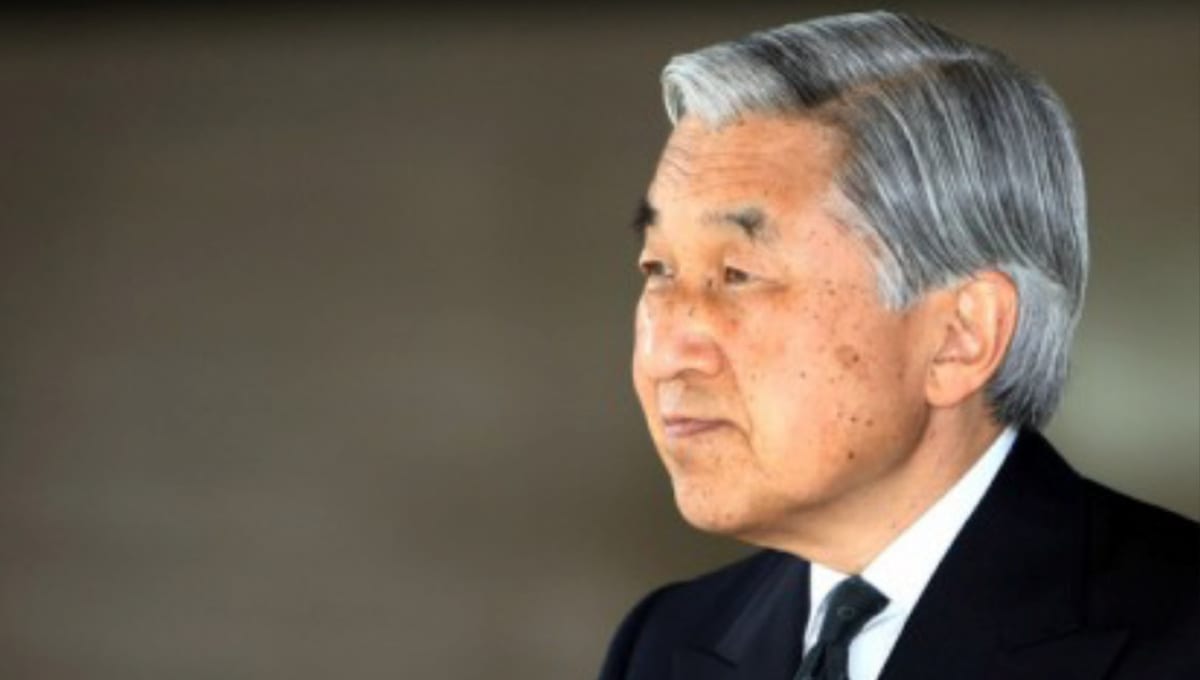
    At the State Dinner in his honor hosted by President Aquino at Malacañang, Japan’s Emperor Akihito offered a toast to President Aquino for the “good health and happiness of the Filipino people” and said that Japan must never forget the loss of Filipino lives in World War II.

    The 82-year-old Emperor’s last trip to the Philippines was 52 years ago, when he was still Japan’s Crown Prince. This time he came with his wife, Empress Michiko, for a five-day visit which included side trips to the International Rice Research Institute at Los Baños, and to Baguio and Tagaytay. On each of his trips to the Philippines, the Emperor has included a visit to the Tomb of the Unknown Soldier at the Libingan ng mga Bayani at Fort Bonifacio. “Japan will never forget the loss of Filipino lives during World War II,” he told his audience at the State Dinner. “And I continue to enhance mutual understanding and friendly ties with the Philippines.”

    Referring to his earlier visit a half century ago, the Emperor said: “To this day the memory of the warm smiles we received from His Excellency, President Macapagal, and the First Lady, as they stood by our plane when we arrived at Manila Airport and the warm welcome we received from the people of the Philippines remain deep in our hearts.”

    The Emperor recalled that the Philippines’ National Hero, Jose Rizal, who spent a month and a half in Japan, and later wrote that he envisioned that the two nations would eventually engage in a full-fledged relationship.

    At a private meeting in Malacañang, President Aquino and the Emperor discussed the Emperor’s earlier visit to the Philippines in 1962, when he was still the Crown Prince. They also talked about Japan’s vast automobile sales to the Philippines, and the establishment of Japan’s retail store, Uniqlo, here in Manila.

    President Aquino and Foreign Secretary Albert del Rosario also spoke of the significant increase in the number of visitors from Japan to the Philippines, and from the Philippines to Japan.

    Today, Japan is the Philippines’ largest trading partner and its top donor of foreign aid.

    This was the first visit by an Emperor of Japan to the Philippines.

  • Asia drives Jimmy Choo sales

    Asia drives Jimmy Choo sales

    Shoe label Jimmy Choo has reported a 7 per cent increase in 2015 sales – all on the back of strong Asian growth.

    The British-based shoemaker, which has been actively increasing its Asian footprint during the past year,  said it remains “confident” it can grow even faster in the market despite the slowdown in China’s economy.

    While a large share of the growth has come from Japan, the company says it does not expect a slowdown in China to affect its performance.

    Men’s footwear was the fastest growing category in the last quarter, but it still accounts for just 7 per cent of Jimmy Choo sales.

    The company’s net revenue rose 7 per cent to £318 million. Retail sales rose 9 per cent to £208million, while wholesale sales rose one per cent to £100 million on a constant currency basis.

    “Jimmy Choo continues to outpace the sector despite the challenging competitive environment,” said chairman Peter Hard.

    “The company successfully reversed the first half decline in wholesale revenues and is on track with growth forecasts in Asia and Japan where brand awareness continues to grow strongly.”

  • Uniqlo look to Muslim market

    Uniqlo look to Muslim market

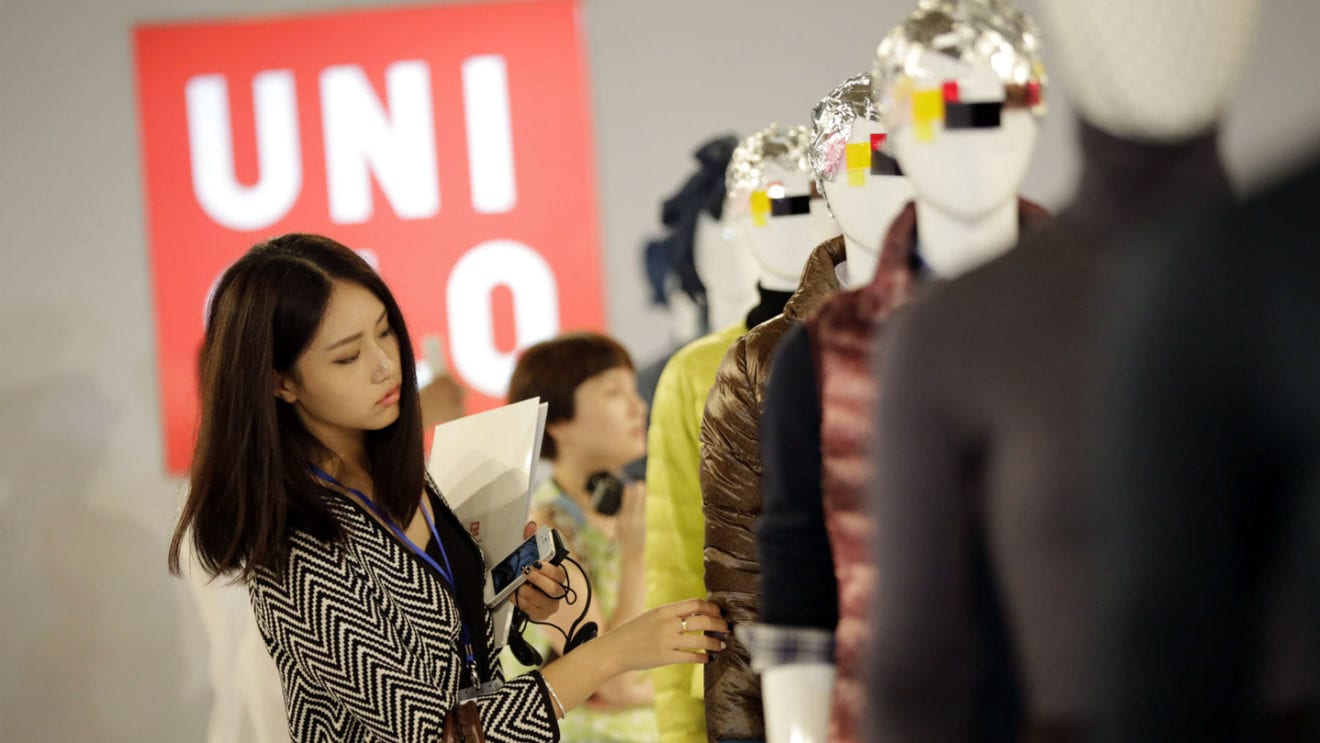
    Amid the rows of blue jeans lining the walls of apparel chain Uniqlo are headscarves, baju kurung and kebaya – part of the Japanese retailer’s new section that caters mainly to Muslim shoppers.

    While these garments are usually sold at niche stores in Geylang Serai and Kampong Glam, they can now be found at Uniqlo stores in town or at neighbourhood centres.

    Uniqlo is one of the first mainstream retailers here to turn its focus to the Muslim market.

    The current selection is the second collection launched by Uniqlo following a successful initial run last July. The range is carried at five of its outlets – 313@Somerset, Causeway Point, Jem, One KM and Suntec City Mall – and its website.

    Another retailer that has jumped on the bandwagon is Singapore- based online store Zalora. Each month, it introduces about 50 to 60 products such as long and flowy tops and dresses under its “Zalia” collection. Managing director Dione Song described these as “trendy yet modest” pieces.

    The budding trend here mirrors the global boom in Islamic fashion in recent years. Muslims across the globe spent $266 billion on clothing in 2013 – more than the combined spending in Japan and Italy on fashion. This is set to almost double to $484 billion by 2019.

    Observers say the market potential here is large, with 15 per cent of the resident population being Muslims. Also, unlike certain ethnic or cultural wear that is seasonal, such as the cheongsam, this clothing is everyday wear for a substantial proportion of Muslim women.

    Uniqlo said that it is discussing expansion plans for upcoming fashion seasons. It “acknowledges that there is a need among the markets where we are present for stylish and comfortable modest wear”.

    The collection is also retailing in Malaysia, Indonesia and Thailand.

    There is yet to be a major international clothing brand for Muslim wear, but over the past two years brands such as DKNY, Tommy Hilfiger, Zara and Mango have started to offer Muslim-oriented collections in their Middle Eastern stores.

    Major retailers here like H&M, Topshop, Topman and Dorothy Perkins say they have not rolled out any cultural or religious products.

    Although many here have welcomed the greater diversity of choice for consumers, a handful of netizens have voiced their displeasure about Uniqlo’s sale of religious and ethnic wear.

    Associate Professor Ang Swee Hoon of the National University of Singapore’s business school said a secular chain offering religious wear could raise eyebrows.

    But Ustaz Firdaus Yahya, manager of an Islamic learning centre, said it “reflects their acknowledgement of diversity, and those who do not welcome it may be ignorant or have their own personal bias”.

    Prof Ang said it is a good move for Uniqlo to offer its technology to a larger market. Its hijab and headband, for instance, are made of the Airism fabric that wicks away moisture and has odour elimination, anti- bacterial and cooling functions.

    Editor Karimah Samsudin, 26, who owns a Uniqlo scarf, said: “It is good for mainstream brands to offer such attire because it is hard for us to find clothes that are not revealing or tight and clingy.”

    Singapore Polytechnic senior retail lecturer Sarah Lim said the sale of such clothing should not remain niche, a view retailers agree with.

    Zalora noted that although Zalia was launched to meet an increase in demand for modern ethnic wear, non-Muslim customers have also snapped up pieces from the range.

    Ms Song said: “The creation of Zalia was a natural inclination to offer stylish choices not just for the Malay-Muslim community but also to provide shoppers with modest, trendy alternatives.”

  • Japan retail sales tumble

    Japan retail sales tumble

    Japan retail sales fell more than expected in December, with data suggesting that sluggish household spending will keep fourth-quarter economic growth subdued.

    While analysts expect the Bank of Japan to hold off on any more monetary easing at its latest rate review, the weak data is expected to keep policy-makers under pressure to do more to help the fragile economy recover.

    Retail sales fell 1.1 per cent for the month compared with the previous December to mark the second straight month of declines, trade ministry data shows.

    “It seems households are tightening their purse strings because of rising food costs,” says SMBC Nikko Securities chief economist Junichi Makino.

    Japan’s economy has emerged from recession, but growth remains subdued with sluggish demand and a slow rate of growth rate for wages.

  • Lotte aims for $109m with new Osaka DWT store

    Lotte aims for $109m with new Osaka DWT store

    This new store will have a sales turnover target of W130bn ($109m) in the first year and will also complement Lotte’s existing small joint-venture retail presences at Kansai Airport and also at the Tokyo Ginza Mitsukoshi downtown store – as reported back in September 2014.

    Lotte Duty Free said it will now open its Osaka downtown duty free shop next year, as it also unveiled the basic details yesterday at a press conference alongside its partner, New Kansai International Airport Company and KAA, its Kansai Airport Agency retail subsidiary company.

    The new 4,400sq m store will be located on the sixth and seventh floors of the Big Camera Namba, in Namba, Osaka and will feature ‘global luxury brands, cosmetics, perfumes, fashion accessories’.

    Lotte said that the attraction of Osaka’s Namba district is its large transient population where shopping malls and restaurants that tourists prefer are ‘concentrated’.

    For its part, the NKIAC Company said it is working with Lotte because it is a major player. The company said: “Lotte Duty Free is the leading duty free company in Korea; [it] is equipped with the successful know-how and experience in operating downtown duty free shops as a global top three duty free shop [player]; and is the duty free shop brand which Asian customers like the most.”

    Sunwook Jang, President of Lotte Duty Free added: “Based on the successful experience to operate the duty free shops in Korea, we are expanding our shops in Asian countries like Japan, Thailand and Indonesia.

    “We will do our best to globalize the Korean duty free shop by global expansion, to help the Korean brands to expand overseas and to induce foreign tourists to Korea by making connection with the stores in Korea.

  • Chinese luxury spend abroad soars in 2015

    Chinese luxury spend abroad soars in 2015

    Mainland Chinese shoppers increased their spending on luxury goods overseas by 10 per cent last year according to new research from Bain & Company.

    The increase comes as a surprise given the significant slowdown in China’s economic growth, the much-publicised clampdown on gift-giving and the struggle of Hong Kong watch and jewellery retailers over the past 12 months.

    Bain & Company’s report, the 2015 China Luxury Market Study says mainlanders are shopping more on cross-border eCommerce and travelling to new destinations to indulge.

    In 2015, they shunned Hong Kong and Macau in favour of places like Japan, where spending soared 200 per cent.

    Bain’s research, which included a survey of nearly 1500 Chinese consumers, found a sizable shift in shoppers’ geographic preferences for luxury shopping in 2015. Japan, South Korea, Europe and Australia were all popular shopping destinations, due to favourable exchange rates and competitive pricing on luxury goods in these markets.

    As overseas travel among Chinese shoppers increased – up an estimated 32 per cent from 2014 – consumer reliance on Daigou, or overseas personal shoppers who buy and send luxury goods to customers in China – contracted. The growing channel choice in 2014, Daigou decreased to an approximately 43 billion RMB market last year.

    Bain attributes the drop to several factors including price adjustments by key brands that reduced Daigou margins, government efforts to tighten control over imports, including Daigou, a weakened RMB, and an increased reliance on other purchase channels – notably cross-border and overseas websites, which accounted for 48 billion RMB of the 293 billion RMB luxury spend overseas.

    The report highlights the increasing popularity of cross-border and overseas websites as luxury shopping channels: nearly half of those surveyed said they purchased luxury goods via these sites last year.

    According to Bain, increased international tourism, and growing comfort and trust in some business-to-consumer (B2C) overseas websites among China’s shoppers helped stimulate overseas purchases. This resulted in a slowdown in China’s overall luxury market, which dipped 2 per cent to 113 billion RMB last year, driven by a decline in watches, men’s wear and leather goods.

    Luxury brands seeking to overcome the economic slump and reinvigorate consumer spending domestically must employ a more tailored, localised marketing strategy, with high fashion content and adjust their pricing to reduce disparities across geographies.

    “We saw notable changes in where and how Chinese consumers acquired luxury goods last year,” said Bruno Lannes, a Bain partner based in Shanghai and author of the report.

    “Buying overseas has been a trend for years, but destinations have changed, and Daigou is declining because of multiple and converging drivers from major industry players, including the government,” he said.

    “Our research found that the industry is quickly adapting to these challenges in an effort to drive more luxury consumption at home through strategies such as global pricing and a greater focus on fashion.”

    A corollary to the drop in domestic sales is a reduction of the store footprint by most brands, with a greater focus on fewer, larger and better located stores. Many brands realise they need to regain their exclusive image, which has been somewhat blurred by over extension.

    As in 2014, the research shows the greater importance of fashion and exclusive designs to win domestically. Brands with a strong fashion heritage and stronger emphasis on original design did well in 2015.

    The survey reveals that nearly 80 per cent of respondents said they normally get information on luxury brands from the internet or apps, and a full 60 per cent identified social media channels Weibo and WeChat as their online source for information on luxury goods. As a result, brands spend, on average, 35 per cent of their marketing budget on digital, and it is growing.

    Looking ahead, Bain expects these and other 2015 trends to continue this year, prompting further challenges, opportunities and requirements for brands:

    • Macro environment expected to remain similar while the rising middle class becomes more sophisticated and knowledgeable about luxury.
    • Overseas channels will stabilise (daigou will decline). Global pricing by leading brands and government efforts to localize consumption will spur domestic growth. Global pricing, will likely spread further to other brands.
    • Luxury brands should strengthen both digital platform building (e.g., Weibo WeChat, apps) and digital content creation, with an emphasis on localisation to reflect local market preferences.
    • Luxury brands must place greater emphasis on making their brand “younger” and more fashionable to capture the next generation of trendy customers. There will also be an increased focus on “exclusivity,” both in product design and store footprint.

    “Despite persistent macro, economic and industry challenges in China, all hope is not lost for luxury brands,” said Lannes.

    “There are plenty of growth opportunities for those with more exclusive and fashion collections, digital platform engagement and digital content creation, as well as with pricing that encourages Chinese consumers to spend locally.”

  • Philippines leader welcomes Japan’s Emperor as ties blossom

    Philippines leader welcomes Japan’s Emperor as ties blossom

    Philippines President Benigno Aquino III gave a red-carpet welcome to Japan’s Emperor Akihito on Wednesday in a sign of blossoming ties between the two nations, both mired in territorial disputes with China, while further moving past painful memories of Japan’s World War II aggression.

    Mr. Aquino and Emperor Akihito held talks at Manila’s Malacanang presidential palace, where Philippines and Japanese flags were displayed side by side and Filipino troops fired cannons in a traditional salute.

    Mr. Aquino is to host a state banquet later for Emperor Akihito, whose visit marks 60 years of diplomatic relations between the two nations.

    Mr. Aquino and Emperor Akihito briefly discussed robust sales of Japanese-made cars that have contributed to Manila’s heavy traffic and the entry of Japanese retail store Uniqlo, presidential spokesman Herminio Coloma Jr. said.

    Emperor Akihito, a revered symbol of Japanese unity who plays no political role in his country, does not plan to discuss contentious security issues such as the territorial disputes or demands for an apology by Filipino women who accuse Japan’s wartime army of forcing them into sexual slavery, according to the Emperor’s press secretary, Hatsuhisa Takashima.

    During the meeting with Mr. Aquino, “there was no mention of the war,” he told reporters.

    But Mr. Takashima said it was well known to Mr. Aquino that the Emperor had earlier expressed his “profound remorse for the loss of lives of many Filipinos” during the war and that “the Japanese people must remember the agony and difficulty suffered, experienced by Filipino people.

    Asked if an apology could put an ending to the issue of wartime sex slaves, Mr. Takashima said it was not the Emperor’s role to address individual subjects related to the war, but that Emperor Akihito “always mentions the necessity of peace and the stability of the international relations as well as [to] never forget the war and never forget the victims of the war.”

    Relations between Japan and the Philippines have improved dramatically in the seven decades since the war, with Japan becoming a major trading partner and aid donor for the Philippines. Emperor Akihito’s visit is seen as a strong sign of a further deepening of ties as the countries, both close American allies, confront China over long-contested maritime territories.

    Japan’s Self-Defence Forces have staged joint search and rescue exercises with the Philippine Navy near the disputed South China Sea and are providing the Philippines with coast guard patrol boats.

    Still, six elderly Filipino women led a protest outside the presidential palace Wednesday asking the Japanese government to formally apologiSe and compensate them and other sex slaves abused by Japanese forces during the war. They carried placards reading, “No to rising Japanese militarism.”

    “Emperor Akihito’s foreign trips conveying a pacifist message are important because they ease concerns over perceptions that Japanese political leaders are trying to flex the country’s military muscles once again,” said Richard Heydarian, a political science professor at Manila’s De La Salle University.

    “We should forgive but we should not forget the past. That will also help Japan,” Mr. Heydarian said.

    Emperor Akihito is to pay his respects at memorials for both Philippine and Japanese war dead during his visit, which ends Saturday.

  • Starbucks Asia performance concerns

    Starbucks Asia performance concerns

    Starbucks’ latest overall figures look impressive- but this first set of results of its new fiscal year show a marked polarisation in performance around the globe.

    In the Americas, the company’s largest market, sales and profits powered ahead. However, the same cannot be said of both Europe and China, where the results were far more subdued.

    Turning first to China and Asia Pacific, at first glance the results do not look too bad, with revenues up by a very solid 32 per cent. However, most of this increase is attributable to incremental revenues from the acquisition of Starbucks Japan early in the last fiscal year.

    A significant 885 net new store openings across the region also helped to boost top line growth.

    Despite this there are two areas for concern. The first is underlying sales growth, which at 5 per cent has come in below expectations; the concern is that some of this is related to a general slowdown in China which, if part of a longer term trend, could harm company earnings.

    The second is the margin position which has deteriorated because of higher wage costs and the change of ownership of the Japanese operation.

    Turning to the Americas: Despite having been accused of “declaring war on Christmas”,  Starbucks’ results showed much more holiday cheer than its generic red cups. Across the region revenue rose by a very respectable 11 per cent, underpinned by 9 per cent comparable growth.

    Operating income also rose by 14 per cent. Tweaks to the menu which saw the inclusion of some more expensive drinks options and an enhanced range of food helped to drive up average ticket across the period.

    The American results were particularly impressive given the warmer weather across most of the holiday period. That this did not deplete sales underscores the habitual nature of Starbucks and its importance as a small indulgence for many of its regular customers. This loyalty has, in our view, been further strengthen by strong take-up of the mobile app which encourages and stimulates regular buying.

    Within Europe and the wider EMEA region, the net addition of 79 stores did little to bolster overall revenue which declined by 6 per cent on a year-over-year basis. Admittedly much of this was related to unfavorable exchange rates but some is also attributable to weak underlying sales growth at existing shops. The impact on profits has been negative, something further exacerbated by the shift to developing more licensed stores which operate at a lower margin than company-owned outlets.

    Looking ahead, initiatives such as the evening sale of alcoholic beverages and an enhanced food menu, will help to further drive productivity in US stores.

    However, Starbucks will need to work harder to ensure that these gains are not diminished by the deteriorating environment in Asia and the lackluster performance in Europe.

  • Jetro helping convenience stores

    Jetro helping convenience stores

    Four major convenience store chains in Japan are teaming up with a government-related body to work on expanding their businesses overseas.

    FamilyMart, Lawson, Ministop and 7-Eleven Japan have formed a council with the Japan External Trade Organization (Jetro) to accelerate their establishment of branches overseas after the Trans-Pacific Partnership (TPP) goes into effect, reports the Sankei Shimbun.

    With the TPP easing restrictions on foreign distributors entering into the markets of partner countries such as Vietnam and Malaysia, the convenience stores hope to devise a system that will enable them to sell Japanese processed food products and commodities in overseas markets.

    Jetro’s task will be to work with foreign governments to resolve problems and collect relevant retail information. It will also help the convenience store chains find partner companies in Asian countries.

  • Ford to exit Japan, Indonesia on poor sales outlook

    Ford to exit Japan, Indonesia on poor sales outlook

    Ford Motor will close down all operations by the end of this year in Japan and Indonesia, where the United States carmaker says it has no path to boost sales or earn profits.

    The step is being taken “after pursuing every possible option”, Ms Karen Hampton, Ford’s Asia-Pacific spokesman, said in an e-mailed statement. The company will provide ongoing support to customers for service, spare parts and warranties, she said.

    “It has become clear that there is no path to sustained profitability, nor will there be an acceptable return over time from our investments in Japan or Indonesia,” Ms Hampton said. Ford is committed to restructuring parts of its business that “have no reasonable path to achieve sales growth”, she said.

    The exits by Ford are the latest examples of a carmaker losing patience in struggling car markets in parts of Asia that are dominated by Japanese manufacturers.

    General Motors last year closed down its factory in Indonesia, the largest car market in South-east Asia. For 16 straight months, four- wheeler sales on the archipelago have shrunk. If the decline continues, the country will soon lose the distinction of being a one-million-cars-a-year market.

    NO PATH TO GROWTH

    It has become clear that there is no path to sustained profitability, nor will there be an acceptable return over time from our investments in Japan or Indonesia.”

    MS KAREN HAMPTON, Ford’s Asia-Pacific spokesman

    Industrywide sales in both Indonesia and Japan slumped in each of the last two years.

    While Indonesia is the largest economy in South-east Asia, Toyota Motor and its affiliate Daihatsu Motor dominate by accounting for about half of all vehicles sold, according to LMC Automotive. Including Honda Motor and Suzuki Motor, the companies have market share of about 80 per cent.

    Japan’s more developed car market peaked in 1996 with almost 7.3 million vehicles sold and has declined during much of the last two decades. Carmakers sold about five million vehicles in Japan last year, and foreign brands had less than 6 per cent market share.

    Ford is not alone in struggling in Indonesia or Japan. Hyundai Motor and Kia Motors combined to sell fewer vehicles than Ford in Indonesia last year. Each of GM’s brands also trailed Ford by registrations in Japan last year.

  • Jalux opens duty-free outlets in Hanoi

    Jalux opens duty-free outlets in Hanoi

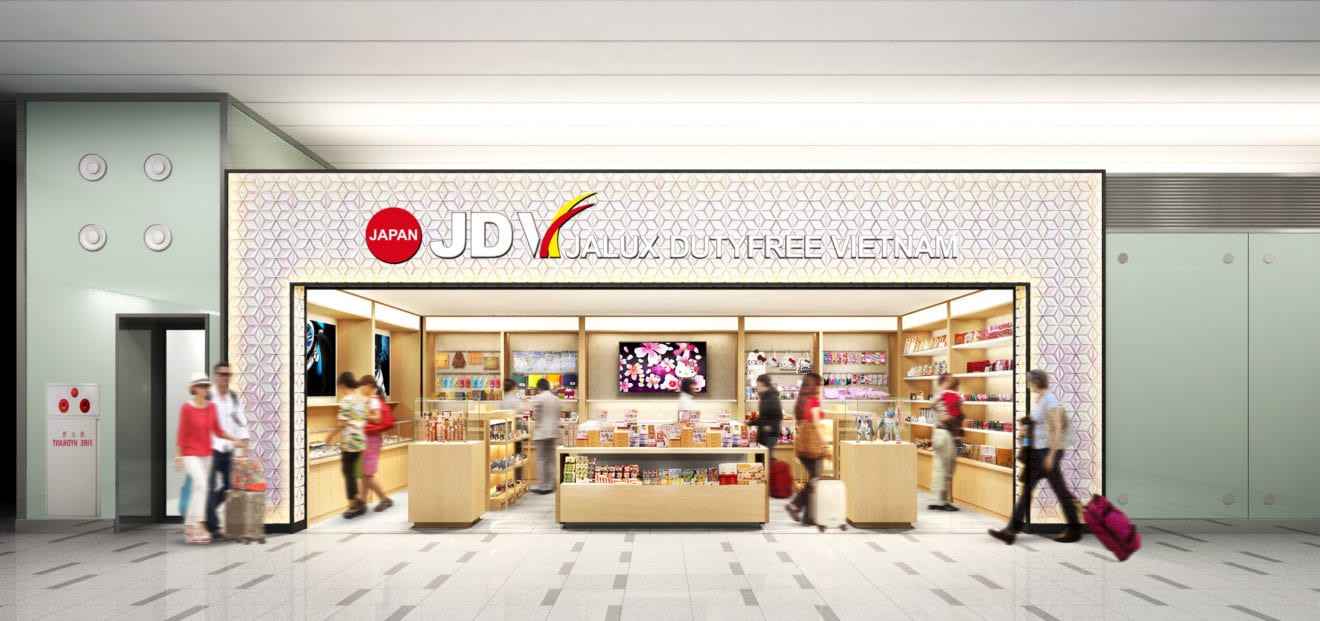
    Japanese travel retailer Jalux has launched its first airport outlets outside Japan, with three stores at Hanoi Noi Bai International Airport in Vietnam.

    Located in Terminal 2, the stores are trading as Jalux Duty Free Vietnam, with two in the Departures area and one in Arrivals. The stores focus on introducing Japanese brands to travellers, picking up on growing demand across Asia for genuine Japanese goods.

    Jalux Duty Free is a joint venture between Jalux (51 per cent) and Vietnamese company Thang Long Air Services (Taseco).

    Jalux has airport stores across Japan, including JAL Duty Free and Blue Sky stores.

    Taseco is engaged in retailing both on and off airport, as well as having interests in wholesale, beverages, hotels and restaurants.

  • Tiffany struggles as Mainlanders baulk

    Tiffany struggles as Mainlanders baulk

    If Tiffany was hoping for some holiday respite following a year of negative numbers it will be sorely disappointed by its latest results.

    Indeed, the pace of decline has actually accelerated since the third quarter, which covered the three months up until the end of October. Given the significant opportunity that the holiday season affords this is a worrying outcome.

    Reported in US dollars, worldwide net sales of $961 million were 6 per cent lower than the prior year.

    Despite some solid growth in China and Japan – the latter coming off weak comparatives – the poor numbers out of Hong Kong, which has suffered from a decline in visitors from the Chinese mainland, pulled down the regional result.

    In the Asia-Pacific region, on a constant-exchange-rate basis total sales and comparable store sales declined 6 per cent and 9 per cent, respectively. A continuation of strong sales growth in China was more than offset by significant weakness in Hong Kong and Singapore, with varying performance in other markets. Reported in US dollars, total sales of $187 million were 11 per cent below the prior year.

    In Japan, on a constant-exchange-rate basis total sales increased 12 per cent and comparable store sales rose 10 per cent, reflecting higher sales to local customers and foreign tourists. Reported in US dollars, total sales rose 9 per cent to $123 million.

    Globally, as it did throughout 2015, Tiffany has pinned the blame for its sales declines on the strong dollar. There is truth in such an assertion, although it is not the whole truth. This is evidenced by the fact that even on a constant currency basis worldwide sales still fell by 3 per cent in total and by 5 per cent in comparable terms. Clearly, there are forces other than fluctuating exchange rates at play.

    The Americas is a case in point. Although the magnitude of the sales decline in the region was broadly similar to that posted last quarter, it still represents a marked deterioration in trade. The claim that tourist spending on jewellery in key locations like New York was down thanks to an unfavorable exchange rate has some validity, even if it sits somewhat uncomfortably with MasterCard data that shows 2015 was a record year for international visitor spending in the Big Apple. However, sales were not just down at Tiffany’s stores in tourist destinations, they were down across most of the US.

    One of the factors at play, at least in the US, is a shift in holiday purchasing. Prior to the economic downturn of 2008 the period between Thanksgiving and Christmas was key for jewellery buying. Today, while it remains the most important single period for purchasing, it accounts for a much smaller share of annual sales than it once did. Jewellery is no longer at the top of the Christmas list. For a brand like Tiffany, where lavish gifting is an important driver of buying, such a trend is distinctly unhelpful.

    As important as this factor may be, it is exacerbated by the more competitive environment for jewellery and the rise of other brands. Against this backdrop Tiffany has lost some of its relevance, especially to more moderate spending shoppers. The company has tried to arrest this development with new collections such as Tiffany T, but the results to date have been lacklustre.

    These brand issues are somewhat less relevant to the Asian markets where Tiffany is still seen as a hallmark of fine jewellery.

    The consequence of a weak holiday period is that final quarter profits will now come in lower than previous guidance.

    Tiffany is ending its fiscal year with very little sparkle.

  • 200m Chinese to travel by 2020 as HK/Macau slow

    200m Chinese to travel by 2020 as HK/Macau slow

    Credit Lyonnais Securities Asia (CLSA) is maintaining its long-standing forecast of 200m Chinese overseas trips by 2020. However, it warns that mainland Chinese travel to Hong Kong and Macau is likely to average only 3% growth in future, while Chinese trips to other locations will grow much more strongly by an estimated 16%.

    CLSA’s latest report says Hong Kong simply has too few new attractions, increased competition, capacity constraints, a strengthening HK$, tension against mainlanders and it also faces a reduction in import tariffs in China.

    This unpalatable cocktail resulted in inbound Chinese tourist numbers to Hong Kong declining by -2% between January and November 2015, compared to the much healthier 16% to 26% annual growth rates experienced in better years between 2010-2014.

    Hong Kong airport large

    CLSA’s highly-anticipated report – ‘2016 Chinese Tourists: Expanding Cultural Horizons’– is the independent brokerage and investment group’s third annual appraisal of the key growth drivers to Chinese outbound travel, as well as the destinations, sectors and stocks set to benefit the most.

    As part of its central Chinese tourist theme it remains bullish on its long-standing forecast of 200m Chinese overseas trips by 2020, despite its prediction that Chinese outbound tourist growth will slow to 9% over the next five years from 17% over the past five.

    Of this 9%, the authors say that travel to Hong Kong and Macau will average 3% growth, whereas trips to other locations will grow on average by 16%. Improved affordability, easing travel restrictions and the increasing desire to travel remain the key drivers underpinning Chinese outbound tourism growth, says CLSA.

    Within its proprietary survey of more than 400 outbound Chinese travellers it found that experiencing foreign cultures, enjoying nice environments, relaxing, and broadening horizons are increasingly more important goals for Chinese tourists compared to shopping. This also supports CLSA’s general structural negative on the future for Hong Kong’s tourism and retail sectors.

    001 aa Chinese Tourism Research Australia

    “…IF MONEY WAS NO OBJECT, THE MOST HIGHLY DESIRED DESTINATIONS FOR CHINESE TOURISTS ARE ACTUALLY THE USA, FRANCE, MALDIVES AND AUSTRALIA – IN THAT ORDER.”–CLSA REPORT.

    Chinese travellers looking for ‘unique cultural experiences’ are most likely to head to South Korea, Japan, Thailand, or the USA in the next three years, says CLSA. South Korea is attractive for its relatively cheap luxury goods and cosmetics, whereas Thailand offers beaches and other cultural destinations.

    CLSA also reveals that if money was no object, the most highly desired destinations for Chinese tourists are actually the USA, France, Maldives and Australia – in that order.

    The report adds that ‘the key risks to growth of outbound Chinese travel figures’ are safety, lower income growth and a weaker Yuan. Within its survey, CLSA said that 75% of survey participants confirmed that safety was the clear number one factor influencing their choice of destination in 2015 – up from 63% in 2014 and 41% in 2013.

    By contrast, mainland Chinese respondents said that lower income growth in China this year could also impact upon their travel plans. Some 60% admitted that they would reduce their outbound trips and 68% adding that they will cut back their travel-related shopping if family income drops.

    Chinese shoppers. Source Global Blue

    “…A WEAKER YUAN WILL ALSO AFFECT TRAVEL PLANS, WITH 43% INDICATING THEY MAY REDUCE THE NUMBER OF TRIPS THEY TAKE IF THE YUAN DEPRECIATES BY 10% IN THE NEXT YEAR. MEANWHILE, 35% SAID THEY WOULD CUT SHOPPING SPENDING…” CLSA REPORT.

    The research also confirmed that a weaker Yuan will also affect travel plans, with 43% indicating they may reduce the number of trips they take if the Yuan depreciates by 10% in the next year. While 35% said they would cut shopping spending. Only 14% said there would be no impact to their travel plans.

    More positively, the report adds that China is the number one contributor to global outbound travel with a worldwide share of 10% and CLSA predicts that this share will reach 14% by 2020. In the current report, it also expects this tidal wave of Chinese tourists to drive major structural growth in the airline, gaming, luggage, retail and internet industries over the next few decades.

    Melbourne Chinese NY activation

    THE OUTLOOK FOR TOP FOUR CHINESE/ASIAN DESTINATIONS:

    AUSTRALIA: In Australia, mainland Chinese visitor numbers are soaring, with this nationality of tourists now accounting for the second-largest source of inbound arrivals to Australia. There were more than one million Chinese tourists visiting Australia between Jan-Nov 2015, surpassing the one million mark for the first time – an increase of 21.6% over the same 12-month period in 2014.

    This has been aided by the removal of constraints to airline-seat capacity growth and the easing of visa requirements (‘albeit on a regional basis that they still appear relatively strict’, says CLSA).

    Chinese tourists spent A$7.7bn ($5.4bn) in Australia over the 12 months to September 2015, more than double the A$3.5bn ($2.4bn) level two years ago, according to Tourism Australia’s estimation. China is Australia’s biggest spending inbound nationality, with expenditure more than double that of the UK – the next most important country.

    Interestingly, the CLSA survey found that Australia ranks as a ‘top-four destination’ for Chinese tourists ‘if money was no object’.

    JAPAN: Chinese visitors to Japan doubled in 2015. Inbound arrivals soared from 2.4m in 2014 to 5m and CLSA is predicting this number will more than double again by 2020 to 11.4m Chinese became the biggest contributor of all foreign tourists in Japan last year, aided by the fact that three out of five of the world’s most popular theme parks are located in Japan.

    Average spending per tourist in 2015 was JPY187,165 ($1,583) but Chinese were the biggest spenders, with an average of more than JPY280,000 ($2,368).

    King Power International Group's downtown Bangkok Srivaree Complex ©

    SOUTH KOREA: According to the research, South Korea is still regarded by Chinese as both a shopping and cultural heaven and CLSA now expects Chinese inbound traffic growth to rise by 28% year-on-year in 2016 due to natural organic growth following the eradication of the Mers virus.

    South Korea is one of the top three destinations for Chinese tourists for the next three years according to CLSA since it meets one of Chinese tourists’ major interests – shopping. CLSA also adds that its appeal to Chinese tourists is considerable, since it is safe, with moderate travel costs and rich in culture and sightseeing.

    THAILAND: One in four tourists visiting Thailand is Chinese, as inbound tourist numbers continue to grow, with visitors from China having grown at an annualised rate of 47.7% over the past five years, outpacing the non-Chinese tourist annualised growth of 7.6%.

    Bangkok continues to be the most popular destination, followed by Phuket, Chonburi, Chiang Mai and Krabi. Thailand is also one of the top three destinations for future outbound trips, according to CLSA’s survey.
  • Tumi Japan buys out partner

    Tumi Japan buys out partner

    Luxury travel goods retailer Tumi has bought out its local Tumi Japan partner to gain full control of its retail and wholesale activities in what is one of the world’s largest luxury markets.

    Tumi Japan runs a network of 13 stores and an eCommerce website, as well as distributing Tumi product across an extra 150 points of sale across the country.

    CEO/president Jerome Griffith says the acquisition of the partner’s 50 per cent stake is aimed at strengthening the company’s position within the Japanese and Asia Pacific region.

    “We have been pleased with the strong acceptance of our brand among Japanese consumers, and remain excited about the long-term growth prospects of this region. We look forward to welcoming the Tumi Japan team into the family and look forward to integrating this region into the business, sharing our expertise, brand power and retail strategy to drive it to the next level,” Griffith said in a statement.

    Tumi expects the acquisition will be earnings neutral to its consolidated financial results this year, and accretive to earnings thereafter.