Tag: Japan

  • Indonesia retail Japanese convenience stores think small to survive

    Indonesia retail Japanese convenience stores think small to survive

    Japanese convenience store operators are shrinking the size of their outlets in Indonesia amid growing competition from local rivals. But the strategy of pursuing profitability over scale runs the risk of downsizing the companies out of the market.

    In Jakarta, the two leading local operators — Indomaret and Alfamart — have over 10,000 outlets each. Japanese rivals are finding it difficult to stay competitive with their traditional focus on larger shops, which often include cafes. To fight back, Lawson and Seven-Eleven Japan plan to increase the number of smaller stores in office and commercial buildings.

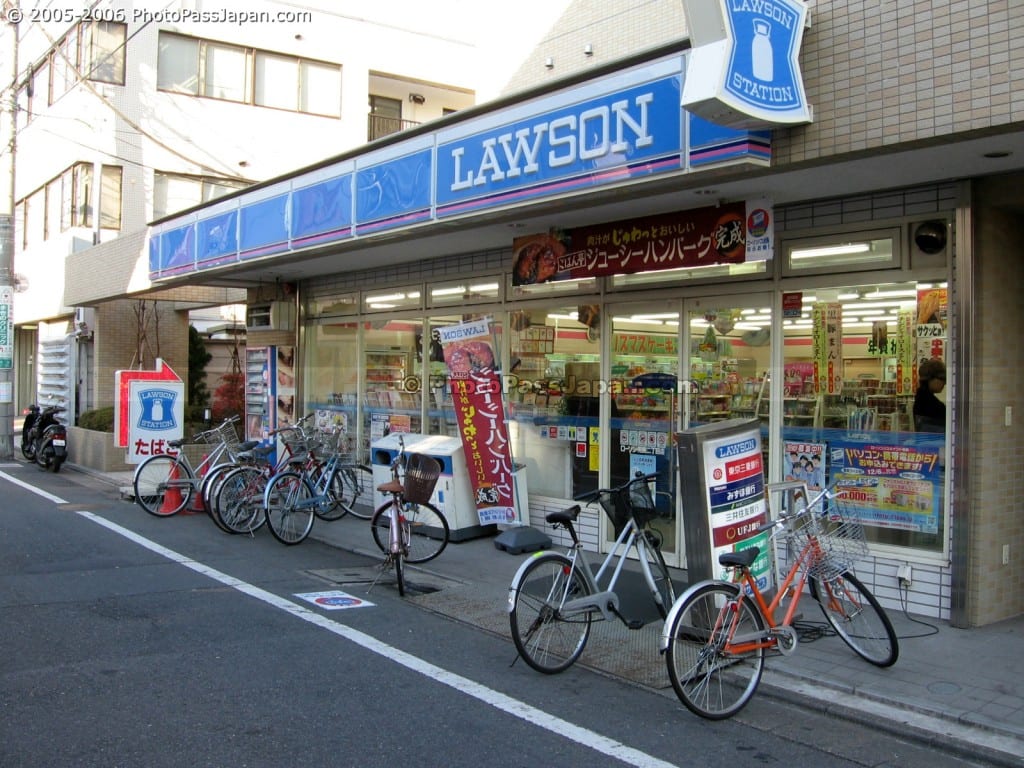
    During lunchtime in an office building in Jakarta, people form long lines to buy bento box lunches, bread products and other items at a Lawson outlet. A karaage, or deep-fried chicken, bento sells for 45,000 rupiah ($3.20). “It’s my turn to pick up lunch today,” said a female office worker as she carried a shopping bag full of food from the store.

    The outlet, which opened in August, is Lawson’s first small store in an office building. It is less than half the size of a typical Lawson shop in Indonesia and has only one row of shelves. Midi Utama Indonesia, the local retailer that runs the stores, has been considering such new locations as shopping malls and train stations, one official said.

    Lawson entered Indonesia in 2011 after granting Midi a license to operate its stores. The Japanese company was ambitious, with plans to open 10,000 outlets in the first 10 years. But in mid-2013, after having opened just 80 shops in the country, sluggish profits forced it to withdraw from Bali. Lawson cut the number from 60 to 50 in 2014. Today, there are only some 40 Lawsons in Indonesia.

    In the meantime, Indomaret and Alfamart have been steadily increasing their store networks. They have adopted some of the techniques brought in by Japanese rivals, such as in-store cooking and in-store cafes. Duskin, a Japanese housekeeping equipment company, chose Indomaret over Japanese players as its local partner to run Mister Donut when it entered the market this year.

    Following the money  

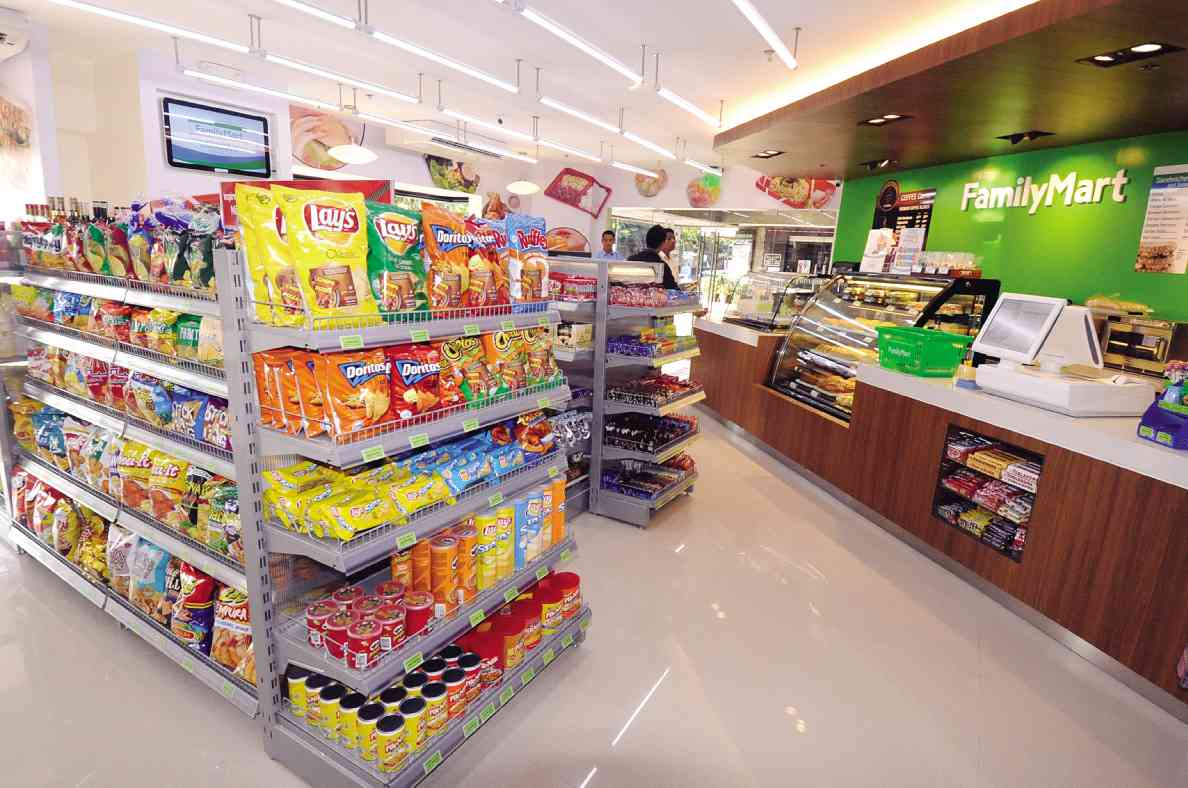
    With their limited number of stores, Japanese operators are finding it hard to continue offering the level of product and service quality associated with Japan while still turning a profit. As a result, they are betting on small outlets in commercial buildings to drive earnings. In explaining the shift, a FamilyMart official cited “the high income level of customers and the easy-to-predict demand structure.”

    FamilyMart plans to start opening stores in office buildings and upscale condominiums in 2016. Its existing 25 outlets are in stand-alone buildings or buildings shared with Japan’s Yoshinoya chain of gyudon beef bowl restaurants.

    Seven-Eleven Japan, the largest Japanese convenience store operator in Indonesia, is considering opening more small stores in train stations, commercial buildings and other busy locations, according to Modern Internasional, the operator of 7-Eleven stores there.

    Ministop, which has six Indonesian outlets, the fewest among Japanese companies, plans to cut costs by operating smaller stores and revamping its product lineup. For example, the matcha green tea-flavored soft ice cream it is promoting is selling three times as well as the chocolate flavor, the company said.

    According to Alfamart, Indonesia’s convenience store market grew about 13% by sales in the first nine months of this year. Though that is down from 19% in the same period last year, the growth is still significant compared with midsize retailers such as supermarkets, which saw 3.6% growth.

    Japanese players are not alone in their “go small” approach. Local operators are also increasing the number of smaller outlets in train stations and other facilities amid a shortage of space to build stand-alone stores, and also because of the difficulty in obtaining approval from authorities in the metropolitan area.

    With local rivals not only adding more stores to their already-large networks but also adopting strategies similar to those used by their foreign counterparts, the pressure on Japanese operators to find new ways to remain competitive will likely increase.

  • Animate Japan to open in Bangkok

    Animate Japan to open in Bangkok

    Japanese retail initiative Animate Co will open a store in Bangkok’s MBK shopping centre in the second quarter of next year, part of a program to help spread anime and manga culture throughout Southeast Asia.

    According to Japanese news media, the store will be run by Animate JMA, a Japan Manga Alliance subsidiary formed in September to promote manga and anime businesses outside Japan. It provides officially released products and aims to eradicate copyright thieves, pinpointing Thailand as a market with increasing copyright issues.

    Animate was joined in the JMA’s creation by publishers Kadokawa Corp, Kodansha, Shueisha and Shogakukan.

    The JMA Animate store at MBK will take up a massive 561 sqm space in the 89,000 sqm, eight storey mall.

    The store will stock manga and anime titles, character goods, video software, figurines and other products. It will also provide spaces for live concerts featuring anime singers and concept shops.

    JMA says if the initiative proves a success in Thailand it will open stores in other Southeast Asian markets.

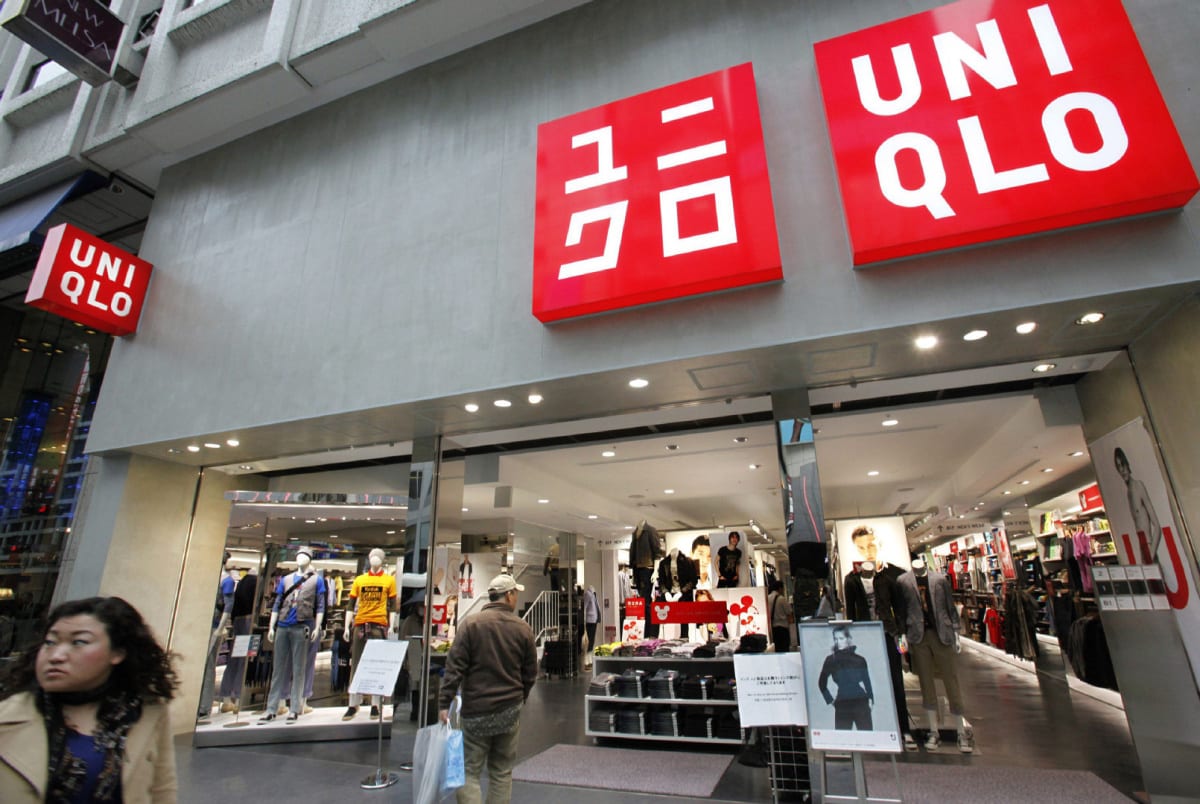
  • Prolonged summer takes heat out of Uniqlo sales

    Prolonged summer takes heat out of Uniqlo sales

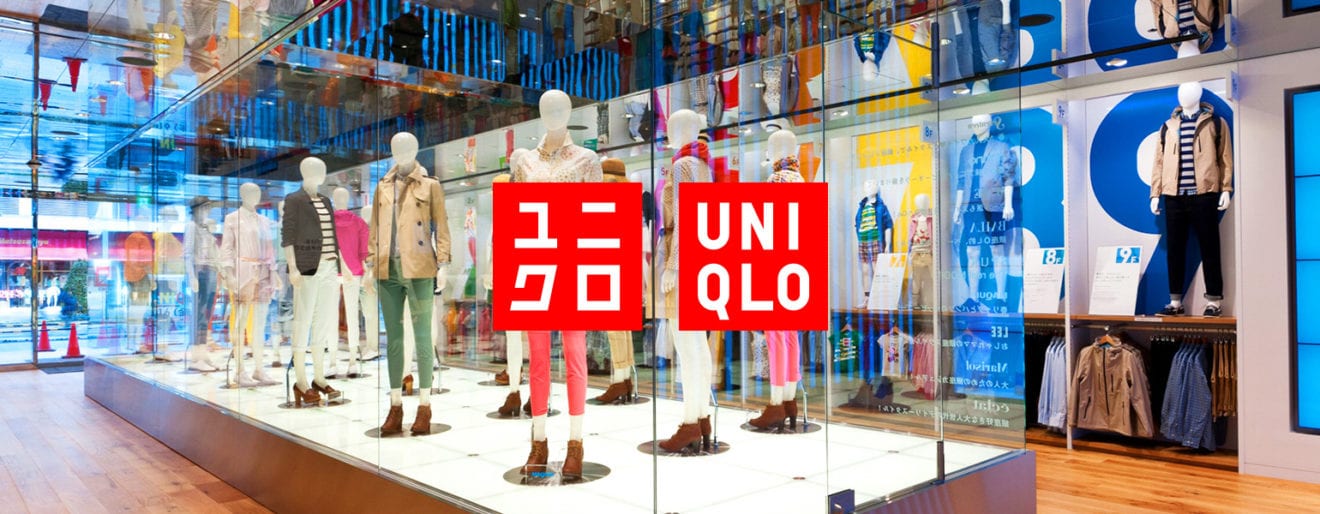
    Uniqlo parent, Japanese giant Fast Retailing, says its total sales dropped 8.1 per cent in November.

    “Same-store sales dipped year on year in November after unusually hot weather in mid-month stifled sales of winter clothing necessities,” the company said in a  brief trading statement which gave only percentages and not total sales data.

    The number of Uniqlo stores operating outside Japan exceeded the number of domestic stores last month – by 864 to 844.

    In November, same-store sales decreased by 8.9 per cent year on year while sales at its own-run stores (excluding franchises) decreased by 9.9 per cent. Total sales, including online, thus fell by 8.1 per cent.

  • Uniqlo to launch Liberty London range

    Uniqlo to launch Liberty London range

    Uniqlo has announced a collaboration with high end UK department store Liberty London to create an exclusive range of apparel.

    Liberty London for Uniqlo will launch with a Spring/Summer 2016 collection, in stores from Spring.

    The collaboration brings together a special selection of Liberty’s iconic floral prints with women’s, girls’, babies’ and men’s products for Uniqlo LifeWear, whose signature innovations make clothing lighter, more comfortable, affordable and accessible to all.

    Liberty started in London’s Regent Street in 1875, selling ornaments, fabrics and artworks from Japan and elsewhere in Asia that inspired some of the 42,000 prints that make up Liberty’s print archives.

    Extensive collections of Liberty catalogues, dresses and textiles, housed at The Victoria and Albert Museum, attest to the myriad contributions to art, culture, and fashion of one of the world’s most prestigious brands.

    Liberty’s mock-Tudor-style building on Great Marlborough St is a destination for fashionistas and an epitome of classical British design.

    The Liberty London for Uniqlo collection will be sold worldwide in Uniqlo stores.

  • Kushikatsu Daruma plans Asian expansion

    Kushikatsu Daruma plans Asian expansion

    An iconic Japanese restaurant chain Kushikatsu Daruma has opened its first outlet outside its home market – and announced plans to enter three more Asian countries.

    Kushikatsu Daruma opened its first restaurant in 1929 at the foot of Tsutenkaku, the famous landmark tower in Shin-Sekai, Osaka. Since then it has expanded to 13 restaurants in Japan and this month it opened its first overseas – in the Taipei of Zhongshan in Taiwan.

    The restaurant was opened by G7 International, the overseas investment arm of G-7 Holdingsfollowing a licence agreement struck last June with Daruma International, a subsidiary of Ichimonkai, parent of Kushikatsu Daruma.

    G7 has the rights to develop the brand overseas and says it is already in talks with Ichimonkai to open restaurants in Vietnam, Malaysia and Indonesia.

    Kushikatsu Daruma Zhongshan Chang’an Store, which opened on Tuesday, has a floor space of about 150 sqm and seats 60 people. It trades from 11.30am to 10pm daily.

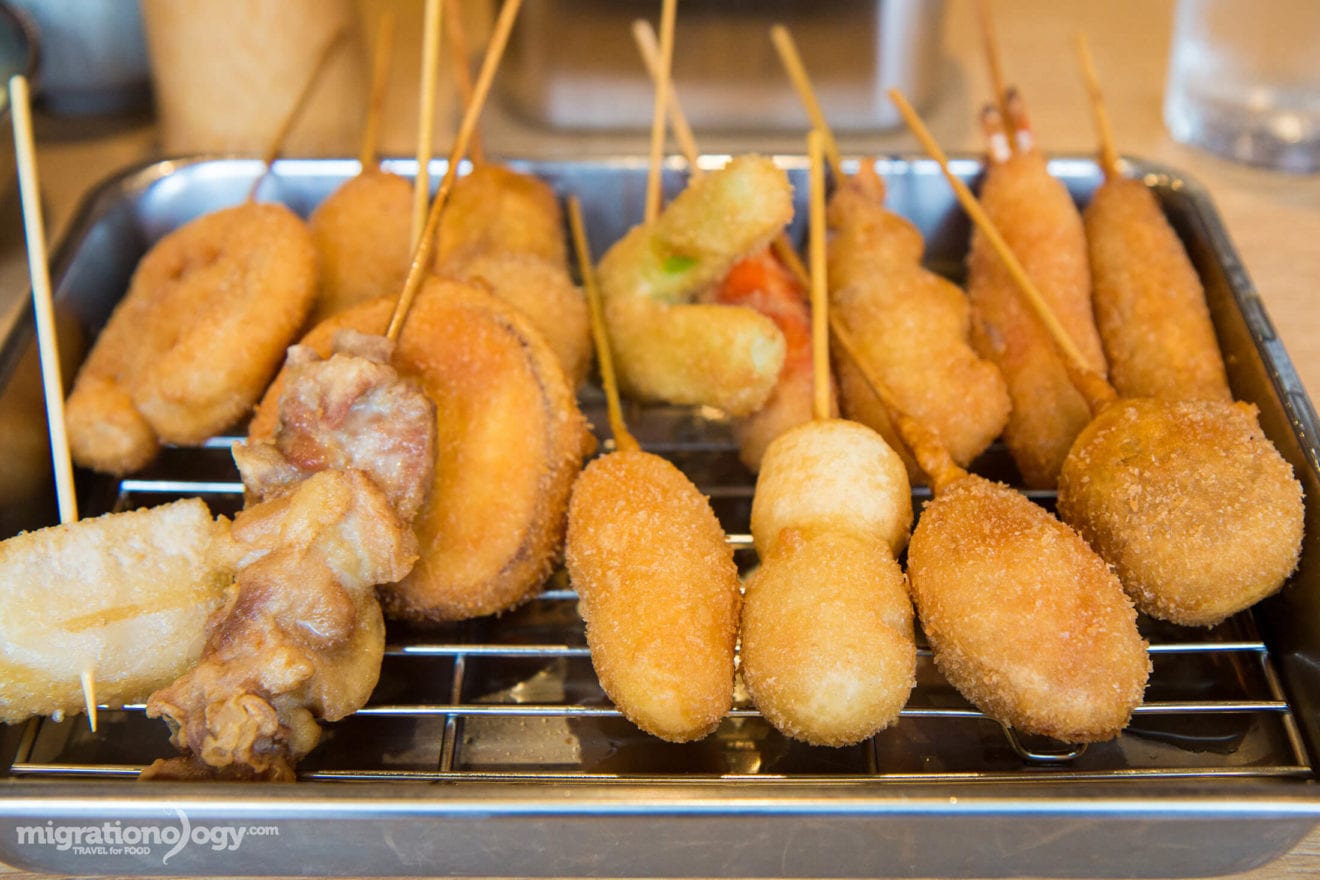
    Back in Japan, Kushikatsu Daruma has since become known in the Kansai area for good taste and affordable prices, with customers queuing at opening time every day. It specialises in cooking kushikatsu – skewered and grilled cutlets of meat, fish, vegetables and other ingredients.

    The G-7 Group is a mega franchisee operating Autobacs, Business Supermarket and other franchise stores with about 250 stores in Japan and seven stores abroad.

    “Taking advantage of the G7 Group’s accumulated management know-how and Kushikatsu Daruma priding itself on good taste in general… G7 International will proceed to open more restaurants in Southeast Asia,” the company said in a statement.

  • Uniqlo parent commits to refugee support

    Uniqlo parent commits to refugee support

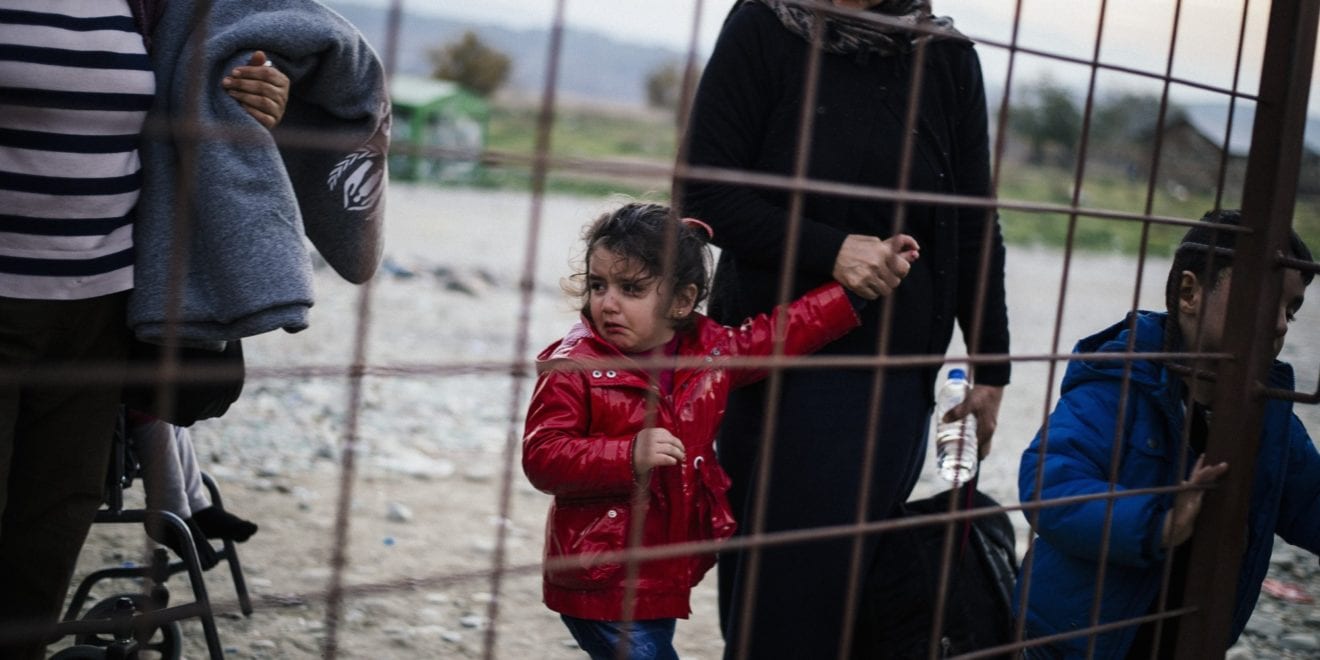
    Uniqlo parent Fast Retailing has committed US$10 million in cash and some 150,000 items of Heattech clothing to help keep newly arrived refugees warm in Europe.

    Fast Retailing will supply the support through the UNHCR, the UNited Nation’s refugee agency.

    As well as the donations, Uniqlo will provide internships with future employment possibilities to 100 refugees in Japan and abroad.

    “The refugee issue is one of the most difficult challenges the international community is facing today,” said Tadashi Yanai, chairman, president and CEO of Fast Retailing.

    “We must collectively tackle the constant threats that have forced so many people, including a large number of children, to flee. We have been providing refugees with emergency assistance, programs that promote self-reliance and donations of clothes for nearly 10 years. We will continue to supply refugees with the clothes they need and give them hope for better lives, in keeping with our never-ending desire for a sustainable and peaceful world,” he said.

    UNHCR spokesman Antonio Guterres said nearly 60 million people have been forced to flee their homes worldwide; the equivalent to almost half the population of Japan.

    “Twenty million of these people are refugees. In the face of such an unprecedented challenge, the robust support of the private sector is crucial for meeting the needs of the millions of families who have lost everything and who are seeking a safe place to restore their lives and build a better future.”

    Fast Retailing started its collaboration with the UN Refugee Agency in 2006 and entered into a global partnership in 2011, a first for a company headquartered in Asia. The new support being pledged this week is part of a global partnership aimed at assisting forcibly displaced people around the world, in recognition of the need for international organisations and private enterprises to collaborate more closely for the refugee cause.

    Under the new agreement, Fast Retailing commits to support the UN Refugee Agency with US $10 million over the next three years, starting from 2016. The funds will help UNHCR respond to emergencies and other acute humanitarian crises, and help refugees in Asia become self-reliant.

    The donation will also cover costs related to the distribution of donated clothing. To date, Fast Retailing has collected and distributed through UNHCR more than 10 million items of lightly used clothing to refugees across 37 countries and regions.

  • Japan Kit Kat store wraps chocolate in gold

    Japan Kit Kat store wraps chocolate in gold

    The Japan Kit Kat store Chocolatory is selling the ultimate indulgence this Christmas: chocolate bars wrapped in real gold.

    And yes – they’re safe to eat… which essentially means consumers will quite literally end up flushing gold down the toilet.

    Nestle’s Kit Kat Chocolatory boutique store stocks a constantly changing array of flavoured Kit Kats produced for the fickle Japanese market, including at times strawberry, green tea and wasabi.

    The gold bars are essentially aimed at the Christmas gift market – but its release coincides with the one millionth customer of the single-brand store.

    The special bars – a limited run of 500 – will also be sold at eight selected upmarket department stores in several Japanese cities.

    Dubbed Sublime Gold Kit Kat, it will sell for 2016 yen (US$16) per finger. It is described (apparently without irony) as having “a rich, bitter chocolate taste”.

    “We have made it a luxury product,” said Nestle Japan spokeswoman Melanie Kohli.

    “Not like you probably remember from your childhood. It’s a special occasion, to celebrate the end of the year.”

    The bars come wrapped in a super thin layer of 24-carat gold foil.

    Kitkat store Japan


    It’s not the first time gold has been added to foodstuffs: several limited edition alcoholic beverages have been marketed with gold flakes inside, including cinnamon schnapps Goldschläger.

    Gold is harmless when ingested, passing through the body undigested.

  • Lawson Japan mulls banking foray

    Lawson Japan mulls banking foray

    Convenience store operator Lawson Japan is considering a foray into banking.

    The company says that with more than 12,000 convenience stores operating across Japan it has the physical branch network in place to accept deposits from customers.

    It also has the IT infrastructure in place which could be easily modified to allow customers to pay bills, make bank transfers and other basic banking services – all of which would draw additional customers in store, or increase the frequency of visits of existing customers.

    underlying the seriousness of the planning, Japanese bank Mitsubishi UFJ Financial Group has indicated it would take a small stake in the new bank, and contribute ATMs, IT and other services to a Lawson Bank.

    If Lawson does move into banking, it would not be Japan’s first retailer to do so. Rivel Seven & I Holdings, parent of 7-Eleven, established a bank in 2001. Aeon received a banking licence in 2007 and has since expanded its banking and financial services into other markets such as Malaysia and Thailand.

    Another c-store operator, FamilyMart last year began exploring a banking partnership with Japan Net Bank, although those discussions have not yet born a finite plan.

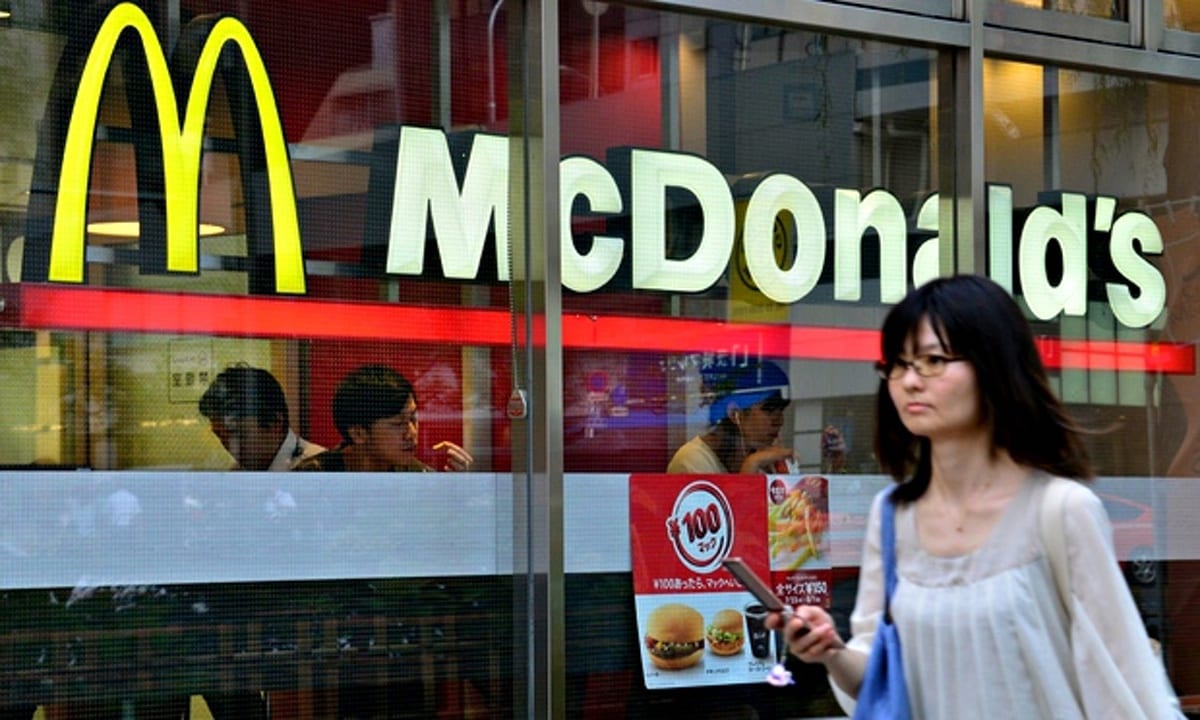
  • McDonald’s Japan arrests sales decline

    McDonald’s Japan arrests sales decline

    McDonald’s Japan has lost 29.2 billion yen in the first nine months of this year, roughly US$236.8 million.

    However, the beleaguered fast food business, which launched a Business Revitalisation Plan involving closing 131 stores in April, says it has arrested its sales decline.

    Same store sales in the third quarter of this year slid by four per cent – a fraction of the massive 32.3 per cent drop in its horror first quarter.

    In the first nine months of the current year, system wide sales have decreased by 70.1 billion yen (US$568 million) to 273.9 billion yen ($2.221 billion).

    While sales and profit have declined significantly, the company said the BRP is progressing “broadly in accordance with schedule, and the business is on the path to recovery”.

    On October 26, McDonald’s Japan launched ‘Otegoro Mac’, part of a “Shin Otegoro Sengen” initiative designed to provide better, more consistent every day value for money. The company says that has been well received by customers to date.

    “We will continue to focus on ensuring food quality while making additional progress on our modernisation plan, delivering customer visible points of change, accelerating business recovery, and achieving long-term growth.

    “We are committed to providing customers the best possible dining experience by delivering the highest possible level of quality, service and cleanliness, with an unwavering focus on

    building stronger relationships in local communities.”

    McDonald’s Japan’s new vision is of “becoming a modern burger restaurant that connects with our customers”.

  • Nike Japan reopens Kichijoji store

    Nike Japan reopens Kichijoji store

    A new Nike Japan running concept store adjacent to Inokashira Park is a hub for runners in suburban Tokyo.

    Located 20 minutes from Tokyo suburbs Shibuya and Shinjuku, Kichijoji is a suburb of well heeled consumers and home to Inokashira Park, opened in 1918 and now among the city’s top running destinations.

    Nike Japan reopens Kichijoji store 1

    The newly remodelled two story, 502 sqm Nike Kichijoji store blends Nike’s sport DNA with graphics from local artist Shun Sasaki, whose work pays respect to the area’s artistic traditions.

    “We are extremely excited that Nike Kichijoji is our first running experience store in Tokyo,” says Heidi O’Neill, VP, GM of Nike Stores.

    “At Nike, we love to run. We want this store to be an invitation for Tokyo to come run with us.”

    Nike Japan reopens Kichijoji store 2

    The store exterior features a slatted wood screen inspired by traditional Japanese woodcraft, with an embedded Just Do It message. Digital signage brings local tones and patterns to the interior.

    Nike Japan reopens Kichijoji store 3

    Nike Kichijoji also offers a variety of services, including Personal Run Clinics, where runners receive one-on-one coaching on an in-store; treadmill; Personal Styling Services; bra-fitting for Nike+ members; and NikeiD.

    Additionally, the store hosts Nike+ Run Clubs each week, leveraging the store’s new community hub, where runners can pick up trial shoes, refill water bottles, grab a towel and store their gear.

  • China forecast to lead APAC in online spending

    China forecast to lead APAC in online spending

    China will lead the Asia-Pacific region in online spending this holiday season with $150 billion in sales forecast, new research from Adobe Digital Index reveals.

    China’s booming economy has led to the highest anticipated online spend in the region (55 percent), with nearly half of the country’s consumers surveyed (49 percent) predicting an increase in their online spend for the period.

    The average Chinese Internet user is predicted to spend a total of $210 online during November and December, driving one-fifth of total online sales for the year.

    Adobe’s global Online Shopping Prediction is based on an analysis of 55 million product SKUs and aggregated and anonymous data of more than one trillion retail websites over the last seven years. The holiday season represents 20 percent of worldwide online spending – with Austria and the US at the top of the list.

    Across the rest of APAC, consumer spend is expected to remain steady year-on-year with 14 percent and 16 percent of Australians and Singaporeans respectively, anticipating they will increase their total spend this holiday season.

    Japan is expected to see the second highest online spend in the region with $37 billion in online sales (a 5 percent year-on-year growth) predicted, followed by Australia at $7 billion.

    The survey found that consumers in APAC are not only shopping online more, they are also becoming increasingly efficient, with 20 percent or more in each country surveyed saying they expect to spend less time holiday shopping this year compared to last – a saving that could give them more time to spend with their families and friends.

    “Holiday shopping is a huge investment and consumers get more sophisticated every year with their online and mobile shopping in order to secure the most popular gifts at the best prices,” said Tamara Gaffney, principal research analyst, Adobe Digital Index.

    Meanwhile, Gaffney said Southeast Asia is expected to lead the charge in mobile shopping with 21 percent of e-commerce purchases to be transacted via smartphones and around 10 percent via tablets.

    Japanese shoppers won’t be too far behind, with 24 percent of e-commerce purchases predicted to be made via smartphones and 6% via tablets.

    Consumers are also finding online shopping less stressful than heading to the stores. In Australia, almost one-in-five (19 percent) consumers rated offline shopping as extremely stressful, compared to only 6 percent who said the same about online shopping. China is the only country in the region where online and offline shopping are seen as equally stressful.

  • Yue Yuen sales rise on retail rollout

    Yue Yuen sales rise on retail rollout

    The world’s largest branded athletic and casual footwear manufacturer and retailer Yue Yuen Industrial says retail and wholesale sales of sportswear in Greater China rose 19.6 per cent in the first nine months of this year, due to an expanding store network.

    Yue Yuen operates more than 6000 retail stores and concessions across Greater China under its own name as well as the international brands it manufactures for.

    Total sportswear sales reached US$1.7 billion compared to US$1.456 billion in the same period last year. Other factors in the growth were the company’s efforts to increase efficiency and a better merchandise selection.

    Sales of athletic shoes were up by 3.4 per cent and sales of casual shoes were down by 5.6 per cent. The total volume of shoes sold increased by just 1.1 per cent to 231.4 million pairs for the period.

    Hong Kong listed Yue Yuen designs and makes shoes for brands including Nike, Crocs, Adidas, Reebok, Asics, New Balance, Puma, Timberland and Rockport as well as operating its own network of retail stores under the YY Sports brand, through subsidiary Pou Shen.

    The increased athletic shoes and sportswear sales helped boost Yue Yuen’s overall revenue by 5.8 per cent to US$6.3 billion and gross profit by 9.1 per cent to $1.422 billion. Total net profit attributable to owners of the company was $285.6 million, up 36.6 per cent year on year, according to figures filed with the stock exchange.

    Pou Shen, which opened 771 new points of sale during the nine months, increased its gross profit by 32.5 per cent to $566.5 million due to management’s strategy to concentrate on the retail business, improved operating efficiency, and better procurement of inventory.

    YY Sport instore wide

  • 1,100 Japanese tourists visiting Indonesia

    1,100 Japanese tourists visiting Indonesia

    As many as 1,100 Japanese visitors, including businessmen, parliamentarians and government officials, have just arrived in Jakarta, as an evidence of cooperation on the visa-free policy between Indonesia and Japan.

    The Japanese tourists are being led by the chairman of the Indonesia-Japan Parliamentary League, Toshihiro Nikai, Foreign Affairs Minister Retno LP Marsudi told ANTARA News here.

    According to the minister, President Joko Widodo (Jokowi) was scheduled to have a get together with these 1,100 Japanese tourists at a reception in Jakarta on Monday evening. The visit is aimed at increasing the people exchange programs between the two countries.

    Indonesia has issued a policy which offers visa free facility to people in 75 countries for a short term visit to Indonesia.

    Under the new policy, Indonesia offers a visa free facility for short term visits to those from South Africa, Algeria, the United States, Angola, Argentina, Austria, Azerbaijan, Bahrain, the Netherlands, Belarus, Belgium, Bulgaria, Czech Republic, Denmark, Dominica, Estonia, Fiji, Finland, Ghana, Hungary, India, Britain, Ireland, Island, Italy, Japan, and Germany.

    Also, Canada, Kazakhstan, Kyrgyzstan Croatia, South Korea, Kuwait, Latvia, Lebanon, Liechtenstein, Lithuania, Luxembourg, the Maldives, Malta, Mexico, Egypt, Monaco, Norway, Oman, Panama, Papua New Guinea, France, Poland, Portugal, Qatar, China, Romania, Russia, San Marino, Saudi Arabia, New Zealand, Seychelles, Cyprus, Slovakia, Slovenia, Spain, Suriname, Sweden, Switzerland, Taiwan, Tanzania, Timor Leste, Tunisia, Turkey, United Arab Emirates, Vatican, Venezuela, Jordan, and Greece.

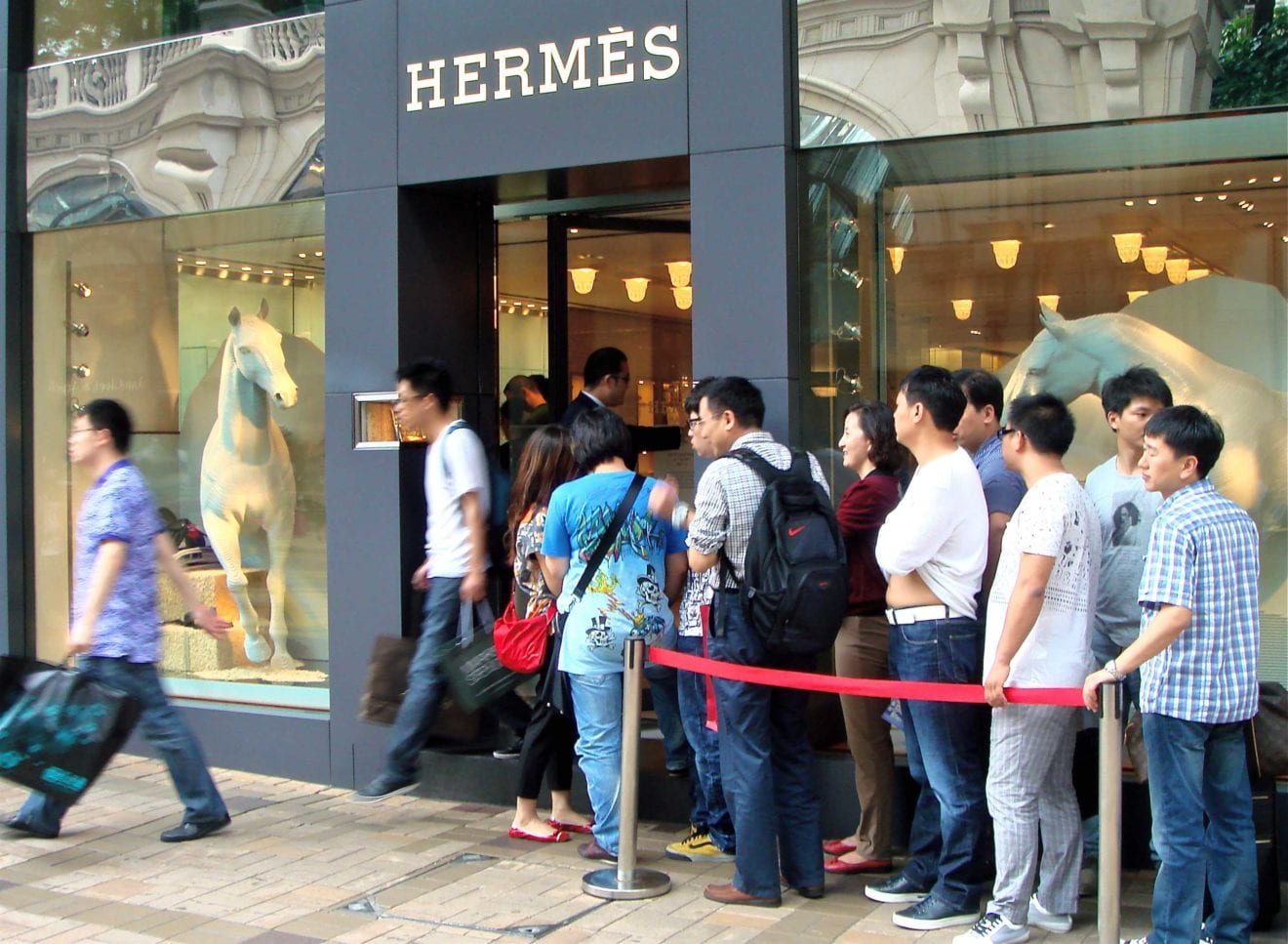
  • Hermes Asia sales rise despite downturn

    Hermes Asia sales rise despite downturn

    French luxury label Hermes has managed to increase its sales in Asia despite the challenges in Hong Kong and the Mainland.

    The company says it achieved five per cent sales growth during the first nine months of this year in Asia excluding Japan – where sales rose a whopping 19 per cent.

    The Hermes Asia performance was due to the opening of the Maison Hermès in Shanghai in September 2014. Sales in the region improved “in spite of a difficult context in Hong Kong, Macao and to a lesser extent in continental China”.

    Globally, the brand posted sales growth of 19 per cent at current exchange rates and nine per cent at constant exchange rates, consolidated revenue reaching €3.443 billion.

    The brand’s leather goods and saddlery products grew the most – up 12 per cent – sustained by the increase in production capacities at two new sites in Isere and Charente.

    Dynamic sales in ready-to-wear and accessories –  up nine per cent – stem mainly from the success of fashion accessories and the latest ready-to-wear collections.

    The silk and textiles division grew by three per cent, despite challenges in China, and the perfume division rose six per cent.

    Watch sales fell two per cent, largely due to the category’s decline in Asia, excluding Japan.

    Gold jewellery sales helped its ‘other’ category to achieve 12 per cent growth.

    Hermes says despite the economic, geopolitical and monetary uncertainties around the world, the group is sticking with its medium-term goal for 2015: revenue growth at constant exchange rates of eight per cent.

  • Duty-free industry in crisis of stagnation

    Duty-free industry in crisis of stagnation

    Thousands of jobs are under threat in the wake of the Korea Customs Service’s shock decisions last Saturday in awarding duty-free licenses in Seoul.

    Two major players had their licenses revoked. Lotte Group plans to close its World Tower branch in Jamsil, southern Seoul, that posted 500 billion won ($430 million) revenue last year, and SK Networks’ Walkerhill duty-free shop is being forced to cease operations after 23 years.

    The selection process for duty-free outlets has been criticized as it mandates renewal every five years. Some observers feel this goes against the Park Geun-hye administration’s creative economy drive, which has a key premise of creating jobs by letting companies freely enter promising industries.A total of 2,200 workers are on the verge of losing their jobs at the two operators.

    Regardless of the commitments, a sense of insecurity lingers among new and old duty-free store operators because of the uncertainty over duty-free license renewals in five years.Other affiliates under the Lotte Group umbrella have guaranteed that they will hire workers from the duty-free stores, and new operators – Doosan, Shinsegae and Hanwha (selected in the summer) – have promised to absorb those from SK.

    Han Gyeong-ran, 49, has worked at Lotte’s World Tower branch for 17 years. She is a sales manager at a small-size jewelry brand inside the outlet, but now that the entire store is shutting down in six months, she will lose her job because the jewelry brand is housed at the Jamsil outlet and not the Sogong branch, which will remain intact.

    “I am just at a loss, not knowing what to do to provide for my old age,” she said.

    “I don’t know how you could say getting rid of a company that has invested 300 billion won for a single duty-free outlet and depriving those employees of jobs is what the government describes as job creation.”

    Last year, when Lotte lost its duty-free license at Gimhae International Airport in Busan to Shinsegae and shut down the store, only half of the 390 Lotte employees were transferred to Shinsegae.

    “There are many lawmakers who have remained silent over the verdict this time on the duty-free shop licenses for fear of being mistaken as defending those companies that failed,” said Lee Hahn-koo, a lawmaker with the ruling Saenuri Party. “After proclaiming it would produce more jobs, the government is actually doing the opposite, which is preposterous.”

    Before the Park government introduced a new system in 2013 that put each license up for open competition every five years prior to expiry, renewal for downtown duty-free shops was a semi-automatic, rubber-stamping process for 10 years at a time.

    Martin Moodie, chairman of the Moodie Report, a U.K.-based online publication devoted to the global travel retail and duty-free sector, told some Korean media outlets in 2013 that weakening duty-free shops in their home market “seems a misguided and short-sighted step.”

    “The five-year deal is a disaster and will kill what little quality there is. The margin pressure on brands will get far worse, too,” a senior executive for one of the world’s leading luxury brands was quoted as saying by the Moodie Report on Sunday.

    He added that some leading brands may opt in the future to position themselves in Korean domestic stores with permanent high-quality environments rather than facing a potential change in duty-free retail partners every five years, given there is “no difference between Korean duty-free and tax-refund pricing [depending on foreign exchange rates].”

    Companies that had their license renewed or newly issued may not have time to celebrate as stumbling blocks lie ahead.

    A group of lawmakers led by Rep. Hong Jong-haak from the main opposition New Politics Alliance for Democracy has proposed a revision of a bill that will force duty-free store operators to pay 100 times the licensing commission they are paying now – from 0.05 percent of annual revenue to 5 percent.

    That means the Sogong branch of Lotte Duty Free will have to pay 10 billion won in commission to the Korea Customs Service each year after the revision, when it currently pays 1 billion, or 0.05 percent of the 2 trillion won annual revenue.

    If approved, the move will inevitably force duty-free shops to hike the prices of goods, which will lead to Korea becoming less attractive to tourists, particularly big-spending Chinese, and shrinking tourism to Korea.

    The Korean government’s process goes against systems in Europe and neighboring countries such as China, Japan and Taiwan, which have been ramping up their duty-free industry as its golden goose that draws huge foreign currencies.

    The Korean duty-free business has grown exceptionally in the last five years. Earnings from duty-free have exceeded that of China and the United States and held the No.1 spot since 2012. According to a survey by the Korea Tourism Organization, the biggest reason foreigners visit Korea was to shop. In fact, 72 percent of the poll picked shopping. As a result, the Korean duty-free business raised $7.78 billion last year.

    But a change in duty-free licensing regulations will force companies to become very cautious in their investment strategies and wary of business expansion.

    Lotte was not alone in heavily investing in expanding its duty-free business. Walkerhill recently invested 100 billion won in doubling the size of its duty-free stores. It was scheduled to open up next month.

    The licensing regulation is also likely to affect future plans, even for newcomers such as Doosan.

    “It takes a huge amount of investment when starting a duty-free business, and it takes a minimum of 10 years before it settles,” said Choi Young-soo, former chairman of the Korea Duty Free Association and former vice president of Lotte Hotel in charge of the duty-free business. “If you have to get government approval every five years, who would invest a large amount and even hire regular employees?

    “When doing business whose main customers are foreigners, whether a company monopolizes is meaningless. If we continue with such a policy, we will loose the Chinese tourists to the Japanese.”

    Han Enny, CEO of Enny Trading Corporation, which supplies cosmetics to duty-free stores including Lotte and Walkerhill, was frustrated at the recent licensing decision.

    “We have products shipping in that we plan on supplying to the duty-free stores next spring, but it seems we would have to cancel those orders,” Han said. “We have built our credibility for years just to get a contract with foreign companies, but it seems it’s all going to crumble.

    “Luxury companies’ products that have high demand from Chinese consumers make trade relations based on long-term trust, but if this continues, they wouldn’t be interested in opening up stores in Korean duty-free stores.”

    Other countries have been taking the opposite direction in their strategies as they have realized how lucrative duty-free businesses can be.

    Swiss duty-free retailer Dufry was ranked No. 2 in the world in 2013. But it recently became the biggest in the industry, bumping off previous No. 1 DFS, after buying another Swiss duty-free retailer that was ranked the world’s No. 7, Nuance Group, last year and adding Italy’s World Duty Free in August. LS Travel Retail, the French duty-free retailer and world’s No. 4, expanded further when it bought North American duty-free business Paradises in August.

    As of last year, the world’s top four duty-free companies accounted for 25 percent of the duty-free market, a sharp increase from the 16 percent in 2010.

    “The duty-free business in a core pillar in a country’s tourism industry development,” said Kim Seung-wook, a economics professor at Chung-Ang University. “The customs service agency needs to focus on lowering the entry level of duty-free stores and think more on ways to help foreign tourists open up their wallets, rather than focusing on regulations.”