Tag: Japan

  • France Says Japanese Tyremaker Bridgestone To Shut Bethune Plant

    France Says Japanese Tyremaker Bridgestone To Shut Bethune Plant

    Japanese tyremaker Bridgestone has decided to “close the door” on its Bethune plant in northern France, Junior Economy Minister Agnes said on Thursday.

    Bridgestone said in September it wanted to close the factory in the face of low demand for its main product, low-profile tyres.

    The government will, however, fight to ensure it remains an industrial site and will work on possible new offers for the site, Pannier-Runacher said after meeting Bridgestone and plant representatives in Bethune.

    “Bridgestone leaves the Bethune site. We’ll be there alongside the employees to find the best possible solutions”, Pannier-Runacher told reporters, adding that the tyremaker did not want to invest in the plant due to overcapacity.

    With 863 employees, the factory has a daily production capacity of about 17,000 tyres.

  • Japanese supermarket Meidi-Ya opening flagship in Singapore

    Japanese supermarket Meidi-Ya opening flagship in Singapore

    Japanese supermarket Meidi-ya will be opening its second outlet at Millenia Walk on November 25, 2020, with a grand opening on November 28, 2020.

    The two-story flagship outlet spans 24,000 square feet. The first floor will comprise a bakery and food hall. The Japanese supermarket will be located on the second floor.

    Meidi-ya at Millenia Walk also has a wine and liquor store which is already open to the public. It boasts 700 kinds of liquor from various countries. Its sake selection alone has 270 types, including Dassai sake imported from Yamaguchi.

    There are several notable features in this Meidi-ya outlet. It will have a Japanese Cafe and Bar on the first floor which seats 88. It serves popular Japanese dishes and beverages.

    The Hokkaido Dosanko Plaza will feature products like snacks, ice cream, and bento sets imported from Hokkaido. These products come with the label Dosanko to signify that they originate from Hokkaido.

    This is what the Hokkaido Dosanko Plaza at the Great World City outlet looks like.

    The Gokoku Japanese Bakery hails from Kobe. This will be its third outlet in Singapore — the other two being in Great World City and Jurong Point.

    The bakery offers rather hearty bread with a Japanese twist like Potato Mentaiko, Peanut Shio Butter Pan, Matcha Cream Pan, and Malt Kurumi Bun.

    Meidi-ya at Millenia Walk will also have a Food Hall which offers a variety of authentic Japanese food both cooked and raw (sashimi). The sashimi in particular are directly brought in by Nakajima Suisan, Japan’s largest fish supplier.

    Meidi-ya at Millenia Walk is located at 9 Raffles Boulevard, Millenia Walk #01-65, #01-51 to 56, #02-26 to 36. It opens daily from 10am – 10pm.

  • Suzuki Expects Annual Profit To Shrink By A Quarter As India Sales Slump

    Suzuki Expects Annual Profit To Shrink By A Quarter As India Sales Slump

    Suzuki Motor Corp on Thursday forecast operating profit to fall by a quarter to 160 billion yen ($1.5 billion) in the year to March as sales, including in its key Indian market, shrink amid the coronavirus pandemic. That prediction was more than an average estimate for a 124.3 billion yen compiled from 14 analysts polled by Refinitiv.

    Suzuki’s Indian car sales in the first half of the year fell 36% to 432,000 vehicles, and dipped in other markets, including Japan, Indonesia and Europe as people stay away from dealerships.

    “We don’t know what will happen with the coronavirus in India or what measures the government will implement, so that makes the market difficult to predict,” Suzuki’s president, Toshihiro Suzuki said in a conference call.

    India accounts for just over half of Suzuki’s global car sales. Through its majority stake in Maruti Suzuki India Ltd, the company accounts for roughly one in every two cars sold in the country.

    Last business year, Maruti Suzuki paid Suzuki 38.2 billion rupees in royalties, or about 5% of its revenue, according to its annual report

    For the full business year, the Japanese automaker expects to sell 2.38 million cars worldwide, 16.6% fewer than the previous twelve months.

    The forecast came as Suzuki posted a 73.6 billion yen operating profit in the three months ended Sept. 30 compared with a profit of 55.9 billion yen a year earlier, according to Reuters’ calculations.

    Japan’s fourth-largest automaker had declined to give a full-year forecast when it reported it first-quarter results.

  • Japanese Eyewear Brand Owndays expands India presence

    Japanese Eyewear Brand Owndays expands India presence

    Japanese eyewear brand OWNDAYS, one of the largest players in the fashion eyewear space, is now expanding its India footprint. The company announced the launch of a new store at Inorbit mall, Mumbai, others being in Kolkata, Chennai, Hyderabad, Bengaluru, and Chandigarh.

    Currently, the company has a global presence of 350 stores spread across 12 countries including Japan, Singapore, Taiwan, Hong Kong, Australia, Thailand, Philippines, Malaysia, Vietnam, Indonesia, and Cambodia. OWNDAYS’ India presence is in collaboration with GKB Opticals, which is a big name to reckon with in Indian Eyewear Industry already.

    Owndays will offer a range of around 1,500 styles from basic to functional, stylish, and fashionable eyewear for men and women starting at Rs. 2,990. With 24 brands under the parent company, Owndays offers eyewear for children, young adults, millennials, and the elderly.

    Established in Tokyo, Japan in 1989, Owndays Co., Ltd has redefined the world of optics by following Simple Pricing, Quick Servicing, and Value. With more than 1,500 designs of frames ranging from basic and functional, to stylish and fashion-forward.

    Owndays outlets have a list of a unique set of pointers to grab your interest:

    • State of the art Japanese eye testing equipment, that helps complete the process in almost half the time the regular testing process takes.
    • The company has a unique 20-minute process feature with over 2,000 lenses stocked in the store which allow glasses to be processed within 20 minutes after the eye check.
    • Pricing is simple and uncomplicated with price of best suitable lenses (minus customised ones) included with the frame

    Speaking on the launch Sanjay Malhotra Business Head – India, Owndays said, “We are thrilled to be opening yet another outlet in India as the demand for quality eyewear at affordable price is increasing considerably and our product has been loved by Indian customer’s youth and matured alike. The fact that we are even opening during the Covid environment shows that we are bullish about Indian market as we have been received exceptionally well in the country”.

    OWNDAYS Outlets in India:

    BANGALORE: Indiranagar & Phoneix Marketcity Mall

    CHENNAI: Palladium Mall

    HYDERABAD: Sarath City Capital Mall

    KOLKATA: South City Mall

    CHANDIGARH: Elante Mall


  • Tokyu department store leaves Thailand

    Tokyu department store leaves Thailand

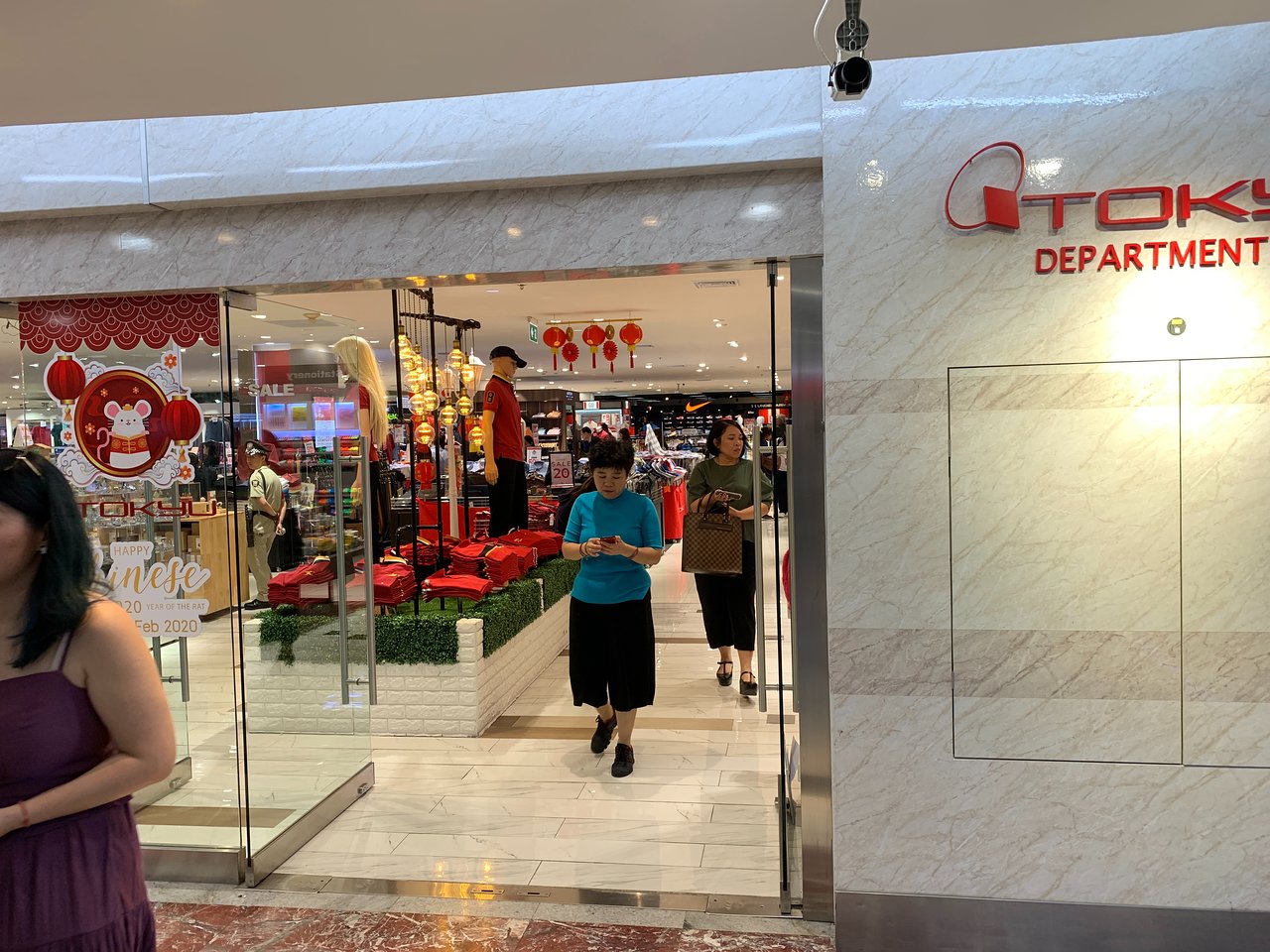
    Japanese department-store chain Tokyu is to exit Thailand, the third Japanese retailer to withdraw from the country this year.

    Tokyu aims to close its last store at Bangkok’s MBK shopping center next January, ending 35 years of trading in the city. The retailer closed its second, newer store at Paradise Park last year.

    The department store has been struggling in the shopping center competition due to the launch of a series of new developments in Bangkok. However, the tourism depression resulting from Covid-19 proved a fatal blow to the company, forcing it to retreat home.

    The closure came suddenly, with the management of MBK saying just two weeks ago that the store would undergo a renovation after the lease agreement was extended for another nine years.

    Tokyu’s withdrawal follows the departure of Japan’s upmarket department store Isetan in September. That company pulled out of Thailand after 28 years of trading there, saying it was unable to continue to compete with other retailers.

    With Tokyu leaving Thailand, Takashimaya will become the only Japanese department-store chain left in the country.

    Another Japanese retailer, FamilyMart effectively withdrew this year after selling its stake to local partner Central Retail, effectively becoming a franchisor.

  • DBS Mulls Crypto Exchange Launch

    DBS Mulls Crypto Exchange Launch

    DBS’ plans for a digital exchange are still work in process, and have not received regulatory approvals. Until such time as approvals are in place, no further announcements will be made. DBS is planning to launch a crypto exchange that will allow four digital currencies – Bitcoin, Bitcoin Cash, Etheerum, and Ripple – to trade against the Singapore dollar, Hong Kong dollar, Japanese yen or U.S. dollar, according to a report by digital asset media firm The Block. 

    Dubbed DBS Digital Exchange, the initiative was first unveiled through a website seen by The Block which cached the now removed website.

    Regulated by the Monetary Authority of Singapore, the crypt exchange will be made accessible to institutional investors, including financial institutions and market makers. Retail investors will have access via DBS entities like their securities or private banking arm.

    While most exchanges can execute orders at any time and any day, DBS will similarly follow the same trading hours as stock exchanges, allowing for less than seven hours per day, according to the report.

    In addition to standard trading, the bank will also provide institutional-grade custody solutions for safekeeping digital assets and, in due time, conduct security token offerings to help small and medium-sized firms raise funds.

    Digital assets are poised to be the future of tomorrow’s digital economy, the website originally read.

    With DBS Digital Exchange, a bank-backed digital exchange, companies, and investors can now leverage an integrated ecosystem of solutions to tap the vast potential of private markets and digital currencies.

  • China’s Miniso makes it’s Parisian debut

    China’s Miniso makes it’s Parisian debut

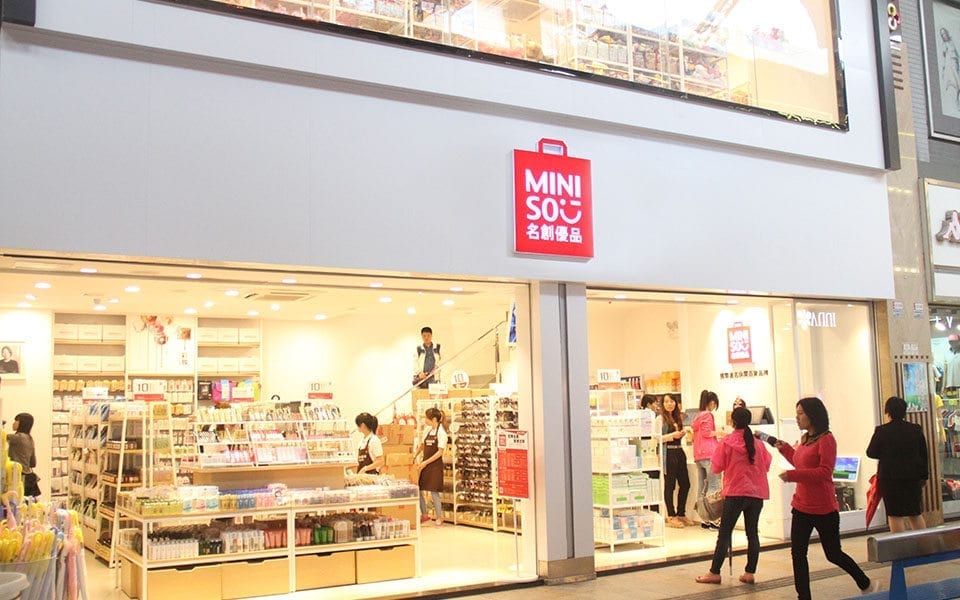
    MINISO, the Japanese-inspired lifestyle product retailer, opened its inaugural outlet in Paris today. The first store to open in Europe since the company’s successful listing on the New York Stock Exchange earlier this month, it signals continued global expansion for the brand as retail rebounds in Europe.

    Two more store openings are planned in France for this year, and MINISO aims to open additional locations in 2021. The retailer offers around 2,000 creative and low-priced goods ranging from creative home necessities, health and beauty products, fashion accessories and stylish gifts to office supplies, boutique package decorations, digital accessories, as well as food and seasonal products.

    Luxury bargains for fashion-forward consumers

    Shoppers in the chic District 8 now have the choice to purchase sleek goods without worrying about the price tag. Located on 58 Rue de la Chaussée-d’Antin, MINISO’s new store is within walking distance of Paris’ luxury stores, and offers more than 80% of its well-designed, quality products priced at under 10 euros.

    Before officially bringing its international aesthetic to the global fashion capital, MINISO first caught Parisians’ attention by debuting 40 original products at the Manson & Objet Fair last September. Almost exactly one year later, the brand was introduced to the French market by seasoned retail businessman Jonathan Siboni, the President of Luxurynsight.

    “Following much anticipation, I am thrilled to bring MINISO to French consumers. MINISO was a love-at-first-sight story for me at the Maison & Objet Fair last year,” said Siboni. “From the start, Ye Guofu’s vision has been generous and consistent, with an accent on customer experience. We have solid evidence that only being a visionary in retail can lead to also becoming a giant in digital. I was set on bringing this popular brand to the French market the moment I saw their stylish yet affordable products together with their advanced store management, and even more so determined after visiting dozens of MINISO stories throughout Europe.”

    MINISO, too, shares that excitement and eagerly looks forward to bringing its successful brand to France.

    “For MINISO, the French market is one of the most important and influential markets in Europe and across the world. Through our close collaboration with Mr Siboni and his team, we plan to open two other stores in Paris by the end of this year, said Edward Zhu, MINISO regional director. “We are confident that French consumers will increasingly fall in love with the thousands of affordable, quality products that MINISO has to offer.

    International design influence

    In 2018, the company established the MINISO Design Academy (MDA) in order to create more high-quality products that skillfully blend creativity and practicality. As of this June 30, the MDA has teamed up with 25 external partners and 49 brilliant designers from Finland, Denmark, Norway, Spain and South Korea. Their work has won 28 renowned international design awards such as the iF, Red Dot and ‘K Design’. The company is also continuously searching for and cultivating young designers with its MINISO Design Day, participating in art fairs and holding design competitions.

    MINISO opened its first store in Guangzhou, China, in 2013. Following seven years of rapid growth, MINISO has now opened more than 4,200 stores in over 80 countries and regions, including the US, UK, Canada, Australia, Spain, UAE, India, and Mexico. Earlier this month, MINISO listed on the NYSE, becoming the fastest budget chain to go public.

  • Japan’s Tsutaya Books opens first China outlet

    Japan’s Tsutaya Books opens first China outlet

    Famed Japanese franchise Tsutaya Bookstore said at the ongoing Shanghai Book Fair that its first branch in the city is scheduled to open in December.

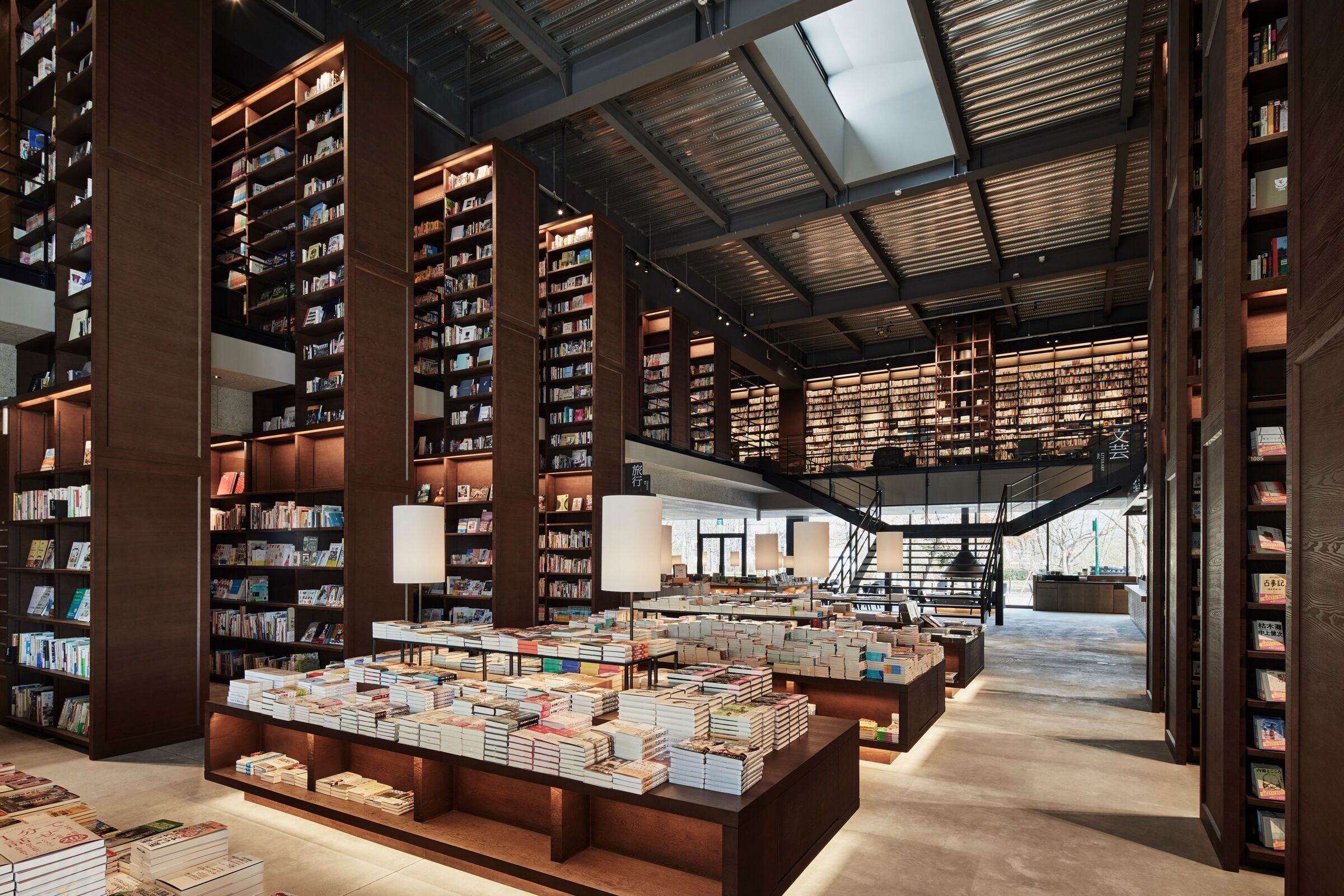
    The bookstore chain has joined hands with major Chinese property developer Vanke to build an artistic outlet in the Changning District of Shanghai, which will be on a par with its famous branch in the Ginza Six shopping center and its flagship store in Daikanyama in Tokyo.

    Takuya Nomura, general manager of Tsutaya Investment (Shanghai) Co., Ltd., said Tsutaya’s new store will be located in the Columbia Circle, a redeveloped culture park with preserved, old mansion-compound and industrial buildings, widely known for the Columbia Country Club in the 1920s.

    The new two-story bookstore will cover an area of 2,000 square meters and provide a large collection of selected books and limited commodities, as well as rich experiential activities, according to Tsutaya.

    The book retailer, an affiliate of the Tokyo-based culture and entertainment service group Culture Convenience Club Co., ran about 1,198 outlets around the world.

    The new Shanghai outlet is aimed at providing Chinese readers with more lifestyle choices and enhancing the public’s perception of beauty, said Shohei Matsuo, producer of the new store, who also noted that more clerks will be recruited in China.

  • Japan’s first gourmet restaurant delivery app lifts off

    Japan’s first gourmet restaurant delivery app lifts off

    Starting today, Tokyo foodies will no longer have to compromise when they order food for delivery. Japan’s first gourmet restaurant delivery app, Food-e, launches today in central Tokyo. With a curated collection of Tokyo’s best restaurants, exclusively available on Food-e, such as Nobu Tokyo, Elio Locanda, Oak Door, Shunbou and Chinaroom, consumers and companies can order great food, professionally delivered to their homes, offices or other locations of their choice.

    Users can access the app at www.food-e.jp from a browser on their smartphones, tablets or PCs and make their selections from menus of mouth-watering professional photos. The food will be delivered in high-quality packaging, with hot and cold items separated to control temperature. Food-e’s drivers are uniformed and insured, full-time professionals, expert in Tokyo’s roads, who will delicately handle the food to your door. Food-e is also the first delivery app offering bilingual customer service to both restaurants and users.

    For restaurants owners, Food-e has changed the traditional business model of delivery apps by charging users a fair fee for delivery and significantly lowering the commissions paid by restaurants. This allows restaurants to make a fair profit on delivery orders while gaining new customers for in-store dining.

    For users, Food-e offers a choice of great restaurants, most of which have never been available for delivery before, at prices generally the same as in-store dining. All of Food-e’s restaurants are not available on any other delivery app.

    Initially, Food-e’s delivery area is a 5km radius from Nishi Azabu, which includes parts of Minato, Chuo, Chiyoda, Shibuya, Meguro and Shinjuku wards. In the near future, Food-e will expand to other parts of Tokyo and eventually to other major cities in Japan.

    Following the official launch today, Food-e will regularly add new restaurants, offering users high quality and an increasing variety of cuisines.

  • Flipper’s pancake chain opening in Singapore

    Flipper’s pancake chain opening in Singapore

    Traveling to Japan for Flipper’s famous souffle pancakes isn’t an option right now but foodies can just head down to Orchard Road for their fluffy fix really soon.

    Flipper’s first outlet in Singapore will be opening at Takashimaya Shopping Centre in Ngee Ann City in November. It also has outlets in Seoul, Taiwan, Hong Kong, and New York.

    Best known for its “miracle” (or “kiseki” in Japanese) souffle pancakes that’s super soft you’ll need to use two forks to tackle it, the Japanese chain was founded in 2014 in Tokyo.

    Its Singapore outlet will be offering savory and sweet options – you’ll have a choice of having fruits with it or something more hardcore such as salmon, eggs, and bacon.

  • Amazon duplicates Transparency program to Japan and Australia

    Amazon duplicates Transparency program to Japan and Australia

    Amazon announced the expansion of Transparency to two new countries – Japan and Australia – making it available in 10 countries where Amazon has a store. Amazon Transparency is also celebrating a milestone of enrolling over 10,000 brands into the program. Transparency, launched in 2018, is a product serialization service that builds on Amazon’s long-standing work and innovative solutions focused on ensuring that customers always receive authentic goods when shopping in Amazon’s stores.

    “Transparency has allowed us to grow consumer confidence in our products and prevent inauthentic products from ending up in the hands of our customers.”

    “Transparency is a powerful technology-driven solution that gives brands the ability to uniquely identify every product unit they manufacture and allows Amazon to use this to prevent counterfeits from reaching customers,” said Dharmesh Mehta, Vice President of Worldwide Customer Trust and Partner Support.

    Transparency allows brands to uniquely identify each unit they produce through the application of unique codes on the product or its packaging. These codes allow Amazon to inspect and authenticate every unit enrolled in Transparency proactively, detecting and stopping counterfeits before they ever reach customers. Additionally, customers can use a mobile app to scan the code and verify authenticity regardless of where they purchased the brand’s products. Over 10,000 brands – from Fortune 500 companies and global brands, to startups and small businesses in countries around the world including LG Electronics USA, Spectrum Brands, Cards Against Humanity LLC, Neato, Petrichor, Skullcandy, Salom, Nomader, and Naples Naturals – have already enrolled in Transparency. Across these brands, Transparency has prevented the shipment of over 500K suspected counterfeits in Amazon’s stores.

    LG Electronics USA, a leading innovator in home appliances, said “LG sees Transparency as a great way to ensure that consumers use genuine LG filters while protecting them from counterfeit products.”

    Spectrum Brands, a Fortune 500 company that owns several pet care companies, said: “By having the Transparency seal on our products, we give consumers confidence that the products they are purchasing for their pets are authentic, effective and formulated as labeled.”

    Cards Against Humanity LLC, said: “With Transparency, we’re now more confident than ever that our customers are receiving legitimate products — which is a win for us and for customers.”

    Neato, a maker of robotic vacuum cleaners, said: “Transparency has allowed us to grow consumer confidence in our products and prevent inauthentic products from ending up in the hands of our customers.”

    Sumeet Raj Aggarwal, owner of the small business in India, Petrichor, said: “With Transparency, consumers can buy with confidence knowing that the products are authentic and high quality. This program grows confidence in our brand and prevents counterfeits from being delivered to consumers. It’s a win-win for brands and consumers.”

    In addition to Japan and Australia, Transparency is available in Canada, France, Germany, India, Italy, Spain, the United Kingdom, and the United States. To learn more about Transparency and how to enroll, visit: https://www.transparency.com/

    Transparency is one of many innovations that Amazon has introduced to partner with brands to ensure customers receive authentic products and to protect brands’ intellectual property.

    • Most recently, Amazon launched the Amazon Counterfeit Crime Unit (ACCU), a global team that will investigate and bring legal action against bad actors, protecting customers, brands, and Amazon’s selling partners. To learn more: https://press.aboutamazon.com/news-releases/news-release-details/amazon-establishes-counterfeit-crimes-unit-bring-counterfeiters
    • Amazon’s Project Zero, which empowers brands to drive counterfeits to zero. Project Zero uses automated protections to proactively and continuously scan more than 5 billion attempted product listing updates daily to look for suspicious listings, provides a self-service tool for brands with an unprecedented ability to directly remove listings from Amazon’s stores, and leverages product serialization as an optional service. To join the more than 10,000 enrolled brands, learn more at: https://www.projectzero.com.
    • Amazon IP Accelerator helps businesses more quickly obtain intellectual property (IP) rights and brand protection in Amazon’s stores. The program was designed specifically with small and medium businesses in mind and is available to entrepreneurs worldwide that are looking to secure intellectual property in the U.S. IP Accelerator connects entrepreneurs with US law firms with expertise in trademark applications. Entrepreneurs also benefit from pre-negotiated rates. To learn more: https://brandservices.amazon.com/ipaccelerator
    • Amazon Brand Registry, a free service that gives brand owners access to a powerful set of tools that help them deliver an accurate and trusted customer experience on Amazon while protecting a brand’s IP. More than 350,000 brands are enrolled. To enroll and learn more: https://brandservices.amazon.com/
  • Kenzo founder Kenzo Takada dies from virus

    Kenzo founder Kenzo Takada dies from virus

    Paris-based Japanese designer Kenzo Takada, famous for creating the international luxury fashion house Kenzo, died in Paris on Sunday due to Covid-19 related complications, a spokesperson for Takada’s luxury K-3 brand said in a statement sent to CNN. His death came in the midst of Paris Fashion Week, which, through a hybrid of physical and digital shows, has forged ahead despite rising Covid-19 cases in France.

    It is with immense sadness that the brand K-3 announces the loss of its celebrated artistic director, Kenzo Takada. The world-renowned designer passed away on October 4th, 2020 due to Covid-19 related complications at the age of 81 at the American Hospital, in Neuilly-sur-Seine, France,” the statement read.

    In 1970, Takada rocked Paris with the debut of his namesake fashion line. Sold out of his first boutique, called Jungle Jap, his designs were a chaotic mix of loud colors and mismatched prints inspired by his travels.

    The world’s varied cultures would be a constant source of creativity — and everything from folk dresses to kimonos would be boldly reinterpreted for his runways. “There was much more of a cultural gap when you were traveling from one country to the next,” he said in a 2019 interview, reminiscing about trips taken in the 1970s. “So that really drove me and gave me a lot of influence and inspiration to work on different things around my trips.”

    On Paris, Takada would speak of its lasting influence. “A French way of working with fashion definitely influenced me and much later I started to blend other cultures into that specific fashion,” he said.

    “Of course now, fashion is everywhere; in New York, Paris, Milan, London, Tokyo, everywhere. But I think Paris stays very important.”

    The designer inaugurated his flagship store in the city’s Place des Victoires by 1976, and over the next three decades, he racked up numerous accolades and accomplishments — including a slew of magazine covers, the launch of a perfume empire and, in 1993, his brand’s purchase by luxury conglomerate LVMH — before retiring to pursue other creative projects in 1999.

    “Kenzo Takada was incredibly creative; with a stroke of genius, he imagined a new artistic and colorful story combining East and West — his native Japan and his life in Paris,” Jonathan Bouchet Manheim, CEO of Takada’s K-3 brand, launched in January of this year, said in a statement.

    “I had the chance to work alongside him for many years, always in awe, admiring his curiosity and his open-mindedness. He seemed quiet and shy at first, but he was full of humor. He was generous and always knew how to look after the people close to his heart. He had a zest for life… Kenzo Takada was the epitome of the art of living,” he added.

  • AirAsia Japan may be closed down

    AirAsia Japan may be closed down

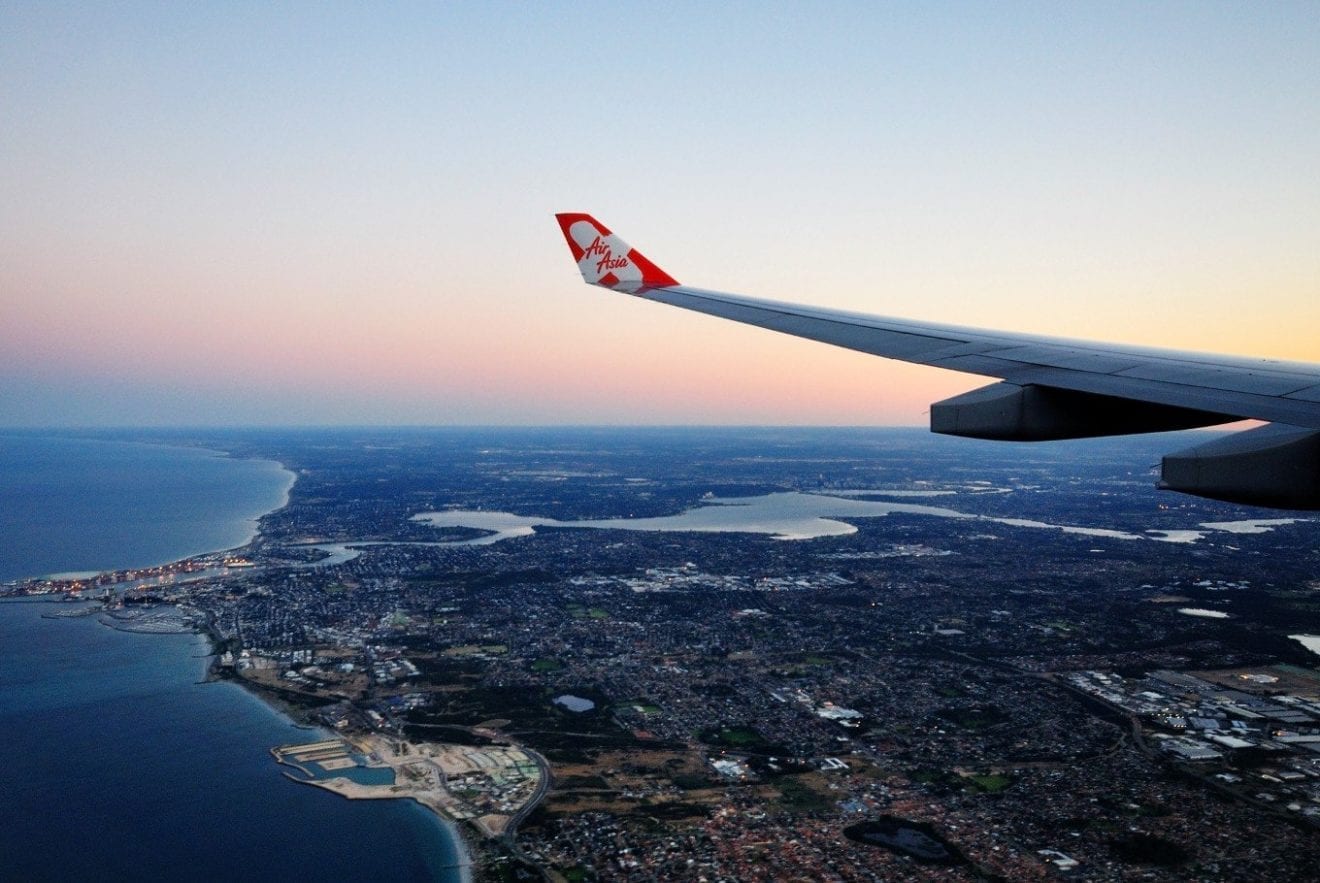
    Low-cost airline Air Asia is exploring all options over its dwindling operations in Japan, including closing it down.

    There have been reports that the group is planning to discontinue the operations of its affiliate, AirAsia Japan, due to the weak demand following the Covid-19 pandemic.

    Chief executive officer Tan Sri Tony Fernandes did not deny the reports. “We have to look at every option, including closing down the operation. We haven’t reached a decision yet, ” he said when asked to comment on the recent reports.

    On the termination of AirAsia’s flights from Malaysia to Japan, he said that was merely speculative and the board had not made a decision.

    Currently, he said, the airline is unable to fly to Japan due to the international border shutdown, and since its presence in Japan is relatively small, the board was currently evaluating possibilities, including the cessation of its flights there,

    Fernandes, who was speaking to reporters after the launch of the Redbeard Academy, said the academy was initially established in the belief that the digitalization of its airline operations may lead to many of its staff being left redundant.

    “We have to look at every option, including closing down the operation. We haven’t reached a decision yet, ” Fernandes said.

    “Hence, we have Redbeat Academy. But now, of course, we are in a position where the airline has to make retrenchments, and it’s unavoidable. Many of them, hopefully, will come here (Redbeat) and reskill themselves as well, ” he added.

    AirAsia Group’s digital arm, AirAsia Digital, has partnered with Google to launch Redbeat Academy as part of its continuous digital transformation journey.

    AirAsia Digital president Aireen Omar said admissions to the academy, which was previously open only to AirAsia’s staff, is now available to the public and businesses.

    The academy offers a series of tech workshops in areas such as Artificial Intelligence, Machine Learning, Software Engineering, Cybersecurity, Big Data and Infrastructure. Aireen said the course period ranged from two months to a year.

    “For those who have no technology background, they might have to go for a fundamental course, which takes about a couple of months or so, ” she told reporters at the launch.

    The academy was launched by Science, Technology and Innovation Minister, Khairy Jamaluddin.

    Also present were AirAsia Group executive chairman Datuk Kamarudin Meranun and Google Malaysia country head Marc Woo.

    Aireen said the tuition fee was affordable and the curriculum suited to market needs.

    “This is all based on our own experience on the kind of talent we need. The classes will be both online and physical; some classes need to be instructor-led because it’s too difficult to teach online, ” she said.

    During the event, Redbeat Academy also signed a partnership with Malaysian Industry-Government Group of High Technology to reskill a pool of talents in software engineering and high-tech projects.

    The academy also inked a partnership agreement with Universiti Teknologi Malaysia, Universiti Malaya and Asia School of Business, in collaboration with MIT Sloan Management, in awarding a micro-credential to Redbeat Academy’s courses and acknowledging it as part of the Accreditation of Prior Experiential Learning.
  • Trading in Tokyo Resumes Following Glitch

    Trading in Tokyo Resumes Following Glitch

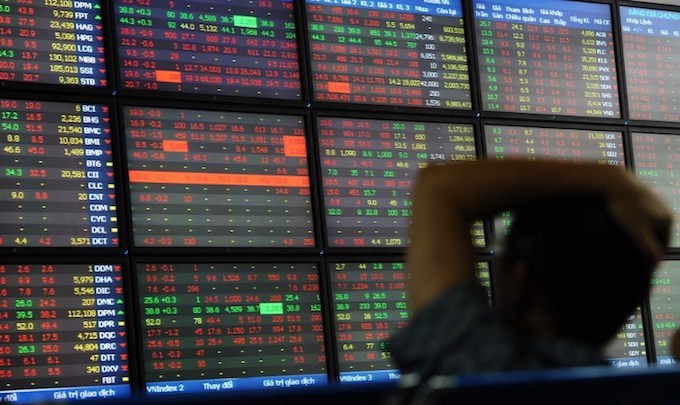
    The Tokyo Stock Exchange (TSE) has resumed regular operations on Friday after a technical outage that lasted all day Thursday.

    TSE is currently planning to replace the hardware and taking steps, including other maintenance, to ensure normal trading from tomorrow onwards, bourse operator Japan Exchange (JPX) said on Thursday evening.

    There was no indication that the exchange’s biggest glitch in a decade was caused by hacking or other cybersecurity breaches.

    JPX explained that Thursday’s outage was the result of a hardware failure. «The switchover from the failed device to the backup device did not work properly, and as a result, market information could not be distributed, JPX said.

    JPX has been on the receiving end of criticism over its crisis management and poor communication to investors regarding the outage.

    The matter has also raised questions over Japan’s digital systems and infrastructure, particularly as the country seeks to boost its status as an international financial hub.