Tag: Japan

  • Japan retail sales remain lacklustre last month

    Japan retail sales remain lacklustre last month

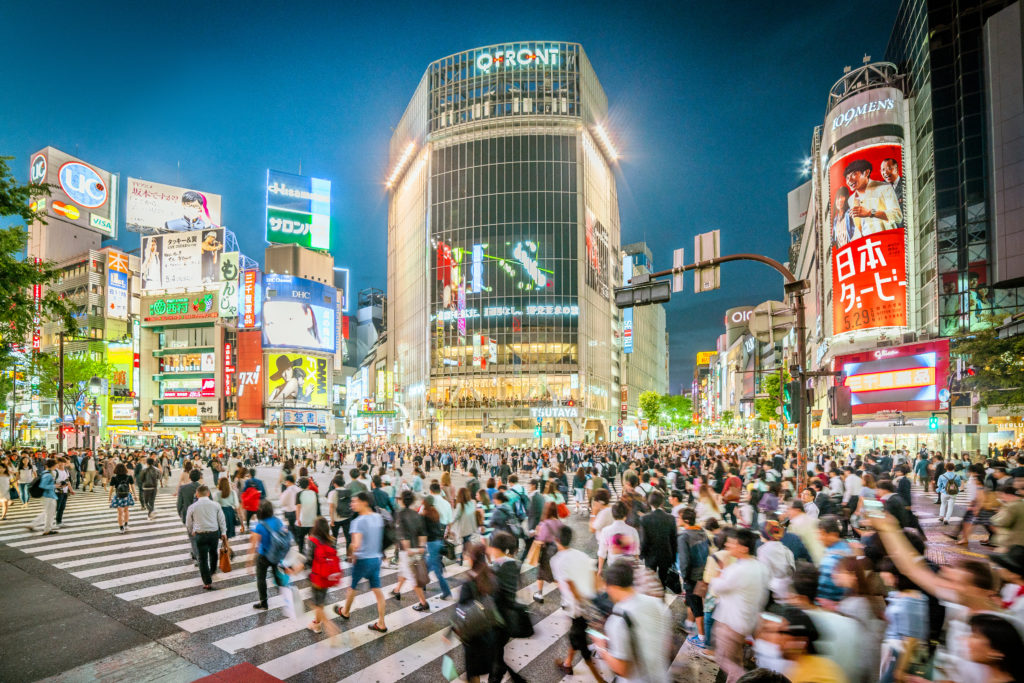
    Japan’s retail recovery continued to proceed slowly during August following the largest recorded single-quarter sales decline in the nation’s history.

    According to the country’s Cabinet Office, the national real gross domestic product for April to June fell by 28.1 percent year on year, performing worse than at the depths of the global financial crisis in 2009.

    WWD reported a poll of major retailers in the market, finding sales performance between the firms generally low. Uniqlo operator Fast Retailing was an exception, seeing a 29.8-pera-cent increase in same-store sales growth during August, with summer products selling fast in the midst of the current Japanese heatwave. About 90 Uniqlo stores are still operating below peak hours, however, two have been permanently shuttered and six remain closed due to the Coronavirus pandemic.

    In contrast, Isetan Mitsukoshi saw sales drop by 29.1 percent under last year’s results, especially hard hit at its Mitsukoshi store in an area traditionally popular with foreign travelers, where sales fell 47.8 percent. Takashimaya’s sales dropped 18.8 percent against August figures for last year across 13 department stores.

    “In addition to a drastic decline in tax-free sales, the effects of a heatwave and the continuing trend of people refraining from going out resulted in not being able to meet the sales levels of last year,” Takashimaya was quoted by WWD. “On the other hand, we did see the movement of items meant to make people’s time spent at home more comfortable, as well as of luxury brand goods.”

    Hankyu and Hanshin department store chains operator H2O Retailing saw a sales decline of 15 percent, with same-store sales down 26.9 percent. J. Front Retailing was hit with a sales drop of 29.4 percent year on year in August, commenting “Sales of volume fashions and food products in particular suffered”.
  • Don Don Donki lifting off in Taiwan

    Don Don Donki lifting off in Taiwan

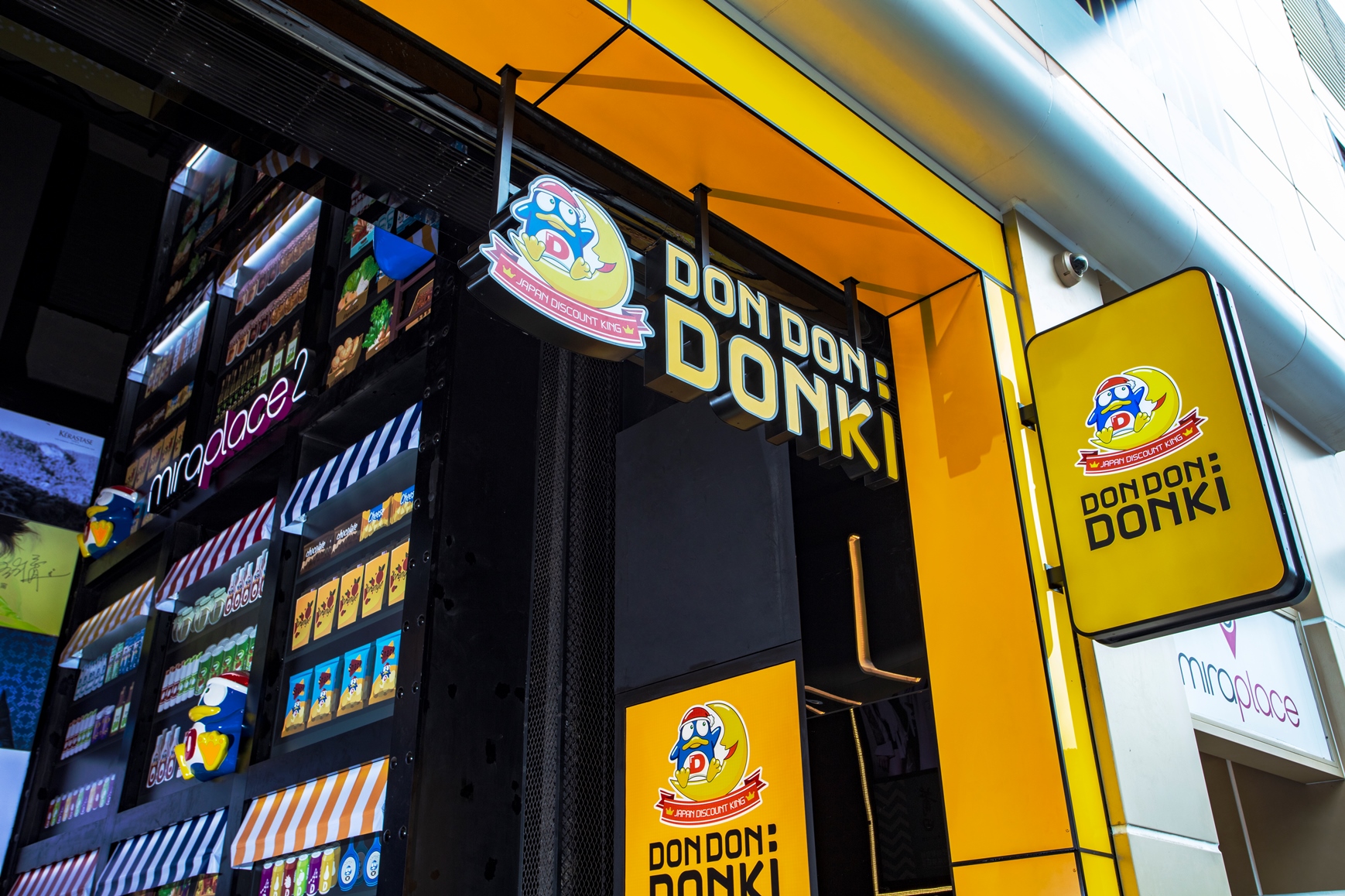
    Japanese discount retailer Don Don Donki is set to make its debut in Taipei. As yet, the company has not revealed any details regarding the location or opening date, however, various sources have confirmed the store will trade 24-seven in the popular shopping destination of Ximendeng.

    New of the company’s Taiwanese debut spread quickly after advertising was spotted to recruit around 400 employees.

    With over 160 branches in Japan, Hong Kong, Singapore, Thailand, and Hawaii, this will be Don Don Donki’s first venture in Taiwan.

    Don Don Donki is a favorite destination for Taiwanese visitors to Japan. The discounter had previously launched a free international shipping promotion on its e-commerce platform last year, proving the brand’s appeal to Taiwanese fans.

    Meanwhile, Don Don Donki’s fifth Hong Kong outlet of the year is expected to open in Central next month in October. Its owner, Japanese group Pan Pacific, has been aggressively expanding within the Asian region in the past year, from Thailand to Malaysia.

  • Starbucks China opens first coffee outlet made of containers

    Starbucks China opens first coffee outlet made of containers

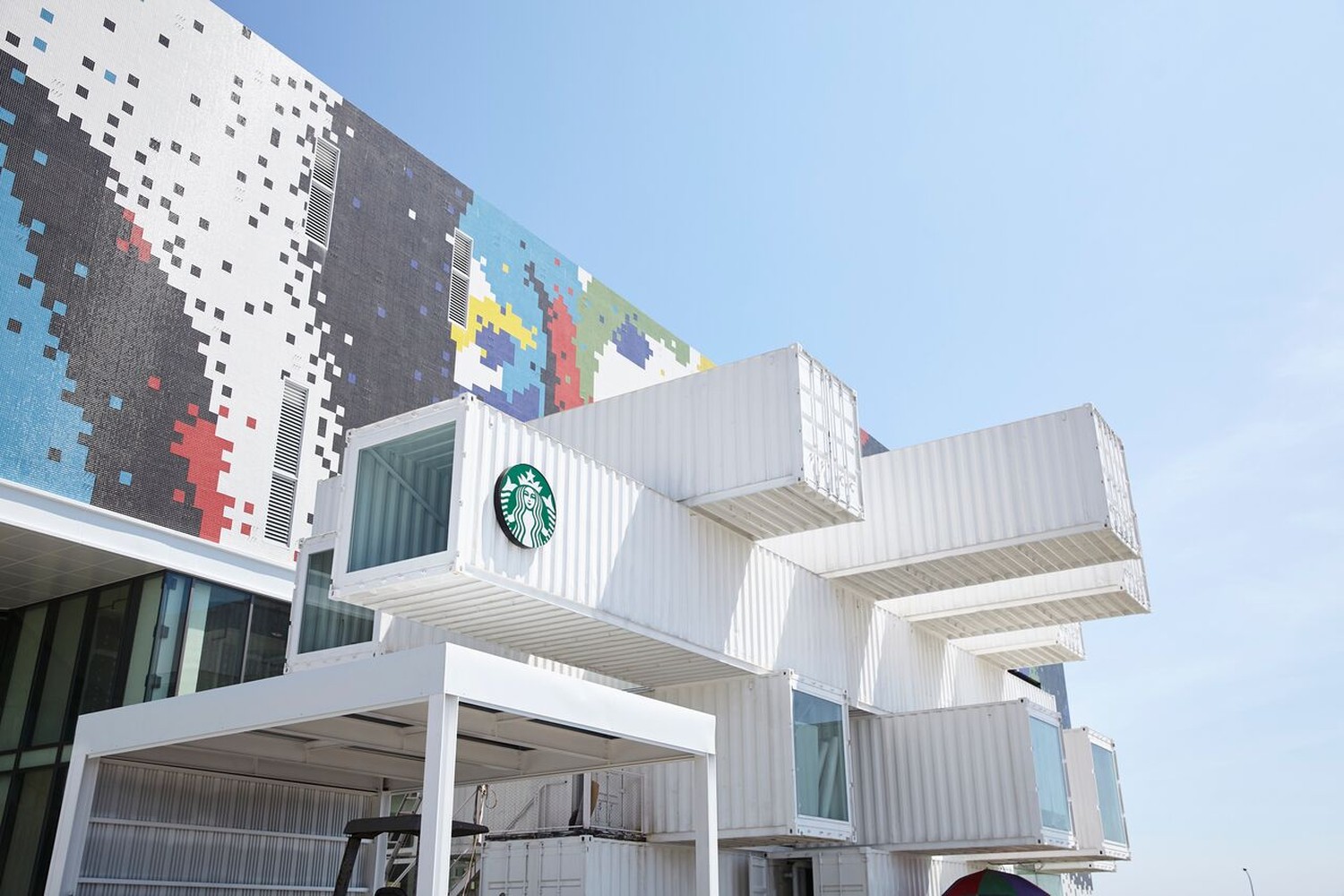
    Starbucks has just unveiled a new concept store in China created inside six repurposed shipping containers.

    An identical concept, created by Japanese architect Kengo Kuma, first appeared in Taiwan. As the 800th store in Shanghai, the Starbucks container store helped set a new record for the city – it has more Starbucks stores than any other city in the world.

    The cafe is located at Shanghai’s Wisdom Bay Science Innovation Park, on space which was formerly home to warehouses and container storage yards.

    Today, the area has been gentrified, converting abandoned cargo containers into office spaces as well has housed the nation’s first museum of 3D printing.

    Elements of the Silicon Valley-esque structure have also been replicated inside the store to create ‘cultural coffee experiences’, an art gallery and a wall installation art piece created by a 3D printer.

  • 7-Eleven Japan to start home delivery from stores

    7-Eleven Japan to start home delivery from stores

    Japanese convenience-store operator 7-Eleven is launching a home-delivery service from its outlets to meet continued demand sparked by the Covid-19 outbreak.

    The service will commence this year initially with 100 Tokyo stores, to be expanded to 1000 from next year. The service will take on other e-commerce operators in the territory such as Amazon with a 30-minutes target delivery time and by accepting late-night ordering, partnering with Seino Group to handle logistics.

    Tests of the service are already being conducted at 39 stores in the Tokyo area within a limited delivery radius. Observers say a full rollout of the service may depend on 7-Eleven’s ability to secure the necessary workforce at a time of labor shortage in the market.

    The news comes as the firm deals with what may be a growth ceiling on its 50,000-store network, while e-commerce continues to blossom in Japan.

  • Hermes re-opens renovated and extended retail space in Sendai

    Hermes re-opens renovated and extended retail space in Sendai

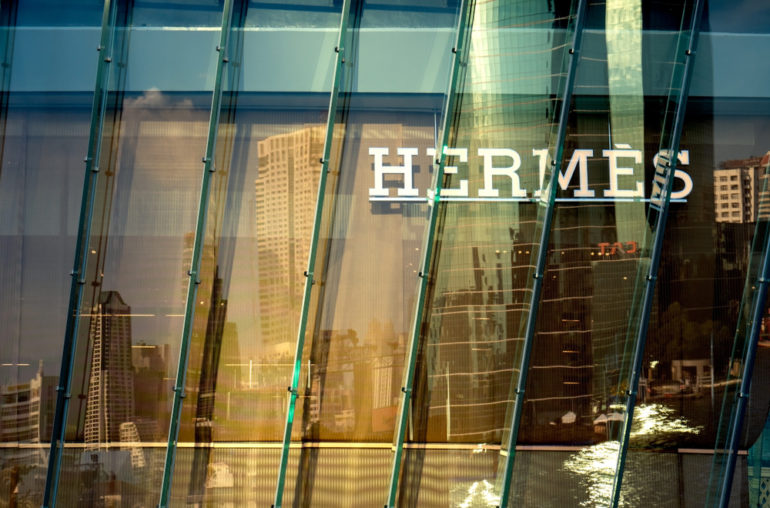
    Luxury Maison Hermes has unveiled its refurbished store in the Fujisaki Department Store in Sendai, Japan.

    “This reopening marks a new chapter for Hermes in this Northern city of Japan, where it has been present since 2004,” the company said in a statement.

    The store’s new design is inspired by Sendai’s natural environment – the city is known as “The City of Trees” – and the floor space has been expanded to 144sqm.

    The store’s facade features floor-to-ceiling glass windows and copper-colored steel, offering a clear view of the interior from the outside.

    Designed by Parisian architecture agency RDAI, the interior was divided into two open-plan spaces. At the entrance, the floor features mosaic tiles “in subdued Havana-and chocolate-brown hues, complete with iridescent cabochons”.

    Hermes Fujisaki offers a wide selection of products, including silk collections, fragrances, and fashion accessories. The collections for the home, featuring homeware and tableware, including the new Hermes Passifolia service, complete the displays in this initial area. The store also houses a VIP lounge for “enhanced privacy”.

    “While the entrance area is characterized by mineral, airy and bright accents, the second section creates a more muted atmosphere with carefully selected fabrics and carpets,” the company said.

    “This renovated address showcases the house’s craftsmanship and freedom of creation through its exceptional objects and the enhanced experience it offers its customers and new visitors

  • Maison Kitsune makes Thai debut at Bangkok’s EmQuartier

    Maison Kitsune makes Thai debut at Bangkok’s EmQuartier

    Maison Kitsune has opened Thailand’s first Kitsune boutique and cafe at EmQuartier shopping center in Bangkok. The boutique and cafe occupy a 145sqm area with two entrances. The store design is a fusion of Japanese and Parisian style.

    The boutique’s facade features three white arches, “creating an impression of the endless sky”. The brand’s latest collection is displayed behind the glass windows. Located in the middle of the entrance is the brand’s signature Fox.

    The store interior features brass frames and wooden elements in contrast with white walls and marble floors. Meanwhile, the Kitsune cafe wall features “ Japanese-inspired panels in varnished bamboo stalks, a nod to Thai traditional craftsmanship”. The cafe houses an outdoor area with four tables set up in front of the store.

    The cafe offers a variety of drinks to pair with sweet and savory treats. The Cafe Kitsune collection of tableware, ready-to-wear and accessories is also available to bring home.

    Maison Kitsune is a French-Japanese electronic music record label and fashion brand created in 2002 by Gildas Loaec, Masaya Kuroki and London-based company Abake.

  • Stussy launching new store in Japan, Nagoya

    Stussy launching new store in Japan, Nagoya

    American fashion label Stussy has opened a new store in Nagoya, its 46th outlet in Japan.

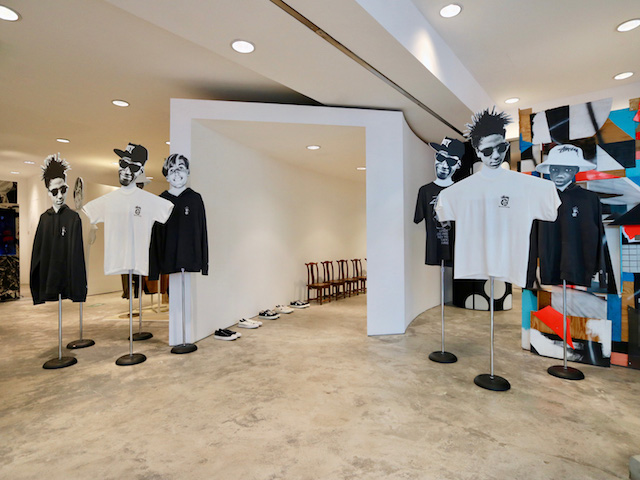
    Located in Sakae, the store was designed by WP & A and offers Stussy’s full selection of apparel, accessories and footwear, including a limited-edition collection.

    The store facade features floor-to-ceiling windows with black frames. A small sign showing the brand name is installed at the corner of the store’s front – barely noticeable in images.

    The store interior features wooden and metal shelves together with wood sculptures. The walls are painted in a half-white, half-grey style while two rows of LED lighting are installed on the ceiling. Several greenery corners balance the design.

    Stussy operates more than 60 outlets across more than 10 regions including the US, Australia, Singapore and Taiwan.

  • July retail sales in Japan slide

    July retail sales in Japan slide

    Japanese government data shows a significant drop in retail sales for July this year.

    Retail sales in Japan declined by 2.8 percent for the calendar month compared with the same period last year, reaching US$117.4 million. The decrease was higher than the median market forecast of a 1.7-per-cent drop, and compounds last month’s fall of 1.3 percent.

    Retail sales shrunk by 3.3 percent month on month, a stark contrast to a 13.1-per-cent rise in June.

    The numbers were released by Japan’s Ministry of Economy, Trade, and Industry.

  • Japan Display to sell LCD factory to Sharp and use the cash to pay back Apple

    Japan Display to sell LCD factory to Sharp and use the cash to pay back Apple

    Back in 2014-2015, Japan Display (JDI) was considered to be Apple’s major smartphone display supplier. At that time, the iPhone 6 and the iPhone 6 Plus were bringing larger-sized LCD screens to iPhone users. The original 3.5-inch display found on the first iPhone models rose to 4-inches with the iPhone 5 and to 4.7-inches on the iPhone 6. The iPhone 6 Plus carries a screen size of 5.5-inches and those sizes remained the same until 2017’s iPhone X weighed in with a 5.8-inch OLED screen.

    The iPhone X was the beginning of the end of Japan Display’s importance to the iPhone since the supplier was late to embrace OLED. JDI borrowed $1.5 billion from Apple to build a new LCD plant. With smartphone manufacturers-including Apple-turning away from LCD, JDI’s new factory was running at only 50% of capacity. Friday Japan Display announced that it will sell a smartphone display factory and the land it sits on to Sharp for 41.2 billion yen (the equivalent of $386 million). The Hakusan LCD factory along with equipment that will be sold to a customer believed to be Apple, will bring Japan Display $668 million while at the same time cutting excess capacity that has negatively impacted its earnings. This specific factory has been idle since 2019.

    The facility was supposed to have been sold by the end of this past March but the global pandemic caused the plans to change. When the factory was built, Apple covered most of the 170 billion yen cost ($1.61 billion USD) of the facility. Production started in late 2016 with up to seven million smartphone panels manufactured each month. As time went on, the number of panels churned out by the factory declined on a monthly basis. Japan Display will use the funds it receives from the sale of the plant to pay back Apple for the prepayment it made toward the facility.

    Sharp, which is owned by iPhone assembler Foxconn, will rent the necessary equipment from Apple that will allow it to produce LCD displays for older iPhone models. Sharp also expects to use the facility for developing and producing the next generation of displays including microLED screens which use millions of tiny light-emitting-diodes to produce a sharp display (no pun intended). Sharp does plan to spin-off its LCD panel business in October.

    Japan Display has lost money in 11 consecutive quarters and the company does produce the AMOLED displays that grace the Apple Watch.

  • Japan’s Moon Exploration Vehicle To Be Called Lunar Cruiser

    Japan’s Moon Exploration Vehicle To Be Called Lunar Cruiser

    The Japan Aerospace Exploration Agency (JAXA) and Toyota announced the name of its manned pressurized rover which is currently under joint research. It will be nicknamed the Lunar Cruiser, which we think is a very ‘Toyota’ name. JAXA and Toyota previously announced and have been conducting joint research on a manned, pressurized lunar rover that uses fuel cell electric vehicle (FCEV) technologies.

    The nickname Lunar Cruiser was chosen because of the familiar feeling it offers the people involved in the development and manufacture of the vehicle prototype as part of the joint research project as well as the familiarity it will provide the general public. The name, which references the Toyota Land Cruiser SUV, was decided upon based on the quality, durability, and reliability expected of the pressurized lunar rover

    JAXA and Toyota signed a joint research agreement to work on a manned pressurized lunar rover last year, on June 13, 2019, with an expected launch date in the latter half of the 2020s. Together, they are working to manufacture test parts for each technological element, and the prototype rover itself, during this fiscal year (FY2020). The work involves the use of simulations to confirm power and heat dissipation performance while driving, the manufacture and assessment of prototype tires, and the use of virtual reality and full-scale models to consider the layout of equipment in the cabin of the Lunar Cruiser.

  • Japan’s 2nd Street to launch in Taiwan

    Japan’s 2nd Street to launch in Taiwan

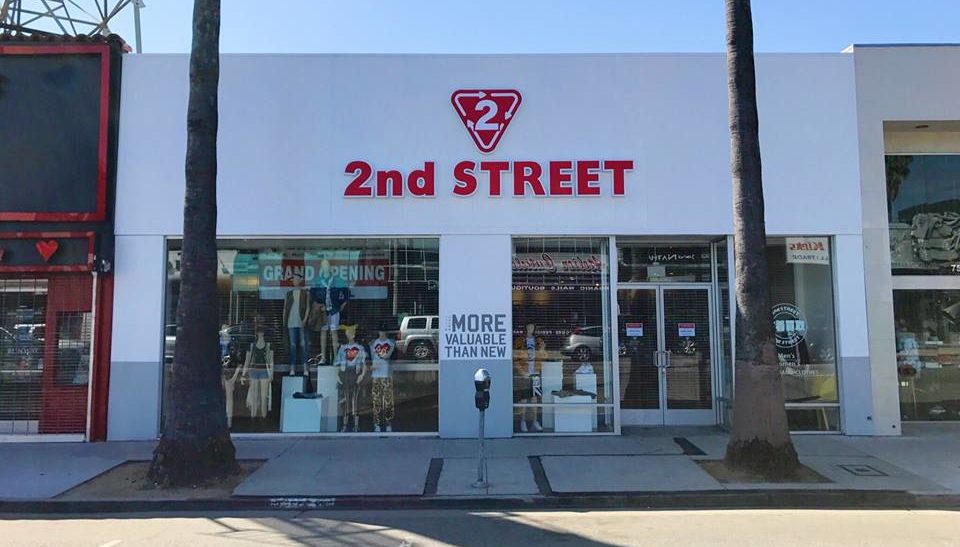
    Japanese pre-owned fashion retailer 2nd Street is launching in Taiwan with its first outlet set to open in Taipei. Located in the Ximen neighborhood, the store offers some 7000 items, including clothing, handbags, shoes, and accessories from Japanese designer brands such as Comme des Garcons and Under Cover as well as luxury brands like Louis Vuitton and Chanel.

    The brand plans to open three 2nd Street shops in Taiwan by next March.

    The 2nd Street Taiwan store’s layout and service will follow that of the stores in Japan. Prior to the launch, 2nd Street opened a pop-up store in Breeze Nan Shan mall to test the potential of the brand in the country.

    “Our aim is to expand the fan base for 2nd Street with a combination of the experience developed in Japan for the re-use business and the retail management skills beloved by the people of Taiwan,” said Sadaharu Deguchi, chairman, and GM at 2nd Street.

    “I sincerely hope that 2nd Street Ximen Taipei will become an attractive location for many customers,” Deguchi said.

    Launched in 2018, 2nd Street handles the sales of pre-owned products, including clothing, furniture, and appliances.

  • Ebetsu Tsutaya Books: A community space that’s more than just a public building

    Ebetsu Tsutaya Books: A community space that’s more than just a public building

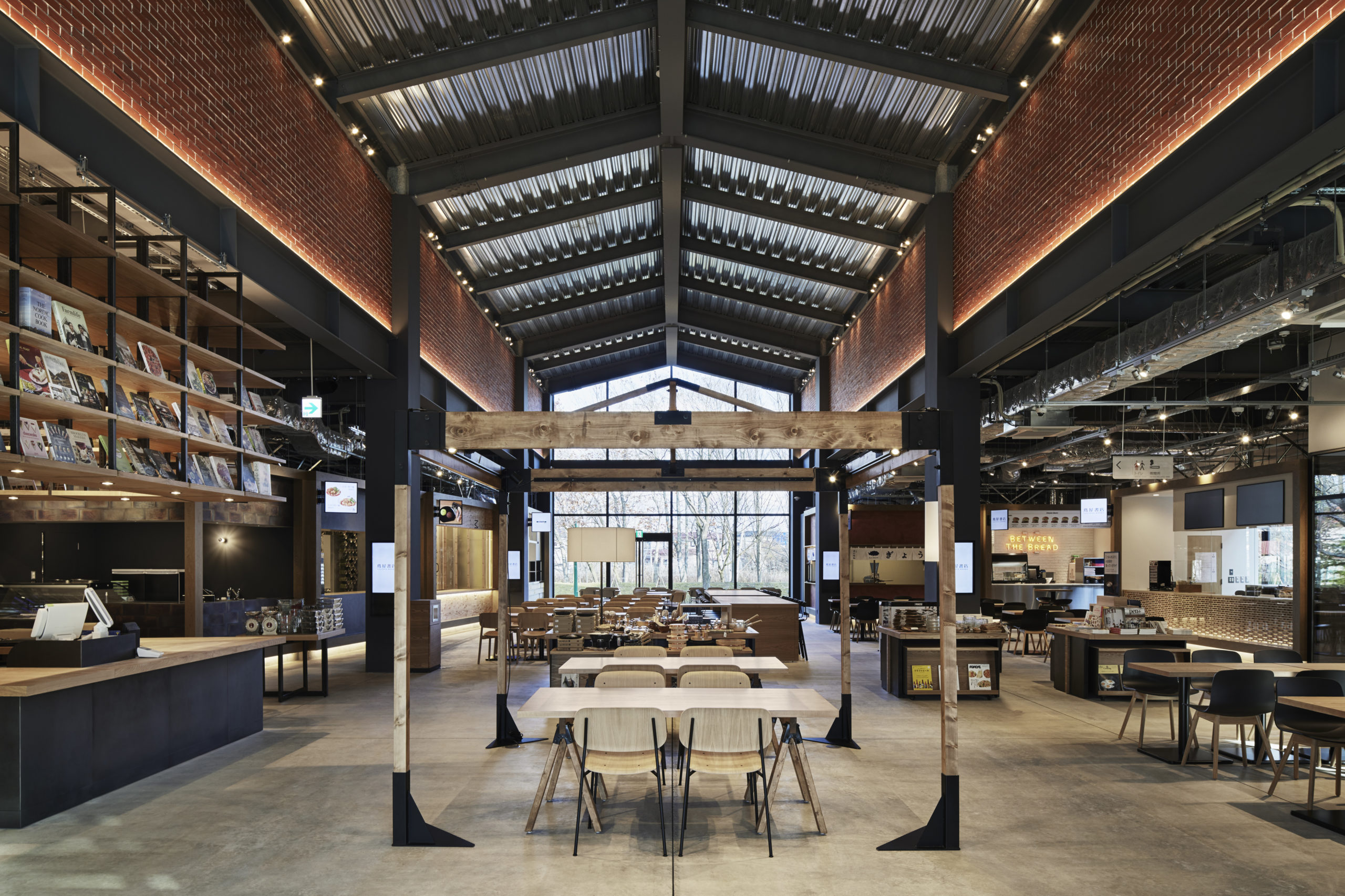
    Tsutaya Books commissioned Hikohito Konishi / HIKOKONISHI ARCHITECTURE Inc. to design the company’s twentieth store since its restructuring, located in the city of Ebetsu, Hokkaido. The site is adjacent to Ebetsu’s Four Seasons Promenade, a landscaped walking path, and faces a wooded area with many large trees. With a store concept of “a slow-life library in the woods,” our focus was on creating a comfortable space for customers to enjoy.

    In order to reduce the volume of the 140-meter-long structure, we divided it into three blocks and five zones with a staggered layout. The blocks form a cohesive cluster of buildings whose trimmed-back scale is effective in attracting more people. The exterior is finished with bricks from three local companies, creating a strong contrast with the surrounding greenery. We expect the bricks to age beautifully, along with the extruded cement panels on the sides of the buildings.

    The three blocks are assigned the respective themes of Mind, Life, and Food, and their interiors are configured to offer framed views of the forest as well as a sense of unity. The locally produced bricks, concrete floors, exposed steel frames, and wood-and-steel furniture all contribute to the tranquil atmosphere inside, as does the lighting design.

    The store hosts nearly 50 events every month and over 500 throughout the year, playing a role in the community that goes far beyond that of a typical public building. It is not only a commercial facility selling books, DVDs, and more, but also a place that strives to create and nurture local culture. This resonates with the commitment of the company’s founder to create places where people gather—and with our concept of a “slow life” bookstore in Hokkaido.


  • Japan’s Nanamica landing in New York City for US debut

    Japan’s Nanamica landing in New York City for US debut

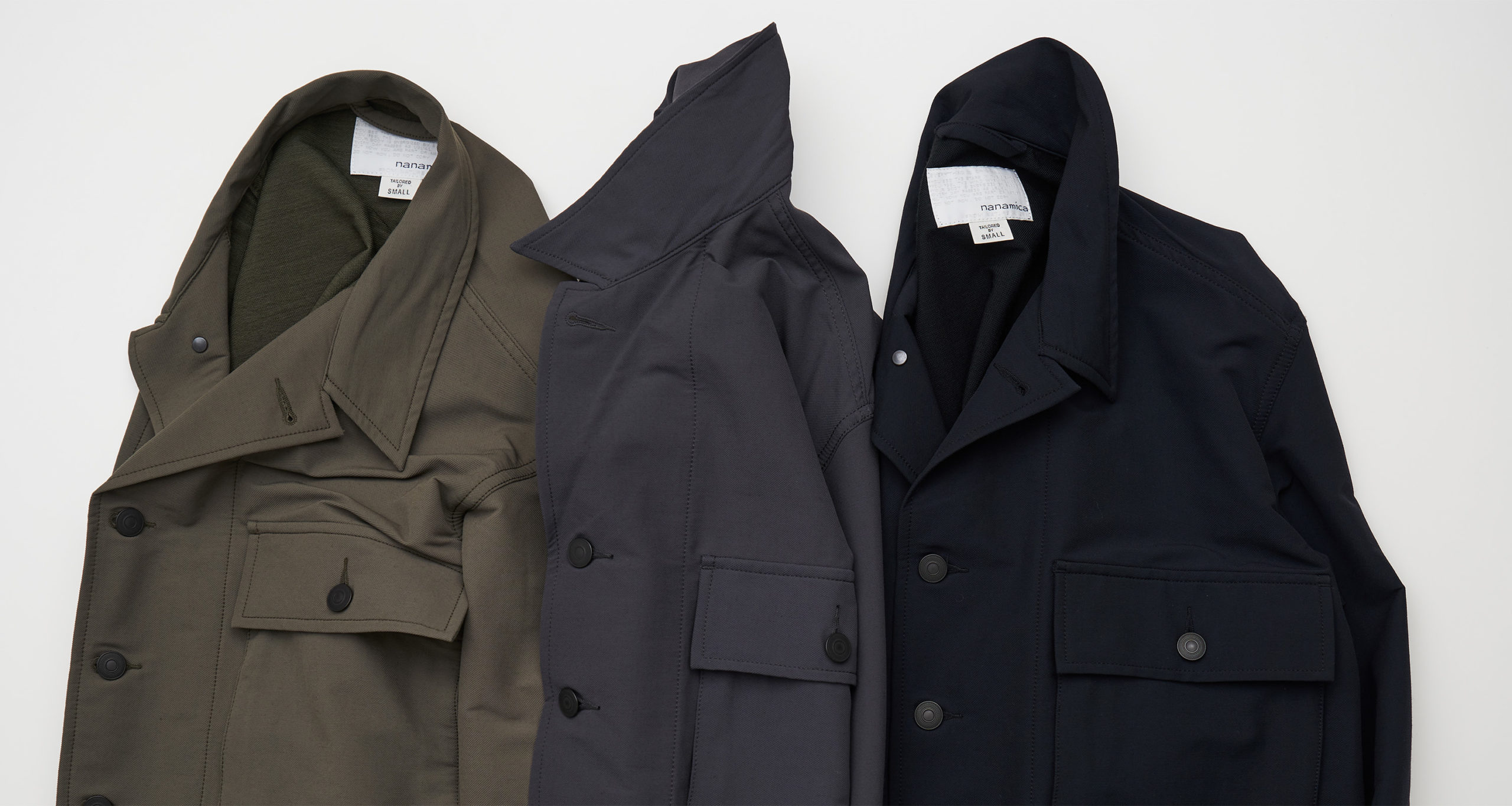
    Japanese clothing label Nanamica is to open its first international store in New York City.

    Located on Worcester St in the Soho arena, the Nanamica New York store occupies 1200sqft, offering a selection of designer Akumate Nanamica’s lines together with a limited collection from other brands, including a collaboration with The North Face, Purple Label.

    Designed by Taichi Kuma, the store design features a “house of the sea” theme, illustrating the open and relaxing ambiance of the sea, according to the company.

    “With the message of One Ocean, All Lands (the sea is one and the world is connected), we will send it from New York to the world so that the style proposed by Nanamica, a high-dimensional mix of fashion and function, will become a standard for various countries,” the company said in a statement translated from Japanese.

  • World’s first % Arabica drive-thru store piping up for its first serve

    World’s first % Arabica drive-thru store piping up for its first serve

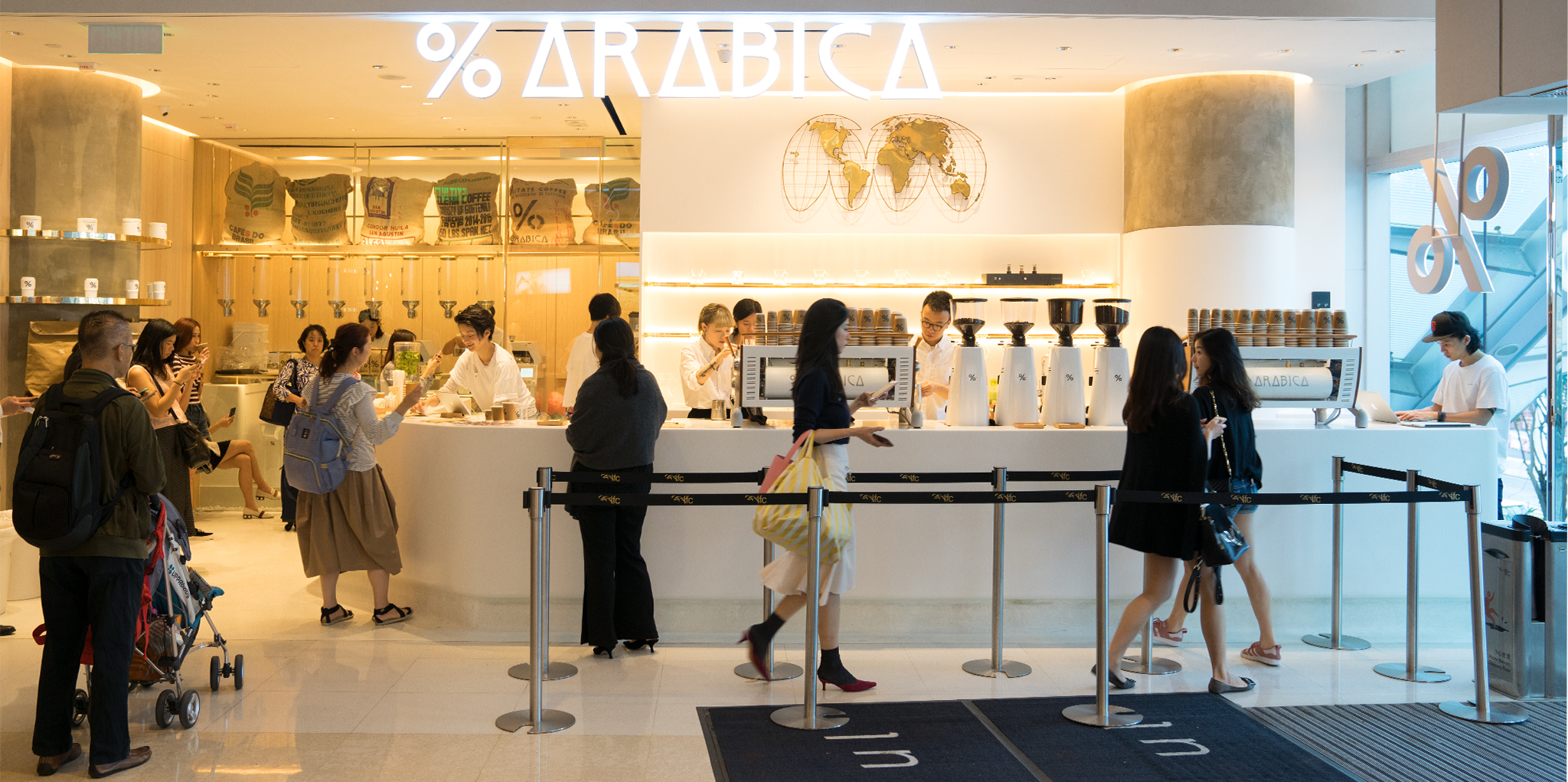
    Japanese gourmet coffee chain % Arabica is to open its first drive-thru concept store, in Murouj, Kuwait.

    The Murouj cafe is the brand’s eighth in the country and it’s first in the world to have a drive-thru facility. The launch comes just a month after the opening of the % Arabica Kuwait store in Mangaf.

    Designed by Japanese architecture firm no.10 of Nomurakougeisha, the Kuwait Murouj cafe houses indoor plants and glass-house drinking spaces, creating a giant open space filled with natural light.

    Besides a drive-thru lane, the store also features an outdoor drinking area for customers.

    % Arabica is also planning to expand in Southeast Asian markets with Indonesia and Malaysia as their next destinations. The brand has revealed it will open its first outlet in Malaysia soon, in Kuala Lumpur.

  • Pierre Herme opens its first Japanese store with Lagardere Travel Retail

    Pierre Herme opens its first Japanese store with Lagardere Travel Retail

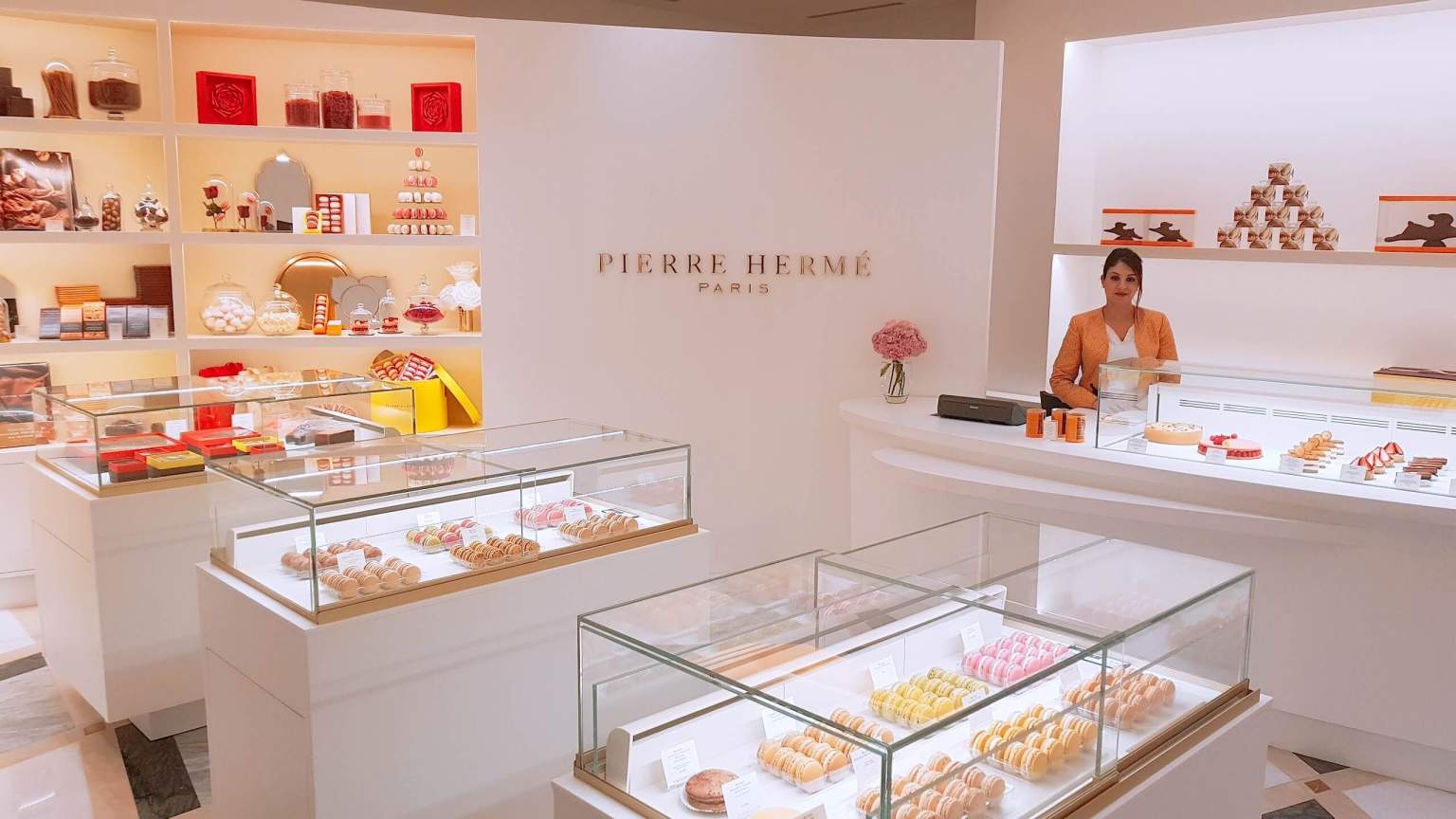
    French pastry chef and chocolatier Pierre Herme has partnered with Lagardere Travel Retail to open the first of several food & beverage concept stores in Japan.

    Located in Tokyo Station, the store occupies a 105sqm area, and is branded ‘Made in Pierre Herme’. Besides food, the store offers a variety of products from different regions of Japan to support agriculture and promote local and ethical food production.

    These products include prepared and packaged food, specialty drinks, and a variety of branded gifts and items carrying Herme’s signature.

    Located in one of Japan’s busiest railway stations, the ‘Made in Pierre Herme’ flagship is expected to draw the attention of commuters, local and foreign visitors, and neighboring office workers alike.

    “We believe this is the beginning of a strong partnership and we expect this first step in Japan will create new opportunities for Lagardere and its partners in this exciting market which has attractive growth prospects,” said Eudes Fabre, CEO at Lagardere Travel Retail North Asia.

    The ‘Made in Pierre Herme’ concept store is the first of several openings planned jointly by the two companies, according to Lagardere Travel Retail.

    “Pierre Herme has been present in Japan for more than 20 years, and it is part of our mission to help French companies internationally recognised know-how to develop here,” said Richard Ledu, CEO at Pierre Herme Paris Japan.

    “There are significant synergies between Pierre Herme and Lagardere so this is a fantastic opportunity with further openings already planned.”