Tag: Japan

  • Espoir enters offline channels in Japan

    Espoir enters offline channels in Japan

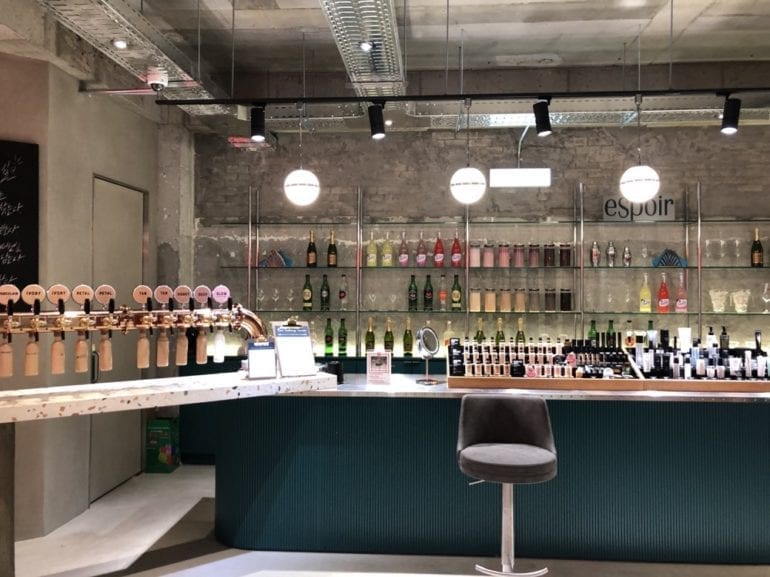
    Amorepacific’s makeup brand Espoir has entered Japanese offline retail channels after making an online debut in April.

    The South Korean brand expanded into some mainstream multi-brand shops in Japan including @Cosme, Loft and Tokyu Hands. The brand’s top-selling products such as Pro Tailor Be Glow Cushion, Water Splash Suncream or Real Eye Palette are now on sale at these stores.

    “We plan to broaden our product range in response to the demand of local customers,” said Jieun Lee, brand communication manager at Espoir. “Starting with the Japanese multi-brand shop channel, we will expand the global retail network further.”

    Espoir entered the Japanese beauty market through several online channels in the country including Qoo10, Rakuten, Yahoo Japan and Amazon Japan. Since then, the brand has attracted many local customers who are fond of South Korean makeup.
  • Lawson Japan to stock Muji products

    Lawson Japan to stock Muji products

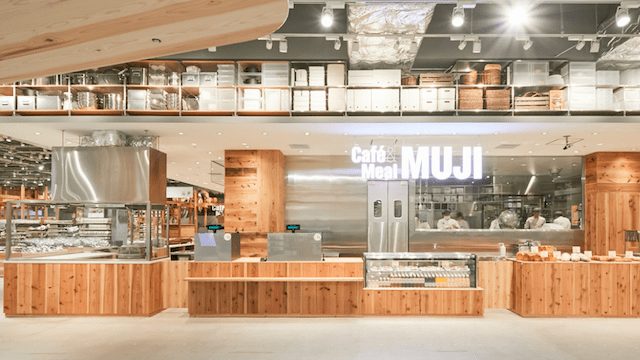
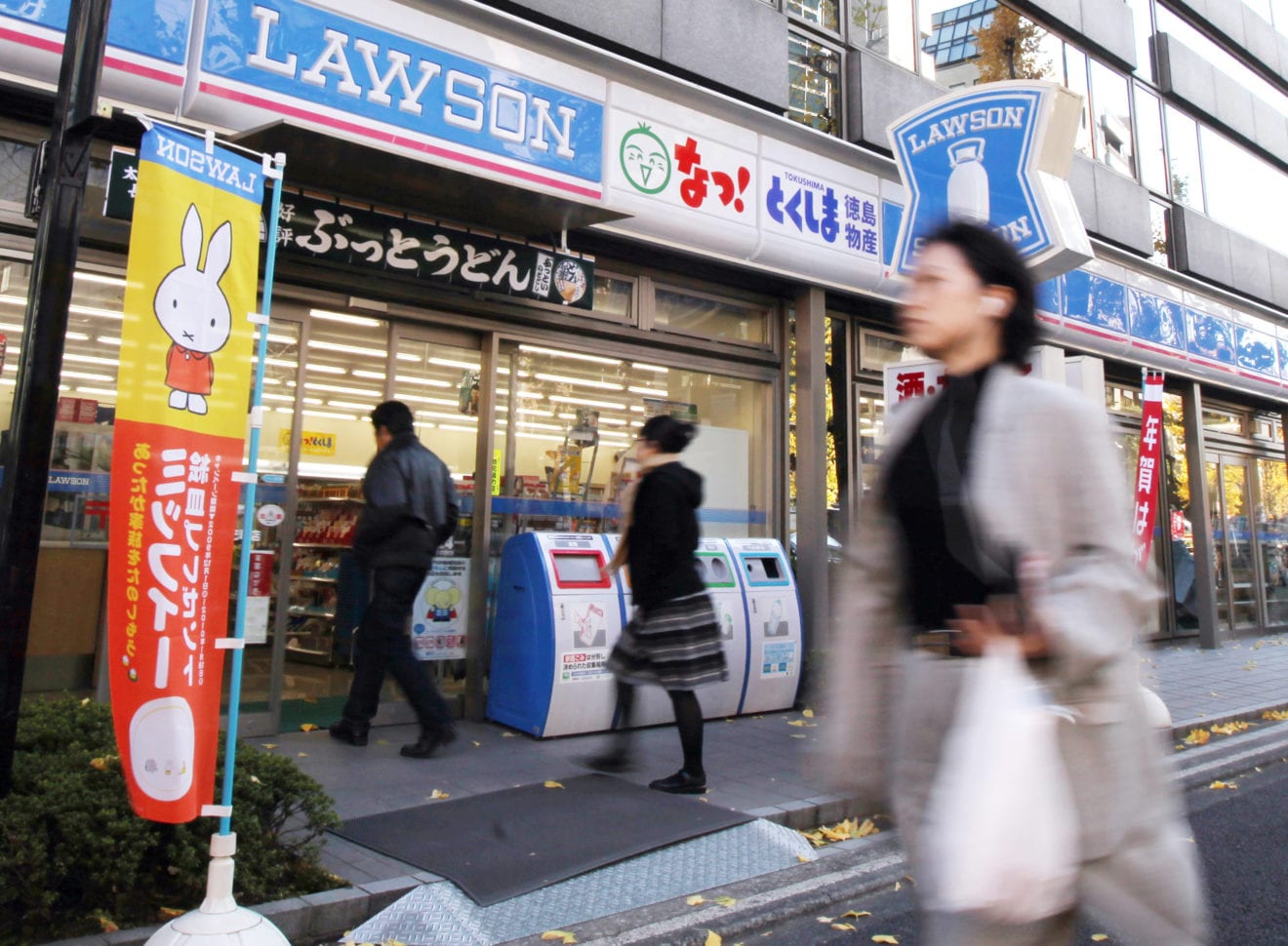
    Japanese convenience-store business Lawson will cooperate with local home-goods network Muji in a sales and brand development partnership, according to a Nikkei Asia report.

    The deal will see Muji products stocked in Lawson Japan outlets as well as the development of further daily-use products under a new private brand, which may lead to a fresh store concept. It replaces Muji’s previous supply contract with rival chain FamilyMart.

    The move will take advantage of shifting consumer behaviors as more Japanese shoppers purchase daily items from convenience store chains in the wake of the coronavirus outbreak.

    Around 20 percent of items currently stocked at Lawson are likely to be replaced with Muji-branded products, most probably goods such as eco-friendly detergents and nutritional pre-packaged foods, in high demand since the advent of Covid-19.

    Early customer response to the change in a small number of outlets will determine how broadly the initiative is applied across Lawson’s 15,000-store network.

    The agreement also addresses shrinking opportunities to expand given the gradual decline in Japan’s population, providing a broader product range in existing stores.

    Muji currently operates more than 400 locations in Japan.

  • Japanese department store Odakyu launches service to serve Chinese at home

    Japanese department store Odakyu launches service to serve Chinese at home

    Japanese department store Odakyu has partnered with Taeltech marketplace to launch service in China.

    Through the Taeltech ecosystem, Odakyu Department Store will trial a selection of products including Japanese accessories, apparel and cosmetics, in the first few months in a pilot before the official launch in more than 500 cities in China.

    Shuji Kawate, business creation department GM at Odakyu Department Store, explained the reason for the partnership with Taeltech is that Odakyu saw a “unique business opportunity” as most inbound tourism revenue is generated by Chinese tourists. The company also saw “the potential to provide the best customer service, in this partnership with Chenggan (Taeltech) by catering to their continued needs, thus expanding the department store experience into China in the future.”

    Taeltech has also created a “Odakyu Zone” in its marketplace, which functions as an extension of the department store experience for customers who have returned home. In return, the department store will provide promotional opportunities in prime locations to Taeltech.

    “Not only does this partnership give Chinese consumers the opportunity to order high quality and verifiable authentic Odakyu Department Store products from their homes, in the future it also introduces the Tael Ecosystem to Chinese tourists within Japan, connecting our target market both domestically and internationally,” said Alex Busarov, CEO at Taeltech.

    Founded in 2014, Taeltech’s ecosystem has more than 50,000 users across China.

  • Ecoalf opens first Japanese flagship

    Ecoalf opens first Japanese flagship

    Spanish fashion brand Ecoalf has opened its first Japanese flagship store, in Tokyo.

    Located in Shibuya district, the Ecoalf store spans two floors and offers a wide selection of products including the label’s latest collection.

    Designed by Japanese architect Yohei Sakamaki, the store features a sustainability concept ‘Sharing Ecology’, using natural materials such as Japanese bamboo, stone and sand. Interior features include a giant rock named “Date-Kanmuri-Ishi” and wooden panels to create a warm yet modern ambiance.

    A black staircase leads customers to the upper floor which is dedicated to #Actnows, a monthly event held by the brand to raise awareness of sustainability issues.

    “Our aim is to raise awareness of the need to protect the planet and we will continue to accelerate this message,” said Javier Goyenechem, president and founder of Ecoalf.

  • Ikea opens first compact store in Tokyo, Japan

    Ikea opens first compact store in Tokyo, Japan

    Ikea Japan has opened its first concept downtown store in Tokyo.

    Ikea Harajuku, modeled on smaller compact inner-city Ikea stores popping up in Paris and New York, targets urban apartment dwellers with a smaller range of about 9500 goods selected from its big-box destination shops.

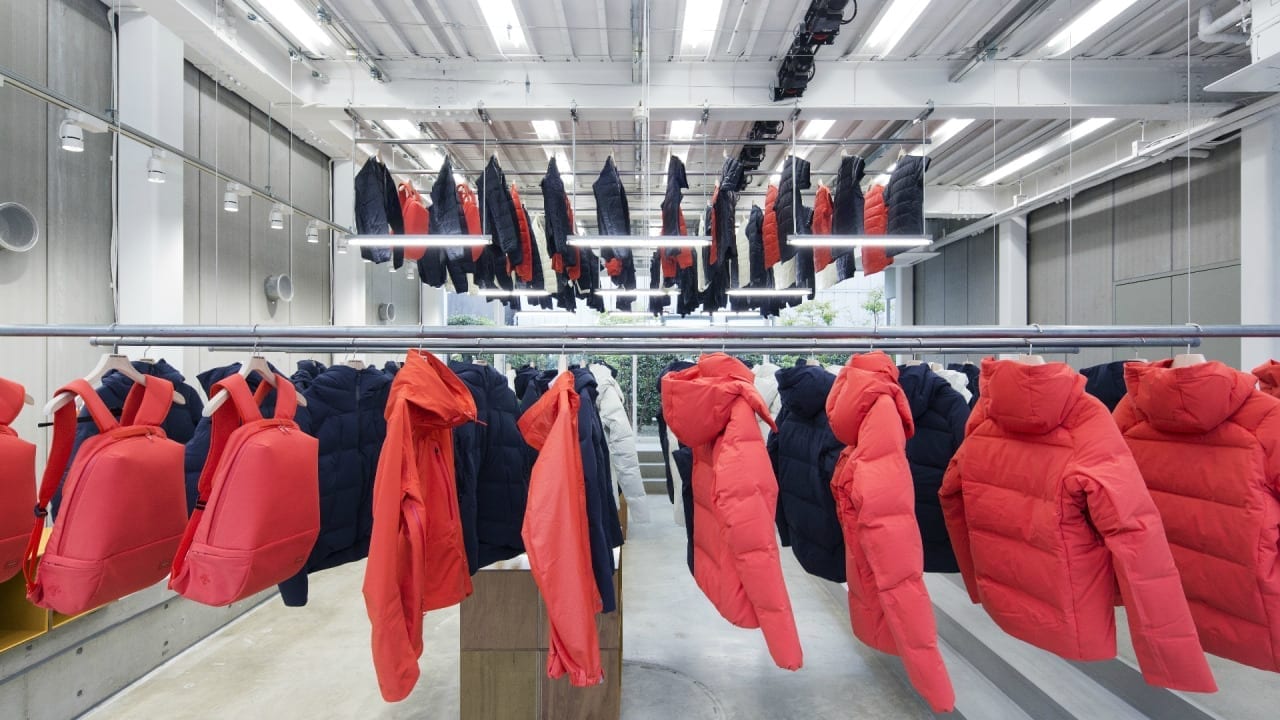
    The new Ikea Japan store is located adjacent to the Uniqlo Harajuku which opened about a week ago, occupying a two-story, 2500sqm space.

    “One of the store’s keys focuses will be sustainability and circular living, with a buyback service and sustainably sourced food”, the company said in a statement.

    Besides featuring homewares products for small-living areas, the Ikea Harajuku houses a Swedish Cafe, where customers can find a Swedish flatbread menu, and Swedish Combini which offers a wide range of snacks and beverages including cups of plant-based instant noodles.

    Plans to open the Ikea Harajuku store were revealed two years ago. The store was scheduled to open on April 25 this year, however that was postponed until June 8 due to the Covid-19 pandemic.

  • Mitsui Outlet Park planned for Taichung, Taiwan

    Mitsui Outlet Park planned for Taichung, Taiwan

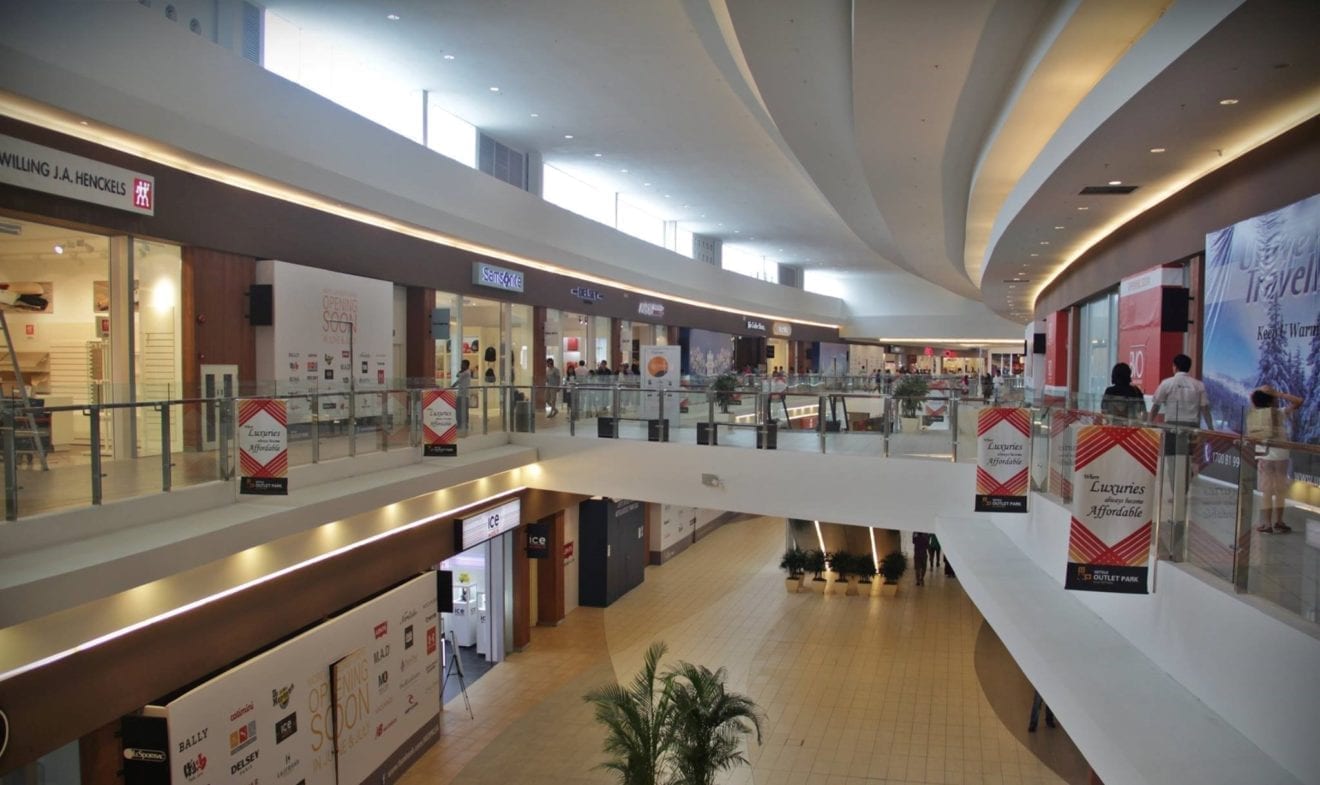
    Japanese developer Mitsui Fudosan is set to open a Mitsui Outlet Park in Taichung, Taiwan.

    The plans, which will include a Mitsui LaLaport shopping mall, have been given official approval by the area administration following a delegation to led by Taiwan Mitsui Fudosan Group chairman Shitamachi Ichiro, which was granted an audience with Taichung’s Mayor Lu Shiow-yen.

    The agreement brought a successful conclusion to discussions that had been underway since March last year. It is Mitsui Fudosan’s second LaLaport project in the country.

    The site will undergo initial development work at the end of this month, aiming for an opening date during 2022. The complex is likely to generate employment for 3500 staff in the region.

    A Taichung City government press release indicated a surge in Japanese investments into the area and a generally favorable outlook for the city’s consumer market.

  • Taiwan’s O’right makes Japanese start

    Taiwan’s O’right makes Japanese start

    Taiwanese beauty brand O’right is to make its debut in Japan this week. O’right’s first store will open in Isetan Shinjuku on June 10, followed by a second store in Yurakucho Marui the next day.

    “It shows the brand’s confidence in Japan’s path to economic recovery and its determination to establish a foothold in the Japanese beauty market,” the company said in a statement.

    The O’right Japan stores will feature a wide range of plant-based products, including the brand’s limited edition Caffeine Botanical Scalp Revitalizer. As the Tokyo 2021 Olympics Games’ key theme is sustainability, the zero-carbon beauty brand sees a timely opportunity to introduce its products in the Japanese market.

    During the openings, customers will be given gifts including high-quality hydrating hand sanitizer and exclusive discounts.

    Founded in 2006 as a hair-care brand, O’right has evolved into a “green-style” beauty brand, aiming to redefine the beauty market by introducing zero-carbon, sustainable products that “deliver on a promise of a greener tomorrow”.

  • Uniqlo opens new Vietnam store, goes online in the Philippines

    Uniqlo opens new Vietnam store, goes online in the Philippines

    Japanese fast-fashion retailer Uniqlo is to open its third store in Ho Chi Minh City this week and will debut online in the Philippines.

    Less than a month after the opening of the Ho Chi Minh’s second store at SC Vivo City, Uniqlo Vietnam is to launch another store in the country’s tallest building Landmark 81 this Friday (June 5).

    Occupying a 2000sqm area, the Uniqlo Landmark 81 store features the brand’s LifeWear products for males, females and kids. The store also features Uniqlo’s latest collections including the Billie Eilish x Takashi Murakami UT. To celebrate the opening, Uniqlo Landmark 81 is running several promotions such as giving away Uniqlo’s mugs and Landmark 81 SkyView tickets.

    Meanwhile, in the Philippines, the fast-fashion brand says it will launch online in the second half of this year.

    “An online store will provide local Uniqlo customers a faster and easier way of purchasing their favorite LifeWear items,” said Masayoshi Nakamura, COO at Uniqlo Philippines.

  • Liverpool FC opens E-commerce platform in Japan

    Liverpool FC opens E-commerce platform in Japan

    Liverpool FC has partnered with soccer shop Kamo to launch its first online store in Japan.

    The Liverpool FC online store offers a wide range of replica kits and the brand’s authentic merchandise, apparel and fashion accessories, including the exclusive Hello Kitty x LFC Collection.

    “As a key player in the football and sports-retail industry, we know this store has been a long time coming for Liverpool FC fans here,” said Ken Kamo, president of Kamo.

    “We’re looking forward to working together to bring supporters here closer to the club they love.”

    Launched in 1968 as a small football shop, Kamo operates 23 brick-and-mortar stores and an e-commerce site, offering a selection of sport brands including Puma, New Balance and Adidas.

    Senior VP at Liverpool Football Club Mike Cox, said: “I’ve been able to see first-hand how passionate our fanbase is here and as one of the world’s premier shopping destinations, it’s an exciting opportunity for the club to connect with supporters in the region.”

  • Japanese department-store sales continue to drop

    Japanese department-store sales continue to drop

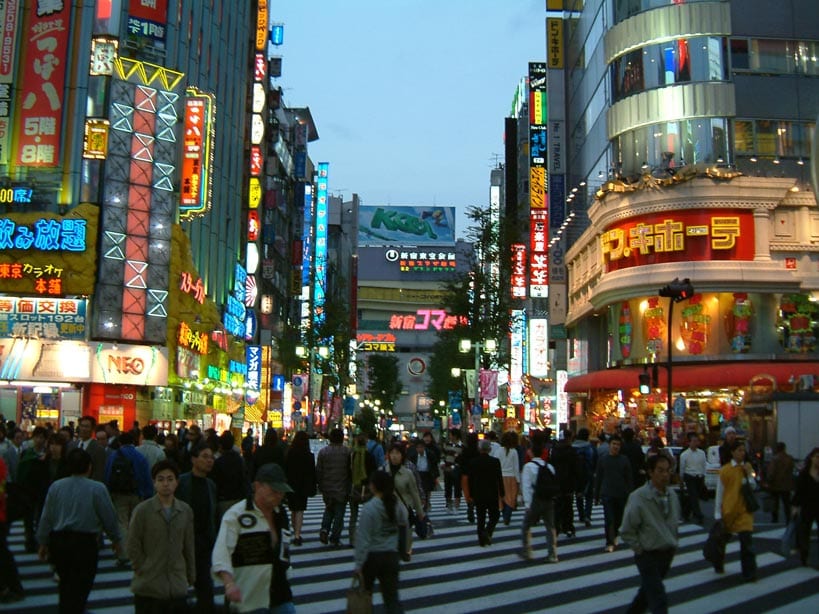
    Japanese department store sales plunged 60 percent last month as the Covid-19 crisis saw retailers close or operate under reduced hours across the country.

    Sales in the Matsuzakaya and Daimaru department stores were down 73.2 percent year on year, although that was an improvement on the 79.1-per-cent decline a month earlier.

    Rival operator Takashimaya says its sales were down by 62.9 percent, while Seibu and Sogo reported a decline of 61.5 percent.

    As in neighboring South Korea, duty-free sales have been severely affected by the absence of inbound mainland Chinese tourists. In Takashimaya’s duty-free division, sales fell by 98.7 percent.

    As Inside Retail Asia reported yesterday, South Korean duty-free retailers temporarily shuttered metropolitan stores in response to a significant decline in tourist numbers caused by the coronavirus epidemic.

    However, department-store sales there have shown signs of recovery as social-distancing restrictions were eased by the country’s government.

  • Descente forced to shutter stores in South Korea as anti-Japan bias continues

    Descente forced to shutter stores in South Korea as anti-Japan bias continues

    Japanese sportswear label Descente is shuttering 47 kidswear stores in South Korea in the wake of anti-Japanese sentiment combined with the impact of Covid-19 on the territory.

    The Young Athlete outlets, which deal in clothing and accessories for kids, will close their department store and mall locations in August, with stock being redistributed to Descente’s full-range stores.

    The formerly popular Descente brand saw an 89-per-cent dip in operating profits last year to US$7.26 million compared with its 2018 results and a 15-per-cent drop in sales to $496.9 million. The drop was initially prompted by souring diplomatic ties between Japan and Korea, prompting a general boycott of Japanese goods in the territory.

    Further declines in business due to the coronavirus pandemic proved too much for the firm, with the Young Athlete stores deemed unviable to continue trading.

    Similar closures have been seen amongst other Japanese firms trading in the Korean market, including fast-fashion giant Uniqlo, which this month announced it would close physical stores of its diffusion brand GU in the country.

  • Japanese clothing firm Renown collapses

    Japanese clothing firm Renown collapses

    Heritage Japanese clothing firm Renown has filed for bankruptcy. The company is best known for its D’Urban and Arnold Palmer brands, although business has been in decline since its heyday in the 1990s due to increasing competition and the rise of e-commerce. It was once one of the largest apparel manufacturers on the globe.

    According to a report in Nikkei, the 118-year-old firm – now under the majority ownership of Chinese textiles and clothing firm Shandong Ruyi – has become Japan’s first such victim of the Covid-19 pandemic, cauterized from its revenue stream by the closures of department stores and regular retailers.

    The bankruptcy was approved on Friday, the same day it was filed with the Tokyo District Court, listing ¥13.9 billion (US$130 million) in liabilities. Renown had previously posted a net loss of ¥6.7 billion ($62.55 million) in the last financial year. Shares in the firm are now likely to be delisted from the first section of Tokyo’s stock exchange.

    Analysts expect the clothing firm Renown to take about a month before the company identifies a turnaround partner to enable it to resume business.

  • Uniqlo Japan same-store sales down in April

    Uniqlo Japan same-store sales down in April

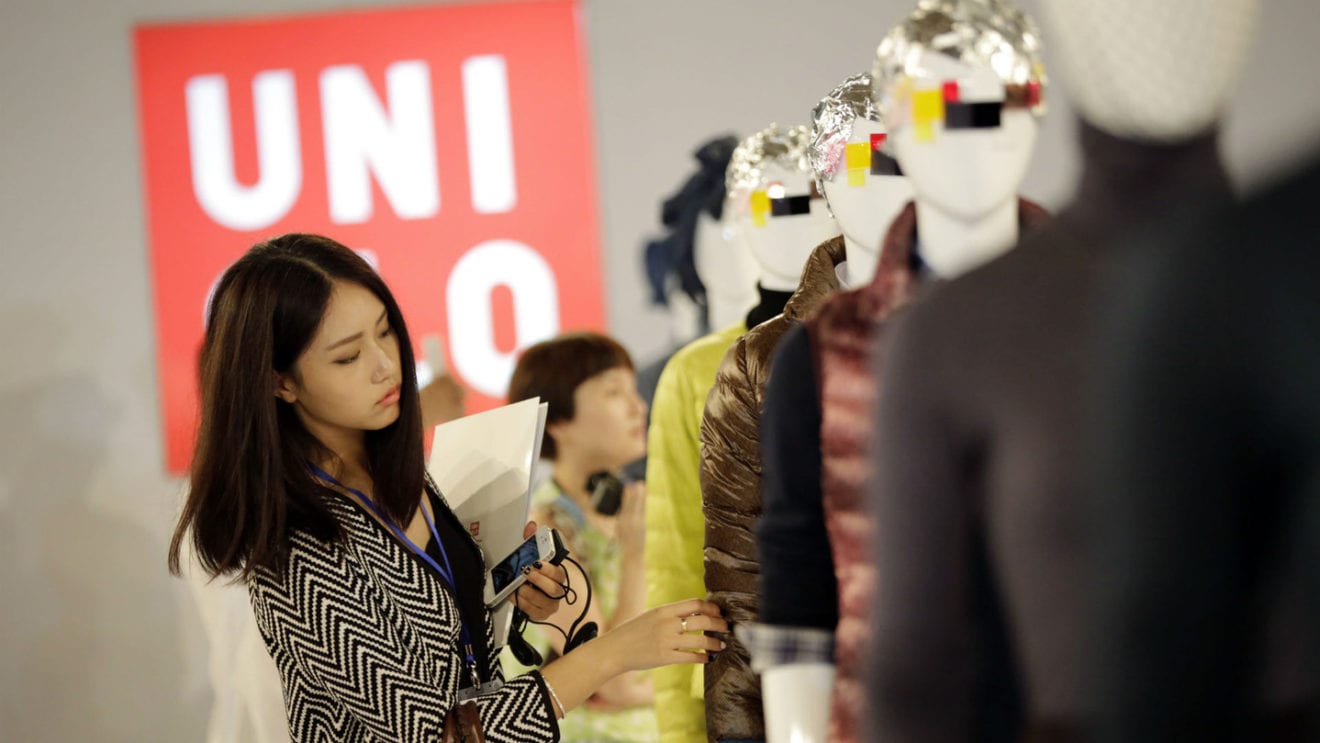
    Uniqlo Japan same-store sales, including online, plunged 56.5 percent in April as the Covid-19 crisis led to restricted store opening times.

    According to data released by parent Fast Retailing, total sales, including those of new stores, decreased by 57.7 percent.

    The company said customer visits to stores “dropped sharply”. Sales were “adversely impacted by the temporary closure or reduction in operating hours at more of our stores, and consumers deciding to stay at home to combat Covid-19,” the company said.

    During the month of April, 311 stores were temporarily closed due to the advent of the coronavirus, and 299 operated on reduced trading hours.

    Fast Retailing said the monthly data was calculated without excluding stores that were either open for fewer hours or closed temporarily from the total number of same stores or own stores.

    While Uniqlo Japan same-store sales data has been released, the company has not as yet shared data on its international operations.

  • Muji Japan moves online as Covid-19 crisis closes stores

    Muji Japan moves online as Covid-19 crisis closes stores

    Muji Japan has launched an online store on Amazon, strengthening its e-commerce presence as the Covid-19 crisis closes stores.

    According to the Nikkei Asian Review, the new Muji Japan online store will feature 250 items, mostly beauty products, storage containers, and cooking utensils.

    It is the first time Japan’s Ryohin Keikaku has sold Muji products via an online platform outside its own e-commerce store. With Amazon’s extensive user base, the company hopes to attract more potential customers.

    The launch with Amazon follows the closure of 280 physical stores across Japan and many others having to trade for reduced hours due to social-distancing requirements in the wake of the Covid-19 pandemic.

  • Covid-19 exacerbates apparel-sales down in Japan

    Covid-19 exacerbates apparel-sales down in Japan

    Sales of apparel and accessories at Japanese department stores plummeted 40 percent last month compared with a year earlier.

    The figures were released by the Japan Department Stores Association showing the impact of the coronavirus outbreak on its member businesses. Data showed ¥97,548 million (US$911.5 million) in revenues for the month, compared to ¥243,870 million ($2.28 billion) for March last year.

    According to the association’s data, based on member polls, womenswear sales fell 44.2 percent during the period, with menswear falling 39.7 percent and kidswear 24.9 percent.

    Covid-19 is not the sole factor in the industry downturn, with sales figures already dropping since October last year, well before the coronavirus was discovered.

    The downward trend was aggravated by the Japanese administration’s restrictions on movement and by temporary store closures during the pandemic.