Tag: Japan

  • Japanese department-store sales continue to drop

    Japanese department-store sales continue to drop

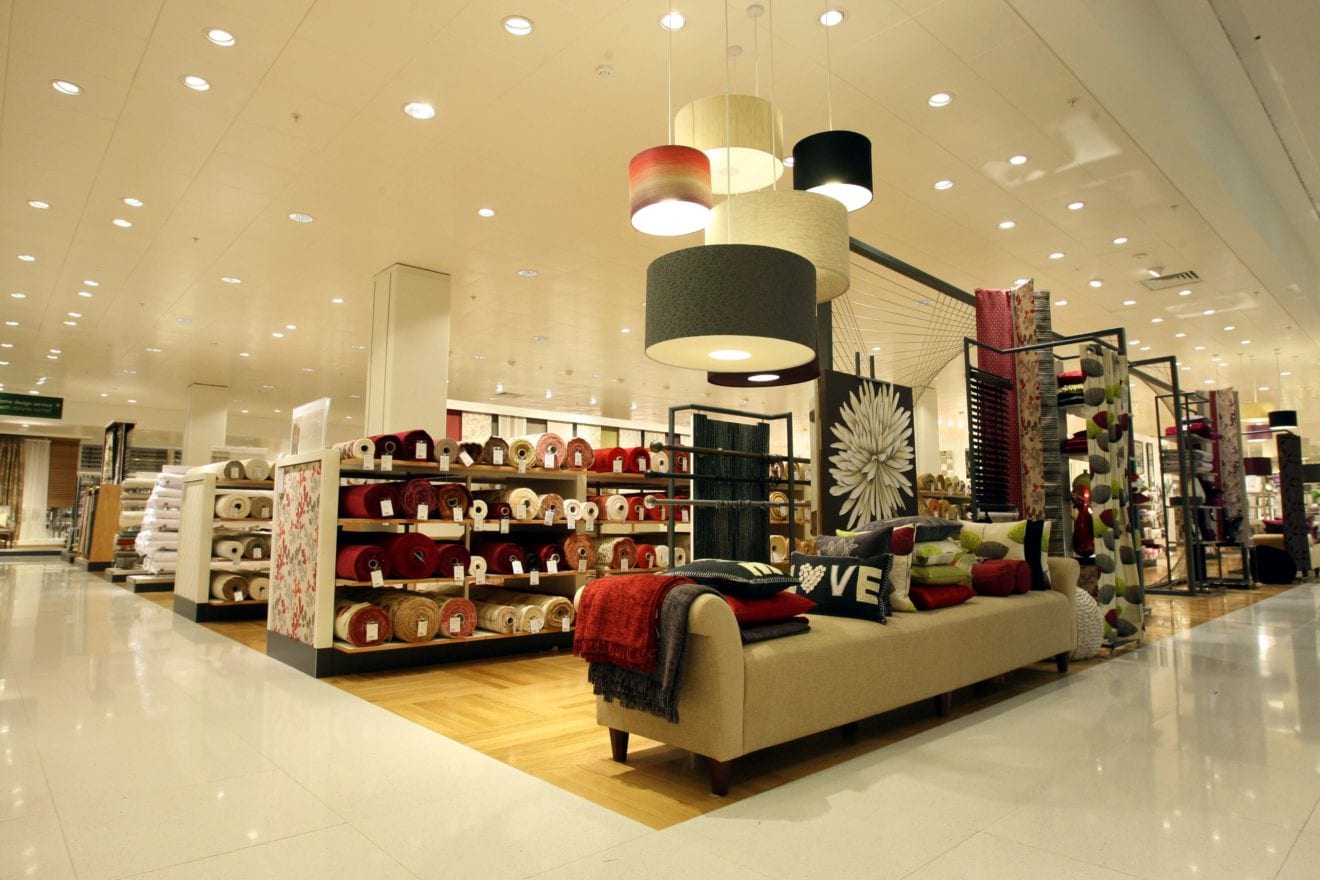
    Japanese department store sales plunged 60 percent last month as the Covid-19 crisis saw retailers close or operate under reduced hours across the country.

    Sales in the Matsuzakaya and Daimaru department stores were down 73.2 percent year on year, although that was an improvement on the 79.1-per-cent decline a month earlier.

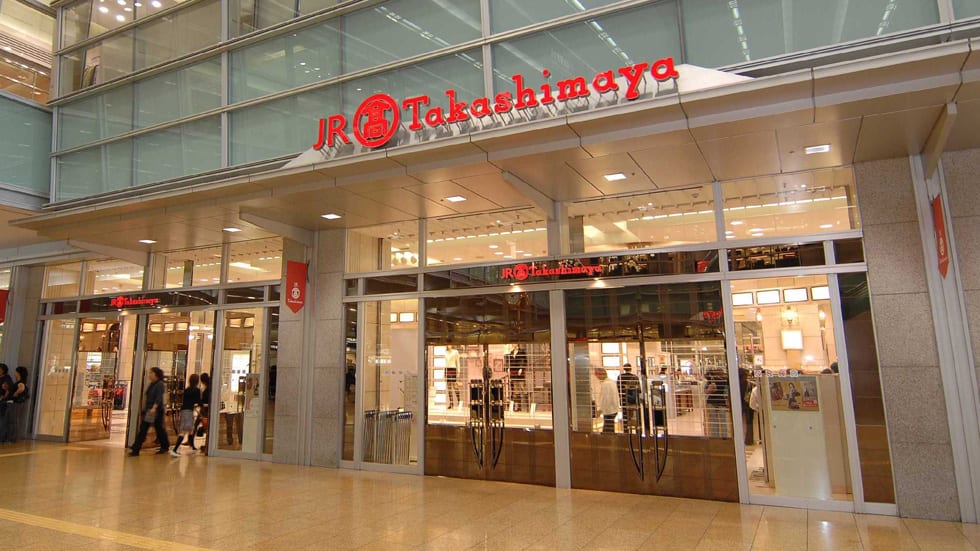
    Rival operator Takashimaya says its sales were down by 62.9 percent, while Seibu and Sogo reported a decline of 61.5 percent.

    As in neighboring South Korea, duty-free sales have been severely affected by the absence of inbound mainland Chinese tourists. In Takashimaya’s duty-free division, sales fell by 98.7 percent.

    As Inside Retail Asia reported yesterday, South Korean duty-free retailers temporarily shuttered metropolitan stores in response to a significant decline in tourist numbers caused by the coronavirus epidemic.

    However, department-store sales there have shown signs of recovery as social-distancing restrictions were eased by the country’s government.

  • Descente forced to shutter stores in South Korea as anti-Japan bias continues

    Descente forced to shutter stores in South Korea as anti-Japan bias continues

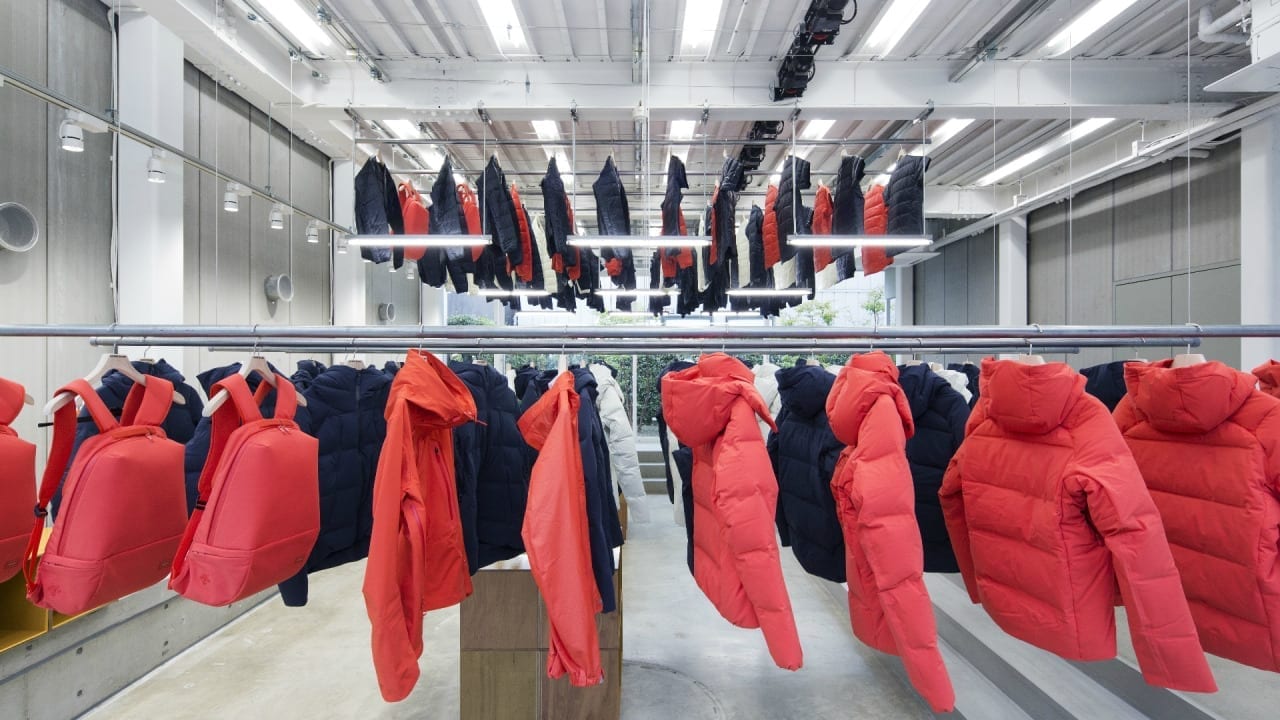
    Japanese sportswear label Descente is shuttering 47 kidswear stores in South Korea in the wake of anti-Japanese sentiment combined with the impact of Covid-19 on the territory.

    The Young Athlete outlets, which deal in clothing and accessories for kids, will close their department store and mall locations in August, with stock being redistributed to Descente’s full-range stores.

    The formerly popular Descente brand saw an 89-per-cent dip in operating profits last year to US$7.26 million compared with its 2018 results and a 15-per-cent drop in sales to $496.9 million. The drop was initially prompted by souring diplomatic ties between Japan and Korea, prompting a general boycott of Japanese goods in the territory.

    Further declines in business due to the coronavirus pandemic proved too much for the firm, with the Young Athlete stores deemed unviable to continue trading.

    Similar closures have been seen amongst other Japanese firms trading in the Korean market, including fast-fashion giant Uniqlo, which this month announced it would close physical stores of its diffusion brand GU in the country.

  • Japanese clothing firm Renown collapses

    Japanese clothing firm Renown collapses

    Heritage Japanese clothing firm Renown has filed for bankruptcy. The company is best known for its D’Urban and Arnold Palmer brands, although business has been in decline since its heyday in the 1990s due to increasing competition and the rise of e-commerce. It was once one of the largest apparel manufacturers on the globe.

    According to a report in Nikkei, the 118-year-old firm – now under the majority ownership of Chinese textiles and clothing firm Shandong Ruyi – has become Japan’s first such victim of the Covid-19 pandemic, cauterized from its revenue stream by the closures of department stores and regular retailers.

    The bankruptcy was approved on Friday, the same day it was filed with the Tokyo District Court, listing ¥13.9 billion (US$130 million) in liabilities. Renown had previously posted a net loss of ¥6.7 billion ($62.55 million) in the last financial year. Shares in the firm are now likely to be delisted from the first section of Tokyo’s stock exchange.

    Analysts expect the clothing firm Renown to take about a month before the company identifies a turnaround partner to enable it to resume business.

  • Uniqlo Japan same-store sales down in April

    Uniqlo Japan same-store sales down in April

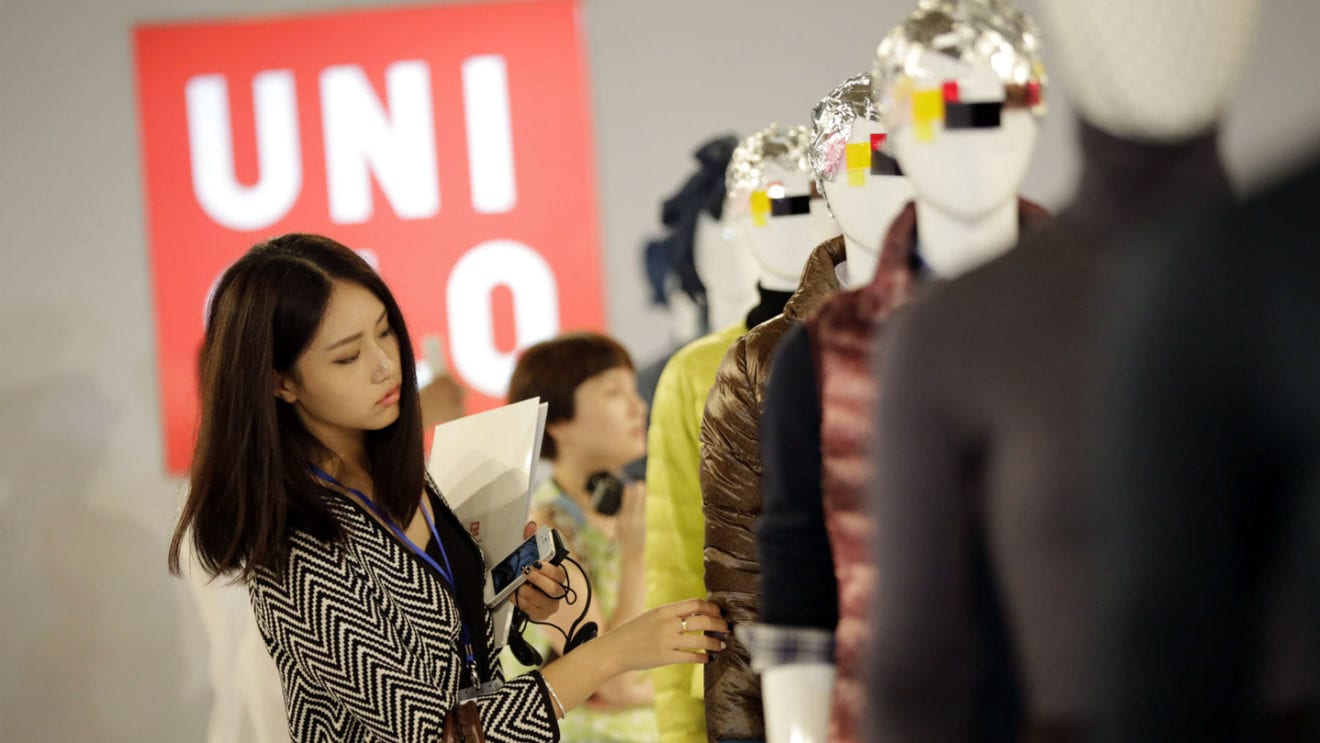
    Uniqlo Japan same-store sales, including online, plunged 56.5 percent in April as the Covid-19 crisis led to restricted store opening times.

    According to data released by parent Fast Retailing, total sales, including those of new stores, decreased by 57.7 percent.

    The company said customer visits to stores “dropped sharply”. Sales were “adversely impacted by the temporary closure or reduction in operating hours at more of our stores, and consumers deciding to stay at home to combat Covid-19,” the company said.

    During the month of April, 311 stores were temporarily closed due to the advent of the coronavirus, and 299 operated on reduced trading hours.

    Fast Retailing said the monthly data was calculated without excluding stores that were either open for fewer hours or closed temporarily from the total number of same stores or own stores.

    While Uniqlo Japan same-store sales data has been released, the company has not as yet shared data on its international operations.

  • Muji Japan moves online as Covid-19 crisis closes stores

    Muji Japan moves online as Covid-19 crisis closes stores

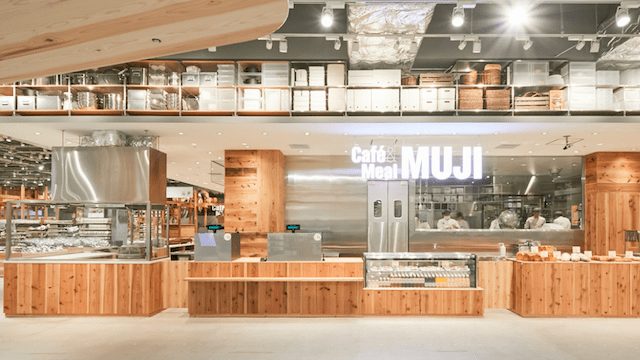
    Muji Japan has launched an online store on Amazon, strengthening its e-commerce presence as the Covid-19 crisis closes stores.

    According to the Nikkei Asian Review, the new Muji Japan online store will feature 250 items, mostly beauty products, storage containers, and cooking utensils.

    It is the first time Japan’s Ryohin Keikaku has sold Muji products via an online platform outside its own e-commerce store. With Amazon’s extensive user base, the company hopes to attract more potential customers.

    The launch with Amazon follows the closure of 280 physical stores across Japan and many others having to trade for reduced hours due to social-distancing requirements in the wake of the Covid-19 pandemic.

  • Covid-19 exacerbates apparel-sales down in Japan

    Covid-19 exacerbates apparel-sales down in Japan

    Sales of apparel and accessories at Japanese department stores plummeted 40 percent last month compared with a year earlier.

    The figures were released by the Japan Department Stores Association showing the impact of the coronavirus outbreak on its member businesses. Data showed ¥97,548 million (US$911.5 million) in revenues for the month, compared to ¥243,870 million ($2.28 billion) for March last year.

    According to the association’s data, based on member polls, womenswear sales fell 44.2 percent during the period, with menswear falling 39.7 percent and kidswear 24.9 percent.

    Covid-19 is not the sole factor in the industry downturn, with sales figures already dropping since October last year, well before the coronavirus was discovered.

    The downward trend was aggravated by the Japanese administration’s restrictions on movement and by temporary store closures during the pandemic.

  • Mitsukoshi eyes first quarterly loss in eight years

    Mitsukoshi eyes first quarterly loss in eight years

    Japanese department-store chain Isetan Mitsukoshi is likely to report its first loss over a single financial quarter in eight years, according to Asia Nikkei.

    Losses of ¥5–10 billion (US$46.6–93.2 million) are expected to reflect the impact of the coronavirus pandemic that has seen most Japanese consumers remaining at home during mall operating hours.

    The loss is a steep decline from the firm’s profits of ¥3.7 billion ($34.5 million) recorded during the same period last year.

    Isetan’s department stores were hit with a 7-per-cent drop in sales during January that ballooned to 16 percent in February, and 40 percent in March as Japan’s Covid-19 lockdown intensified.

    Prospects for the retailer remain unclear, as it is yet to be seen if and how rapidly customer behavior will return to normal following the pandemic. In preparation for an uncertain period, the firm has been stocking up on cash and is currently negotiating with banks for further financing.

    Isetan rival Seiyu has reported strong retail activity following the Japanese administration’s stay-at-home request as consumers sought to stock up on food and other daily necessities. The firm has offered a special bonus of up to ¥15,000 ($140) to store workers as it now faces a staffing shortage, and is seeking 3000 new hires.

  • Tan Mujiang opens Japanese flagship

    Tan Mujiang opens Japanese flagship

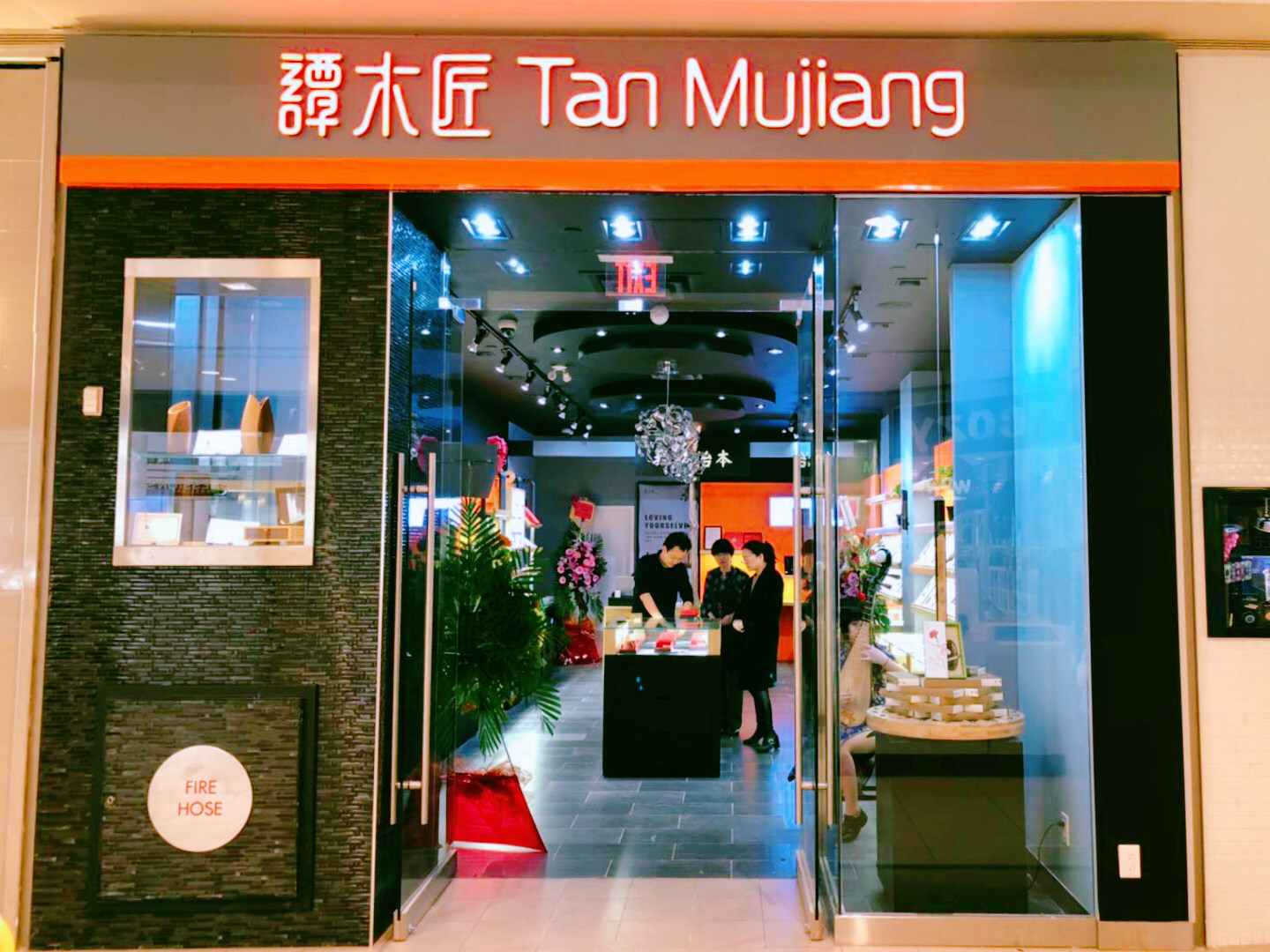
    Chinese wooden-comb retailer Tan Mujiang has opened a new Japan flagship store.

    Located at Musashino city, the Japanese store houses a wide range of Chinese handcrafted combs made from natural materials with “beautiful shapes, smooth lines, exquisite textures and rich colours”. The Musashino store is the second flagship store in Japan after Tokyo, which opened last November.

    Since 2013, the company has obtained more than 80 patents, providing supplies to more than 1200 shops in Mainland China, three in Hong Kong and one in Taiwan.

    Tan Mujiang operates seven international flagship stores including in the US, Singapore, Germany and Japan. The US store is at at Flushing Main Street in New York City.

  • Japan’s Lixil Group launches on JD.com

    Japan’s Lixil Group launches on JD.com

    Japanese housing equipment company Lixil Group has launched a flagship store on JD.

    The digital flagship marks the Tokyo-based company’s first foray online, where it will showcase a curated collection of 150 products from four of its brands: Grohe, American Standard, Lixil Kitchen, and Inax. The products range from ceramic bathroom items and bathroom cabinets to shower fittings and one-stop kitchen fit out solutions, all aimed at Chinese consumers.

    In a statement, JD said demand among Chinese consumers for high-quality home products had increased during the coronavirus pandemic as people spent more time at home.

    China’s home-decoration market is expected to reach RMB 3.2 trillion (US$454.3 billion) by 2023, and Chinese consumer demand for high-end home decoration products is on the rise.

    Besides showcasing products, Lixil has professional designs on call to provide shoppers with free design consultations for JD customers.

    “The cooperation with Lixil Group significantly enhances JD’s offering for mid to high-end smart kitchen and bathroom products,” said a JD spokesperson.

    “The partnership is also beneficial to JD’s home decoration supply chain, providing one-stop solutions for its customers. Lixil Group will provide an overall solution that can better meet the complex needs of high-end customers.”

    The new flagship is expected to be just the first step in a growing relationship between the two companies, which are now in the early stages of planning omnichannel solutions through offline stores and other digital initiatives.

  • Takashimaya about to offer financial services in Japan

    Takashimaya about to offer financial services in Japan

    Takashimaya is to sell financial products and services in partnership with an online securities company, SBI Securities.

    According to Nikkei Asian Review, the department store is targeting its wealthy but aging shoppers.

    Takashimaya plans to sell a wide range of financial products out of more than 2700 SBI offerings, which include investment trusts, foreign stocks, futures and options trading, FX, and domestic and foreign bonds.

    Takashimaya will also offer its customers in-store consultations to help consumers decide on their investments. The department store will play as an intermediary services provider with the customer accounts will be managed by SBI.

    SBI Securities is one of Japan’s largest online securities companies, providing a selection of financial products in nine markets including the US, Hong Kong, South Korea and Singapore.

  • LVMH-backed L Catterton invests in Japanese cosmetics company Etvos

    LVMH-backed L Catterton invests in Japanese cosmetics company Etvos

    Japanese cosmetics brand Etvos has received a significant investment from global private-equity firm L Catterton’s Asia fund.

    The LVMH and Groupe Arnault-backed fund will partner with Etvos’s existing management to extend growth, with special attention to expanding store footprints and enhancing customer experiences.

    Following the completion of this investment, LVMH Japan president Norbert Leuret and Chanel G.K former special advisor Masatoshi Kuroda will join Etvos as non-executive directors to enhance the board composition.

    “This investment is a testament to the tremendous efforts and hard work of the Etvos team and we are pleased to partner with L Catterton as we accelerate our growth,” said Etvos CEO Hifumi Ogawa. “We look forward to leveraging L Catterton’s unmatched sector expertise and wide network of industry contacts as we expand our retail footprint, enhance the customer experience, and further expand our high-quality product portfolio.”

    The investment is L Catterton’s first in a Japanese cosmetics brand.

  • Panic buying underpins Japanese retail sales growth

    Panic buying underpins Japanese retail sales growth

    Japanese retail sales have recorded a distinct uptick as consumers enter a panic-buying mode in response to the coronavirus outbreak, according to Nikkei Asian Review. According to the Ministry of Economy, Trade and Industry, Japanese retail sales rose 1.7 percent year on year in February.

    Pharmacy sales showed the highest rate of growth, surging 18.9 percent due to higher sales of protective masks and toilet paper, among other hygiene-related purchases.

    Supermarket sales increased 6 percent following increased purchases of consumer goods.

    By contrast, sales figures for department stores slipped 11.8 percent resulting directly from a drop in tourism.

    The slowing down of local business has concurrently seen a drop in employment figures, with fewer businesses seeking to fill positions.

  • KFC Japan celebrates 50th anniversary

    KFC Japan celebrates 50th anniversary

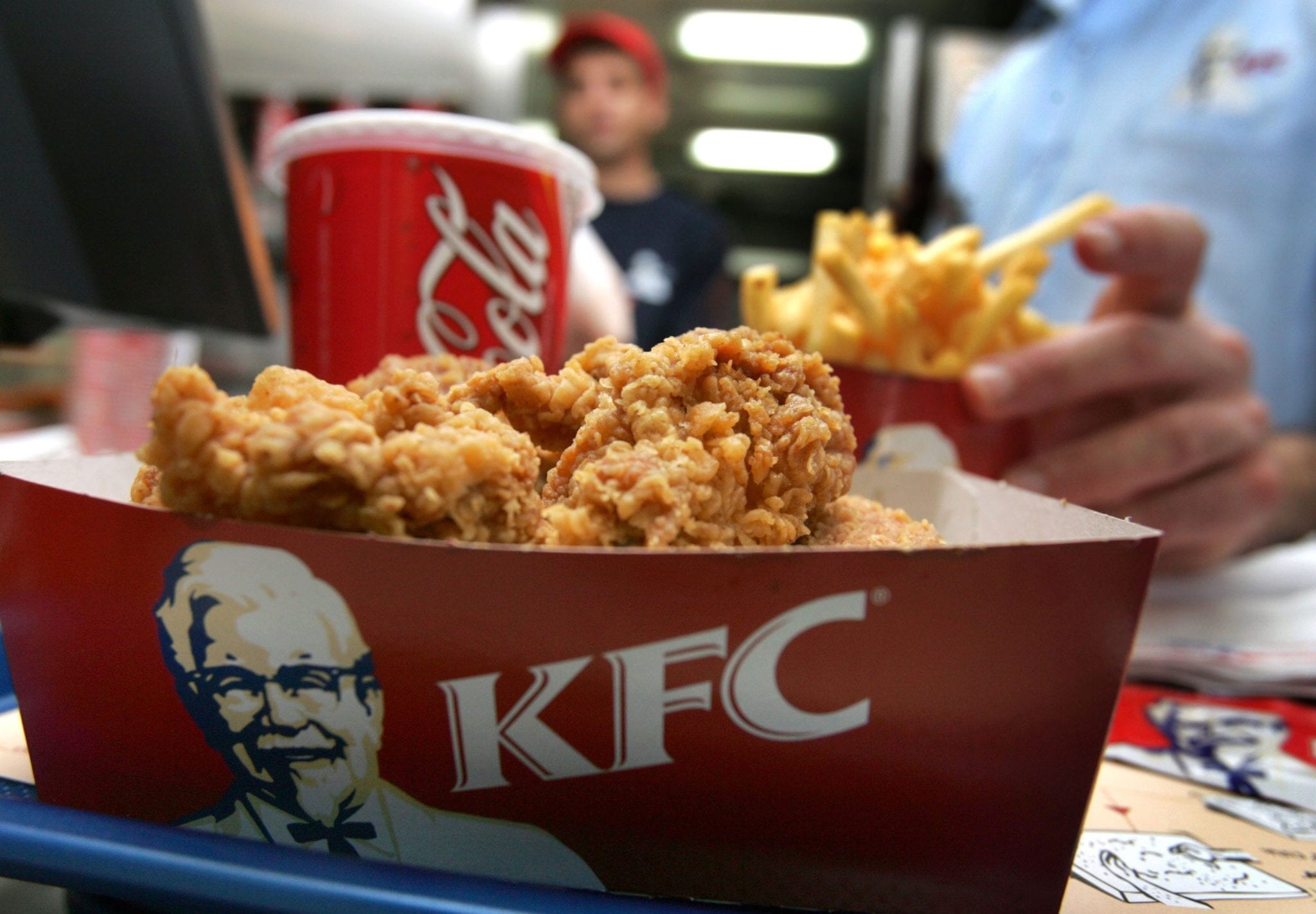
    KFC Japan will celebrate its 50 anniversary this year.

    After its successful trial at the Osaka Expo in March 1970, KFC Japan was founded on July 4 in honor of Independence Day in the fast-food chain’s home country, the US.

    The first KFC Japan store was opened in the suburban location of Nagoya in November that year.

    Back then, the term “fried chicken” wasn’t widely used in Japan. However, KFC is now one of the country’s most popular fast-food chains, and has even become a tradition at Christmas.

    To celebrate the 50th anniversary, KFC Japan has designed a logo for the event and plans to roll out TV commercials and special menu items later in the year.

    “In the changing world, KFC Japan will continue to express appreciation by providing delicious taste through food,” the company said in a statement.

    “We will express our sincere thanks through our products, campaigns and activities during our 50th anniversary year and promise to continue to protect the ‘deliciousness that no one can imitate’.”

    Japan is the third-largest market for KFC after China and the US, with 306 outlets directly operated by the company in Greater Tokyo and 826 restaurants run by franchisees in regional areas.

  • Aori Ramen chain collapses, hit by coronavirus, scandal

    Aori Ramen chain collapses, hit by coronavirus, scandal

    Japanese ramen chain Aori Ramen has declared bankruptcy after suffering from coronavirus and the boycott on Japanese goods in South Korea.

    All Aori Ramen branches will be shut down, including those in Malaysia and China.

    According to Koreaboo, Aori F&B filed for bankruptcy with the Seoul Bankruptcy court with its debts exceeding the value of its assets.

    Aori F&B said after its founder Seungri was involved with the Burning Sun scandal, the company experienced major losses with sales plunging by more than 50 percent. Aori F&B then cut ties with the South Korean singer, hoping the restaurant would gain its customers back.

    The company also stated in a statement that the South Korean consumer boycott of Japanese goods also affected its business. With the subsequent coronavirus outbreak decimating restaurant patronage it is no longer able to pay its debts.

    The Seoul Bankruptcy Court’s decision has yet been made as the court wants to investigate further the Aori F&B’s ability to pay its debts.

  • Starbucks Japan launches Smart Lounge railway station concept

    Starbucks Japan launches Smart Lounge railway station concept

    Starbucks Japan has launched a new concept store in collaboration with railway operator JR East.

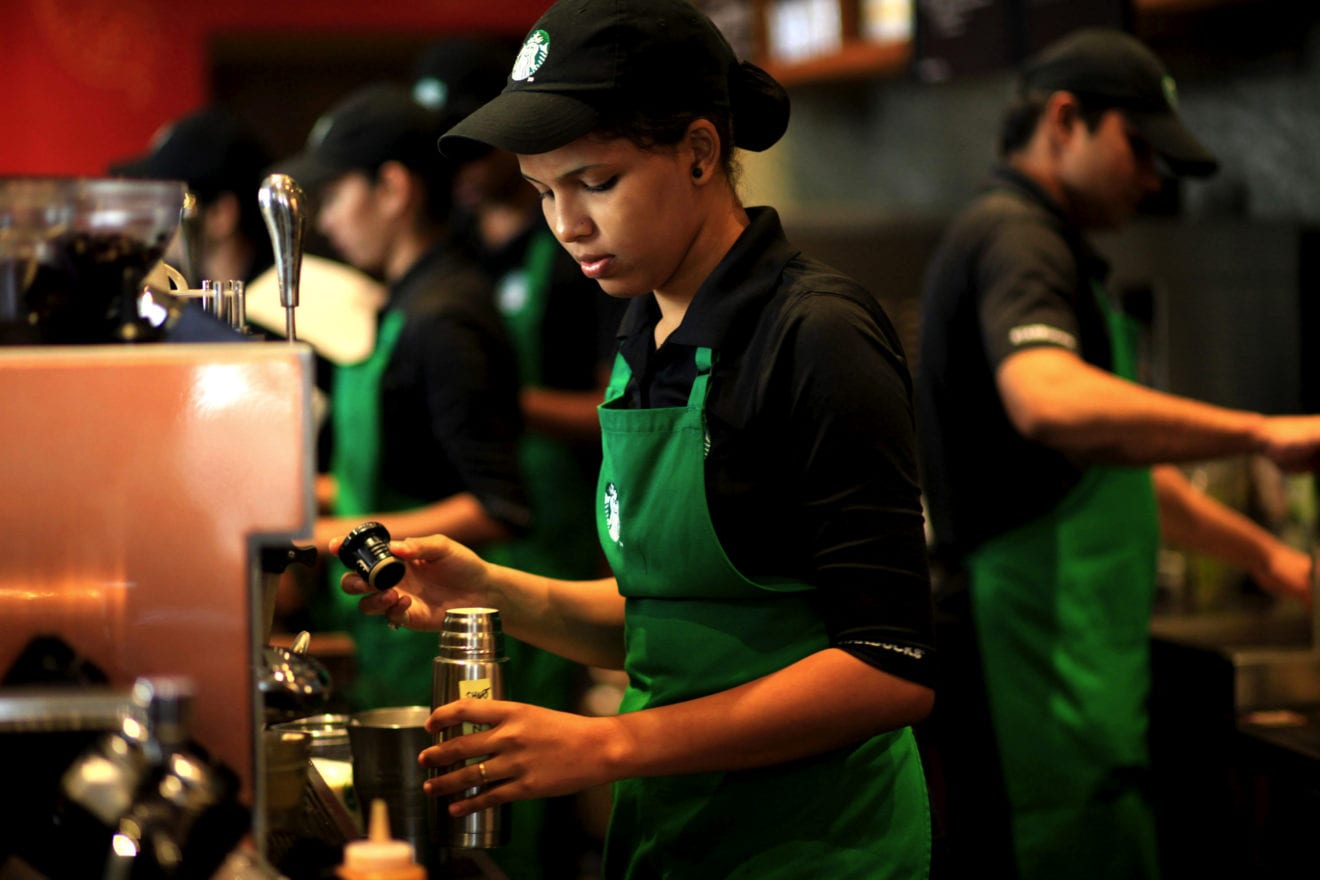
    The “Starbucks Coffee Takanawa Gateway Station” opened yesterday, introducing its Smart Lounge concept – a store space focused on business use. The store features numerous semi-private and single-seat seats to meet the needs of using a cafe for work purposes as well as a large table used for meetings with multiple people.

    Two fully-private booth-style share offices are provided within the store. Power outlets are available for all seats, and the store also operates a mobile battery sharing service. Wifi is available throughout the premises.

    The cafe also specializes in speedy cashless payment via Starbucks Card and Suica, among other e-payment platforms. Via a dedicated app, it allows customers to settle orders in advance and receive products smoothly at stores, designed to allow more effective use of time and reduction of waiting time at cash registers.

    “Starbucks has more than 1500 stores nationwide and connects with 800,000 customers a day,” said Starbucks Japan head of store development Kazuhiro Ishihara. “Each store has its own personality and expression that reflects the locality and needs of each individual.

    “At the Takanawa Gateway Station, we provide a smart and comfortable experience that suits its location and purpose, and integrates with people’s lives to create a future city that no one has yet seen. We aim to be a store and base that can be created with people.”

    Takanawa Gateway Station is situated in Shinagawa town, a new urban area under development that aims to be a new gateway to Tokyo.

    JR East aims to operate 30 shared office spaces by the end of the financial year.