Tag: Japan

  • Japan’s World Co closing 358 stores by March

    Japan’s World Co closing 358 stores by March

    Japanese apparel firm World Co is shuttering 358 outlets nationwide by March next year. The move is in response to the impact of the Covid-19 outbreak and will involve jettisoning five clothing brands owned by the parents firm – including unprofitable brands Aquagirl and Ozoc – and potentially more.

    The closure plan will involve implementing a voluntary early-retirement program for staff and around 200 layoffs.

    World Co has operated for more than 60 years within Japan and went into private ownership 16 years ago.

    The company is not the only Japanese apparel retailer to announce plans to scale back operations this year. Last month, rival Cecil McBee said it would shut down all of its physical outlets in the country. It said at the time it could not survive another outbreak with a period of store shutdowns.

    The firm’s 43 stores are closing consecutively throughout Japan, with final closures to be made by February next year.

  • Axa Joint Venture Buys Amazon Japan Warehouse

    Axa Joint Venture Buys Amazon Japan Warehouse

    The firm’s real estate investment arm has acquired the ¥39 billion ($369 million) Tokyo logistics facility in a joint venture with fund manager ESR.

    The ESR-Axa vehicle purchased the 142,000-square-meter ESR Kuki, located in the north-eastern area of Saitama prefecture, from ESR-managed vehicle Redwood Japan Logistics Fund II (RJLF II) and co-investors.

    The site is built to the highest specifications and meets the latest ESG standards (CASBEE A certification), and is energy-saving compliant. The asset benefits from a human-centric design with plentiful amenity space for workers, such as children’s daycare centres, and access to 241 parking spaces, the announcement said. According to real estate intelligence platform Mingtiandi, Amazon leased nearly half of the facility just seven months ago.

    The demand for modern logistics space in this market is likely to remain strong due to tight supply and we are confident that this, coupled with the continued growth of e-commerce, will enable us to deliver secure income returns over the long term for our clients, alongside our joint venture partner, Laurent Jacquemin, Axa IM – Real Assets head of Asia-Pacific, said in a statement on Thursday.

    The acquisition adds to Axa Investment Managers – Real Assets’ Japanese logistics platform which comprises a six asset portfolio acquired on behalf of clients last year for over ¥100 billion, as part of its Japanese joint venture with ESR established in 2018.

    Axa said the joint venture will seek further investment and development opportunities diversified across Japan’s gateways cities, targeting large-high-quality modern logistics facilities that have the ability to deliver secure income returns over the long term.

    Axa IM – Real Assets is part of Axa IM Alts, which has €146 billion of assets under management as of end of March 2020, across real estate, infrastructure, private debt, structured finance and hedge funds

  • Japanese Automakers Post Double-Digit Sales Growth In China

    Japanese Automakers Post Double-Digit Sales Growth In China

    Japanese automakers’ China sales grew by more than 10% from a year earlier in July as the world’s biggest auto market sustained its recovery.

    Nissan Motor said on Wednesday its sales in China rose 11.6% last month from a year earlier to 120,945 vehicles. China is a market that Nissan is focusing on as the embattled carmaker struggles to fix problems from ousted leader Carlos Ghosn’s aggressive expansion drive

    Nissan’s sales in China rose 11.6% last month from a year earlier to 120,945 vehicles.

    Toyota Motor Corp sold around 165,600 cars last month in China, up 19.1% year-on-year. Of the total, 22,300 came from its premium Lexus brand, which showed a 38.6% sales jump compared to a year earlier.

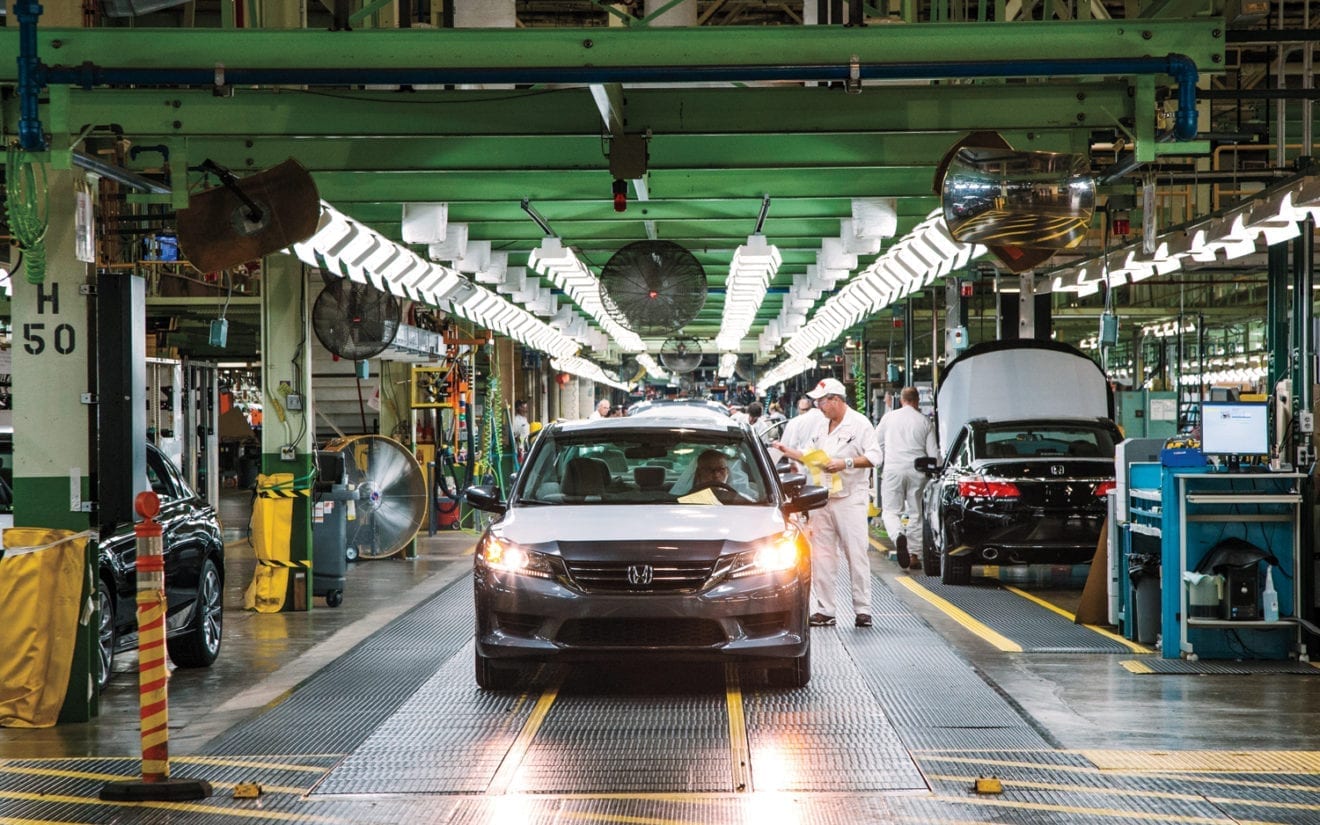
    Honda Motor Co said on Wednesday it sold 136,646 vehicles in China in July, up 17.8%.

  • Honda Sees Drop In Annual Profit As Coronavirus Slams Car Sales

    Honda Sees Drop In Annual Profit As Coronavirus Slams Car Sales

    Japan’s Honda Motor Co on Wednesday forecast a 68 percent decrease in annual operating profit to a 10-year low with global demand for cars expected to slide because of the coronavirus pandemic.

    The country’s No. 3 automaker expects profit to sink to 200 billion yen ($1.89 billion) in the year to end-March 2021, its weakest since the 2010/11 year, and undershooting analyst estimates.

    Honda is bracing for a 6 percent decrease in annual vehicle sales after a 40 percent plunge in the June quarter, which resulted in a 113.7 billion yen operating loss.

    Global automakers are taking a big hit from the coronavirus outbreak, which shuttered vehicle factories this year and has kept customers out of car dealerships.

    The maker of the CR-V SUV crossover and the Fit compact hatchback expects to sell 4.5 million vehicles this year, versus 4.79 million last year. It predicts a 16 percent sales slide in North America, a key market where the United States is struggling to control a surge in virus infections.

    “If the current situation continues as is, we think the situation will not get worse (than we saw earlier this year), but it will take time for demand to recover to pre-pandemic levels,” Executive Vice President Seiji Kuraishi told a live-streamed briefing.

    Despite weaker sales in North America, Honda expects annual sales in Asia to increase by 8 percent.

    China, one of Honda’s biggest markets, has become a rare bright spot for many global automakers, as demand in the world’s biggest car market has been recovering faster than in other countries.

    Honda sank into the red for the second straight quarter and posted its worst operating loss since the March 2009 quarter.

    Despite its dire outlook, Honda is weathering the coronavirus pandemic better than rivals Nissan Motor Co, Mitsubishi Motor Corp and Mazda Motor Corp, which last week forecast record operating losses for the year.

  • Japan retail sales tumble during June

    Japan retail sales tumble during June

    Japanese retail sales have fallen by 1.2 percent during the month of June over the same month last year. It was the fourth consecutive month of a decline in retail trade, largely brought about by the impact of the coronavirus pandemic.

    The drop stands in contrast with earlier median market projections that forecasted a 6.5-per-cent decrease.

    The information was revealed yesterday in government data released by the Ministry of Economy, Trade, and Industry.

    Sales continued to plummet in categories such as general merchandise, fabrics apparel & accessories, motor vehicles, and fuel – although not as sharply as in the month previous. By contrast, sales rebounded for machinery & equipment

    A bright spot in the figures showed food & beverage sales continuing to increase by 3 percent following a 1.9-per-cent rise in May.

  • Suning shutting half of its Laox store footprint in Japan

    Suning shutting half of its Laox store footprint in Japan

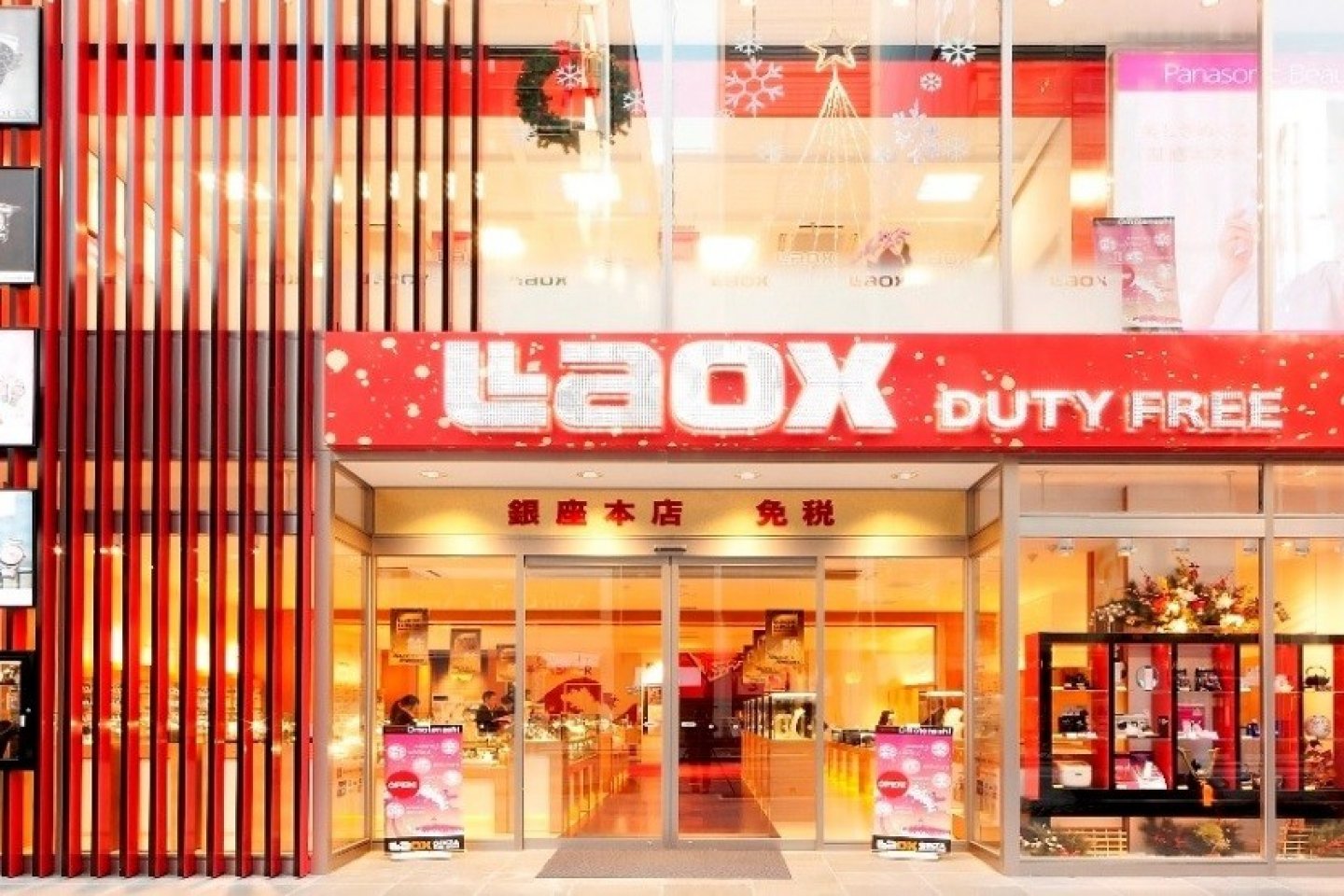
    Japanese electronics retailer Laox is to shut half of its stores in Japan as its customer base dried up due to Covid-19 social-distancing.

    Laox is managed by Chinese electronics giant Suning and the duty-free stores had been a popular location for Chinese tourists looking for Japanese appliances.

    The significant drop in the number of foreign tourists, especially those from China, has forced the company to close 12 outlets in the country to cut costs and improve cash flow.

    The 12 stores will include locations in Hokkaido, Kyushu, Tokyo and Okinawa.

    Since February, the company has twice called on staff to apply for voluntary retirement to restructure due to the financial impact of the pandemic. Laox recorded a net loss of US$18.1 billion for the March quarter.

  • Cecil McBee forced to close all stores

    Cecil McBee forced to close all stores

    Japanese clothing label Cecil McBee is shutting down all of its physical outlets in its home territory.

    The brand has operated since the 80s, targeting a young fashionable market, but has struggled to remain relevant against Forever 21, H&M and other newer brands for more than a decade before the Covid-19 pandemic dealt a death blow.

    Cecil McBee’s decision acknowledges that the brand could not survive another outbreak with a period of store shutdowns. It will, however, continue to trade online.

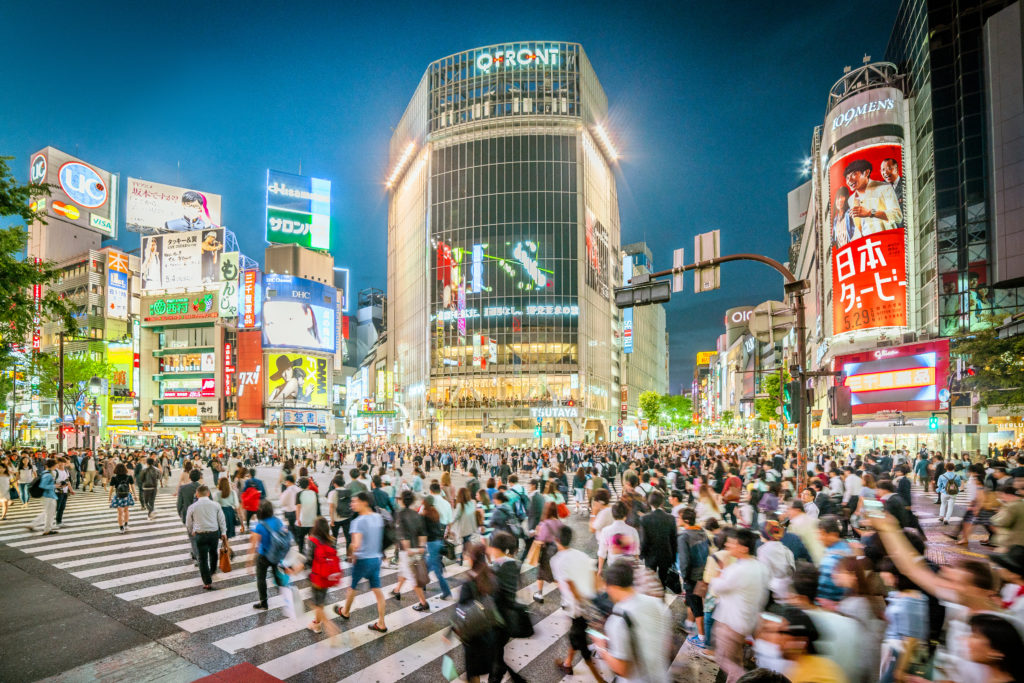
    Cecil McBee’s 43 stores will close consecutively throughout Japan, with final closures to be made by February next year, according to reporting by Nikkei. Its fashionable Shibuya branch will shut down before this December.

    Several sister brands under parent firm Japan Imagination will likewise be discontinued, resulting in the closures of 92 additional stores and the retiring of 570 staff.

    The company’s other brands are Ank Rouge, Jamie ANK, Be Radiance, Fabulous Angela, Sophila, Agplus, Cachec and Rumour.s.

  • Japanese cheap eatery operator Ootoya set for ownership fight

    Japanese cheap eatery operator Ootoya set for ownership fight

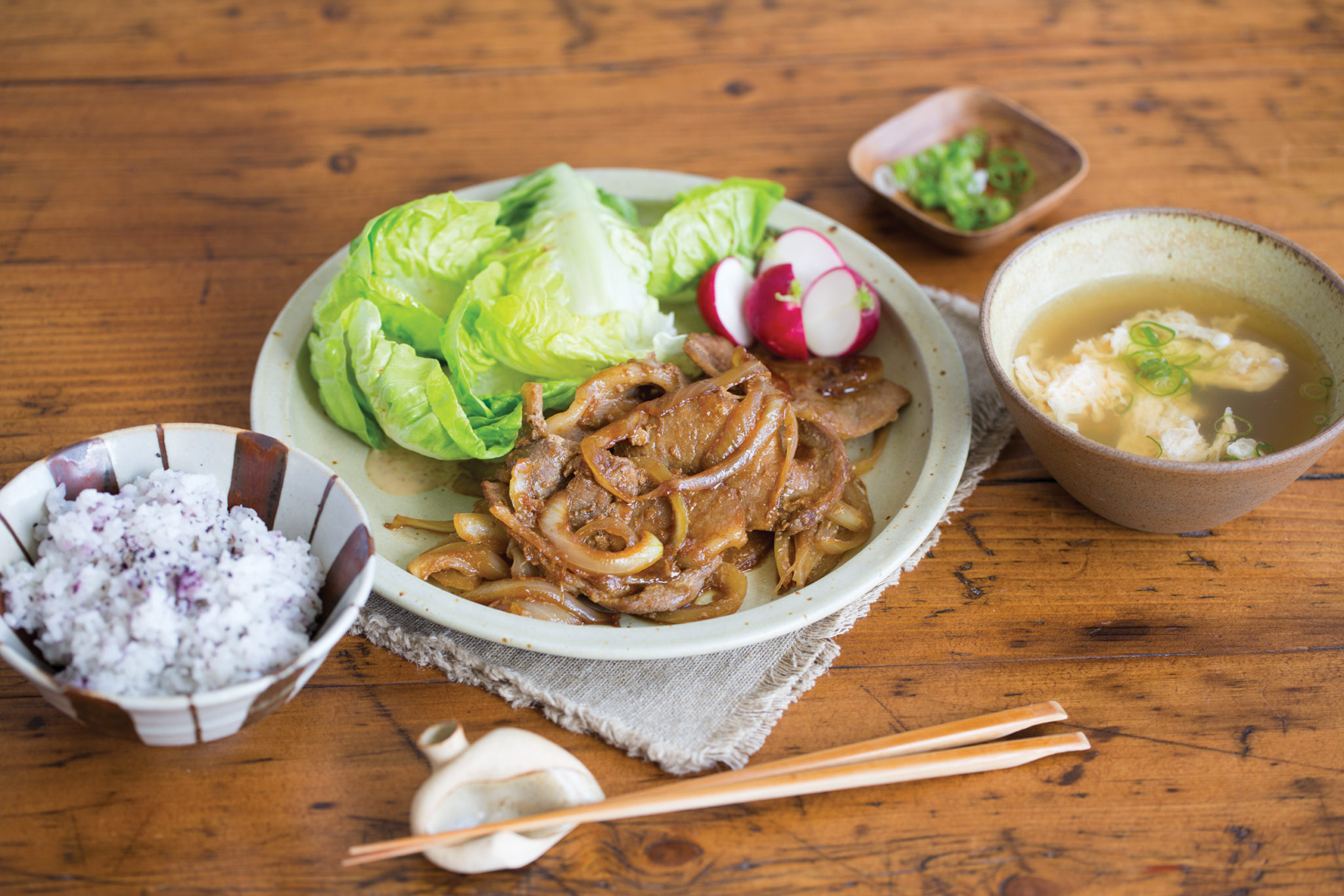
    A long-running feud for control of a Japanese provider of home-cooked meals Ootoya has spilled out of the boardroom and into the kitchen.

    Colowide, which owns multiple restaurant chains in Japan, is seeking to take control of Ootoya Holdings, a well-known operator of cheap and convenient eateries that serve what it describes as “mom’s food.” Having failed in an earlier bid to install its preferred slate of directors, Colowide earlier this month launched a tender offer aimed at boosting its share in Ootoya to a majority and give it control of the company.

    Ootoya on Monday formalized its opposition to the offer, setting up a proxy fight for the future of the franchise at a time when the restaurant business in Japan, as in much of the world, is struggling to stay afloat due to the coronavirus pandemic. Restaurants have had to cut back on hours, staffing, and capacity to comply with social-distancing measures, eroding their profitability.

    At its heart of the struggle in Japan is a dispute over the place of kitchens: Ootoya makes its traditional Japanese meals on-site in each restaurant and argues this is crucial to its business. Colowide wants to modernize the chain and integrate into its network of central kitchens, hubs that can serve multiple restaurants at once.

    The struggle also highlights how hostile takeovers, once frowned upon in Japan, are increasingly becoming an option for management feeling ever-greater pressure from shareholders to boost long-term sluggish performance.

    The battle has its roots in the sudden death in 2015 of Hisami Mitsumori, the man who built the Ootoya brand. Following a reported clash with CEO Kenichi Kubota, Mitsumori’s son Tomohito left the company, and he and his mother eventually sold their sizable stakes in Ootoya to Colowide in 2019. Kubota himself is also a cousin of Mitsumori.

    Colowide first tried to install its preferred slate of directors, which included Tomohito Mitsumori, only for shareholders to roundly reject the proposal last month. Colowide is now offering 3081 yen (US$28.74) per share to take its stake above 51 percent. That’s a 46-per-cent premium to the closing price before the offer, with shares closing at 2934 yen on Monday.

    Ootoya’s management has hit back, accusing Colowide of bungling past takeovers, including that of Kappa Sushi, acquired in 2014 and which Ootoya says has trailed rival sushi outlets. In its statement of opposition to the tender offer, it warned shareholders that a successful Colowide bid would put Ootoya’s business in jeopardy. A group of more than 400 restaurant employees on Friday said they opposed the deal.

    “We do not view Colowide as being in good shape to drive a turnaround of Ootoya,” Mio Kato, an analyst at LightStream Research who publishes on Smartkarma, wrote in a note on July 9. “This looks to be a potential acquisition of a struggling company by a financially weak and in our view, also struggling company, during a crisis period for their industry.”

    “I have no intention of ever changing our style of cooking in-store,” Kubota told Nikkei Business magazine in an interview in May, before the bid had been finalised. “A tender offer is not illegal, but would be in extremely bad faith.”

    One intriguing complication is Ootoya’s retail-heavy shareholder base. Most of Ootoya’s shares are in the hands of individual investors, with many holding the stock long term in order to claim “yutai” shareholder gifts, which include free meals an

  • Muji bus targets customers in Japan’s mountains

    Muji bus targets customers in Japan’s mountains

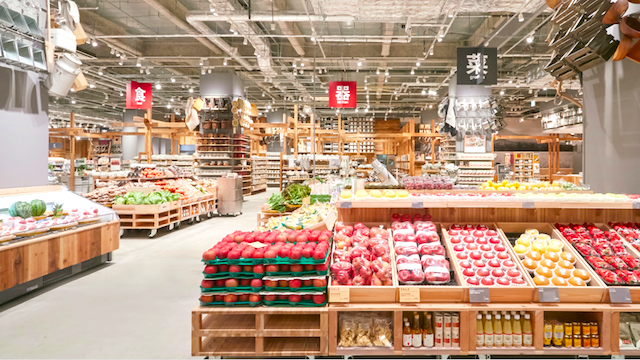
    Household and consumer goods retailer Muji has built a Muji bus – a store inside a revamped tourist coach targeting consumers living in Japan’s mountainous regions.

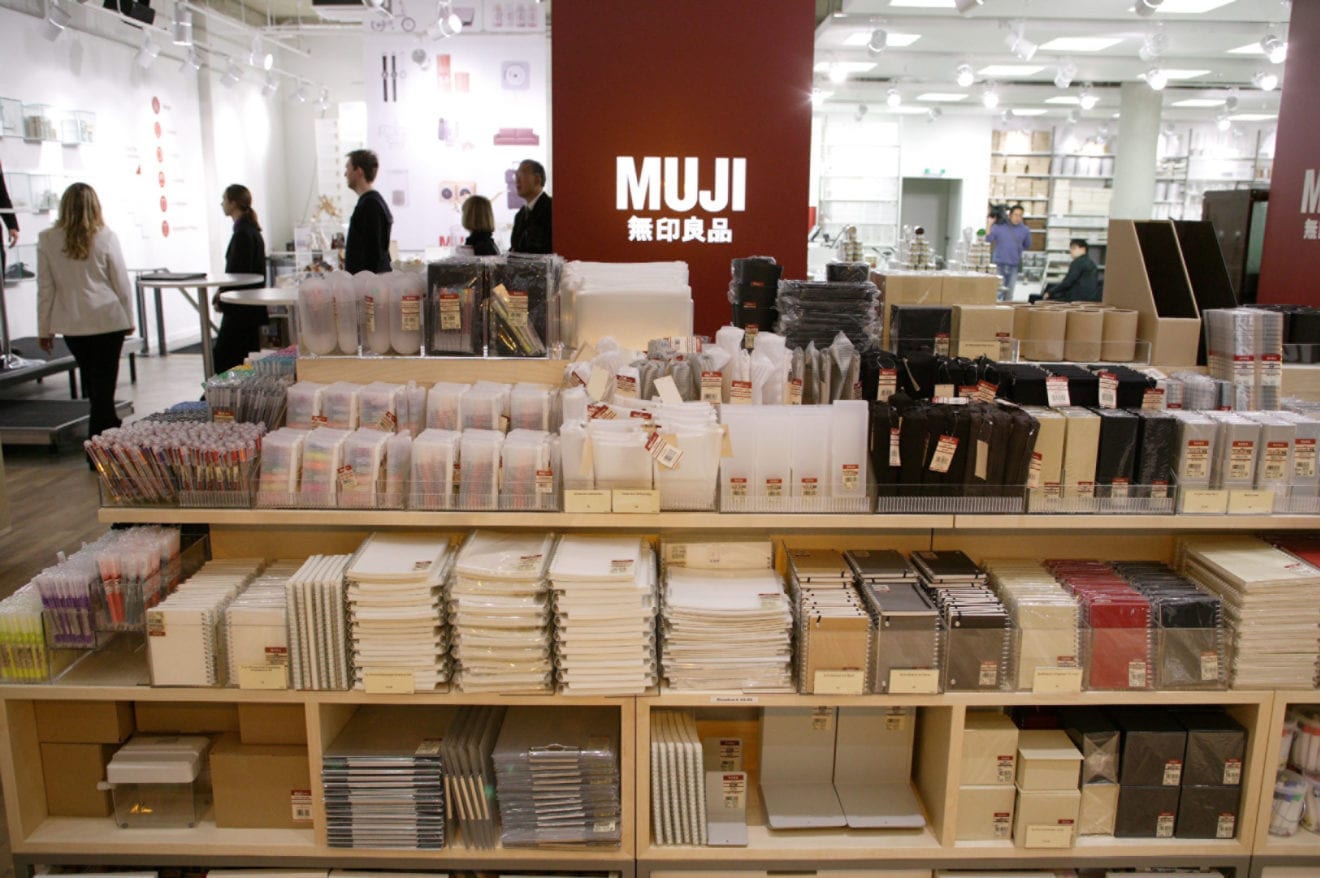
    The new Muji to Go mobile store launches alongside Muji’s largest store internationally which has opened in Tokyo’s Naoetsu Shopping Centre. Its aim is to help revitalize the brand within its home market by targeting consumers who cannot conveniently access city stores – especially older customers.

    The store will begin selling goods next month before fully launching in September with a stock of clothing, stationery, and daily-use supplies. The project will additionally allow Muji staff to converse with remote consumers and learn more about their needs and concerns

    A second mobile store is likely to be launched in Sakata city, Yamagata in the near future.

    More information and photos on Designboom.

  • Muji enters Chapter 11 owing US$65 million in USA

    Muji enters Chapter 11 owing US$65 million in USA

    Japanese homewares and lifestyle retailer Muji has placed its US business in Chapter 11 bankruptcy protection with debts of US$64 million.

    The company said the measure was the result of having to continue to pay rent in high-profile locations while stores were shuttered due to the Covid-19 pandemic. Landlords had shown little flexibility despite stores not being able to trade.

    Under bankruptcy protection, the company’s parent, Ryohin Keikaku, has six months to submit a restructuring plan.

    After launching in 2006, Muji US has opened just 19 stores there. But it chose high-profile locations like 5th Avenue and Times Square to establish brand exposure.

    In the year to February, the company achieved sales of $102.5 million but reported a loss of $16.8 million.

    Muji has no intention of closing or exiting the US. Ryohin Keikaku, president Satoru Matsuzaki, said he would personally oversee the restructuring of the US business.

    “The US is the cornerstone in building name recognition,” Matsuzaki was quoted in the Nikkei.

    Muji US has reopened 10 stores, but total sales are running at just 20 percent of the level of pre-Covid-19.

  • Uniqlo to open 24th store in Australia in September

    Uniqlo to open 24th store in Australia in September

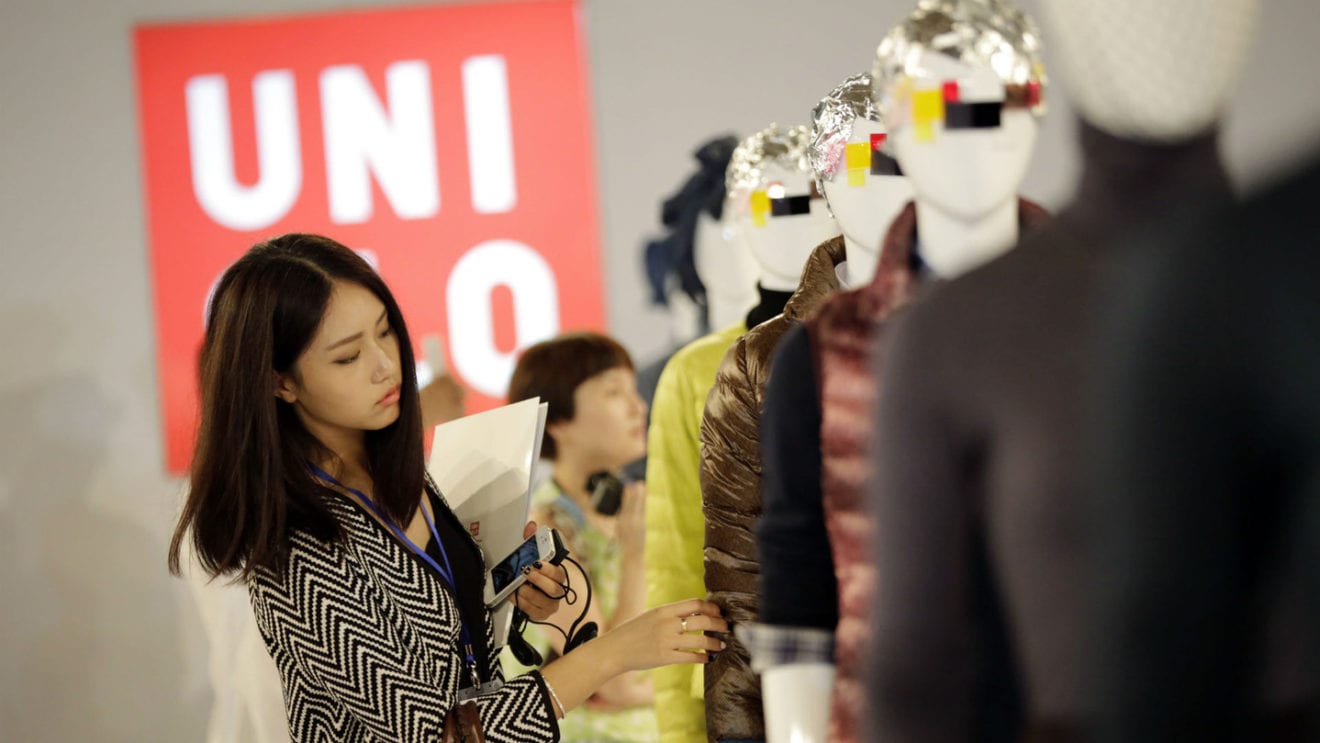
    Japanese clothing retailer Uniqlo will open a new store in the country at Bondi Junction this September, taking its store count in Australia to 24.

    The new store at Westfield Bondi Junction, which will span 1323sqm, will be the retailer’s ninth store in New South Wales.

    Uniqlo said this store will feature the biggest LED screen installation ever seen in the retailer’s Australian stores and will offer a full line-up of the brand’s LifeWear apparel for men, women, kids, and babies.

    Kensuke Suwa, company chief operating officer, said since they’ve opened their first store in Australia in 2014, they have been able to consistently grow their retail footprint by leveraging their keen understanding of the local consumer and ensuring their products align with their needs.

    “We hope to keep the momentum going and look forward to making the brand even more accessible to Australians,” Suwa said.

    “We are excited by this milestone of bringing LifeWear from Tokyo to a truly iconic location in Australia and are looking forward to becoming a positive part of the Bondi community”.

    This Uniqlo store is its eighth store with the Westfield Group, following Hurstville, Hornsby, Chatswood, Parramatta, Miranda, Chermside, and Carousel.

  • FamilyMart Japan subject of US$5 billion takeover bid

    FamilyMart Japan subject of US$5 billion takeover bid

    Japanese convenience-store chain FamilyMart will be sold outright to local trading company Itochu, according to reports.

    The buyer, which currently holds 50 percent of FamilyMart business, made the decision to fully purchase the chain last Wednesday in a transaction that is expected to cost between US$4.6 billion and $5.5 billion.

    The business media say the joining of the two businesses will result in a deeper level of cooperation in food procurement, consumer-goods retailing, customer-data analysis, and digital payments, among other areas.

    In Thailand, the FamilyMart business was completely bought out last May by local operator Central Retail as a precursor to expanding the network in the territory.

    The brand has shown signs of instability that date back before the advent of the coronavirus pandemic. Last November, FamilyMart Japan reduced its operational costs by letting go 800 employees, about one in 10 of its total staff count, and made moves to allow franchisees to operate shorter opening hours.

  • Takashimaya plunges into the red as Covid-19 eats into sales

    Takashimaya plunges into the red as Covid-19 eats into sales

    Takashimaya, the Japanese department store operator, has reported a loss of US$190 million in the May quarter as it faced extraordinary payments related to the Covid-19 pandemic and falling sales.

    The company was forced to effectively close 22 stores in Japan from April 8 after Prime Minister Shinzo Abe declared a state of emergency. Only the food departments were allowed to continue to trade as the government ensured social-distancing measures.

    Sales in May plunged by more than 60 percent as a result, but last month’s decline was a much less dramatic 16 percent as cities began to reopen and consumers ventured out shopping again. For the full quarter, sales were down by 48 percent to $1.08 billion.

    As well as reduced domestic spending, Takashimaya sales were impacted by the absence of tourists as borders were closed as a Covid-19 prevention strategy.

    For the May quarter, Takashimaya recorded a one-off loss of $79.8 million relating to pandemic costs, including paid leave for staff unable to work due to the shutdown.

    The company did not release any figures on the performance of its overseas stores in Vietnam, Singapore, Thailand and Mainland China and it declined to proffer earnings guidance for the full year.

  • Japanese entrepreneur revisits nation’s golden apparel era with Factelier

    Japanese entrepreneur revisits nation’s golden apparel era with Factelier

    Toshio Yamada, the founder of Factelier, is a young Japanese entrepreneur who wants to preserve the craftsmanship of his country’s apparel industry.

    Yamada has created his own uniquely Japanese brand Factelier which designs and sources clothing and accessories for men, women and babies from experienced, typically family-owned, clothing factories spread all over the nation. They are sold online and shipped to 100 countries, through a small network of boutiques in Japan and Taiwan, and in selected department stores.

    Yamada’s vision is to preserve the rich heritage of apparel manufacturing and let the suppliers he works with emerge from the unavoidable anonymity that comes with supplying global brands.

    Thirty years ago, Japan, one of the world’s largest apparel markets, used to produce 50.1 percent of its domestic sales. Today, thanks to the rise of fast fashion and the outsourcing of manufacturing to countries like China, Bangladesh and Vietnam, that share has slumped to just 3 percent. More than three-quarters of the companies manufacturing clothing in Japan in 1990 are no longer trading today.

    Yamada was born into a family that ran a women’s clothing store for 100 years in Kumamoto, on the island of Kyushu. Living upstairs, he helped out on the shop floor from early childhood, surrounded by quality locally made clothes in an era when ‘made in Japan’ was familiar.

    Later, as a student, Yamada interned with luxury label Gucci in Paris. There the realization dawned on him that labels like Gucci, Hermes, and Louis Vuitton were all born in factories. “So they respect craftsmanship. Now I’m hoping to revive the local craftsmanship in Japan.

    “Our dream is to create world-class brands made in Japan, and build a sustainable and profitable link between these local artisans and consumers around the world, by selling clothes from Japanese factories directly to consumers, cutting out the middleman,” he told Inside Retail Asia.

    Factelier was created via an astonishing commitment to researching the industry. Yamada personally visited some 600 factories the length and breadth of Japan before selecting 55 of them as suppliers, all of them with experience in supplying top international brands.

    “A lot of these companies did not have a homepage, right, and Google did not know about them. So I would take a train and get off at a station and go to a telephone box and use the telephone book to find them.” He would then phone the factories he found listed and ask if he could stop by.

    Somewhat surprised, they invariably welcomed him. “It was a very old style approach,” he recalls.

    Having built the network he not only maintains constant personal contact with his suppliers, but their company names appear beneath Factelier on the clothing labels. The connection between craftsmanship and consumer runs even deeper: Yamada’s company runs regular factory tours for customers so they can see the art and commitment that goes into the clothing they buy.

    “We know the stories behind the factories, how they make the products, and it’s very interesting – when our customers go to the factories and they see the craftwork behind the clothes they become loyal customers.”

    It took Yamada three years to build the base of the business, living off a part-time job as he traveled from factory to factory and developed designs and products. Eight years since his mission began, Factelier has grown to a 50-strong team with four stores and a warehouse in Japan, two stores in Taipei – and even a cafe. Sales are currently doubling twice a year with 80 percent of orders from Japan. The largest overseas markets are the US, Mainland China, Taiwan and Hong Kong.

    “Fashion manufacturing used to be a declining industry in Japan, but I think if we have the passion and the vision, I think we can revive it. And more importantly, [our customers] will spend more for better products.”

    Factelier’s garments are of similar quality (but not design) to those being supplied to the likes of Gucci or Hermes – but sell for about half the price. It helps, of course, that Factelier is not paying for massive international advertising budgets and other overheads associated with luxury brands. Typically the factory gets a higher price for the clothing it produces for Factelier because the two parties jointly decide on the retail price, rather than the label dictating pricing and how much the factory gets for making it.

    “It’s a very, very different business model from traditional brands,” says Yamada.

    That said, the factories could not survive on Factelier alone – the Japanese label typically only accounts for between 5 and 10 percent of a partner factory’s production. But they are getting a better deal and Yamada says many are finding themselves able to employ more graduates to expand their business.

    The closer relationship between brand, manufacturer, and the customer has produced an unexpected spinoff: consumers are starting to influence the range and style of clothing being produced, especially in the field of functional clothing.

    “One day a customer asked us to manufacture clothes that would repel mosquitos. That’s a very, very difficult request.” Diligently working with factories and textile suppliers Yamada’s team succeeded, by incorporating a herb in the fabric that sends the mozzies packing.

    During our conversation, Yamada wore a stylish blue wrinkle-free jacket. “If I pack it in a trunk, it does not crease.” Another product uses baseball-uniform techniques to create 3D pattern effects.

    And Factelier sells stain-proof white jeans. Spill soy sauce, wine, coffee or ketchup over the denim and it comes off immediately without leaving a stain. This was another product designed to fulfill a customer’s request.

    Besides his interest in functional clothing, Yamada is committed to sustainability. The company uses natural fibers and biodegradable fabrics and it recently planted an organic cotton farm near Mount Fuji. Japan imports 99 percent of its cotton and he wants to change that reliance on other countries.

    Yamada is optimistic there is a strong future for direct-to-consumer brands. “The size of the B2C market in Japan expanded to US$180 billion in 2018. It grew by $160 million, or 9 percent, in that year.

    “Yes, craftsmanship is very big. I want to spread the idea of craftsmanship all over the world.”
  • Chinese tea brand Nayuki opening in Japan

    Chinese tea brand Nayuki opening in Japan

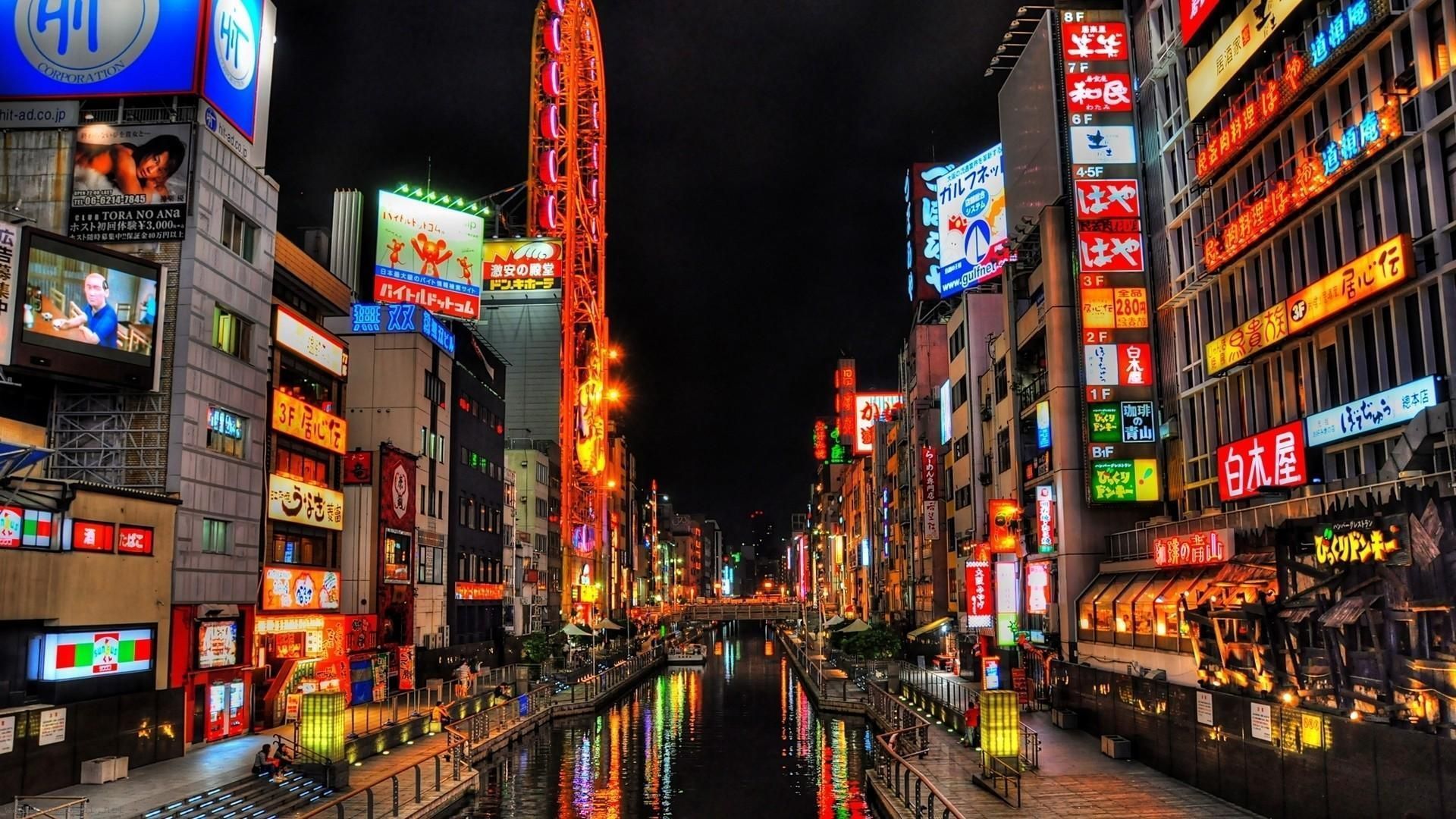
    Chinese fruit-based cheese tea brand Nayuki is making its debut in Japan, opening its first cafe in the Zero Gate shopping complex in Osaka.

    The new 200sqm store features a teahouse experience similar to the brand’s locations in its home market, incorporating special details to match modern Japanese culture.

    “As a brand dedicated to becoming the innovator and promoter of the tea culture, we wish to deliver an exceptional experience for the local residents, one that reflects our passion for creating unique tea-based drinks for tea lovers worldwide,“ said Nayuki founder Peng Xin.

    The new outlet serves a wide range of tea drinks made by tea baristas as well as low oil and sugar-content soft-euro bakes.

    Nayuki operates nearly 400 stores in China, ranging from 1200–11,000sqft in prime locations across the country and also has stores in Singapore.