Tag: Japan

  • United Arrows Eyes Global Expansion With First Online Store Launch In September

    United Arrows Eyes Global Expansion With First Online Store Launch In September

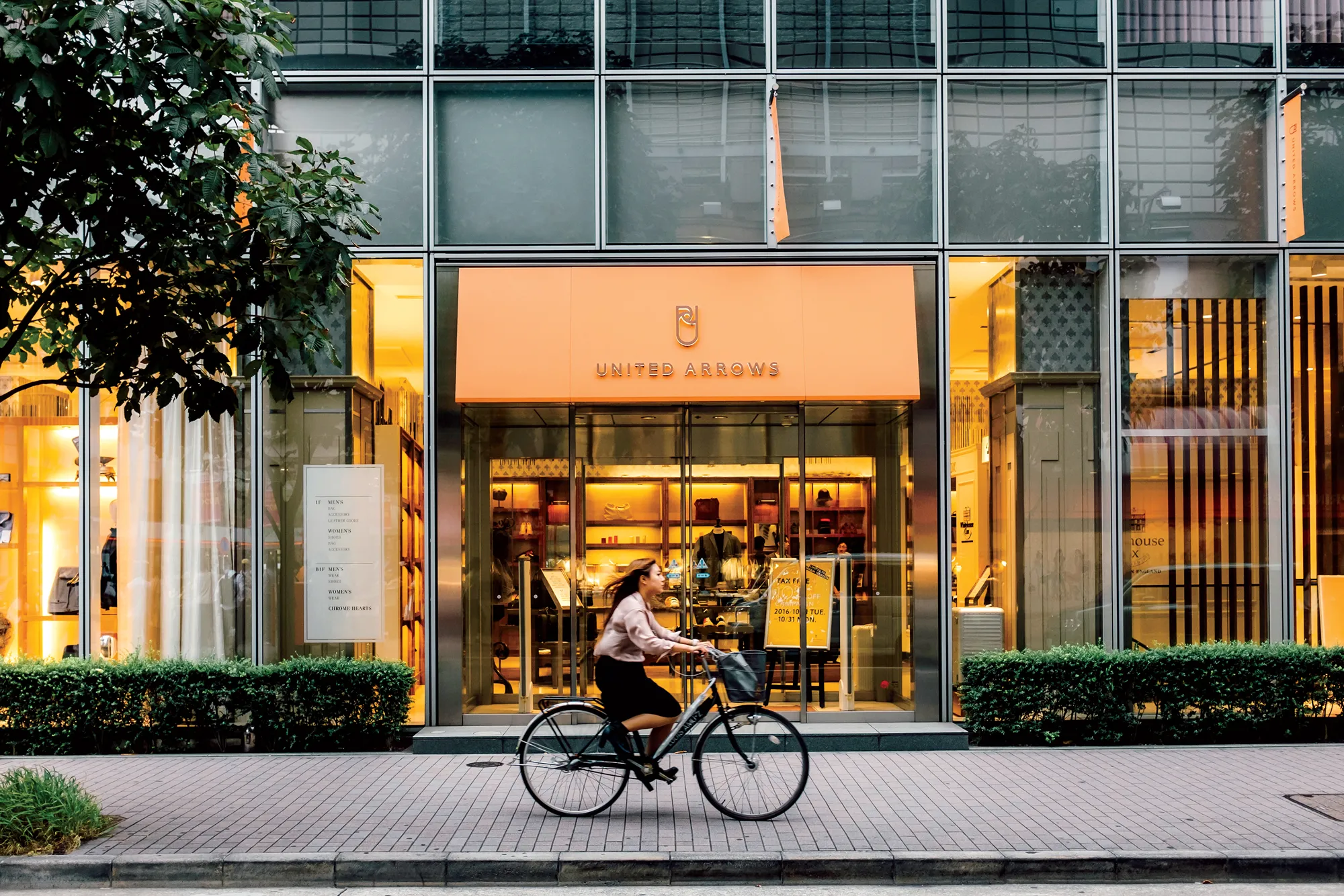
    Japanese apparel company, United Arrows, is set to launch its first global online store in September. This milestone will allow the brand to increase its international presence, providing a tailored shopping experience for its global clientele. Until now, non-Japanese audiences had only been able to access the brand via its domestic website.

    United Arrows is known for its meticulously assembled collection of attire, fusing Western style with Japanese aesthetics. The apparel brand collaborates with designers hailing from America, Britain, and Italy, resulting in a diverse range of fashion offerings. The company manages an array of 30 unique brands, including its flagship United Arrows labels. Among these are Drawer and Blamink, the haute couture women’s line, along with its laid-back luxury brand, H Beauty & Youth.

    The introduction of United Arrows’ global online store aims to propagate the brand’s guiding principle of fostering a “rich and high-quality lifestyle culture” on a worldwide platform.

    Questions & Answers

    What is the global reach of United Arrows?
    Until recently, United Arrows was only available to international customers through its Japanese website. However, the launch of its global online store in September will significantly expand the brand’s reach.

    What kind of fashion does United Arrows offer?
    United Arrows offers a carefully curated selection of attire that merges Western style with Japanese aesthetics. It features designs from American, British, and Italian designers, and operates 30 different brands, including its own high-end and casual luxury labels.

    What is the philosophy of United Arrows?
    United Arrows’ guiding principle is to create a rich and high-quality lifestyle culture. The brand aims to promote this philosophy globally through the launch of its new online store.

  • Brand Studio Lifestyle Launches Flagship Store In Bangalore; Sets Target For 75 Outlets Across India

    Brand Studio Lifestyle Launches Flagship Store In Bangalore; Sets Target For 75 Outlets Across India

    Brand Studio Lifestyle recently announced the opening of a new flagship store for the brands Highlander and Tokyo Talkies. The store is located in the JP Nagar area of Bangalore, representing the 40th store of this kind in India.

    Expansion Plans

    The opening of this flagship store is part of Brand Studio Lifestyle’s ongoing efforts to increase its retail presence throughout the city. The company has set a target to open 75 exclusive stores across India by March of next year.

    The new store covers an area of 12,000 square feet, merging scale, design, and accessibility to provide an immersive and engaging retail experience for shoppers.

    Shyam S Prasad, CEO of Brand Studio Lifestyle, commented on the significance of the new store: “This flagship store serves as a massive platform to display the range of the latest trending styles we launch each month. Customers are given the chance to explore the best in international fashion within this expansive space and experience the range of fashionable items we have available.”

    Future Store Developments

    The company plans to use the JP Nagar location as a model for their future large-format stores in metropolitan cities.

    Brand Studio Lifestyle also intends to boost its retail visibility through shop-in-shop formats across 600 sale points in large format stores and multi-brand outlets.

    Commenting on the company’s future plans, Prasad said, “In the future, we are planning to have a mix of large flagship stores ranging from 8,000-12,000 square feet and mid-sized stores of about 2,000-3,000 square feet. Our recent store openings in the UAE are considerably large, demonstrating our aspirations for both national and international expansion.”

    Questions & Answers

    What is the size of the newly opened flagship store in JP Nagar?
    The new flagship store covers an expansive area of 12,000 square feet.

    What are Brand Studio Lifestyle’s expansion plans?
    The company aims to open 75 exclusive stores across India by next March and use the JP Nagar location as a model for future large-format stores in metropolitan cities. They also plan to expand retail visibility through shop-in-shop formats across 600 sale points.

    What sizes will future stores of Brand Studio Lifestyle likely be?
    The company intends to have a mix of large flagship stores ranging from 8,000-12,000 square feet and mid-sized stores spanning 2,000-3,000 square feet.

  • Macy’s Makes Bold Return To International Market With Tokyo Store Launch In 2024

    Macy’s Makes Bold Return To International Market With Tokyo Store Launch In 2024

    In a remarkable move signaling a bold shift in the Asian retail landscape, iconic American department store chain Macy’s is poised to launch its inaugural store on the vibrant streets of Tokyo in 2024. This ambitious endeavor comes on the heels of Macy’s strategic decision to re-enter international markets, hoping to tap into the bustling consumer base of Japan, known for its affinity for global brands.

    Bridging the Gap with Local Culture

    Macy’s Tokyo outlet aims to offer more than just high-quality merchandise; it will feature a tailored assortment that resonates with local tastes. The retailer plans to collaborate with Japanese designers and artisans, seamlessly blending cultural nuances into its product offerings. It’s almost like Macy’s is stepping into the ring for a traditional tea ceremony but armed with a blend of Western retail expertise and Eastern aesthetics.

    The Grand Opening: What to Expect

    The anticipated store will occupy a prime location in Tokyo’s bustling Shibuya district, an area teeming with both tourists and fashion-forward locals. With an expansive 100,000 square feet of retail space, customers can look forward to a curated shopping experience that includes everything from exclusive fashion lines to premium beauty products, promising an engaging mix of American and Japanese retail elements, ensuring that no shopper leaves empty-handed.

    Economic Implications and Market Reception

    Macy’s return to Asia comes at a pivotal moment; the Japanese retail market is on the rebound post-pandemic, with consumers eager to embrace both international brands and local innovations. Experts predict that the presence of Macy’s will not only enrich the shopping landscape but also stimulate competition, urging local and regional players to elevate their offerings and customer service.

    Beyond Retail: Community Engagement

    In a commendable attempt to position itself as more than just a shopping destination, Macy’s plans to engage with the local community through events, workshops, and art exhibitions that showcase Japanese creativity. This holistic approach is likely to foster brand loyalty and create a sense of belonging among customers in Tokyo, turning casual browsers into devoted patrons.

    A Strategic Step Forward

    Analysts see this opening as a strategic pivot by Macy’s as it navigates the complexities of a globalized retail environment. By appealing to the eclectic tastes of Japanese consumers while upholding its storied American heritage, Macy’s is hoping to carve a niche that resonates on both cultural and commercial fronts.

    Questions & Answers

    What distinguishes Macy’s Tokyo store from its American counterparts?
    The Tokyo store will feature a curated product assortment that reflects local tastes, incorporating collaborations with Japanese designers and artisans, thus blending cultural elements into its offerings.

    Where will Macy’s new store be located?
    The new outlet will be situated in Shibuya, a high-traffic area in Tokyo that attracts both locals and tourists, providing an ideal setting for the retail giant’s re-entry into the Asian market.

    How does Macy’s plan to engage with the local community in Tokyo?
    Macy’s intends to host a variety of community events, workshops, and art exhibitions, showcasing local talent and fostering a sense of connection and loyalty among its customers.

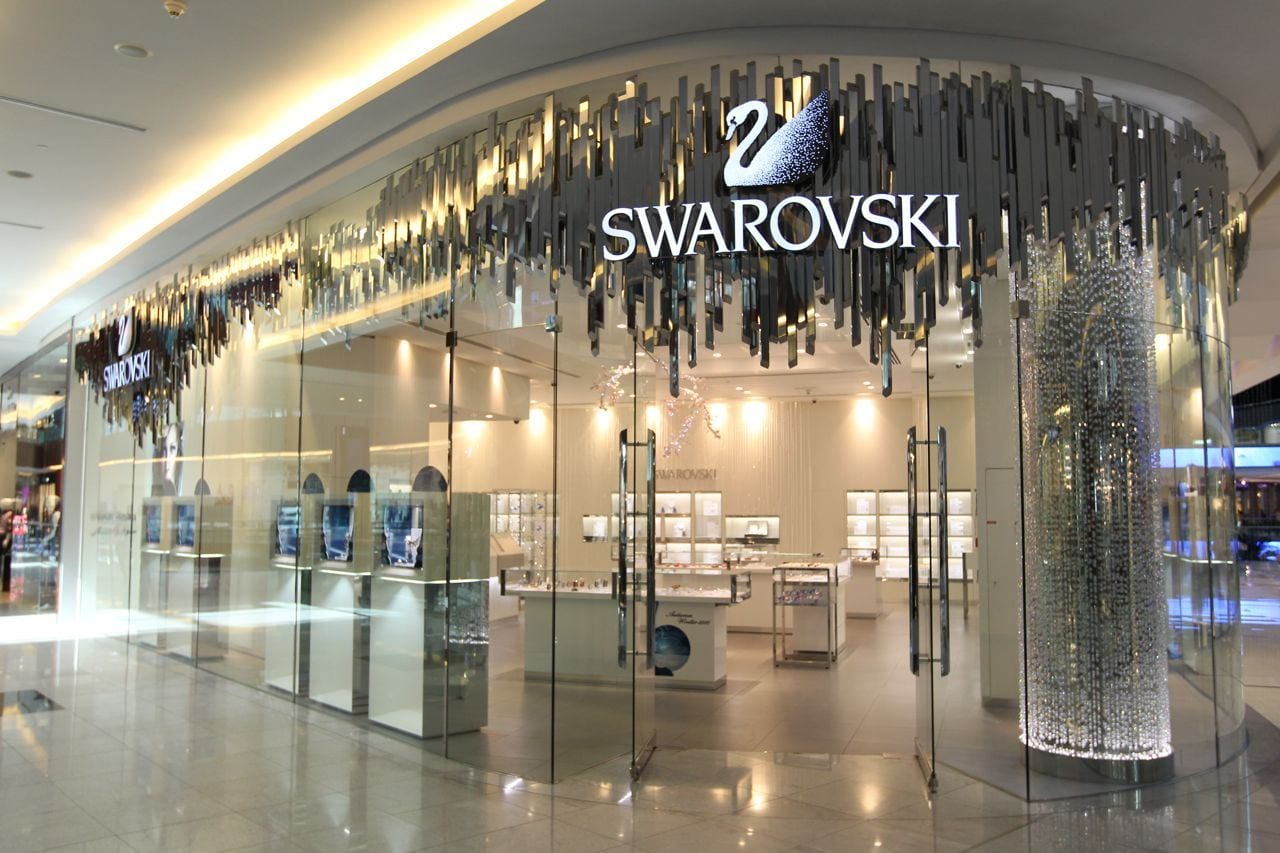
  • Swarovski Unveils Iconic Flagship Store In Osaka, Ushering New Era Of Retail Experience

    Swarovski Unveils Iconic Flagship Store In Osaka, Ushering New Era Of Retail Experience

    This week, Swarovski, the renowned Austrian producer of luxury cut lead glass, inaugurated its new flagship store in Shinsaibashi, Osaka, Japan, marking another step forward in the brand’s expansion across Asia.

    Store Design

    The new retail space, which is spread over three levels and spans more than 122 square meters, was conceived and executed under the creative guidance of Giovanna Engelbert, the brand’s global creative director. The store offers an immersive, sensorial journey that reflects both Swarovski’s iconic aesthetic and its legacy in the world of crystal.

    The ground floor of the new store, bathed in a soothing palette of blues, houses a broad selection of Swarovski’s jewelry, watches, and accessories. This includes a hands-on earring spinner, as well as a special display dedicated to Swarovski Created Diamonds.

    Thematic Zones

    Moving up to the first floor, the mood shifts to a sunny yellow theme, where the emphasis is on lifestyle and gifting. Here, customers can browse home decor items, collectibles, and collaborative pieces with Rosenthal.

    The top level of the store, painted in a soft pink, is where Swarovski’s heritage and innovative spirit come to the fore. This floor serves as a showcase for the brand new Vienna collection, the Millenia line, and pieces from the Swarovski Creators Lab.

    Creating a Unique Customer Experience

    Masaki Suzuki, the General Manager of Swarovski Japan, shared that the freshly opened Osaka store is designed to provide customers with a luxurious space where they can experience the entire spectrum of what the brand has to offer. Suzuki went on to describe the Swarovski Osaka store as a symbol of the brand’s retail evolution. He emphasized that the store represents a refined environment where creativity, craftsmanship, and savoir-faire converge to create an immersive and engaging customer experience.

    This new opening in Osaka comes on the heels of Swarovski’s recent store launches in New York, Milan, and Seoul.

    Questions & Answers

    What does the new Swarovski store in Osaka offer?
    The store provides an immersive experience across three themed floors. The ground floor offers jewelry, watches, and accessories; the first floor focuses on home decor and gifting; and the top floor showcases the brand’s heritage and innovation.

    Who designed the new Swarovski store in Osaka?
    The store was designed by Swarovski’s global creative director, Giovanna Engelbert.

    What is the significance of the new Swarovski store in Osaka?
    This store represents Swarovski’s expanding footprint in the Asian market and an evolution of its retail strategy, offering consumers a space where they can fully experience the brand’s universe.

  • Tokyo Welcomes Three Sophisticated Luxury Hotels Set to Launch in Late 2025

    Tokyo Welcomes Three Sophisticated Luxury Hotels Set to Launch in Late 2025

    Tokyo’s hospitality landscape is in for a makeover, with an exciting lineup of luxury hotels poised to make their debut. A recent report by JLL reveals that while there were no new international hotel openings in the Japanese capital during the second quarter of 2025, the second half promises to be bustling with activity as major brands prepare to enter the market.

    A Luxury Surge on the Horizon

    Notable names like Fairmont, JW Marriott, 1 Hotel, and Caption by Hyatt are gearing up for launches, indicating strong confidence among international brands to tap into Tokyo’s upscale travel market. This comes on the heels of a recovery in the city’s hotel sector, which has shown remarkable growth across all segments. The surge in inbound visitors has led to a steady rise in average daily rates (ADR), while hotel occupancy continues to rebound steadily.

    Positive Trends and Room for Growth

    According to the JLL report, Tokyo’s luxury and upper upscale segments witnessed notable improvements compared to the previous year. Year-to-date figures through June show that both ADR and occupancy have increased year-on-year, contributing to a substantial rise in revenue per available room (RevPAR). However, the city’s occupancy rates still trail behind levels seen in the vibrant Q2 of 2019.

    Staying Vigilant Amid Global Uncertainty

    Looking ahead, the buoyant trends observed in the first half of 2025 may face some turbulence due to rising geopolitical risks and global instability. JLL cautions that these factors could significantly influence hotel performance in the latter half of the year. While exchange rate fluctuations haven’t yet affected hotel metrics, a continuous decline in department store revenues, which fell year-on-year for five consecutive months starting February, suggests a shift in consumer spending habits among international visitors to Japan. It appears that tourists may be opting for memorable dining experiences and local attractions over traditional shopping sprees.

    In an industry where maintaining a balance between luxury and experiential offerings is crucial, Tokyo is set to redefine its hospitality narrative in the coming months—making it an exciting moment for both investors and travelers.

    Questions & Answers

    What luxury hotel brands are planning to open in Tokyo by late 2025?
    Fairmont, JW Marriott, 1 Hotel, and Caption by Hyatt are among the international brands set to debut in Tokyo during the second half of the year.

    How has Tokyo’s hotel sector performed in 2025 so far?
    The sector has seen continued growth across all segments, with improvements in average daily rates and occupancy rates compared to the previous year, though overall occupancy is still below pre-pandemic levels.

    What challenges could impact Tokyo’s hotel performance in the latter half of 2025?
    Rising geopolitical risks and global instability could create uncertainty, potentially affecting hotel performance as both exchange rates and consumer spending change.

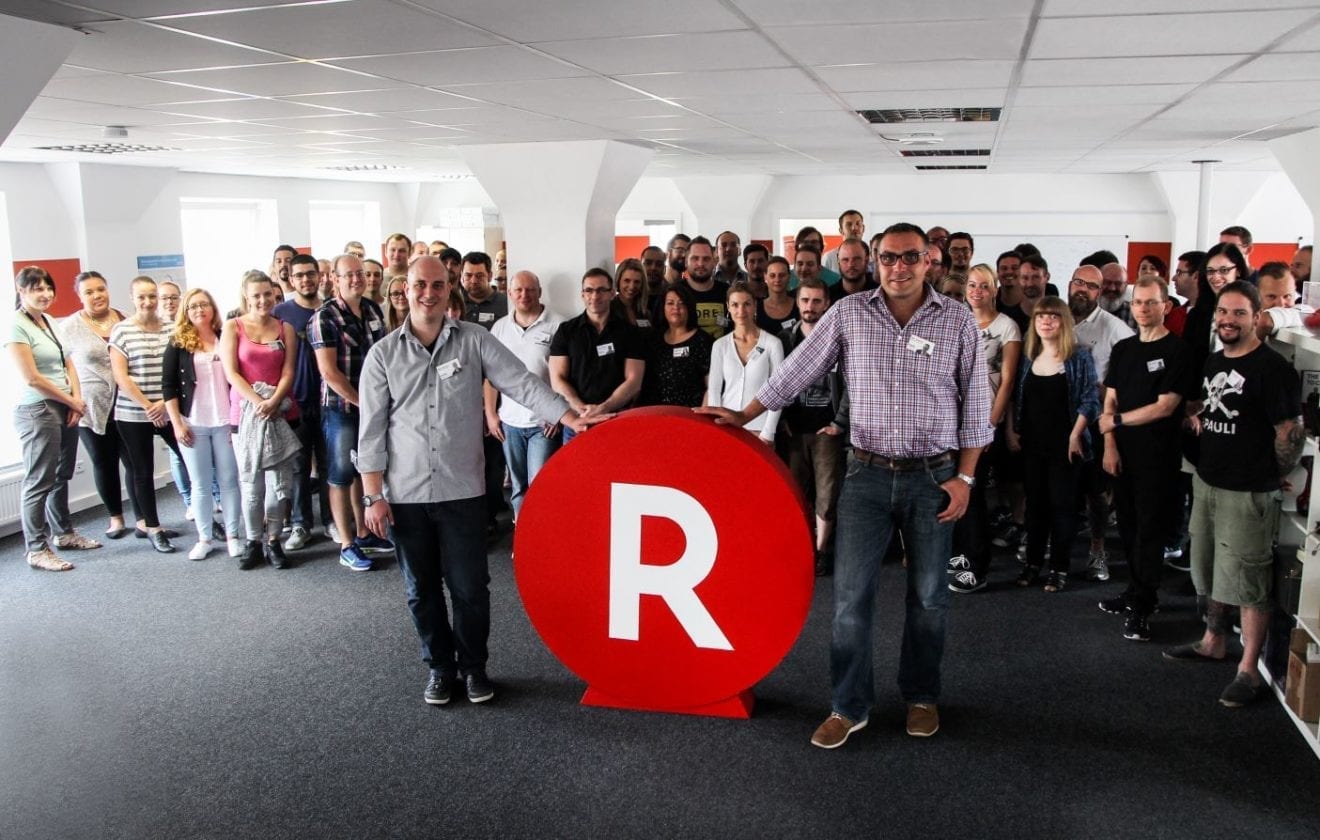
  • Rakuten and Amazon Join Forces to Take on Starlink in Japan’s Satellite Market

    Rakuten and Amazon Join Forces to Take on Starlink in Japan’s Satellite Market

    Japan’s satellite communications landscape is on the brink of transformation as Rakuten Group and Amazon gear up to launch their own services, challenging the long-standing dominance of SpaceX’s Starlink. With operations expected to begin as early as next year, this competition promises to reshape the market and improve connectivity for consumers across the country.

    Starlink, spearheaded by Elon Musk’s SpaceX, has established itself as the go-to satellite service in Japan, especially through partnerships like KDDI, which allows for direct smartphone-to-satellite connections. This capability has proven invaluable in rural locations and areas prone to natural disasters, where traditional infrastructure is often lacking.

    In a significant move to diversify the market, Japan’s Ministry of Internal Affairs and Communications (MIC) has initiated work on new spectrum regulations that are set to pave the way for increased competition by 2025. This regulatory shift will create opportunities for Rakuten and Amazon to enter and thrive in the satellite communications arena.

    Rakuten’s Bold Ambitions

    Rakuten Mobile is wasting no time in making its mark, with plans to roll out its satellite service between October and December 2025. Collaborating with U.S. startup AST SpaceMobile, Rakuten’s initial offering will focus on text messaging. But that’s just the beginning—plans are afoot to expand services to include money transfers and video streaming. The company emphasizes that this initiative aims to enhance connectivity in underserved areas while providing a reliable backup during emergencies—a win-win for users reliant on stable communication.

    Amazon’s Satellite Strategy

    Not to be outdone, Amazon is preparing to launch its Project Kuiper satellite network in Japan, which aims to deploy over 3,200 satellites by 2029. This ambitious project aligns with the MIC’s plans to amend regulations after April 2025, ensuring that Amazon can compete in this burgeoning market. The retail behemoth’s foray into satellite communications underscores a broader trend of tech giants expanding their reach beyond traditional digital services.

    As Japan stands on the threshold of this new era in satellite communications, the impending rivalry between these giants has all the makings of an exciting battle for connectivity supremacy—let’s just hope consumers don’t have to wait on hold for years while they hash it out!

    Questions & Answers

    What changes can consumers expect in Japan’s satellite communications market?
    Consumers can anticipate increased competition, primarily from Rakuten and Amazon, which will enhance connectivity options, especially in rural areas and during emergencies.

    When are Rakuten and Amazon expected to launch their services?
    Rakuten plans to debut its satellite services between October and December 2025, while Amazon’s Project Kuiper is set for a rollout, targeting more than 3,200 satellites by 2029.

    How might these new services impact existing providers like Starlink?
    The entry of Rakuten and Amazon is likely to intensify competition, potentially leading to improved services and pricing options for consumers who currently rely on Starlink.

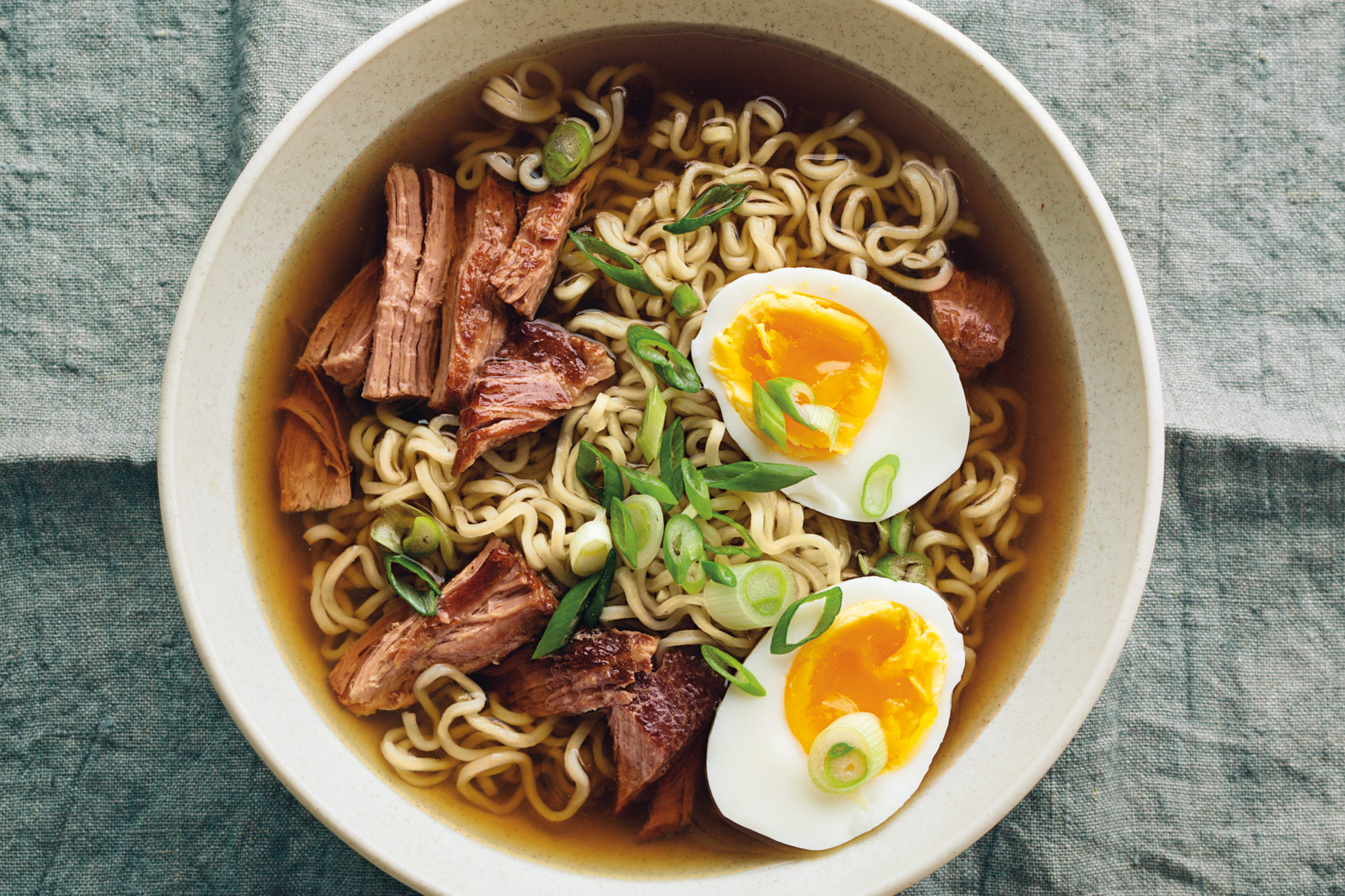
  • Japan’s Chiikawa Ramen Buta makes international debut in HK

    Japan’s Chiikawa Ramen Buta makes international debut in HK

    Chiikawa Ramen Buta, a famed Japanese ramen house, has expanded its culinary horizons, making its inaugural global foray with a new establishment in Langham Place, Hong Kong.

    The brand draws inspiration from the popular ‘Ro’ series depicted in the Chiikawa manga (comics), fusing elements of the franchise’s whimsical design with traditional Japanese ramen. The result is an enthralling dining experience that delights both the palate and the imagination.

    Life-sized effigies of the beloved characters Chiikawa, Hachiware, and Usagi greet diners, setting a playful tone to the experience. The dining room is adorned with artwork and decor centered around these characters, immersing guests in the enchanting world of Chiikawa.

    Experience Authentic Japanese Ramen

    The Hong Kong eatery boasts an impressive menu centered around their signature ramen, prepared with high-quality broth and ingredients shipped straight from Japan. Diners can choose from three different serving sizes, each named after the manga characters: Chiikawa (mini), Hachiware (small), and Usagi (large). A complimentary sticker and a character-themed fish cake garnish add a fun twist to each bowl of sumptuous ramen.

    Themed Beverages and Souvenirs

    The dining experience is further elevated with Chiikawa-inspired drink containers, which patrons can take home as mementos of their visit. The beverages themselves come with collectible transparent cards, each featuring a different character.

    Branded Merchandise

    In addition to its culinary offerings, the restaurant has also rolled out an assortment of branded merchandise. This includes ramen bowls, beer and water glasses, t-shirts, towels, wristbands, stickers, spoons, and plates, all themed around the lively world of Chiikawa.

    Questions & Answers

    What is the concept behind the new Chiikawa Ramen Buta restaurant in Hong Kong?
    The restaurant combines elements of the playful Chiikawa manga series with traditional Japanese ramen, providing a unique dining experience.

    What special features does the restaurant offer to its customers?
    The restaurant offers life-sized characters from the manga series, character-themed decor, and a menu featuring signature ramen made with authentic ingredients from Japan. In addition, guests can take home Chiikawa-themed drink containers and collectible transparent cards.

    What type of branded merchandise is available at the restaurant?
    The restaurant offers a variety of Chiikawa-themed merchandise, including ramen bowls, glasses, t-shirts, towels, wristbands, stickers, spoons, and plates.

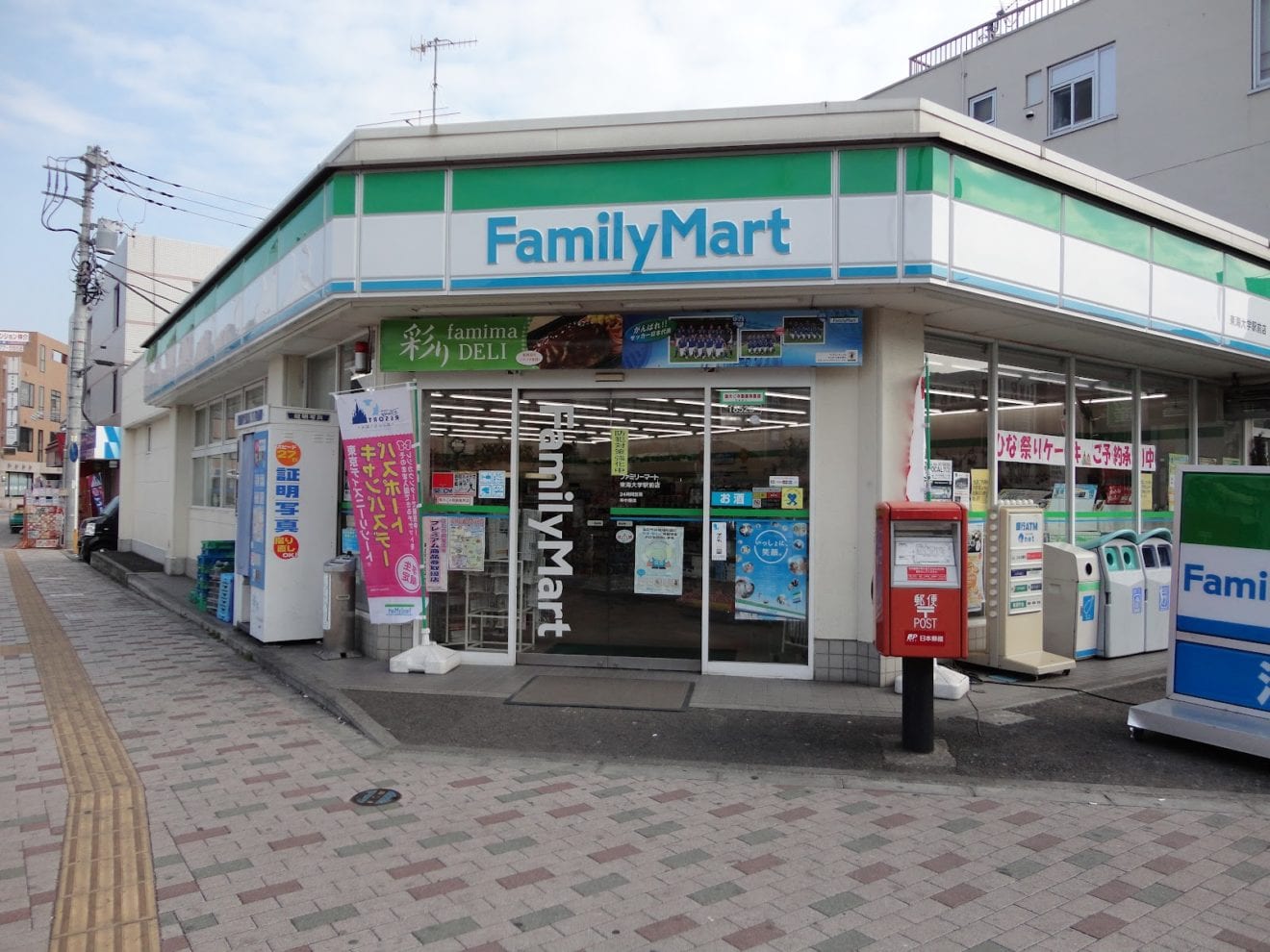
  • Familymart Targets Asia: Ambitious Expansion Plans Aim To Transform Retail Landscape

    Familymart Targets Asia: Ambitious Expansion Plans Aim To Transform Retail Landscape

    In a remarkable twist for the retail landscape, Japan’s convenience store giant FamilyMart is making waves with its ambitious expansion plans across Asia. Aiming to capture the growing consumer market in the region, the company has set its sights on a significant increase in its store count in China and other key markets.

    FamilyMart Expands Its Footprint

    This year, FamilyMart aims to open approximately 1,000 new stores in China alone, underscoring its commitment to penetrating the world’s second-largest economy. The company is not just restocking shelves; it’s reimagining the convenience store experience by integrating local tastes and preferences into its product offerings. With trend-driven items such as ready-to-eat meals and fresh produce, FamilyMart is on a mission to cater to the increasingly diverse palate of Chinese consumers.

    The Race for Convenience

    The competition is steep, with rivals like 7-Eleven and Lawson continuously enhancing their services and product ranges. However, FamilyMart thrives on its ability to innovate swiftly. Their latest strategy? Expanding into niche markets such as specialty beverages and gourmet snacks, which are tailor-made for urban dwellers eager for quality convenience. You could even say they’re attempting to make fast food gourmet—proof that in retail, there’s always room for a delicious twist!

    Feedback-Driven Innovation

    FamilyMart also places a strong emphasis on customer feedback, pivoting quickly in response to what shoppers are asking for. This agility gives them a unique edge in an ever-evolving retail environment. According to company spokespersons, the store designs and product choices are now more reflective of community preferences, making each outlet feel personalized and relevant.

    Future Plans on the Horizon

    Looking ahead, FamilyMart is determined to bolster its existing presence in Southeast Asia, with expansion plans across markets like Vietnam and Thailand. This initiative is fueled by a demographic trend of increasing urbanization and consumer spending power in these regions. By establishing a strong retail presence, FamilyMart aims not only to thrive but to set benchmarks in convenience retail across Asia.

    Questions & Answers

    How many new stores does FamilyMart plan to open in China?
    FamilyMart aims to open approximately 1,000 new stores in China this year.

    What unique strategies is FamilyMart employing to cater to local tastes?
    FamilyMart is integrating local preferences into its product offerings, including ready-to-eat meals and specialty beverages to appeal to diverse consumer palates.

    Which markets is FamilyMart looking to expand into next?
    FamilyMart plans to strengthen its presence in Southeast Asia, particularly in countries like Vietnam and Thailand, where urbanization and consumer spending are on the rise.

  • Japan Backs Telecom Expansion in Indonesia to Boost Connectivity and Foster Growth

    Japan Backs Telecom Expansion in Indonesia to Boost Connectivity and Foster Growth

    The Japanese government is stepping up its game in Southeast Asia, unveiling plans to support companies that set up telecommunications infrastructure in Indonesia, a market bursting with potential. Through its Ministry of Internal Affairs and Communications, Japan will provide crucial financial backing for firms establishing maintenance centers in the archipelago, paving the way for more robust connectivity in this dynamic region.

    Forging a New Path in Telecommunications

    This initiative may soon see the establishment of a legal framework this fiscal year, aimed at not just exporting telecommunications equipment but also enhancing its operation and maintenance. By doing so, Japanese companies will have the agility to swiftly address technical needs, thus opening up fresh streams of revenue.

    An Opportunity to Test the Waters

    Further reinforcing its commitment, Tokyo will assist Japanese firms in conducting trials within Indonesia to assess both the speed and security of their equipment. The move is significant as it marks the first foray of Japanese companies into this burgeoning market, igniting hopes for reciprocal benefits that could reshape telecommunications in the region.

    Collaboration in Action

    OREX SAI, a collaborative effort between NTT DOCOMO and NEC Corporation, has already made strides in Indonesia, revealing ambitious plans to expand its operations. In March, the joint venture sealed a comprehensive agreement with local telecom leader Surge, officially known as PT. Solusi Sinergi Digital Tbk. This partnership is set to unlock an impressive JPY 500 billion (around USD 3.4 billion) in investments over the next decade, with a keen focus on bolstering connectivity in underserved areas.

    Seizing the ASEAN Opportunity

    With Indonesia being the fourth most populous country in the world, the stakes are high. For Japanese companies, securing contracts in this market could serve as a strategic launching pad for further expansion across the ASEAN region. It’s a two-for-one special: gain access to a new market while laying the groundwork for a stronger foothold in a rapidly evolving sector.

    Questions & Answers

    How is the Japanese government supporting telecommunications in Indonesia?
    The Japanese government plans to provide financial support for companies setting up maintenance centers in Indonesia, helping to bolster telecommunications infrastructure in a rapidly growing market.

    What is the significance of the legal framework being established?
    This framework will facilitate not only the export of telecom equipment but also its operation and maintenance, enabling quicker responses to technical needs and creating new revenue opportunities for Japanese firms.

    What are the expansion plans for OREX SAI in Indonesia?
    OREX SAI, a joint venture between NTT DOCOMO and NEC Corporation, plans a substantial investment of JPY 500 billion (approximately USD 3.4 billion) over the next ten years, primarily focusing on enhancing connectivity in underserved areas.

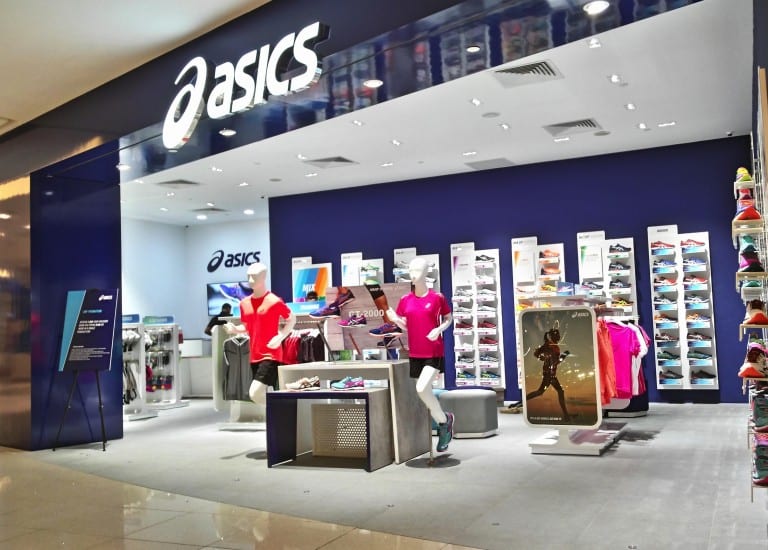
  • Asics Raises Annual Forecast Following Impressive Half-year Performance Across All Product Lines

    Asics Raises Annual Forecast Following Impressive Half-year Performance Across All Product Lines

    Leading sportswear brand Asics has adjusted its annual forecast upwards, following an impressive performance in the first half of the year. The company’s exceptional sales growth was seen across all product categories and global regions.

    Asics witnessed a robust 17.7% year-over-year increase in net sales, amounting to $2.74 billion. The operating profit also experienced a significant rise, reaching $551.48 million, with the profit ascribed to owners standing at $364.48 million.

    Segment-Wise Growth

    The company’s performance running segment reported an 8.2% rise in sales, equal to $1.26 billion, with profit experiencing a 13.3% boost. Core performance sports also showed a positive trend, increasing 4.8% to reach $300.02 million, while its profit rose 16.5%.

    Asics’ apparel and equipment segment experienced a 6.9% sales increase, hitting the $136 million mark, while recording a remarkable 45.1% profit surge.

    In terms of lifestyle-oriented segments, SportStyle demonstrated significant growth, with sales skyrocketing by 46.4% to reach $457.71 million, and profit rising by 60.9%. Similarly, the Onitsuka Tiger brand experienced a 50.1% sales increase, reaching $447.98 million, with profit rising by 54.5%.

    Regional Sales Growth

    Asics experienced growth in all its regional markets. Japan’s sales increased by 24.3%, reaching $674.97 million, while North America saw a 9.1% rise, amounting to $502.59 million. Europe’s sales growth stood at 24.2%, reaching $773.64 million, while Greater China reported a 16.9% increase, amounting to $421.76 million.

    In addition to these, substantial gains were reported from Southeast and South Asia, with a growth rate of 33.4%, and Oceania, which increased by 3.8%.

    Leadership Commentary

    Koichiro Kodama, who serves as the President and CEO of Asics North America, expressed confidence in the company’s global performance. He underlined the steady demand for Asics products across various regions as an indicator of the brand’s strong market presence.

    Kodama emphasized the company’s unceasing efforts to develop technologically advanced performance running products. At the same time, he stressed the importance of staying informed about broader cultural and lifestyle trends to support the sportstyle category.

    Questions & Answers

    What were the net sales of Asics for the first half of the year?
    Asics reported net sales of $2.74 billion for the first half of the year.

    Which product segment reported the highest sales growth?
    The SportStyle segment reported the highest sales growth, with a surge of 46.4%.

    Which regions experienced the most significant sales growth?
    Europe and Japan were the regions with the most significant sales growth, reporting increases of 24.2% and 24.3% respectively.

  • AirAsia X soars into its next chapter of growth with Istanbul

    AirAsia X soars into its next chapter of growth with Istanbul

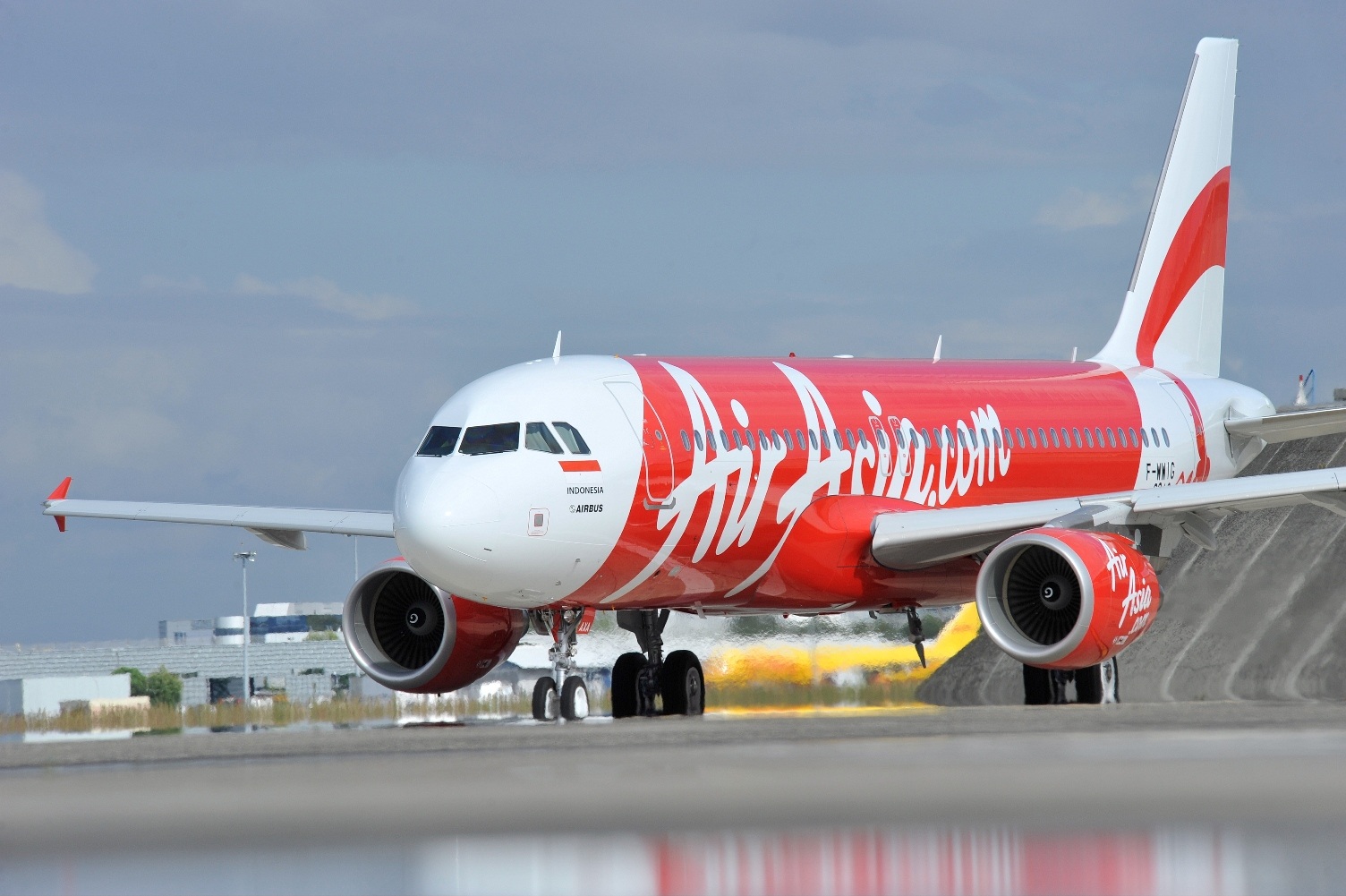
    AirAsia X (AAX) is soaring into its next chapter of growth with the announcement of a long-awaited route to Istanbul, Türkiye, a city where East meets West. Travellers from Hong Kong and Macao can now access the heart of Türkiye with smooth Fly-Thru connectivity via Kuala Lumpur.

    The new direct service between Kuala Lumpur and Istanbul will commence on 14 November 2025 with four weekly flights, strengthening AAX’s global footprint and offering more affordable travel options to one of the world’s most iconic destinations.

    This strategic launch marks AAX’s long-anticipated entry into Europe, opening a vital gateway linking Southeast Asia to Europe via one of the world’s most historically rich and geographically unique destinations. Straddling two continents across the Bosphorus Strait, Istanbul offers travellers the rare opportunity to experience the best of both worlds.

    The airline will operate from Istanbul Sabiha Gökçen International Airport (SAW), a major hub with connections to over 117 international and 40 domestic destinations. This provides guests from Southeast Asia even greater onward travel options, while giving travellers from Istanbul and beyond seamless access to AirAsia’s network of 130 destinations at unbeatable value.

    Benyamin Ismail, CEO of AirAsia X said: “Istanbul has always been a dream destination for many of our guests, and its launch marks another proud moment in our journey to rebuild stronger than ever. Hot on the heels of our recent expansion into Central Asia, this long-awaited route takes us one step closer to delivering longer connectivity across continents. As the only city in the world built on two continents, Istanbul perfectly captures our vision to bridge Asia and beyond through affordable, medium-haul travel. This is a strategic decision that strengthens our network, creates more pathways for business collaboration, and enhances access to new experiences for travellers around the world.

    With our seamless Fly-Thru services via Kuala Lumpur, travellers from Hong Kong and Macao can now also enjoy convenient one-stop access to Istanbul without the hassle of baggage recheck. Likewise, travellers from Europe and beyond can now access the wonders of Southeast Asia and beyond with ease through our extensive network.”

    In celebration of this milestone, AAX is offering introductory first-come first-served promotional fares from HKD1,023 / MOP1,207 all-in one way for the Fly-thru service in Hong Kong and Macao. Flights are available for booking starting today until 20 August 2025 for the travel period between 14 November 2025 and 14 September 2026, on airasia.com and the AirAsia MOVE app.

    As Türkiye’s largest city and economic powerhouse, Istanbul is a captivating destination that offers opportunities to travellers from all walks of life. From iconic landmarks like the Blue Mosque, Hagia Sophia and Topkapi Palace, to the lively Grand Bazaar and Spice Market, the city is a treasure trove of history and vibrant local life.

  • TikTok Shop’s Japanese Launch Hits Snags as Sellers Voice Concerns Over New Platform

    TikTok Shop’s Japanese Launch Hits Snags as Sellers Voice Concerns Over New Platform

    While TikTok has made waves in various markets across the globe, its live commerce feature appears to be treading water in Japan, just a month after its rollout. Many brands are hesitating to dive into this vibrant but relatively uncharted marketing medium, wary of the risks associated with investing in a format that has yet to blossom in the local landscape.

    Despite the platform’s popularity, local hesitance seems to stem from Japan’s unique retail culture and the cautious approach many companies take towards new digital strategies. With its traditional emphasis on polished advertising and customer service, Japan presents a complex backdrop for a platform that thrives on spontaneous and interactive shopping experiences.

    Understanding the Local Market

    Analysts suggest that part of the hesitation may lie in TikTok’s image. While internationally it’s seen as an innovative trendsetter, companies in Japan are not yet convinced that live commerce will resonate with their consumer base. Many brands are still grappling with the traditional retail norms and the allure of TikTok’s less conventional format.

    However, the story isn’t over for TikTok in Japan. Experts argue that, with time, a shift might occur as consumers become more familiar with live shopping. The platform could evolve from a novelty into a staple of Japan’s e-commerce scene. It’s a risky gamble that could pay off, much like opening a treasure chest filled with unexpected gems—and perhaps some amusing surprises.

    What Lies Ahead

    To navigate these choppy waters, TikTok may need to tailor its approach to align with local preferences and establish trust among retailers, thereby encouraging them to explore new horizons. As the retail landscape continues to change, Japan’s retailers are left to ponder: will they embrace this digital wave or continue to watch from the shore?

    Questions & Answers

    What are the main challenges TikTok faces in Japan regarding live commerce?
    The primary challenges include a reluctance among local brands to adopt new marketing strategies and a retail culture that heavily favors traditional advertising methods.

    How might TikTok adapt its strategy to succeed in the Japanese market?
    To succeed, TikTok could focus on customizing its approach to resonate with local consumer preferences and building trust among retailers in the live commerce space.

    Is there potential for growth with TikTok’s live commerce feature in Japan?
    Yes, there is potential for growth as consumers may become more familiar with live shopping, gradually transforming it from a novelty into a more established part of the e-commerce landscape.

  • 7-eleven’s Bold $1.2b Acquisition: Aiming For Retail Dominance In Taiwan

    7-eleven’s Bold $1.2b Acquisition: Aiming For Retail Dominance In Taiwan

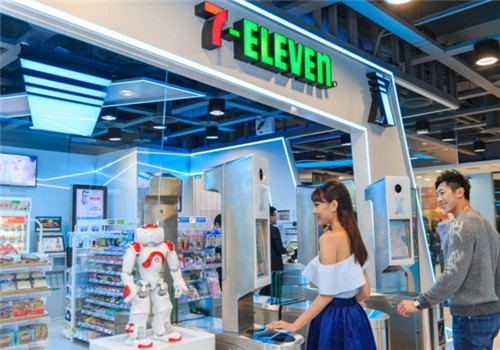
    In a bold move signaling the strength of the retail sector, Japanese retail giant 7-Eleven has struck a deal to acquire approximately 3,200 stores in Taiwan. This acquisition, worth a staggering $1.2 billion, is not just a strategic expansion but also a reflection of 7-Eleven’s ambition to dominate the Asian market. Currently, the brand commands a formidable presence in Taiwan, boasting over 6,000 stores. With this new endeavor, they intend to enhance distribution channels and grow their footprint across the island.

    Strategic Expansion in a Competitive Market

    The transaction is set to reshape the competitive landscape of convenience stores in Taiwan. Presently, the local market is a battleground, dominated by major players such as FamilyMart and Hi Life. Analysts are already speculating about how this merger will redefine customer loyalty, pricing strategies, and inventory management across the sector. It’s as if the comfort of picking up a midnight snack is suddenly caught in a high-stakes chess game.

    7-Eleven’s acquisition follows a series of strategic maneuvers aimed at revitalizing its brand and operations in Asia. Previously, the company has made headlines with its innovative retail approaches, integrating technology and customer experience into its neighborhood stores. This has set a high bar for convenience shopping, and it’s clear that 7-Eleven is not merely following trends; it’s establishing them.

    Boosting Local Networks

    The company has expressed intentions to retain current management and regional operational identity after the acquisition to maintain a sense of continuity for shoppers. This is a crucial move; blending 7-Eleven’s global prowess with existing local insights is expected to drive growth while remaining sensitive to Taiwan’s unique consumer culture.

    The Broader Impact on Industry Dynamics

    With Taiwan’s retail environment evolving rapidly, experts predict that this acquisition could catalyze further consolidations in the convenience store sector. Rivals may have to rethink their positioning and services, particularly as consumer behavior continues to trend towards convenience and immediacy.

    In an industry where every little detail counts—whether that’s snack availability or the size of a coffee cup—7-Eleven’s latest move could change the game entirely. Imagine the excitement of buying your favorite late-night snacks from a store freshly stocked by a retail powerhouse!

    Questions & Answers

    What is the significance of 7-Eleven’s acquisition of stores in Taiwan?
    This acquisition signals 7-Eleven’s intent to solidify its dominance in the Taiwanese market amidst growing competition from local chains like FamilyMart and Hi Life.

    How many stores will 7-Eleven operate in Taiwan post-acquisition?
    After the acquisition, 7-Eleven will operate over 9,200 stores across Taiwan, enhancing its distribution and customer reach significantly.

    What strategies might competitors employ in response to this acquisition?
    Competitors may need to rethink their pricing strategies, improve customer loyalty programs, and enhance inventory management to keep pace with 7-Eleven’s expected innovations.

  • Vietnamese Bananas Surge in Japan, Diminishing Philippine Market Share with Fresh Competition

    Vietnamese Bananas Surge in Japan, Diminishing Philippine Market Share with Fresh Competition

    Vietnamese bananas are carving out a notable presence in Japanese grocery stores as the supply from the Philippines declines. Japanese trade data reveals that imports of Vietnamese bananas skyrocketed to 33,000 tons in 2024, a staggering increase from just 2,400 tons in 2019. This surge has allowed Vietnam’s share of Japan’s banana market to grow from a mere 0.2% to 3.2%, according to Nikkei Asia.

    Particularly striking was July 2025, when exports of Vietnamese bananas to the Tokyo region more than doubled compared to the same month the previous year. Though Vietnamese bananas still hold a small slice of Japan’s overall banana imports, this growth is encroaching on the established dominance of Philippine bananas, which saw their market share dip from 90% in the early 2010s to about 75% last year. As it stands, Vietnam now ranks third in shipment volumes to Japan, trailing only the Philippines and Ecuador.

    Experts attribute Vietnam’s rapid ascent to a combination of competitive pricing and superior quality. One chain store has Vietnamese bananas priced about 10% lower than their Philippine counterparts. According to a representative from a produce wholesaler, “Vietnam started cultivating bananas relatively recently, so disease has yet to infiltrate the groves, ensuring high quality.”

    Additionally, favorable trade terms under the Comprehensive and Progressive Agreement for Trans-Pacific Partnership (CPTPP) have further strengthened Vietnam’s position. The deal has lowered Japan’s tariffs on Vietnamese bananas to 5.4%, with a complete removal anticipated by 2028. Meanwhile, the tariffs on Philippine bananas are expected to hover between 8% and 18%, maintaining Vietnam’s pricing edge moving forward — a delightful twist for consumers seeking more affordable fruit!

    Questions & Answers

    How significant is the rise of Vietnamese bananas in Japan?
    The rise is quite significant; imports climbed from 2,400 tons in 2019 to 33,000 tons in 2024, increasing Vietnam’s market share from 0.2% to 3.2%.

    What factors are contributing to the success of Vietnamese bananas against Philippine varieties?
    Key factors include competitive pricing, superior quality due to the young banana production industry, and favorable trade agreements that reduce tariffs.

    What impact does the CPTPP have on Vietnamese banana exports?
    The CPTPP has lowered Japan’s tariffs on Vietnamese bananas to 5.4%, with complete removal by 2028, enhancing Vietnam’s competitiveness in the Japanese market.

  • Shiseido Plans to Trim 300 U.S. Jobs Amid Challenges with Acquired Skin-Care Brand

    Shiseido Plans to Trim 300 U.S. Jobs Amid Challenges with Acquired Skin-Care Brand

    In a promising turn of events, Shiseido reported an uptick in net profits for the first half of the year, crediting proactive restructuring moves in Japan and China. Yet, while the Japanese cosmetics powerhouse shows signs of recovery, turbulence within its U.S. subsidiary has prompted a reevaluation of strategies, including potential job cuts to streamline operations.

    This dual narrative of recovery and challenge unfolded during Shiseido’s latest financial briefing, where executives revealed their contrasting fortunes across global markets. Though the company has successfully revitalized its operations in Asia, the American segment remains a troublesome spot, leading to uncertainty regarding its growth trajectory.

    Despite achieving growth milestones domestically, the question of how to conquer the U.S. market looms large, akin to trying to win a game of chess with the opponent always a step ahead. Shiseido must now navigate this complex landscape to redefine its American presence—an endeavor both urgent and fraught with risk.

    As the company looks to the future, industry insiders are awaiting clearer signals about its strategic direction, particularly in the wake of significant restructuring. Will Shiseido find the right moves to flourish in a demanding market, or will this shake-up lead to a sidestep rather than a leap forward? Only time will tell.

    Questions & Answers

    What factors contributed to Shiseido’s improved net profit?
    Shiseido’s net profit for January to June improved due to successful restructuring efforts in Japan and China.

    What challenges is Shiseido facing in the U.S. market?
    The U.S. subsidiary continues to struggle, leading the company to consider significant restructuring measures, including potential job cuts.

    What does the future hold for Shiseido in terms of growth?
    While the company shows positive signs in Asia, uncertainty persists regarding its growth strategy in the U.S. market, leaving many questions about its next steps.