Tag: Japan

  • Konvy Bags $15M from Cool Japan Fund to Boost Japanese Beauty Brands in Southeast Asia

    Konvy Bags $15M from Cool Japan Fund to Boost Japanese Beauty Brands in Southeast Asia

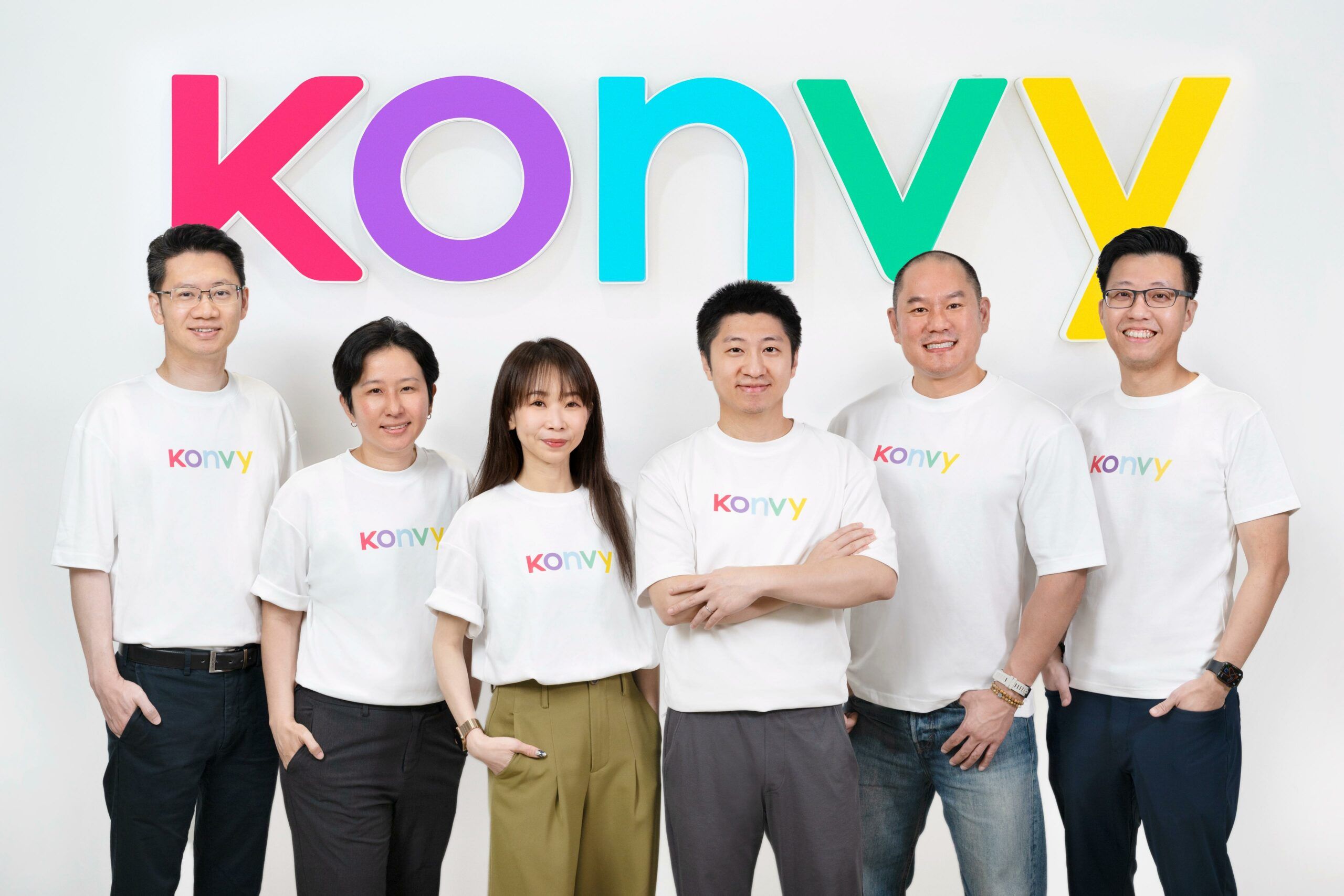
    Konvy, a renowned Thai retailer specializing in beauty and healthcare products, recently received a $15 million investment from Japan’s Cool Japan Fund (CJF). This strategic partnership aims to stimulate demand for Japanese beauty and healthcare brands across Southeast Asia.

    The Strategic Investment

    CJF’s investment into Konvy is intended to leverage the retailer’s robust multi-channel network and digital marketing prowess for the promotion of Japanese-brand products within the healthcare and beauty sectors in overseas markets. The main goal is to amplify the international appeal and consumption of these products, thereby cementing Japan’s position in these markets.

    Konvy, established in 2011, has rapidly developed into a frontrunner in Thailand’s beauty e-commerce scene. Its expansive product range boasts over 20,000 items from more than 1000 brands, spanning categories such as skincare, cosmetics, fragrances, and beauty accessories.

    Konvy’s Multi-Channel Retail Network

    Konvy’s retail operation utilizes a multi-faceted approach, leveraging both online and offline channels. The retailer operates its proprietary e-commerce platform and collaborates with prominent online marketplaces like Shopee and Lazada. It has also adopted social commerce, marking its presence on platforms like TikTok Shop.

    Further, Konvy has successfully expanded its brick-and-mortar footprint, with 16 stores in Thailand and one in the Philippines. The company also collaborates with retail partners such as Watsons to strengthen its offline presence. Apart from Thailand and the Philippines, Konvy operates in Malaysia as well.

    This recent investment signifies a continuation of Konvy’s previous partnership with Japanese companies under the Japan External Trade Organization’s Japan Mall Project that took place between 2022 and 2023. This project aimed at promoting Japanese products in overseas markets.

    Questions & Answers

    What is the purpose of the Cool Japan Fund’s investment in Konvy?
    The investment aims to increase the global demand for Japanese-brand products in the healthcare and beauty sectors, leveraging Konvy’s multi-channel retail network and digital marketing capabilities.

    What categories of products does Konvy offer?
    Konvy offers a wide range of products spanning categories such as skincare, cosmetics, fragrances, and beauty accessories.

    Where does Konvy operate?
    Konvy operates in Thailand, the Philippines, and Malaysia, both through its online platforms and physical retail stores.

  • Diesel Powers Up Osaka Presence with Bold, New Flagship Store Location

    Diesel Powers Up Osaka Presence with Bold, New Flagship Store Location

    Italian lifestyle label Diesel has upgraded its flagship store in Osaka, Japan, shifting to a more prominent location as part of its strategy for enhanced visibility in the city.

    Store Relocation and New Design Theme

    Diesel’s new Osaka home is situated in Quartz Shinsaibashi, a multi-purpose edifice in the bustling Shinsaibashi district. The two-tiered store exhibits a distinct popcorn concrete exterior and proudly displays the recognizable Diesel ‘Biscotto’ logo. This striking exterior design embodies Diesel’s robust and dynamic visual identity.

    The interior of the store mirrors Diesel’s renegade spirit, utilizing materials such as metal-board-covered walls to create an engaging graphic environment. Central to the store’s layout is an illuminated red staircase, a standout feature that gives the space a unique character.

    Retail and Product Expansion

    The store presents a clear division of Diesel’s product lines, with womenswear occupying the first floor and menswear on the second. The store also showcases a limited-edition denim capsule collection, giving customers access to exclusive product offerings.

    This redesign was driven by the brand’s aspiration to increase its prominence and to mirror the evolving artistic direction led by creative director Glenn Martins. Apart from this standalone flagship, Diesel operates several other outlets within department stores and malls across Osaka, including Daimaru Shinsaibashi and Hankyu Umeda.

    Questions & Answers

    Why did Diesel decide to relocate its flagship store in Osaka?
    Diesel relocated its flagship store in Osaka to enhance its visibility and presence in the city.

    What is unique about the new store’s design?
    The Diesel store features a popcorn concrete exterior with the brand’s iconic ‘Biscotto’ logo. The interior incorporates materials that embody Diesel’s rebellious spirit, including metal-board-covered walls and a standout red staircase.

    What does the store’s product inventory look like?
    The store is divided into two floors, with womenswear on the first floor and menswear on the second. It also offers a limited-edition denim capsule collection.

  • 3Coins Launches Largest Flagship Store in Hong Kong’s Kai Tak, Showcasing Japan’s Finest Goods

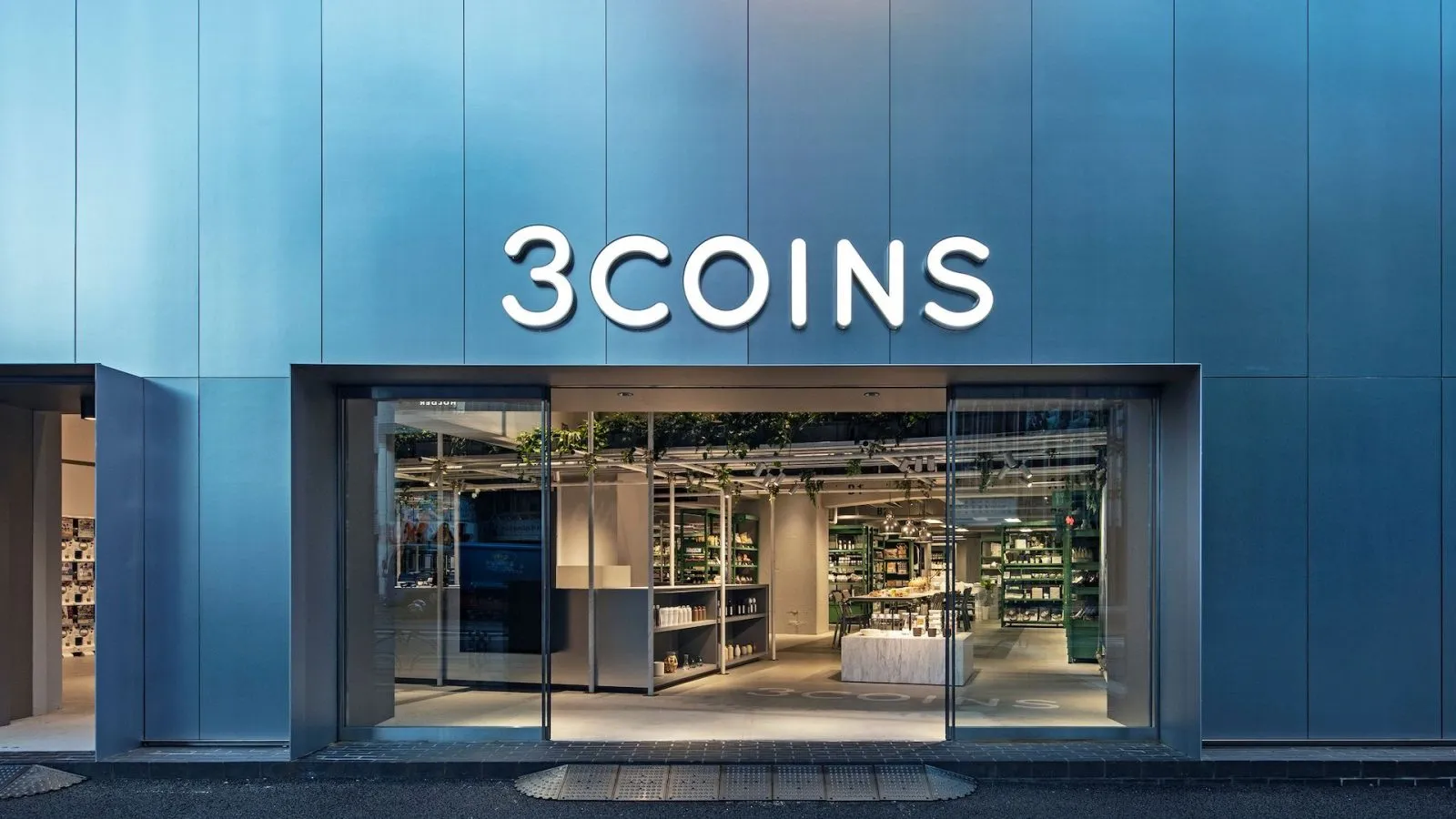
    3Coins Launches Largest Flagship Store in Hong Kong’s Kai Tak, Showcasing Japan’s Finest Goods

    Japanese discount retail chain, 3Coins, has expanded its global presence by unveiling its most substantial flagship store in Hong Kong. The new location is nestled in the Airside district of Kai Tak, providing a massive retail space of 5,100 square feet.

    A Wide Array of Products

    This massive store features an extensive variety of more than 2,500 items. Customers will have a plethora of choices from storage solutions to household items, accessories, and even seasonal goods. The store aims to meet a wide range of consumer needs and expectations.

    Unique Store Features

    In addition to its broad product range, the flagship store has several unique attributes, including a dedicated section showcasing an assortment of ‘Made in Japan’ food items, a unique pet zone, and a travel-themed area that pays tribute to Kai Tak’s aviation history.

    The store’s design also prioritizes the comfort and convenience of its shoppers. Wider walkways have been integrated into the store layout, enabling shoppers with pets to move around effortlessly.

    Developing Connections

    Yaichi, the operator of 3Coins in Hong Kong, noted that the store’s launch signifies more than just the expansion of the retail chain. “This is another step in building not just stores, but platforms where Japanese brands can establish significant connections with overseas consumers,” Yaichi said.

    3Coins, since its founding in 1994, has been recognised for its “plus-value” concept, with most items generally priced around JPY$300.

    Questions & Answers

    What is the size of the new 3Coins flagship store in Hong Kong?
    The new 3Coins flagship store in Hong Kong provides a massive retail space of 5,100 square feet.

    What unique features does the 3Coins store in Hong Kong offer?
    In addition to its broad product range, the store offers a variety of ‘Made in Japan’ food items, a unique pet zone, and a travel-themed area that pays tribute to Kai Tak’s aviation history.

    What is 3Coins’ “plus-value” concept?
    The “plus-value” concept of 3Coins refers to the retailer’s pricing strategy of offering most items at around JPY$300.

  • End of an Era: Iconic Japanese Retailer Isetan Shuts its Doors at Singapore’s NEX Mall After 15 Years

    End of an Era: Iconic Japanese Retailer Isetan Shuts its Doors at Singapore’s NEX Mall After 15 Years

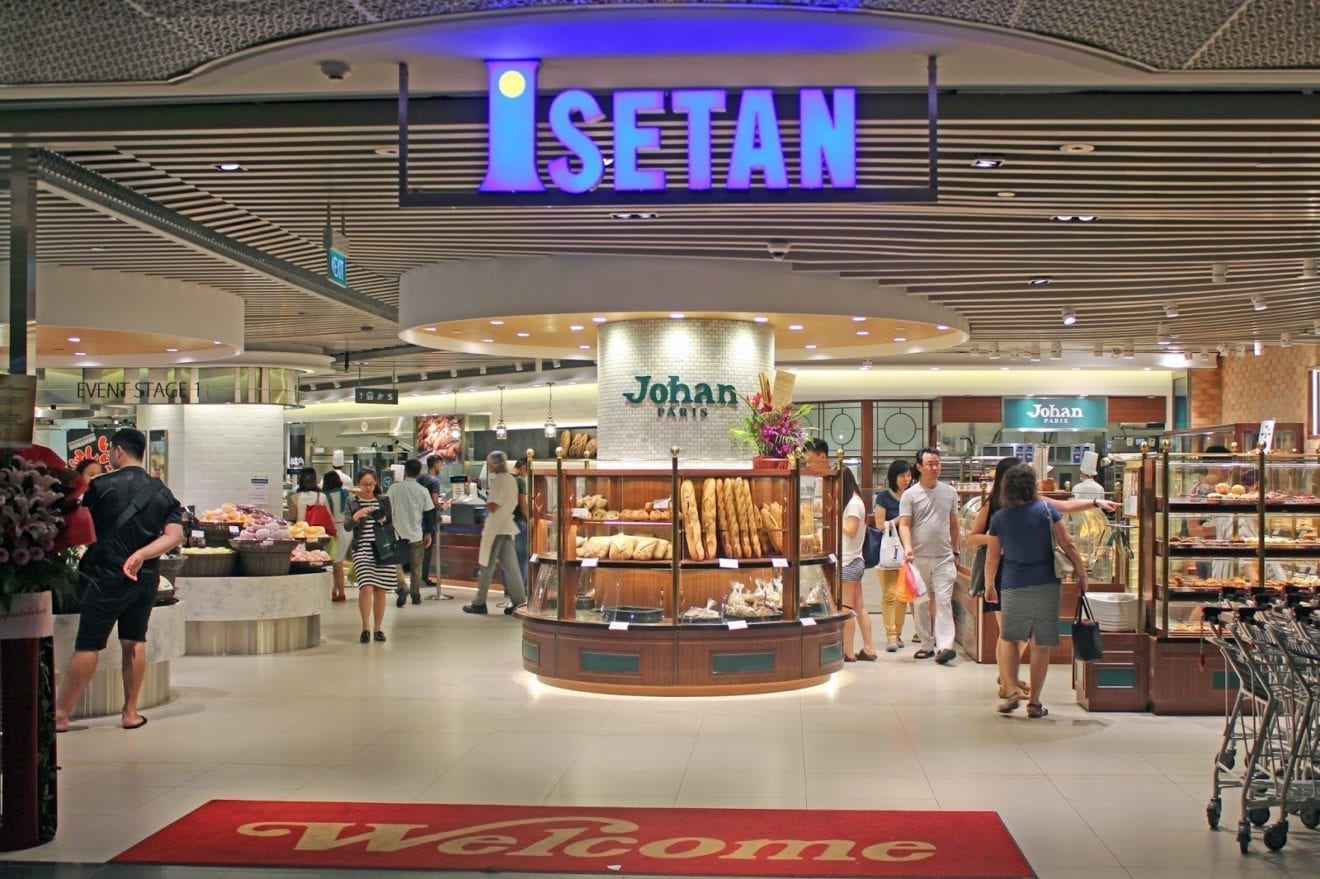
    Isetan, a Japanese department store chain offering a variety of products ranging from home goods to fashion and beauty items, has recently shuttered its outlet located in NEX shopping mall, Singapore. This closure comes to fruition after a successful 15-year long business operation.

    End of an Era

    The termination of this business venture was formally announced on April 26 following the expiration of its lease. This announcement, made via a Facebook post, expressed the company’s profound gratitude to its customers and stakeholders for their steadfast support throughout these fruitful years.

    Footage that circulated online showed the store’s staff bidding their final farewells to their loyal customers on the day of the store’s closure. A notable gathering of people was observed at the store’s entrance during which the store manager expressed heartfelt gratitude towards the customers for their continuous support and goodwill over the years.

    As the manager announced the end of their business operations, he extended well wishes of good health and happiness to all.

    Pioneer of Japanese Retail in Singapore

    Isetan has held a strong presence in the Singaporean market since its inception in 1972. The opening of its Havelock outlet marked the first instance of a Japanese retail store in the city-state. At the height of its success in 2013, the company operated a total of six outlets across Singapore.

    However, the recent years have seen a gradual decrease in the number of operational stores. The retail giant closed its Tampines Mall outlet in November after 30 years of operation. This decision was taken after careful assessment of local conditions and future profitability prospects.

    Earlier store closures include the Isetan Katong outlet at Parkway Parade shopping center in March 2022 and the Isetan Jurong outlet at Westgate Mall in March 2020.

    Questions & Answers

    When did the Isetan outlet at NEX shopping mall in Singapore close?
    It closed on April 26, following the expiration of its lease.

    When did Isetan first establish its presence in Singapore?
    Isetan first established its presence in Singapore in 1972 with the opening of its Havelock outlet.

    How many Isetan outlets were operational in Singapore at the company’s peak?
    At its peak in 2013, Isetan operated a total of six outlets in Singapore.

  • Matin Kim in Partnership with Musinsa Launches Flagship Store in Tokyo’s Fashion Hub

    Matin Kim in Partnership with Musinsa Launches Flagship Store in Tokyo’s Fashion Hub

    Matin Kim, a renowned fashion brand from South Korea, is set to expand its presence in Japan with the inauguration of a flagship store in Tokyo. The move is a part of the brand’s continuing collaboration with Musinsa.

    A New Addition to Tokyo’s Fashion Scene

    The upcoming store will be situated in Harajuku, a neighborhood widely known for its vibrant fashion culture. Spanning two floors, the outlet will occupy roughly 195 square meters. Slated to open its doors on April 26th, the new location marks Matin Kim’s third establishment in Japan, following the successful launches in Shibuya and Nagoya.

    Unlike its previous outlets located in shopping malls, this new store stands out as Matin Kim’s first standalone store in the country. The brand perceives this as a significant progression and intends to utilize the venue as a platform to exhibit its unique identity and innovative approach to fashion design.

    Offering an Enhanced Shopping Experience

    Apart from showcasing its extensive array of regular products, the store will feature Matin Kim’s latest Spring/Summer 2026 collection and exclusive limited-edition items. Additionally, the brand plans to enrich the customer experience by hosting a variety of experiential events and other engaging activities.

    Matin Kim, a portfolio brand of Hago Haus, a premier brand incubator in South Korea, currently boasts approximately 70 stores at both domestic and international locations.

    In November of 2024, Matin Kim entered into an exclusive agency agreement with Musinsa for the Japanese market. This led to the opening of its first permanent store in Japan at Miyashita Park in Shibuya, Tokyo, in April last year.

    Questions & Answers

    What is unique about Matin Kim’s new store in Tokyo?
    The new store, located in the Harajuku district, is the brand’s first standalone store in Japan. It will also serve as a showcase for the brand’s identity and creative vision.

    What can shoppers expect at the new Matin Kim store?
    Shoppers can look forward to a wide range of products, including Matin Kim’s latest Spring/Summer 2026 collection and exclusive limited-edition items. The store will also host experiential events and other activities to enhance the shopping experience.

    What is Matin Kim’s history in Japan?
    Matin Kim entered the Japanese market in November 2024, in partnership with Musinsa. The brand opened its first permanent store in Japan at Miyashita Park in Tokyo’s Shibuya in April the following year. The Harajuku store is the brand’s third in Japan.

  • Birkenstock Bolsters Japanese Presence with Grand Opening of Osaka Flagship Store

    Birkenstock Bolsters Japanese Presence with Grand Opening of Osaka Flagship Store

    Birkenstock, the renowned footwear brand, has broadened its retail footprint in Japan with the inauguration of a grand flagship outlet in the Shinsaibashi district of Osaka.

    The new store is spread across two floors, following the lead of previous concept stores that were launched in Harajuku, Shinjuku, and Nagoya. This new addition raises the tally of permanent, directly operated Birkenstock stores in Japan to 12.

    Located in Shinsaibashi, the outlet stands as one of the largest street-level retail spaces for the brand in the country.

    Store Design and Features

    The design of the store is based on a minimalist interior concept that places a premium on product display and materials used. The interior is decked out predominantly in white, offset by earthy wall finishes. The design elements subtly reference the brand’s signature cork footbed structure.

    The ground floor of the store is dedicated to the Care Essentials range, setting up an interactive space for customers to sample foot and body care merchandise. The upper floor showcases the brand’s comprehensive footwear collection. This includes staple sandal designs, clogs, shoes, boots, and the latest additions for the season.

    Questions & Answers

    Where is Birkenstock’s newest store located?
    The newest Birkenstock store is located in the Shinsaibashi district of Osaka, Japan.

    How many directly operated Birkenstock stores are there in Japan now?
    With the opening of the new store in Shinsaibashi, the total number of directly operated Birkenstock stores in Japan has risen to 12.

    What is unique about the design of the new Birkenstock store?
    The design of the new Birkenstock store is based on a stripped-back interior concept, featuring a predominately white palette contrasted with earthy wall finishes. It also incorporates design elements referencing Birkenstock’s signature cork footbed structure.

  • Revolutionizing IT Stability: How 24/7 Monitoring Shields Japanese Firms from Downtime Risks

    Revolutionizing IT Stability: How 24/7 Monitoring Shields Japanese Firms from Downtime Risks

    The necessity for constant system monitoring is gaining traction among Japanese businesses, as it plays a crucial role in ensuring IT operations run smoothly and minimizes the chances of service disruptions. As dependence on digital infrastructures grows, it’s essential to maintain consistent system performance. This rings true for a variety of sectors, from e-commerce platforms to manufacturing systems and financial services, all of which demand nearly uninterrupted availability.

    24/7 Monitoring: The New Norm

    To cater to this demand, organizations are opting for round-the-clock monitoring strategies aimed at fostering stable, secure, and responsive systems. Continuous monitoring enables the early detection of potential problems, which can help to decrease service interruptions and uphold performance standards.

    Enterprise systems these days are often spread across intricate environments that mesh cloud infrastructure, databases, applications, and integrated services. In such landscapes, even minor unresolved issues can escalate into significant operational problems if not attended to promptly.

    A 24/7 monitoring setup offers real-time insights into system health and performance, fostering speedy detection and response to arising issues. Advantages of this approach commonly include early problem detection, less downtime, and enhanced system performance. These factors can facilitate smoother operations as businesses expand their digital services.

    The Digital Transformation Wave

    As the digital transformation journey advances, Japanese businesses are growing more reliant on robust IT systems. Reports predict that Japan’s expenditure on digital transformation will surpass US$73 billion by 2027, mirroring the increasing demand for stable and efficiently managed infrastructure.

    The rise in real-time platforms and hybrid cloud environments usage has led to monitoring solutions becoming a core part of IT operations.

    The Impact of System Downtime

    System downtime can have operational and financial repercussions. In sectors like finance, e-commerce, and manufacturing, even minor disruptions can influence transactions, delay processes, and affect user experience.

    Industry estimates point out that downtime cost for large corporations can be substantial, depending on the scale of the system and business model. Beyond direct financial damage, downtime can interrupt revenue streams, impede productivity, damage reputation, disappoint customers, and necessitate additional recovery efforts.

    For corporations managing environments that mix legacy systems with modern cloud platforms, minimizing disruption risks is an ongoing concern.

    Continuous Monitoring: A Risk Management Strategy

    Continuous monitoring is a strategy embraced to manage these risks. Monitoring systems typically offer real-time data and trigger alerts when irregular activity is detected, allowing technical teams to respond promptly.

    Typical practices include performance tracking, automated alerts, predictive analysis, and incident response mechanisms. Collectively, these functions reinforce system reliability and help manage operational risks.

    An all-encompassing monitoring strategy may encompass infrastructure, applications, security, and incident management. These elements are often merged to support overall system availability.

    Certain businesses collaborate with external service providers to oversee monitoring and related operations.

    Questions & Answers

    What is the role of continuous monitoring in modern businesses?
    Continuous monitoring plays a crucial role in modern businesses, enabling early detection of potential issues which can reduce service interruptions and maintain performance standards.

    What is the predicted expenditure of Japan on digital transformation by 2027?
    Japan’s expenditure on digital transformation is projected to exceed US$73 billion by 2027.

    What are the implications of system downtime?
    System downtime can have significant operational and financial implications, including interrupted transactions, delayed processes, poor user experience, revenue losses, reduced productivity, reputational damage, and additional recovery efforts.

  • Nanamica Breaks into China’s Fashion Scene: Japanese Brand Launches First Store in Shanghai

    Nanamica Breaks into China’s Fashion Scene: Japanese Brand Launches First Store in Shanghai

    Renowned Japanese fashion label, Nanamica, has announced the inauguration of a new retail outlet in Shanghai, China. This is set to be the brand’s second international presence.

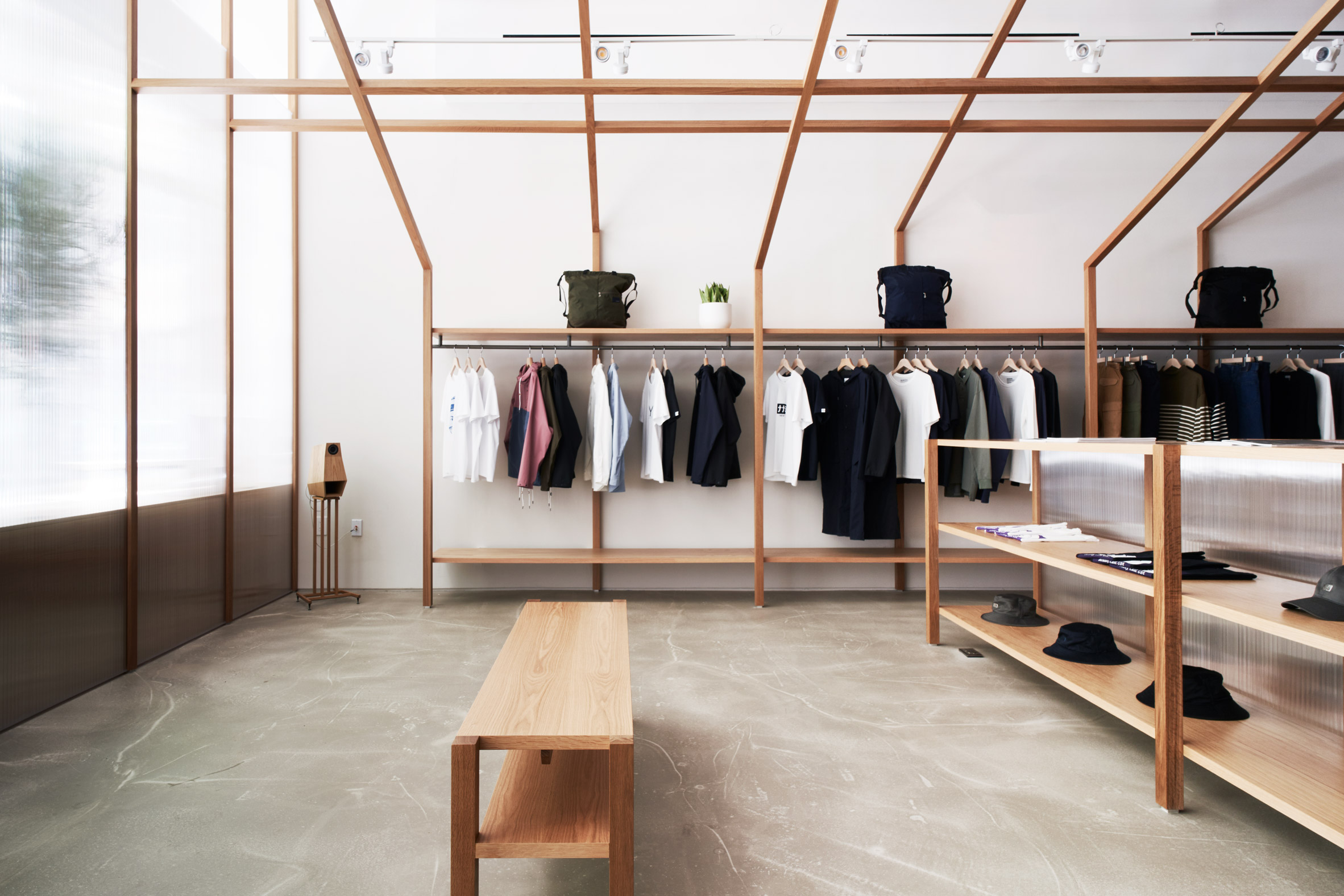
    The shop is strategically situated on Wukang Road, a bustling area within Shanghai’s Xuhui district. The location’s existing architecture is expected to harmoniously blend with the brand’s contemporary, minimalist aesthetics.

    Nanamica is recognized for its unique blend of attire that impeccably combines fashion with functionality. The brand prides itself on its versatile offerings that effortlessly “transcend genre, age, and gender”, setting it apart in the global fashion industry.

    The company expressed its vision for the newly launched Nanamica Wukang branch. It aims to provide a unique space where customers can experience the brand’s ethos in line with the local cultural backdrop and creative ambiance.

    As part of its consumer-centric approach, Nanamica has a clear message for its customers: the brand is determined to create garments that can be worn and cherished for an extended period. The company values longevity, coupling it with style and comfort.

    Nanamica has a strong retail presence, with stores operating in various locations such as Daikanyama, Kobe, Fukuoka, Kyoto, New York, and now making its mark in Shanghai.

    Questions & Answers

    What is the vision for the new Nanamica store in Shanghai?
    The vision for the new Nanamica Wukang store is to provide a space where customers can experience the brand’s ethos in a setting that harmonizes with the local cultural backdrop and creative ambiance.

    What is unique about Nanamica’s range of clothing?
    Nanamica’s clothing range is unique in its combination of fashion and functionality, offering versatile designs that transcend genre, age, and gender.

    Where else does Nanamica have store locations?
    In addition to its new Shanghai location, Nanamica operates stores in Daikanyama, Kobe, Fukuoka, Kyoto, and New York.

  • Blue Bottle Coffee Unveils Flagship Store in Harajuku, Japan: A Fusion of Innovative Design and Local Flavors

    Blue Bottle Coffee Unveils Flagship Store in Harajuku, Japan: A Fusion of Innovative Design and Local Flavors

    Blue Bottle Coffee, the renowned global coffee brand, has launched a premier outlet in Harajuku, marking a significant step in its ongoing refinement of its retail format within Japan.

    A New Blend of Retail

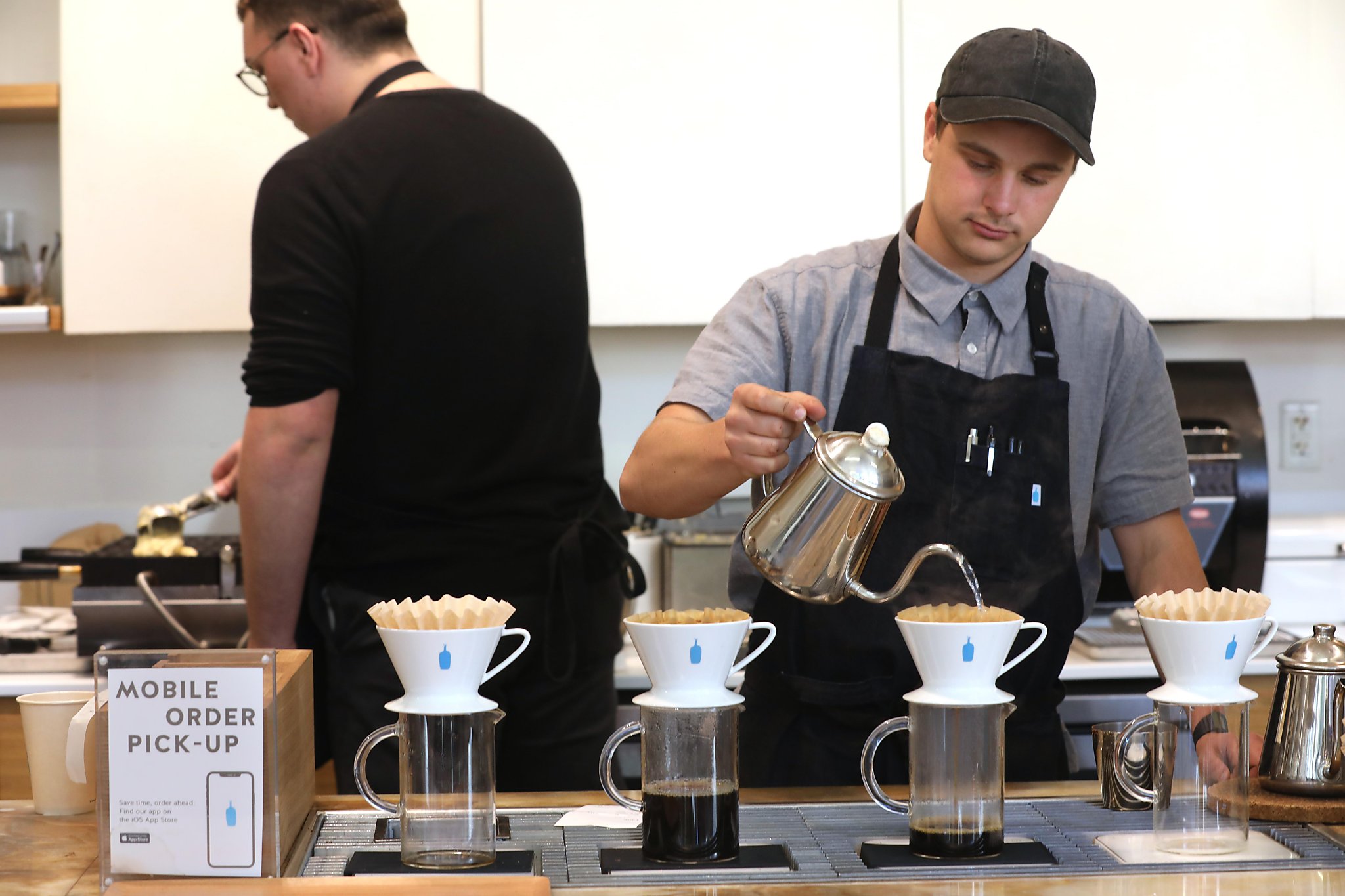
    The Harajuku outlet is nestled in Jingumae near Cat Street, occupying a spatial expanse of approximately 83 square meters and accommodating 26 seats. The store showcases a unique design by Teki Design and harmoniously melds a stainless-steel façade with reflective interiors. This design subtly extracts and mirrors the vibrant streetscape, thereby encapsulating Harajuku’s trademark, visually engaging retail atmosphere.

    The store features a unique layout that departs from the conventional high-throughput service model. Its seating arrangement and spatial design encourage customers to linger, thereby fostering a more experiential approach that surpasses the mere transactional model.

    Brewing a New Retail Experience

    While the Harajuku outlet is termed a flagship store, Blue Bottle Coffee’s primary focus appears to be on format experimentation rather than territorial expansion. The new store introduces an array of innovative beverage offerings such as an updated cold brew along with seasonal drinks. Additionally, it offers a curated food menu designed to cater to the unique tastes of the local market.

    Blue Bottle Coffee first expanded its footprint into Japan in 2015 with the launch of its inaugural store in Kiyosumi, Tokyo. Since then, the brand has exponentially grown and now operates around 30 outlets, with most of them located in the bustling Tokyo metropolitan area.

    In 2021, Blue Bottle Coffee expanded its global presence by inaugurating its first outlet in Singapore, thereby marking its initial foray into the Southeast Asian market.

    Questions & Answers

    What is the new approach adopted by Blue Bottle Coffee in its Harajuku store?
    Blue Bottle Coffee’s Harajuku store adopts an experiential approach, focusing on longer customer dwell times rather than a purely transactional model.

    What new offerings does the Harajuku store introduce?
    The Harajuku store introduces new beverage offerings, including an updated cold brew and seasonal drinks, and a curated food menu tailored to the local market.

    When and where did Blue Bottle Coffee make its first debut in Japan?
    Blue Bottle Coffee first debuted in Japan in 2015 with its initial outlet in Kiyosumi, Tokyo.

  • Japanese Retail Giant Beams Set to Launch US Flagship Store in Los Angeles, Amplifying Fashion Footprint

    Japanese Retail Giant Beams Set to Launch US Flagship Store in Los Angeles, Amplifying Fashion Footprint

    Beams, a prominent fashion and lifestyle retailer originating from Japan, is gearing up to establish a flagship store in Los Angeles, significantly expanding its influence in the US market.

    Expanding Retail Space

    This new retail location will cover approximately 1250 square meters over a single level. It is designed to serve as a pivotal hub for the company’s North American operations, while simultaneously broadening its reach to a wider American clientele.

    Curated Selection

    The store will feature an extensive range of products, including clothing, accessories, and lifestyle goods. This selection embodies the retailer’s ‘select shop’ approach, which merges their own brand with a collection of items from an array of other brands.

    Beams America

    In line with its expansion strategy, Beams has also formed Beams America. This venture will manage regional operations and facilitate retail growth and other brand initiatives in the US.

    Digital Presence

    Prior to this physical expansion, Beams launched an e-commerce platform for the US market last year. The company has also been assessing consumer demand through the operation of three pop-up stores in Los Angeles.

    The Company’s History

    Established in 1976 in Tokyo, Beams currently manages approximately 175 stores across Japan and other regions in Asia.

    Questions & Answers

    What is the purpose of the new Beams store in Los Angeles?
    The new store is set to serve as a key base for Beams’ operations in North America and aims to introduce its fashion and lifestyle concept to a broader US audience.

    What is Beams’ ‘select shop’ format?
    The ‘select shop’ format is a retail approach where the store combines its own labels with items sourced from a variety of brands, offering customers a curated selection of products.

    What is Beams America?
    Beams America is a venture established by Beams to oversee its regional operations and support retail growth and wider brand initiatives in the US.

  • Zara’s Enhanced Shopping Experience: Grand Reopening of Flagship Store in Japan’s Yokohama District

    Zara’s Enhanced Shopping Experience: Grand Reopening of Flagship Store in Japan’s Yokohama District

    Zara, the renowned fashion retailer, has reopened its relocated Minatomirai Tokyu Square store in Yokohama, Japan. The store spans a generous 2000 square meters and features a design aesthetic that aligns with the company’s latest global vision.

    Moving Up

    The outlet has transitioned from its previous location on the first floor, to now occupy a more spacious area on the second level of the shopping center. Shoppers can access the store either directly from Minatomirai Station, which is conveniently situated within the mall, or from a designated street entrance.

    A New Interior Design

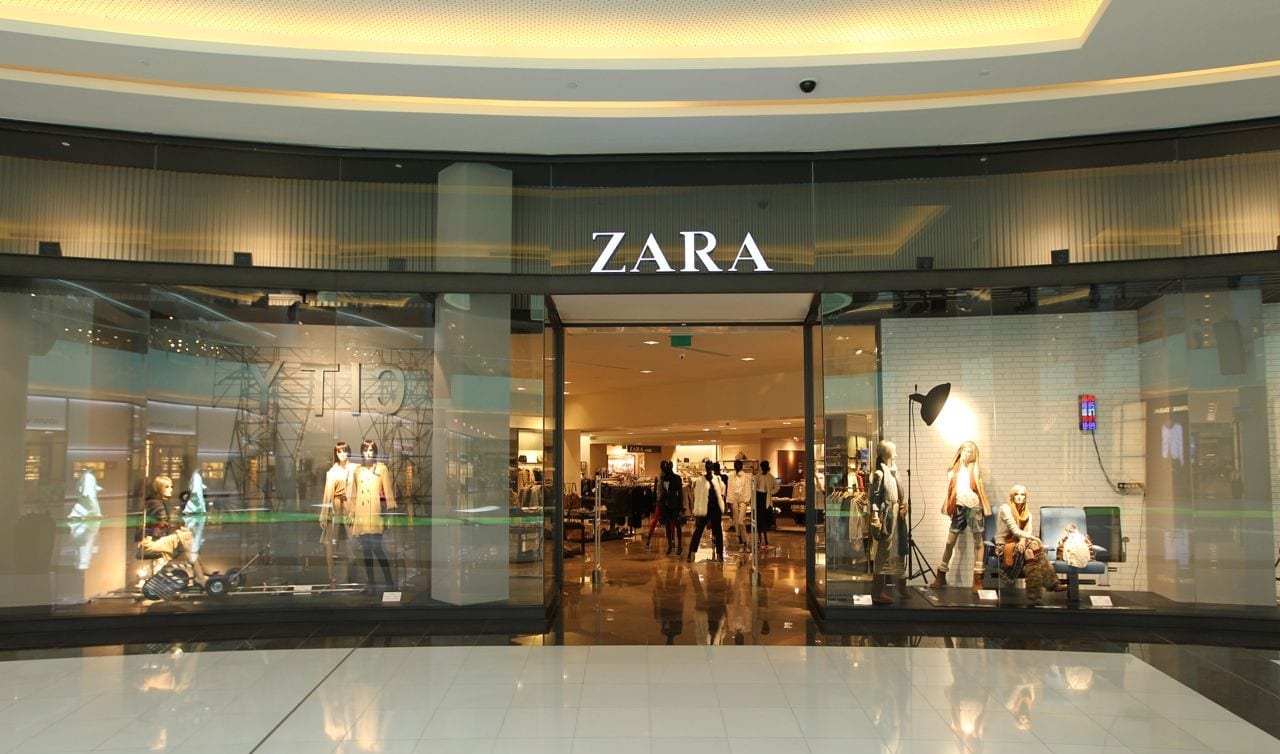
    The interior of the store is composed of a number of ’boutique-style’ rooms, each defined by structural beams and portal openings. The mall’s glazed facades and skylights allow natural light to fill the space. The contrast between the textured wall finishes and a black open ceiling adds to the contemporary feel of the store.

    Personalized Shopping Sections

    The women’s department of the store has a fluid layout featuring lighter tones for the main collections. Conversely, the selections aimed at a younger demographic are presented against darker backdrops with details in stainless steel.

    The men’s section echoes the same design principles but employs a segmented sequence of rooms. Dark tones, wood finishes, and black metal accents dominate this part of the store, setting a more defined, masculine atmosphere.

    Tech-Forward Shopping Experience

    Zara has integrated modern technology into the shopping experience, with the inclusion of interactive screens throughout the store. Customers can browse the store’s inventory in real-time, locate specific items within the store, and even utilize dedicated pick-up points for online orders made through Zara’s website or app.

    Questions & Answers

    Why has Zara moved its store to the second level of the Minatomirai Tokyu Square shopping center?
    The move to the second level was part of a strategy to provide a more spacious shopping environment for customers while also aligning with the latest global store design concept.

    How does the new store cater to different customer preferences?
    The new store features separate sections for men and women, each with distinct design elements and varying tones to cater to diverse tastes. There are also interactive screens to assist with browsing and purchasing items.

    What is the benefit of the interactive screens installed throughout the store?
    Interactive screens offer customers the ability to browse the store’s inventory in real-time, locate specific products in the store, and collect online orders placed through Zara’s website or app. This enhances the overall shopping experience by making it more efficient and user-friendly.

  • DoorDash Bids Farewell to Singapore and Japan Markets: A Strategic Re-focus on Sustainable Growth

    DoorDash Bids Farewell to Singapore and Japan Markets: A Strategic Re-focus on Sustainable Growth

    DoorDash, the leading food delivery platform, has announced the discontinuation of its operations in Singapore and Japan to concentrate on markets with higher priorities.

    Singapore Shutdown

    In Singapore, DoorDash will be closing down its Deliveroo service on March 4, thus drawing a curtain over its 11-year long tenure in the city-state. The firm has indicated that services will remain operational until the shutdown, advising customers to exhaust any residual credits and gift cards before the cessation of operations.

    Exiting Other Markets

    In a related development, the company has also confirmed the planned closure of Deliveroo and Wolt services in Qatar, Uzbekistan, and Japan. This decision was reached following an extensive evaluation of market conditions spanning several months. According to DoorDash, the exit strategy is hinged on factors specific to each of these countries and is aligned with the company’s strategic thrust to focus on markets that offer the greatest potential for sustainable growth and long-term dominance.

    Despite describing the decision as a challenging one, the firm has committed to closely collaborating with relevant local stakeholders to effect a seamless transition in the immediate future.

    DoorDash’s Contributions and Gratitude

    Miki Kuusi, the Head of DoorDash International, CEO of Deliveroo and co-founder of Wolt, expressed gratitude to all who have been a part of their journey. He remarked, “Over the last 11 years, we have been proud to shape food delivery in Singapore, granting consumers access to an extensive range of restaurant and grocery partners. To all our employees, customers, partners, and riders who have accompanied and supported us on this journey – thank you.”

    It’s worth noting that in the previous year, Deliveroo also withdrew from the Hong Kong market on April 7, after operating there for nine years. This followed an agreement to sell some of its assets to Foodpanda.

    Questions & Answers

    Why is DoorDash discontinuing its operations in Singapore and Japan?
    DoorDash is discontinuing operations in Singapore and Japan to focus on markets with higher priorities.

    What will happen to the remaining credits and gift cards of customers in Singapore?
    Customers are advised to exhaust any remaining credits and gift cards before DoorDash ceases operation on March 4.

    Can we expect further market exits from DoorDash?
    While not explicitly stated, the company’s strategic focus on markets where it sees a clear path to sustainable scale and long-term leadership might lead to further market exits.

  • Japan’s Top Ramen Specialist, Ramenya Shima, to Launch First International Location in Hong Kong

    Japan’s Top Ramen Specialist, Ramenya Shima, to Launch First International Location in Hong Kong

    Ramenya Shima, a renowned ramen specialist based in Tokyo, is set to make its first foray outside Japan with a new eatery in Hong Kong. The expansion is scheduled for next month, in a significant milestone for the brand.

    An Upscale Ramen Hub in Causeway Bay

    Ramenya Shima, currently operating a single establishment in Shibuya, Tokyo, has secured a location for its new venture at Sugar+ in Causeway Bay. The 1200 square foot restaurant is designed to accommodate 24 guests, mirroring its Tokyo flagship’s warm wood finishes and counter-style seating.

    A Menu Steeped in Tradition

    Ramenya Shima’s menu will primarily feature three distinct broths: shoyu, white shoyu, and shio. Each of these delectable soups is based on a complex stock concocted from 30 different ingredients, encompassing chicken, seafood, and various dried components. The noodles are made from a unique blend of five flours, including Kitahonami wheat grown in Hokkaido. Moreover, they are produced without any additives, aligning with the restaurant’s commitment to quality and authenticity.

    A Proven Track Record

    Since its establishment in 2020 by chef Hiroshi Morishima, Ramenya Shima has amassed a loyal following in Tokyo’s highly competitive ramen market. It has consistently been ranked as one of the top three ramen restaurants on a prominent Japanese dining review platform for five consecutive years.

    Chef Morishima expressed his optimism about the upcoming opening in Causeway Bay, stating, “Its vibrancy and accessibility echo the spirit of Tokyo. I am confident that all of our guests will experience the warmth and depth of our handcrafted ramen, made with recipes that have been perfected in Japan.”

    Expansion with Quality Assurance

    The move to Hong Kong signifies a strategic step in Ramenya Shima’s growth plans. In Tokyo, the restaurant is renowned for limiting its daily output to about 60 bowls to maintain consistency and high-quality standards. This practice will be replicated at their new overseas location, ensuring that the brand’s commitment to quality prevails in every aspect of its operations.

    Questions & Answers

    What is Ramenya Shima’s expansion plan?
    Ramenya Shima is venturing outside Japan for the first time by opening a new eatery in Hong Kong. The brand plans to maintain its commitment to quality and consistency, as it has in its Tokyo location.

    What is unique about Ramenya Shima’s menu?
    Ramenya Shima’s menu is based on traditional recipes. It features three distinct signature broths and noodles made from a proprietary blend of five flours, including additive-free Kitahonami wheat from Hokkaido.

    What measures does Ramenya Shima take to ensure quality?
    To maintain high standards of quality and consistency, Ramenya Shima limits its daily output to around 60 bowls of ramen. This practice will also be adopted in their new location in Hong Kong.

  • Bode Makes a Bold Entry into Asia with Novel Tokyo Flagship Store

    Bode Makes a Bold Entry into Asia with Novel Tokyo Flagship Store

    Bode, the New York-based brand, has inaugurated its first independent store in Tokyo, marking a definitive retail existence in Asia and continuing its worldwide growth.

    Store Location and Strategy

    The store has been strategically established in Yoyogi-Uehara, a residential locale renowned for its boutique shops and specialty coffee houses. Choosing to set up shop outside of the city’s known luxury retail districts indicates a targeted emphasis on fostering community ties and neighborhood ethos, as opposed to relying on the conventional high-end retail traffic.

    Bode was initiated in 2016 by Emily Adams Bode Aujla and has since been celebrated for its collections that draw inspiration from history and are crafted using antique and vintage fabrics.

    A Collaborative Interior Design

    The Tokyo store was designed in collaboration with the Los Angeles-based Green River Project studio. The design elements of the store include bespoke woodwork, classic furnishings, and details reminiscent of a residential setting, all aimed at generating a homely ambiance that reflects the brand’s narrative-centric approach.

    Store Offerings and Cultural Significance

    The store showcases the complete range of Bode’s men’s and women’s ready-to-wear collections, in addition to pieces exclusive to Japan. The company aims for the store to serve more than just a point of sale, envisioning it as a cultural pivot that encourages a deeper connection with its local clientele.

    Questions & Answers

    What is the location of Bode’s new store in Tokyo?
    The new store is located in Yoyogi-Uehara, a residential district known for independent boutiques and specialty cafes.

    What makes Bode’s collections unique?
    Bode’s collections are unique for their historical influence and their use of antique and vintage textiles.

    What is the purpose of the new store beyond serving as a point of sale?
    The store is designed to be a cultural touchpoint that helps to foster a deeper engagement with its local customer base.

  • Japan’s Takashimaya Set to Unveil Luxury Shopping Mall in Hanoi’s Priciest Starlake Urban Area

    Japan’s Takashimaya Set to Unveil Luxury Shopping Mall in Hanoi’s Priciest Starlake Urban Area

    Japanese retail behemoth, Takashimaya, has announced plans to inaugurate a fresh shopping mall in the latter half of the impending year. The site for this new venture is the Starlake urban area, renowned for having the highest land rates in Hanoi.

    Construction Details

    The proposed shopping centre, stationed on plot C1-CC1 within the Tay Ho Tay (Starlake) urban expanse, will sit on a significant space of over 17,240 square meters. The construction plan is to have the mall feature 10 floors above ground and three basement floors, raising expectations of a spacious and well-planned shopping experience.

    According to predictions, the doors of this new mall could swing open to the public as early as the third quarter of 2027. Starlake’s reputation as the urban region with the highest land rates in Hanoi is expected to amplify the mall’s appeal. Current land prices in prime locations within the Tay Ho Tay urban area are valued upwards of VND114 million (US$4,392) per square meter.

    Previous Plans and Operations

    Takashimaya had previously hinted at its intention to launch a shopping mall in Hanoi, with plans being in place since as early as 2026. Takashimaya Chairman Yoshio Murata has been open about the company’s plans to invest approximately 2 billion yen (US$13 million) in the venture.

    This is not Takashimaya’s first foray into Vietnam. The company has been operating a high-end department store in the erstwhile central District 1 of Ho Chi Minh City since 2016. In addition to this, Takashimaya also runs a shopping complex known as The Loop, which was previously named Indochina Plaza Hanoi.

    Questions & Answers

    Where will Takashimaya’s new shopping mall be located?
    The new shopping center will be situated within the Starlake urban area in Hanoi, recognized for having the highest land prices in the city.

    What is the planned structure of the new Takashimaya shopping mall?
    The mall is expected to consist of 10 floors above ground and three basement floors, promising an expansive shopping area for consumers.

    Does Takashimaya have other operations in Vietnam?
    Yes, Takashimaya has been running a high-end department store in the central District 1 of Ho Chi Minh City since 2016. They also operate a shopping complex in Hanoi, known as The Loop.