Category: Food

Retail News Asia is committed to providing both local and global retailers with the latest Food and Food & Beverage news throughout the Asian market. This on a daily base.

  • Binggrae opens Yellow Cafe flagship

    Binggrae opens Yellow Cafe flagship

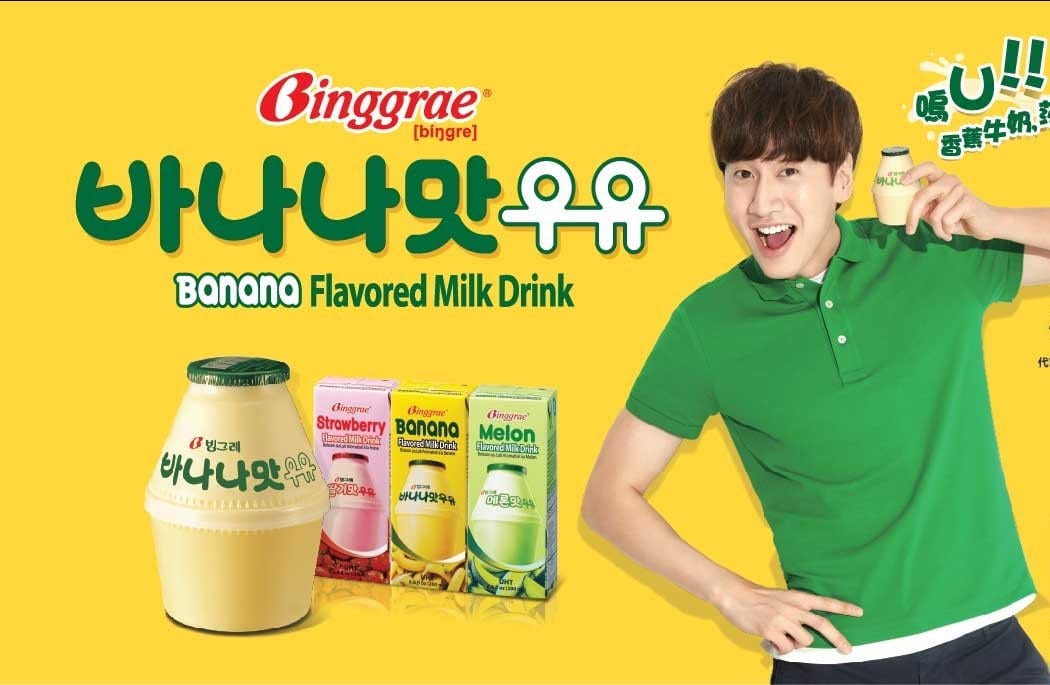
    Korea’s Binggrae, famous for its signature banana-flavored milk, will open a banana-flavored milk themed Yellow Cafe.

    The new concept store will be located in the Dongdaemun branch of Hyundai Outlet Store.

    It marks Binggrae’s first foray into the cafe market. Beverages such as lattes and milkshakes, and desserts such as ice cream, pudding, and tarts made with banana-flavored milk will be sold alongside accessories and souvenirs inspired by the beloved product that started it all, Binggrae’s iconic banana-flavored milk.

    The interior design of the store is also inspired by the product, as well as the tableware used to serve food and beverages at the store.

    Binggrae’s move to open a flagship store in the Dongdaemun area is perceived by retail analysts as a bid to get ahead in a commercial area that’s on the rise.

    Yellow Cafe stoee

    Dongdaemun is an area popular among tourists, with its numerous fashion shopping malls, cultural assets and Dongdaemun Design Plaza (DDP). The area holds potential to grow even more with Doosan’s duty free store expected to open soon.

    Binggrae hopes to promote its products by introducing them to more domestic and foreign consumers.

    “Based on the resources the area holds, Yellow Cafe will provide a space that can provide opportunities to consumers so that they can experience our products,” a company spokesman said.

    Since its launch in 1974, banana-flavored milk has stood at the top of the domestic market for processed milk, a reign of more than 40 years. The friendly color of the product and unique bottle shape are loved by consumers of all ages.
  • Rare reef fish brought in illegally

    Rare reef fish brought in illegally

    More than 1,000 endangered but highly valued reef fish sold in Hong Kong last year were imported illegally, a university study shows.

    It was released yesterday and funded by the University of Hong Kong and the Convention on International Trade in Endangered Species.

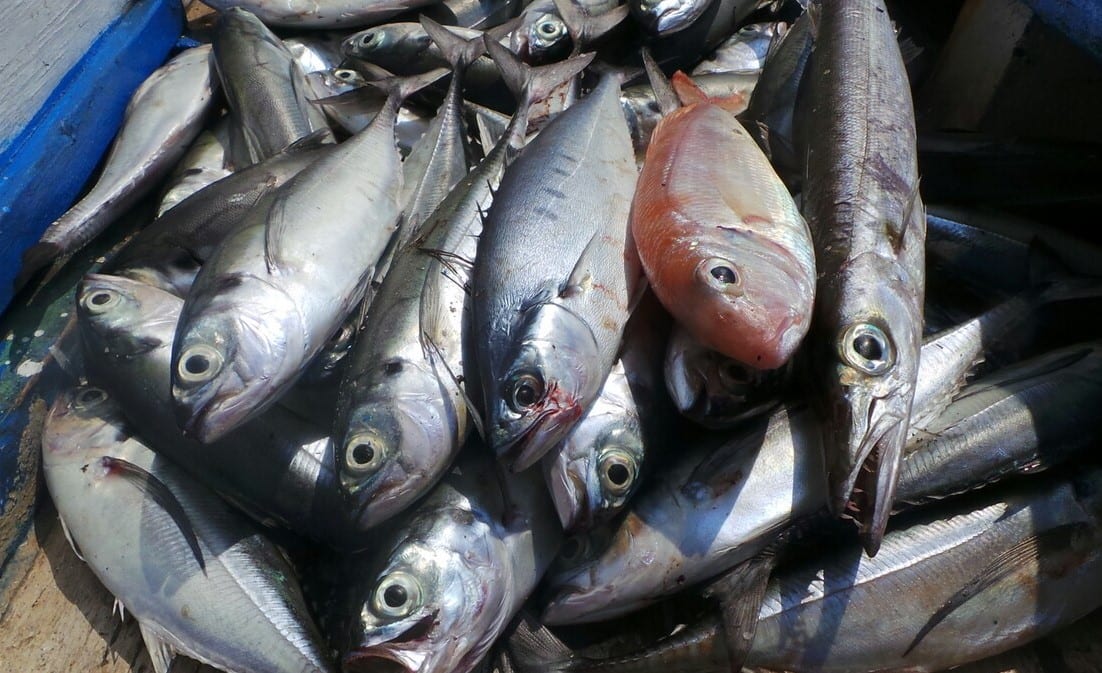
    More than 1,000 humphead wrasse, also known as Napoleon fish, were on sale in Hong Kong live fish shops from January to December 2015, said the study.

    Since no official imports occurred in 2015 and the species is typically sold within a few weeks of import, the survey suggests that many of these fish illegally entered the SAR, said professor Yvonne Sadovy of HKU’s School of Biological Sciences.

    Humphead wrasse is one of the biggest reef fish in the world. It is reported to grow as long as two meters and can live longer than 30 years.

    The retail price of live humphead wrasse in the local seafood markets was HK$1,550 to HK$1,600 per kilogram.

    “Failure to act to ensure legal and sustainable trade in this globally threatened species will ultimately result in higher prices for humpheads and fewer fish available to consumers and to the poor fishermen. Nobody wins,” Sadovy said.

    She called for urgent action by the government to ensure that imports and sales of humpheads are legal.

    FLORA CHUNG

  • Kirin to make, sell Ichiban Shibori beer in Myanmar

    Kirin to make, sell Ichiban Shibori beer in Myanmar

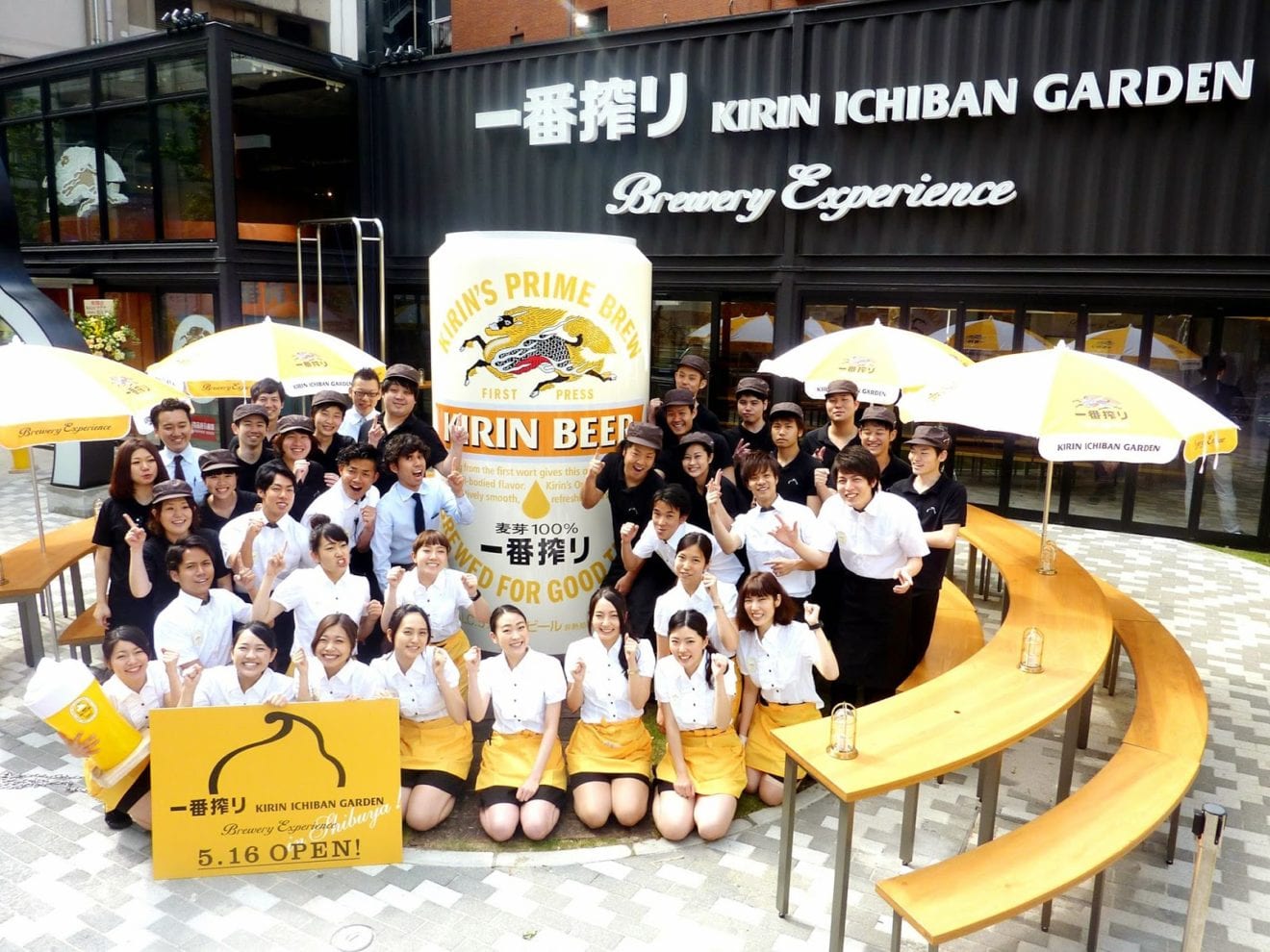
    Kirin Holdings will begin brewing and selling its flagship Ichiban Shibori beer in Myanmar as early as this month.

    The Japanese brewer will make the premium beer at the Yangon plant of Myanmar Brewery, which Kirin acquired last summer. It will initially provide it to Japanese restaurants and other high-end eateries, and aims to supply around 150 outlets within the year. Cans and bottles for retail stores will be rolled out gradually in the future.

    Ichiban Shibori will be sold to restaurants for just under 300 yen ($2.67) per bottle, around 50% more than typical local beer and in the same price range as premium European brands.

    Myanmar Brewery has an 80% share of the country’s market. Most of its products are in lower price ranges and it has lacked a high-end lineup to challenge European brewers. By selling Ichiban Shibori along with Myanmar Brewery’s existing brands, Kirin aims to offer beer in a wide range of prices and fight back against European competitors.

    Kirin sold the equivalent of 5.42 million 20-bottle cases of its beer brands overseas in 2015. It is targeting 6% growth to 5.72 million cases in 2016.

  • Biggest M&M store in travel retail opens at Hong Kong International Airport

    Biggest M&M store in travel retail opens at Hong Kong International Airport

    International Travel Retail in partnership with DFS Group today opened the largest M&M’S outlet in travel retail at Hong Kong International Airport.

    The 35sqm store is located in Terminal 1 and, according to DFS, is designed to offer “chocolate lovers a unique, entertaining and fun travel experience, driving travellers into the store”.

    Biggest M&M's store in travel retail opens at Hong Kong International Airport
    With interactive retail theatre and a focus on fun, it reveals that the M&M’S shop-in-shop is personalised and unique to Hong Kong.

    It states: “The atmosphere of this vibrant city is brought to life inside the store with a replica of one of Hong Kong’s iconic dragon boats on display, along with localized artwork incorporating the brand’s world famous Red and Yellow characters.”
    Dragon boat
    Additionally, the offer will include items that meet the consumer demand for destination merchandise with “Hong Kong Travel Collection” packs of Snickers, Mars and Twix along with a Hong Kong themed M&M’Sbox featuring the iconic dragon boat.

    While the key focus of the store is on M&M’S,  products from core brands Snickers, Mars, Celebrations and Twix are also offered based on the company’s ‘Laws of Growth’ belief in ensuring that consumers are offered best-selling SKUs at all times.

    Commenting on the opening, Mars International Travel Retail’s regional sales director, Christophe Bouye, says: “By offering passengers outstanding retail experiences that first and foremost will make them smile, we are confident it will increase shopper engagement and encourage conversion.

    “Through placing consumers in a smiling frame of mind, we believe that this will not only benefit the confectionery category, but all sectors of the travel retail offer here in Hong Kong.”

    The new outlet is located close to Gate N28 on the central concourse.

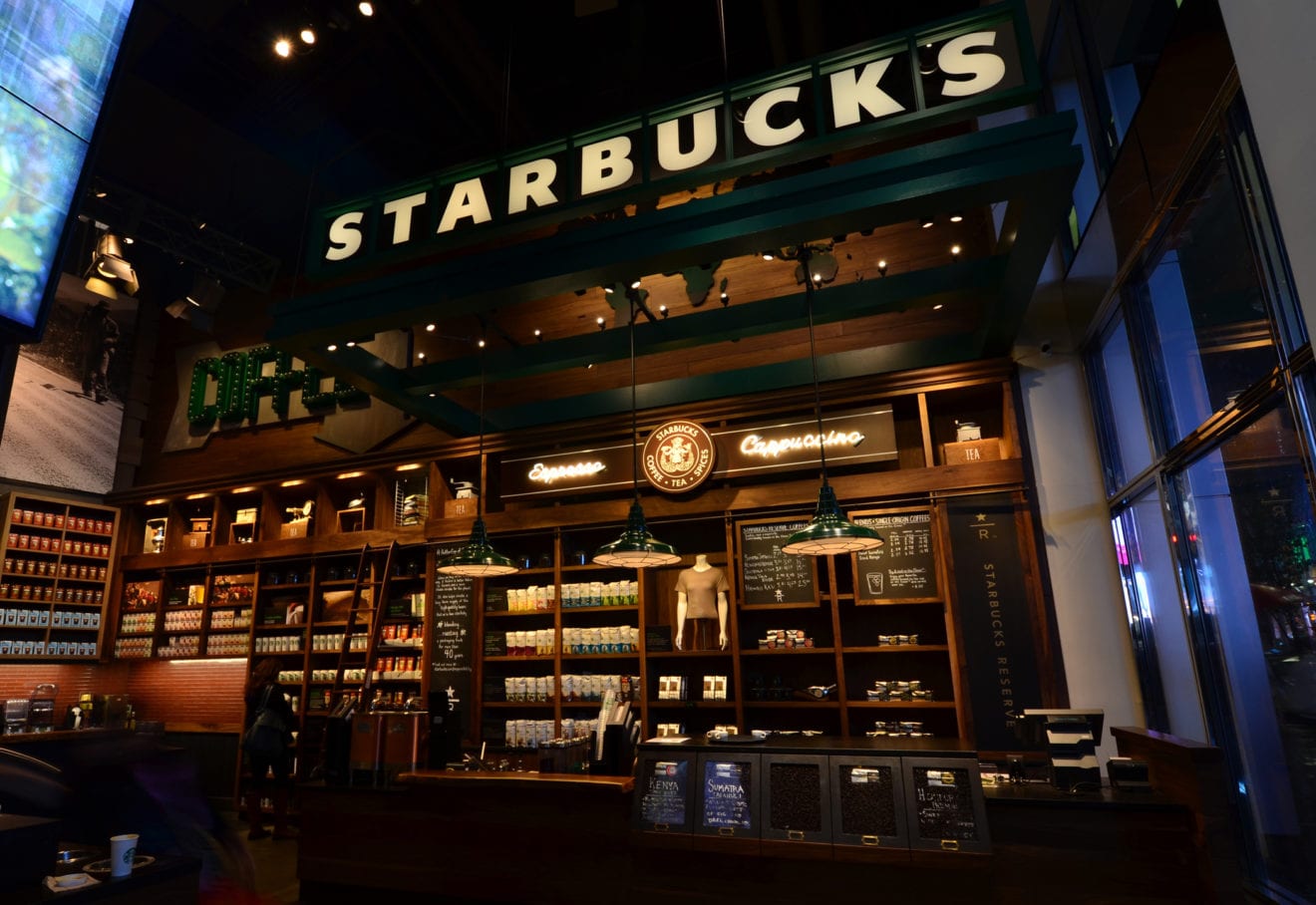
  • Growth plan for Starbucks Vietnam and Cambodia

    Growth plan for Starbucks Vietnam and Cambodia

    Dairy Farm Group says it plans to expand its Starbucks Hong Kong and Vietnam networks.

    Last year, Dairy Farm opened six new Starbucks Vietnam cafes and its first in Cambodia – in the capital city Phnom Penh last December.

    “This new market offers significant opportunities as there is no dominant market player,” said CEO Graham Allan. “The group is currently working to fully understand local tastes and preferences.”

    In Vietnam, the company says it will continue – for now – to focus expansion in the main cities of Ho Chi Minh and Hanoi.

    Starbucks operations in Vietnam, Cambodia and Hong Kong – where the network is also set to be expanded this year – is operated by Dairy Farm’s restaurant subsidiary Maxim’s.

    “Maxim’s delivered another year of solid results,” Allan said in the company’s annual operational review.

    “Expansion of its Chinese casual dining restaurants and Japanese restaurants continue in Mainland China.”

    Maxim’s opened 44 net new outlets during the year, including six in Mainland China and the new Starbucks outlets.

    Dairy Farm’s restaurants division reported US$1.9 billion in total sales, representing an increase of 8 per cent year-on-year, while the profit contribution increased by 9 per cent as the business delivered another year of record earnings.

    “Looking ahead, the macro economy and local business environments are expected to be challenging in 2016, with continued currency volatility and fragile consumer confidence,” said Allan.

    “The group sees exciting prospects, however, with a number of establishments opening at the Shanghai Disney Resort in June 2016, including the staff canteen, The Cheesecake Factory and Japanese chain concepts Ippudo and Dondonya.”

    He said besides expanding in Vietnam and Cambodia, Maxim’s will continue to explore further opportunities for acquisitions and/or franchising throughout Asia.

  • A taste for Japanese flair in SOTA

    A taste for Japanese flair in SOTA

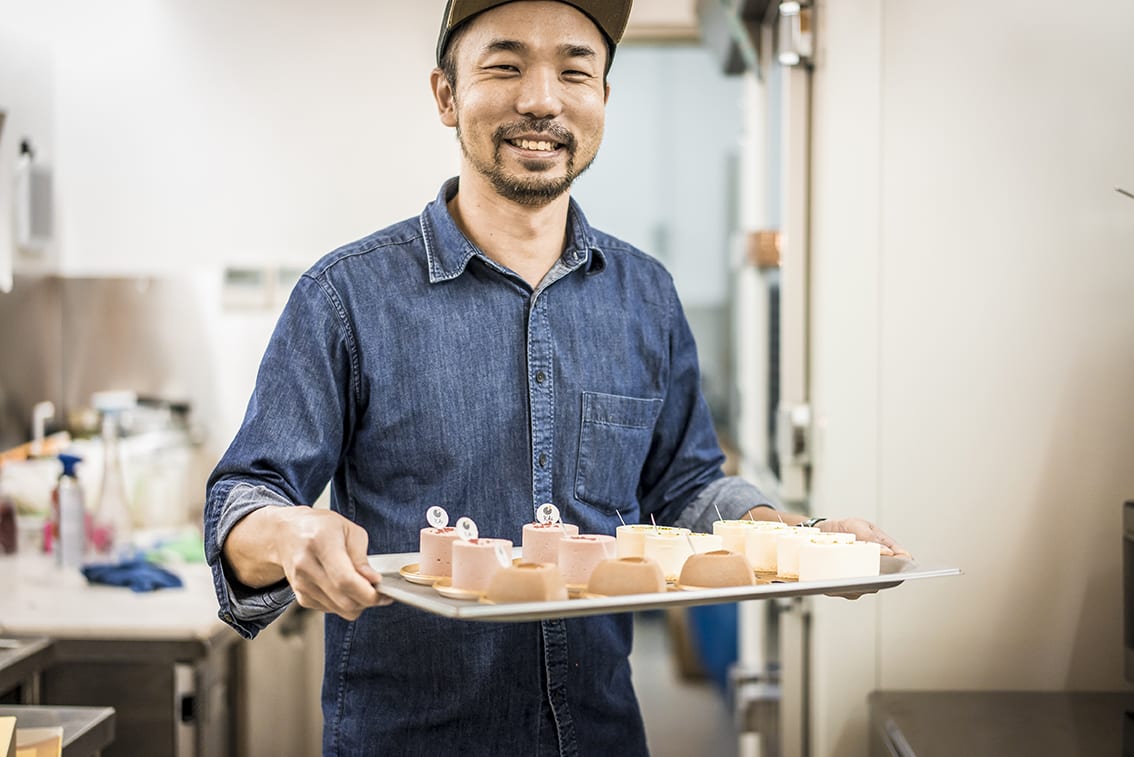
    When customers do not have time to slowly sample the offerings, the owners of Kki Sweets at the School of the Arts (Sota) ask them to come back another day – even at the risk of losing business.

    “We want people to come in and slow down. Cake is something you are meant to savour. It is not fast food,” said Ms Delphine Liau, 39.

    In+a+happily+shared+space+at+the+School+of+the+Arts+(SOTA)+building+in+Singapore,+food-meets-art+with+a+PRODUCE+designed+retail+mash-up+of+Kki+Sweets+and+Little+Dröm+Store-

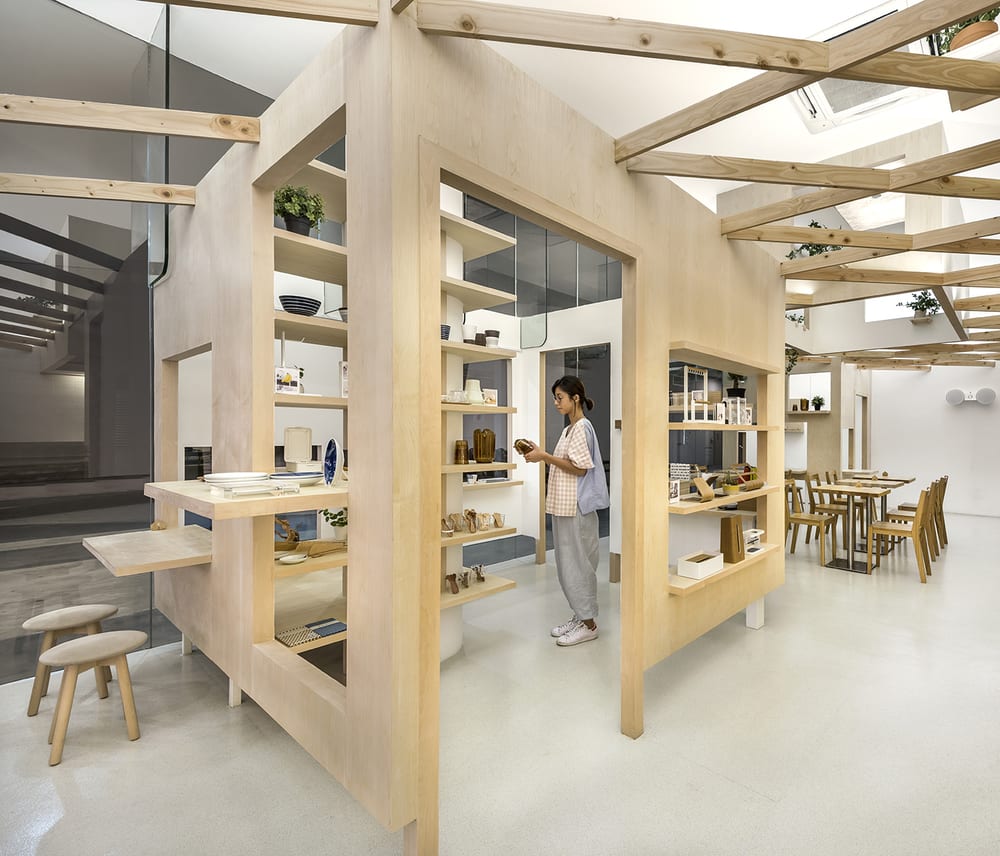
    The store’s design forces visitors to decelerate. Local design studio Produce fashioned the shared storefront around an alleyway – one turn-off leads to design retail store The Little Drom Store and the other to Kki’s Japan-inspired dessert cafe, which also sells Kki Home homeware products.

    At Kki Sweets, maple-veneered plywood and pine planes serve as shelves, seats and trellises. They provide a deliberate contrast to the darker interior of the atrium at Sota and also create internal layers within the space.

    Last year, the design of the 1,700 sq ft store won an award in the retail category at the INSIDE World Festival of Interiors, which was held in Singapore alongside the World Architecture Festival.

    “The design reflects the lifestyle we are trying to promote. We want it to be comfortable, warm and cosy – a place where you spend time and take your time,” said Ms Liau.

    She and her husband, self-trained chef Kenneth Seah, 43, share a love of food. They met in 2003 while working in a cafe, and opted to have a pastry-inspired honeymoon in Japan, lapping up delicate creations by the likes of top patissier Hidemi Sugino.

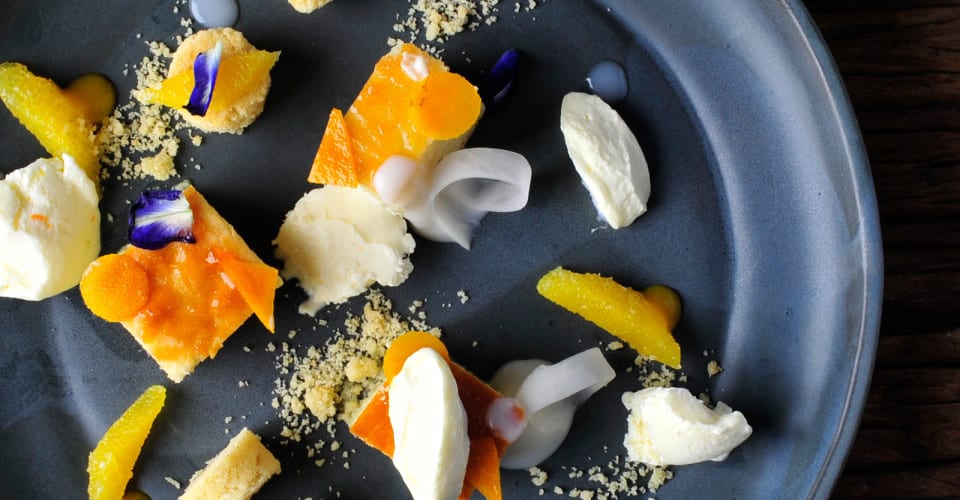
    Returning home to what they felt was a desert in terms of good desserts, they decided to create their own ideal cafe. In 2009, they opened an outlet in Ann Siang Hill, serving cookies and speciality mousse cakes such as the Kinabaru (new mountain in Malay), a coconut sensation with a passionfruit centre.

    Rising rentals forced them to move at the end of 2013 but, thanks to a DesignSingapore Council Design Innovation Assistance grant, they cranked up their ovens again in September 2014, this time at Sota, where they have a larger space.

    Once a year, they close their cafe for a week to return to Japan for more inspiration – and more cake.

    “When the Japanese sell something they didn’t create, like French pastries, they respect the craftsmanship but infuse it with their produce and make it their own,” said Ms Liau. “We are as intrigued by their mindset as their cakes. We have learnt so much from them.”

  • Pop-up space at Hong Kong’s Warehouses on West to host Spanish chef Carlos Garcia Rodriguez

    Pop-up space at Hong Kong’s Warehouses on West to host Spanish chef Carlos Garcia Rodriguez

    Warehouses On West, in Hong Kong’s Sai Ying Pun district, is a commercial and retail community promoting the arts and creative thinking under one roof – well nine roofs, to be precise.

    The brainchild of developer District15, the project – nine ground-floor warehouses repurposed into elegant spaces to house art galleries or restaurants – offers a hip alternative to high-rise retail and office space.

    “We used one of the warehouses as our own office and we realised how great it would be for the spaces to be used as restaurants and art galleries,” says Dinesh Nihalchand, a co-founder of District15.

    Alex Bent, another co-founder, says: “Hong Kong has changed over the past 10 years, with little neighbourhoods opening up all over the city. We want Warehouses On West to be one of those new mini-neighbourhoods.

    The project also features The Warehouse, a 1,762 sq ft space designed to host pop-up product launches, cocktail parties and art exhibitions, and movie screenings.

    Pop-up movement Test Kitchen will be one of the first to try The Warehouse when it brings top Spanish chef Carlos Garcia Rodriguez to Hong Kong for a three-night event that starts on March 24.

    Garcia Rodriguez started his culinary career at one-Michelin-star restaurant Restaurante de Vinis, in Madrid, before honing his skills in London alongside acclaimed chef Alexis Gauthier at one-Michelin-star restaurants Roussillon and Gauthier. Garcia Rodriguez recently opened The Black Pig, in Manila, to rave reviews.

    The pop-up dinner is priced at HK$1,180 (includes drink pairings) per person. For reservations, visit testkitchen_chefcarlos.pelago.events. For details about Warehouses On West, go to warehousesonwest.com

  • Singaporeans invest in Caffe Bene

    Singaporeans invest in Caffe Bene

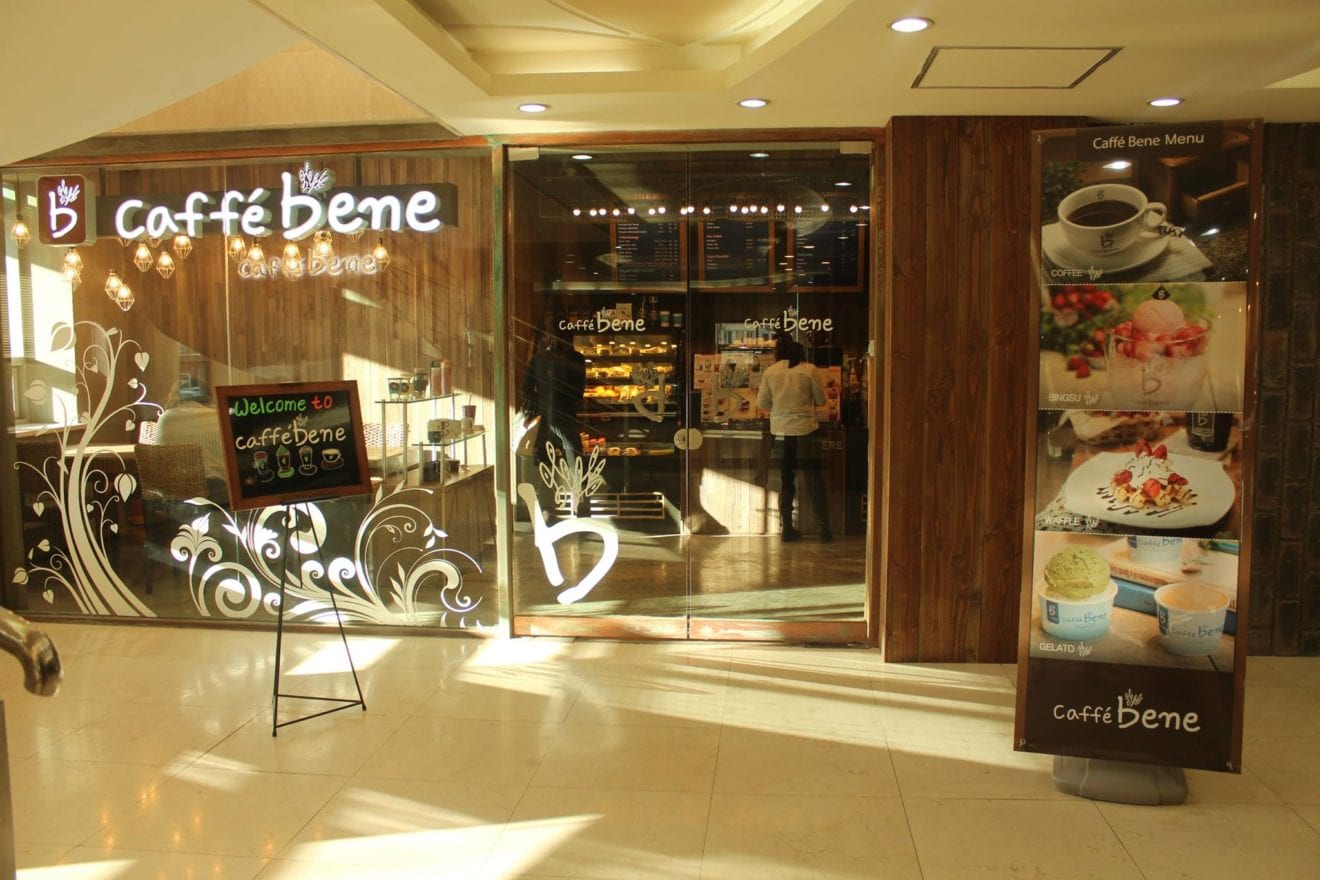
    Days after being launched, Singapore’s Hallyu Ventures (HVPL) has spent US$13.8 million to take a 38 per cent shareholding in South Korean coffee chain Caffe Bene, which has outlets in 14 countries.

    HVPL is a joint venture between Future Investment Holdings (FIHPL), a wholly owned subsidiary of Food Empire Holdings, and Sweet Blossom Holdings (SBHL), a wholly owned subsidiary of Eastern Valley Group, part of Indonesian conglomerate Salim Group.

    FIHPL holds 51 per cent shares in the joint venture, launched with the aim of investing in F&B companies in east and north-east Asia, as well as South Korea.
    Hallyu Ventures is now Caffe Bene’s second-largest shareholder, and its involvement is expected to enable the brand to enhance its competitive power as the top coffee franchise company in Korea.

    “It will also make it possible to lead in both the local and global market, with Caffe Bene management in Korea focusing on the local market while the overseas partners expand its global market influence,” says the company.
    K3 is Caffee Bene’s largest shareholder with 52 per cent. However, Hallyu Ventures plans to invest further this year to strengthen its position as a strategic investor, reports The Korea Times.

    Caffe Bene Korea is focusing on international expansion after reaching saturation point in its own market with a network of 810 stores. It has more than 500 stores in China with a short term target of 1000, and two in the US. It will also take its brand to the Middle East after signing a franchise agreement with Saudi Arabia-based Keden Group.

  • Marni Japan opens flower cafe

    Marni Japan opens flower cafe

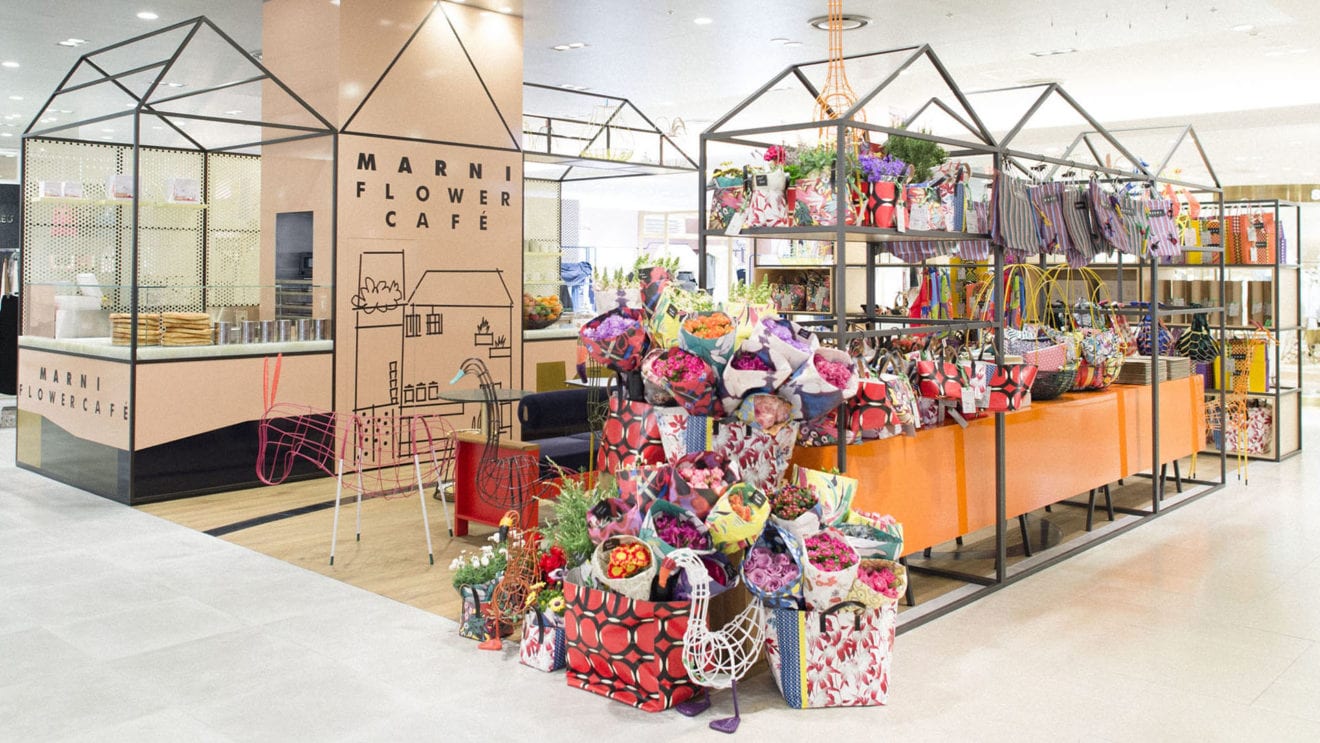
    Known for using fur in contemporary designs, Italian fashion brand Marni has opened its first flower cafe, in Osaka.

    On the third floor of the Umeda Hankyu Department Store, the 50 sqm (535 sqft) the Marni Japan cafe and shop combo is designed as a meeting place serving focaccia bread and Italian-styled cakes, as well as customised Marni products.

    Marni Flower cafe Japan 3

    It resembles a child’s playhouse, a reflection of the off-beat bohemianism associated with the creations of lead designer Castiglioni, who started the brand in 1994. Initially its focus was on womenswear “for women who eschew styling themselves sexy for men in favour of dressing for other women”.

    Marni Flower cafe Japan

    Marni went on to launch its own menswear line and now produces ready-to-wear clothing, handbags, eyewear and jewellery.

    Marni Flower cafe Japan 1Marni Flower cafe Japan 5

    At its opening event in Osaka, Marni Japan created a picnic set with wooden lunch boxes, multicoloured furoshiki (wrapping cloths), vacuum flasks, floral bags, PVC vases and porcelain sets featuring the company’s colourblock patterns. The store itself features a green onyx counter, interwoven PVC stools, small tables crafted from brass and green marble, and a bright blue sofa.
    The first of many Marni Japan stores planned, the cafe store will change its product lineup every four months.

    Marni Flower cafe Japan 4

    Part of the OTB Group that includes Diesel, Maison Martin Margiela and Viktor & Rolf, Marni has outlets in 16 countries with boutiques in Beijing, Hong Kong, Kuwait, Las Vegas, London, Los Angeles, Moscow, New York, Shanghai and Sydney.

  • Vietnam’s Coffee sales slow, Indonesian premiums rise

    Vietnam’s Coffee sales slow, Indonesian premiums rise

    Vietnam’s coffee premiums held steady, with farmers slowing sales on concerns over dry weather affecting output, while domestic buying and thin stocks in Indonesia helped to raise outright prices, traders said on Thursday.

    The dry season in Vietnam, the world’s top robusta producer, is peaking, with water shortages forecast to cut 2016/2017 output. Rival producer Indonesia has low stocks, which has helped to push up export price quotations to a 15-month high.

    “Most activities are focused on domestic markets, where exporters in short position have to raise their buying prices to secure beans,” said a trader in Ho Chi Minh City.

    Domestic prices in Daklak, Vietnam’s biggest growing province, advanced to 31.1 million-31.4 million dong ($1,400) per tonne, tracking gains in the ICE robusta futures.

    At 31.4 million dong, the price is on par with that on Feb. 6, according to data.

    Premiums of Vietnamese robusta grade 2, 5 percent black and broken were stable at $50-$70 a tonne to the May ICE contract in the past week. Beans grade 1, similar to Indonesia’s Sumatran coffee, were steady at premiums of $95-$110 a tonne.

    ICE May robusta coffee settled up 0.9 percent at $1,420 per tonne on Wednesday.

    As dry weather intensifies in Vietnam’s Central Highlands coffee belt, underground water might sustain trees only until the end of this month, traders said.

    The current El Nino weather event is likely to delay the usual arrival of the rainy season by 10-15 days.

    The government has announced financial aid worth $23.5 million to help 34 provinces fight drought and salination, it said in a statement on Wednesday.

    About 40 of Vietnam’s 63 provinces have now been affected by the dry weather.

    In Indonesia, premiums rose to $300-$320 a tonne for beans grade 4, 80 defects COFID-G4-USD to the ICE May contract, from a premiums of $300 last Thursday, due to thin stocks, traders said.

    At $320 a tonne, the premium is the highest since at least December 2014, according to data available on Reuters.

    “Prices were good and went up because there was support from Java factories, while there were little stocks,” a Lampung-based trader said, adding that purchases by small traders also supported prices.

    Indonesia’s main harvest will pick up from late this month.

    Indonesia’s coffee bean production is targeted to increase by up to 27 percent to 700,000 tonnes in 2016, a manager at the country’s coffee association said on Thursday, up from 550,000 tonnes in 2015.

  • Indonesia exports instant noodle to Palestine

    Indonesia exports instant noodle to Palestine

    Indonesia has opened an opportunity to export instant noodles to Palestine after it has successfully shipped 15 containers to West Bank.

    Foreign Minister Retno LP Marsudi said at the presidential palace compound here on Tuesday following the official opening of the Indonesian Honorary Consulate in Ramallah, economic cooperation between the two countries should increase.

    “The honorary consul is tasked with increasing the economic cooperation. Although it is still very small our trade with Palestine has shown an increasing trend,” she said.

    From 2012 to 2015 the volume of trade between the two countries have jumped remarkably by 300 percent.

    “Yesterday I talked with an importer of eastern noodle to Palestine. Indonesia has shipped 15 containers of instant noodle to the West Bank,” she said.

    Retno said the volume of trade between the two countries has continued to increase and so the presence of the honorary consulate is needed very much to develop the potential.

    “Madam Abu (Maha Abu Shusheh, the Indonesian consul in Ramallah), is a business person who represents a good working network and has been successful not only in Palestine but also in other Arab countries,” she said.

    Minister Retno said she also saw that empowering must be done so that the honorary consulate in Ramallah could also send business men from Palestine to Indonesia.

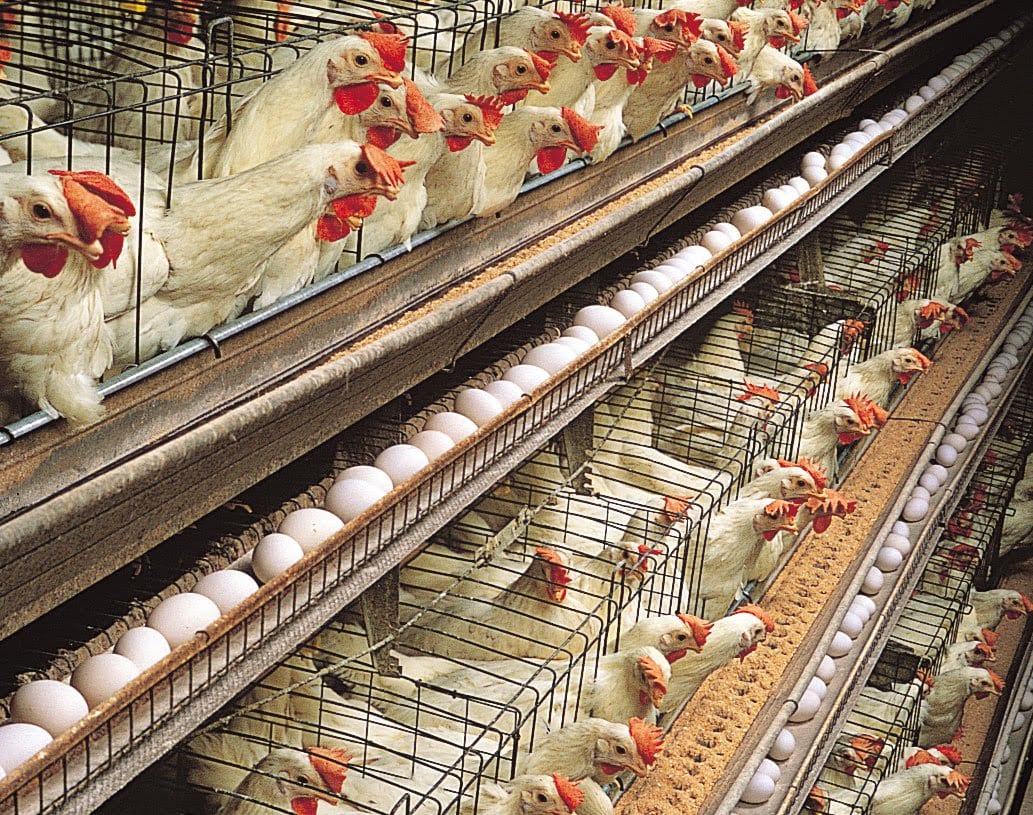
  • KPPU Uncovers Chicken Cartel Practices

    KPPU Uncovers Chicken Cartel Practices

    The Commission for the Supervision of Business Competition (KPPU) noted at least 12 companies are suspected to be involved in chicken cartel practices. “Now the case has entered the court trial stage,” said Muhammad Syarkawi Rauf, Chairman of the KKPU to us on Wednesday, March 9, 2016.

    Syarkawi said that the 12 companies allegedly control chicken prices in the market by applying monopoly. The companies were suspected to work with one another to keep chicken prices high. Syarkawi added that the companies were also suspected to have planned to terminate their parent stock. “This is what we are currently investigating,” Syarkawi said.

    Name of the companies suspected to be involved in chicken cartel practice, according to KPPU’s records, include PT Charoen Pokphand Indonesia Tbk, PT Japfa Comfeed Indonesia, PT Malindo, PT CJ-PIA, PT Taat Indah Bersinar, PT Cibadak Indah Sari Farm, PT Hybro Indonesia, PT Expravet Nasuba, PT Wonokoyo Jaya, CV Missouri, PT Reza Perkasa, and PT Satwa Borneo Jaya.

    The case was uncovered after KPPU conducted an investigation on early 2016. The companies were suspected of violating Law No. 5/1999 on Monopoly Practices and Unhealthy Business Competition.

    On the other hand, chicken companies denied the accusations. “We deny such accusation. The termination of parent stock is based on government regulation,” said Budiarto Soebijanto, Senior Vice President of PT Japfa Comfeed Indonesia last Thursday, March 3, 2016.

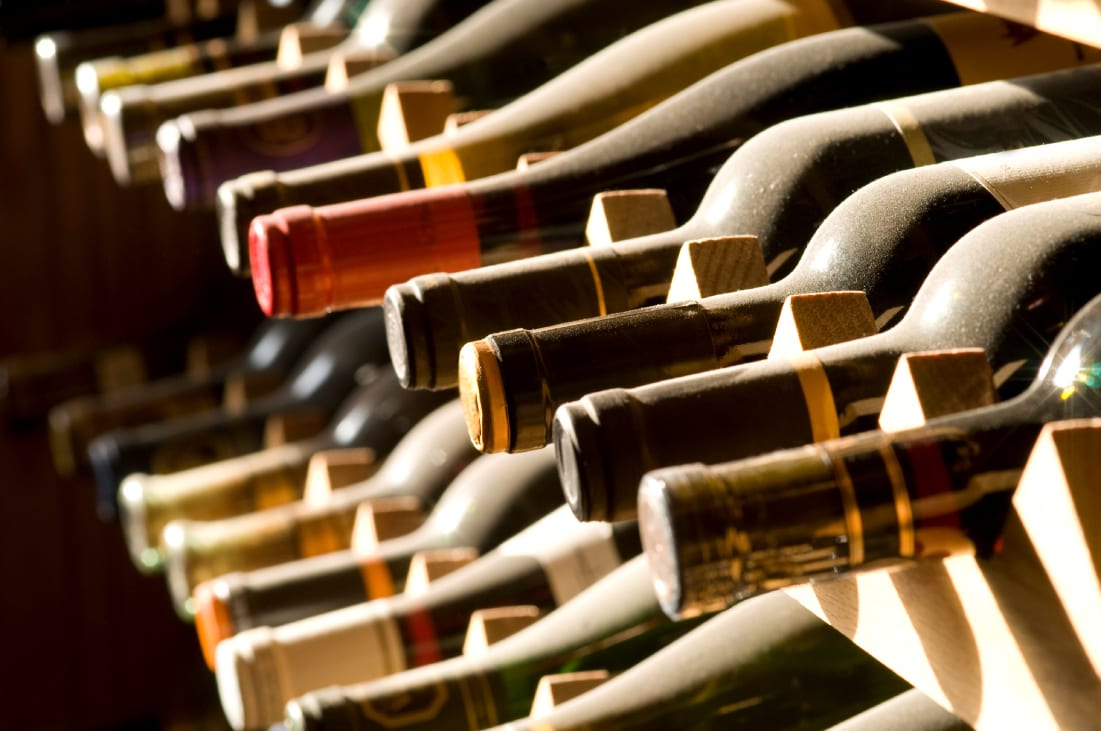
  • Online wine sales in China rising fast

    Online wine sales in China rising fast

    JD.com‘s head of wine business, Zhao Dabin, told in an exclusive interview that the retailer sold 400m yuan (US$61.5m) of wine direct to consumers in 2015. That figure is expected to triple in 2016, he said.

    JD also hosts pages for individual merchants, acting as a gateway to a new generation of mainstream wine consumers in China – beyond the gift-giving between government officials that has been significantly curtailed by the present regime.

    Wine sales through these JD.com-hosted, online ‘shopping malls’ for merchants are expected to hit 1.5bn yuan this year.

    His comments tally with those from several wine importers and merchants in China, which are freeing up investment for e-commerce.

    Total online retail sales of physical, consumer goods in China rose by 32% in 2015, to reach 3.2tn yuan, or US$492bn, according to Chinese government figures. Online sales of tobacco and liquor products increased by nearly 13% versus 2014, to 196bn yuan.

    JD is seeking to compete with larger players in the market, such as Alibaba‘s Tmall and Taobao platforms.

    In wine, JD’s Zhao sees a lot of potential. ‘Most of our wine consumers are still at entry level,’ he said. ‘Only 3% to 4% of our registered users buy wines at the moment. There’s still plenty of room to grow.’

  • Japanese Food Firms have Growing Interest in Indonesia

    Japanese Food Firms have Growing Interest in Indonesia

    Japan, the third largest foreign investor country in Indonesia, is showing interest in expanding their businesses in the food sector after seeing progressive developments of the Japanese society in Indonesia.”I have received reports that several Japanese food companies are contemplating entering Indonesia after observing the spurt in the number of Japanese restaurants and grocery stores in the country. This means that they already have market segments to sell their products in Indonesia,” Franky Sibarani, the head of the Capital Investment Coordinating Board (BKPM), noted in a press statement in Jakarta Wednesday (March 9).

    There were 1,199 students enrolled in Japanese schools in Jakarta in 2014. The institution also recorded that at the national level, there were 16 thousand Japanese expatriates living in Indonesia of which 10 thousand were in Jakarta, according to data at the representative office of the Japan External Trade Organization (Jetro).”Data on Japanese expatriates in Jakarta is the main factor that has led to new investment interest in Indonesia,” he claimed.Companies from Japan were so far mostly doing business in the electronics, automotive, and components sectors, in addition to garment products, Saribua Siahaan, the BKPM representative for investment promotion (IIPC) stated in Tokyo.

    However, the target of food consumers in Indonesia is of course not only Japanese citizens but also local people as Indonesia has a population of about 250 million. Indonesian people also like Japanese food.Yet, most of the Indonesian population or about 85 to 90 percent, are Muslims who are restricted to only halal (edible based on the Islamic law) food.

    Therefore, a Japanese noodle firm in Hyogo Prefecture has expressed readiness to meet administrative requirements such as halal certification for its food products to be sold to Indonesian consumers.The Japanese company notified the representative office in Tokyo of the BKPM on its readiness to meet the halal certification for its noodle products. The food and beverage industry of Indonesia is regarded as a lucrative investment opportunity, according to the Japan International Cooperation Agency (JICA), as quoted by Indonesia Investment online media in June 2014.Therefore, a total of 20 Japanese food and beverage industries were interested in making foreign direct investments worth between US$400 million and US$1.0 billion.

    These twenty Japanese companies are not only interested in conducting business in Indonesia because of the countrys large population (approximately 250 million people) and rapidly expanding middle, but also because the supply of raw materials for the food production process is available in Indonesia. The companies are focused on Indonesias most populous island of Java because infrastructure is most developed here, thus resulting in relatively low logistics costs, JICAs research also indicated. Regarding the interest of the noodle company in Hyogo Perfecture, BKPM Head Franky Sibarani affirmed that the Hyogo Prefecture was included in the areas covered by the Indonesian Consulate General in Osaka. The prefecture often conducted promotional activities in cooperation with the Tokyo office of the BKPM.Franky lauded the interest shown by the Japanese noodle firm to invest in Indonesia.

    It was an interesting development as, so far, Japanese companies making investments in Indonesia were mostly doing business in the automotive and component industries, he remarked.”This indicates that the interest of Japanese companies to invest in Indonesia is increasingly varying,” the BKPM chief pointed out.The Japanese noodle firm’s intention to expand its business in Indonesia is an example of how Japan has begun to vary its investment in the country, according to BKPM representative Saribua Siahaan in Tokyo.”Other fields of business that have attracted Japanese investors include semiconductor production and electrical appliances. The IIPC is ready to help the Japanese investor who came from Hyogo Prefecture,” Saribua remarked.The Japanese investors have begun showing interest in investing in the food sector in Indonesia also after seeing the implementation of the ASEAN Economic Community (AEC).”The Japanese investors view this as an opportunity since over 40 percent of the ASEAN population resides in Indonesia,” Saribua noted.

    The BKPM has set a target to attract US$13 billion in investment commitments from Japan in 2016. The commitment target was expected to come from the number of principle licenses issued for Japan in Indonesia, Franky told a seminar on investing in Indonesias industrial sector.”Japanese investors have the character that needs the cooperation of all parties, both the central and regional governments. We hope the BKPM and the Indonesian Embassy in Tokyo would continue to increase cooperation to attract as many Japanese investors as possible,” Franky had said last December.Based on the BKPM data, the realization of Japanese investment in Indonesia in 2015 increased by six percent compared to that in 2014.The Japanese investment realization in 2015 stood at US$2.87 billion, with 2,030 projects absorbing 115,400 workers.The manufacturing sector, particularly the automotive, electronics, machinery, and chemical, in addition to the pharmacy sectors, constituted the main contributors to the Japanese investment in Indonesia.Japanese investment commitment in 2015 reached US$8.1 billion, up 95 percent from that in the previous year.

    Japan came third on the list of foreign countries having investment commitment in Indonesia.The countries topping the list of foreign investors above Japan were China, with US$22.2 billion, up 42 percent compared to the same period in the previous year, and Singapore, with investment increasing by 69 percent to US$16.3 billion.Following Japan was South Korea, which recorded an increased investment of 86 percent that reached US$4.8 billion.

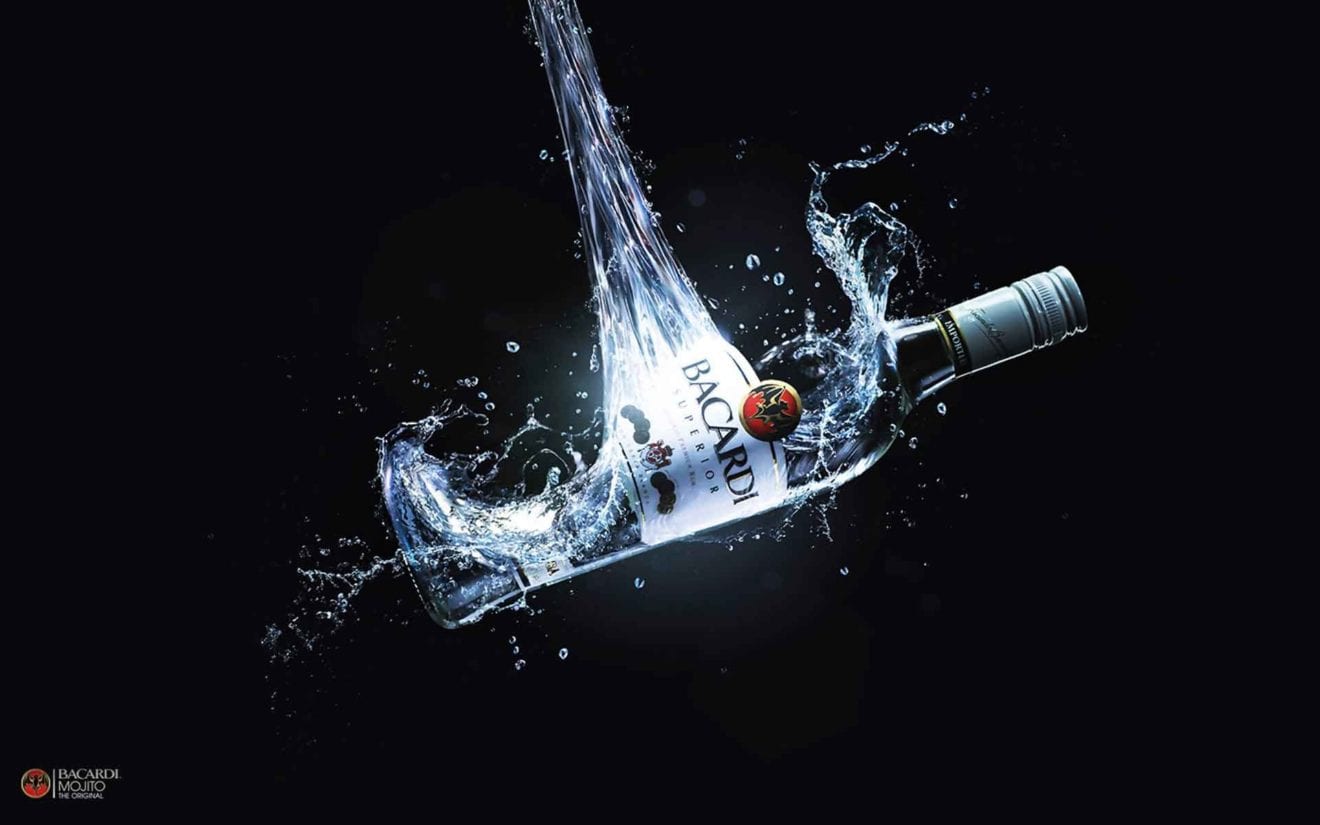
  • Bacardi GTR appoints Golikeri as regional director Asia Pacific

    Bacardi GTR appoints Golikeri as regional director Asia Pacific

    Bacardi Global Travel Retail (BGTR) has announced the appointment of Vinay Golikeri as regional director Asia/Pacific. Golikeri will be based in Hong Kong and report to BGTR managing director Mike Birch.

    Part of BGTR since 2011, as marketing director, he led the company’s strategic drive to premiumise its portfolio and brought to market several innovations. The company said his experience in understanding the dynamics of the region’s emerging consumer demographics would be highly valuable in the company’s further collaboration with retailers to leverage the opportunity with shoppers at the second stage of luxury.

    Golikeri replaces Irving Holmes Wong who moves to a new role as Bacardi Greater China (domestic) managing director. Wong will lead the opportunity for Bacardi brands from his new base in Shanghai.  He will continue to work closely with Golikeri on synergies with the global travel-retail business in his region.

    Replacing Golikeri as customer marketing director, Global Travel Retail is Leila Stansfield. She joined BGTR as finance director in 2014, before which she was director, corporate strategy since joining Bacardi in 2010. Stansfield brings considerable shopper marketing experience from her earlier career as a retail and consumer specialist in the strategy consultancy arm of Price Waterhouse Coopers.

    Birch commented: “Bacardi prides itself on developing its internal talent pool and I am especially pleased to have the expertise of Vinay and Leila in their new roles. Global travel-retail is a strategic shop window for the Bacardi group with strong support from our CEO Mike Dolan and I am delighted that we have his personal support and continued investments in helping us deliver our ambitions in the sector.”