Category: Food

Retail News Asia is committed to providing both local and global retailers with the latest Food and Food & Beverage news throughout the Asian market. This on a daily base.

  • Shrinking 7-Eleven Singapore turns to meals

    Shrinking 7-Eleven Singapore turns to meals

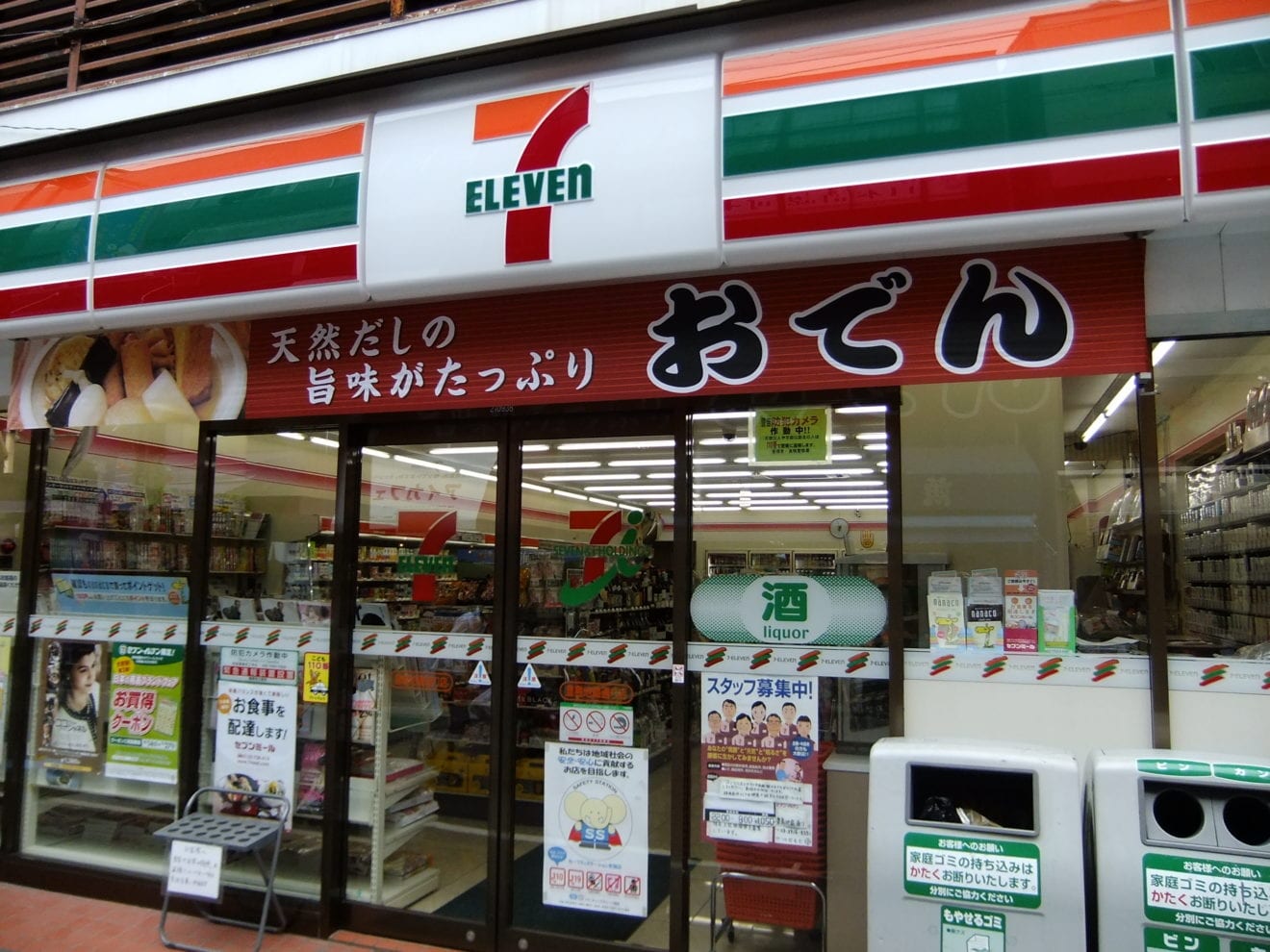
    7-Eleven Singapore is preparing to launch a range of ready to eat meals across its 500-strong store network, in what CEO David Goh says is the core pillar of its ‘change in direction’ business plan.

    The Singapore convenience store network, operated by Hong Kong-based Dairy Farm International, has trialled a chicken and rice meal in two stores as the first step in what will eventually be a full scale roll-out of ready to eat foods.

    About 100 stores will get the new range by the end of this month, the remainder by the end of November.

    The company hopes a fresh meals focus will lead a turnaround in the business, which closed about 60 stores over the last two years. Squeezed by the tight labour market and tough new liquor sales laws, the company is searching for new categories to drive growth and restore profitability for franchisees.

    “In the last few years, we have closed more stores than we (have) opened,” Goh said in an interview with Today.

    “This has now stabilised. Having consolidated and redeployed resources, we may be opening as many, if not more, stores than we closed over the next couple of years.”

    Goh said the chicken rice meal was developed after staff searched for and taste tested the best chicken rice dishes in the city. The goal was to create a meal which looked and tasted better than meals available at coffeeshops and hawker centres.

    In Japan, ready to eat meals are a key category in 7-Eleven stores, which sell sushi, noodles and bento boxes to time-poor Japanese consumers.

  • Sizzlin’ Steak heads to Vietnam

    Sizzlin’ Steak heads to Vietnam

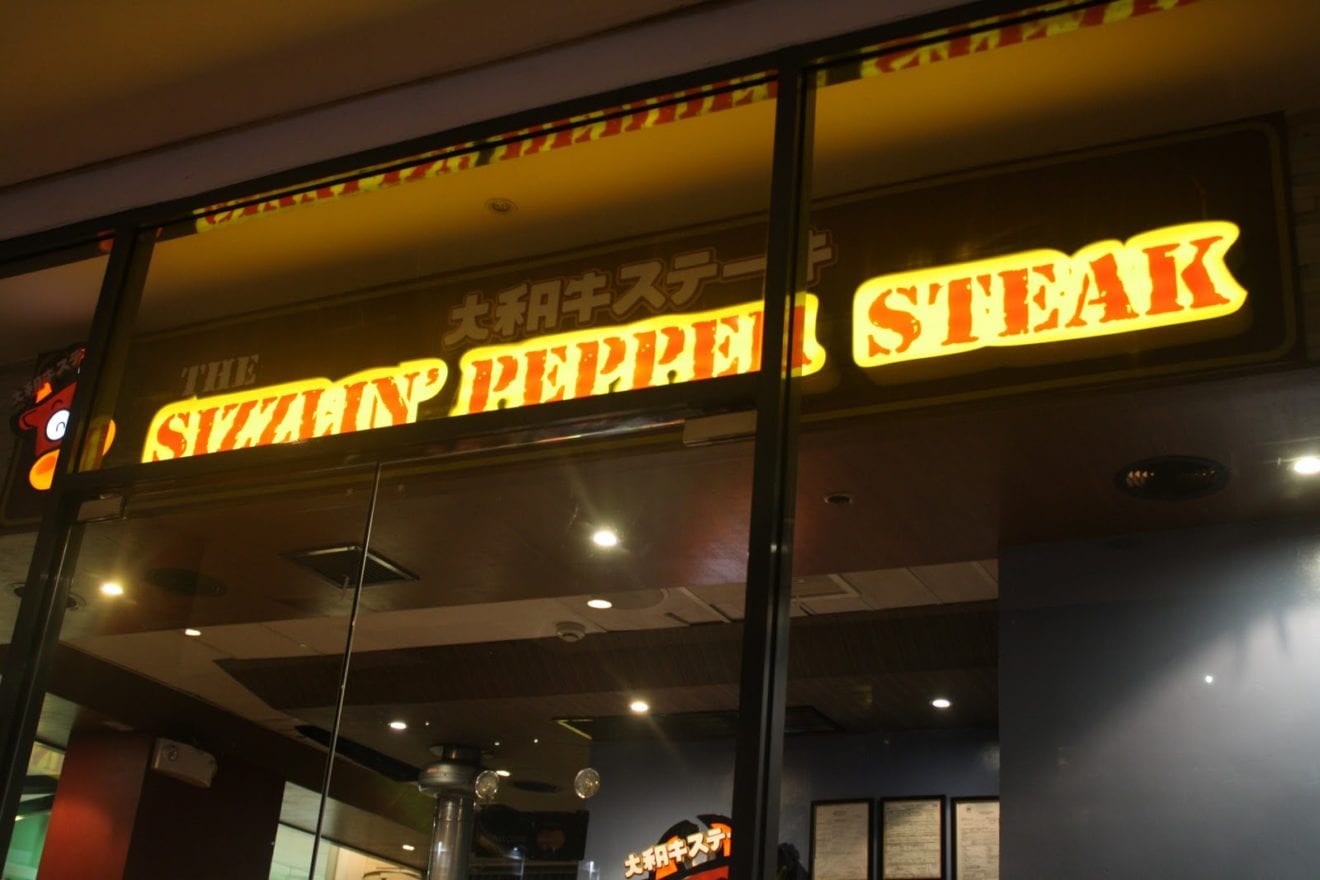
    Filipino corporate restaurateur Max’s Group is to launch its Sizzlin’ Steak concept in Vietnam.

    Max’s Group is the largest casual dining restaurant company in the Philippines. It owns Yellow Cab Pizza, which it recently launched in the UAE.

    Sizzlin’ Steak is an eight year old Japanese steak barbecue concept, serving steak and other meats cooked on hot plates at low price points. Barbecue style dining concepts are popular amongst Vietnamese.

    Max’s is entering Vietnam in partnership with L Concepts, a subsidiary of the Longfort Group, which focuses on developing unique dining concepts and brands in Southeast Asia.

    According to documents filed with the stock exchange in Manila, L Concepts will open a minimum of 10 Sizzlin’ Steak restaurants in Vietnam within five years. Max’s currently has 10 in metro Manila and is considering a pilot store in the US.

    Max’s Group president and CEO Robert Trota says the company plans to add at least 200 stores to its overseas network by 2020.

    “We envision to rollout our key brands outside the Philippines with strategic franchise operators. As new markets are established and momentum builds in the next few years, we expect the international portion of our business to be a significant contributor to system-wide sales and to our bottom line,” he said.

  • OldTown Coffee suffers as Malaysians spend less

    OldTown Coffee suffers as Malaysians spend less

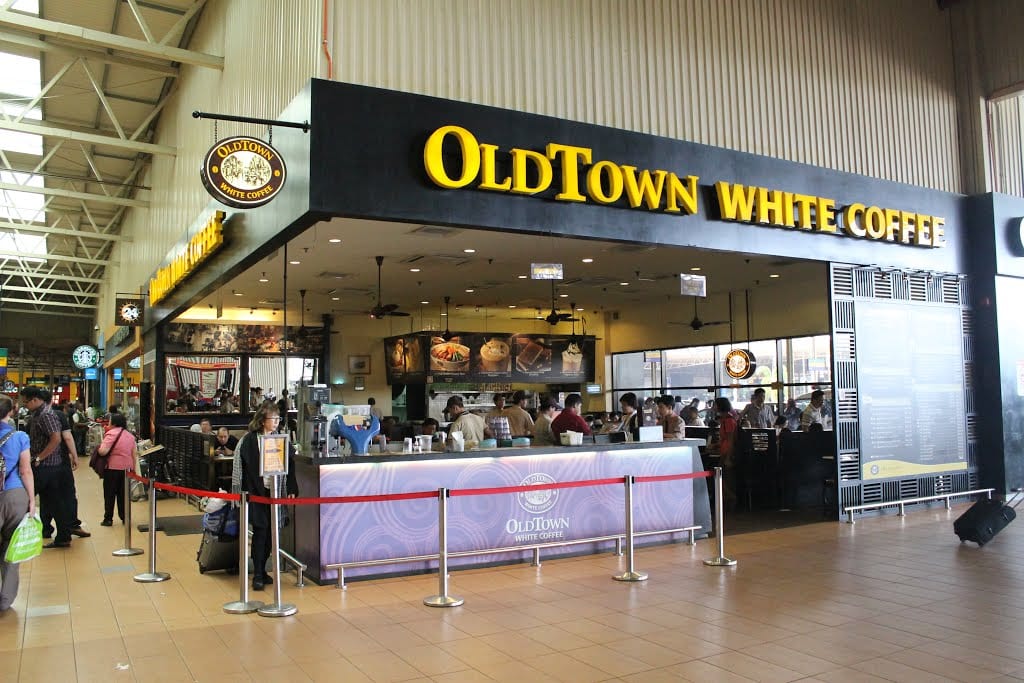
    Malaysian cafe chain OldTown Coffee has reported falling sales and profits as Malaysians continue to get used to life after the imposition of GST on April 1.

    The company, which operates 210 discount coffee shops and sells packaged coffee through FMCG channels, posted a profit of RM9.49 million ($US2.2 million)  in its first quarter, to June 30, 6.8 per cent less quarter on quarter and an unhealthy 18.9 per cent less year on year. Topline sales slumped 10.5 per cent quarter on quarter and 3.9 per cent year on year to RM94.06 million (US$22.3 million).

    OldTown concentrates on the local Malaysian market serving milky coffees and light snacks – it does not make espresso-style coffee drinks like Starbucks.

    The company says its declining fortunes were driven by a downturn in cafe sales, rather than packaged goods: Same store coffee shop profit fell 46.4 per cent year on year.

    The company plans to open 10 new outlets before the end of the current financial year, next March, representing an expansion of about five per cent.

    Sales of packaged foods – mainly instant coffee and coffee mixes – rose 29 per cent.

  • First Garrett Popcorn Taiwan store planned

    First Garrett Popcorn Taiwan store planned

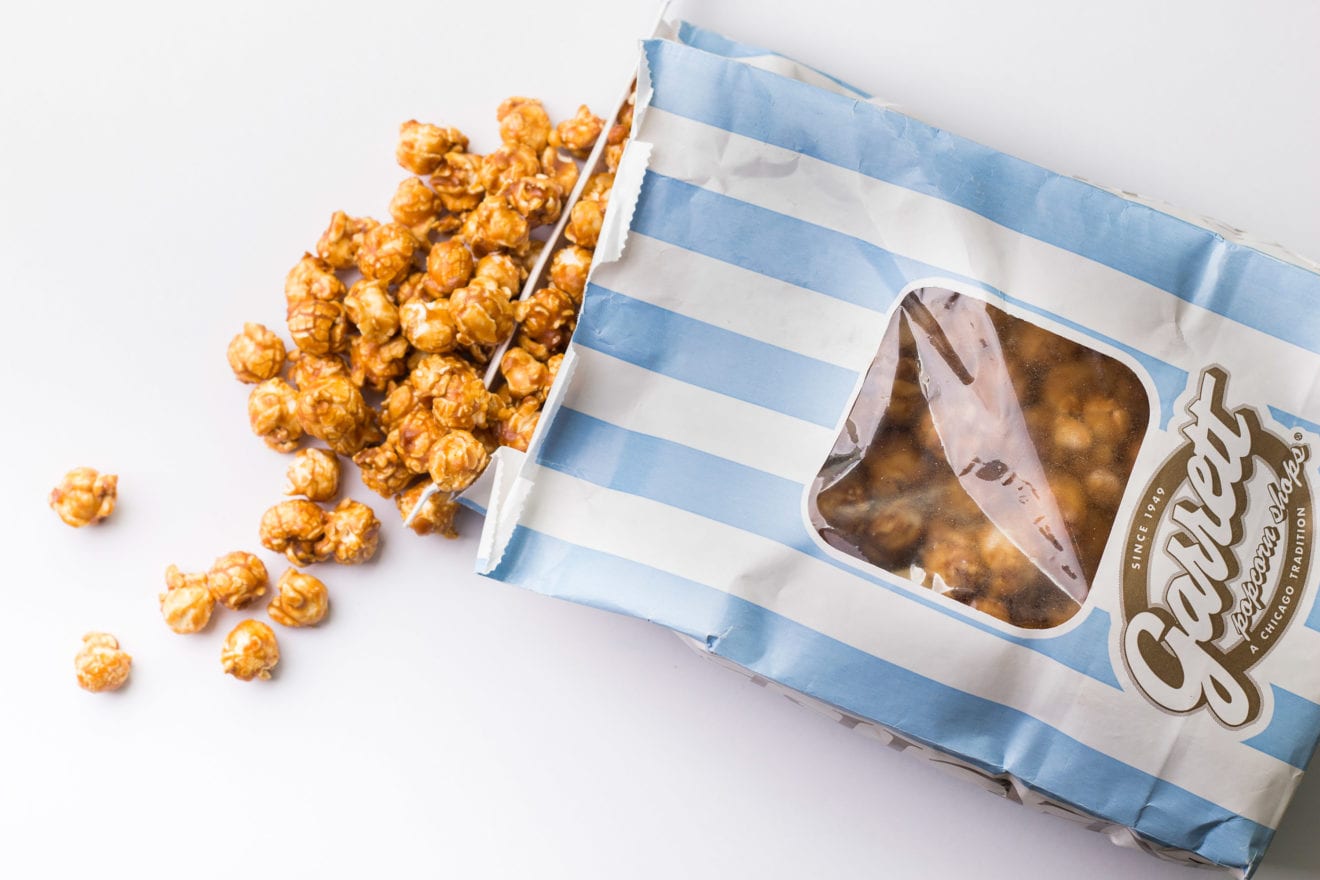
    Garrett Popcorn, the Chicago-based gourmet popcorn brand, is continuing its Asian expansion with the opening of a store in the landmark Taipei 101 complex.

    The first Garrett Popcorn Taiwan store expands the brands presence in Asia, where it already has stores in Singapore, Malaysia, Thailand, Hong Kong, Japan and Korea.
    Garrett says it chose Taipei 101 to set up its first Taiwan store because of its proximity to public transportation and a commercial community and the potential for tourism business.

    “The Taiwan marketplace is exciting and vibrant, with an especially rich food culture. We are happy to commit Taipei 101 as the location of choice for our flagship shop in the heart of Taipei,” said Lance Chody, chairman and CEO of Garrett Popcorn Shops.

    “We are also excited to bring delicious handmade Garrett Popcorn – made fresh with real ingredients every day – to join the landmark Taipei 101 experience,” he said.

    “The launch of Taiwan flagship store in Taipei 101 is essential in our expansion plan in the Asia market,” added Olivia Huynh, VP of Asia-Pacific operations at Garrett Popcorn Shops.

    Taiwan is the 10th overseas market for Garrett Popcorn. Outside Asia it has stores in the UAE and

  • Fonterra opens $37m blending and packing plant in Indonesia

    Fonterra opens $37m blending and packing plant in Indonesia

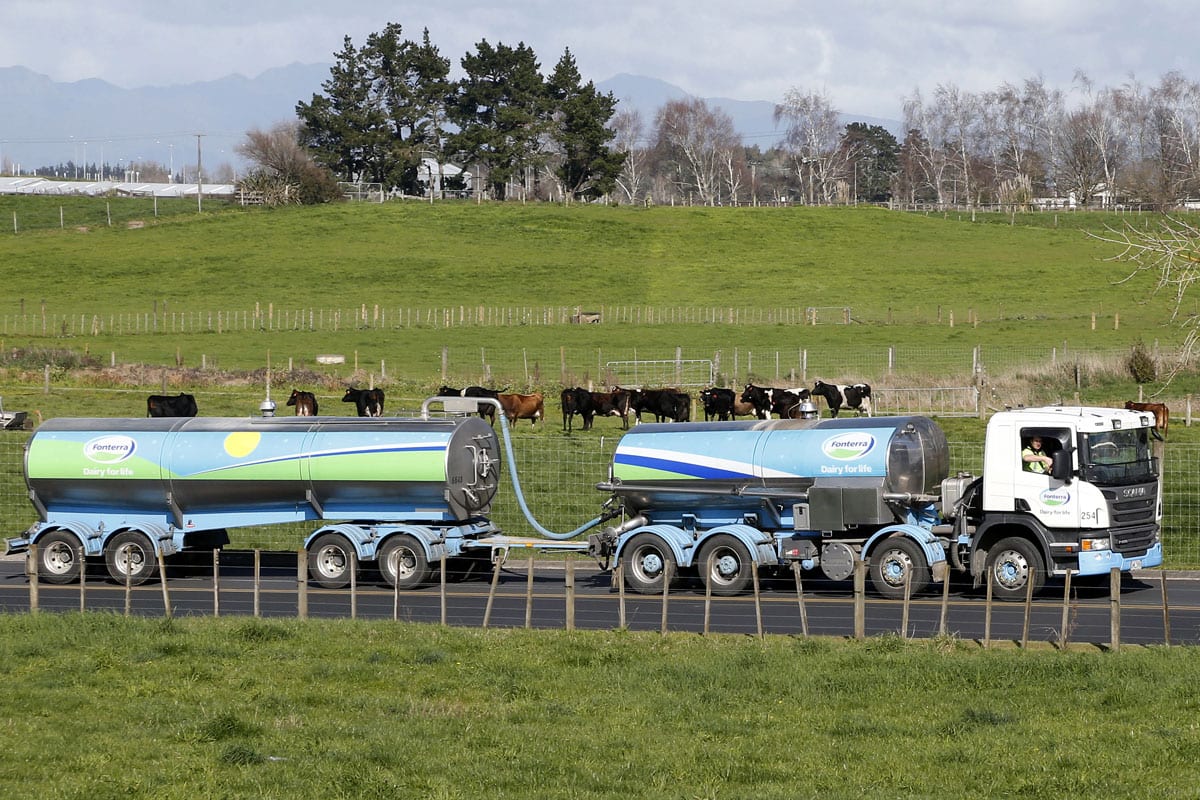
    New Zealand dairy giant Fonterra has opened a new $37m blending and packing plant in Indonesia.

    Said to be Fonterra’s first manufacturing facility in the country, the plant uses the company’s manufacturing design standards and technology.

    The plant is capable of packing close to 16,000mt of dairy ingredients annually and it will allow Fonterra to meet growing demand for nutrition in the country.

    The company says that the capacity is equivalent to nearly 87,000 packs of Anlene, Anmum, and Anchor Boneeto per day.

    When fully operational, the plant will employ 160 local people.

    The investment, which is Fonterra’s largest investment in ASEAN in the past 10 years, will boost the growth of Fonterra’s brands including Anmum, Anlene and Anchor Boneeto.

    Construction on the plant at Cikarang in West Java commenced in March 2014.

    Fonterra Asia, Middle-East, Africa managing director Johan Priem said: “The country’s large and increasingly affluent population is looking for highly nutritious foods for all ages.

    “This is fuelling dairy demand growth which is expected to increase by five per cent every year to 2020.

    “The site also utilises Cikarang’s dry port, allowing us to ensure all of our operations are located in one area. This will help us drive logistical efficiencies.”

    New Zealand Minister of Local Government, Social Housing and State Services Paula Bennett said that the new facility reflects the strength of the relationship between New Zealand and Indonesia.

    “Our governments have set a target to grow two-way trade to NZD4 billion by 2024 and dairy continues to be a critical part of this relationship,” added Bennett.

  • Singapore’s Impressive Food Security

    Singapore’s Impressive Food Security

    In many parts of the world, food security is emerging as a serious threat. Increasing population, land and water constraints, changes in dietary habits with increasing affluence, the impact on global food production of floods and droughts in major food producing areas, falling food exports, and a rising number of importing countries – all are contributing to these uncertainties. The problem is likely to be compounded in the future by climate change.

    In the years to come, food security in most countries will become more complex than ever. For Singapore, among the world’s most open economies and one that is highly dependent on international trade, the situation is likely to be even more complex. The city-state’s volume of external trade is about 3.5 times its annual gross domestic product. A decline in the economies of its major trading partners is therefore likely to have an impact on Singapore’s own economy, including its food security.

    Economist Intelligence Unit recently ranked Singapore as the second-most food secure country in the world, behind only the United States. The Unit’s Global Food Security Index is based on three factors, affordability, availability, and quality and safety. Singapore ranks 1st, 11th and 13th on these three criteria, respectively. That puts it ahead of major food-producing countries like Malaysia (34), Brazil (36) and Australia (9). This achievement is largely attributable to the Agri-Food and Veterinary Authority (AVA), and comes despite a heavy dependency on food imports. At present, Singapore imports almost 90 percent of its food, and less than 1 percent of its land area is used for agriculture.

    Through its Food Security Roadmap, AVA has diversified sources of food and optimization of local production. These policies, especially those that seek to diversify the source of food imports, are important as they help to spread the risks associated with Singapore’s high levels of food imports.

    The Sino-Singapore food zone established in Jilin Province, China, in 2010, is just one example of food diversification efforts. The Jilin food zone has been designed as a foot-and-mouth disease-free-zone so that it can be an important source of pork. Not without its challenges, it is meant to enhance the city-state’s food security. This will provide further resilience against food supply disruptions.

    AVA has also ensured increased local food production over time through the provision of the Food Fund. Investments in new farming techniques such as hydroponics have contributed to a 30 percent increase in local vegetable production over the past 10 years. By the end of 2014, some 40 percent of local farms had benefited from this Fund.

    Singapore’s net imports for food, beverages and alcohol (clustered in one group) are quite high, at approximately S$15.57 billion ($10.9 billion) in 2014. Some of Singapore’s most important trade partners, like the United States and Australia, place great importance on the city-state’s retail food market. The U.S. sees Singapore as diverse, dynamic, highly developed, extremely competitive, and very strict with its sanitary requirements. Customers in Singapore are considered to be open to a wide range of foreign concept foods, conscious of food safety and health, and aware of sustainable products. However, they are not necessarily willing to pay more for them.

    In 2013, the U.S. exported retail food products to Singapore worth approximately $575 million, making tiny Singapore its 13th largest market. Exports were led by dairy, prepared foods, fresh fruits, and pork products. For Australia, Singapore was its 9th largest market for food, beverage and agribusiness products in 2014, with exports of A$1.1 billion ($760 million) the same year, principally animal fats, dairy products, red meats, sugars and sugar confectionery and pork.

    Direct imports are not the only reason for Singapore’s international relevance. Its location and trading hub status makes it a vital market for exporters. For example, the percentage of imported food that is re-exported to other countries is approximately 20-25 percent.

    Resilience

    From a policy perspective, Singapore has managed to accomplish the difficult task of becoming a food secure country by boosting the resilience of its food supply. Policy alternatives such as diversification of sources, the Food Fund, and facilitating food imports are all important components of a well planned and coordinated strategy. Nonetheless, the next 50 years are likely to be more complex as alternative possibilities depend on external forces and are subject to global change over which the city-state will have no control.

    Globally, increasing resilience has been acknowledged as an effective strategy against fluctuations in supplies. This encompasses partnerships, financing, trade, technology, and research and development, all of which are already part of Singapore’s strategy.

    What else can the city-state do? One alternative is to reduce food waste. Another would be to continue investing in innovative food science and emerging technologies. High-tech, visitor-friendly urban agriculture on the East Coast, or even in very fashionable 50-plus story buildings designed by the nation’s most innovative architects could be very significant options.

    Highly sophisticated greenhouses that control their environments (temperature, carbon dioxide levels, air flow and nutrients) and situated on ships adapted for this purpose could be another alternative. Projects as visionary as the Marina Reservoir (with a catchment that is about one-sixth the size of Singapore’s total land area) or as innovative as Pulau Semakau (the world’s first offshore landfill) for highly intensive agriculture could represent additional possibilities.

    Agricultural investment or contract farming abroad – something that other countries, financial services, life insurance, and pension schemes have done – is a distinct possibility. Stable nations such as Australia, the United States, or Brazil may provide attractive business possibilities.

    Singapore continues to develop its food security strategies, seeking opportunities and addressing risks in an increasingly complex environment. One relevant lesson that other Asian countries could learn from the city-state is the understanding that food security does not mean food self-sufficiency, since no country can be self-sufficient in all food products. National food security depends on both domestic production and imports, and requires effective distribution, in addition to diversification, partnerships, and good long-term planning. These are the reasons why Singapore, which imports most of its food, has become the second-most food secure country in the world.
     

  • Hooters Bangkok to open this month

    Hooters Bangkok to open this month

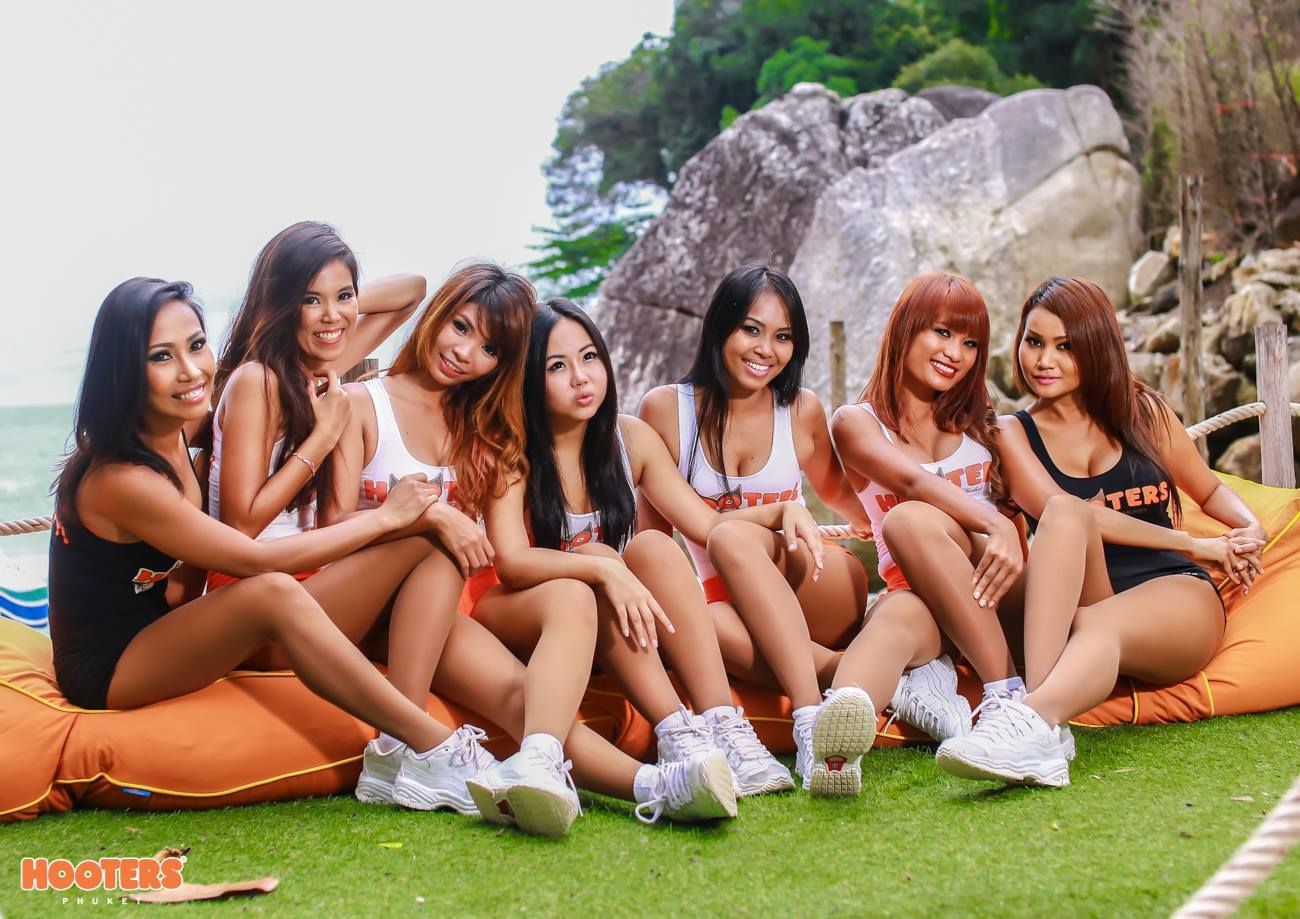
    Hooters Bangkok opens its doors this week on Sukhumvit Soi 15, kickstarting a THB100 million (US$2.8 million) marketing campaign to raise brand awareness in the country.

    The Hooters Thailand franchise was secured by Destination Resorts, the company behind DoubleTree Resort by Hilton Phuket at Surin Beach, DusitD2 Phuket Resort, Sri Racha International Golf at Sri Racha Hills, Hard Rock Café Phuket at Patong Beach, Novotel Phuket Karon Beach Resort & Spa, Novotel Hua Hin Cha Am Beach Resort & Spa and the Swissotel Resort Phuket.

    It also operates the Four Points by Sheraton hotel on Bangkok’s Sukhumvit 15, where Hooters Bangkok is located, a 253 sqm, two storey bar to be officially opened on September 18.

    Since securing the franchise, Destination Resorts has opened its first restaurant in the holiday resort of Phuket and has a third under construction on Pattaya’s Beach Rd, a massive 810 sqm complex with 50 high definition televisions screening sport, two bars and two outdoor areas.

    Destination Resorts will open 30 Hooters restaurants across Southeast Asia in partnership with the American brand owner over five years. A fourth is planned for Samui next year.

  • Krispy Kreme to open 10 shops in Myanmar

    Krispy Kreme to open 10 shops in Myanmar

    Krispy Kreme announced this week that it is set to open 10 shops in Myanmar over the next five years.

    Dan Beem, Krispy Kreme’s Senior Vice President and President – International, said with a growing economy and a population eager to welcome global brands, the time is right for the company to bring its sweet treats to Myanmar.

    The company has signed a development agreement with Singapore-based Doughnut Group Pte. Limited.

    “We’re confident the Krispy Kreme experience will be as meaningful in Myanmar as it is in Memphis or Manila, or anywhere else around the world where our signature sweet treats and coffee are served,” said Pote Narittakurn, owner of Doughnut Group Pte. Limited

    Krispy Kreme has more than 1,000 retail shops in 24 countries. Its  fundraising program has, for decades, helped non-profit organizations raise millions of dollars in needed funds.

  • Starbucks to open first store in Cambodia

    Starbucks to open first store in Cambodia

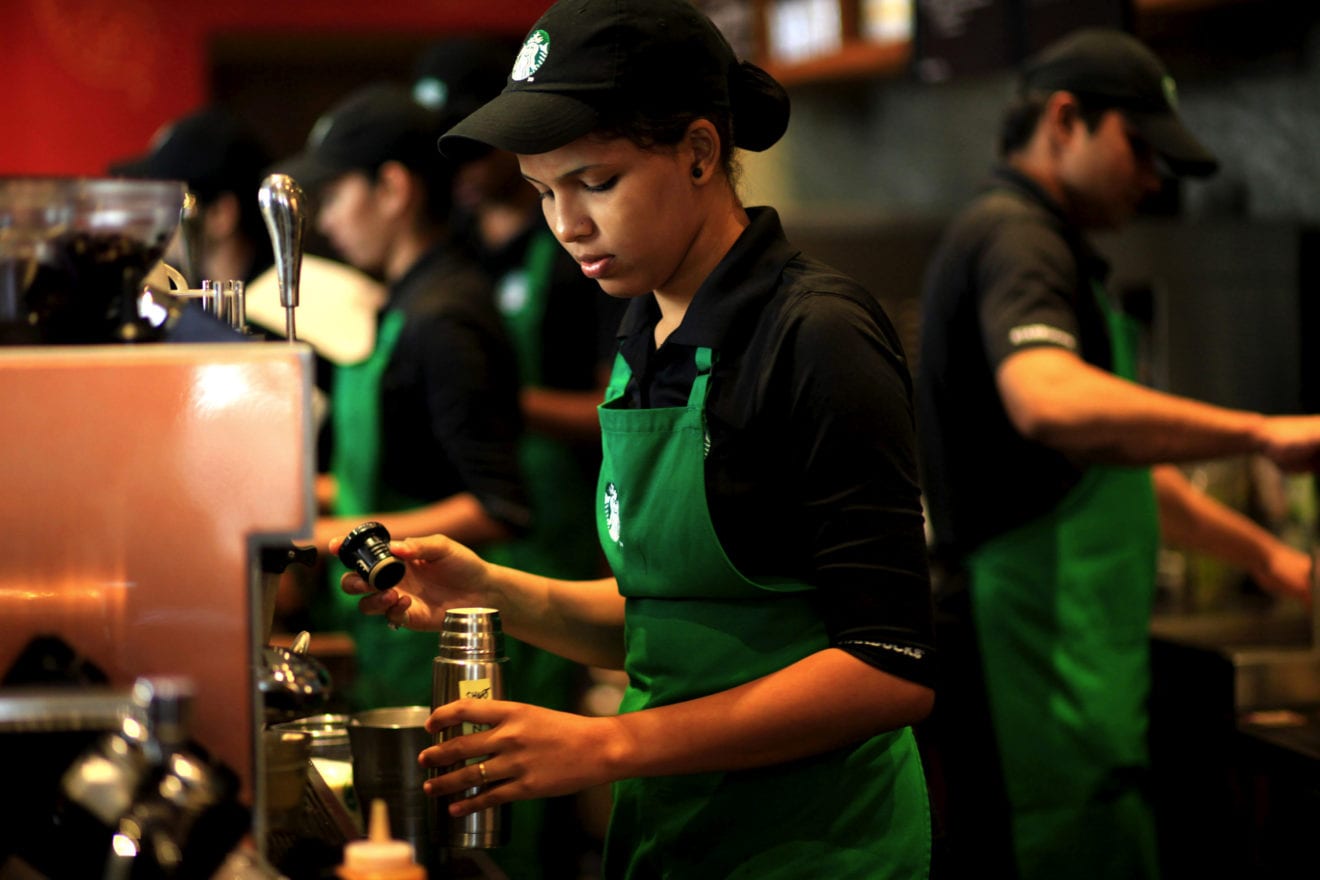
    Starbucks Coffee Company is set to open its first location in Cambodia by the end of 2015, making the country its 16th market in the fast-growing China/Asia-Pacific (CAP) region.

    The store opening is made possible through its licensing agreement with Coffee Concepts (Cambodia) Limited, which is part of Hong Kong Maxim’s Group.

    The first location will open at the newly expanded Phnom Penh International Airport and will be followed by the second store opening in early 2016 in downtown Phnom Penh.

    “Cambodia is a vibrant country with a rich cultural heritage, and we are proud to bring the  Starbucks Experience to this market,” said John Culver, group president, China/Asia Pacific, Channel Development and Emerging Brands, Starbucks Coffee Company.

    Starbucks currently operates more than 5,200 stores and employs more than 80,000 employees in the CAP region. It operates more than 150 stores in Hong Kong and Macau and 15 stores in Vietnam through Viet Idea Food and Beverages Limited, a sub-licensee of Coffee Concepts (Vietnam) Limited, also a subsidiary of Hong Kong Maxim’s Group.

    “We look forward to becoming a part of Cambodia’s local coffee culture, embracing its traditions and sharing our deep passion and knowledge of the best coffees from around the world,” Culver added.

  • Roll Mafia plans India roll-out

    Roll Mafia plans India roll-out

    An Indian quick service restaurant concept Roll Mafia has raised $151,000 in seed funding to commence a roll out in major Indian cities.

    Parent SLS Cuisines India plans 50 restaurants in six cities by March next year after attracting investment from Singapore’s Equentia Natural Resources and a group of private investors.

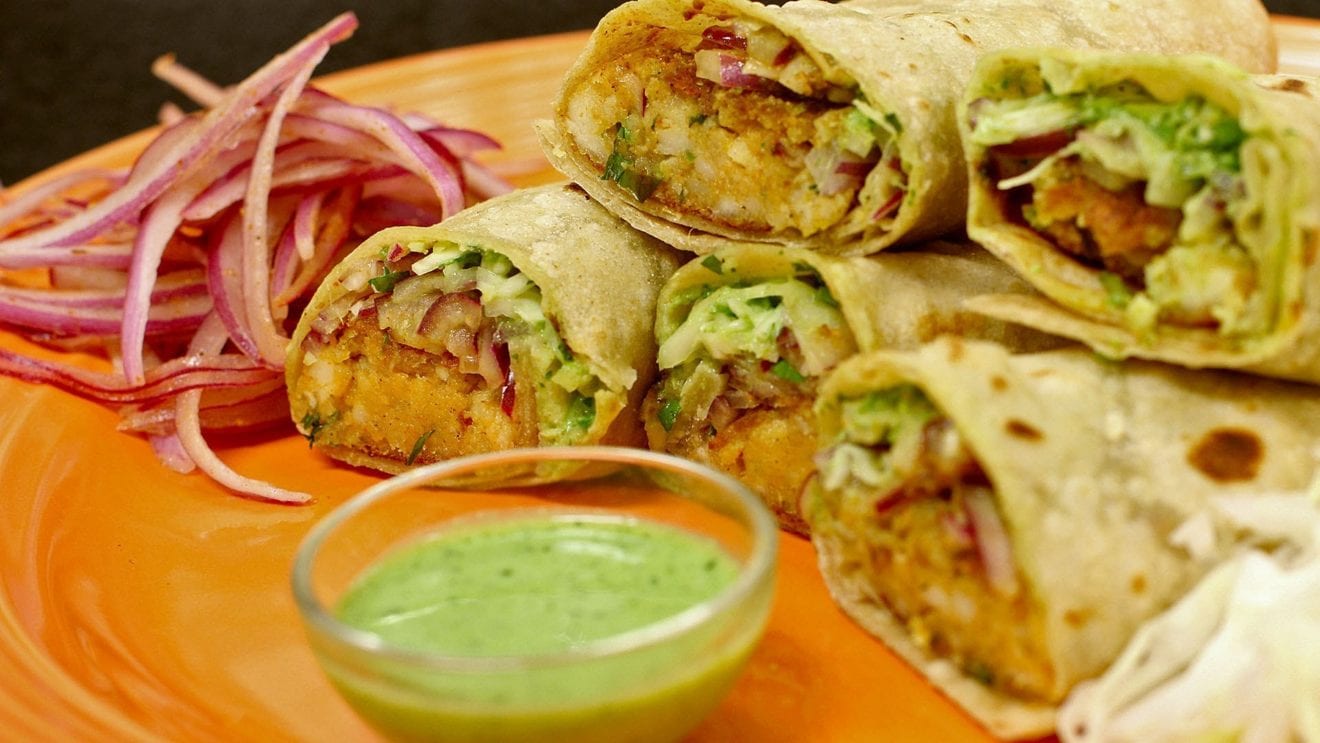
    Roll Mafia currently operates eight outlets in Pune and three in Patna, cooking and selling Indian food such as Kathi Rolls and Dum Biryani.

    “We are looking to open 50 more outlets in Mumbai, Chandigarh, Baroda, Bangalore, Delhi and Gurgaon by March 2016,” said Varun Sahay, co-founder of Roll Mafia.

    The new outlets will boost its workforce from the current 70 to around 250.

    Roll Mafia was founded in 201 by brothers Varun and Vishal Sahay. It provides delivery in some market, via an online portal, as well as takeaway and dine-in facilities.

  • Burger King Malaysia, Singapore sold

    Burger King Malaysia, Singapore sold

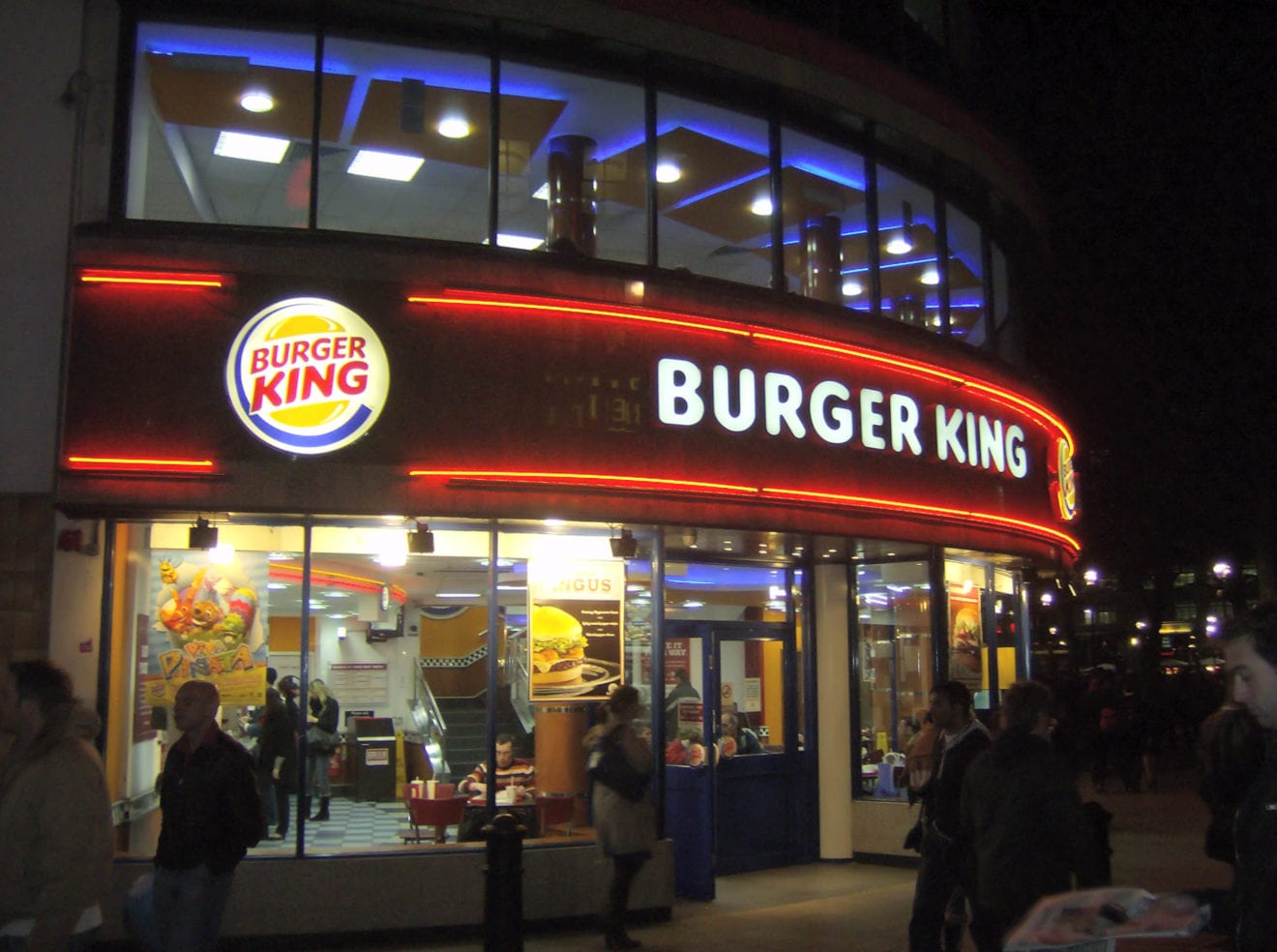
    Burger King Malaysia and Singapore has a new owner after previous franchisor Ekuinas sold out for US$18 million.

    Ekuiti Nasional Bhd (Ekuinas) has sold the operation to Newscape Capital (Newscape) with the agreement of BK Asiapac Pte Ltd, the master franchisor of the Burger King brand in the Asia Pacific region.

    Newscape is an investment company run by experienced retail operators Chua Tia Guan and Lee Thiam Wah. It successfully acquired the rights to Burger King in the two markets after a previous bid by Brahim’s Holdings Bhd was rejected by BK Asiapac in February.

    Abdul Rahman Ahmad, Ekuinas CEO, said the sale would place the Burger King brand with a franchisee with the financial strength and operational expertise to expand the brand’s operations.

    “This exercise has also enabled Ekuinas to successfully complete the restructuring of its F&B portfolio involving our exit from the Quick Service Restaurant (QSR) segment to fully focus and expand on the core Casual Dining and Beverage segments with brands such as Tony Roma’s, Manhattan Fish Market, New York Steak Shack, Coolblog and San Francisco Coffee,” he said in a statement.

    BK Asiapac president David Shear commended Ekuinas’ four year partnership and said the company looked forward to the opportunities working with Newscape.

  • Tim Ho Wan Bangkok opens

    Tim Ho Wan Bangkok opens

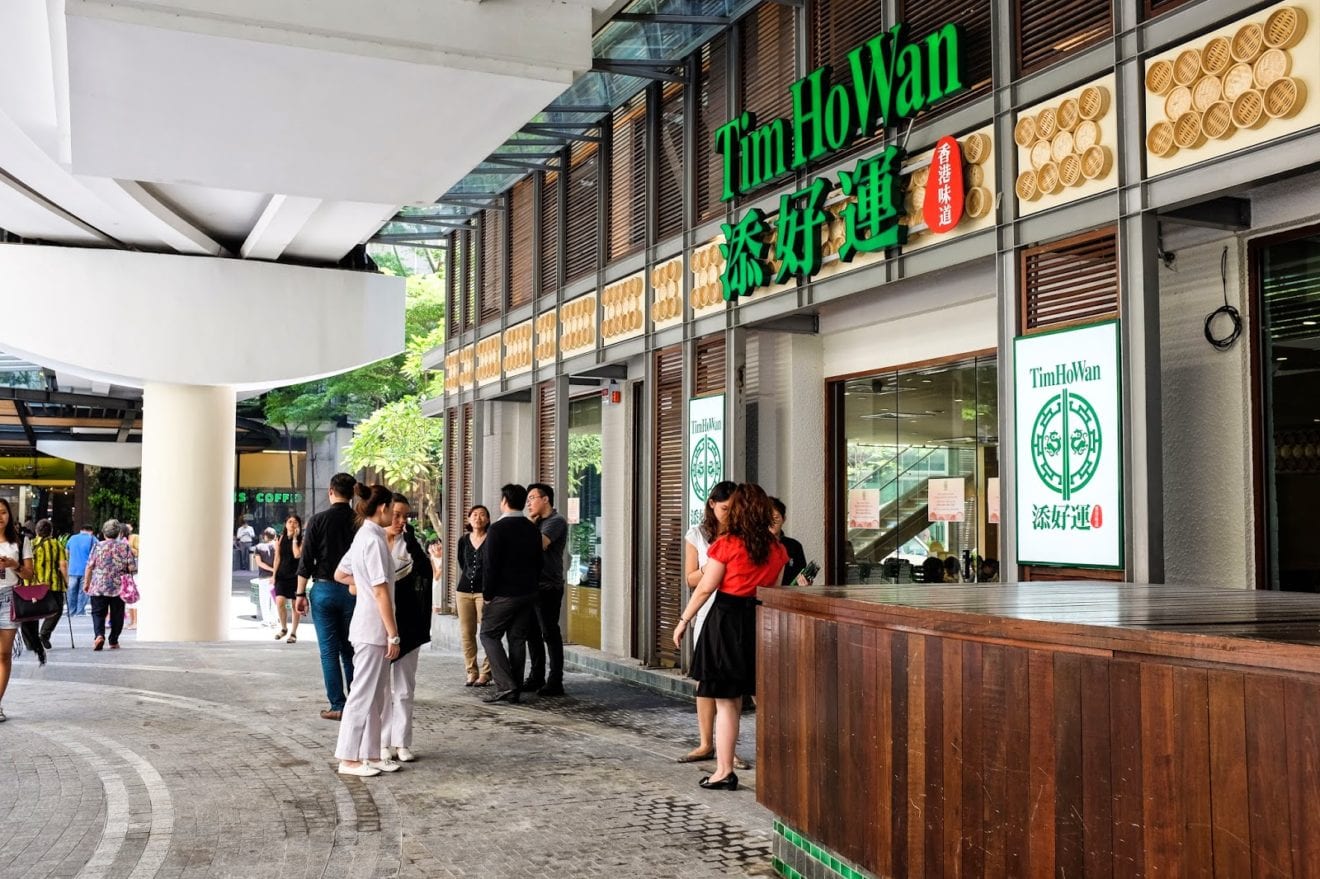
    Famous Hong Kong dim sum restaurant Tim Ho Wan has opened its first Thailand eatery – in downtown Bangkok.

    Tim Ho Wan Bangkok is located in the Terminal 21 shopping centre at Asoke. When it opened its doors this week it drew queues of hundreds of people eager to try the famous dim sum creations of founder Chef Mak.

    Affectionately referred to as “the world’s cheapest Michelin-starred restaurant”, Tim Ho Wan Bangkok is offering meals it says are even cheaper than at its original branch.

    The restaurant features a menu of 25 dim sum dishes, including the four most popular: baked bun with barbecue pork, pan fried radish cake, fluffy steamed egg cake and vermicelli roll with pig’s liver – all priced between 80 and 120 baht ($2.20 and $3.35).

    Chef Mak opened the first Tim Ho Wan in Mongkok in 2009, a small eatery with just 30 seats located in a virtual back alley. It was later awarded a one star Michelin rating.

    He launched the venture after turning his back on a career with a three star fine dining restaurant at the Four Seasons Hotel in Hong Kong called Lung King Heen.

  • Johnny Rockets to focus on Southeast Asia

    Johnny Rockets to focus on Southeast Asia

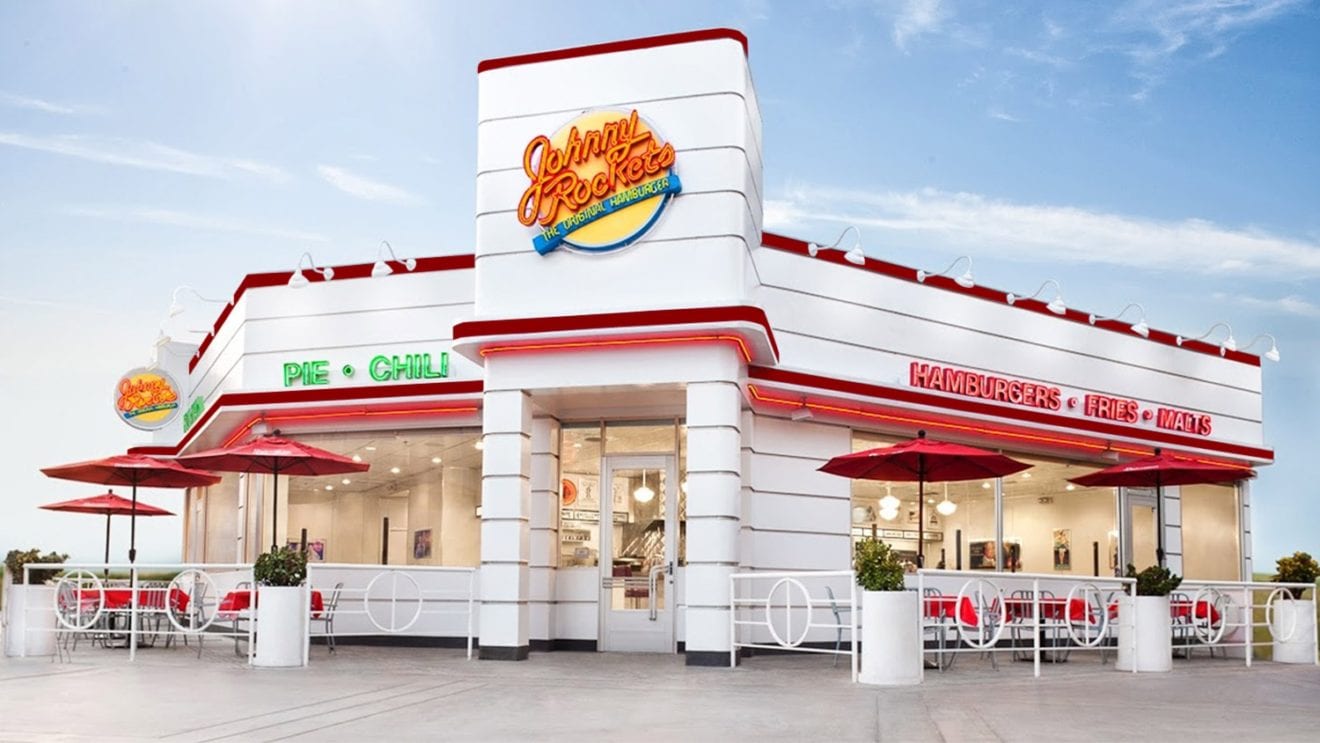
    US burger chain Johnny Rockets says Southeast Asia – particularly Vietnam and Thailand – will be the focus of its global expansion in the short term.

    Based on Johnny Rockets’ “all-ages appeal and current success in the region” the company is seeking area developers for expansion into both new markets.

    “The popularity of American culture and cuisine in Southeast Asian countries is the driving force behind our current success and growth in these markets,” said James Walker, president of operations and development with Johnny Rockets.

    “Due to Thailand’s and Vietnam’s customer base and proximity to other Southeast Asian countries where we operate, we see huge potential for the brand in those countries, and we are actively seeking franchise partners looking for development opportunities.”

    In addition to its Southeast Asia strategy, Johnny Rockets is also seek a partner in entering Hong Kong. Earlier this year, Johnny Rockets announced a 100-restaurant agreement in mainland China, the largest expansion in the company’s history.

    Walker says Southeast Asian consumers have “enthusiastically embraced” American restaurant franchises for years, and that has proven true for Johnny Rockets. The brand currently operates in Indonesia, the Philippines and Malaysia through 14 restaurants and has eight more in development.

    He says Johnny Rockets’ signature American menu, including cooked-to-order hamburgers, crispy fries, hand-spun shakes and sandwiches, coupled with its “Americana experience” appeals to Asians.

    “What we have found is that as the region’s middle class booms, that population segment is looking for and willing to spend more on premium burger concepts. They certainly find that with Johnny Rockets. They also discover and relish our experience and entertainment value.”

  • Jamie Oliver heads to India

    Jamie Oliver heads to India

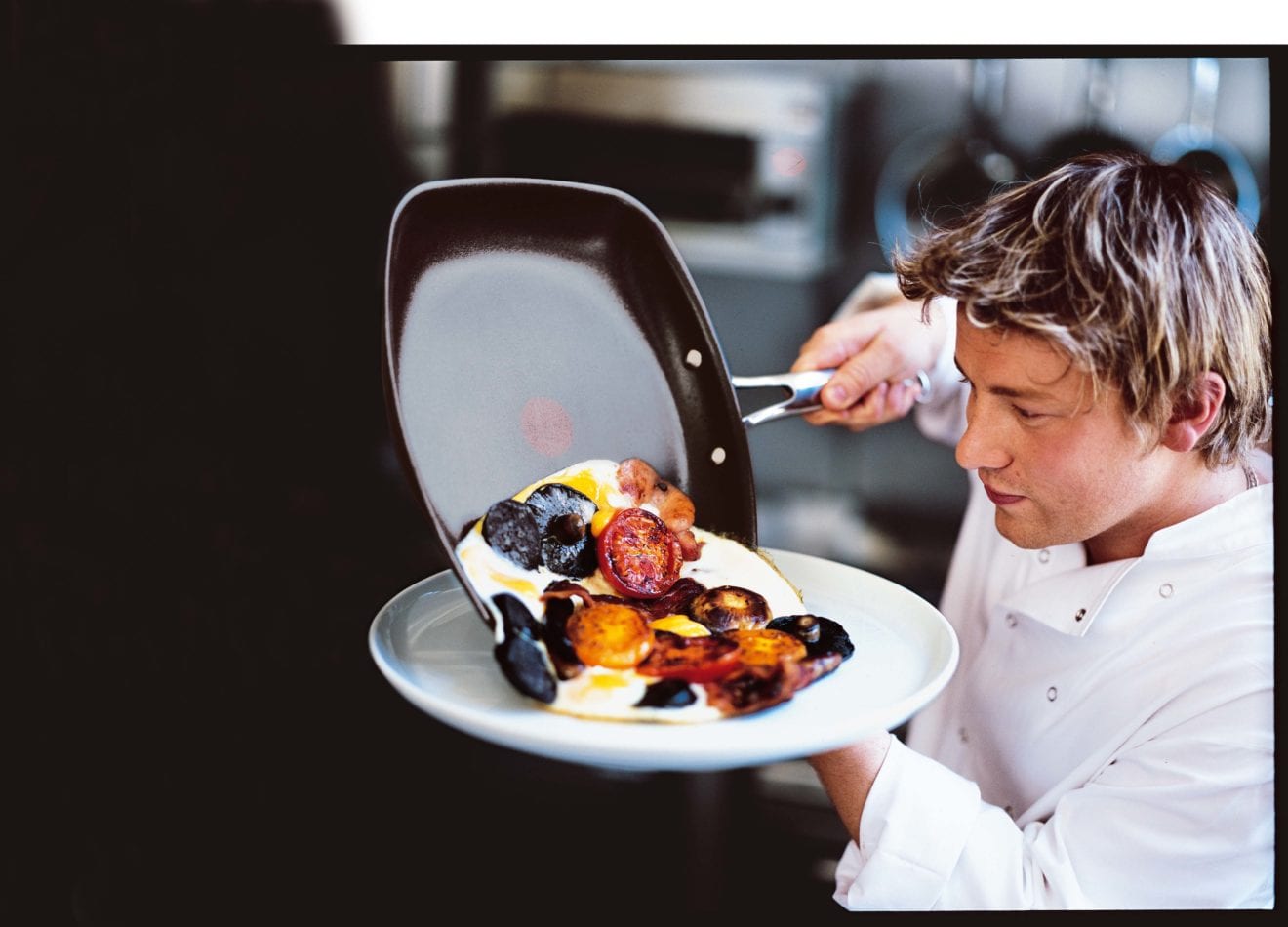
    UK celebrity chef Jamie Oliver is to open his first restaurant in India.

    Jamie’s Pizzeria, a 60 seat restaurant serving pizzas, salads, sides and desserts, will open in Delhi this autumn.

    “I can’t tell you how excited I am to be bringing Jamie’s Italian and Jamie’s Pizzeria to India. Delhi is a vibrant, colourful, buzzing city with an already incredible food scene, so to be opening two restaurants there is a huge honour,” Oliver said in a statement.

    The pizzeria will be the first of several planned for major Indian cities. Oliver already runs 30 restaurants globally, including in the UK, Dubai, Hong Kong, Russia, Australia, Singapore and Toronto.

    The Indian business is a joint venture between Delhi-based Carnation Hospitality, which operates Wendy’s and Barista franchises in India, and UK-based International Market Management.

    “We chose Delhi because we found a great launch site and feel that we can offer something new to the market, this is to say highly accessible, affordable restaurants serving great quality Italian food sourced with the greatest care,” said Jasper Reid, IMM’s founder, in an interview.

    “It’s a fun and easy-going place offering customers the highest quality but at amazing value. The plan is for customers to get a yummy pizza and a drink for around Rs 400 to Rs 450. We feel there may be a gap in the market for this quality and this price,” Reid said.

    He added that the partnership will launch the other Jamie Oliver brand, Jamie’s Italian, in India as well.

  • Genki Sushi takes sushi train high-tech

    Genki Sushi takes sushi train high-tech

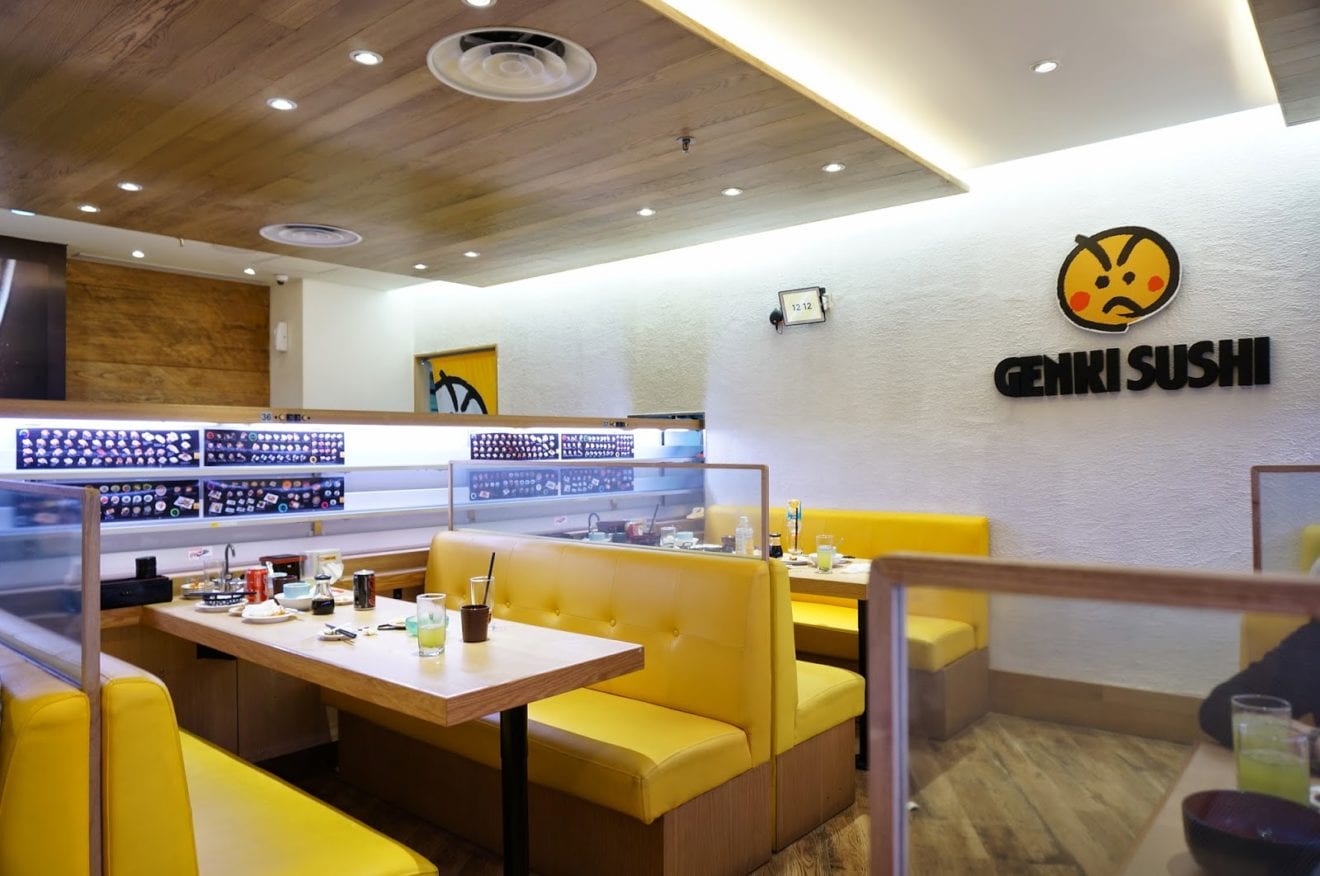
    Hong Kong is home to the world’s first fully-automated sushi restaurant: Genki Sushi uses bullet trains to deliver fresh food to diners’ tables..

    Genki Sushi pioneered the sushi train concept back in 1968, inventing the conveyor belt system to have dishes circulating around diners – a buffet concept where the food comes to you rather than vice versa.

    The model quickly took hold around the world and Genki Sushi was listed on the Tokyo Stock Exchange in 1991 before beginning an international expansion which included Hong Kong in 1995.

    Its newest store – in Tsuen Wan Plaza – features a major technological advance of the 1968 conveyor concept: a three tier kousoku (speed train) where trains shaped like models of the famous Japanese Bullet train zip back and forth from kitchen to tables, delivering food ordered on an iPad.

    The automated system knows how to deliver the food to the right seat thanks to RFID chips embedded underneath the plates.

    There are 24 lines installed in the store and the system can simultaneously serve to to 158 people.

    There is also a takeaway facility where customers can order food on a tablet, pay by Octopus card or PayWave and have their meals delivered on rails to the store entrance.

    Genki Sushi, with 40 stores, the largest sushi train restaurant chain in Hong Kong, plans more automated stores in both the business district and suburbs.

    No word yet on whether the automated eateries will be launched in the company’s other Asian markets, including Singapore, Malaysia and Taiwan.