Category: Food

Retail News Asia is committed to providing both local and global retailers with the latest Food and Food & Beverage news throughout the Asian market. This on a daily base.

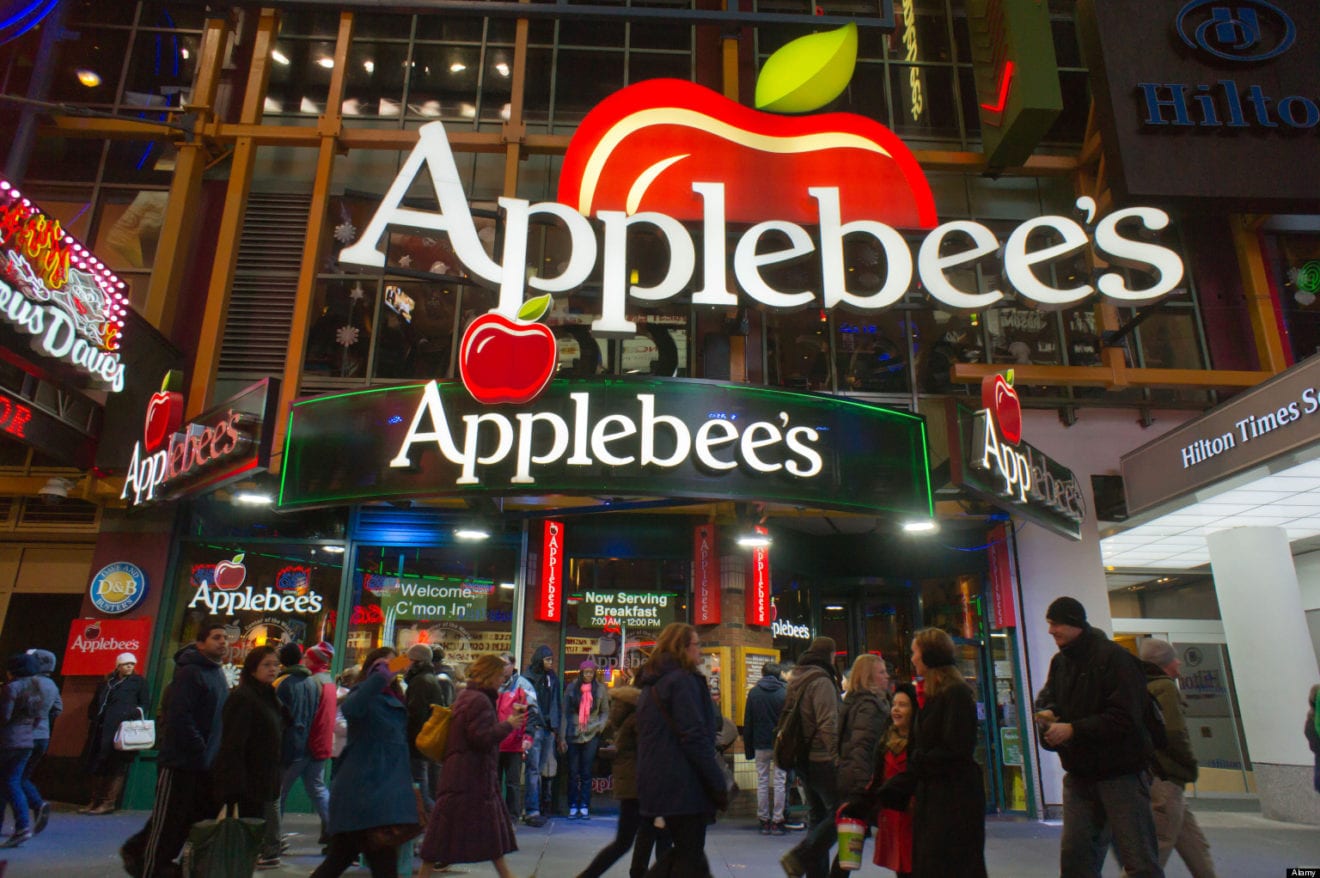
  • Applebee ’s Philippines set for debut

    Applebee ’s Philippines set for debut

    International Restaurant Ideas has secured the rights to US restaurant chain Applebee’s Grill and Bar.

    The primary three Applebee’s Philippines eating places will open from subsequent month, the primary in Bonifacio International Metropolis in Manila. GRC president and CEO Archie C. Rodriguez stated the second restaurant will open in Eastwood and the third location isn’t but determined.

    Applebee’s would be the second US restaurant model operated by GRC, becoming a member of Ihop (Worldwide Home of Pancakes) which it acquired the rights to in 2013. Each manufacturers are owned by DineEquity of California.

    There are presently seven Ihop eating places in Philippines, with an eighth deliberate for Baguio this yr and extra in Cebu and Davao.

    Applebee’s specialises in steaks, burgers, ribs and salads and Rodriguez is concentrating on a verify of between 300 pesos and 400 pesos per diner (US$6.50 – $9).

    Daniel del Olmo, president of DineEquity’s worldwide division, stated his firm selected the Philippines as its subsequent worldwide market, drawn by the continued GDP progress and its perception the market is sustainable long-term.

    Rodriguez, in the meantime, hopes to open as many as 70 Ihop and Applebee’s shops inside seven years.

  • Jamba Juice Indonesia to open subsequent yr

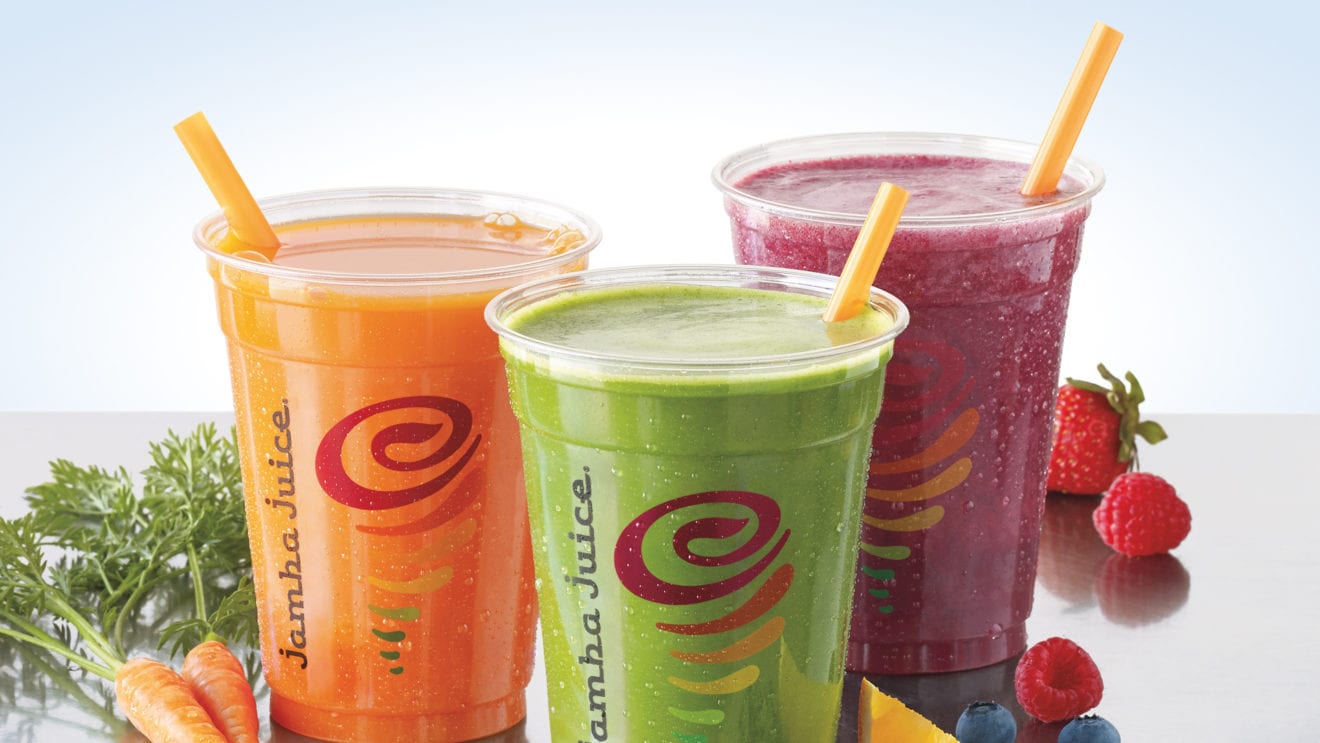
    Jamba Juice Indonesia to open subsequent yr

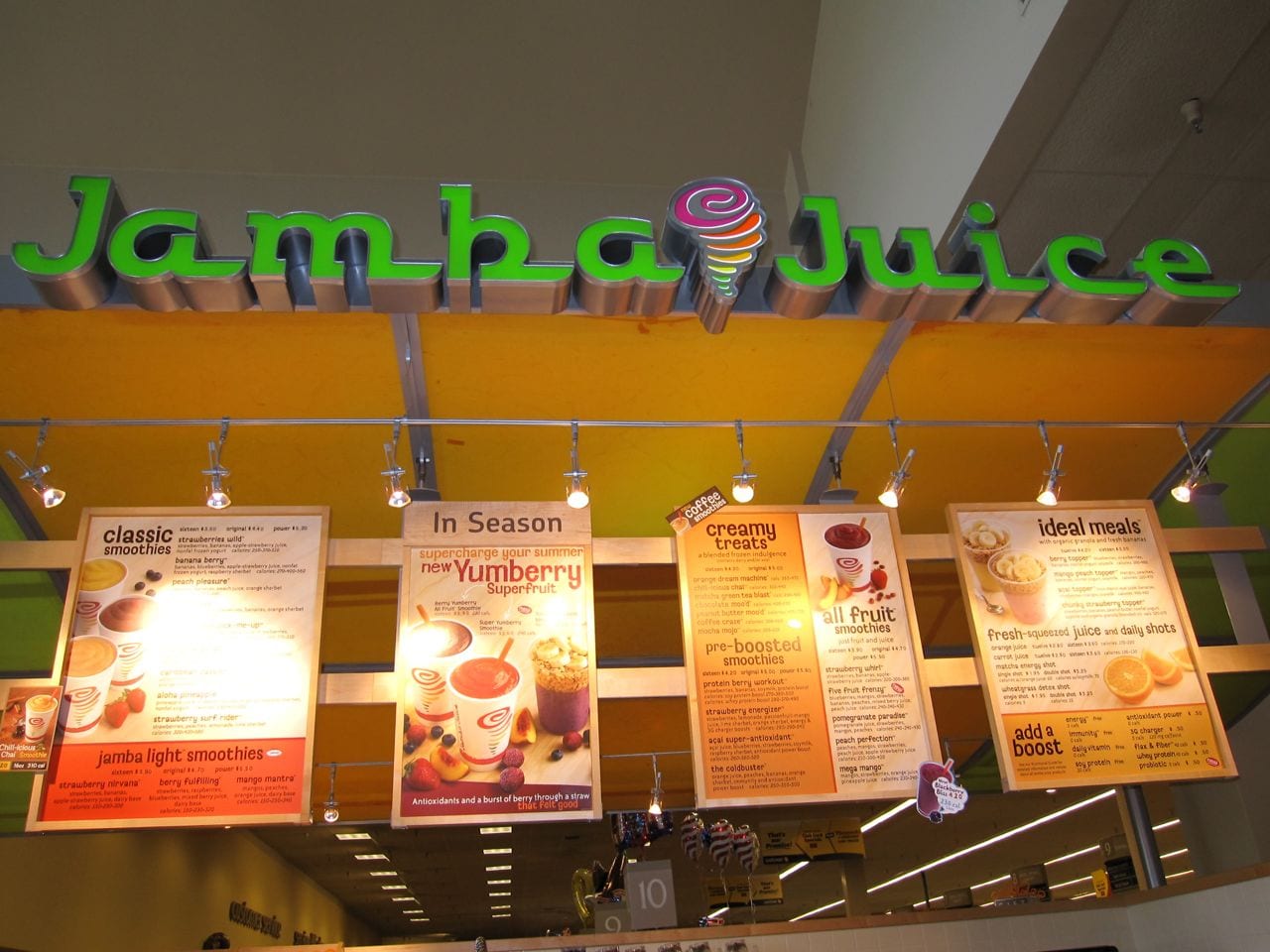
    PT Sari Gemilang Makmur has gained the franchise rights to Jamba Juice Indonesia.

    The US smoothie chain Jamba Juice has launched into an aggressive worldwide enlargement technique with some 600 new cafes now within the improvement pipeline in South Korea, Taiwan, Thailand, the Philippines, Mexico, UAE, Saudi Arabia, Bahrain, Oman, Kuwait, Qatar and Canada.

    Sari Gemilang Makmur is a subsidiary of PT Mitra Adiperkasa Tbk, which operates greater than 1800 retail shops beneath a variety of its personal and franchised manufacturers in 65 Indonesian cities.

    Jamba Indonesia plans to open 70 Jamba Juice cafes in Indonesia inside 10 years, beginning in Jakarta in mid 2016.

    Tom Madsen, senior VP & GM, international progress, with Jamba Juice within the US, stated the corporate selected PT Sari as its associate as a result of it  is a number one operator of way of life manufacturers in Indonesia, an anchor tenant in main malls, and has a confirmed monitor report of efficiently constructing its personal and franchised manufacturers.

    “In PT Sari, we now have discovered a terrific associate for Indonesia, with a robust ardour for Jamba Juice and a mission to deliver well being, happiness and fulfilling life to Indonesian shoppers.”

  • Jardine wins Pizza Hut Myanmar rights

    Jardine wins Pizza Hut Myanmar rights

    Hong Kong’s Jardine Restaurant Group has gained the rights for Pizza Hut Myanmar and can open the primary restaurant there in November.

    Jardine opens greater than 600 Yum! Manufacturers franchises – Pizza Hut and KFC eating places in Hong Kong, Taiwan, Vietnam and southern China. It earlier misplaced the bid for KFC Myanmar to rival bidder Yoma Strategic Holdings.

    The primary Pizza Hut in Myanmar will open in a constructing adjoining to Metropolis Mart Market grocery store on Dhammazedi Rd.

    Yum! has been separating its Pizza Hut and KFC operations, and is reportedly shifting in the direction of choosing totally different companions for every of its franchises to realize a greater give attention to every of its manufacturers and keep their independence.

    KFC and Pizza Hut are the primary American quick meals manufacturers to enter Myanmar and comply with Korea’s Lotteria into the quick food-QSR market.

  • Singapore company buys 51% stake in SunMoon Food Company

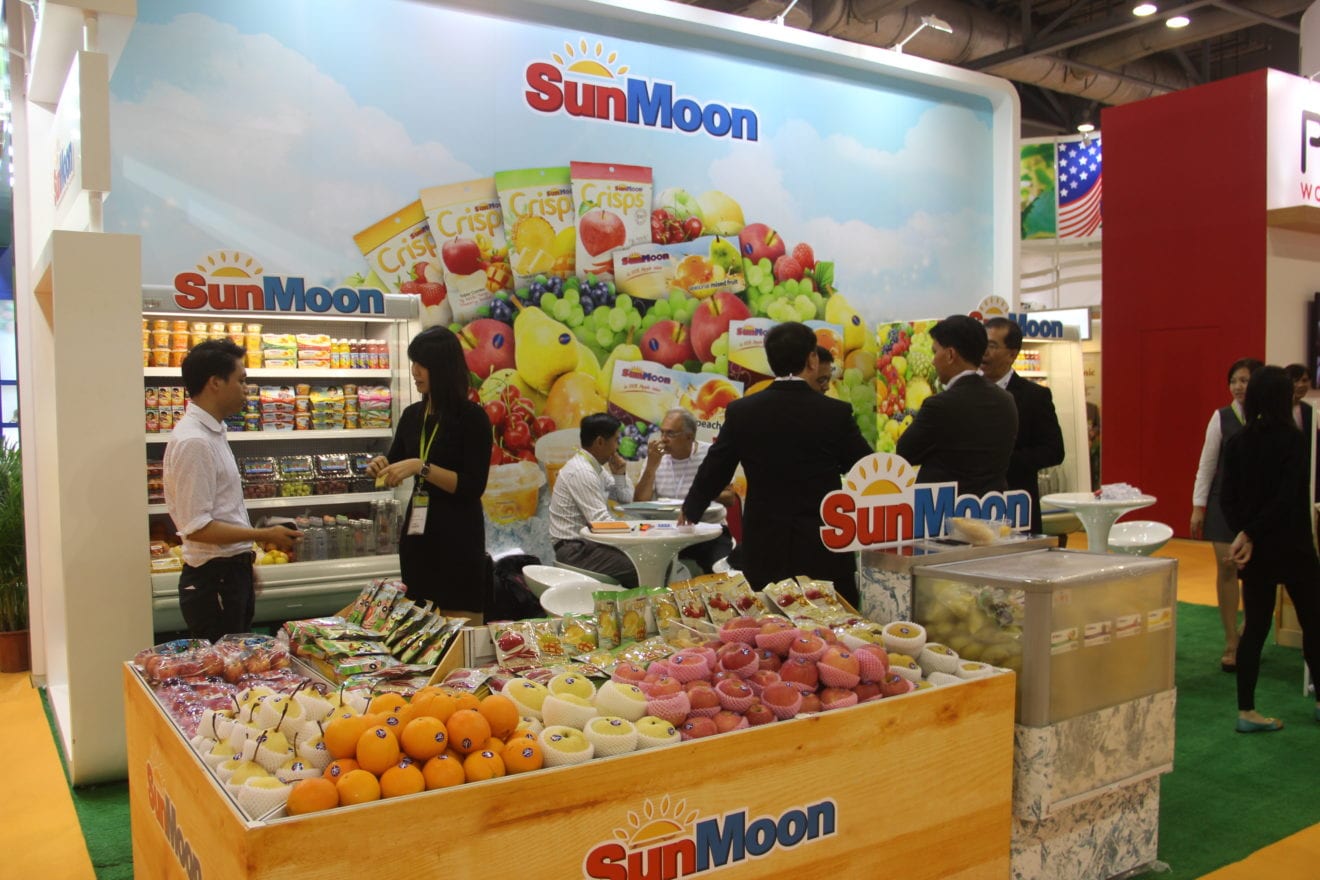
    Singapore company buys 51% stake in SunMoon Food Company

    Singapore-listed SunMoon Food Company Tuesday said it had reached a deal to buy 51 per cent stake in Harvest Season Singapore, that runs fruit stores in China, for S$3.1 million.

    SunMoon will buy 510,000 ordinary shares in Harvest Season as part of the deal.

    The deal will see SunMoon issue 60 million new shares at 5.18 cents each to seller Zhang Jiang Quan, who owns Harvest Season. At this price point, SunMoon’s purchase consideration is S$3.11 million.The new shares constitutes 18.82 per cent of SunMoon’s current issued share capital.

    Harvest Season operates six fruit stores in and around Shanghai, PRC. The company claims to be a “fast expanding, premium-concept fruit retailer” operating six stores in Zhenjiang and Nanjing in the Jiangsu province. The province is home to a population size of more than 100 million and is one of the fastest growing middle income regions in China, SunMoon said in its regulatory filing.

    “Harvest Season operates complementary online and store-based delivery channels, thereby allowing it to reach out to a wider field of consumers who can benefit from both the convenience of delivery and immediate purchase of fresh, quality fruits from its physical stores. The fresh, stylish and upbeat concept for its stores which sell a combination of imported and domestic fruits, juices and convenience foods attracts all age groups,” the regulatory filing added.

    Explaining the rationale behind the proposed acquisition, SunMoon said: “The company believes that it can tap on and benefit from this growing consumption in China of fruit staples through retail and online delivery channels by acquiring a controlling stake in Harvest Season SG, which will, by completion, have a cash and NTA (net tangible assets) position of at least S$3 million earmarked for working capital and the development of more stores in China.”

  • Might retail inflation at Three-month excessive of 5.01%

    Might retail inflation at Three-month excessive of 5.01%

    Shopper Worth Index-based inflation rose to a three-month excessive of 5.01 per cent in Might, even because the meals phase noticed a decline within the fee of worth rise, official knowledge confirmed on Friday.

    The inflation had stood at four.87 per cent in April 2015 and eight.33 per cent in Might 2014. Whereas it justifies the Reserve Financial institution of India (RBI)’s cautious stance in slicing the coverage fee earlier this week, RBI was extra nervous about meals inflation, which declined.

    Meals inflation was right down to four.80 per cent from 5.11 per cent in April 2015. Within the year-ago interval, it had stood at eight.89 per cent.

    Whereas the meals inflation was greater within the city areas at four.84 per cent towards four.74 per cent within the rural elements, the state of affairs was fairly reverse in case of mixed inflation. General inflation stood at 5.52 per cent in villages and four.41 per cent within the city areas.

    Whilst meals inflation was down, the costs of pulses rose on the elevated fee. Inflation in pulses elevated to 16.62 per cent in Might from 12.52 per cent. This was the one phase amongst meals gadgets that noticed double-digit inflation. Earlier this month, the Cupboard had determined to import pulses to tame costs.

    Sugar costs noticed a decline, although. In April, costs dropped 5.99 per cent, whereas in Might these turned cheaper by 7.Three per cent.

    The sugar sector has been battling a state of affairs of glut. Earlier this week, the Cupboard gave the sector a tender mortgage of Rs 6,000 crore to pay a part of its Rs 21,000-crore dues to farmers.

    Nevertheless, corporations weren’t glad as a result of it didn’t remedy the issue of over-supply and depressed costs.

    Elsewhere, home lease, an city phenomenon, inched down barely from four.65 per cent to four.64 per cent.

    Nevertheless, gasoline and lightweight noticed inflation rise to five.96 per cent

  • Barry Callebaut inks first chocolate outsourcing agreement in Southeast Asia

    Barry Callebaut inks first chocolate outsourcing agreement in Southeast Asia

    Barry Callebaut and Indonesian food and beverage company GarudaFood Group have reached agreement on a long-term supply agreement under which Barry Callebaut will supply 10,000 tonnes of compound chocolate per year to GarudaFood’s biscuit facility in Gresik in the Province of East Java.

    Under terms of the agreement, which will begin the middle of next year, Barry Callebaut said it plans to increase the capacity “significantly” over the next three years and will take over some of the manufacturing equipment from GarudaFood and set up its operations in a new building on the premises of the GarudaFood biscuit plant in Gresik.

    The agreement also includes the cooperation between Barry Callebaut and GarudaFood in innovation. The two companies plan to bring together their R.&D. activities to develop new products that will support GarudaFood’s further growth in the Indonesian market.

    “I am truly excited about this partnership,” said Hardianto Atmadja, chief executive officer of GarudaFood. “I believe it will provide and delight our consumers with the best chocolate and products that meet global quality standards.”

    Founded in 1990, GarudaFood belongs to the Tudung Group, an investment holding company in Indonesia. GarudaFood manufactures and markets snacks, biscuits, confectionery products, dairy and beverages and employs about 18,000 people. The company also owns and operates an extensive distribution network throughout Indonesia covering 21 regions, 153 depots, 154 distribution partners and 360,000 outlets. GarudaFood operates 14 plants across Indonesia and India.

    “It is an honor for us that we were able to win GarudaFood as our first long-term outsourcing partner in Southeast Asia,” said Juergen Steinemann, c.e.o. of the Barry Callebaut Group. “This partnership marks our entry with chocolate and compound production in Indonesia, the world’s fourth largest country with a population of 250 million and impressive growth rates. Partnering with the GarudaFood Group not only allows us to team up with a leader in one of the most vibrant economies in Asia Pacific but also to gain a strategic foothold in an emerging market that offers further significant growth potential.”

  • Nutella row spotlights palm oil’s environmental destruction

    Nutella row spotlights palm oil’s environmental destruction

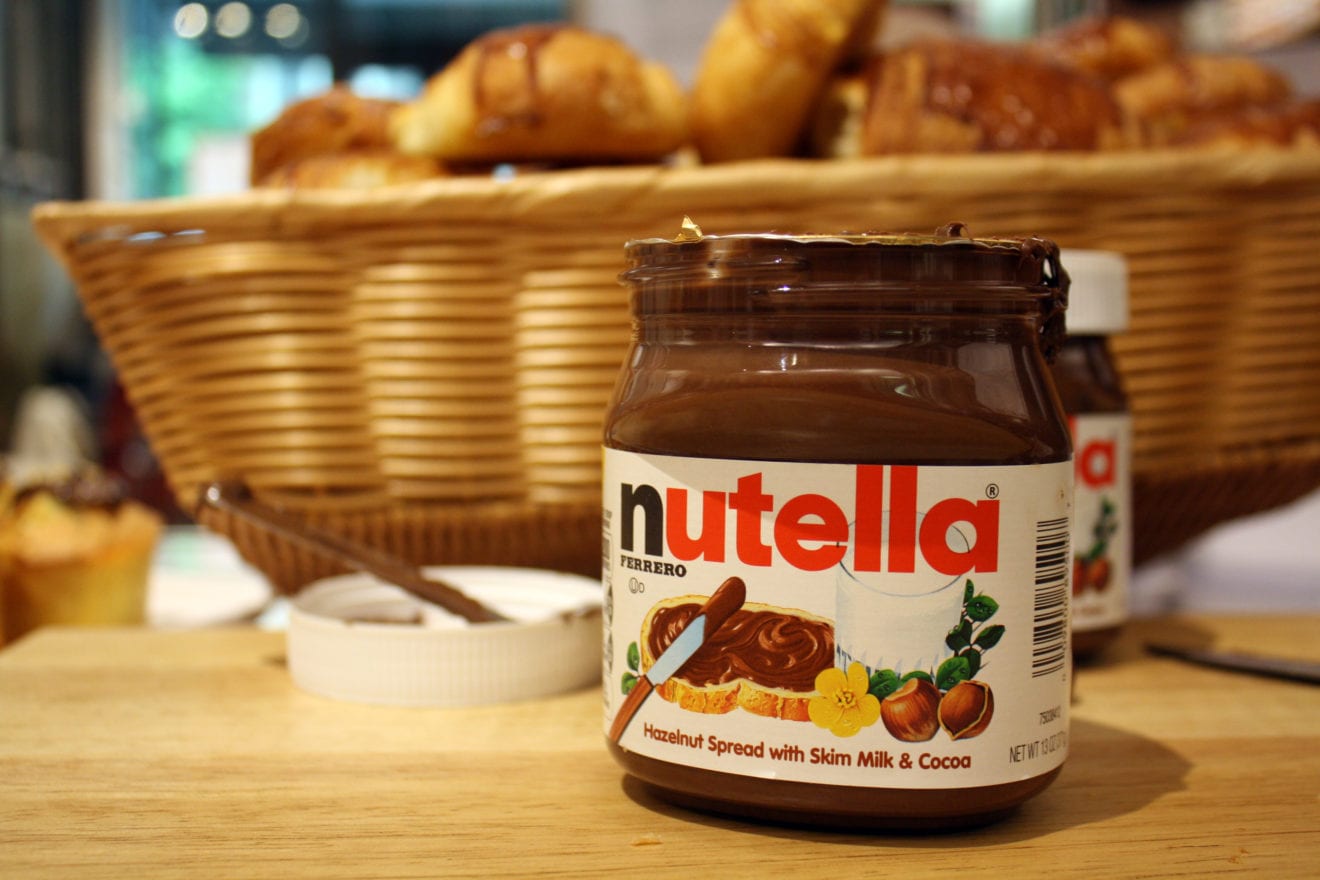
    France’s ecology minister, Ségolène Royal, caused a stir following her comments in an interview late on Monday on Canal+: “We have to replant a lot of trees because there is massive deforestation that also leads to global warming. We should stop eating Nutella, for example, because it’s made with palm oil.” She added that “Oil palms have replaced trees, and therefore caused considerable damage to the environment.” Ferrero, the Italian maker of Nutella, promptly issued a statement on Tuesday that it is committed to using 100% sustainably-sourced palm oil in its products. And rushing to the company’s defense, Italy’s environment minister Luca Galletti told Royal to “leave Italian products alone.”

    If Nutella’s environmental commitments are indeed fully accurate, it is a misguided target. Most palm oil is not sustainable, and the rising numbers of plantations in Indonesia and Malaysia (which account for 85% of global palm oil production) have destroyed vast areas of tropical rain forest. This habitat loss threatens the survival of endangered species including the Sumatran tiger, the orangutan, the Sumatran elephant, and the Javan rhino. And besides contributing to global climate change, the slash-and-burn method of clearing land also results in major localized air pollution.

    However, palm oil is a widely-used global commodity (complete with futures trading and spot markets), and about half of all supermarket products contain it, including many types of food and cosmetics. Oil palms are already among the most profitable cash crops for developing countries that can grow them.

    The U.S. has led the strong growth in demand for palm oil; those imports climbed 352% between 2002 and 2012, to about 1 million metric tons per year. And demand is likely to keep grow in the near future, due to recent top-down regulatory changes in the U.S., Indonesia, and Malaysia. On Tuesday the U.S. Food and Drug Administration ordered food manufacturers to stop using trans fats within three years, because their main ingredients–partially hydrogenated oils– “are not ‘generally recognized as safe’ … for use in human food.” Palm oil is commonly used as a substitute for trans fats, and indeed many food manufacturers and fast-food chains have already made the switch.

    Meanwhile, higher biodiesel targets are driving demand for palm oil. The U.S. Environmental Protection Agency said in May it would target a near 50% increase in the use of biomass-based diesel by 2017. Indonesia and Malaysia are also trying to raise their domestic use of palm oil in fuel, to both support the market as well as reduce expenditures on imported diesel. The Wall Street Journal reported that earlier this year, Indonesia introduced requirements to blend up to 15% of a palm oil feedstock in fuels by the end of 2015, with plans to later increase the ratio to 20%. And last week Malaysia’s government said it plans to increase the allowed blending of palm oil feedstock into biodiesel from 5% and 7% to as much as 10% by October. (However, weak crude oil prices will slow implementation of these goals, because palm oil is currently more expensive than fossil fuels.)

    That said, media attention and consumer action can make a real difference. Following a public pressure campaign, the major palm oil company Astra Agro Lestari announced earlier this month a moratorium on all forest clearance in Indonesia, effective immediately. And a recent study found that consumers would be prepared to pay between 15% and 56% extra for products containing palm oil if they knew that it would help to protect the natural habitats of threatened animals and plants in Indonesia and Africa, where palm plantations have spread rapidly over the past 20 years.

    Progress is still slow, but sustainably harvesting palm oil (for sale at a premium price) while conserving nearby tropical forests is looking a bit more likely.

  • Jamba to Open Jakarta Unit in ’16

    Jamba to Open Jakarta Unit in ’16

    Jamba, Inc. recently announced that it has entered into a master franchise development agreement with PT Sari Gemilang Makmur to develop 70 Jamba Juice stores in Indonesia over the next 10 years. Jamba plans to open the first store in the Indonesian capital, Jakarta, in 2016.

    PT Sari Gemilang Makmur is a subsidiary of PT Mitra Adiperkasa Tbk, one of Indonesia’s primary lifestyle retailers, operating over 1,800 retail outlets in 65 cities across the country. PT Sari’s expertise of successfully operating franchised brands in Indonesia would benefit Jamba.

    This agreement brings Jamba’s international store pipeline to 615 to be opened in South Korea, Canada, the Philippines, Mexico, UAE, Saudi Arabia, Bahrain, Oman, Kuwait, Qatar, Taiwan, Thailand and Indonesia. The company plans to have more than 1,500 units over the long term.

    The food industry is witnessing changes in consumer preference toward health and wellness and “good-for-you” products due to increasing health consciousness and obesity concerns. Accordingly, food and beverage companies are focusing on healthier products. Jamba’s offering of an entire range of customized health drinks will cater to such demand.

    Jamba has always remained focused on expansion and expects accelerated growth in both core existing markets as well as new geographic areas. Further, Jamba is focusing on shifting its business to a more franchise-centric model which will involve less capital and stabilize cash flow generation. Therefore, the new agreement is consistent with its strategic shift.

    Further, Indonesia is on track to become Asia’s next trillion-dollar economy over the next two years, according to IHS, joining China, Japan, India, Australia and South Korea. Therefore, management has chosen Indonesia to capture the increasing opportunities in the region’s growing beverage market.

  • SM in bid for Cherry Foodarama

    SM in bid for Cherry Foodarama

    Philippines retail conglomerate SM says it’s in talks to purchase grocery retailer Cherry Foodarama.

    In a disclosure to the inventory trade, SM Investments stated the 2 corporations are planning to enter right into a three way partnership, topic to agreeing on phrases.

    SM additionally operates in a JV association with Waltermart and rival retail big Ayala Group has a partnership with Puregold.

    Cherry Foodarama was based within the 1950s and is seen as one thing of a pioneer within the Philippines grocery enterprise. It has three shops in metro Manila – at Quezon Metropolis, Antipolo Metropolis and Mandaluyong.

    If the deal is sealed, it might take SM’s grocery retailer community to 232, the prevailing shops working underneath the SM Grocery store, Hypermarket, Savemore and Waltermart manufacturers.

    Puregold Worth Membership has 254 shops nationwide.

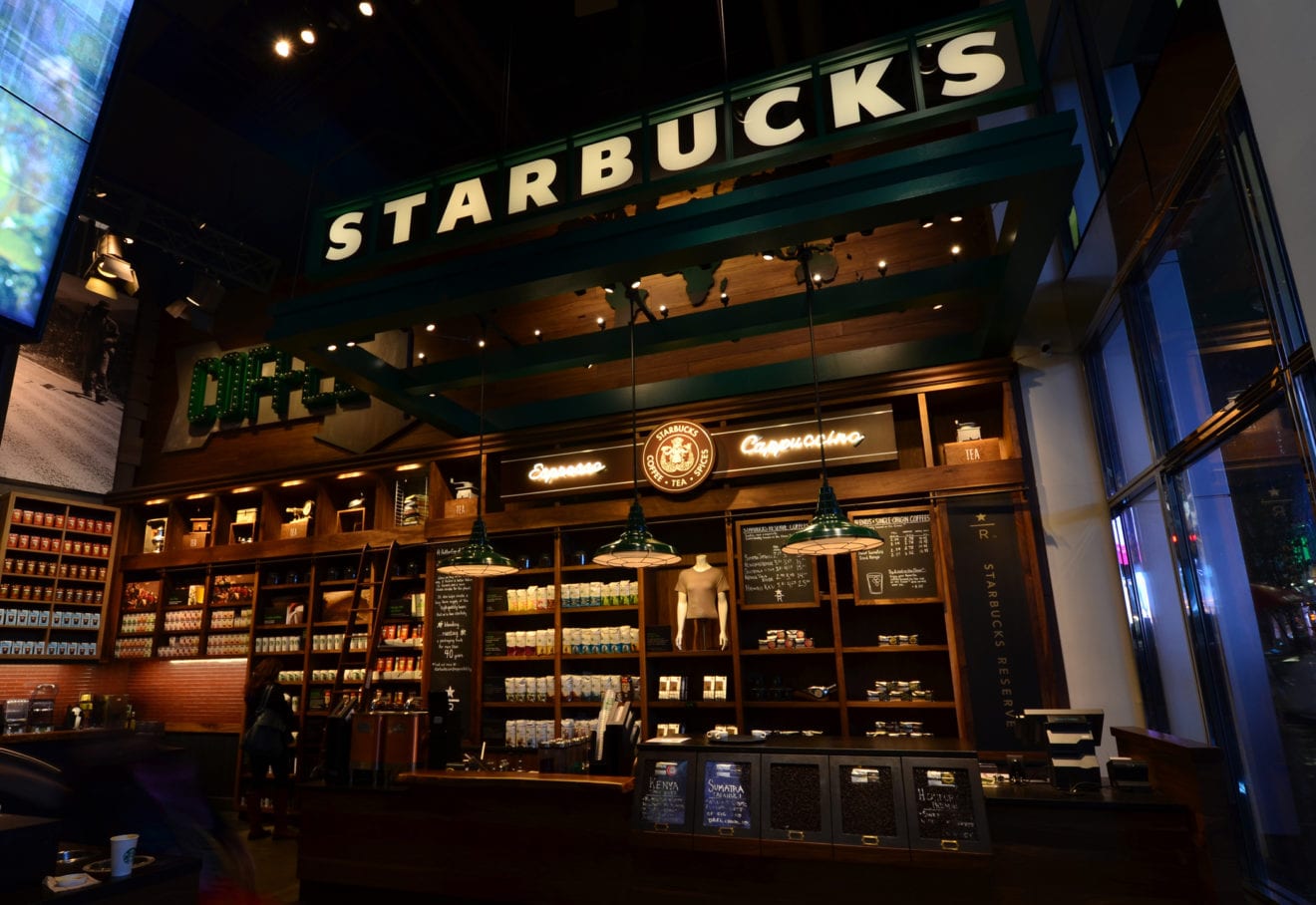
  • Starbucks Asia ’s prime ‘restaurant’ model

    Starbucks Asia ’s prime ‘restaurant’ model

    Starbucks Asia has been ranked Asia’s 15th prime model – the very best rating of any quick meals retailer or restaurant.

    The highest 5 corporations on the record in Asia are Samsung, Sony, Nestle, Apple and Panasonic.

    Marketing campaign Asia-Pacific’s annual research of Asia’s Prime 1000 Manufacturers is predicated on a web-based survey developed by Marketing campaign Asia-Pacific and the Nielsen analysis firm. The survey requested clients to listing manufacturers by business sector they most trusted and felt had the perfect status. 4 hundred respondents have been polled in every market, apart from India and China, the place 800 and 1200 individuals have been polled respectively.

    Along with an general rating of probably the most favored manufacturers, the survey drills right down to the market degree with 13 country-specific rankings. Starbucks is the quantity 10 model in China, 12th in Hong Kong and Thailand, and 17th in Japan and Korea.

    “This necessary recognition is a mirrored image of our companions’ (staff) enthusiasm and keenness for delivering the Starbucks Expertise to clients throughout Asia,” stated John Culver, group president, Starbucks China and Asia Pacific, channel improvement and rising manufacturers.

    “We’re extraordinarily humbled by how our clients have embraced the Starbucks model, our top quality Arabica espresso and the genuine moments of connections we share.”

    Starbucks Asia expects that greater than half of its new retailer progress globally over the subsequent 5 years will come from the China Asia Pacific area, led by Japan and China. In 1996, Japan turned Starbucks first operational market outdoors of North America; Shanghai has extra Starbucks shops than some other metropolis on the earth.

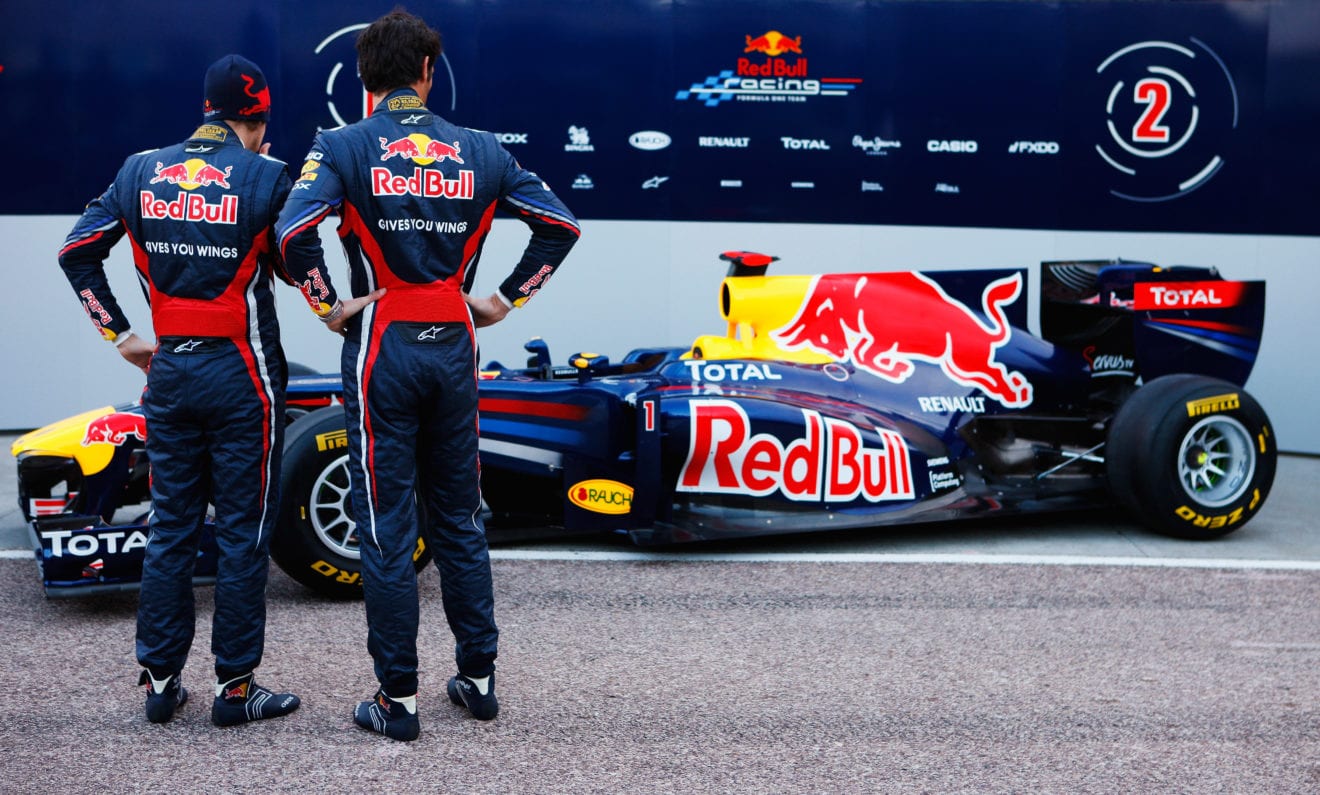
  • Red Bull leads Thai products in making Asia’s Top 1000 Brands

    Red Bull leads Thai products in making Asia’s Top 1000 Brands

    Red Bull, the energy drink launched by the Yoovidhya family, took the highest place at 118. In the beverages category, other Thai brands are Tipco (365) and Aura (448).

    Jason Wincuinas, managing editor of Campaign Asia-Pacific, said yesterday that the new listing shows a rise in stature for many local Asia brands, as nearly all luxury names fell.

    “This looks like the start of Asia’s brands growing from local heroes into regional giants and eventually onto multinational status,” he said.

    In its twelfth year, Asia’s Top 1,000 Brands aggregates data from an online survey. The report incorporates consumers in 13 key regional markets across the Asia-Pacific – Australia, China, Hong Kong, India, Indonesia, Japan, Malaysia, the Philippines, Singapore, South Korea, Taiwan, Thailand and Vietnam.

    It encompasses 14 major categories – alcohol, financial services, automobile, retail, restaurants, food, beverage, consumer electronics, computer hardware, computer software, courier services, media and telecommunications, travel and leisure, and household and personal care – and 73 subcategories. To win a place in the ranking, Thai brands have to compete against all international brands. Mama was the only Thai food brand represented, falling from 339 last year to 377. Nestle was first. In household products, there is only Me-O, the pet food brand, which shot up from 709 to 583.

    Both DTAC and AIS showed up in the media and telecommunications category, where Google claimed the top spot. DTAC dived 62 rungs to 496, while AIS gained 41 to 623.

    For travel and leisure, which has AirAsia at the top, three Thai brands are included – THAI, Nok Air and Dusit.

    Thai Airways International climbed seven places to 191, but Nok lost two spots to 463. Dusit International plunged from 890 to 945. Singapore Airlines also slumped 20 places to 83, although it still led the full-service airline subcategory.

    Included in retail were Big C (248), Bangchak (475) and PTT (494). PTT’s Cafe Amazon is the only Thai restaurant brand, sitting at 609 in 2015 against 751 in 2014.

    Three Thai banks are in the financial services category, which covers payment companies like Visa and international banks like Citibank.

    Bangkok Bank leaped 153 places to 721. Kasikornbank sank five to 768 and Siam Commercial Bank slumped 99 to 800.

    South Korea’s Samsung was the most popular brand in the region this year, able to maintain the crown it snatched from Sony in 2012. Others in the top 10 were Sony, Nestle, Apple, Panasonic, Nike, LG, Canon, Chanel and Adidas.

    “These are the brands the people all across Asia have told us are the best in their minds,” Wincuinas said.

  • Laduree to open in Philippines

    Laduree to open in Philippines

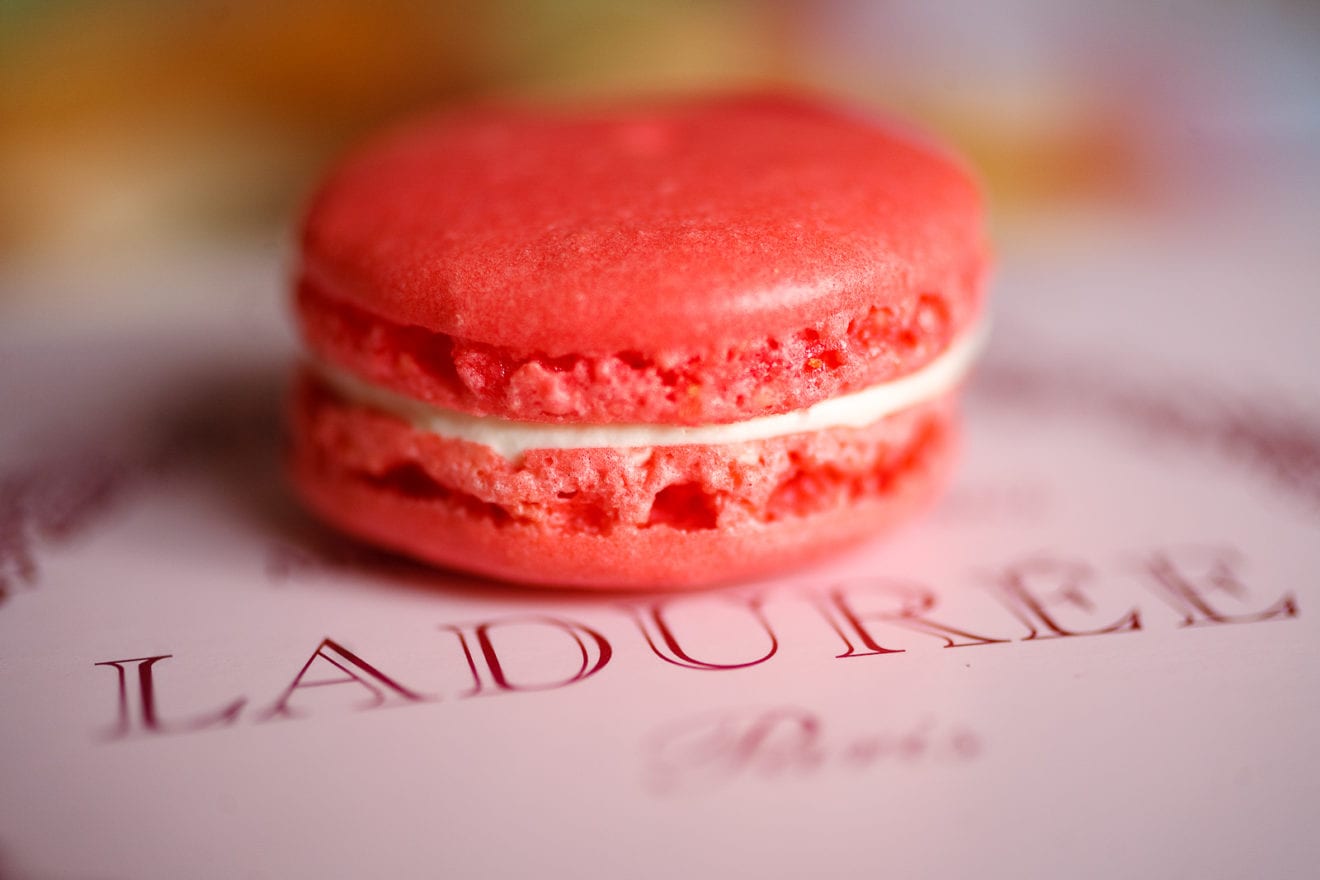
    French patisserie Laduree has confirmed its entry into the Philippines.

    The Parisian retailer – well-known for its macarons, will open in Rockwell at Makati Metropolis in larger Manila on July 19.

    The model is being delivered to the Philippines by franchisee H&F Retail Ideas, whose MD Mark Gonzalez says the shop will promote macarons flown into the nation from Paris.

    The primary Laduree retailer will take up simply 55 sqm of retail area. It is going to be adopted by a Laduree salon de the tea salon and patisserie in one other Manila location subsequent yr.

    Based in 1862, Laduree pioneered the macaron which has in recent times turn out to be a cult meals merchandise, superseding the cupcake craze.

    H&F’s owns the Philippines franchises for retail manufacturers together with Balenciaga, Fred Perry, Pylones and operates multi-brand boutiques buying and selling underneath the the Univers and homme et femme banners.

  • Malaysian PE buys Tremendous Peking Duck chain

    Malaysian PE buys Tremendous Peking Duck chain

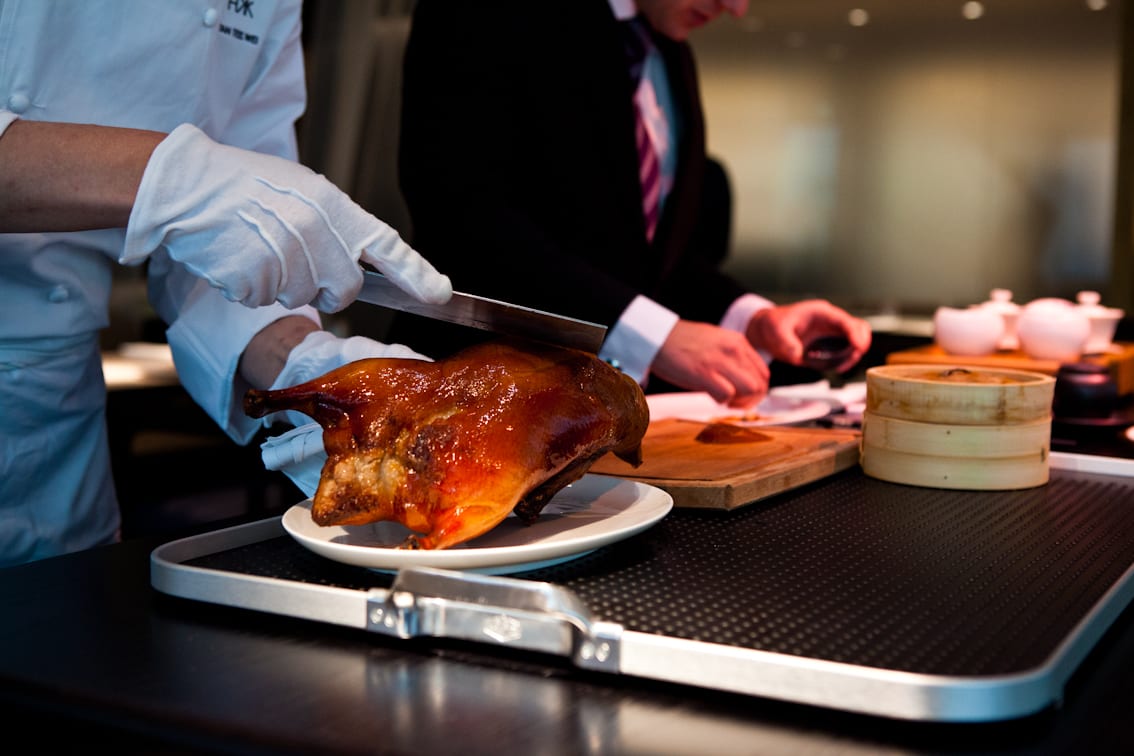
    Fashionable Singapore restaurant chain Tremendous Peking Duck seems to be set for accelerated worldwide enlargement.

    In response to Bloomberg, Malaysian personal fairness agency Navis Capital Companions has agreed to purchase the model’s Singapore proprietor, Imperial Treasure Restaurant Group.

    The corporate has paid between S$60 and $80 million for a majority stake within the enterprise and plans to speed up the model’s rollout in China.

    Imperial Treasure was based in 2004 by Alfred Leung who will retain his curiosity and proceed to be concerned with the enterprise. It now has 23 eating places specialising in Chinese language meals and owns a positive eating restaurant at Marina Bay Sands, overlooking the gaming flooring.

    Leung is also referred to as the founding father of Crystal Jade Culinary Ideas, bought to the LVMH Group final yr, netting round $100 million.

    In line with Bloomberg, the deal and phrases are confidential and neither celebration wished to remark additional on the transaction.

    Navis final week purchased Malaysian sweet and snackfood enterprise Cocoaland Holdings.

  • Amazon Fresh expands into China

    Amazon Fresh expands into China

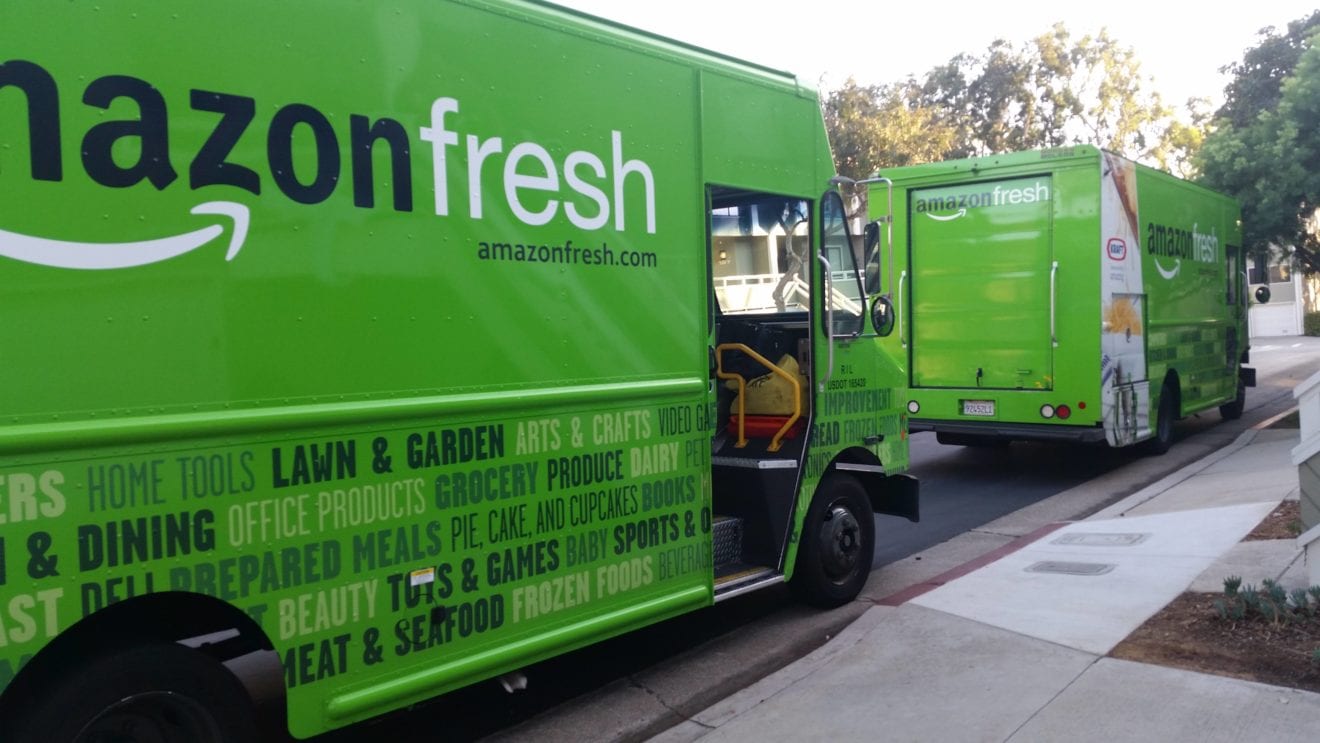
    Online retail giant Amazon has expanded its fresh food offer – Amazon Fresh – into China through partnerships with local distributors and suppliers.

    The new platform will offer fruit and vegetables for home delivery, alongside other groceries including meat, seafood and confectionary across a total of 600 fresh food SKUs, news outlet Tech in Asia and retail commentator IGD retail analysis have both reported.

    Unlike Amazon Fresh in the US, Amazon is not handling the logistics or using its own refrigerated vans for the fresh produce in China, Tech in Asia said, but instead will rely on suppliers to do this.

    Amazon’s larger e-commerce rivals in the country – such as Alibaba’s Tmall, JD, and Walmart’s Yihaodian – have been offering fresh produce for home delivery for some time.

  • L Capital Asia puts in bid to buy Jones the Grocer

    L Capital Asia puts in bid to buy Jones the Grocer

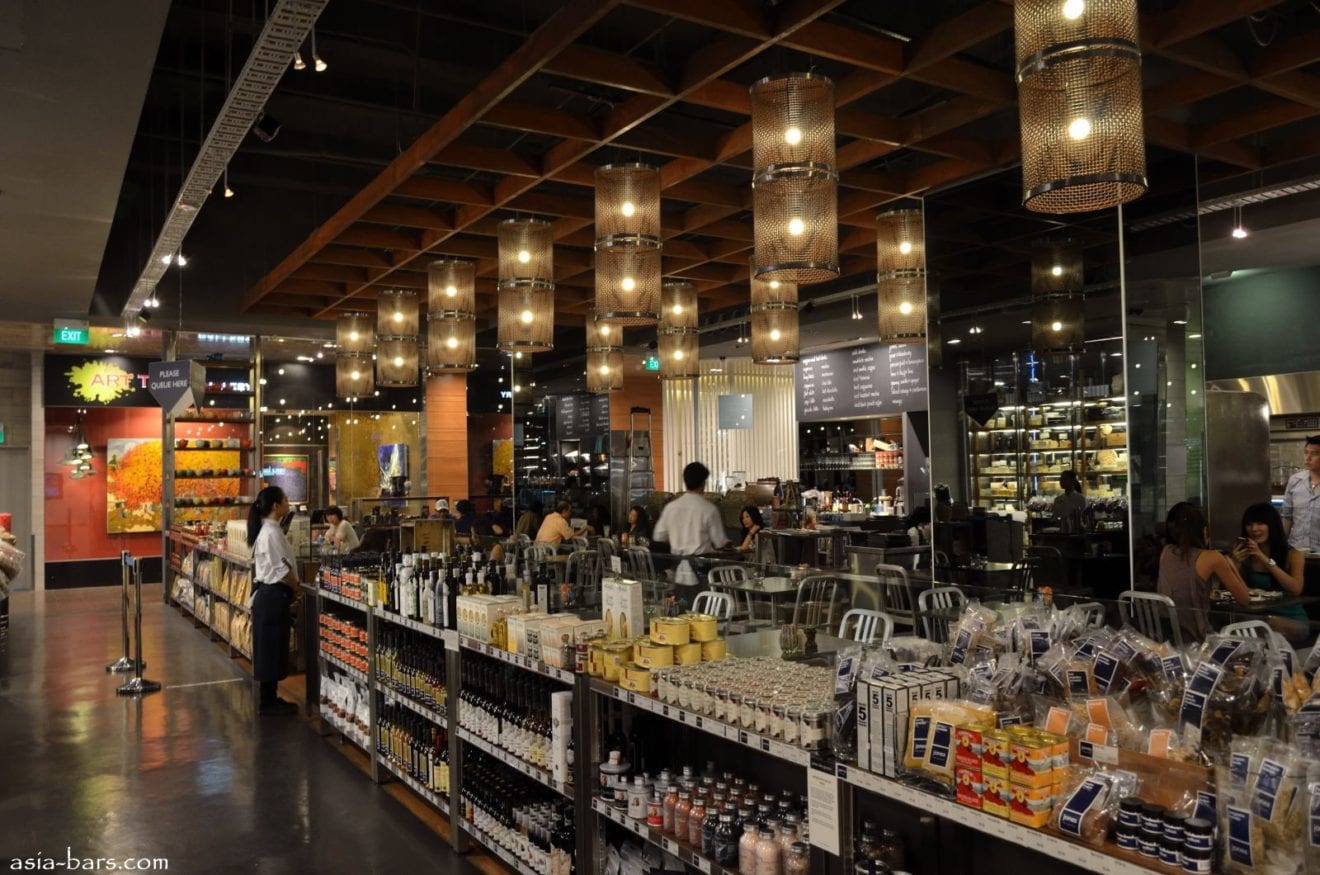
    The final bids to buy Jones the Grocer’s Singapore business were accepted on Friday last week, with majority shareholder L Capital Asia putting in a bid to buy the company.

    The target is to complete the sale by next month. It is not known how many bids were received, and how much was offered.

    The gourmet grocer’s Singapore arm, Jones the Grocer International (JTGI), was earlier placed under judicial management – where an external manager is appointed to manage a company that cannot pay its debts.

    Its assets – including two outlets in Dempsey Hill and Mandarin Gallery – were put up for sale.

    Its parent company, Jones Group Holdings in Australia, went into administration last December due to disputes between its former chief executive and shareholder John Manos, and majority shareholder L Capital – the equity arm of luxury group LVMH Moet Hennessy Louis Vuitton. Mr Manos also ran Jones the Grocer’s day-to-day operations in Singapore.

    When contacted, L Capital chairman and managing partner Ravi Thakran said the firm placed a bid as the business in Singapore has not been “adversely impacted”.

    In a statement, L Capital said business performance under Mr Manos’ leadership was “delivered poorly” when seen against “agreed business plans”.

    It was also “alarmed at the state of the business and, after being frustrated by Mr Manos in our attempts to course correct, infuse talent, and improve governance… we decided to take conclusive action”.

    This is the first time L Capital is commenting on Jones the Grocer’s woes.

    The firm terminated Mr Manos’ employment as chief executive late last year, and then applied to the Singapore courts to place JTGI under judicial management.

    It succeeded in March, and PwC Singapore’s business recovery services leader Goh Thien Phong was appointed judicial manager.

    By then, JTGI had accumulated about $19 million in total liabilities.

    Mr Goh found, among other things, that JTGI was spending money without basic rules in place. Each chef, for instance, could independently put in food orders with suppliers without following proper accounting procedures.

    Mr Manos grew the brand from just one outlet in Australia in 2006 – when he took over – to 18 stores worldwide in 2012, before L Capital came on board.

    Mr Manos, speaking to The Straits Times, said: “The issue (why Jones went bust in Singapore) has to do more with management and shareholder issues.” He added that L Capital had a “very aggressive” growth plan, as well as a “broader agenda” that he did not agree with. The debt, he said, came from overheads from plans to venture into China and Thailand. “We hired people, took on all these overheads, not because we needed them in Singapore but because we were planning regional growth,” he said.

    He said chefs placing orders independently was not part of a system he put in place. “If they did that, it was because these chefs were going past the system, and taking such actions themselves,” he added.

    Retail experts said putting a flailing company under judicial management could be a way to resolve disputes.

    “You can say that firms may do this to get rid of a partner. It’s fair game,” said Singapore Polytechnic retail lecturer Amos Tan, adding he was not surprised that L Capital Asia had put in a bid. “Branding does not happen overnight, and Jones the Grocer is a good brand, with an existing database of customers and suppliers.”

    The two Jones the Grocer outlets in Dempsey Hill and Mandarin Gallery are operating as usual.