Retail News CRM

Category: Food

Retail News Asia is committed to providing both local and global retailers with the latest Food and Food & Beverage news throughout the Asian market. This on a daily base.

  • Krispy Kreme to open 10 shops in Myanmar

    Krispy Kreme to open 10 shops in Myanmar

    Krispy Kreme announced this week that it is set to open 10 shops in Myanmar over the next five years.

    Dan Beem, Krispy Kreme’s Senior Vice President and President – International, said with a growing economy and a population eager to welcome global brands, the time is right for the company to bring its sweet treats to Myanmar.

    The company has signed a development agreement with Singapore-based Doughnut Group Pte. Limited.

    “We’re confident the Krispy Kreme experience will be as meaningful in Myanmar as it is in Memphis or Manila, or anywhere else around the world where our signature sweet treats and coffee are served,” said Pote Narittakurn, owner of Doughnut Group Pte. Limited

    Krispy Kreme has more than 1,000 retail shops in 24 countries. Its  fundraising program has, for decades, helped non-profit organizations raise millions of dollars in needed funds.

  • Starbucks to open first store in Cambodia

    Starbucks to open first store in Cambodia

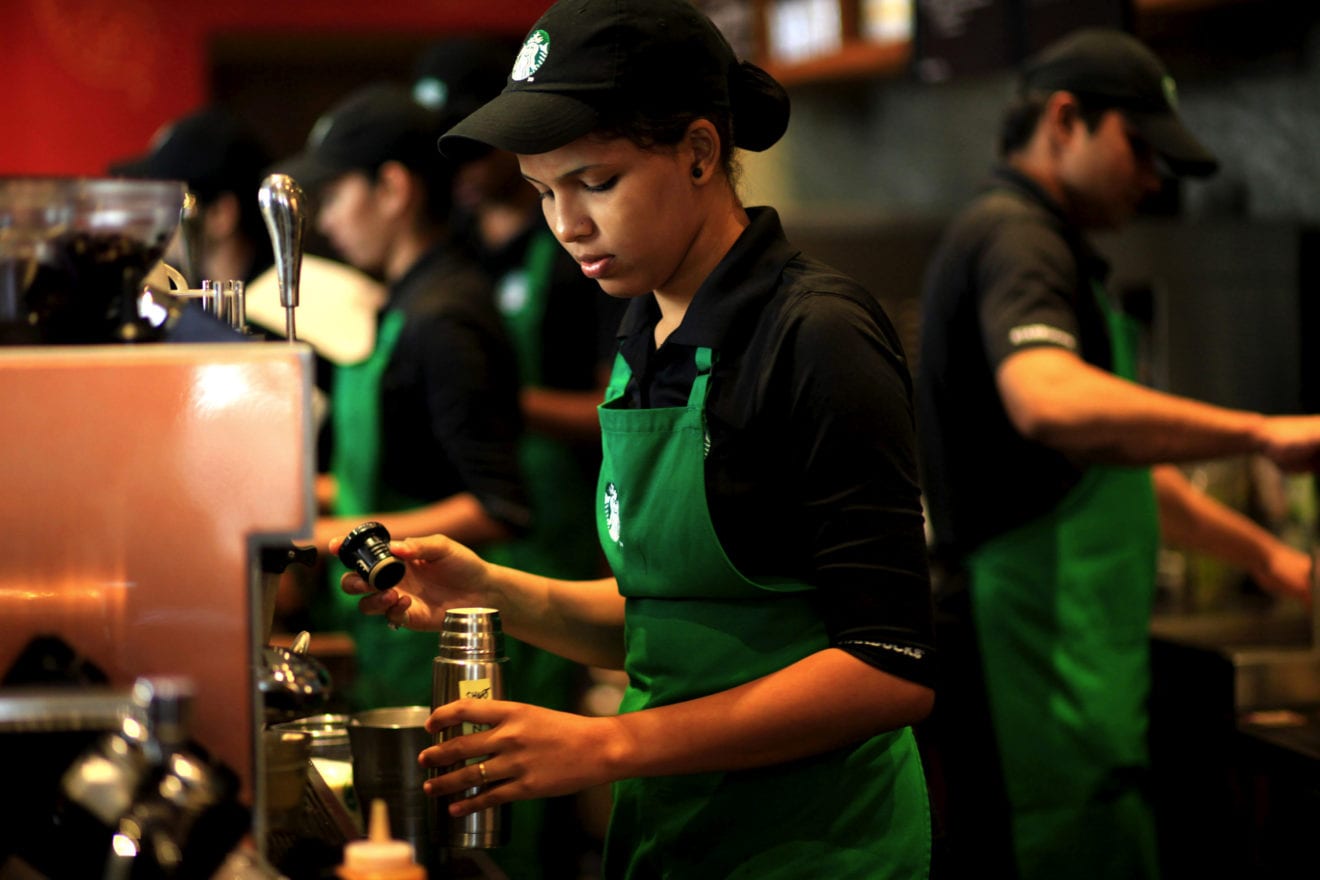
    Starbucks Coffee Company is set to open its first location in Cambodia by the end of 2015, making the country its 16th market in the fast-growing China/Asia-Pacific (CAP) region.

    The store opening is made possible through its licensing agreement with Coffee Concepts (Cambodia) Limited, which is part of Hong Kong Maxim’s Group.

    The first location will open at the newly expanded Phnom Penh International Airport and will be followed by the second store opening in early 2016 in downtown Phnom Penh.

    “Cambodia is a vibrant country with a rich cultural heritage, and we are proud to bring the  Starbucks Experience to this market,” said John Culver, group president, China/Asia Pacific, Channel Development and Emerging Brands, Starbucks Coffee Company.

    Starbucks currently operates more than 5,200 stores and employs more than 80,000 employees in the CAP region. It operates more than 150 stores in Hong Kong and Macau and 15 stores in Vietnam through Viet Idea Food and Beverages Limited, a sub-licensee of Coffee Concepts (Vietnam) Limited, also a subsidiary of Hong Kong Maxim’s Group.

    “We look forward to becoming a part of Cambodia’s local coffee culture, embracing its traditions and sharing our deep passion and knowledge of the best coffees from around the world,” Culver added.

  • Roll Mafia plans India roll-out

    Roll Mafia plans India roll-out

    An Indian quick service restaurant concept Roll Mafia has raised $151,000 in seed funding to commence a roll out in major Indian cities.

    Parent SLS Cuisines India plans 50 restaurants in six cities by March next year after attracting investment from Singapore’s Equentia Natural Resources and a group of private investors.

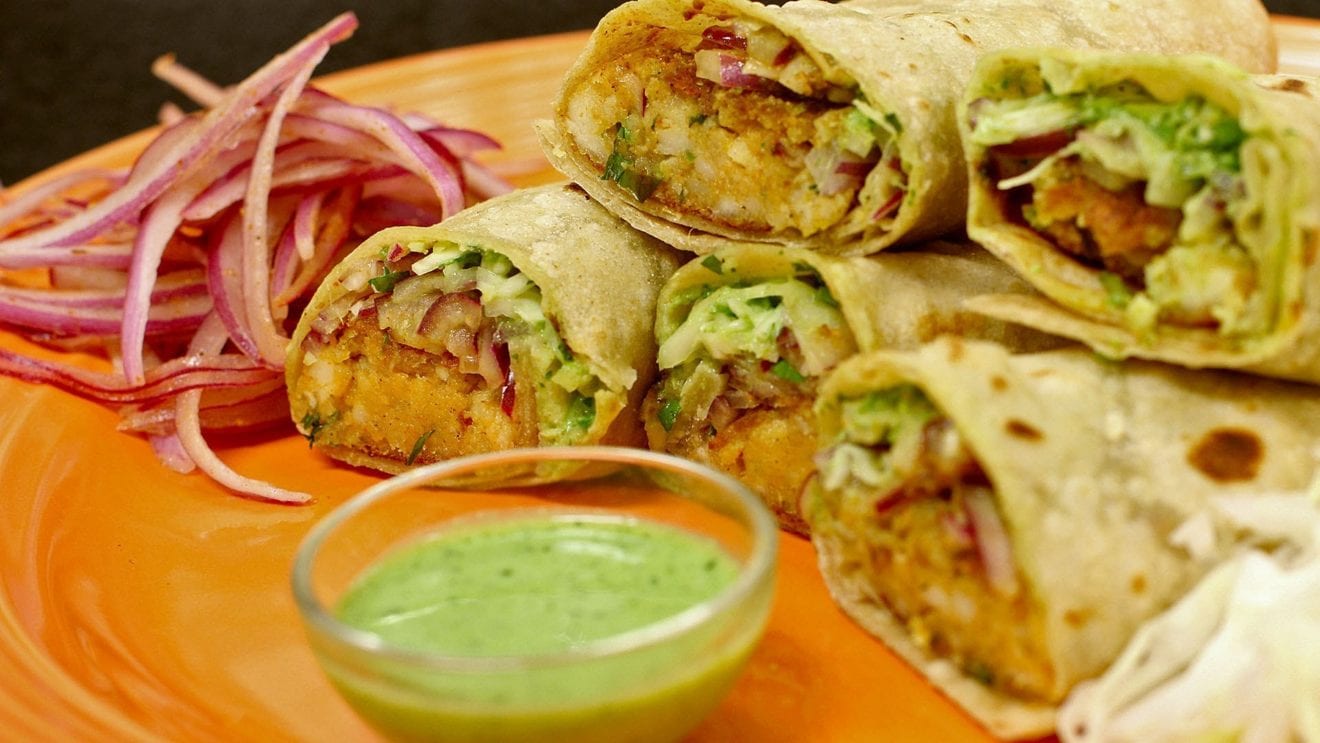
    Roll Mafia currently operates eight outlets in Pune and three in Patna, cooking and selling Indian food such as Kathi Rolls and Dum Biryani.

    “We are looking to open 50 more outlets in Mumbai, Chandigarh, Baroda, Bangalore, Delhi and Gurgaon by March 2016,” said Varun Sahay, co-founder of Roll Mafia.

    The new outlets will boost its workforce from the current 70 to around 250.

    Roll Mafia was founded in 201 by brothers Varun and Vishal Sahay. It provides delivery in some market, via an online portal, as well as takeaway and dine-in facilities.

  • Burger King Malaysia, Singapore sold

    Burger King Malaysia, Singapore sold

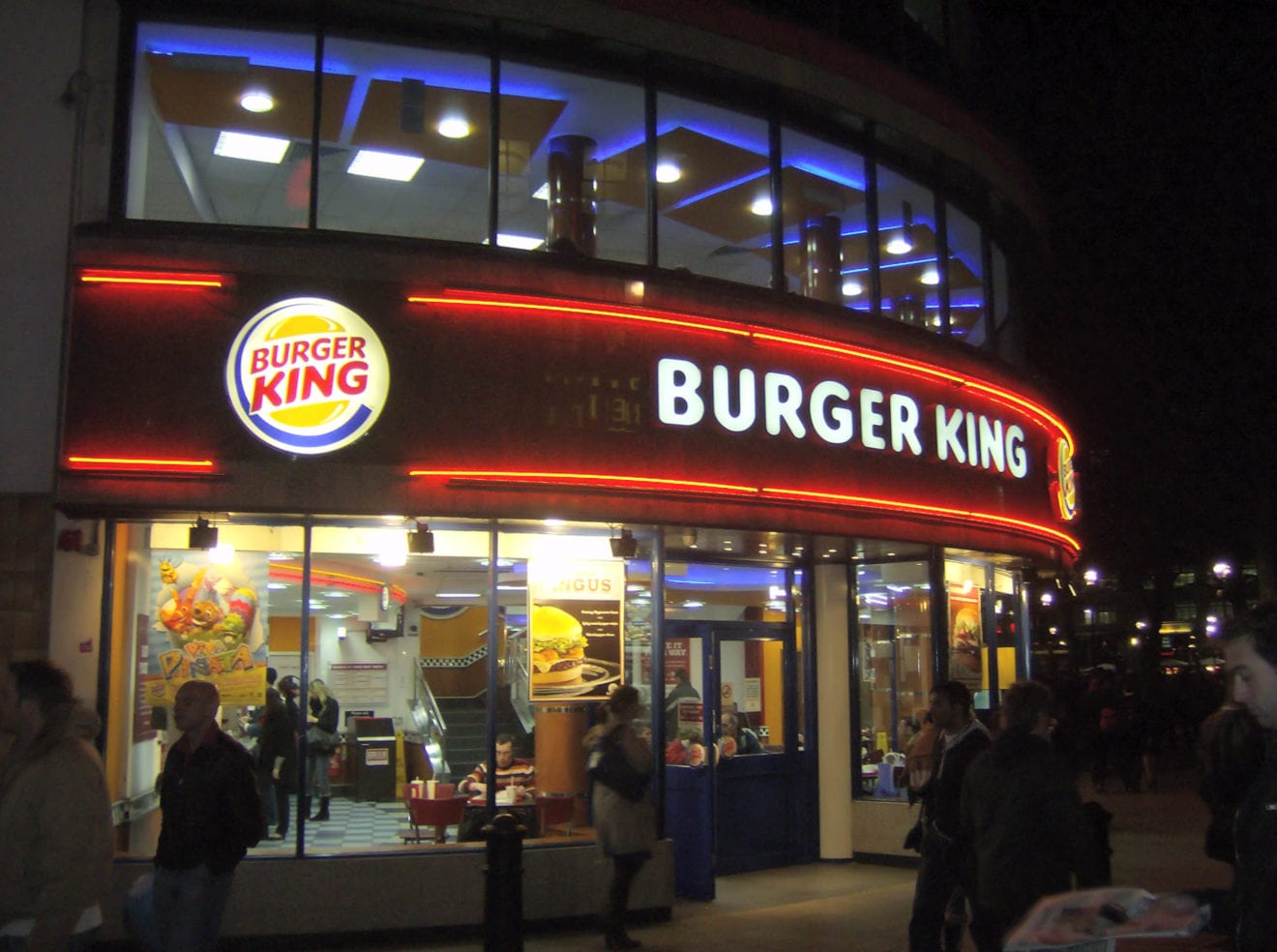
    Burger King Malaysia and Singapore has a new owner after previous franchisor Ekuinas sold out for US$18 million.

    Ekuiti Nasional Bhd (Ekuinas) has sold the operation to Newscape Capital (Newscape) with the agreement of BK Asiapac Pte Ltd, the master franchisor of the Burger King brand in the Asia Pacific region.

    Newscape is an investment company run by experienced retail operators Chua Tia Guan and Lee Thiam Wah. It successfully acquired the rights to Burger King in the two markets after a previous bid by Brahim’s Holdings Bhd was rejected by BK Asiapac in February.

    Abdul Rahman Ahmad, Ekuinas CEO, said the sale would place the Burger King brand with a franchisee with the financial strength and operational expertise to expand the brand’s operations.

    “This exercise has also enabled Ekuinas to successfully complete the restructuring of its F&B portfolio involving our exit from the Quick Service Restaurant (QSR) segment to fully focus and expand on the core Casual Dining and Beverage segments with brands such as Tony Roma’s, Manhattan Fish Market, New York Steak Shack, Coolblog and San Francisco Coffee,” he said in a statement.

    BK Asiapac president David Shear commended Ekuinas’ four year partnership and said the company looked forward to the opportunities working with Newscape.

  • Tim Ho Wan Bangkok opens

    Tim Ho Wan Bangkok opens

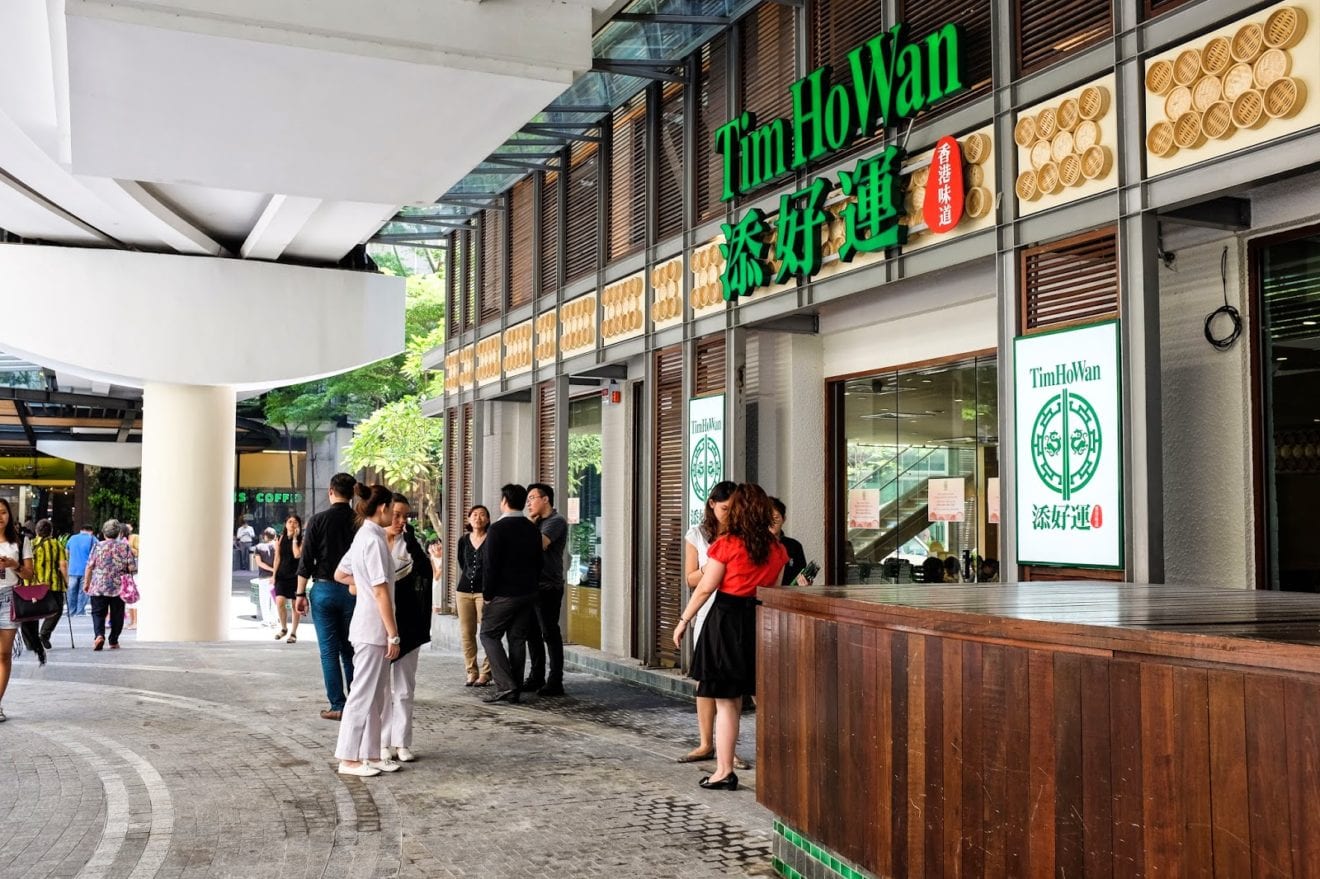
    Famous Hong Kong dim sum restaurant Tim Ho Wan has opened its first Thailand eatery – in downtown Bangkok.

    Tim Ho Wan Bangkok is located in the Terminal 21 shopping centre at Asoke. When it opened its doors this week it drew queues of hundreds of people eager to try the famous dim sum creations of founder Chef Mak.

    Affectionately referred to as “the world’s cheapest Michelin-starred restaurant”, Tim Ho Wan Bangkok is offering meals it says are even cheaper than at its original branch.

    The restaurant features a menu of 25 dim sum dishes, including the four most popular: baked bun with barbecue pork, pan fried radish cake, fluffy steamed egg cake and vermicelli roll with pig’s liver – all priced between 80 and 120 baht ($2.20 and $3.35).

    Chef Mak opened the first Tim Ho Wan in Mongkok in 2009, a small eatery with just 30 seats located in a virtual back alley. It was later awarded a one star Michelin rating.

    He launched the venture after turning his back on a career with a three star fine dining restaurant at the Four Seasons Hotel in Hong Kong called Lung King Heen.

  • Johnny Rockets to focus on Southeast Asia

    Johnny Rockets to focus on Southeast Asia

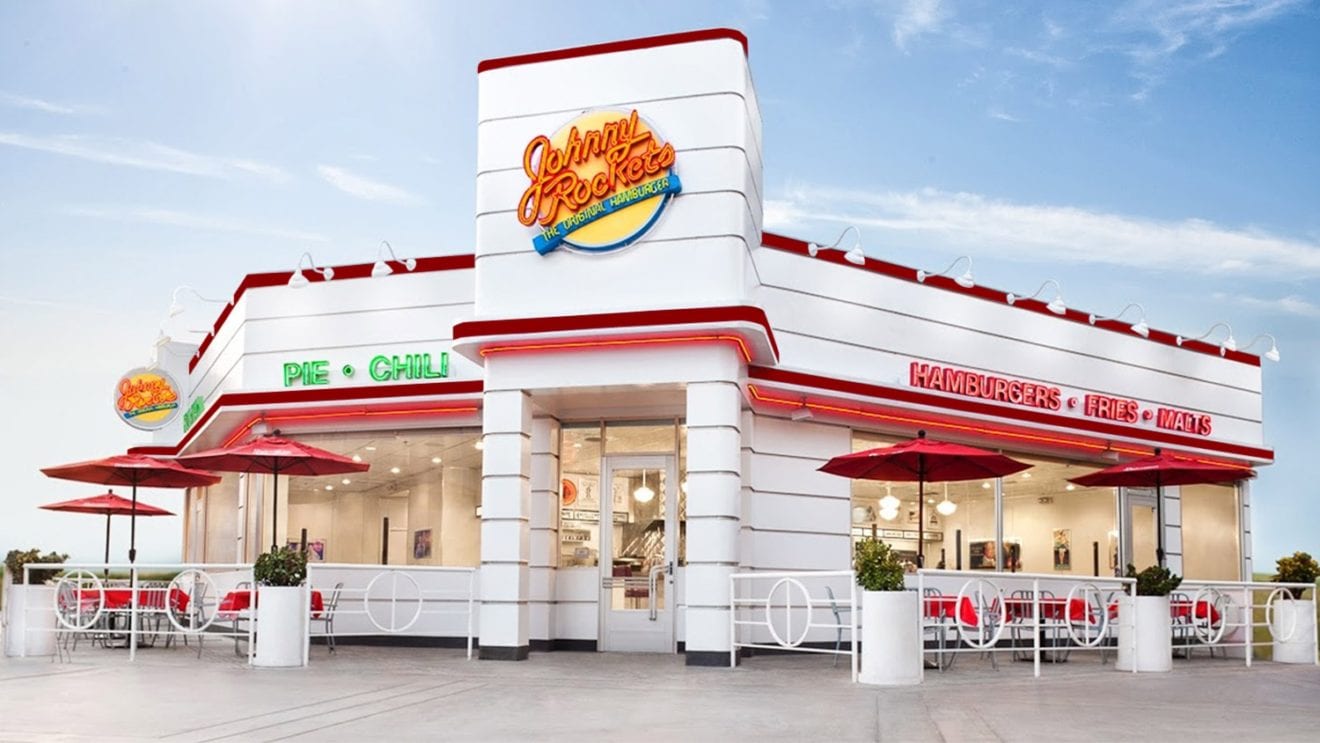
    US burger chain Johnny Rockets says Southeast Asia – particularly Vietnam and Thailand – will be the focus of its global expansion in the short term.

    Based on Johnny Rockets’ “all-ages appeal and current success in the region” the company is seeking area developers for expansion into both new markets.

    “The popularity of American culture and cuisine in Southeast Asian countries is the driving force behind our current success and growth in these markets,” said James Walker, president of operations and development with Johnny Rockets.

    “Due to Thailand’s and Vietnam’s customer base and proximity to other Southeast Asian countries where we operate, we see huge potential for the brand in those countries, and we are actively seeking franchise partners looking for development opportunities.”

    In addition to its Southeast Asia strategy, Johnny Rockets is also seek a partner in entering Hong Kong. Earlier this year, Johnny Rockets announced a 100-restaurant agreement in mainland China, the largest expansion in the company’s history.

    Walker says Southeast Asian consumers have “enthusiastically embraced” American restaurant franchises for years, and that has proven true for Johnny Rockets. The brand currently operates in Indonesia, the Philippines and Malaysia through 14 restaurants and has eight more in development.

    He says Johnny Rockets’ signature American menu, including cooked-to-order hamburgers, crispy fries, hand-spun shakes and sandwiches, coupled with its “Americana experience” appeals to Asians.

    “What we have found is that as the region’s middle class booms, that population segment is looking for and willing to spend more on premium burger concepts. They certainly find that with Johnny Rockets. They also discover and relish our experience and entertainment value.”

  • Jamie Oliver heads to India

    Jamie Oliver heads to India

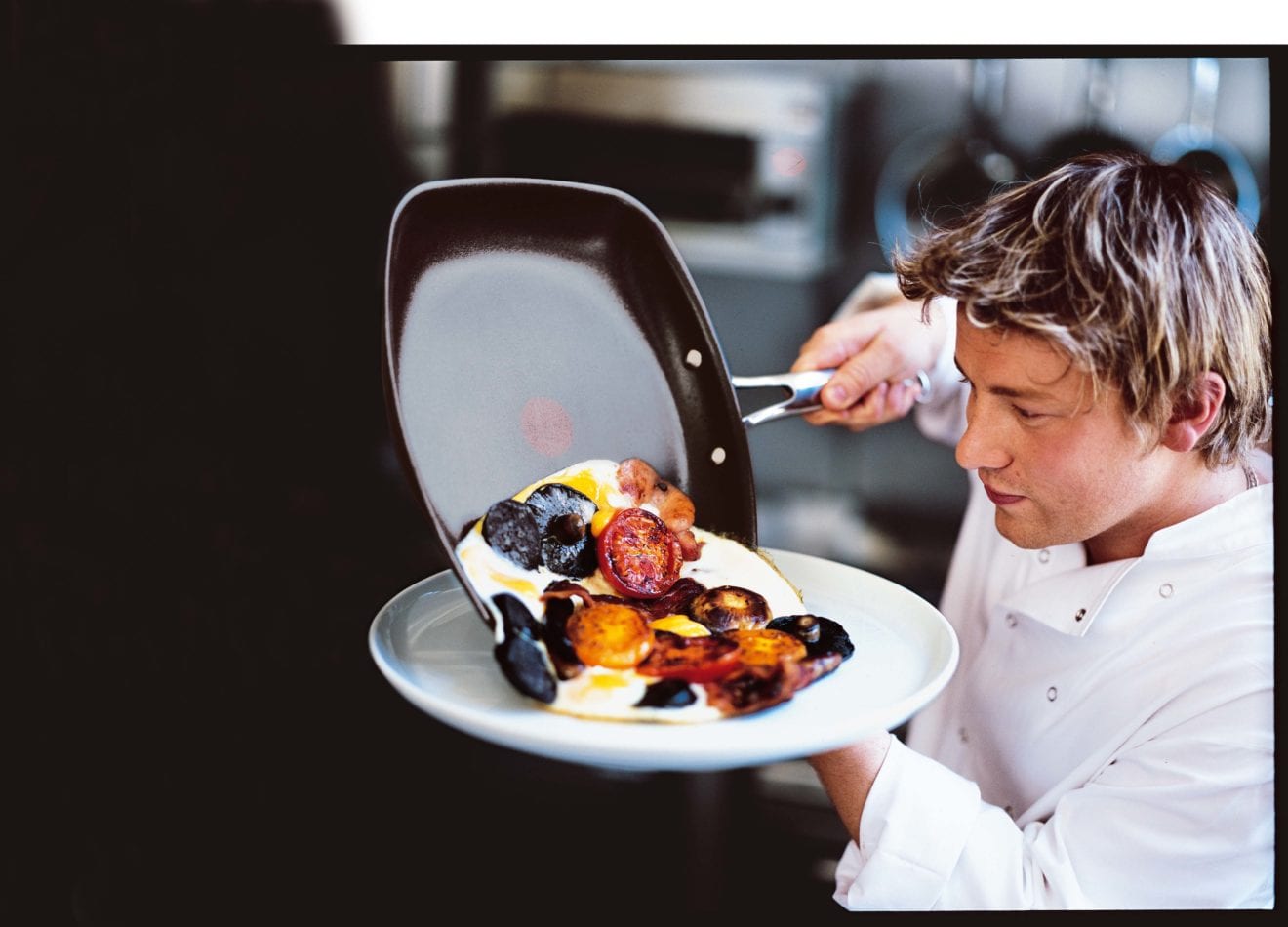
    UK celebrity chef Jamie Oliver is to open his first restaurant in India.

    Jamie’s Pizzeria, a 60 seat restaurant serving pizzas, salads, sides and desserts, will open in Delhi this autumn.

    “I can’t tell you how excited I am to be bringing Jamie’s Italian and Jamie’s Pizzeria to India. Delhi is a vibrant, colourful, buzzing city with an already incredible food scene, so to be opening two restaurants there is a huge honour,” Oliver said in a statement.

    The pizzeria will be the first of several planned for major Indian cities. Oliver already runs 30 restaurants globally, including in the UK, Dubai, Hong Kong, Russia, Australia, Singapore and Toronto.

    The Indian business is a joint venture between Delhi-based Carnation Hospitality, which operates Wendy’s and Barista franchises in India, and UK-based International Market Management.

    “We chose Delhi because we found a great launch site and feel that we can offer something new to the market, this is to say highly accessible, affordable restaurants serving great quality Italian food sourced with the greatest care,” said Jasper Reid, IMM’s founder, in an interview.

    “It’s a fun and easy-going place offering customers the highest quality but at amazing value. The plan is for customers to get a yummy pizza and a drink for around Rs 400 to Rs 450. We feel there may be a gap in the market for this quality and this price,” Reid said.

    He added that the partnership will launch the other Jamie Oliver brand, Jamie’s Italian, in India as well.

  • Genki Sushi takes sushi train high-tech

    Genki Sushi takes sushi train high-tech

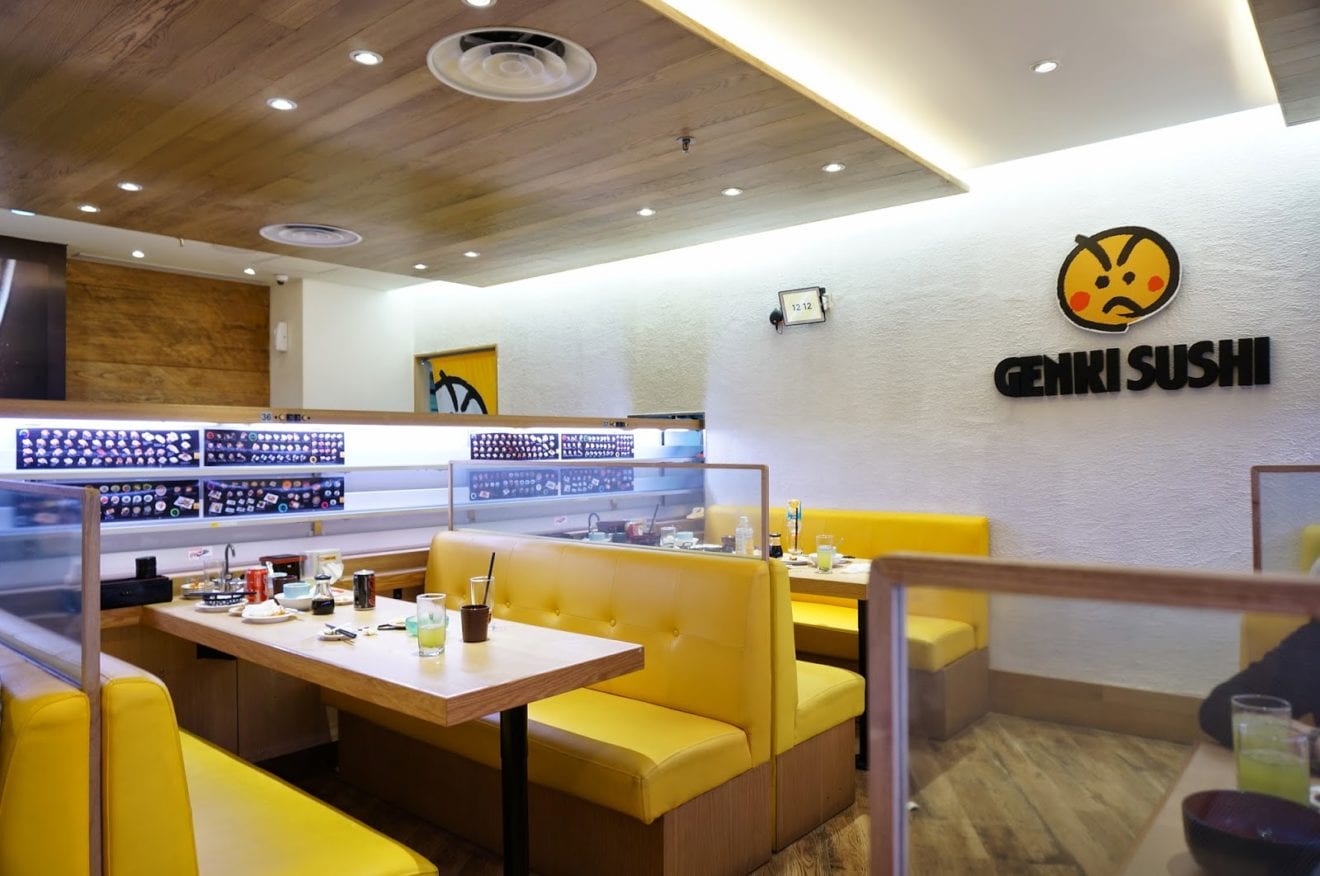
    Hong Kong is home to the world’s first fully-automated sushi restaurant: Genki Sushi uses bullet trains to deliver fresh food to diners’ tables..

    Genki Sushi pioneered the sushi train concept back in 1968, inventing the conveyor belt system to have dishes circulating around diners – a buffet concept where the food comes to you rather than vice versa.

    The model quickly took hold around the world and Genki Sushi was listed on the Tokyo Stock Exchange in 1991 before beginning an international expansion which included Hong Kong in 1995.

    Its newest store – in Tsuen Wan Plaza – features a major technological advance of the 1968 conveyor concept: a three tier kousoku (speed train) where trains shaped like models of the famous Japanese Bullet train zip back and forth from kitchen to tables, delivering food ordered on an iPad.

    The automated system knows how to deliver the food to the right seat thanks to RFID chips embedded underneath the plates.

    There are 24 lines installed in the store and the system can simultaneously serve to to 158 people.

    There is also a takeaway facility where customers can order food on a tablet, pay by Octopus card or PayWave and have their meals delivered on rails to the store entrance.

    Genki Sushi, with 40 stores, the largest sushi train restaurant chain in Hong Kong, plans more automated stores in both the business district and suburbs.

    No word yet on whether the automated eateries will be launched in the company’s other Asian markets, including Singapore, Malaysia and Taiwan.

  • E-Land to launch Coffee Bean China

    E-Land to launch Coffee Bean China

    South Korean retailer E-Land has sealed a deal to launch Coffee Bean China by the end of 2015.

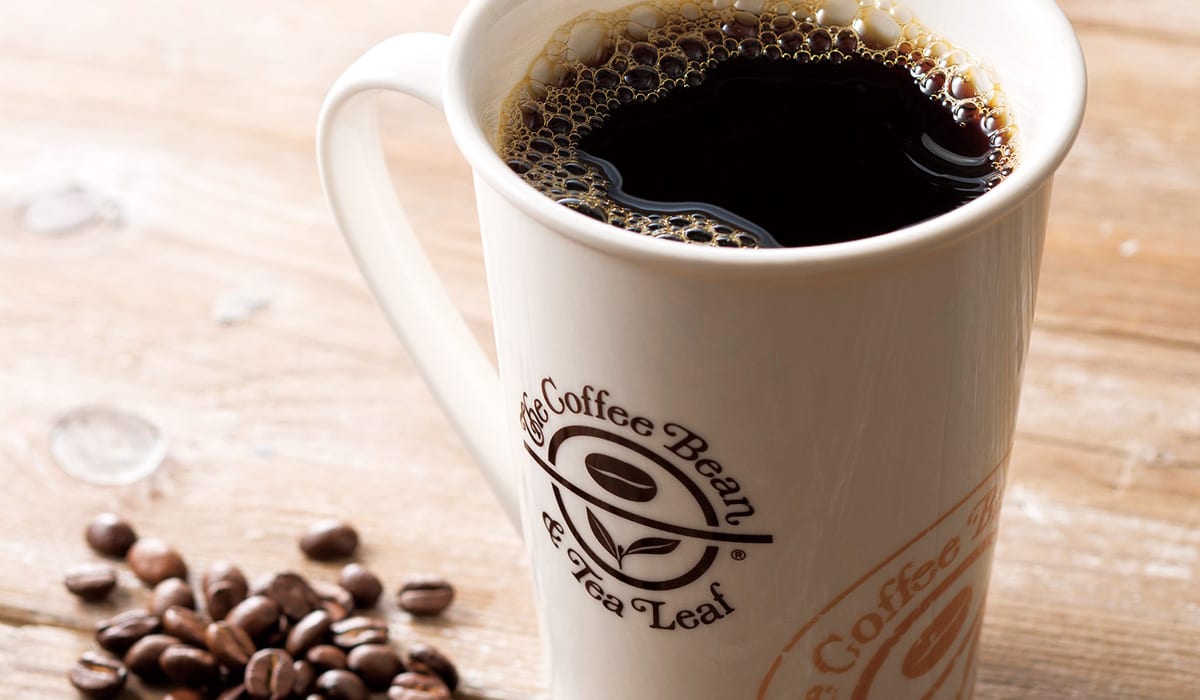
    The California-headquartered cafe chain, also known by its full name Coffee Bean & Tea Leaf, says China will be its 28th international market. The China joint venture plans 700 cafes across the country.

    It has already achieved considerable success in Asia, especially in Malaysia, Vietnam, Singapore and Thailand.

    E-Land operates a vast network of 7000 fashion stores in China and about 20 restaurant brands.

    “Together with E-Land’s vast retail experience and success to ensure our continued growth in China, we’re proud to put our Southern California style of hand roasted coffee and whole leaf teas on the map in yet another country,” said Jeff Schroeder, senior VP of operations at The Coffee Bean & Tea Leaf, in a statement.

    Coffee Bean has more than 1000 cafes in 28 countries and earlier this year opened its first stores in Japan.

    While 700 cafes might seem like a large number in China, it would be dwarfed by rival Starbucks which already boasts 1700 cafes.

  • ThaiBev consolidates all beers into Chang Classic to shake up market

    ThaiBev consolidates all beers into Chang Classic to shake up market

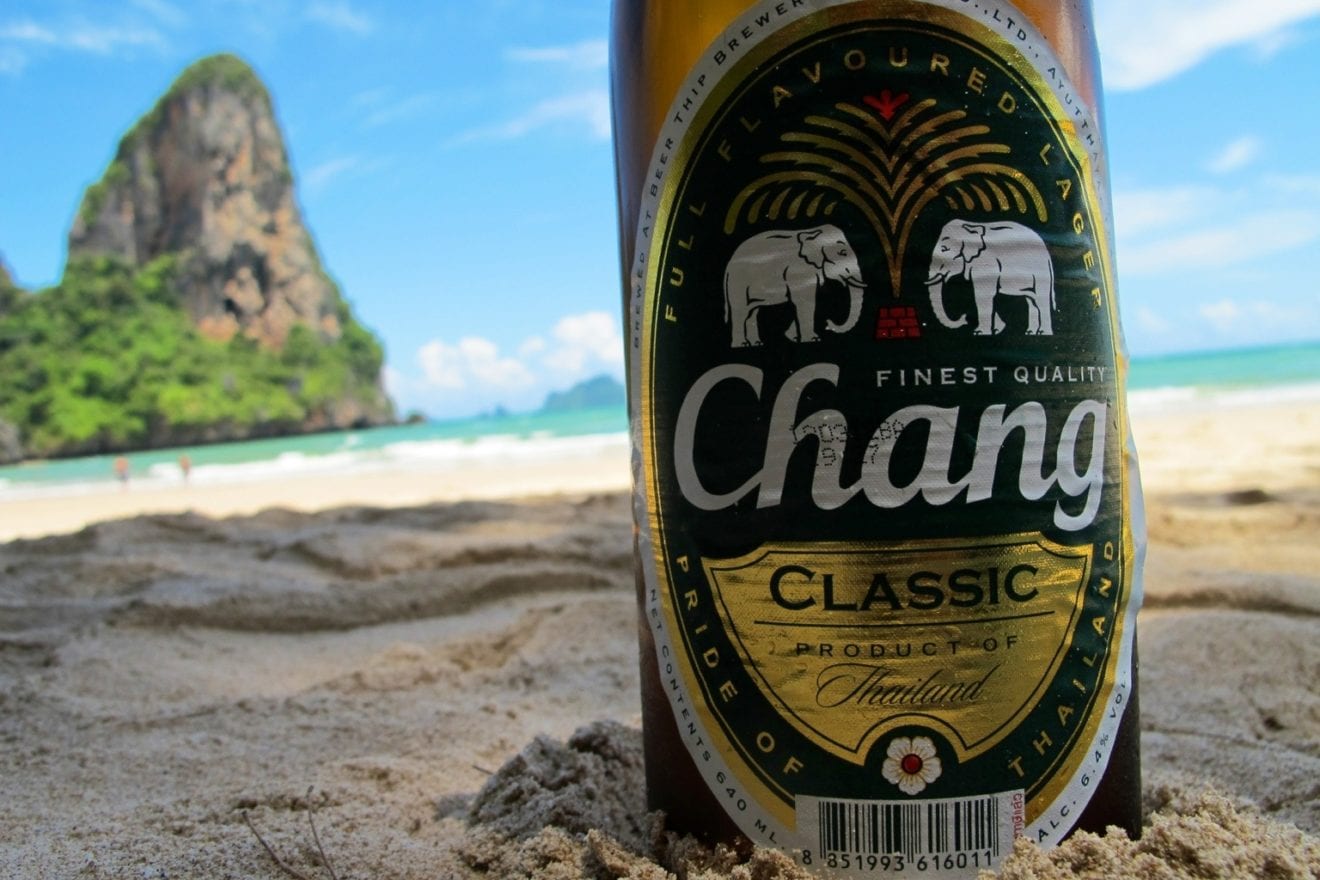
    Thai Beverage (ThaiBev) has consolidated all its beers under the Chang Classic brand in line with its vision to become a “sustainable leader” in the beer and non-alcoholic beverages market in Asean by 2020.

    “We are able to make a perfect liquid for consumers. So, we would like to contribute a single-minded focus actually on one single brand,” Edmond Neo Kim Soon, chief executive officer for beer in Thailand at Chang International Co, said late Wednesday.

    As part of the group’s 2020 vision presented by Thapana Sirivadhan-abhakdi, president and CEO of ThaiBev, to more than 2,000 Chang dealers on Wednesday evening on the occasion of the twentieth anniversary of Chang beer in Thailand, the company aims to increase Chang’s share of the local beer market from about 30 per cent to 45-50 per cent, making it the market leader.

    The company has already given up the distribution of several beer products – Chang Light, Chang Export and Chang Draught.

    The Chang Classic brand will be used for both the domestic market and export markets around the world.

    “We have also launched the new look Chang Classic bottle, with a more elegant and very nice contour and good hand-feel. The new Chang Classic will be easy to drink with only a 5.5-degree alcohol level, down from 6 degrees previously.

    “The new beer is in line with the company’s strategy to deliver products that meet customer needs,” Soon said. The bottle’s colour has also been changed from amber to green to attract more premium and younger drinkers of 20-35 years of age, down from 25-44 previously. The new Chang Classic bottles come in two sizes – 320cc and 620cc – at prices of about Bt34-Bt37 and Bt53-Bt55, depending on the retail outlet.

    Thailand’s beer market is looking to expand 3-4 per cent to about 18 million hectolitres this year after dropping sharply by about 5 per cent last year.

    “We want to grow faster than the overall beer market in Thailand,” he said, adding that the companyhas launched new marketing activities and have been able to increase market share substantially in the past six months. Our market share is as high as 30 per cent currently.

    Thailand is one of the very important markets for Chang. The company will focus on various issues, including those involving image and products, to strengthen its core business.

    “We have a significant presence in many markets in Asean, comprising Thailand, Myanmar, Singapore and Malaysia. We are launching our Chang beer in Cambodia and also looking at the rest of Asean,” he said.

    Vichate Tantiwanich, senior vice president for corporate affairs at ThaiBev, said the company was fully prepared to expand its presence in Asean. The company’s largest brewery in Kamphaeng Phet province is now running at only 50 per cent of capacity.


  • National Gallery Singapore to get new food, retail concept

    National Gallery Singapore to get new food, retail concept

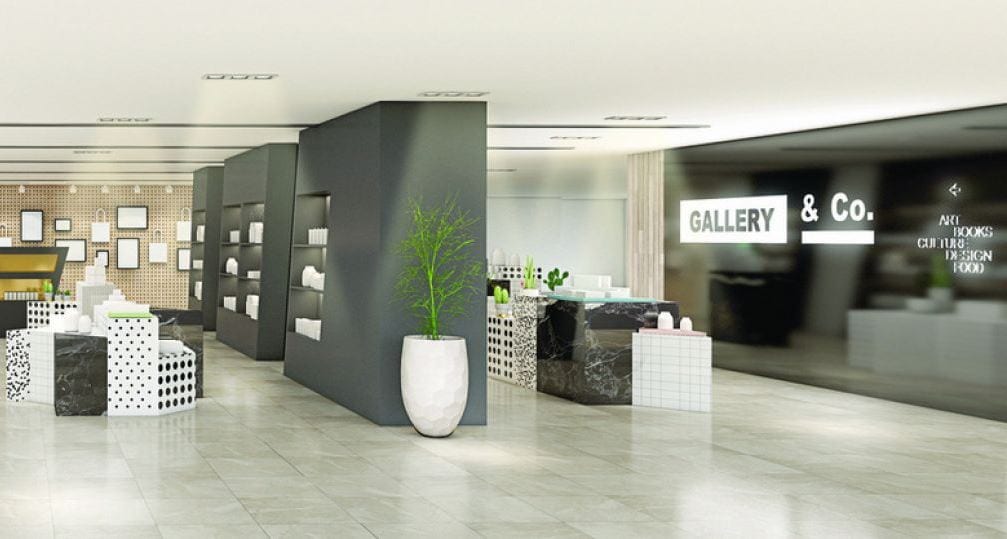
    New retail business ‘& Co’ has partnered with the National Gallery Singapore to create a food and beverage and retail concept called Gallery & Co.

    Inspired by Southeast Asian art and culture, Gallery & Co fuses art and design into a curated retail experience featuring specially designed products for the museum, books, design collectibles and prints, amongst others, as well as a quick-service, casual dining venue (comprising a café and cafeteria). The new space, to open in November, spans the entire frontage of the City Hall Wing on the ground floor, overlooking the historically significant Padang.

    The partners of & Co. are local industry heavyweights Loh Lik Peng (Unlisted Collection), Yah-Leng Yu and Arthur Chin (Foreign Policy Design), along with Alwyn Chong (Luxasia). This new venture combines their diverse experience and depth of expertise, creating a unique platform for cross-disciplinary projects spanning retail, F&B, art, design and culture.

    Leading the culinary direction at Gallery & Co. will be Lik Peng, while Yah-Leng and Arthur oversee the branding, space and product design. Alwyn heads & Co’s retail strategy, forming a dream team with Yah-Leng to direct & Co’s merchandising vision, curate brands and identify exciting collaborations exclusive to Gallery & Co.

    “This collaboration creates a seamless experience for visitors as they extend their art journey into Gallery & Co to shop, read and dine,” said Chong Siak Ching, CEO of the National Gallery Singapore.

    “We are delighted that & Co responded to our brief with a pitch that reflects our unique visitor experience philosophy. We welcome visitors to explore Gallery & Co when it opens, and be among the first to immerse in an experience that is unique to National Gallery Singapore.”

    With Chef Sufian Zain of Restaurant Ember as consultant chef, the cafeteria’s menu will feature the distinctive flavours of Southeast Asia, reinterpreted with his signature pared down style. The café offers cakes, coffee and sweets from choice local purveyors and artisans, a perfect respite between exhibition hopping and a gathering place for friends.

    “At Gallery & Co, we want to dispel the elitist stigma associated with art,” said Arthur Chin.

    “Being the first-ever museum shop in the world to house a bookstore, F&B establishments and retail in one continuous space, we hope to create a dynamic visitor experience that not only bookends a visit to the National Gallery Singapore, but is also a destination in its own right. By curating and purveying products that provoke curiosity and inspire, we hope to make art accessible to everyone.”
  • Corrupt Chinese supermarket exec jailed

    Corrupt Chinese supermarket exec jailed

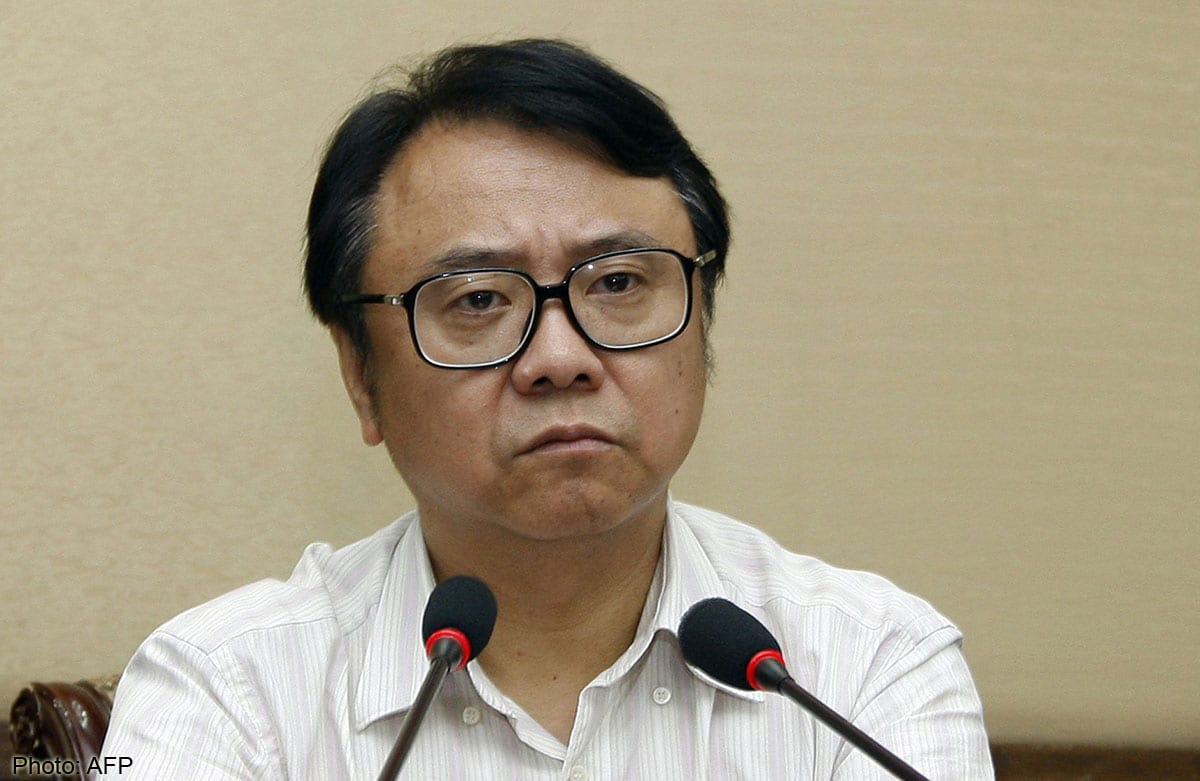
    The former chairman of China’s Bright Food Group has been found guilty of embezzling US$31 million between 2000 and 2006 when he was chairman of Shanghai Lianhua Supermarket Holdings Ltd.

    Corrupt Chinese businessman Wang Zongnan was sentenced by the People’s Court in Shanghai on Tuesday to 18 years in prison for embezzlement and accepting bribes.

    According to the court hearing, Zongnan had accepted 2.69 million yuan in bribes, hiding the money through the purchase of two villas.

    In 2003, Wang’s parents bought two villas in Shanghai for 2.08 million yuan, 2.69 million yuan below the market price. The sellers were associated to a subsidiary of a company that had owed Wang a favor, according to the verdict. Wang sold the two villas in 2010 and 2013 for 14.8 million yuan in total.

    In the ruling, the court ordered that 1 million yuan of Wang’s personal property be confiscated and more than 12 million yuan in bribes and illegal earnings be returned.

  • Jollibee opens 3000th store

    Jollibee opens 3000th store

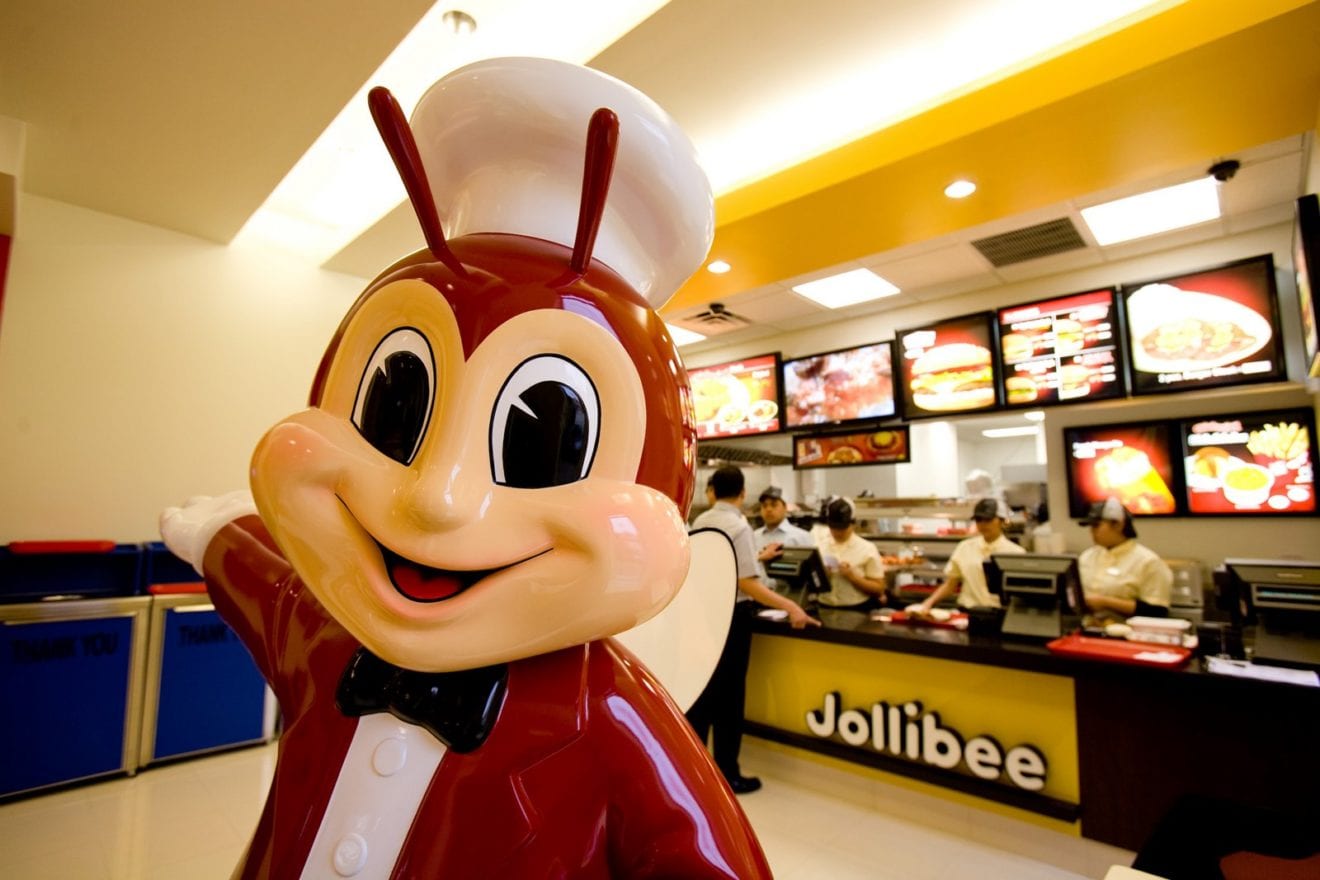
    Philippines-based fast food chain operator Jollibee Foods has surpassed the 3000 store milestone as it reports a 7.4 per cent increase in net income for the first half of 2015, to P2.7 billion (US$58.5 million).

    Sales rose 9.5 per cent, but increased cost of raw materials squeezed profit growth.

    Having reached the 3000 store milestone, the company has no plans to slow its growth.

    “We are on track to open at least 200 new stores in one year in the Philippines, the first time we will able to do so,” said JFC CEO Ernesto Tanmantiong said in a statement.

    “Historically, we were opening 100 new stores per year in the country. We look forward to opening 300 new stores worldwide this year, also a first in our history, with 100 abroad, the bulk of which will be in the People’s Republic of China,” he added.

    “We look forward to JFC’s resurgence to double-digit sales growth in the quarters and years ahead.”

    CFO Ysmael V. Baysa said the group hopes to achieve double-digit growth in 2016 due to the network expansion and improved margins.

    “Raw materials prices are [now] declining, however their benefits on profit margins have been offset by high levels of inventories of materials with still high prices. We deliberately increased our inventories in the Philippines starting in 2014 as a safety measure during a major new system implementation, and as a way of dealing with the logistics and delivery challenges in the country,” Baysa said.

    Jollibee has 2374 outlets in the Philippines and 627 overseas – 3001 in total.

  • Starbucks tests smart smartphone case

    Starbucks tests smart smartphone case

    Starbucks Japan is involved in a unique trial which allows customers to order and pay for their coffee with a swipe of their phone.

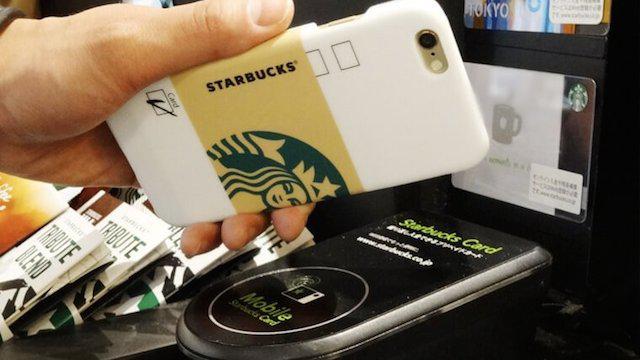
    The concept uses a branded smartphone case which is preloaded with the customer’s preferences.

    Trend monitoring website Springwise.com reports the Starbucks Touch phone case was developed in collaboration with Japanese clothing brand Uniform Experiment, and can currently be used in two Starbucks branches in Japan.

    The case – made for iPhone 6 – is designed to resemble a Starbucks coffee cup and features the brand’s iconic logo. It works like a prepaid Starbucks loyalty card, letting customers make cashless coffee purchases. It also enables users to save their preferred store and favorite beverage via a companion app. Upon arrival, customers simply launch the app and place their order, settling up by touching their phone case on the contactless payment device.

    The Starbucks Touch is available online for JPY 3000, or about US$25.

  • Joe and the Juice Singapore-bound

    Joe and the Juice Singapore-bound

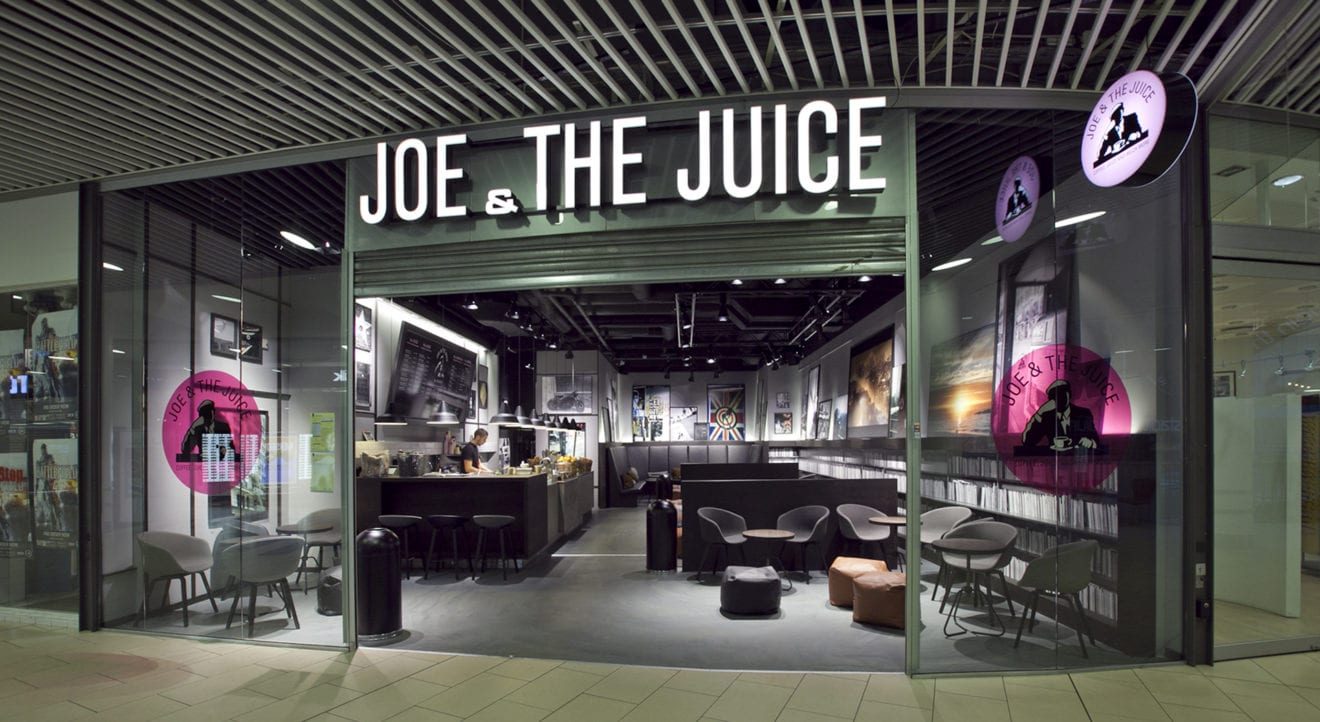
    Danish chain Joe and the Juice will make its Southeast Asian debut in Singapore in the last quarter of this year.

    The hip juice bar brand will be brought to Singapore by Norbreeze Group, a retail specialist which incubates brands to unlock their growth potential.

    Two juice bars are scheduled to open in the leadup to Christmas, marking the brand’s first Southeast Asian stores after what Norbreeze describes as its “phenomenal success” in its home market of Denmark and broader Europe.

    “Norbreeze Group’s introduction of Joe and the Juice to Singapore is timely, with a distinctive shift towards healthy diets and lifestyles in the market,” the company said in a statement.

    “One of the very few contemporary cafe concepts in the world to offer fresh made to order fruit and vegetable juices, coffee and sandwiches, Joe and the Juice has become an overnight sensation across Europe as a pioneer with its unique concept to tap into the global juicing phenomenon.”

    Joe & the Juice will join brands like Daniel Wellington, Bering, Cath Kidston and Cocomi in Norbreeze Group’s portfolio of retail brands.