Retail News CRM

Category: Food

Retail News Asia is committed to providing both local and global retailers with the latest Food and Food & Beverage news throughout the Asian market. This on a daily base.

  • Sister brands make plans to enter Philippines

    Sister brands make plans to enter Philippines

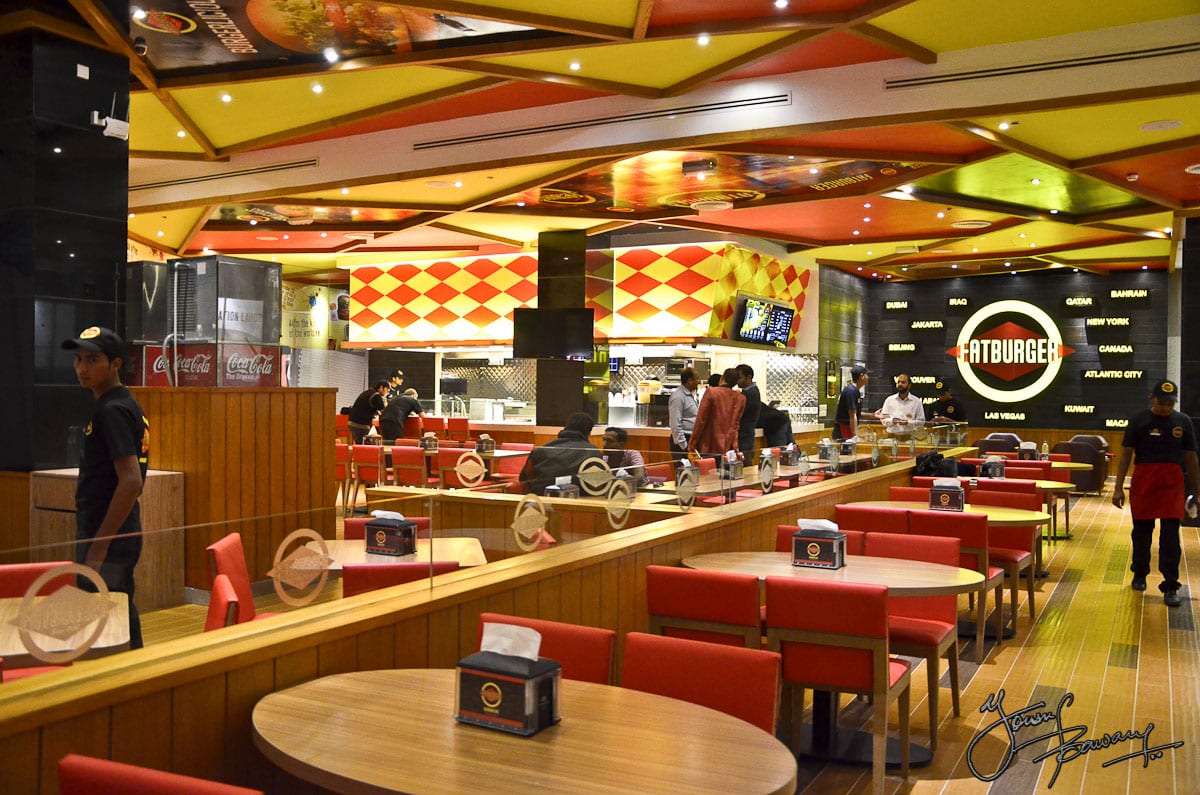
    Fatburger and its sister brand, Buffalo’s Café, have signed a master development agreement with Trimark Holdings Inc., a retail operator throughout the Philippines with a portfolio of more than 40 brands and 300 stores.

    What originally was a deal to develop pure Fatburger restaurants has now changed with plans to develop 16 co-branded Fatburger and Buffalo’s units to the area in addition to freestanding Buffalo’s locations, according to a company press release. The two companies struck a deal earlier last year to bring the burger brand to the Philippines.

    “The economy in the Philippines has seen significant growth in the past few years and shows a great amount of potential for both of our restaurants,” said Andy Wiederhorn, CEO of Fatburger and Buffalo’s Cafe. “Due to Trimark Holdings being so familiar with brand expansion in the country, we will be able to better connect with our audience resulting in our menu being well received.”

  • Competition cramps Country Style

    Competition cramps Country Style

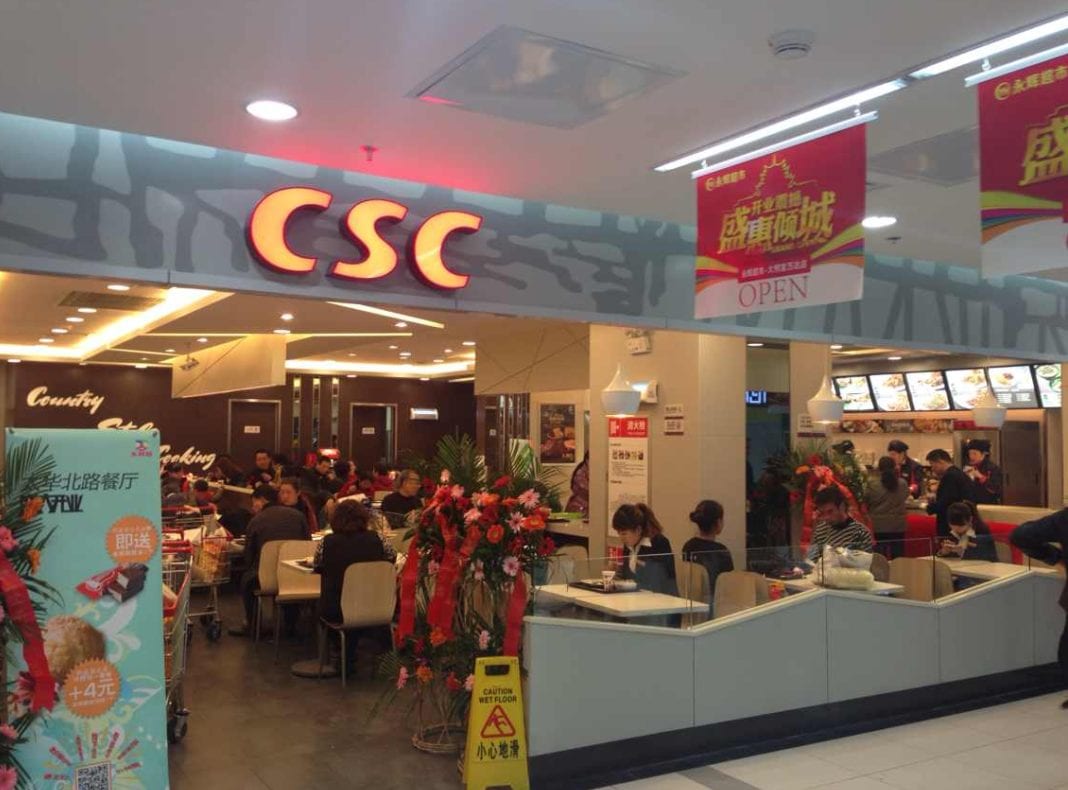
    Country Style Cooking Restaurant Chain, a quick service restaurant operator in China, says sales fell in the third quarter, despite the opening of 10 new outlets.

    In the three months to September 30, the company expanded its network to 355 restaurants,a net 23 more than a year ago. The new openings included six under the brand name Mr Rice.

    Country Style Cooking said it currently anticipates its revenue for the third quarter of 2015 to be about RMB388 million (US$61 million), compared to RMB409.1 million (US$64 million) in the same quarter of 2014.

    “The lower-than-expected revenue was mainly due to the intensified competition, which also negatively impacted the company’s quarterly same store sales,” it said in a statement.

    It plans to report its third quarter 2015 results in mid-November.

    Country Style directly operates all of its restaurants under brands of CSC and Mr. Rice and is the largest quick service restaurant chain in Chongqing municipality, the home of Sichuan cuisine.

  • Cold Stone Creamery Cambodia plans 13 stores

    Cold Stone Creamery Cambodia plans 13 stores

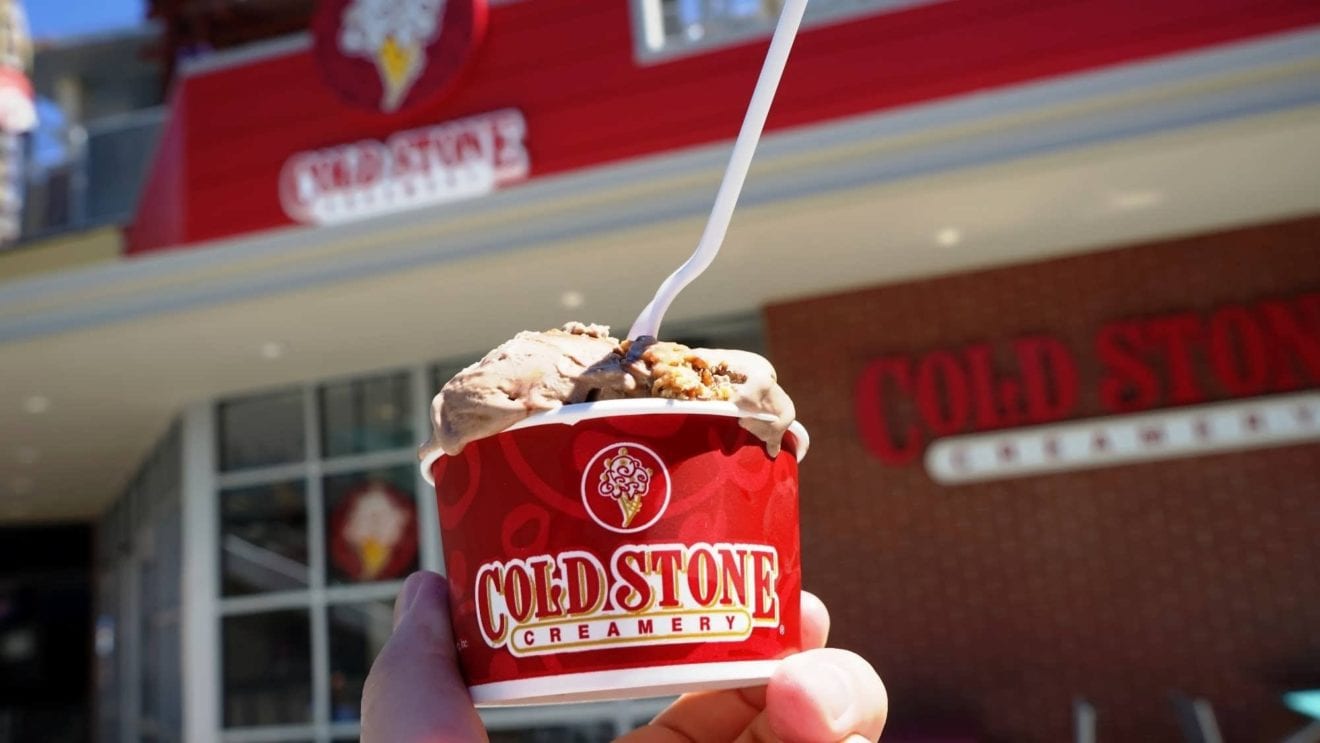
    Kahala Brands has appointed a master franchisee for Cold Stone Creamery Cambodia, with the first store set to open in six months.

    Over the next five years, 13 Cold Stone Creamery locations will open in Cambodia, the first scheduled for the capital city Phnom Penh sometime during the next six months.

    TH Group has won the master franchise rights to open locations throughout Cambodia.

    TH Group is a leader in the automotive market, with over 20 years of experience in Cambodia. It holds 35 per cent of the auto market share in the country, making it the largest importer/wholesaler of US automobiles in Cambodia, selling new and used luxury cars.

    “Our economic growth here in Cambodia has risen and to us, that implies that the standard of living is improving here,” said Hav Norm, MD of TH F&B Co.

    “Therefore, the people of Cambodia are looking for premium, high-quality brands that they can indulge in and trust. Cold Stone Creamery is a super-premium brand that will be a perfect fit in our market.”

    “We are extremely confident in TH Group as they have more than 20 years of experience in Cambodia and have great in-depth and comprehensive knowledge of the marketplace,” said Eddy Jimenez, senior VP of international operations and development at Kahala.

    “TH Group understands consumer demands, preferences and perceptions, making it a business leader in its country.”

    Cold Stone Creamery has continued to make strong key moves into the international market over the last decade. Today, Cold Stone Creamery stores are operating in over 300 international locations and in 26 countries abroad, including Japan, the Philippines, Kuwait, Qatar, Trinidad, Nigeria, Egypt and Indonesia. Kahala signed up a master franchisee in Vietnam in June.

  • KAfe Group wins funding for Vietnam store rollout

    KAfe Group wins funding for Vietnam store rollout

    KAfe Group, which describes itself as Vietnam’s “first urban fusion cafe chain” has secured US$5.5 million financing from institutional investors in London and Hong Kong.

    The Series A financing, led by Cassia Investments, will be used to fund rapid expansion of KAfe Group’s network beyond Hanoi to Ho Chi Minh City and other cities throughout the Vietnam. KAfe Group is eyeing an overseas public listing at a later stage for further expansion in the country.

    Founded in 2013 by Chi Anh Dao, a Vietnamese home chef, cookbook author and TV cooking personality, KAfe Group is the first urban fusion cafe chain in Vietnam. Targeting young, affluent and trendy customers, it offers “a fresh, affordable and quality casual dining experience”, with culinary inspirations from Vietnam and across the globe.

    KAfe Group offers a healthy and balanced, fresh and seasonal menu featuring quality ingredients served at modern, stylish outlets for “a delightful all-day dining experience”.

    The group has developed and operates four brands – The KAfe, KAfe Village, KAfe Box, and The Burger Box – and is currently developing its own branded coffee and tea range (The KAfe Cup), as well as a pressed juice range (The KAfe Pressed). Dao leads a young, international management team with the skills and experience to manage the expansion.

    the KAfe

    In just two years, the group has built a chain of 12 outlets in Hanoi and four in Ho Chi Minh City. It plans to have 26 by the end of the year.

    Dao said KAfe Group has undergone phenomenal growth in a very short period, which validates its unique positioning and the associated first-mover advantages gained as a result.

    “Our highly-focused vision is to utilise KAfe Group’s multi-national background, multi-brand, uniquely positioned strategy with a ‘quality-first’ principle as the primary vehicle for bringing a safe and healthy local farm-to-table food revolution countrywide.

    “In the future, we plan to expand our network aggressively, roll out multi-channel online and offline marketing promotions and delivery service, and expand our chef team. It is also our main goal to improve our operational efficiency. One of our key strategies to achieve that is to enhance our logistics and supply chain, building a KAfe Group ecosystem by acquiring local organic farms in Vietnam to build our own stable and quality supply chain of fresh, clean produce from farm to table,” she said.

    “All these initiatives will help us carry out our mission to make KAfe Group the country’s leading cafe-restaurant chain within five years, to deliver our value in high quality food and service to more and more customers nationwide and beyond.”

    the KAfe menu


    “We are very impressed by the vision and energy of Chi Anh Dao, her success in introducing a new dining experience to Vietnam, the unique positioning of KAfe Group, and the quality of the management and operations team,” said Faris Ayoub, managing partner of Cassia Investments, a consumer-focused private equity firm investing in companies across Greater China and Southeast Asia.

    “We see strong potential in the company and are looking forward to working closely with Chi Anh and Dennis (Nguyen, KAfe’s chairman) to help ensure the continued success of KAfe Group.”

    Vietnam is one of the fastest-growing economies in Asia, with average GDP growth of 6.15 per cent from 2000 to 2015Q3. Its annual per capita income is tipped to grow at an estimated CAGR of 7.6 per cent between 2009 and 2019. Growing disposable income has resulted in a huge demand for a higher quality of living. This translates to demand for a higher quality of dining, in terms of novelty, taste and diversity of food, environment and service, and an emphasis on health.

    the KAfe inside

  • The Macallan pop up tours Asian cities

    The Macallan pop up tours Asian cities

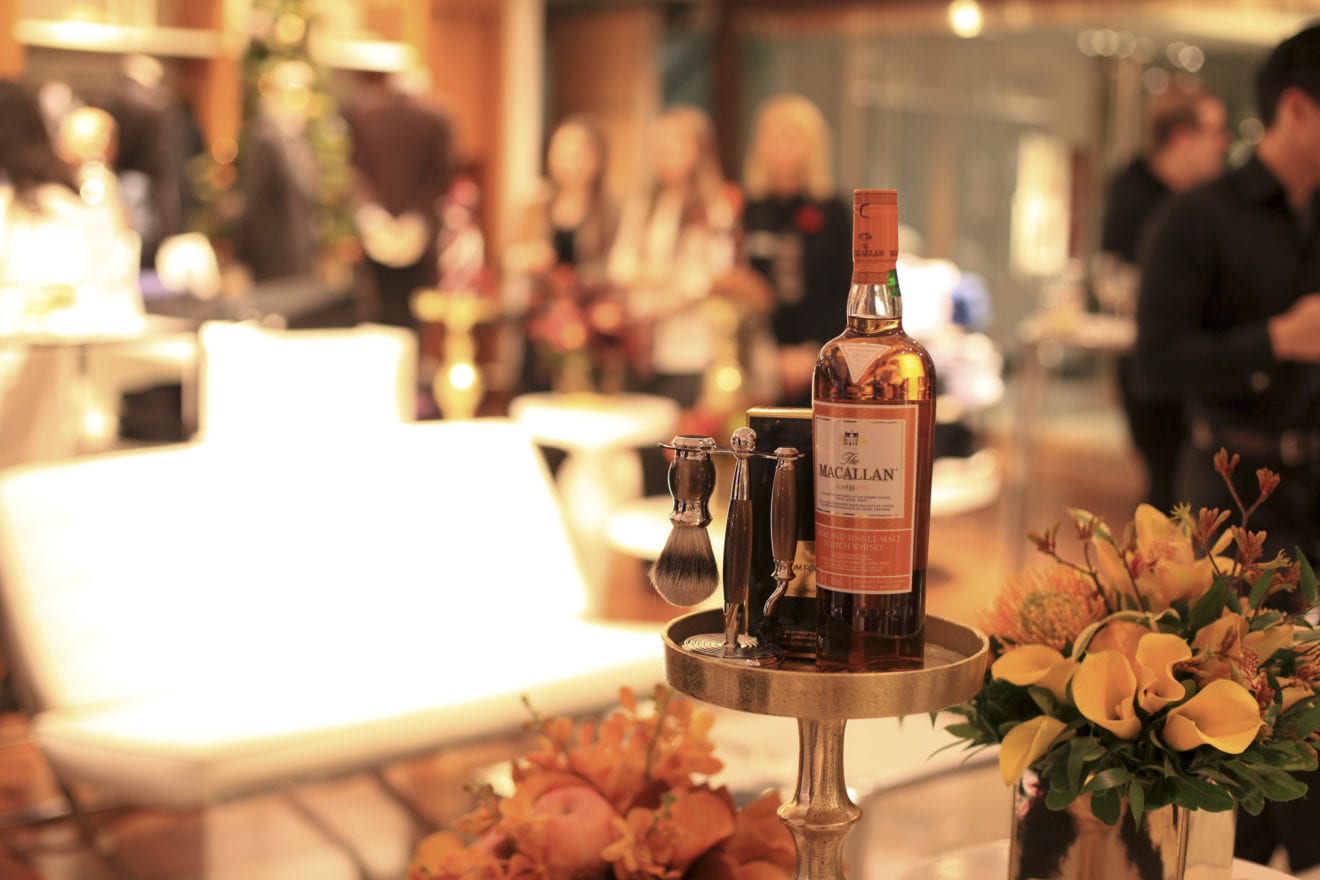
    A 465 sqm pop up store promoting Macallan single malt whisky is touring major Asian cities.

    Designed by agency Fitch, the unique pop up is by day a shopping and exhibition area, open to any walk-in customers. In the evening, the space is transformed into a bar offering reserved tasting sessions. Guests have the opportunity to enjoy The Macallan, talk with whisky experts, and connect with like-minded connoisseurs.

    After a month inside Shanghai’s Jing An Kerry Centre, the pop up moves to Taipei’s Dunhua South Rd on October 21 for a month, and then on to Seoul and Singapore.

    Fitch says the pop up is designed to take guests “on a journey of discovery with The Macallan, through a highly interactive and sensorial experience”.

    Macallan’s regional brand director, Coral Gill, says the Toast The Macallan pop up is a regional consumer engagement program that serves as a distinctive platform for The Macallan to reach and connect with more consumers.

    “Toast the Macallan is into its second year in the region and this event in Shanghai was the first time this exclusive event was run for 30 days, allowing even more consumers to engage and share the experience with the brand.”

  • Marrybrown expands to Singapore

    Marrybrown expands to Singapore

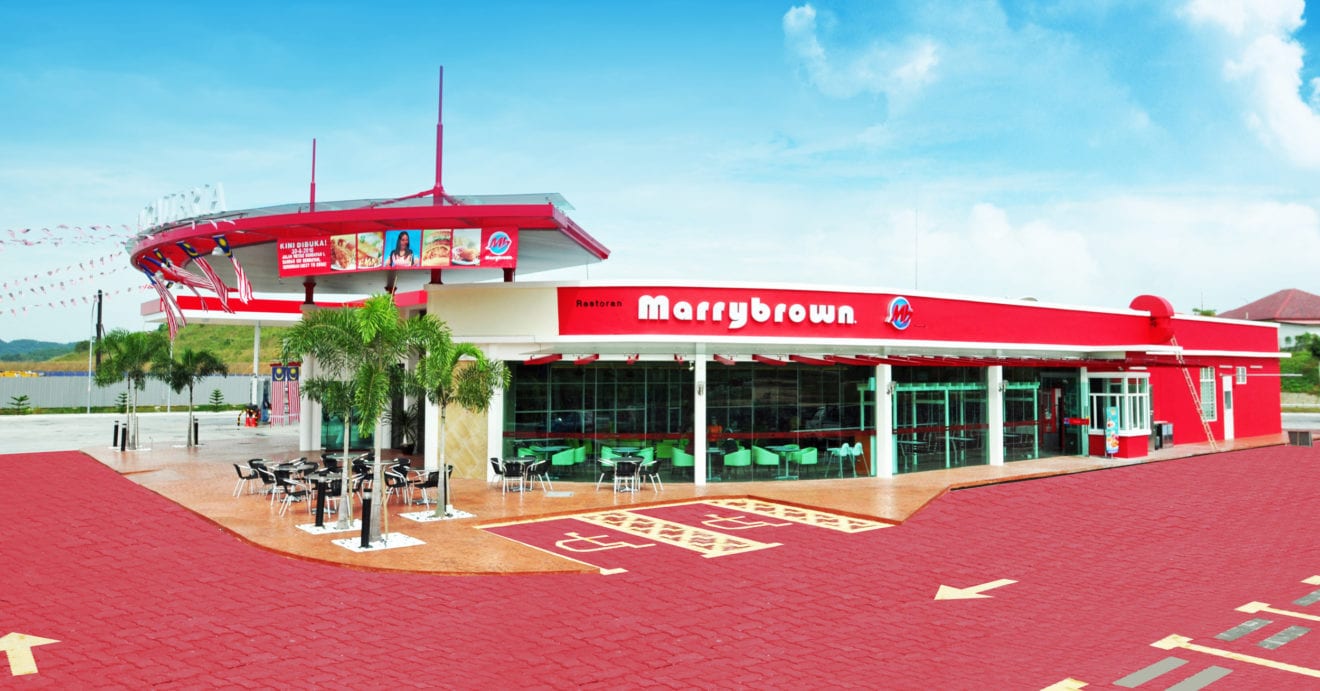
    Malaysia’s Marrybrown has opened its first restaurant in Singapore.

    Marrybrown Singapore has made its debut at the iFly in Sentosa and is the first of a network of 20 stores planned for the city lover the next five years.

    Founded in 1981 and the first Malaysian fast food chain to franchise its business system, the company now boasts 350 outlets. It began serving fried chicken, burgers, finger food, desserts and drinks – all halal – and has now expanded its offer to include local food such as seafood and rice based meals, noodles and the famous Malay dish nasi lemak (sold as Nasi Marrybrown).

    Marrybrown has more than 130 restaurants in Malaysia with the balance overseas, including in China and India. It is expected to open its first outlet in Yangon, Myanmar soon.

    Marrybrown CEO Dato Joshua Liew said many Singaporeans love delicious food, especially Malaysian food.

    “We are proud to open in Singapore and we attribute this success to our unique food culture that tempts the tastebuds of many consumers.”

  • Smashburger sells 40% of the company to Jollibee Foods Corporation

    Smashburger sells 40% of the company to Jollibee Foods Corporation

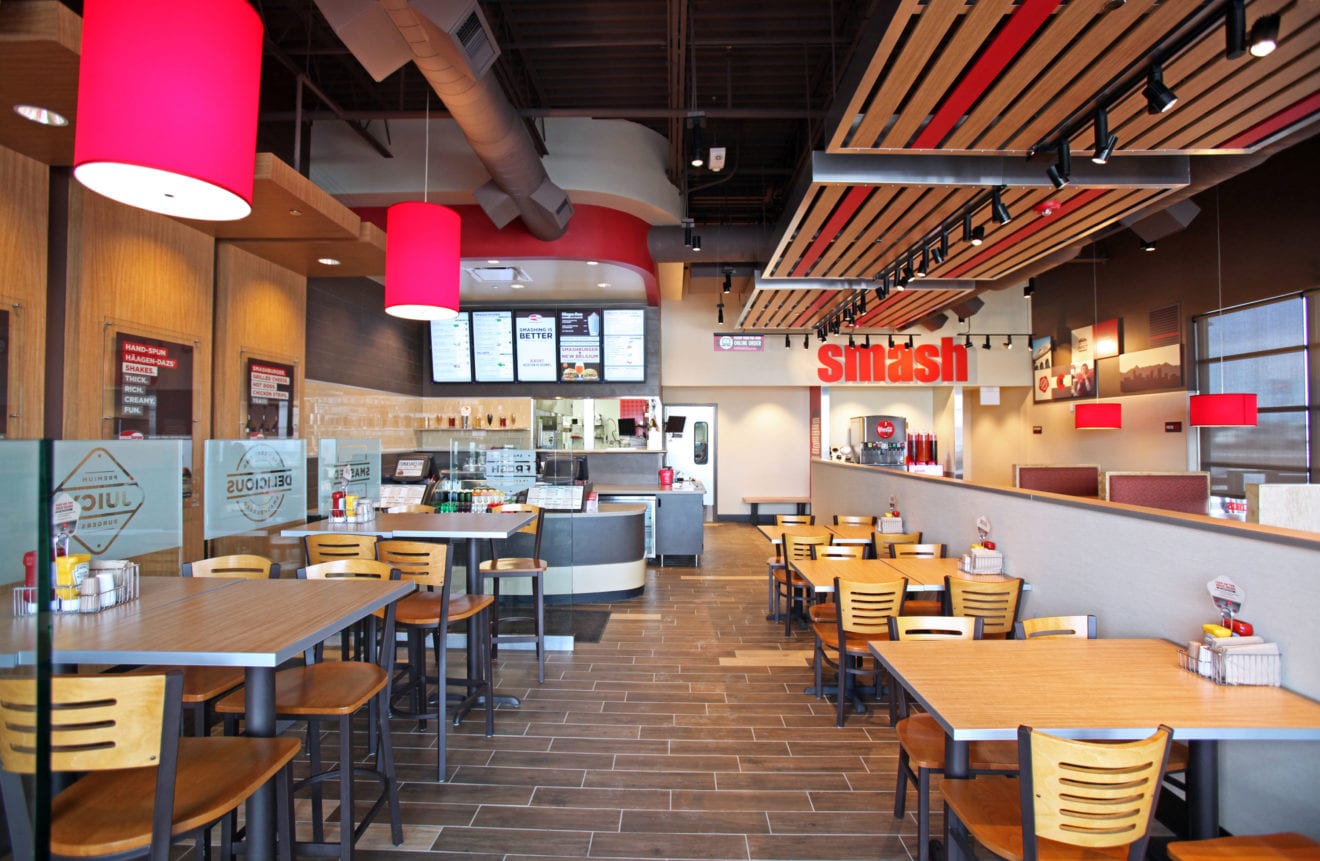
    Smashburger, the Denver-based Fast Casual restaurant concept, today announced that it has entered into a definitive agreement to sell 40% of the company to Jollibee Foods Corporation (PSE: JFC), Asia’s largest restaurant company. The purchase price values Smashburger at a $335 million enterprise value.

    Launched in 2007, Smashburger has over 335 corporate and franchised restaurants operating in 35 states and seven countries. Approximately 60% of Smashburger is company owned and operated. Smashburger continues to grow at a rate of 20% annually.

    Jollibee Foods Corporation, a publicly-traded market leader in the Philippines, has been actively seeking an investment in a leading U.S. growth brand. Jollibee Foods Corporation currently operates and franchises a network of over 3,000 restaurants worldwide under the trade names Jollibee, Chowking, Greenwich, Red Ribbon, Yonghe King, Hong Zhuang Yuan, Mang Inasal, Burger King Philippines, San Pin Wang, Jinja Bar. Jollibee also has a 50% interest in the Super Foods Group, which operates and franchises restaurants under the Pho 24 and Highlands Coffee brands throughout Vietnam.

    “We at Smashburger are excited about our new strategic partnership with Jollibee,” commented Rick Schaden, Chairman and Co-Founder of Smashburger. “As founders and entrepreneurs we both have built teams that focus on bringing the highest quality and best tasting food to our restaurant categories. Founder and Chairman, Tony Tan Caktiong and I share a true passion for the restaurant business having opened and operated our very first restaurants, we believe our companies still cultivate that spirit today as we initiate this partnership.”

    JFC Chairman Mr. Tony Tan Caktiong gave the following statement: “Smashburger is one of the fastest growing restaurant brands in the US and we are very excited to work side by side with the owners and management of Smashburger as we continue its growth. This acquisition will make JFC’s presence in the US more significant, going beyond the Filipino market and serving mainstream consumers in the $100 billion US burger market, a food segment which is estimated to be almost three times larger than the pizza, sandwich or coffee segment in terms of sales. This acquisition will make the US one of JFC’s most important markets and drivers of long term growth along with the Philippines, China and other Asian markets abroad.”

    “This partnership will provide additional energy and resources to Smashburger as we expand,” said Scott Crane, President and CEO, of Smashburger. “The team at Jollibee is focused on the same values as our company, which are to serve the highest quality food and provide a great dining experience for our guests.”

    Smashburger was counselled by North Point Advisors as financial advisor and Paul, Weiss, Rifkind, Wharton & Garrison as legal and JFC was advised by J.P. Morgan as financial advisor, Pillsbury Winthrop Shaw Pittman LLP as legal advisor, and Isla Lipana & Co./PwC as accounting and tax advisor in this transaction.

  • InBev-SABMiller tie-up would include China’s biggest beer

    InBev-SABMiller tie-up would include China’s biggest beer

    A potential prize for AB InBev in its bid for SABMiller is a Chinese beer that is the world’s biggest seller. But any deal will face Chinese regulators who have barred the two brewing giants in the past from cooperating.

    China already drinks one-quarter of the world’s beer and is the focus of intense foreign interest because even with its economy cooling, demand is growing while Western markets are flat or declining.

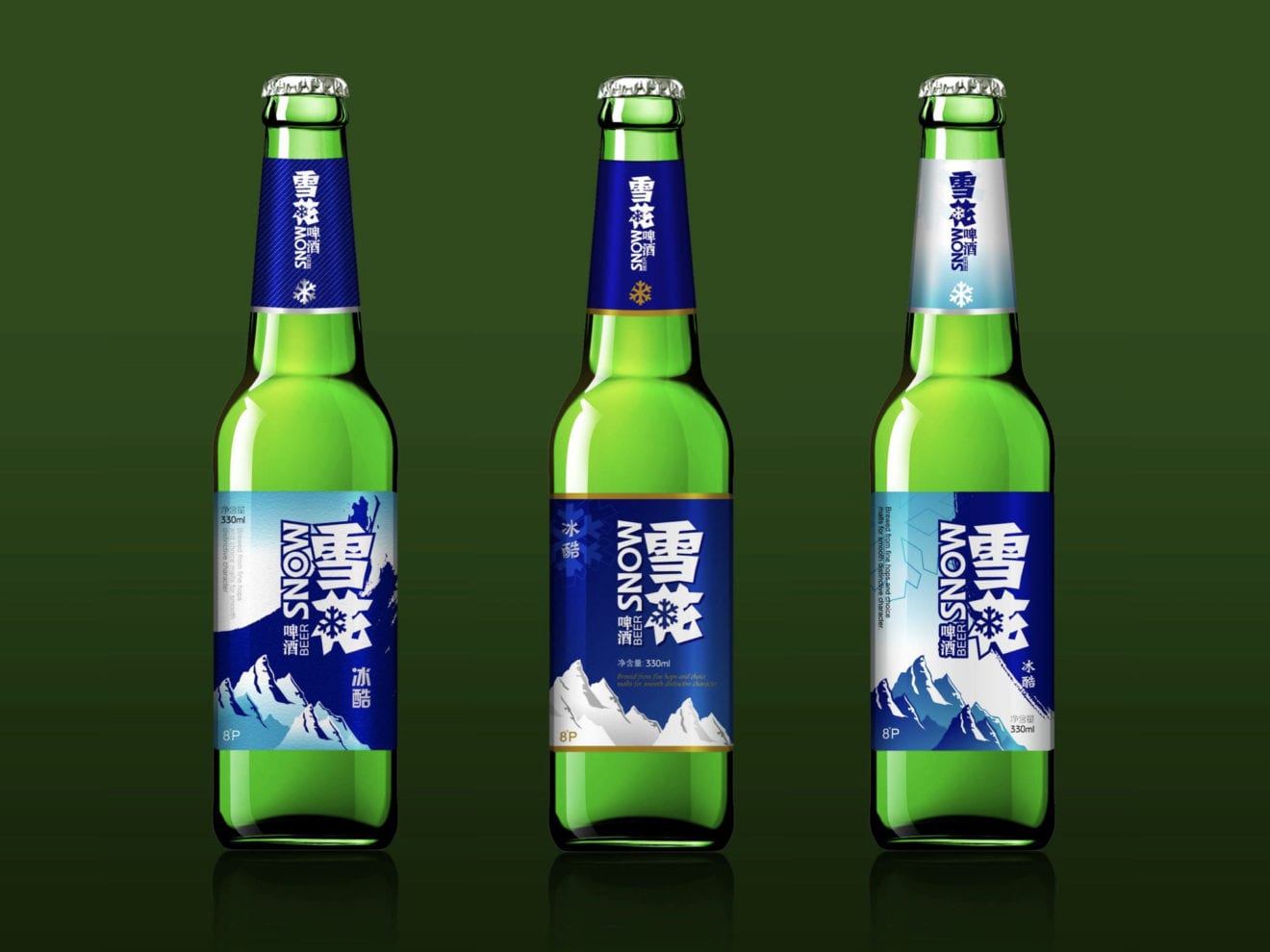
    SABMiller has a leading position with a 49 percent stake in Snow, a joint venture with a state-owned partner that sold 11.8 billion liters (3 billion gallons) of suds last year, or more than one out of every 20 glasses drunk worldwide. That could dramatically expand InBev’s Chinese footprint, which already includes Budweiser, Beck’s and Stella Artois.

    “No one outside China knows what Snow is, but it is the biggest brand in the world,” said industry analyst Spiros Malandrakis of Euromonitor.

    Total Chinese beer sales are expected to rise 2.6 per cent this year to 52.2 billion liters (13.6 billion gallons), or more than double the global forecast of 1 per cent growth, according to Euromonitor.

    Competition in China’s crowded beer market is intense, which keeps prices low and profits slim.

    Despite that, global brewers are buying or launching mass-market brands. Some hope to attract Chinese drinkers who might trade up to more expensive versions as incomes rise.

    In China since 1984, InBev’s Anheuser-Busch unit, brewer of Budweiser, has 39 beverage plants and 26,000 employees.

    SABMiller launched Snow with China Resources Enterprise, Ltd. in 1994. Today, it has 98 breweries and says it accounts for more than one in every five cans or bottles of beer sold in China.

    Other competitors include Heineken and Carlsberg, Japan’s Kirin and Asahi and Chinese brands Tsingtao and Yanjing.

    In a reflection of competitive pressure, it was only last year that SABMiller said it collected its first half-year dividend of $228 million from the Snow partnership.

    If Belgian-based AB InBev wants to keep that business, it needs to win over Chinese anti-monopoly regulators who have singled out both companies for curbs on their activities to preserve competition.

    As a condition of Chinese approval for its 2008 purchase of Anheuser-Busch, InBev was barred from linking its brands with SABMiller. Those also include domestic beers Harbin, Sedrin and Double Deer.

    Both also are prohibited from buying any more Chinese breweries.

    A merged company would control more than 40 per cent of China’s beer market, according to Song Tao, an analyst for Guotai Jun’an International, a Chinese brokerage.

    “That may trigger an anti-monopoly investigation,” said Song. “If the deal fails to get passed, InBev has to sell its holdings in CRE. Then CRE will face competition from InBev, and their future will become unclear.”

    Mergers between rivals in China run counter to the ruling Communist Party’s desire to make the economy more productive by promoting competition.

    China didn’t enact its first anti-monopoly law until 2007 but regulators have enforced it aggressively.

    In 2009, they blocked Coca-Cola Co. from buying a Chinese fruit juice maker, Huiyuan. Regulators said even though Coke had no fruit juice brand, adding Huiyuan to its popular carbonated drinks might hurt competition in beverages overall.

    Companies that want to merge are required to notify regulators if their combined annual revenue would exceed 2 billion yuan ($310 million) and each did more than 400 million yuan ($64 million) in business the previous year, according to Song Ying, an anti-monopoly specialist for the Anjie Law Firm in Beijing.

    “The Ministry of Commerce will consult with some of the main stakeholders in this industry and maybe the relevant industrial associations to ensure that the potential merger deal will not put restrictions on market competition or raise the barriers to entry,” said Song.

    At the same time, brewers are scrambling to adapt as Chinese drinkers join their Western counterparts in migrating to craft beers.

    Already, specialty brews including Stella, Hoegaarden and Belgium’s Chimay and Duvel priced at up to 37 yuan ($6) a bottle are sold in supermarkets in major Chinese cities.

    “This highlights the speed of the sophistication of the Chinese palate,” said Malandrakis of Euromonitor.

    For a global brewer, he said, that means taking over a popular but low-profit brand such as Snow would be part of a strategy to guide Chinese drinkers to more expensive varieties.

    “Essentially the consumers would drink Snow for a couple of years,” he said. “And then when they move into the middle class, they would switch, the company hopes, to imported beers from its brands.”
  • TWG Teas plays down pesticide scare

    TWG Teas plays down pesticide scare

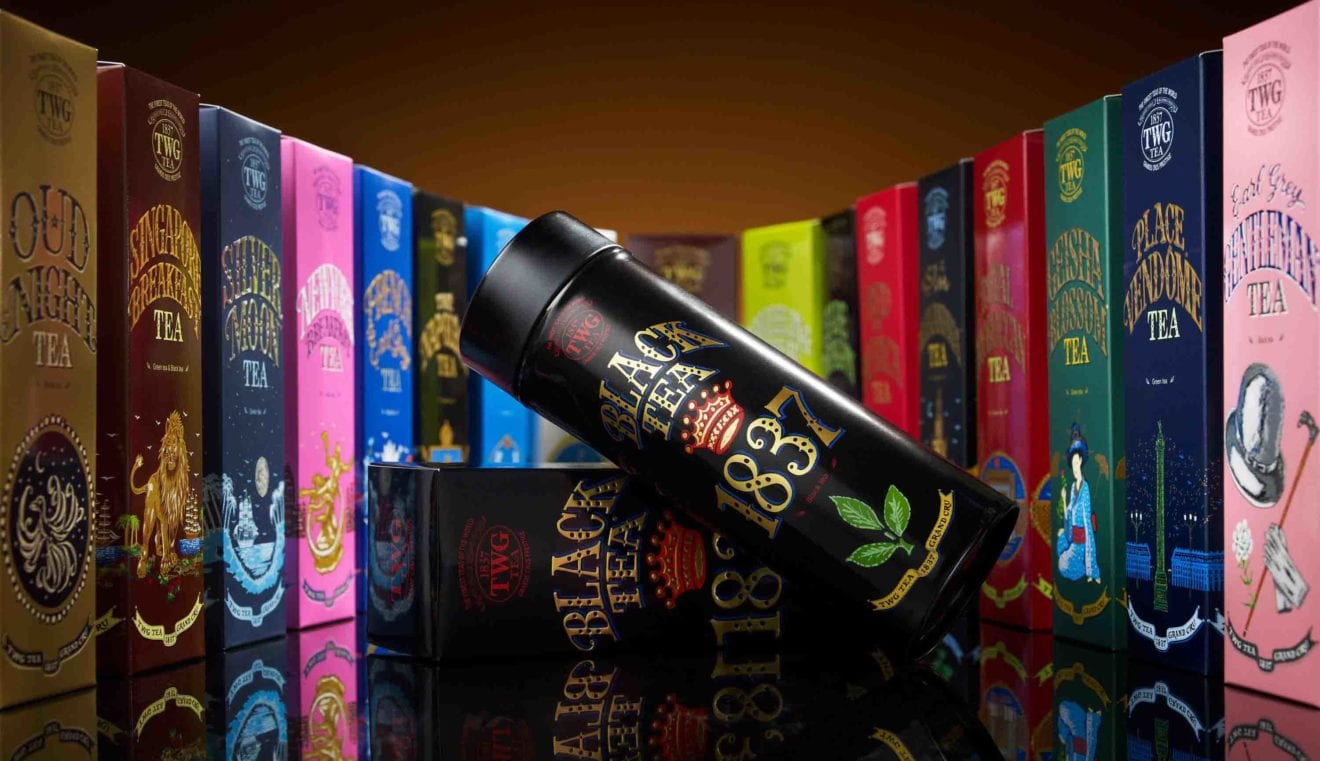
    Osim International subsidiary, upmarket tea chain TWG, is playing down a pesticide report in Taiwan.

    Taiwan’s Food and Drug Administration says it found excessive levels of pesticide residues in TWG’s Chamomile Green Tea sourced from India.

    TWG has retail stores in Singapore, Malaysia, Japan Cambodia, Taiwan, Hong Kong, Korea and the Philippines, China, Indonesia and Thailand as well as in Europe, and sells packaged teas online. It positions itself as a high end, gourmet tea brand.

    But a TWG Tea spokeswoman Maranda Barnes told The Business Times the issue has been “overblown” by Hong Kong media, and consumers in Singapore, Hong Kong, China and Taiwan had nothing to be concerned about.

    She said the Chamomile Green Tea had passed tests by Singapore authorities, but been rejected by the Taiwan FDA.

    Barnes said tea leaves in Taiwan are tested in the same way as fresh fruit and vegetables designed to be chewed and swallowed – yet if a residue was present in a tea leaf it would be infinitely diluted when infused as tea is designed to be drunk.

    She said it was impossible to test every tea for every one of 300 pesticides in existence.

    “We put our teas through a battery of tests. Unfortunately, we cannot test for every single chemical in the world in every batch. In Taiwan, even if a product was rejected and sent back, the government will promote the rejection through the media.”

    TWG is in ongoing discussions with Taiwan’s FDA regarding the test results.

  • Caffe Bene Vietnam starts franchising

    Caffe Bene Vietnam starts franchising

    Korean coffee chain Caffe Bene has opened its first franchised store in Vietnam.

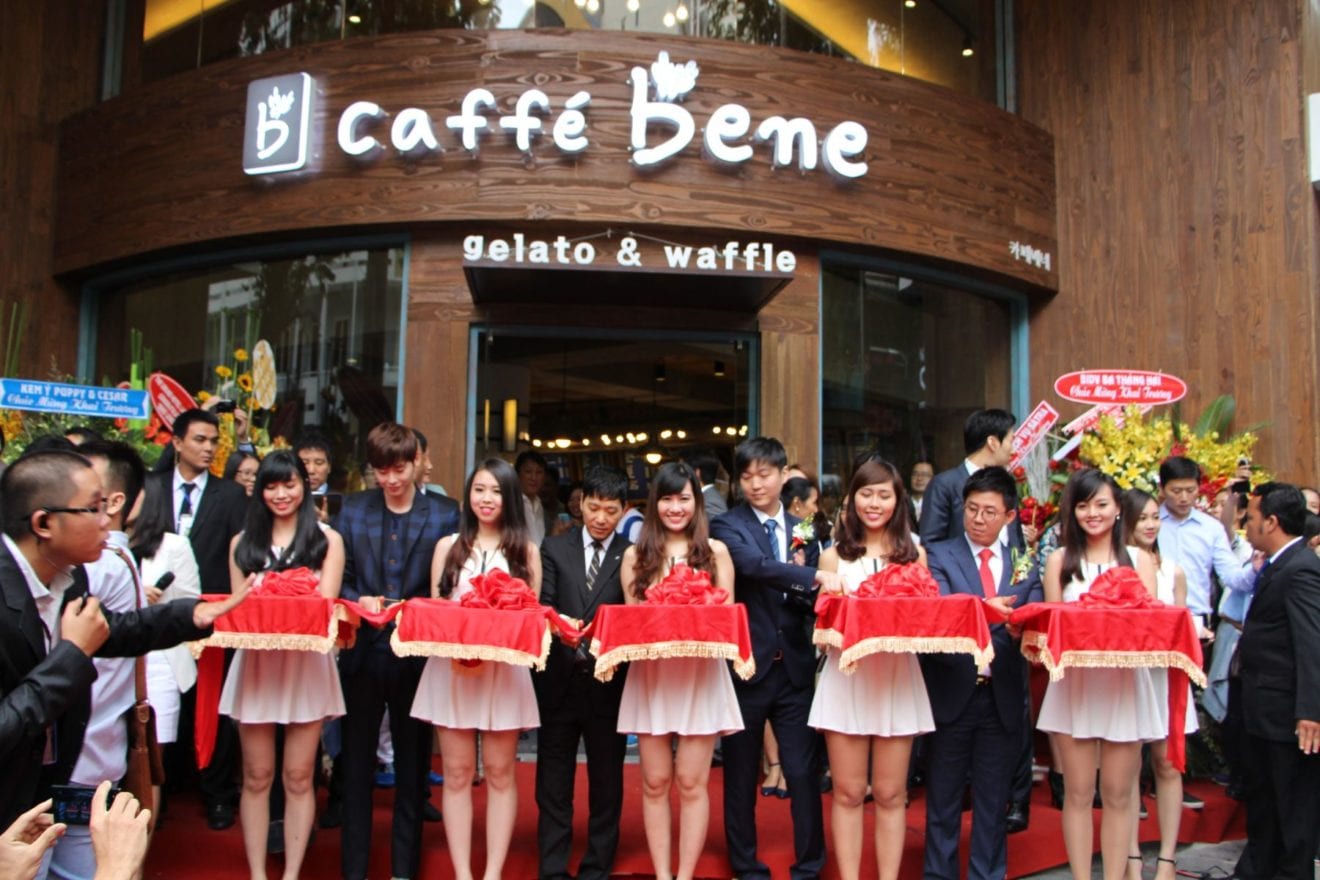
    Caffe Bene Vietnam’s third store – its first franchised outlet – is located in the recently opened SSC VivoCity shopping centre in Ho Chi Minh City’s District 7, a popular expat residential area.

    While coffee is at its core, Caffe Bene has attracted a large customer base of Vietnamese due to its shaved ice desserts, bagels and ice cream.

    The first Caffe Bene store opened in Ho Chi Minh City last year in a prime two-storey corner site on the city’s main shopping street Dung Khoi, in premises vacated by apparel chain Esprit. Queues formed from day one.

    Now that it has refined its offer and gained market experience through its two company-owned stores, the company is launching its franchise program. It plans to have 50 stores trading in Vietnam by the end of next year.

    Caffe Bene Korea is focusing on international expansion after reaching saturation point in its own market with a network of 810 stores. It has more than 500 stores in China and two in the US. It will also take its brand to the Middle East after signing a franchise agreement with Saudi Arabia-based Keden Group.

  • Rice prices up in Vietnam, Thailand on Indonesian demand

    Rice prices up in Vietnam, Thailand on Indonesian demand

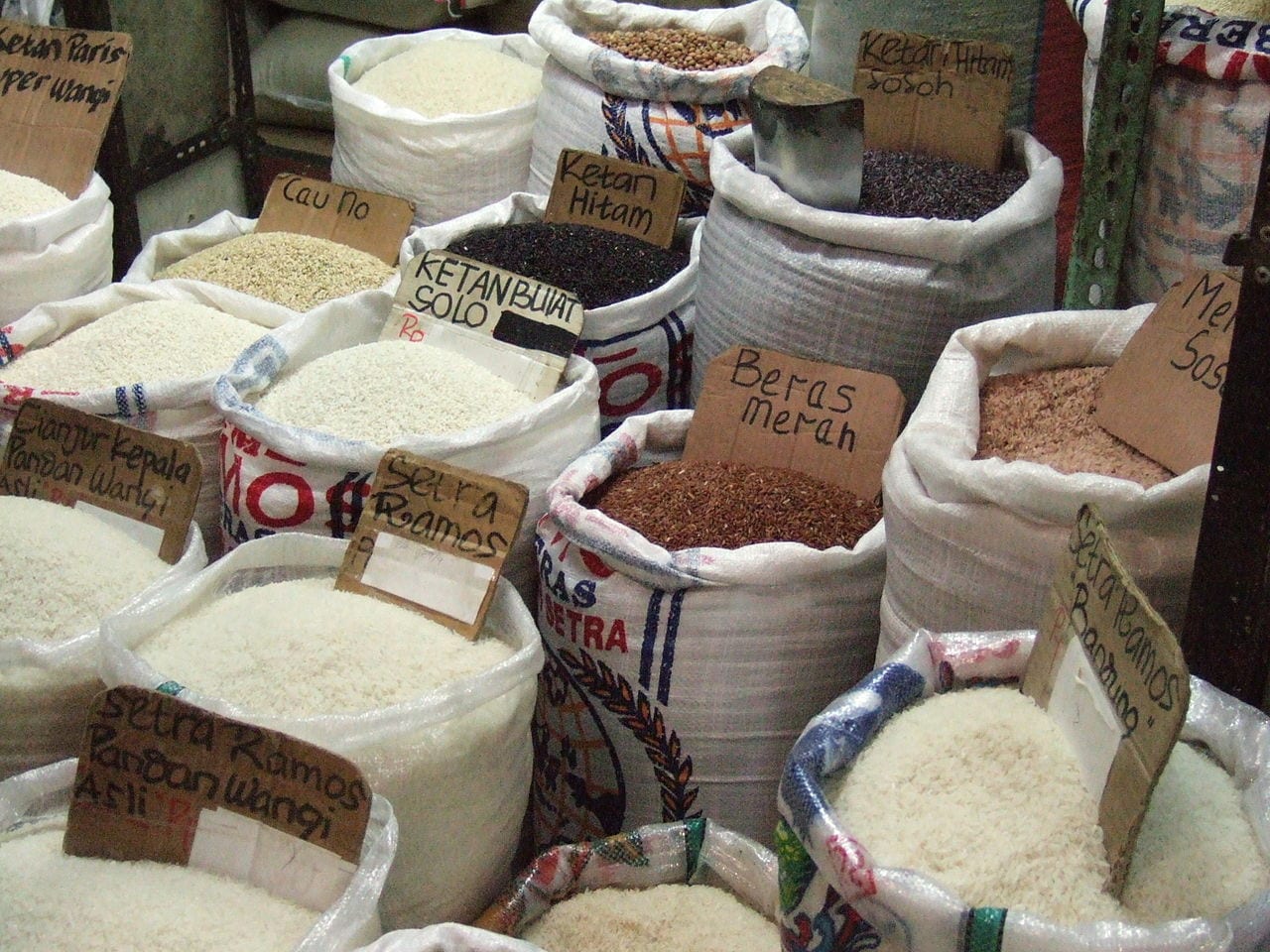
    On Wednesday, Vietnam’s 5-percent broken rice advanced about 3 percent to $350-$355 a tonne, free-on-board (FOB) Saigon Port, from $340-$345 a week ago, and 15-percent broken rice stood at $345 a tonne, or about $10 above last week. At $355, the price is the highest since July 22, Reuters data show.

    The 25-percent broken variety narrowed to $330-$335 a tonne, FOB basis, from a range of $325-$340 a tonne a week ago. “As prices rise, some buyers have turned to Thailand,” a trader in Ho Chi Minh City said. Pakistani rice has also become very competitive, with the 5-percent broken grain standing at $310 a tonne, FOB basis, said a dealer at a regional trading firm.

    “Given the price rise, African buyers are not in the market while (Vietnamese) sellers don’t want to sell now,” he said. Traders said they expected more purchases, including from Vietnam’s biggest rice buyer China, given the price rise. Rice imports in 2015 by China, the world’s largest producer of the grain, could rise 6.7 percent from 2014 to 3.2 million tonnes, the UN Food and Agriculture Organization has said.

    China has bought 1.5 million tonnes of Vietnamese rice in January-August, or a third of Vietnam’s total shipments in the period, based on Hanoi’s agriculture ministry data. China has set the rice import quota for 2016 at 5.32 million tonnes. In Thailand, prices edged up in anticipation of a contract with Indonesia, traders said.

    “We already increased our prices last week to anticipate it,” a Thai trader said. “If it ends up not happening, prices will absolutely weaken.” Thai 5-percent broken grain rose to $360 a tonne, FOB Bangkok, from $350-$357 on Tuesday, but is still below the $350-$362 level a week ago. Prices have recovered from an eight-year low hit last month. Indonesia said late last month it planned to import up to 1.5 million tonnes of rice from Thailand and Vietnam in October to avert a price spike.

  • The Starbucks Community Store in Daehakro neighborhood in Seoul, Korea celebrates one-year …

    The Starbucks Community Store in Daehakro neighborhood in Seoul, Korea celebrates one-year …

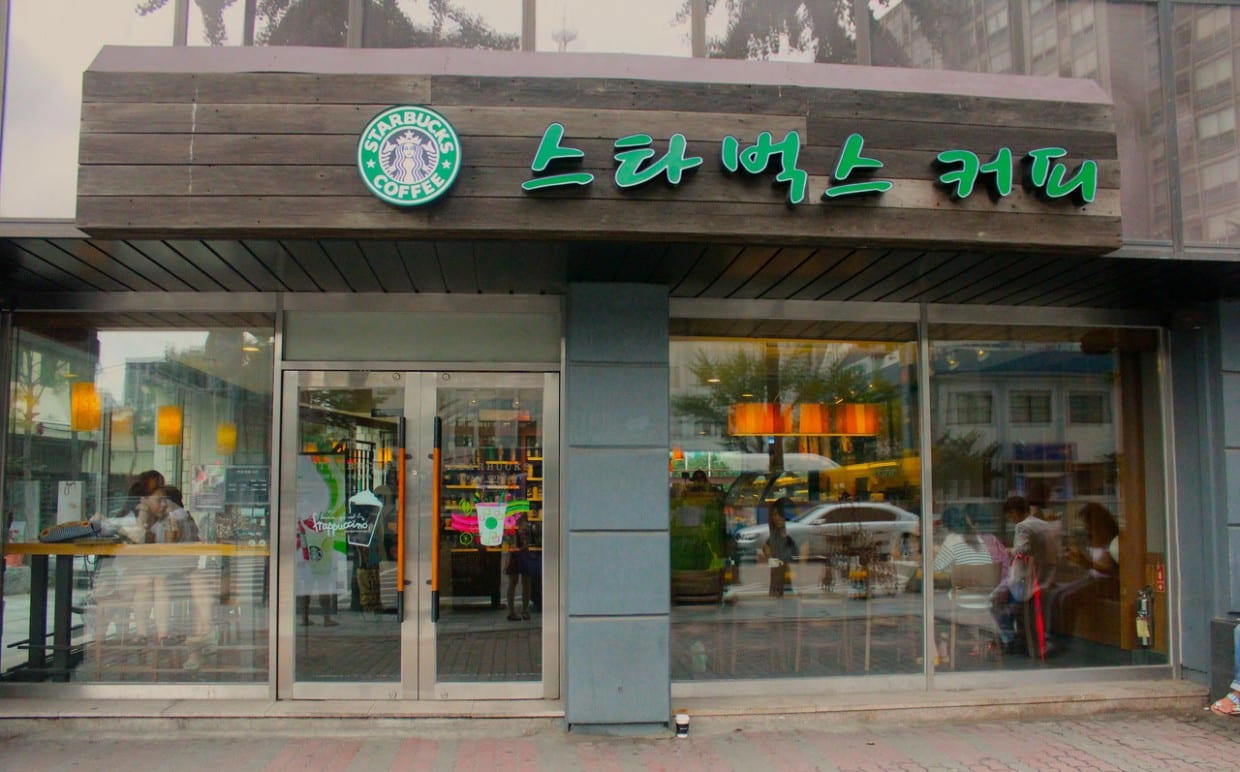
    The Starbucks Community Store in the Daehakro neighborhood in Seoul, Korea, commemorated its one-year anniversary (October 7, 2015) with a community service project, a donation and free brewed coffee and rice cakes for 365 customers as a token of gratitude.
    [embedded content]

    The Starbucks Community Store in Daehakro, like the Langsuan Neighborhood Starbucks in Bangkok, plays a role in supporting education, job training and apprenticeship initiatives by working directly with non-profit organizations to offer local services. In the United States, Starbucks will soon open similar stores that partner with local nonprofit organizations to provide skills training for opportunity youth in underserved, low-income communities in Ferguson, Chicago, Queens, Phoenix and Milwaukee.

    A social hub in the education and arts district of Seoul, the Daehakro coffeehouse hosts workshops and seminars and monthly volunteer activities called “green care” dedicated to improving the environment. The store’s design reflects its vibrant neighborhood. “Community Store messaging can be found throughout the location and it’s a conversation piece that engages customers with store partners,” said Yena Cho, who has been focused on the operation since she joined Starbucks two years ago.

    An art-wall collage, created by university students, and a digital community board that showcases corporate social responsibility efforts are among the distinctive touches that align the store with its surroundings. Also on display is a 3D coffee mug wall that represents students from the Starbucks Comprehensive Youth Leadership Program.

    Yena, who is a global communications manager at Starbucks Korea, said the first year of operation for the Daehakro Starbucks passed by quickly, aided by a flurry of activity around the store, a positive reception by the community and significant media interest.

    Since its opening last October, the equivalent of 30 cents U.S. from each item purchased in Korea’s Community Store has benefited the Green Umbrella ChildFund Korea to support lifelong skills development for youth through the Starbucks Comprehensive Youth Leadership Program. A donation of $100,000 U.S. accumulated from a portion of sales over the past year was presented to Green Umbrella ChildFund Korea at the anniversary celebration. The program offers academic scholarships through graduation for a curriculum that focuses on business skills, collaborative communications and social consciousness.

    Starbucks Korea, which is the company’s fourth largest market outside the U.S., and the Green Umbrella ChildFund Korea maintain an ongoing alliance to address the nation’s social and community needs with an emphasis on assisting young people seeking work. Korean tuition costs are among the world’s highest, creating roadblocks to higher education for the nation’s disadvantaged.

    “Being a relevant part of the community we serve in is an important part of who we are,” said S.K. Lee, ceo and president of Starbucks Coffee Korea. “Our Community Store is a telling example of our commitment to building a different kind of company in Korea that is performance driven through the lens of humanity.”

    The focus on finding jobs for youth is an extension of Starbucks global commitment to hiring Opportunity Youth — those between the ages of 16 and 24 who aren’t in school and aren’t working.  The 100,000 Opportunities Initiative, a coalition of 33 leading U.S. companies including Starbucks, is America’s largest employer-led private sector coalition committed to creating pathways to employment for young people. The businesses will host the next Opportunity Hiring Fair in Phoenix on Oct. 30.

  • Mercedes restaurant opens in Hong Kong

    Mercedes restaurant opens in Hong Kong

    German car maker Mercedes-Benz has opened a new retail and dining concept in the heart of Central.

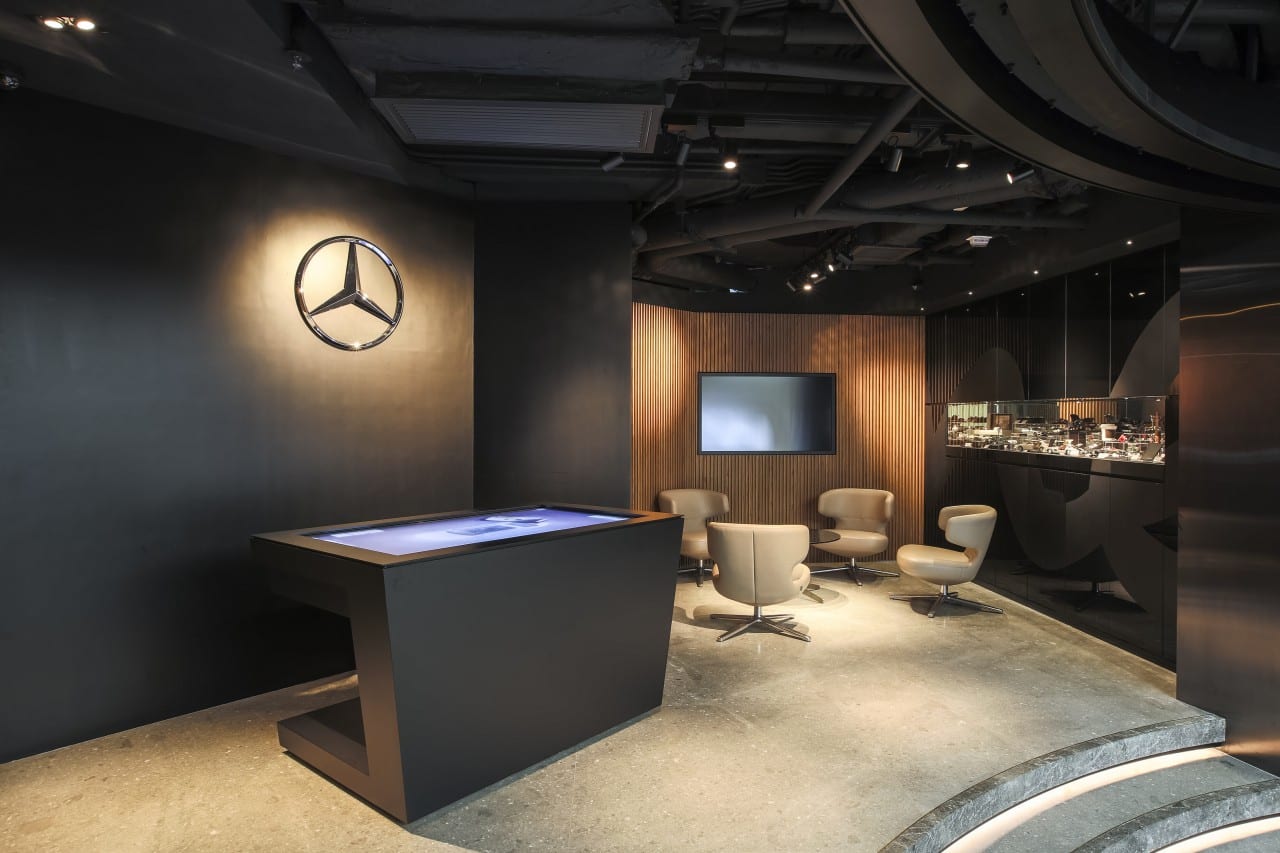
    The Mercedes restaurant, called Mercedes Me, “is about creating the ultimate personalised experience, developed organically around you and the products that you love,” the company explains.

    “Here, you can keep up to date with the latest news and events not only from the Mercedes-Benz world, but also the worlds you want to know about, such as fashion shows and Formula 1 live broadcasts. Share with us the things you love, and we will share in your passions.”

    The 480 sqm store opened last weekend in the Entertainment Building, 30 Queen’s Rd, with a glitzy cocktail function to which special guests were chauffeured in a fleet of classic and new model Mercedes-Benz cars. There was a fashion show featuring the latest range of Hugo Boss apparel and a presentation on Formula 1, currently dominated by the marque.

    Mercedes restaurant, Central Hong Kong

    Mercedes has created a destination lifestyle concept, a place to chill, a place to enjoy gourmet food, wines and cocktails, and somewhere to engage in cars, motor racing, design, art and fashion.

    It was created in partnership with Hong Kong restaurant group Maximal Concepts.

    The decor invites comparison with the interior of some of the brand’s cars: dark blue upholstered seats, polished timber and a collection of black and white photos of some of Mercedes-Benz’s greatest models from through the ages, all housed in a polished concrete shell.

    Oh, and you can take a look at the latest model cars from the brand as well.

    Mercedes Me is open for dinner from 5:30pm until 10:30pm daily. Breakfast and lunch will follow.

  • L&L Hawaiian Barbecue opens in Manila

    L&L Hawaiian Barbecue opens in Manila

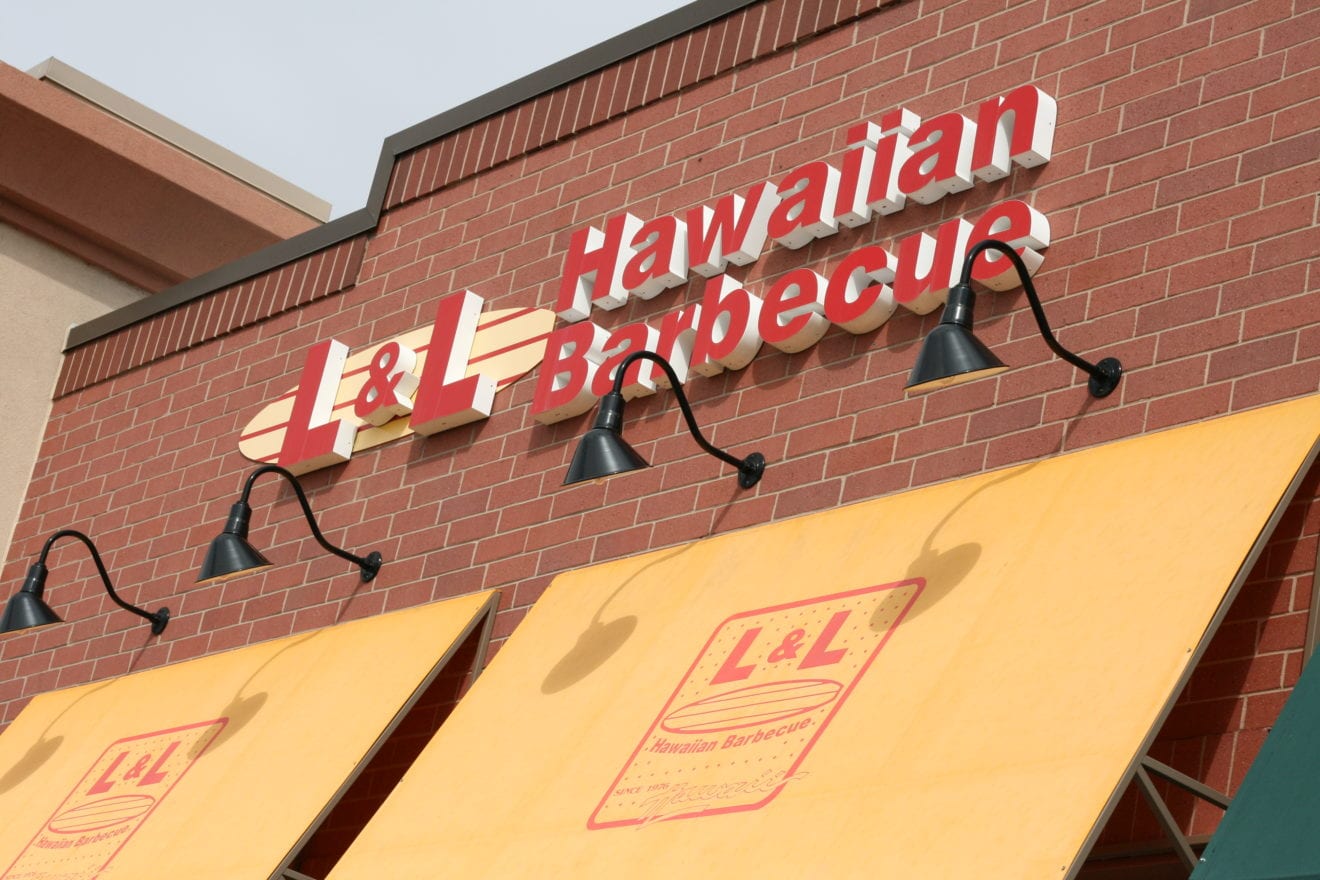
    L&L Hawaiian Barbecue has opened its first store in the Philippines, with a second one planned by November.

    The ‘plate lunch’ QSR brand made its debut quietly last month in a shopping mall at Edsa which will be followed by a second outlet in SM Megamall in Manila.

    “I think that the people there really enjoy our taste in food,” L&L Hawaiian Barbecue VP and COO Bryan Andaya told Pacific Business News. “Here, in the US, our third biggest demographic is Filipinos.”

    L&L Hawaiian Barbecue, also known as L&L or as L&L Drive-Inn in Hawaii, is a franchised restaurant chain based in Honolulu, Hawaii, centered on the traditional Hawaiian ‘plate lunch’.

    The concept expanded onto the US mainland in 1999 and there are now more than 200 locations across the US, Tokyo and Auckland, New Zealand.

    The brand has been credited with popularising the plate lunch in Hawaii, primarily through its drive-throughs.

  • Peri-Peri Charcoal Chicken goes global

    Peri-Peri Charcoal Chicken goes global

    After 10 years serving Filipinos, Peri-Peri Charcoal Chicken & Sauce Bar has opened its first store overseas and says more will follow.

    The popular quick service restaurant concept has opened in Myanmar, the first test in an offshore market.

    Parent I-Foods Inc, which also owns the Stackers Burger Cafe, Kogi Bulgogi and Wafu, says more stores will follow in other markets, with a focus initially on Southeast Asia.

    “We entered Myanmar and we opened two weeks ago. It’s a good market,” I-Foods owner Bryan Tiu told a press briefing.

    He said the chicken concept is one that can be appreciated by anyone, making it an idea export concept.

    With Myanmar only recently opening its doors to foreign businesses, Peri-Peri Charcoal Chicken & Sauce Bar has the advantage of being an early arrival and establishing a solid customer base before larger competitors come along.

    Meanwhile, the chain is continuing its expansion in its home market. Last month it opened its largest restaurant yet, in Capitol Commons in Pasig.

    Peri-Peri Charcoal Chicken & Sauce Bar also has branches at SM City North Edsa Annex, Promenade Greenhills and Robinsons Mall Bacolod, with others soon to open at SM Megamall, Solenad Mall in Nuvali and Eastwood City Mall.

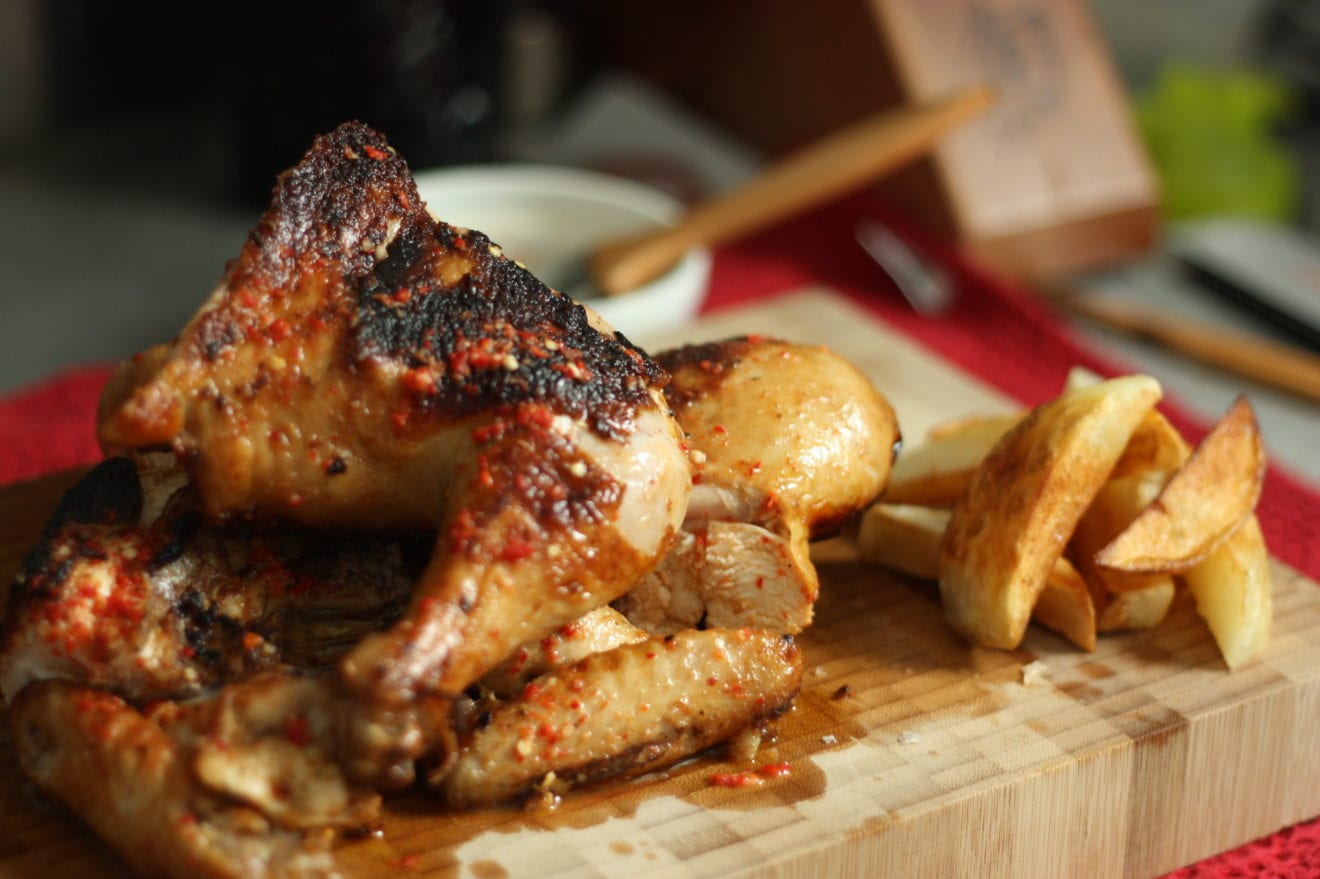
    The concept is based on grilled chicken marinated in a blend of herbs and spices sourced from Africa and served with a selection of eight sauces ranging from hot and spicy to mild.