Retail News CRM

Category: Food

Retail News Asia is committed to providing both local and global retailers with the latest Food and Food & Beverage news throughout the Asian market. This on a daily base.

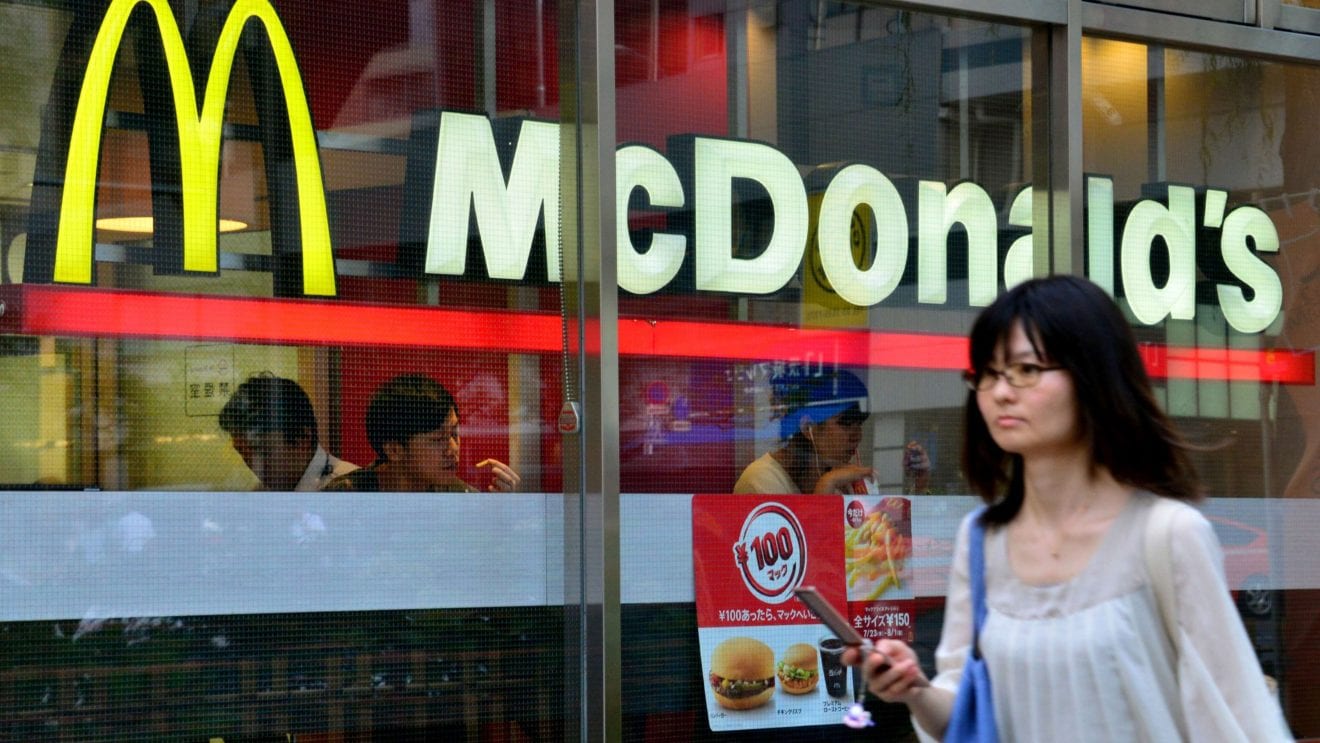
  • McDonald’s China to accept Alipay

    McDonald’s China to accept Alipay

    Alibaba’s AliPay has received a major boost in its quest to become a generally accepted payment system in the mainland.

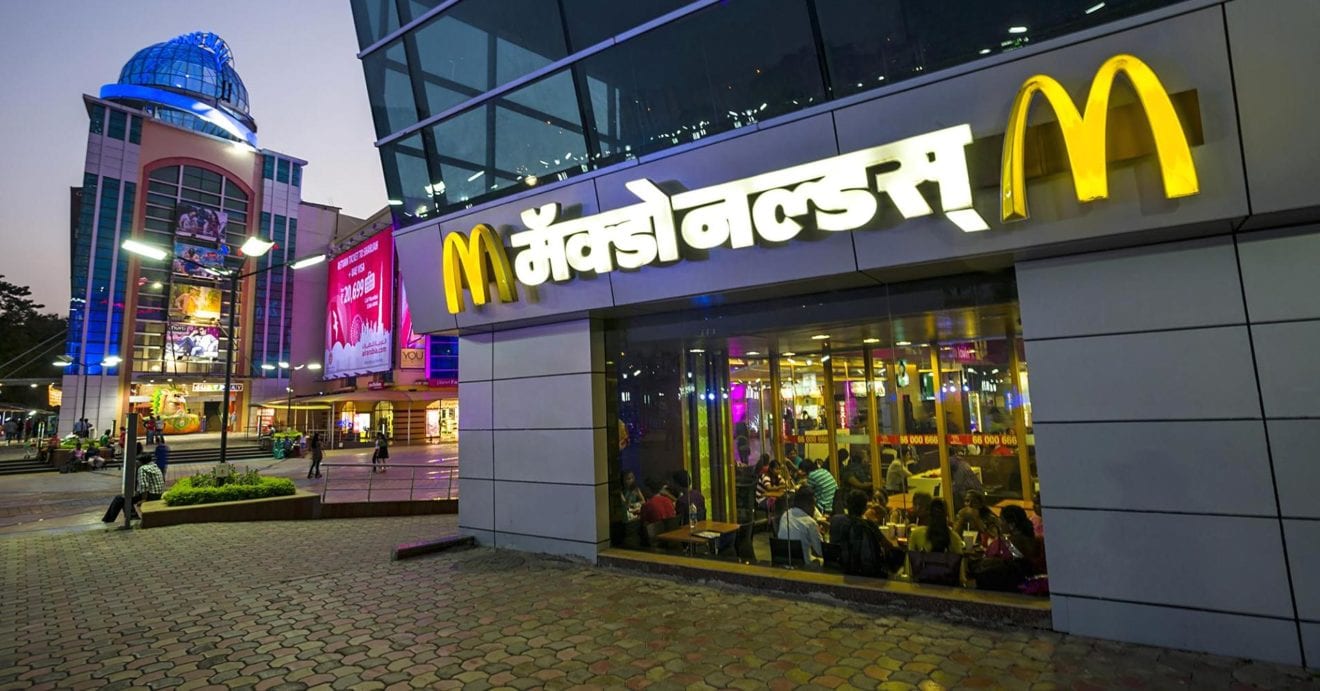
    McDonald’s China has announced it will accept Alipay in more than 2100 restaurants.

    The launch will commence in Shanghai this month and spread across all the fast food chain;’s locations in China by March 2016.

    “McDonald’s will work together with Ant Financial and Alipay to upgrade its services by integrating data technologies,” Ant Financial sais in a statement.

    “All restaurants in China are undergoing system upgrade and the set-up will be complete to accept Alipay as its new payment method by March, 2016.

    “It will take customers only two seconds to pay their meals at McDonald’s after introducing Alipay to its outlets by scanning the QR code in users’ Alipay. It will be more convenient and efficient for both customers and cashiers.”

    Another venture set up between Alibaba and Ant Financial – Koubei – allows consumers to pay for goods using their smartphones. Koubei is expected to be accepted by McDonald’s China also.

    Alipay’s McDonald’s China deal follows another announced last week with hotel chain Marriott as Alipay gains growing momentum in gaining market share from more traditional systems like UnionPay and even cash. Walmart starting accepting Alipay in May and KFC announced a partnership in June.

    “Alipay is now accepted in over 200,000 offline retailers and eateries across China and another 30,000 shops in Seoul, Korea, Hong Kong, Singapore, Japan and Germany,” Ant Financial.

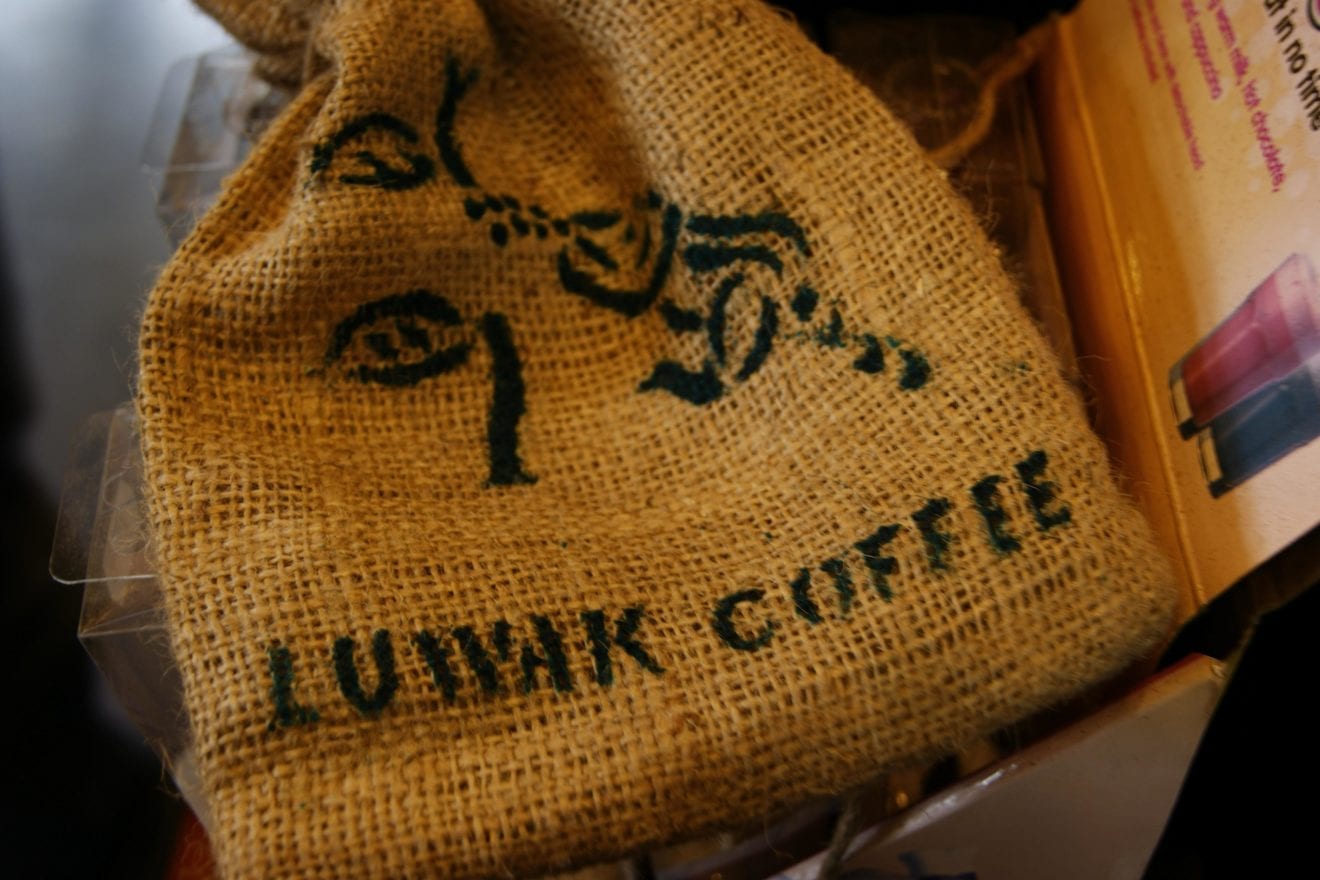
  • Indonesia 3rd World Coffee Producer, Under Brazil

    Indonesia 3rd World Coffee Producer, Under Brazil

    Indonesia is still below Brazil and Vietnam in coffee crop productivity with 741 kg of beans per hectare per year for robusta and 808 kg for arabica.

    “The level of productivity of Indonesian coffee farmers still less than Brazil, which reached around 2,000 kg per hectare per year and Vietnam with 1,500 kg per hectare per year,” said Industry Minister Saleh Husin in Jakarta on Thursday, October 1.

    The minister promised to cooperate with relevant associations in order to increase productivity up to two-fold, or at least equal to the productivity of Vietnam.

    This effort will be taken by providing training and guidance on how to plant and coffee to get higher yield with the best quality.

    Indonesia produce coffee beans 685 thousand tons in 2014, or 8.9 percent of world coffee production with a composition of 76.7 percent and 23.3 percent Robusta and Arabica coffee respectively.

    Indonesia has various kinds of specialty coffee known around the world, such as Gayo, Mandailings, Lampung, Java, Kintamani, Toraja, Bajawa, Wamena and civet coffee.

    The export value of processed coffee products in 2014 reached 332.24 million US dollars, up 9.9 percent from 2013. Exports dominated by instant coffee, extracts, essences and concentrates of coffee generally sold in the Philippines, Malaysia, Thailand, Singapore, China and the United Arab Emirates.

  • Hello Kitty says hello Malaysia

    Hello Kitty says hello Malaysia

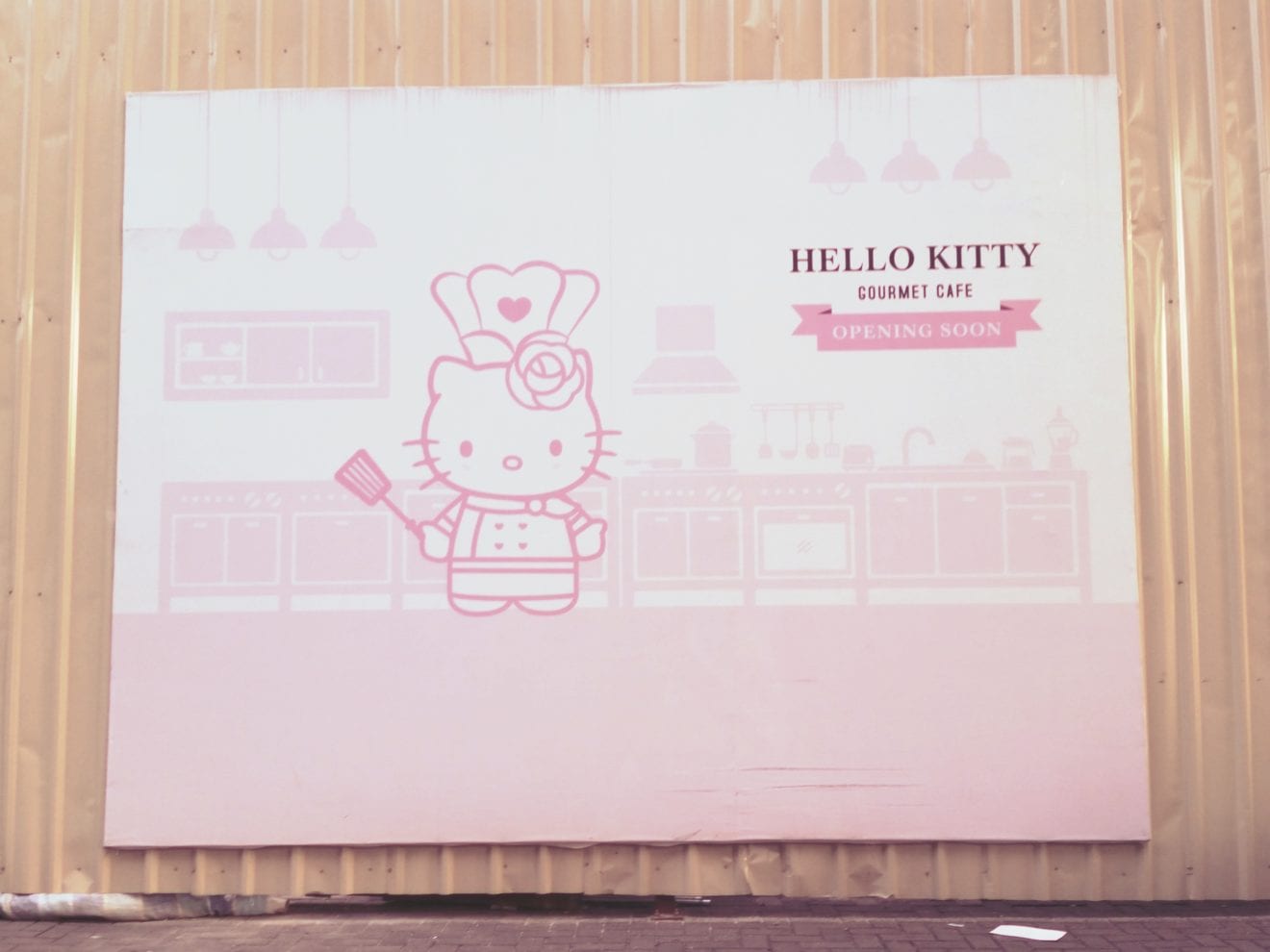
    Hello Kitty will open its first Malaysian cafe this weekend at Sunway Pyramid.

    The Hello Kitty Gourmet Cafe will be modelled on the format which has proven successful in the US, Japan, Korea and Hong Kong.

    Hello Kitty Cafe 2

    From the outside, the cafe has the appearance of a Parisian cafe with its traditional awning and glass doors. Inside, however, it is a different story. Pink dominates – it is the ‘colour’ of Hello Kitty, after all – and images of the popular icon can be found everywhere. It promises to be an immersive experience for loves of the brand – and their parents.

    Hello Kitty cafe 1

    The cafe,located on the ground floor of Oasis Boulevard, is not just a gimmick. The menu follows more of a gourmet style, including items such as Grilled Salmon (with Hello Kitty shaped potato slices), grilled duck, Strawberry Churros and Hello Kitty Waffles.

  • Hooters Thailand expands into Samui

    Hooters Thailand expands into Samui

    Just a week after opening its first outlet in Bangkok, Hooters Thailand has announced its entry into the resort town of Samui.

    Hooters Thailand, operated by Southeast Asia master franchise Destination Resorts, now has four Hooters restaurants in Thailand either trading or under construction. The others are in Pattaya and Phuket.

    The Samui location will be located at 168/2 Moo 2, Tambol Bophut, Amphur Kos Samui, Suratthani, in the heart of the bustling central Chaweng Beach area. It will open in early 2016.

    The beachfront location will seat 220 guests and feature an approximately 2277 sqft, plus a spacious 1000 sqft outdoor patio.

    Samui is part of a 30-location Southeast Asia development agreement between Hooters and Bangkok-based international franchisee, Destination Resorts, making Thailand the leader in Hooters Southeast Asia expansion efforts. Along with a recent location in Phuket and another scheduled to open in Bangkok, Samui will bolster Hooters presence in Thailand. Hooters will also open their largest international location in Pattaya, Thailand, in December.

    Said Gary Murray, CEO, Destination Resorts: “The beach oasis atmosphere for which Hooters is well-known around the world will be a perfect match for Chaweng Beach, named by Condé Nast Traveler as one of the top five best island beaches for partying earlier this year.”

    With two additional locations set to open in Bangkok in the coming months, Murray plans to continue growth in Thailand and concentrate heavily in Hong Kong and the Philippines in the coming years.

  • RFG eyes India’s $24b franchise industry

    RFG eyes India’s $24b franchise industry

    Retail Food Group (RFG), has entered into an exclusive partnership with Franchise India, Asia’s largest integrated franchise solution company to launch its brand in India.

    Franchise India has extensive experience in pairing franchisors with qualified master franchise partners while creating a high level of interest from potential local franchisees to achieve successful international expansion for foreign brands. The organisation also runs the world’s leading franchise website.

    Andre Nell, CEO franchise of RFG, said RFG is targeting significant international growth with plans to open 130 outlets in international markets this financial year.

    “RFG’s Brand Systems are market leaders and award-winning brands in Australia, each possessing successful business models that have been proven over many years. Our goal is to replicate this success in global markets by working with motivated partners who share our vision,” said Nell.

    “RFG is looking forward to working with Franchise India and leveraging their extensive reach and intimate knowledge of franchising.”

    Franchising in India Gaurav Marya, chairman of Franchise India, said the country’s franchise industry is valued at $24 billion with year on year growth of 30 per cent.

    “India’s franchising industry continues to thrive, driven by a growing preference for internationally branded products and an emerging café culture,” said Marya.

    “The retail and food and beverage sectors have evolved over the last decade, leading to a high level of consumer interest in specialty and gourmet brands in particular. The market is expected to increase in value to around $35 billion by 2020.

    “With a rising global awareness and increasing spends on eating out among Indian consumers, the timing is opportune for RFG to enter the Indian market.”

    Under the new partnership Franchise India will use their extensive network, database and marketing systems to recruit Master Franchise Partners for RFG.

    Franchise India and RFG will be recruiting Master Franchise Partners for the Gloria Jean’s Coffees, Crust Gourmet Pizza, Donut King, Michel’s Patisserie, Brumby’s Bakery, and Pizza Capers Brand Systems.

    With the opportunity for a minimum of six licenses across India, Nell said he is confident RFG’s unique business model will be a major point of difference for potential partners.

    “RFG’s strength in brands philosophy positions us to enter the market with multiple Brand Systems, increasing our ability to effectively and efficiently provide enhanced support systems and resources to our partners in the region,” said Nell.

    “Our existing support team is currently based in India, made up of seasoned experts in franchising who, along with the experienced team at Franchise India, will be invaluable assets as we work with our prospective Master Franchise Partners to develop a successful model for their territory.”

    Behind RFG’s international expansion

    RFG’s international expansion model is based on recruiting master franchise partners who purchase a licence to develop a certain brand system in a defined territory.

    Nell said the master franchise partner model provided the company and local partners with the opportunity to forge sustainable partnerships to successfully develop RFG’s Brand Systems internationally.

    “We firmly believe our international licensees are more like our business partners. Our international model has become very collaborative and supportive as we work with partners on development schedules and growth strategies as well as marketing and training,” said Nell.

    “The benefit for partners is access to a wealth of experience in retail food franchising, proven systems and a global training and support framework, while RFG gains a partner with the strategic, operational and financial capabilities to expand each brand system within their territory.”

    Nell said RFG’s franchising expertise and strong established Brand Systems provided the company with the perfect opportunity for significant expansion into international markets.

    “Refined over 11 years and 40 global territories, RFG’s global franchising expertise and master franchise partner model provides the perfect springboard for the company’s established Australian brands to enter major new international markets.”
  • Korea’s Churro 101 Singapore date

    Korean dessert concept Churro 101 is to open its first store in Singapore on October 3.

    Churro 101 Singapore will debut at Bugis Plus on Victoria St, serving up churros – a fried-dough pastry snack popular in Spain, France, the Philippines, Portugal, and the Southwestern US.

    It will be the four year old brand’s first store opening outside South Korea and a likely prelude to expansion into other Asian markets.

    The Singapore store will make fresh churros daily in an open kitchen, using raw materials imported from Korea.

    The 441 sqft store features European styling and will seat up to 20 customers as well as serving takeaway orders. It will trade from 10am to 10pm daily.

    While the churro concept is not new to Singapore, Churro 101 offers a unique take on the dessert, including flavours made with the brand’s own secret recipes, filled churros and a signature dark chocolate churro.

    Prices will range from $3.30 to $5.40.

  • Hong Kong and Macau – Bundy’s new export destinations?

    Hong Kong and Macau – Bundy’s new export destinations?

    BUNDABERG Regional Council continues to engage with senior representatives of the Hong Kong Food Association with a view to establishing trade links to supply Hong Kong and Macau with locally grown produce.

    A delegation from the Hong Kong Food Council, Hong Kong Food Hygiene Administrators Association and Food Professionals Association visited Bundaberg from September 9 to 11 at the invitation of Mayor Mal Forman to meet with local horticultural experts and educators.

    Acting Mayor David Batt said the Bundaberg Horticultural Forum provided an exceptional opportunity to showcase the regions extensive produce portfolio.

    “The meeting in Bundaberg has since been followed up by a presentation in Hong Kong with the Hong Kong Trade and Investment Queensland (TIQ) Commissioner, Angela To presenting a detailed overview of opportunities in the Bundaberg Region.

    “It is important that as a region, we access every opportunity that comes our way regarding promoting our potential for investment, development and export.”

    Cr Batt said discussions would be ongoing between the two parties.

    “Hopefully, a further meeting may be organised for later in the year to build on the momentum these recent meetings have established,” he said.

    “The connections we have established with Nanning through our sister city relationship and now the opportunities that are being presented through this growing association with Hong Kong certainly add an exciting dimension to the expansion of horticultural activities through the Bundaberg region.”

    According to Cr Batt any return visit would be held in November to coincide with the 2015 Hong Kong Food Fiesta which runs from November 27 to December 1.

    “This would present an incredible opportunity for local producers who may wish to display their products in such a vibrant marketplace environment,” he said.

    Council economic development spokesman Greg Barnes said council’s economic development unit will continue to nurture the emerging relationship and work closely with TIQ to assist businesses interested in export opportunities with Hong Kong.

    “Anyone interested in promoting their products to the retail and wholesale sectors of the Hong Kong food industry can contact Council’s Economic Development team on 1300 883 699 or email [email protected].

    “Alternatively, contact Dion Taylor (0448 197 835) who has been instrumental in co-ordinating and organizing the business to business meetings between local producers and Hong Kong food industry professionals,” said Cr Barnes.

  • Jazz promotion hits road in Thailand

    Jazz promotion hits road in Thailand

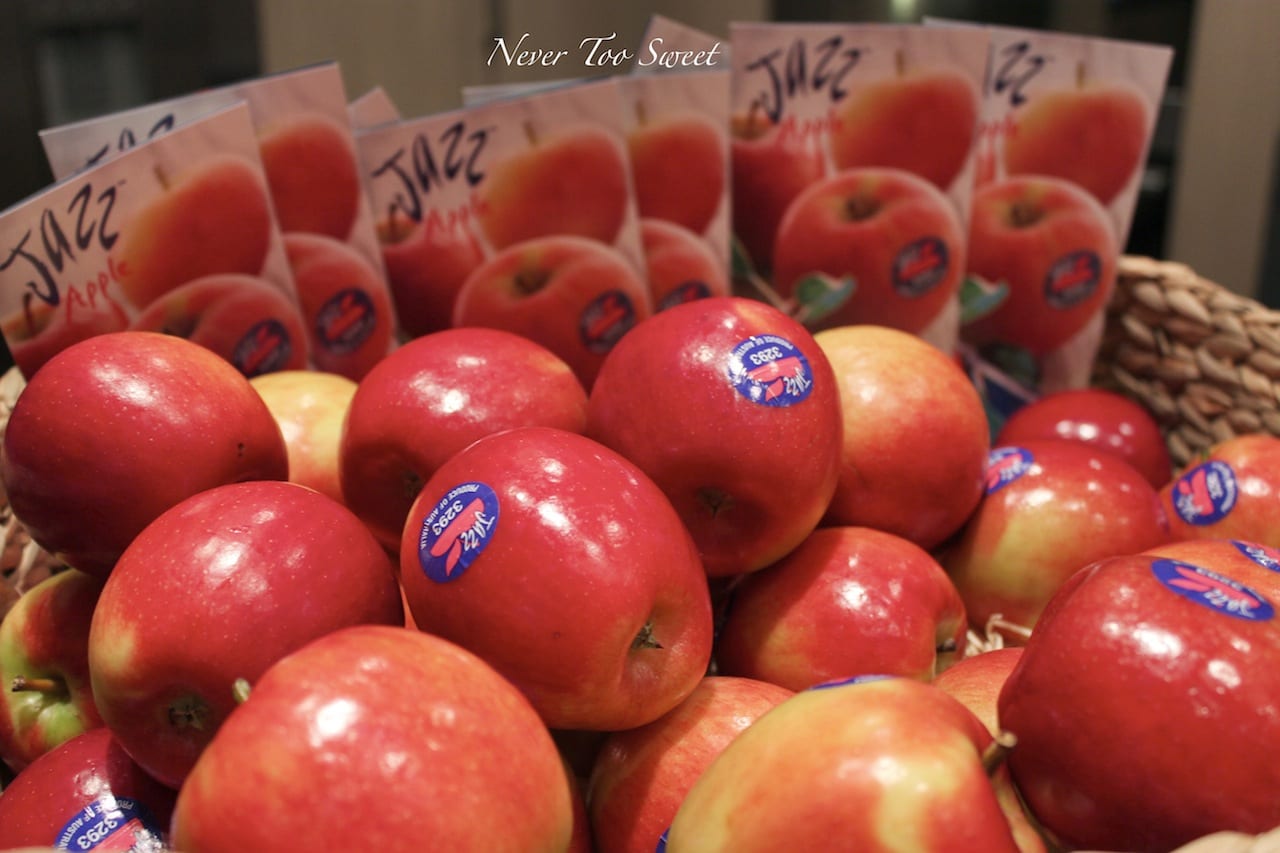
    Jazz apples have quickly built up a niche following in Thailand over recent years, driven by the extensive marketing efforts of importer Vachamon and its supply partner T&G/Enza, which owns the rights to the variety.

    But Vachamon is not resting on its laurels. By its own admission, sales of Jazz are heavily concentrated on Bangkok and cities within a three-hour reach of the Thai capital, and the importer recently took a roadshow promotion to key regional provinces to expand the apple’s profile.

    “We want to sell Jazz on a national scale and boost our import volumes,” Vachamon’s managing director Wipavee Watcharakorn told Asiafruit. “Volumes have been quite stable for the past couple of years, with around 300 container loads coming in from New Zealand, and 100 container loads from France and the US.”

    Accompanied by Jazz ambassador – Thai actor Lek Teeradetch – Vachamon’s roadshow targeted three key regions during August: Chiang Mai, Udonthani and Phuket.

    Chiang Mai, the largest city in northeast Thailand, has a population of 1m in the metropolitan region.

    Udonthani, another major official and commercial centre in the northeast of the country, is a gateway to Laos and southern Vietnam. The city has population of almost 400,000 while the province is home to more than 1.5m people.

    Meanwhile, popular tourist destination Phuket is Thailand’s largest island. Its population of 600,000 people, a mix of international expats, migrants and locals, has significant buying power.

    In each region, Vachamon has adopted a three-pronged marketing campaign with activities spanning morning, afternoon and evening.

    “In the morning, we visited the wholesalers at the wholesale market and went to the popular wet markets in each city. We introduced Jazz to the merchants and handed out free samples for tasting,” said Watcharakorn.

    “In the early afternoon, we held retail promotions at Big C in Chiang Mai, Makro in Udonthani and Tesco in Phuket. We worked with all of the retailers to host activities and games in their fresh produce departments and run consumer promotions,” she continued.

    “In the evening, we visited the walking streets (pedestrian areas) of each city to meet and greet local consumers.”

    On the back of the roadshow activities, Vachamon has also put systems in place further support the campaign and expand sales.

    In Chiang Mai, Vachamon has recruited a regional manager to build a continuous business for the company in the city. “Our manager visits the market every week, bringing regular samples to the merchants for free tastings and getting the promotions set up with retailers,” said Watcharakorn.

    Vachamon’s new distribution hub in Khonkaen, located two hours from Udonthani, is due to open soon, and Watcharakorn says it can also be utilised to serve the wholesale market in Udonthani.

    In Phuket, Vachamon is focused on working with key distributors as well as cash and carry chain Makro to ensure smaller merchants have access to its fruit.

    Vachamon has set up a redemption programme with Makro stores in all three regions. Under the promotion, which is due to kick off next month, customers who purchase 300 cartons of Jazz apples within a month receive a free Jazz apple suitcase.

    With such operations and activities in place to support sales, Watcharakorn is confident the provincial regions can help to grow Jazz volumes in Thailand by around 30 container loads per year.

  • Counterfeit Hong Kong-brand mooncakes found in Shenzhen

    Counterfeit Hong Kong-brand mooncakes found in Shenzhen

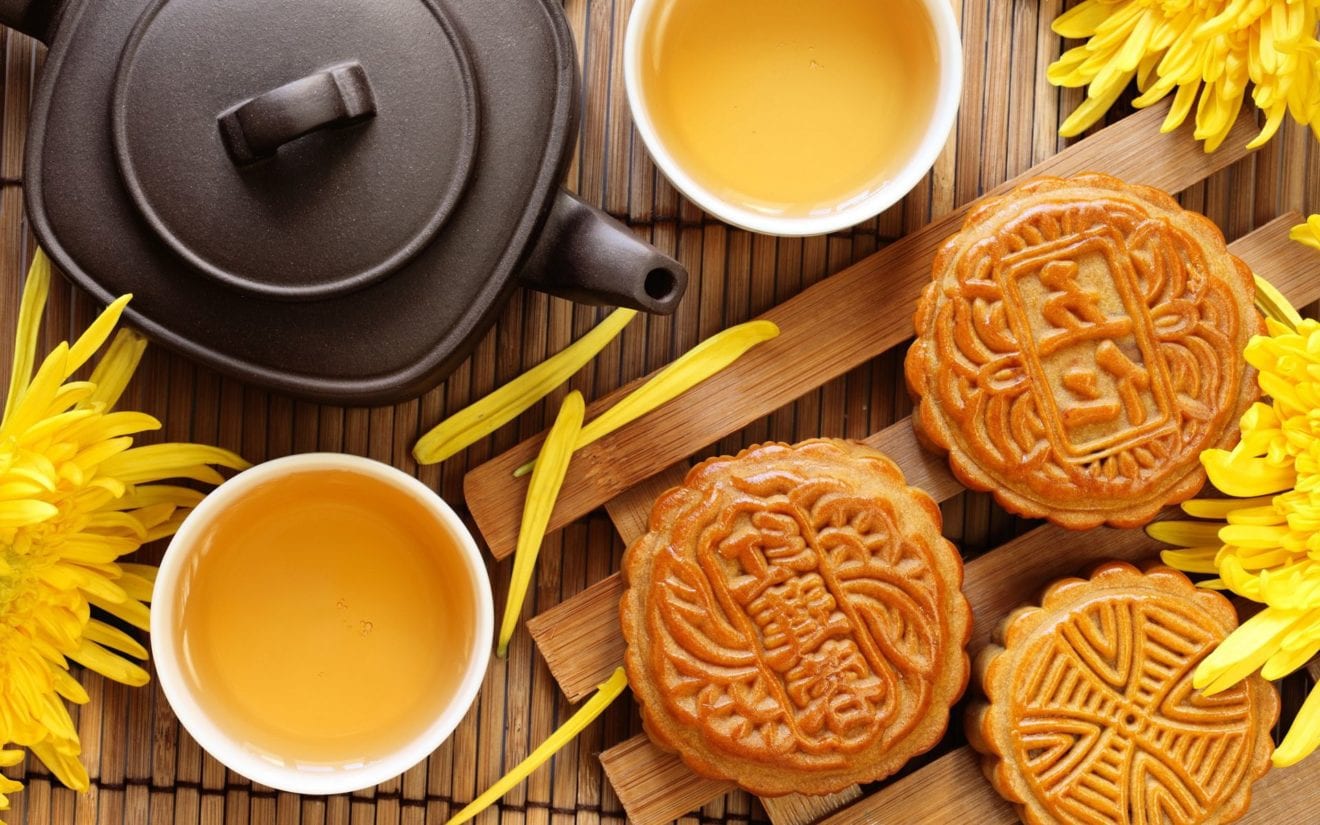
    As the Moon Festival on Sept. 27 draws near, Hongkongers who buy mooncakes of well-known local brands or receive them as gifts need to be careful, because they might be imitations from the mainland, Apple Daily reported Friday.

    At the Longxi market in Shenzhen’s Longgang district, reporters from the newspaper found hawkers still selling counterfeit mooncakes masquerading as products of Hong Kong’s Maxim’s Group and Wing Wah Food Manufactory Ltd., despite a recent crackdown by local authorities.

    The hawkers claim the mooncakes were imported from Hong Kong.

    However, they cost as little as HK$100 (US$12.90) per box of four, about half the price of the genuine mooncakes in Hong Kong. The counterfeits’ packaging bears the correct QR codes, but it doesn’t have the anti-fake codes that only the original products have. Maxim’s said it is aware of such imitation products and reserves the right to pursue legal action.

    It called on consumers to refrain from buying its mooncakes in grocery stores or at hawker stalls. Hong Kong-made mooncakes are popular among mainland Chinese, who buy an estimated 20 billion yuan (US$3.14 billion) worth of them a year. One reason counterfeits are rampant this year may be the official ban on mooncakes imported from Hong Kong that contain egg yolks, on the grounds of disease prevention.

    The ban has resulted in a serious shortage of the genuine mooncakes in the mainland, leading to big price hikes, the report said.

    On Taobao, the online shopping mall operated by Alibaba Group Holdings Ltd., Hong Kong-made mooncakes are much pricier than at retail stores in the city, some being offered at as much as HK$100 more per box.


  • Legendary Kyoto Tearoom ‘Nakamura Tokichi’ Launching New Autumn-Winter Delicacies

    Legendary Kyoto Tearoom ‘Nakamura Tokichi’ Launching New Autumn-Winter Delicacies

    Legendary Japanese tearoom Nakamura Tokichi unveils its first season of autumn-winter delicacies on October 1 at their first overseas branch in Hong Kong.

    Since the successful launched in May, this historic Kyoto tearoom brand has become an overnight success story in Hong Kong, beloved for its famously unique green tea treats. The launch of its first new seasonal specialties now promises to flood social media, with inevitable queues by fans keen to be the first to sample the latest delicacies.

    Famed chestnut from Aichi in Nagoya is the annual awaited seasonal ingredient, Nakamura Tokichi bringing in a range of new items that will be serve from October 1 till December.

    The new Chestnut Maruto Parfait (HK$108) sumptuously layered with the unique sweet potato puree and homemade chestnut fresh cream which match perfectly well with the matcha & hojicha flavours tea jelly, ice-cream and two chestnut varieties, which is available at the Tearoom.

    The irresistible Chestnut Financier Cakes (HK$33) made in two flavours – Matcha or Hojicha comes in with a whole Japanese chestnut in the middle of the Cakes. Last but not least to complete the chestnut season with the Nakamura Tokichi’s inimitable Chestnut Matcha Yokan (HK$108), this limited version added in crushed chestnuts which pairs well with green tea.

    MEEc23PK5J_Vby8ZDIwy3jNSo_U0AE9m5JDGzT8Qt48

    Apart from the seasonal items, the latest addition to the Gift Shop from October 1 will be the all-time-favourite Gateau Chocolate Cake (HK$218) comes with rich matcha flavour and a well mix with white chocolate, when serve it warm with fresh cream or ice-cream it brings out another level of fragrance.

    Nakamura Tokichi opens daily from 11am – 9:15pm and extending the operation hours from Oct till 10pm. HK$10 tea charges per person, and customers are requested to order minimum of 1 drink/ 1 food item at shop.

  • McDonald’s India to double network

    McDonald’s India to double network

    McDonald’s India says it plans to open a new restaurant every week for the next five years.

    That’s 250 restaurants by the end of 2015, more than double its current network of 231.

    McDonald’s India master franchisee is Westlife Enterprise, whose vice chairman Amit Jatia says the growth focus will be on the western and southern parts of the country.

    McDonald’s launched in India 20 years ago, essentially the first of the crop of global fast food chains to establish a presence there. Now it faces growing competition from the likes of Burger King, Domino’s and Pizza Hut for a share of the growing fast food market.

    Jatia says McDonald’s will be expanding its coffee offer, opening the McCafe concept within its fast food restaurants as part of a move away from softdrinks.

    “We offer a range of smoothies, besides coffees and this encourages customers to opt for non-carbonated drinks,” he said in an interview with the India Times.

    The McCafe network will be expanded from the current 45 to about 140 within two years.

  • Food placed to defy retail downturn

    Food placed to defy retail downturn

    Rising income levels in some of Asia’s fastest growing economies are set to drive solid growth in food retailing according to a report by logistics company DHL.

    While retail sales in many categories in Hong Kong, China, Macau and other parts of Asia are suffering from decline, or at best static growth, food retailers are set for a boom according to independent research commissioned by DHL Hong Kong.

    Some 300 industry decision makers were surveyed in India, Indonesia, Thailand and Vietnam for the report, titled Hungry for Growth: Logistics Trends in Asia’s High-Growth Food Retail Markets.

    It found that one in four of the companies polled expected to grow sales by 10 per cent or more this year – and six in 10 predicted growth of at least six per cent.

    However, the report also found that up to 38 per cent of those surveyed were unaware of their total logistics costs, while 37 per cent lacked any KPIs or formal measurements for their supply chain performance, potentially impacting their ability to keep shelves stocked and orders filled as demand and competitive factors grow increasingly complex.

    “Rapid increases in purchasing power, coupled with surges in demand driven by population growth, will yield obvious expansionary benefits to food retailers,” said Dean Eichorn, VP retail for DHL Supply Chain Asia Pacific.

    “However, any food retailer’s success is ultimately dependent on the agility of their supply chains when faced with demand volatility, seasonal fluctuations, and other complex market factors. Asia’s food retail industry looks set to undergo significant growth in the next year, and only with greater understanding and control of their logistics operations will companies be able to take advantage of new opportunities.”

    The research found that food retailers are increasingly at risk from unpredictability on both demand and supply sides of their operations. In the four countries surveyed, late supplier deliveries were most commonly cited as food retailers’ top concern, while 36 per cent admitted that demand volatility had a major impact on their businesses.

    Issues around supply chain performance and costs varied around the region: fuel, labor, and imbalances between supply and demand ranked amongst retailers’ top cost issues.

    “Many of these concerns are amplified because a large number of food retailers don’t have visibility of their logistics operations, let alone the resources or subject expertise to improve and optimise them,” said Eichorn.

    “Food retailers need reliable, agile supply lines if they’re to focus on their core competencies and compete. This agility only comes from being able to manage the supply chain as an end-to-end process across transport, warehousing, and value-added services in a way that’s rapidly scalable without creating extra complexity.”

    The research also found that more than 60 per cent of food retailers have not outsourced any aspects of their supply chains, suggesting that retailers who actively adopt third-party logistics solutions stand to gain significant first-mover advantages over their competition. Of those surveyed, 44 per cent believe inventory optimisation technologies would be beneficial to their overall performance, while 38 per cent see advanced transport management services, like track and trace, as helping them improve reliability in meeting demand.

    “Asia’s food retailers recognise the need to innovate and change, but the technologies and process transformations required to do so aren’t their domain of expertise, and nor should they be,” said Eichorn.

    “The key to growth and expansion in Asia’s food retail industry, and those of other developing regions where we’re seeing similar trends, will be how effectively operators can take advantage of third-party expertise and managed solutions in everything from technology to end-to-end supply chain management.”

    The DHL report said food retailers in Asia’s emerging markets are headed for a period of significant disruption, driven largely by rapidly growing competition and consolidation both within and between national markets.

    “For the vast majority of those retailers, the strength and agility of their supply chains will make or break how they align customer service to the rising expectations of increasing middle-class consumers, respond to demand and cost fluctuations, and develop new ways to differentiate themselves against increasingly hungry competition,” the report concluded.

  • Shrinking 7-Eleven Singapore turns to meals

    Shrinking 7-Eleven Singapore turns to meals

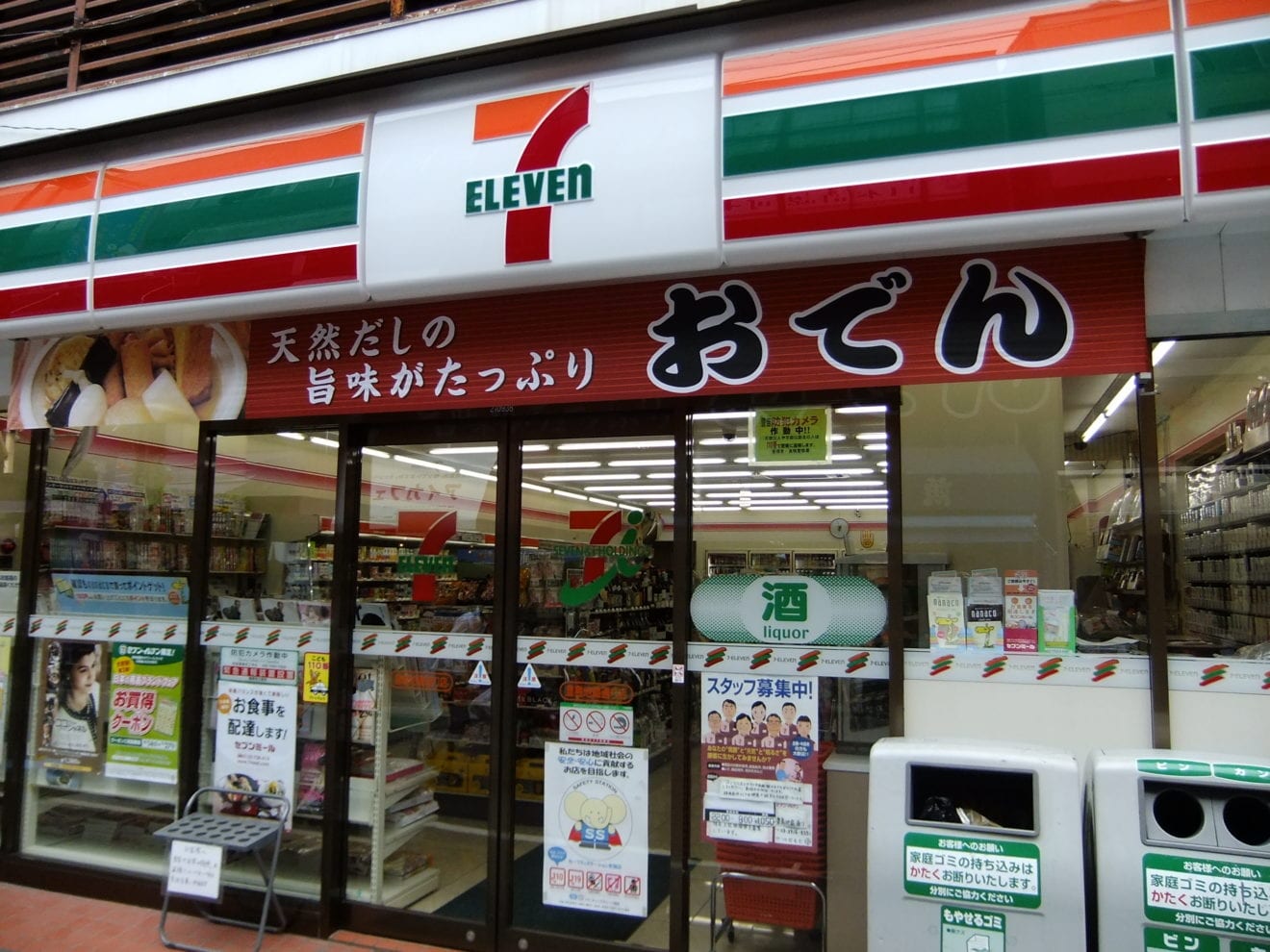
    7-Eleven Singapore is preparing to launch a range of ready to eat meals across its 500-strong store network, in what CEO David Goh says is the core pillar of its ‘change in direction’ business plan.

    The Singapore convenience store network, operated by Hong Kong-based Dairy Farm International, has trialled a chicken and rice meal in two stores as the first step in what will eventually be a full scale roll-out of ready to eat foods.

    About 100 stores will get the new range by the end of this month, the remainder by the end of November.

    The company hopes a fresh meals focus will lead a turnaround in the business, which closed about 60 stores over the last two years. Squeezed by the tight labour market and tough new liquor sales laws, the company is searching for new categories to drive growth and restore profitability for franchisees.

    “In the last few years, we have closed more stores than we (have) opened,” Goh said in an interview with Today.

    “This has now stabilised. Having consolidated and redeployed resources, we may be opening as many, if not more, stores than we closed over the next couple of years.”

    Goh said the chicken rice meal was developed after staff searched for and taste tested the best chicken rice dishes in the city. The goal was to create a meal which looked and tasted better than meals available at coffeeshops and hawker centres.

    In Japan, ready to eat meals are a key category in 7-Eleven stores, which sell sushi, noodles and bento boxes to time-poor Japanese consumers.

  • Sizzlin’ Steak heads to Vietnam

    Sizzlin’ Steak heads to Vietnam

    Filipino corporate restaurateur Max’s Group is to launch its Sizzlin’ Steak concept in Vietnam.

    Max’s Group is the largest casual dining restaurant company in the Philippines. It owns Yellow Cab Pizza, which it recently launched in the UAE.

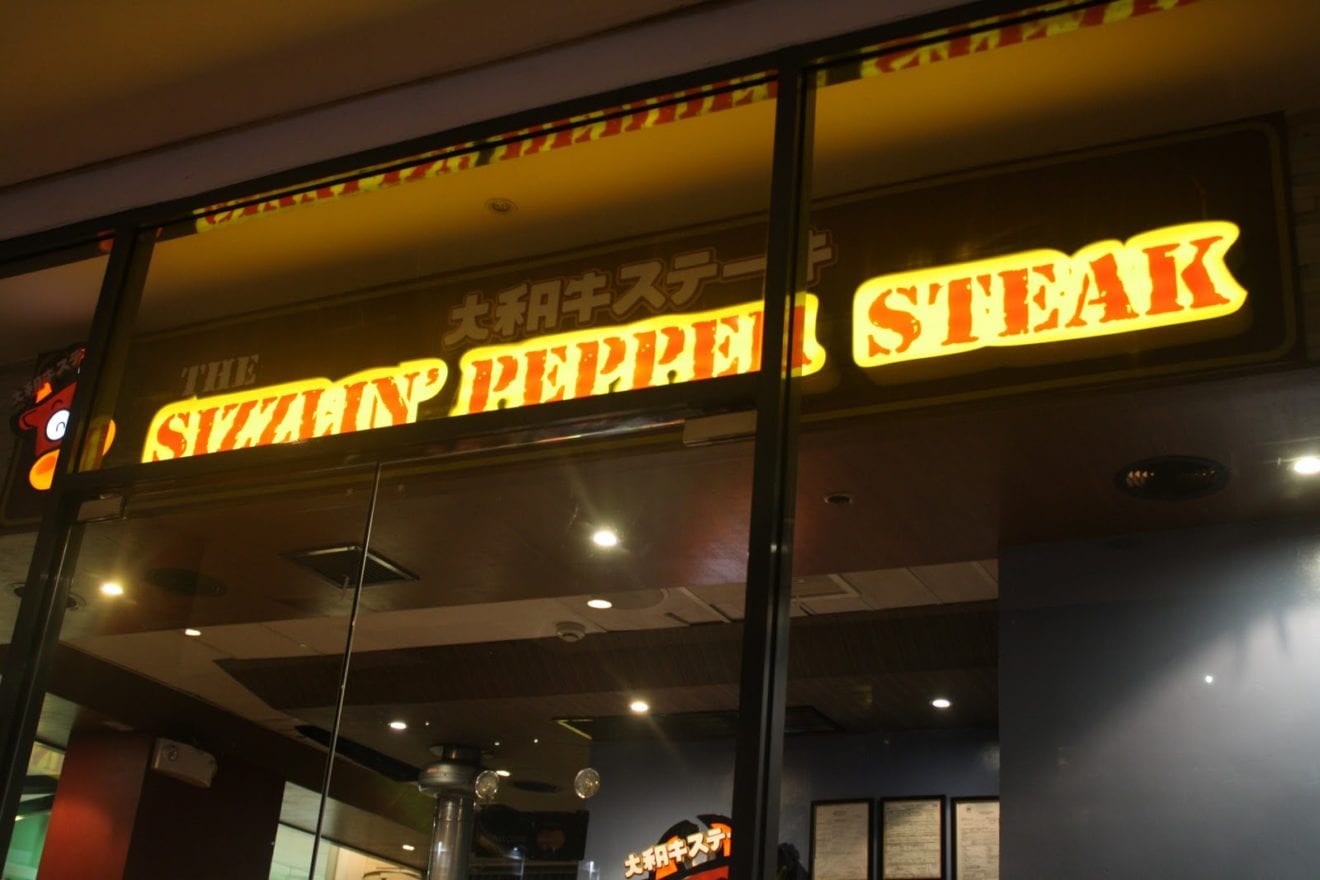
    Sizzlin’ Steak is an eight year old Japanese steak barbecue concept, serving steak and other meats cooked on hot plates at low price points. Barbecue style dining concepts are popular amongst Vietnamese.

    Max’s is entering Vietnam in partnership with L Concepts, a subsidiary of the Longfort Group, which focuses on developing unique dining concepts and brands in Southeast Asia.

    According to documents filed with the stock exchange in Manila, L Concepts will open a minimum of 10 Sizzlin’ Steak restaurants in Vietnam within five years. Max’s currently has 10 in metro Manila and is considering a pilot store in the US.

    Max’s Group president and CEO Robert Trota says the company plans to add at least 200 stores to its overseas network by 2020.

    “We envision to rollout our key brands outside the Philippines with strategic franchise operators. As new markets are established and momentum builds in the next few years, we expect the international portion of our business to be a significant contributor to system-wide sales and to our bottom line,” he said.

  • OldTown Coffee suffers as Malaysians spend less

    OldTown Coffee suffers as Malaysians spend less

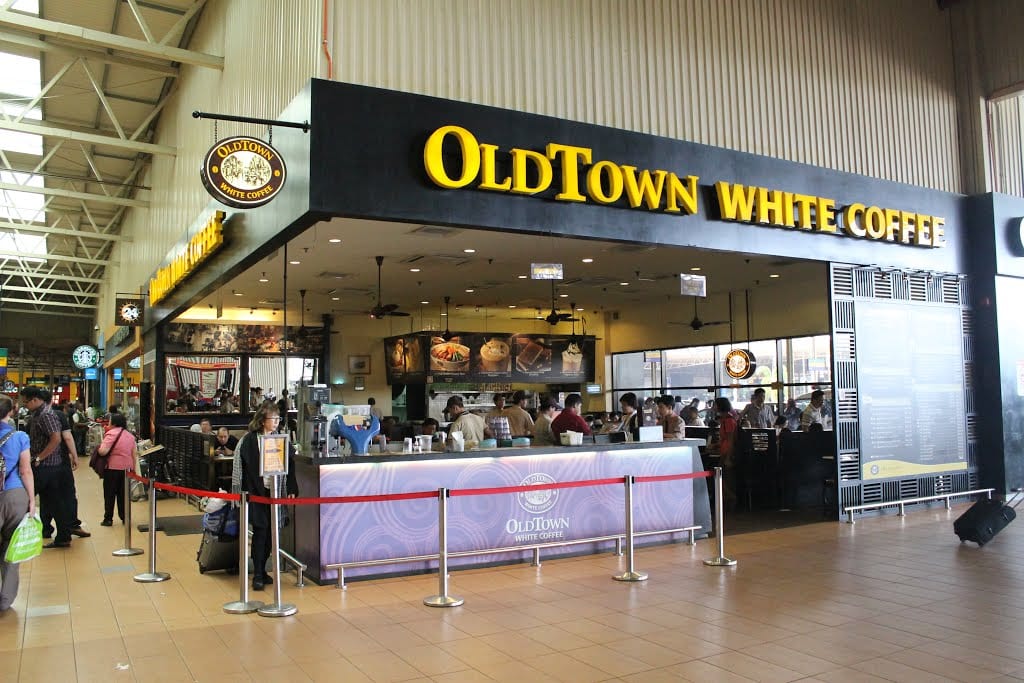
    Malaysian cafe chain OldTown Coffee has reported falling sales and profits as Malaysians continue to get used to life after the imposition of GST on April 1.

    The company, which operates 210 discount coffee shops and sells packaged coffee through FMCG channels, posted a profit of RM9.49 million ($US2.2 million)  in its first quarter, to June 30, 6.8 per cent less quarter on quarter and an unhealthy 18.9 per cent less year on year. Topline sales slumped 10.5 per cent quarter on quarter and 3.9 per cent year on year to RM94.06 million (US$22.3 million).

    OldTown concentrates on the local Malaysian market serving milky coffees and light snacks – it does not make espresso-style coffee drinks like Starbucks.

    The company says its declining fortunes were driven by a downturn in cafe sales, rather than packaged goods: Same store coffee shop profit fell 46.4 per cent year on year.

    The company plans to open 10 new outlets before the end of the current financial year, next March, representing an expansion of about five per cent.

    Sales of packaged foods – mainly instant coffee and coffee mixes – rose 29 per cent.