Category: Food

Retail News Asia is committed to providing both local and global retailers with the latest Food and Food & Beverage news throughout the Asian market. This on a daily base.

  • Hello Curry plans 100 outlets in 2016

    Hello Curry plans 100 outlets in 2016

    Indian quick service restaurant chain Hello Curry says it plans to treble its network by the end of 2016.

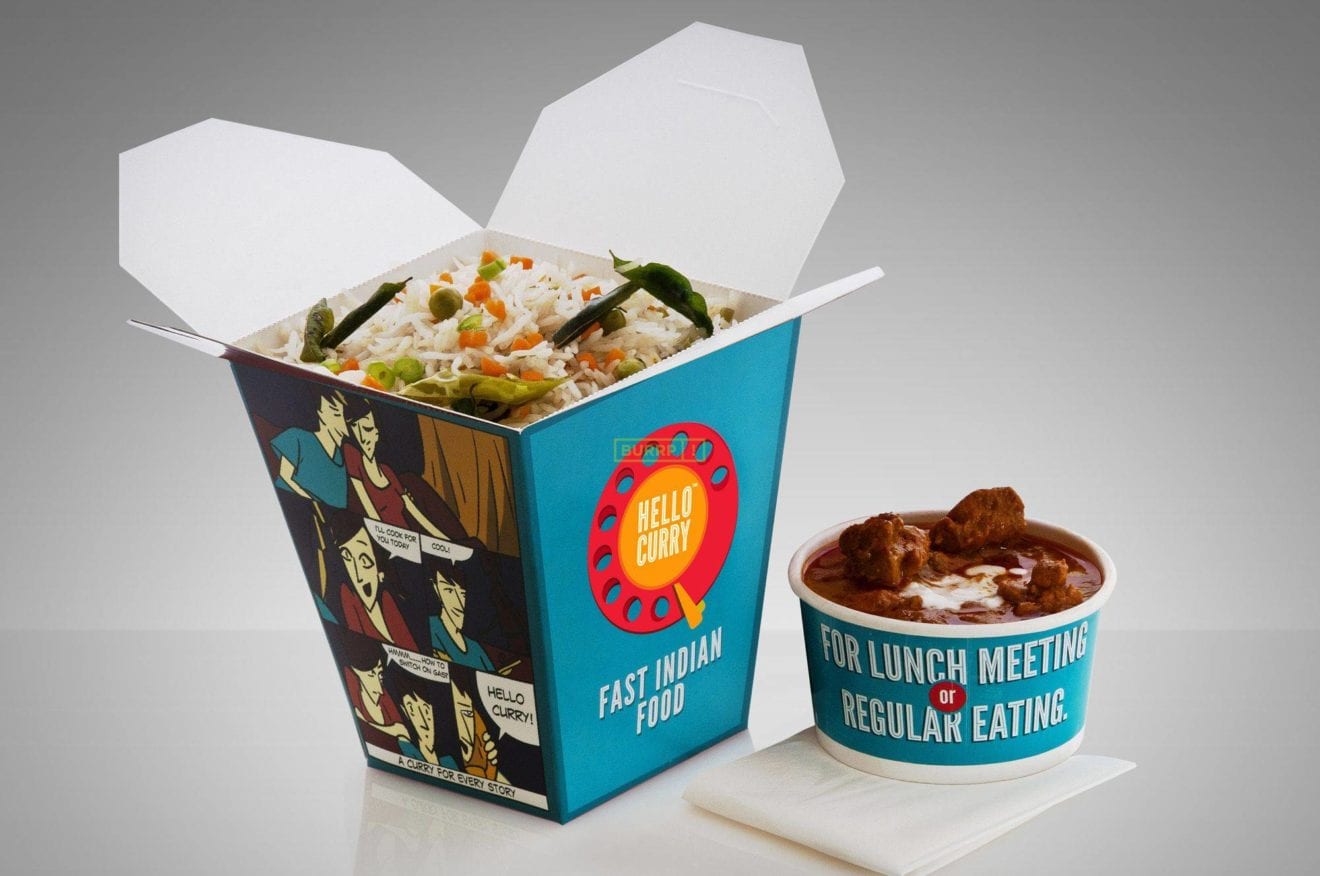
    Hello Curry serves curries and biryanis from 32 outlets opened since its launch 19 months ago. It is now moving to ramp up its rollout because it wants to take on international fast food operators like KFC and McDonald’s, and local rivals, with a unique Indian offer.

    Co-founder and CEO Raju Bhupati says the chain plans to have 100 restaurants operating by the end of next year.

    Hello Curry is looking to work with established restaurant chains in urban centres in a unique concept. The business model, called KICK (Kitchen in Commercial Kitchen), would see Hello Curry cover the costs of supplying the ingredients and packaging, with the partner kitchens cooking the food and delivering it, receiving a commission of 15-20 per cent on each sale in return.

    Meanwhile, the company has just sealed a deal to open kiosks within six multiplex cinemas operated by PVR Ltd in Bengaluru and one in Hyderabad. Biryanis and rolls will be served to moviegoers at their seats.

    Three more theatres will follow in Hyderabad by the end of this month with plans to extend the agreement into Delhi, Mumbai, Pune and Nagpur.

    Bhupati says partnering with PVR will help raise the brand’s profile and drive traffic to its restaurants after patrons experience the food and tell their friends.

    Hello Curry will deliver pre-cooked biryani to the kiosks for consumption in a three-hour time period, ensuring the food remains fresh and hot and minimising wastage.

    More than half the first 100 stores planned will be KICK concepts, the rest company operated stores. The PVR kiosks are not included in that figure.

  • Future Bright profit that is no longer “bright”

    Future Bright profit that is no longer “bright”

    The Macau slowdown and foodcourt closures are among factors behind a projected plunge into the red by Hong Kong listed corporate restaurateur Future Bright.

    In a statement to the stock exchange, Future Bright says it expects to report a loss in the order of HK$29.8 million this financial year to December 12. Last year, the group posted a $168.8 million profit.

    The downturn in gambling in Macau and a drop in Mainland Chinese tourists has impacted on sales of the group’s Yeng Kee Bakery food souvenir business and of its restaurants in the territory.

    In addition to that, its three restaurants and 19 foodcourt counters in Huafa Mall across the border in Zhuhai have been closed while the mall undergoes renovation, leading to a substantial drop in cashflow. The company has also written down the value of some of its investment properties.

    Future Bright’s gross operating profit margin this year has fallen from 18.2 per cent in the first quarter to 14.6 per cent in the second, recovering only slightly to 15.1 per cent in the third quarter, to the end of September.

    Most of the losses in the restaurant and foodcourt business occurred in the second quarter with a significant recovery noticeable in the third – especially for its Japanese restaurants which  achieved $80 million in sales (compared with just $65.2 million in the second quarter).

    “The group’s overall performance for the third quarter has been in line with the inflow of visitors to Macau and the slowdown in the Macau Gross Gaming Revenue during the Third Quarter,” the company said.

    That period saw 8.097 million visitors enter Macau, some 147,000 fewer than during the same quarter last year.

    Macau Gross Gaming Revenue dropped 34.3 per cent, impacting on Future Bright’s high end restaurants.

    The company says it is restructuring the Yeng Kee operation, by closing a high rental street shop, opening more kiosks and setting up more consignment arrangements at airports.

    Meanwhile, it opened its first Japanese ramen shop under the brand name of Bari Uma in Causeway Bay in Hong Kong in July 2015 and a new Shiki Hot Pot Restaurant at Studio City, Cotai in the end of October 2015.

  • Paris Baguette opens in Las Vegas

    Paris Baguette opens in Las Vegas

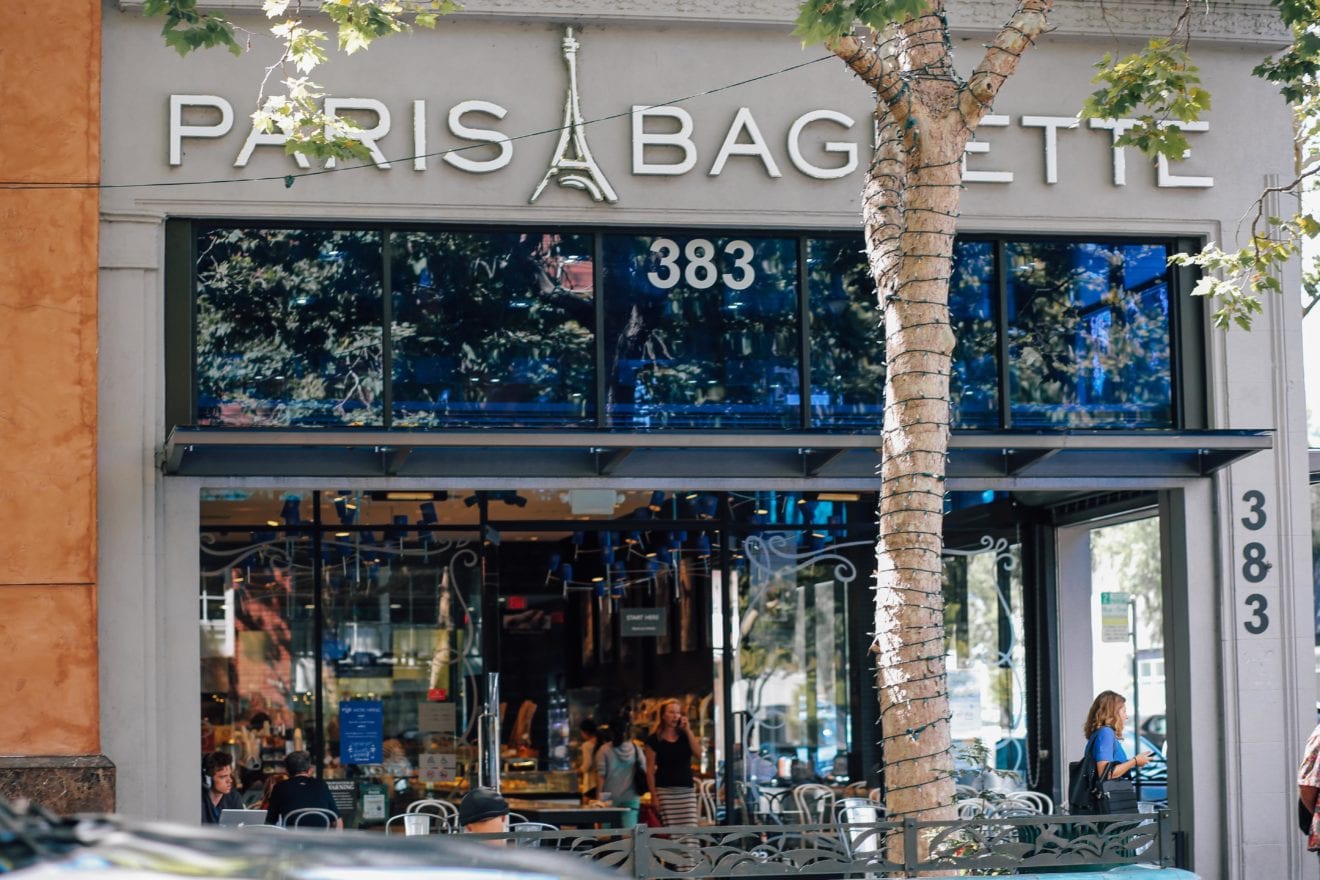
    SPC Group has opened a Paris Baguette store in Las Vegas, a first in the Korean confectionery and bakery industry.

    The Las Vegas store is the company’s 44th store in the US, and located in the Grand Canal Shoppes, a large shopping mall located between two of the major hotels in Las Vegas, the Venetian and the Palazzo.

    The Paris Baguette store occupies two stories within the tourist hot spot, famous for its recreation of Venice, Italy.

    SPC Group announced that it has opened a Paris Baguette store in Las Vegas, which is a first in the Korean confectionery and bakery industry. (Image : SPC group)

    The biggest difference with the Las Vegas store is that it will be selling items such as sandwiches, muffins, and croissants that are popular in the area, and considering that the location is a tourist spot, the store will also sell items suitable as souvenirs.

    Gift sets, tumblers and mugs that have images or quotes representing Las Vegas will be available exclusively at the Las Vegas store.

    Paris Baguette first set foot in America in 2005. Since then, the company has opened 43 stores in New York, Boston, San Francisco and Los Angeles.

  • China formula boom boosts a2 Milk

    China formula boom boosts a2 Milk

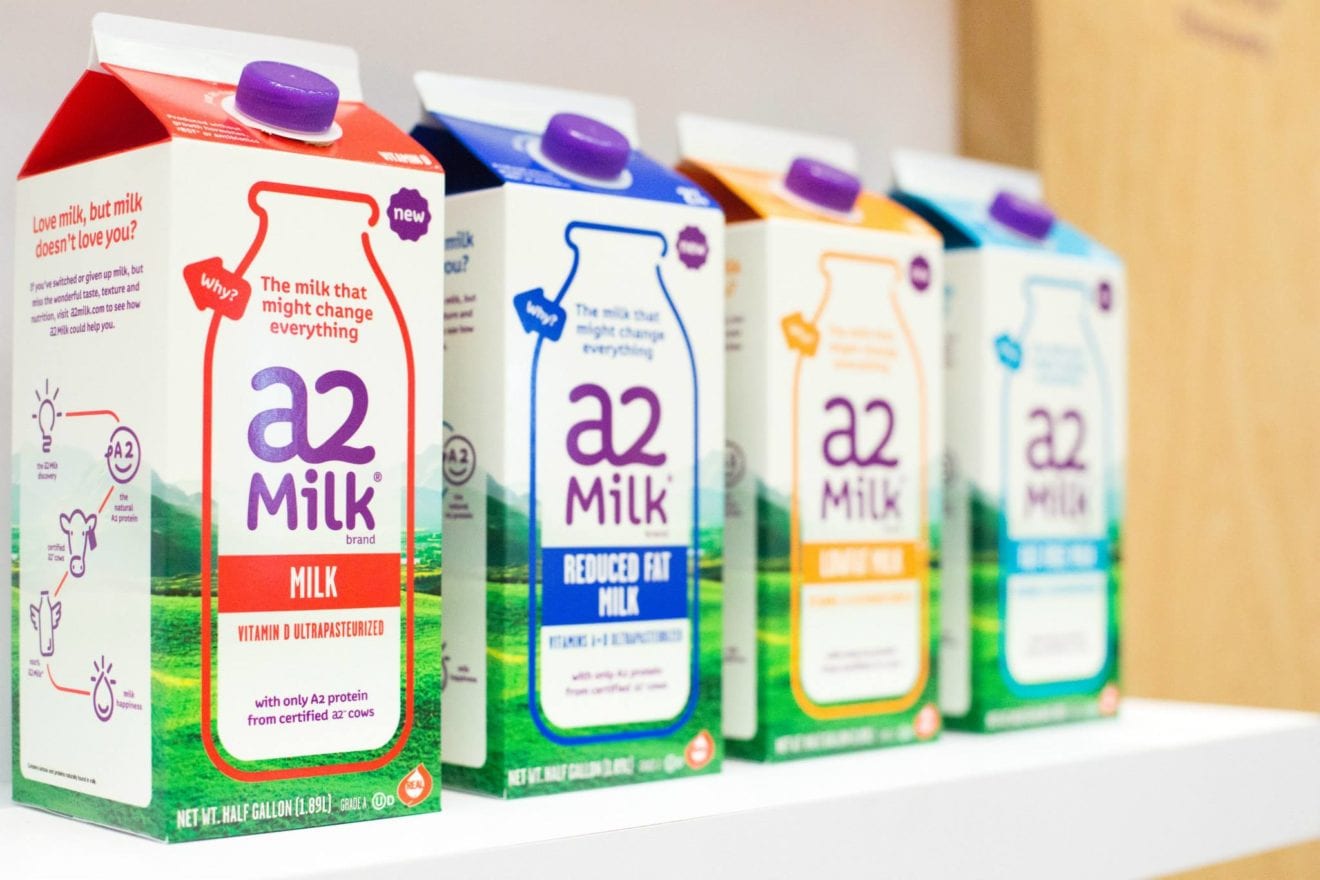
    China’s booming demand for baby formula had prompted dairy company a2 Milk Co to boost its earnings forecast for the 2016 financial year.

    The company, which operates in Australia and New Zealand, said the demand for its a2 Platinum infant formula was “growing exponentially”, with sales hitting $NZ38 million for the first for months of the new fiscal year, compared to a total take of $NZ42m for the entire 2015 financial year.

    Baby formula now accounts for around half of a2 Milk’s total group revenue, the company told shareholders at its annual general meeting today.

    The group expects total revenue of $NZ285m for the year, up from its previous forecast of $NZ267m, and raised earnings before interest, tax, depreciation and amortisation guidance to $NZ22, nearly double prior estimates.

    The bullish outlook comes amid headline grabbing reports of supermarket shelves being emptied of milk formula after customers — often Chinese tourists, migrants or students — remove stock by the pallet-load to sell online at home at inflated prices. The reports have caused an uproar among parents and consumer groups, who have called on the government to intervene.

    But a2 Milk said demand was growing amongst both Australian and Chinese customers. The group said the growing success of a2 Platinum products was based on the reputation of the a2 Milk brand in Australia, while positive perceptions around Australia and New Zealand’s “clean and green” sourcing, was also helping drive strong demand from China.

    The company said retail stock shortages were continuing despite production volumes increasing, while demand was continuing to exceed supply.

    The group said it was building branded flagship stores across selected e-commerce retailers to build and capitalise on the growing demand in China.

    “The a2 Milk Company is on the cusp of converting our recent investments into significant and meaningful business platforms, both in Australia and abroad, which will generate significant growing returns across the coming years.” chairman David Hearn said.

  • American bistro TR Fire Grill coming to Indonesia and Malaysia

    American bistro TR Fire Grill coming to Indonesia and Malaysia

    TR Fire Grill, a chef-inspired American bistro, is making its way to Malaysia and Indonesia with its artisanal culinary experiences, its first venture out of the United States.

    Its franchisee for Malaysia and Indonesia, Grand Companions Sdn Bhd’s CEO, George Ang said the company planned to invest about RM2.2 million in each of the TR Fire Grill outlets.

    “By June or July 2016, we will have the first restaurant in Kuala Lumpur and it will be followed another two in Jakarta, Indonesia,” he told Bernama in a recent interview.

    He said for both Malaysia and Indonesia, TR Fire Grill would have pork-free menu.

    TR Fire Grill was launched in March 2015 by Romacorp, which owns another American casual dining chain restaurant brand, Tony Roma’s. Grand Companions is also the franchise partner of Romacorp for Tony Roma restaurants in Malaysia.

    On the expansion for Tony Roma’s restaurants in Malaysia, Ang said the company currently operates nine Tony Roma restaurants in Malaysia and planned to add four more with investments of RM2 million each.

    “One new outlet will be opened in Vivacity Megamall in Sarawak and an additional three outlets in Peninsular Malaysia in the next two to three years,” he added.

    Grand Companions, he said was able sustain the volume of patrons for its Tony Roma’s restaurants in Malaysia and expected to lock in sales of RM250 million by end-2015.

    Meanwhile, Romacorp president and CEO, Stephen K. Judge, said Malaysia was one of the key markets for the US-based group.

    He said the group is currently developing new brands to continuously cater to the fast-moving food and beverages market.

  • Chile salmon JV benefiting from Norway, China trade troubles

    Chile salmon JV benefiting from Norway, China trade troubles

    Chile’s salmon joint venture New World Currents, comprised of Australis Seafoods, Blumar Seafoods, Pesquera Camanchaca and Cultivos Yadran, has met this year’s target to sell salmon to the Chinese market.

    In 2014, the venture already exceeded the expectations of its partner companies. The JV’s sales volume target for the year was originally 2,000 metric tons, but it had already hit 3,000t as of Nov. 6 last year.

    So far this year, the company has sold about 5,000t of salmon to China, of which 70% was frozen and 30% fresh, Eduardo Goycoolea, executive director of the New World Currents venture told Undercurrent News.

    “We have increased our sales 40% year-on-year already and we’ll keep growing in China. Chilean salmon has become an attractive alternative after the conflict between Norway and China,” Goycoolea said.

    Norway’s salmon exports to China have been fraught with difficulties since the 2010 Nobel peace prize. In March this year China delivered another blow to Norwegian producers: it announced it would ban all imports of whole head-on salmon from three Norwegian counties — Nordland, Troms and Trondelag.

    Although China and Norway agreed on a new certificate formula that meant exports of salmon to China could be maintained a month later, Chile has benefited from Norway’s difficulties for trade into the Asian country.

    “Fresh salmon account for 30% of our total sales volumes to China, and we want to send more fresh product as we are working to improve our logistics for air freight shipments,” Goycoolea said.

    New World Currents has done freight shipments from Chiloe once per week, but due to higher demand of fresh salmon from China, the JV has began to send salmon through additional flights out of Buenos Aires, Argentina, from October 1.

    The venture is also looking to export more value-added products in China’s retail segment, Goycoolea said.

    The commitment of the venture with China’s market is clear, as it has already two sales offices in the country, one in Shanghai and another Shenzhen. By the end of November, the JV plans to open a third sales office in Qingdao, Goycoolea said.

    “By the next three years we want to sell about 10,000t to China, as consumption in this country is growing,” he said.

    Despite salmon falling prices, China is a “very interesting market”, as it consumes the largest sizes, which are more profitable as they have higher prices.

    New World Currents represent about 25% of salmon production in Chile, and it is having requests from other Chilean companies to join the venture, although it wants first to consolidate its brand and ties with local distributors before expanding, Goycoolea said.

    China’s growth potential

    Chile’s salmon farmers aim to double sales to China within the next five years, taking advantage of its potential market growth.

    The Chinese market for salmon has significant prospects for growth not only because the country has more than 1.3 billion population, but also because salmon consumption is still low, leaving space for further market penetration.

    In 2014, Chilean salmon exports to China totaled $147 million, which was up by 4.18% year-on-year. China, however, represents just 3.37% of total salmon exports from Chile.

    Chilean salmon companies export to more than 65 markets, but just three countries — the US, Japan and Brazil — account for 68.2% of total exports.

  • Yum Brands boosted by China sales growth

    Yum Brands boosted by China sales growth

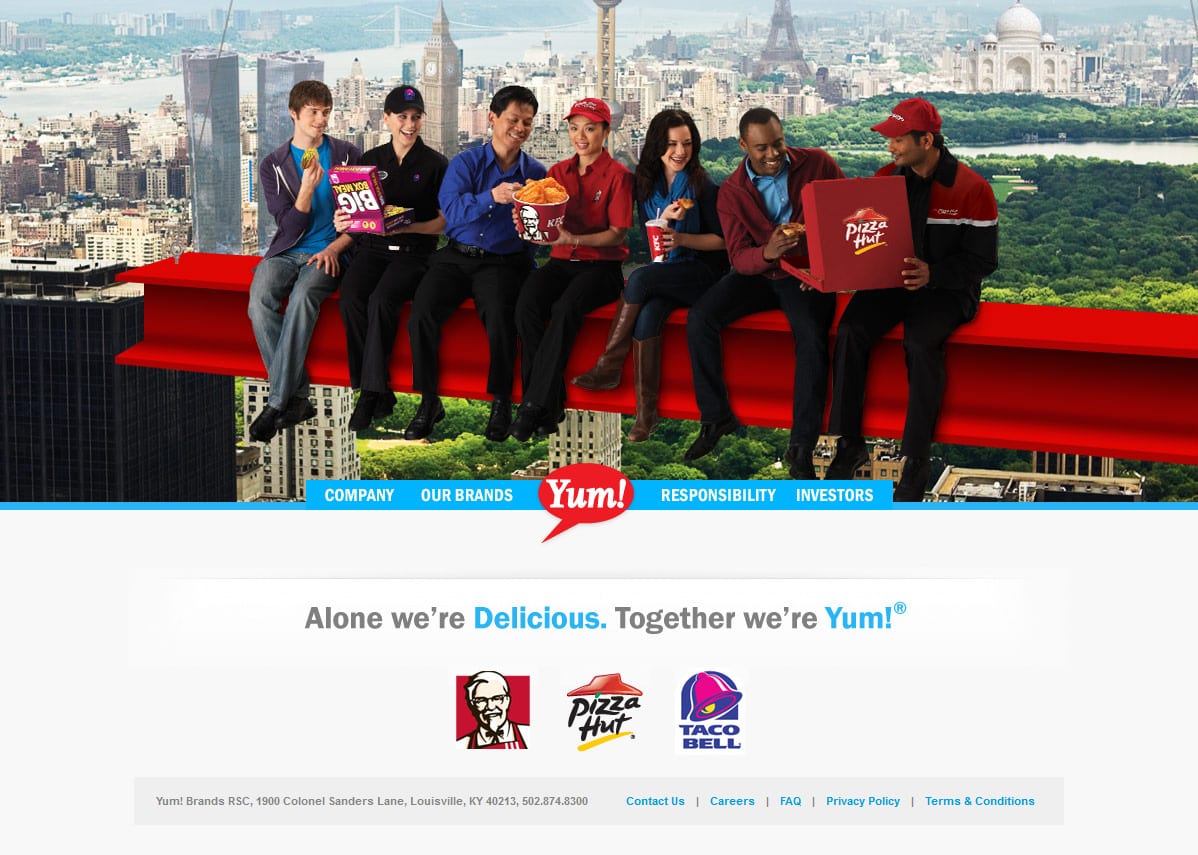
    Investors sweetened towards shares in Yum Brands, the owner of KFC, Pizza Hut and Taco Bell, after the company reported stronger-than-expected October same-store sales growth in China. The Louisville, Kentucky-based company said same-store sales, a key industry metric, grew 5 per cent last month.

    However, Yum reiterated its fourth-quarter guidance for comparable sales growth of zero to 4 per cent, noting that it remains “difficult to forecast in China”.

    “While an early sign of perhaps some stabilisation in the market, investors should avoid being overly buoyed by the magnitude of the beat, as China sales have been extremely volatile, and we were not provided with the year-ago monthly compares,” according to Jason West, an analyst at Credit Suisse.

    The news comes a month after Yum announced plans to spin off its Chinese operations, which accounted for about half the company’s overall revenue last year, into a separate company.

    Shares in Yum gained more than 2 per cent to $68.64, trimming its year-to-date decline to 5.8 per cent.

    Retail stocks continued to get punished ahead of the key US shopping season after Nordstrom cut its full-year profit forecast a day after Macy’s.

    The S&P 500 department stores index, which includes just Nordstrom, Kohl’s and Macy’s, fell 8 per cent on Friday and is down nearly 17 per cent for the week. The broader S&P 500 retail index declined more than 5 per cent over the week.

    Retailers have attributed weak results to warm weather and the strength of the US dollar, which has hurt tourist spending. Analysts said weak customer traffic has resulted in higher inventory and that could drive more promotional activity during the key shopping season

    Nordstrom shares tumbled more than 16 per cent to $53.05 after the upmarket retailer said it now sees earnings in the range of $3.40 to $3.50 a share, compared with its previous outlook for $3.70 to $3.80. This missed analysts’ estimates for $3.80.

    Meanwhile, the retailer expects to increase same-store sales for the year by 2.5 per cent to 3 per cent, below its previous forecast.

    Nordstrom said profits fell nearly 43 per cent to $81m or 42 cents a share, shy of analysts’ estimates for 72 cents a share. Adjusting for one-time items earnings of 57 cents a share also missed. Total revenues rose 6 per cent to $3.3bn.

    Despite reporting better than expected results, shares in JC Penney fell nearly 14 per cent to $7.59 amid the broader sell-off in the sector.

    Mylan shares jumped 13 per cent to $48.99 after the drugmaker’s attempt to buy rival Perrigo in a $26bn deal failed. Perrigo shares fell 7 per cent to $145.98.

    The S&P 500 declined for the third consecutive day led by a sell-off in the consumer discretionary sector.

    At midday, the S&P 500 was 0.8 per cent lower to 2,030.37, the Dow Jones Industrial Average had declined 0.9 per cent to 17,295.14. The Nasdaq Composite fell 1 per cent to 4,957.21.

  • Jamba Juice Taiwan marks debut

    Jamba Juice Taiwan marks debut

    The first Jamba Juice Taiwan store has opened its doors.

    The opening, in partnership with Taiwanese master franchisee Quan Hung Gourmet Company, marks the US juice cafe concept’s 71st store outside the US, and its 885th overall.

    The Taiwan store has opened at the Xinyi Vieshow complex in Xinyi.

    “We are very excited about launching the brand in Taiwan,” said Jack Hsu, special assistant to the chairman of Quan Hung Gourmet Company.

    “The Xinyi district is considered the most modern and cosmopolitan district in Taipei and comprises offices, government, shopping and entertainment venues. Jamba Juice will be a great addition for its consumers looking for a healthy alternative, day or night.”

    The Jamba store will operate from 11am to 11pm, seven days a week.

    Tom Madsen, senior VP & GM, global growth with Jamba Juice said the company is on track to close the year with about 90 international stores.

    Currently, Jamba operates international stores in South Korea, the Philippines, Canada, Mexico, the UAE and Taiwan, and has existing development agreements that include Saudi Arabia, Bahrain, Oman, Kuwait, Qatar, Thailand and Indonesia.

  • Jollibee eyes seven new nations

    Jollibee eyes seven new nations

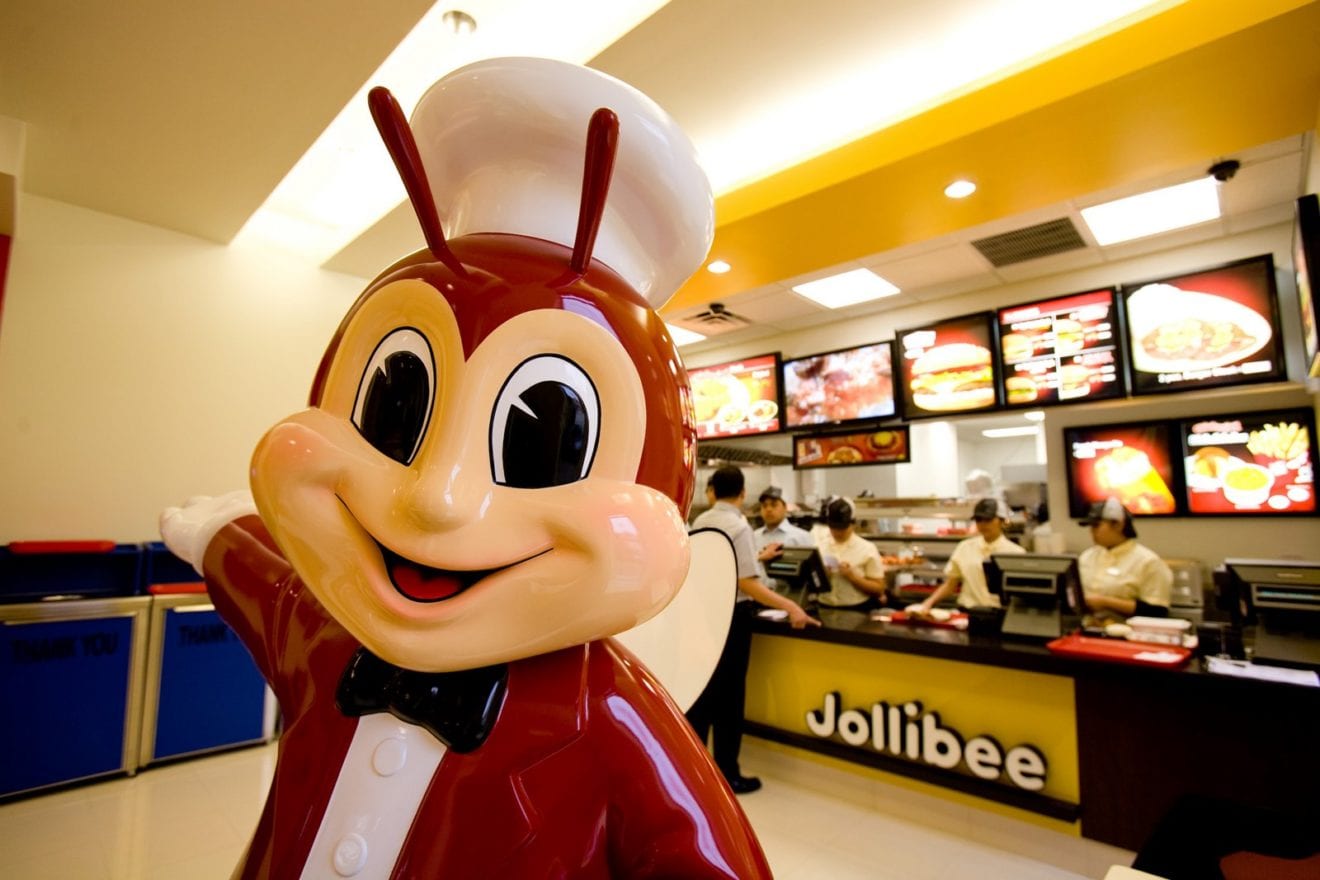
    Jollibee, Asia’s largest fast food restaurant operator, is planning to enter seven new markets over the next two years.

    According to a report in The Standard, Dennis Flores, VP for international operations of Jollibee, has revealed the company plans to take its mainstay Jollibee burger restaurant brand Jollibee into the UK, Italy, Canada, Malaysia and Oman in 2016. Forays into Australia and Japan will follow in 2017.

    The news follows last month’s investment of US$100 million for a 40 per cent stake in a fast-rising American burger chain, Smashburger.

    Jollibee, publicly listed in the Philippines, had been actively seeking an investment in a leading US growth brand to gain a foothold in the US, as p[art of its broader plan to become an international restaurant operator. It currently operates and franchises a network of more than 3000 restaurants worldwide under the trade names Jollibee, Chowking, Greenwich, Red Ribbon, Yonghe King, Hong Zhuang Yuan, Mang Inasal, Burger King Philippines, San Pin Wang, and Jinja Bar. Jollibee also has a 50 per cent interest in the Super Foods Group, which operates and franchises restaurants under the Pho 24 and Highlands Coffee brands throughout Vietnam.

    According to Flores, Jollibee’s first two stores in Europe will be located in London and Milan and its first Canadian store will open in Toronto.

    Jollibee’s network outlets have reached 3,023 worldwide, with 2,393 of them in the Philippines, and 630 outlets abroad.

    As well as expanding into new markets, Jollibee plans to open 20 additional outlets in Vietnam, and another 12 in Brunei in coming months.

  • Inside Starbucks Taiwan new concept

    Inside Starbucks Taiwan new concept

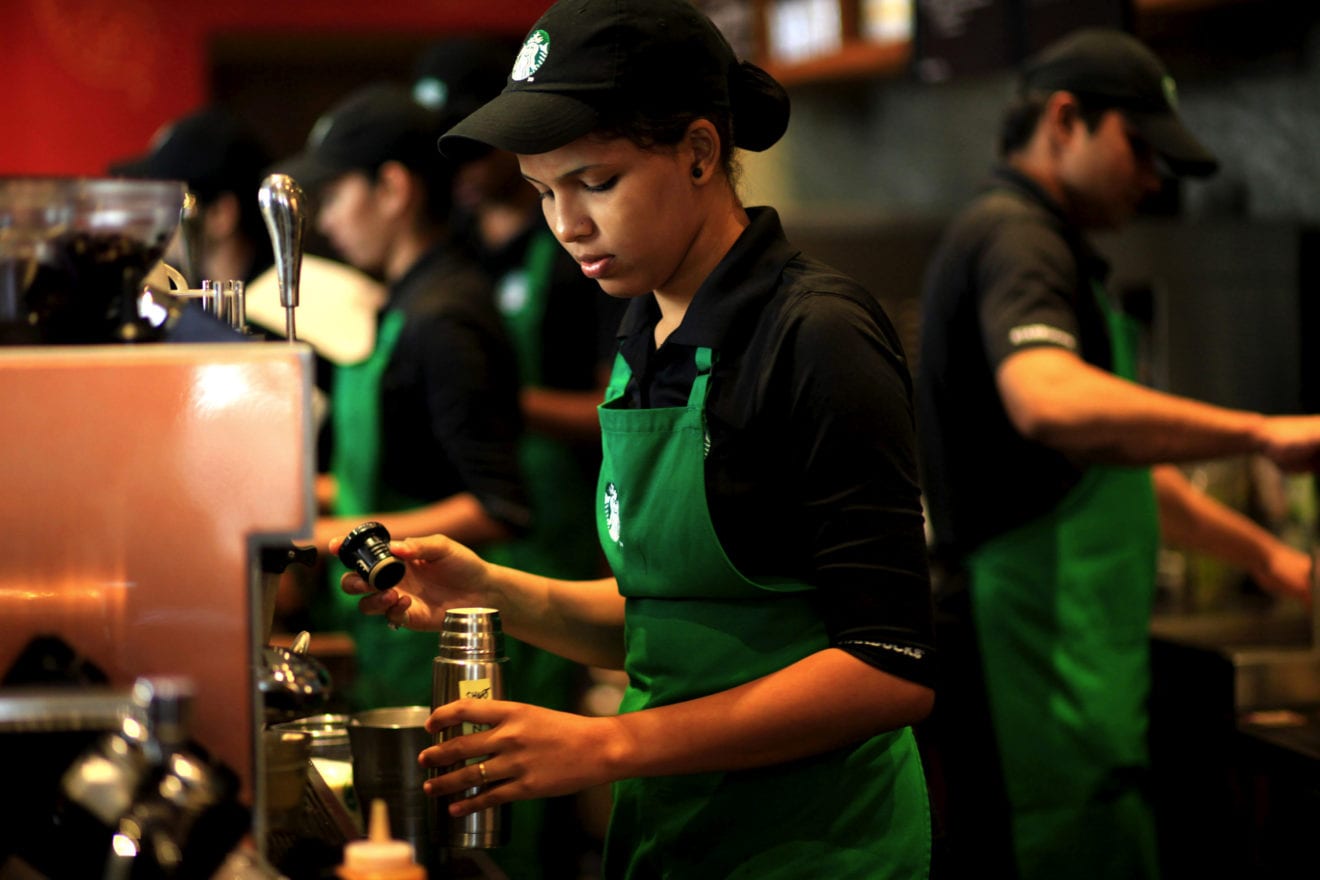
    The design team behind the new generation Starbucks Taiwan Longmen concept store set out to create a “theatre for coffee”.

    The new store features Starbucks Reserve coffees and is located in one of the busiest shopping and fashion districts in the city of Taipei.

    Starbucks Taiwan new concept 5
    “We wanted to elevate the Reserve coffee experience for customers and inspire them with our coffee passion,” said Wen Lin, project leader, Starbucks Taiwan.

    “A Reserve coffee bar is located in the center of the store or ‘center stage,’ so customers can watch partners handcrafting beverages from every vantage point.”

    Starbucks Taiwan new concept 2

    Behind the coffee bar is a central column with an abstract graphic, created from blackened metal with laser cutouts in a coffee bean pattern. Diffused lighting inside the column creates a lantern effect.

    “The column draws the eye to the bar to offer an extra layer of interest and evokes the romance of enjoying our coffee,” said Claudia Lee, director, Starbucks Store Design.

    Starbucks Taiwan new concept 6

    Visual representations of the coffee journey are featured in select areas throughout the store, highlighting the regions where coffee is harvested. This includes a 14-meter coffee belt map, created by Taiwanese wood veneer artist, Sandy Lee.

    “We want our customers to have a different visual experience every time they visit our store,” said Lin.

    The store’s design takes advantage of existing architectural elements such as an irregular-shaped floor plan and various ceiling heights to create a strong spatial look and feel. Elevated platforms were crafted into seating areas for customers, where they can look down at what’s taking place at the coffee bar. Taiwanese-designed wood tables and chairs round out inside seating and reflect local styles.

    Starbucks Taiwan new concept 3

    “We selected stools and cafe chairs that have a handcrafted quality to complement the store aesthetic,” said Percy Lee, senior design manager, Starbucks Store Design.

    “The terrazzo floor tile is the same that is traditionally found in residential buildings. This connects customers to local culture and provides a sense of familiarity and comfort when relaxing in the store.”

    Starbucks Taiwan new concept 7

    Featuring a variety of coffee brewing methods, the Longmen store is the first Starbucks in Taiwan to offer both Clover and the Black Eagle machines. Baristas will also offer coffee using the Pour Over method with a three-cup station designed and made by Iron Wang, a local Taiwanese artist who specialises in coffee brewing equipment.

    To pair with coffee, the store’s food menu includes creations by Sadaharu Aoki, a Japanese pastry chef, who owns boutiques in Paris, Taipei, Tokyo and additional cities in Japan. Along with sandwiches and desserts, customers will find Opera, a French sponge cake, created specifically for the store and made with Starbucks Colombia coffee.

  • Johnny Rockets Philippines expands

    Johnny Rockets Philippines expands

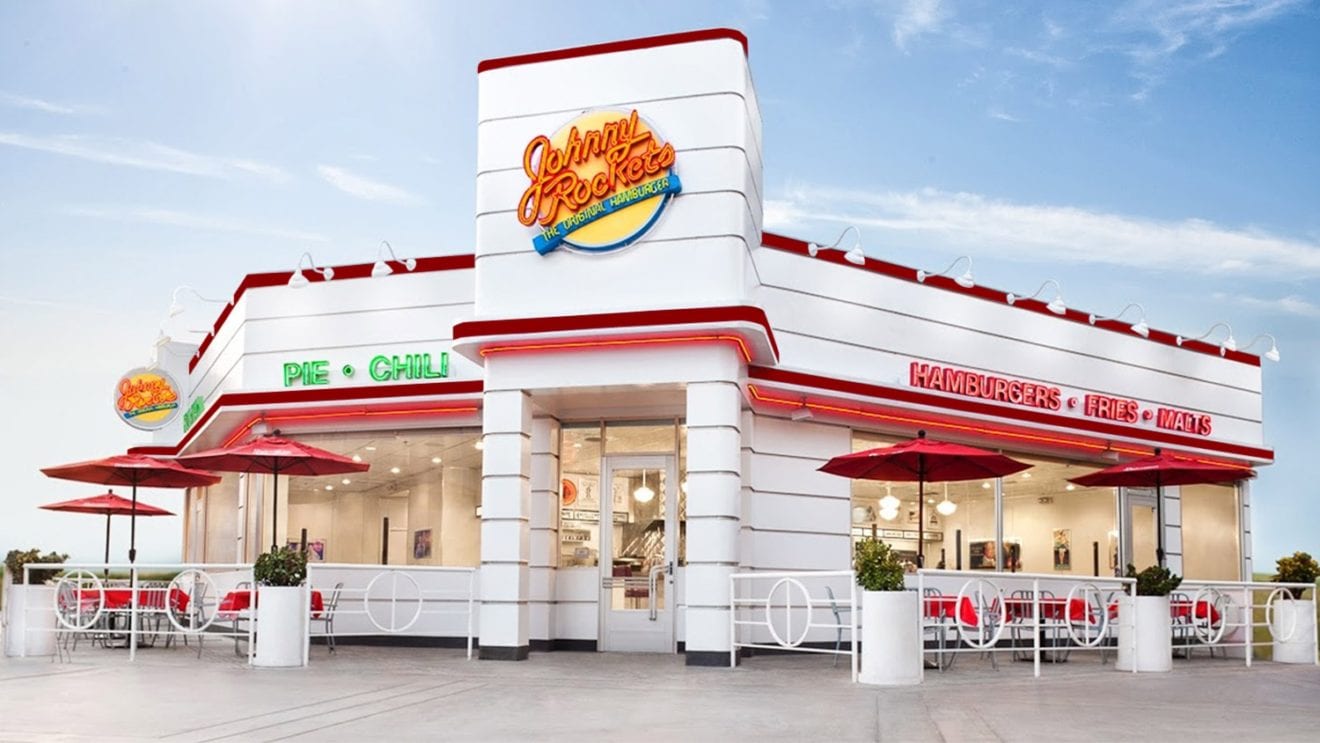
    Johnny Rockets Philippines has opened a new restaurant in the Ayala Fairview Terraces Mall, Quezon City.

    “With its all-American fare and friendly service, Johnny Rockets is unlike any other restaurant concept in the area,” said Dr Amable Aguiluz IX, franchise owner of the Quezon City Johnny Rockets.

    “We have seen great success with our current Johnny Rockets locations in Quezon City, which has provided us the opportunity to expand our presence further in the area.”

    Aguiluz now operates five Johnny Rockets in the Philippines, halfway to his goal of opening 10 of the franchises during 15 years. The Ayala Fairview Terraces Mall restaurant marks Dr. Aguiluz’s third Johnny Rockets in Quezon City, which is the Philippines’ most populated city. His others are in Mandaluyong, in the upscale lifestyle and shopping destination Shangri-La Plaza, and in Malay, on the popular resort island Boracay.

    The Ayala Fairview Terraces Mall Johnny Rockets is about 113 sqm and can seat 36 guests.

    Johnny Rockets Brought to the Philippines by Dr. Amable Aguiluz IX, Johnny Rockets Philippines is happily serving its customers at five different locations in Quezon City, Malay Aklan and Mandaluyong City.

  • Gloss coming off Starbucks Asia growth

    Gloss coming off Starbucks Asia growth

    Global coffee giant Starbucks has finished its financial year on a high, reporting a 17 per cent increase in annual revenue to a record US$19.2 billion.

    But is the Starbucks Asia Pacific business underperforming?

    Neil Saunders, CEO of Conlumino, believes so. He says the company’s last quarter figures were boosted by the acquisition of the balance of its Japan joint venture from partner Sazaby League. Globally it finished the quarter with 1666 more cafes than in the previous year, an impressive figure in itself.

    “For a company of Starbucks size and scale, such results are exceptional and a testament to the company’s innovative attitude, as well as the continued relevance of coffee across many geographies,” says Saunders.

    “While the overall numbers are strong, there is an interesting trend in the detail: namely that although Starbucks performed well across many geographies – including in the more mature core Americas territory – performance in Asia Pacific was surprisingly muted.”

    Saunders says while total revenue held up well, rising 110 over last year, this is mainly because of the Japanese acquisition.

    The opening of 767 new stores in Asia-Pacific (which is essentially Asia given Starbucks has only 25 cafes in Australia and 26 in New Zealand, both run by franchise partners) certainly helped.

    “However, on an underlying basis, same store sales only rose by six per cent – a slightly disappointing outcome, and one that is partly attributable to the general slowdown in China,” says Saunders.

    “If the emerging markets proved to be soft, the same cannot be said of the Americas where comparable sales rose by eight per cent. Here some of the menu changes, including the continued growth of the food offer, have helped to push up average ticket within existing stores. However, in our view the various digital initiatives Starbucks has been developing and pursuing have also paid dividends. Its popular digital app is already widely used for payment, and locks in loyalty both by saving customers time at the register and by making Starbucks a destination by virtue of the fact that the card is preloaded with cash. It is also notable that the average ticket from customers using the mobile app for payment tend to be higher. Naturally, some of this is because Starbucks enthusiasts and most loyal customers are more likely to have the app. However, we also believe that the rewards and advertising, which the app supports, help to stimulate add-on sales.”

    Saunders says Starbucks’ plan to drive evening sales through offering alcoholic beverages and an enhanced food menu in US and UK stores is also encouraging.

    “These improvements should be in a quarter of US stores by the end of 2019. In our view, they’re another example of why Starbucks outperforms: it evolves and innovates its in a way that’s relevant to customers.”

    Next year, Starbucks says it plans to open about 900 new stores in Asia-Pacific, two thirds of them licensed. And it says it expects it earnings in the region to be flat or even down.

  • Jenny Bakery Singapore opens doors

    Jenny Bakery Singapore opens doors

    Scam-struck Hong Kong biscuit maker Jenny Bakery has opened in Singapore.

    And unlike the Shanghai store which opened last week, it’s the real deal, not a copycat.

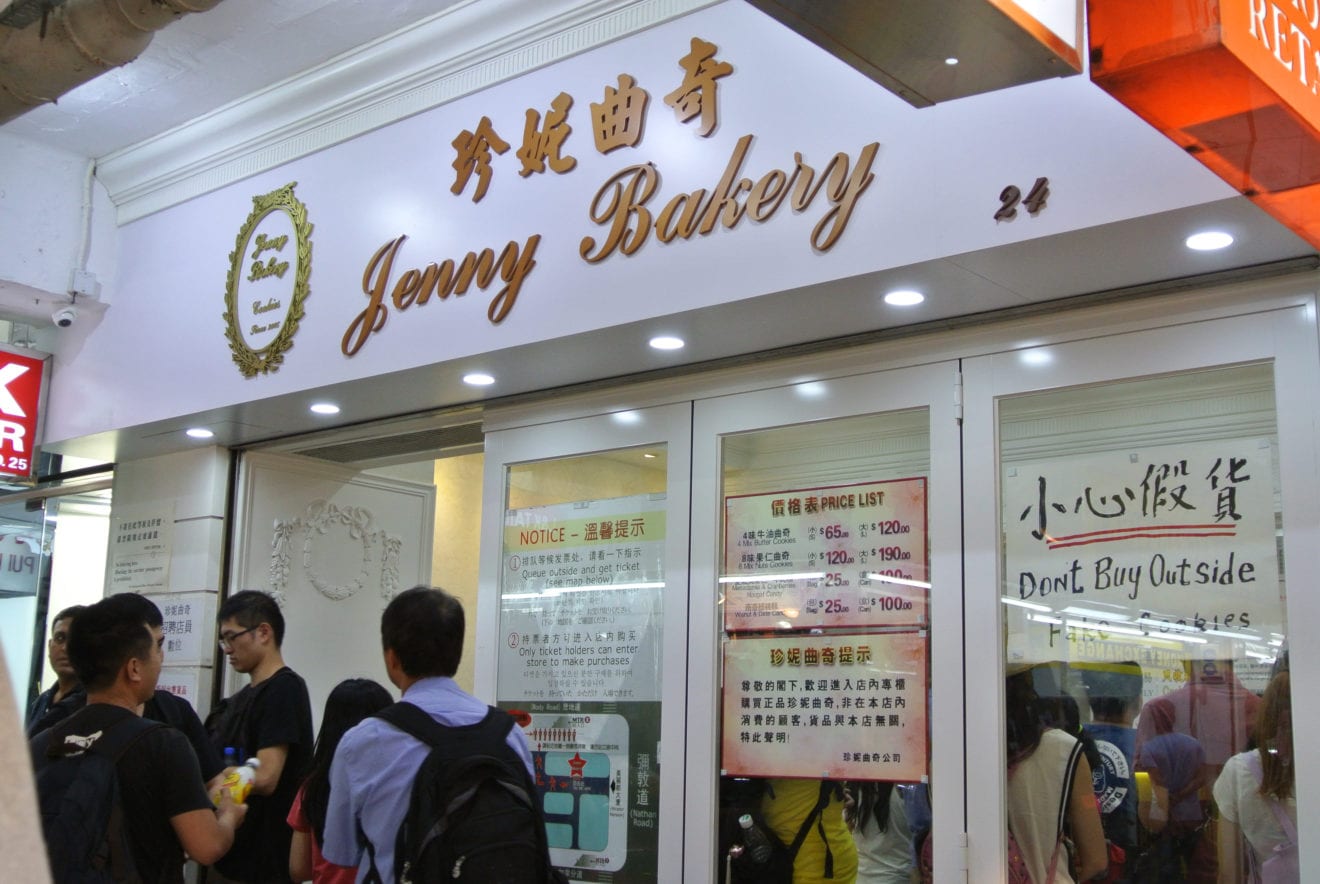
    The new Jenny Bakery Singapore store is located at Block 422 Ang Mo Kio Avenue 3. Like its real parent in Hong Kong, the store offers handmade butter cookies in tins adorned with teddy bear pictures.

    The store will be run by members of the same family which launched the original Hong Kong bakery, which is gaining a growing following around Asia for its unique taste and packaging. Which is perhaps why a copycat was launched under the same brand name in Shanghai, raising the ire of city officials, not to mention hundreds of customers who queued on opening day only to discover the shop was not genuine.

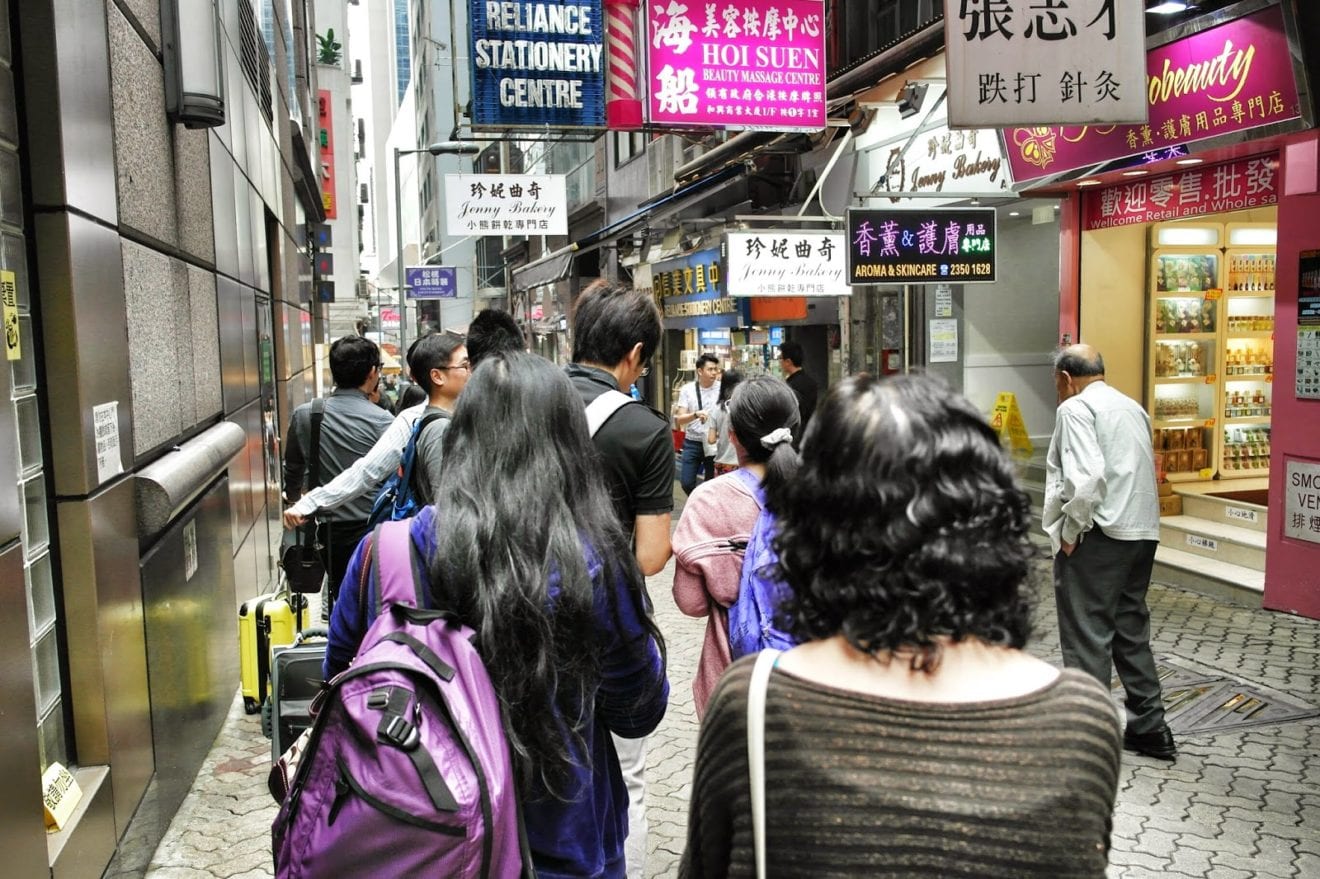
    Jenny Bakery Hong Kong has two stores – one in Tsim Sha Tsui and the other in Sheung Wan.

    Jenny Bakery Hong Kong

    Jenny Bakery Singapore MD Lawrence Lim says the cookies are flown in from Hong Kong weekly. The main reason for opening an official store was to protect the brand’s trademark and discourage copycats… like the Shanghai store, whose cookies are actually baked in a factory in Shenzhen.

  • Four trends to shape food retailing future

    Four trends to shape food retailing future

    “Genuine revolutions in food retailing are rare, but we’re living through one now.”

    That’s the view of Joanne Denney-Finch, CEO of the food and grocery researcher IGD, speaking who addressed last week’s Asia Pacific Retailers Convention and Exhibition (APRCE) conference in Manila.

    She believes the drivers of change are based on increasing population growth, especially in Asia and Africa, and urbanisation as well as rapid technological changes, and outlined four big trends that will shape the future of global food retailing:

    • The reinvention of stores.
    • The link between the online and offline world.
    • New ways of marketing.
    • Changing supply chains.

    “Change is sweeping through every part of international food retailing. The revolution is so big and powerful, that no-one knows exactly what the future will look like,” said Denney-Finch.

    “While this is creating the most challenging conditions for food retailers I’ve ever seen, there are many opportunities too. Retailers around the world are responding creatively and starting to build a new future.”

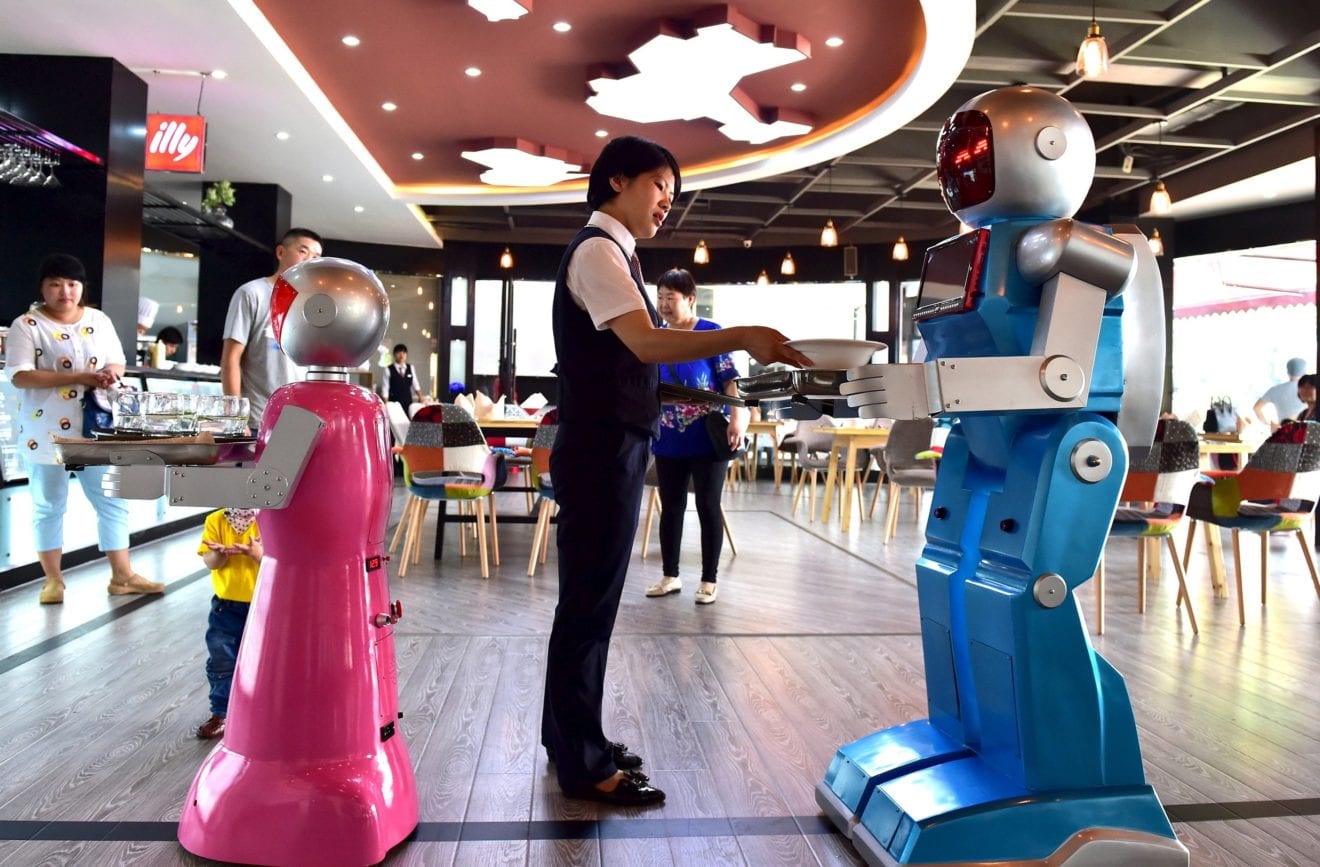
    On the reinvention of stores, Denney-Finch, said: “Technology is making a big difference to help improve the customer experience. Robots are starting to appear in stores around the world. In some Japanese shops, they meet and greet shoppers and give them advice on where to find products, while in Spain they are being used to give nutrition advice. They are a novelty at the moment, but robots will be a common sight in the future and we can expect them to patrol stores, looking for gaps on shelves and replenishing them.

    “Beyond technology, retailers are finding various ways to make shopping easier, more exciting and informative. Various British retailers have set up convenience sections within their largest stores where everyday items like bread and milk are grouped together to save time for top-up shoppers. Thailand’s Central Food Group has an expert Australian butcher to give shoppers advice on international product that they’re not familiar with.”

    On the merger of the online and offline worlds, Denney-Finch said: “Many retailers are viewing online and offline as two complementary ways to help shoppers buy whatever they want, anytime, anywhere and in the most convenient way to them. It’s what’s known as ‘omnichannel retailing’ and gives retailers the opportunity to regain loyalty. Phone apps are one way to link the online and offline worlds. People using the Walmart app, for example, shop there twice as often and buy 40 per cent more than other shoppers. Alliances are another way to utilise omnichannel shopping. The Chinese online platform Yihaodian, now owned by Walmart, has partnered with Family Mart stores to offer product collection.”

    On new ways of marketing, Denney-Finch, said: “In my view the most important role of marketing is to help build consumer trust and that requires a commitment to transparency and traceability. Stew Leonards stores have a live ‘web cam’ where you can watch their suppliers fishing. Some companies are also using computer game techniques to make promotions more exciting. In Singapore, McDonald’s provides an alarm clock phone app that wakes people up and delivers a new surprise each morning such as a discount or a game.”

    On changing supplying chains, Denney-Finch, said: “For many years, big food retailers were able to buy everything their customers wanted, at short notice and at a good price. However, with demand growing so quickly, as well as climate change and many other factors there’s more uncertainty about food supplies. So many retailers are thinking further ahead and building longer-term relationships with suppliers. For instance, Tesco has agreed to buy the whole banana crop every year from some regions of South America.”

    To conclude, Denney-Finch, said: shopper expectations will continue to rise in the future.

    “In response, retailing will become more flexible, personalised and exciting than ever before. New solutions are emerging every day from every part of the world. So the challenge for retailers is not just to reach the world class standards of today, but to set and deliver new standards for tomorrow.

    “Retailing in Asia is exceptionally dynamic, building on all the energy that comes naturally from such fast growing economies. So I confidentially predict that many Asian companies will be amongst the leaders of the retail revolution for the next 20 years and beyond.”
  • Jenny Bakery Shanghai store scam

    Jenny Bakery Shanghai store scam

    A Jenny Bakery Shanghai store scam has angered the Hong Kong brand’s owners – not to mention Shanghai city officials and hundreds of customers who queued for hours only to find the cookies were copies.

    In the latest example of Mainland China’s seemingly contagious penchant for copying brands and labels and ripping off other people’s IP, crooked entrepreneurs launched a promotional campaign for the Shanghai opening of popular Hong Kong baker Jenny Bakery. It was even located in a respected shopping centre – the Global Harbour mall in the city’s Putuo District.

    Chinese media say that promotional material for the new store suggested the maker of the “most tasty cookies in Hong Kong had come to Shanghai”.

    The difference was in the signage: The Shanghai store bore the branding JENNY BAKERY (in capitals); the original Hong Kong business signage is Jenny Bakery. The Shanghai store even sold similarly packaged products: cookies in tins with teddy bear graphics which bore a strong likeness to the Hong Kong packaging.

    But such is the laxness of Chinese IP laws, it appears all that Putuo District city officials could do was reprimand the copycat scammers. They have been told to make it clear it has no association with the Hong Kong business and warned they could be fined if investigations prove they deliberately misled customers.

    The scammers had priced boxes of cookies at 98 yuan, or US$15.80 – nearing double the price of the original Hong Kong product, which sells for HK$70, or about US$9.

    While Jenny Bakery made it clear it does not have any stores in the mainland and that all its cookies are handmade, JENNY BAKERY maintained it had done nothing wrong by selling cookies baked at a factory in Shenzhen. The company said it was a legally registered brand and its business is legitimate.

    The Shanghai store has since closed, but not before affixing a notice to its door claiming it was the only legal owner of the brand name in the mainland – which is actually true; it was registered in Shenzhen earlier this year.