Category: Living

Retail News Asia is committed to providing both local and global retailers with the latest Living news throughout the Asian market. This on a daily base.

  • Pay TV firm AVG appoints new CEO

    Pay TV firm AVG appoints new CEO

    Vu Minh Tri, former CEO of Microsoft Vietnam, is the new CEO of pay TV firm AVG. Tri, 49, replaces Mai Duy Long, also 49, who helmed AVG for nearly two years. Tri, who became the CEO of Sony Ericsson Vietnam in 2006, has since taking top positions in the Vietnam operations of Yahoo, Qualcomm and Microsoft.

    He is now the CEO of telecom firm Asim Group and two other companies.

    State-owned MobiFone, the country’s third largest telecommunications firm, had made headlines early in 2016 when it announced it was breaking into the pay TV market with the acquisition of a 95 percent stake in AVG.

    But government inspectors concluded that the deal had violated public investment laws and caused an estimated loss of about VND7 trillion ($307 million) to the state budget.

    In 2019, several senior officials implicated in the MobiFone case were arrested and sentenced to varying jail terms.

  • Netflix is adding a cheaper plan for those who want a lower price and will watch ads

    Netflix is adding a cheaper plan for those who want a lower price and will watch ads

    During an interview at the Cannes Lion advertising festival, the CEO of Netflix Ted Sarandos gave the most direct indication that it will launch a cheaper, ad-supported subscription tier to the embattled streaming service.

    In essence, Mr. Sarandos said that the company will be “adding an ad tier; we’re not adding ads to Netflix as you know it today.” After the pandemic boost wore out, Netflix hit the skids in terms of subscriber count as people spent less time watching TV shows and movies.

    At the same time, new streaming services from juggernauts like HBO, Disney, or Apple, grew to rival Netflix, all the while it kept spending borrowed billions on content creation. Well, that crazy content spending was curtailed, a lot of shows were cancelled, and now Netflix will try and boost subscriber numbers by going downmarket.

    Currently, the Netflix plans start from the Basic one at $9.99 per month with SD (up to 480p) picture quality, followed by the Standard $15.49 a month plan that offers 1080p definition, and go up to the Premium Netflix tier at $19.99 per month which includes 4K UHD quality streaming on up to four devices.

    Besides cracking down on password sharing, Netflix will likely introduce the new ad-supported subscription tier at something close to the Apple TV+ $4.99 subscription price and will try to recuperate the difference with ad revenue. Or, as Ted Sarandos eloquently puts it:


  • Spotify working on a Community page that shows what your friends are listening to in real-time

    Spotify working on a Community page that shows what your friends are listening to in real-time

    Spotify has been steadily evolving in the past few months, from testing more podcast features to aiming to conquer the audiobook market. It appears the music-streaming platform has another area in which it sees more possibilities for growth – the social aspect. Spotify is working on adding a new Community tab, which will allow you to check out what your Facebook friends are listening to.
    Then, what is this feature all about (at least for now)? The Community page looks similar to the Friend Activity sidebar in the desktop version of Spotify. The page lets you keep track of what your friends are listening to in real-time.Well, it basically pulls the list of songs from your friends’ Facebook accounts – if these are connected to the app.

    You can get a preview of the tab if you have an iPhone: open Safari, go to “spotify:community” via the address bar, and then tap the button to open the Spotify app. This shortcut doesn’t work on Chrome on Android so far, so only iPhone users can get a glimpse of the new page for now (it is still unfinished by the way, as it is in early development).

    Given the fact that this feature is still in early development, it is unknown how much time it will take for Spotify to refine it and release it as a part of an official update. So, it might take a while before you’ll be able to check out your friends’ music preferences from the app.

  • Electricity consumption hits new record amid heatwave

    Electricity consumption hits new record amid heatwave

    Power consumption soared to an all-time high of 45,528 megawatts at noon Tuesday as people turned on air-conditioners and other devices to beat the searing heat.

    It was 6,000 MW higher than last week’s average, Nguyen Duc Ninh, director of the National Load Despatch Center, said at a conference Wednesday.

    The north led with demand of 22,330 MW.

    In Hanoi, consumption was 3 percent up on what was the fourth day of a heatwave.

    The temperature rose to 39 degrees Celsius on Tuesday, according to the National Center for Hydrometeorological Forecasting.

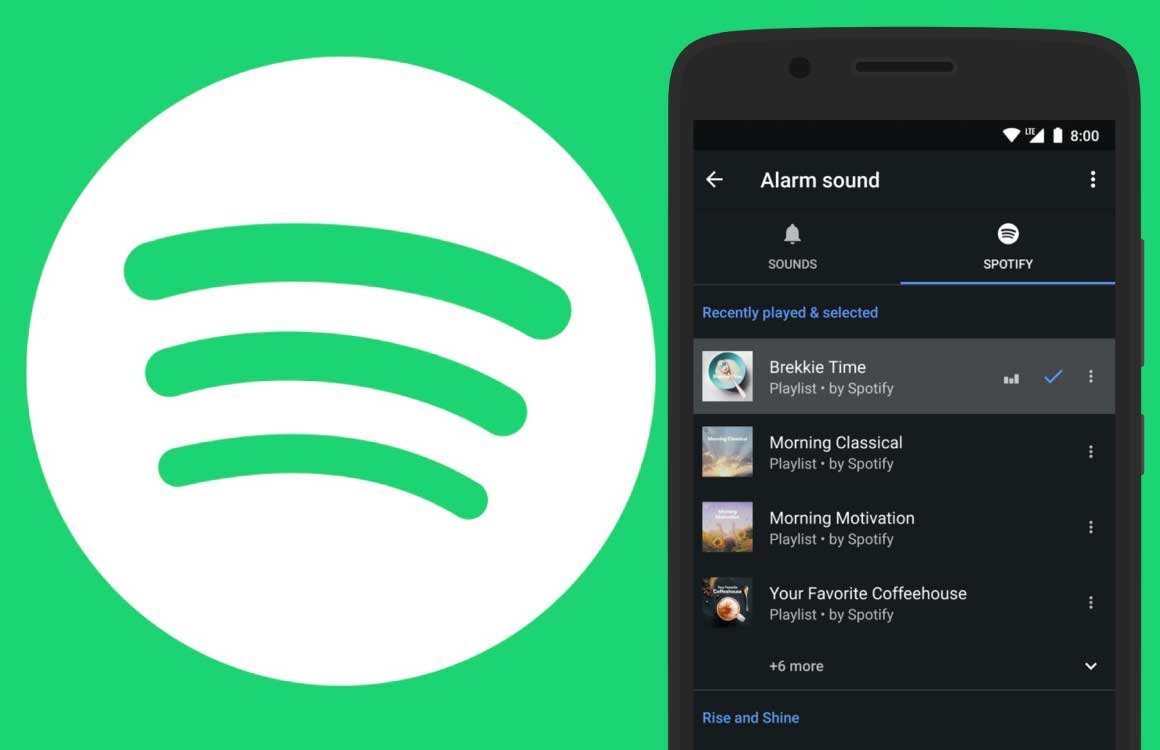
  • Spotify rolls out new feed to its mobile app to help users find live shows

    Spotify rolls out new feed to its mobile app to help users find live shows

    Spotify has just announced a new feature aimed at users who typically search for their favorite creators’ live events within the app. Previously known as Concert Hub, the feature has been renamed to Live Events Feed and received a handful of improvements.

    First off, you’ll be able to find the new feed by search Live Events in the Spotify app. This is the service’s new place where users can find live events in their local area, personalized for them. Spotify revealed that it’s been supported by various ticketing partners who helped make the new feature more useful.

    Ticketmaster, AXS, DICE, Eventbrite, and See Tickets are just some of Spotify’s ticketing partners that are sourcing the listings in the Live Events Feed. It’s an interesting feature if you’re interested in live events, but it’s more helpful for artists as live shows were terribly impacted by the COVID-19 pandemic.

    In addition to being able to find live events of their favorite artists, Live Events Feed also includes a new messaging tool to offer fans personalized recommendations for upcoming live events based on their listening habits. On top of that, users can choose to be notified about potential live events in their local area.

    Finally, Spotify says that it has also embedded show discovery into their app. So, if an artist that you’re listening to has an upcoming tour date, Spotify will show that live event to you in the app, while you’re listening.

  • Vietnam cannot bank solely on renewable energy for net-zero emissions

    Vietnam cannot bank solely on renewable energy for net-zero emissions

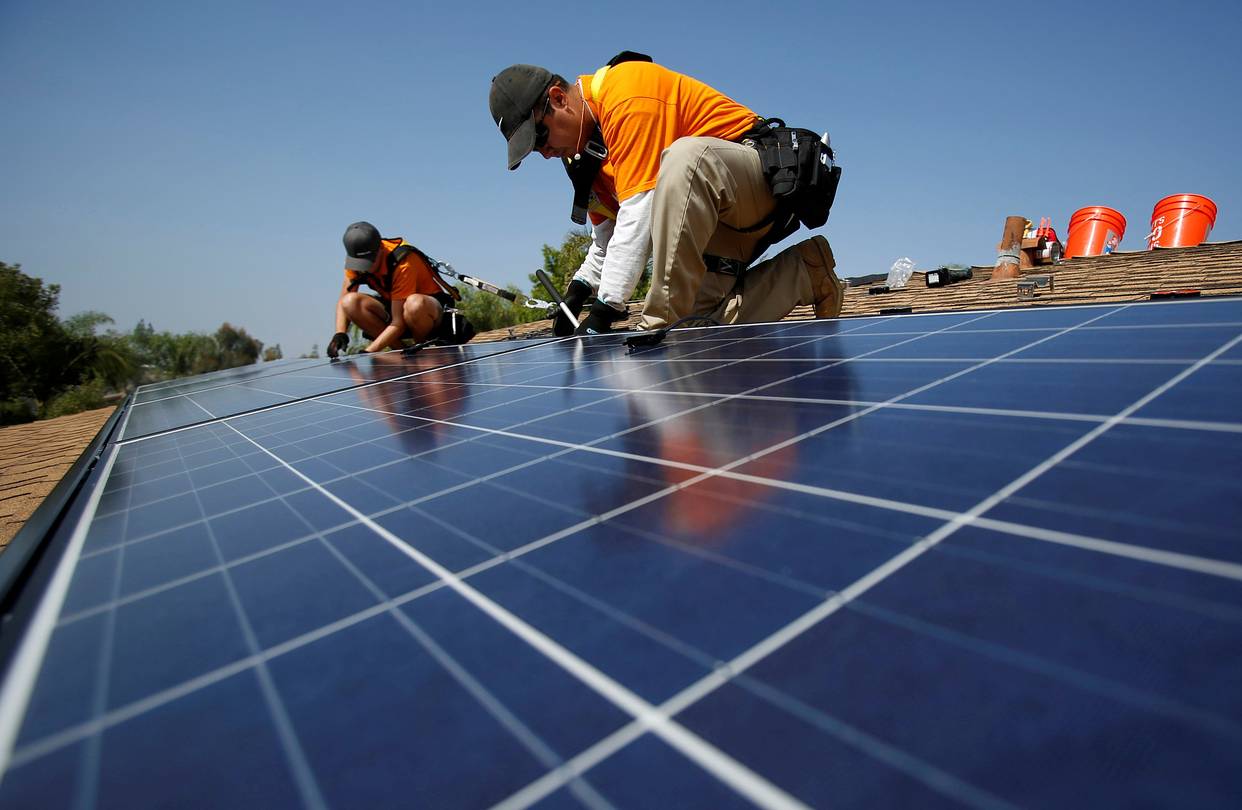
    Experts say an exclusive focus on renewable energy, accounting for 27 percent of total power supply, will not be enough to help Vietnam reach its “net-zero” emissions target by 2050.

    Wind and solar power are not the sources of energy that will help Vietnam ensure national security, says Sean Lawlor, an energy expert at the U.S. Embassy in Vietnam.

    To achieve the net-zero target, which means to have the amount of carbon added to the atmosphere not exceed the amount removed, Vietnam needs to speed up its energy transition process, which began in 2019, he said.

    This means the country needs to transition from coal-fired power sources to liquefied natural gas, biomass, ammoniac or hydrogen power sources, he added.

    As of last year, wind and solar power accounted for nearly 27 percent of Vietnam’s total energy supply, and their production was nearly 12.3 percent of the total, according to the Ministry of Industry and Trade.

    In the first six months of this year, the production ratio increased to 14.8 percent.

    While there is agreement that transitioning to cleaner energy is needed, there are hurdles in this path, officials say.

    Nguyen Ngoc Hung, head of the energy economics department under the industry ministry’s Institute of Energy, said Vietnam has great potential for transitioning from traditional energy sources because there is a variety of renewable energy sources on hand.

    However, the country lacks an efficient legal framework to boost the transitioning process and localization of energy technology is low, he said, adding that competition in the market was still at an early stage and lacked synchronization.

    Hung said Vietnam badly needs the energy transition as the country faces the major challenges of declining traditional sources like coal and hydropower, but it was not easy to raise the funds needed.

    Nguyen Tai Anh, deputy director of Vietnam Electricity (EVN) said he was concerned about the very high costs of transitioning to newer technologies like biomass, ammoniac or hydrogen power.

    “There are also many policy challenges for a successful energy transitioning, but cost remains the most important factor.”

    Deepak Maloo, Asia Pacific regional head with GE Renewable Energy, said every country struggles with the cost of transitioning to cleaner energy.

    But technology can help solve the problem, he added.

    For instance, Vietnam can partner with companies that have hundreds of years of experience in transitioning from coal-fired power plants to gas-fired ones, he said.

  • Gasoline price rises 1.5 pct

    Gasoline price rises 1.5 pct

    Vietnam’s RON 95 gasoline price increased by 1.54 percent Tuesday to a new record of VND32,870 ($1.42) per liter, having risen by 41 percent so far this year.

    This was the seventh increase in a row since mid-April of the popular gasoline, which accounts for 70 percent of total fuel consumption in the country.

    RON 92 biofuel also saw its price rising by 0.61 percent to VND32,370 per liter, having increased by 43.5 percent this year.

    Diesel increased by 3.4 percent Tuesday.

    Vietnam’s fuel stabilization fund, set up to contain price surges, is currently negative.

    The government has cut the environmental tax on fuel by half to VND2,000 from April for the rest of the year, and is considering cutting it by another VND1,000.

  • TikTok seeks to protect the security of its U.S. platform

    TikTok seeks to protect the security of its U.S. platform

    In a move designed to handle questions about the storage of data belonging to U.S. TikTok users, the short-form video app is believed to have completed the migration of data related to its U.S. customers to servers at Oracle. This move could satisfy the demands of U.S. regulatory agencies who had concerns about the integrity of the data collected on the app.
    This move comes a couple of years after a national security panel ordered TikTok parent ByteDance to divest Itself of TikTok in order to prevent the communist Chinese government from collecting U.S. user data. But that order was never completed after Joe Biden defeated Donald Trump to win the U.S. presidency. The national security panel, known as the Committee on Foreign Investment in the United States (CFIUS), continues to mention its fears over data security at TikTok.
    The U.S. has been focusing on app developers and the personal information that they keep an eye on, especially data that belongs to U.S. military or intelligence personnel. In the blog post it published on Friday, TikTok wrote that it has “long stored U.S. user data in its own data centers in the US and Singapore. In the blog post, TikTok notes that “our Virginia data center includes physical and logical safety controls such as gated entry points, firewalls, and intrusion detection technologies.”
    TikTok added that “It’s also important to maintain backup data storage locations to guard against catastrophic scenarios where user data could be lost. The company added that “our data center in Singapore serves as the backup data storage location for our U.S. users.”
    You might recall that Oracle was once one of three American companies involved in talks to purchase the popular app. The other two firms included Microsoft and Walmart. TikTok’s proprietary servers eventually will be deleted and as the company said, “Today, 100% of U.S. user traffic is being routed to Oracle Cloud Infrastructure. We still use our U.S. and Singapore data centers for backup, but as we continue our work, we expect to delete U.S. users’ private data from our own data centers and fully pivot to Oracle cloud servers located in the states.
    TikTok has also set up a dedicated U.S. data security team known as “USDS” to act as a gatekeeper for U.S. user information. The USDS team seeks to protect the data collected from U.S. users. “We know we are among the most scrutinized platforms from a security standpoint, and we aim to remove any doubt about the security of U.S. user data,” the social media firm said. “We’re dedicated to earning and maintaining the trust of our community and will continue to work every day to protect our platform and provide a safe, welcoming, and enjoyable experience for our community.
    Commerce Department secretary Commerce Secretary Gina Raimondo said last year that the administration is “very serious about protecting Americans’ data,” but criticized Trump’s approach. “Doing some executive order that’s meaningless on TikTok is not the way to force change on the platform,”Raimondo said.”
    TikTok has over one billion active users globally and the U.S. is its largest market. During the first quarter of 2022, TikTok was the most downloaded app world wide becoming just the fifth app in history to have lifetime downloads over 3.5 billion. The other four apps to reach this figure are all owned by Meta. Since the start of 2018, no app has been installed on devices more than TikTok.
  • Multi-million dollar apartments catch super-rich’s eyes

    Multi-million dollar apartments catch super-rich’s eyes

    Wealthy people are splurging millions of dollars to buy ultra-luxury apartments mostly as second homes. Hoa, owner of a house and a villa in HCMC’s Thu Duc City, said she recently bought a VND30-billion (US$1.3 million) apartment.

    Located on the 27th floor of a luxury project, the 200-square-meter unit offers unobstructed views of the Saigon River.

    It had four bedrooms, but Hoa took one down to expand the kitchen and living space.

    She topped it off with bespoke interiors at a cost of over VND5 billion, including a VND1 billion lighting system imported from Italy, two exotic paintings that cost hundreds of millions of dong and a $20,000 speaker system.

    It took her over a year to finish decorating, she said.

    “The apartment’s beautiful views, convenient car parking and relaxing atmosphere make it the ideal place for me to entertain friends and guests,”

    A broker has asked to buy her apartment for VND35 billion, but she refused.

    “I want to keep it for myself,” she said.

    Truong, an experienced investor, bought a penthouse in the heart of District 1 as a second home besides his 300 sq.m villa in the south of the city.

    The 200-sq-m unit cost him VND25 billion and another VND8 billion for decoration and interiors, he said.

    “I spent VND33 billion on this unit because of its amenities, security and views. I can watch firework displays right from here, something that townhouses and villas cannot provide.”

    Rising trend

    Luxury apartments have recently become very popular with successful businesspersons, NeloDécor, an architecture and interior design firm specializing in high-class properties, said.

    The company has just finished decorating a $2-million sky villa for an entrepreneur for VND12 billion.

    Previously it designed and built the interiors for a penthouse for an affluent family, which cost $2.5 million to complete and another $1 million for interiors and smart devices.

    It is not uncommon for affluent people to spend $1-2 million for buying an apartment in the central business district and hundreds of thousands or millions of dollars more for decorating and doing the interiors, NeloDécor CEO Le Duy Van said.

    They are mostly super rich and already own multiple properties, and so have extensive demands, he said.

    Amenities, security and views are key factors for them while choosing to buy, he said.

    Most of them hire designers, but some design on their own, and are ready to knock down and rebuild multiple times until they are happy.

    Pham Lam, CEO of property consultancy DKRA Vietnam, agreed that demand for luxury apartments is rising.

    In some cases, properties serve the same purpose as expensive jewelry and supercars, he said.

    Rising supply

    Consultancy Cushman & Wakefield expects supply of luxury apartments in HCMC to rise this year, especially in the central business districts and Thu Thiem Peninsula.

    Their prices will surge, too, with new projects constantly rising to record levels, it said.

    Average price tags for luxury apartments surged by 23 percent year-on-year to VND143.6 million per square meter in the last quarter of 2021. For ultra-luxury properties, they went up to VND400 million.

    Eddie Lim, CEO of real estate developer Viva Land, said the number of rich people in Vietnam is rising faster than the global average.

    Vietnam is expected to have 1,551 ultra-high net worth individuals (UHNWIs) by 2026, compared to 1,234 last year, according to an estimate contained in a Wealth Report released by U.K. property consultancy Knight Frank.

    The company also predicts that the number of rich people, or those with a net worth of $1 million or more, including their primary residence, will rise sharply by more than 59 percent from last year to 114,807 in 2026.

    The Vietnamese luxury apartment market is also promising for foreigners, especially rich Asians, thanks to the country’s rapid economic growth and more competitive pricing than Singapore, Hong Kong, Japan and China.


  • Vietnam’s hassles in developing offshore wind power industry

    Vietnam’s hassles in developing offshore wind power industry

    Unclear regulations, low prices and an insufficient grid are hampering efforts to develop offshore wind power, experts and industry insiders have said. By 2030 offshore wind power capacity would be 7,000 megawatts (MW), envisages the Power Development Master Plan VIII for 2021-30.

    But Nguyen Thi Thanh Binh, deputy director of conglomerate T&T Group, said at a conference last week that ambiguous regulations are the biggest hurdle to achieving the government’s goal.

    “A policy framework, construction roadmap or pricing mechanism for offshore wind power plants has yet to be drawn up, and there is also a lack of specific, clear instructions.”

    Offshore wind farms usually take six to nine months before commercially operating, and so it is a huge risk for investors if the mechanism is unclear, she added.

    Bui Van Thinh, chairman of the Binh Thuan Wind and Solar Energy Association, spoke about another problem: Vietnam’s power grid.

    “The country’s grid for renewable sources is already overloaded, and so it cannot benefit from more supply.”

    Upgrading the power system to cope with the targeted load requires a huge investment, and national utility EVN has no incentive to do it as it buys renewable energy at a loss.

    Meanwhile, the newly amended Law on Electricity allows private investors to fund power grids, but lacks specific instructions for implementation.

    Last October the Ministry of Industry and Trade stopped the feed-in-tariff (FIT) incentive price for wind power projects. It is now seeking feedback on bidding mechanisms for renewable energy prices.

    But Binh warned against doing that now, saying both investors and the market would be hurt.

    “Offshore wind power is a relatively new sector in Vietnam, and some investors are considering them test runs.

    “Bidding in this case will disrupt the market, and investors may decide to forfeit them after winning bids.”

    Mark Hutchinson of the Global Wind Energy Council pointed to the fact that no country has been able to install 3,000 MW of offshore wind power through bidding in early stages.

    Citing the experiences of the UK, the Netherlands and Taiwan, he said investors need to have a buffer time before bidding starts. FIT prices could be offered for the first 4,000 MW, and the next 3,000 MW could be priced through bidding, he said. He also suggested qualification-based selection to fast-track planning and construction.

    Doan Ngoc Duong, vice chairman of the Institute of Energy (IEVN) agreed, saying many countries have adopted similar policies to incentivize investors in early phases.

    “We need a pioneering project as a pilot for choosing investors and mechanisms.”

    Too many investors

    Nguyen Thanh Huyen of the Vietnam Administration of Seas and Islands said the number of companies seeking to invest in offshore wind farms has skyrocketed.

    “Over the last year and a half 35 firms have asked to explore 41 locations to build wind farms, up from the previous three.”

    Nguyen Manh Cuong of the IEVN said 22 projects have registered in the north and 74 in the south with a total designed capacity of over 156,000 MW.

    This is much higher than the government’s target of 7,000 MW.

    In the northern province of Nam Dinh, for instance, only one project is registered, but with a capacity of 12,000 MW.

  • Finance ministry seeks further gasoline tax cut

    Finance ministry seeks further gasoline tax cut

    The Ministry of Finance is set to propose a further environment tax reduction on gasoline amid surging prices.

    It wants to scrap the tax altogether after the National Assembly approved a 50 percent reduction to VND2,000 ($0.086) per liter starting April. The finance ministry on April 21 sought official feedback on a proposal to lower gasoline import prices from 20 percent to 12 percent.

    Although such a reduction won’t bring down gasoline prices, it will help to diversify gasoline import markets and avoid dependence on South Korea and ASEAN, which are offering incentive import taxes.

    These proposals show the effort of the Vietnamese government in containing inflation, which has become a topic of concern this year as prices of key commodities surged globally.

    The World Bank has recently slashed global growth forecast by nearly a third to 2.9 percent for this year due to concern of elevated inflation.

    Vietnam’s Consumer Price Index (CPI), which measures inflation, in the first five months rose 2.25 percent year-on-year, compared to 1.29 percent in the first five months of last year.

    Standard Chartered Bank expects Vietnam’s inflation to be at 4.2 percent this year, slightly higher than the central bank’s cap of 4 percent.

  • Why mattress disruptor Koala is getting in bed with homewares

    Why mattress disruptor Koala is getting in bed with homewares

    After success with both its mattress and furniture ranges, Australian company Koala is now moving into homewares.

    Koala decided to add décor to its product staple to encourage consumers to consider more sustainable options. The homewares collection features 34 pieces, including cushions, throws and the first wool rug range in Australia to use certified responsible wool.

    Other sustainable materials used in the new products are 100 per cent organic cotton and recycled plastic bottles.

    These designs are all inspired by Australia’s flora and fauna, art, culture or lifestyle and designed in-house. This means the pieces feature neutral colours and earthy tones, as well as nature-inspired textures and patterns.

    Koala said years of research has gone into creating the range, which has been designed to stand the test of time.

    The homewares are also built to withstand our hectic and messy lives with the throws and cushions machine washable and the rugs easy to clean.

    “With homewares, we want to celebrate Koala’s uniqueness whilst doing something meaningful and timeless for the brand. We’ve created a real sense of something special you can’t get anywhere else, with all colours and material finishes inspired by the Australian landscape, from outback red dirt to beautiful coral reefs,” Alexandra Owen, Koala design director said.

    You can feel good about supporting the environment while refreshing your home with this rug. It is made from 100 per cent recycled bottles and is super soft to the touch. There are two sizes and four colours available, with each colour inspired by Australia’s native foliage.

  • Delivery work most lucrative among 5 largest job categories

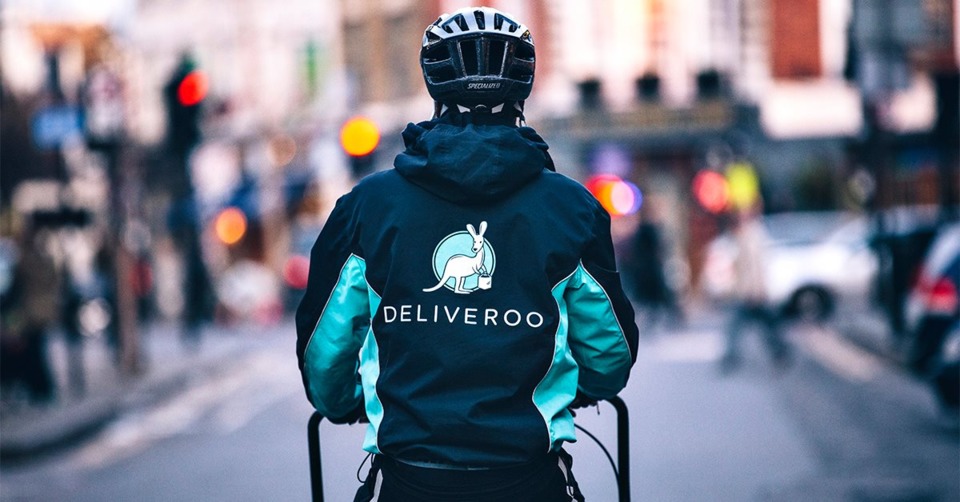
    Delivery work most lucrative among 5 largest job categories

    Delivery workers earn the highest salaries among the five largest groups of workers as companies compete with each other amid a shortage of candidates, a study has found.

    They get an average post-social distancing salary of VND10.1 million ($435.82) a month, 11 percent more than the next group, factory workers (VND9.1 million), according to recruitment platform Viec Lam Tot.

    Their salary also increased the most in March — 11.2 percent — indicating high demand as delivery companies competed to hire drivers.

    Salesclerks had an average salary of VND8.1 million per month this year, followed by security guards (VND7.1 million) and hotel and restaurant staff (VND6.7 million).

    Viec Lam Tot said there is a shortage of delivery staff as e-commerce demand remains high.

    E-commerce had grown by over 20 percent last year, according to the Vietnam E-commerce Association.

    Nguyen Hoang Trung, CEO of delivery app Loship, said people have picked up the habit of ordering things online.

    An average delivery person could make VND400,000-600,000 a day if they work for eight hours, and some work for up to 18 hours, he added.

    The report also said the highest salary for drivers is paid in the southern province of Binh Duong at VND11.72 million, followed by Dong Nai Province (VND11.6 million) and HCMC (VND9.78 million).

    Factory workers, waiters and salesclerks in the two provinces also get higher salaries than their counterparts in HCMC.

    The exodus of over 500,000 workers from HCMC to their hometowns at the end of last year partly explain these figures, the report said, citing data from the General Statistics Office.

  • TikTok wants you to stay away from the app some time

    TikTok wants you to stay away from the app some time

    TikTok wants its users to find other things to do instead of spending all day creating short-form videos and browsing through the app. In a message to the TikTok community that the company disseminated on Thursday, TikTok announced some steps it is taking to help users develop positive digital habits. Users can already set daily screen time limits and in a few weeks, they will be able to control the amount of time that they spend on TikTok in a single setting by enabling regular screen time breaks.
    These prompts will remind TikTok users to take a break from the app after a certain amount of uninterrupted screen time has passed. The amount of screen time can be set as long or as short as the user desires. TikTok members aged between 13 and 17 who have used the app for more than 100 minutes in a single day will be reminded the next time they open TikTok that they can use the screen time limit tool.
    Carolyn Bunting MBE, CEO of Internet Matters, said, “The research showed that younger users would welcome the introduction of built-in features and settings that prompt them to both think critically about the time that they are spending online, but also encourage them to use settings to actively manage the time they spent on the app. It is important that they feel in control of their online experiences and are helped to make considered choices. We look forward to TikTok developing further features that will put children’s wellbeing at the heart of their design choices.”

    The Digital Wellbeing screen time summary shows the amount of time users spent on TikTok during the daytime and during the night. As TikTok recently stated, “We love working with talented creators to educate the TikTok community about online safety, wellbeing, and the tools and options available to them. The energy and enthusiasm these creators have for their community helps them connect with other users and leads to a better understanding of the platform.”

    TikTok was the most downloaded app globally during the first quarter of 2022. It also was just the fifth app in history to record lifetime installations of more than 3.5 billion; the other four apps were all developed by Meta (Instagram, Facebook, WhatsApp, and Messenger).
    Earlier this year, TikTok made some major changes to its short-form video platform. Looking to take on YouTube, TikTok increased the length of its maximum videos from 60 seconds to 180 seconds (or from one minute to three minutes). It then increased the video length once again from 180 seconds to six hundred seconds (3 minutes to ten minutes). Now, the more than one billion monthly active users on the app have a reason to spend some more time on TikTok.
    On August 1st, 2020, then President Donald Trump, in the middle of his trade war with China, announced that “We’re looking at TikTok, we may be banning TikTok. We may be doing some other things. There’s a couple of options. But a lot of things are happening, so we’ll see what happens. But we are looking at a lot of alternatives with respect to TikTok.”
    Eventually, Trump decided that he wanted TikTok to be owned by a U.S. company and said that for the app to be allowed to be used in the states, it would have to have U.S. ownership. Three U.S. firms appeared to be interested including (quite surprisingly) Oracle and Walmart. Microsoft also had a strong interest in buying the U.S. version of TikTok.
  • New TikTok update brings screen time dashboard and additional time limit settings

    New TikTok update brings screen time dashboard and additional time limit settings

    Popular video-sharing social media website TikTok is now following in Instagram’s footsteps by introducing ways to remind users to take breaks from their TikTok binge. Engadget reports that the app is getting more screen time controls and a new in-app dashboard for tracking how much you spend watching videos on there.

    The social media app is now getting a dedicated dashboard where you can monitor the time you spend on the app. The page shows statistics that can help you better manage your time on TikTok and understand what your habits with the app are.

    On top of that, the dashboard will allow you to set a time limit for how much time you want to be spending on TikTok in any one sitting.

    Before this update, TikTok had screen time controls, but those timed out after a set daily limit. This new setting allows you to choose the app to remind you to take a break if you’ve opened it for an extended period of time.

    The thing is, apps such as TikTok and Instagram have been under scrutiny for the impact they have on the mental well-being of their users, especially teenagers.

    To address those concerns, TikTok is also introducing additional screen time restriction options for teens (between the ages of 13 to 17). Teens will now be getting digital well-being prompts and additional screen time reminders for any given day.