Category: Living

Retail News Asia is committed to providing both local and global retailers with the latest Living news throughout the Asian market. This on a daily base.

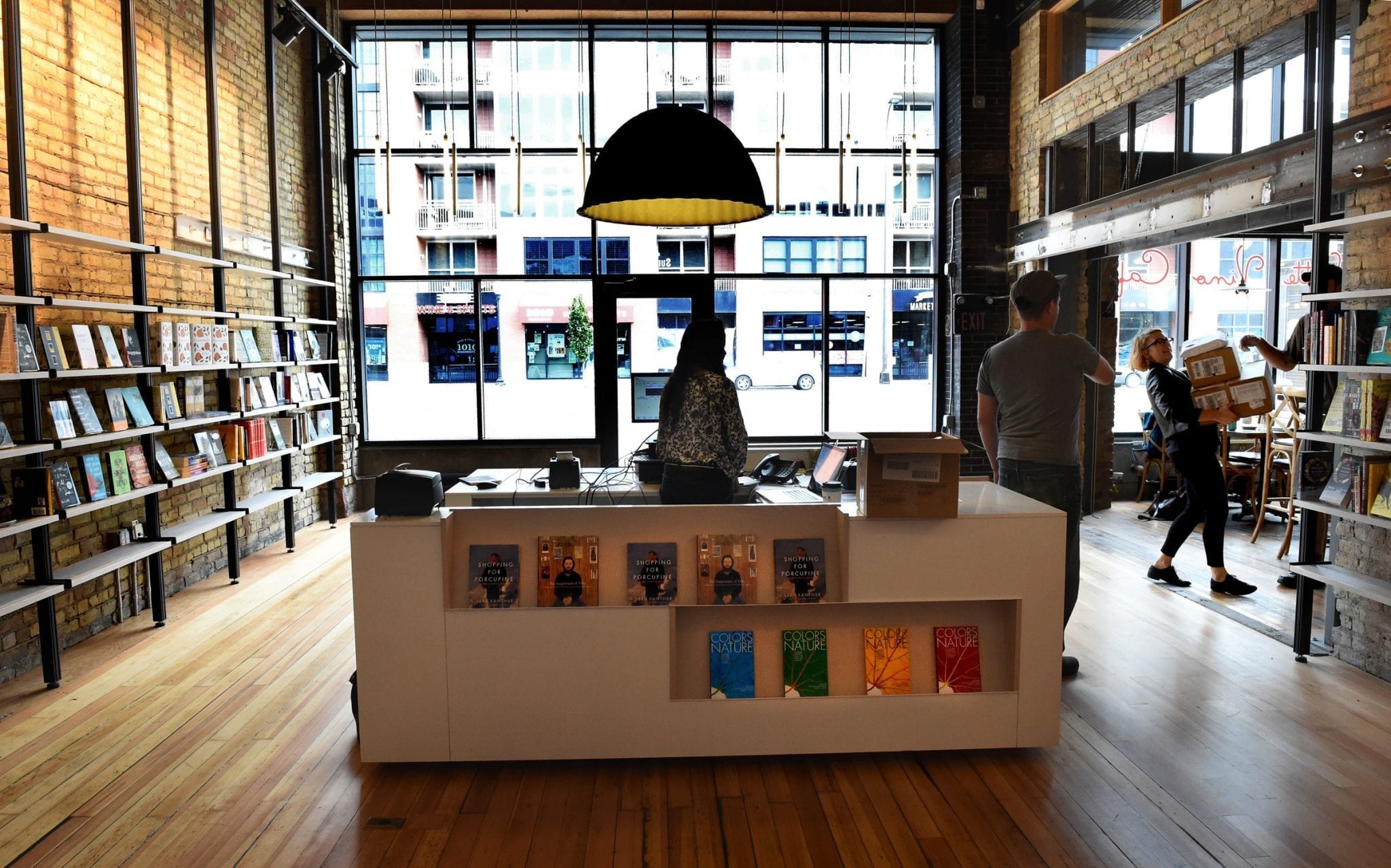
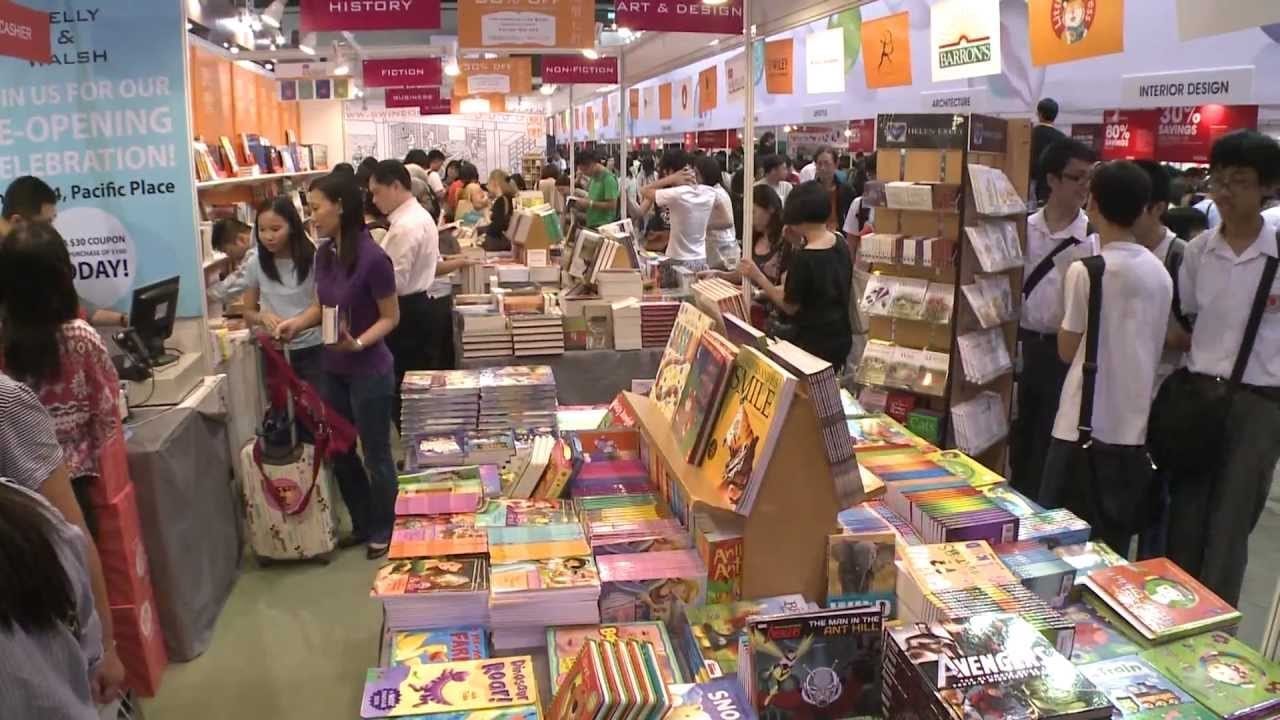
  • Malaysian bookstore MPH shifting focus to online

    Malaysian bookstore MPH shifting focus to online

    Malaysian bookstore chain MPH is closing multiple stores as it moves to a digitally-driven omnichannel business model.

    The company is not closing down, despite much speculation on social media concerning the impending closure of multiple stores.

    A recent Facebook post revealing nine MPH stores in the process of shutting shop went viral, with many users expressing sadness at the presumably imminent disappearance of the brand.

    In a statement answering customer concerns, MPH Group clarified its strategy as a transition into a more e-commerce-focused retail format, consolidating non-performing stores and pooling resources for a digital-business push.

    The company’s new strategy also involves the deployment of high-tech vending machines placed in strategic locations, as well as a social interactive e-learning platform.

    The 114-year-old firm will maintain its key physical locations as it undergoes the transition, in a process that has been largely accelerated following the coronavirus outbreak with a concomitant sharp uptick in online sales.

    The store’s e-commerce platform is due to launch in its revitalized form later in the year.

    “We want to be able to connect with our customers through multiple touchpoints, be it online or offline by adopting an omnichannel approach,” said MPH Group CEO Donald Kee.

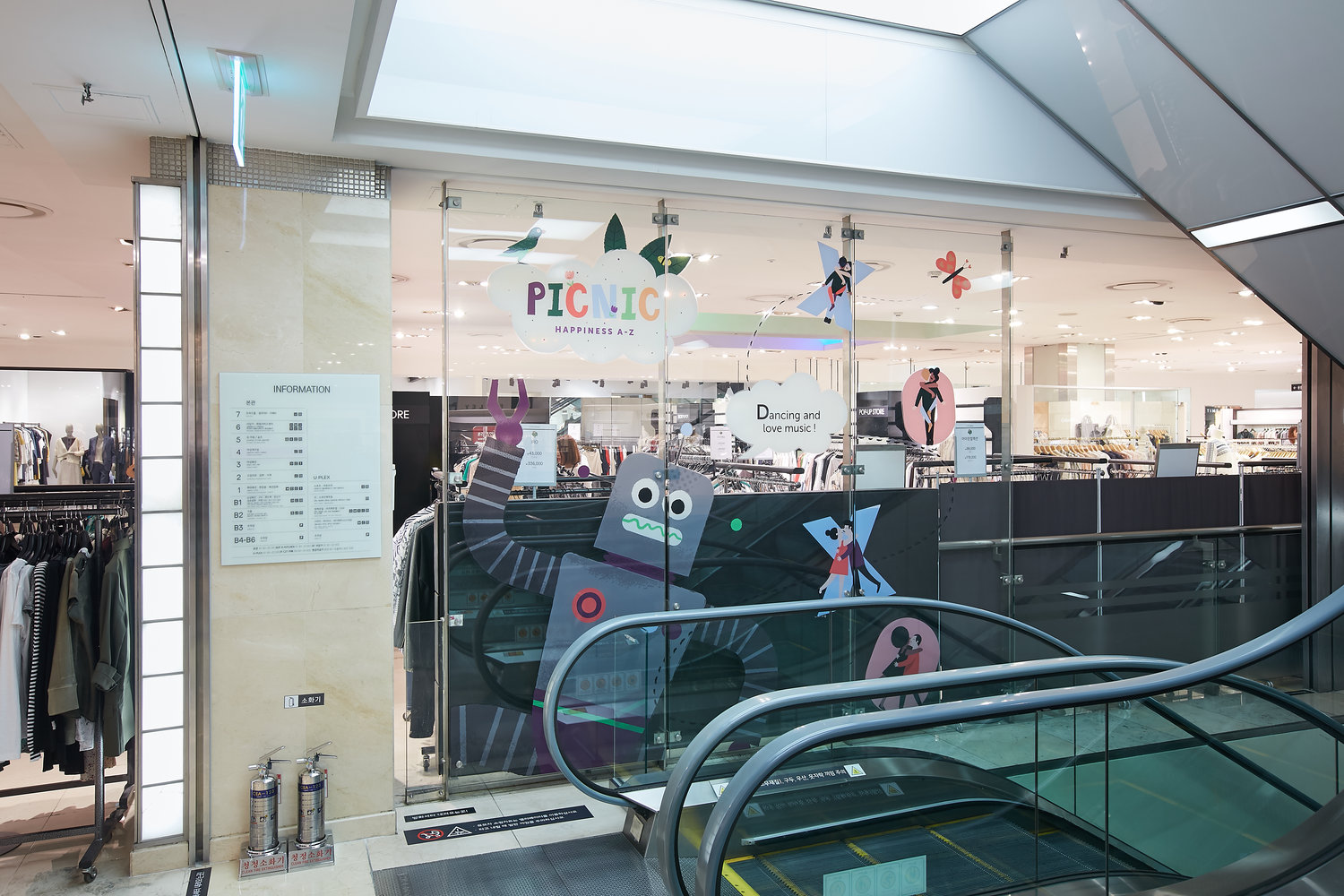
  • Saucony opens first store in Shanghai

    Saucony opens first store in Shanghai

    Heritage running shoe brand Saucony has opened its first store in Shanghai at Super Brand Mall.

    The company says the opening represents an important milestone in the brand’s development in China.

    The 122-year-old brand is actively expanding its Chinese retail network by entering major cities in order to cater to burgeoning demand from the country’s growing elite class.

    The start of business also marks a transition in Saucony’s marketing strategy from online stores to physical stores in the market, while raising awareness of the brand’s shoes and apparel in China. The company intends to follow through with more brick-and-mortar stores in other Chinese cities.

    The store was launched by management from Saucony and its local partner Xtep.

  • Liverpool FC opens E-commerce platform in Japan

    Liverpool FC opens E-commerce platform in Japan

    Liverpool FC has partnered with soccer shop Kamo to launch its first online store in Japan.

    The Liverpool FC online store offers a wide range of replica kits and the brand’s authentic merchandise, apparel and fashion accessories, including the exclusive Hello Kitty x LFC Collection.

    “As a key player in the football and sports-retail industry, we know this store has been a long time coming for Liverpool FC fans here,” said Ken Kamo, president of Kamo.

    “We’re looking forward to working together to bring supporters here closer to the club they love.”

    Launched in 1968 as a small football shop, Kamo operates 23 brick-and-mortar stores and an e-commerce site, offering a selection of sport brands including Puma, New Balance and Adidas.

    Senior VP at Liverpool Football Club Mike Cox, said: “I’ve been able to see first-hand how passionate our fanbase is here and as one of the world’s premier shopping destinations, it’s an exciting opportunity for the club to connect with supporters in the region.”

  • 4 Reasons to Consider CFD Trading

    4 Reasons to Consider CFD Trading

    Are you sitting at home wondering if this pandemic is ever going to get end? You’re not alone. There are millions around the world wondering the same thing.

    While this may seem like a dark time, for investors, it’s a fertile playground. As stock and shares rise and fall by the day, predictions about good investments seem to be sketchy at best, but there is hope.

    A Light in the Storm

    Consider that, right now, the travel industry is at a standstill. We know this won’t be the case forever: if travel companies can weather this storm, we’re sure to see a resurgence in travel (and a rise in travel shares) in the next few months and years. This could be a fantastic way to enter trading; however, if traditional investing doesn’t seem like your thing, then there are alternatives out there.

    CFD trading could be a great avenue to venture down instead. CFD trading is a popular way of speculating on the global financial market, including things like treasuries, commodities, indices, and currencies. 

    One of the biggest bonuses of CFD trading is that you’re not buying any assets, so you won’t be responsible for commodities or physical shares in a business.

    Reasons to CFD Trade

    Due to the fact that CFD trading is done on leverage, it’s a compelling option for many traders, especially those looking to get into trading for the first time. 

    There can be larger gains for smaller investments when doing CFD trading, and these can happen over a shorter period of time when compared to traditional stock market investing, making them a very attractive and popular choice for many.

    Do you need some more convincing? Here are a few reasons why you should consider jumping in with CFD trading.

    Flexibility

    CFD trading is done on a contract to exchange the difference in price between your opening position and your closing position. This allows you to trade on both a rising and a falling market, meaning you can choose the best time to buy or sell. In other words, this is a much more flexible option than traditional trading. However, it’s always worth going with a professional trading investment provider on this one to ensure you’re getting the most out of your investment.

    Market Diversity

    Have you always dreamed of being part of a diverse market? With CFDs, this is a huge possibility; in fact, there are over 16,000 markets that you can trade in. All kinds of options can be found, including indices, cryptocurrencies, commodities, and more.

    As an added bonus, CFDs allow you to trade outside market hours. This means you could have your finger on the pulse and take full advantage of the natural fluctuations that happen out of hours.

    Hedging Your Bets

    The flexibility of CFDs means you can hedge your bets on how the market may change. If you would like to stay in a certain market, but you can foresee a dip, CFDs will allow you to offset the dip against the future profits you hope to make.
  • Two-Thirds of Singaporeans Lack Savings to Maintain Lifestyle

    Two-Thirds of Singaporeans Lack Savings to Maintain Lifestyle

    Two in three working Singaporeans lack the savings to last beyond six months without compromising their existing lifestyles should they lose their jobs now, according to a recent survey by OCBC.

    Around half of the respondents already claimed to have suffered wage cuts, prescribed no-pay leaves or reduction of commission-based earnings. More than half the respondents saw their savings shrink with just 20 percent able to maintain the same savings levels.

    Around 55 percent of respondents said they were worried about their current income and job security with 38 percent saying this would persist through to December.

    As a result of the financially troubling drivers fuelled by the coronavirus pandemic, many have also had to make adjustments to their financial plans.

    23 percent of those in their 20s who are invested in financial plans have indicated that they allocated more money to retirement. Two in five also plan to downsize their portfolios with around 16 percent seeking to cut investments by more than 20 percent.

    It is encouraging that some are doing the right thing to boost their financial health, by continuing to save, spending prudently and making sound investments, according to their risk appetite and financial circumstances, Tan Siew Lee, head of wealth management head at OCBC. But we also hope that those who are cutting back on these aspects, which are crucial to building a nest egg for retirement, will not despair.

  • Taiwan’s Eslite to make Southeast Asian debut in Malaysia

    Taiwan’s Eslite to make Southeast Asian debut in Malaysia

    Taiwanese bookstore chain Eslite is preparing to launch in Kuala Lumpur.

    Although final details have yet to be released, the new 3300–6600sqm store will likely trade in downtown Kuala Lumpur. The opening, scheduled for next year and potentially delayed due to Covid-19 concerns, will see Taiwan’s largest bookseller opening its first store in Malaysia. Earlier reports have suggested the firm has been seeking a partner in the territory for some time.

    The 30-year-old chain is well known for its unique fusion retail business model as a bookstore, mall and cultural creative platform. It operates 48 stores in Taiwan as well as overseas outlets in Hong Kong, Mainland China and Japan. The Malaysian store will be the first Eslite outlet in Southeast Asia.

    Despite the expansion, Eslite’s business has struggled in its home territory, prompting a series of high-profile store closures, including its flagship location in Dunnan where it famously traded 24 hours.

  • Hidden code suggests a change in how Netflix will handle downloaded content on Android

    Hidden code suggests a change in how Netflix will handle downloaded content on Android

    Are you old enough to remember when Netflix’s business model revolved around subscribers receiving CDs by mail? The company’s hook was that it didn’t charge a late fee. And once smartphones started to rule the world, the Netflix app allowed mobile users to view movies and shows on the go. We can fondly remember installing the app on our Motorola DROID back in May 2011.

    By December 2016, Netflix started to allow both iOS and Android users to download certain shows and movies on their mobile devices so that they could be viewed later when the user is offline. This will also allow a Netflix user to download some content that he or she wants to view in Airplane Mode while traveling. There is one downside to downloading Netflix content; if you don’t complete downloading the entire video, it cannot be played. Eventually, when everyone is rocking a 5G phone, this won’t happen since downloading content would take no longer than a few seconds. But for now, such an activity can take several minutes over a 4G LTE network.

    If you’ve decided not to invest in a 5G phone yet, there could be some good news anyway. XDA found some hidden code in the latest version of the Netflix app (version 7.58.0) which suggests that a change is coming. The strings of code found by XDA suggest that Netflix will give users the ability to watch downloaded content even if it has been only partially downloaded. This will allow Netflix subscribers who run out of data or who can’t access their network for some reason in the middle of downloading content, to view at least the part of the movie or TV show they were able to install.

    We don’t know when or even if- this feature will be rolling out to Netflix users, but if it is and it will make your life easier, we know exactly whom to thank. Back in February, a Twitter user named Sanjay Pahuja (@sanjay31051986) suggested to Netflix that the video streamer allow content partially downloaded to be viewable by users. Netflix said that it would take the suggestion under consideration. Now it appears that the company has done more than just that and that the ability to view partially downloaded content is on the way.

    If you don’t have Netflix on your mobile device, you can find the app in both the App Store for iOS users and the Google Play Store for those with an Android device. After a free month of service, Netflix will cost you $8.99 per month for the Basic service that allows you to stream on one screen at a time. The Standard subscription costs $12.99 per month and offers streams to be viewed in HD with two screens able to use the subscription at the same time. For $15.99 per month, the Premium service allows streams to be viewed in HD and Ultra-HD with four screens able to view Netflix at the same time.

    Netflix has released some red hot original series and the second half of the fifth and final season of Fuller House will drop on June 2nd. This series is the sequel to ABC’s popular Full House which ran from 1987-1995 and put the Olson twins on the map. Ryan Murphy’s controversial eight-episode Hollywood series is a fictionalized look at Tinseltown using real-life characters. If you’ve ever watched one of Murphy’s shows, you know what to expect so you know not to let the kiddies view this. But if you’re like many, Hollywood is like a book that you just can’t put down and many have binge-watched the series in one night. The ensemble cast includes Big Bang Theory’s Jim Parsons and Patti Lupone (Evita). And if you’re in the mood for a dark comedy, the second season of Dead to Me is now available. Starring Christina Applegate (Kelly Bundy from Married with Children) and Linda Cardellini (ER), this is another Netflix original that you can’t get enough of.

  • TUMI and ONE Championship to Design and Launch the  Ultimate Luxury Esports Gaming Bag

    TUMI and ONE Championship to Design and Launch the Ultimate Luxury Esports Gaming Bag

    The largest global sports media property in Asian history, ONE Championship™ (ONE), today announced that their existing commercial partnership with TUMI across ONE’s esports and martial arts properties will include a expand special branded challenge during season one of The Apprentice: ONE Championship Edition that will deliver the perfect companion for esports athletes – the ultimate luxury gaming bag.

    Together with ONE Esports, TUMI’s global design team will challenge the show’s contestants to help design, market, and launch the ultimate luxury gaming bag in an episode of the series. To bring the bag to life, contestants on The Apprentice: ONE Championship Edition will work with TUMI to leverage the brand’s innovative functionality, superior performance and premium design to create a product that is perfectly catered to the needs of gamers on the go. TUMI and ONE Championship will also partner on additional marketing efforts to promote this new initiative, which will eventually be sold to the public.

    Victor Sanz, TUMI Creative Director, stated: “We are excited to partner with ONE Championship on ‘The Apprentice: ONE Championship Edition.’ We look forward to seeing the innovative designs and out-of-the-box marketing launch plans the contestants come up with to elevate the journeys of gamers around the world.”

    Carlos Alimurung, CEO of ONE Esports, stated: “Given ONE’s global reach and our millennial audience who drive the gaming market, we are excited to support TUMI’s entrance into the gaming world. We are thrilled to use “The Apprentice: ONE Championship Edition” to facilitate cutting-edge innovation and work with TUMI to bring a compelling product to the market that will strongly resonate with esports athletes”

    Under license from MGM Television, ONE Championship’s unique take on the hit reality television franchise is scheduled for release and distribution in Q4 of 2020.

    The Apprentice: ONE Championship Edition will invite sixteen (16) contestants handpicked from around the world to compete in a high-stakes game of business and physical challenges. The winner will receive a US$250,000 job offer to work directly under Chairman and CEO Chatri Sityodtong for a year as his protege in Singapore.  In addition, a total of 12 of the world’s top CEOs (1 CEO per episode) will be featured as guest judges alongside Sityodtong. The business competitions will focus on a variety of real-world problems and industries. Meanwhile, the physical challenges will be graced by the World Champions from ONE Championship, where contestants will aim to outshine them in feats of athletic ability and endurance.

    ‘The Apprentice’ is one of the world’s biggest non-scripted reality TV programs in history and judges the business skills of a group of contestants competing for a job offer from a high-profile CEO. It has aired in over 120 countries. The first season of The Apprentice: ONE Championship Edition will consist of 13 episodes.

  • South Korea introducing disposable cup deposits

    South Korea introducing disposable cup deposits

    South Korea is set to introduce disposable cup deposits at coffee shops and fast-food outlets, starting 2022, in its latest efforts to cut carbon emissions.

    Under a set of bills approved in Parliament this week, businesses will factor the deposits into prices and refund the amount when customers return used disposable cups. It usually takes from six months to two years for passed bills to go into effect.

    The country’s environment ministry said it plans to set the value of disposable cup deposits based on manufacturing costs and policy needs.

    The ministry expects the policy to help reduce carbon emissions by 66 percent by boosting recycling and cutting costs related to waste incineration.

    It estimated the economic benefits coming from the plan would total 44.5 billion won (US$36.2 million) each year.

    The ministry also plans to minimise the inconvenience by allowing consumers to return the cups anywhere (ie: not from where the cup was purchased) through talks with relevant industries.

  • Failing Hong Kong department-store group Sincere receives $500m takeover bid

    Failing Hong Kong department-store group Sincere receives $500m takeover bid

    Shenzhen electronics company Realord Asia Pacific has lodged a HK$500 million (US$64.5 million) takeover bid for failing Hong Kong department store group Sincere.

    Realord has conditionally agreed to acquire the majority 50.4 percent stake in the retailer owned by Win Dynamic and a further 19.8 percent interest held by companies linked to Sincere. Now it has made a condition bid to acquire the balance for up to $140 million, representing a 9 percent premium on the price the company’s shares traded at last on May 5.

    Sincere, founded in 1919, has five department stores in Hong Kong, the largest of which, on Nathan Road in Kowloon, is just 31,000sqft. It recorded a loss of $130 million last year and has already flagged an even higher loss for the current year, some 10 to 15 percent worse. That will mark the eighth consecutive annual loss for the company which was already in dire straits before the coronavirus hit.

    Sales last year from five stores reached just $310 million and it has closed two outlets since 2013.

    Realord is owned by Shenzhen entrepreneur Bryan Lin Xiaohui and produces smartphones and electronics, including flatscreen monitors. The company had already loaned $80 million to the department-store group in April to allow it to continue trading.

    Analysts suggest that Realord sees acquiring Sincere as an opportunity to gain a Hong Kong listing and expertise to help it roll out department stores on the mainland – although it is difficult to understand the positive role model of a company that has traded at a loss for so long.

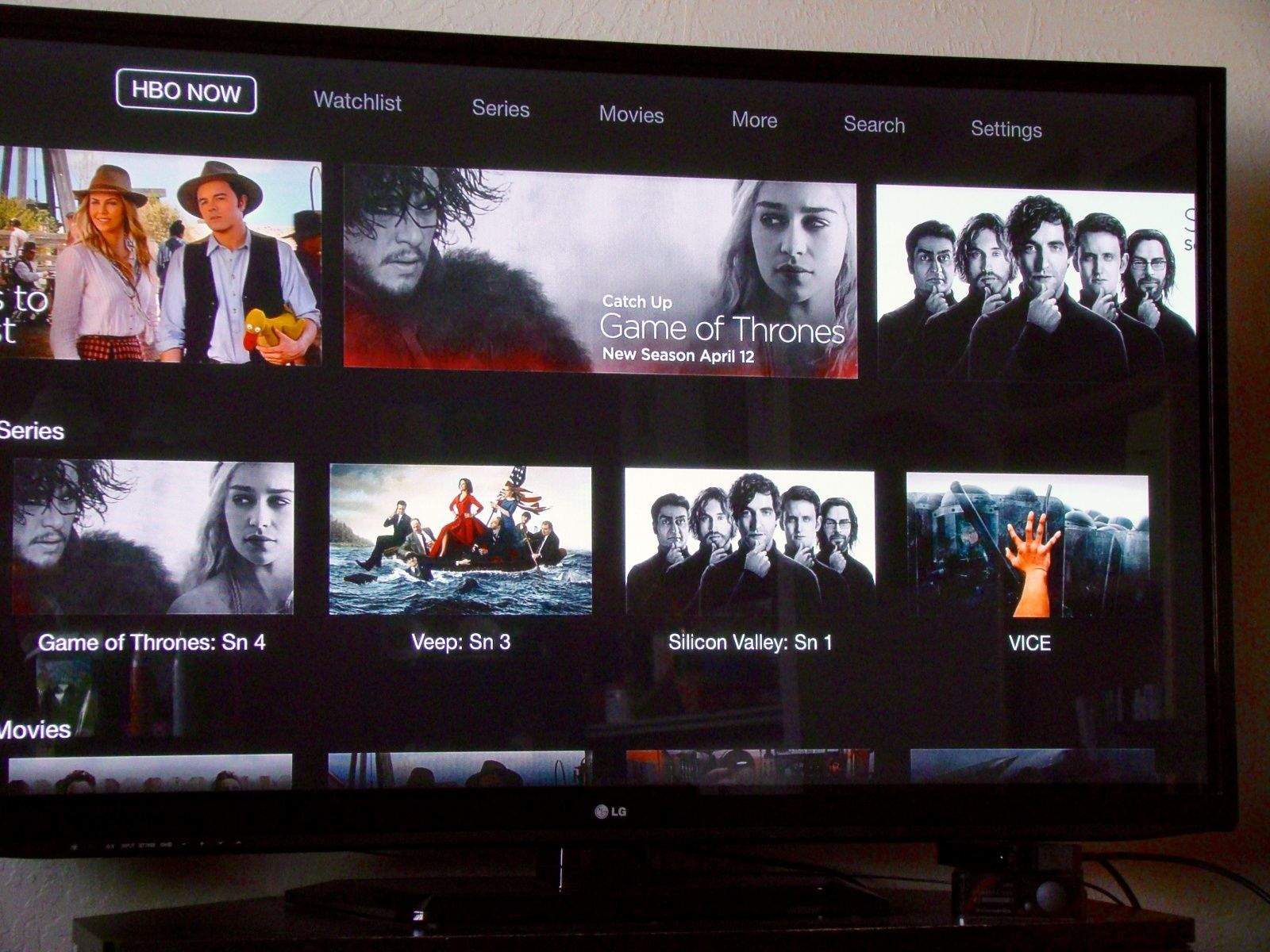
  • HBO Now waves goodbye to older Apple TVs

    HBO Now waves goodbye to older Apple TVs

    The HBO Now app waves goodbye to 2nd- and 3rd-gen Apple TVs. The company has removed the app from the devices above after extending the deadline for two additional weeks. Initially, the deadline was set for the end of April, but after complaints from users, the date was pushed back to May 15.

    Third-gen Apple TVs launched eight years ago, and HBO thinks it’s time for an upgrade. However, people don’t buy set boxes as frequently as other gadgets (mobile phones, for example), and many of them are still using these older Apple TV models. The timing is not perfect either – there are rumors of a tvOS hardware refresh later this year, so don’t rush to the stores yet.

    HBO Go will have to go, too – it will be available for a couple more months and then follow HBO Now’s fate. The upcoming HBO Max streaming service will also be supported on the 4th-gen and later Apple TVs. All in all, everything points toward an upgrade, but if new hardware is in the pipeline, a little patience can be a wiser choice.

  • Steelcase launches its first online store in Hong Kong and Singapore

    Steelcase launches its first online store in Hong Kong and Singapore

    US office furniture company Steelcase has launched online stores in Hong Kong and Singapore.

    The Steelcase online stores offer a wide range of office chairs, desks and accessories to help people working remotely adapt their homes for work, such as personal tables that slide in over a sofa to add a work surface.

    As many workers have to work from home during the Covid-19 pandemic, the demand for improving their working space has significantly increased. “As we worked to equip their remote teams, we saw an opportunity to make some of our products available to individuals, to improve their work-from-home experience,” said Samantha Giam, director of product marketing at Steelcase Asia Pacific.

    “We wanted to provide a simple way for our customers to access the most ergonomic products and will explore opportunities for further online stores in other cities across the region”, said Maria Bourke, communications director at Steelcase Asia Pacific.

    Founded in 1912, the US-based furniture company is globally accessible through a network of channels, including more than 800 retail dealer locations.

  • Lego boosts its China cred with first locally inspired theme Monkie Kid

    Lego boosts its China cred with first locally inspired theme Monkie Kid

    Danish toy brand Lego has launched Lego Monkie Kid, its first Chinese-inspired theme to boost its engagement with Asian customers.

    Inspired by the famous Monkey King from the 500-year-old Chinese novel ‘Journey to the West’, Lego’s Monkie Kid is the brand’s first theme to embrace Chinese stories known by many families across Asia.

    Lego Monkie Kid, the untold chapter of the Monkey King, includes eight sets with multiple characters, vehicles and hidden features.

    “I have been touched and inspired by China’s rich history and culture, the passion and pride of the people and the incredible creativity of China,” said Simon Lucas, senior design director at Lego.

    “It has been an honor and privilege to be able to immerse me in China’s culture of storytelling, in particular – Journey to the West and the Monkey King. The epic stories and incredible characters have been a huge inspiration to the Lego design team and me.”

    The Lego Monkie Kid launch is a part of the company’s plan to boost its China presence as the company has seen the potential of this market. In the last three months, Lego has opened stores in Mainland China and Hong Kong despite the unstable situation of Covid-19 pandemic.

  • YouTube was briefly down across the globe

    YouTube was briefly down across the globe

    Millions of users felt their hearts skipping a beat yesterday as YouTube experienced a major blackout. A glance at downdetector.com shows the problem was global and lasted for about an hour for some users.

    Reports started piling up on Twitter yesterday at around 8 p.m. CDT, complaining of disappearing videos and YouTube showing only ads. Most people lost the connection to YouTube servers altogether. The outage affected YouTube Premium users, too.

    There’s no official statement from YouTube regarding the issue, so the reasons behind the outage remain a mystery. At the moment, the service seems to be fully operational. Were you affected by the temporary outage?

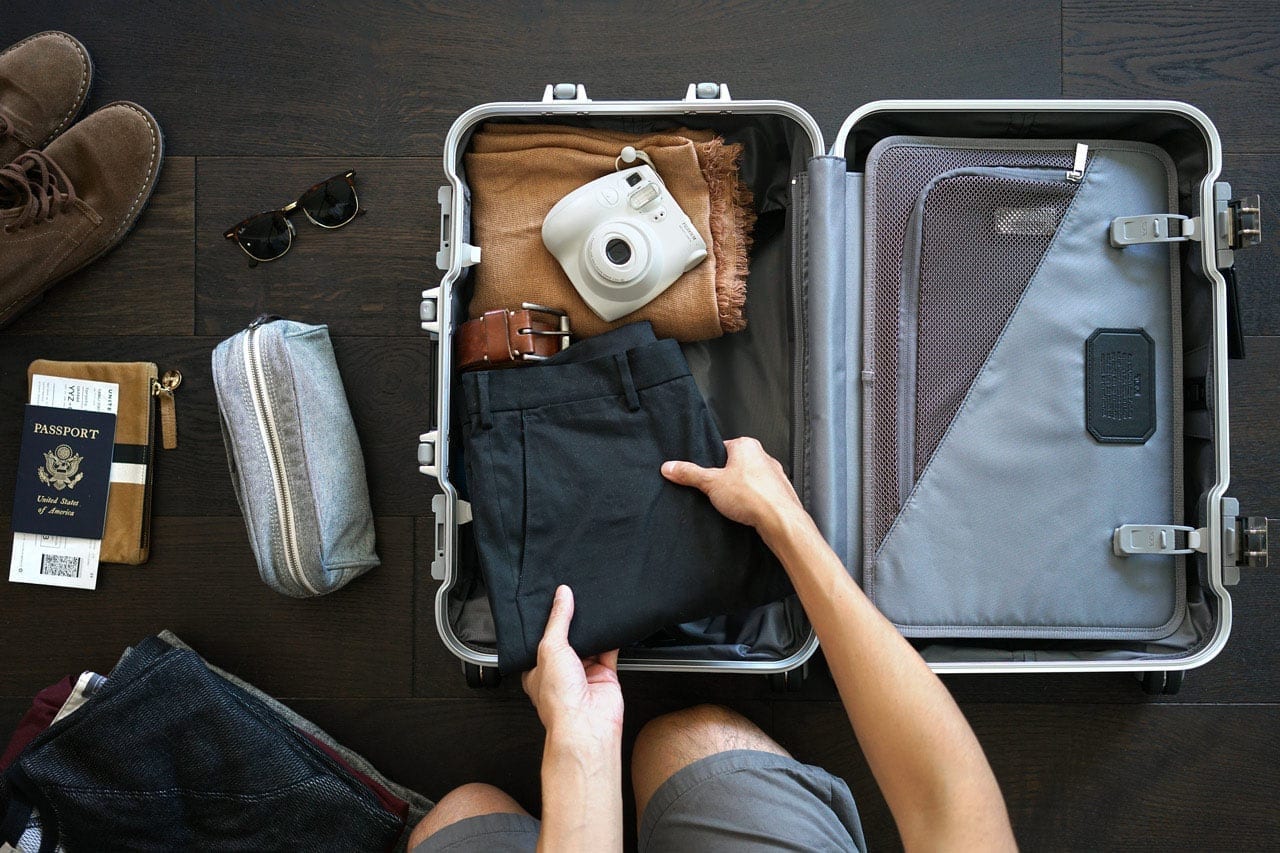
  • Samsonite sales down with 80 percent as travel all but halts

    Samsonite sales down with 80 percent as travel all but halts

    With global travel now all but shut down, luggage-retailing goliath Samsonite is facing unprecedented challenges, with net global sales plunging by 80 percent last month.

    But its CEO Kyle Gendreau remains resolutely positive about its future fortunes when the impact of Covid-19 lessens.

    The group recorded year-on-year net sales decreases of 8.2 percent, 14.9 percent, and 55 percent respectively in January, February, and March as all around the world airlines grounded fleets and countries closed their borders to contain the spread of the coronavirus. Then came April’s 80-per-cent fall.

    The company has secured a US$600 million term loan this month, which it expects when added to its existing cash reserves of $1.2 billion, will help it ride out the “near-complete halt in travel and tourism worldwide,” said Gendreau.

    “This substantial liquidity position, along with the aggressive cost-reduction initiatives as well as other actions to preserve cash that we have implemented and will continue to pursue, will provide us with sufficient capacity to navigate the current headwinds from the Covid-19 pandemic as well as a prolonged downturn,” said Gendreau.

    “While our company-operated retail stores in certain markets in Asia and throughout Europe, North America and Latin America remain temporarily closed, daily activities have begun to slowly return to normal in some markets, most notably China, and we are hopeful that other markets will follow in the coming months.”

    Samsonite sales globally decreased by US$230.8 million, or 26.1 percent year-on-year during the first three months of this calendar year, to US$601.2 million. Sales across Asia fell by 32.7 percent. But the impact worsened substantially in April, the first month of the group’s final reporting quarter.

    While distribution costs fell along with falling sales, the company has been forced to lay off staff and is also seeking rent reductions from landlords.

    “We have aggressively implemented cost-reduction initiatives across all regions and all levels of our business, including headcount reductions, salary reductions and furloughs, temporary and permanent store closures, elimination of discretionary spending, and significant reductions in capital expenditures and marketing spend,” he said.

    “Historically, travel and tourism have recovered quickly from past downturns, and with people around the world placing a high value on life experiences, we are optimistic about the long-term growth prospects for travel and tourism and by extension the bags and luggage industry.

    “We are confident Samsonite will emerge from the current challenges in a strong position to capitalize on future growth opportunities, as we continue our journey to become the most sustainable lifestyle bag and travel luggage company in the world.”